1/2
Electric vs water underfloor heating: installation, efficiency and user reviews compared
Underfloor heating offers an efficient method for warming a home and provides the luxury of heated floors, with two primary system types available: electric and water. Each system presents distinct advantages and disadvantages, particularly concerning installation complexity, running costs, and overall efficiency, making an informed choice critical for homeowners.
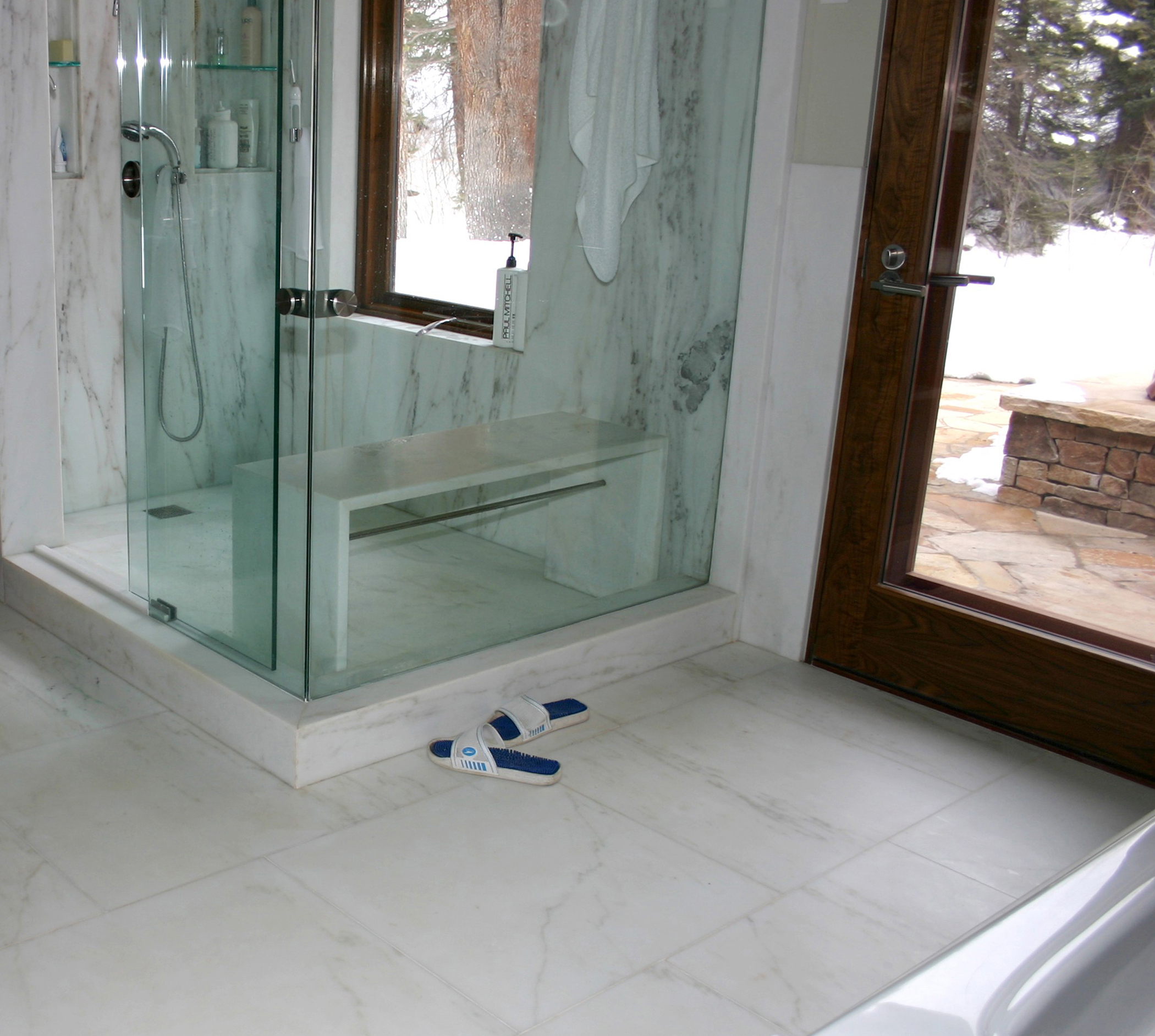
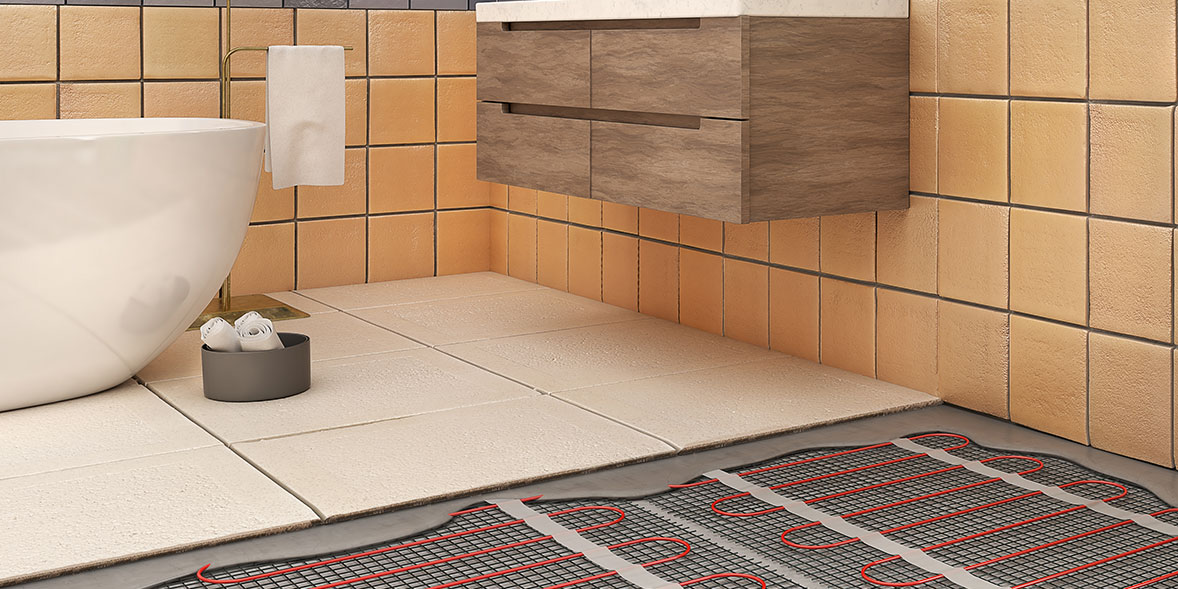
Electric underfloor heating systems consist of a long wire coiled beneath the floor, connected to the main electricity supply. When activated, the wire heats up, warming the floor and the room's air. While less disruptive to install, often allowing for retrofitting without extensive floor removal, electric systems are generally more expensive to run due to the higher cost of electricity compared to gas. They are typically chosen for single rooms, such as bathrooms, where their quicker warm-up time of 30-90 minutes can be beneficial. Installation involves laying insulation, positioning and taping down the wires, and potentially applying a self-levelling compound. A qualified electrician is always required for connecting the system and installing the thermostat.
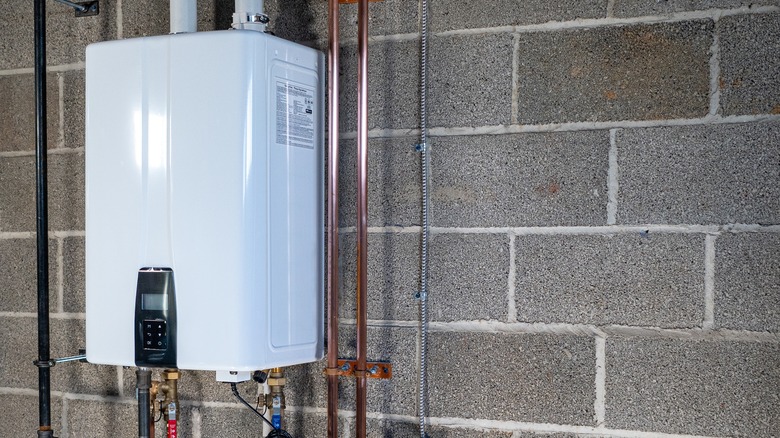
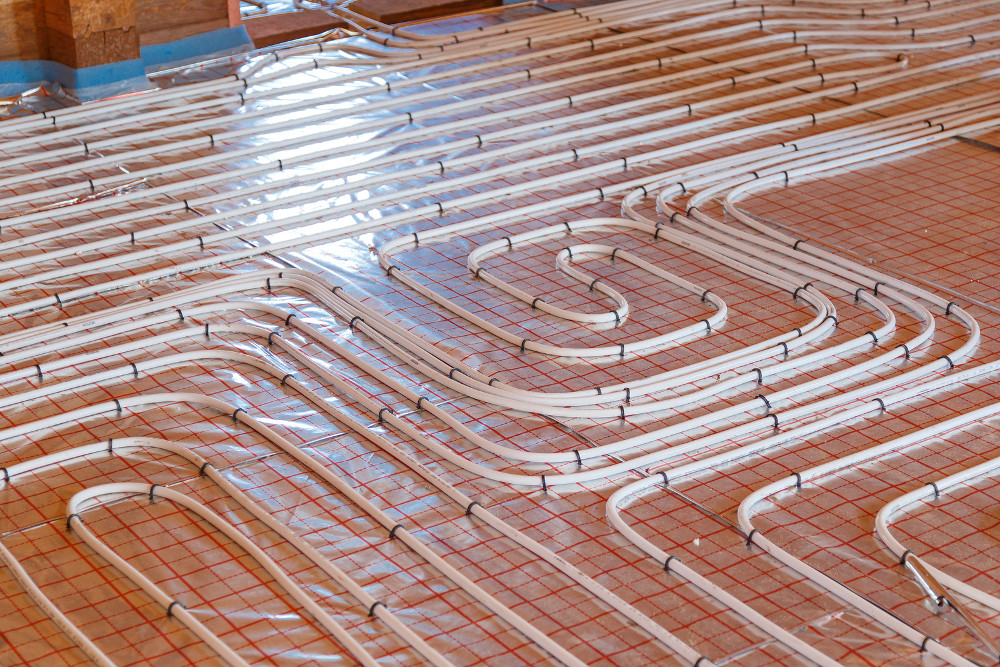
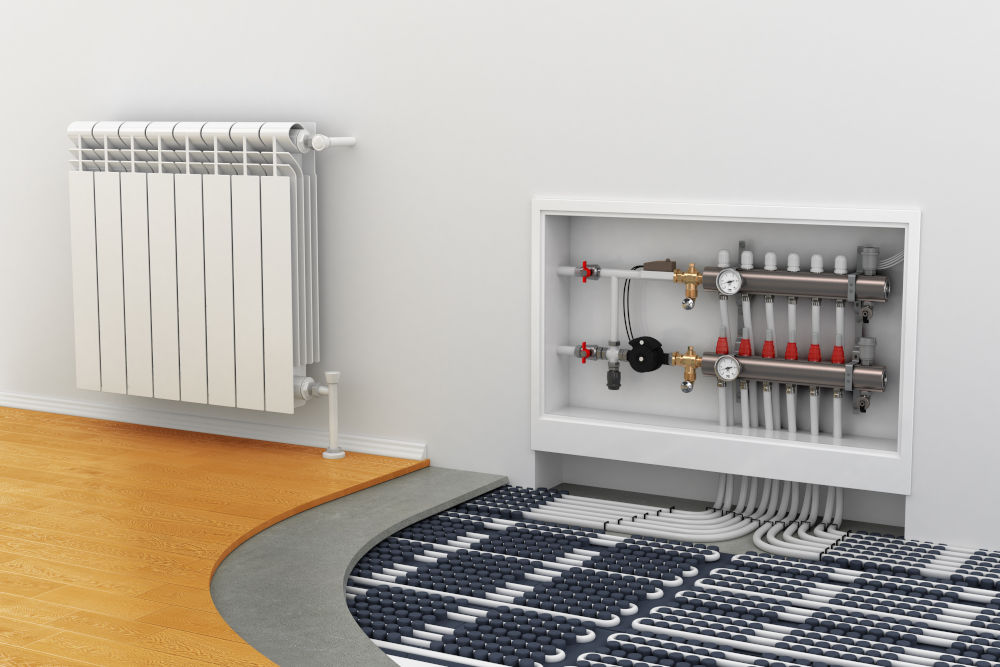
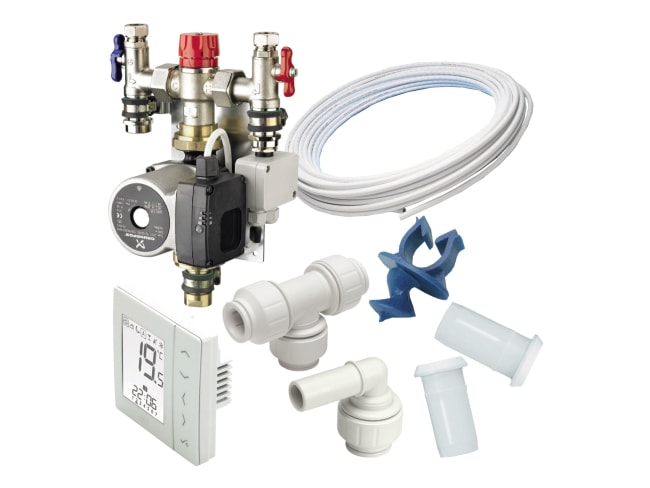
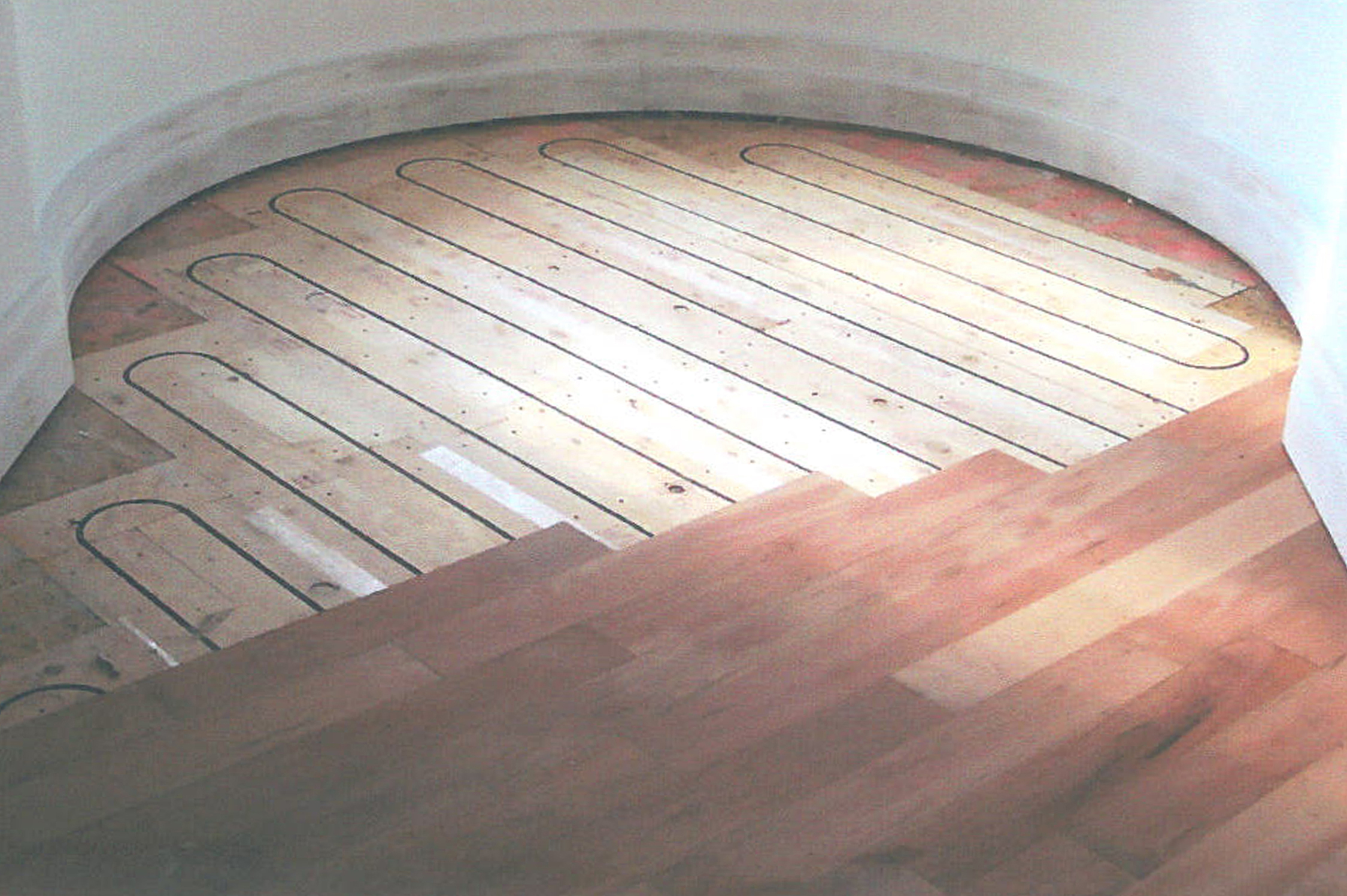
Water underfloor heating, conversely, uses a network of pipes circulating warm water, usually connected to a boiler, or optionally to more sustainable sources like solar water-heating systems or heat pumps. This system is similar in principle to radiators but operates at lower water temperatures (around 35°C compared to 55-65°C for radiators) because it covers a larger surface area, making it more cost-efficient for heating multiple rooms or an entire floor during renovations. Installation is more complex and disruptive, typically requiring the pipes to be laid into the subfloor by professionals, followed by connection to a manifold, the heating system, and a thermostat, often with insulating screed applied on top. Water systems are more expensive to install initially but offer significantly lower running costs, with annual costs for a 10m2 room potentially as low as £45, compared to an estimated £33 a month for electric systems used three hours a day. However, they have a longer warm-up time, usually 2-4 hours.
Both systems' efficiency and running costs are influenced by factors such as the home's insulation, the heated area's size, system usage duration, and energy tariffs. Thicker flooring materials, like carpet, necessitate higher operating temperatures, reducing efficiency. While electric systems are typically less bulky (25mm insulation and 4-5mm wire) and can be retrofitted more easily, water systems are considerably thicker (around 130mm) and are best integrated during major renovations. It is not advisable to use electric underfloor heating with solid wood floors due to the risk of warping, but engineered wood is suitable.
User reviews from a May 2024 survey indicated varied satisfaction levels, with both electric and water underfloor heating users reporting advantages and disadvantages. Timers were highly recommended for both systems. Homeowners considering water underfloor heating should have their existing boiler assessed by a professional to ensure compatibility, as adjustments may be needed.
Overall, the decision between electric and water underfloor heating hinges on balancing upfront installation costs, long-term running expenses, the scale of the heating project, and the specific characteristics of the home and its flooring materials.
#UnderfloorHeating #ElectricHeating #WaterHeating #HomeImprovements #EnergyEfficiency #InstallationCosts #RunningCosts #HomeRenovation #HeatingSystems #UnderfloorHeating #ElectricHeating #WaterHeating #HomeImprovements #EnergyEfficiency #InstallationCosts #RunningCosts #HomeRenovation #HeatingSystems
0개의 댓글이 총 표시됩니다.
 아직 댓글이 없습니다
추가로 마음에 드릴 만한 콘텐츠
10 tips for using underfloor heating in a bathroom
3 reasons I regret not putting underfloor heating in my home office – it’s definitely moving up my priority list
Electric Central Heating

Five underfloor heating myths debunked
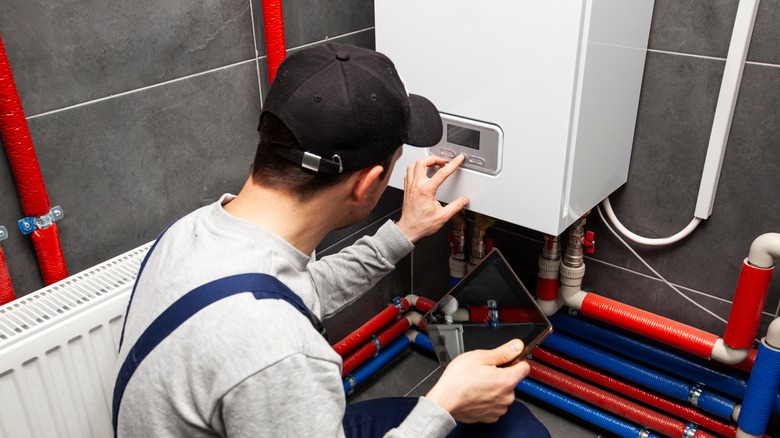
How Much Should You Spend On A New Electric Water Heater?

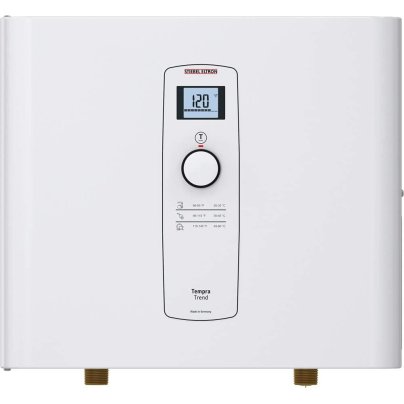
We Vetted The 8 Best Electric Tankless Water Heaters to Save Space and Cut Costs

How to retrofit underfloor heating – a complete guide

What Do a National Lab, a Home Builder, and an Elephant Have in Common?

Why electric underfloor heating is gaining popularity in high-end interiors in 2025

Underfloor heating pros and cons
Today's Water Heaters Aren't Built Like They Once Were—They're Better

The electric heaters to avoid buying
Underfloor Heating

How To Install An Electric Water Heater
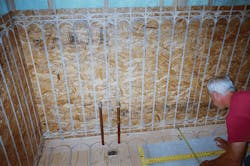
Hydronic radiant wall heating, still the greatest trade secret in the U.S.

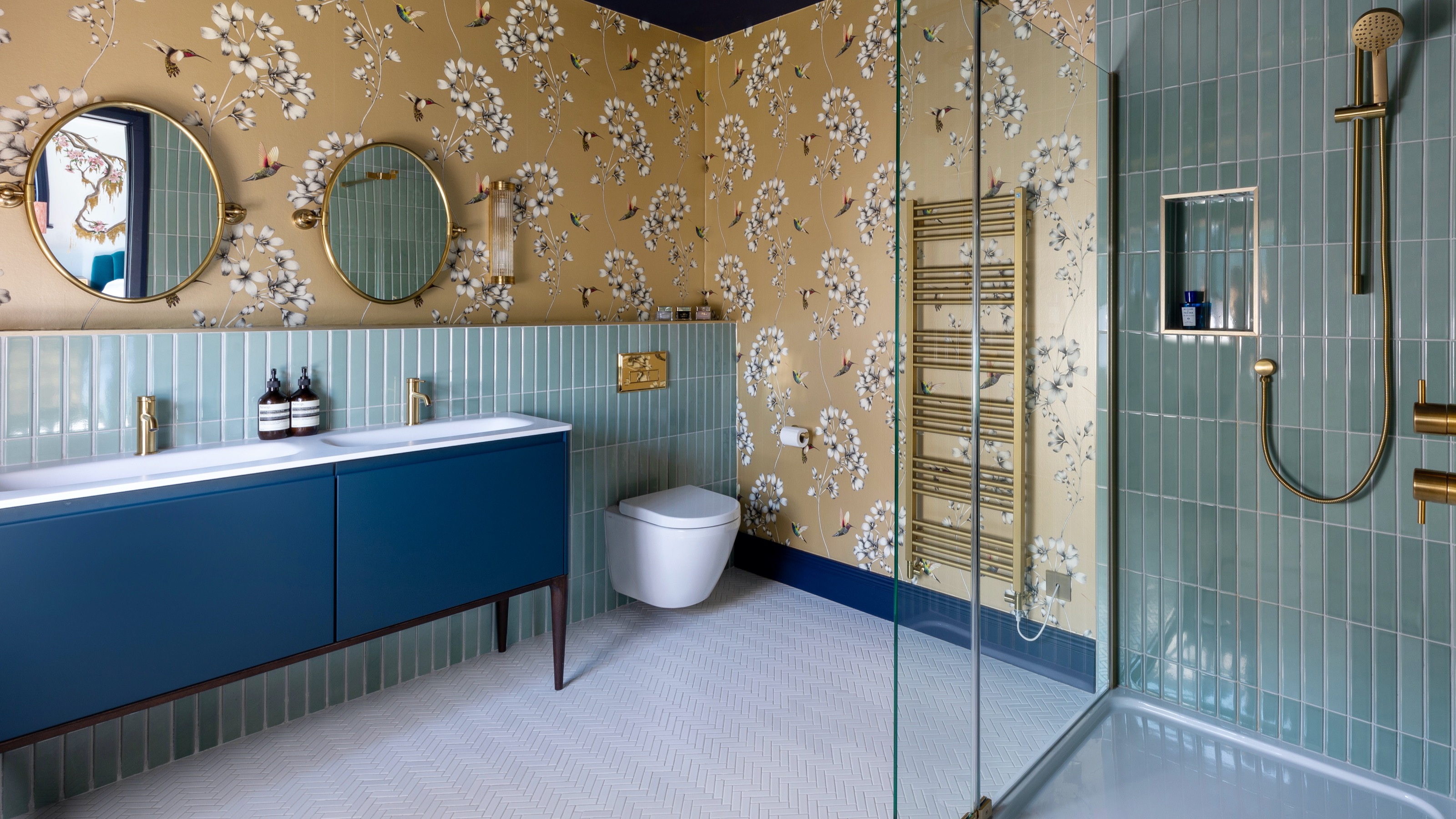
5 bathroom heating options, and our expert advice on which is best for you

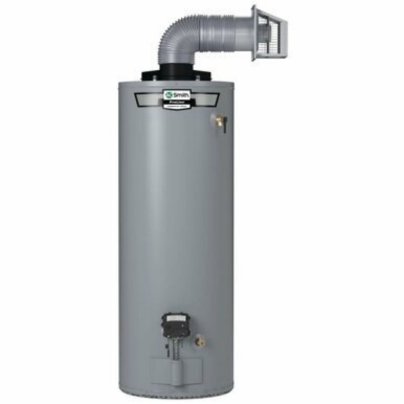
The 9 Best Water Heaters for Efficiency and Performance

Radiant heat can be used indoors or outside
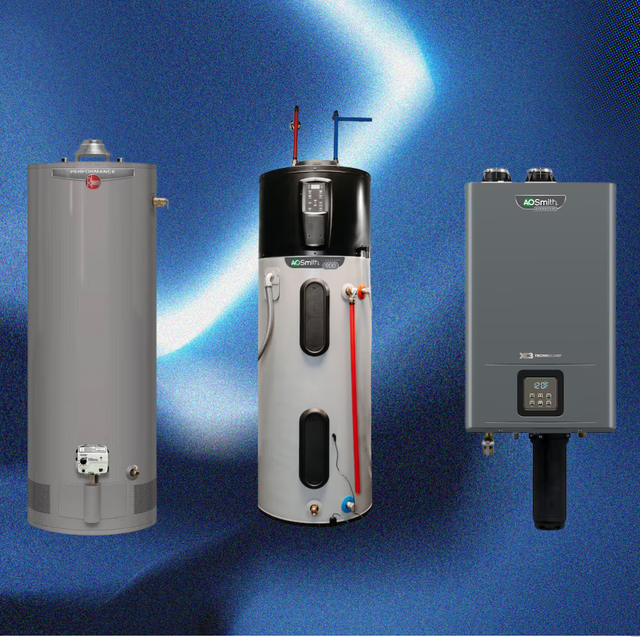
The Most Reliable Water Heaters You Can Buy, According to Testing

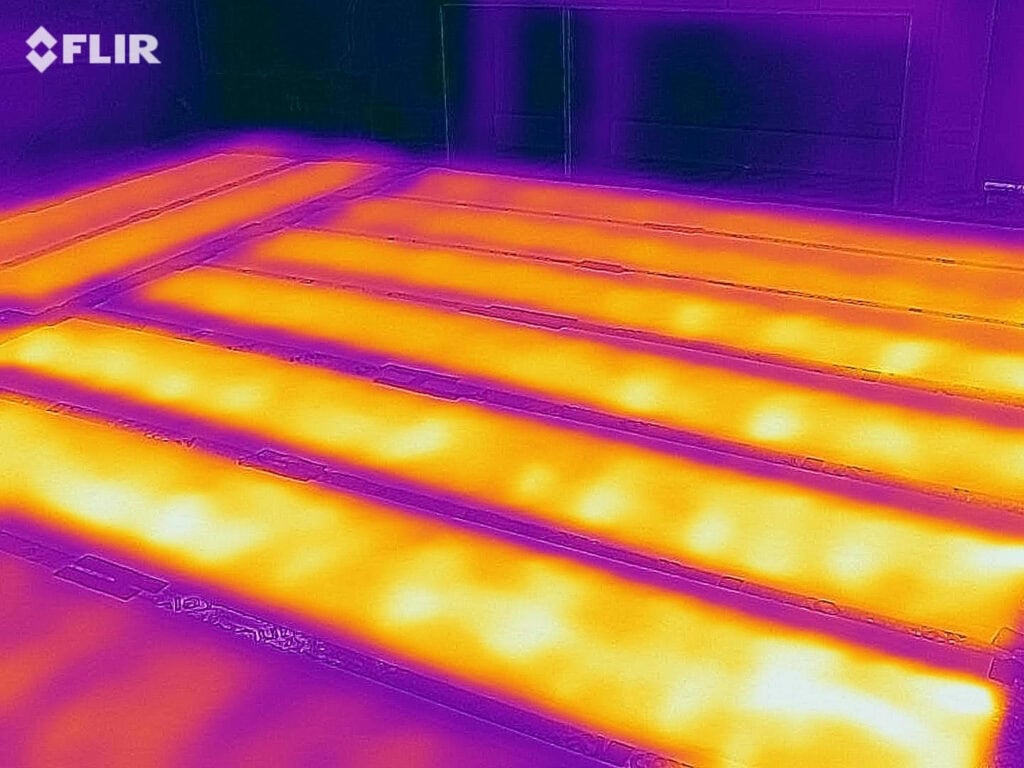
Simple and efficient underfloor heating system