Buying house with loft conversion – 2 or 3 bed?
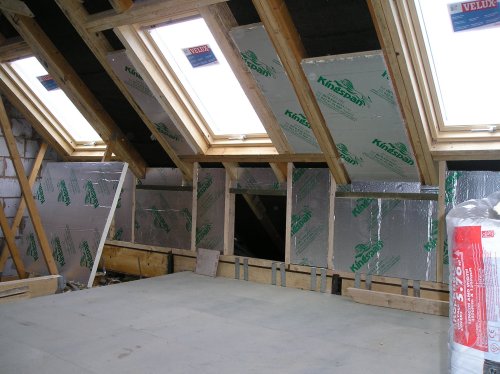
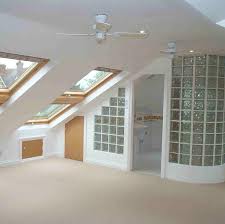
A prospective homebuyer in Manchester seeks advice regarding a property advertised as a three-bedroom house, where the third bedroom is a loft conversion without official documentation. The buyer, Kashif, has made an accepted offer and engaged a conveyancer, but has not yet committed financially. The seller, who inherited the property through probate in 1995, has no records of planning permissions or council approvals for the loft conversion, nor the date of its completion. The property agent confirmed it is officially a two-bedroom house, despite advertising it as a three-bedroom. Kashif is concerned about potential future issues when reselling the house and seeks legal guidance on how to mitigate risks from the council or building regulations department.
Responses from the community highlight common problems associated with undocumented loft conversions. One commenter, Dylan Morris, states that without planning permission and building regulations approval, the space cannot be legally classified as a third bedroom. If rented out, it should not be used as a bedroom. Morris suggests contacting the local authority for potential retrospective permission and advises valuing the house as a two-bedroom property with a storage area, adjusting the purchase price accordingly. The commenter also foresees difficulties in reselling the house as a three-bedroom without the necessary paperwork.
Another commenter, acctsol, suggests that the lack of documentation could be a bargaining chip to negotiate a lower price. This commenter advises a building surveyor to assess the structural soundness and compliance with building regulations. They also mention the option of obtaining a certificate of lawfulness from the council, without which a future buyer would face the same dilemmas. Acctsol suggests that indemnity insurance, costing under £50, could be an option, or buying through a mortgage to ensure the property is mortgageable, as these issues typically surface during valuation.
Blair, another contributor, raises strong warnings about the vendor's potentially "fishy" story and emphasizes the strict fire and building regulations, as well as planning consent requirements. Blair notes that while building regulation breaches might not be enforceable after one year and planning breaches after four years, the buyer could still encounter problems that a standard building surveyor's inspection might not uncover. The comment implies that the original renovators likely ignored legal requirements, raising questions about other aspects of the work.
Trish shares a personal anecdote about buying a similar house where an undocumented loft conversion led to significant issues. She instructed tenants not to use the top floor as a bedroom due to apparent non-compliance with building regulations, but later discovered children were sleeping there. This resulted in a council notice banning the use of the attic room, with threats of prosecution and invalidated insurance if used. The cost to regularize the conversion was prohibitive (£17,000), and ultimately, to sell the property, Trish had to remove the stairs, board up the access, and install a roof ladder, causing considerable stress. Kashif later reflects on the advice received, noting a significant price difference between the property and recently sold houses in the same area, suggesting a potential negotiation point.
#LoftConversion #PropertyPurchase #BuildingRegulations #PlanningPermission #RealEstateLaw #HomeBuyerAdvice #PropertyInvestment #LandlordConcerns #LoftConversion #PropertyPurchase #BuildingRegulations #PlanningPermission #RealEstateLaw #HomeBuyerAdvice #PropertyInvestment #LandlordConcerns
0개의 댓글이 총 표시됩니다.
 아직 댓글이 없습니다
추가로 마음에 드릴 만한 콘텐츠
Loft conversions: The ultimate guide
Ten loft conversions by architects that maximise usable space
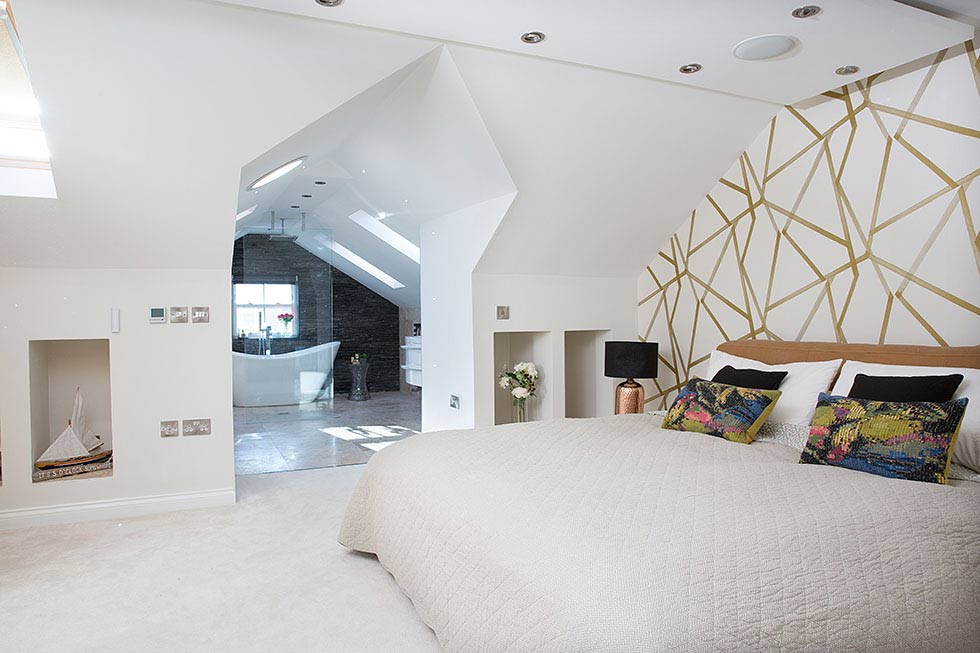
an open-plan master bedroom loft conversion

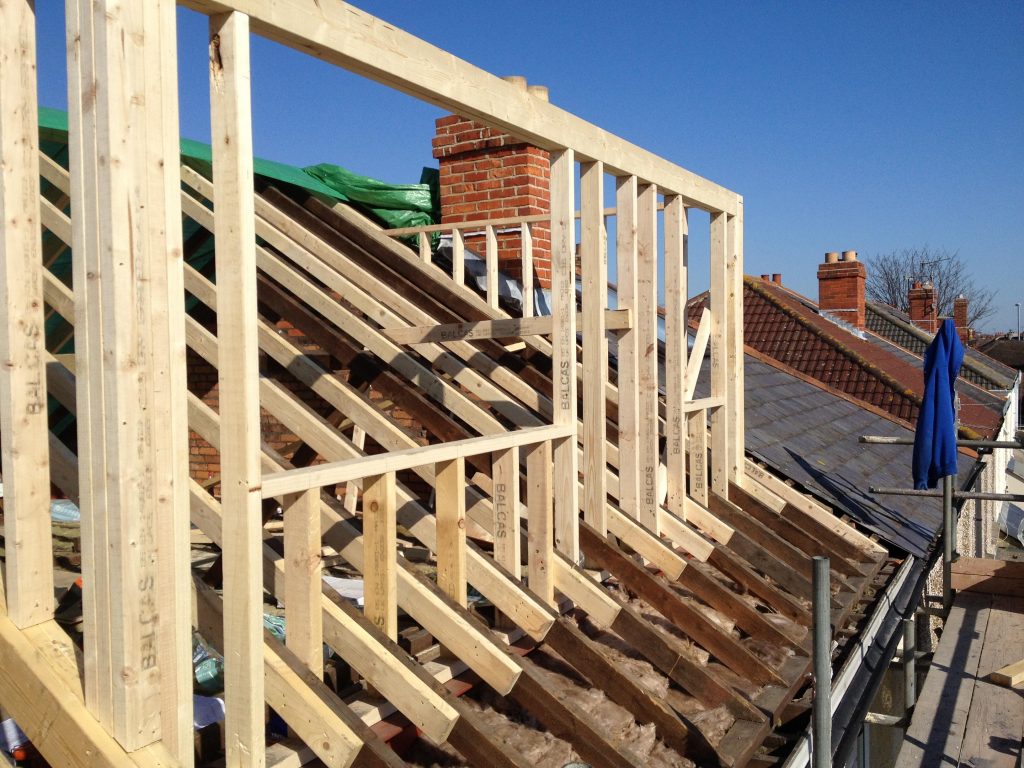
To buy a house with old uncertified loft conversion?
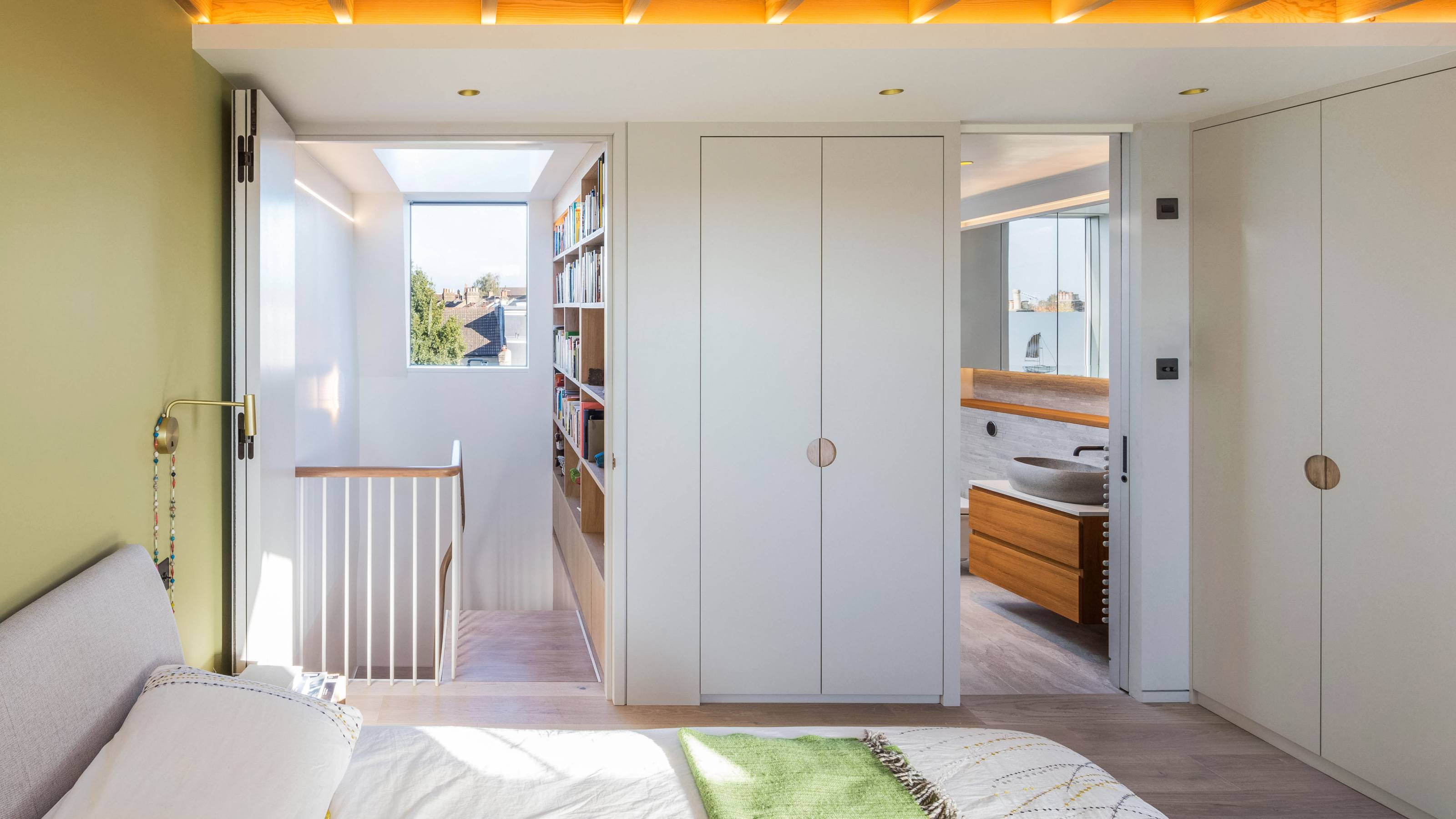
How Much Does a Loft Conversion Cost on Average in 2025? Architects Share Their Latest Loft Projects' Budgets


5 Things That Will Make Your Loft Conversion Feel Dated — And What Designers Are Doing Instead
Can the loft conversion still be used as a bedroom?
7 expert tactics to convert your loft on a budget, without compromising on quality
Loft conversion costs 2022 and how to budget for the perfect design
Back to Back Terrace with Loft Conversion – Rentable?

This Half-Height Expansion for a Growing Family in London Is a Real Brainteaser

Eight airy and pared-back loft conversions
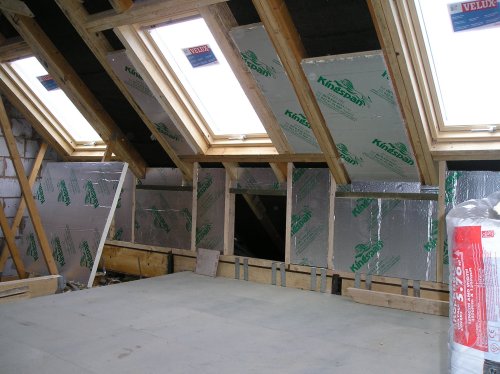
Buying a house with an unapproved loft conversion?
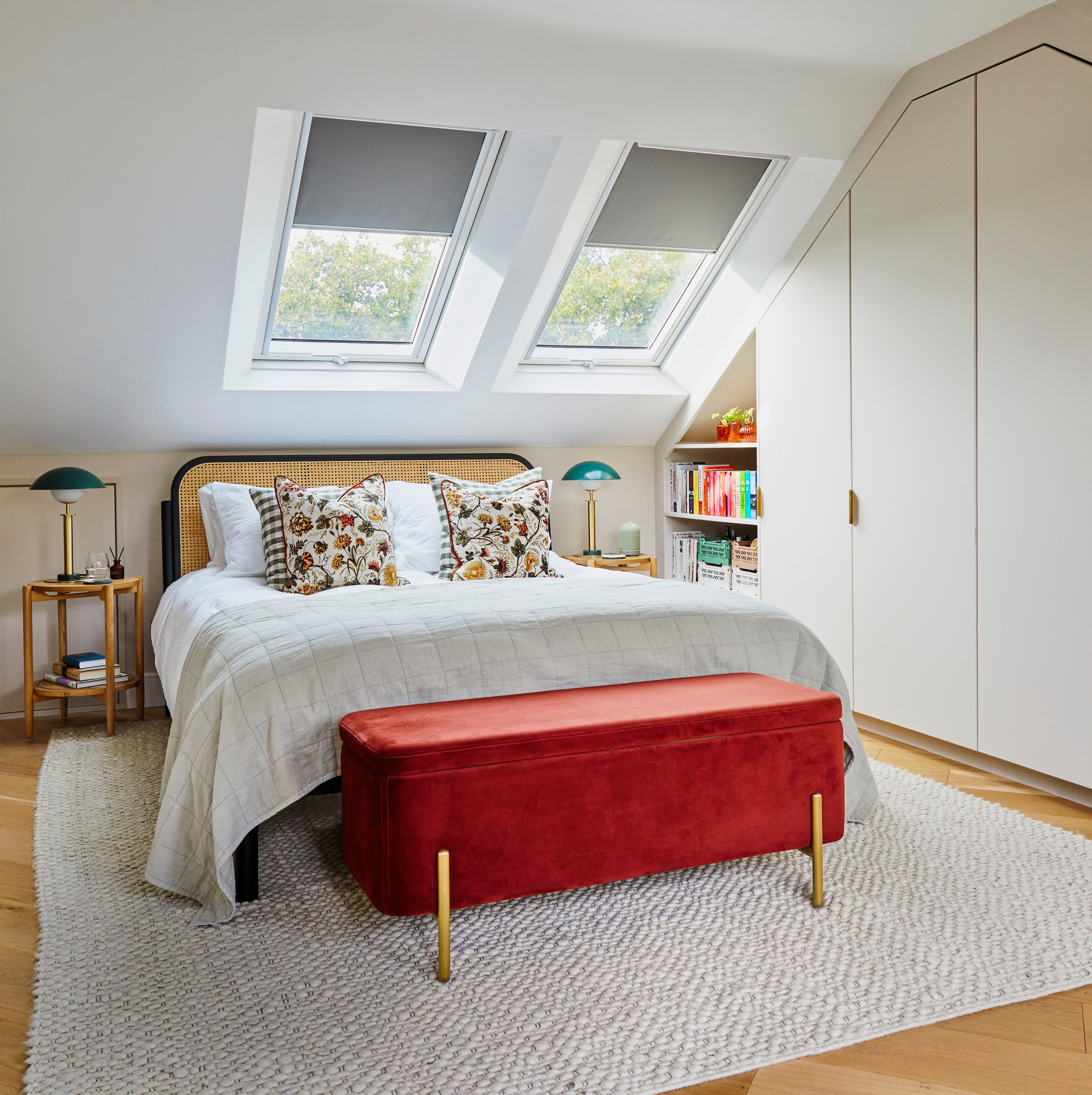
Before & after: An unused attic converted into an airy bedroom sanctuary

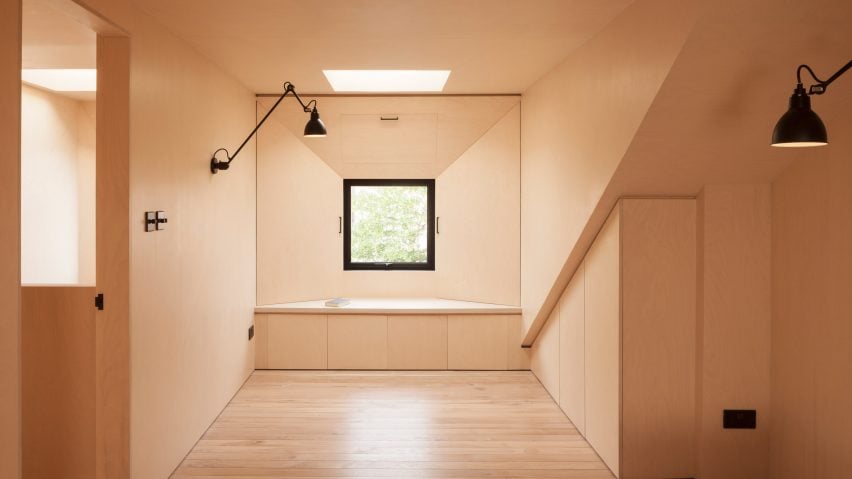
Plywood-lined bedrooms feature in London loft conversion by Widger Architecture
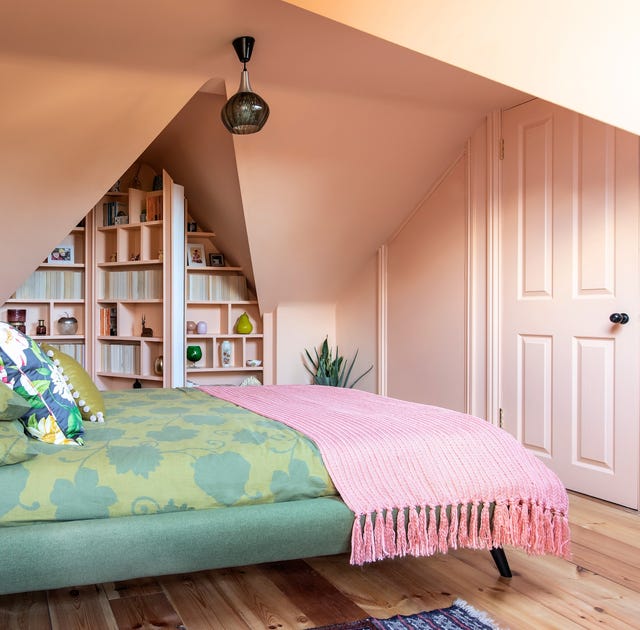
Photos: A pink, vintage-style loft conversion guest bedroom
'We built a smart new loft conversion for more space'

Conversion tactics: making the most of unused space in your home
Two Houses Are Better Than One
Loft conversion without planning permission or building regs