1/2
Margrethe Odgaard designs curtains for Kvadrat that take cues from wainscoting
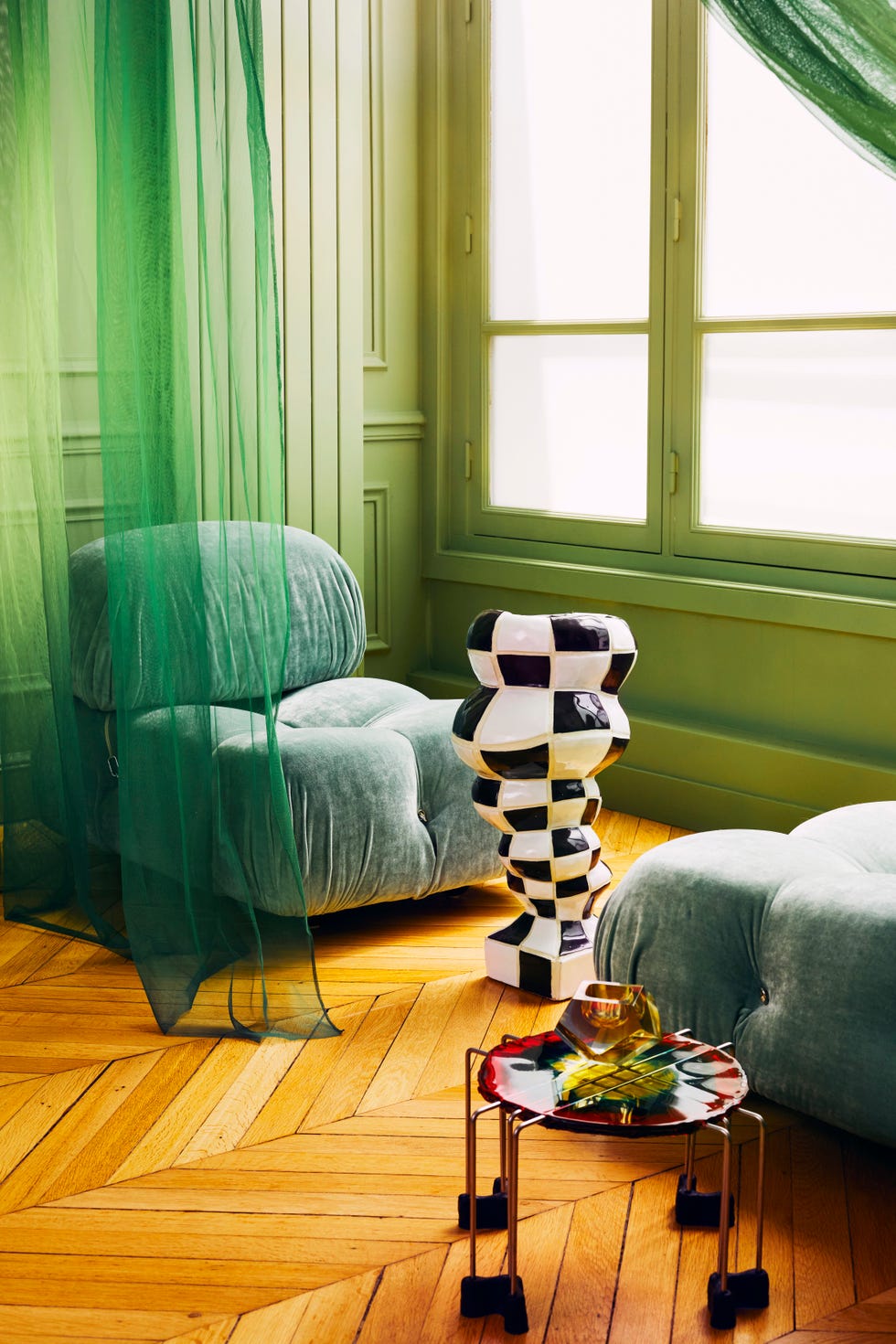
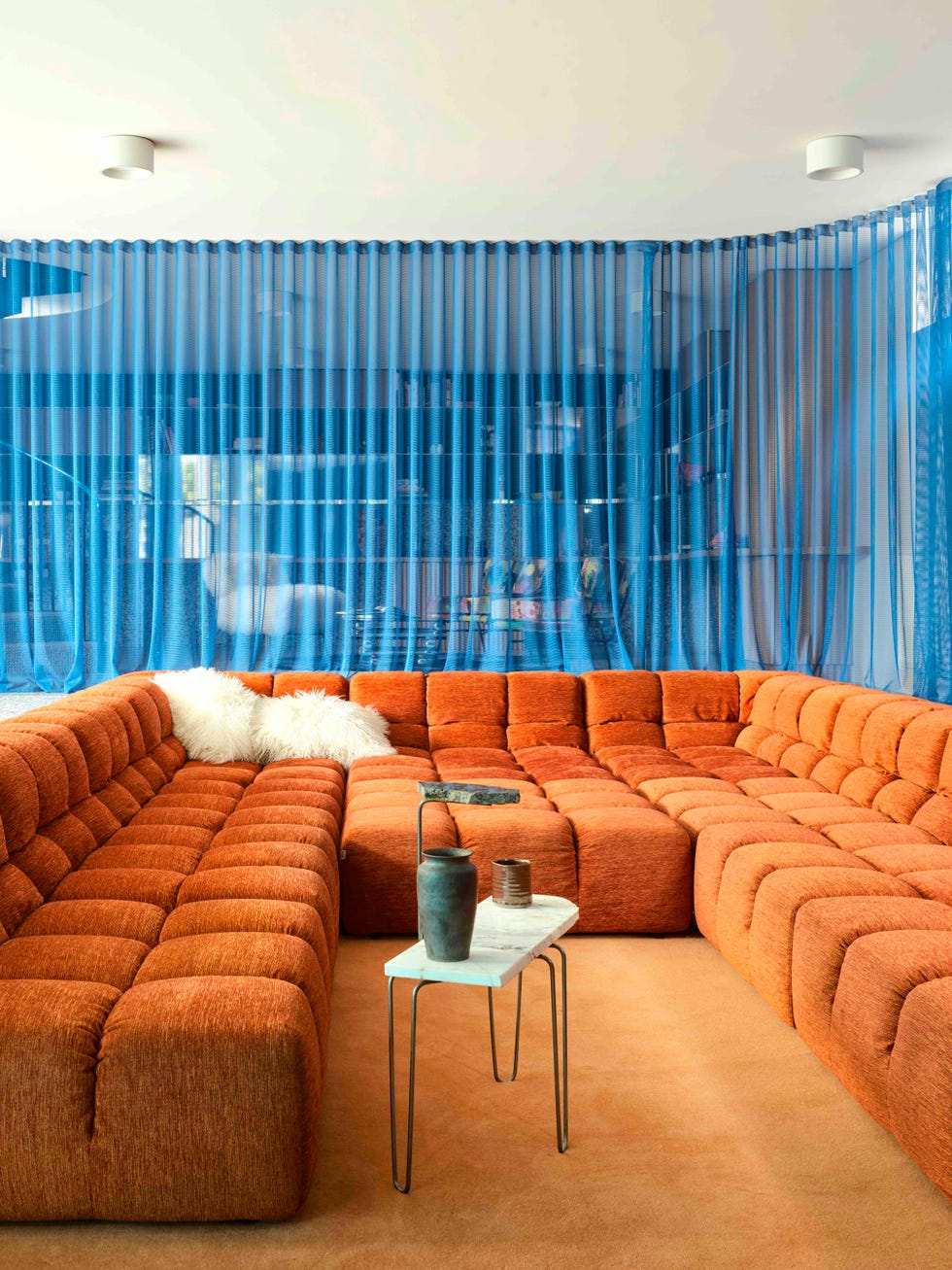
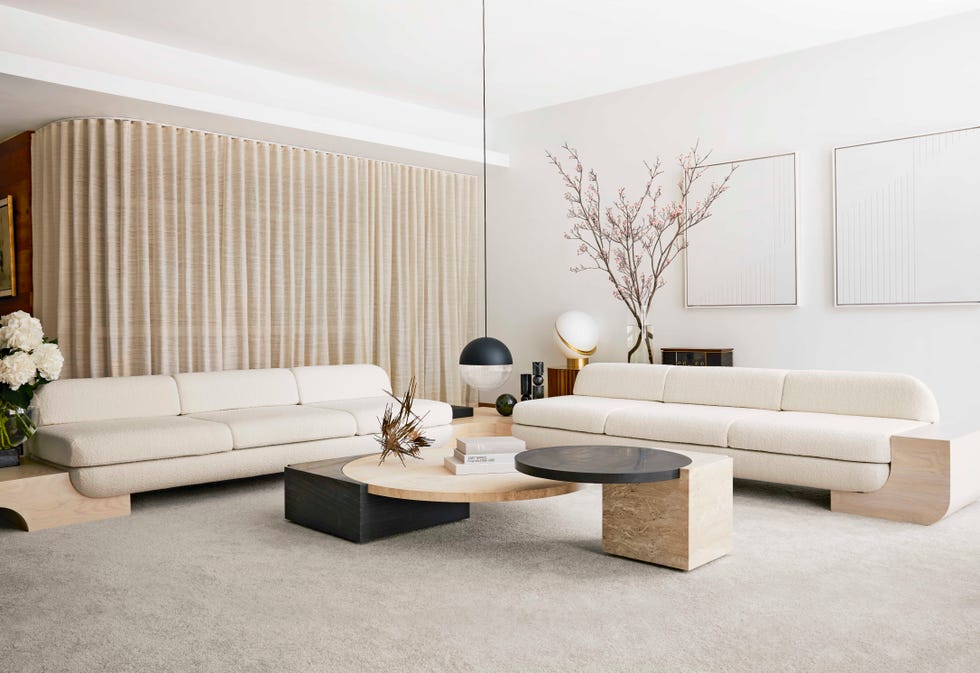
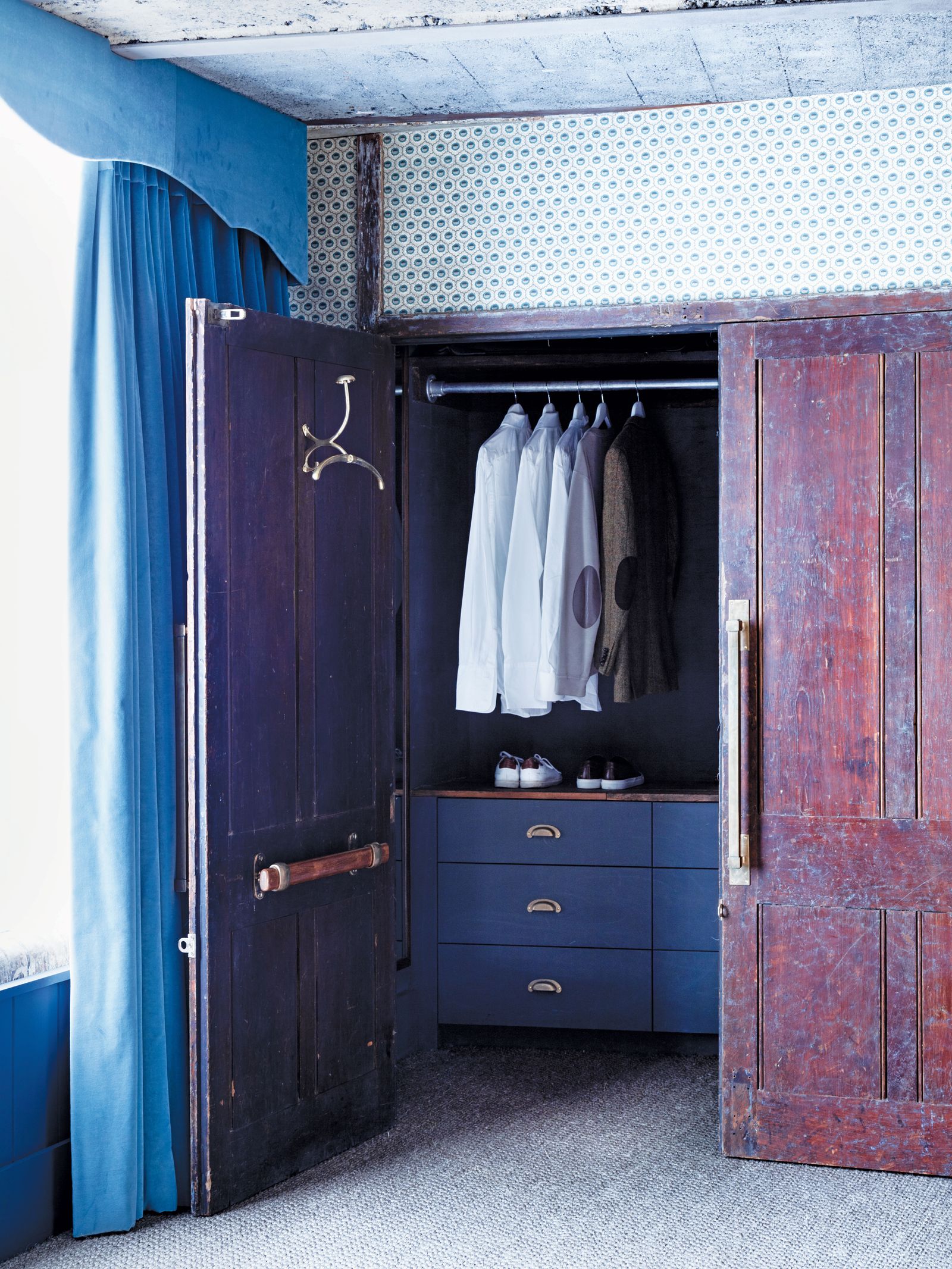
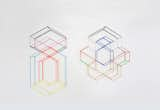
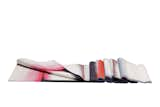
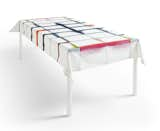
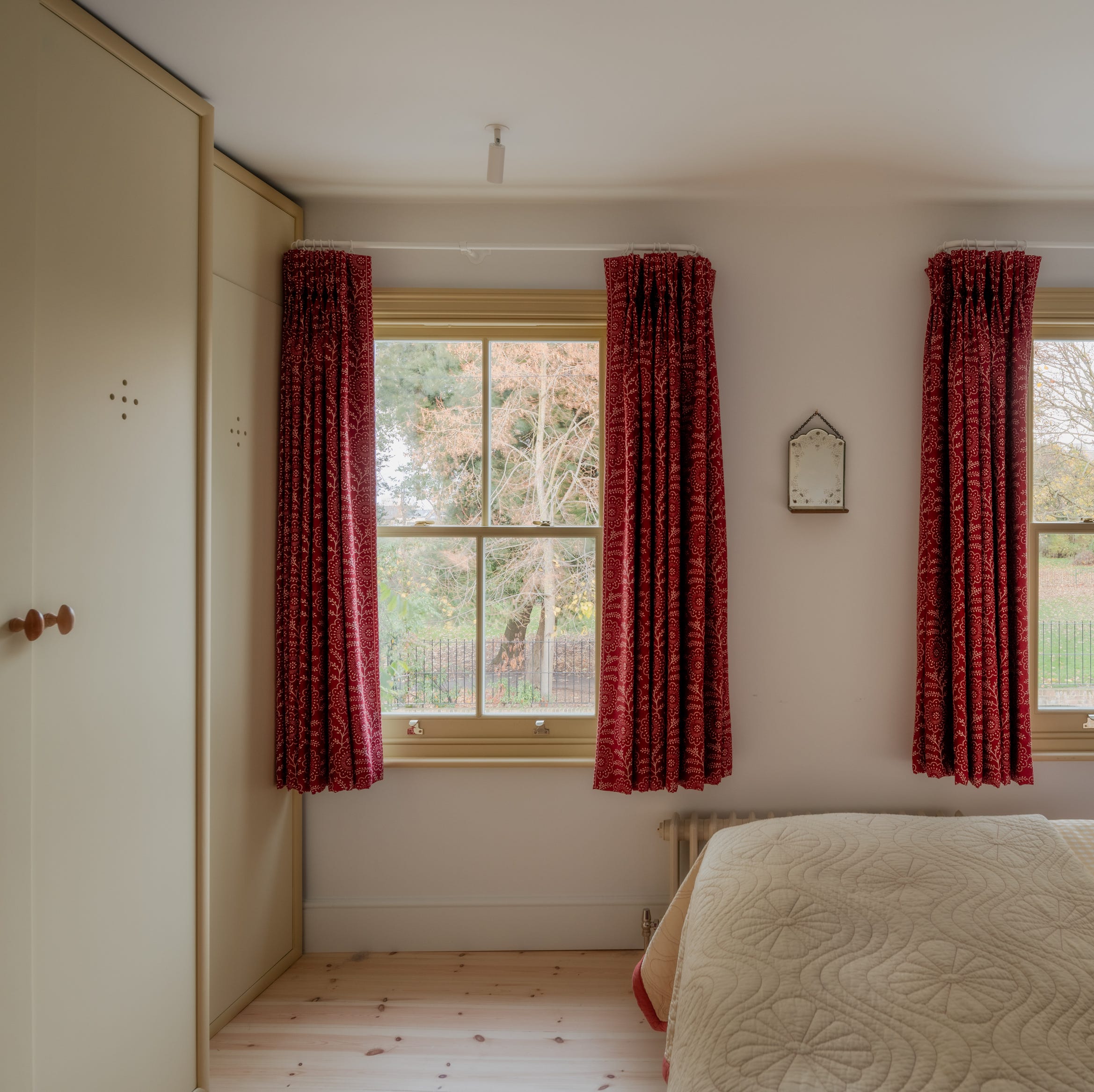
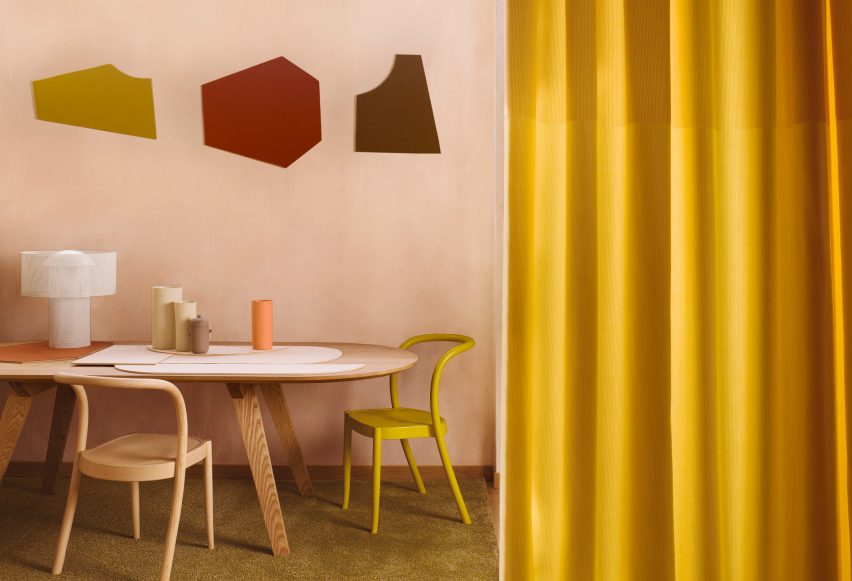
Danish textile designer Margrethe Odgaard has collaborated with Kvadrat, a Danish textile company, to create a new collection of satin-woven curtains. Unveiled at the Stockholm Furniture Fair, the collection features three distinct styles: Diorama, Panorama, and Suite. Each design explores the interplay of color and space, drawing inspiration from classical architectural and interior design elements.
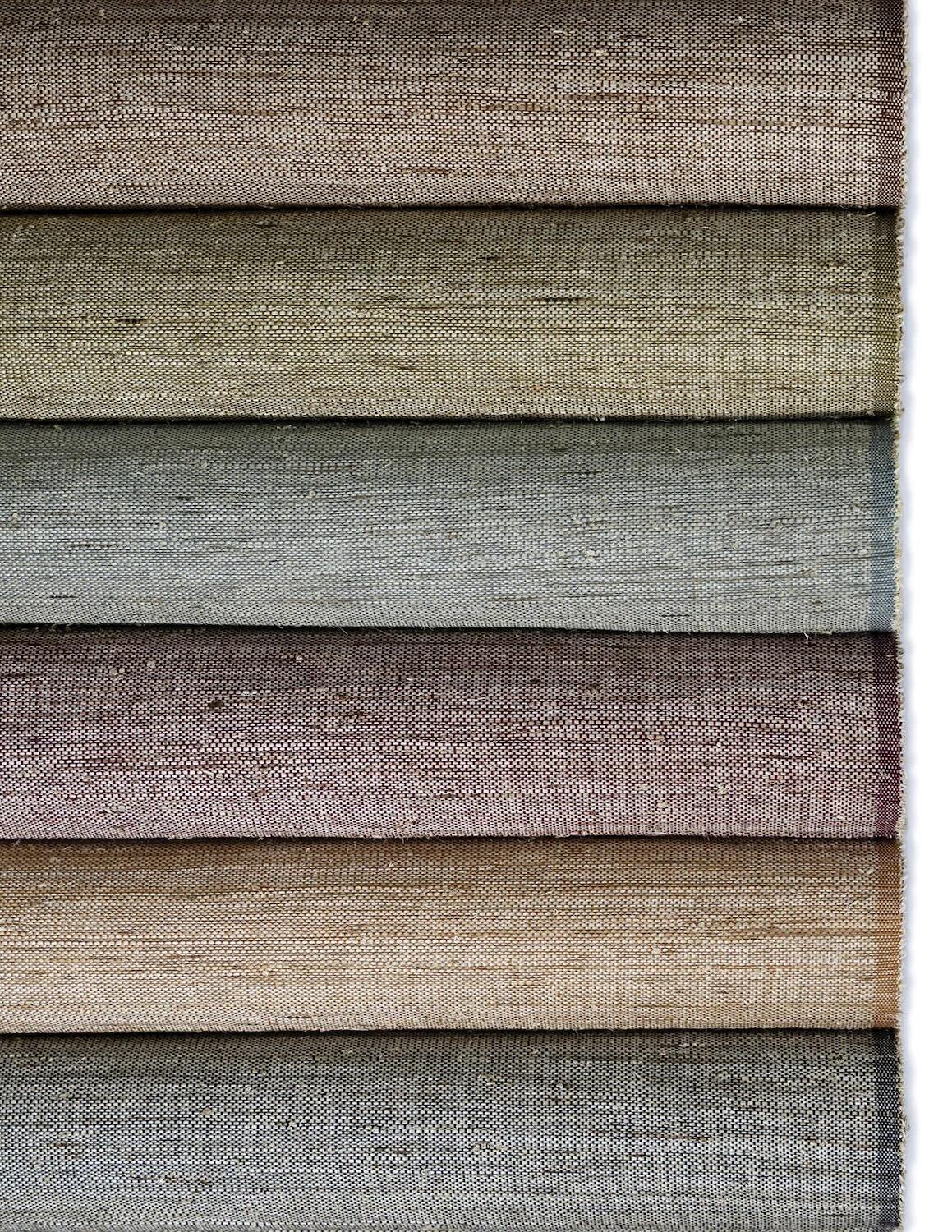
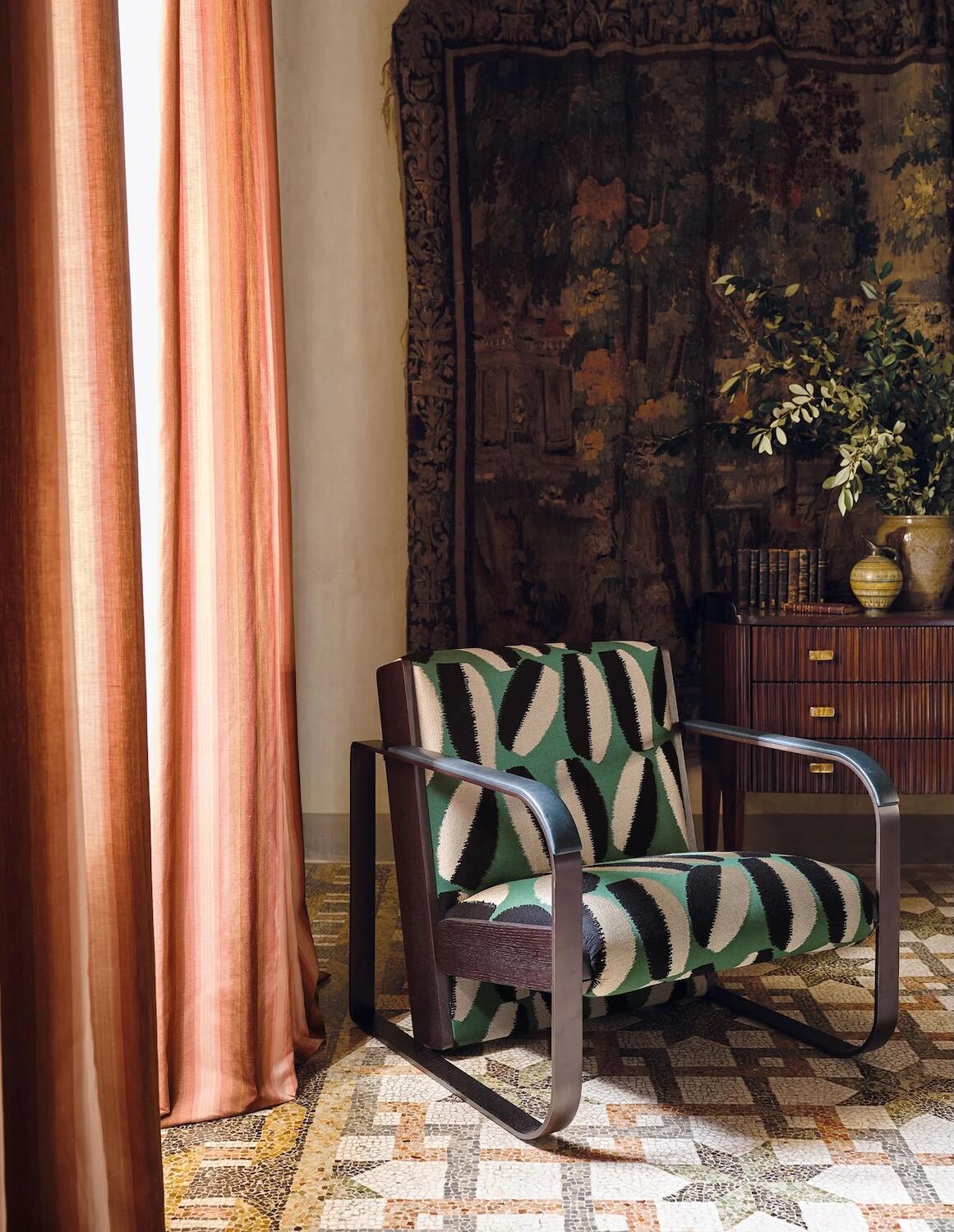
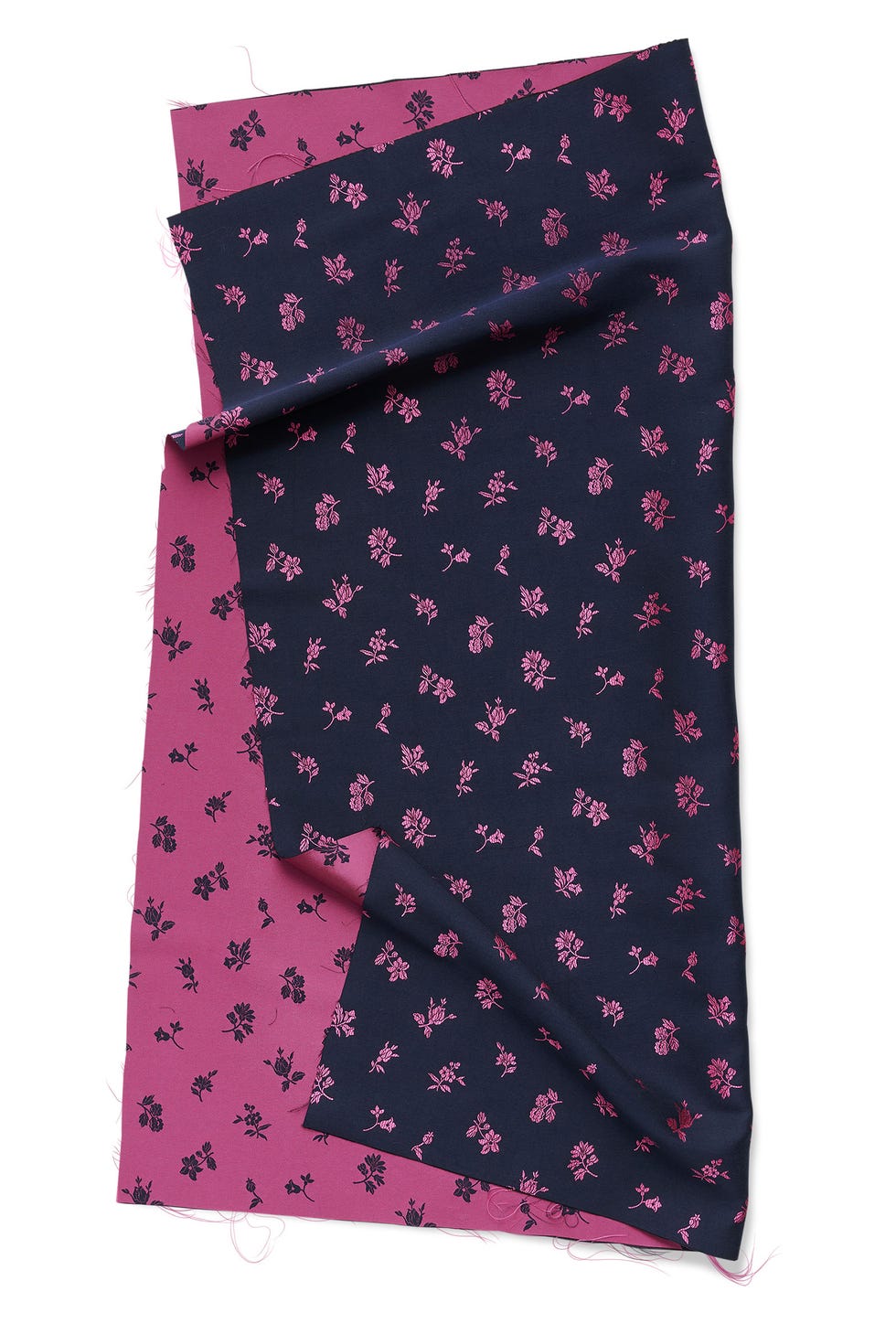
The Diorama curtain offers a delicate pinstripe effect, contributing to a subtle visual texture. Panorama is characterized by a unique central split where the direction of the weave shifts, creating a nuanced visual break. The Suite design showcases bold vertical stripes with contrasting shades, providing a more assertive aesthetic. All three curtain styles are available in a rich palette of 32 colors, offering a wide range of choices for various interior schemes. A notable feature across the collection is the "polarised mirror" effect, where one half of the curtain is woven with a subtle shimmer, while the other half employs a matt finish, adding depth and a dynamic interplay of light and texture.
Odgaard’s design process for this collection was deeply influenced by traditional interior architecture, particularly the historical technique of wainscoting. Wainscoting, a form of wooden paneling typically used on the lower portion of walls, served as a foundational concept. She aimed to modernize these historical traditions by incorporating horizontal lines into her textile designs. Odgaard's research into historical interior design practices revealed how different cultures and periods manipulated perceptions of space through architectural divisions. For instance, she noted the baroque period's practice of dividing walls one-third of the way up from the floor with profiled timber, contrasting with French modernism's approach of extending the ceiling one-third down the wall. These historical insights informed her understanding of how dividing lines can alter the perceived scale and atmosphere of a room.
The designer highlighted that the placement of a dividing line significantly impacts the perception of space. A low dividing line can create an impression of expansiveness and overview, while a higher dividing line can evoke a sense of security and enclosure, akin to being in a 'pocket.' This understanding of spatial perception is subtly integrated into the curtain designs, influencing their visual structure and the emotional response they might elicit within an interior setting.
The color theory applied to these curtains is based on Odgaard’s "Northchromatic" concept. This concept is structured around a binary system of opposing pairs, such as warm and cold, or light and dark, which are then translated into a diverse spectrum of shades on a color wheel. The Northchromatic concept is designed to reflect the unique light and color characteristics of the Northern hemisphere. When applied in interiors, this color approach can influence the overall atmosphere of a room, ranging from vibrant and stimulating to serene and calming, or deep and dramatic, depending on the specific shades and combinations used.
In addition to the curtain launch, Kvadrat also hosted a color workshop with Odgaard at its Stockholm flagship showroom, designed by Bouroullec Studio. During the fair, a collaborative exhibition between Kvadrat, Really, and Vitra was also presented, showcasing pieces from the Vitra collection made from Solid Textile Board by Really. This initiative aimed to foster discussions on circular design and the potential of sustainable materials to redefine resource consumption.
#MargretheOdgaard #Textiles #Curtains #Kvadrat #HomewareDesign #Materials #StockholmDesignWeek #StockholmFurnitureFair #InteriorDesign #MargretheOdgaard #Textiles #Curtains #Kvadrat #HomewareDesign #Materials #StockholmDesignWeek #StockholmFurnitureFair #InteriorDesign
0개의 댓글이 총 표시됩니다.
 아직 댓글이 없습니다
추가로 마음에 드릴 만한 콘텐츠
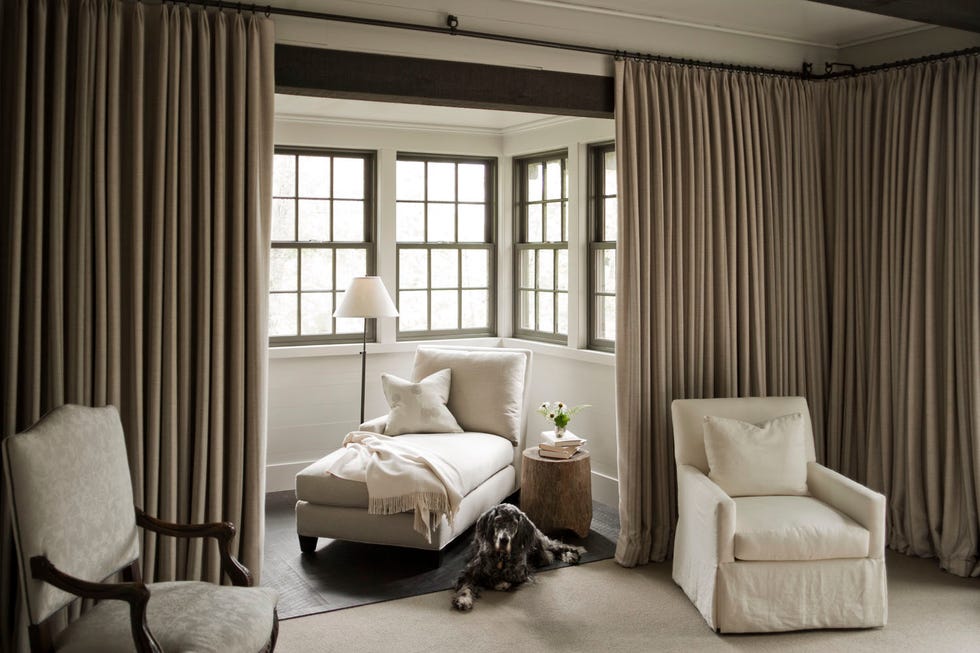
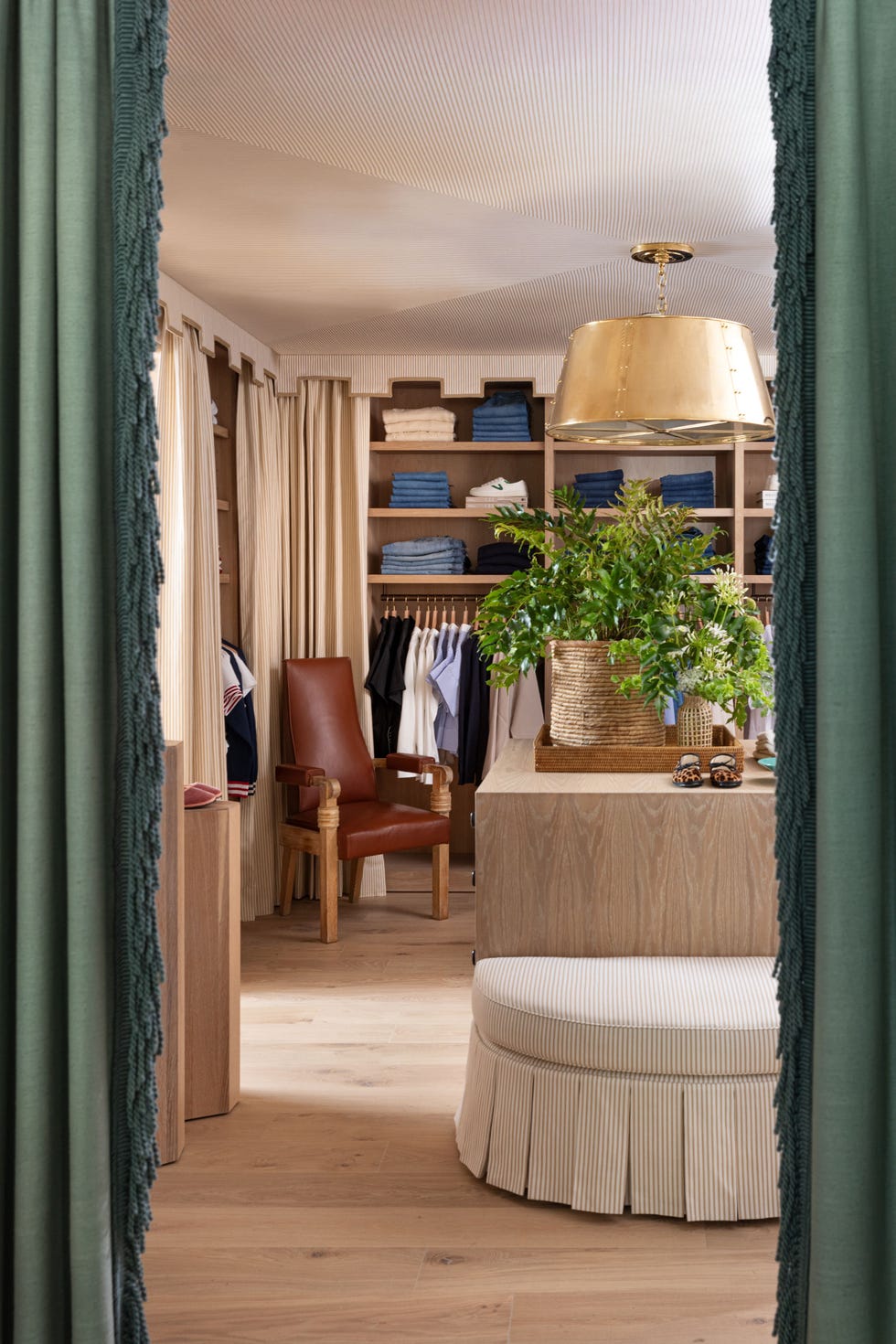
Steal ideas from these homes that use curtains for more than just window dressing

Curtain trends for 2023 – the colors, patterns and looks designers predict will be big

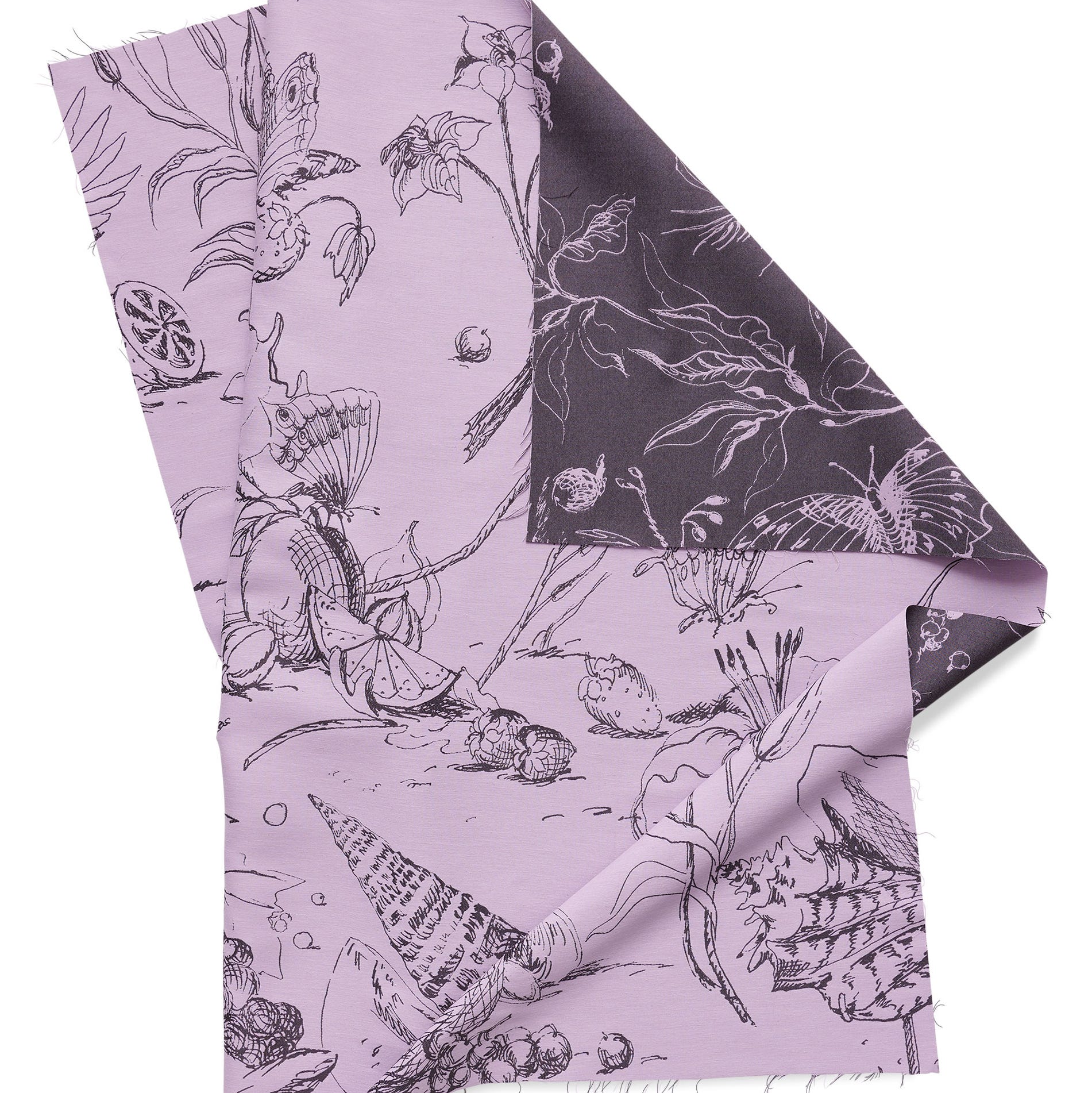
This Textile Brand Is Blurring the Lines Between Runways and Interiors
Wainscoting: the bold update to a traditional design element
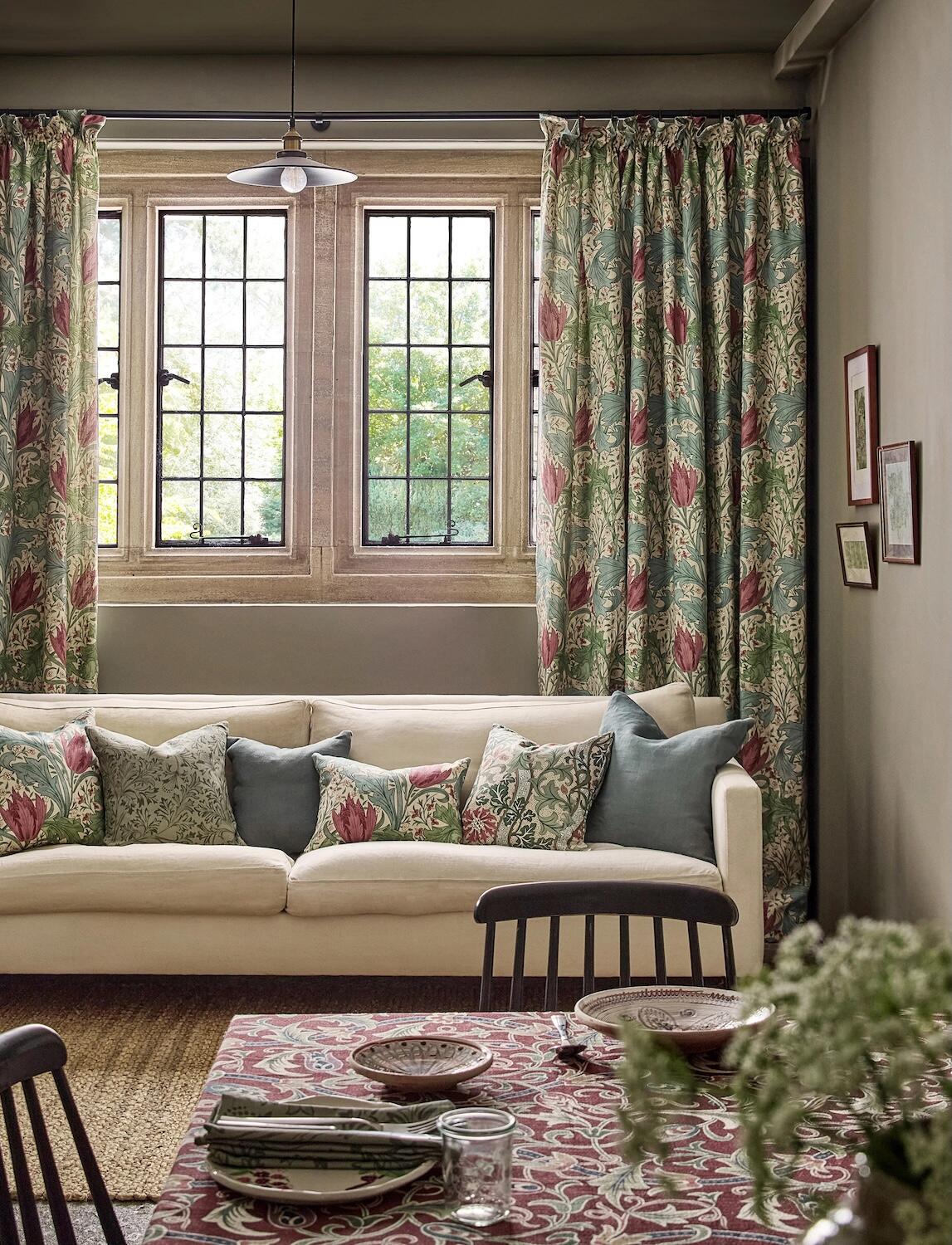
8 colorful window treatments for a dash of sunlit drama

Martha Stewart doesn't have curtains in her home, but she has designed some for ours – and they're on sale now

Window Dressing

Knowing the Ropes Explores the Textile Through a New Lens

An easy add-on to your curtains makes rooms look expensive - designers explain
The Trend in Window Valance Design Is Whimsical and Trim

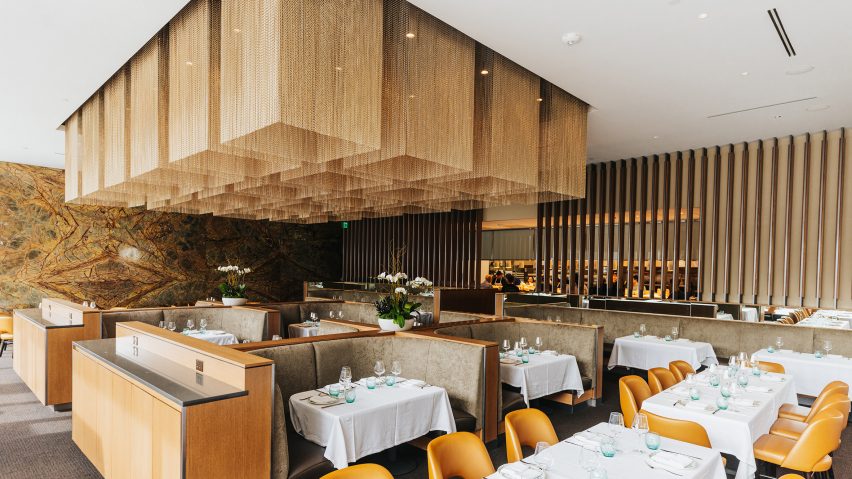
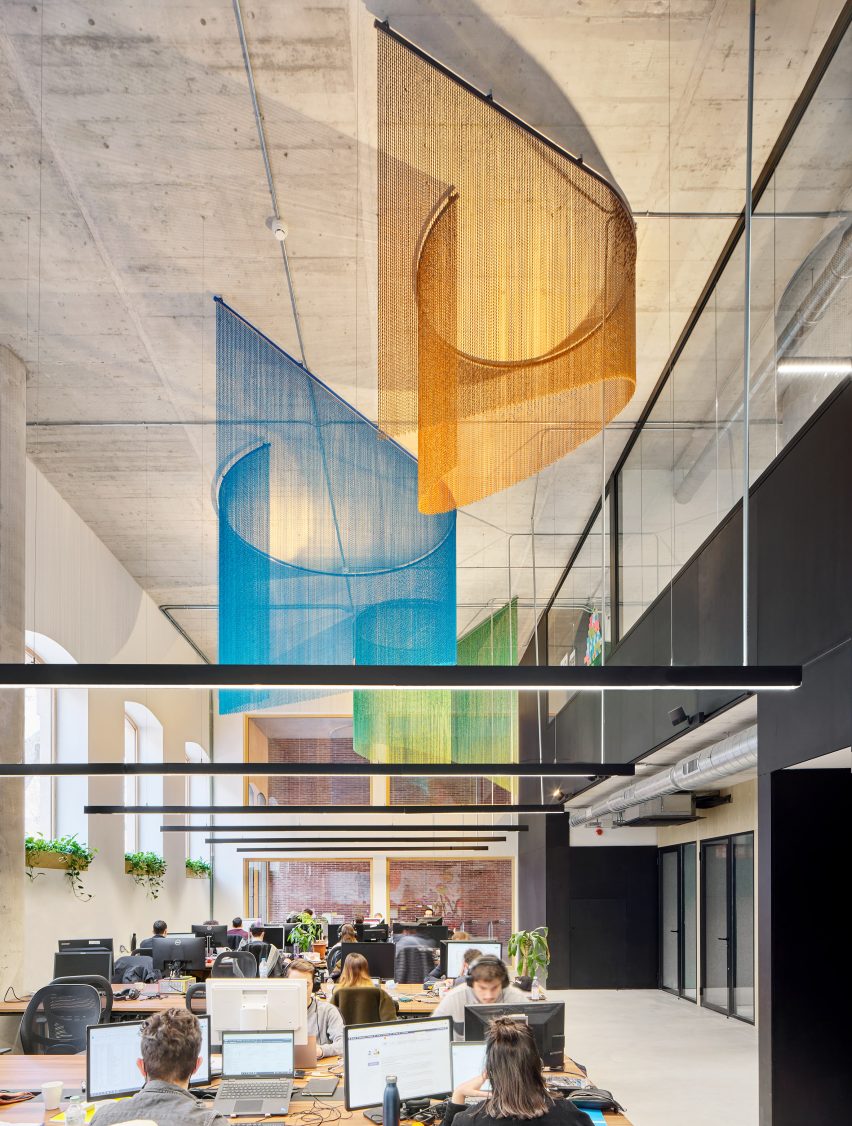
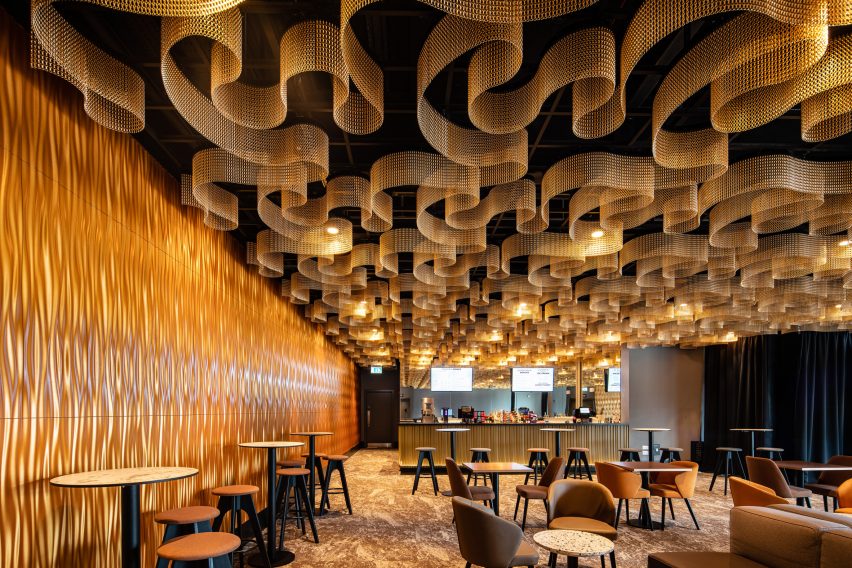
Kriskadecor's decorative chains unlock "creative possibilities" for ceiling installations
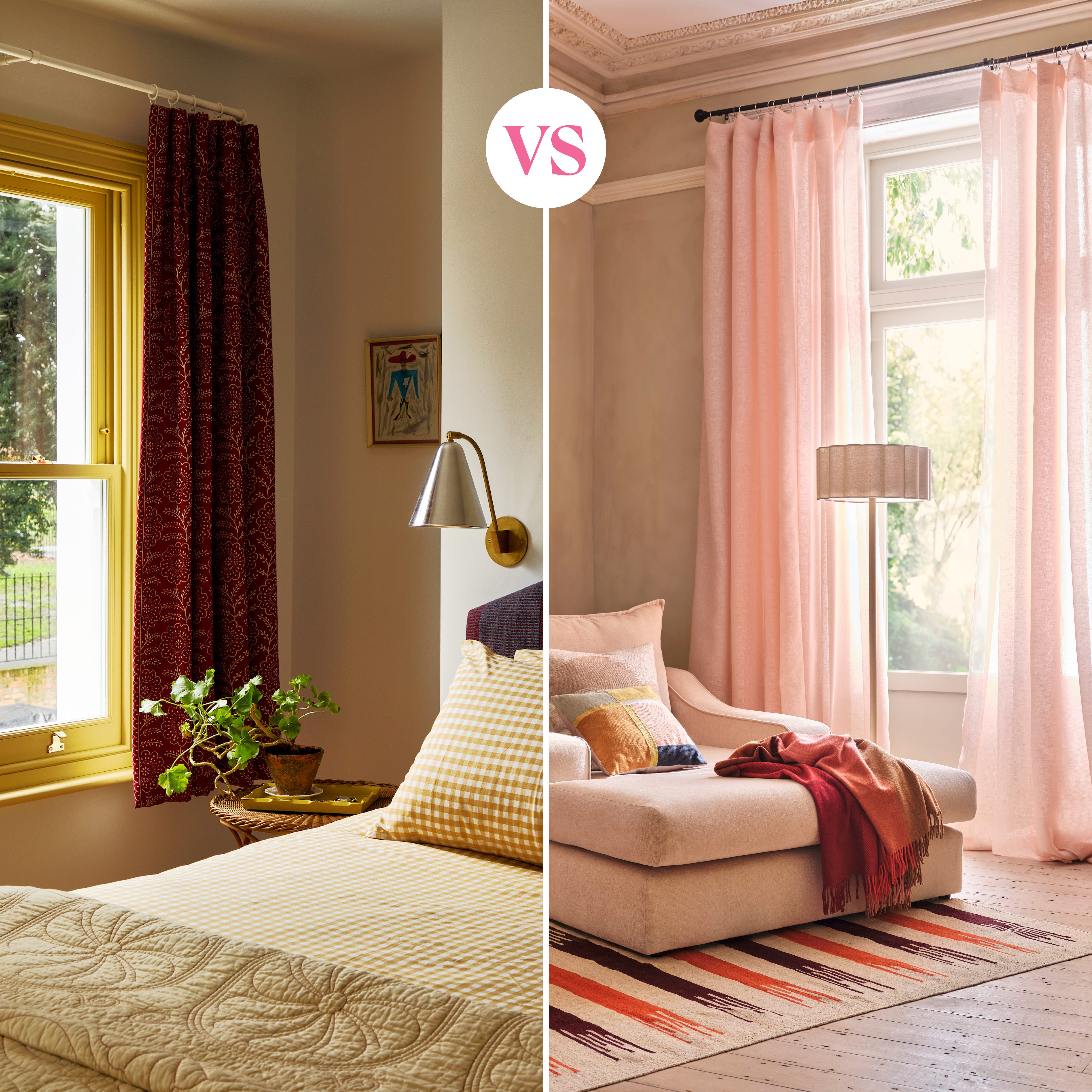
Style Debate: Could Short Curtains Be The Next Big Interior Design Trend?

Best Dressed
Margrethe Odgaard

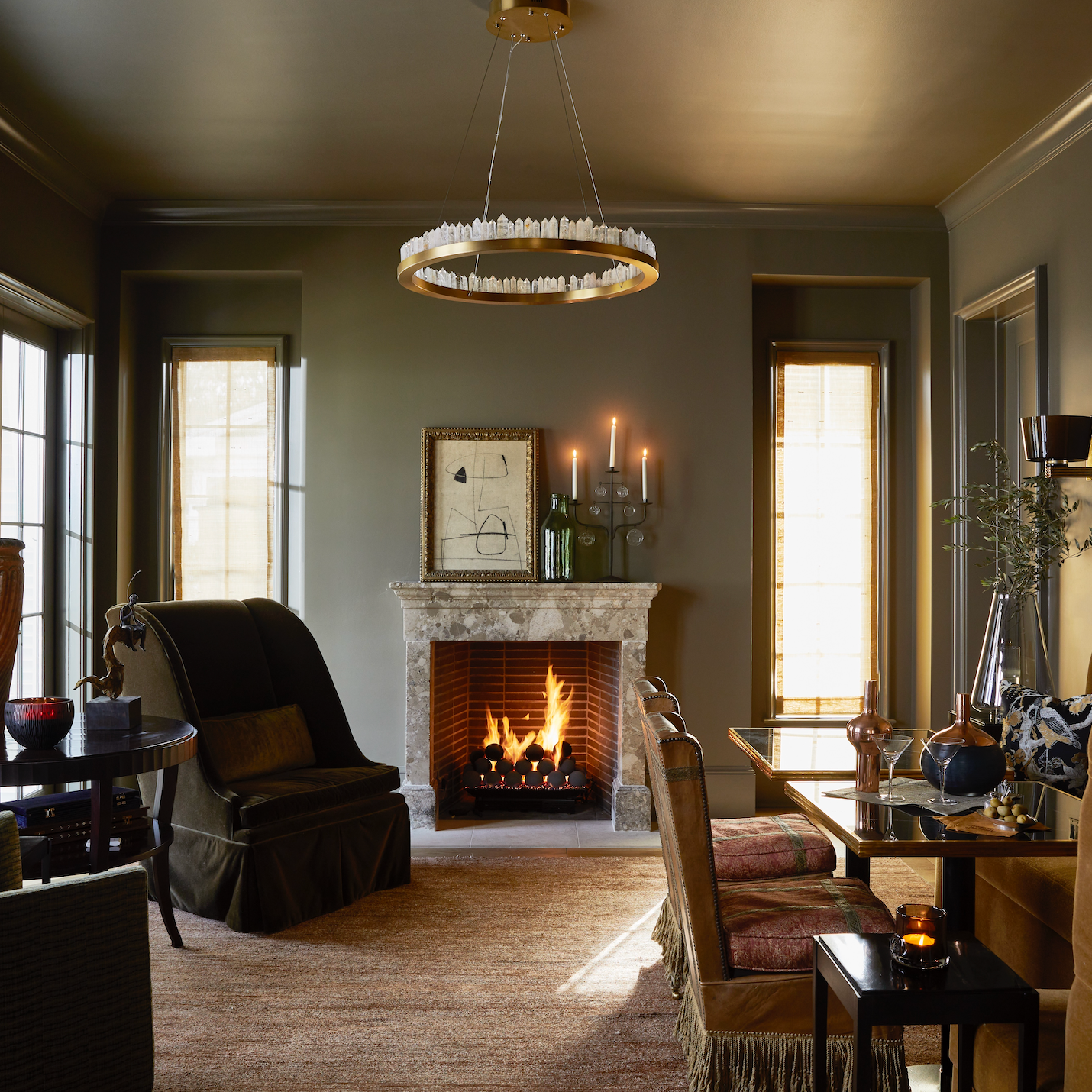
The Design World Is DIVIDED on This Controversial Curtain Styling Trend
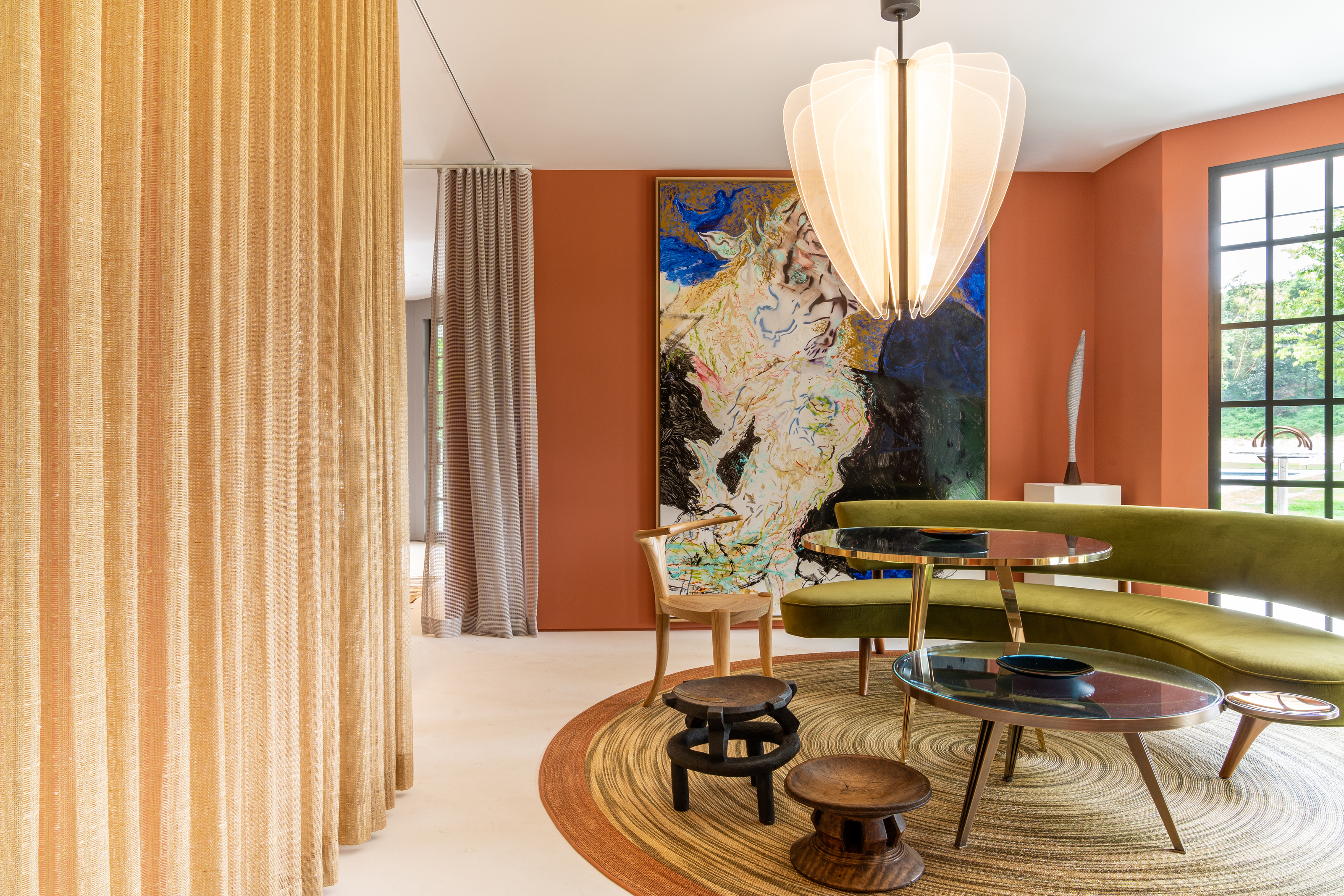
How do you divide a room with curtains? Designers on embracing this 'soft architecture' trend
Design Talk: Miles Redd Discusses the Sheer Appeal of Unlined Curtains
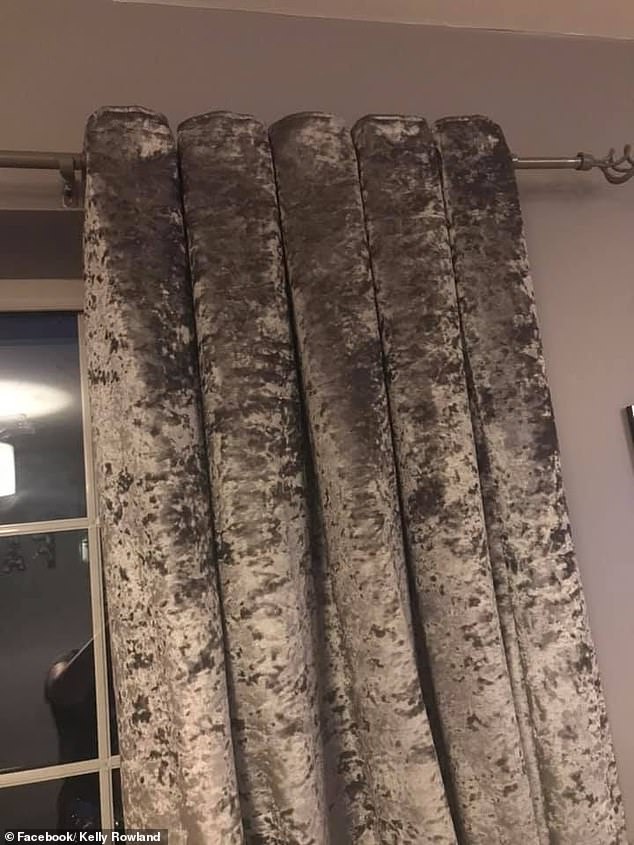
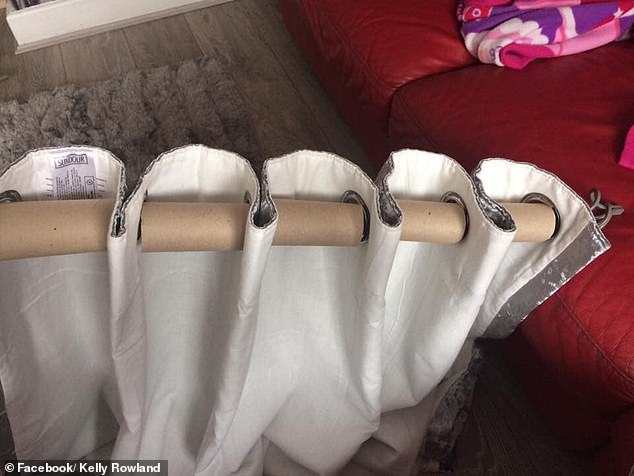
Woman reveals how she achieves neat pleats in her curtains using empty TOILET tissue rolls
Drew & Jonathan Scott's curtains will elevate your space
Matter flatwoven carpets weave digital randomness and Scandinavian craft together