1/7
When Rivers Rise Fast – Flood-Smart Living: Simple Steps to Protect your Home
This article is the final installment of the "When Rivers Rise Fast" blog series, focusing on practical steps homeowners can take to protect their property and belongings from flash floods. The series previously covered the dangers of flash flooding, the functionality of the new flood warning system, and the San Antonio River Authority's role in flood risk management.
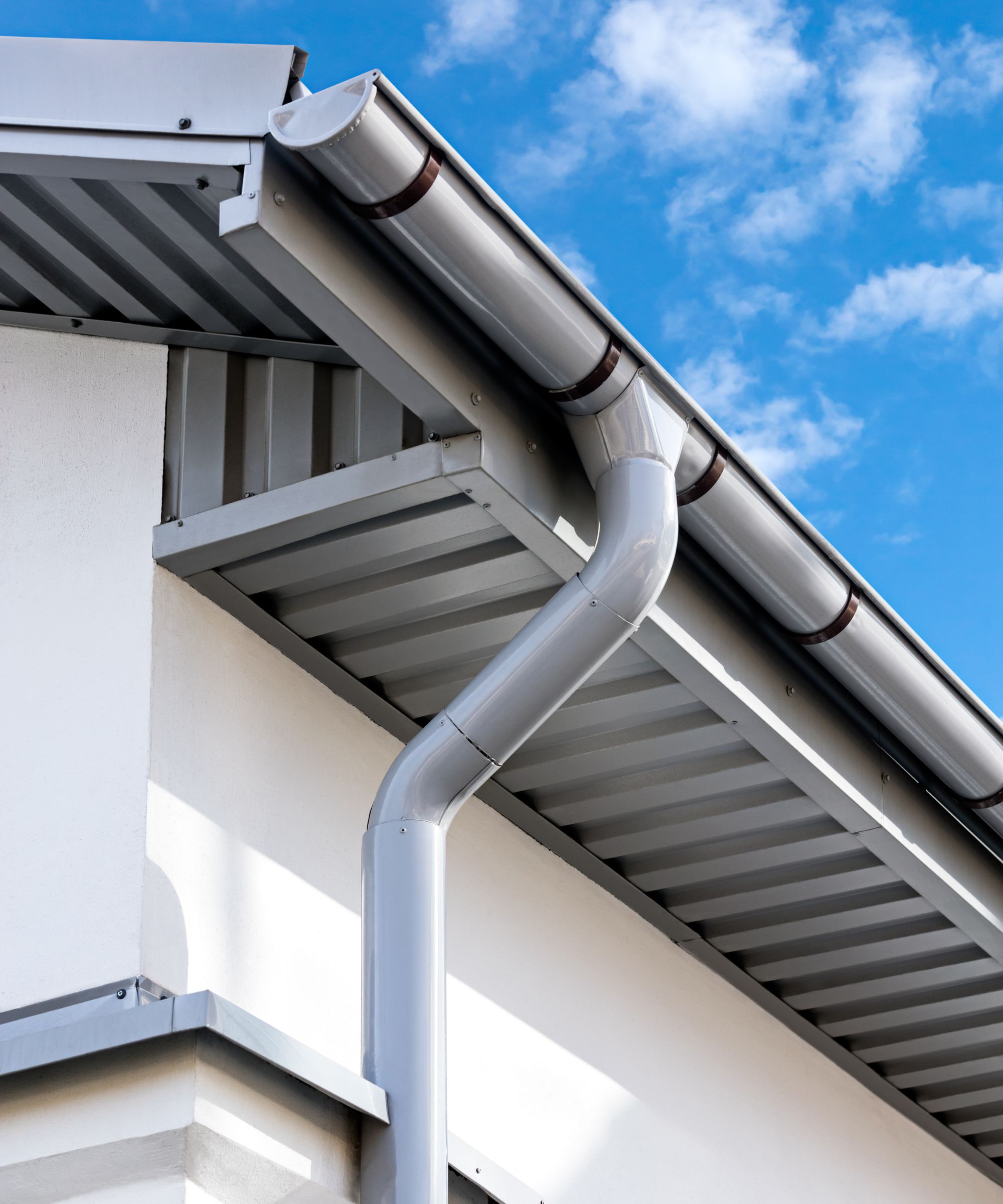
The article outlines six key steps for property protection. The first recommendation is to keep drains and gutters clear by ensuring that leaves, grass clippings, and trash do not obstruct storm drains. Clogged drains can lead to water backing up into streets and yards, so regular gutter cleaning is essential to facilitate proper rainwater runoff away from the home.
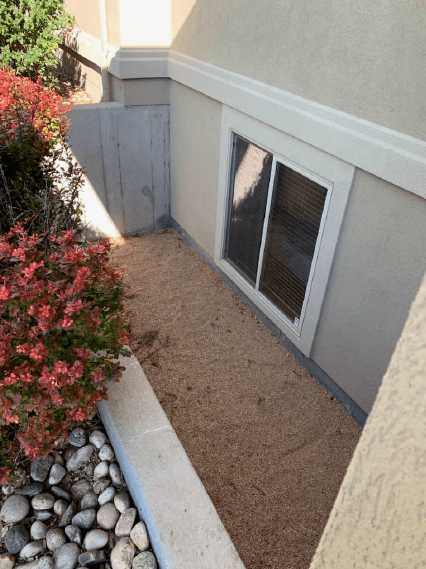
The second step involves directing water away from the home's foundation. This can be achieved through the implementation of rain gardens or by strategically positioning downspouts to guide runoff into the yard, at least 3-5 feet away from the house, garage, or foundation. The article references a resource for building residential rain gardens.
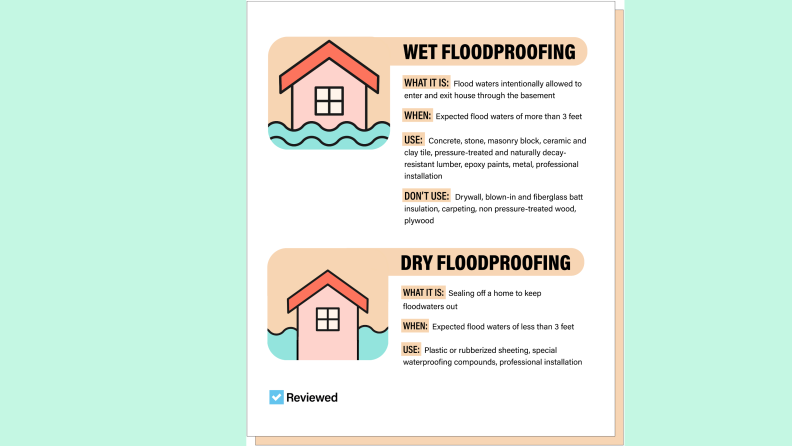
Thirdly, the article suggests using resilient materials in flood-prone areas of the home. This means avoiding carpets or other materials that are susceptible to molding or degradation when wet. Instead, homeowners are advised to consider alternatives such as tile, sealed concrete, or other water-resistant flooring options.
Protecting important items is the fourth crucial step. This involves storing critical documents, electronics, and valuable equipment on higher shelves or in watertight containers. For those with multi-story homes, the advice is to move valuables to an upstairs level during periods of high flood risk or storm season.
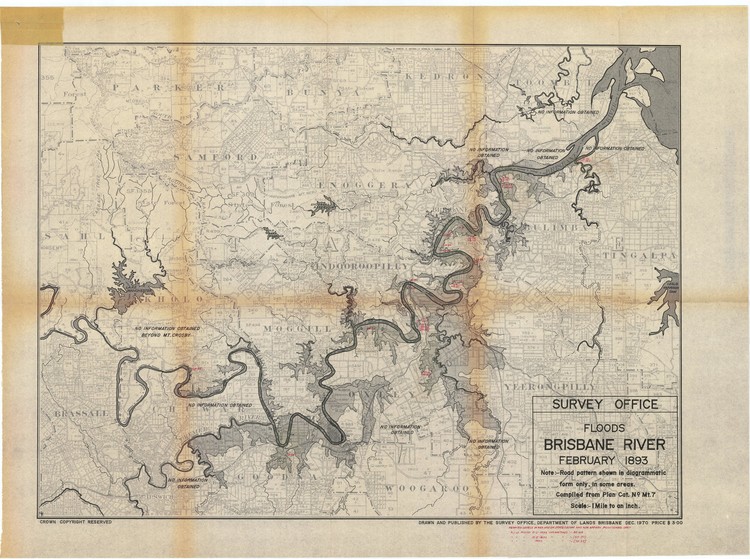
The fifth step emphasizes the importance of understanding a home's floodplain. Homeowners are encouraged to check local floodplain maps to determine if their property is located in a high-risk area. Even if a property is not officially in a mapped flood zone, localized flooding due to heavy rainfall is still possible, and the article suggests considering flood insurance as a preventative measure.
Finally, the article stresses the importance of staying connected and informed. This includes signing up for flood alerts and weather warnings. Additionally, preparing an emergency kit containing essential items such as flashlights, batteries, water, and basic supplies is recommended. The article concludes by reiterating that while a home cannot be made entirely flood-proof, these small, proactive actions significantly enhance protection, minimize damage, and facilitate a quicker recovery after heavy rainfall events. It also provides links to external checklists from FEMA for flood home preparation and building an emergency supply kit.
#FloodSmartLiving #PropertyProtection #FlashFloods #HomeSafety #FloodPreparedness #DrainageManagement #ResilientMaterials #EmergencyKit #FloodSmartLiving #PropertyProtection #FlashFloods #HomeSafety #FloodPreparedness #DrainageManagement #ResilientMaterials #EmergencyKit
合計0件のコメント
 まだコメントはありません
あなたも好きかもしれません
Ways to protect your home from flooding – safeguard your space from storms

Everything I Did to Flood-Proof My Old House | Reviews by Wirecutter
6 ways to future-proof your home against extreme weather – your home (and wallet) will thank you
My House Flooded . . . Now What?

7 ways to flood-proof your home during Thailand’s storm season
Hurricanes and flooding: Advancing building strategies for resilience
How to Prepare if You Live or Work in a Floodplain

These Simple Gadgets Alert You to Water Leaks Before They Become a Flood

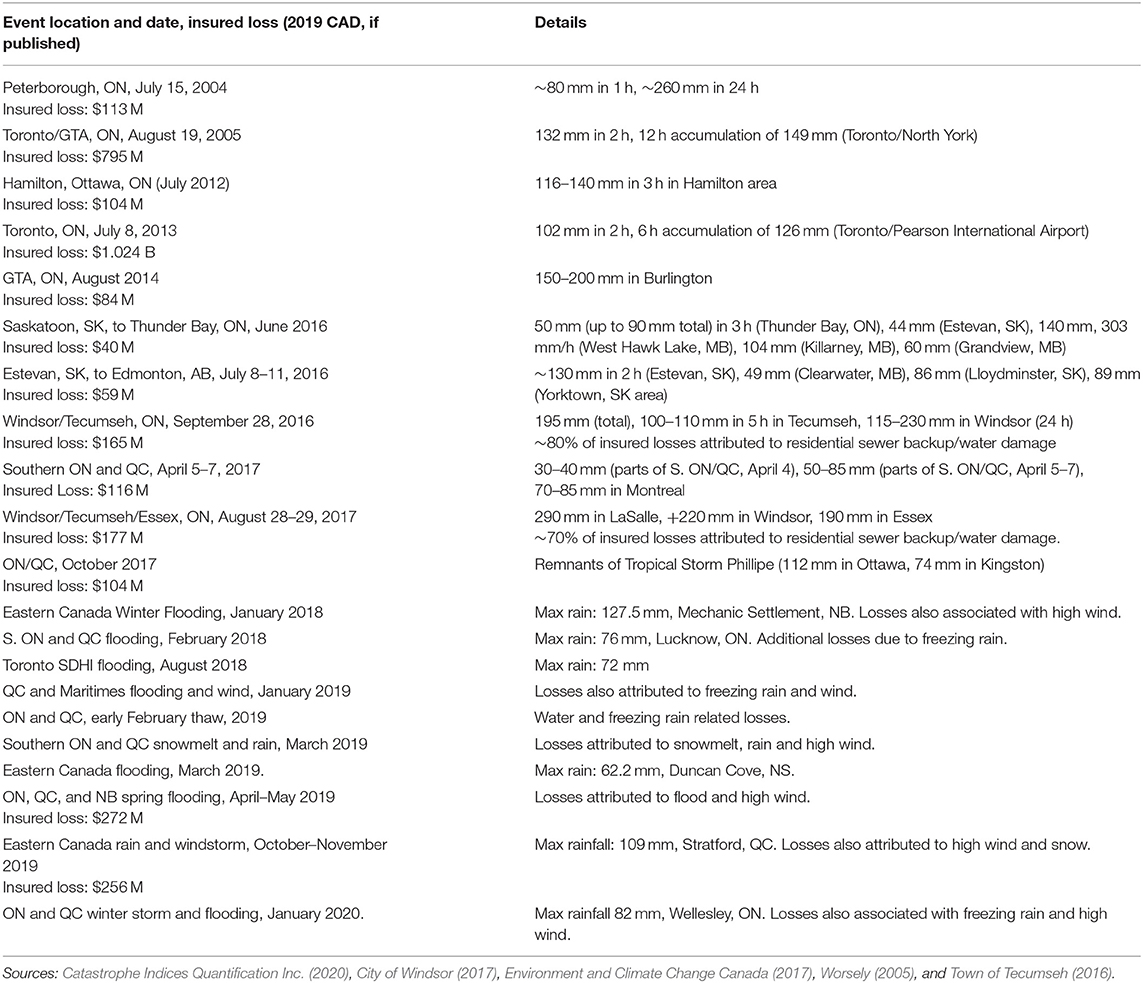
Reducing Urban Flood Risk Through Building- and Lot-Scale Flood Mitigation Approaches: Challenges and Opportunities
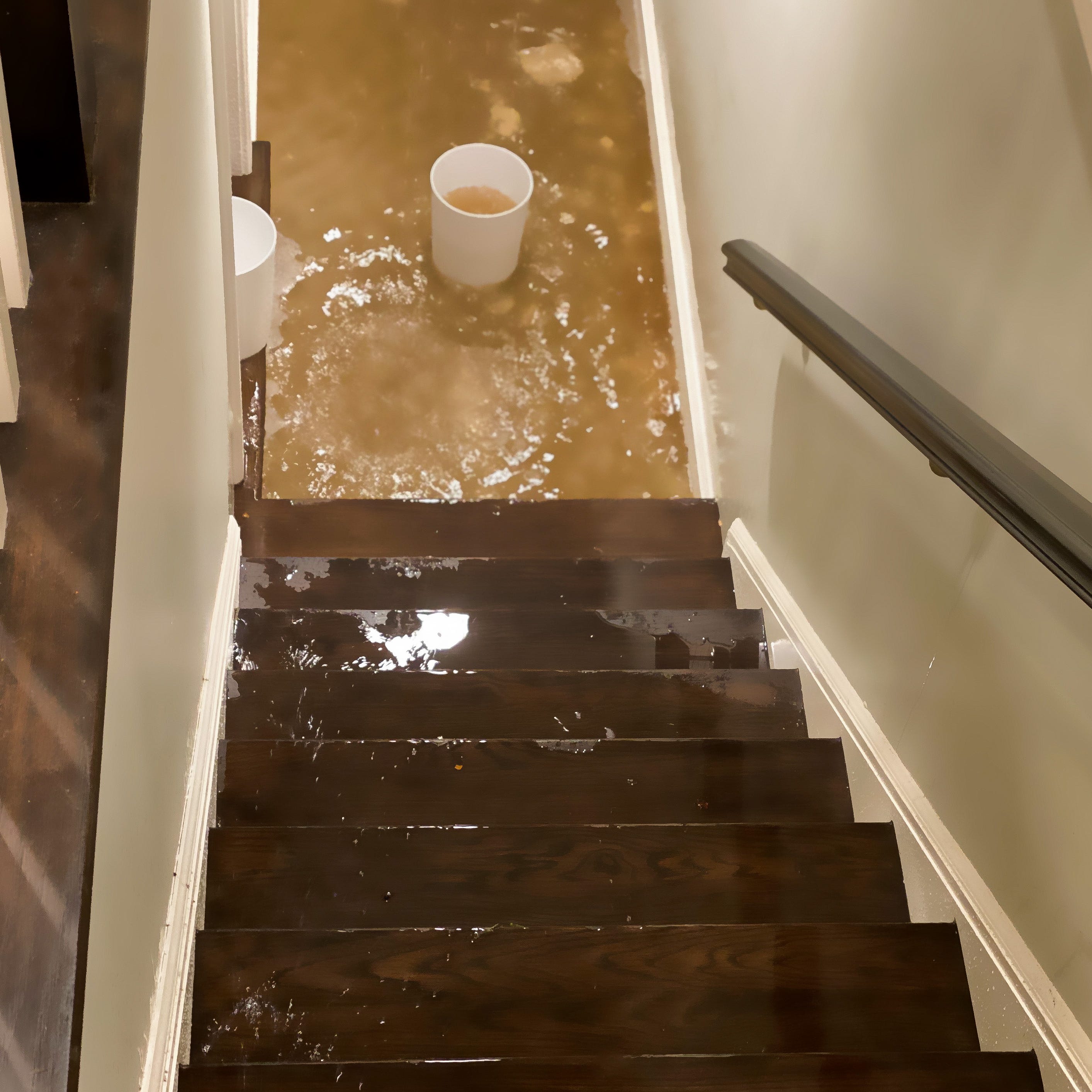
What to Do If Your Basement Floods During a Storm, According to Experts

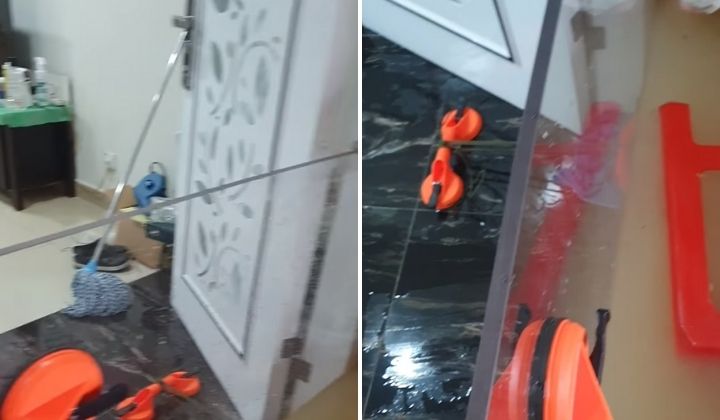
How To Keep Floodwaters From Entering The House Through The Front Door And Bathroom
Hurricane-Proof Construction with the Fortified Home Standard

My Basement Flooded…What I Wish We’d Have Known to Better Prepare, and What We Learned


How Can Architecture Combat Flooding? 9 Practical Solutions

The BEST Ways to Protect Your Home From Water Damage, According to Experts

Sea levels are rising, here’s how to floodproof your home


Worried about your basement flooding? Install these temporary measures before heavy rainfall

Floodproofing a house — 12 things experts say you can do
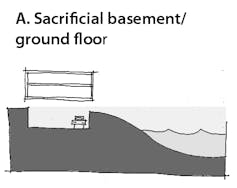
Living with water: four buildings that will withstand flooding


Deluge defence: smart solutions for when the rain comes