1/2
We Asked Pro Chefs for the Worst Kitchen Design Trends They've Ever Seen—And We're Shocked
In the realm of kitchen design, certain trends, while aesthetically pleasing, often fall short in practicality, especially for those who spend significant time cooking. This article delves into insights from professional chefs, Marissa Stevens and Christopher Hensel, who highlight several common kitchen design choices that they find particularly impractical and would avoid in their own culinary spaces. These insights serve as a guide for homeowners looking to create a functional and efficient kitchen.
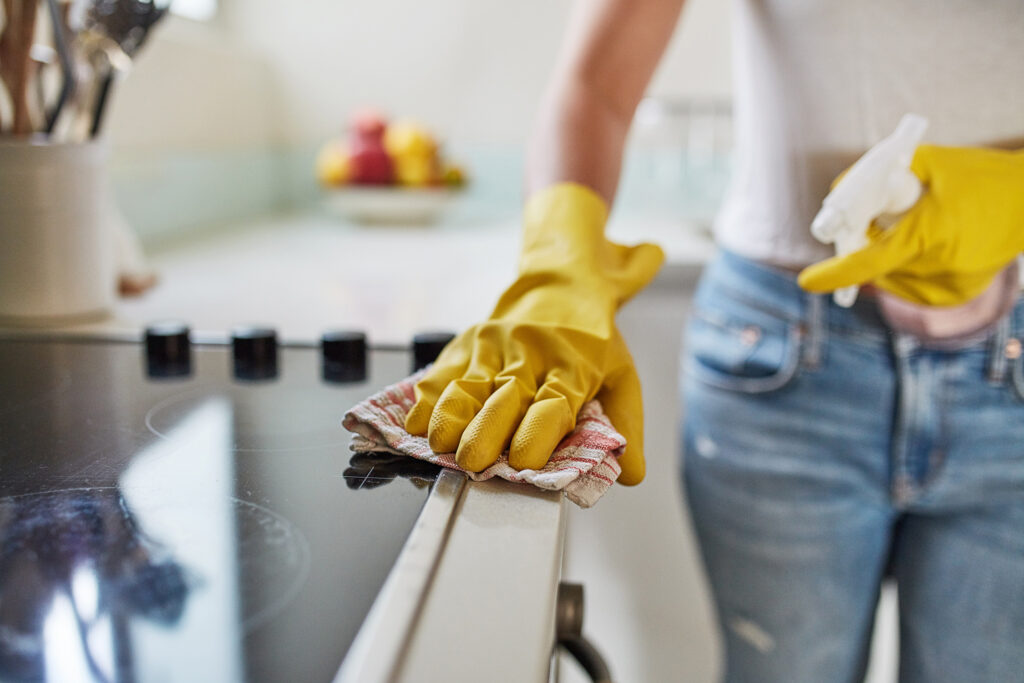
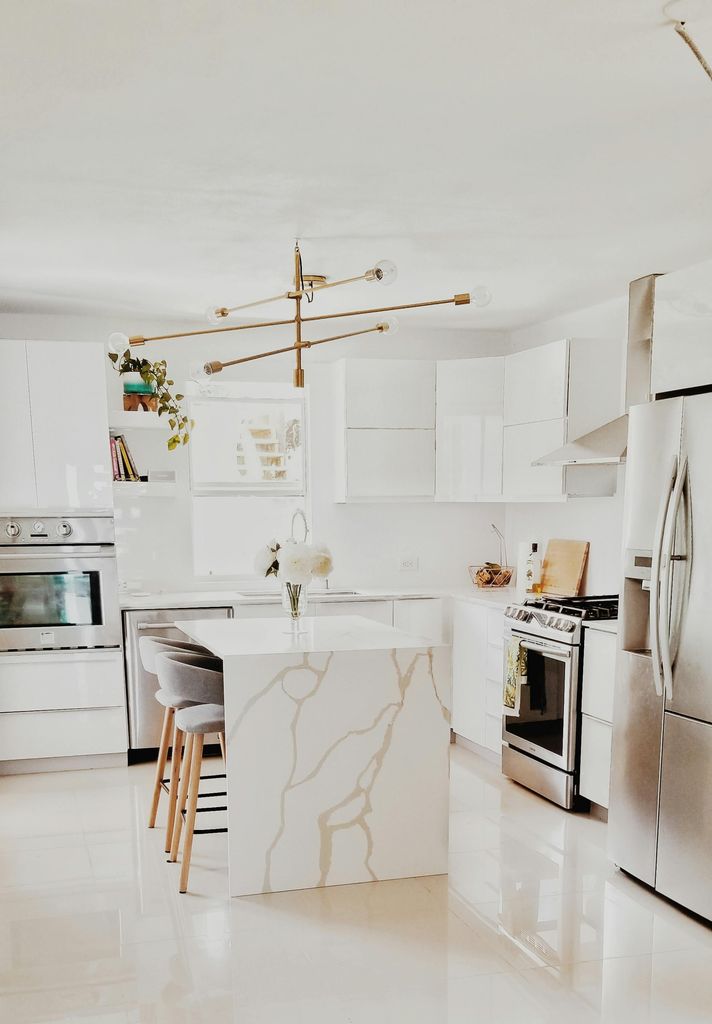
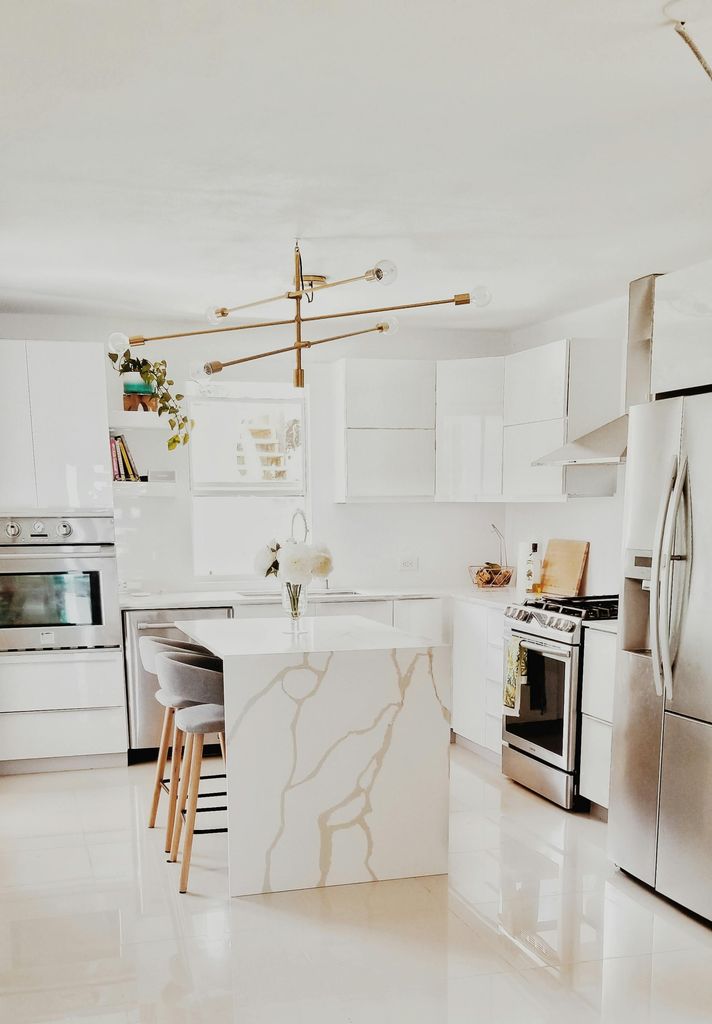
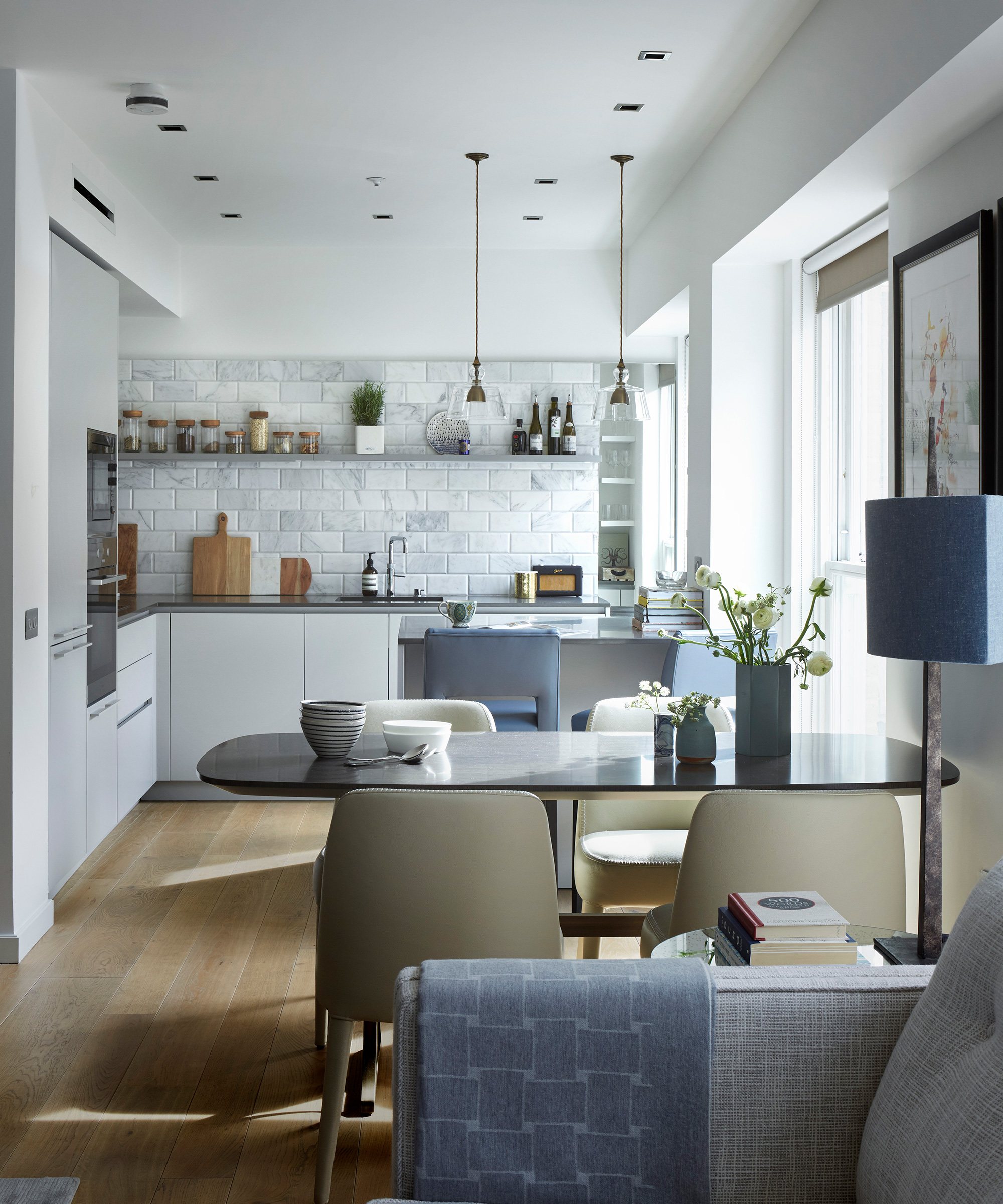
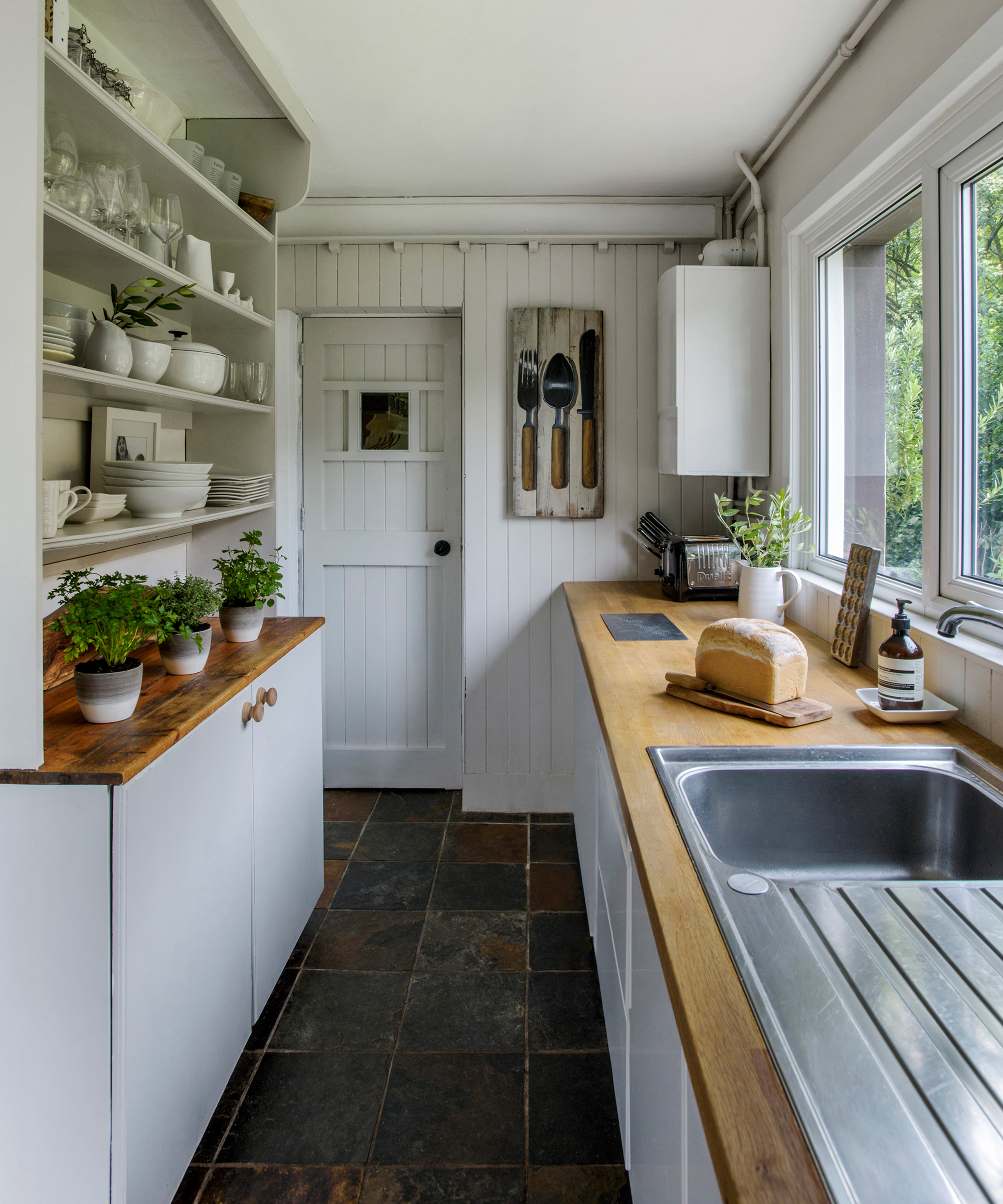
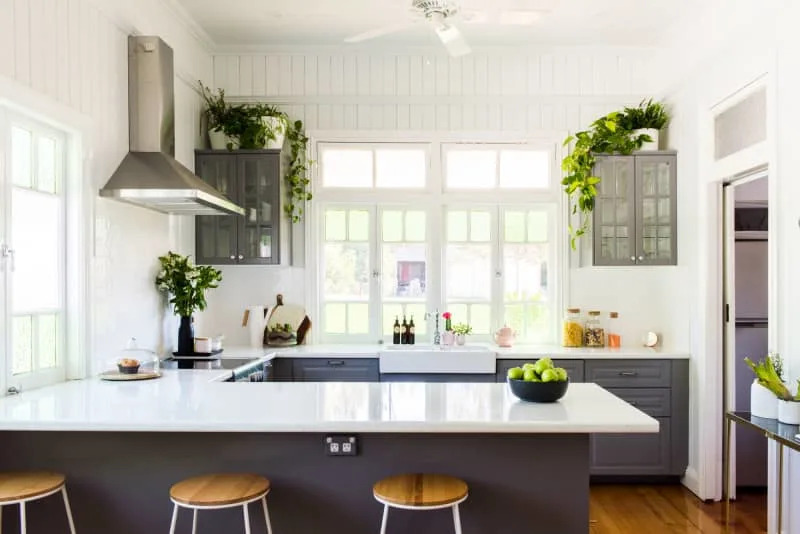
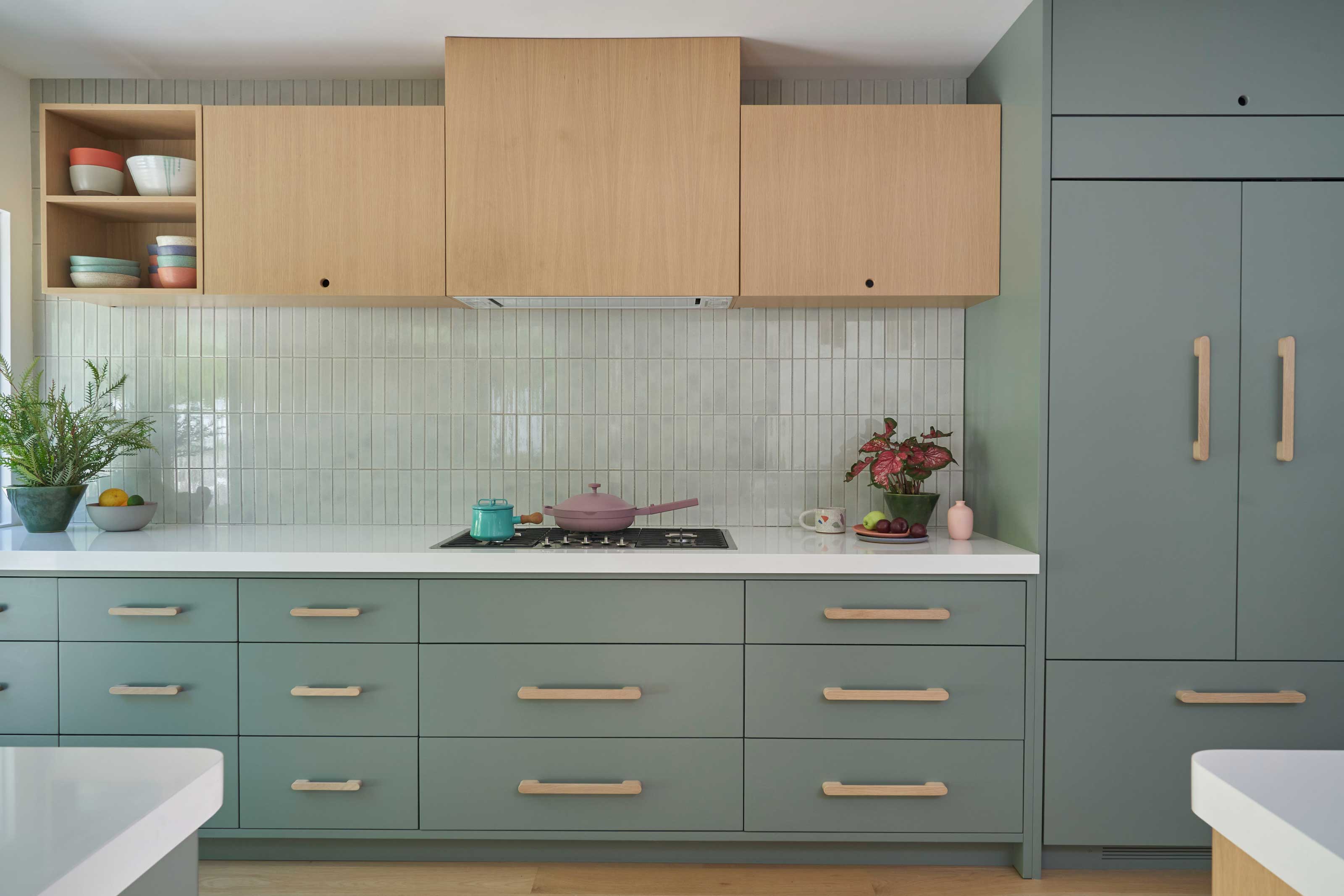
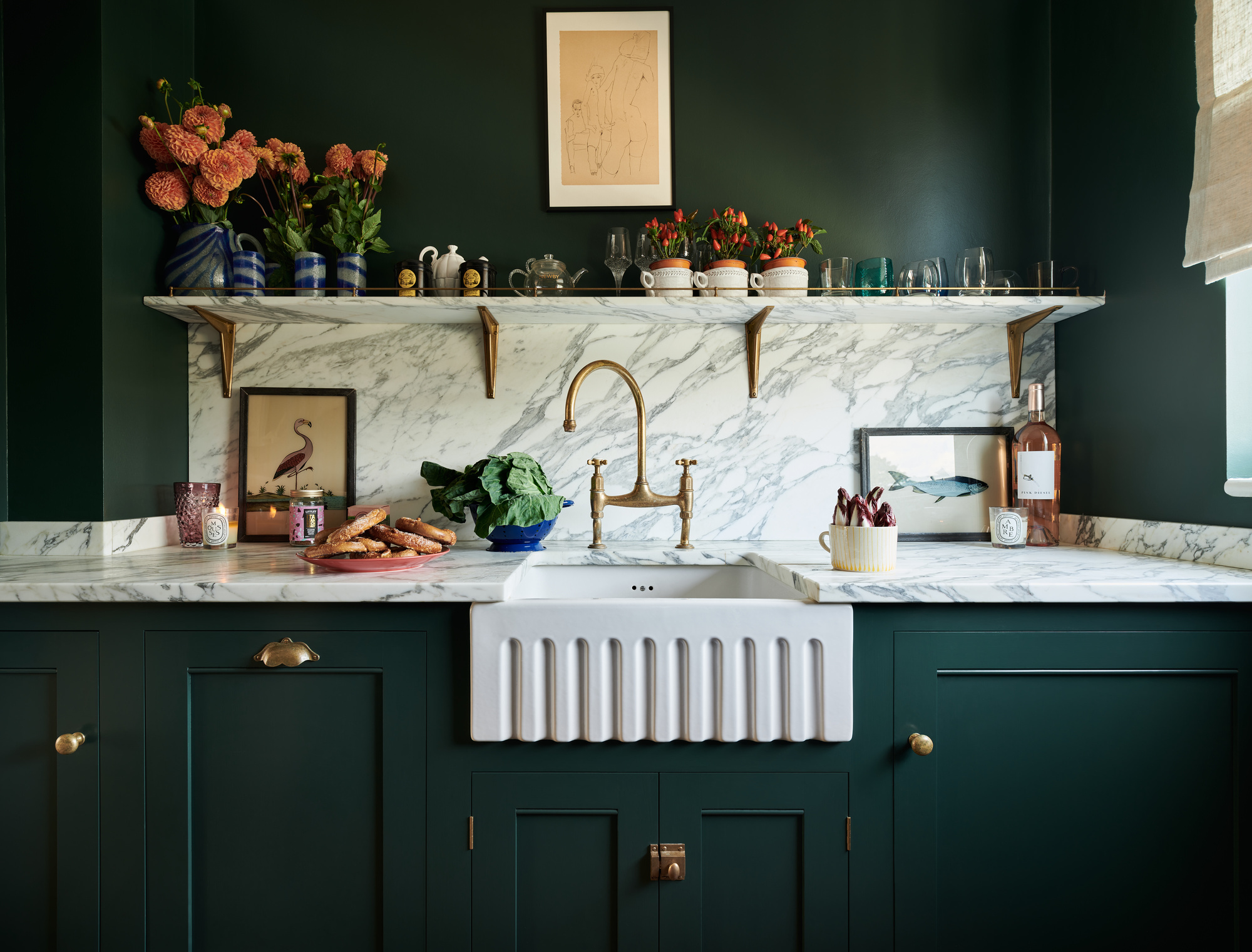
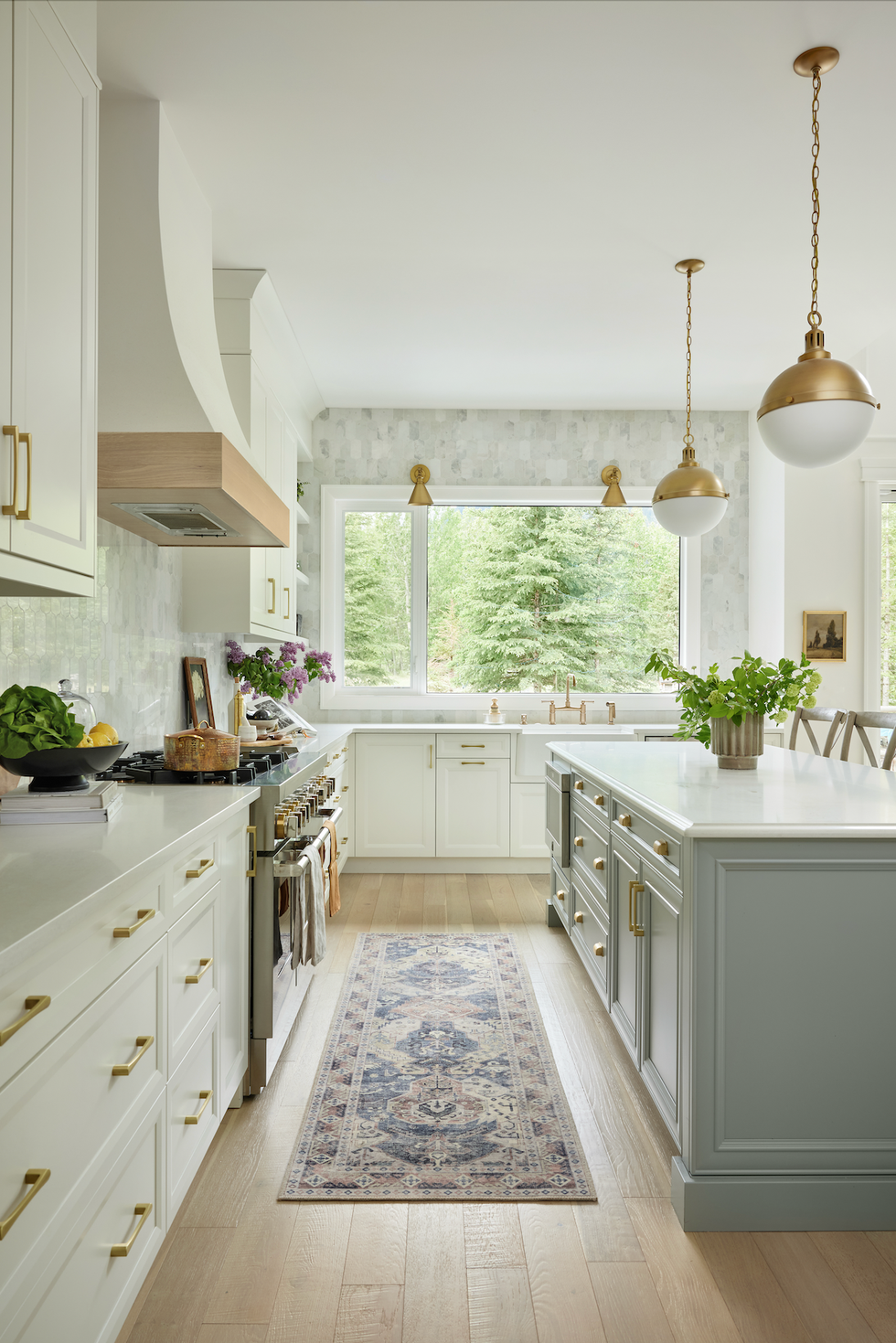
One of the most frequently criticized trends is the use of pure white countertops. While they offer a sleek and modern look, their pristine appearance comes with a high maintenance burden. Chef Christopher Hensel notes that every spill, coffee drop, or crumb becomes glaringly obvious, requiring constant cleaning to maintain a polished appearance. For a busy chef, this translates to an unwelcome distraction from cooking, making subtly veined or darker countertops a more practical alternative that can better disguise everyday messes.
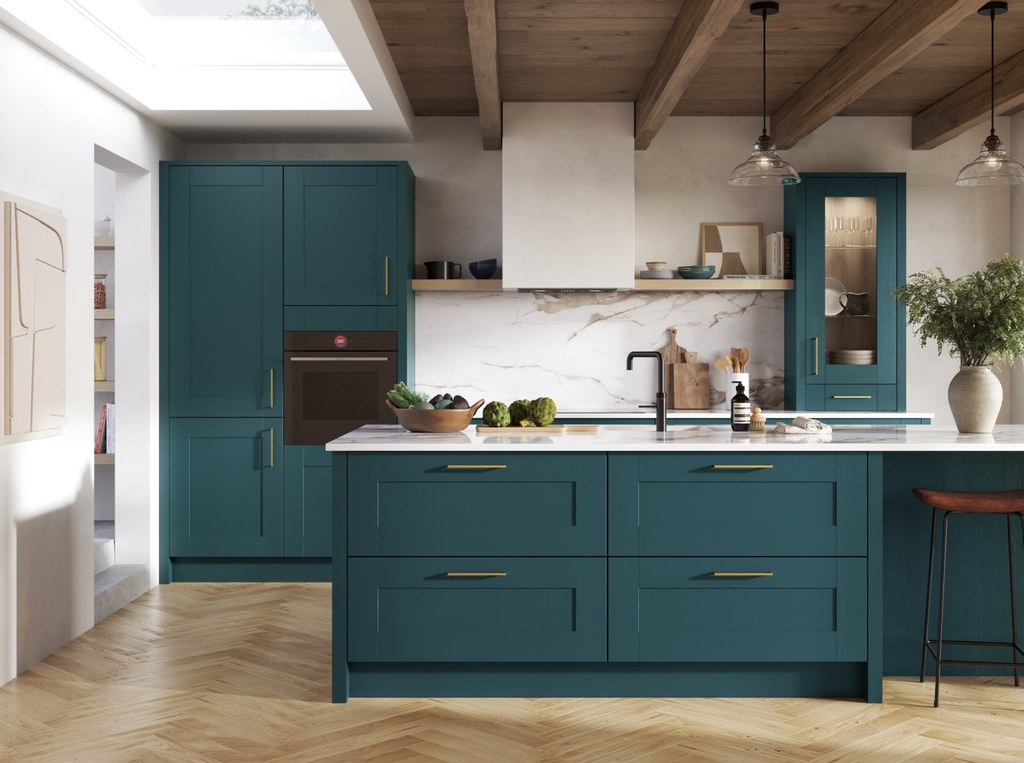
Another design element that draws criticism is the overuse of deep drawers in lower cabinets. Recipe developer Marissa Stevens observes a trend where homeowners replace most lower cabinets with deep drawers, even for pantry storage. While seemingly offering ample storage, deep drawers can be cumbersome for storing tall items like bottles or canisters, which tend to tip over easily. She suggests that traditional cabinets with pull-out shelves often prove to be a more effective and user-friendly solution for organizing various kitchen items.
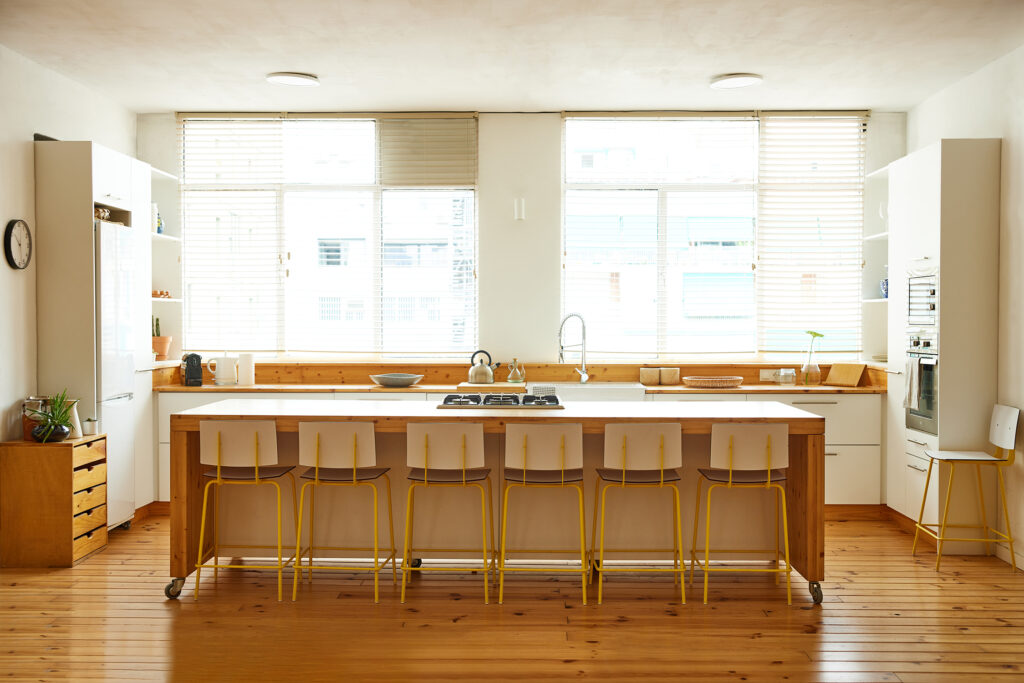
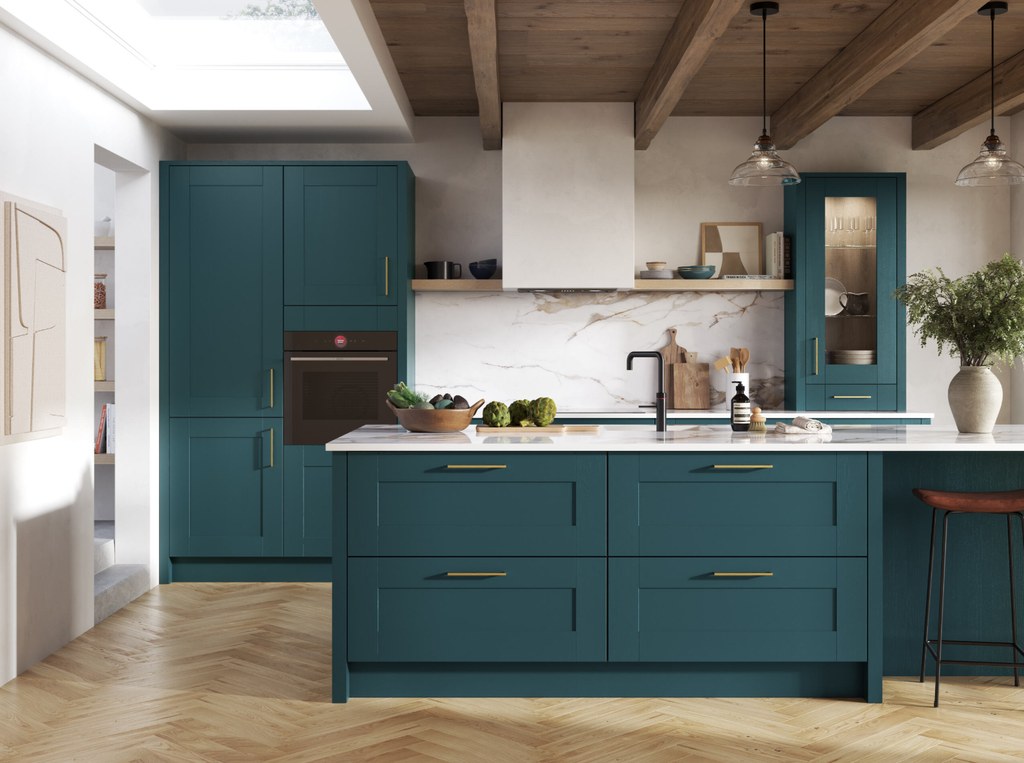
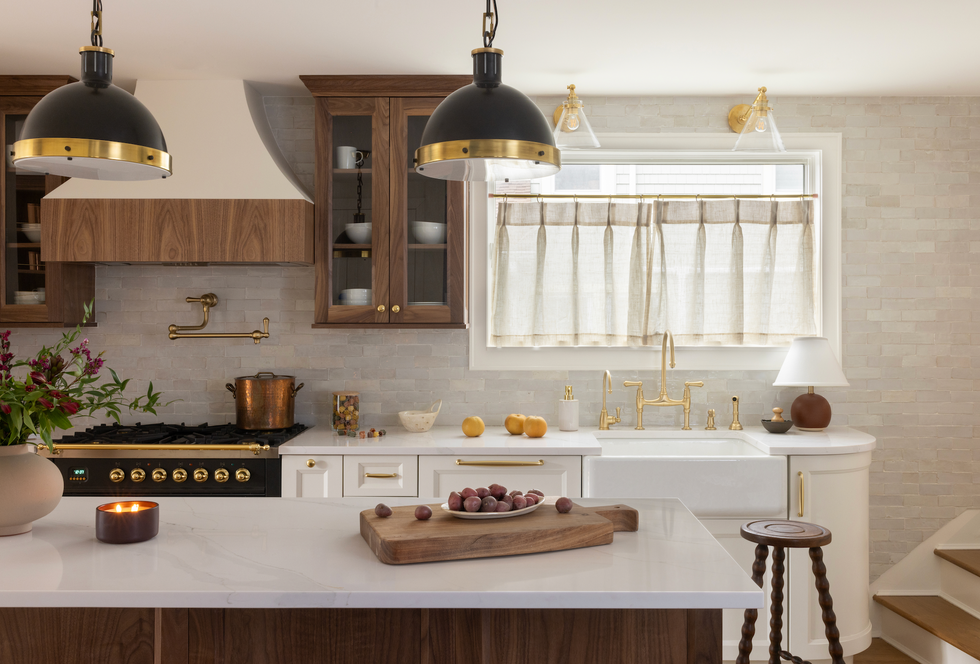
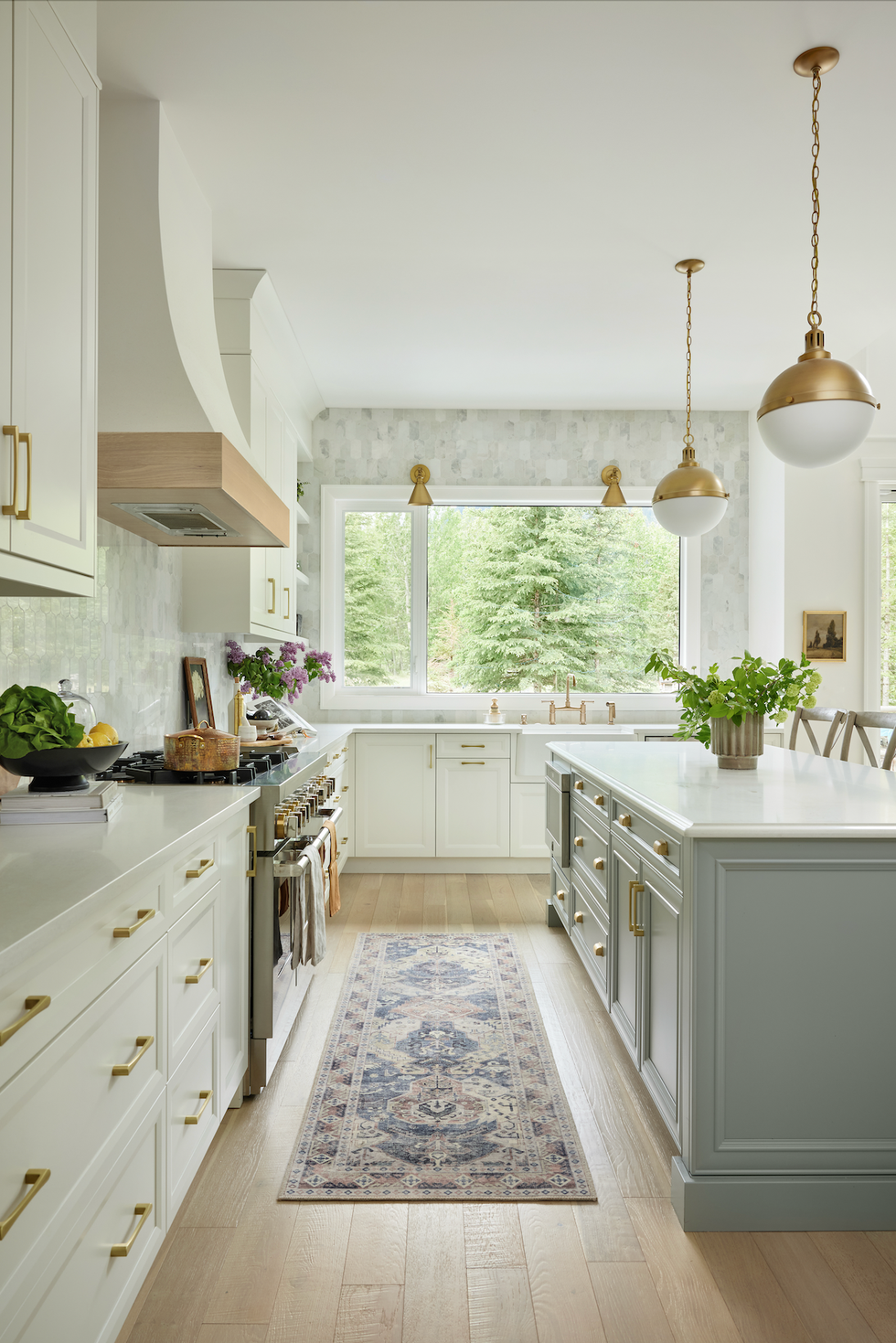
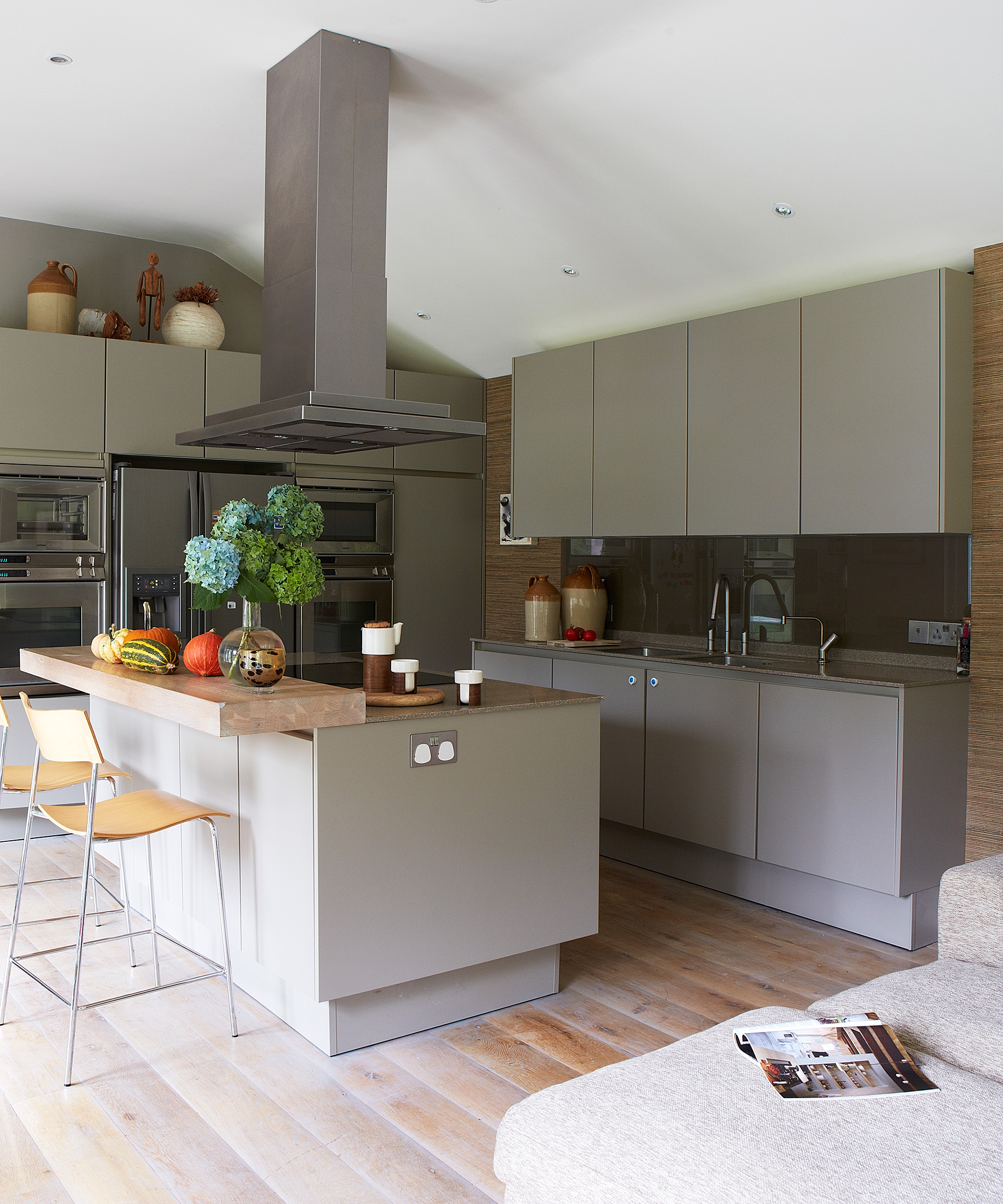
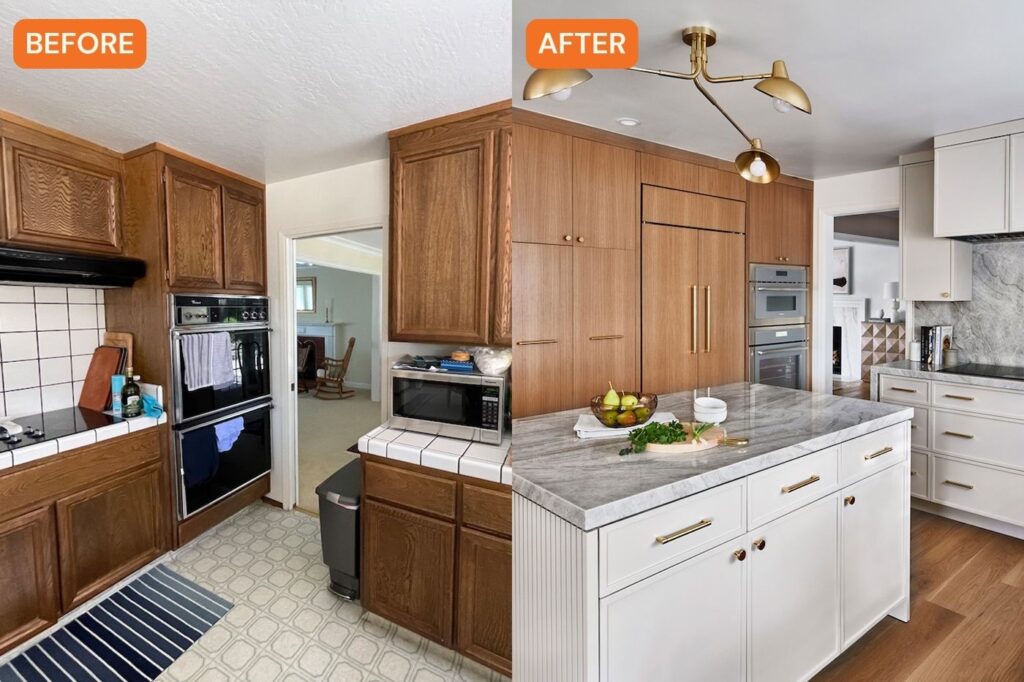
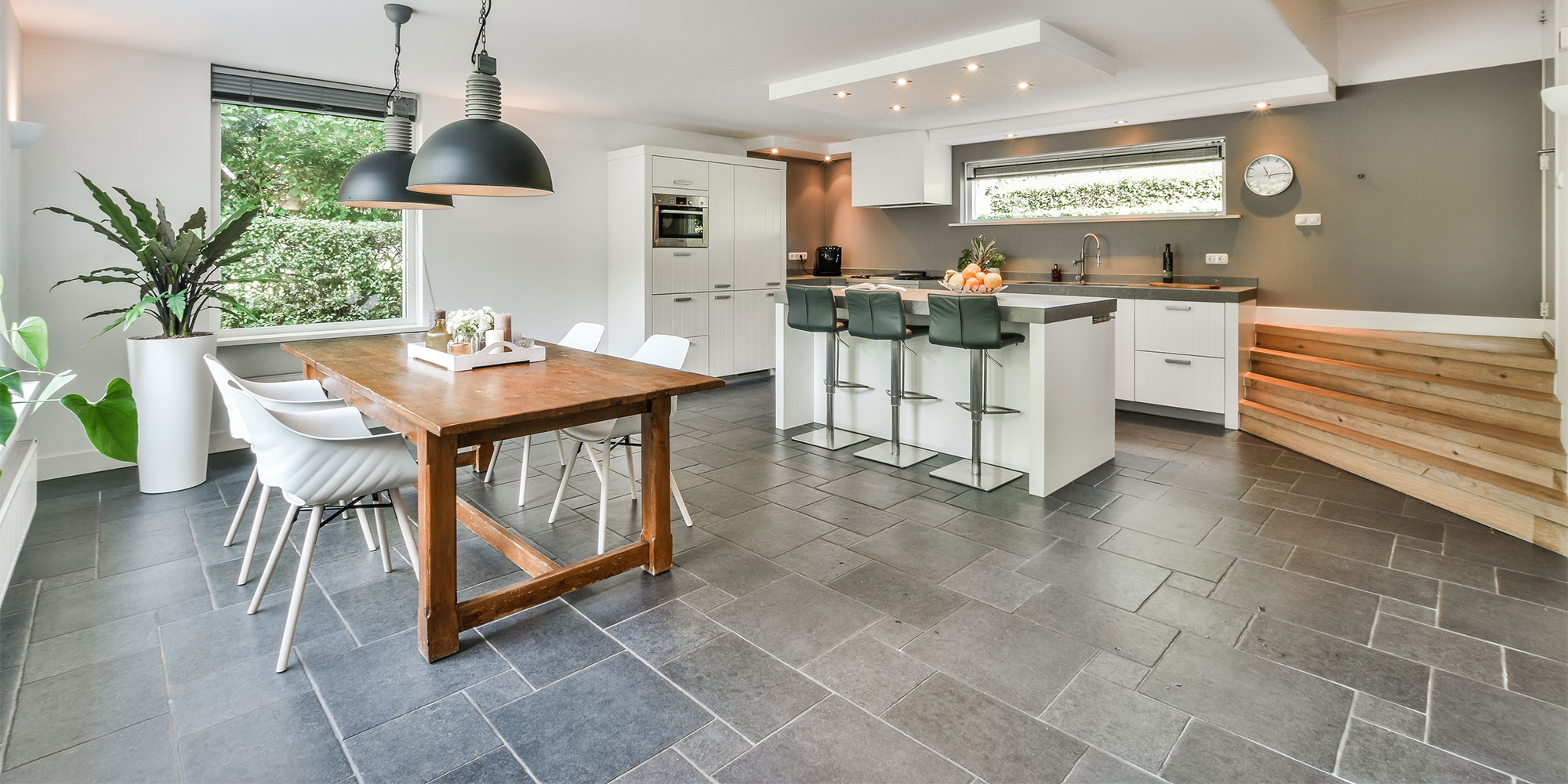
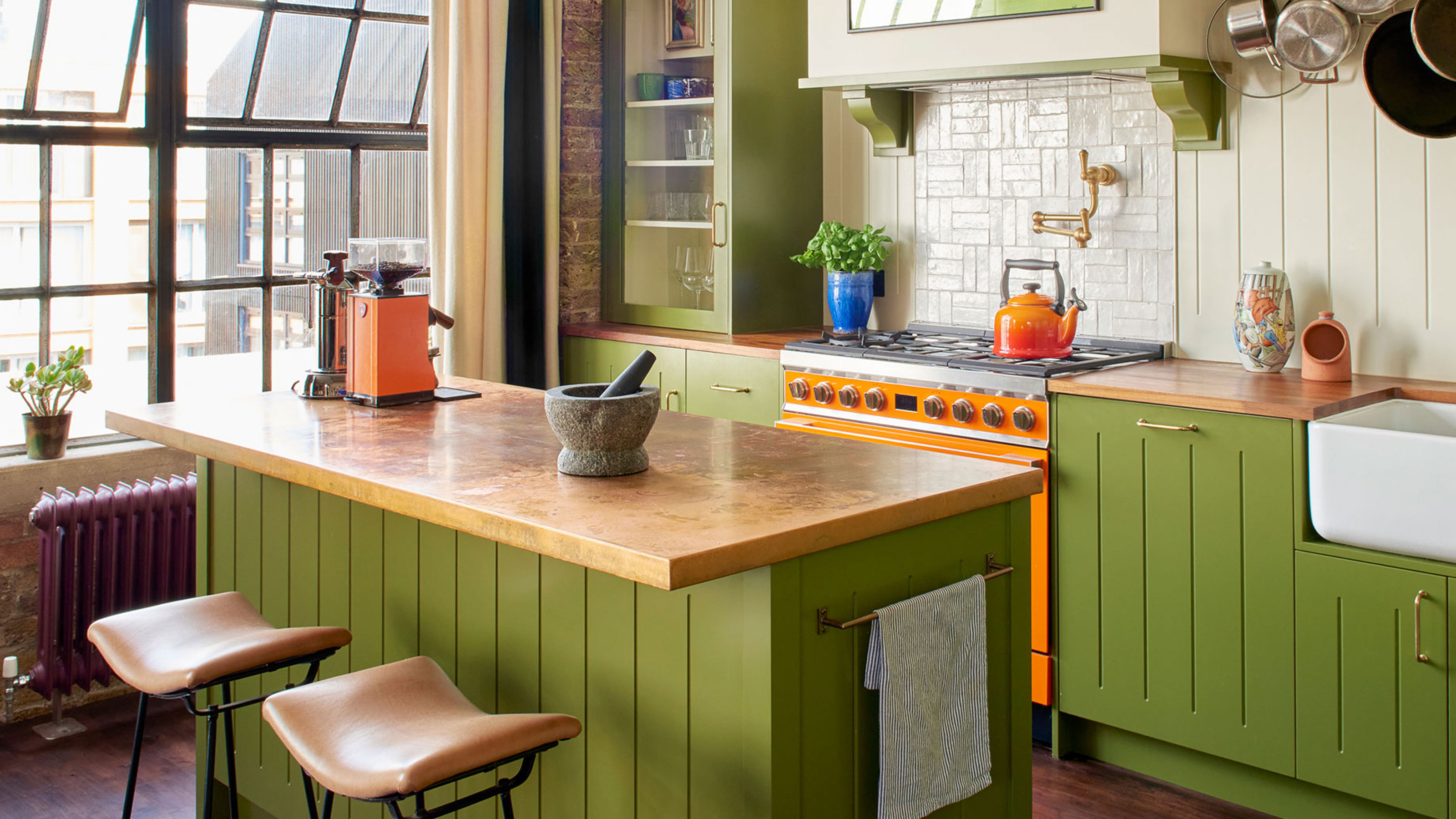
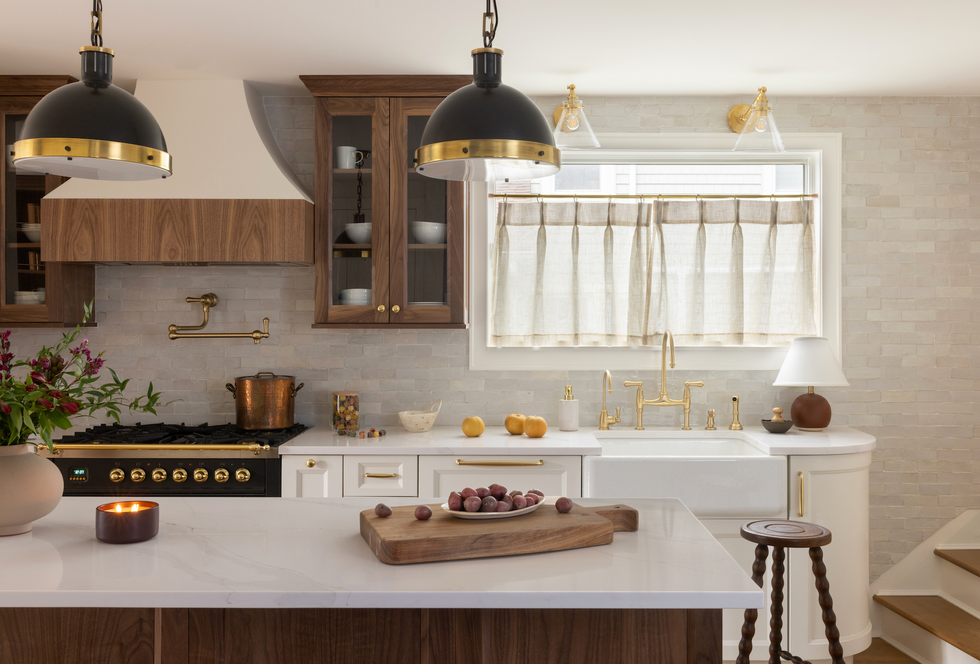
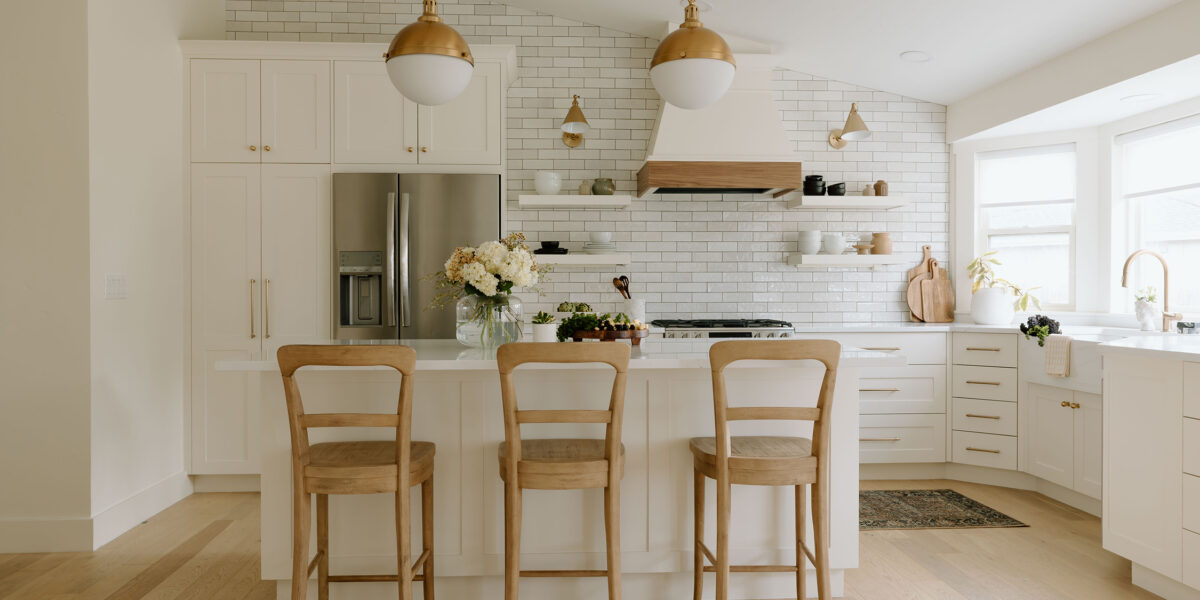
Kitchen islands, a popular feature, are also subject to design pitfalls. Stevens and Hensel point out two extremes: islands that are too small and those that are too large. Skinny islands with built-in sinks are a particular pain point for Hensel, who encounters them frequently in his work as a private chef. He explains that a small sink on a narrow island makes it nearly impossible to prevent water from splashing onto prep areas, cutting boards, and plated food, leading to an inefficient and messy workspace. Conversely, overly large islands, while appearing to offer generous prep space, can hinder movement and create accessibility issues. Stevens adds that a large island is only truly functional if it has sufficient electrical outlets. Running extension cords across a sprawling island negates its purpose and introduces inconvenience, especially for appliances like hand mixers. The article suggests that an ideal kitchen island should occupy no more than 10 percent of the total kitchen square footage, ensuring it enhances rather than impedes workflow.
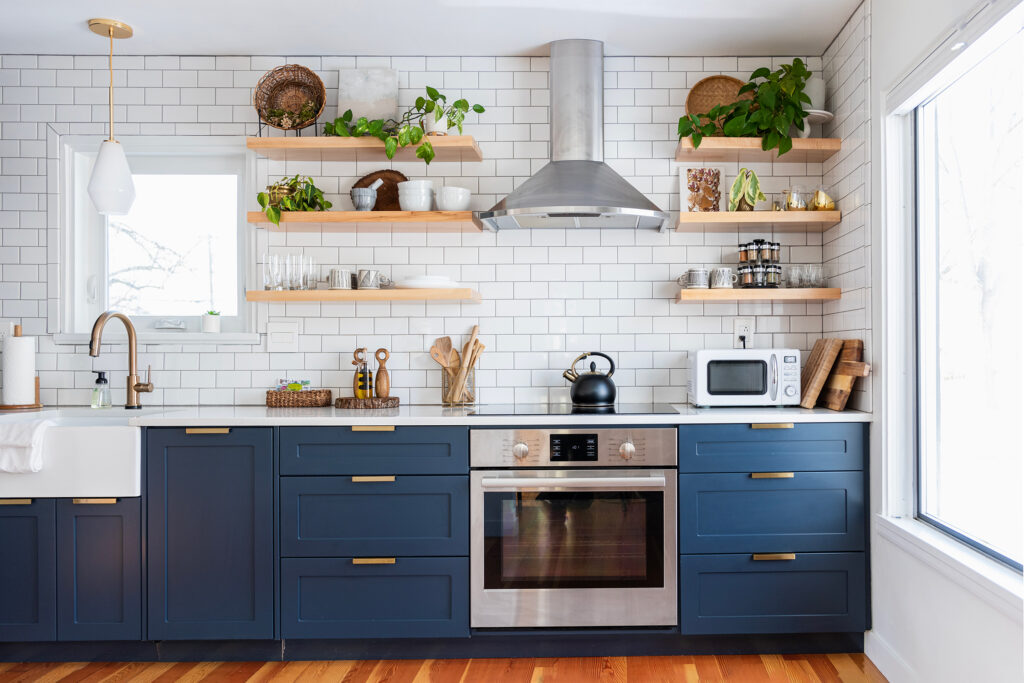
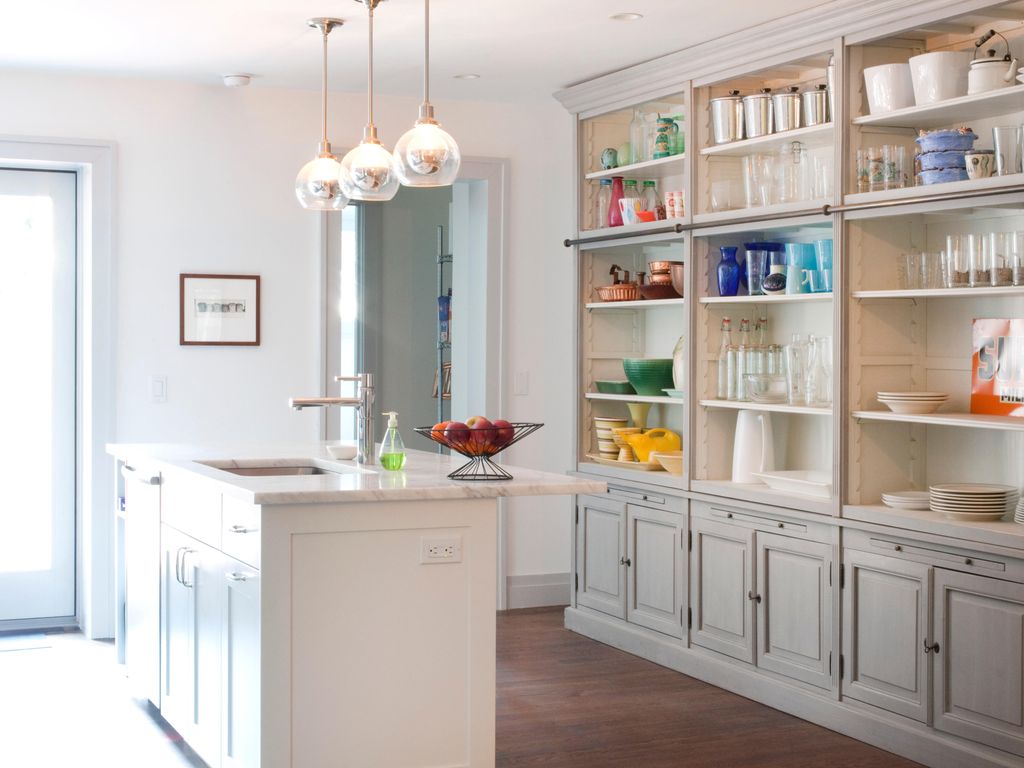
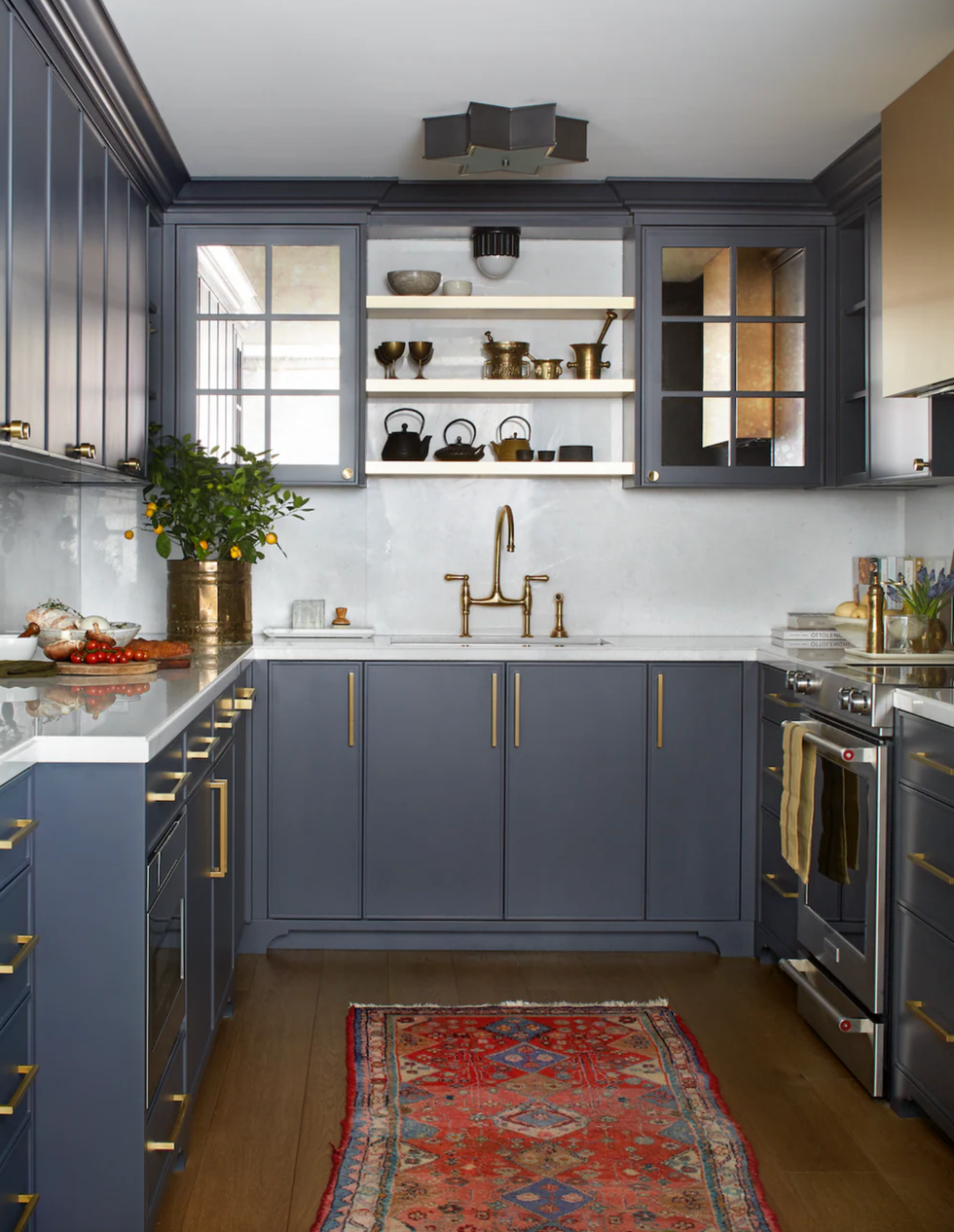
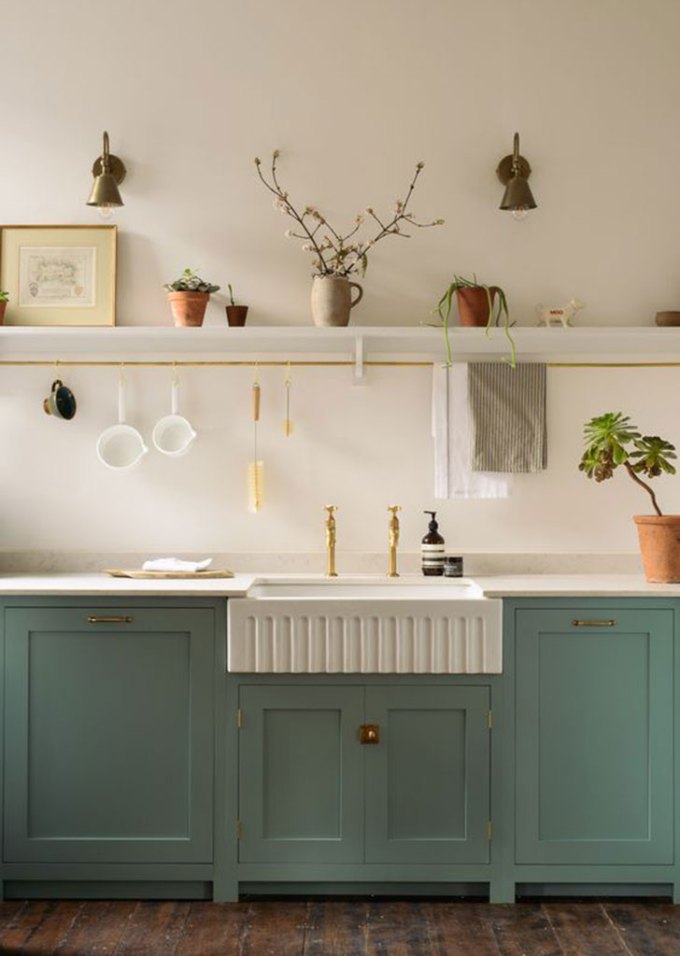
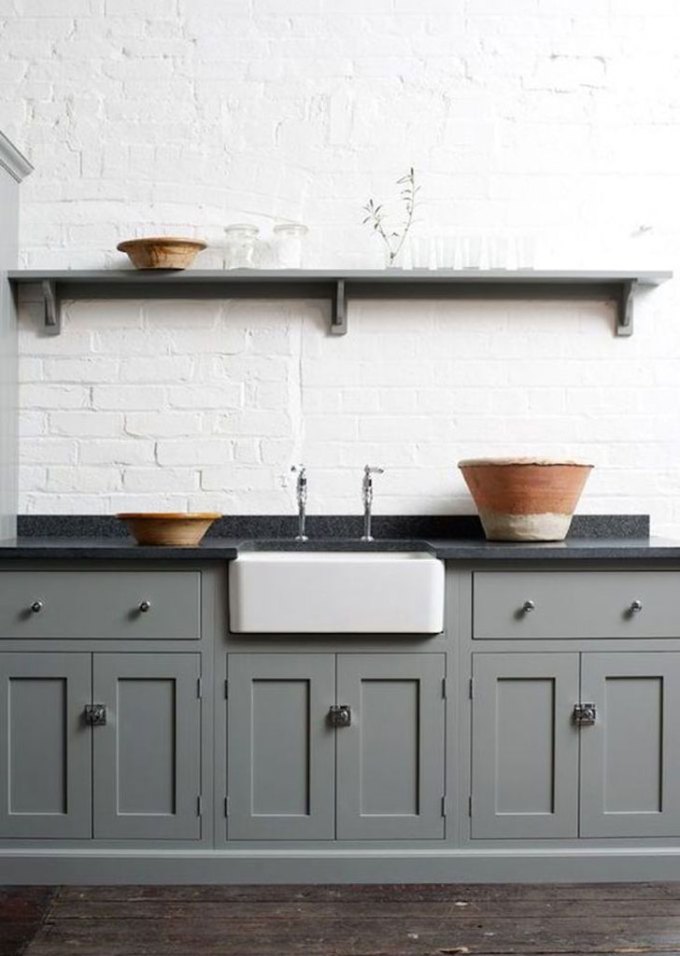
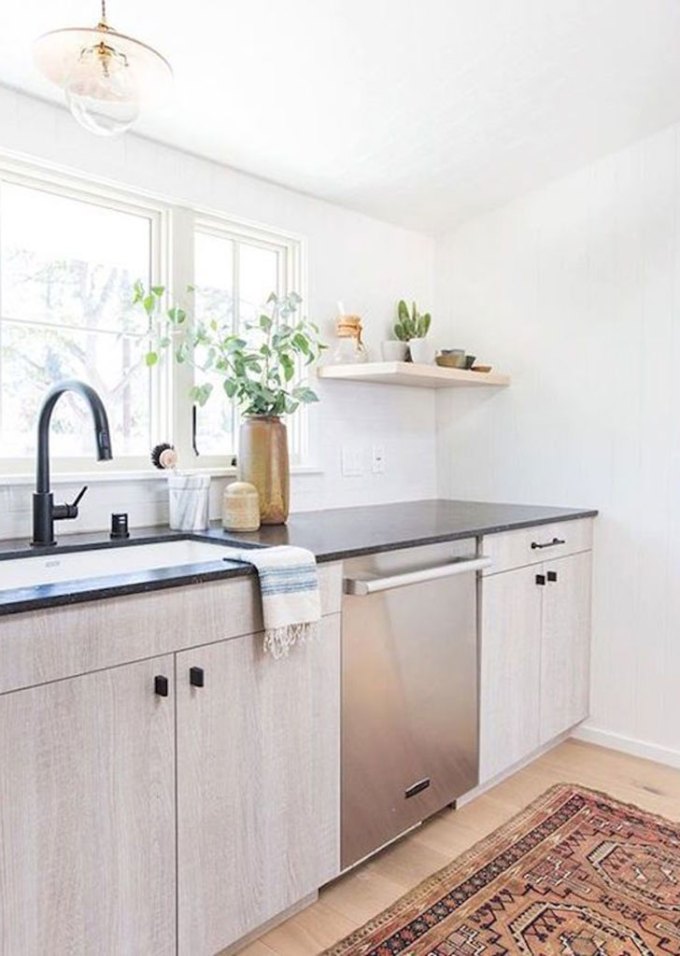
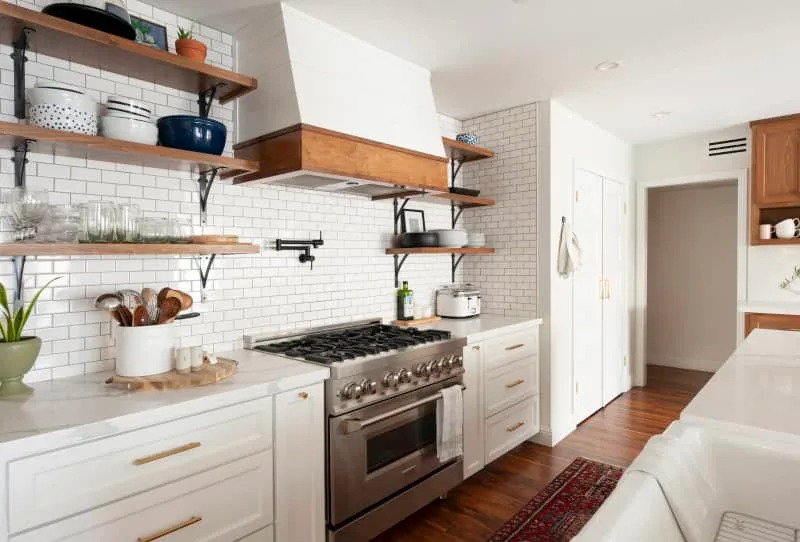
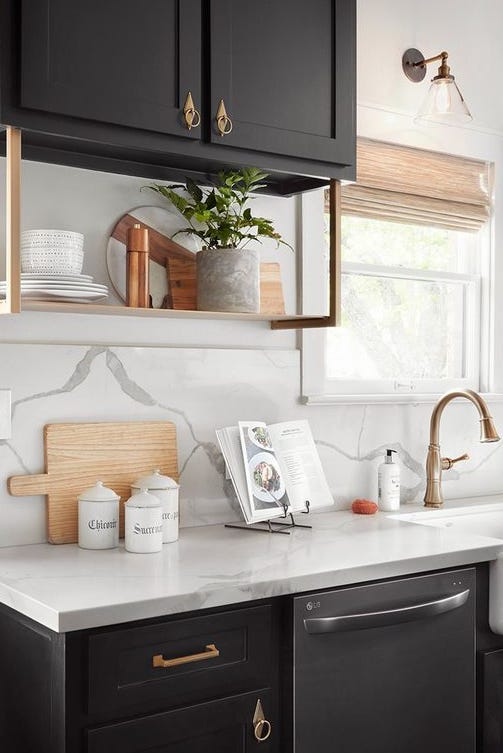
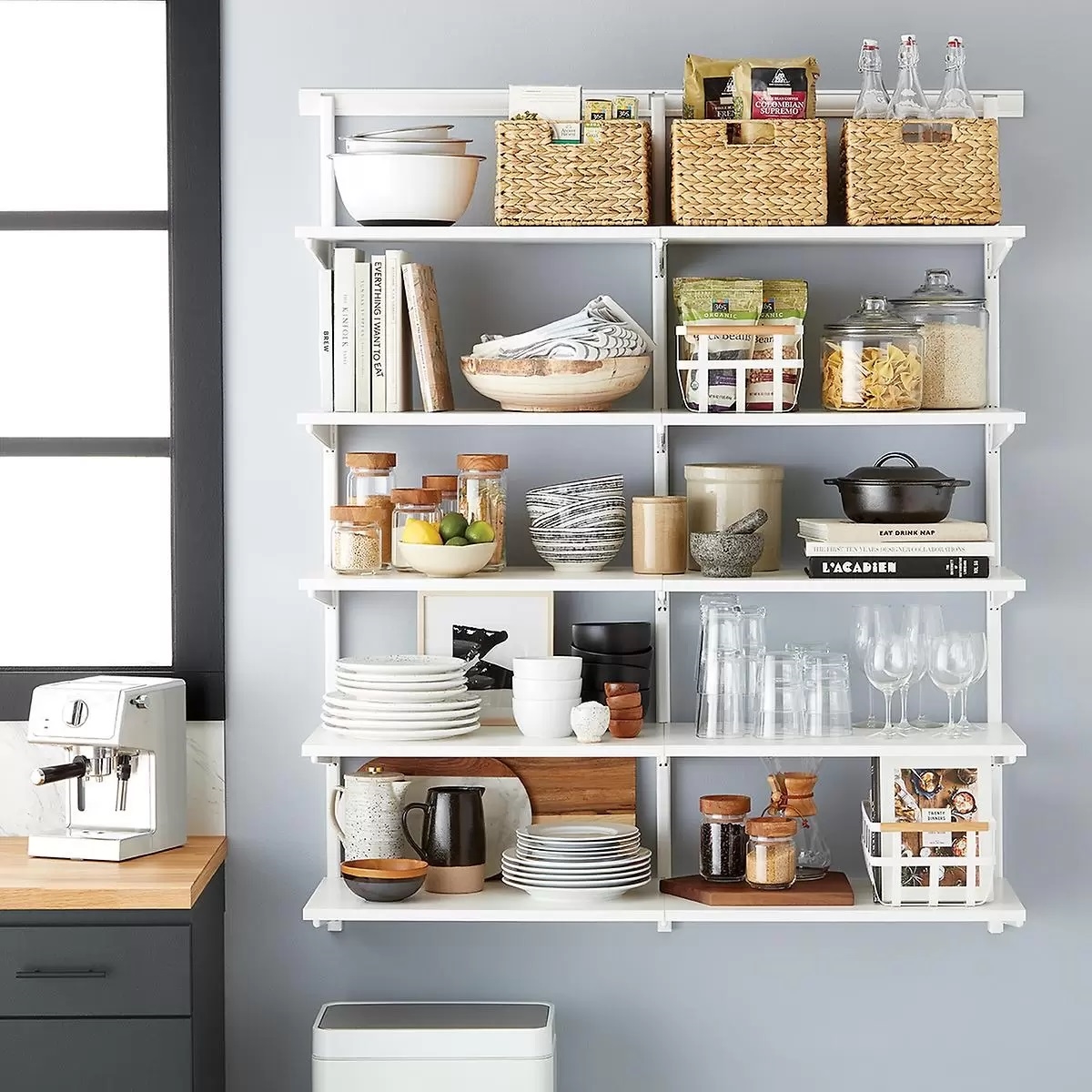
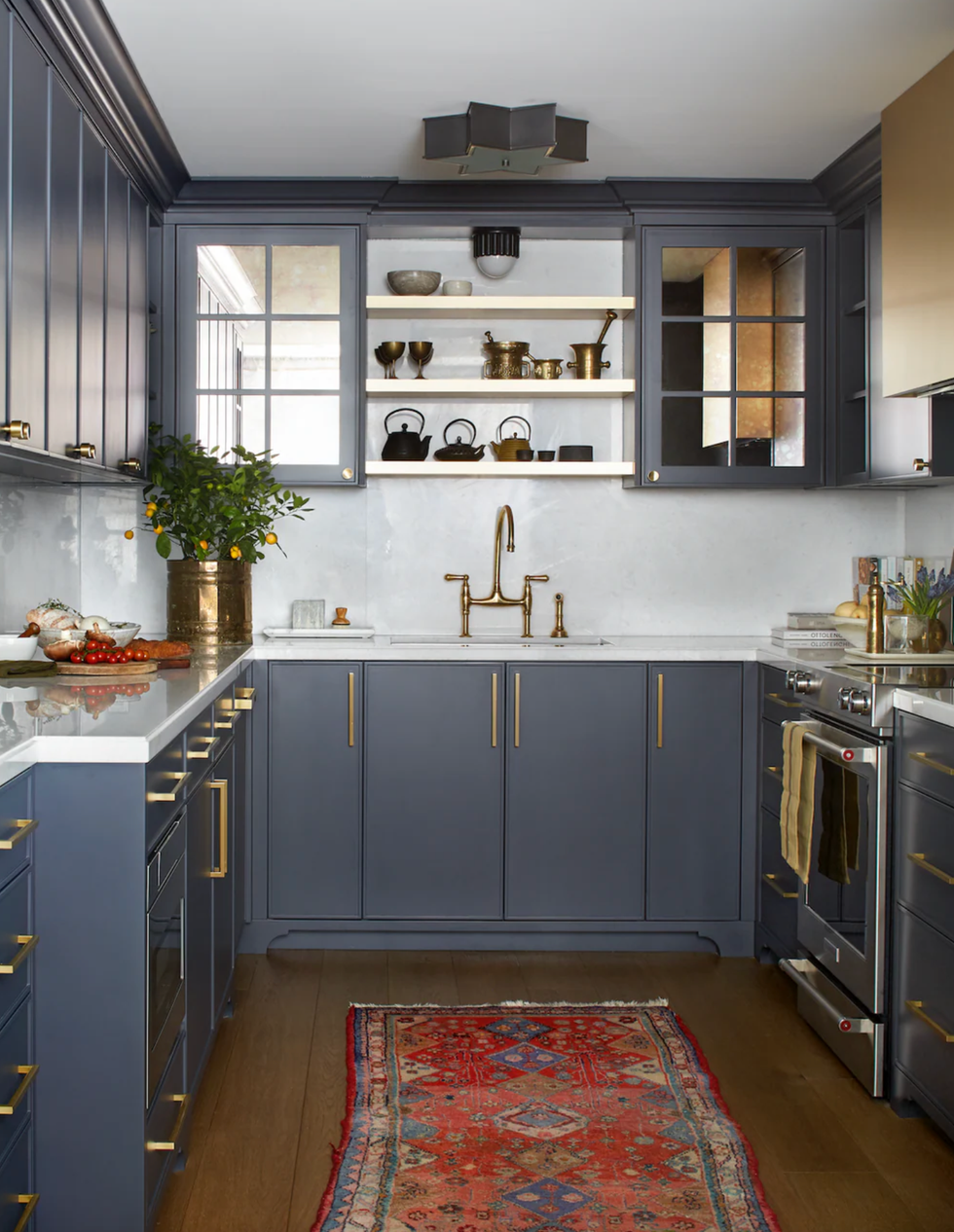
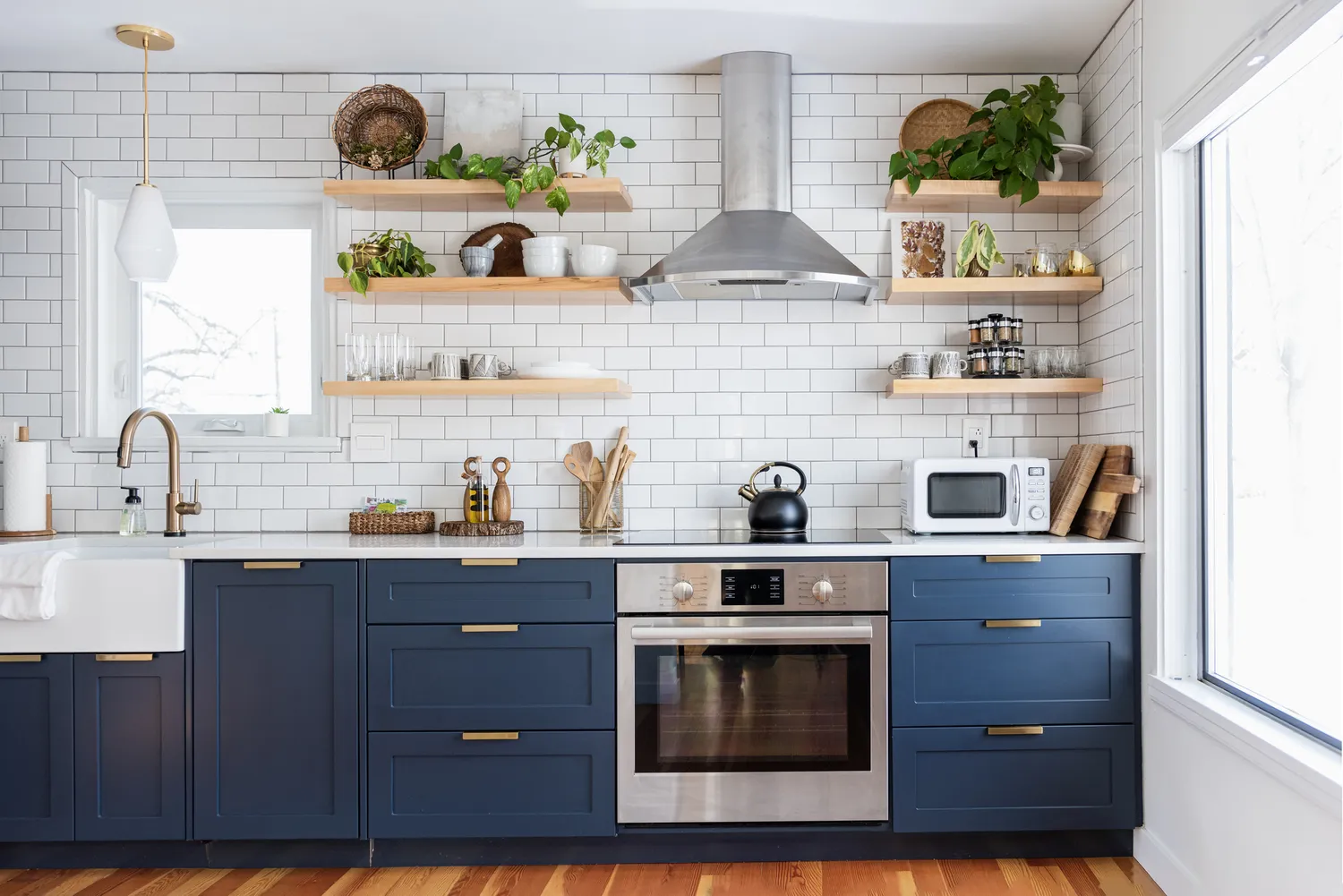
Finally, open shelving, a minimalist trend, is unanimously deemed impractical by both chefs. Stevens and Hensel agree that converting all upper cabinetry to open shelving creates significant challenges. Open shelves require constant styling to look tidy and are perpetually exposed to grease, steam, and dust, particularly from cooking. This means a continuous effort is needed to keep items clean and presentable, making it a demanding choice for a functional kitchen where appliances and ingredients need protection. Enclosed cabinets, they argue, offer superior protection and ease of maintenance, safeguarding kitchen tools and ingredients from environmental factors. The chefs' perspectives emphasize that prioritizing functionality, ease of maintenance, and practical storage solutions should be paramount in kitchen design, overriding purely aesthetic trends that may ultimately hinder cooking efficiency.
#KitchenDesign #ChefInsights #KitchenTrends #CountertopChoices #KitchenIslands #DeepDrawers #OpenShelving #HomeRenovation #PracticalDesign #KitchenDesign #ChefInsights #KitchenTrends #CountertopChoices #KitchenIslands #DeepDrawers #OpenShelving #HomeRenovation #PracticalDesign
合計0件のコメント
 まだコメントはありません
あなたも好きかもしれません
7 Kitchen Design Trends Chefs Say Are Totally Bogus
These are the worst kitchen layouts according to designers (and the tips on how to work with them)

7 things people regret most about their kitchen design
We Asked Designers for the Outdated Dining Room Styles Making a Comeback—And We're Shocked
8 shockingly common kitchen design mistakes according to a pro

The Controversial Kitchen Trend the Design World Is Buzzing Over
We Asked Designers Which Kitchen Features People Regret Most, and Now We Can't Unsee the Mistakes
Designers are leaving these outdated kitchen trends in 2022 – some of their choices might shock you

8 shockingly common kitchen design mistakes according to a pro

7 Impractical Kitchen Trends Designers Never Recommend to Their Clients

Top Designers Reveal the Biggest Kitchen Design Trends of the Year

5 Kitchen Renovations Designers Wish Their Clients NEVER Asked for Again

We Asked Designers Which Dining Room Features People Regret Most—And We're Shocked
This Once-Popular Kitchen Trend Is Actually a Huge Pain—Here’s One Designer’s Solution
The Biggest Kitchen Design Regrets Of 2025, According To Reddit Users

I Asked Interior Designers to Share the Worst Decorating Trends They've Seen on Social Media

5 Kitchen Renovation Moves That Make Designers CRINGE
I Asked 3 Designers About the Mistakes They Wish People Would Stop Making in Their Kitchen, and Here’s What They Said

25 Kitchen Trends You Might Regret + Photos
7 Common Kitchen Features That Actually Give Designers the "Ick"