We Asked Designers Which Dining Room Features People Regret Most—And We're Shocked
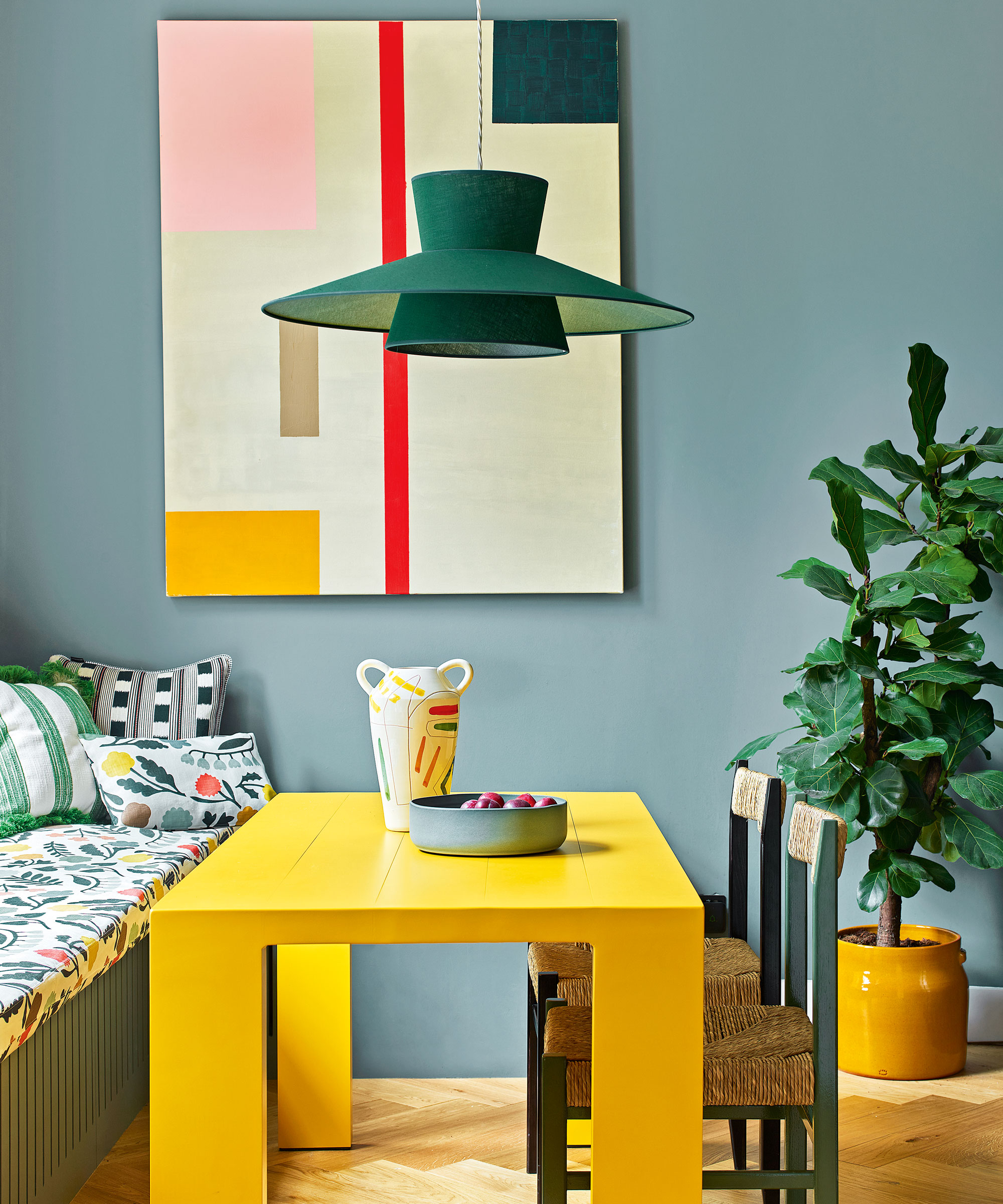
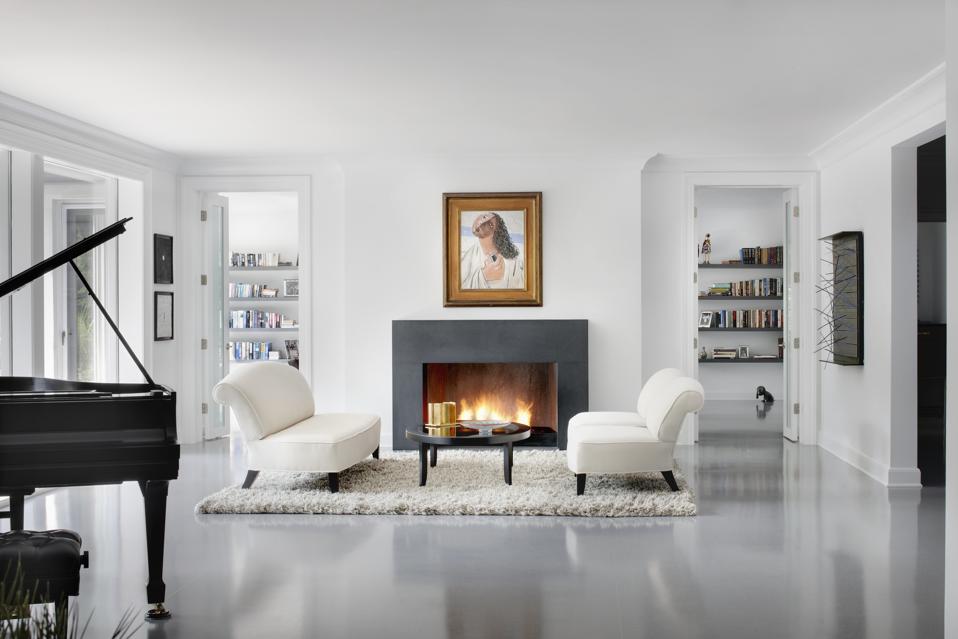
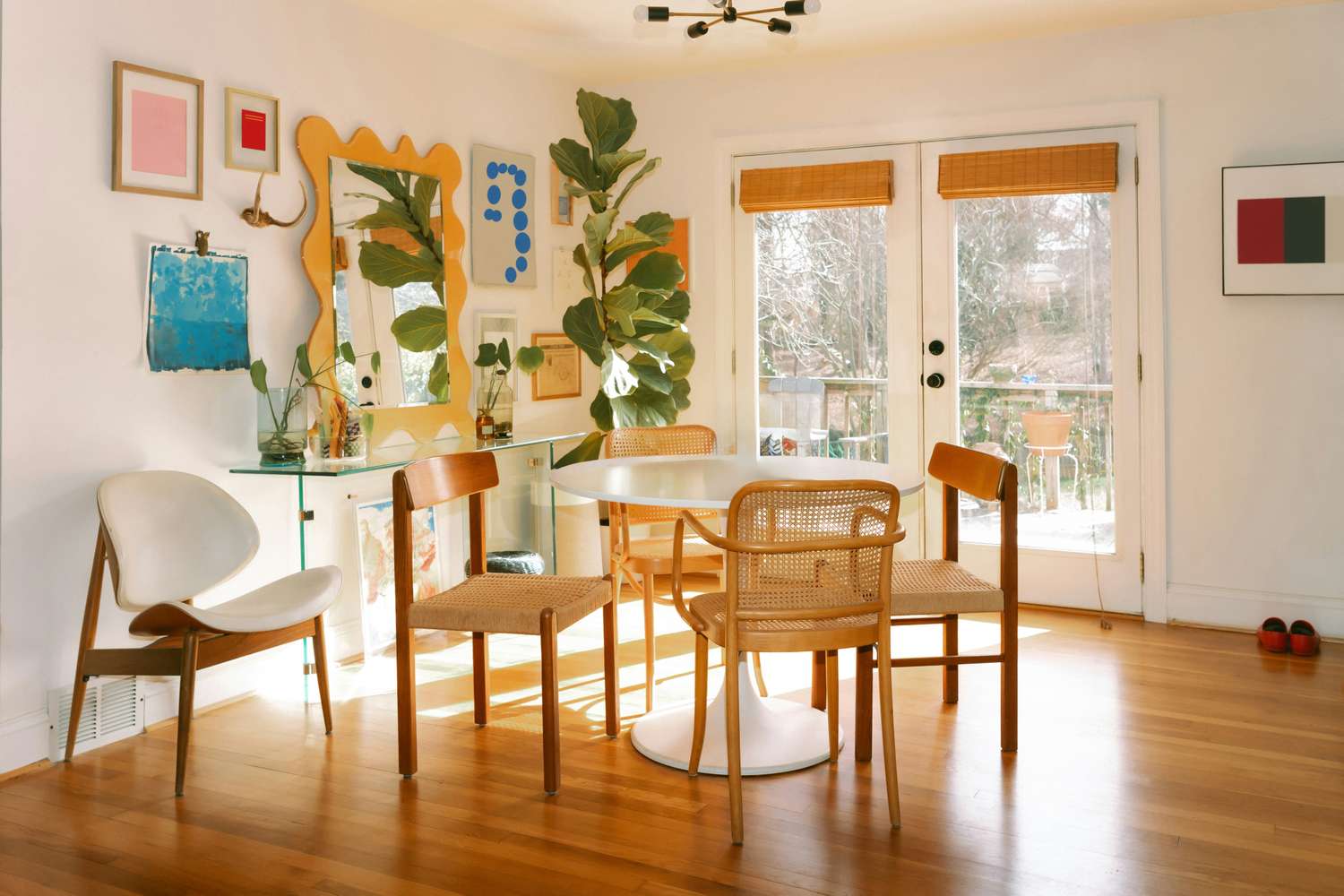
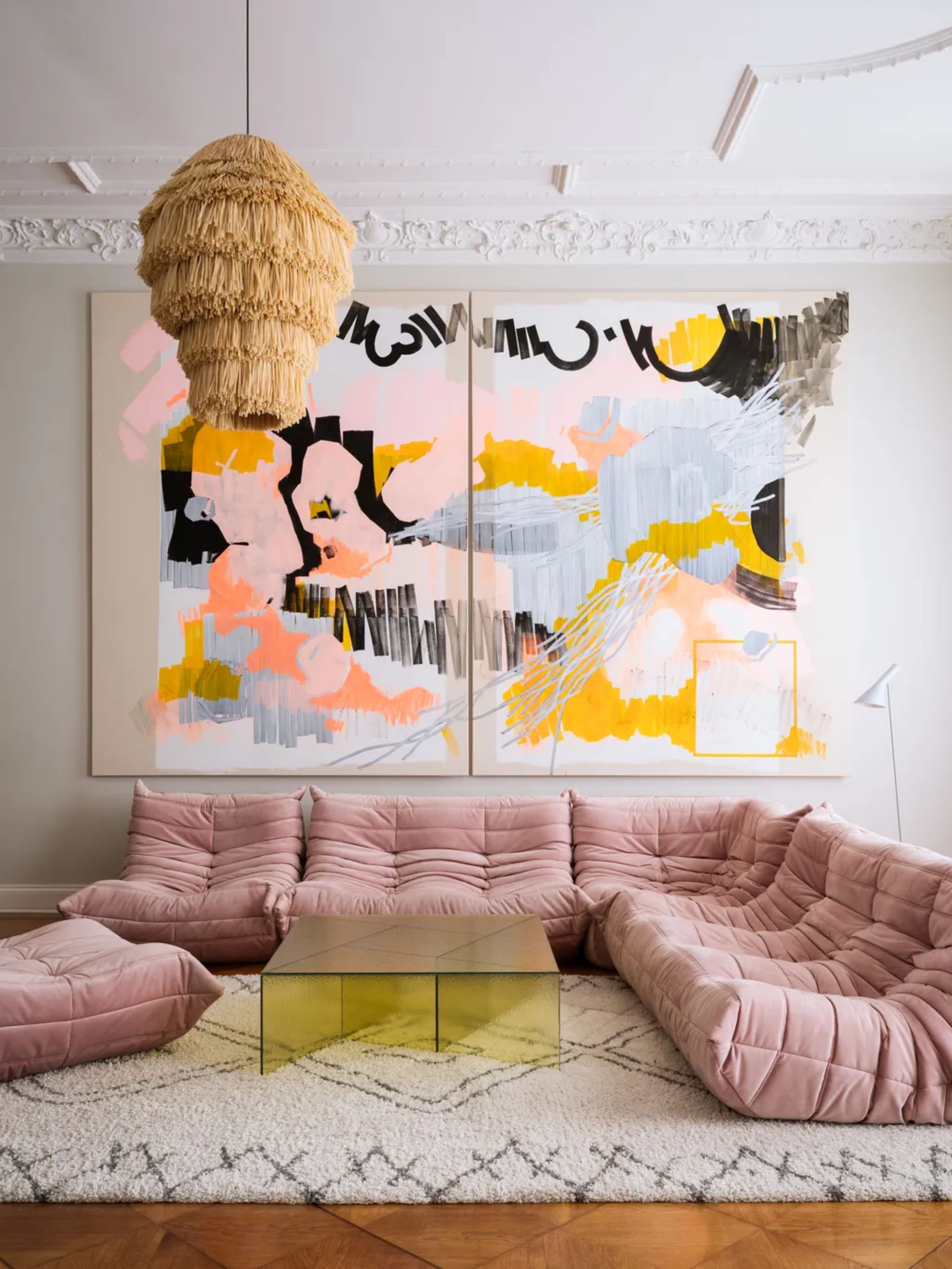
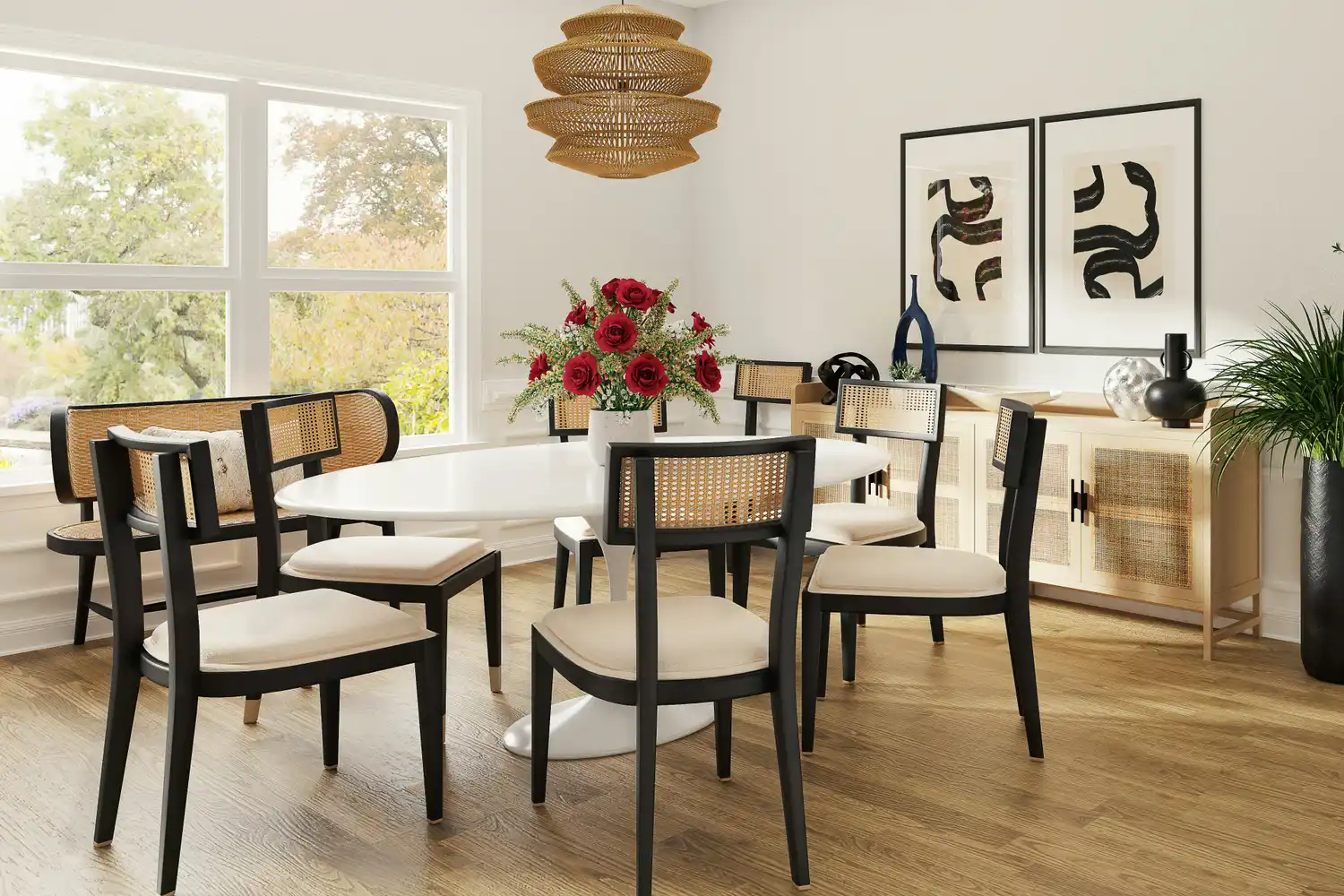
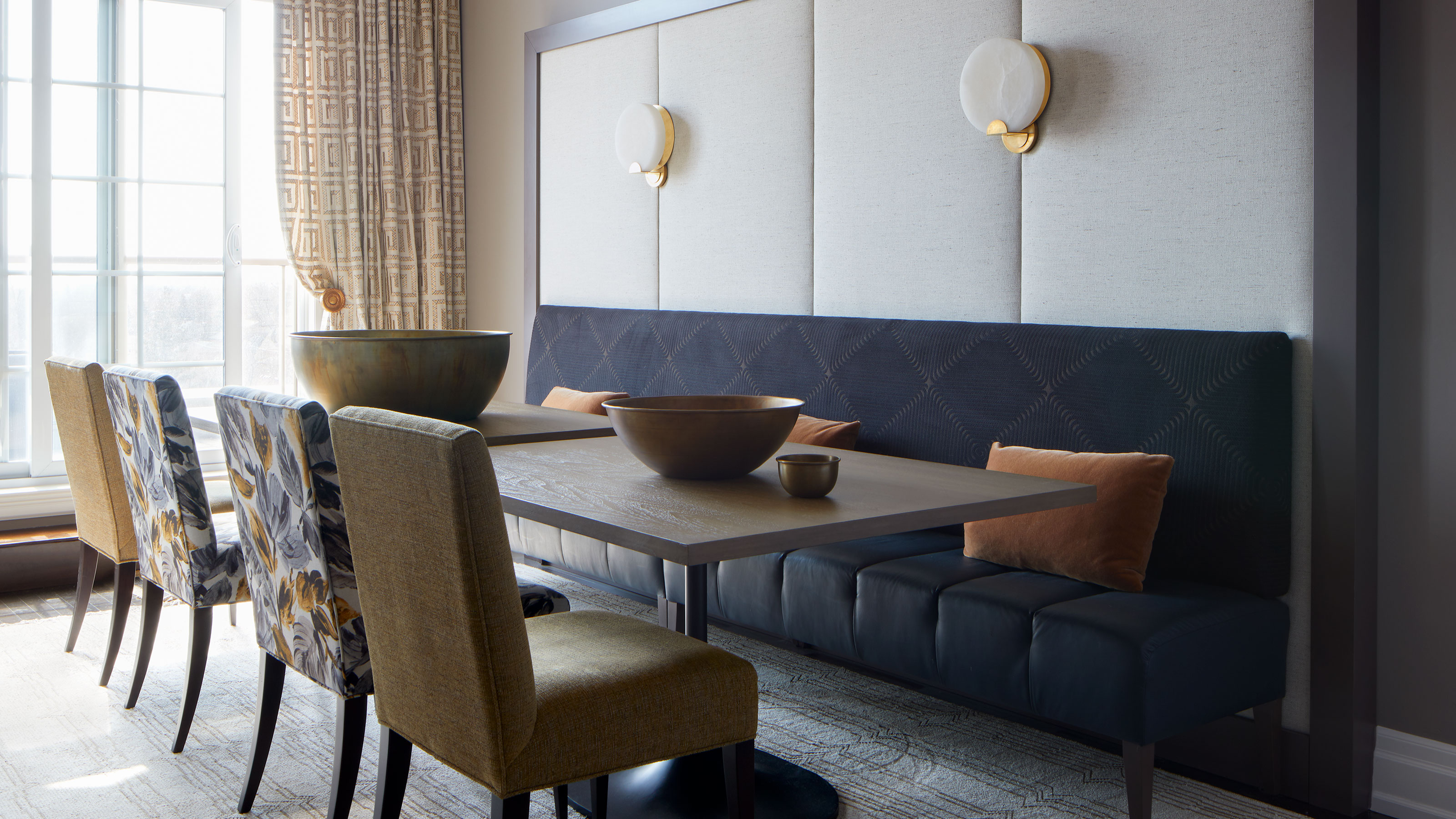
This article explores common dining room design regrets identified by interior designers Kristina Phillips, Madelaine Mayer, and Ayten Nadeau, offering advice on how to avoid them for a more enduring and stylish space. The primary focus is on making thoughtful choices in furniture selection and lighting schemes to prevent dissatisfaction with a dining room over time. The first regret discussed is the "matchy-matchy" aesthetic, where all dining room furniture shares the same finish. Designers suggest that this approach can make a space feel like a showroom display rather than a curated home. Instead, they recommend blending different styles and textures, such as combining lacquer, grasscloth, and various fabrics, to create a more sophisticated and collected look. This layering of elements adds depth and visual interest, making the room appear more intentionally designed.
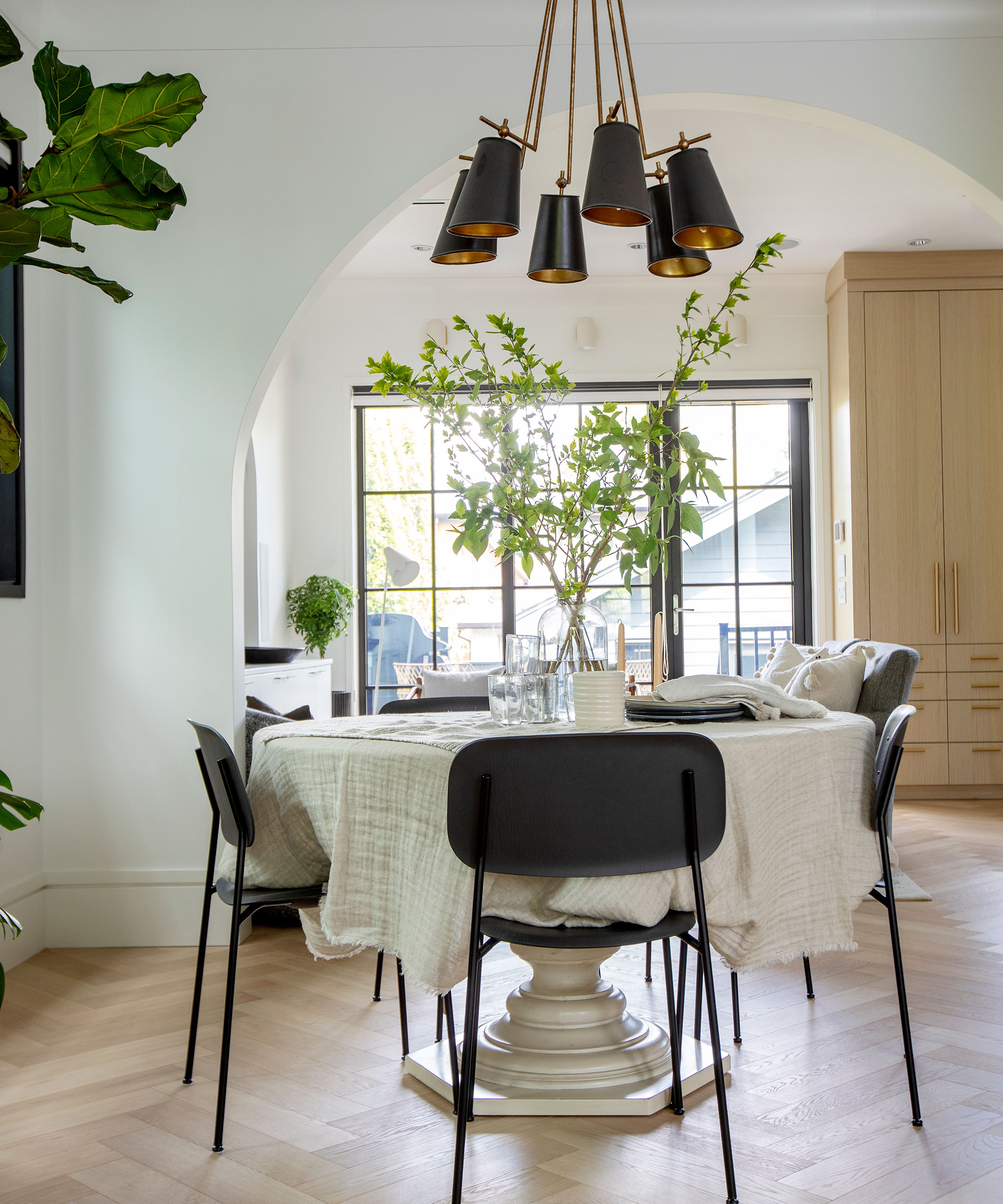
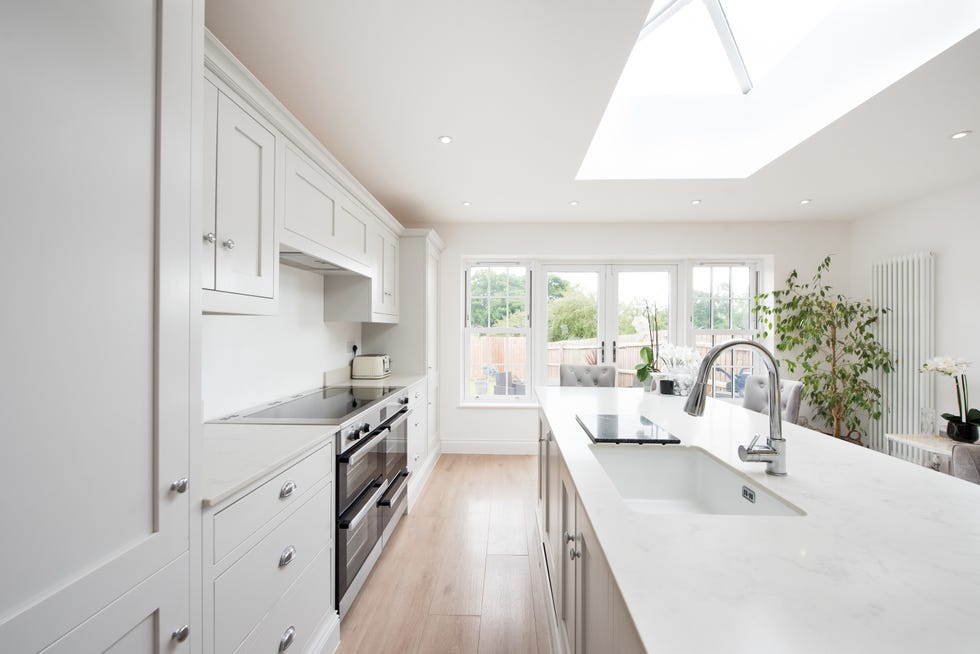
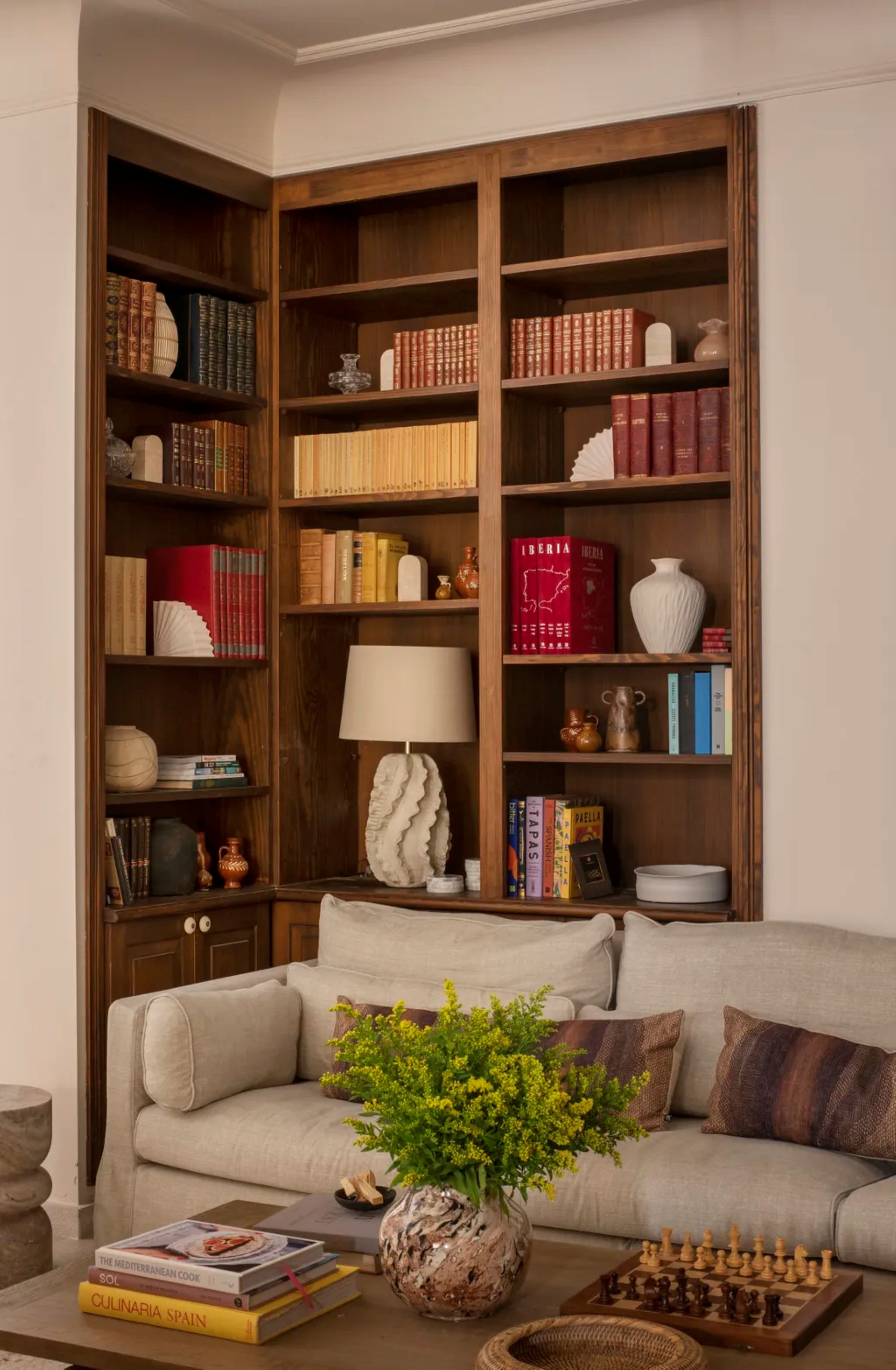
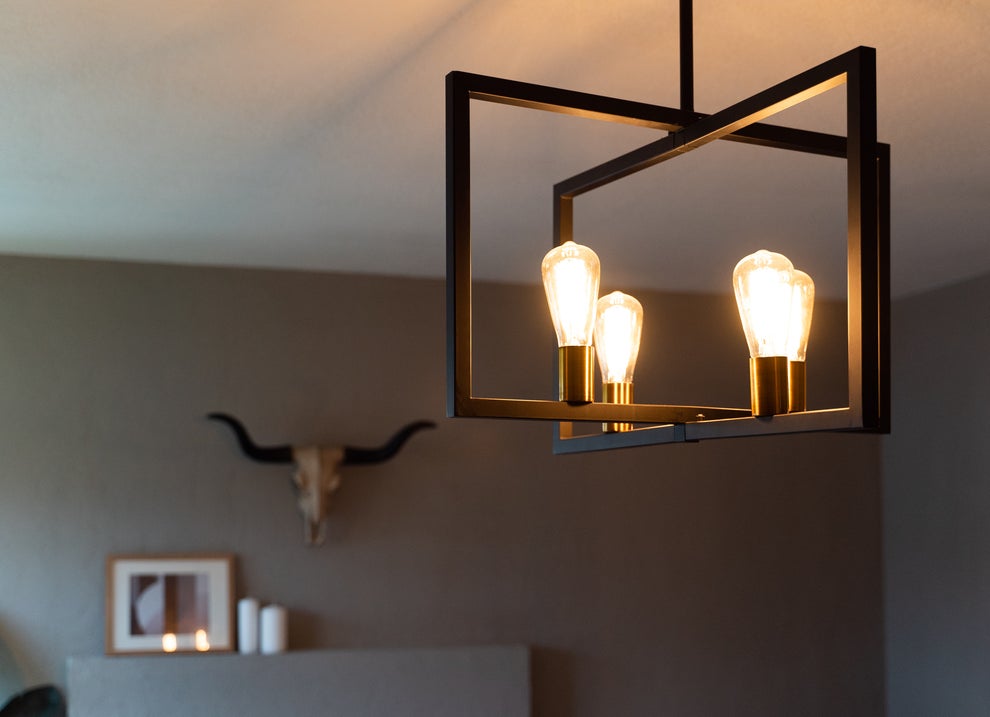
Another significant regret concerns lighting. Many individuals tend to over-install recessed lighting in the dining room, which can detract from the ambiance. The recommendation is to adopt a "less is more" approach with lighting, avoiding an excess of recessed lights. A more effective strategy involves incorporating a mix of fixtures, including a chandelier as a central piece, complemented by sconces and lamps, to achieve layered and mood-appropriate illumination. This diverse lighting setup allows for greater flexibility in creating different atmospheres.
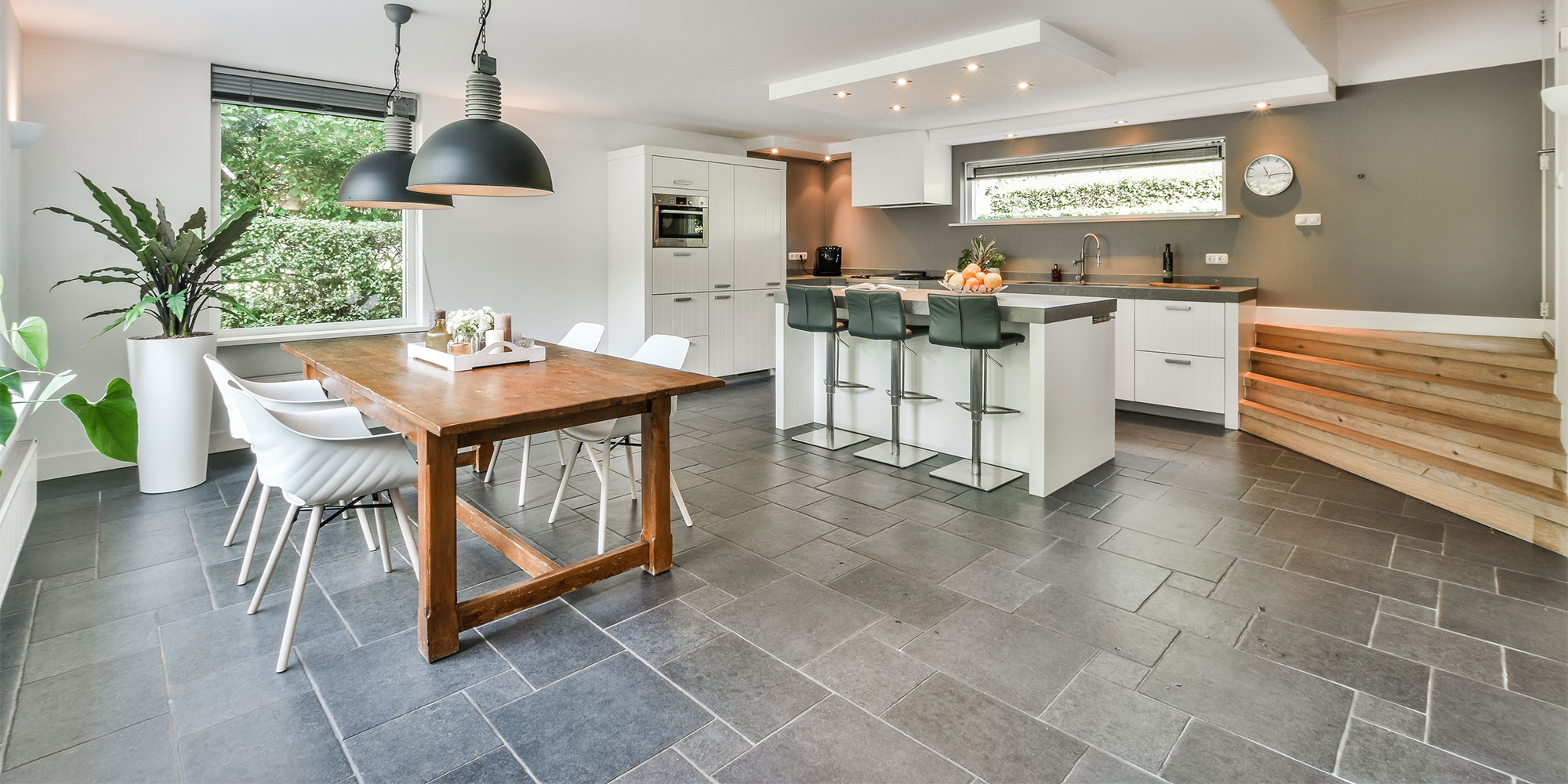
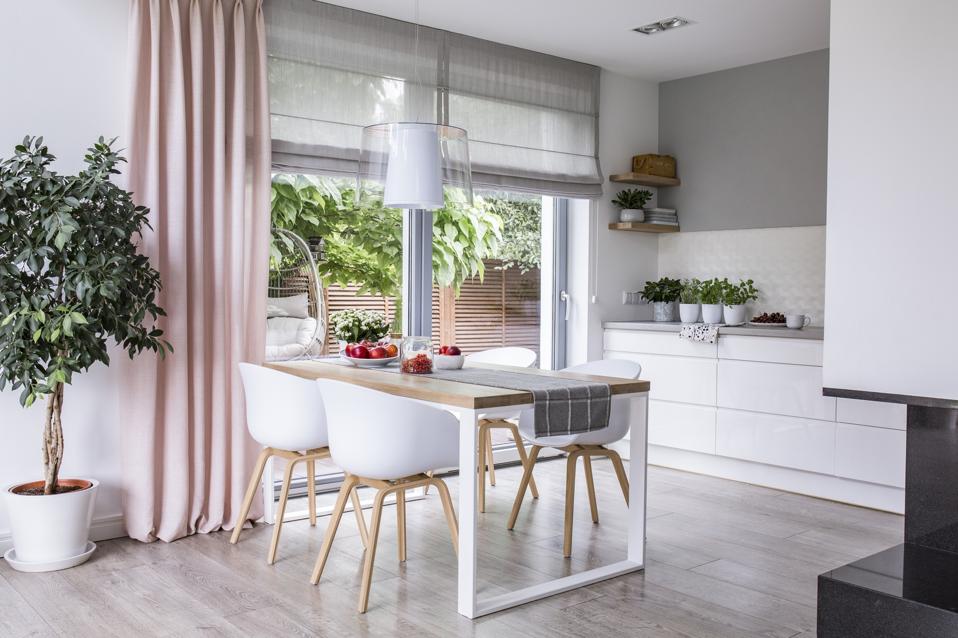
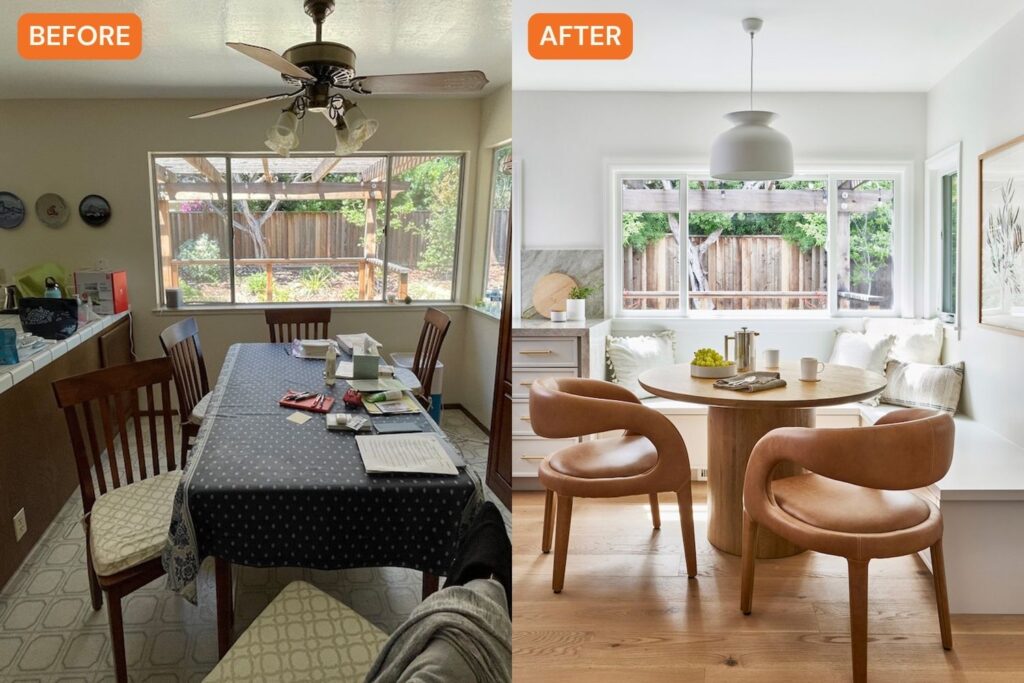
Selecting the wrong size dining table is also highlighted as a common regret. Designers emphasize that the table's size should align with both the room's dimensions and the homeowner's lifestyle. A table that is too large can overwhelm a small household, while one that is too small can be impractical for frequent entertainers, leading to the tiresome need for extensions or supplementary tables. It is crucial to ensure adequate clearance around the table, ideally 30 to 36 inches on all sides, to facilitate comfortable movement and seating. This spatial consideration is vital for both aesthetic balance and functional utility.
Beyond size, the material of the dining table is another critical factor. Glass-top tables, while appearing sleek and sculptural, are frequently regretted due to their practical drawbacks. They tend to show fingerprints easily, amplify noise, and reflect light too sharply, creating a less inviting atmosphere. Designers suggest opting for warmer, more durable materials like wood or honed stone. These materials not only enhance the beauty of the dining room but also offer greater resilience and a more comfortable sensory experience.
Chair height is an often-overlooked detail that can lead to regret. While mixing and matching chair styles is encouraged for a personalized look, maintaining consistent and appropriate chair height is essential for comfort. Significant discrepancies in seat height can result in an uncomfortable dining experience for guests. A practical guideline is to ensure a 10-inch gap between the top of the chair seat and the underside of the table structure, with 12 inches being preferable, to prevent discomfort and ensure proper legroom.
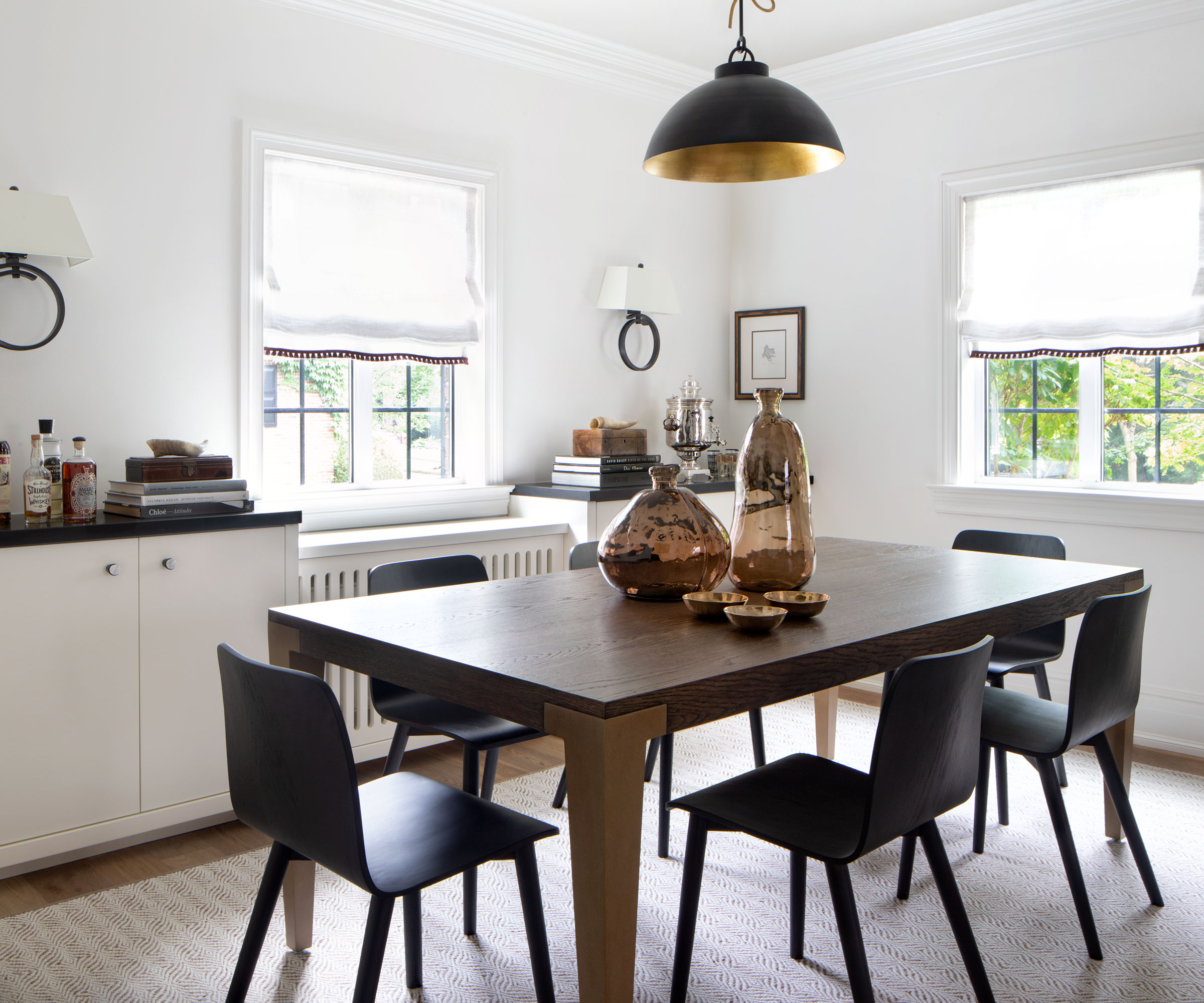
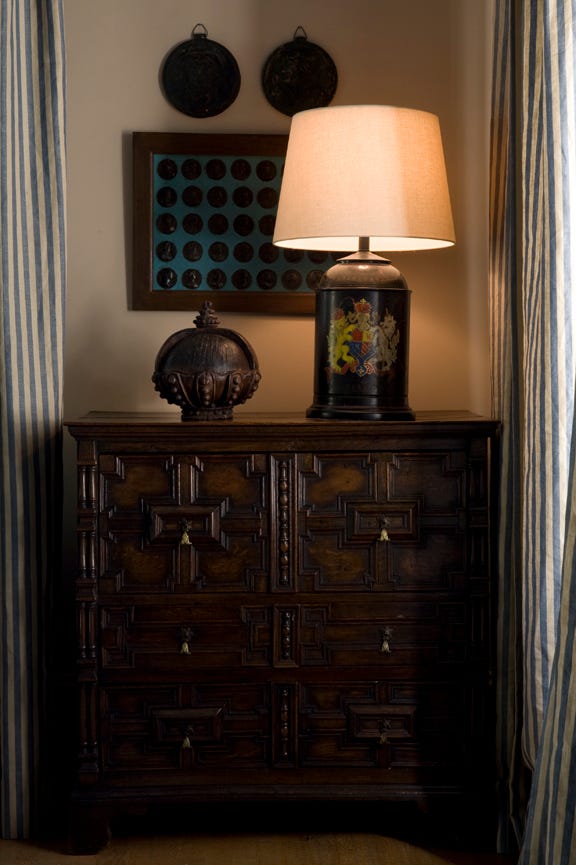
Finally, forgoing a sideboard is a frequently expressed regret, particularly among those who host gatherings. Sideboards are presented as highly functional pieces that offer valuable interior storage and provide a convenient surface for serving food and drinks. Beyond their practical benefits, sideboards contribute to the overall elevated appearance of a dining room. They can also serve as a focal point, styled with decorative objects and additional lighting layers, thereby enhancing the room's aesthetic appeal and functionality. Thoughtful consideration of these elements leads to a dining room that is both beautiful and practical, avoiding common design pitfalls.
#DiningRoomDesign #InteriorDesign #HomeDecor #FurnitureSelection #LightingDesign #TableMaterial #SideboardFunctionality #DesignRegrets #RoomAesthetics #DiningRoomDesign #InteriorDesign #HomeDecor #FurnitureSelection #LightingDesign #TableMaterial #SideboardFunctionality #DesignRegrets #RoomAesthetics
0 comment in total
 No comments yet
You may also like
7 things people regret most about their kitchen design
"Frankly, It's Tacky": People Are Revealing Common Interior Design Trends They Can't Stand

We Asked 6 Interior Designers for the One Antique They Use in Every Home
We Asked Designers for the Outdated Dining Room Styles Making a Comeback—And We're Shocked
The Biggest Kitchen Design Regrets Of 2025, According To Reddit Users

5 Kitchen Renovations Designers Wish Their Clients NEVER Asked for Again

We Asked a Designer Which Bathroom Features People Regret the Most, and Now We Can't Unsee It
I Asked Interior Designers to Share the Worst Decorating Trends They've Seen on Social Media

7 major dining room layout mistakes to avoid, according to designers

We Asked Designers Which Design Choice Homeowners Regret Most—And It’s Surprisingly Common
From the Wrong Rug Size to Too-Short Curtains, Interior Designers Share Their Biggest Pet Peeves

5 Kitchen Renovation Moves That Make Designers CRINGE
We Asked Designers Which Kitchen Features People Regret Most, and Now We Can't Unsee the Mistakes
Designers Say This Is the #1 Living Room Mistake Everyone Makes
7 Design Mistakes Interior Designers Always Notice

"Frankly, It's Tacky": People Are Revealing Common Home And Kitchen Design Trends They Can't Stand
9 CONTROVERSIAL Decor Choices Designers Secretly Wish You’d Stop Making
I Asked 3 Designers About the Mistakes They Wish People Would Stop Making in Their Kitchen, and Here’s What They Said

This Once-Popular Kitchen Trend Is Actually a Huge Pain—Here’s One Designer’s Solution
We Asked Pro Chefs for the Worst Kitchen Design Trends They've Ever Seen—And We're Shocked