1/6
Ways to protect your home from flooding – safeguard your space from storms
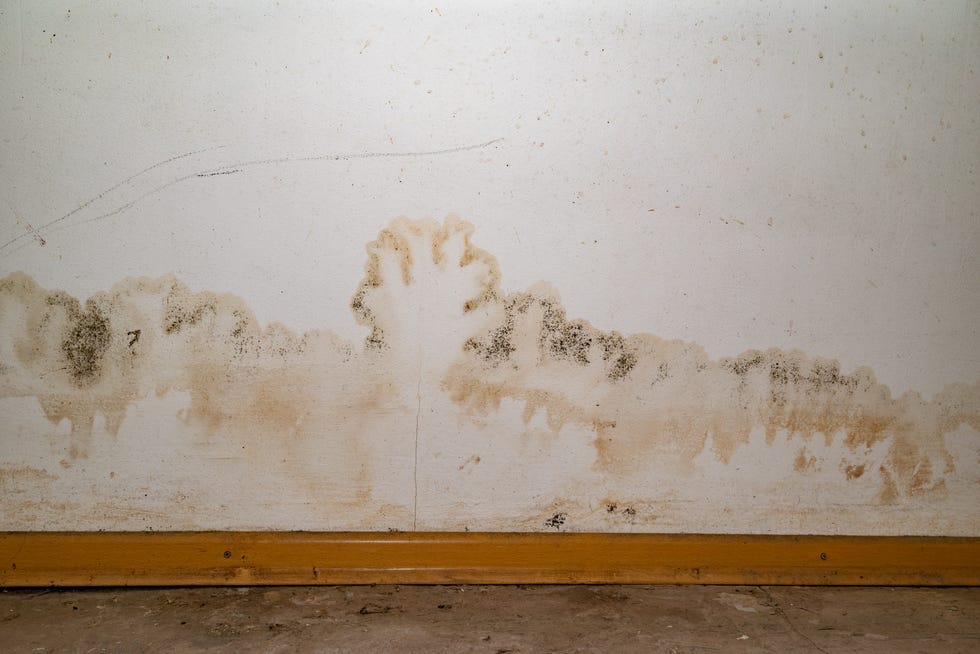
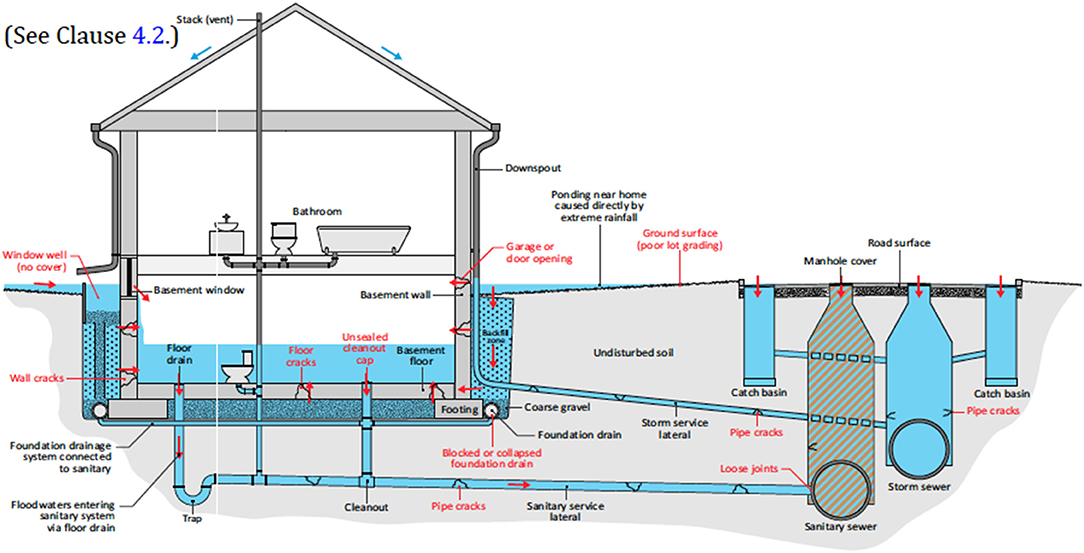
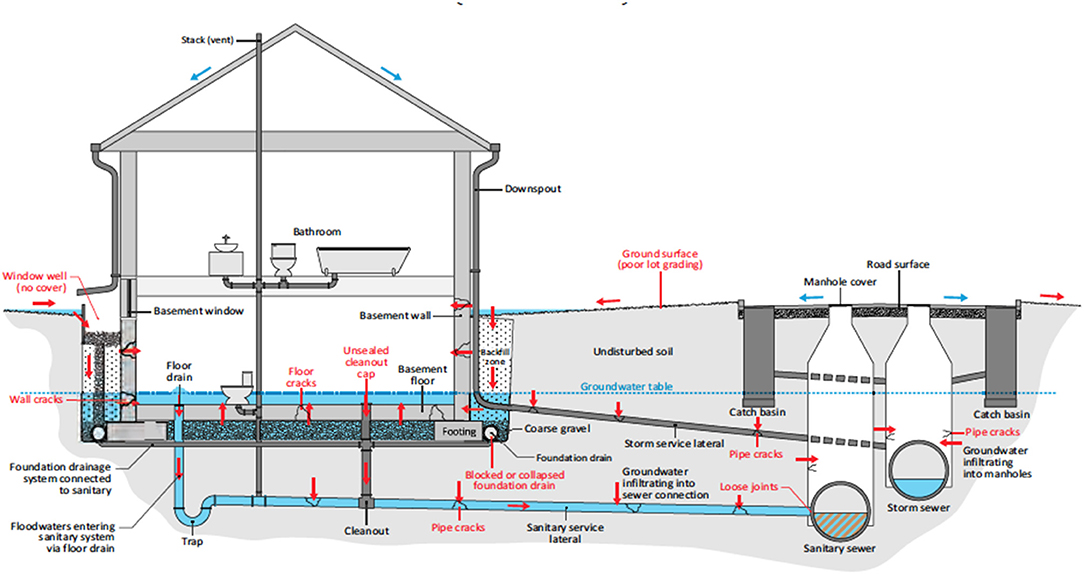
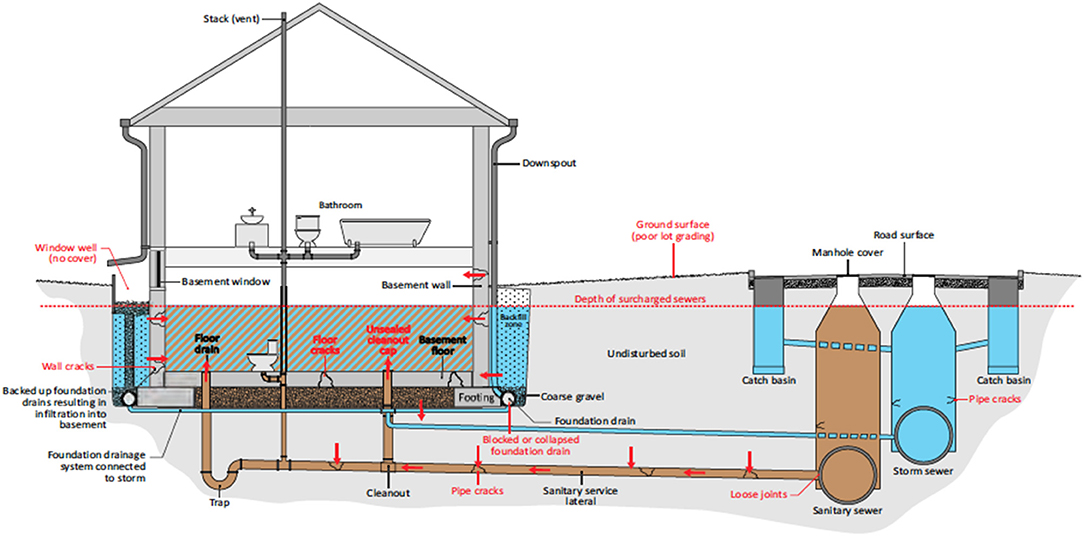
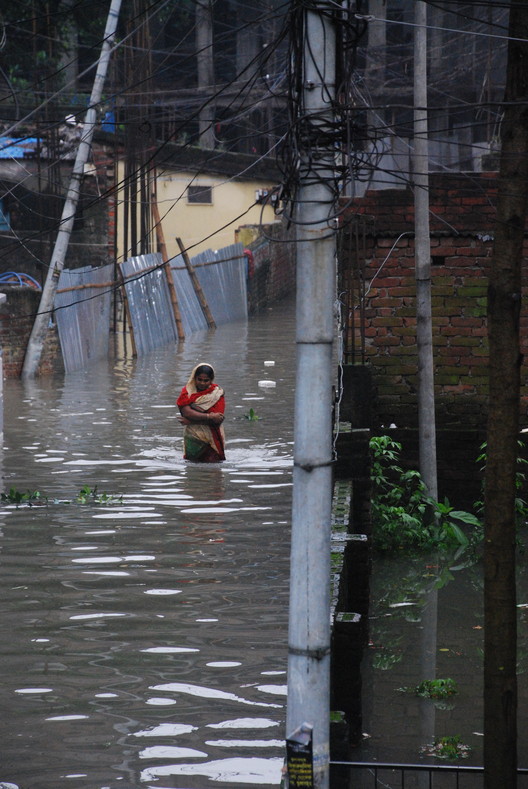
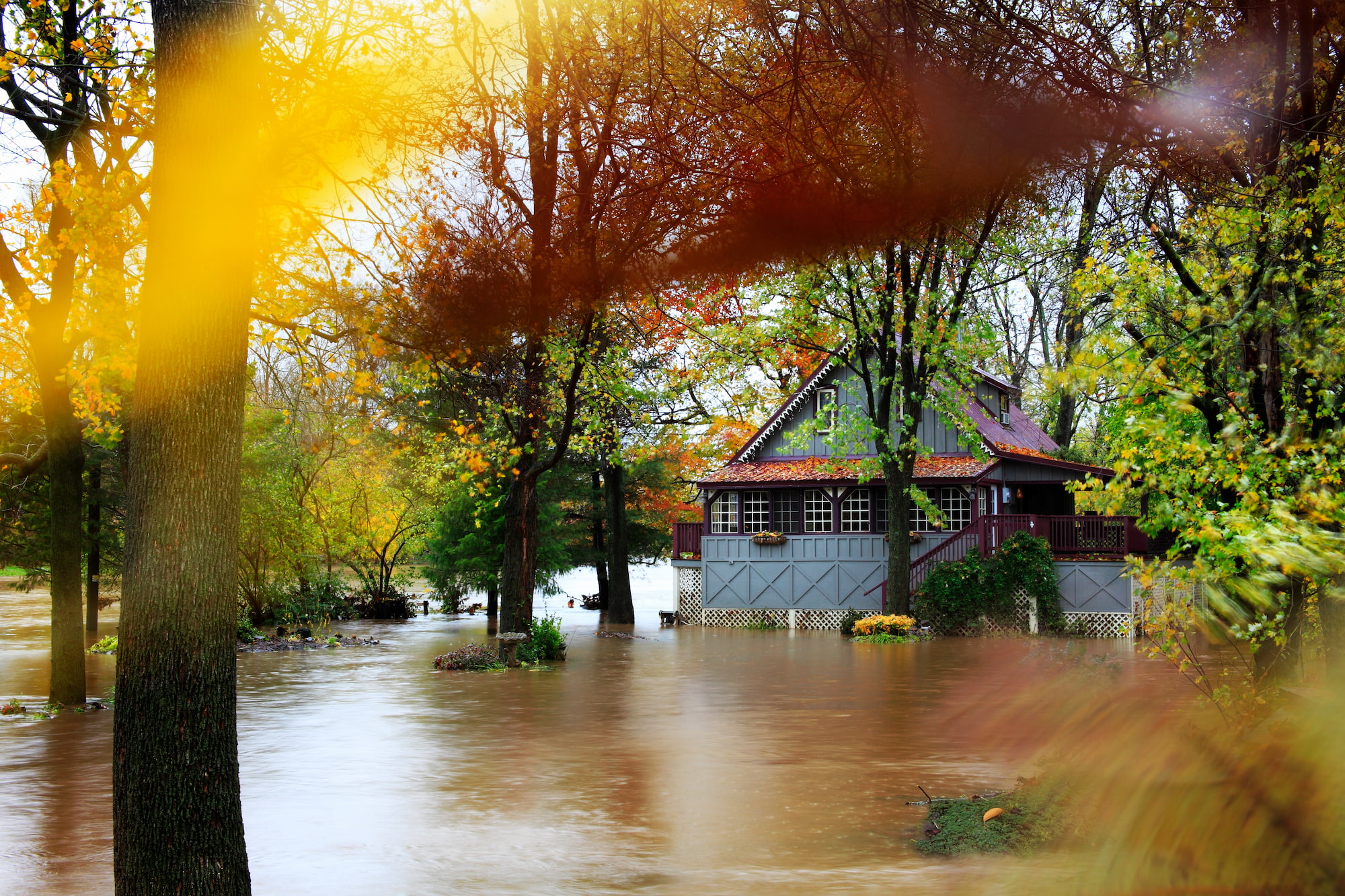
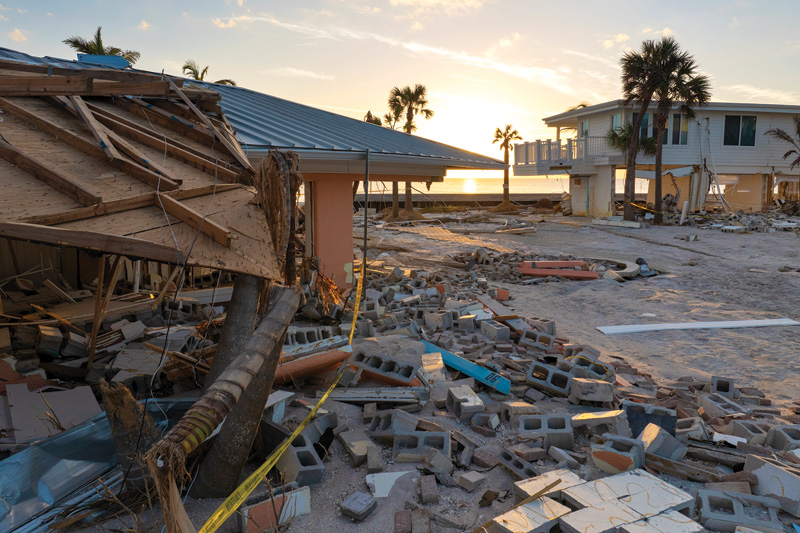
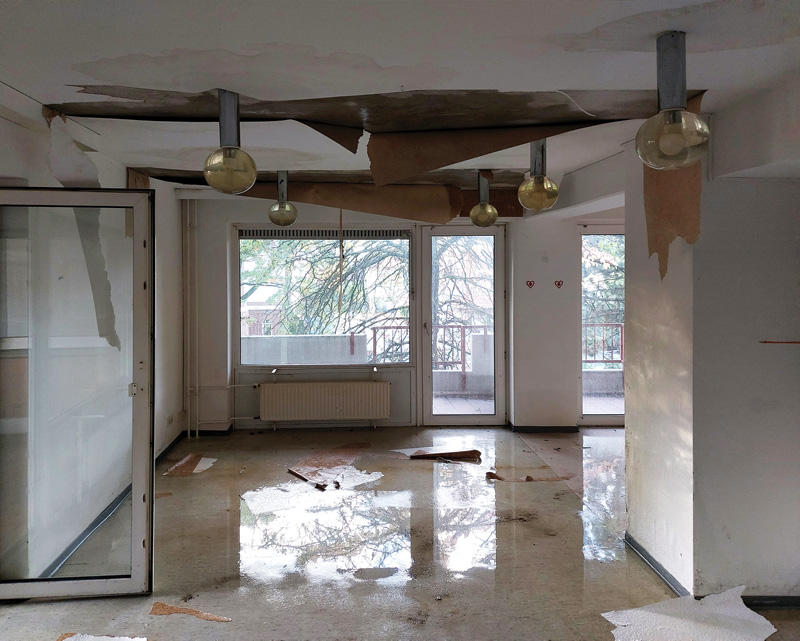
Flooding is a significant natural disaster in the United States, with 90% of all natural disasters involving floods, and its frequency appears to be increasing. Protecting homes from flooding is crucial not only to prevent property damage but also to avoid injuries and fatalities, and to mitigate subsequent issues like mold. This guide outlines 15 professional-recommended strategies to safeguard a home against floods, encompassing both DIY approaches and those requiring professional assistance.
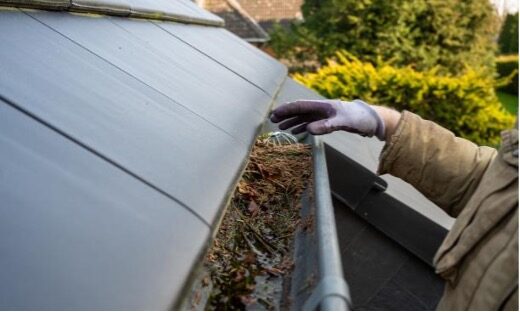
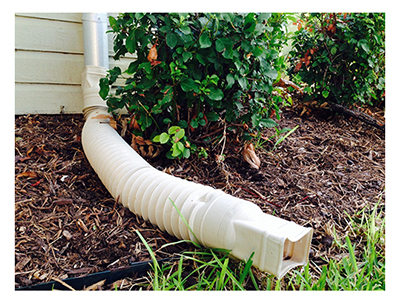
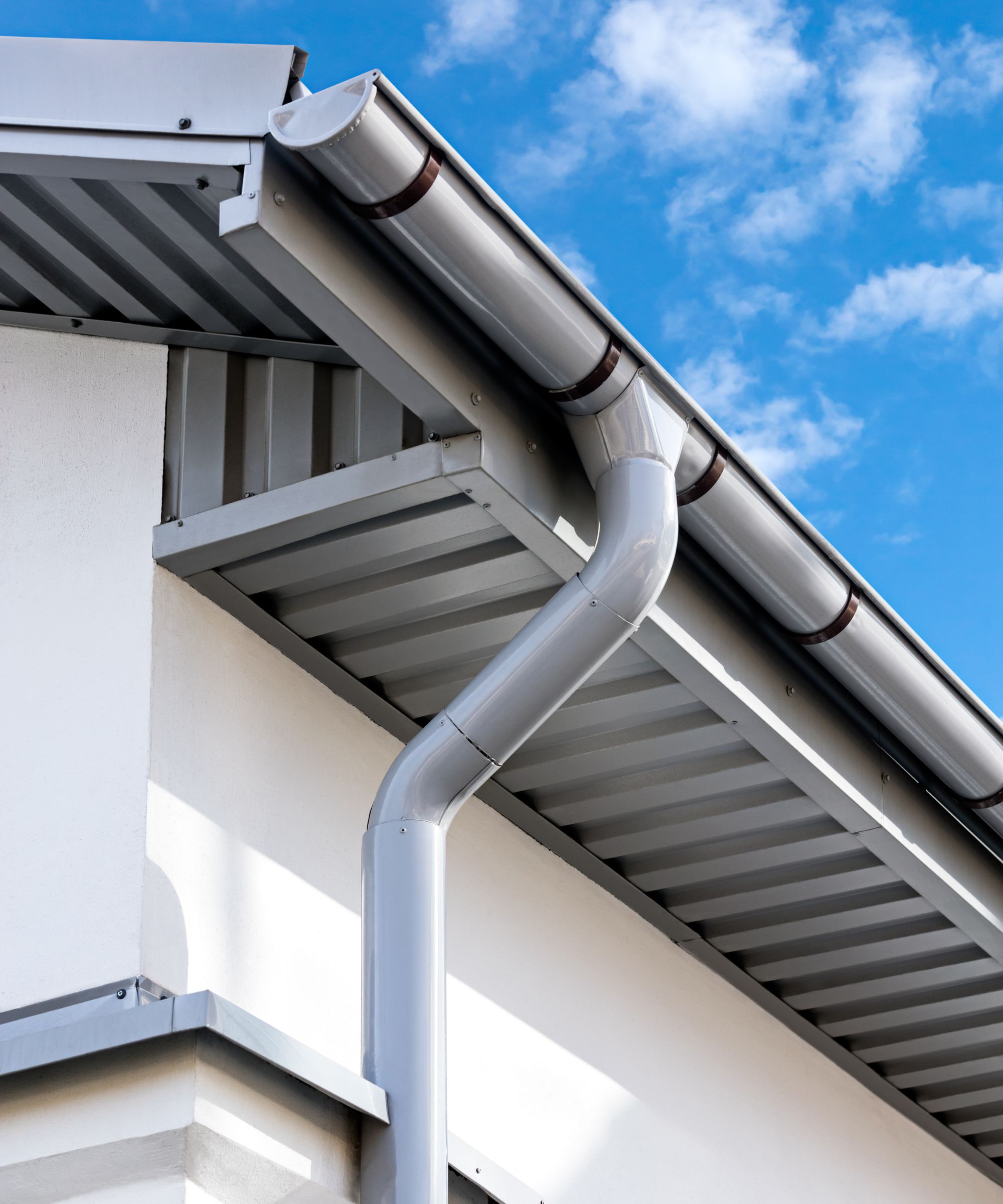
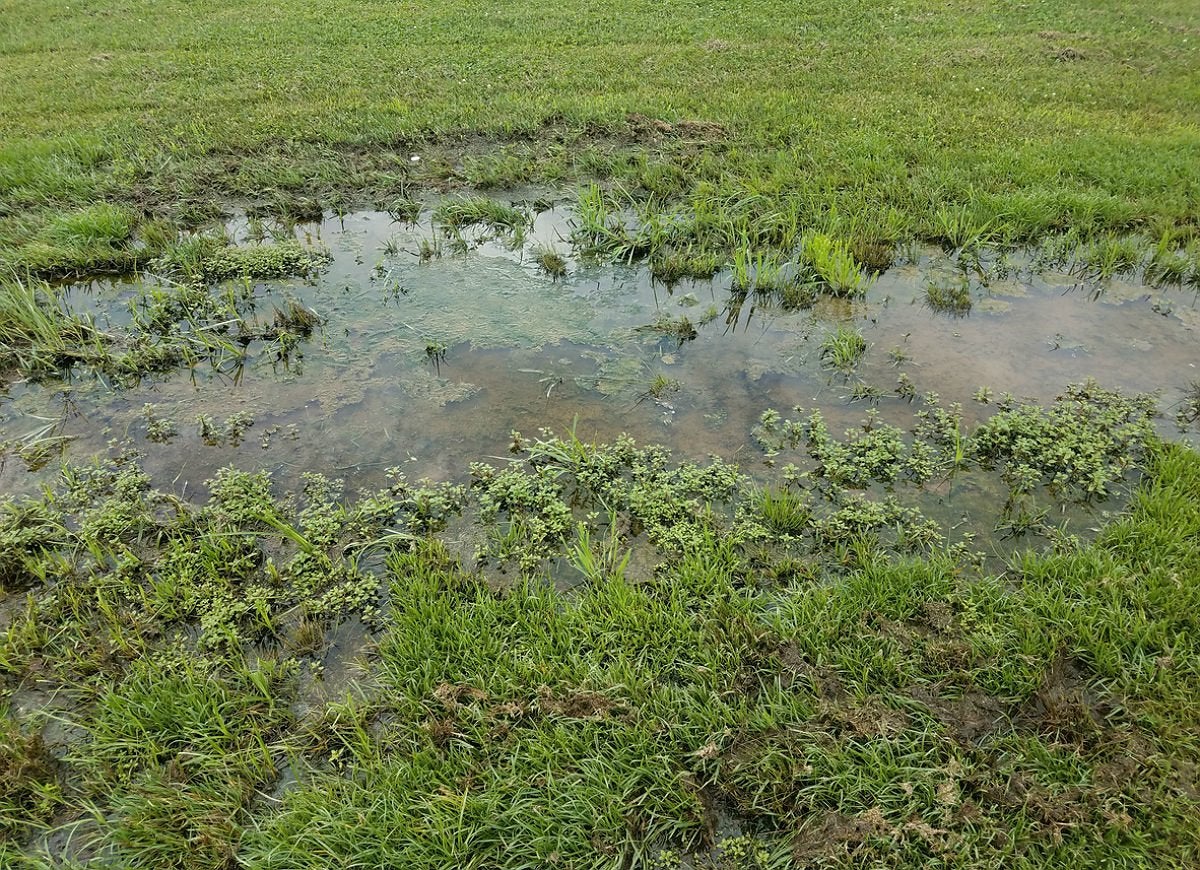
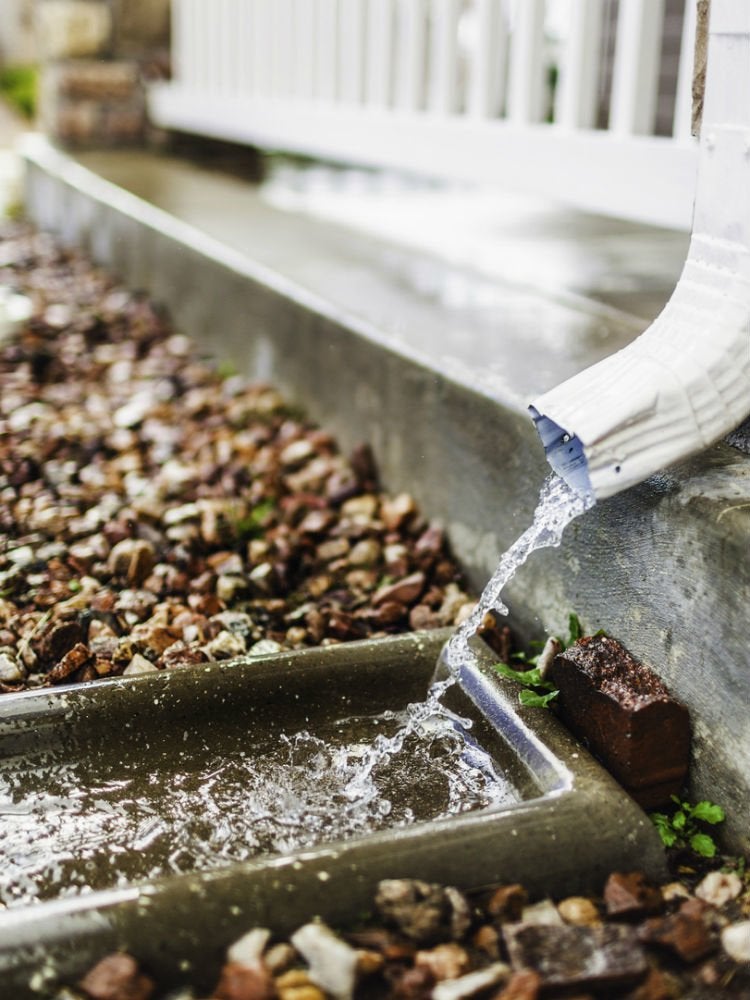
The first strategy involves addressing exterior grading. Proper landscaping away from the home ensures that excess water drains away, rather than towards the house. Building up the grade along the home and creating a low point with a French drain can effectively redirect water. Regular maintenance of gutters and downspouts is also vital to ensure proper water drainage, with gutter extensions helping to direct water further away from the foundation.
Outdoor surfaces should be considered to minimize impervious areas. Planting native vegetation and creating natural barriers like berms or swales can absorb excess water. Rain gardens are designed to absorb rainwater, and pervious pavement reduces runoff while providing walkable surfaces. Elevating outdoor equipment such as air conditioning compressors and heat pumps is recommended, ensuring compliance with local building codes.
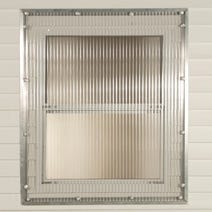
For fuel tanks, both outdoor and indoor, anchoring is critical. Outdoor tanks should be attached to heavy concrete slabs or secured with ground anchors and metal straps. Indoor tanks also require anchoring to a substantial concrete slab. To protect the interior of a home, both wet and dry floodproofing options are available. Wet floodproofing uses flood vents to allow water into areas like crawlspaces or garages, preventing structural damage. Dry floodproofing involves barriers across doors and windows to keep water out. The choice of barrier depends on property assessment, flood risk, and local regulations.
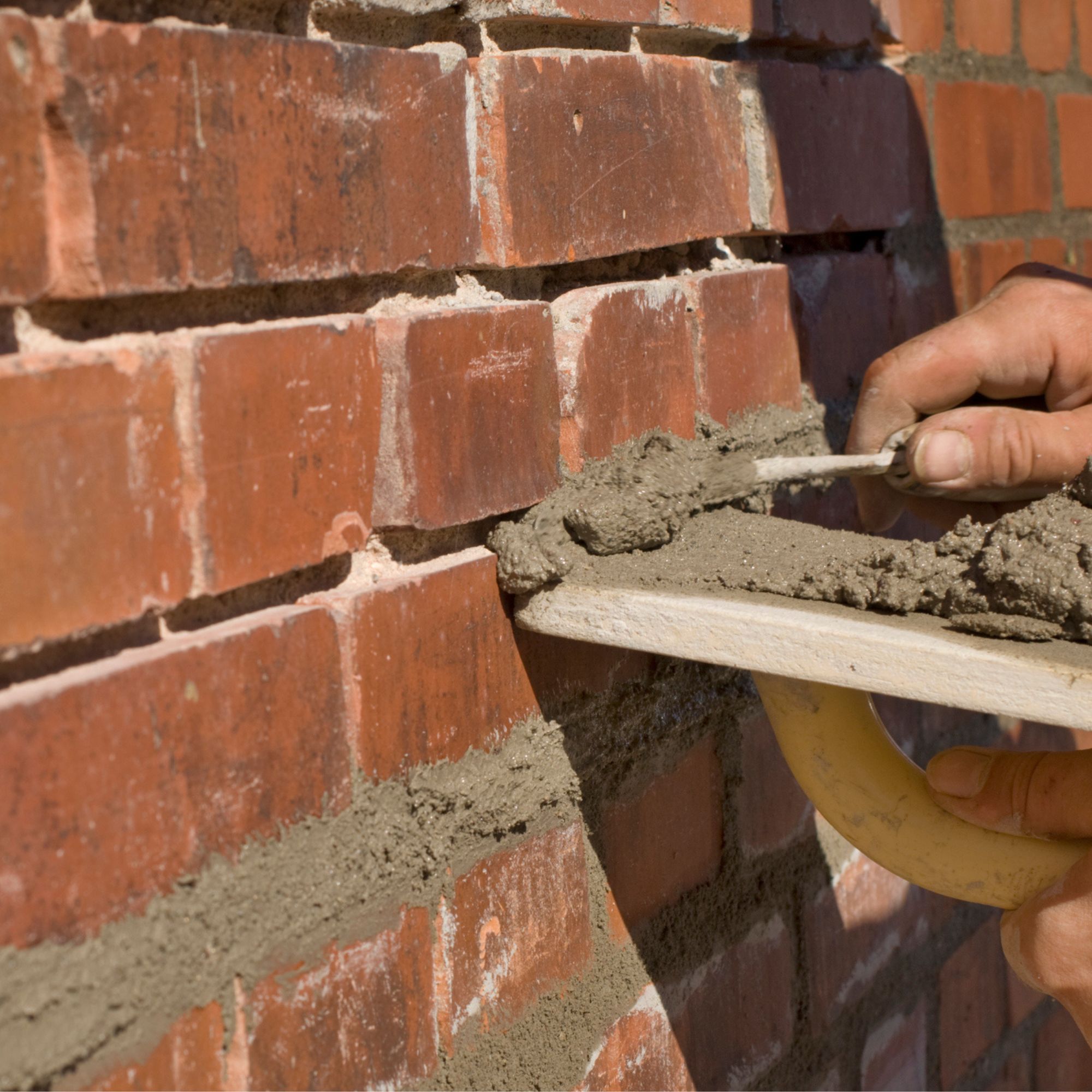
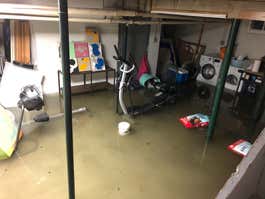
Inside the home, a sump pump can prevent basement flooding, provided it is properly installed, maintained, and has a battery backup. Installing check valves in sewer lines helps prevent sewage backup. Sealing basement walls and floors with waterproof sealants prevents water seepage. Protecting indoor equipment includes mounting HVAC components and water heaters on walls or suspending them from ceiling joists, if structurally feasible and approved by a mechanical contractor.
Electrical components in flood-prone regions should be positioned at or above the design flood elevation to remain unaffected by floodwaters. This may involve elevating the entire structure or critical components, a long-term solution requiring consultation with local code officials and a licensed electrician. Swapping to flood-resistant materials like ceramic tile, concrete, and pressure-treated wood for flooring and walls in susceptible areas can reduce damage.
Finally, safeguarding valuables involves securing important documents in waterproof safes or storage boxes, with copies kept off-site or digitally. Purchasing flood insurance is highly recommended, as standard homeowner’s insurance typically does not cover flood damage. Creating and maintaining a detailed inventory of valuables with images, invoices, and receipts is also advised for insurance purposes. An emergency action plan and kit with essential supplies are crucial for readiness.
#HomeFloodProtection #FloodPreparedness #HomeSafety #Floodproofing #EmergencyPlanning #StormProtection #PropertyMaintenance #FloodInsurance #DrainageSolutions #HomeFloodProtection #FloodPreparedness #HomeSafety #Floodproofing #EmergencyPlanning #StormProtection #PropertyMaintenance #FloodInsurance #DrainageSolutions
合計0件のコメント
 まだコメントはありません
あなたも好きかもしれません
The BEST Ways to Protect Your Home From Water Damage, According to Experts

Everything I Did to Flood-Proof My Old House | Reviews by Wirecutter

How Can Architecture Combat Flooding? 9 Practical Solutions

So Your Basement Is Severely Flooded. Now What?
7 ways to flood-proof your home during Thailand’s storm season

Worried about your basement flooding? Install these temporary measures before heavy rainfall
Four ways to storm-proof your home for hurricane season

6 Best Hurricane Shutters to Protect Your Home During Storm Season


When Rivers Rise Fast – Flood-Smart Living: Simple Steps to Protect your Home
What to Do If Your Basement Floods During a Storm, According to Experts
6 ways to future-proof your home against extreme weather – your home (and wallet) will thank you
Hurricanes and flooding: Advancing building strategies for resilience

4 ways to prevent flood damage to your car during a storm

Reducing Urban Flood Risk Through Building- and Lot-Scale Flood Mitigation Approaches: Challenges and Opportunities
6 Smart Ways to Prevent a Soggy Yard with Every Rain Shower


Turn Your Entry Into a Warm, Storm-Ready ‘Entry Shield’ With These 5 Hacks

Floodproofing a house — 12 things experts say you can do
How To Keep Floodwaters From Entering The House Through The Front Door And Bathroom
Hurricane-Proof Construction with the Fortified Home Standard


Tag: climate