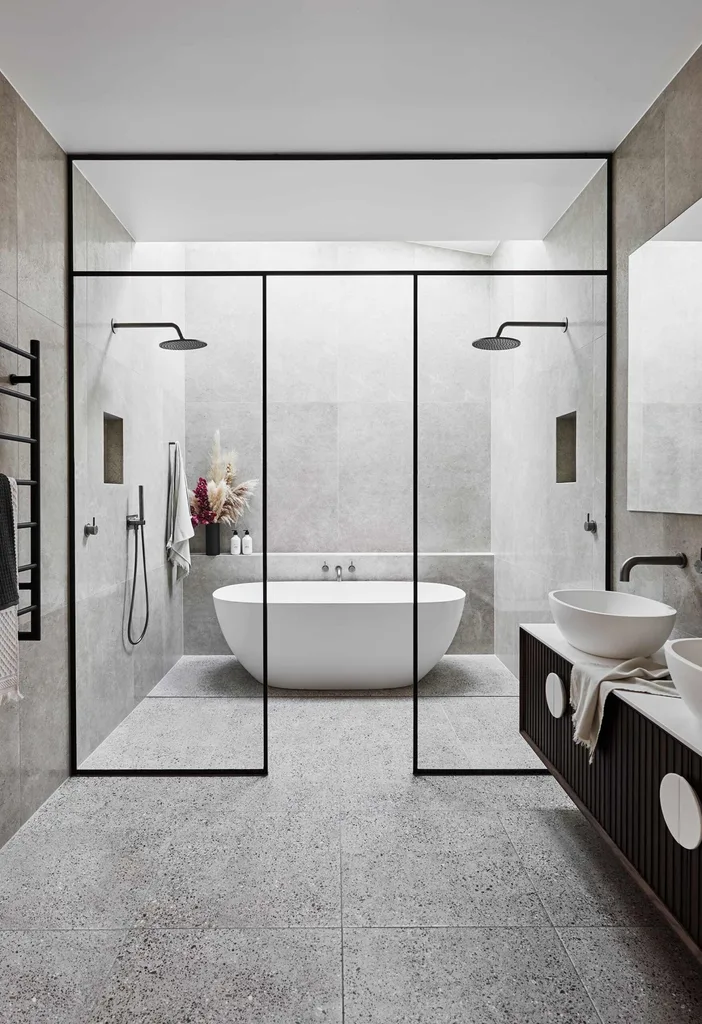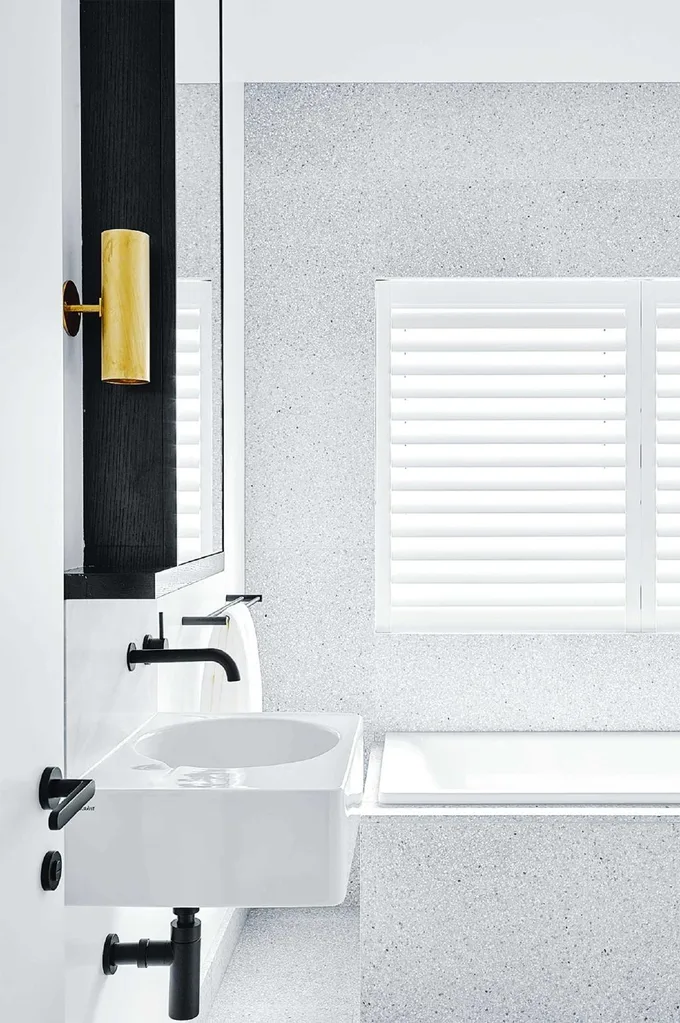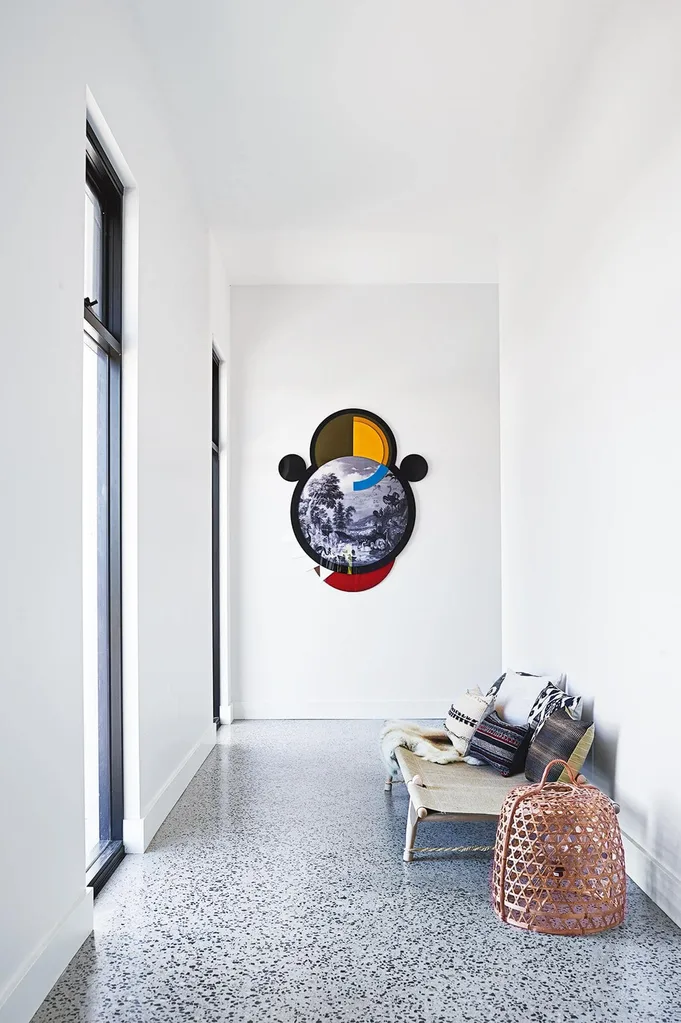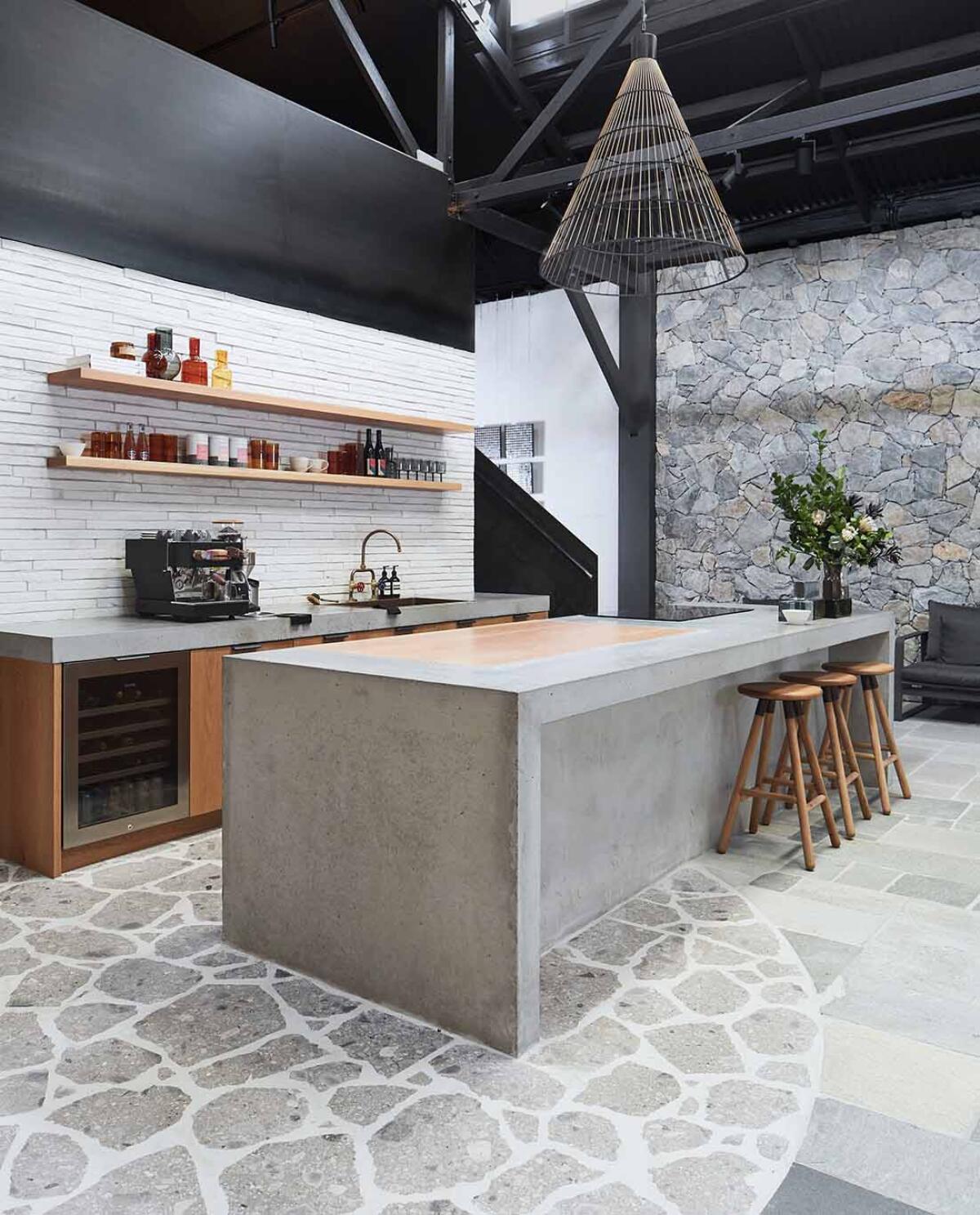
Learn the Pros and Cons of Beautiful Travertine Flooring
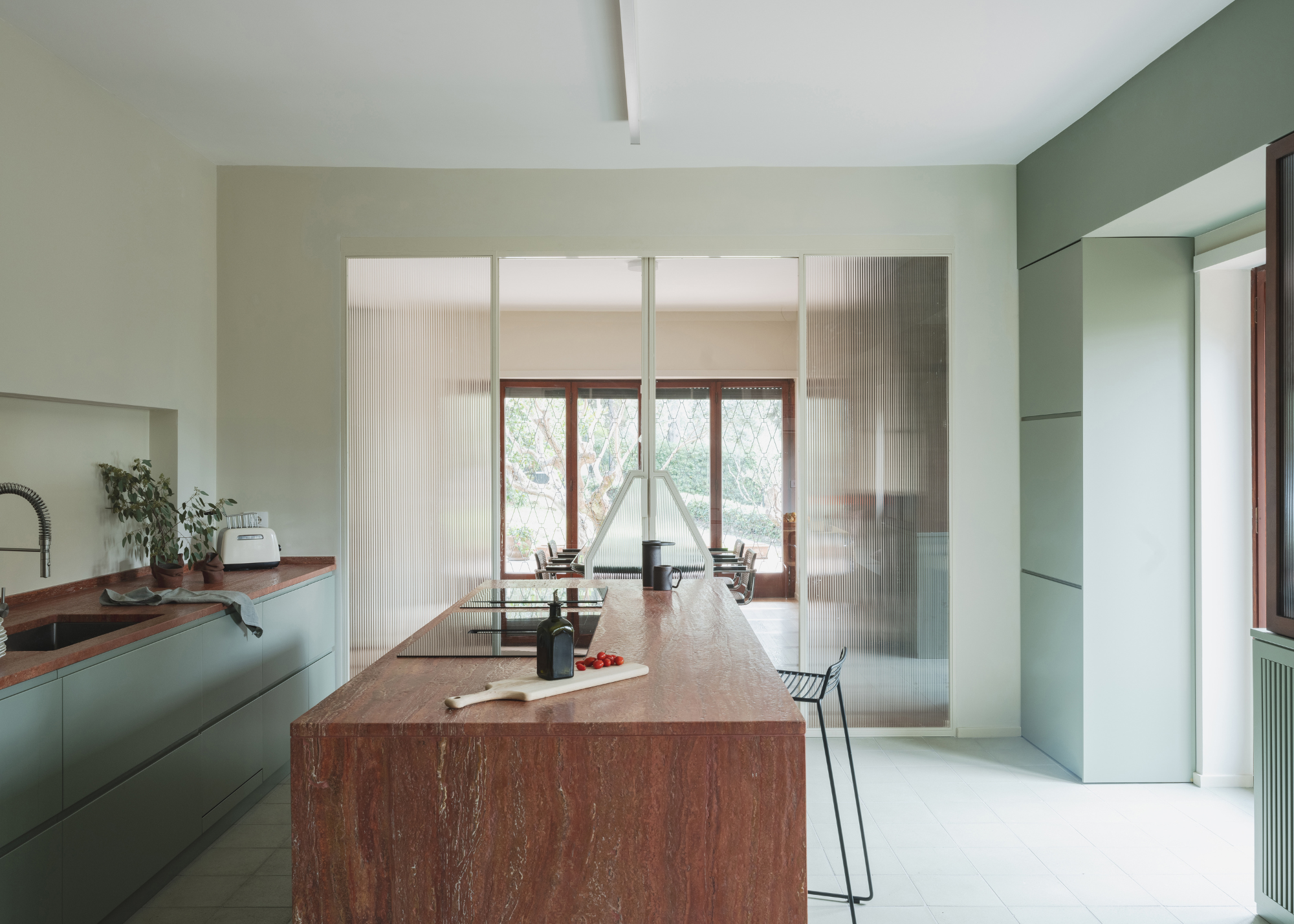
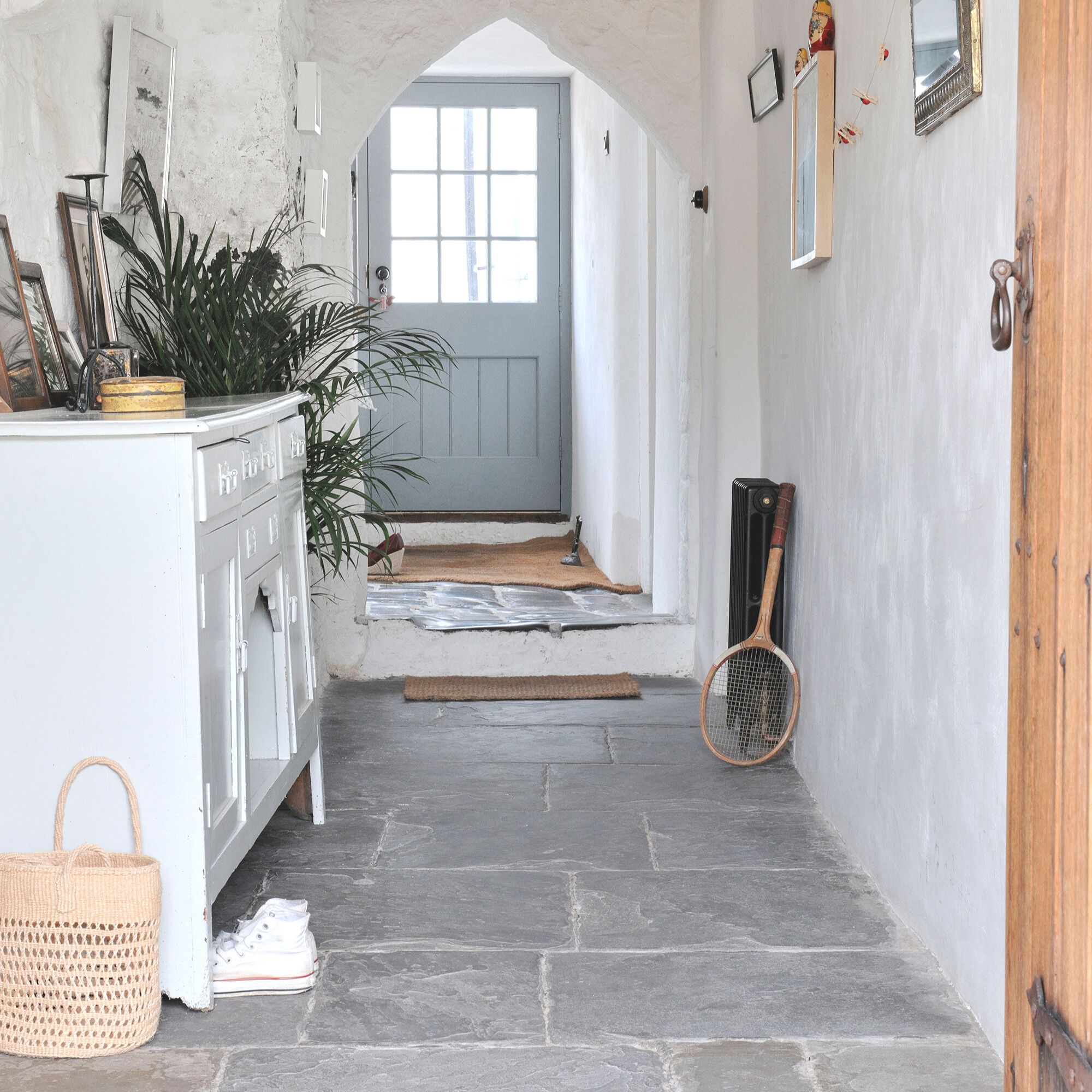
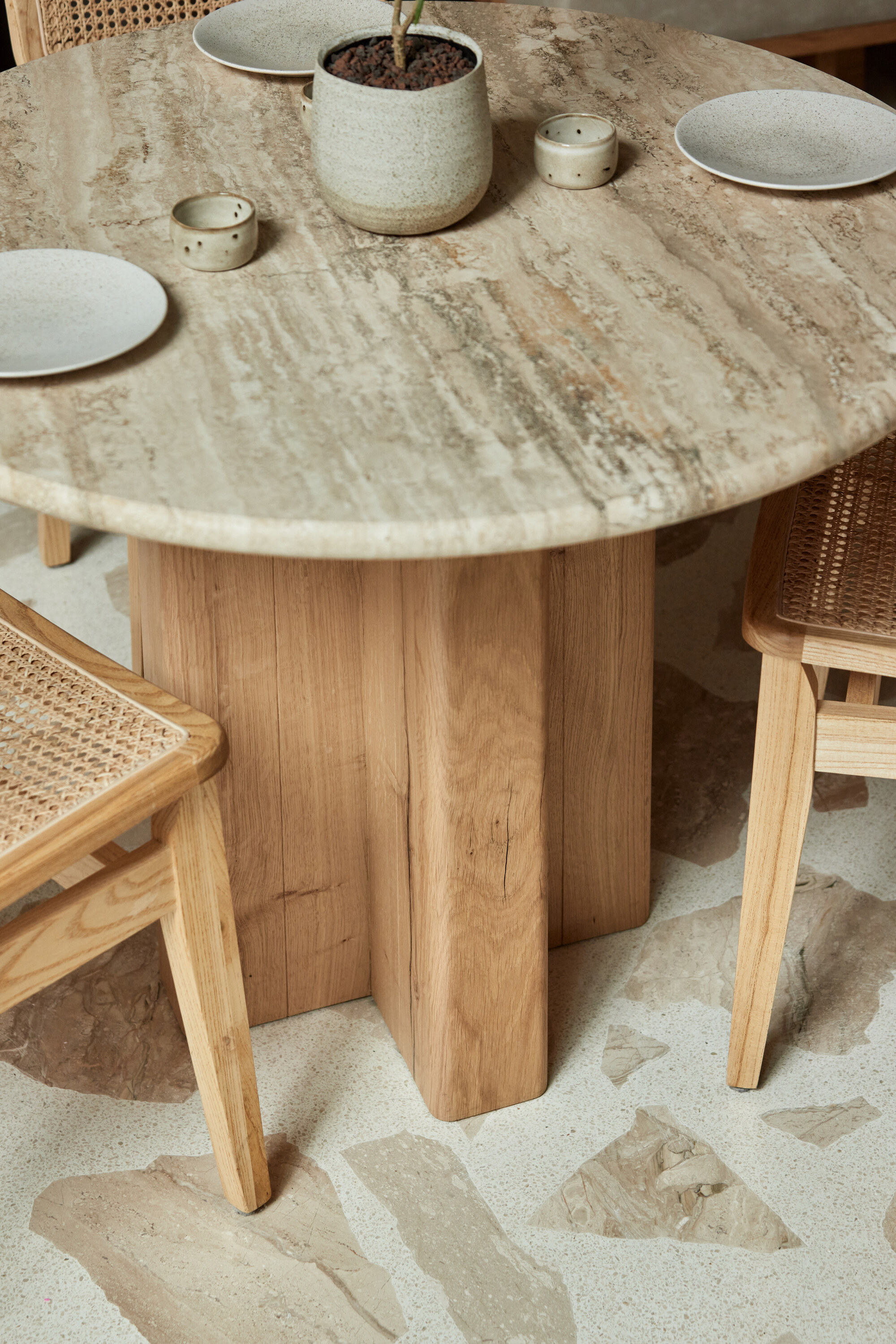
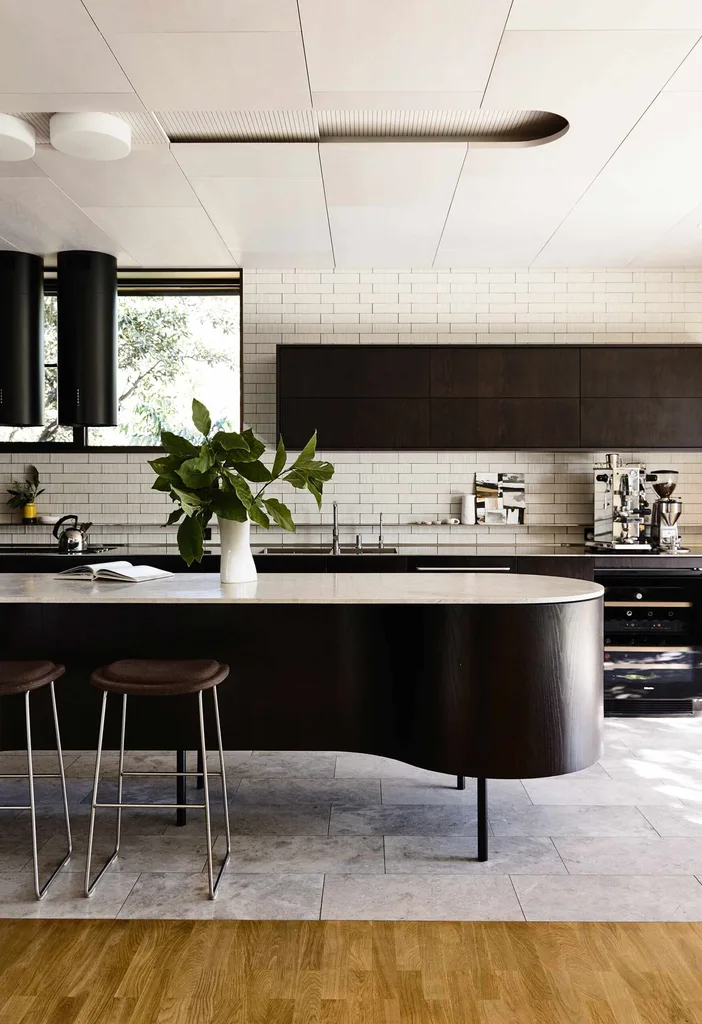
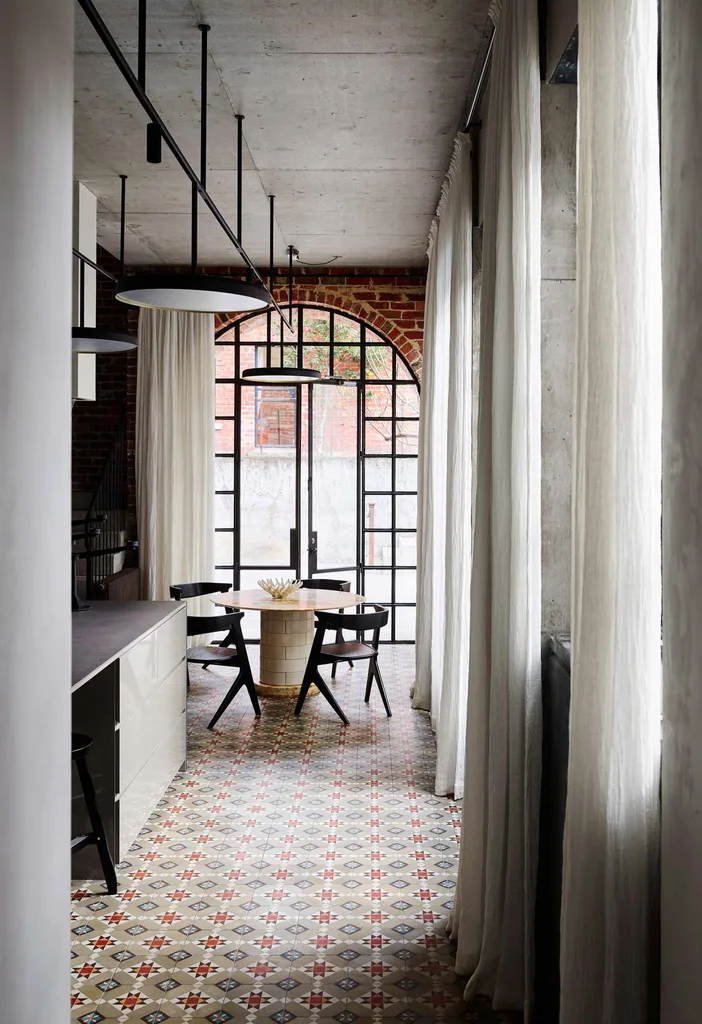
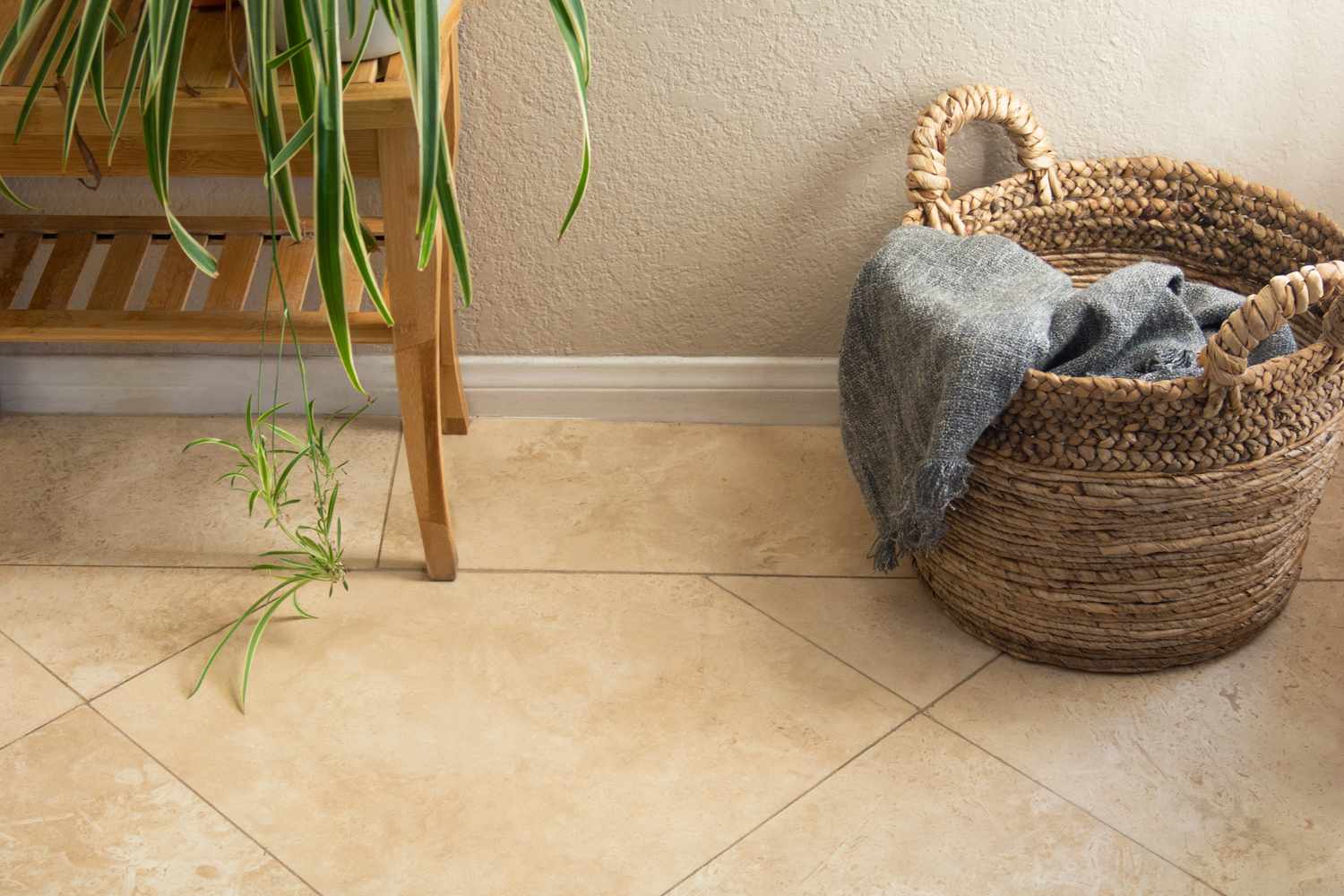
Travertine is a distinct type of limestone formed around mineral spring deposits, commonly used as a flooring material. It is typically sold in tile form, available in various earth tones such as tans, browns, rust, and beige. This natural stone is highly durable but heavy, and its porous nature necessitates regular sealing. While it may not suit all environments, a properly installed and maintained travertine floor can introduce a unique, mountain-inspired aesthetic to interior spaces. The advantages of travertine include its stylish yet dignified appearance, durability, and its potential to enhance real estate value. However, its disadvantages include high cost, the need for periodic sealing, and its tendency to be cold and slippery underfoot.
In terms of cost, travertine is a mid-range stone, positioning it at the higher end of overall flooring materials. On average, a travertine floor costs around $15 per square foot, including materials and labor. This compares to marble at $20 per square foot and granite at $12 per square foot. However, prices can fluctuate significantly, ranging from $3 to $30 per square foot, depending on the stone's quality and finish. Finishes vary from natural texture (least expensive) to honed, polished, and sealed surfaces (most expensive).
Maintenance for travertine flooring involves regular sealing due to its microscopic pores, which can absorb spills and stains. A dual application of a penetrating sealer followed by a barrier surface sealer is required during installation and periodically thereafter. For a glossy finish, more frequent resealing is necessary. When properly sealed, travertine is easy to clean with a mild soap solution and damp mopping. The material is resistant to scratches, cracks, and chips, and over time, it develops a prized weathered appearance. Damaged tiles can be individually replaced, though matching the aged patina of the surrounding floor might take time.
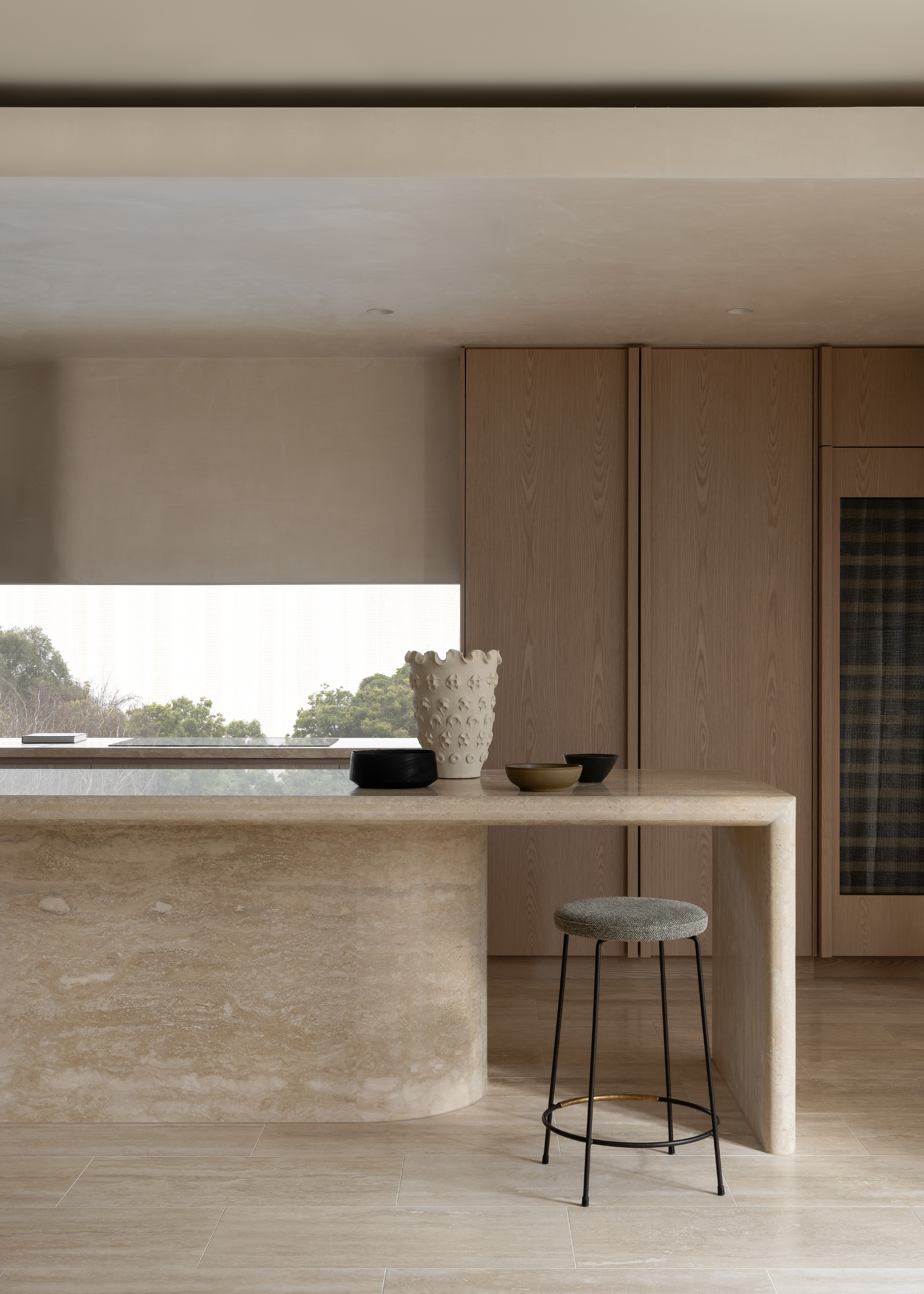
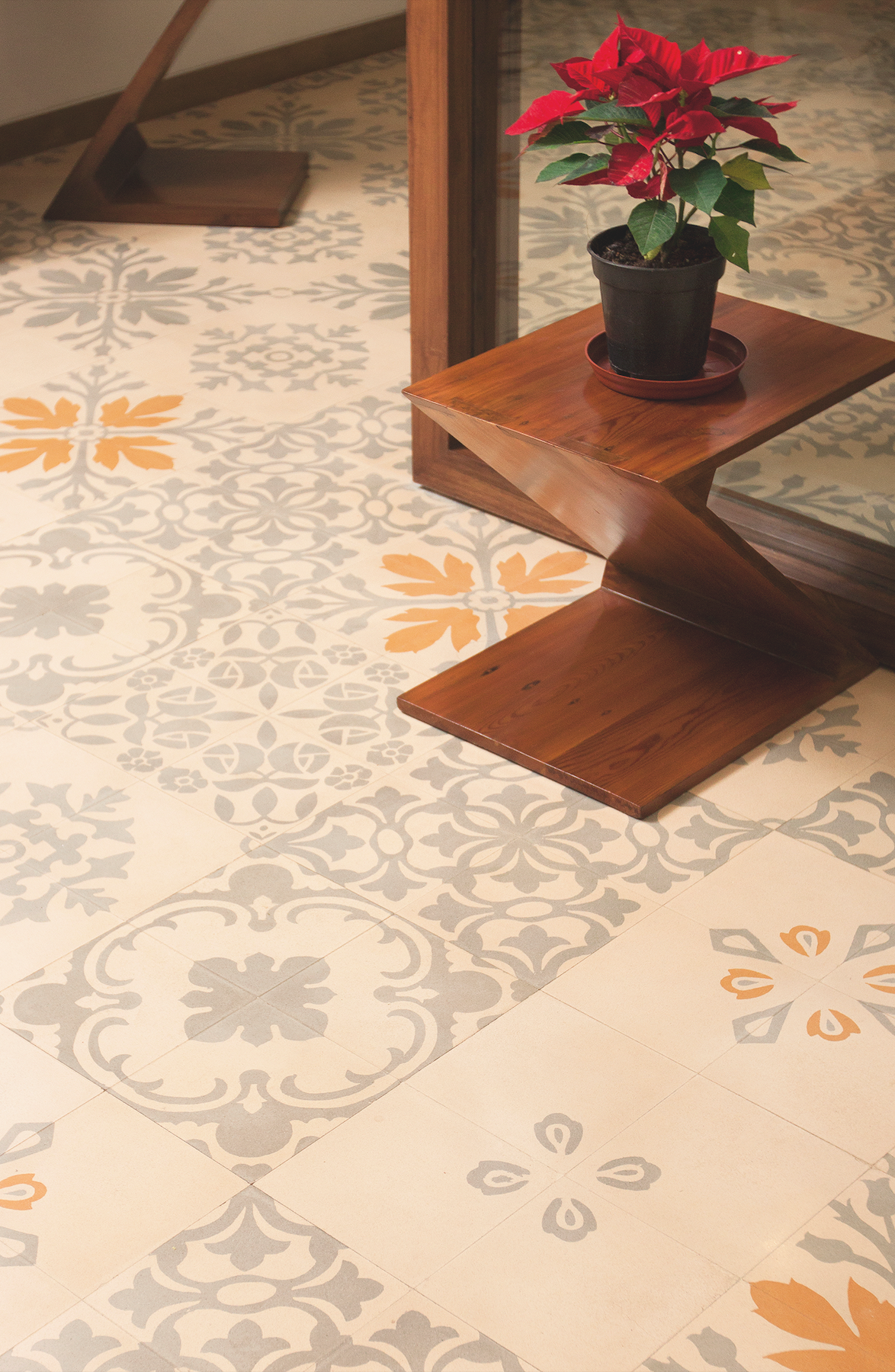
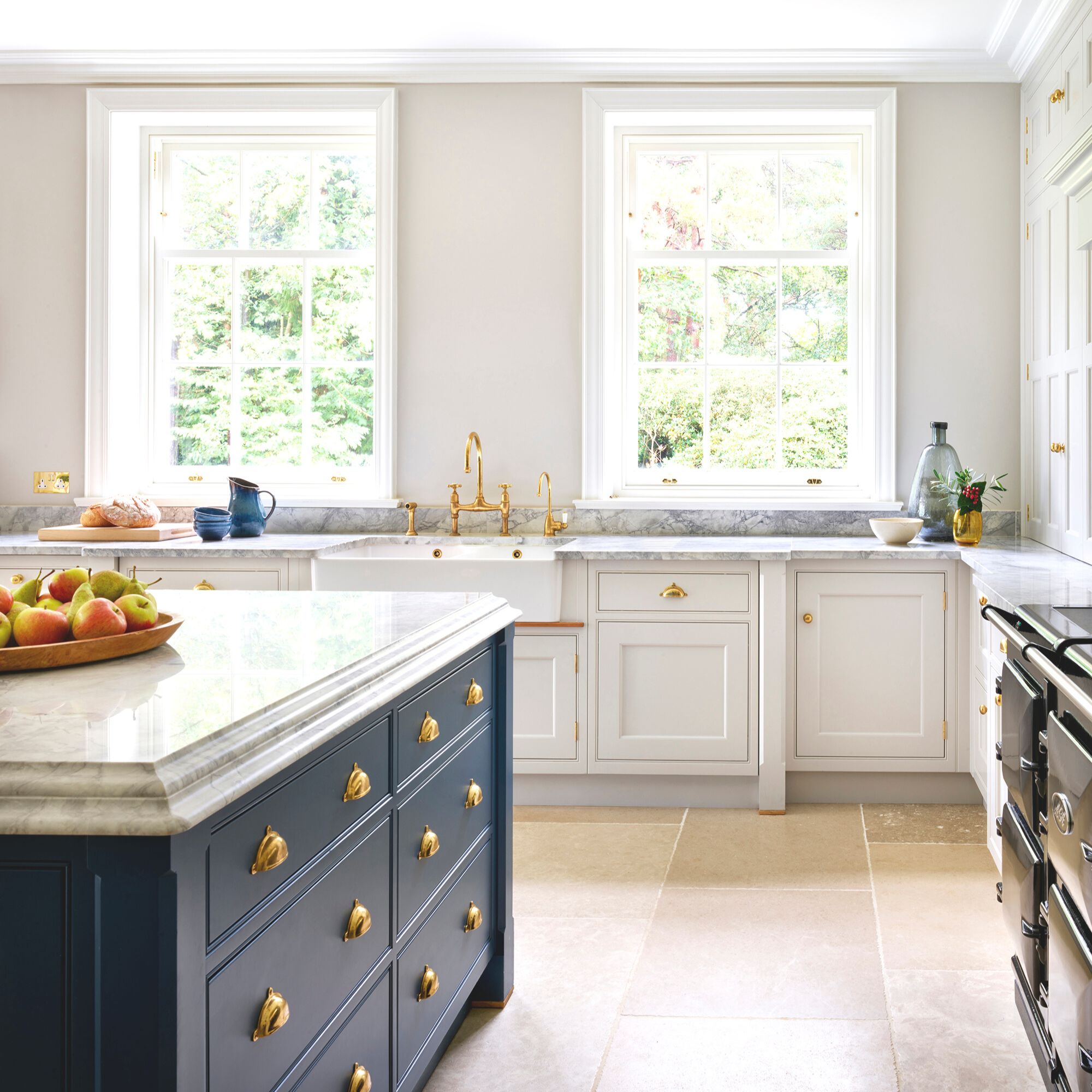
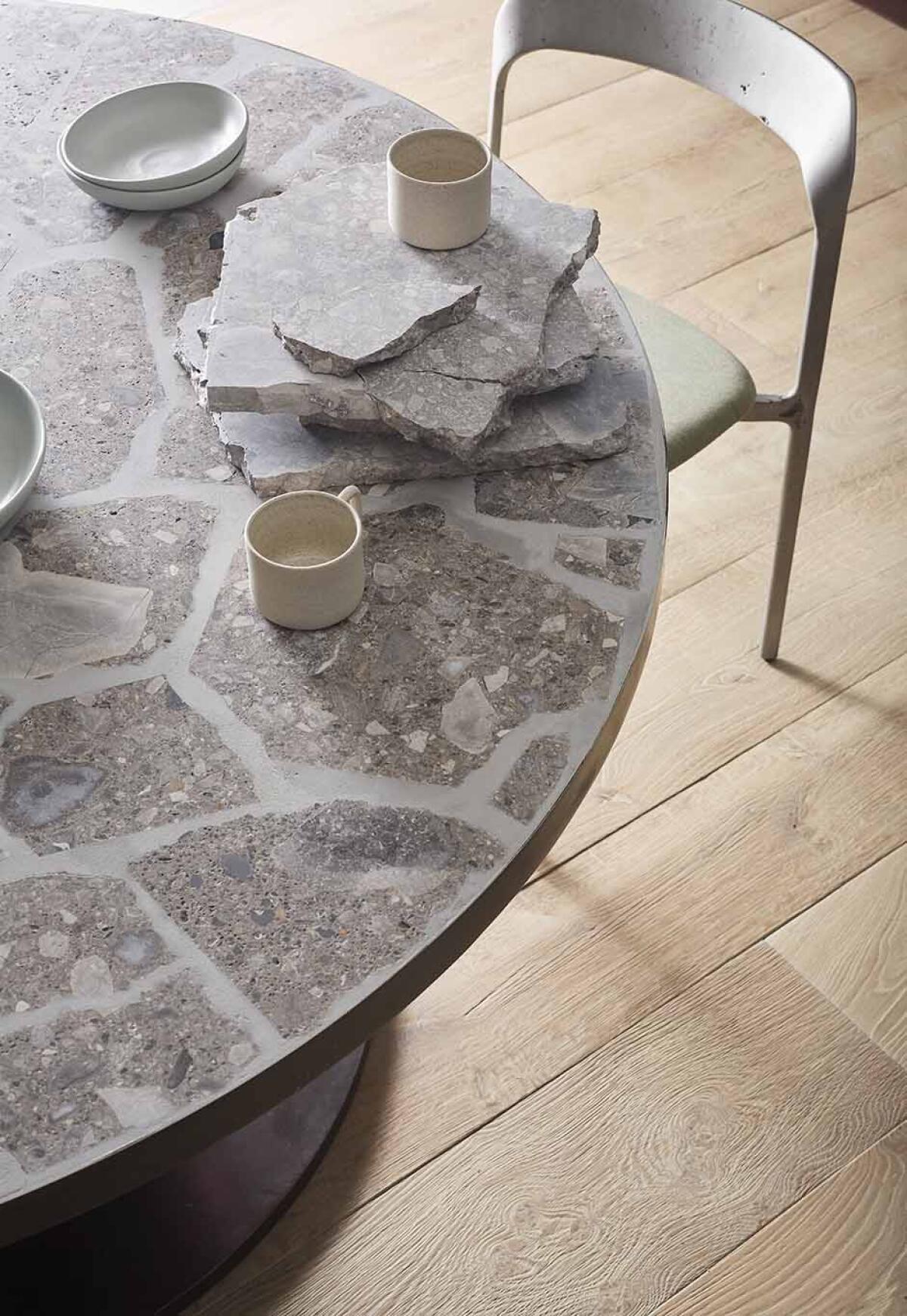
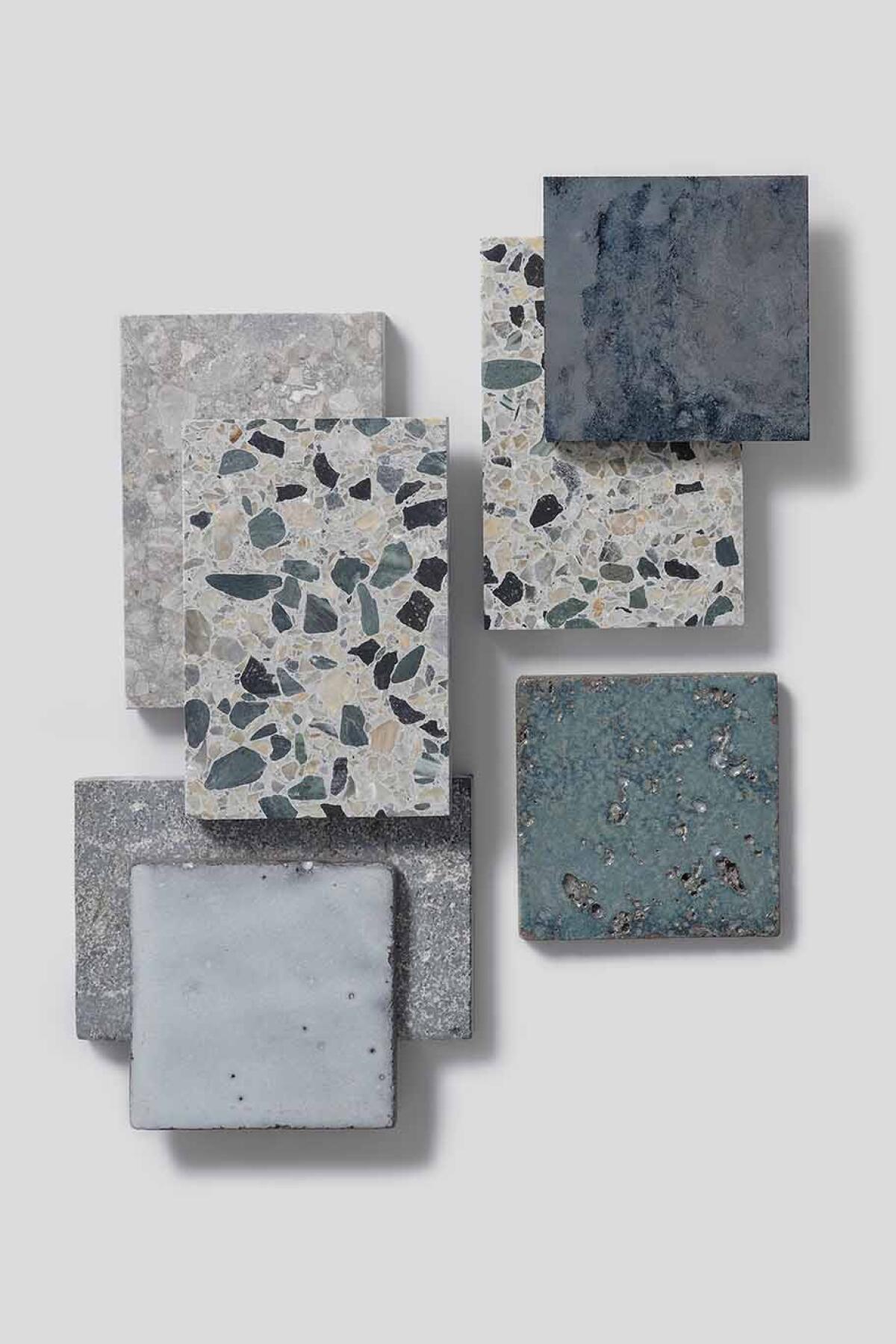
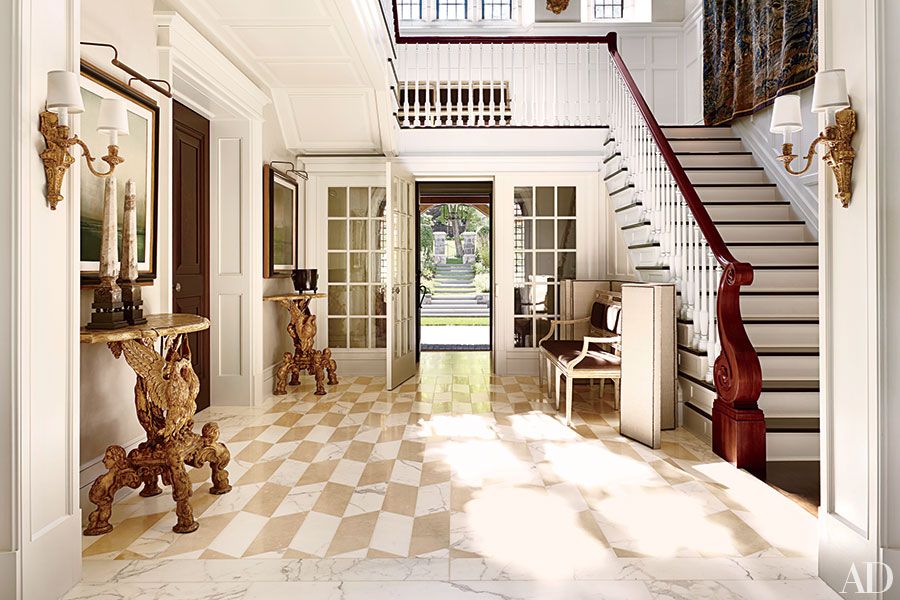
Travertine, as an ancient building material, imparts a sense of history and elegance to a home. Its subtle, subdued tones and unique, nature-formed patterns create a distinct aesthetic without overpowering a room. Available in soft palettes of tans, beiges, grays, and off-white hues, it offers a reserved dignity compared to the more dramatic appearances of granite or marble. Installation mirrors ceramic tile methods, involving a cement board underlayment, thin-set adhesive, and grout. However, travertine's weight requires a robust subfloor, and its hardness necessitates a power wet saw with a diamond blade for cutting. Consequently, professional installation is generally recommended due to these complexities.
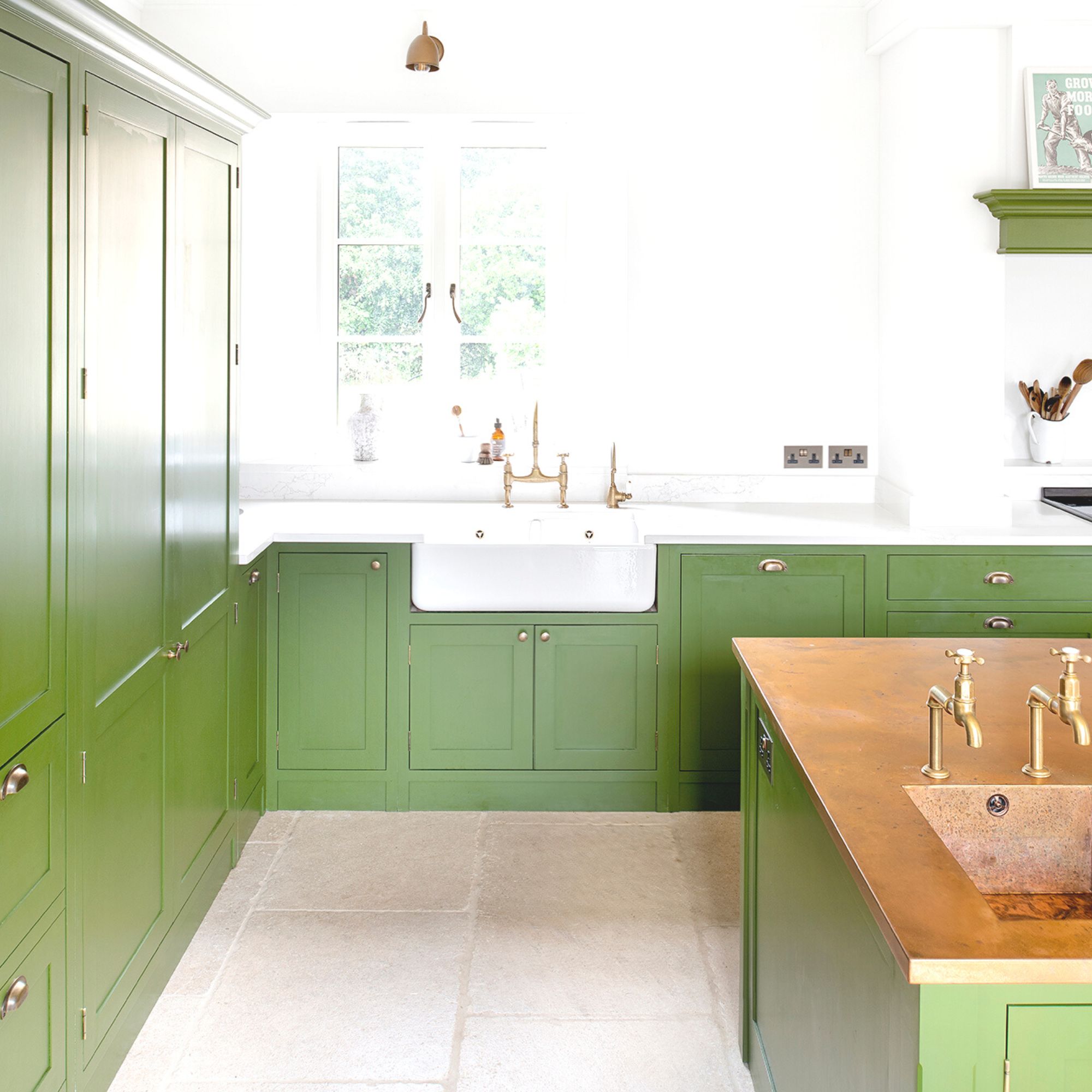
Travertine tiles are widely available from tile shops and home improvement centers. The classification of travertine is more significant than the brand, with types including polished (glossy, sealed, stain-resistant, but slippery), honed (filled, lightly polished, matte finish, less slippery, popular for indoors), tumbled (rounded edges, antique look, good traction, needs sealing), and brushed (textured, matte surface). While travertine remains cold in winter and retains heat in summer, strategic area rugs can mitigate discomfort. It is also an excellent conductor for radiant heating systems. For those seeking an alternative, porcelain tiles can mimic travertine's appearance at a lower cost and offer easier DIY installation, though they may not perfectly replicate natural stone.
#TravertineFlooring #HomeImprovement #FlooringMaterials #NaturalStone #InteriorDesign #HomeRenovation #TileInstallation #MaterialCosts #MaintenanceTips #TravertineFlooring #HomeImprovement #FlooringMaterials #NaturalStone #InteriorDesign #HomeRenovation #TileInstallation #MaterialCosts #MaintenanceTips
合計0件のコメント
 まだコメントはありません
あなたも好きかもしれません
Travertine Is the Minimalist's Secret Weapon in Design

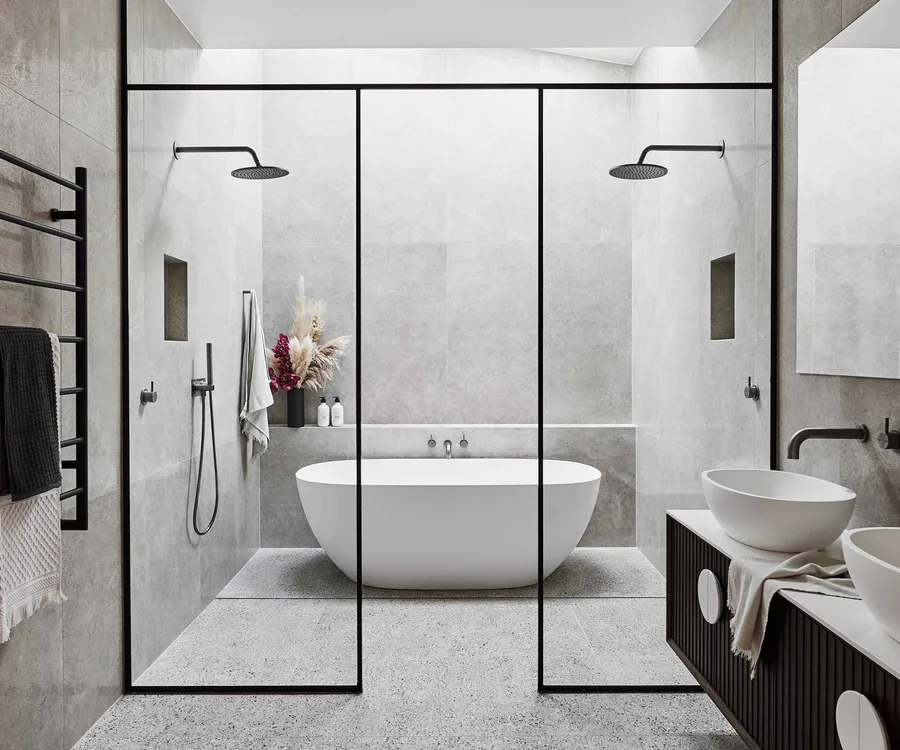
Why terrazzo is on trend for tiles and flooring

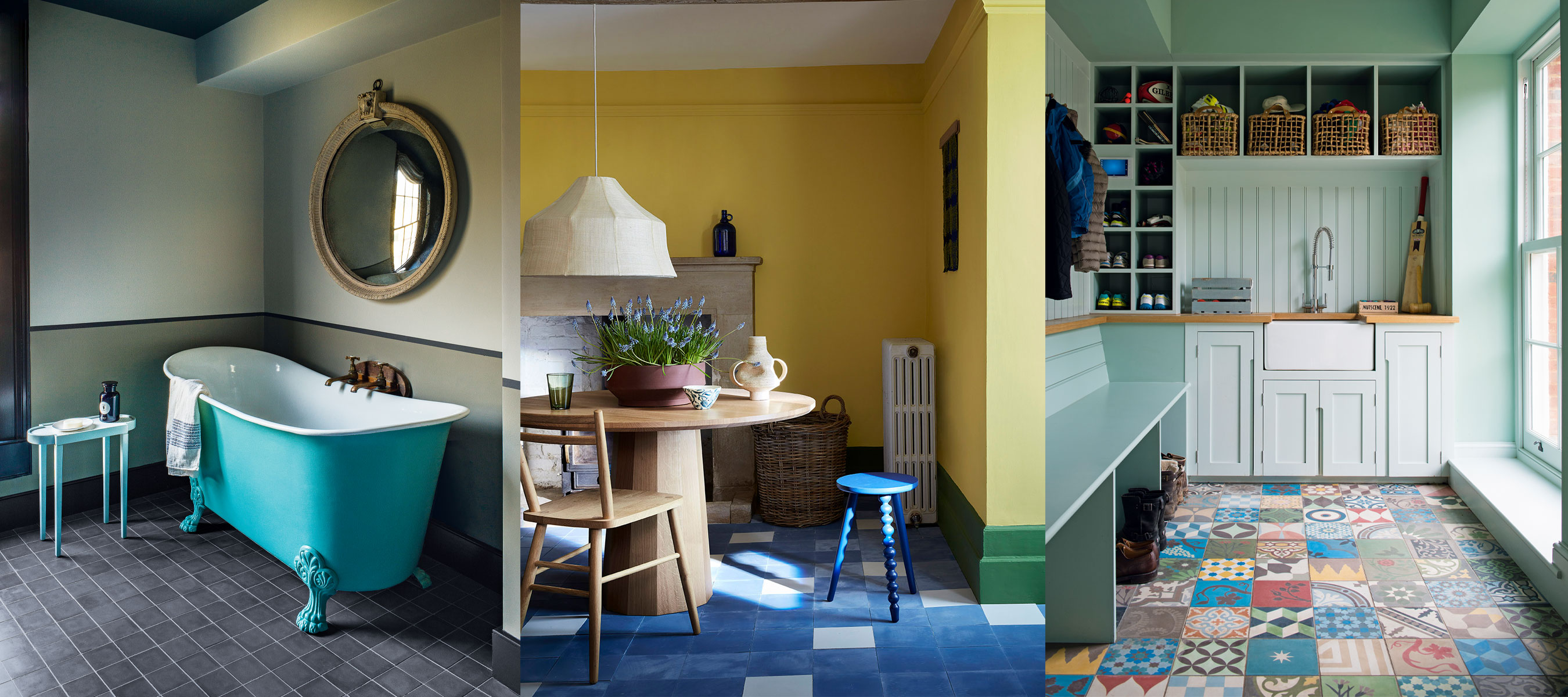
Floor tile ideas – 15 inspiring designs to transform your spaces

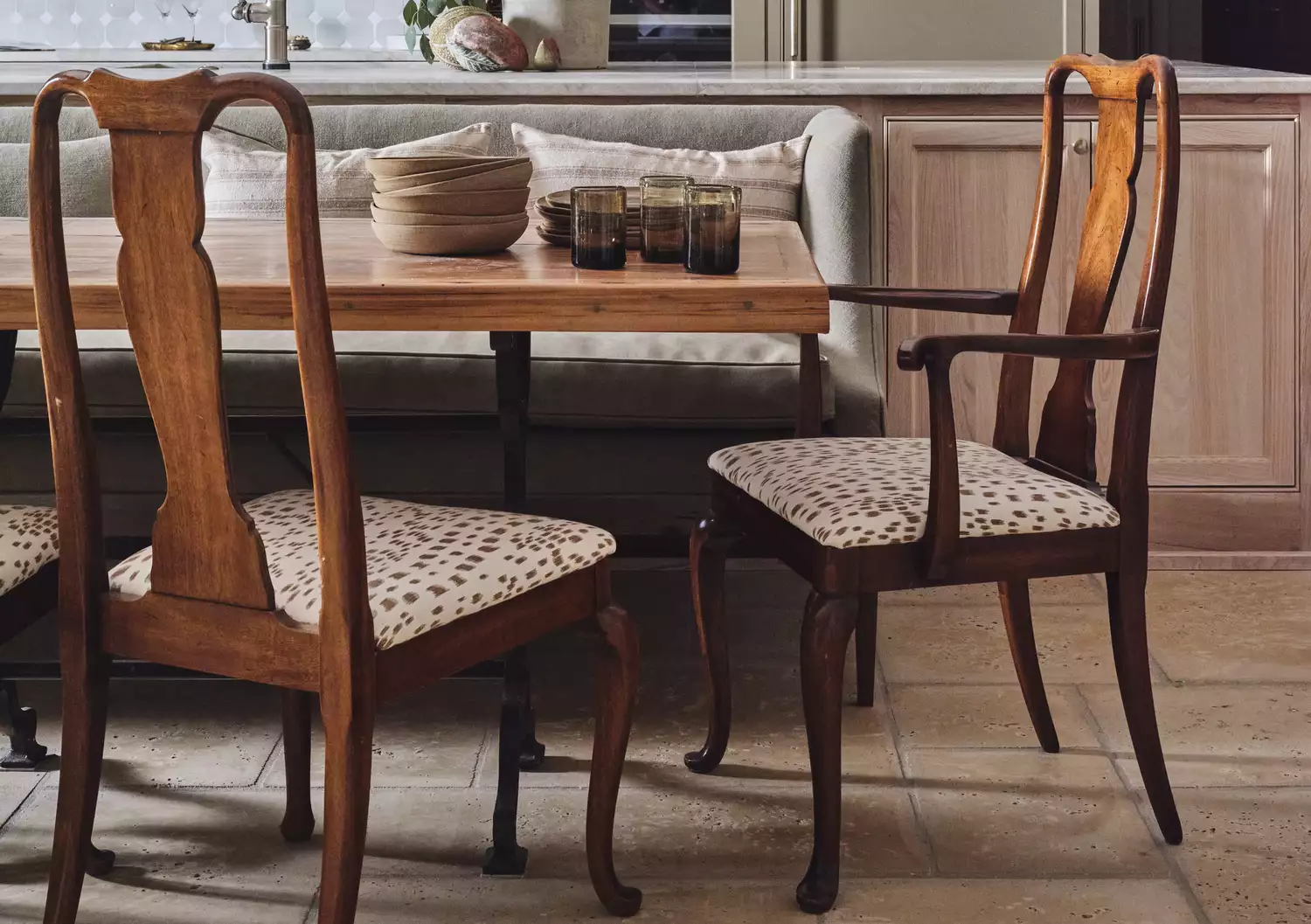
5 Flooring Choices Designers Always Use in Their Own Homes (and You Should Too)

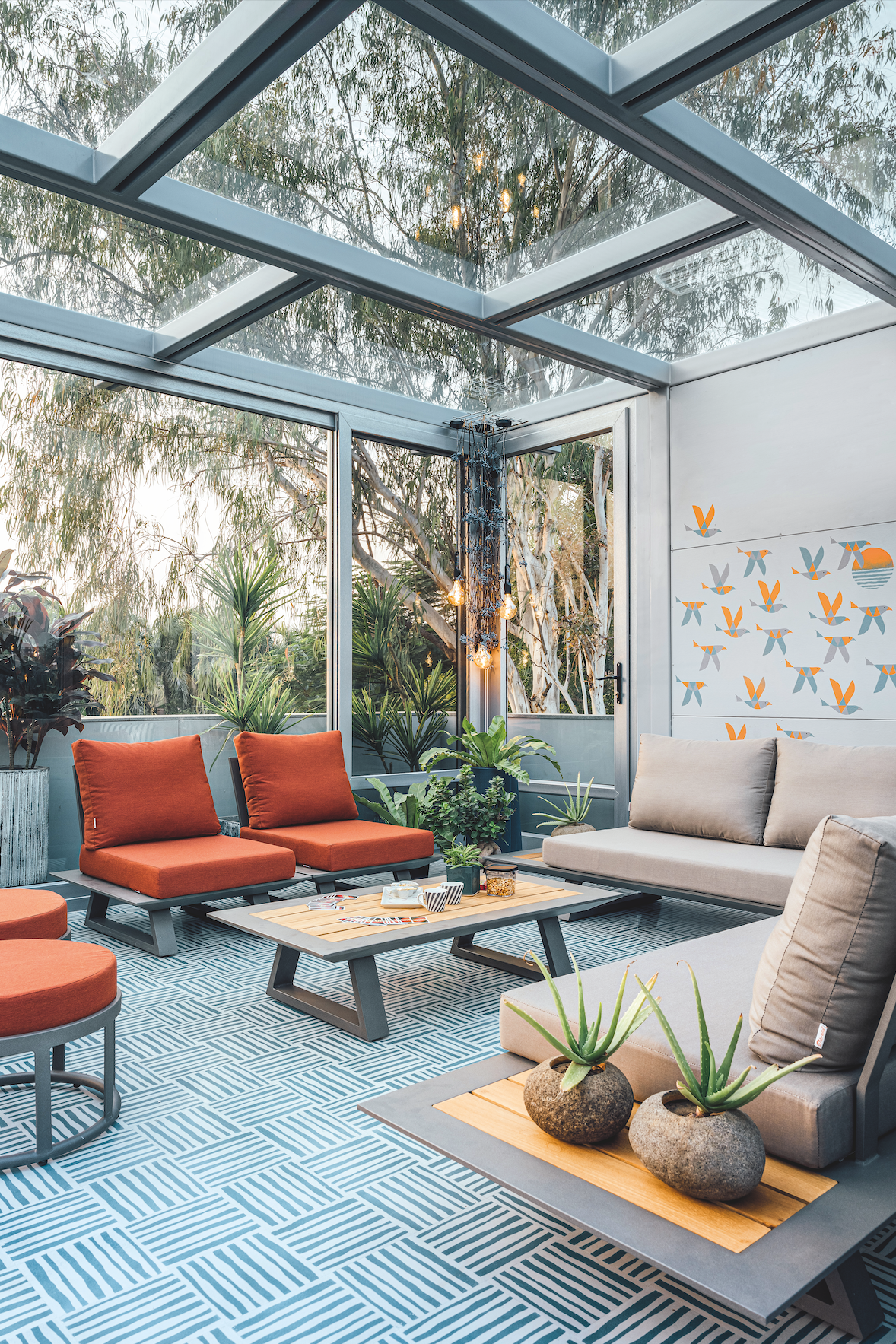
Vogue's flooring guide will ensure you never look up
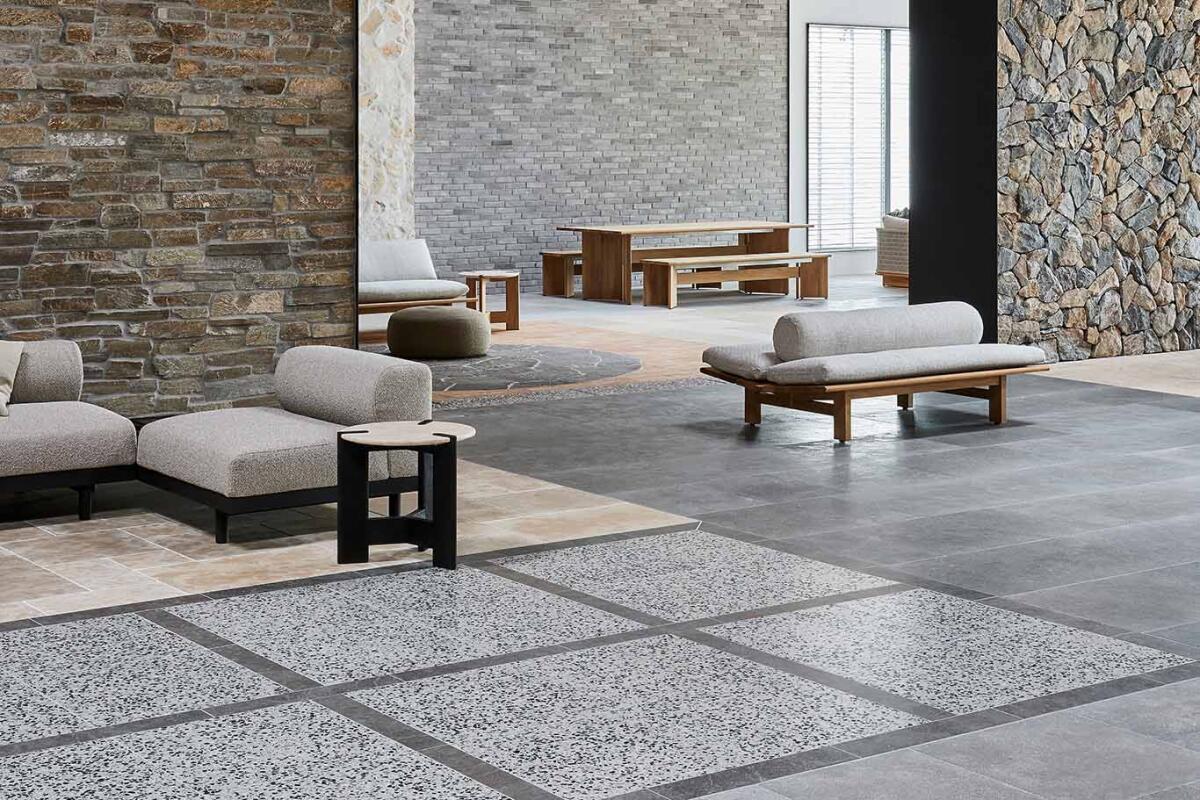
Terrazzo Flooring Guide: How to Master the Art of Sustainable, Circular Design

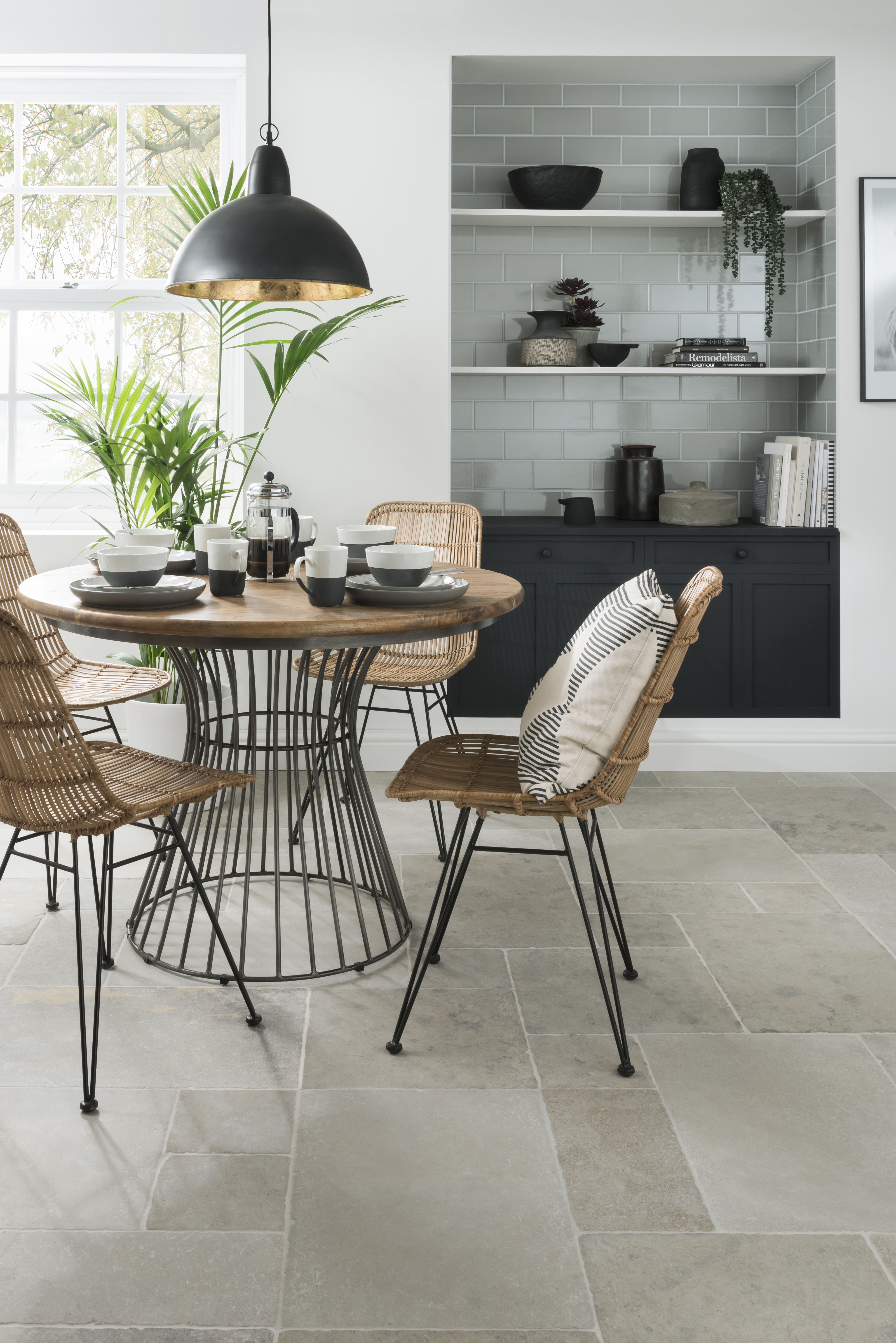
Natural stone tiles: tips and ideas for using them in your home

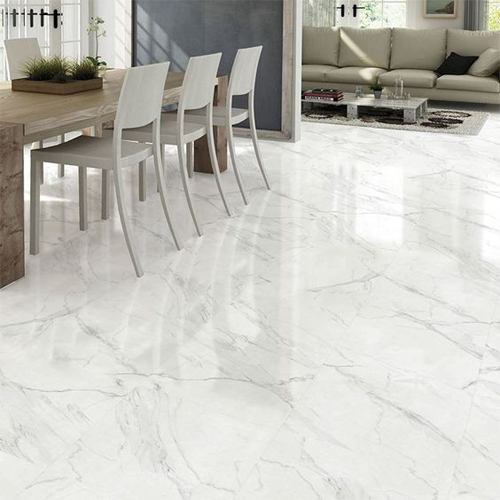
20 Latest Marble Floor Designs For Home In 2024

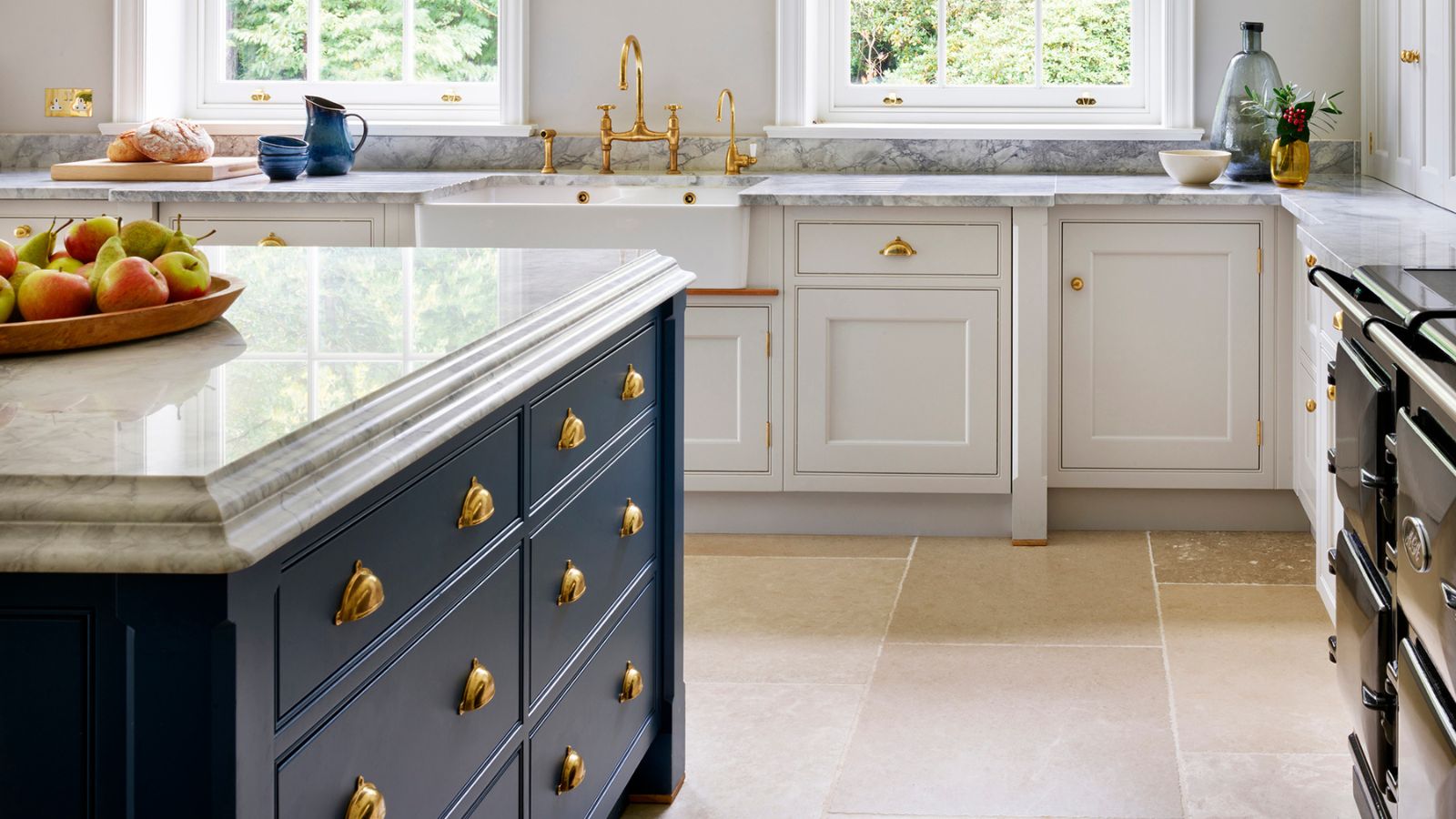
Stone flooring ideas – inspiring styles, how to choose and how to clean
An In-Depth Look at the Pros and Cons of Concrete Flooring
AD’s Guide to Patterned Stone Floors

15 of the best flooring materials for the home and why they work
A Reminder That Travertine Isn't Just for Floors
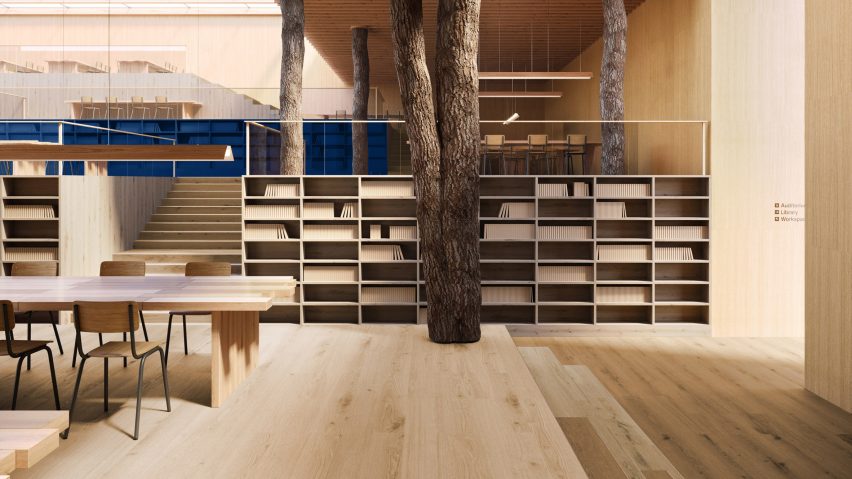
iD Inspiration vinyl flooring by Tarkett
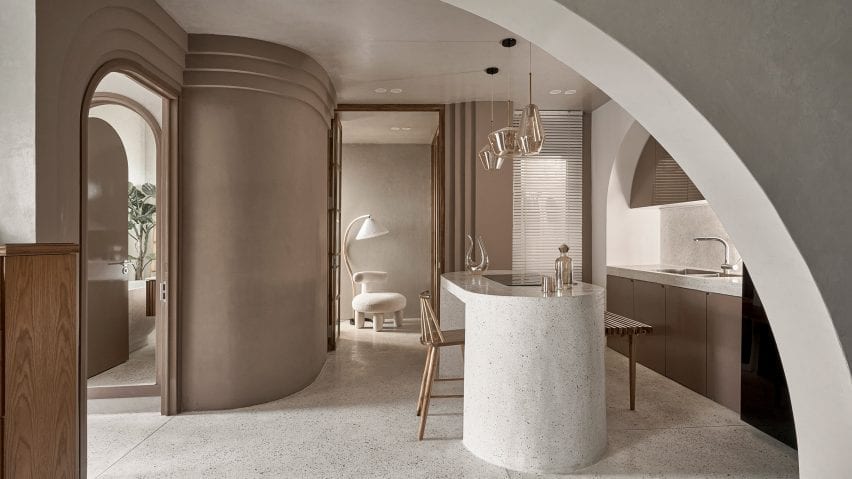
Ten home interiors with distinctive terrazzo floors
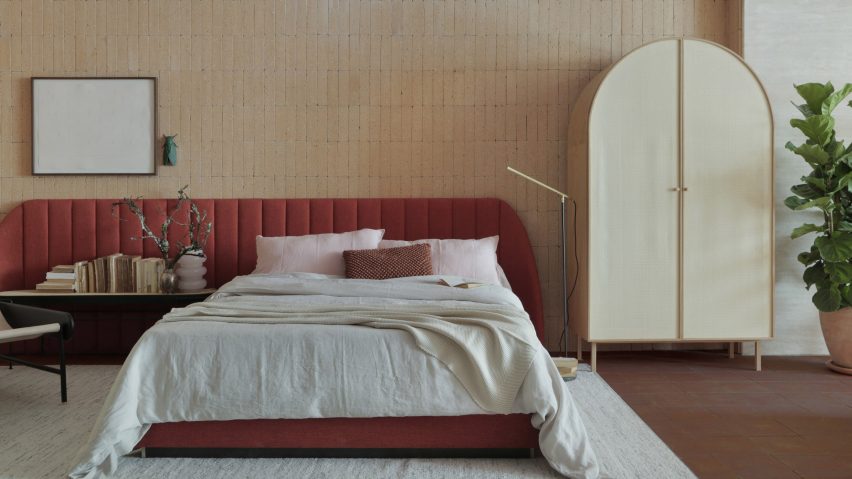
Eight homes with hardwearing and decorative terracotta floors
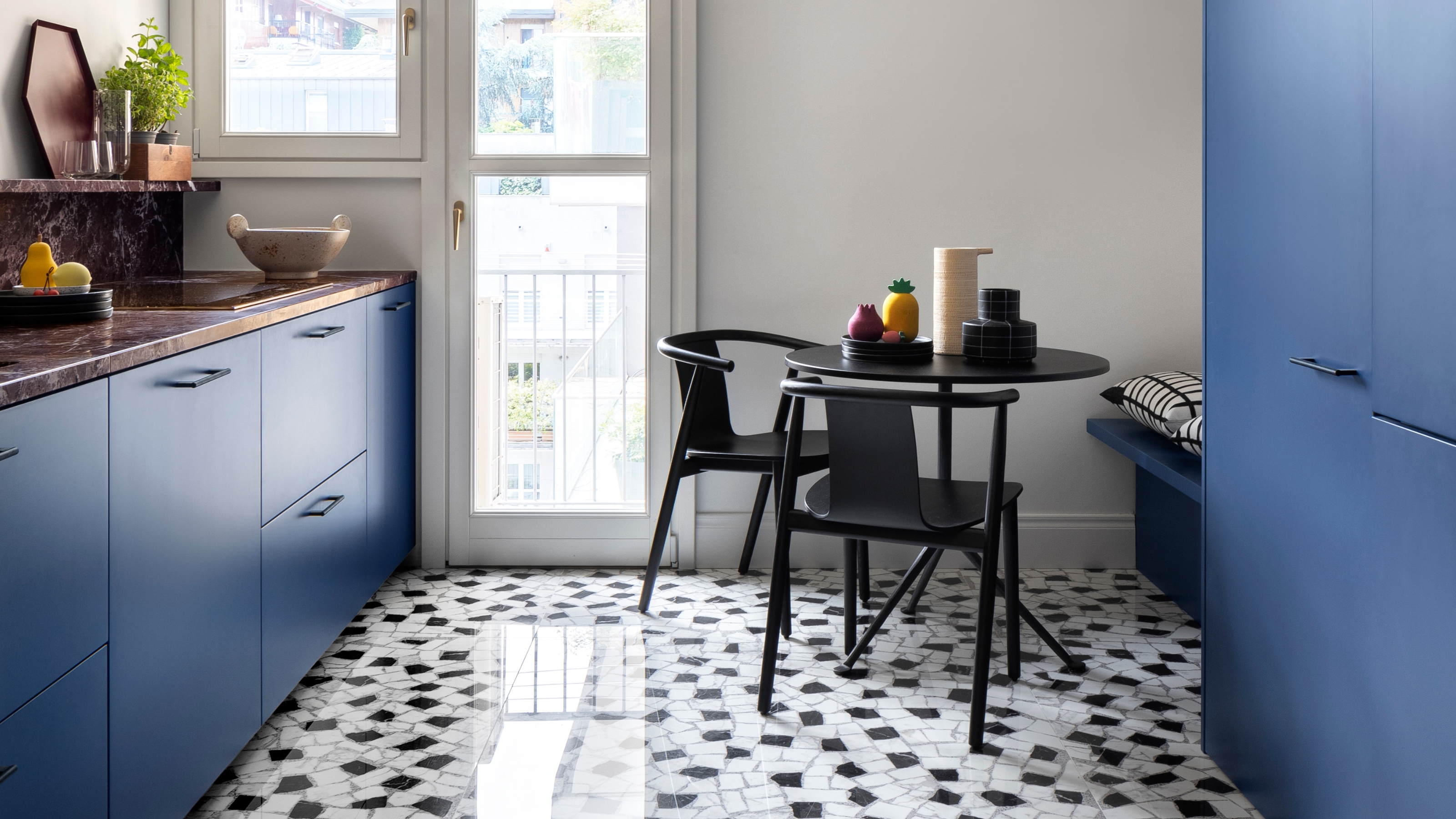
Palladiana Terrazzo straddles Italian Grandeur and Modern Cool

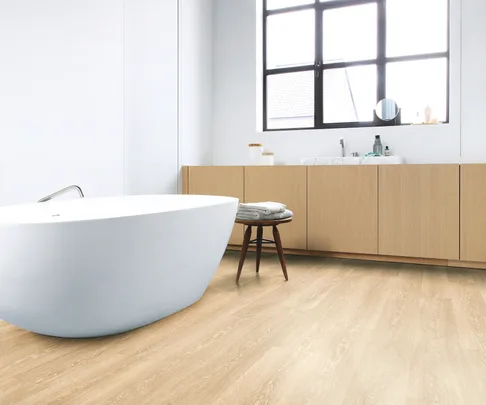
6 of the latest bathroom flooring options

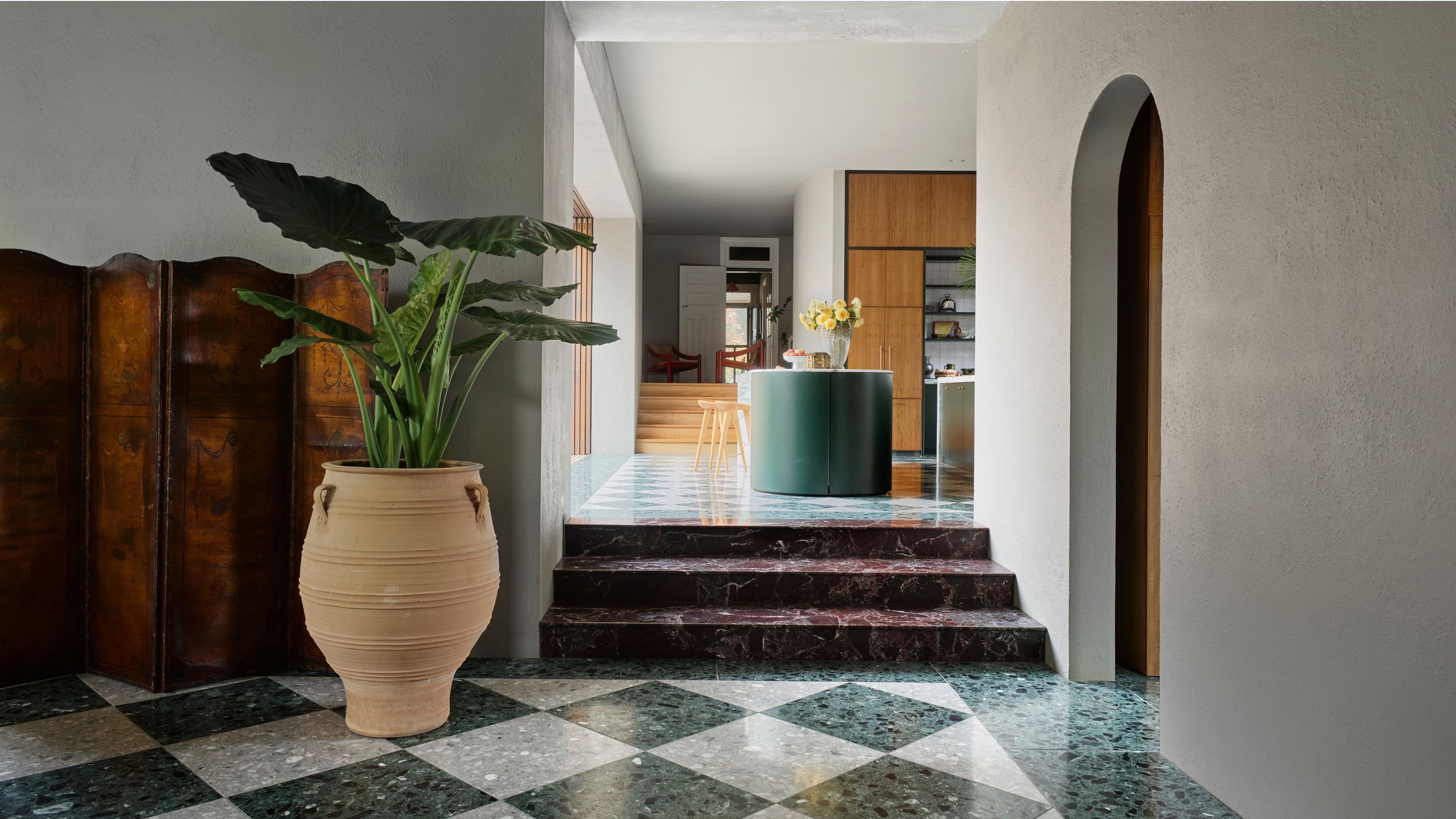
10 Entryway Flooring Ideas That Set the Scene For a Truly Stylish Home
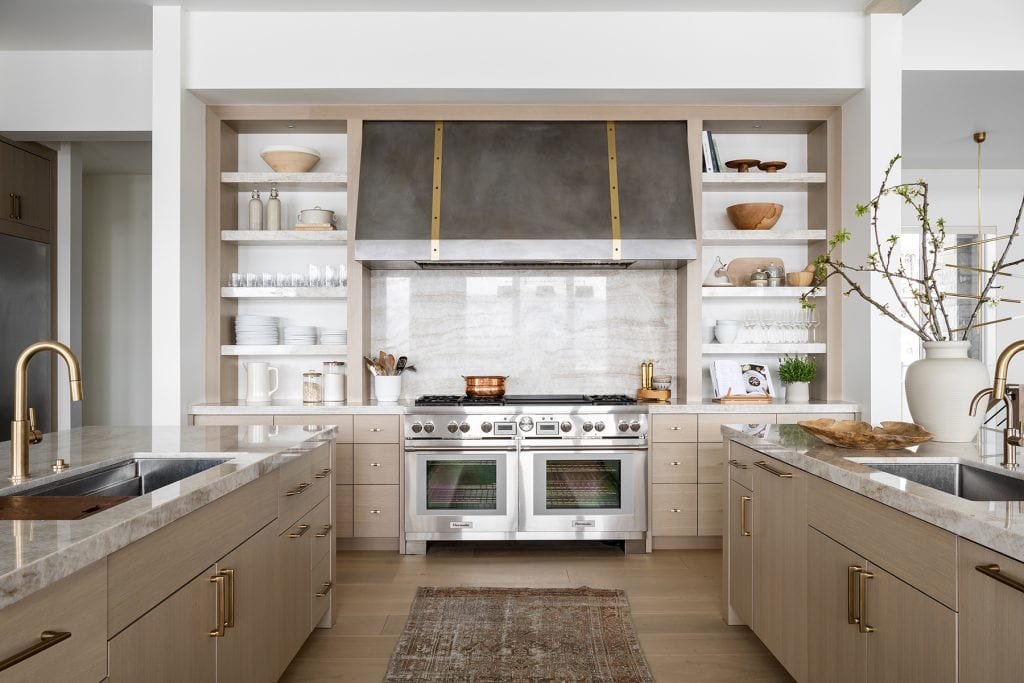
Inside The Trend | Statement Stone