1/8
Why terrazzo is on trend for tiles and flooring
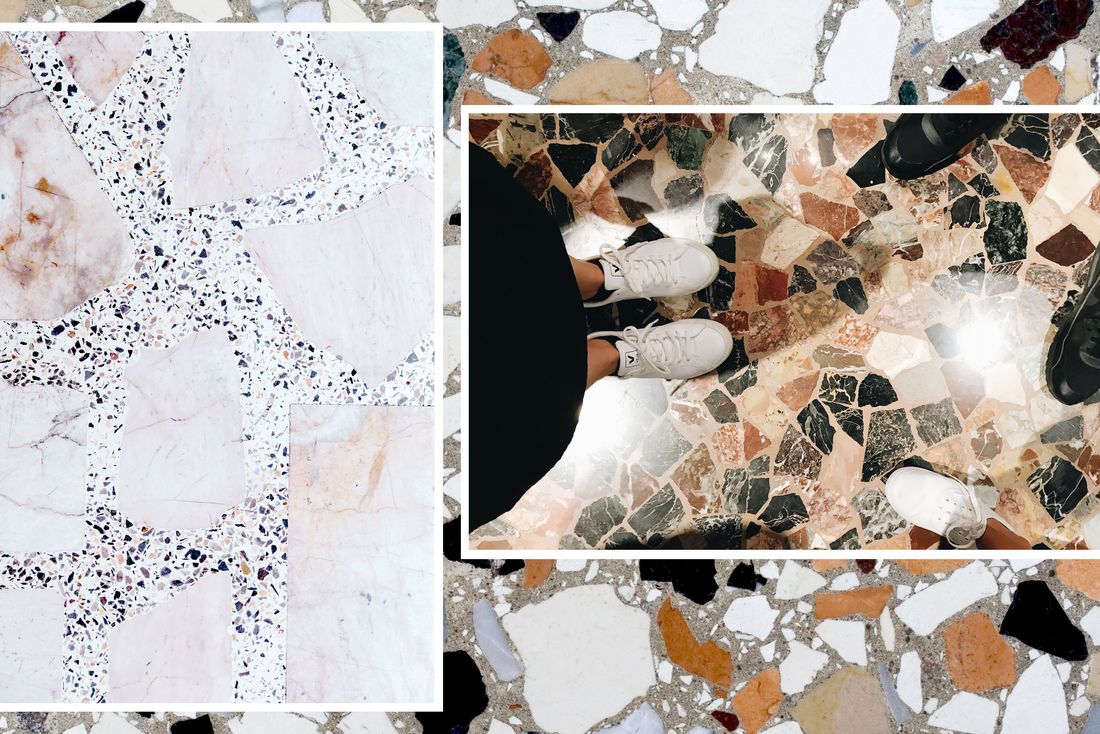
Terrazzo, a material with thousands of years of history, is experiencing a significant resurgence in contemporary home design, captivating homeowners with its versatile aesthetic and practical advantages. This article explores the enduring appeal of terrazzo tiles and flooring, detailing its composition, benefits, and various applications in modern interiors.
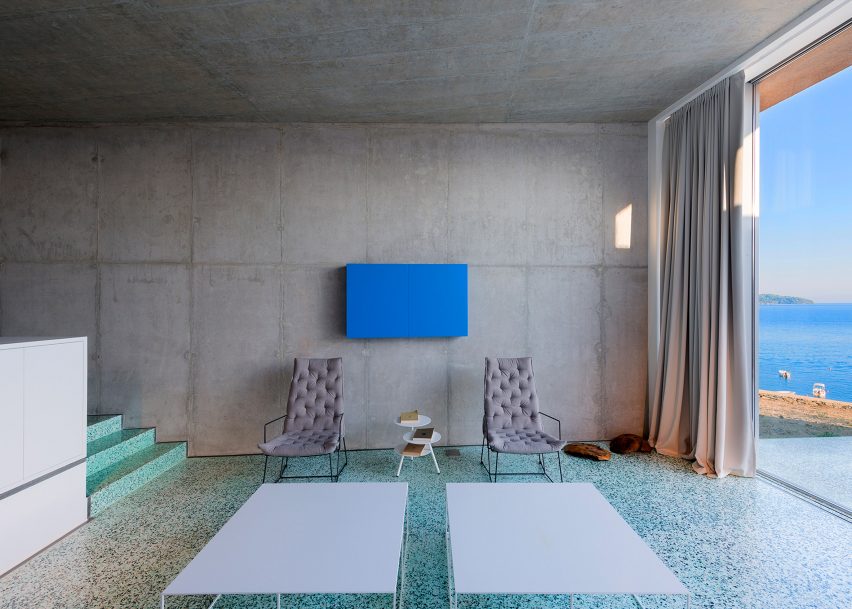
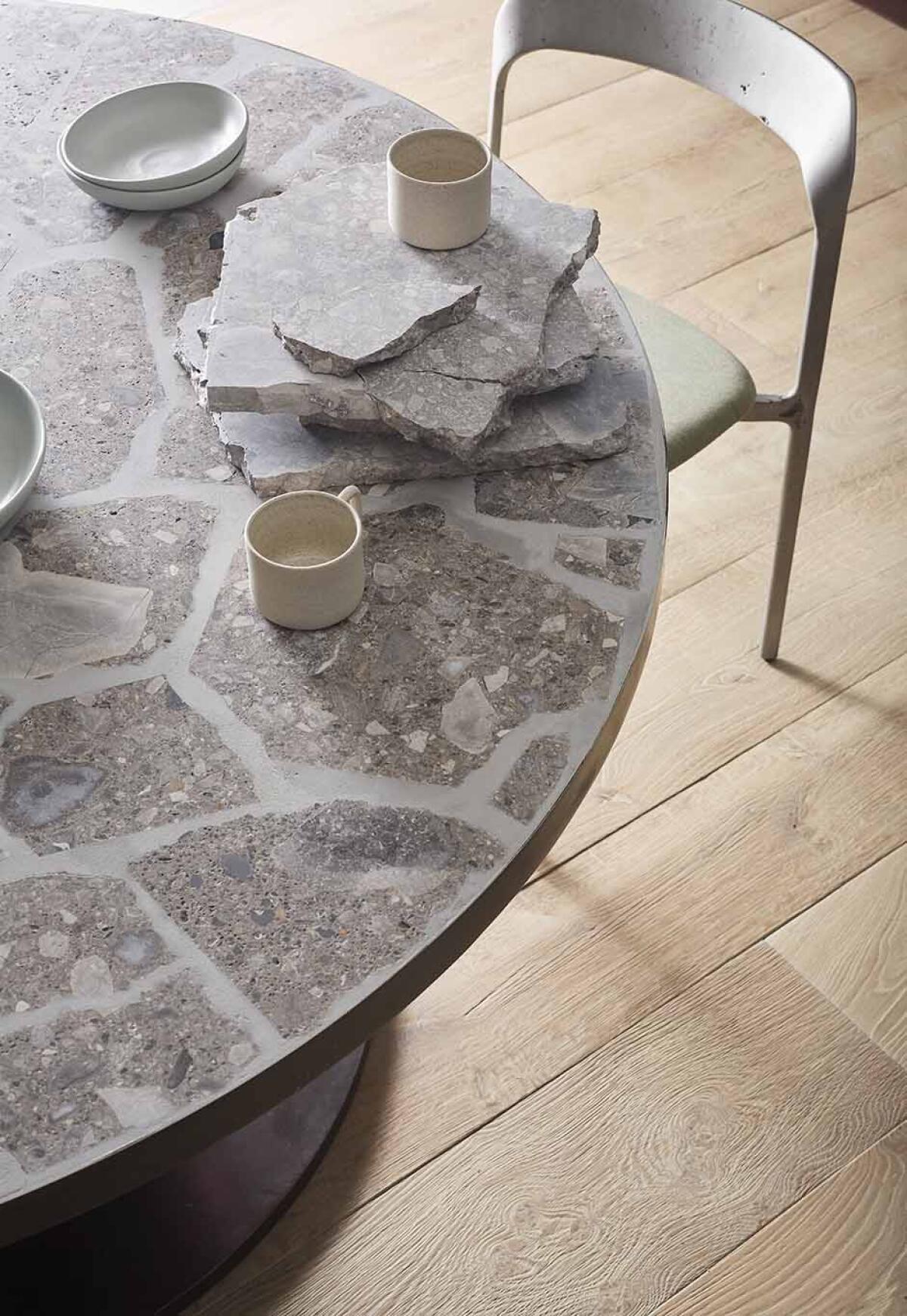
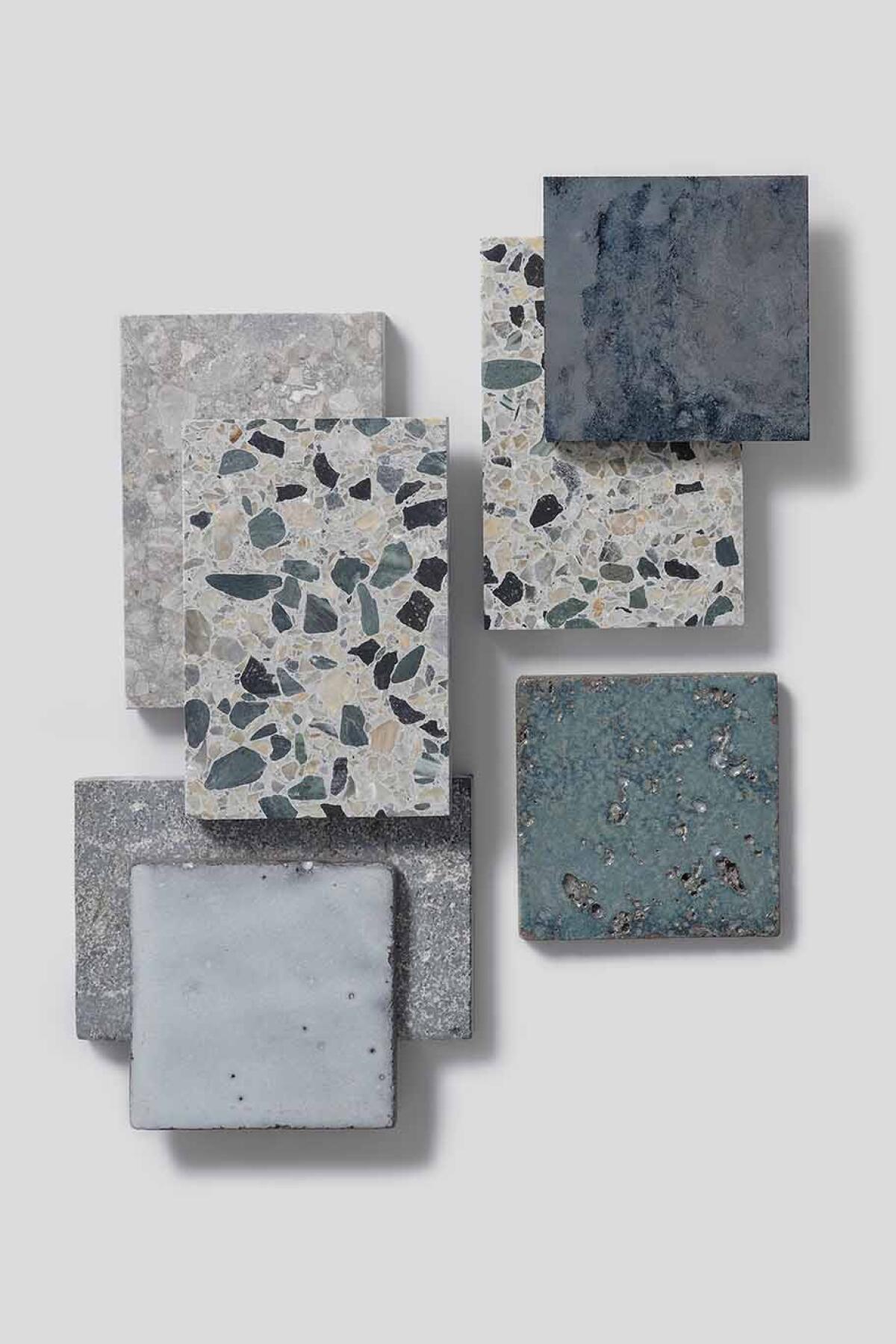
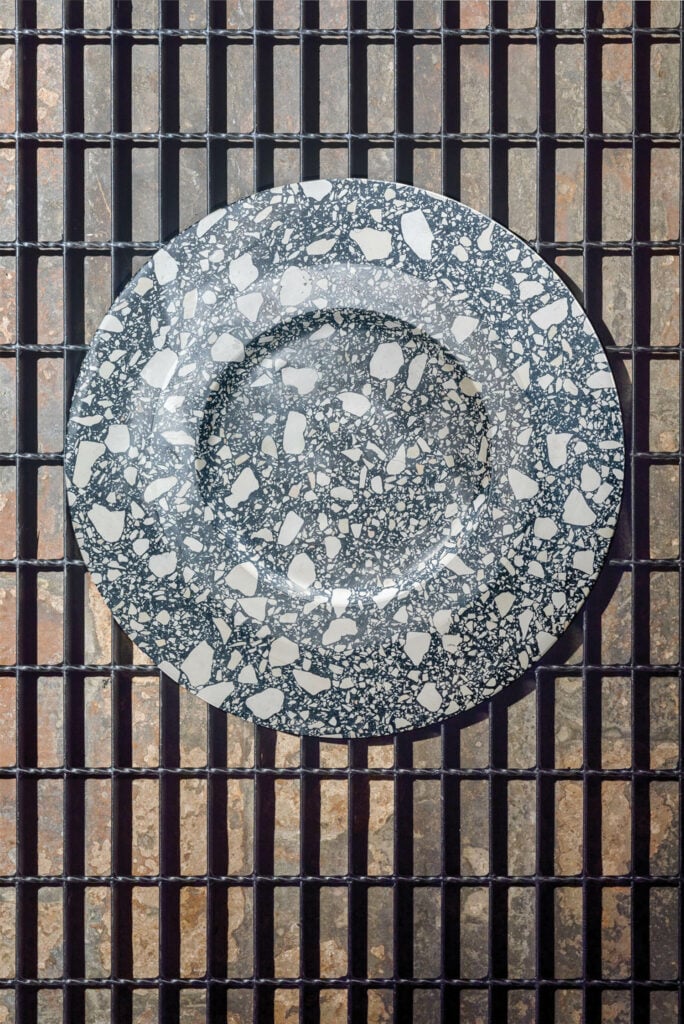
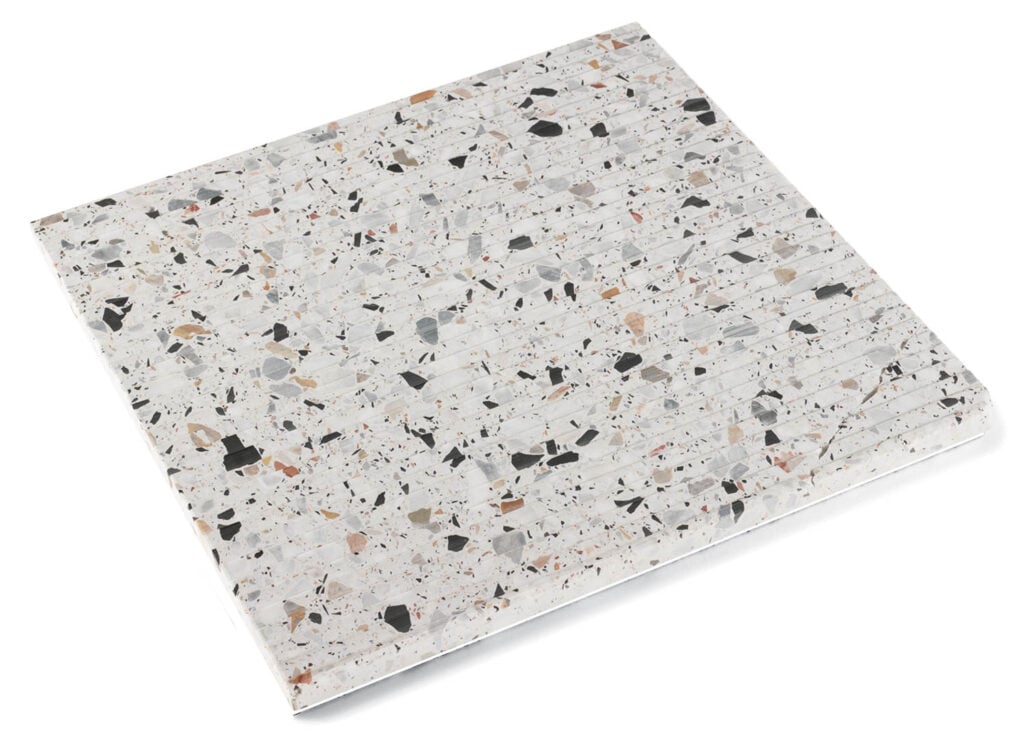
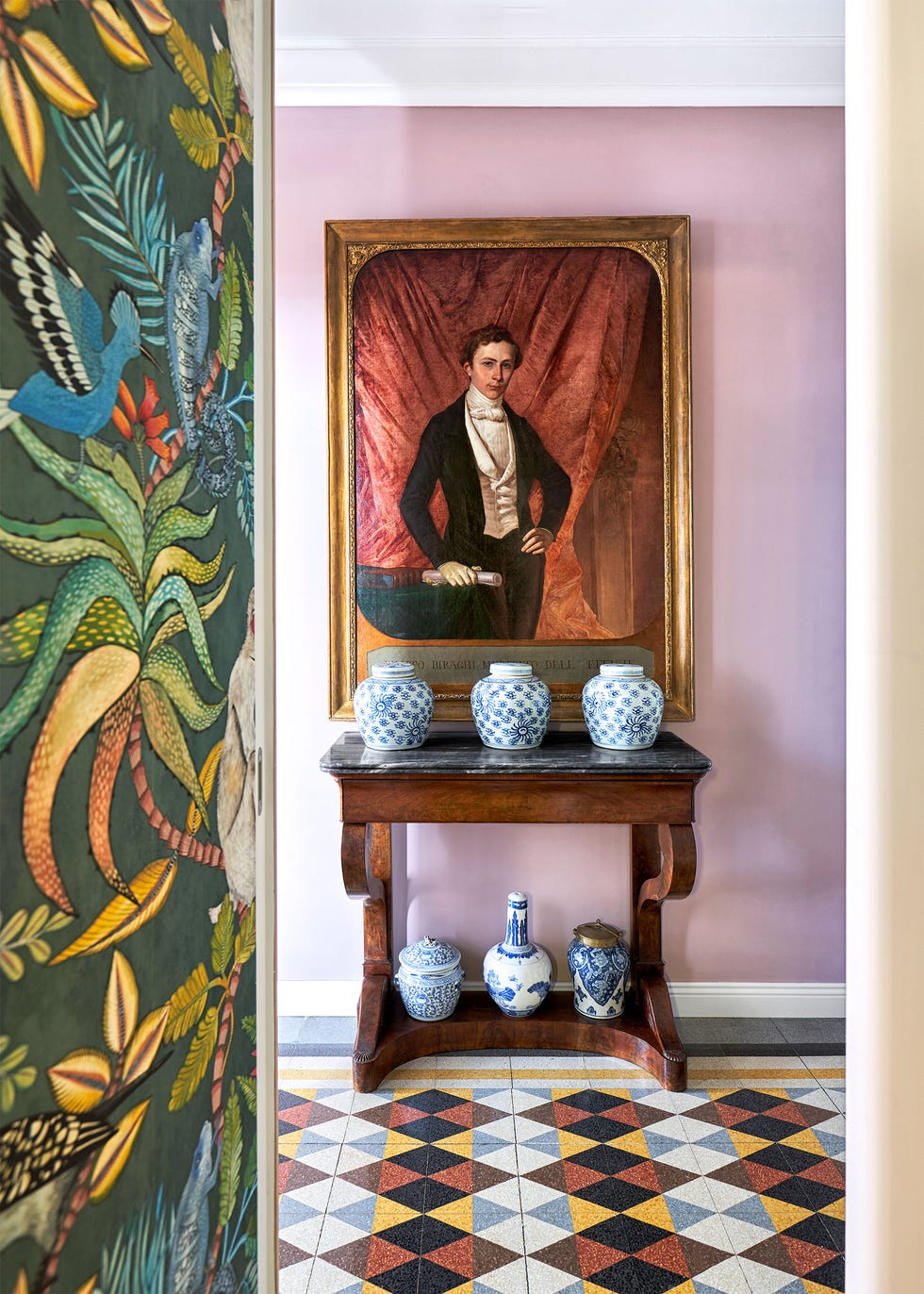
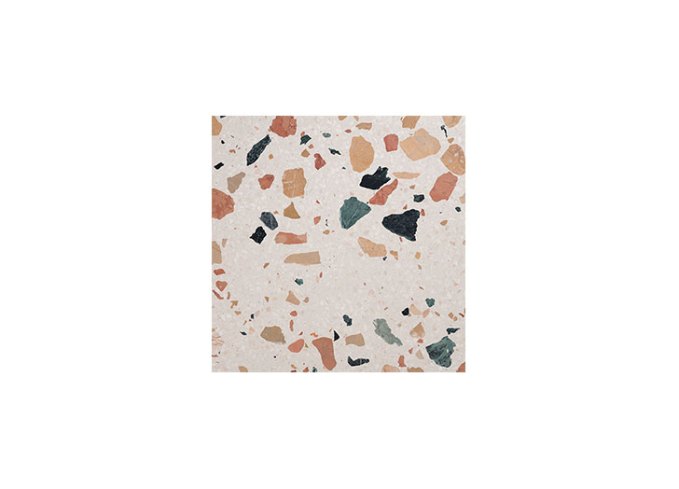
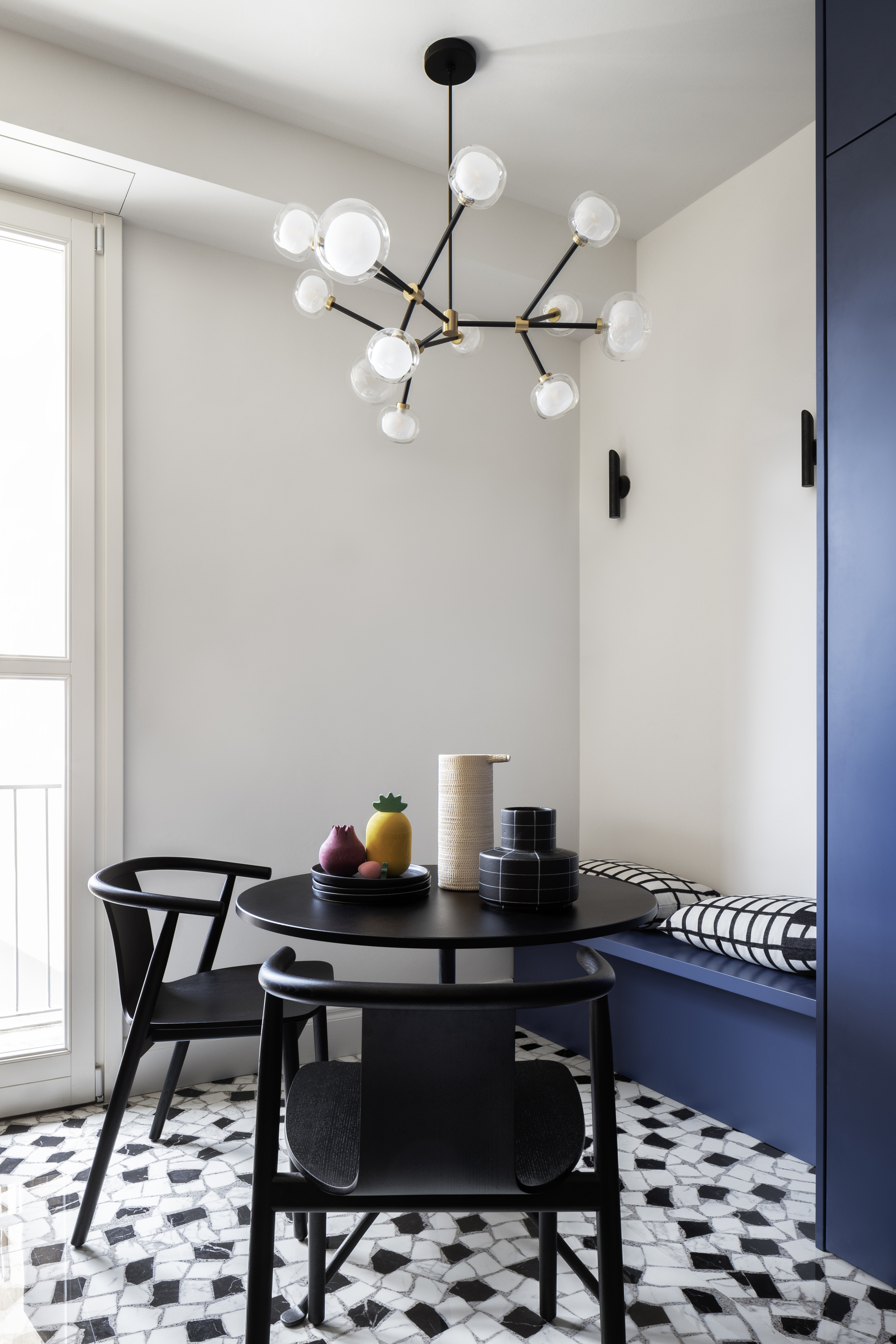
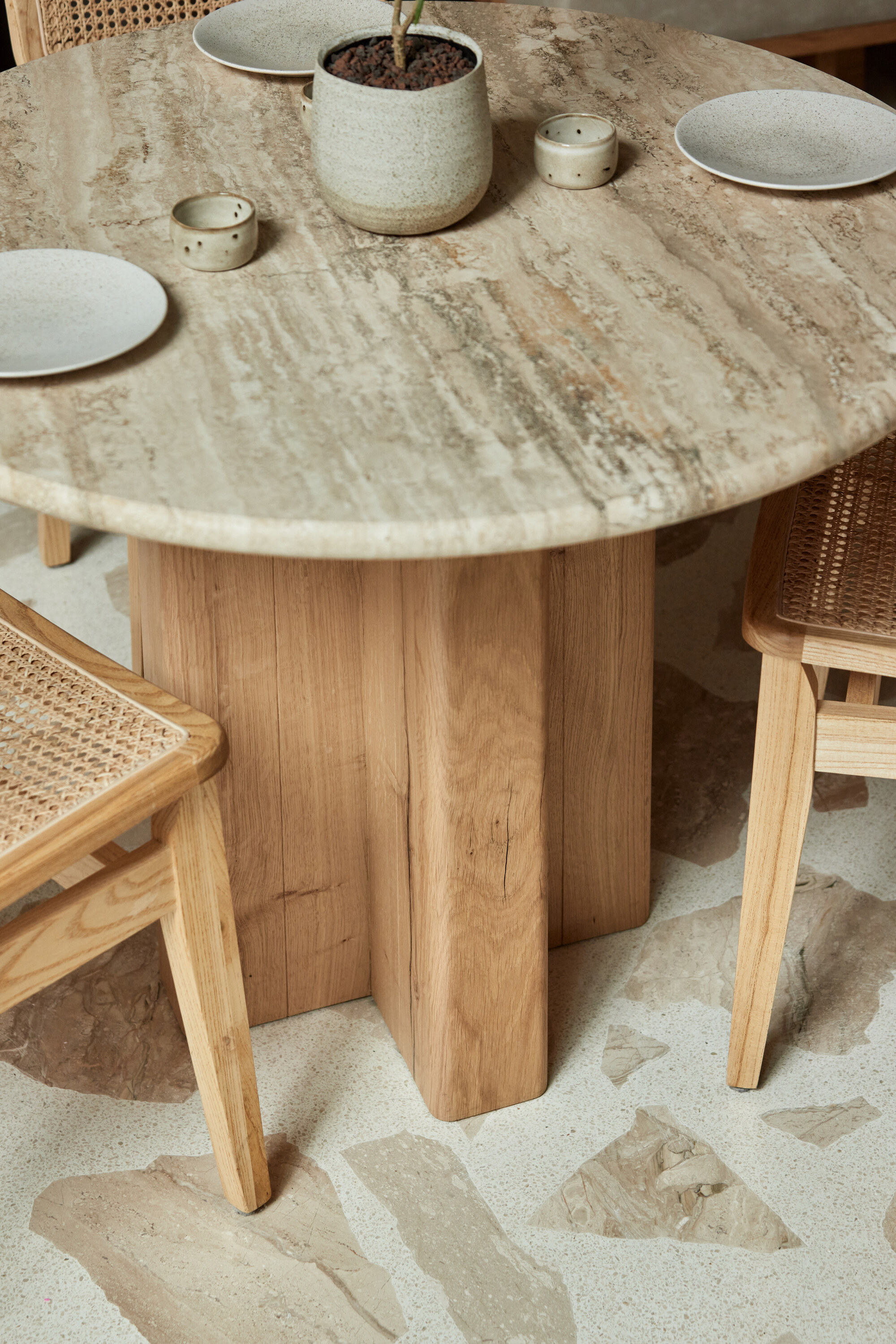
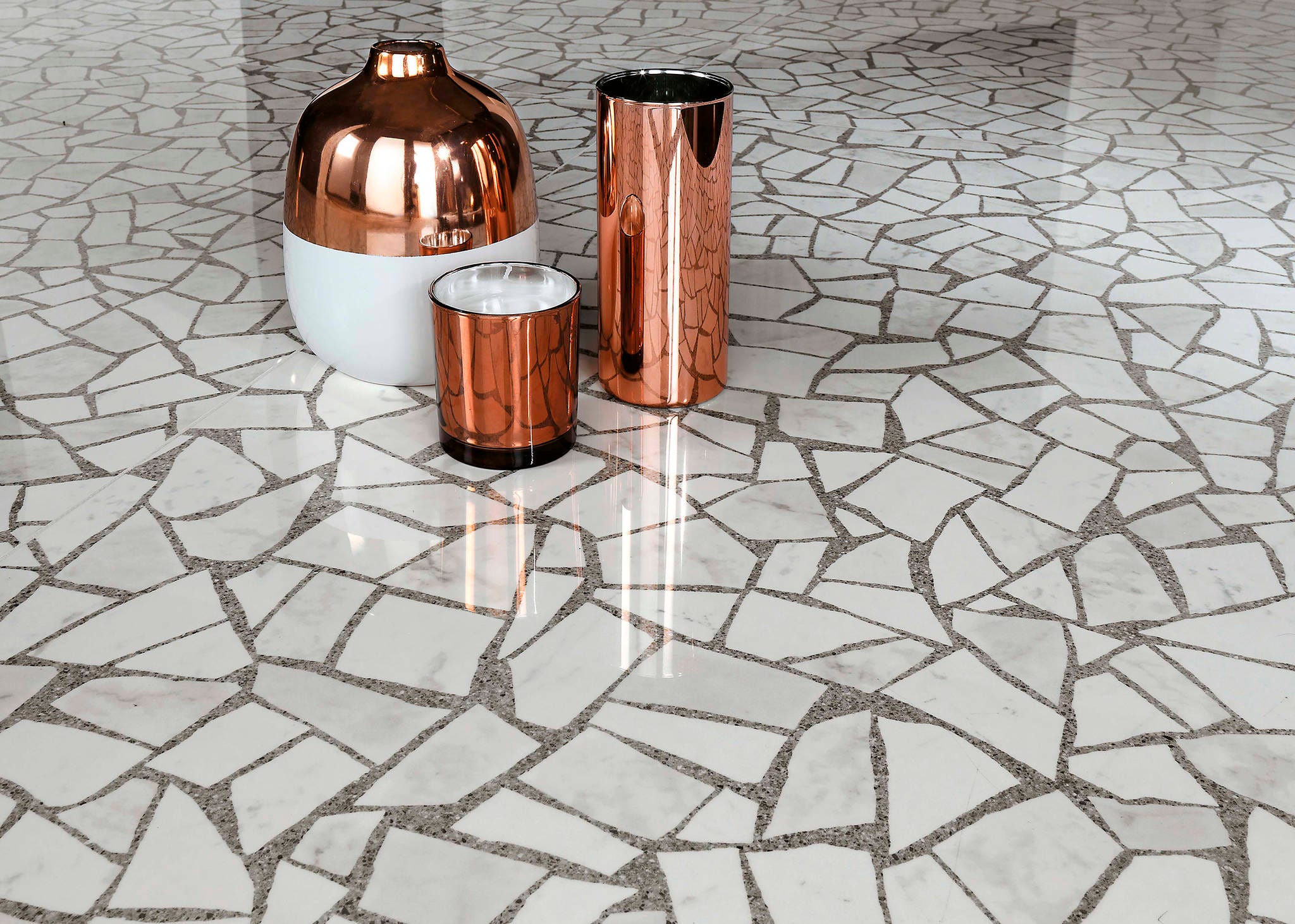
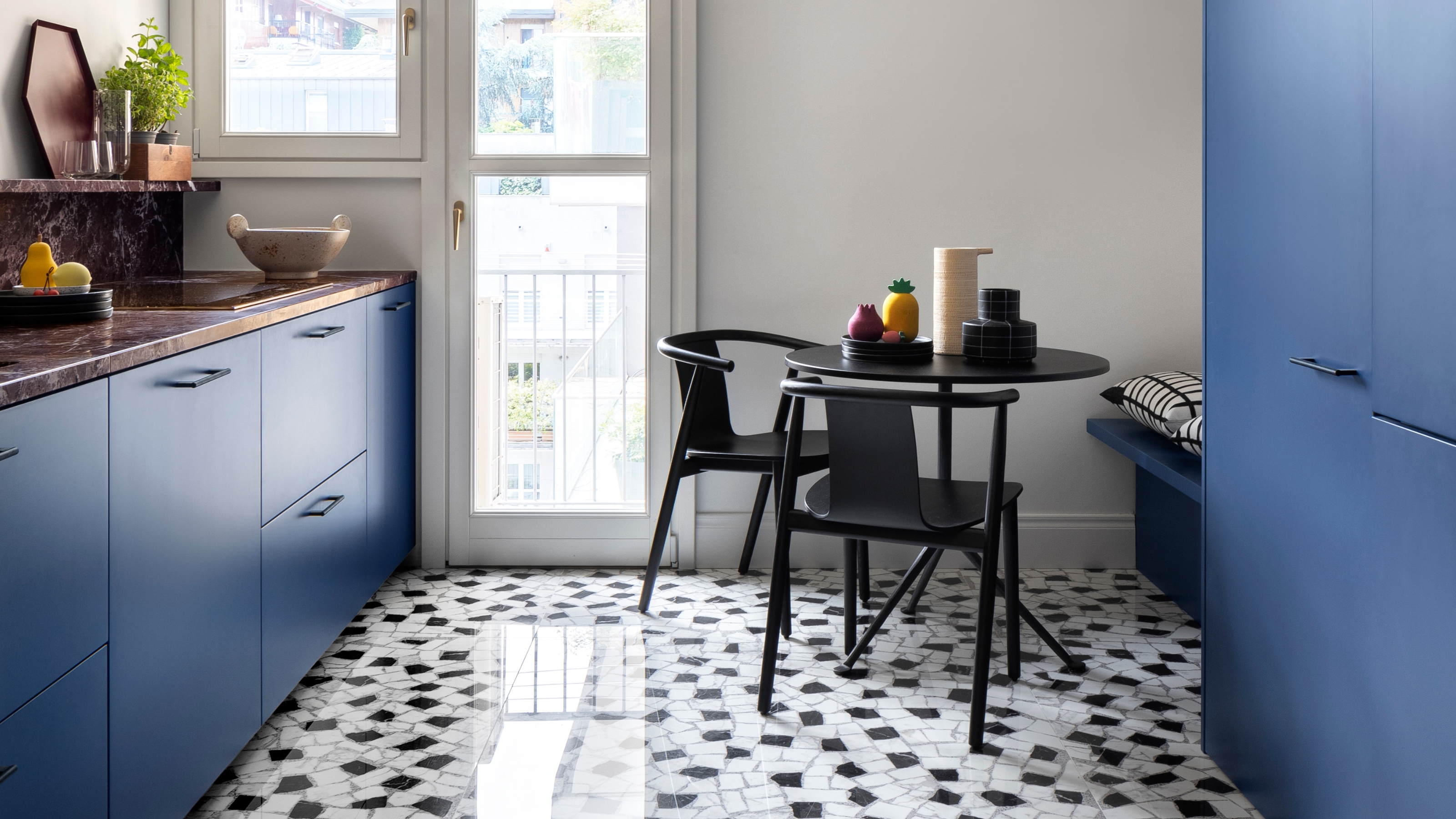
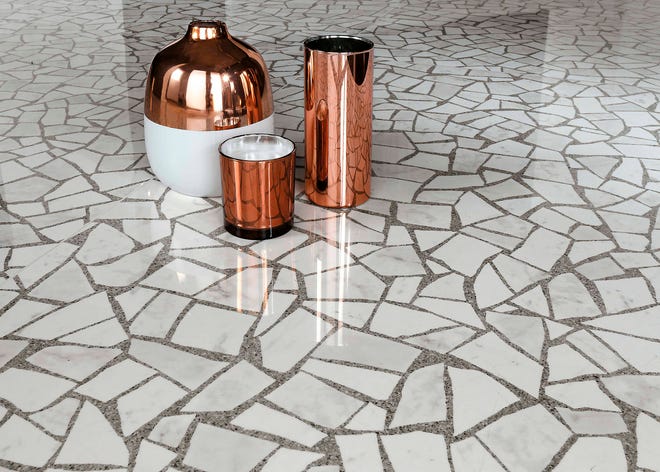
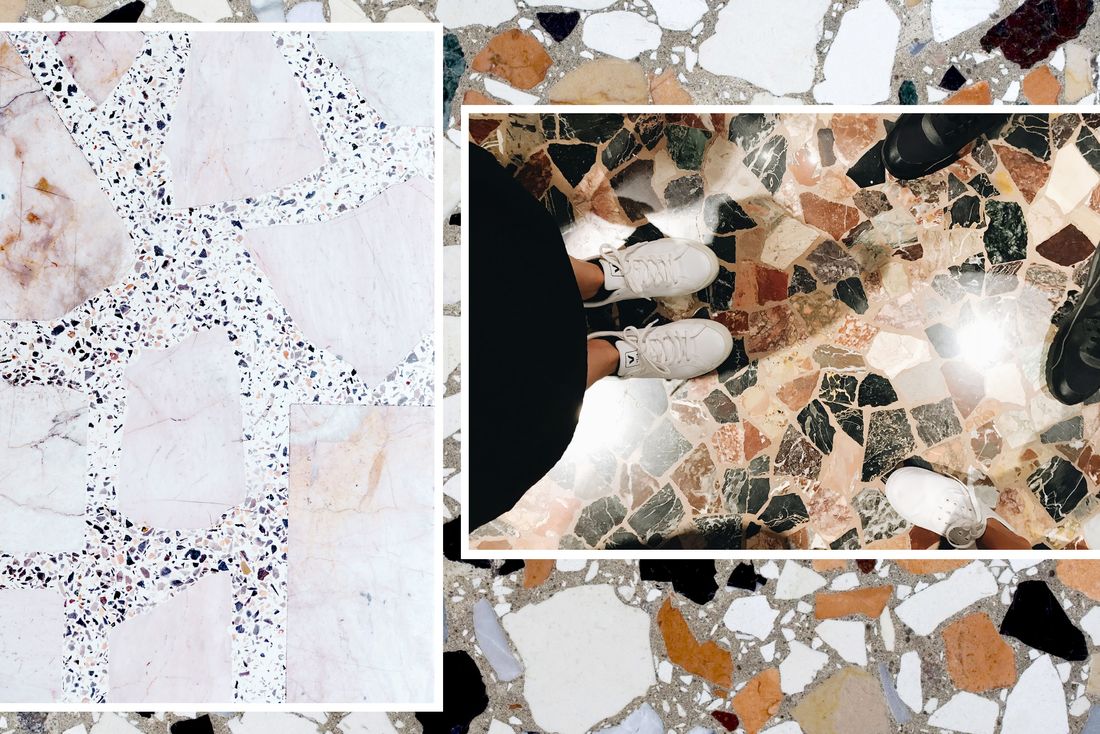
Terrazzo is characterized by its unique composition, typically a blend of aggregates like Carrara or Nero Marquina marble, quartz, and onyx, all set within a cement binder. The distinct appearance of each terrazzo piece is determined by the size of these aggregates and the chosen color of the cement, allowing for a wide range of aesthetic possibilities. This inherent customizability makes terrazzo a preferred choice for those seeking a unique surface that offers more visual interest than traditional ceramic tiles or a warmer alternative to marble.
One of the primary reasons for terrazzo's sustained popularity is its eco-friendly nature. It is often produced using recycled materials such as glass and natural aggregates, which are bound by resin or concrete. The finishing process, involving polishing, honing, or sandblasting, further enhances its aesthetic and functional qualities, aligning with growing consumer demand for sustainable building materials.
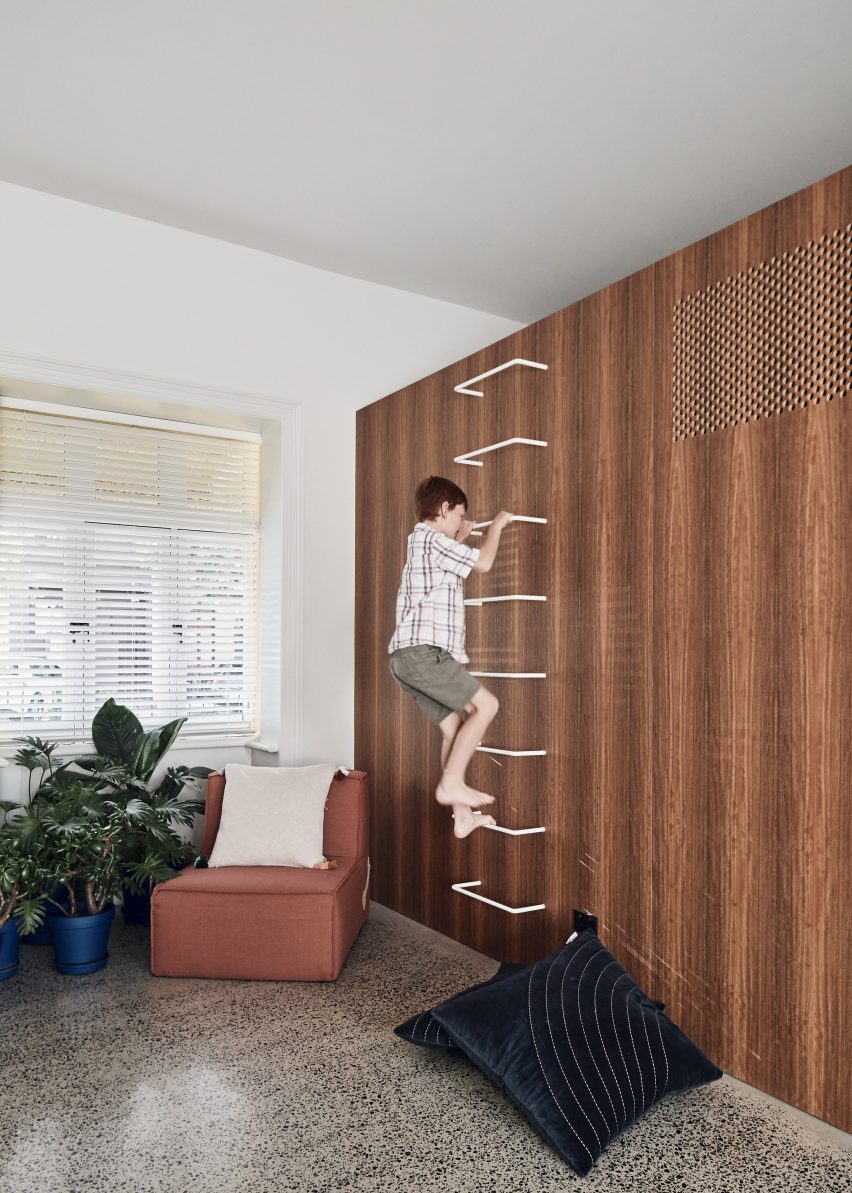
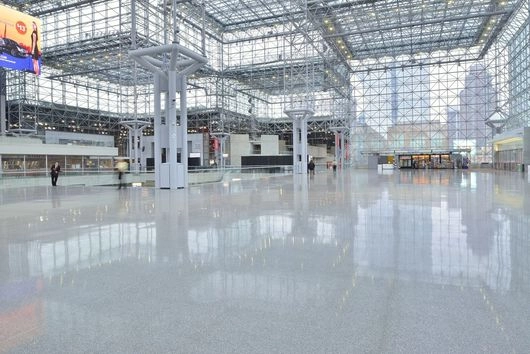
Durability is another key attribute of terrazzo. Its robust construction makes it exceptionally resilient and more resistant to wear and tear compared to many other tiling materials. This characteristic makes it an ideal choice for high-traffic areas within a home. The quality of terrazzo can vary significantly, with Italian-made versions known for their superior production standards that prevent brittleness, porosity, and discoloration, ensuring a long-lasting and high-quality product.
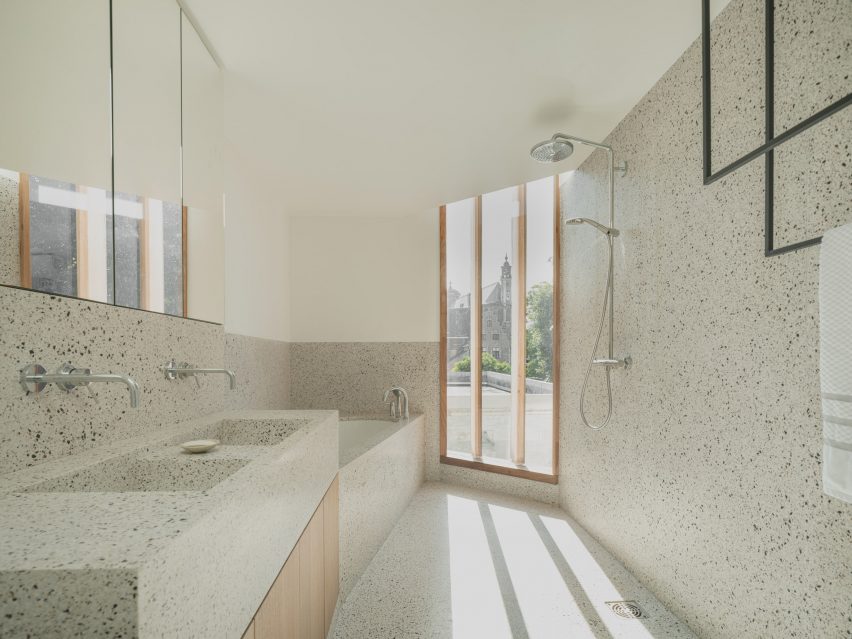
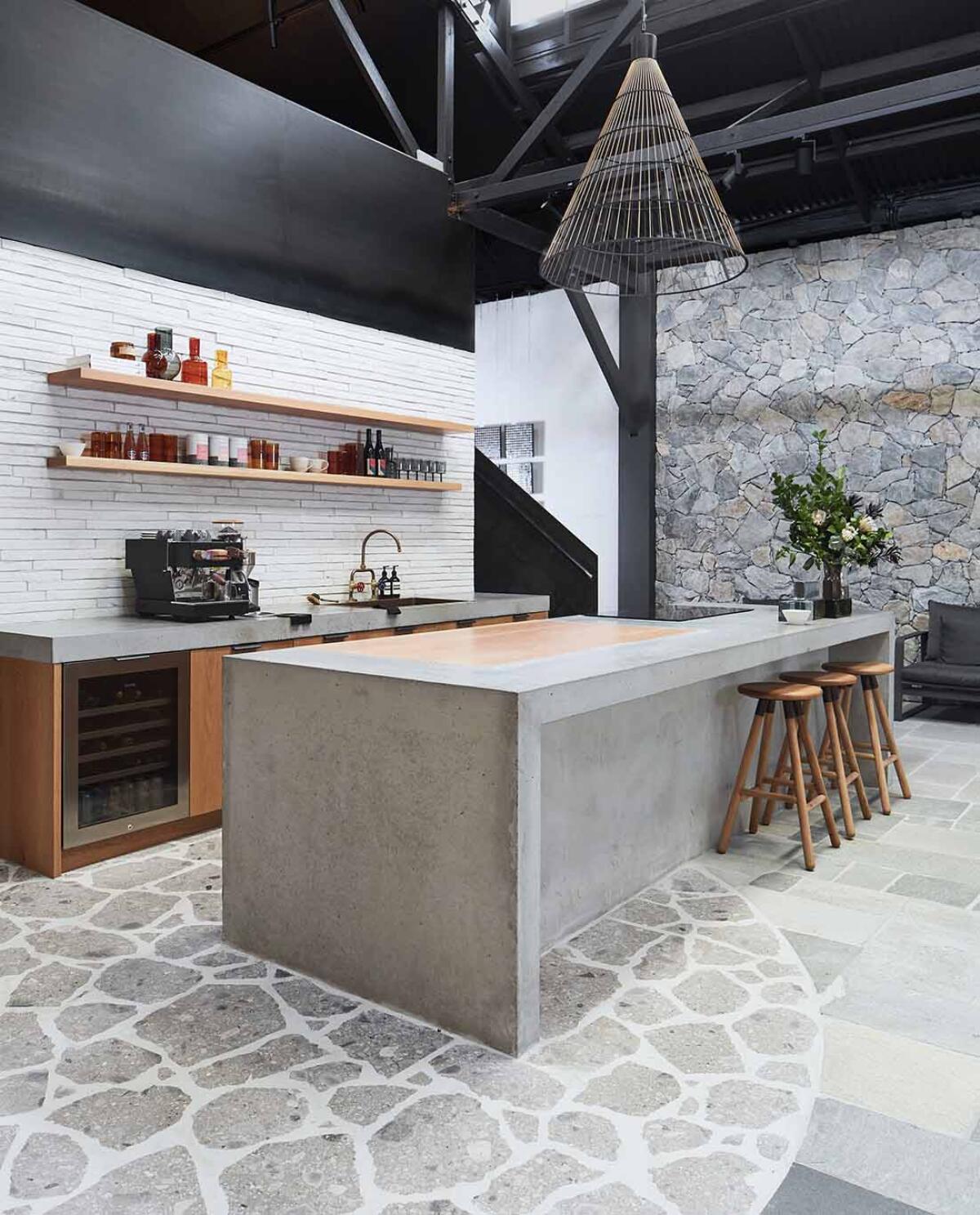
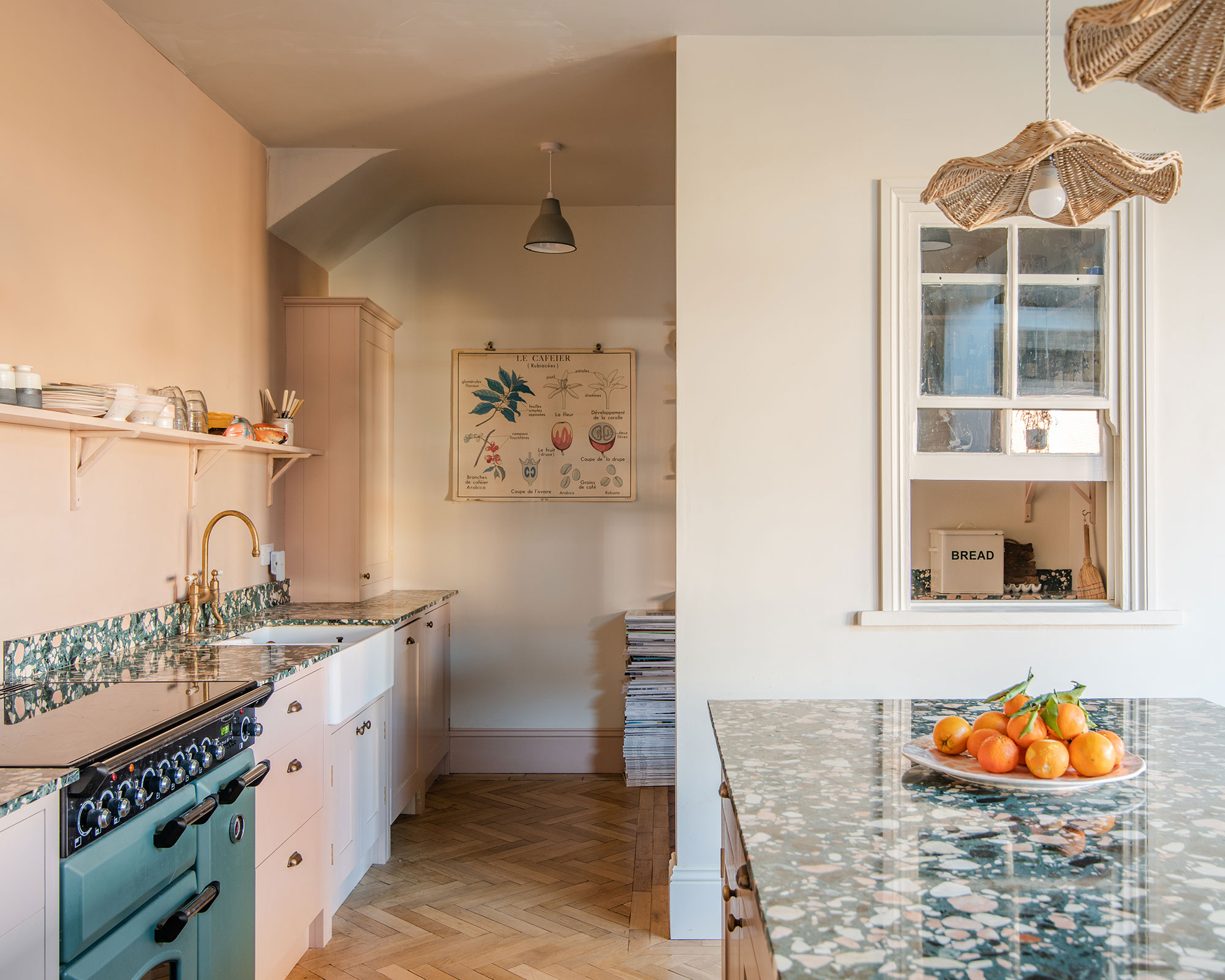
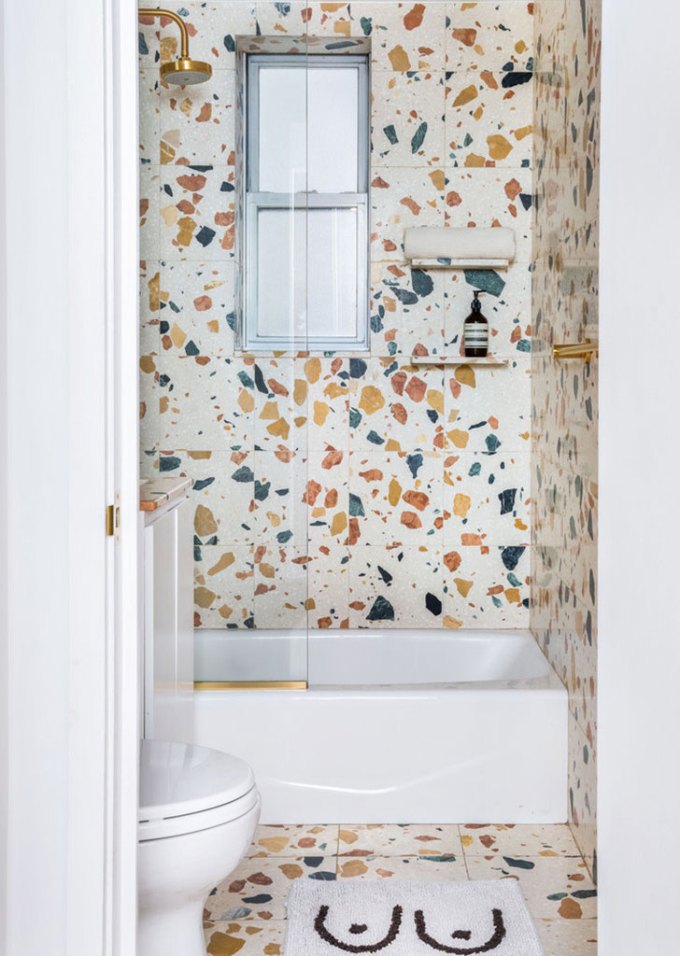
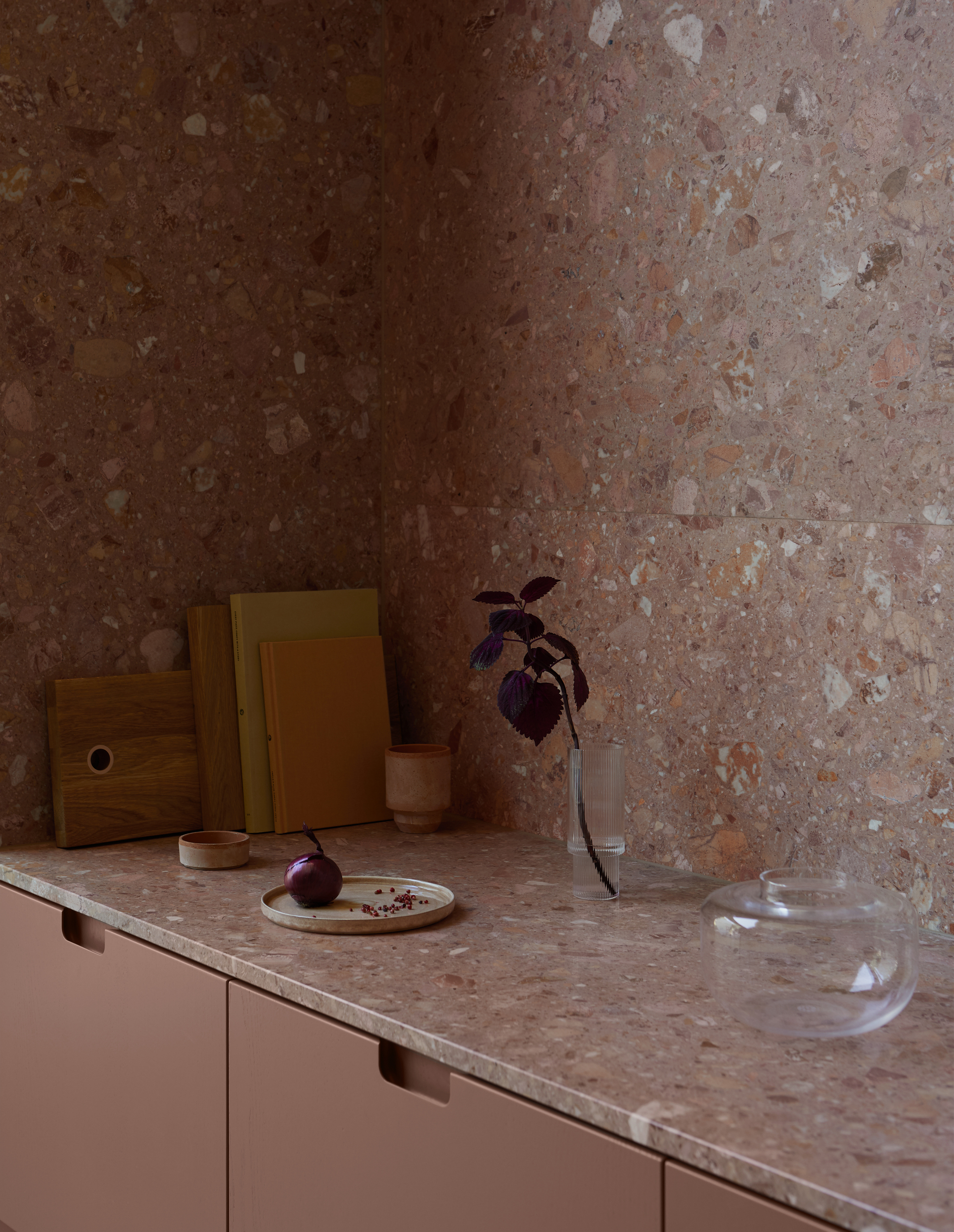
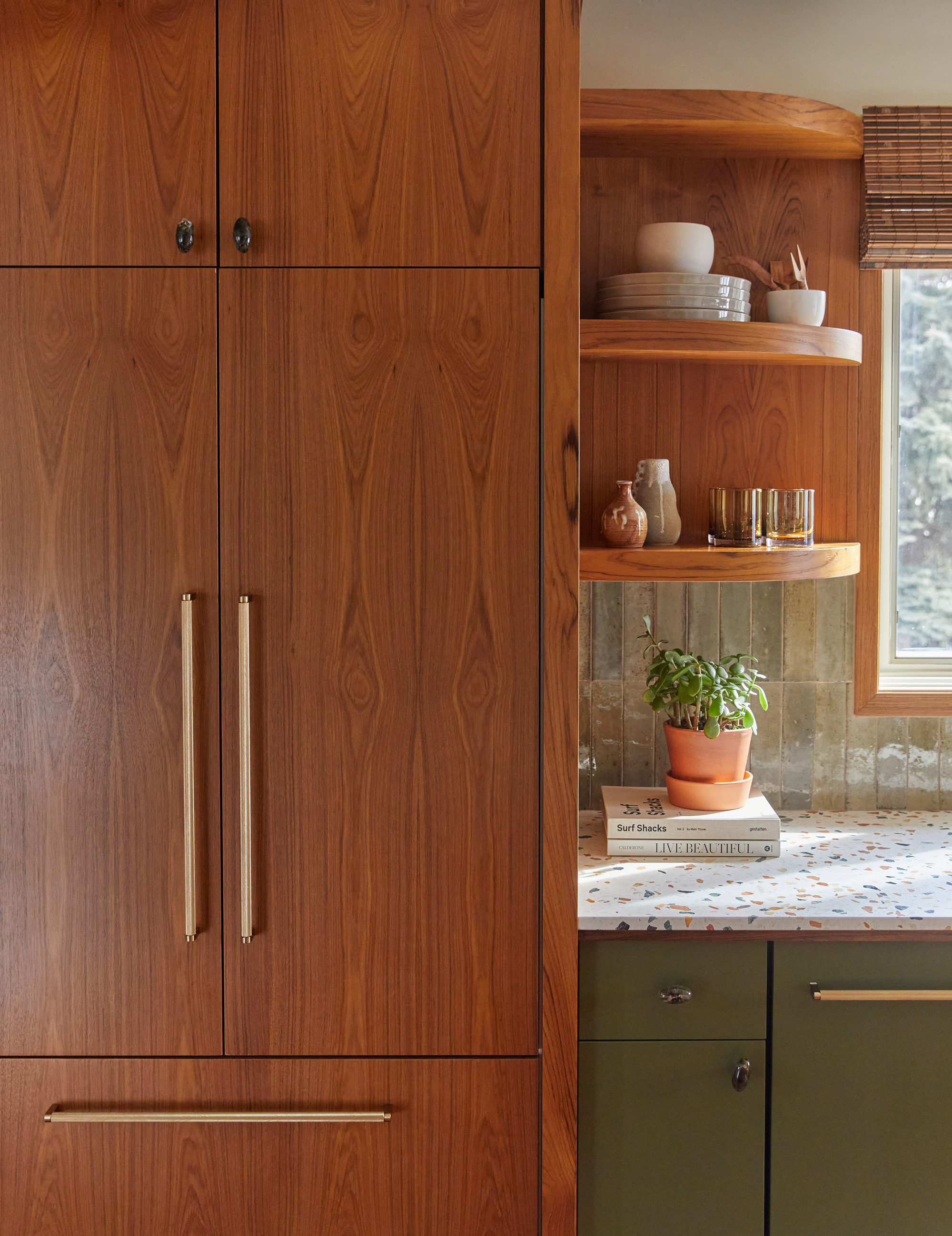
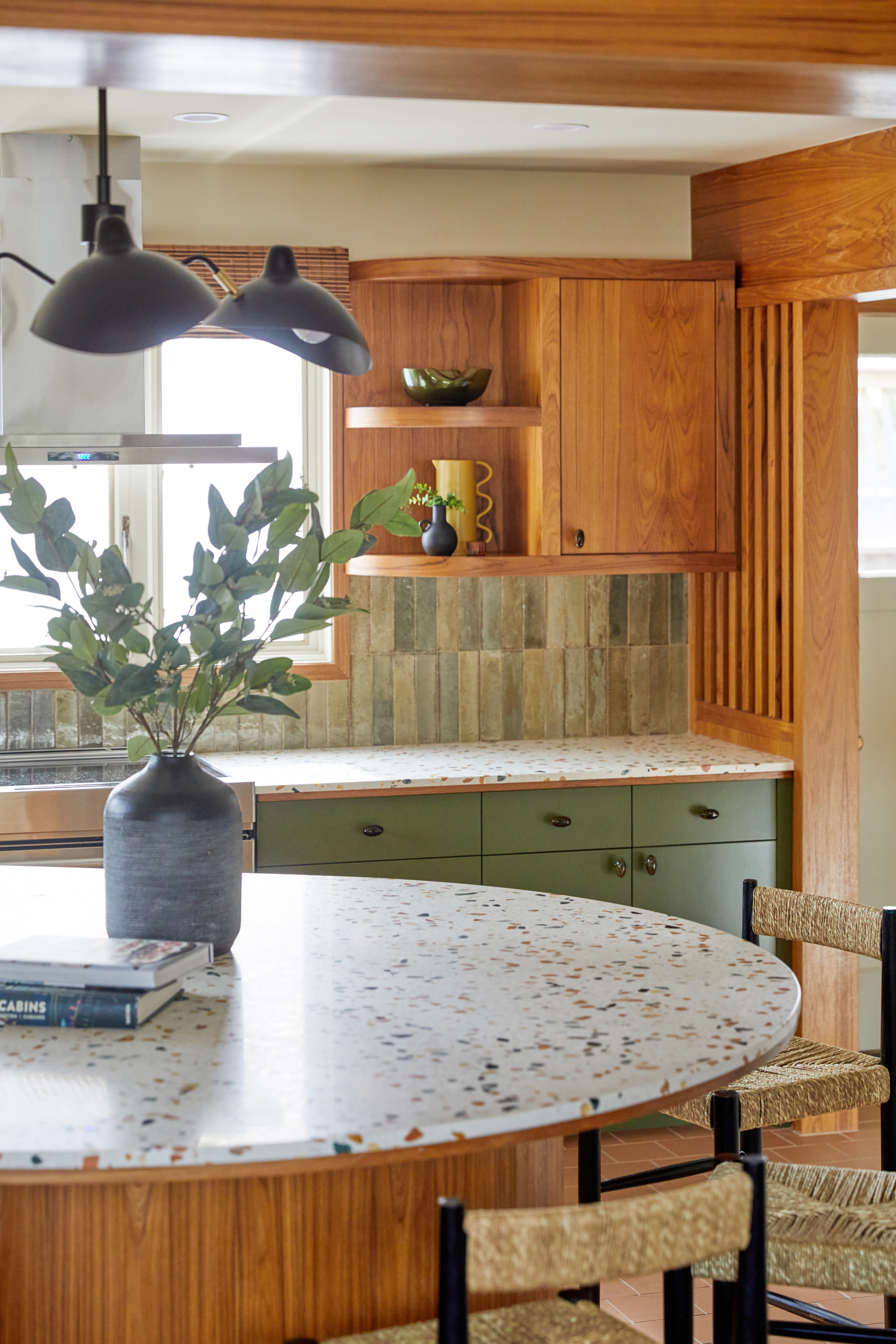
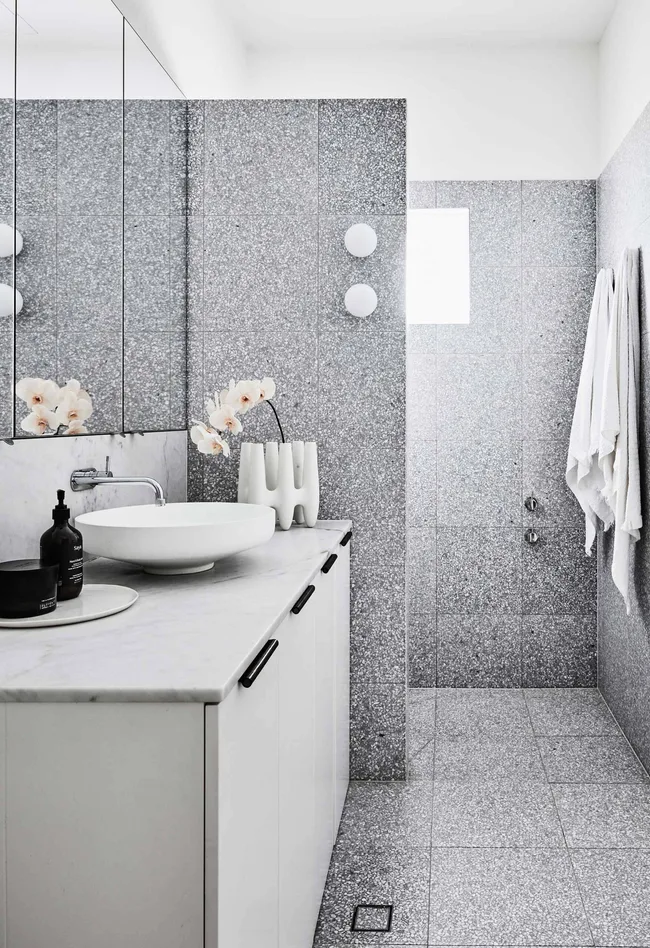
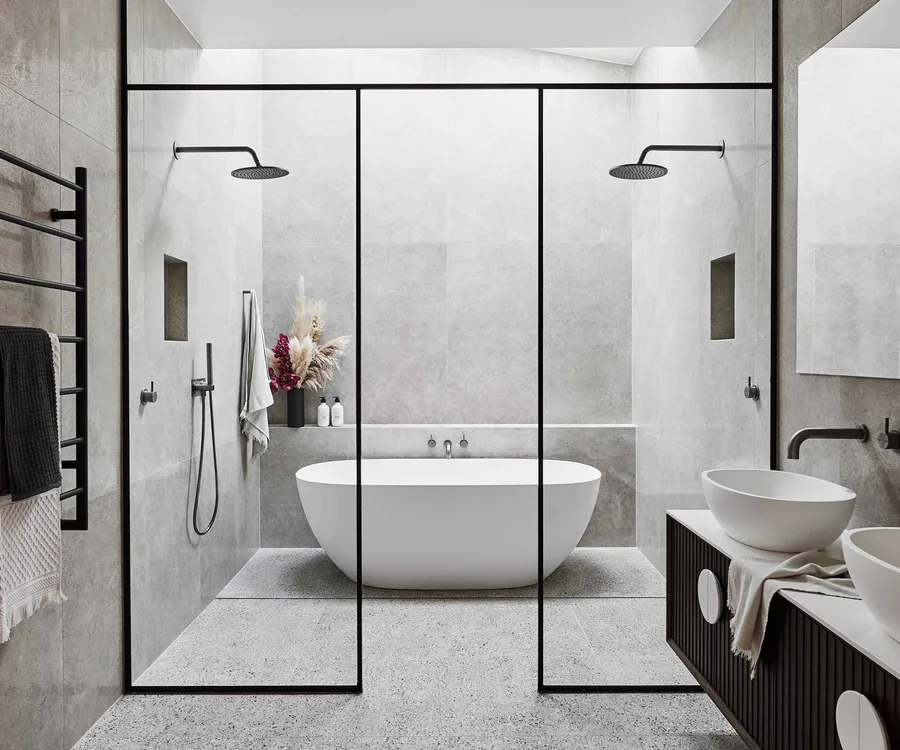
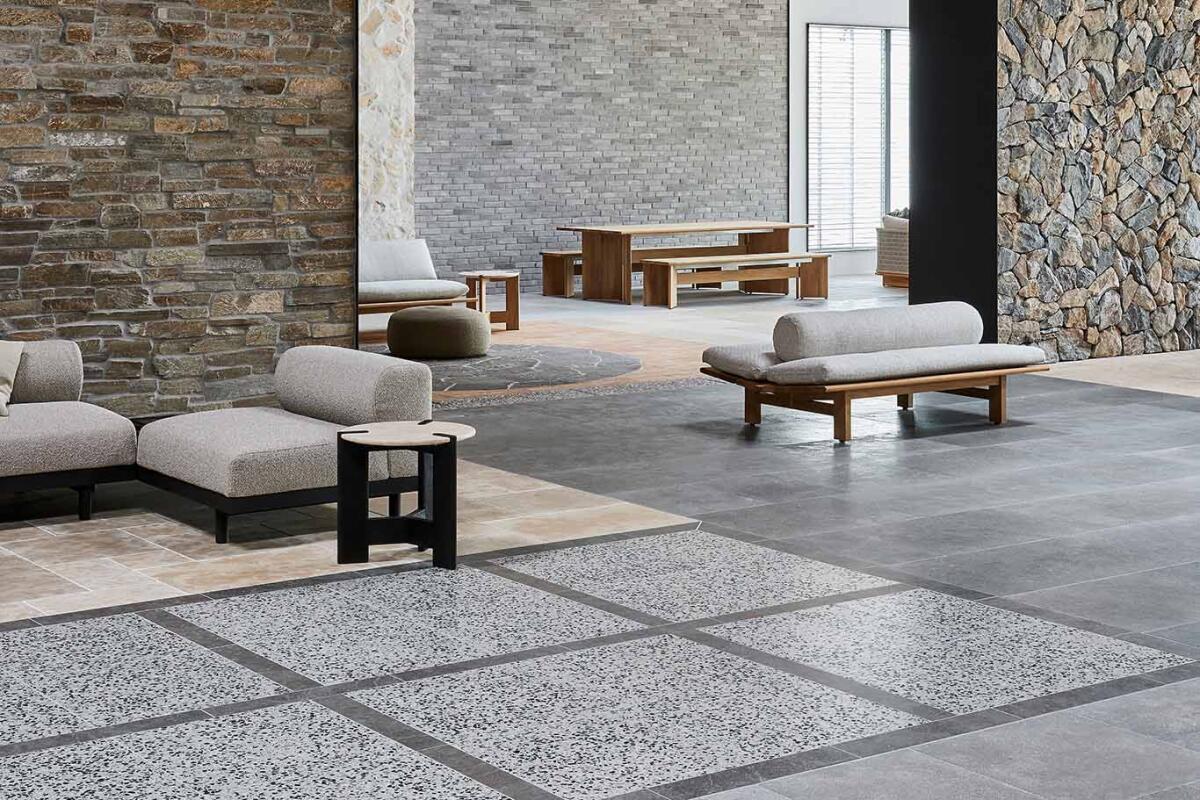
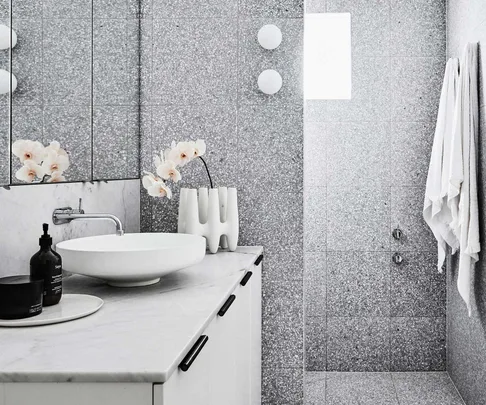
Beyond durability, terrazzo offers remarkable versatility. It is water and heat-resistant, and its ease of cutting allows for diverse applications beyond just flooring. Terrazzo is increasingly being utilized for wall tiles, kitchen benchtops, and bathroom surfaces. Its timeless appeal means it can seamlessly integrate into various design styles, from traditional to contemporary, and is suitable for both indoor and outdoor use, provided the appropriate finish is applied. For benchtops, a thickness of at least 30mm is recommended to ensure structural integrity.
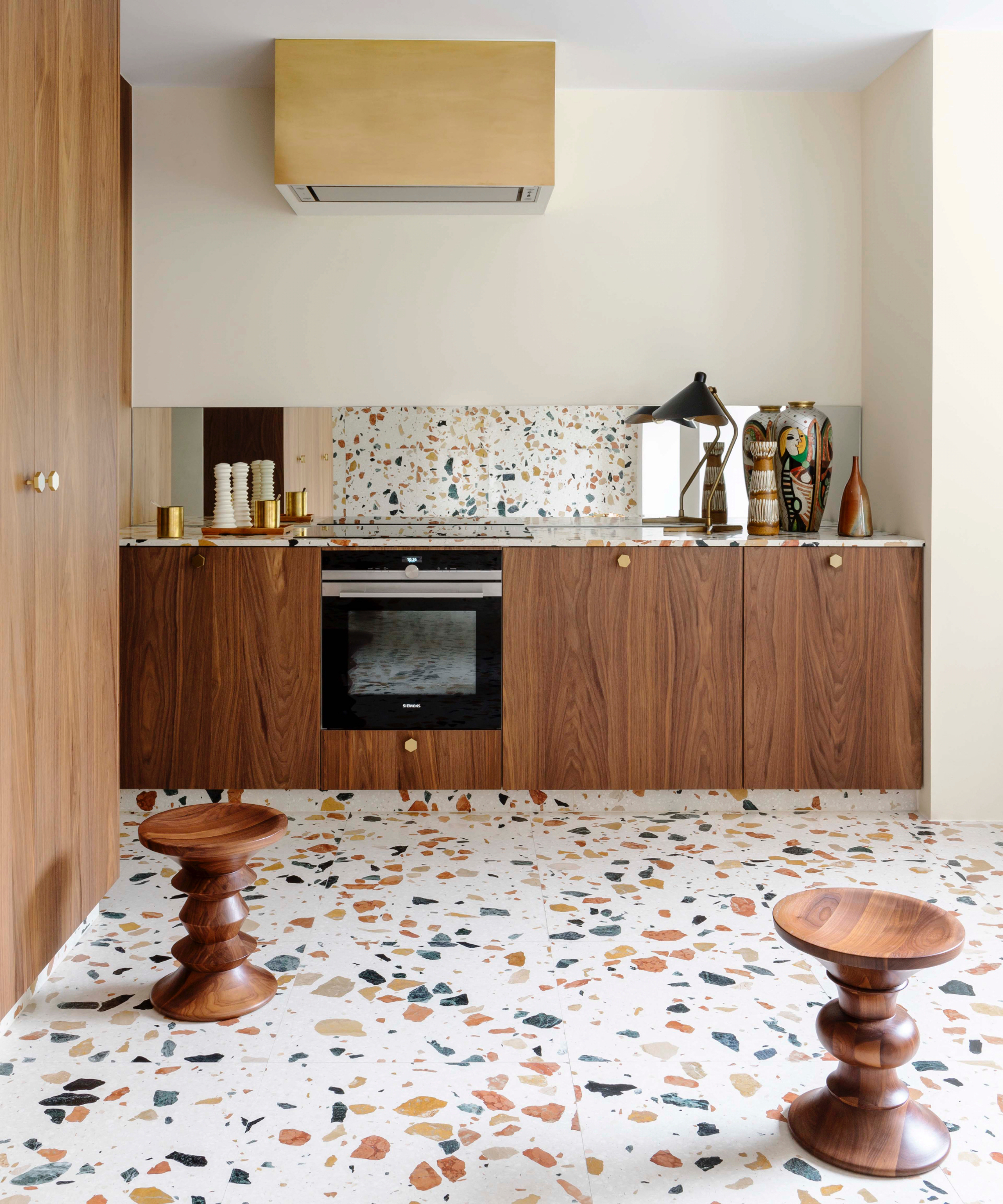
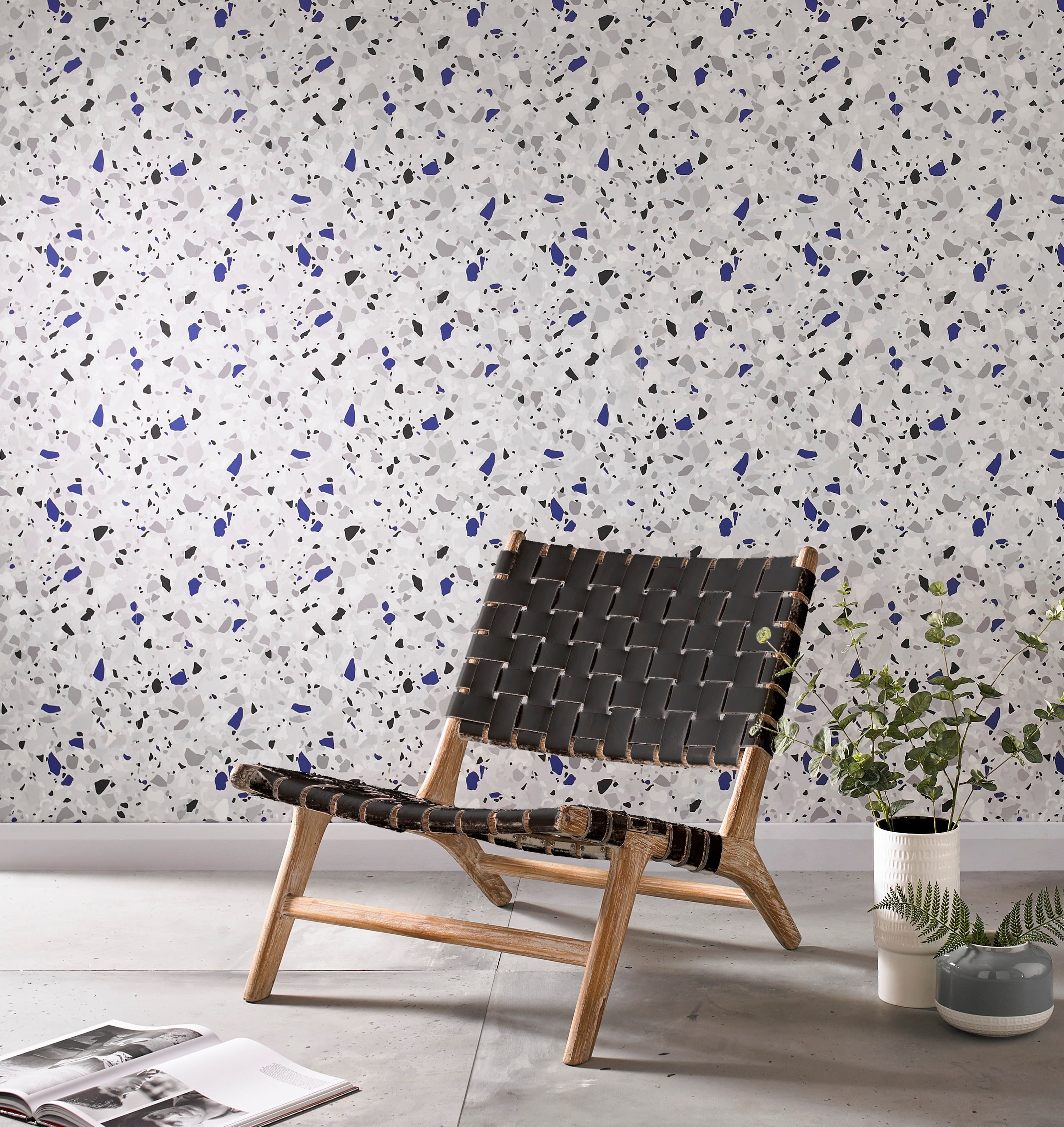
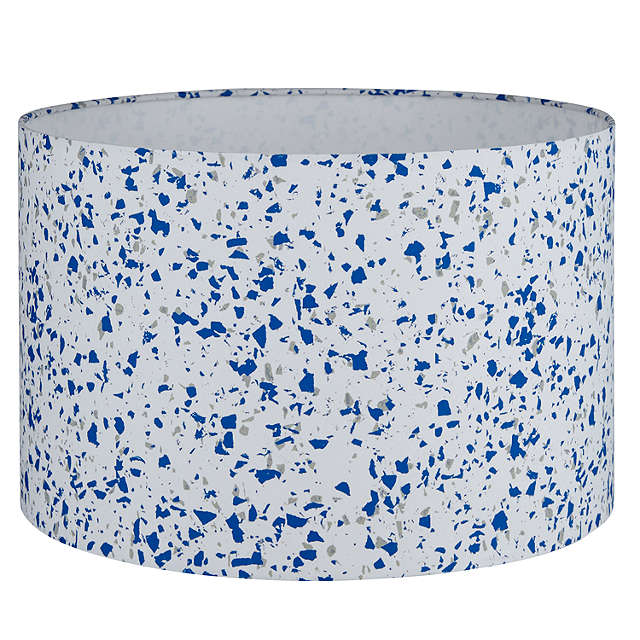
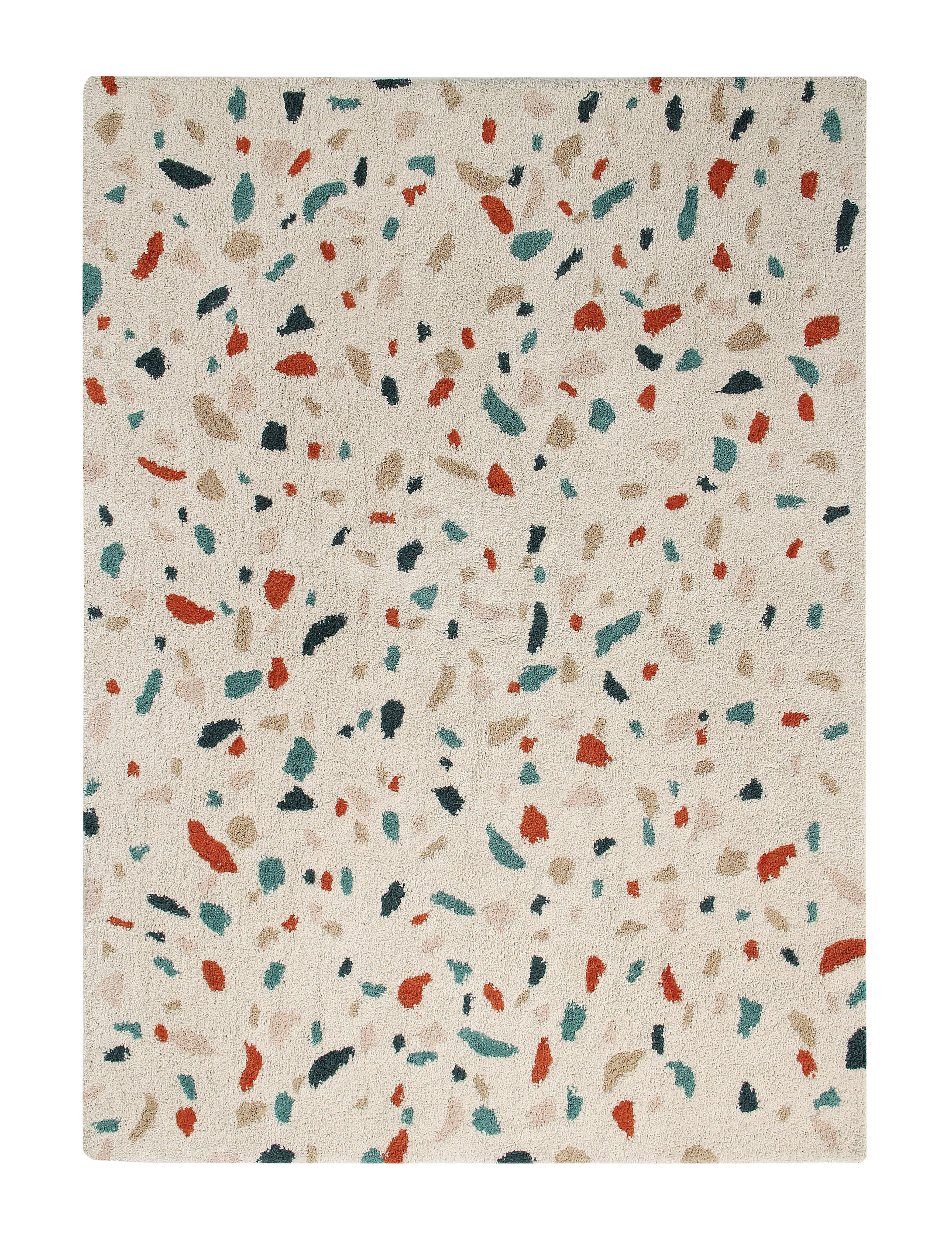
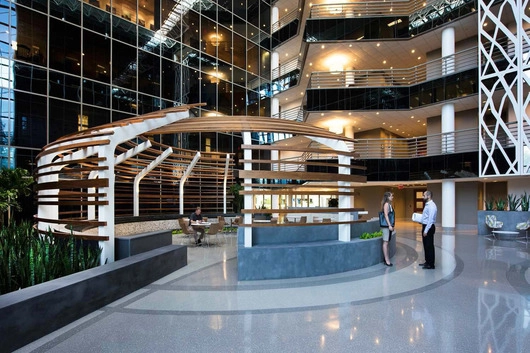
The design potential of terrazzo is virtually limitless due to its unique appearance and wide array of color options. Custom colors and aggregate mixes can be created, enabling homeowners to achieve anything from a minimalist monochromatic look to an intricate artistic mosaic. This flexibility in design ensures that each terrazzo installation is distinct.
From an economic standpoint, terrazzo is a cost-effective investment. Its longevity and minimal maintenance requirements, coupled with its timeless aesthetic, ensure that it remains a valuable and stylish addition to a home over many years.
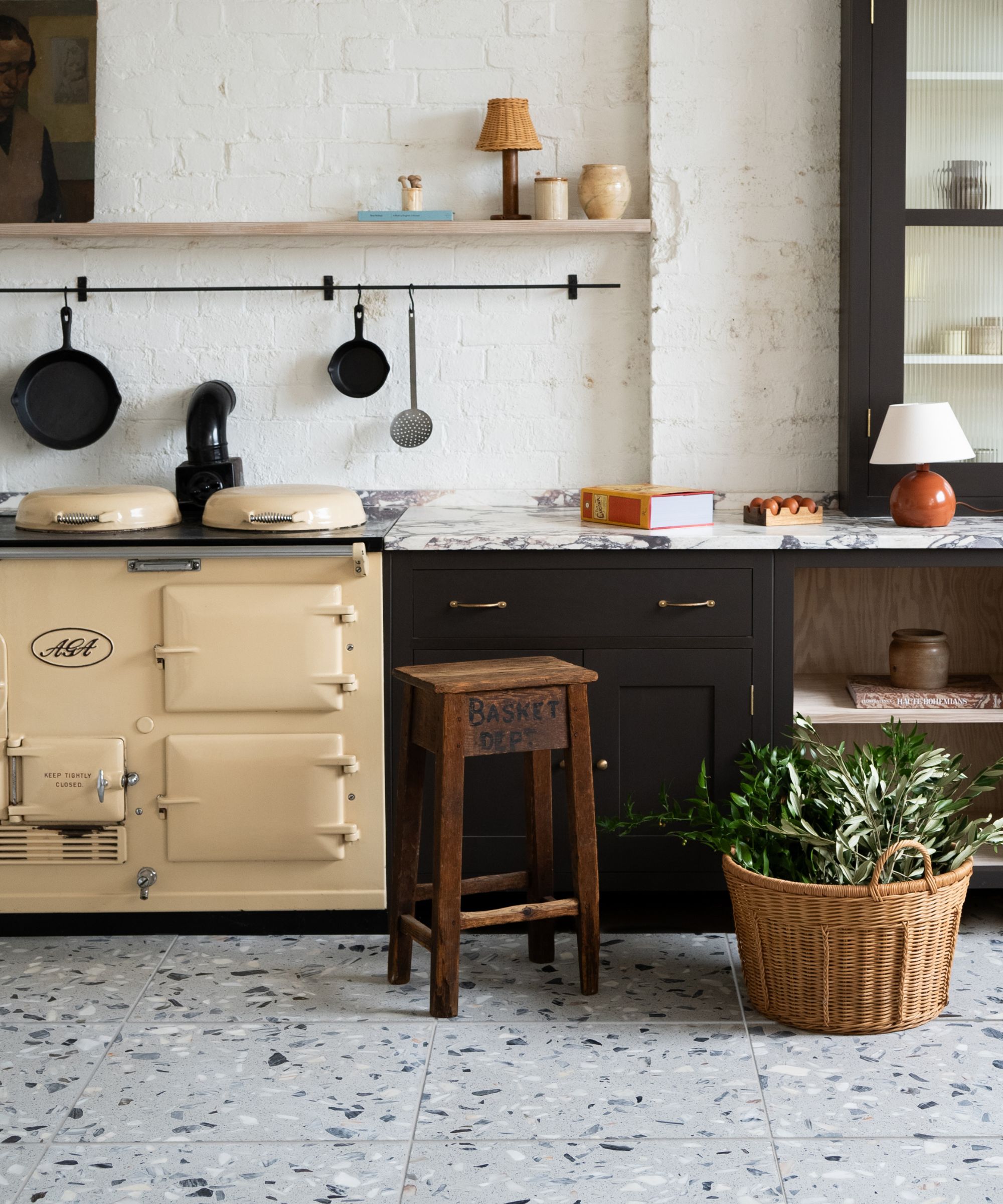
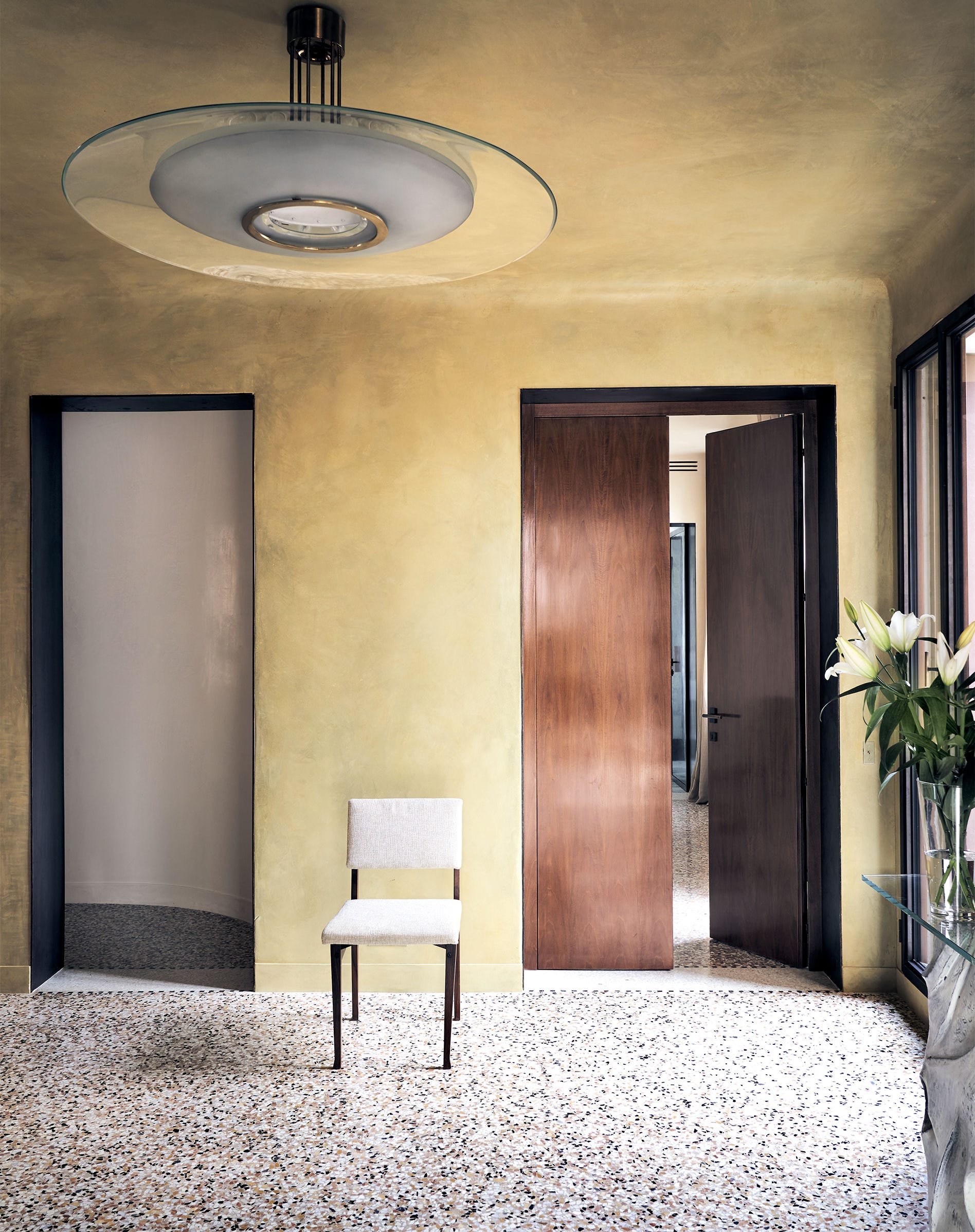
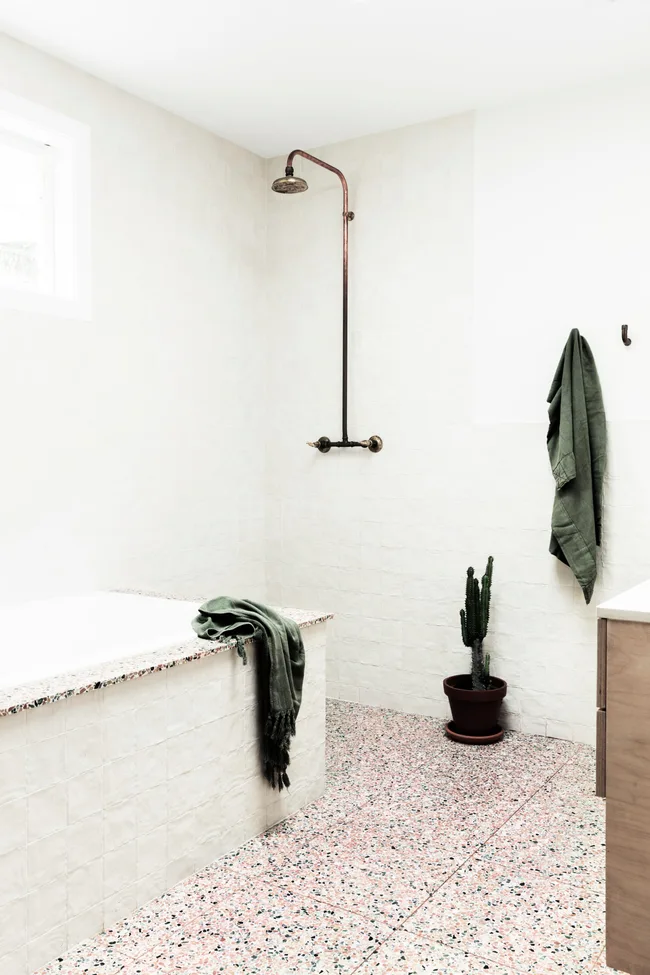
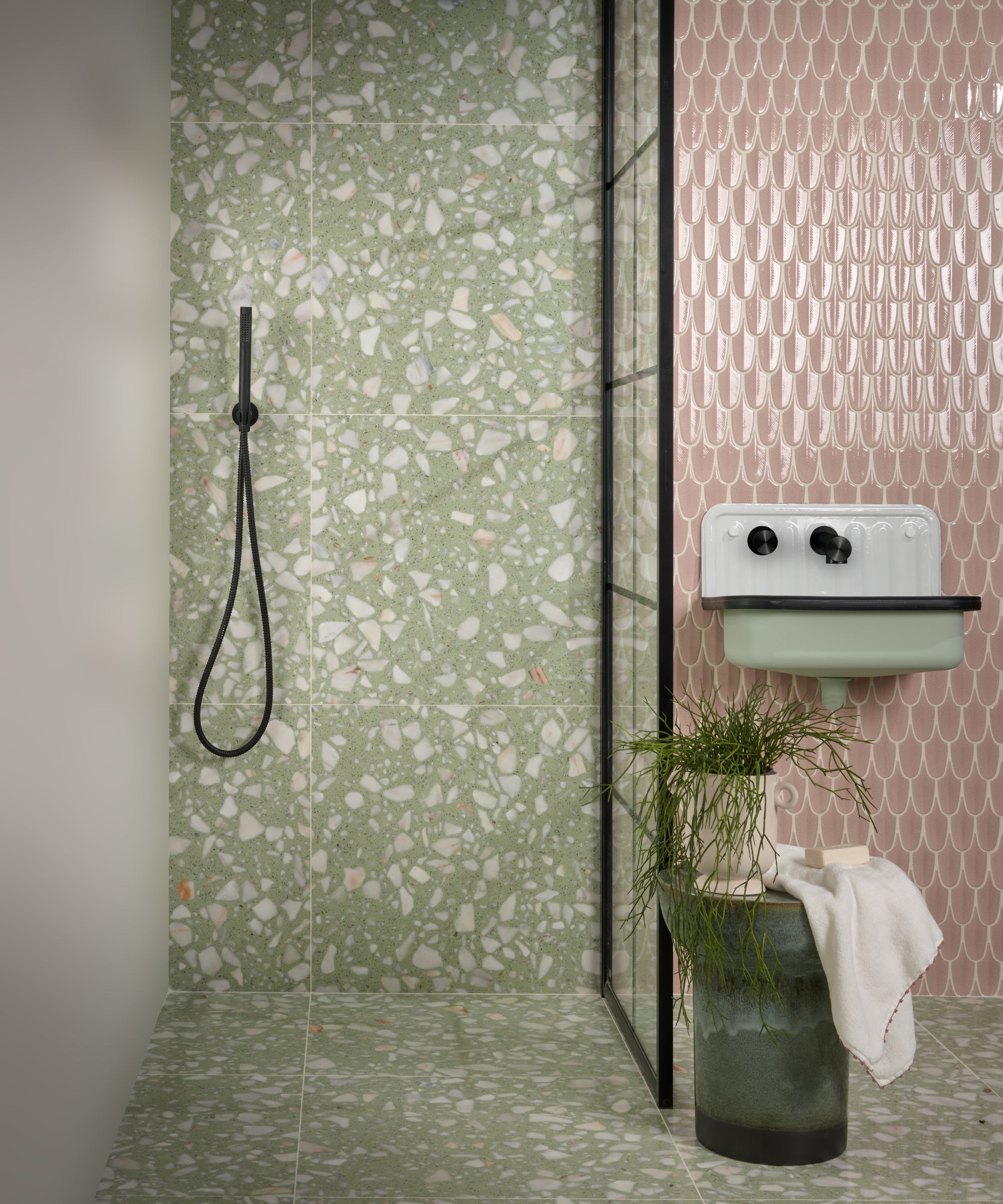
Terrazzo flooring, in particular, offers a subtle yet impactful way to introduce color and texture. Homeowners can select from numerous color combinations, using the aggregates to highlight specific elements in their decor, such as black tapware complementing darker tones in the terrazzo, or a colored basin echoing a hint of pink in the tiles. There are several installation methods for terrazzo flooring:
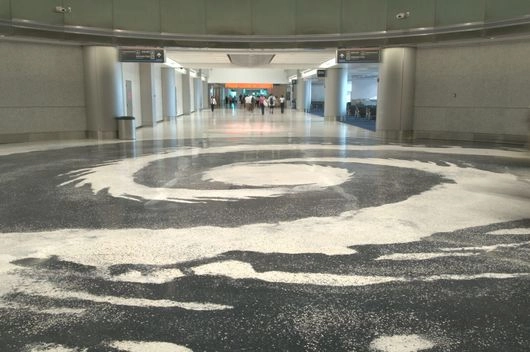
Poured terrazzo flooring represents the traditional and most expensive method, where a wet solution is poured on-site and then honed and polished to achieve the desired finish. This method also allows for custom patterns using metal separators.
Tiled terrazzo flooring involves the use of pre-formed tiles, which are more easily transported and installed like any other floor tiles. This option is popular for its versatility and cost-effectiveness, making terrazzo accessible for various surfaces, including wet areas.
Hybrid terrazzo flooring provides an even more affordable and convenient solution. These floating floor systems click into place and often come with an insulated underlay. They can be installed quickly on a flat surface like concrete, offering a visual resemblance to real terrazzo while providing sound insulation and a warmer feel underfoot.
#TerrazzoTiles #HomeDecor #InteriorDesign #FlooringTrends #SustainableMaterials #DurableSurfaces #RenovationIdeas #DesignVersatility #TerrazzoTiles #HomeDecor #InteriorDesign #FlooringTrends #SustainableMaterials #DurableSurfaces #RenovationIdeas #DesignVersatility
0 comment in total
 No comments yet
You may also like
Ten home interiors with distinctive terrazzo floors
Old-World Style Meets Modern Sentiments in These Flecked Surfaces

15 bathroom flooring ideas designers always return to

Terrazzo - the stuff of old hallway flooring - goes upscale
Terrazzo Flooring Guide: How to Master the Art of Sustainable, Circular Design

Italy Has the Most Eye-Popping Floor Tiles | Italian Tile

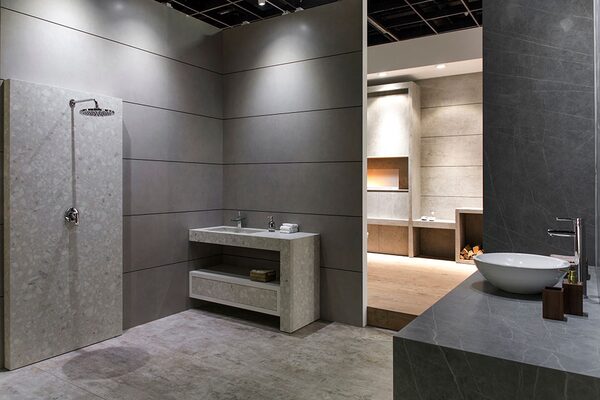
Terrazzo is the new terrific
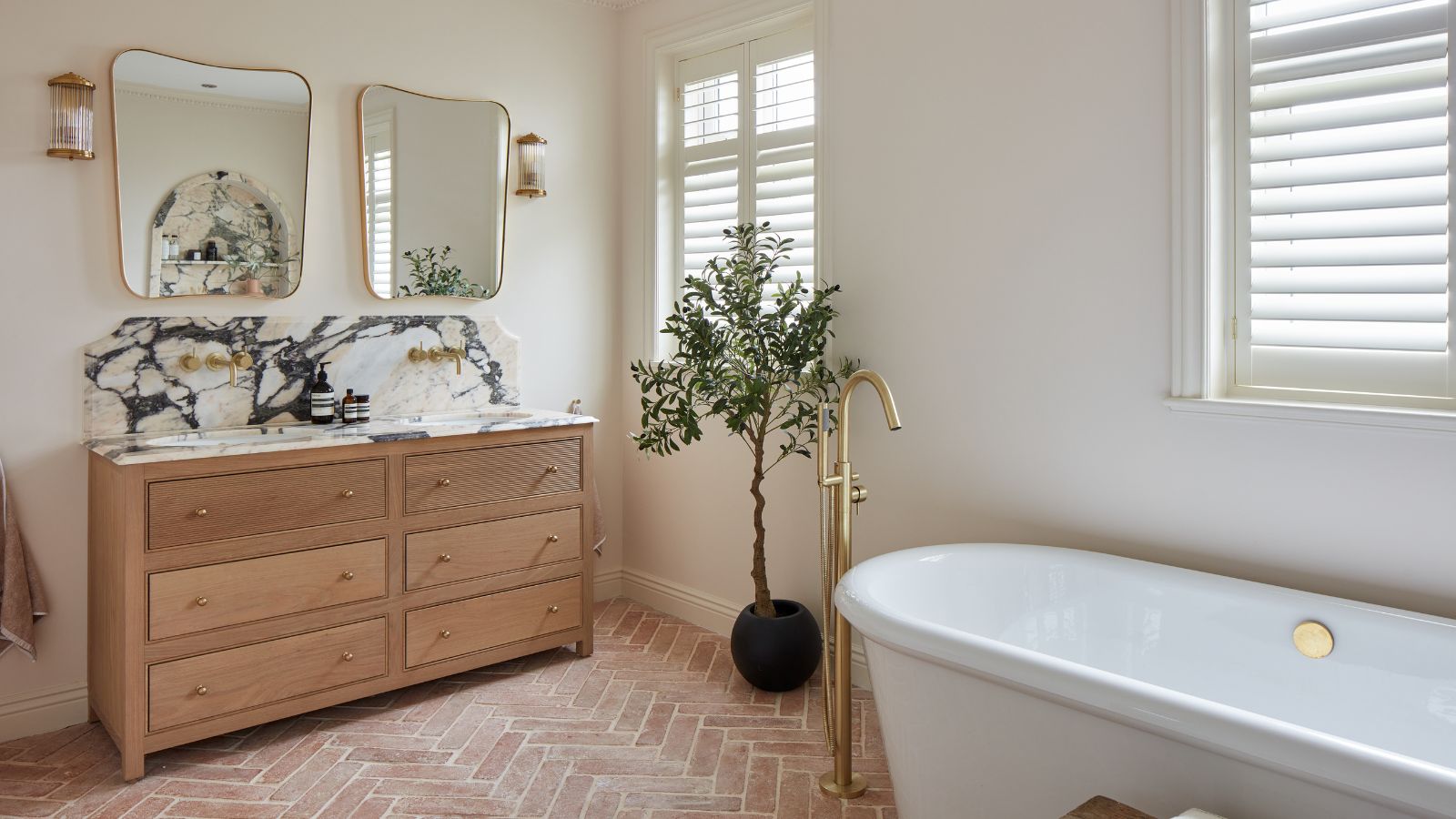
7 bathroom floor tile trends interior designers have on their radar for 2025
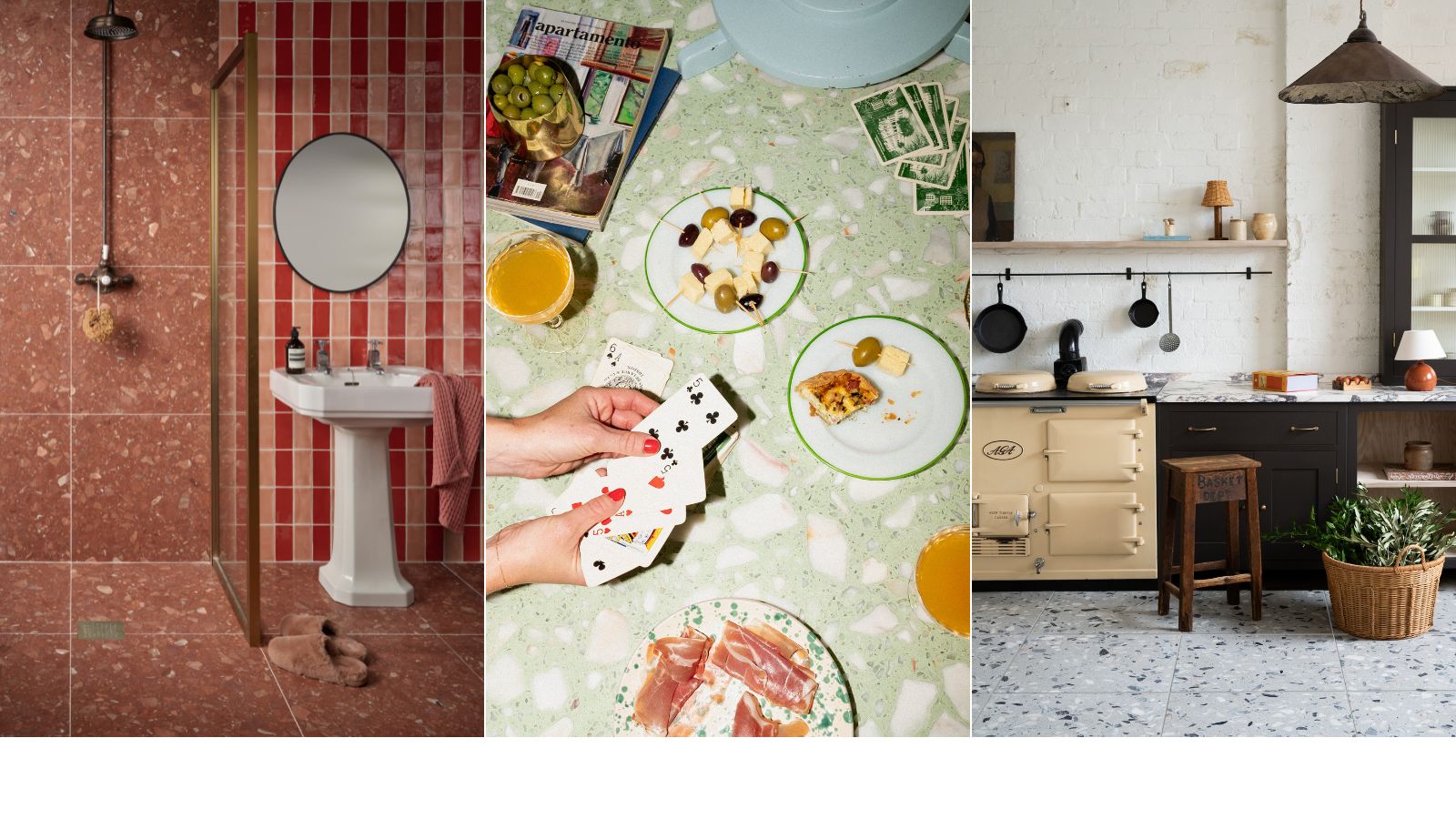
Interior designers say this dated tile trend is making a reappearance in 2024 – is terrazzo back on trend again?
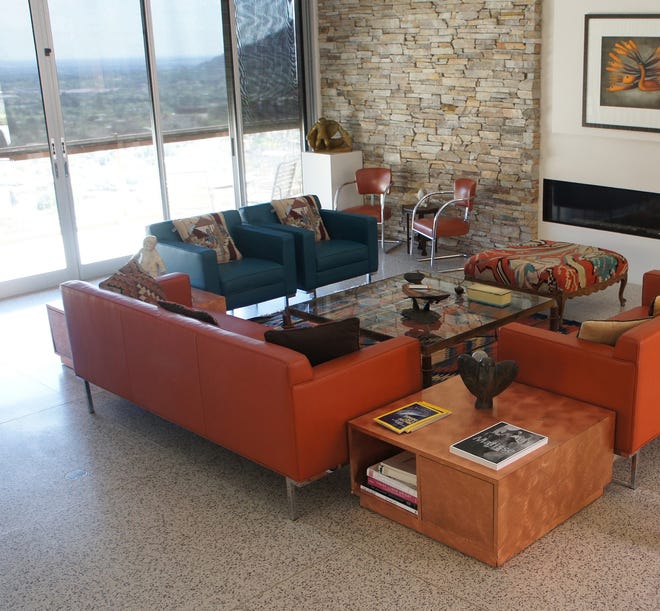
Terrazzo enjoying a resurgence
Palladiana Terrazzo straddles Italian Grandeur and Modern Cool

How to Get the High-End Flooring Look You See in LUXURY Homes

Terrazzo _ the stuff of old hallway flooring _ goes upscale
Terrazzo Flooring - Terroxy Resin Systems from Terrazzo & Marble

Kitchens With Terrazzo Countertops Are Making (Another) Comeback — Here's What You Need to Know About Them
15 of the Most Important Bathroom Flooring Ideas You Need to Know When You're Planning a Makeover This Year
There's a new interiors trend you'll be obsessed with this year
Sick of Subway Tile? Here Are 10 Super-Gorgeous Alternatives
15 terrazzo bathrooms that prove the trend is here to stay
How Terrazzo Made a Comeback