1/2
Is Biophilic Design the New Paradigm?
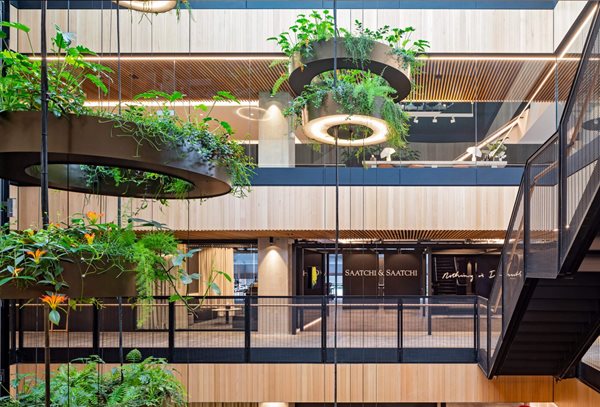
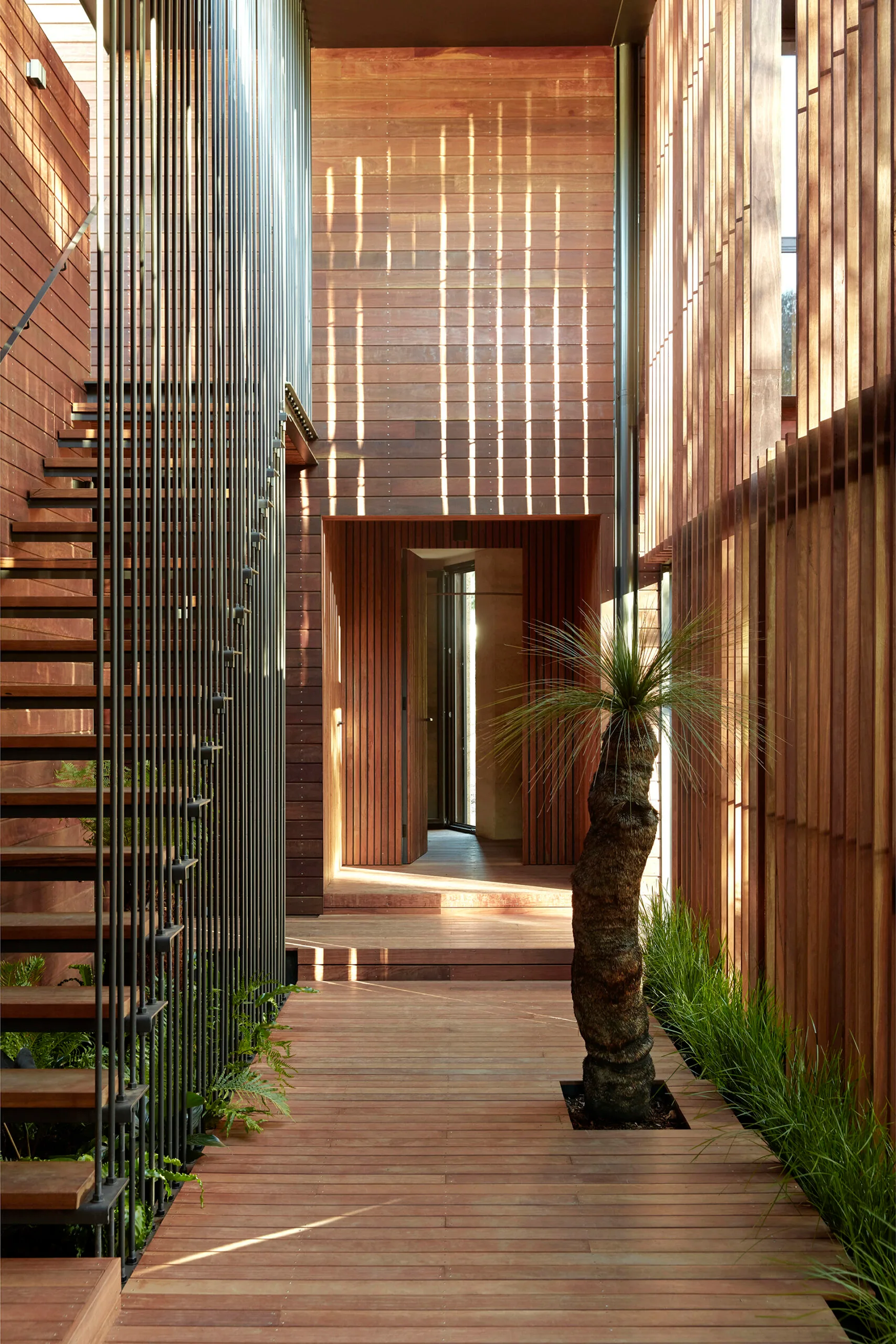
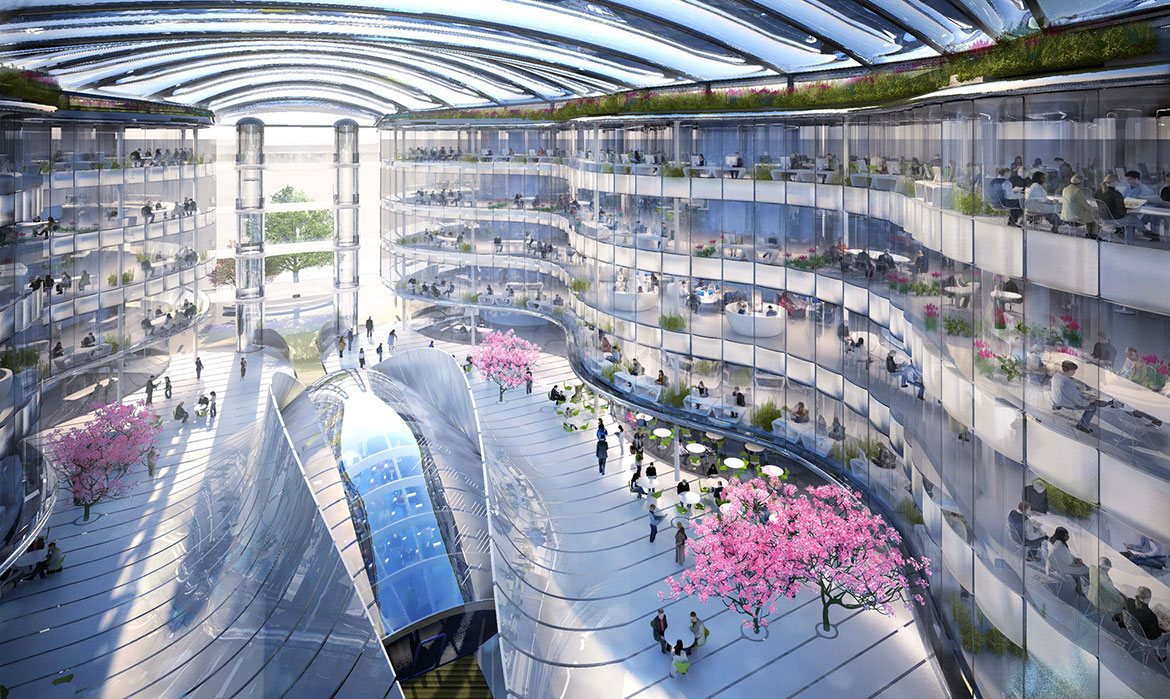
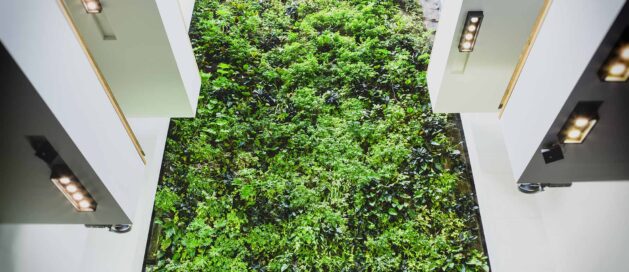
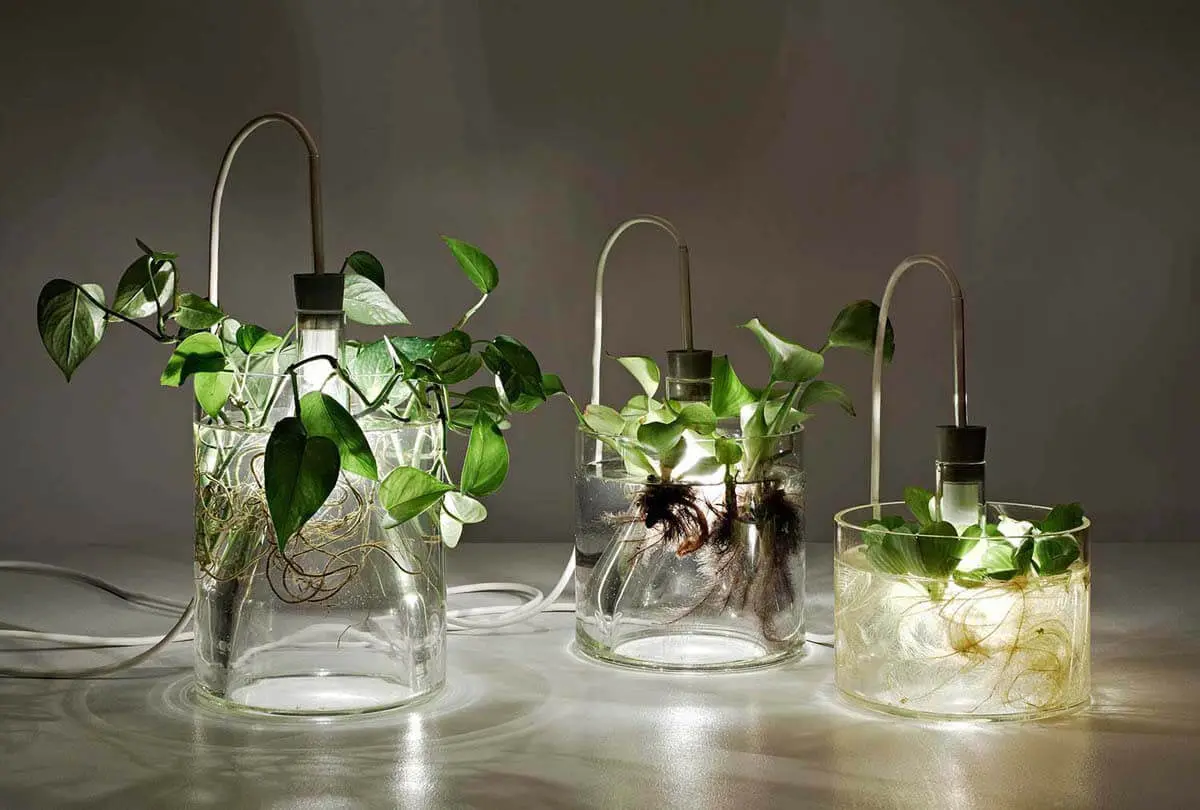
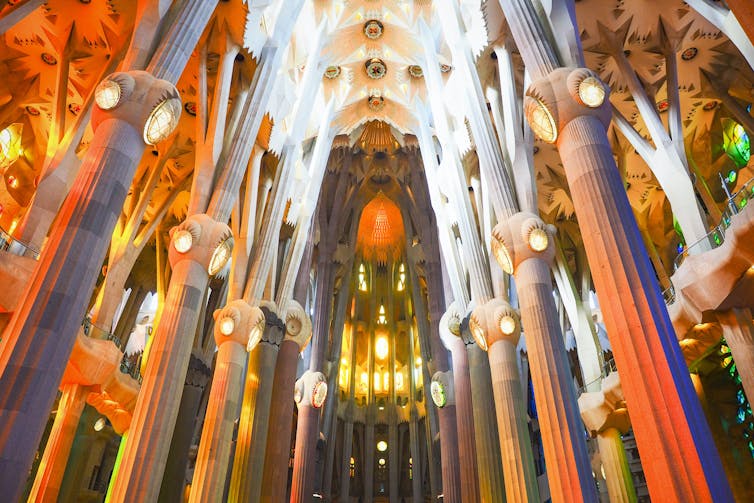
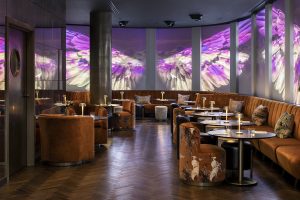
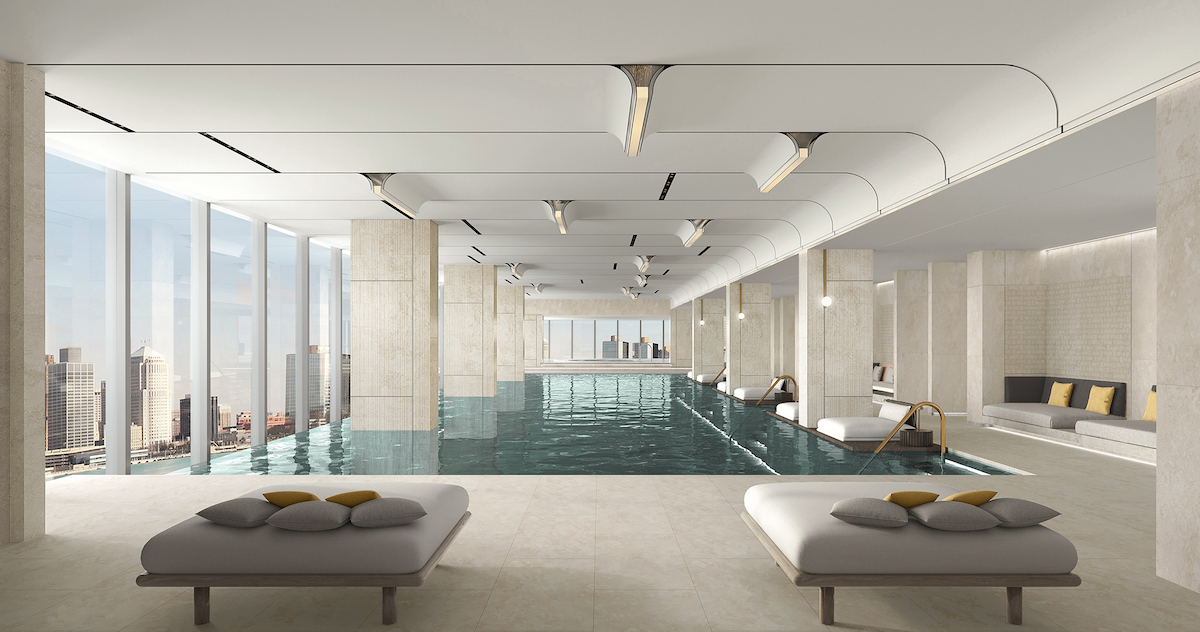
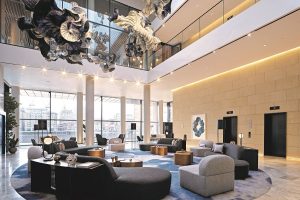
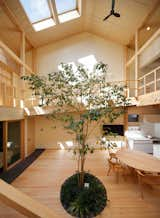
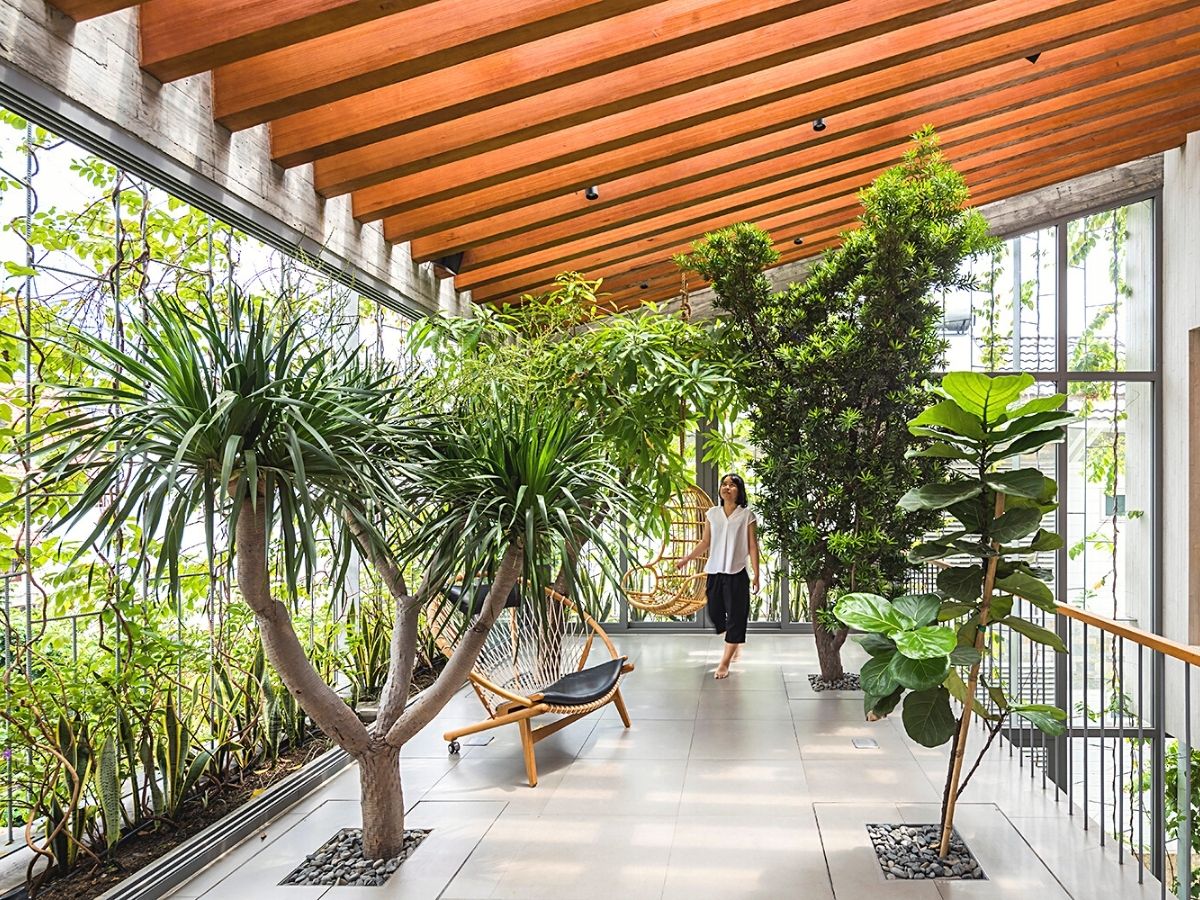
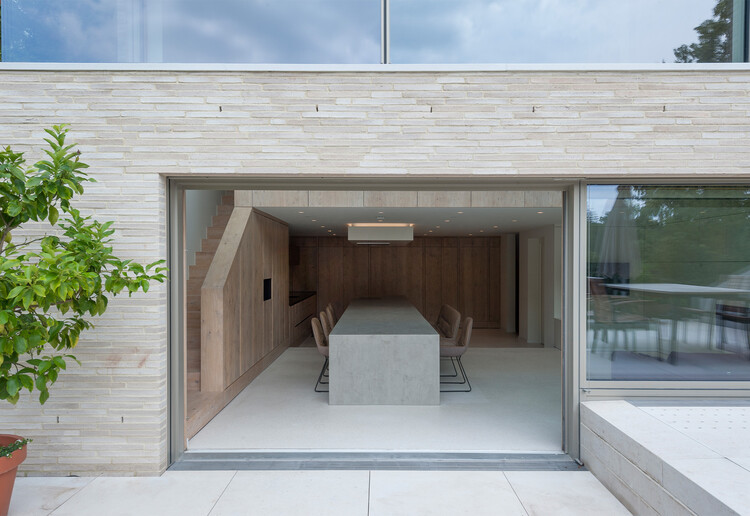
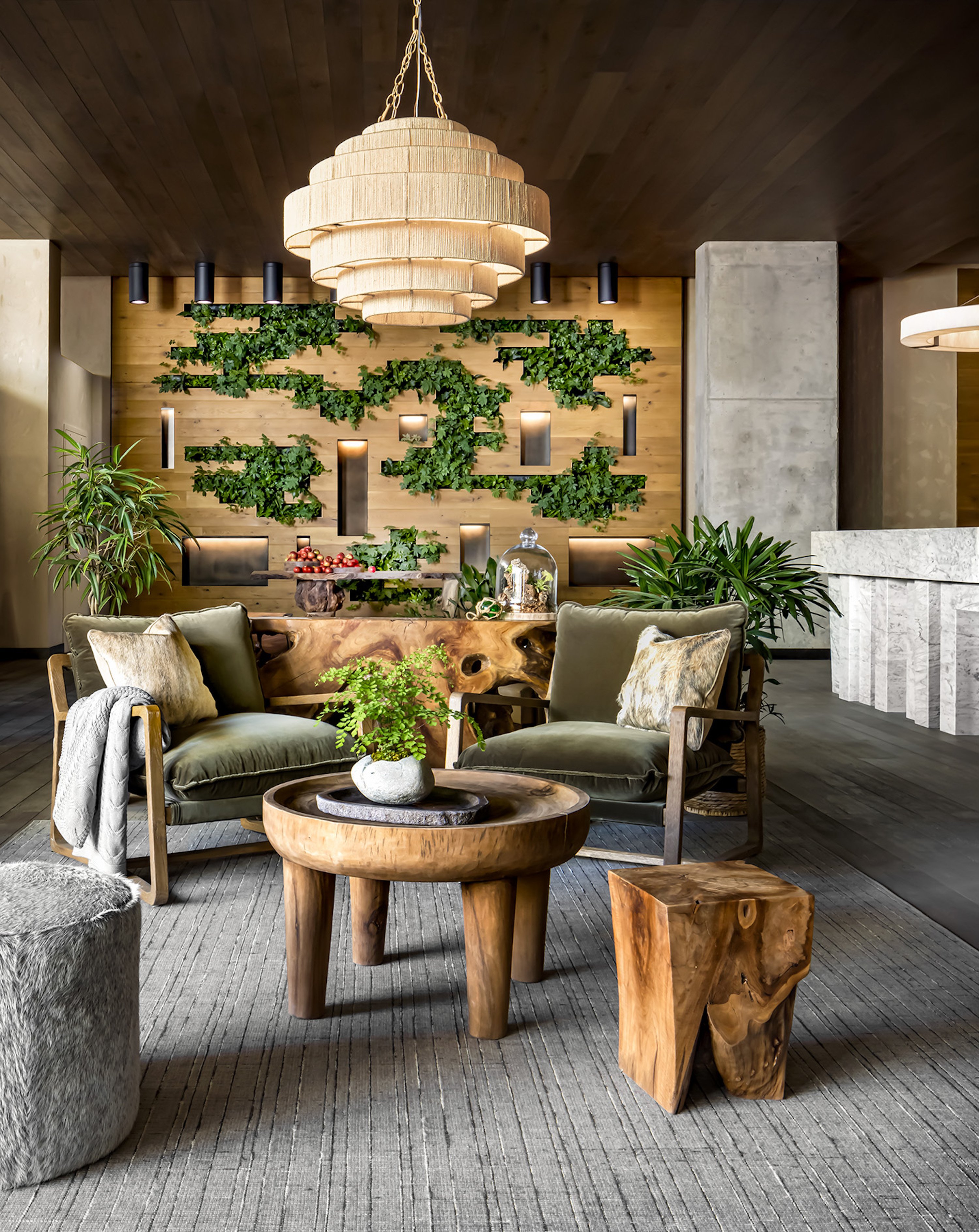
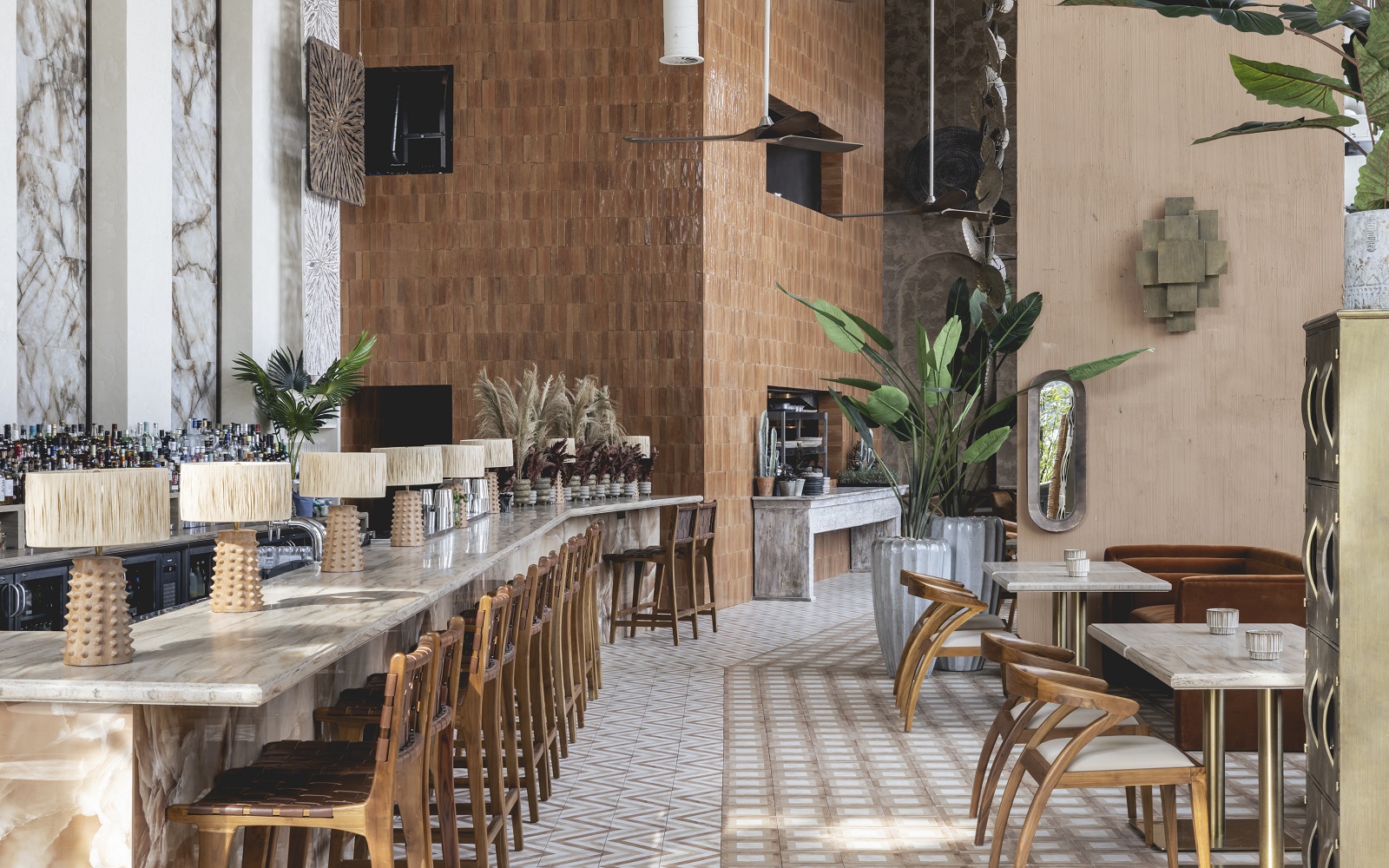
The article explores the growing trend of biophilic design in architecture and interior design, highlighting its potential to redefine how we construct and interact with our environments. This design philosophy goes beyond mere aesthetic incorporation of plants, aiming to reconnect humans with nature by integrating organic elements into everyday spaces. The 1 Hotel Toronto serves as a primary example, showcasing how biophilic principles can be applied to hospitality and residential design. The hotel's design, influenced by New York-based Rockwell Group, incorporates over 3,000 plants, offering a micro-climate of relaxation and rejuvenation. Christopher Alvarado, Senior Vice President of Design at SH Hotels, emphasizes that sustainability is intrinsic to the brand, with designs drawing inspiration from local ecosystems and communities to bring the outdoors in.
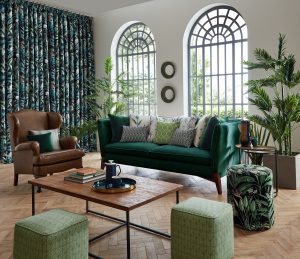
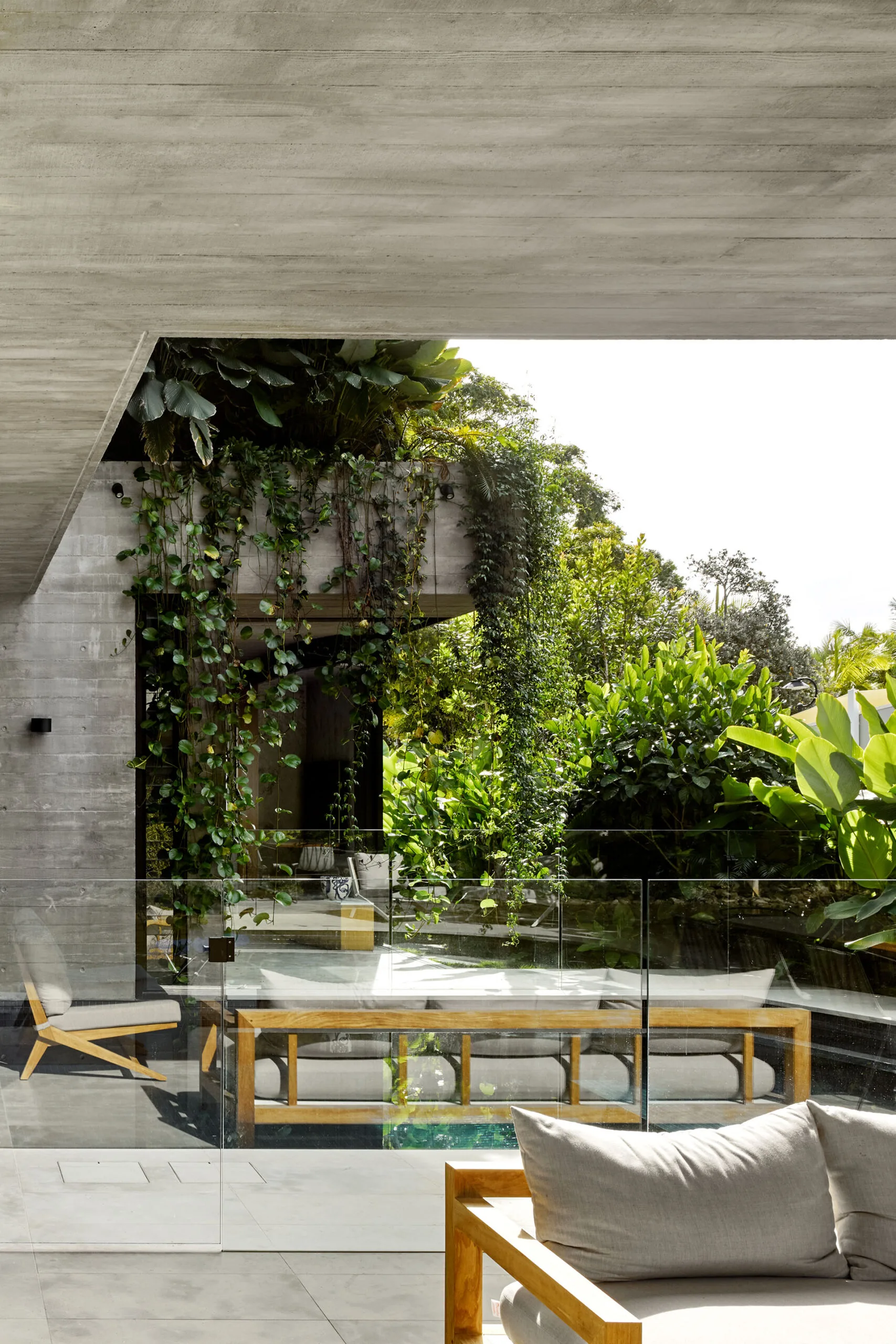
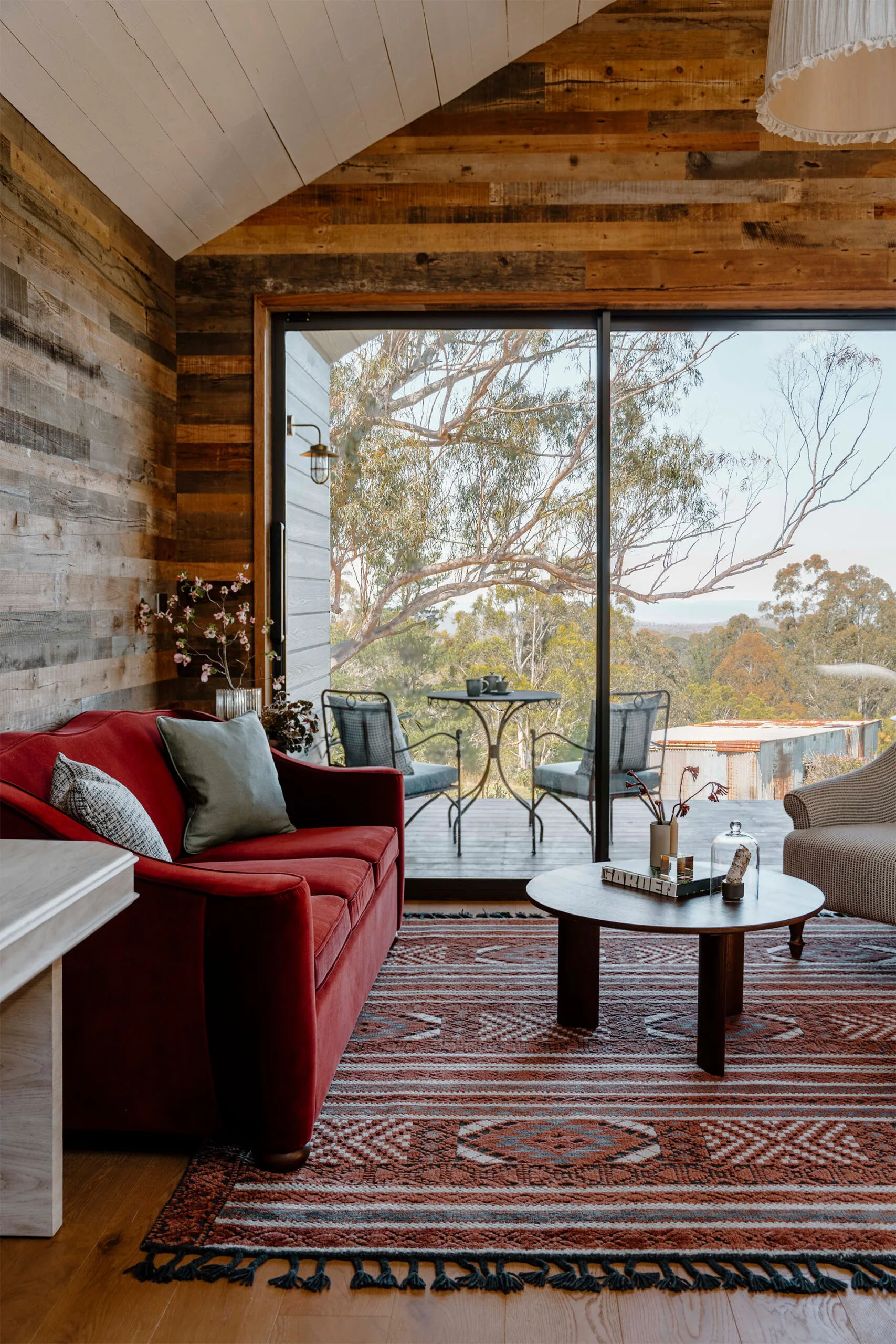
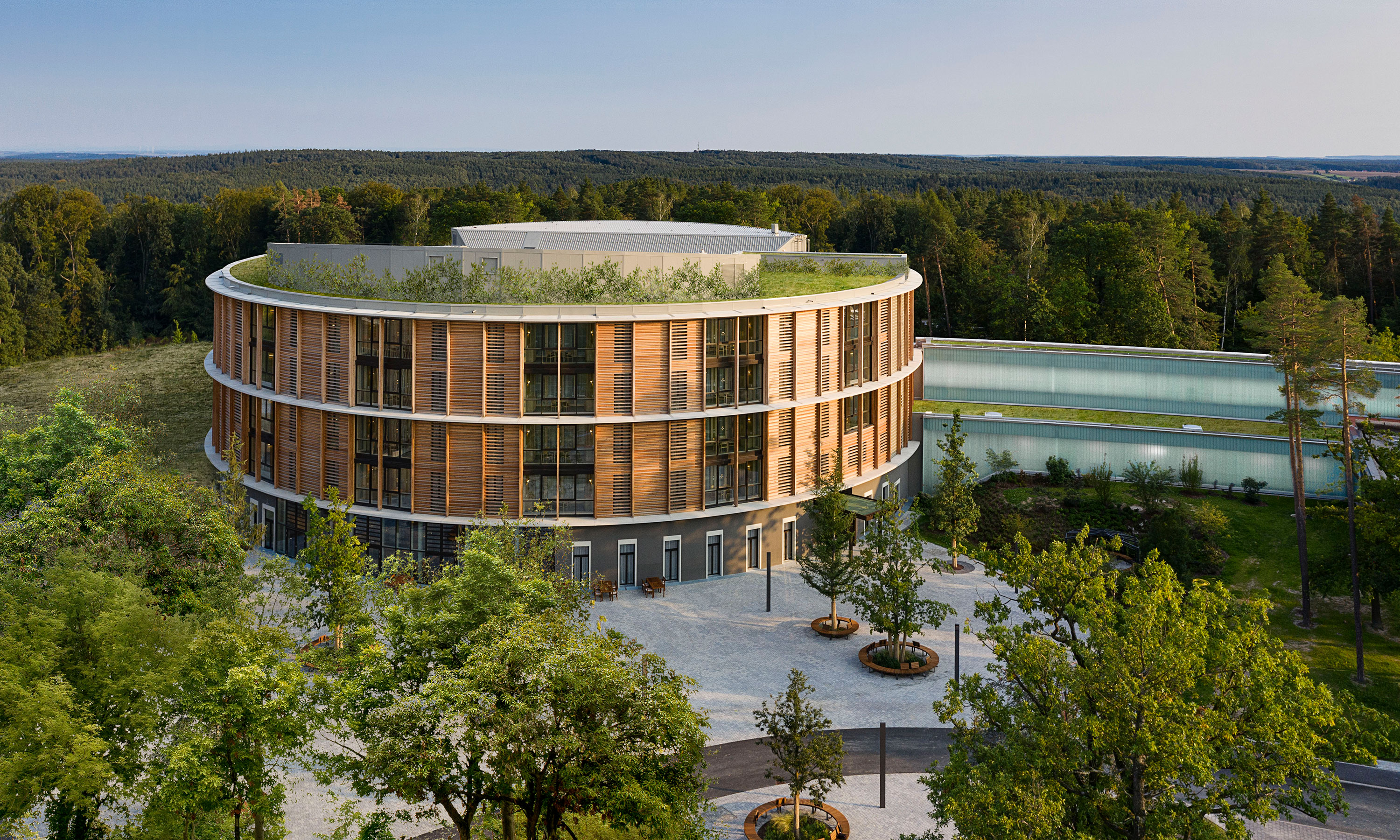
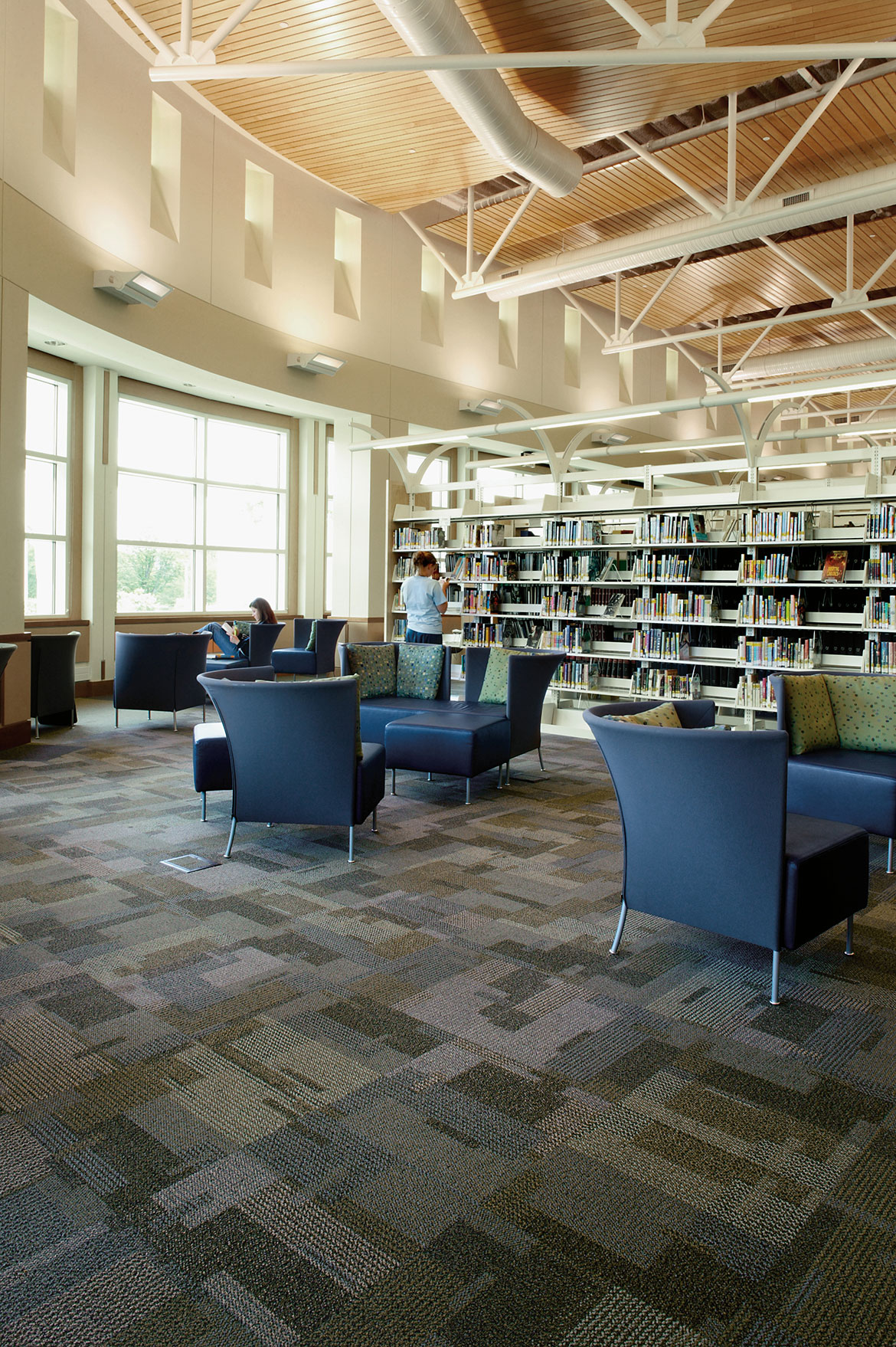
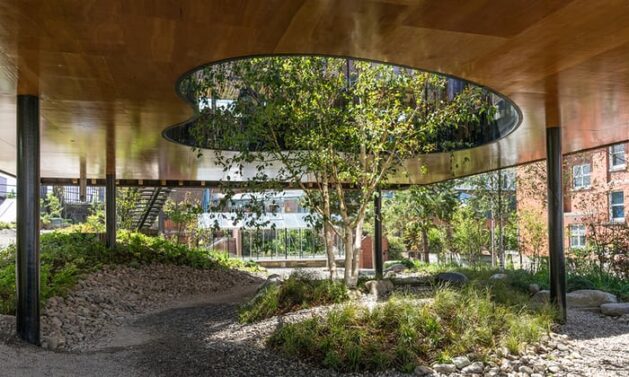
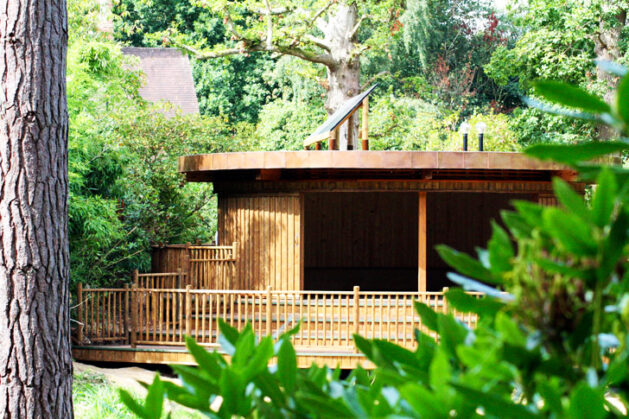
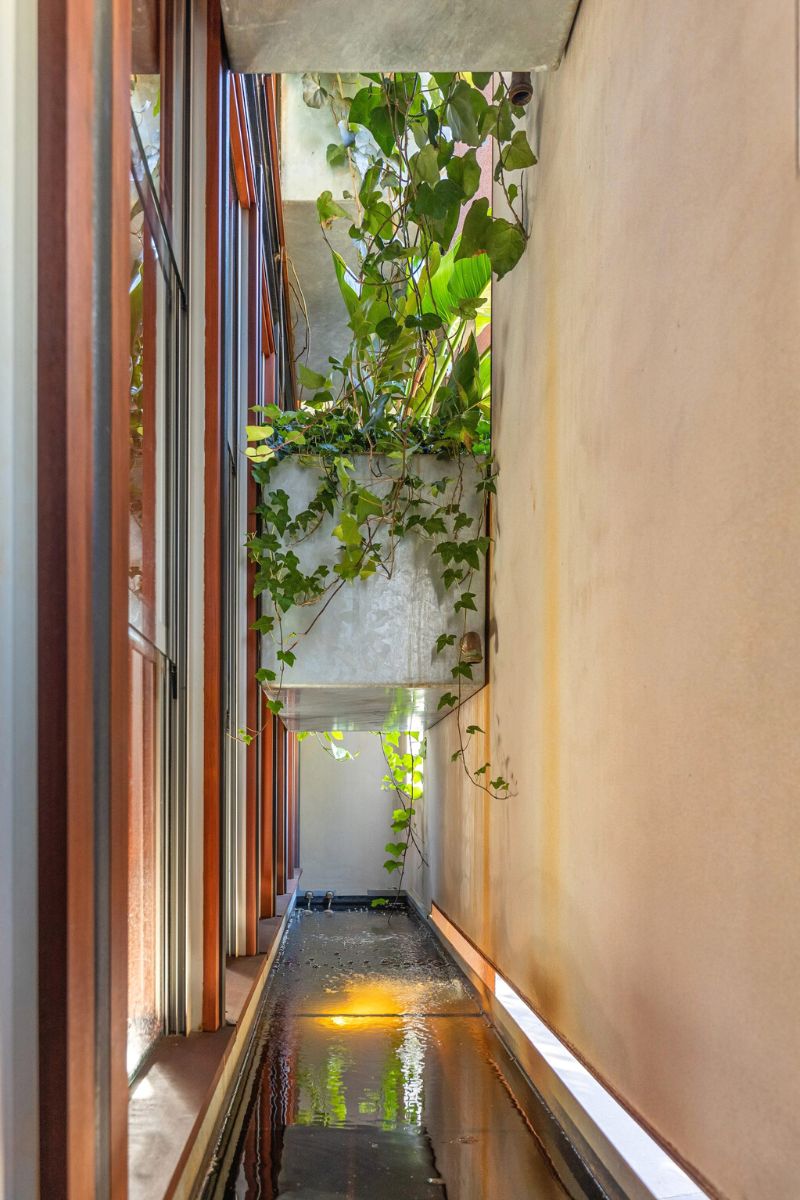
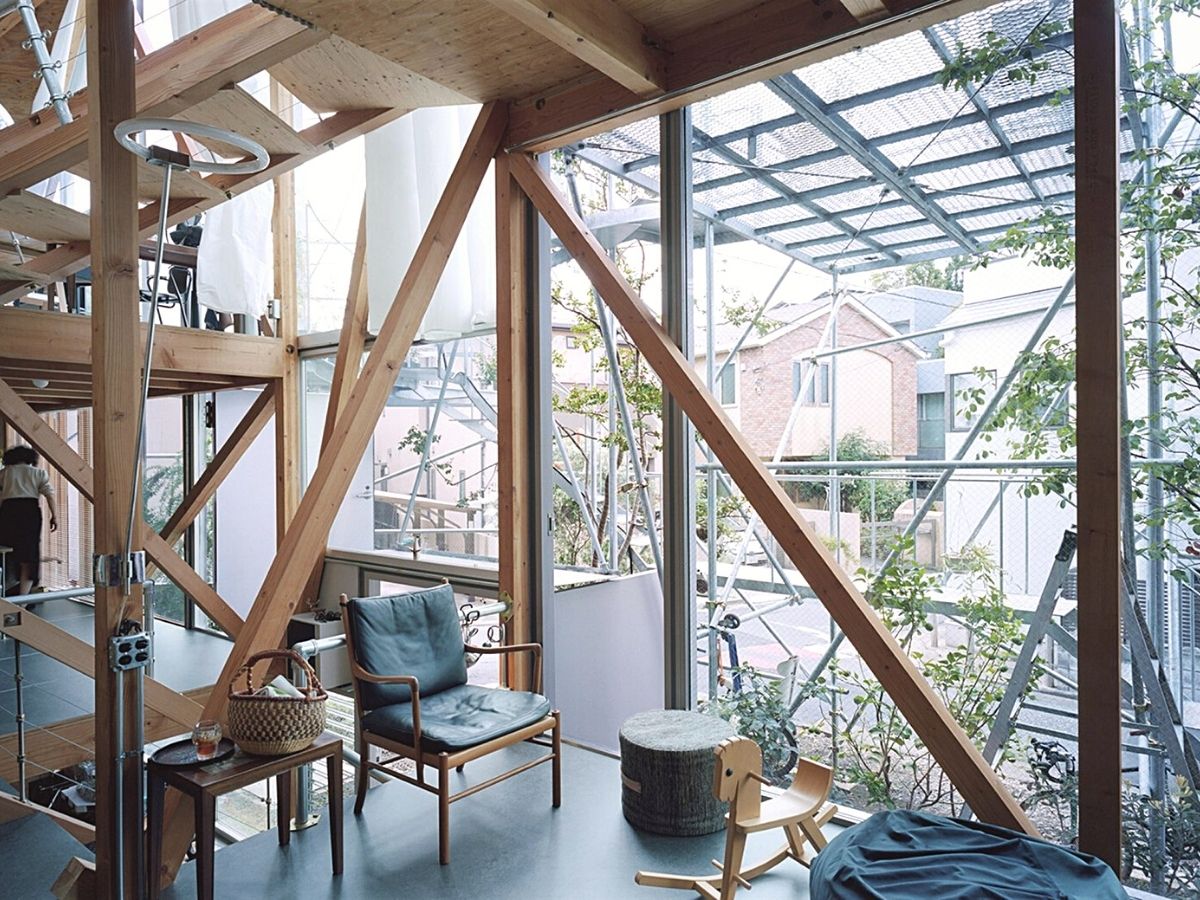
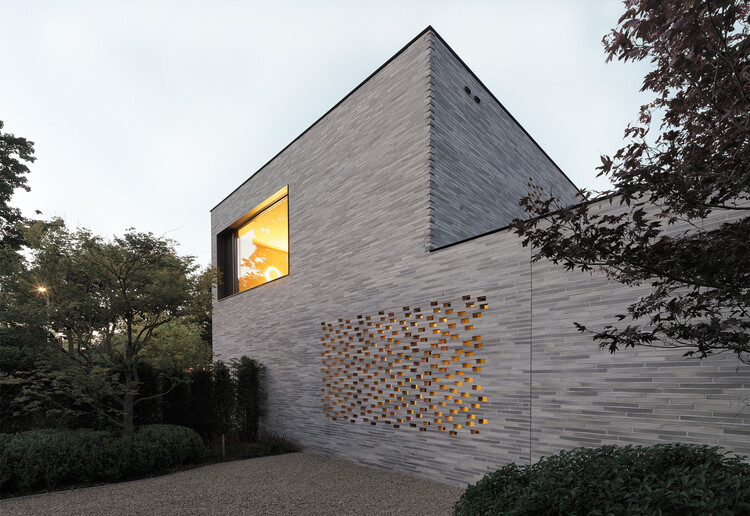
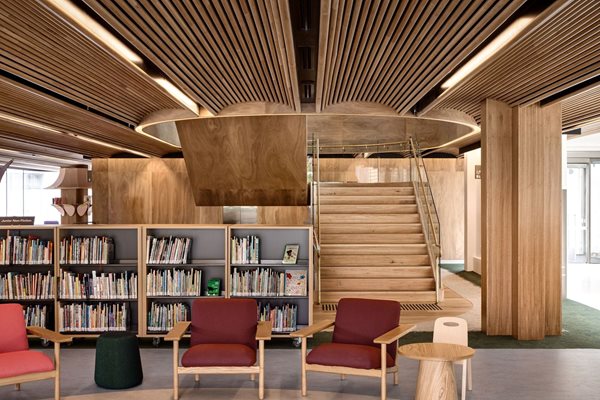
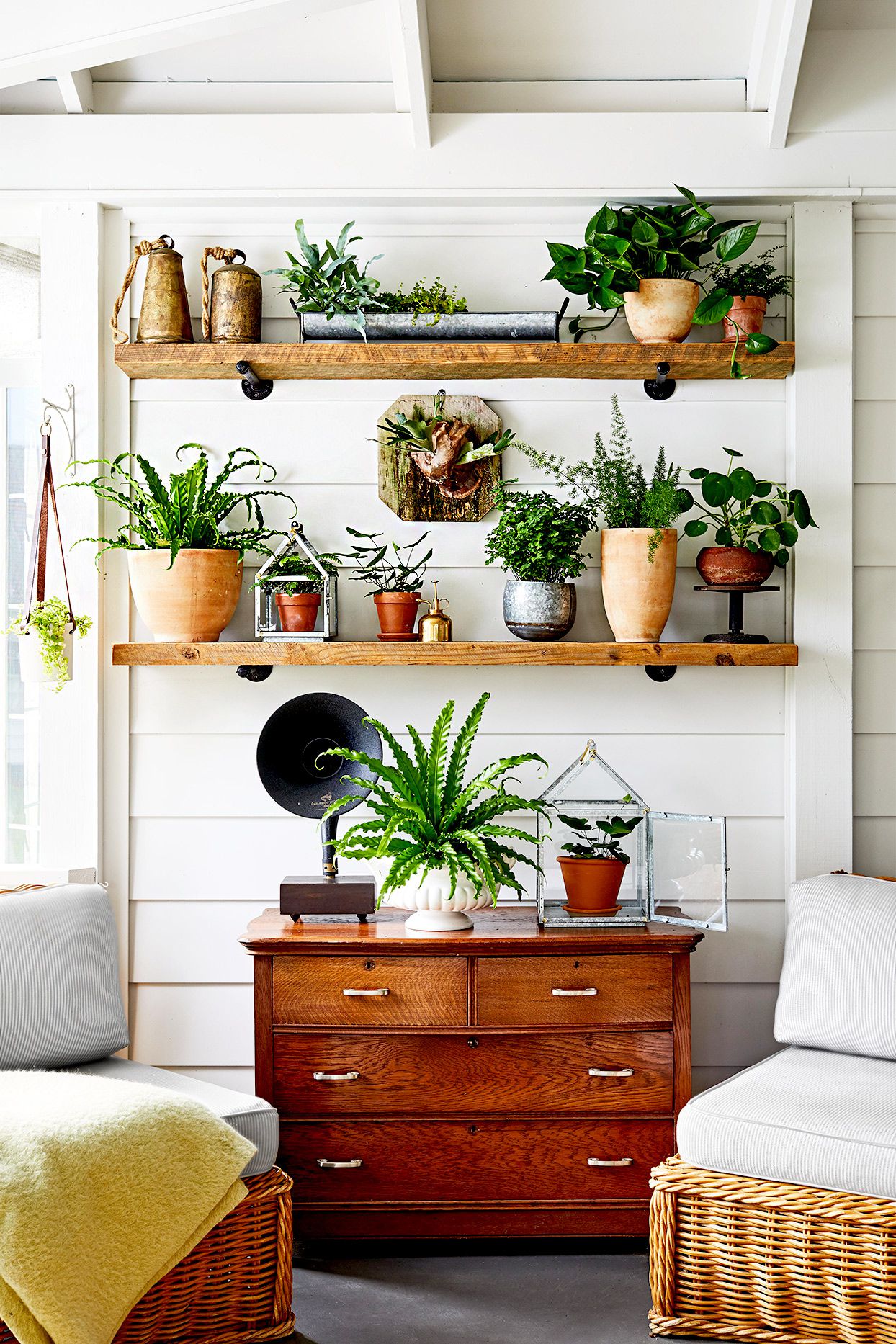
The integration of natural materials, indoor greenery, and sustainable practices is gaining traction in residential design. Architects and interior designers are increasingly using elements like reclaimed wood, abundant natural light, and indoor plants to create restorative and grounded living spaces. Biophilic design is presented as a solution to contemporary issues such as climate change, biodiversity loss, and urban alienation. Alvarado notes that this approach can shape future environments by addressing critical concerns and enhancing urban life, resulting in spaces that are both aesthetically pleasing and ecologically sound. The article points out that buildings contribute significantly to greenhouse gas emissions in Toronto, underscoring the urgency of rethinking the balance between the built environment and organic elements. This involves making space for plants, natural light, and tactile materials during construction, even in densely populated urban areas.
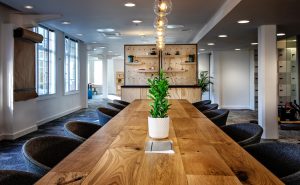
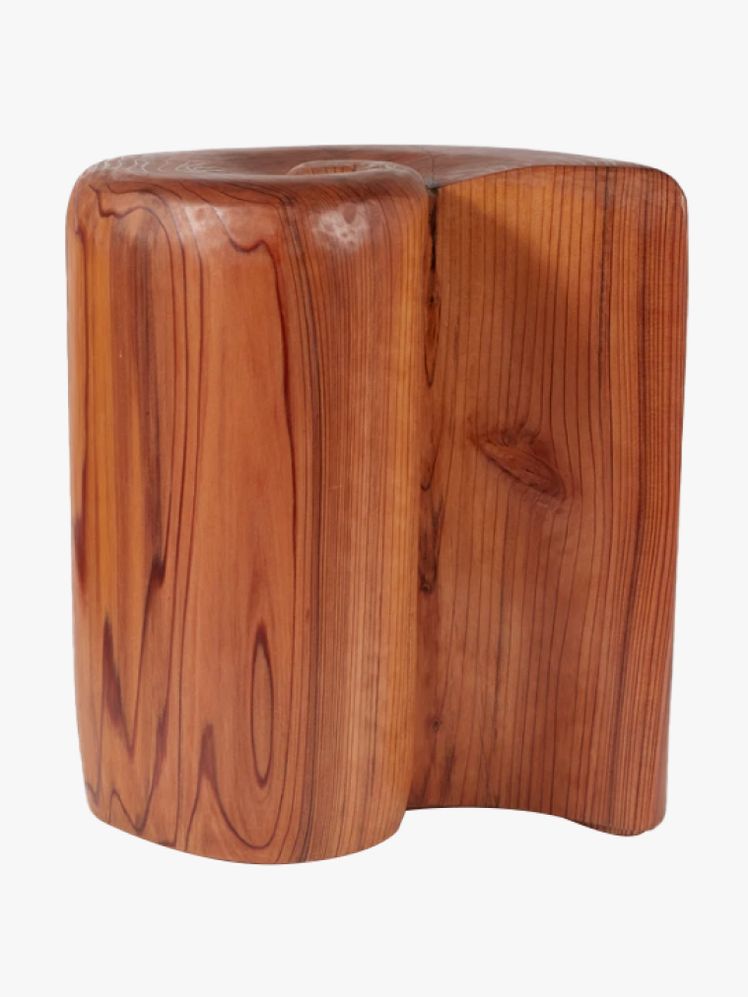
1 Hotel Toronto exemplifies this commitment by integrating hyper-local elements that reflect Toronto's unique environment and creative community. The choice of local resources and craftsmanship reduces the carbon footprint associated with transportation and supports the local economy. A notable collaboration is with Just Be Woodsy, a Toronto-based studio that repurposes fallen trees into furniture, some of which are sourced from the very neighborhoods where they are displayed. The communal table in the hotel’s Flora Lounge, for instance, is crafted from a tree that fell nearby. The hotel also incorporates native plant species and reclaimed materials from the Lake Ontario region, extending its sustainability efforts to operations through initiatives like composting food waste for its plants and donating unused team member uniforms to local charities. Inspirational messages in back-of-house areas encourage staff participation in environmental efforts.
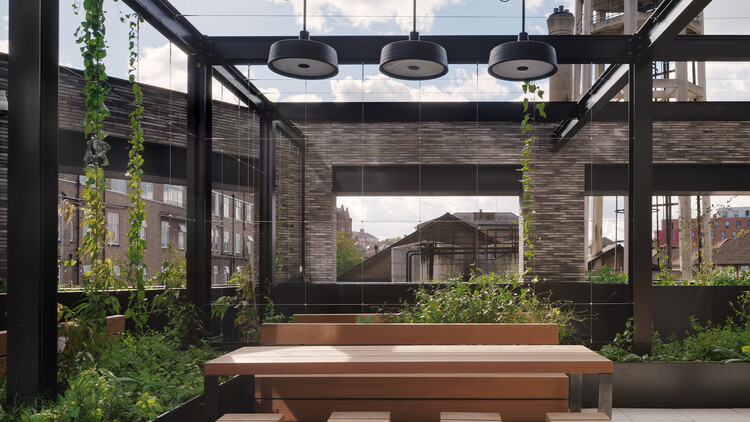
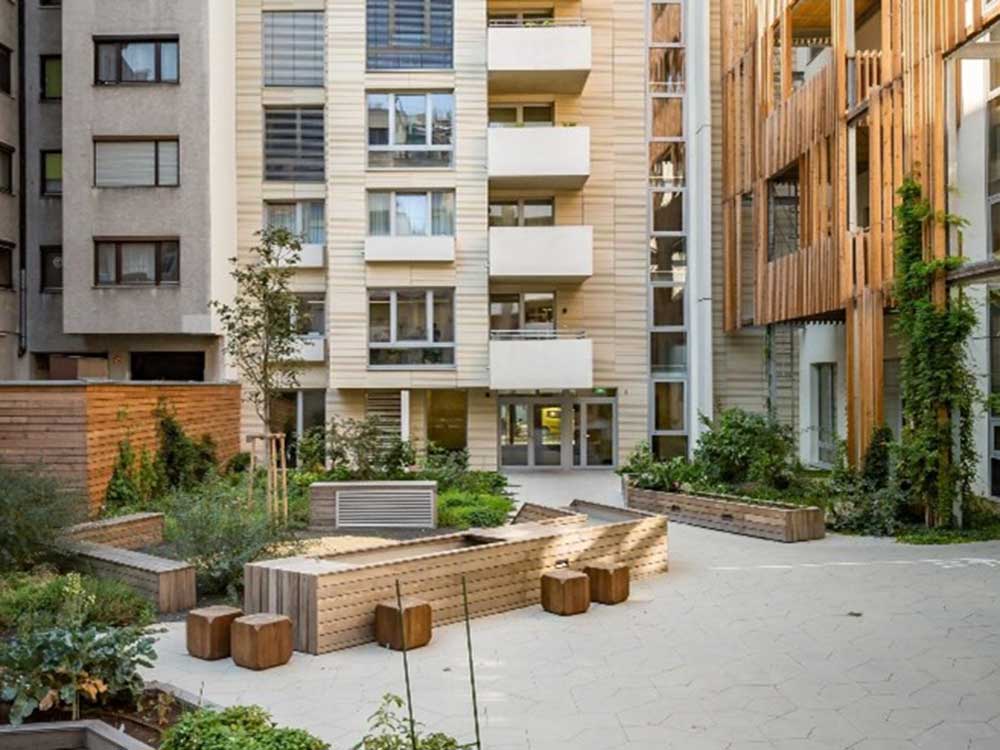
As biophilic design gains prominence, its principles are expected to influence a wide array of spaces, from commercial projects to private residences. In residential contexts, there is a growing focus on creating environments that nurture human well-being, with features such as indoor-outdoor transitions, rooftop gardens, and the use of sustainable, locally sourced materials becoming increasingly important. Beyond aesthetic appeal, research suggests that biophilic environments can lead to improved mental health, increased productivity, and a greater sense of calm. Alvarado highlights that biophilic design enhances the user experience by creating a sense of human scale, allowing guests to transition between various spaces while remaining connected to natural elements.
#BiophilicDesign #SustainableDesign #HospitalityDesign #ResidentialDesign #InteriorDesign #Architecture #UrbanSustainability #EnvironmentalImpact #BiophilicDesign #SustainableDesign #HospitalityDesign #ResidentialDesign #InteriorDesign #Architecture #UrbanSustainability #EnvironmentalImpact
合計0件のコメント
 まだコメントはありません
あなたも好きかもしれません
Why biophilic design is more than just a trend
From Fringe Idea to Mainstream Imperative: The Future of Design Depends on Biomimicry

8 applications of different biophilic design concepts

What Is Biophilic Design? 5 Ways to Incorporate This Style

Biophilic design beyond the buzzword
Designing with nature: Why Biophilic Design?

Thinking the Biophilic Way: Five Ways to Interact with Nature in Design

Nature's Geometry: The Impact of Fractals on Human Well-being
What the heck is biophilic design?

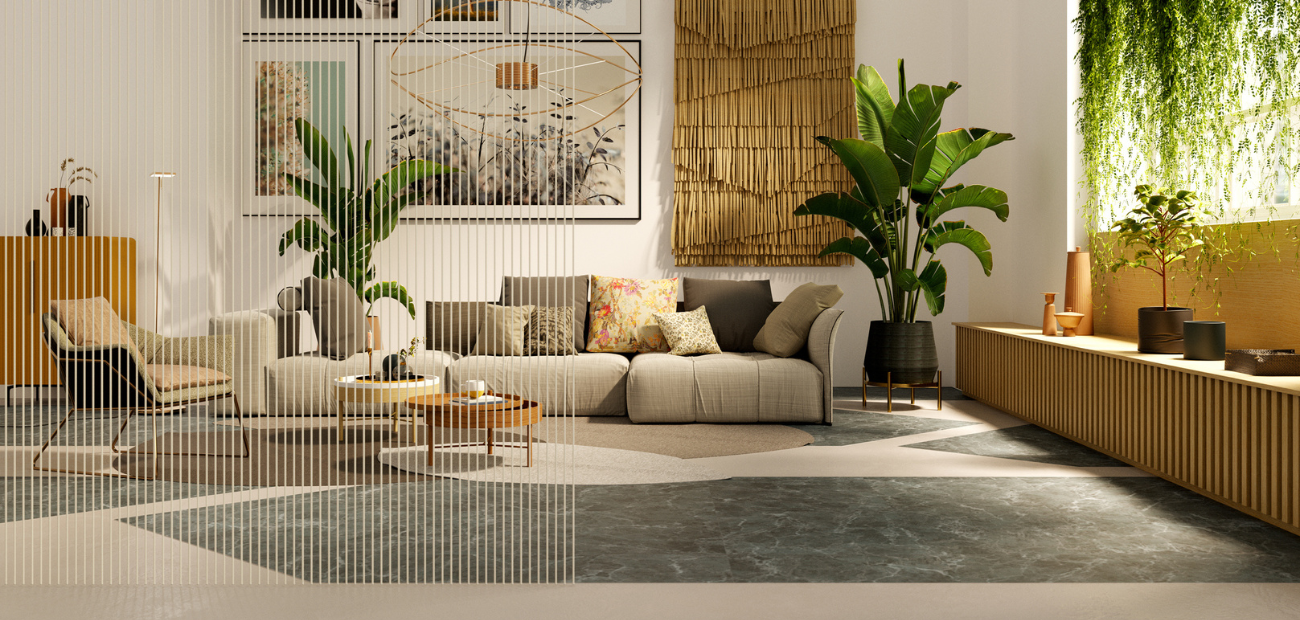
Biophilic Design Helps Homeowners Connect to Nature

What mirrored ants, vivid blue butterflies and Monstera house plants can teach us about designing buildings

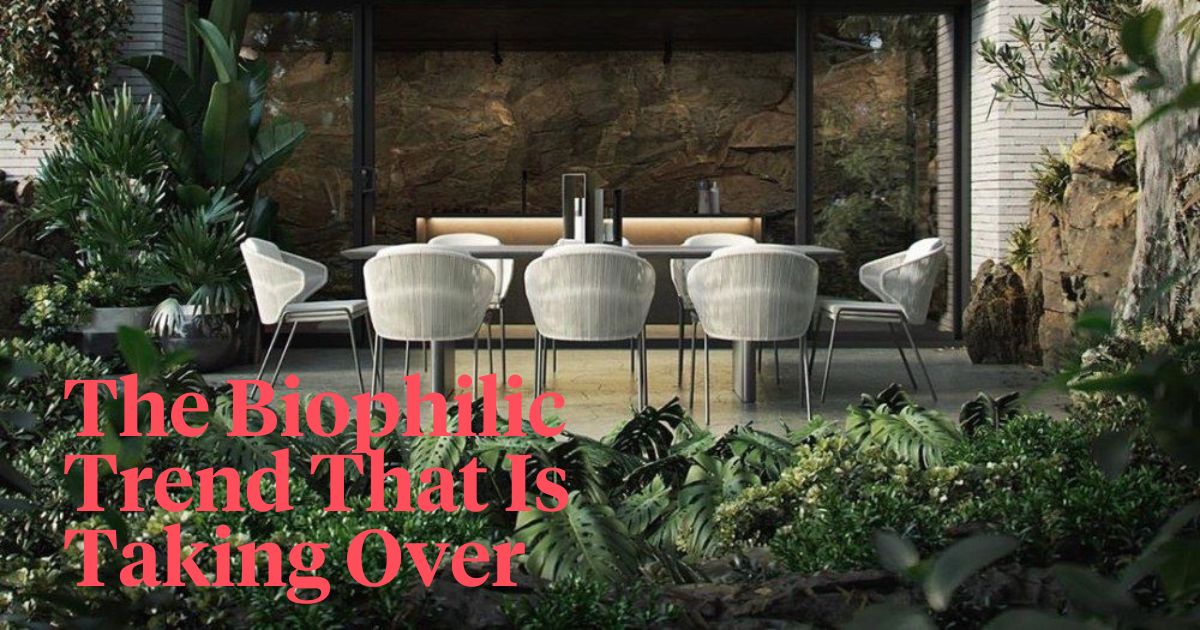
Biophilic Interiors Invade These 10 Contemporary Residences

Reimagining Care Through Nature: The Case for Biophilic Design

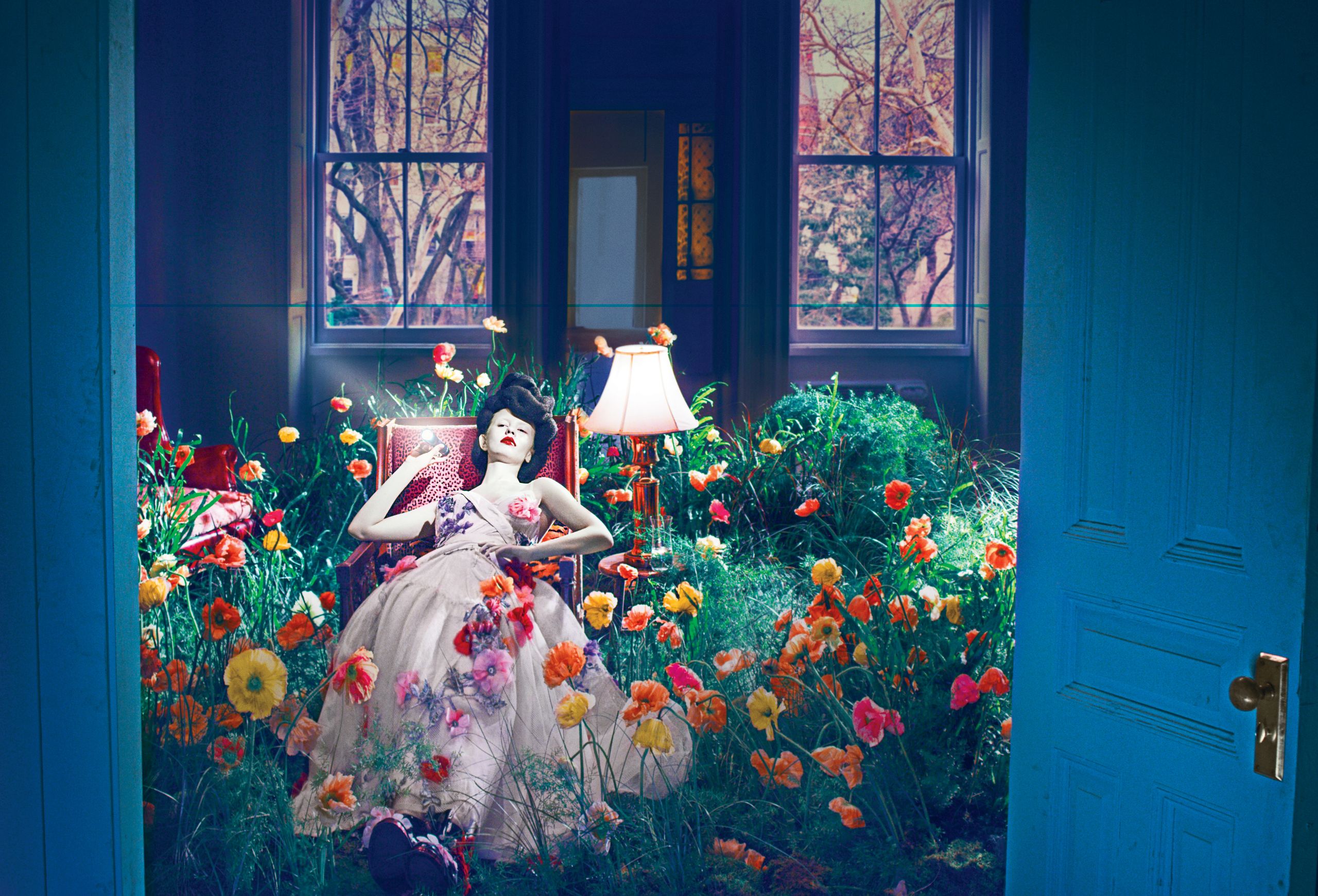
What is Biophilic Design? This Nature-Based Interiors Trend Promises Wellness
Roundtable: the language of biophilia in surface design
Biophilic-Inspired Design Takes Center Stage: How Bricks Bring Nature In

Focus on Biophilia: Nature-Inspired Design Strengthens People!

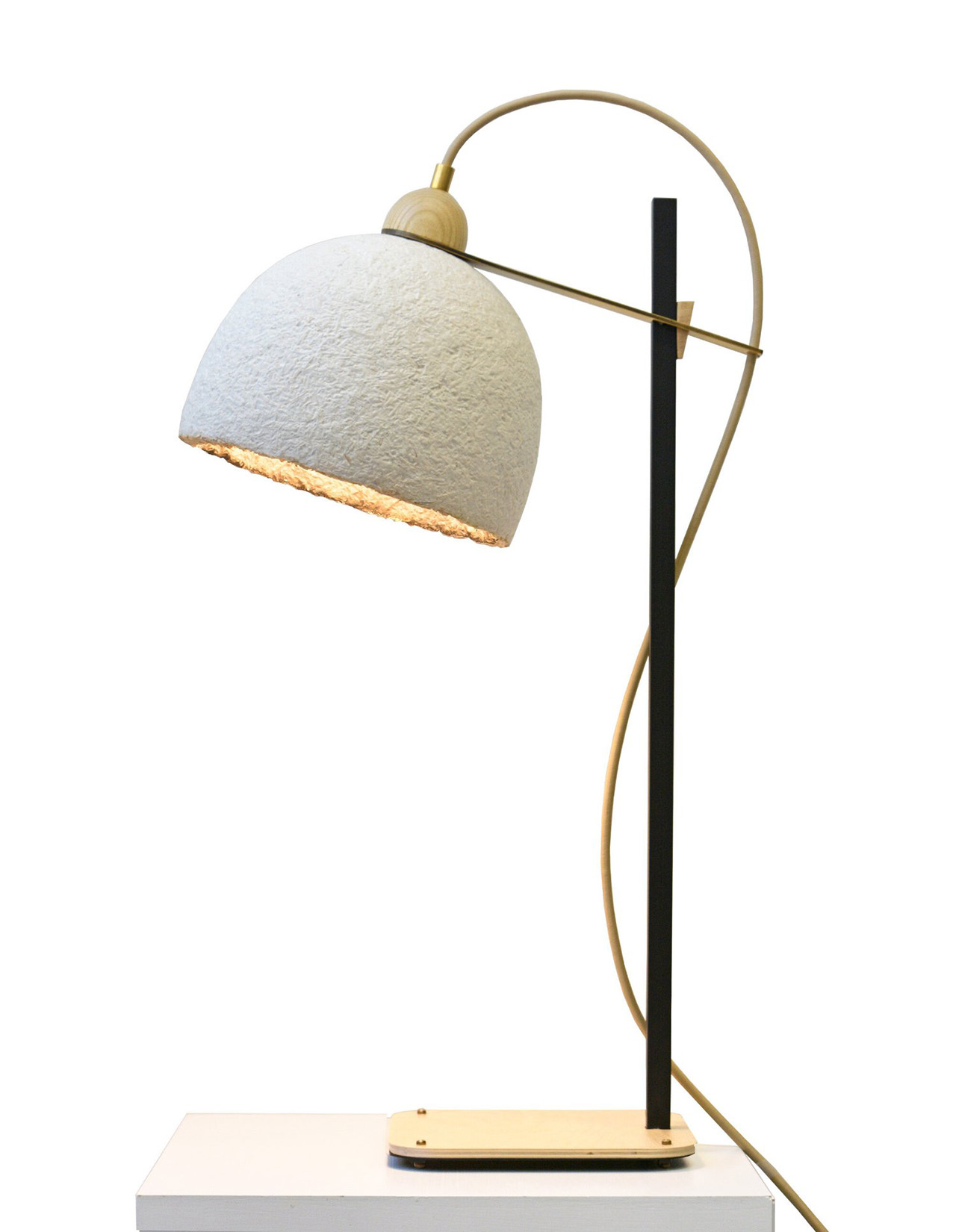
MushLume Lighting Is an Illuminating Example of BioDesign
20 Nature-Loving Homes Where Biophilia Thrives


Biophilic facades in sustainable building design