1/6
Gross! Here Are the Best Ways to Remove Mildew for Good
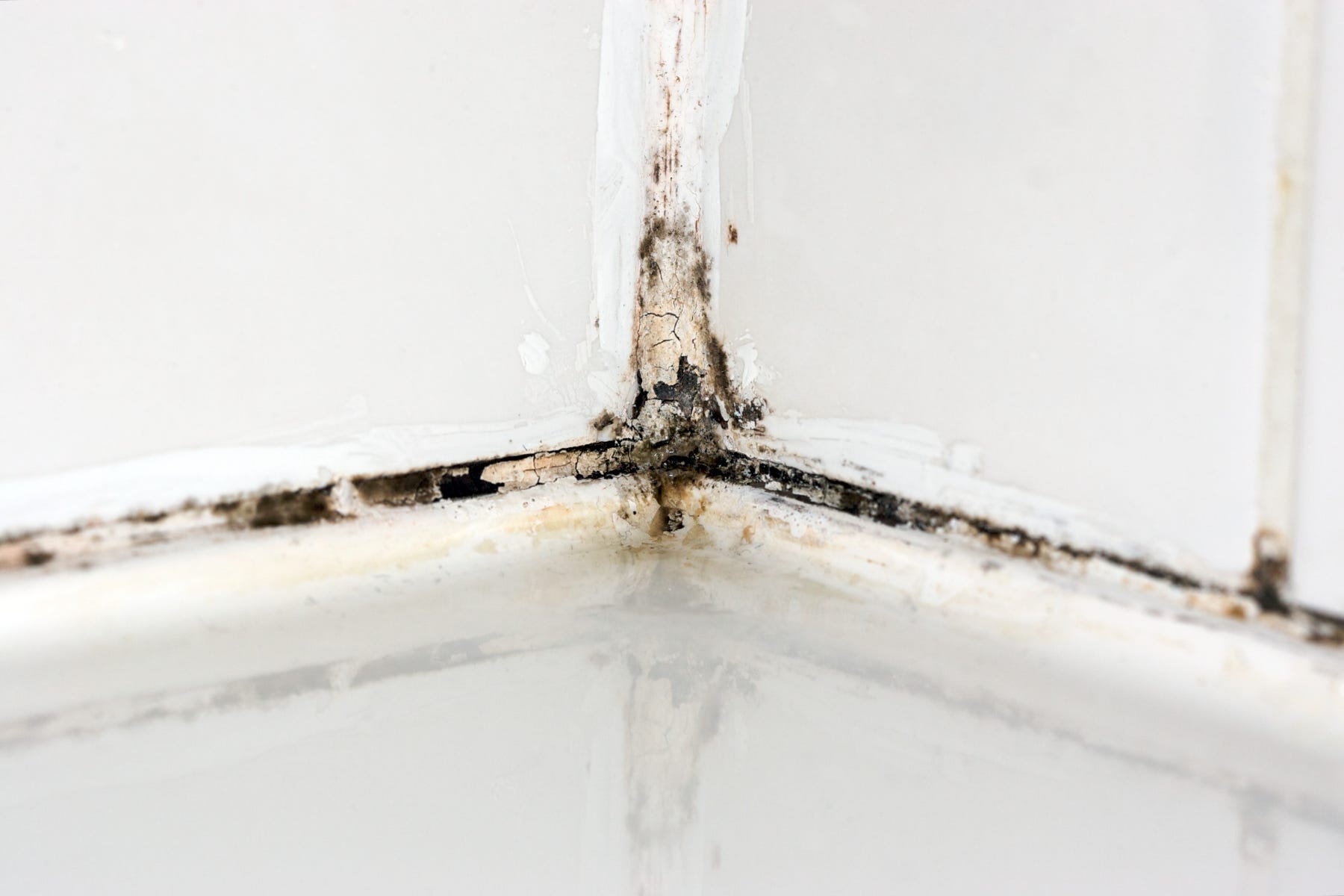
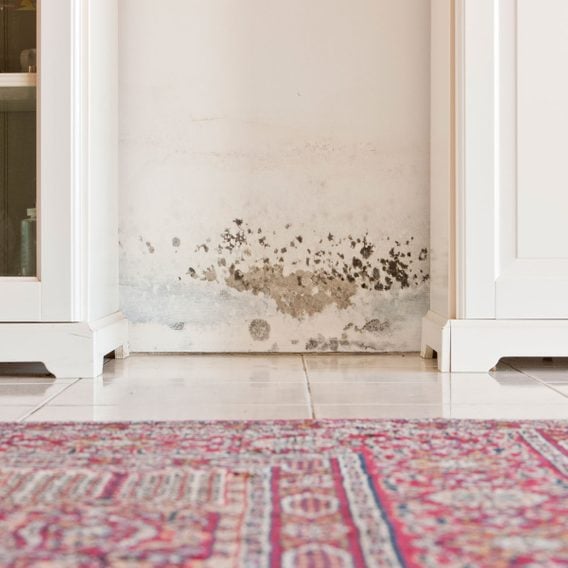
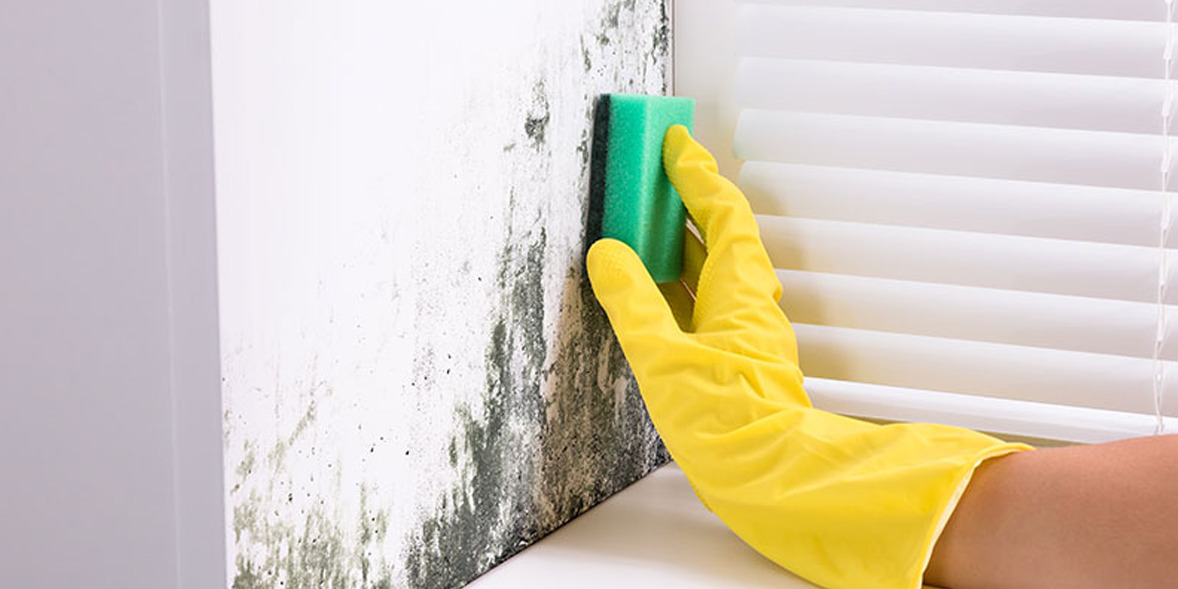
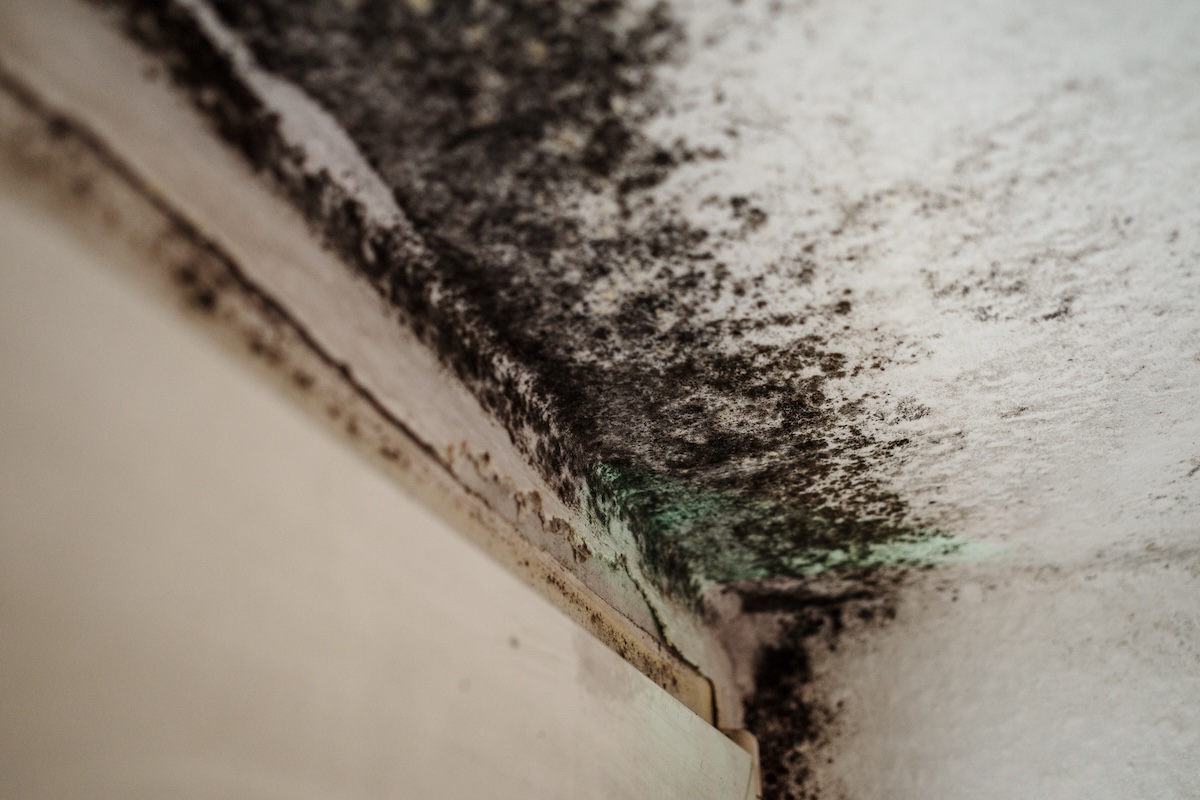
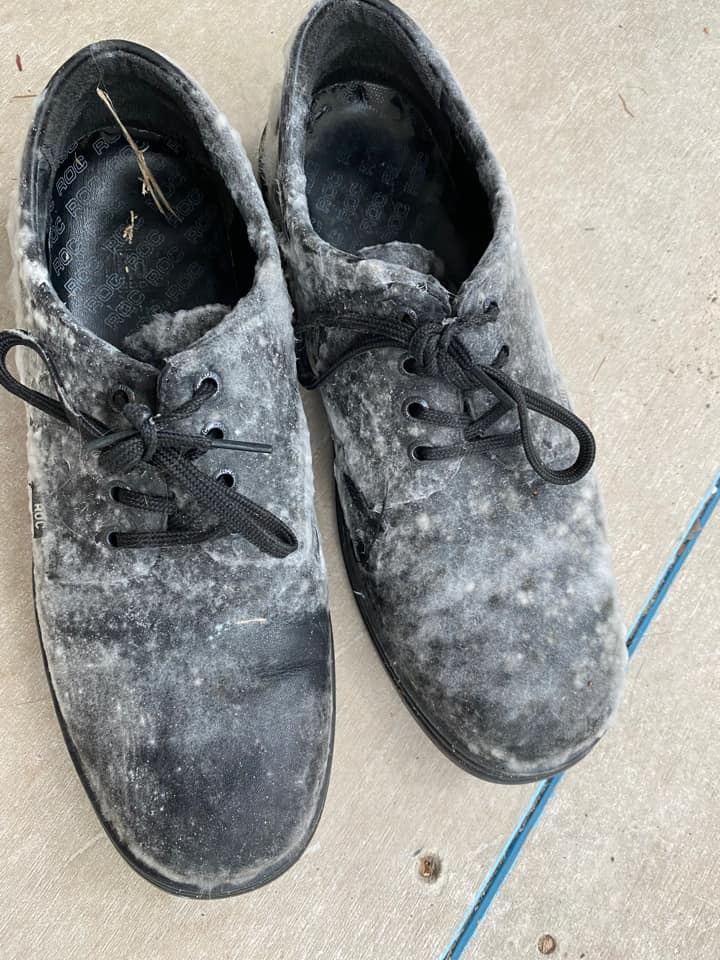
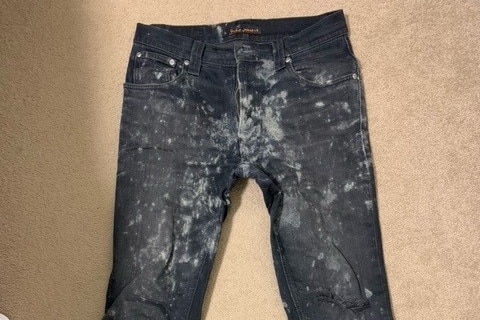
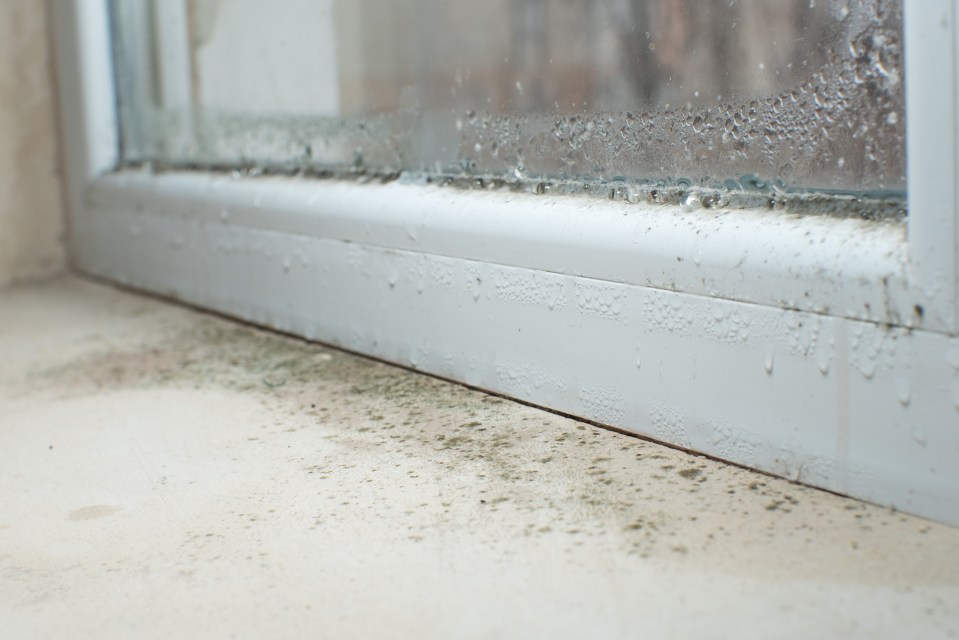
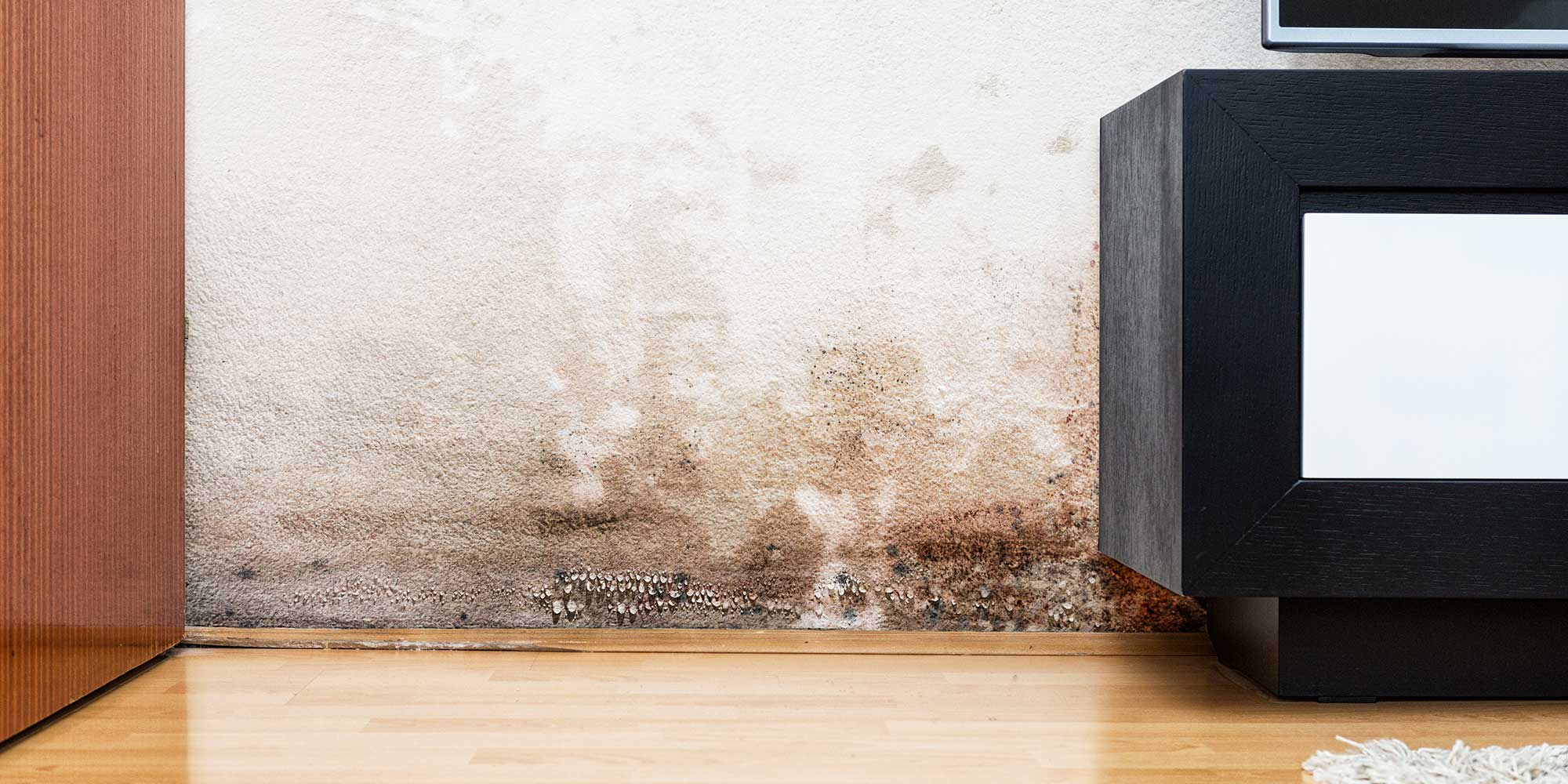
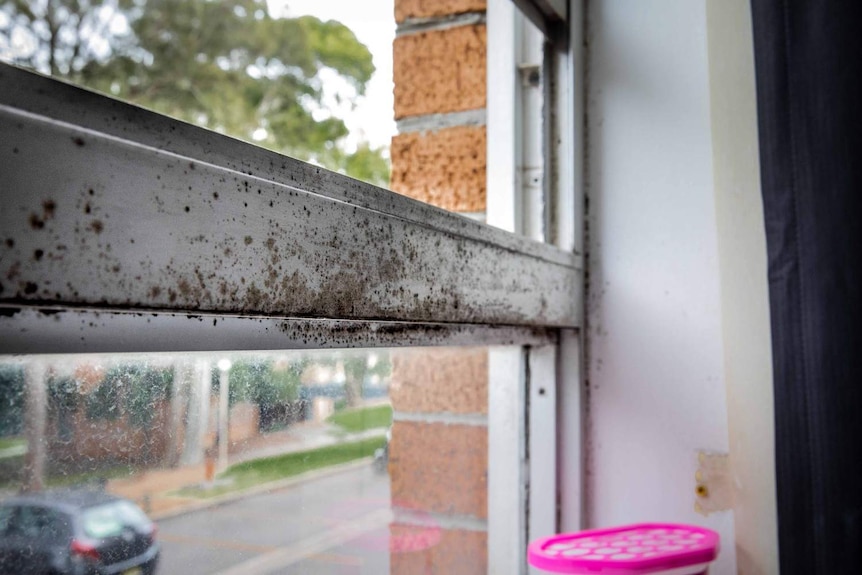
Mildew is a common household fungus that thrives in moist, damp environments and can appear as white, gray, yellow, brown, or dark gray powdery dots. It is not only unsightly but can also cause irritation, especially for individuals with allergies or respiratory sensitivities. If left unaddressed, mildew can rapidly spread and lead to more serious issues. Its presence often indicates underlying problems such as leaks or high humidity levels that need to be resolved.
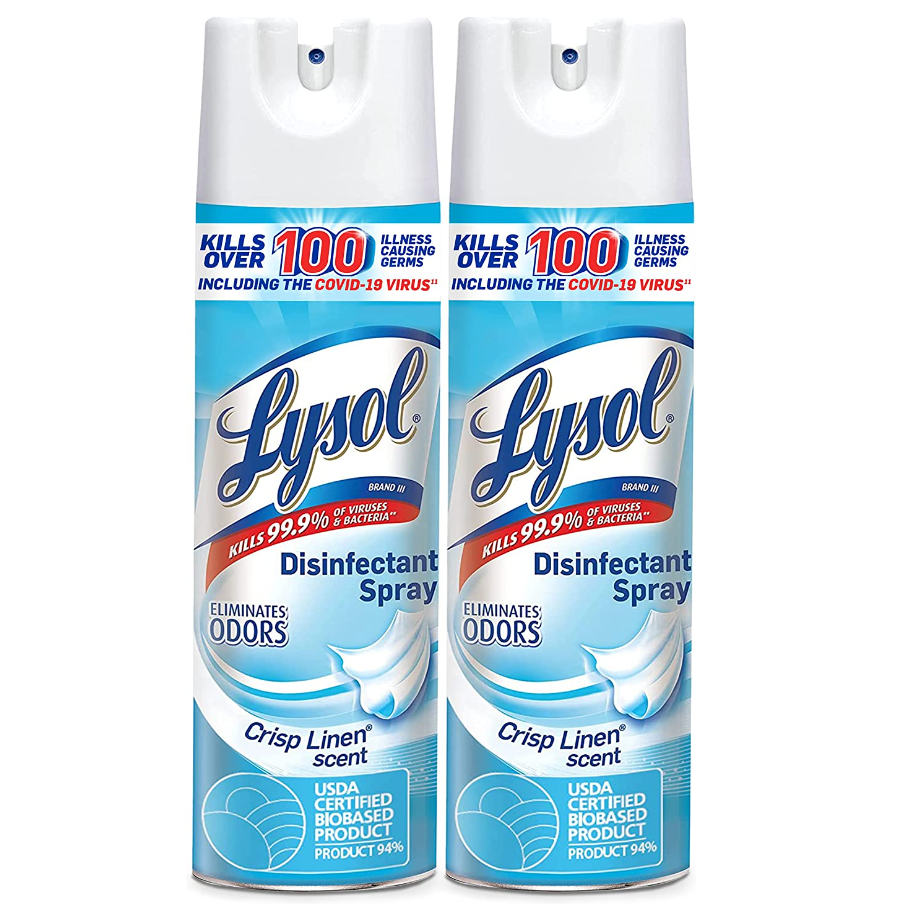
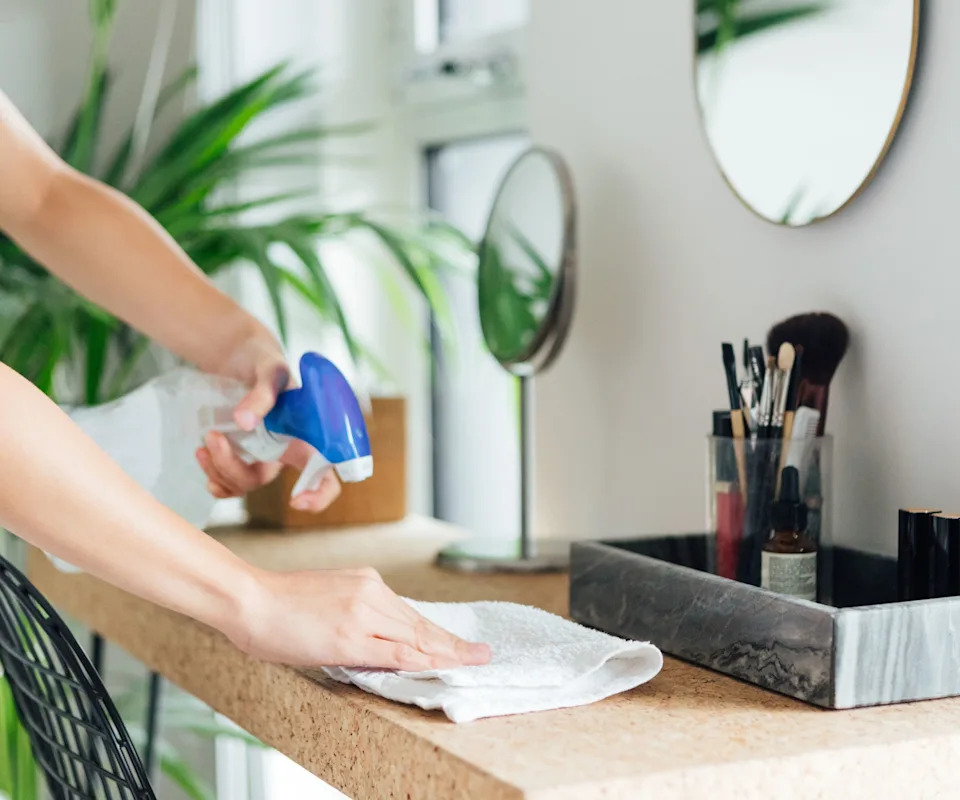
This guide offers comprehensive, expert-backed advice on effective mildew removal from various surfaces commonly found in homes, including upholstery, walls, clothing, shower curtains, carpets, and wood furniture. Each section provides step-by-step instructions to tackle mildew growth specific to that material. For upholstered furniture, small mildew stains can be treated by vacuuming the surface, then sponging with a solution of equal parts rubbing alcohol and warm water, after performing a spot-test. The area should then be wiped with a water-dampened sponge, fan-dried, and treated with baking soda to eliminate odors. A disinfectant spray can be applied to kill lingering spores. However, heavily mildewed upholstered items, especially those damaged by water, should be discarded.
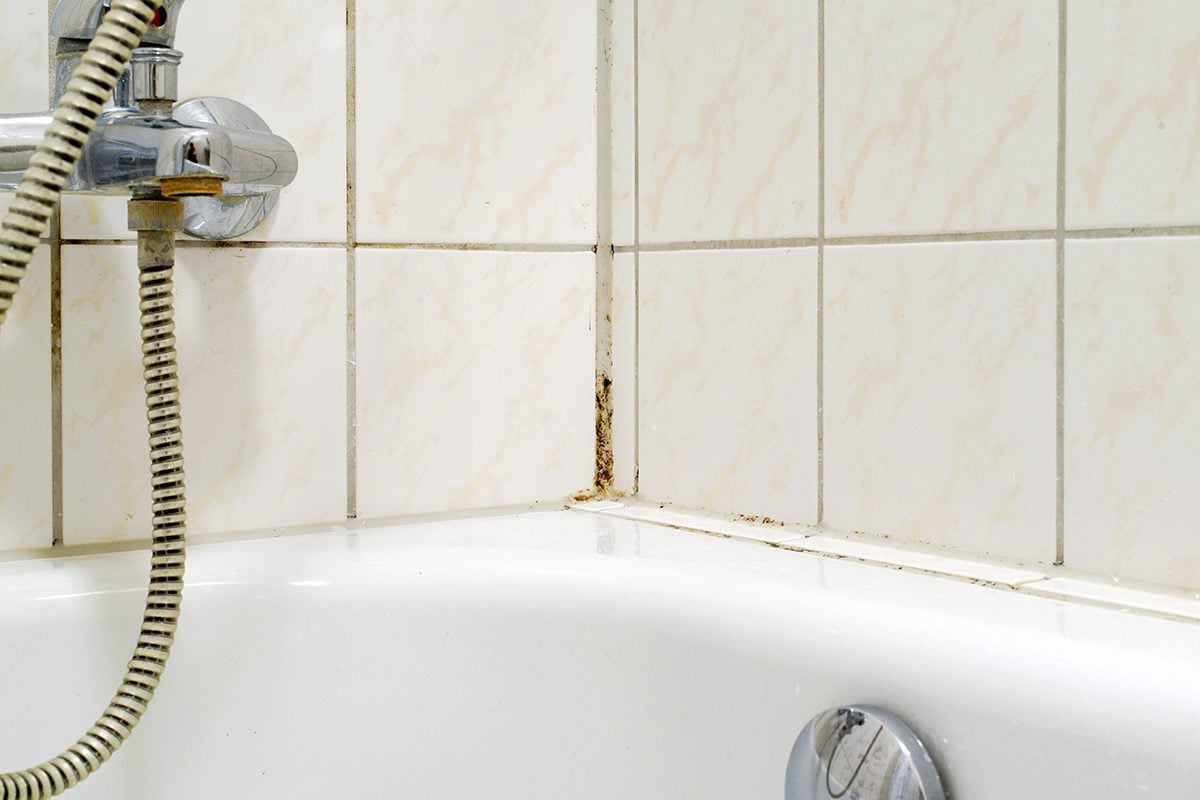
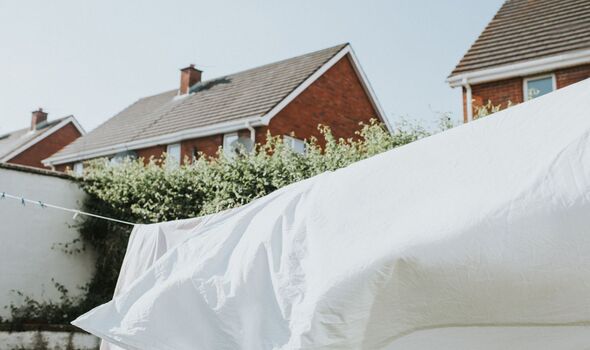
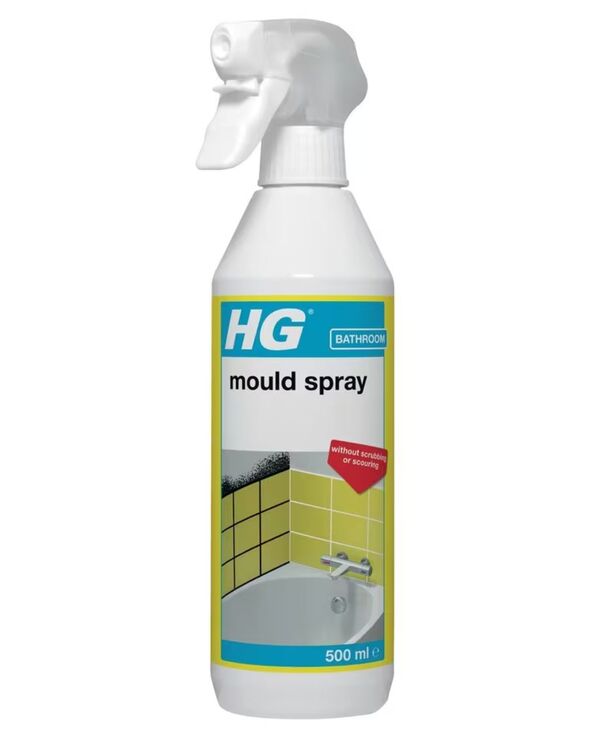
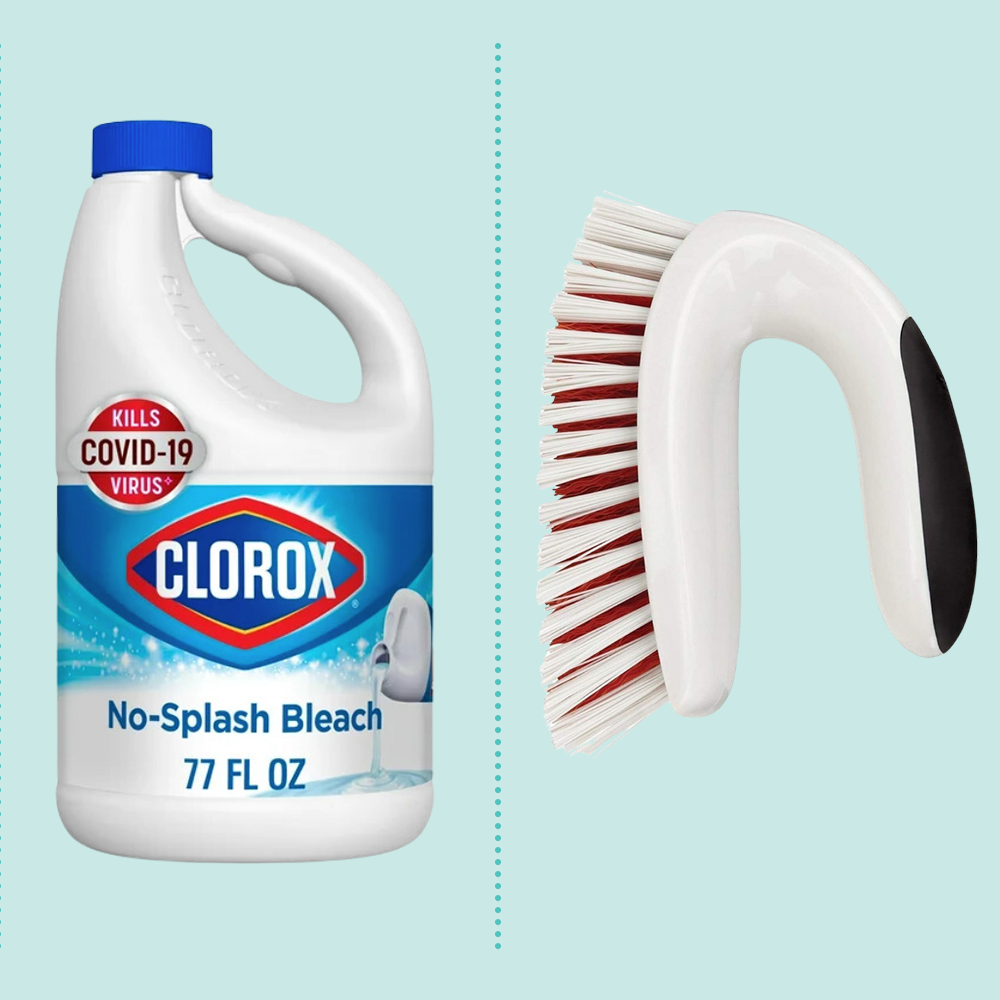
For walls, tiles, and grout, particularly in bathrooms, a solution of ¾ cup bleach per gallon of water (or 3 tablespoons per quart for smaller areas) should be applied with a soft scrub brush or stiff brush, left for 15 minutes, rinsed, and thoroughly dried with a fan. Safety precautions, such as wearing a face covering, long rubber gloves, and protective eyewear, are crucial during this process. Mildew on clothing or linens, often found in damp storage areas, can be addressed by brushing off spores outdoors, sun-drying the item for about three hours, and then checking care labels for washing instructions. Chlorine bleach can be used for safe fabrics, or colored fabrics can be pre-soaked in liquid non-chlorine bleach or a solution of equal parts white vinegar and water for mild stains, followed by a machine wash.
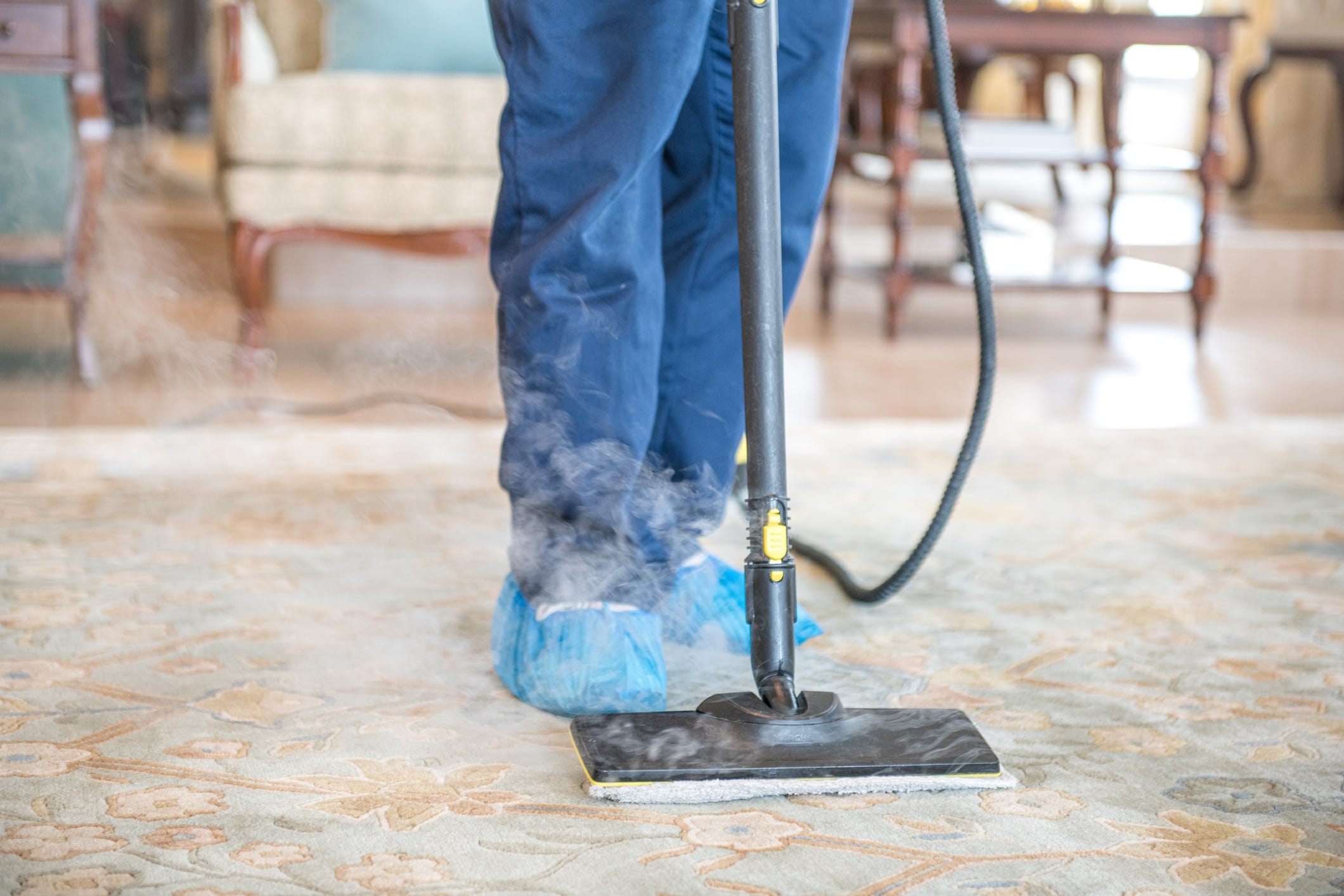
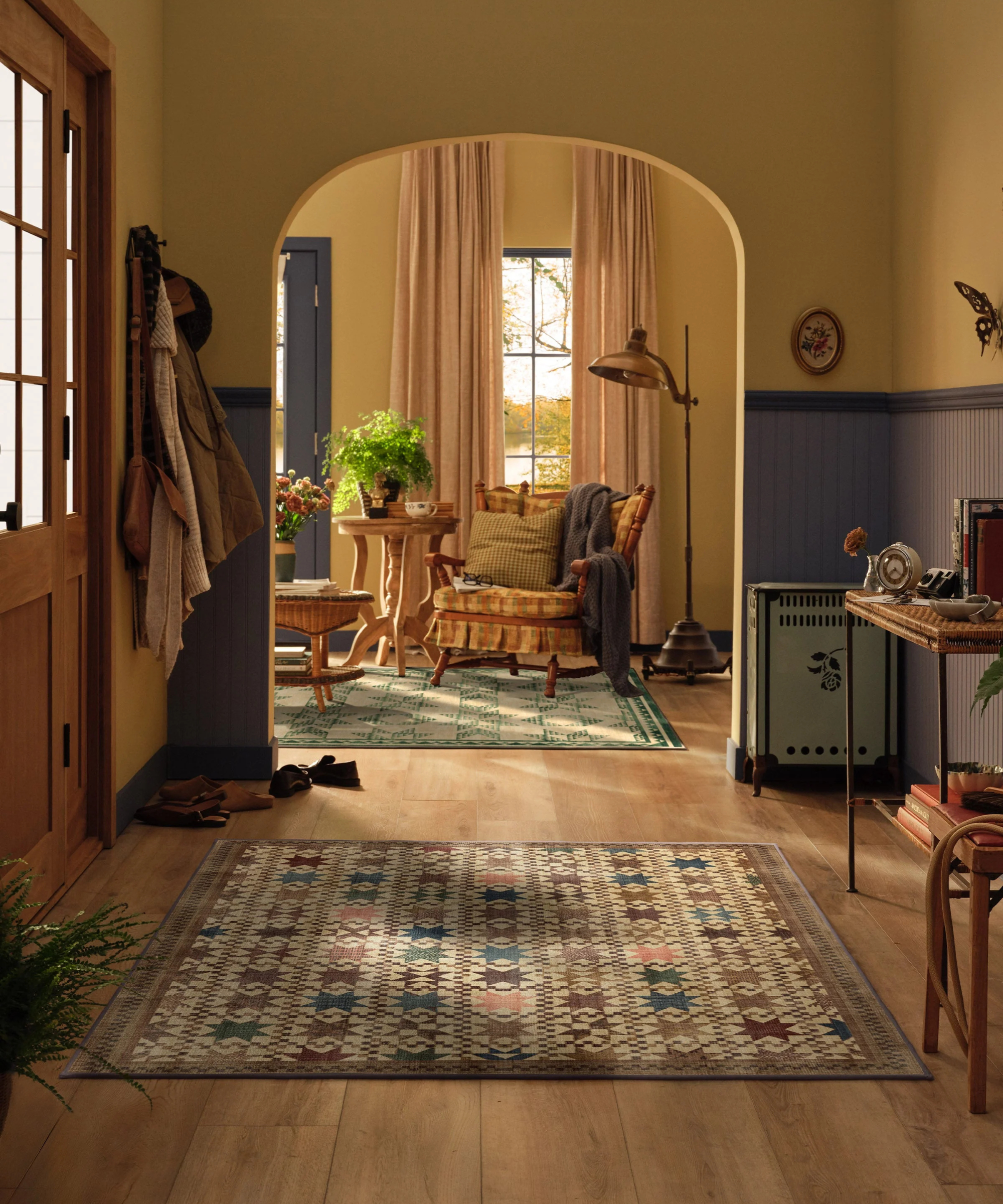
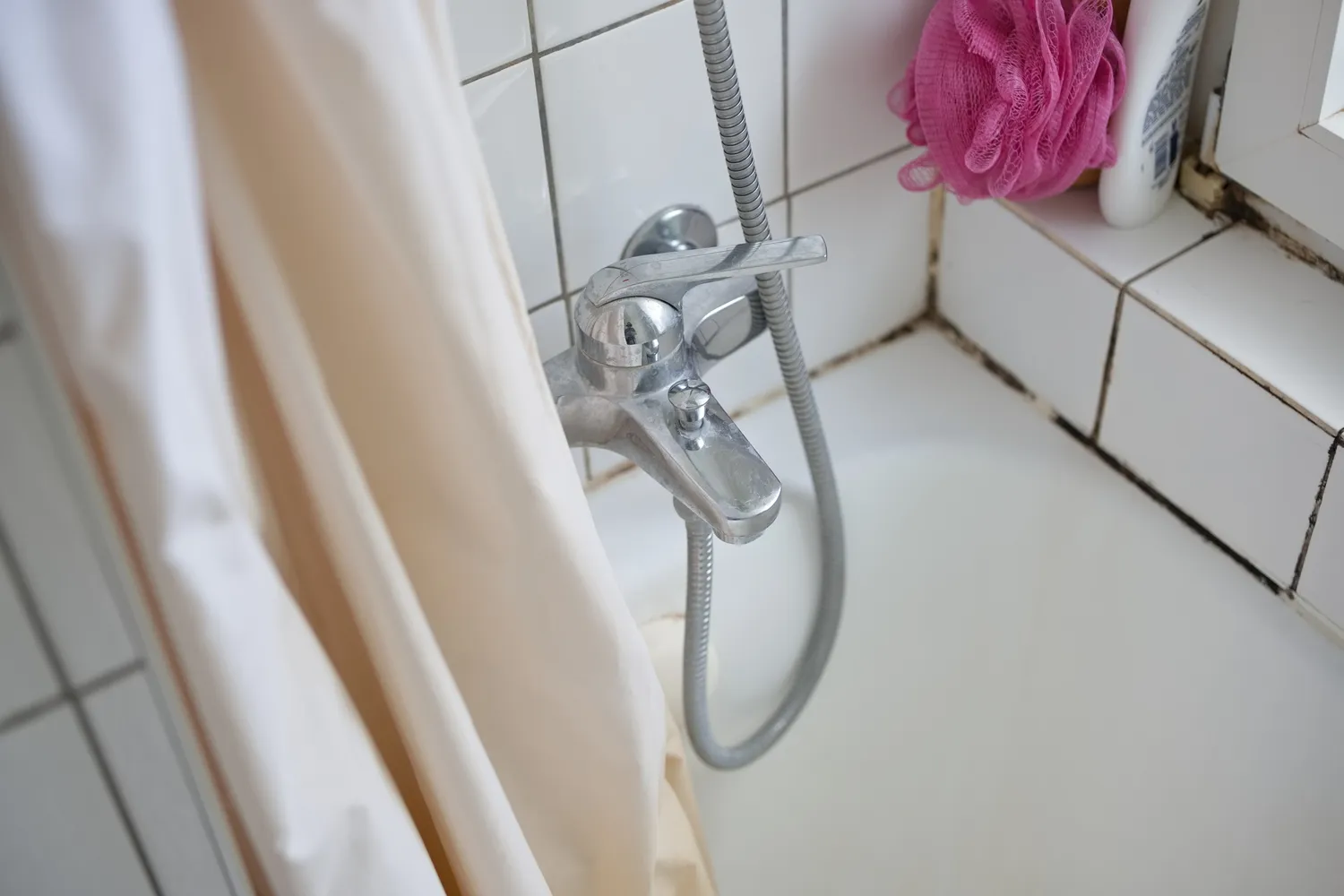
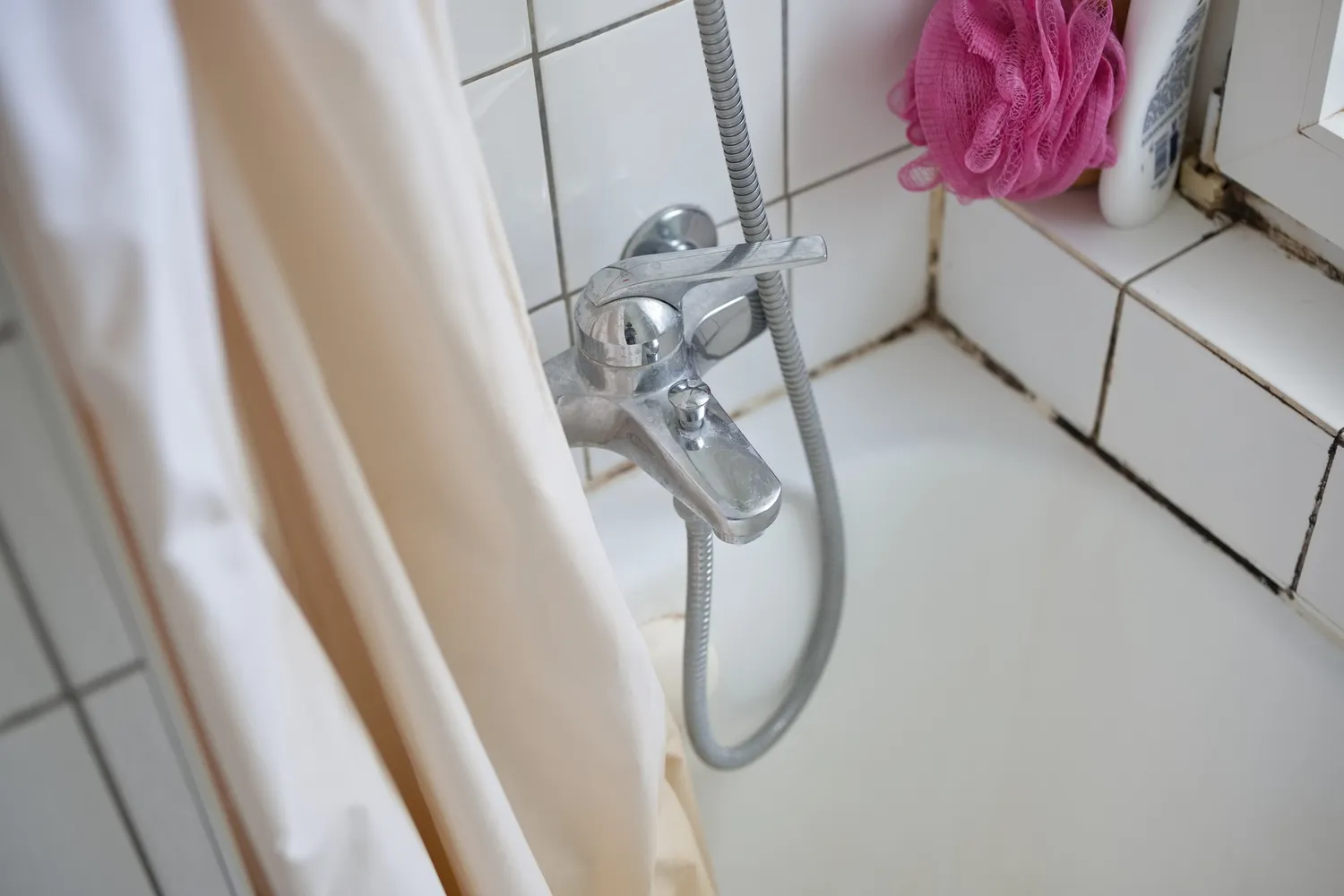
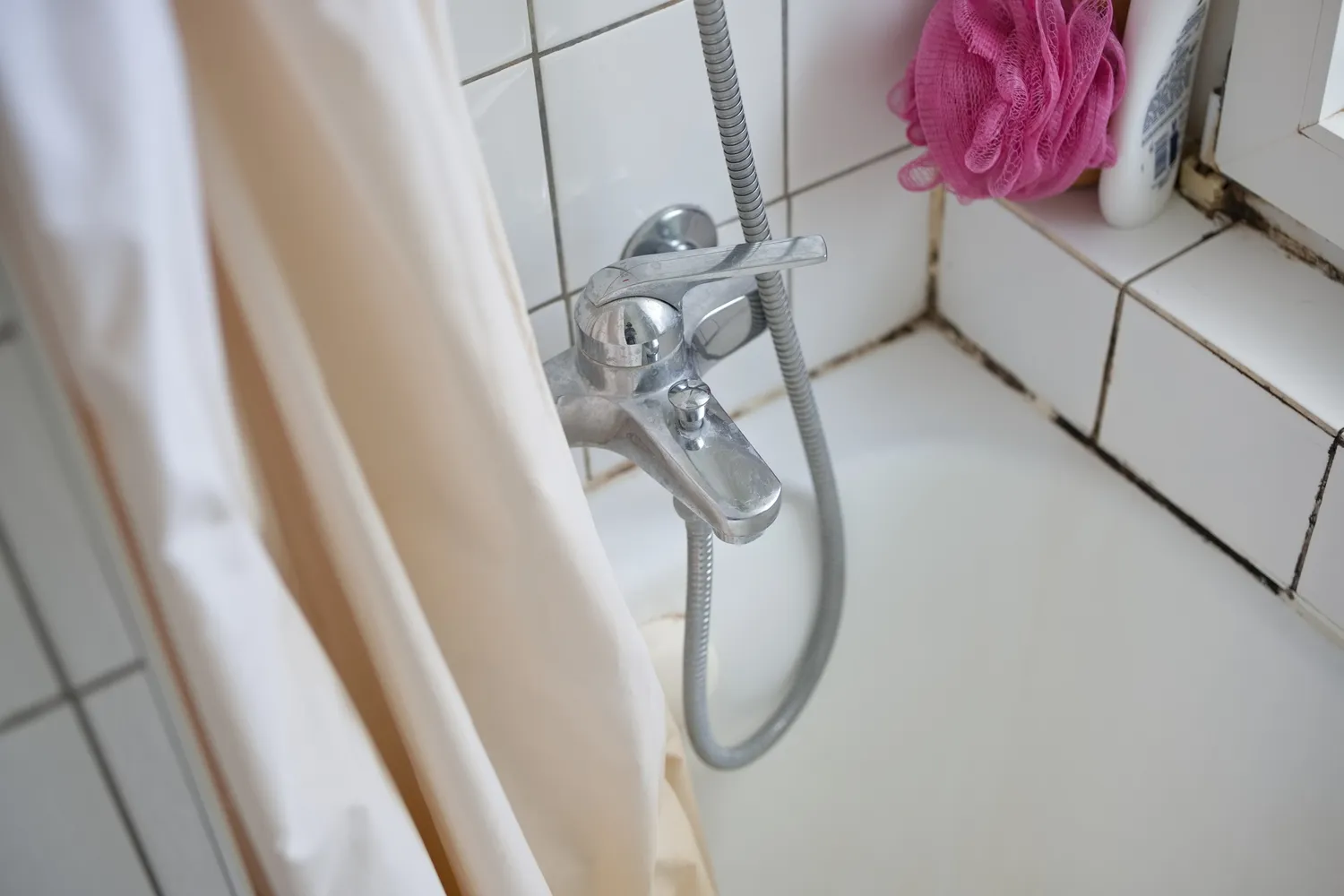
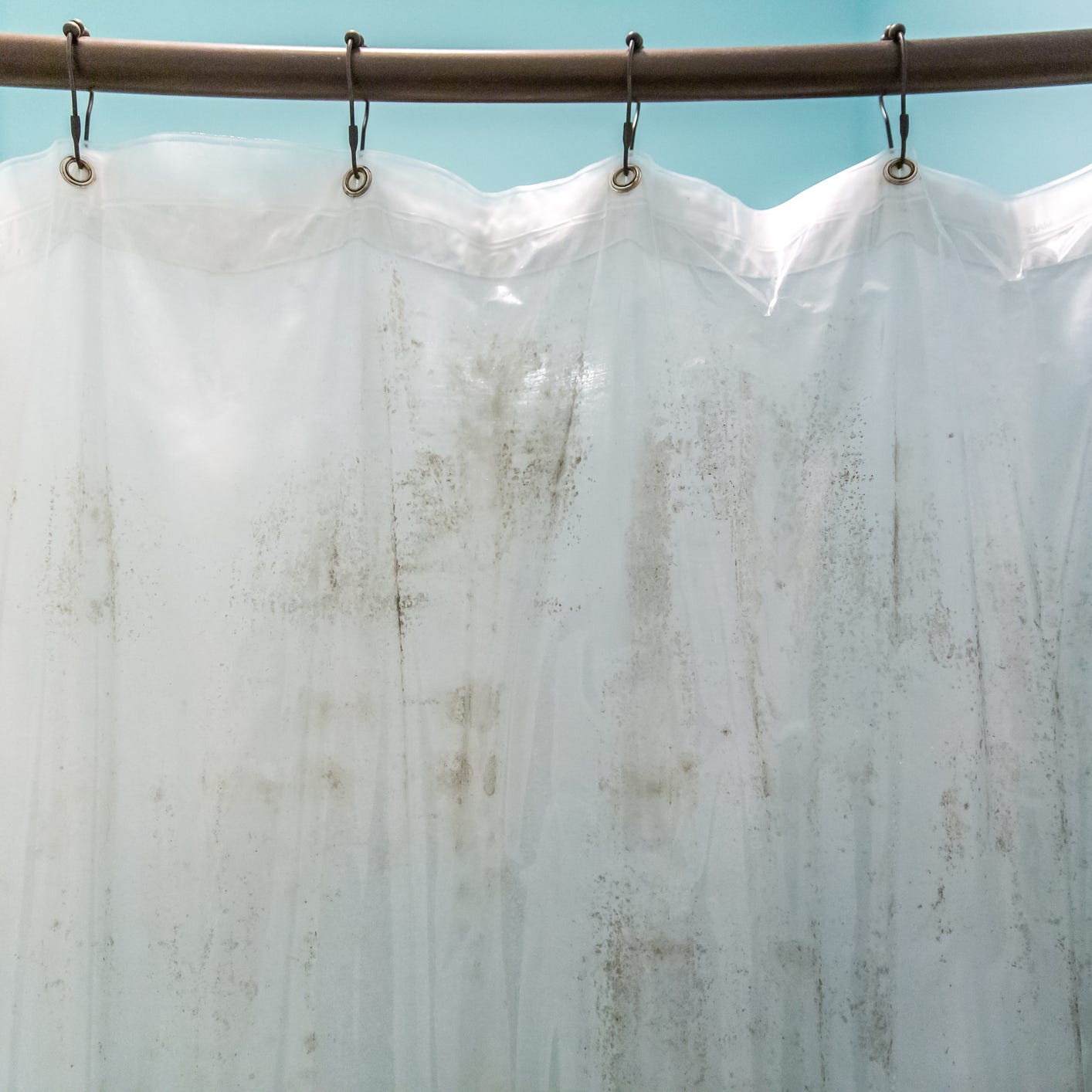
Shower curtains with mildew spots can be cleaned by washing plastic liners or curtains on a gentle cycle with detergent and bleach, along with two to three bath towels for agitation. Fabric shower curtains should be washed according to their care instructions. After washing, curtains should be hung to dry or briefly tumble-dried on low heat, ensuring plastic liners are not left unattended in the dryer. Carpets affected by mildew, possibly due to flooding or excessive humidity, require the area to be dried thoroughly using a wet-dry vacuum, fans, or by hanging rugs in the sun. Small stains can be treated with a carpet stain remover, while larger areas may benefit from a steam cleaner. Lingering odors can be removed by spraying a mixture of one part vinegar and two parts warm water, letting it sit overnight, and then sprinkling baking soda before vacuuming. A disinfectant spray can further sanitize the surface. Heavily soiled or flood-damaged carpets should be discarded.
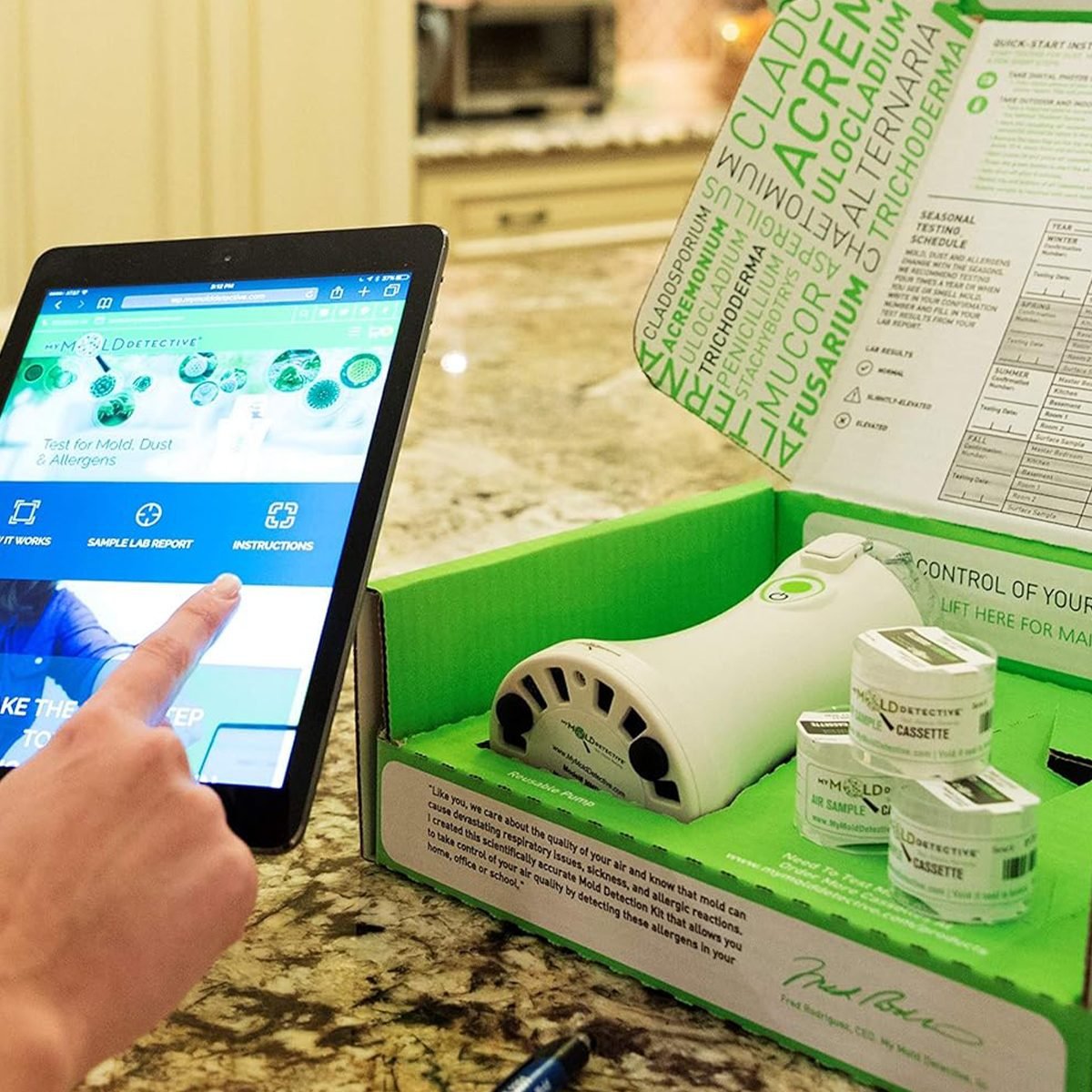
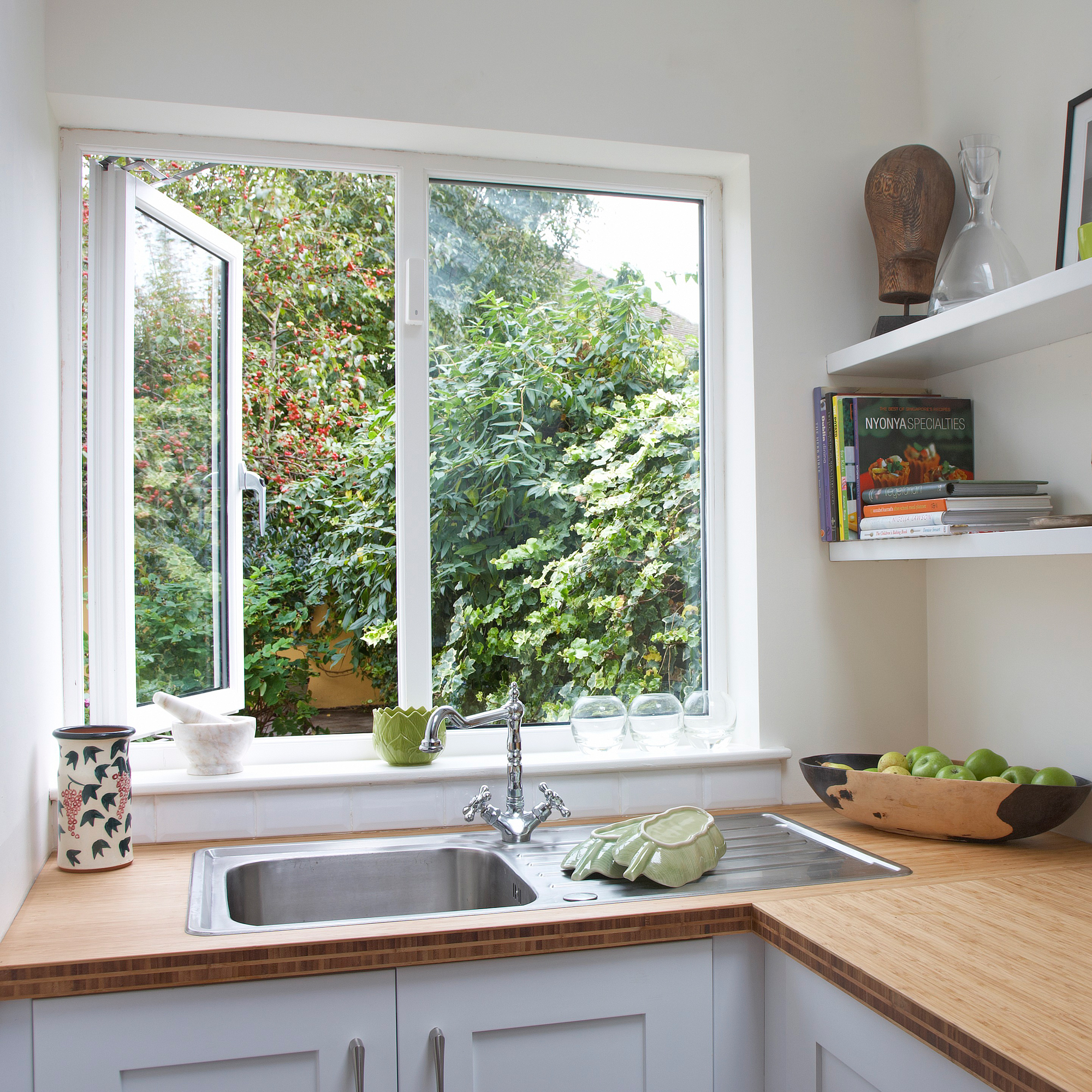
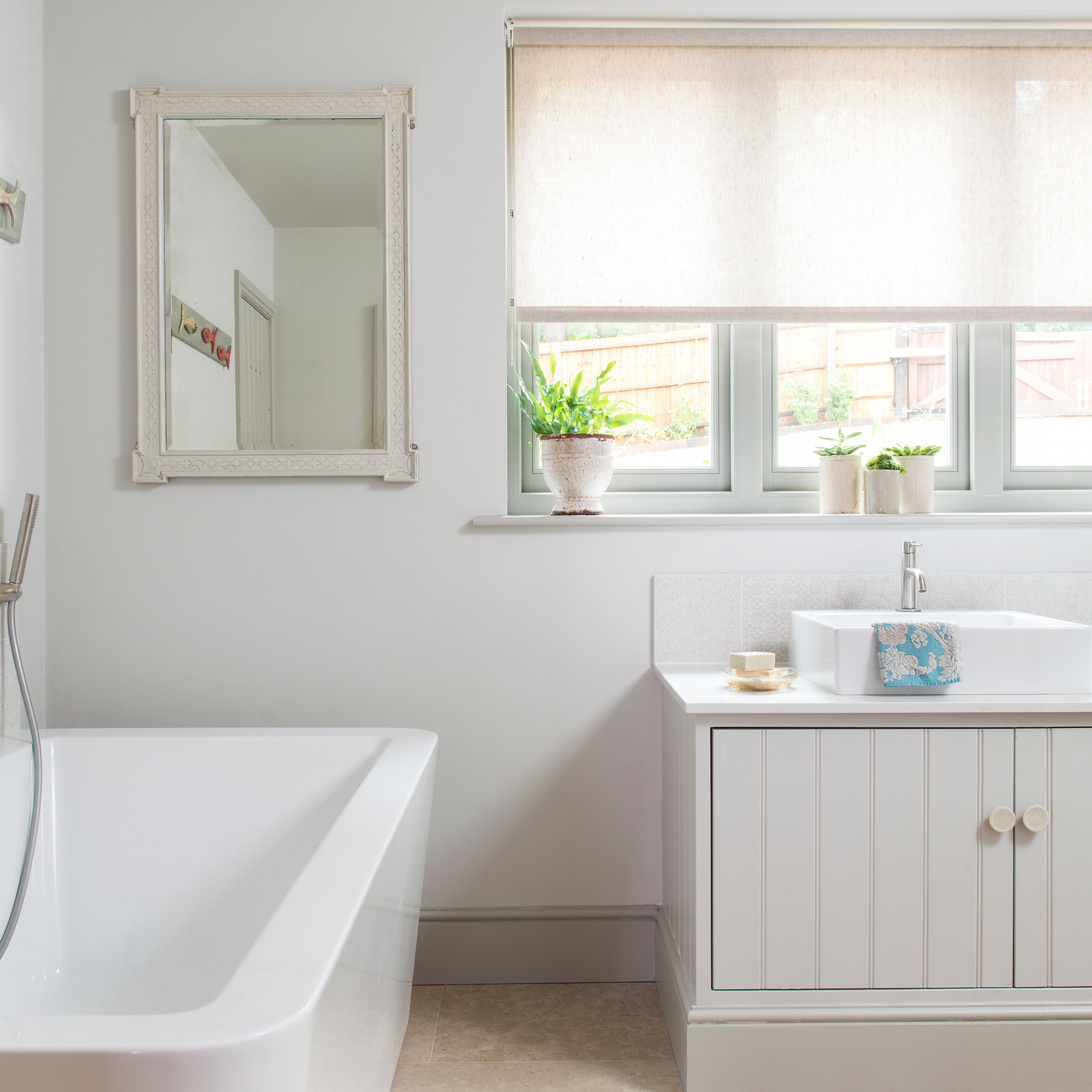
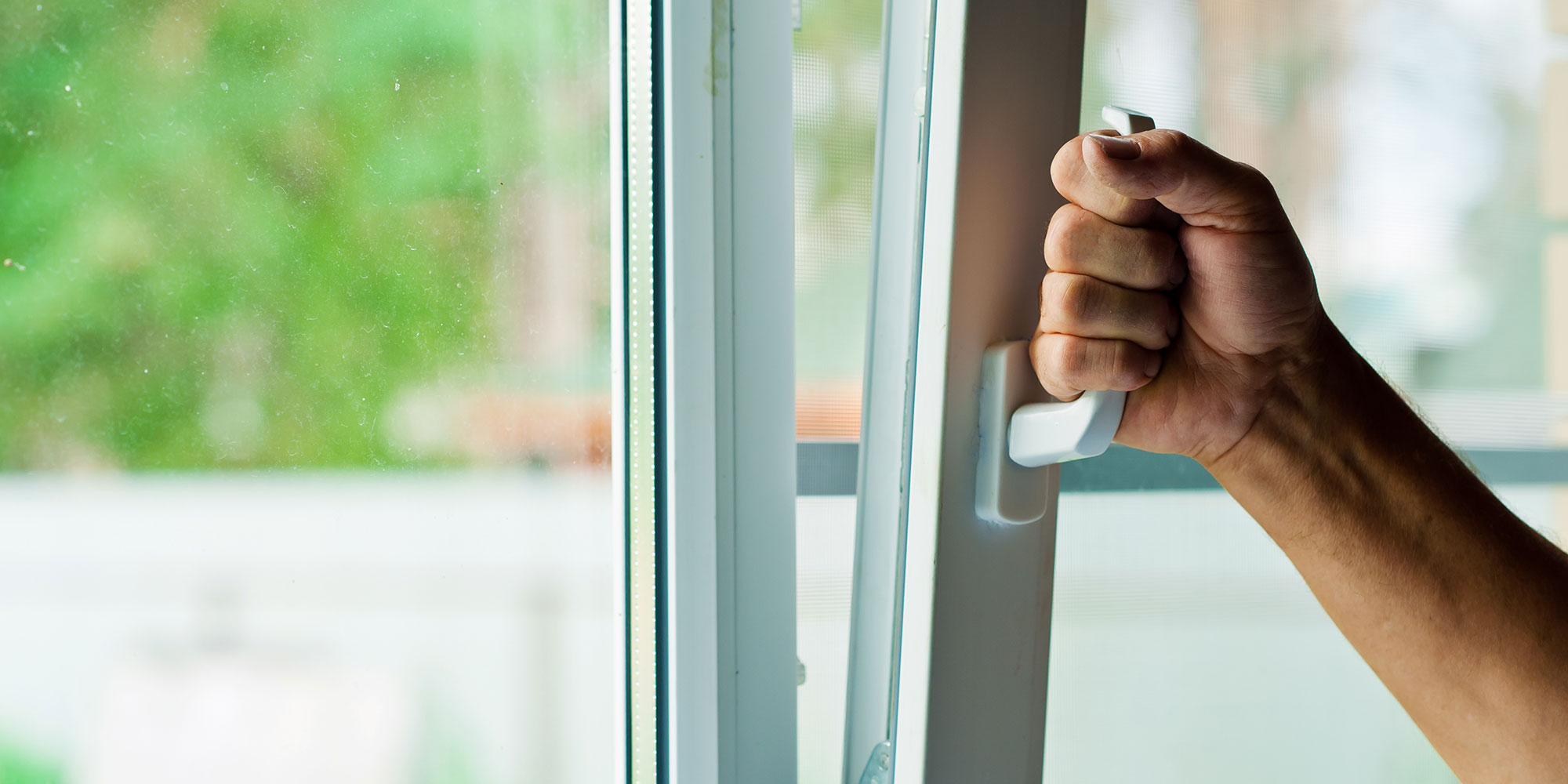
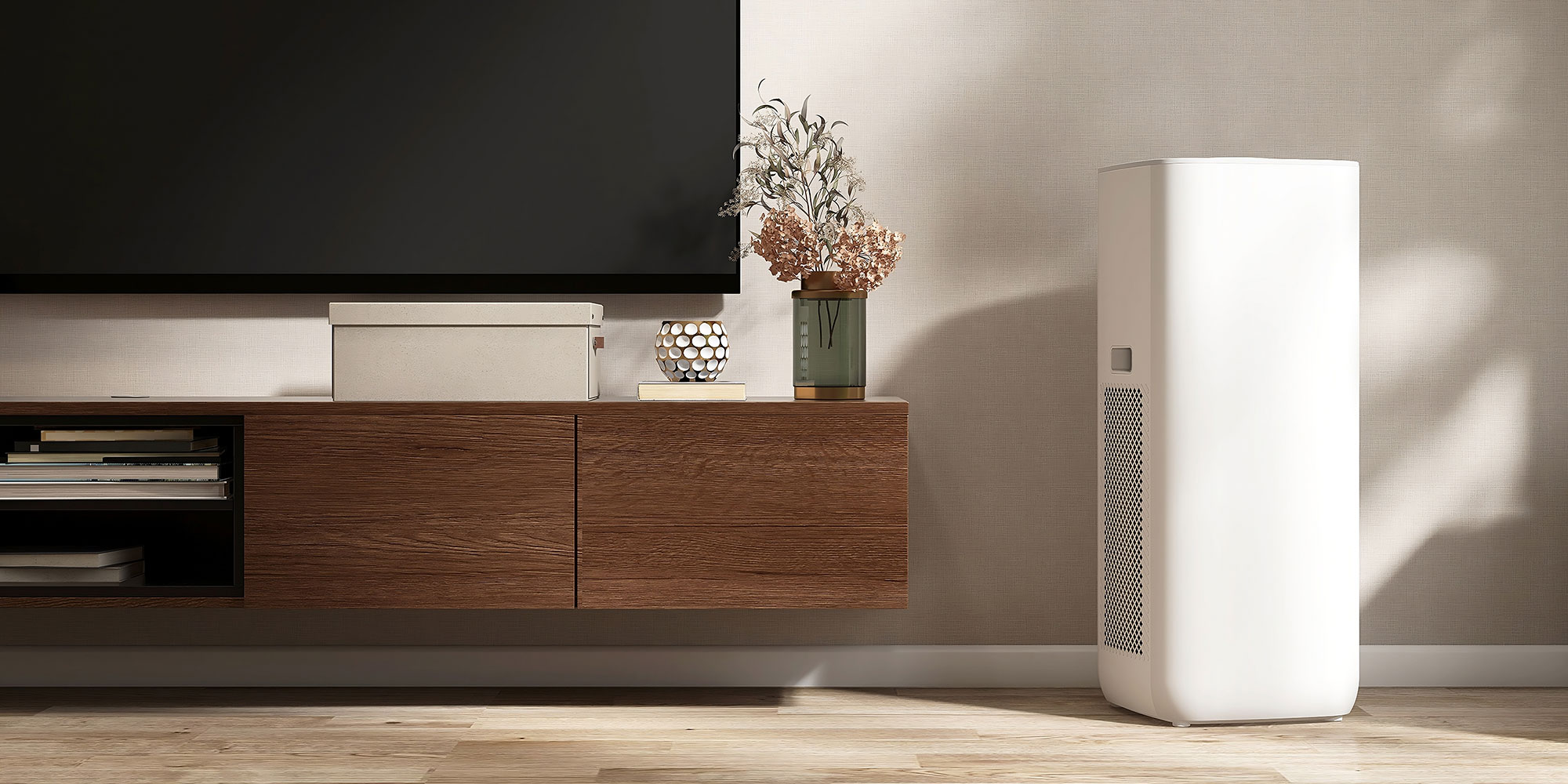
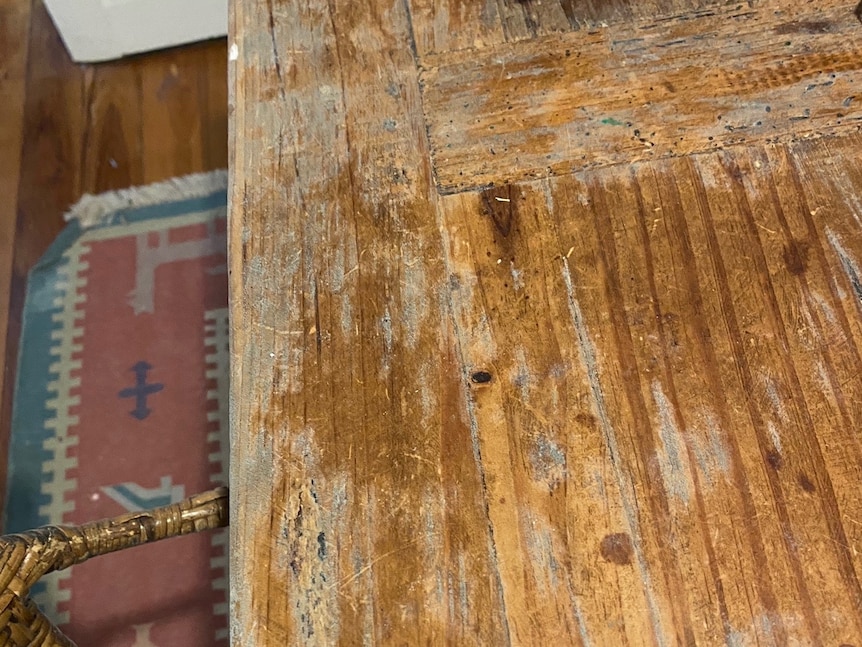
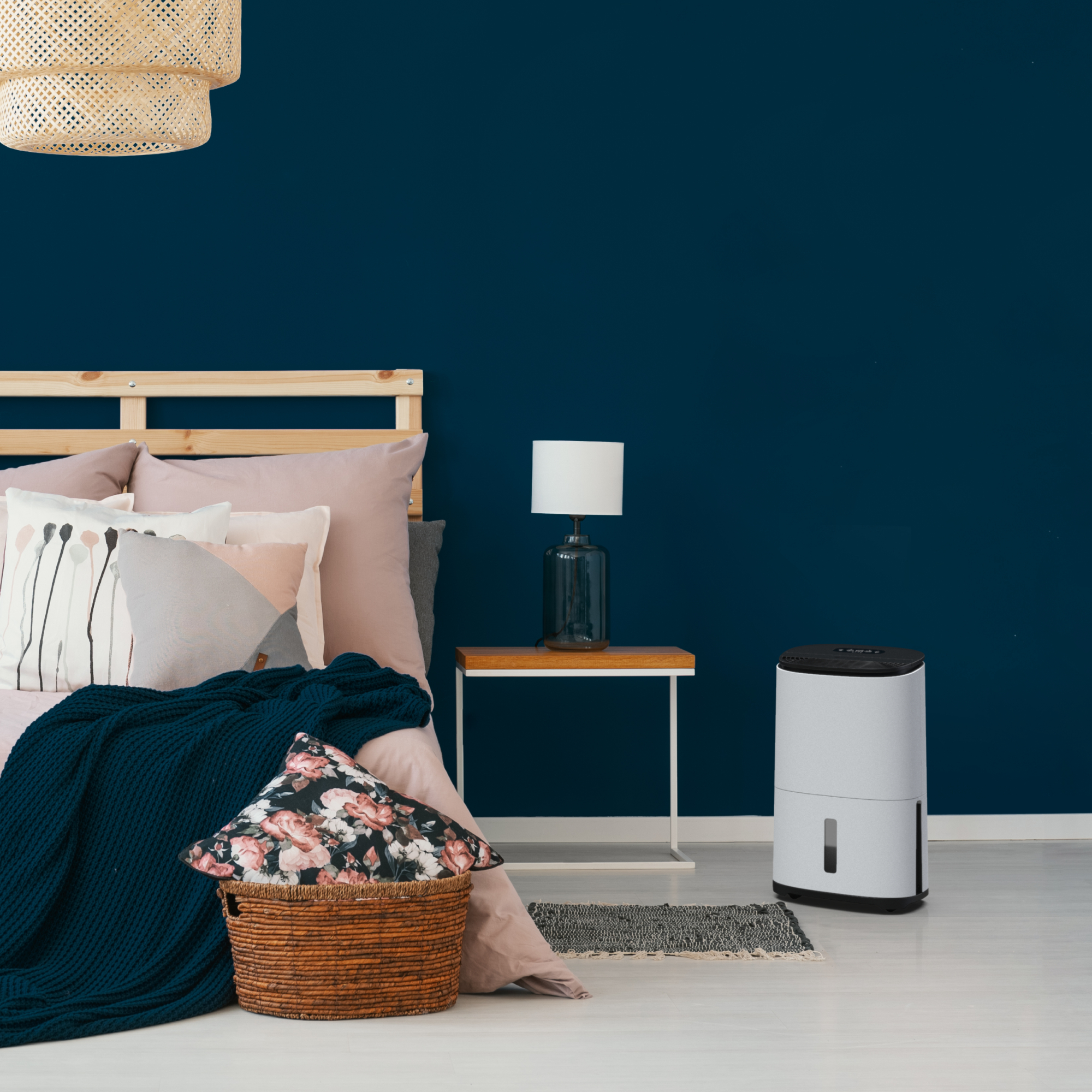
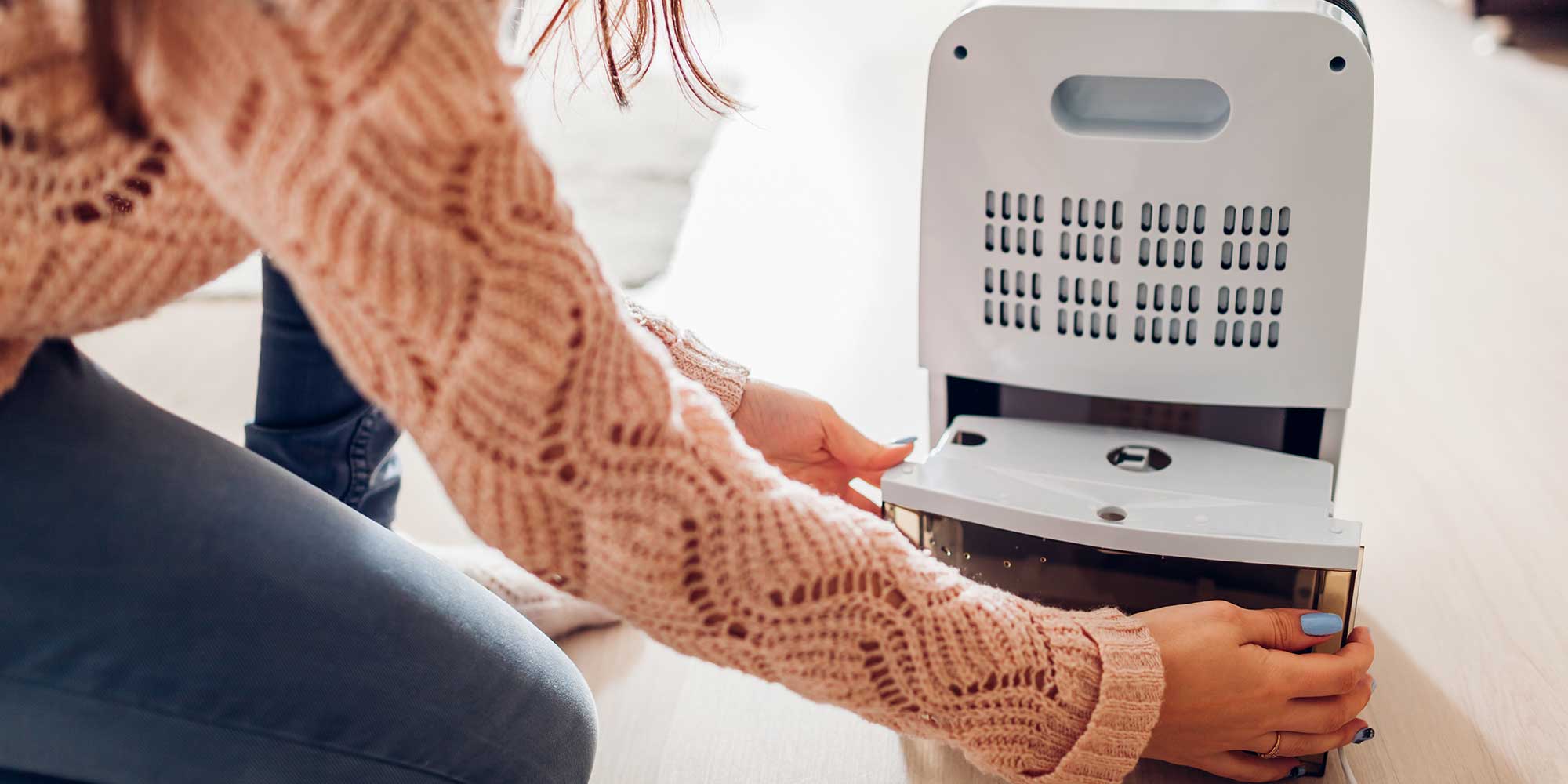
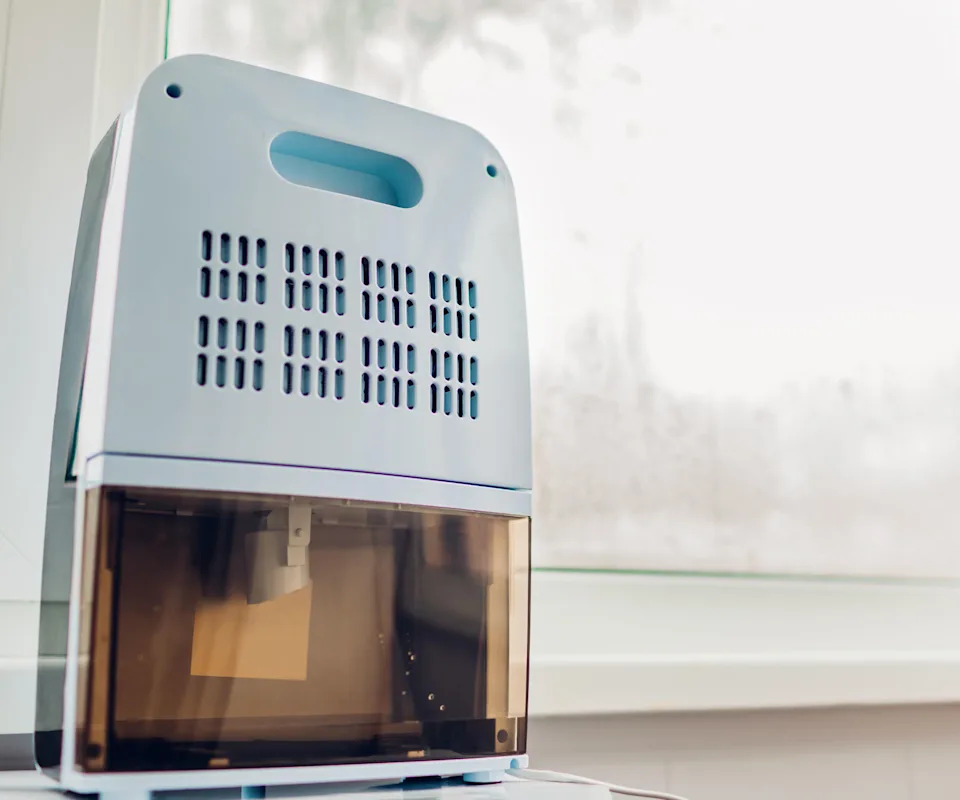
For wood surfaces like cabinets, paneling, or furniture, loose spores should be vacuumed using a soft brush attachment. Small areas can be cleaned with a well-wrung cloth dipped in a mixture of a few squirts of dishwasher detergent and a gallon of water, then rinsed with a clean, damp cloth, and immediately dried with a fan to prevent warping. A furniture polish can be applied to restore shine and protect the finish. After vacuuming mildew spores, the vacuum filter and bag should be discarded to prevent spore recirculation. The article also clarifies that mildew is a type of mold, generally less dangerous and easier to remove than other forms, appearing flatter and lighter in color, whereas mold is typically darker and fuzzy. Preventing mildew involves using dehumidifiers in damp areas, opening bathroom doors during and after showers, drying shower surfaces, sealing grout lines annually, avoiding storage of damp items in basements or attics, and promptly fixing leaks.
#MildewRemoval #HomeCleaning #HouseholdFungus #UpholsteryCare #WallCleaning #LaundryTips #BathroomMaintenance #CarpetCleaning #WoodCare #MoldPrevention #MildewRemoval #HomeCleaning #HouseholdFungus #UpholsteryCare #WallCleaning #LaundryTips #BathroomMaintenance #CarpetCleaning #WoodCare #MoldPrevention
合計0件のコメント
 まだコメントはありません
あなたも好きかもしれません
The Best Way to Remove Mildew, According to Experts
Expert-tested mould removal tips that actually work

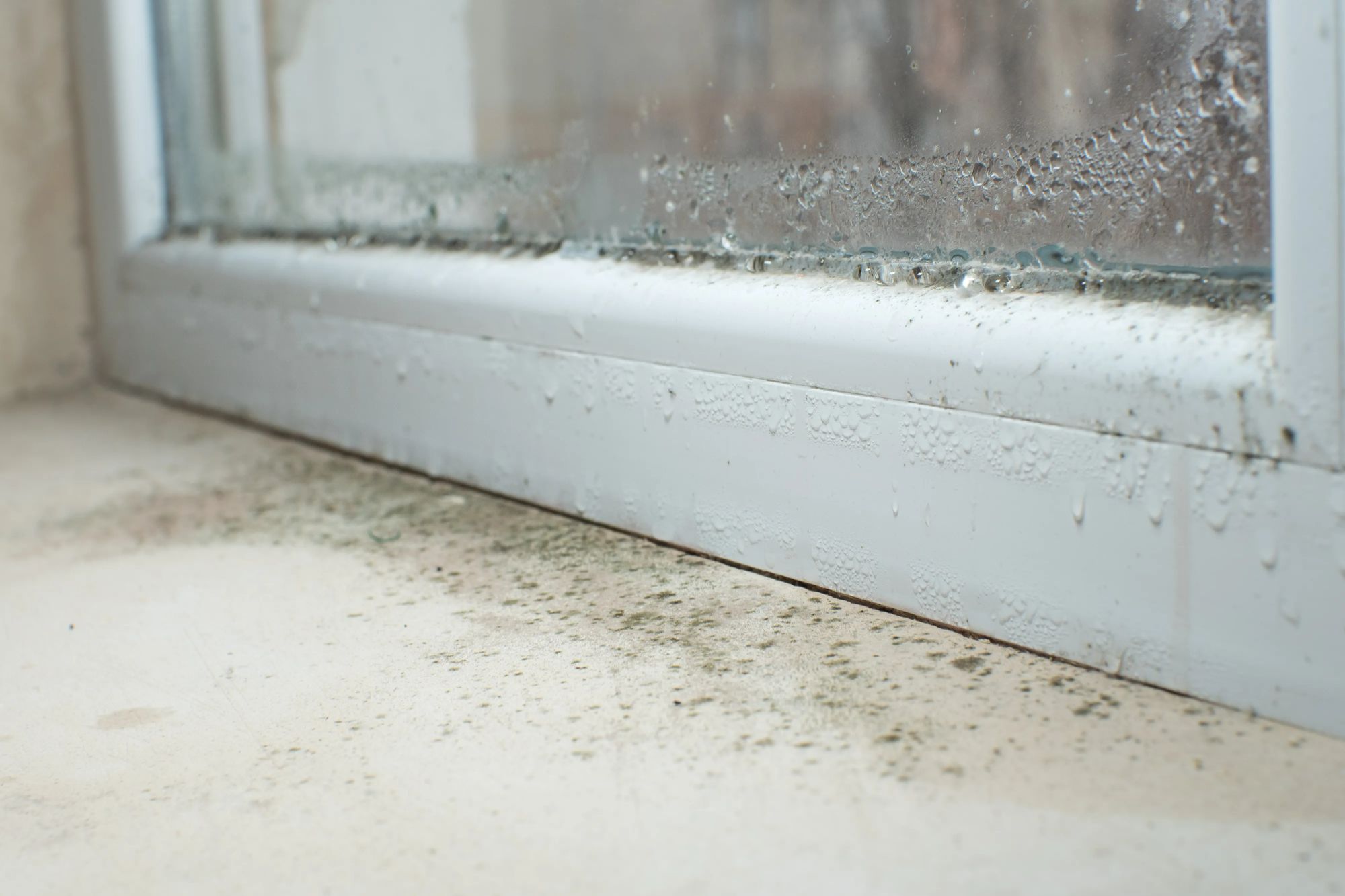
The free condensation-busting item which comes in the post - but you're binning
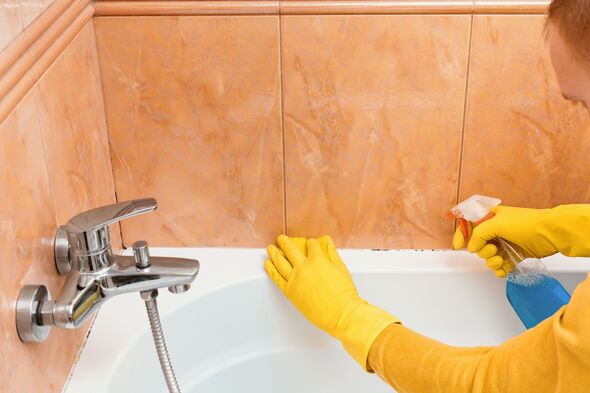
Bleach is the ‘worst’ for silicone sealant mould - cleaner’s ‘magic’ item works way better
Mold and Mildew Cleaning and Repair

How to Get Rid of the Musty Smell in Your Basement
I’m a builder – a cheap £2 trick will reduce the risk of mould and keep your bathroom tiles white

Stop Bedroom Damp with This 84-Cent Natural Home Fix

How to get rid of mould on walls – 7 home treatments tried and tested by the experts
How to store bedding properly to prevent mould and mildew - avoid ‘worst’ room in the home
We Asked a Cleaning Pro How to Finally Get Rid of Mold in the Shower—And We're Trying This ASAP


How to get rid of damp
These 5 Best Mold Removing Products Will Help You Get Rid of Mold ASAP

Winter Deep-Clean: 5 Things Pros Never Forget in December
Here’s How Often You Should Clean Your Washer to Stop Mildew

How to get rid of musty basement smells – 6 ways to combat odors and their causes

How to get rid of mould
Lots of rain can mean mould, this is how to get rid of it. - ABC Emergency

How to stop damp in a bedroom - 10 foolproof ways to keep mould at bay

Gross habit we're all doing with our towels is causing mould, according to an expert