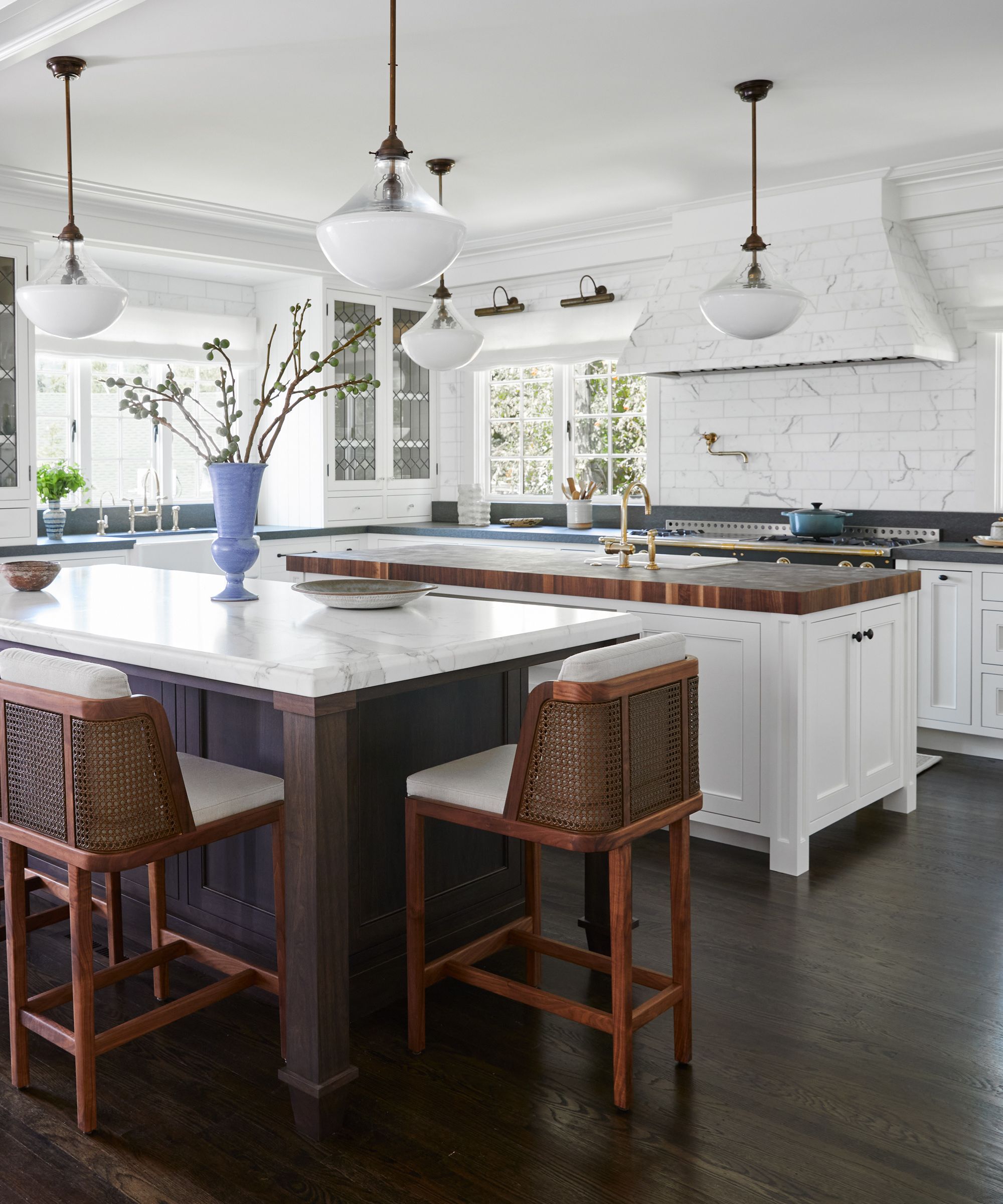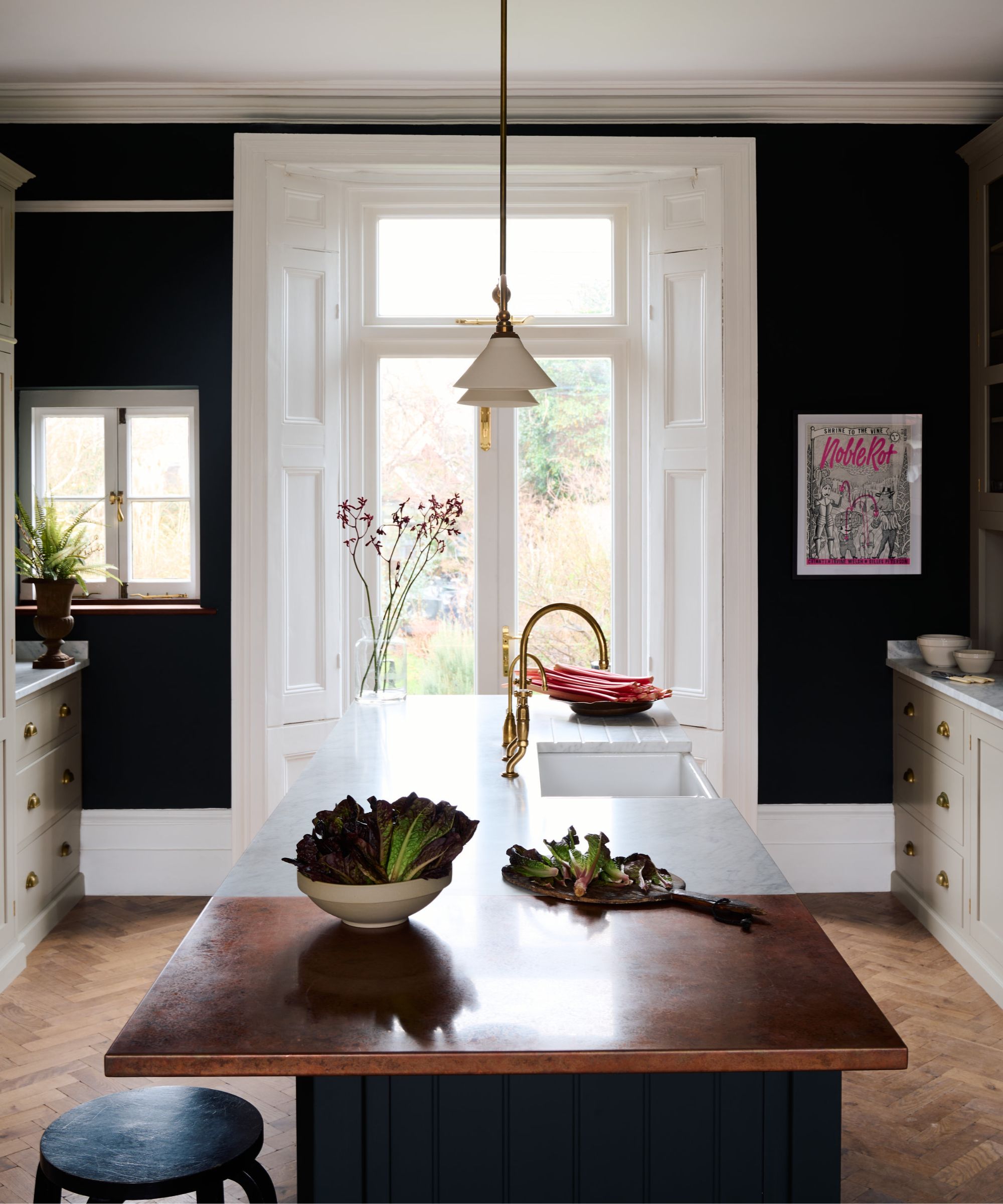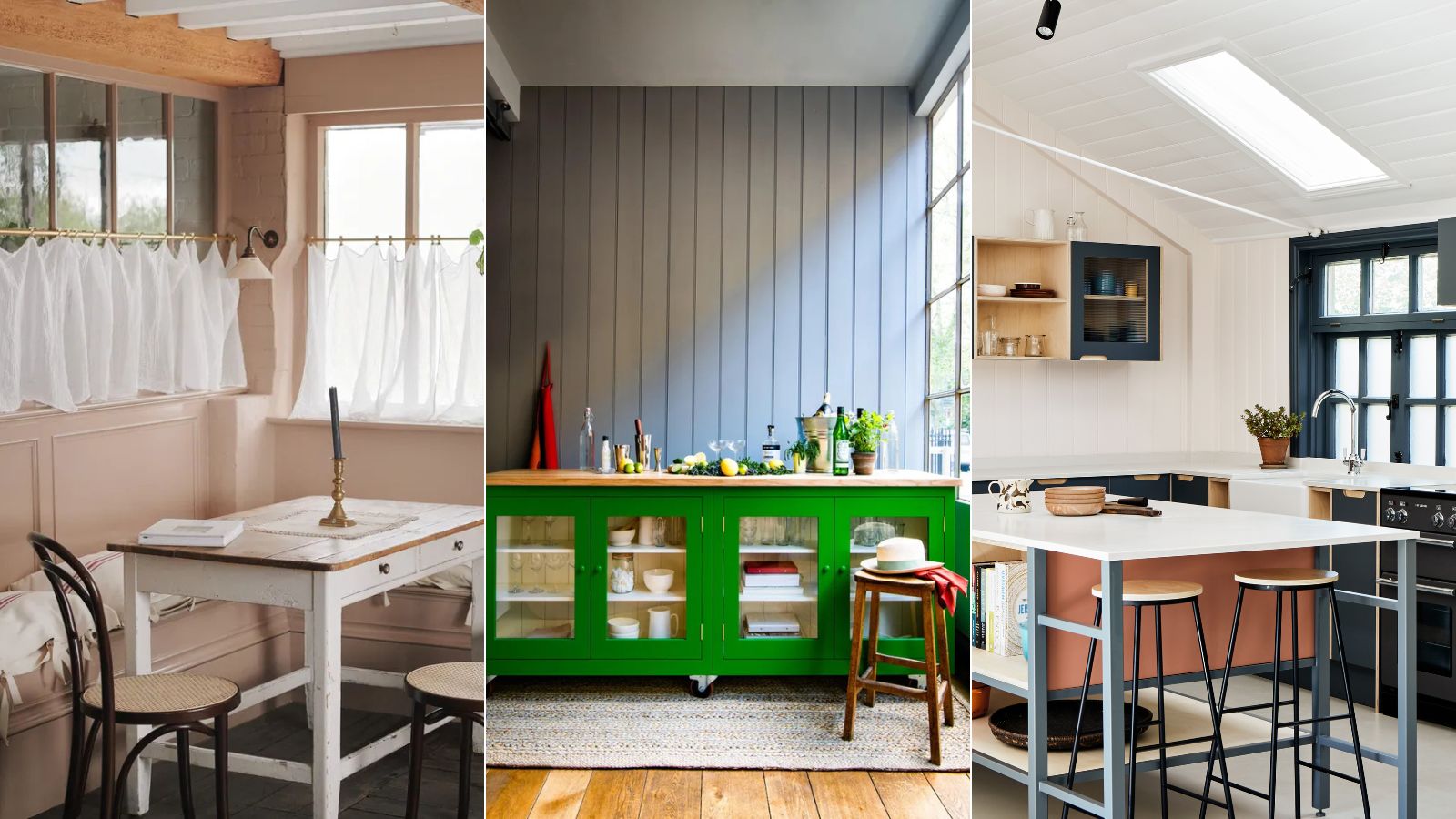
1/4
Can you put seating around a portable kitchen island? Design experts weigh in on navigating this tricky layout
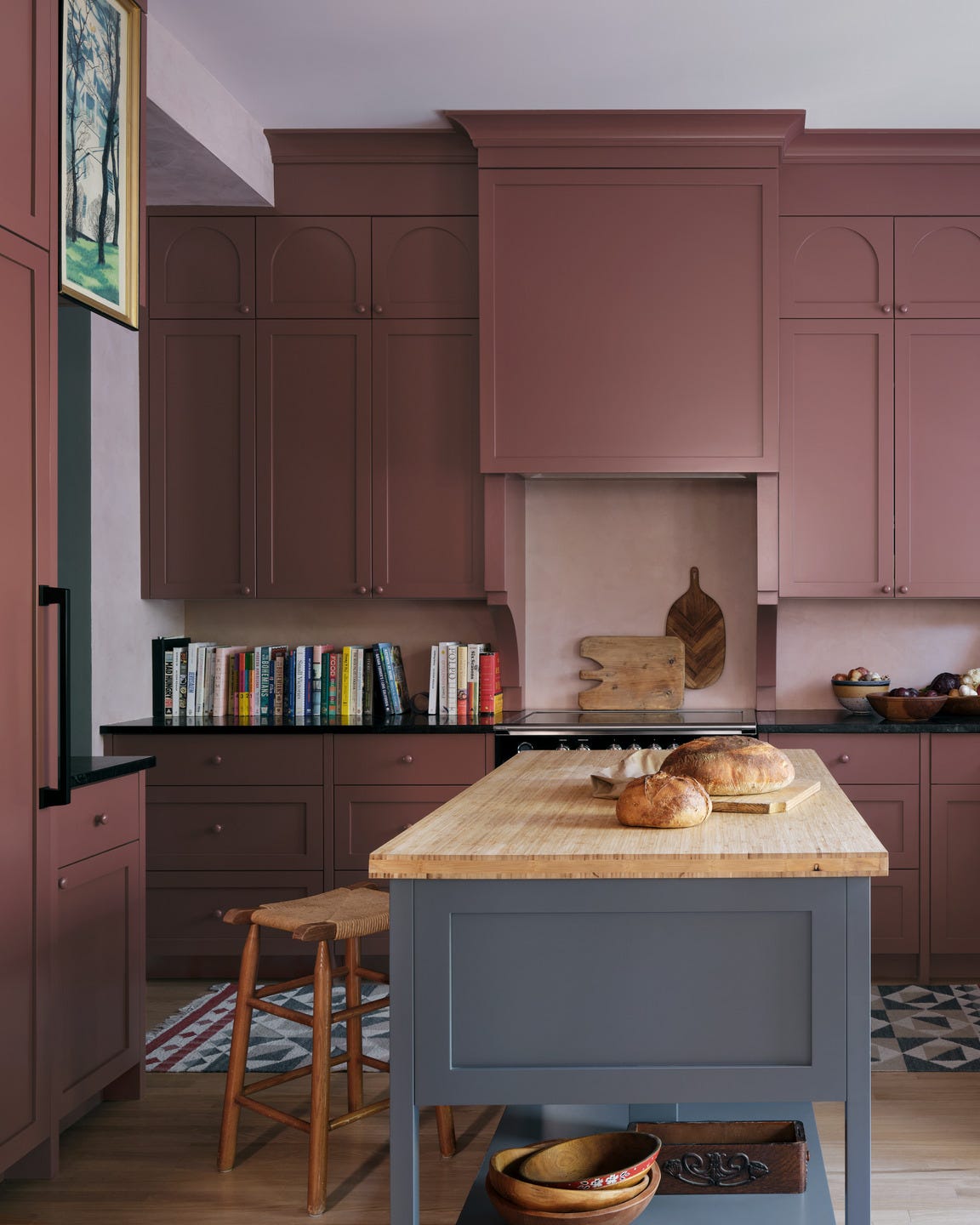
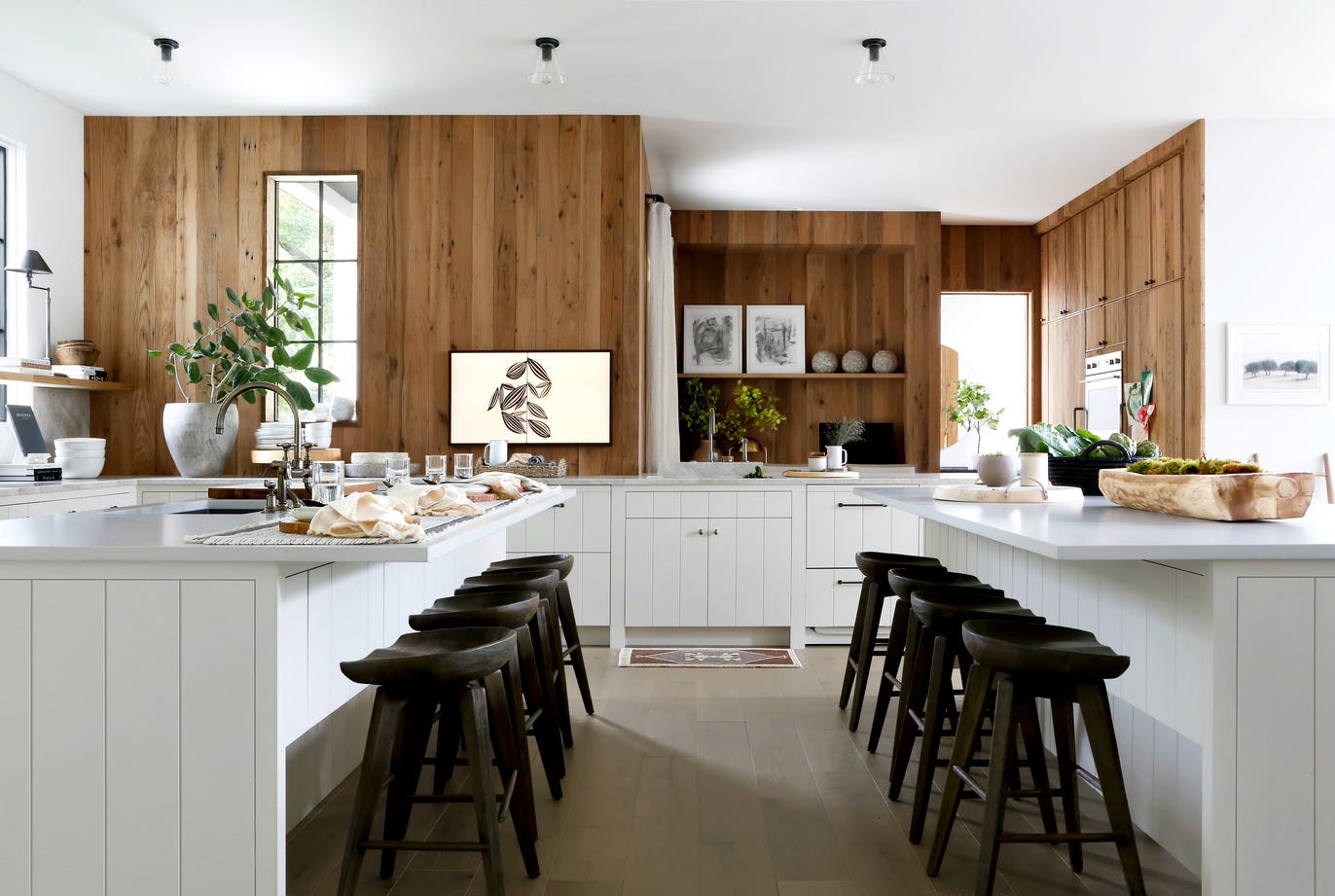
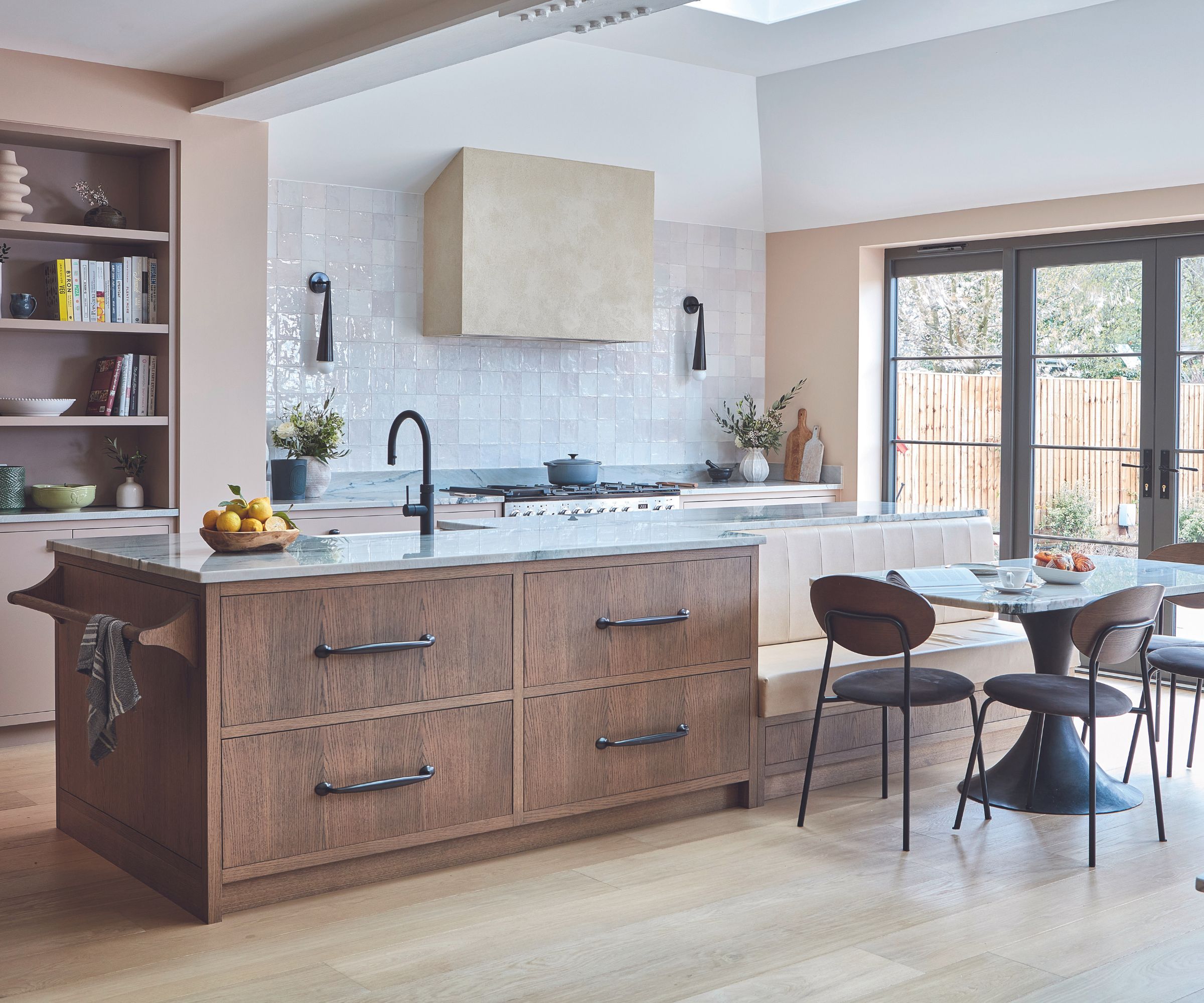
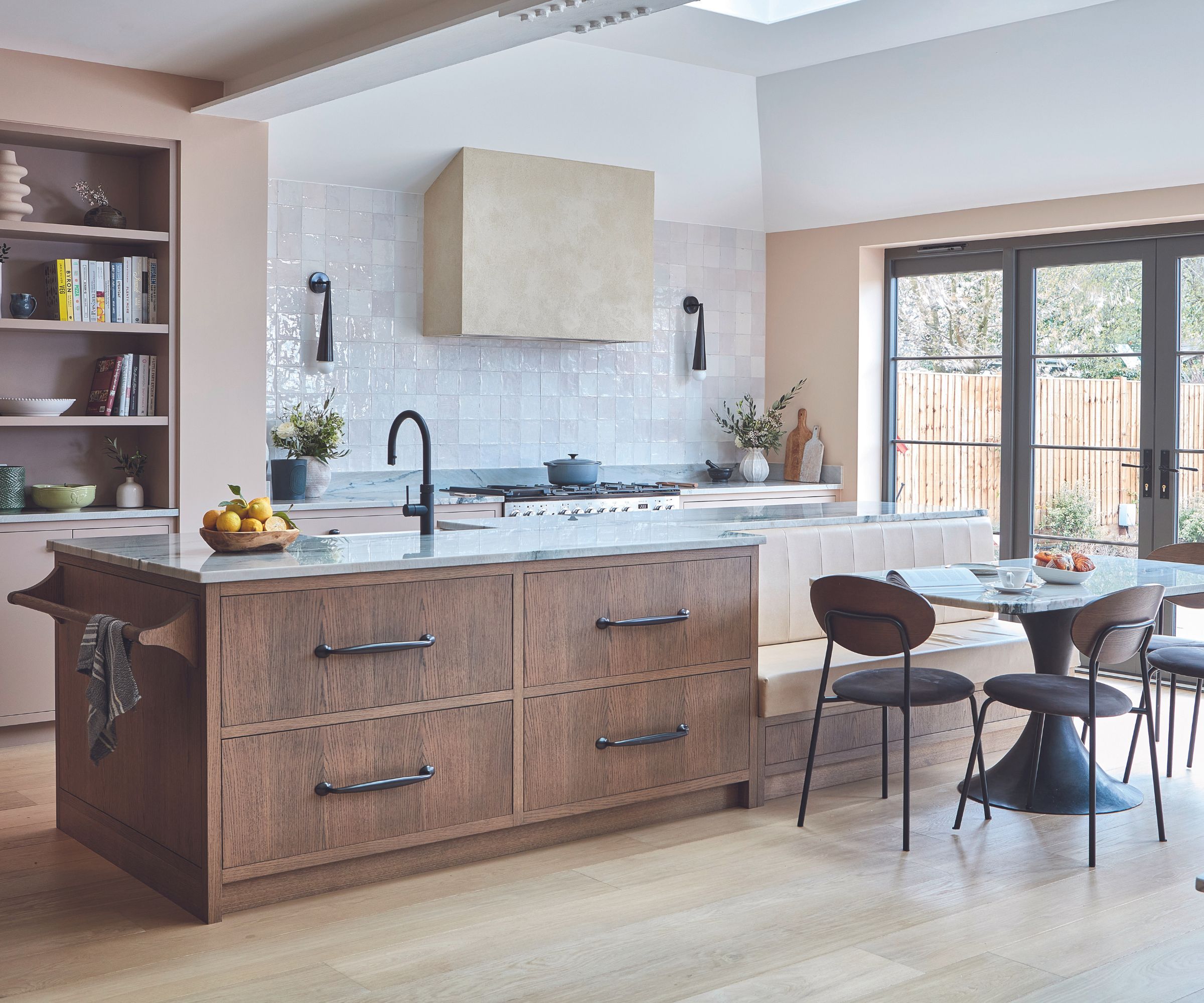
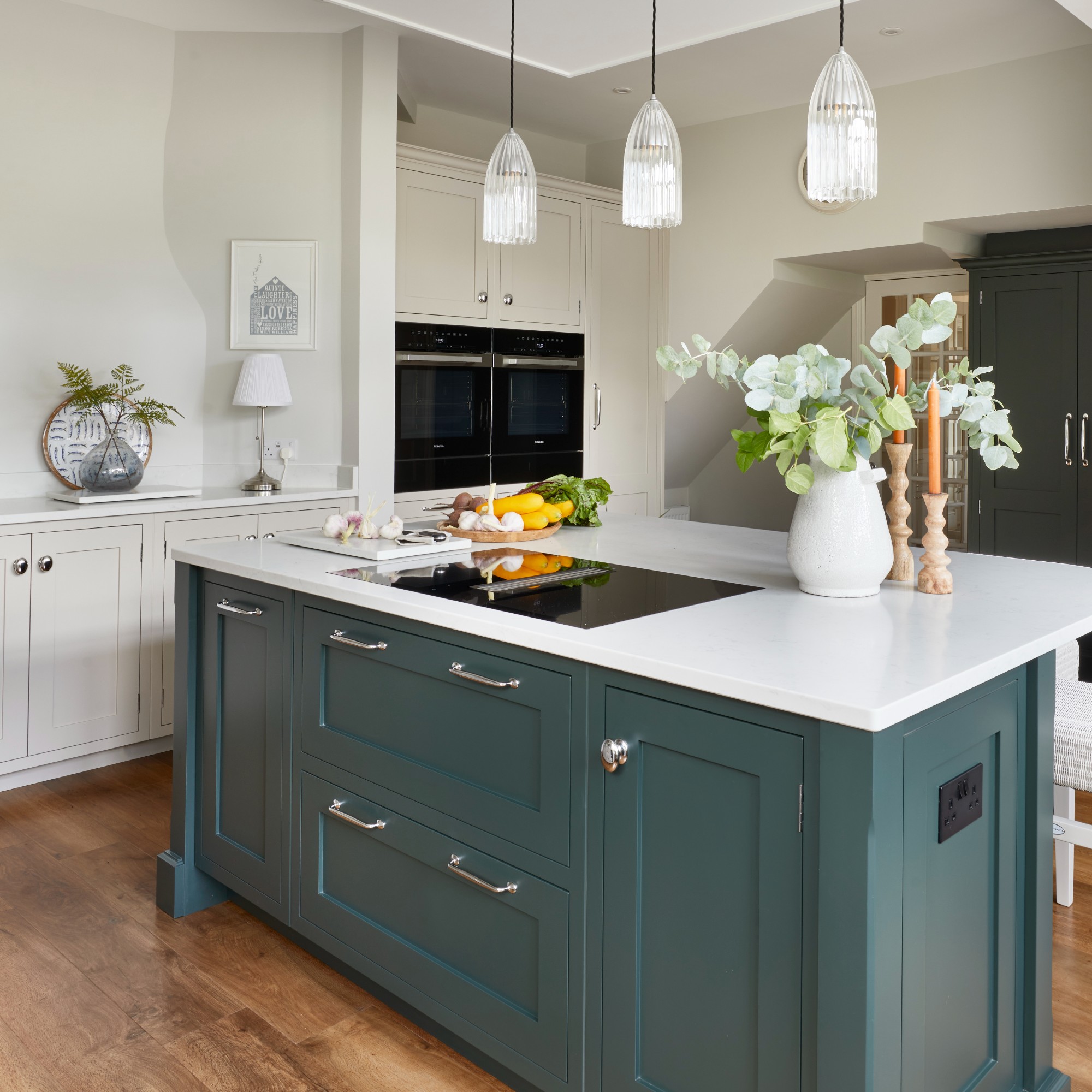
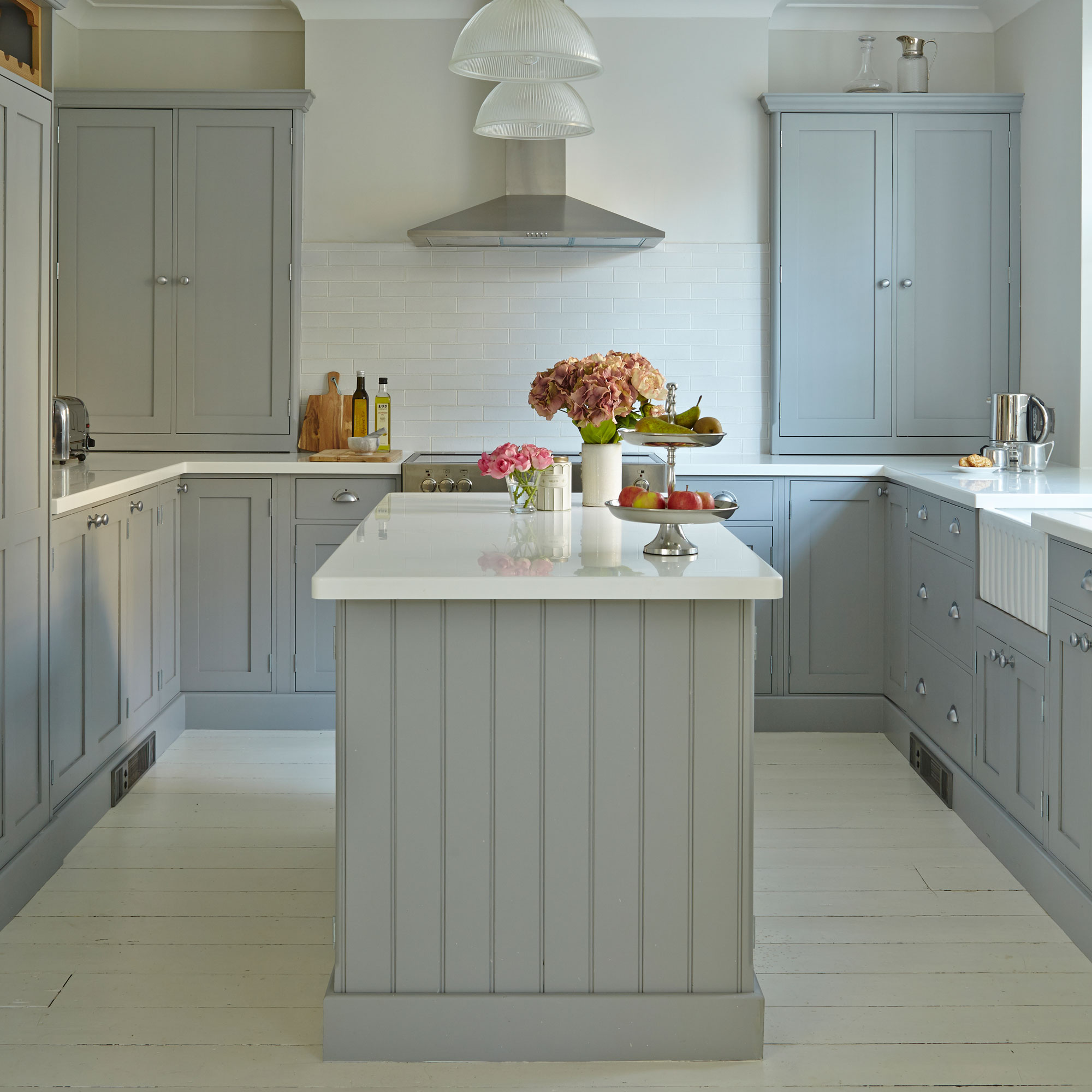
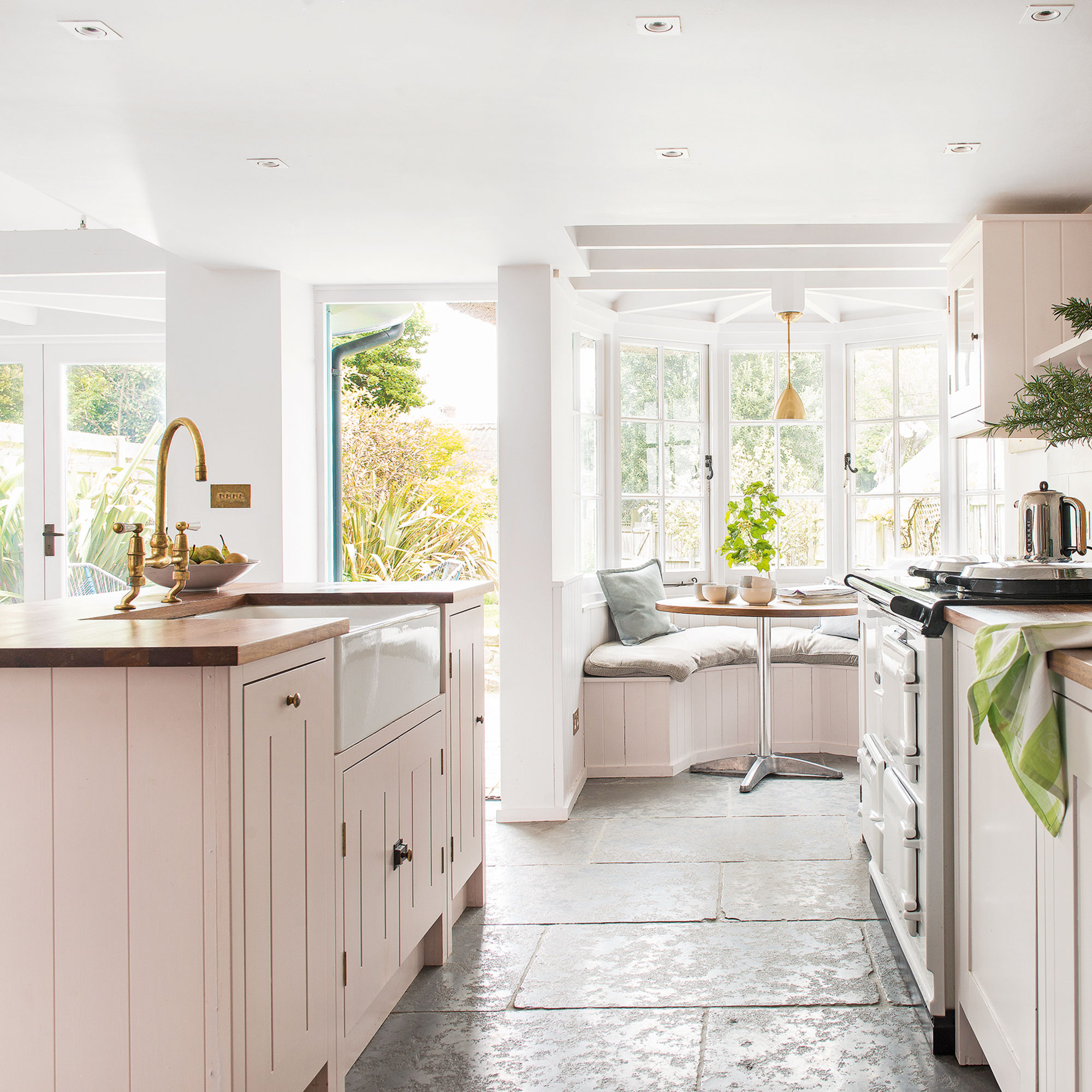
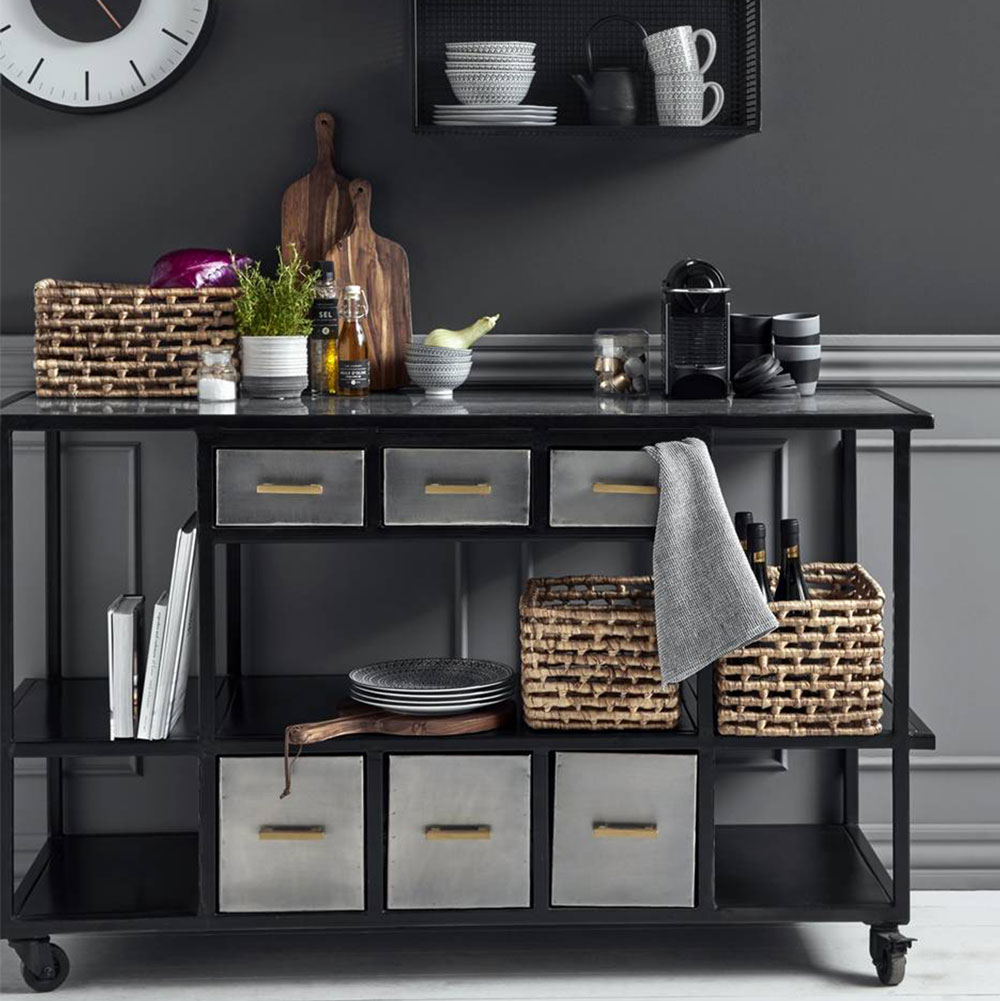
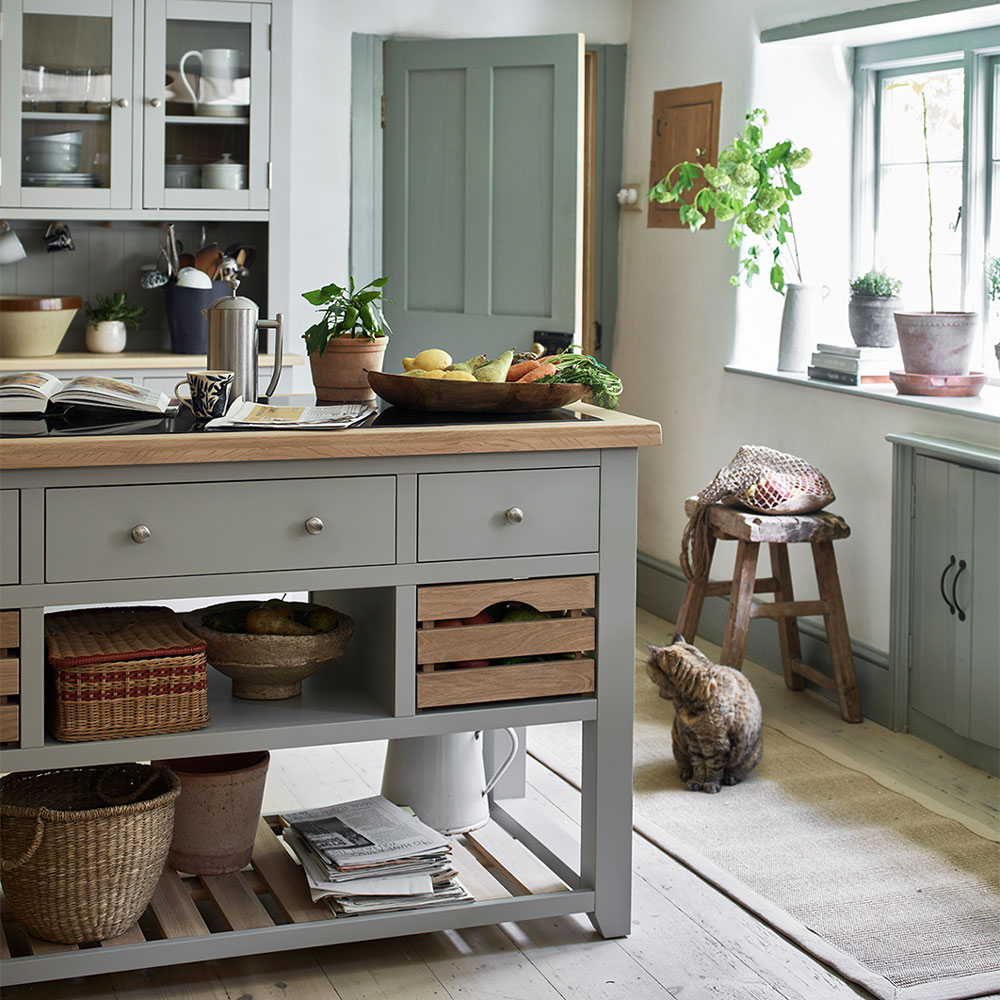
The article explores the feasibility and best practices for incorporating seating around portable kitchen islands, a growing trend in modern kitchen design, particularly in response to the rise of unfitted kitchens and the need for multi-functional spaces. Unlike traditional built-in islands, portable options offer flexibility, allowing homeowners to adapt their kitchen layout based on varying needs, such as creating an informal dining area or clearing space for other activities. However, the primary concern often revolves around effectively integrating seating without compromising the portable nature or functionality of the island.
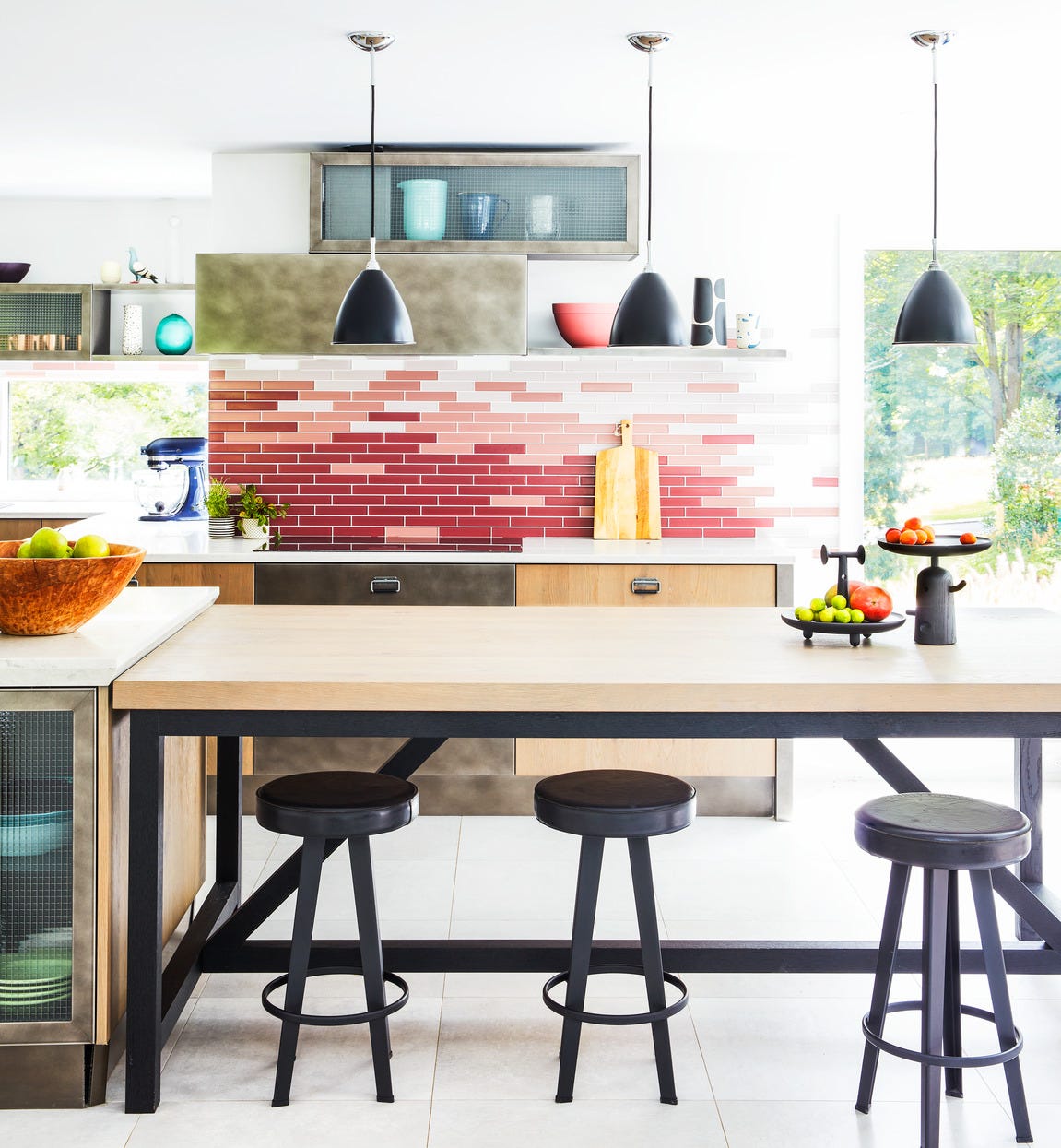
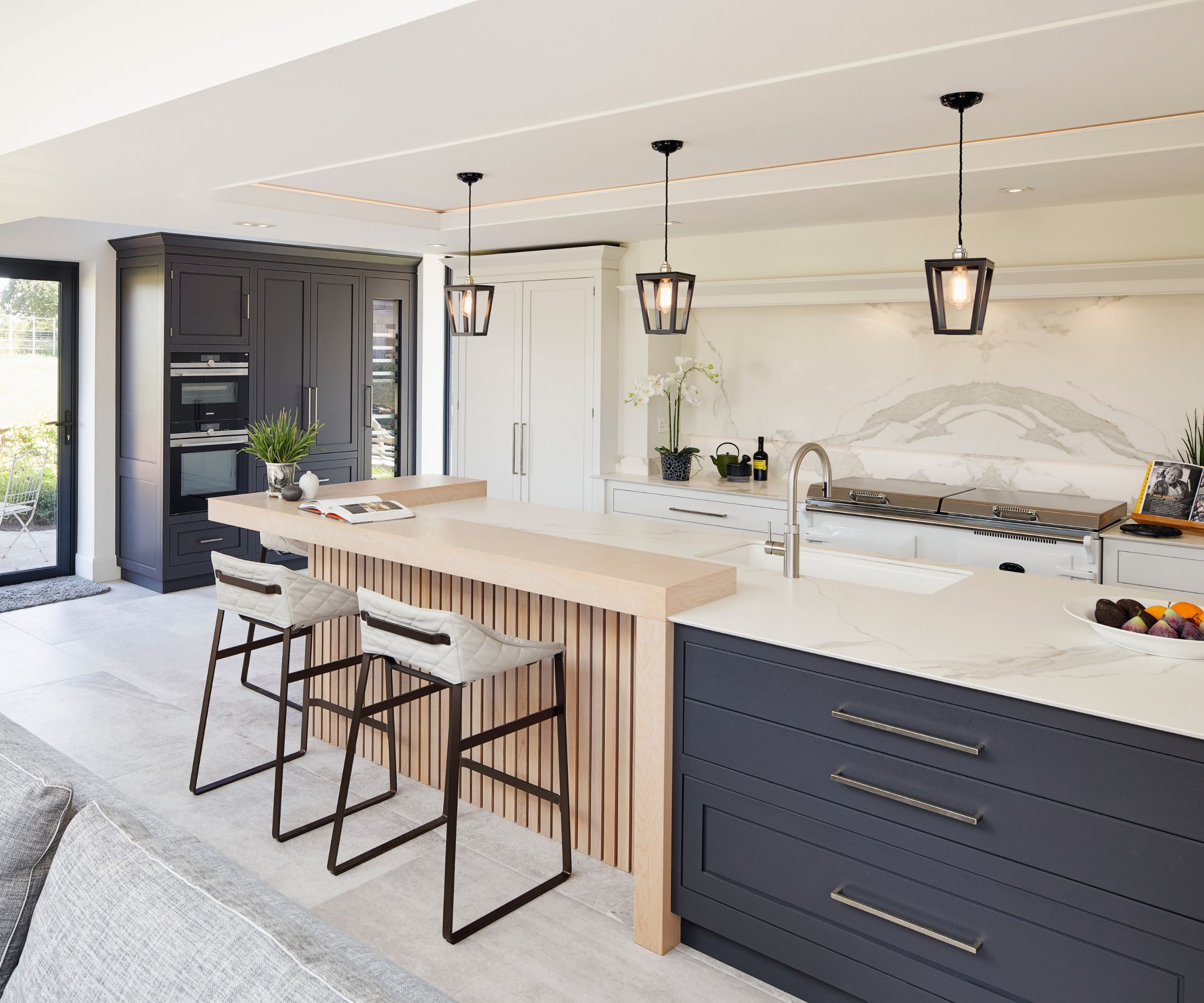
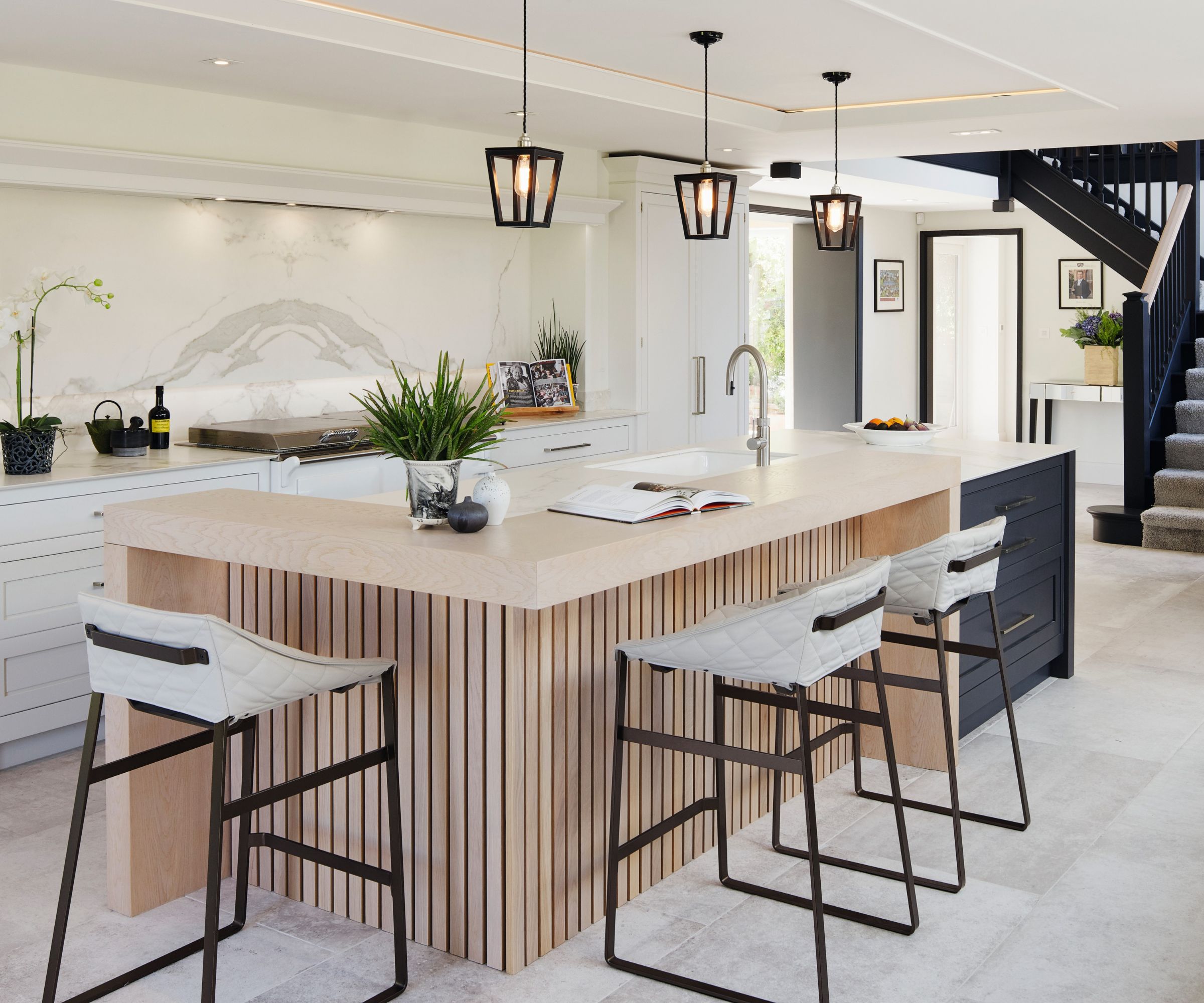


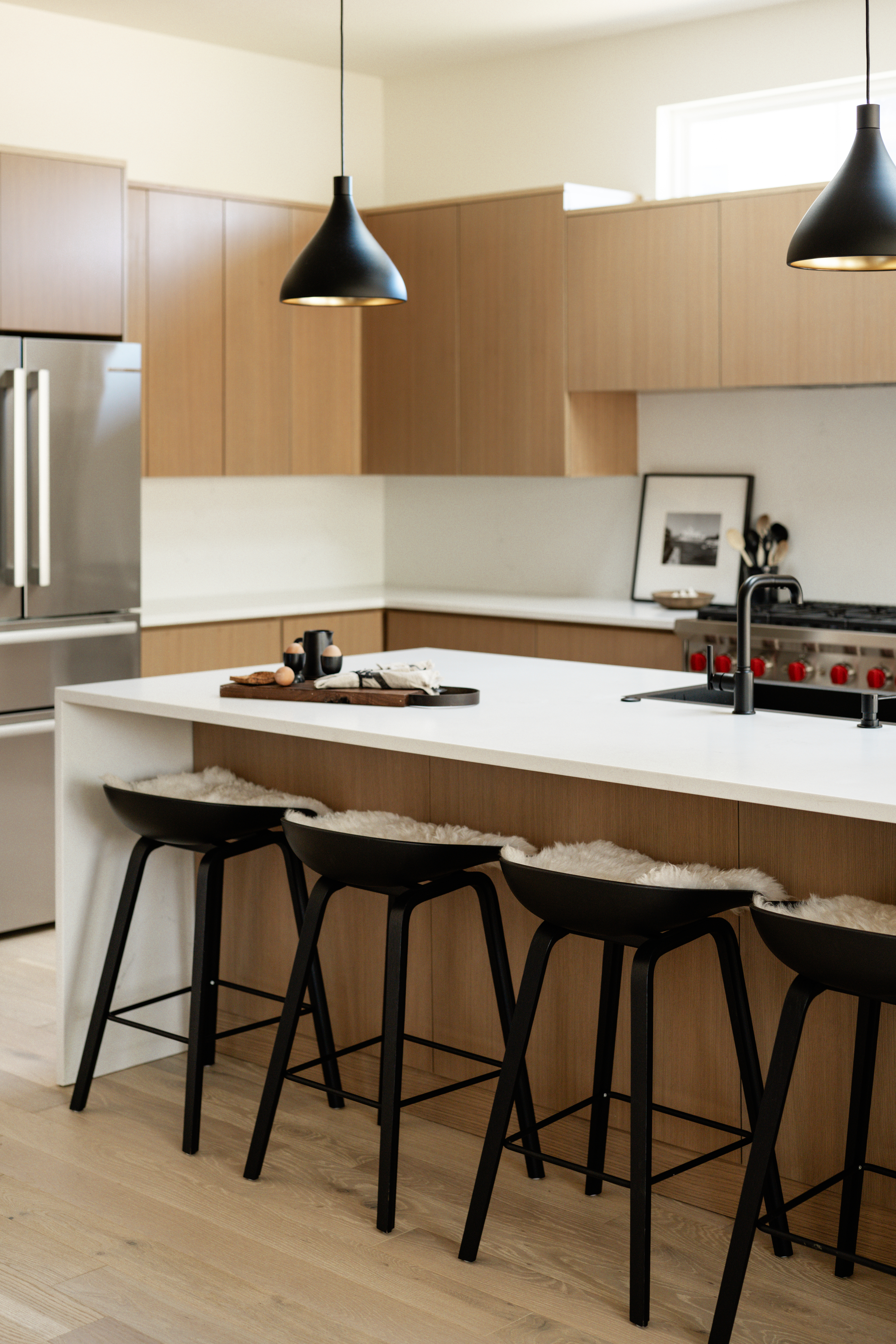
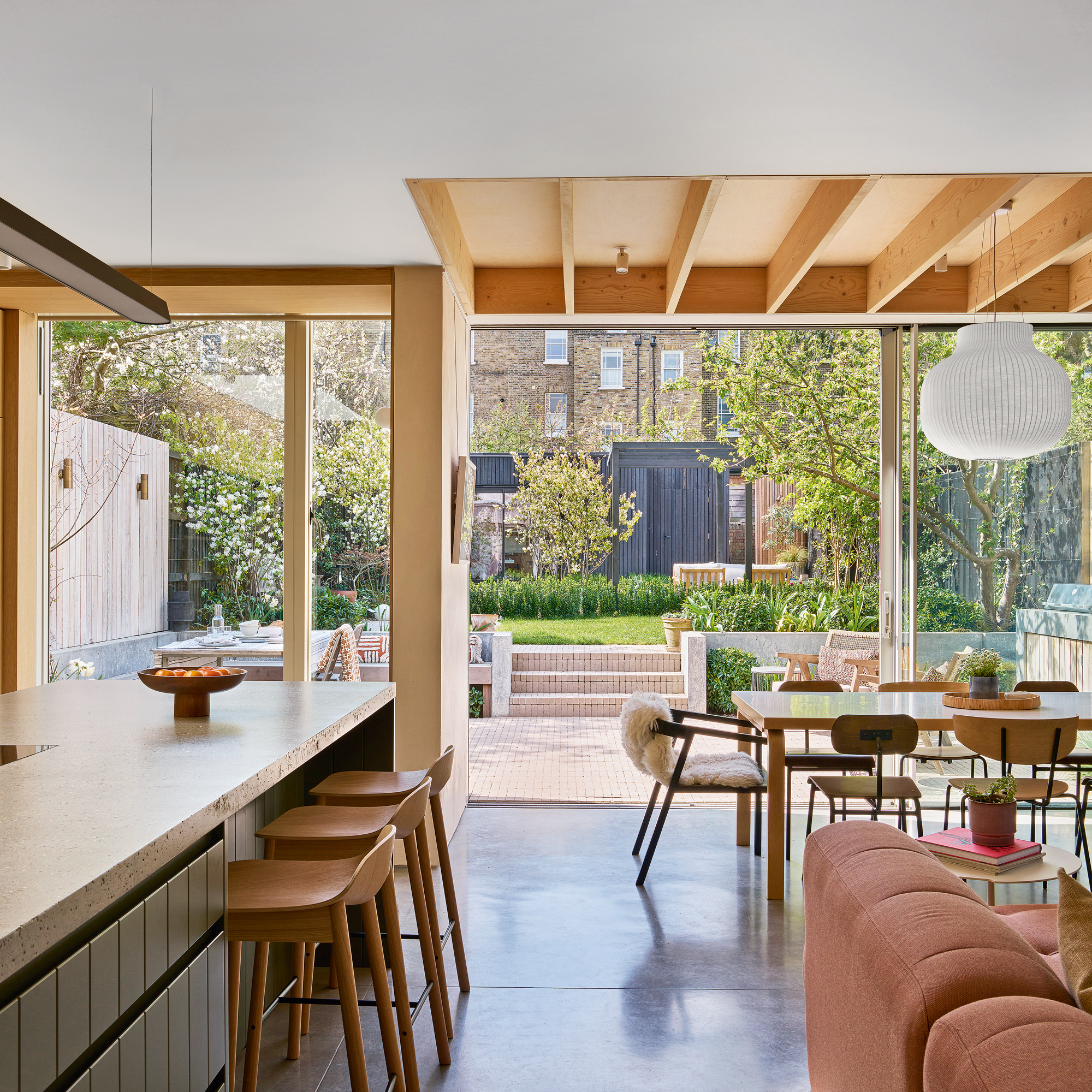
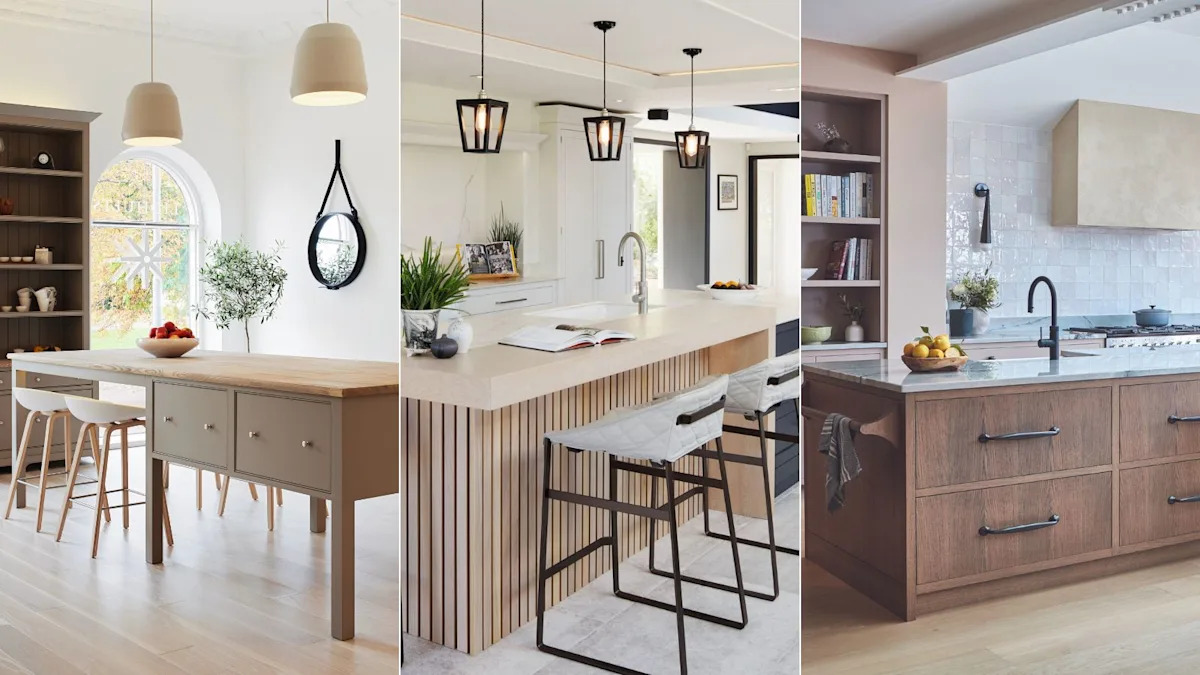
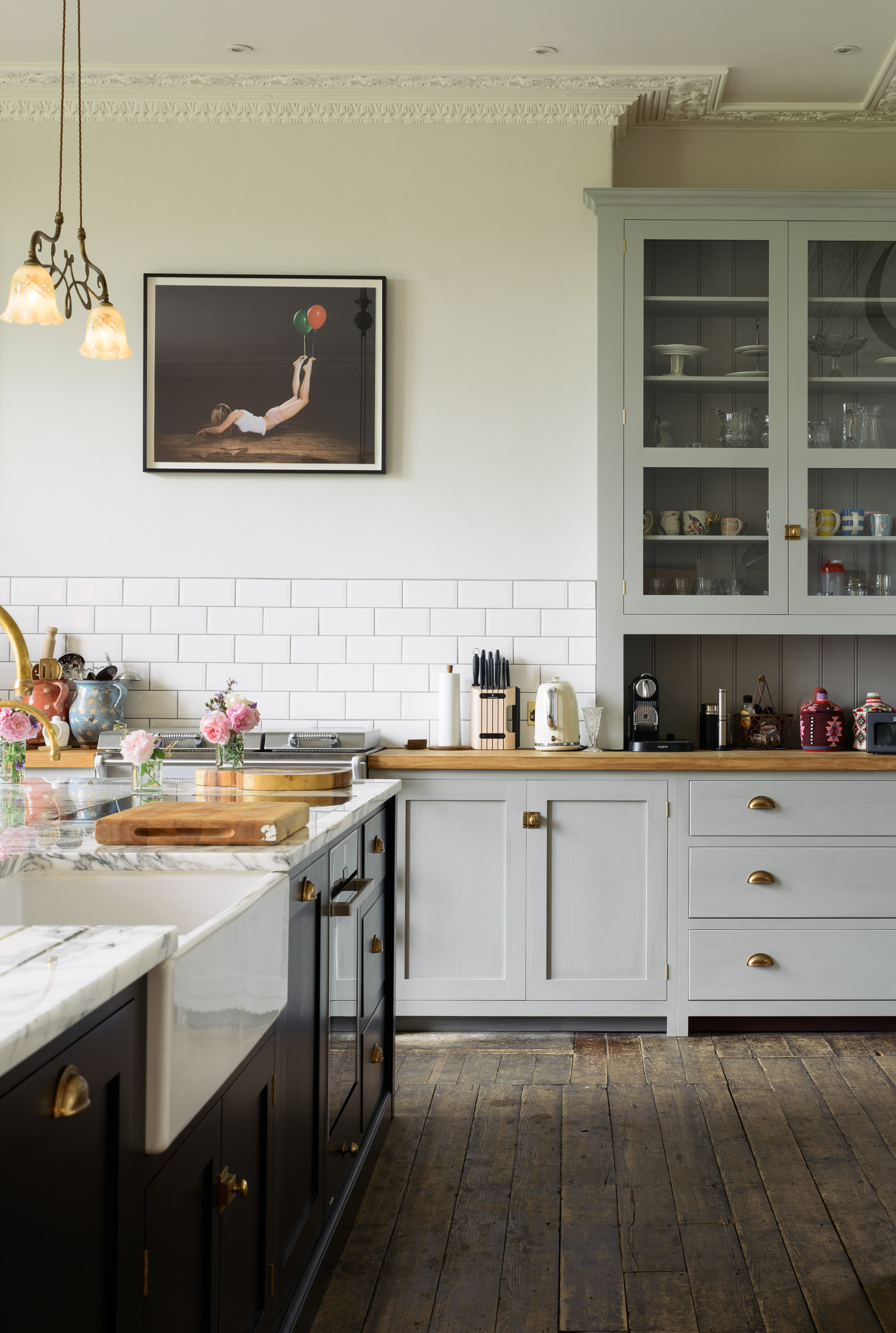
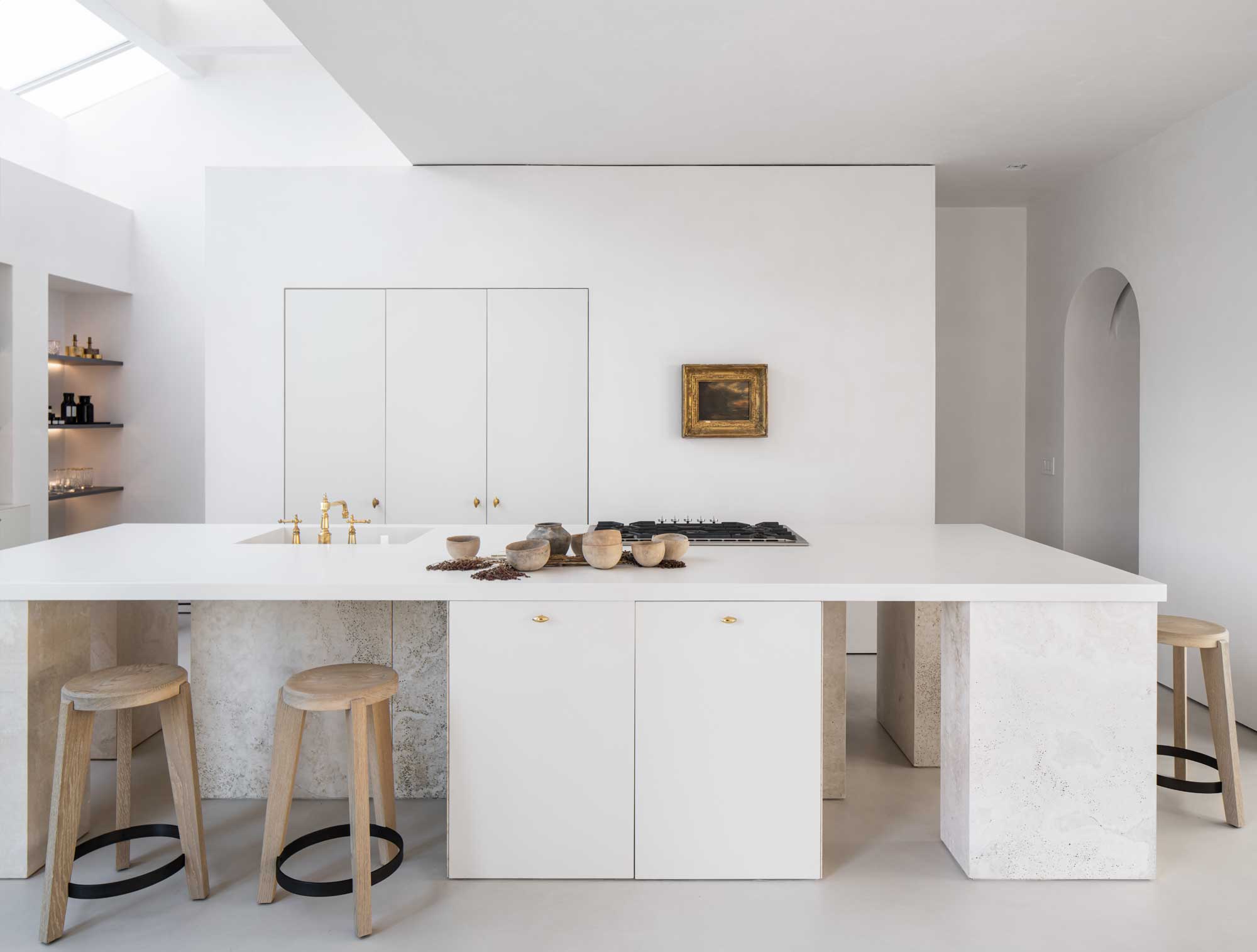
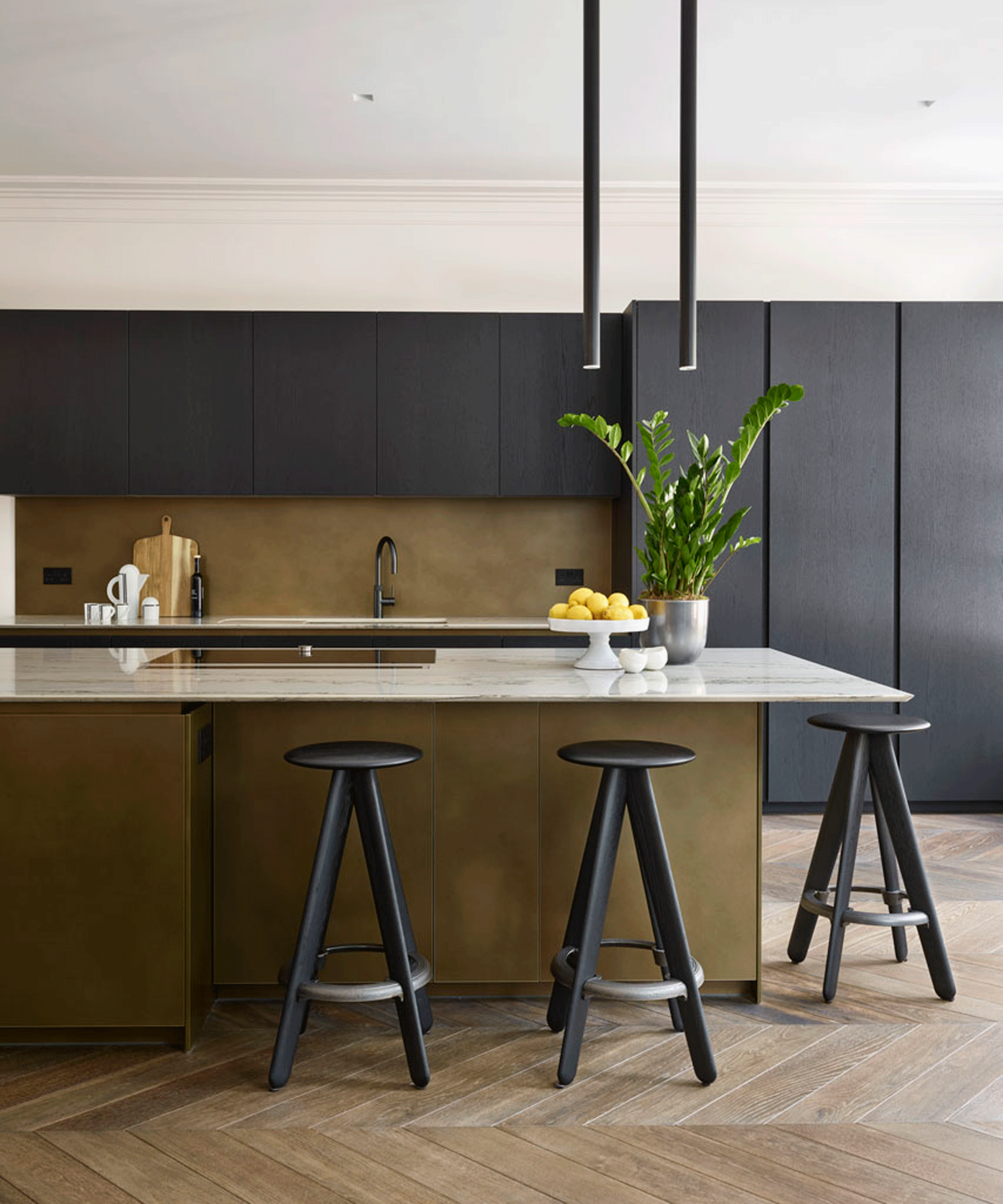
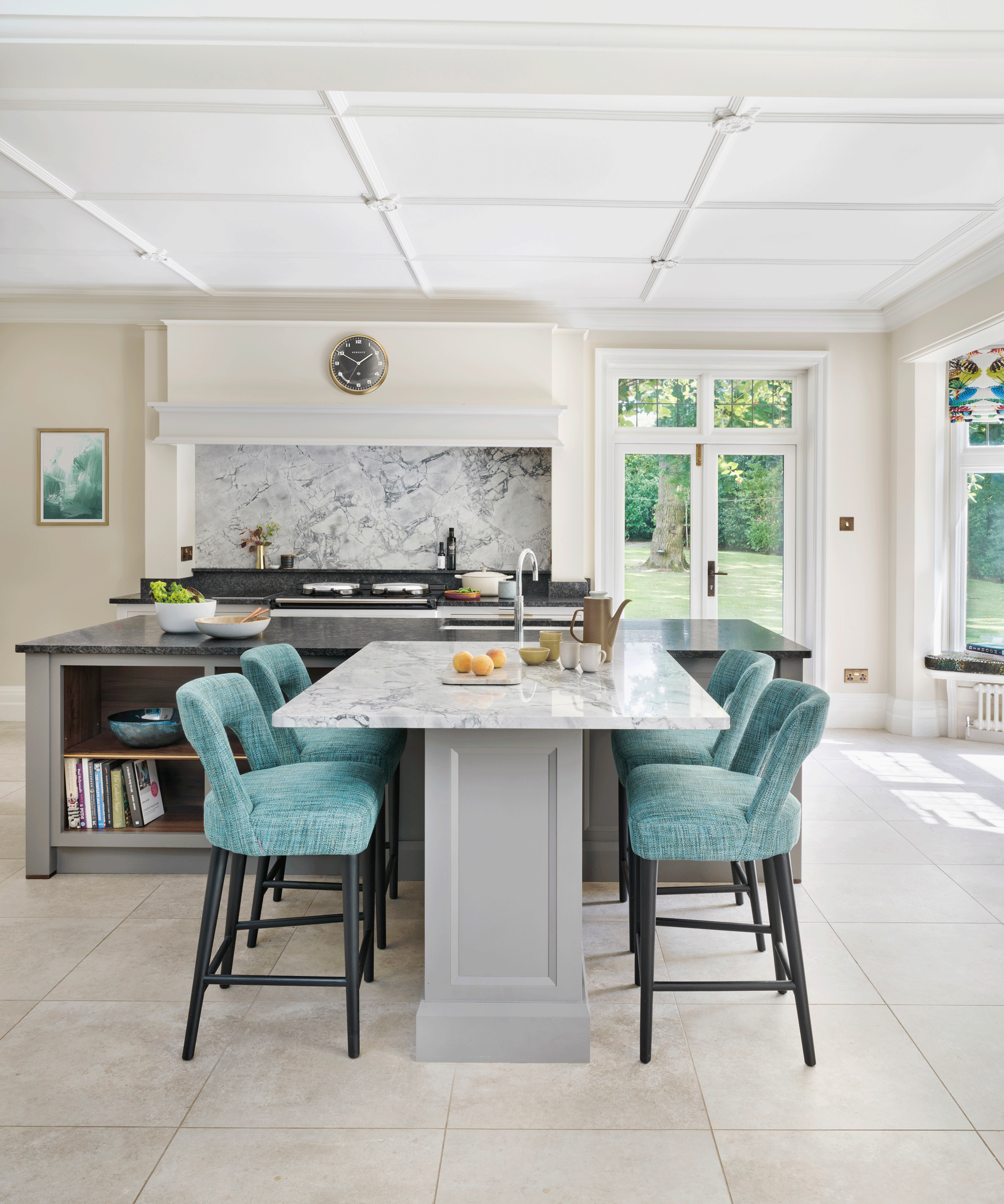
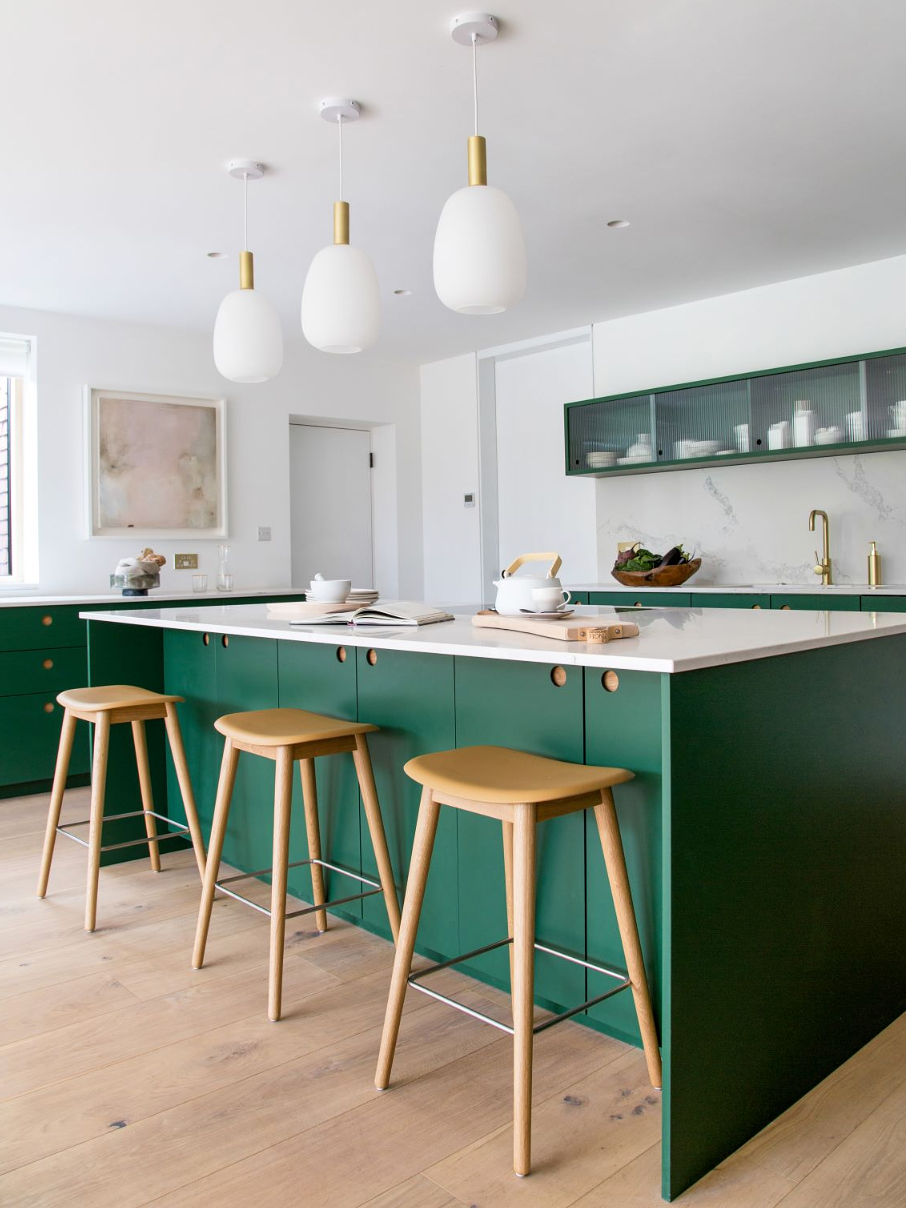
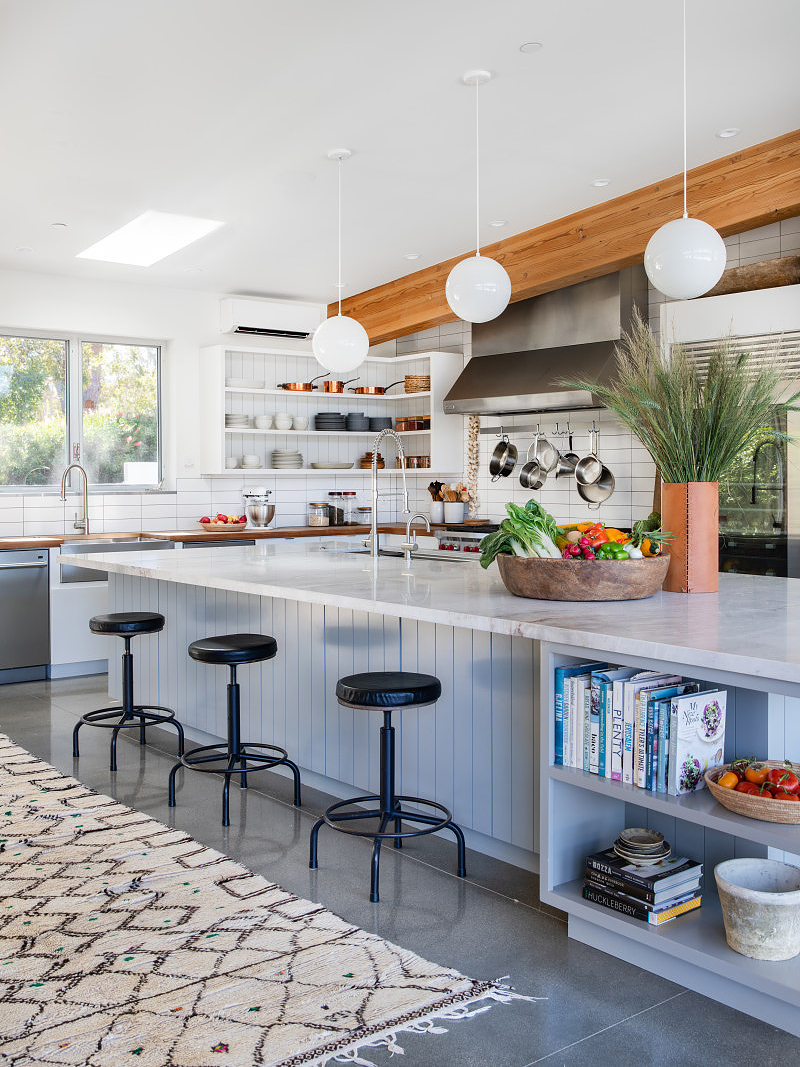
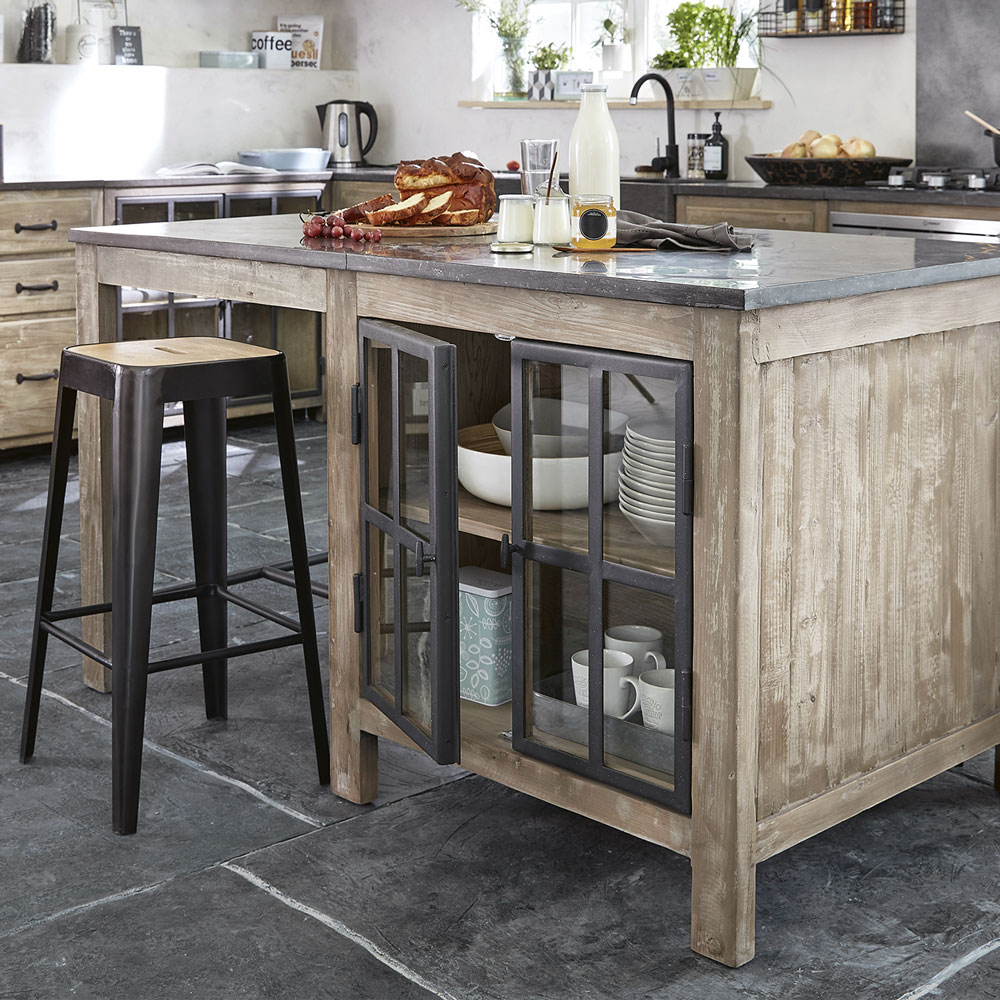
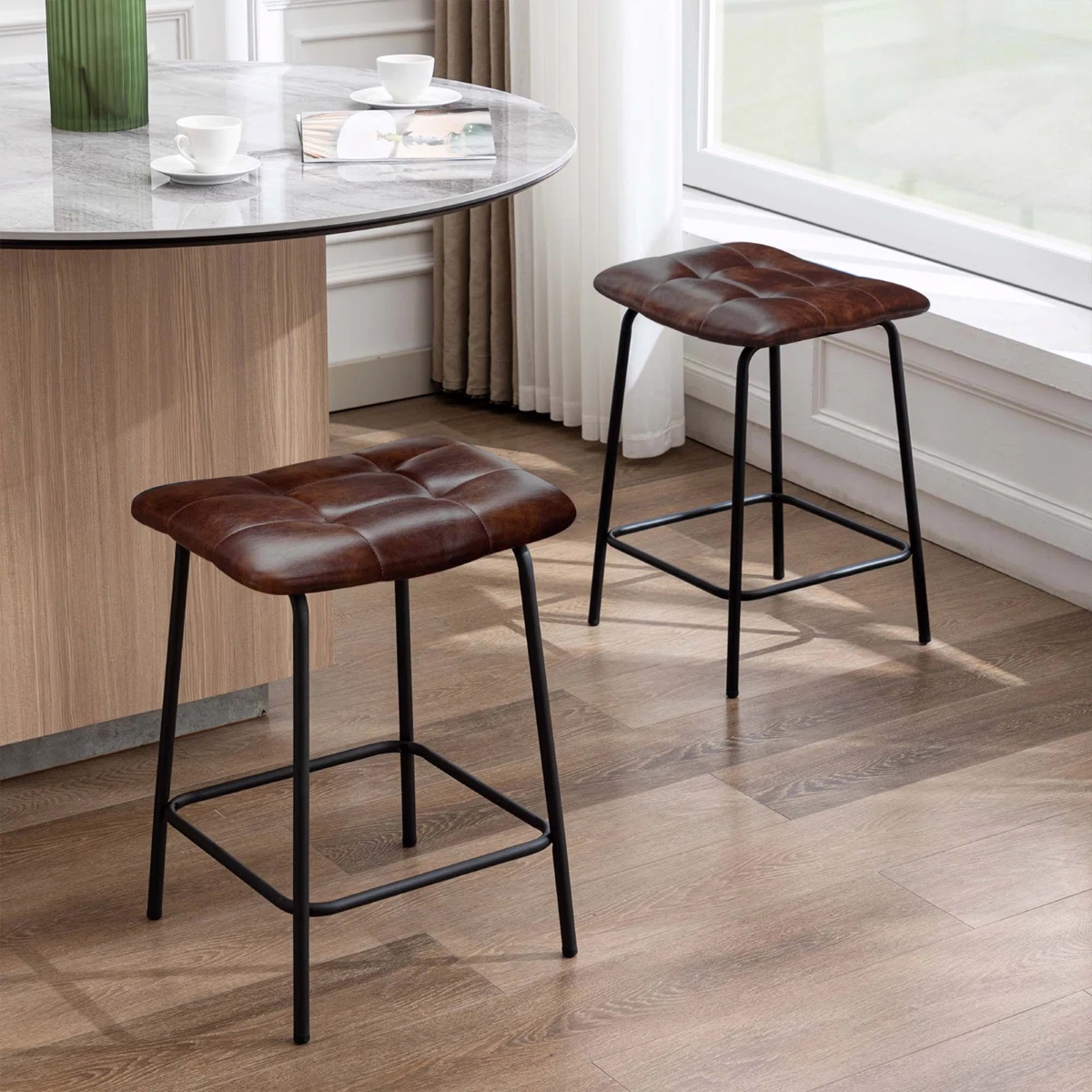
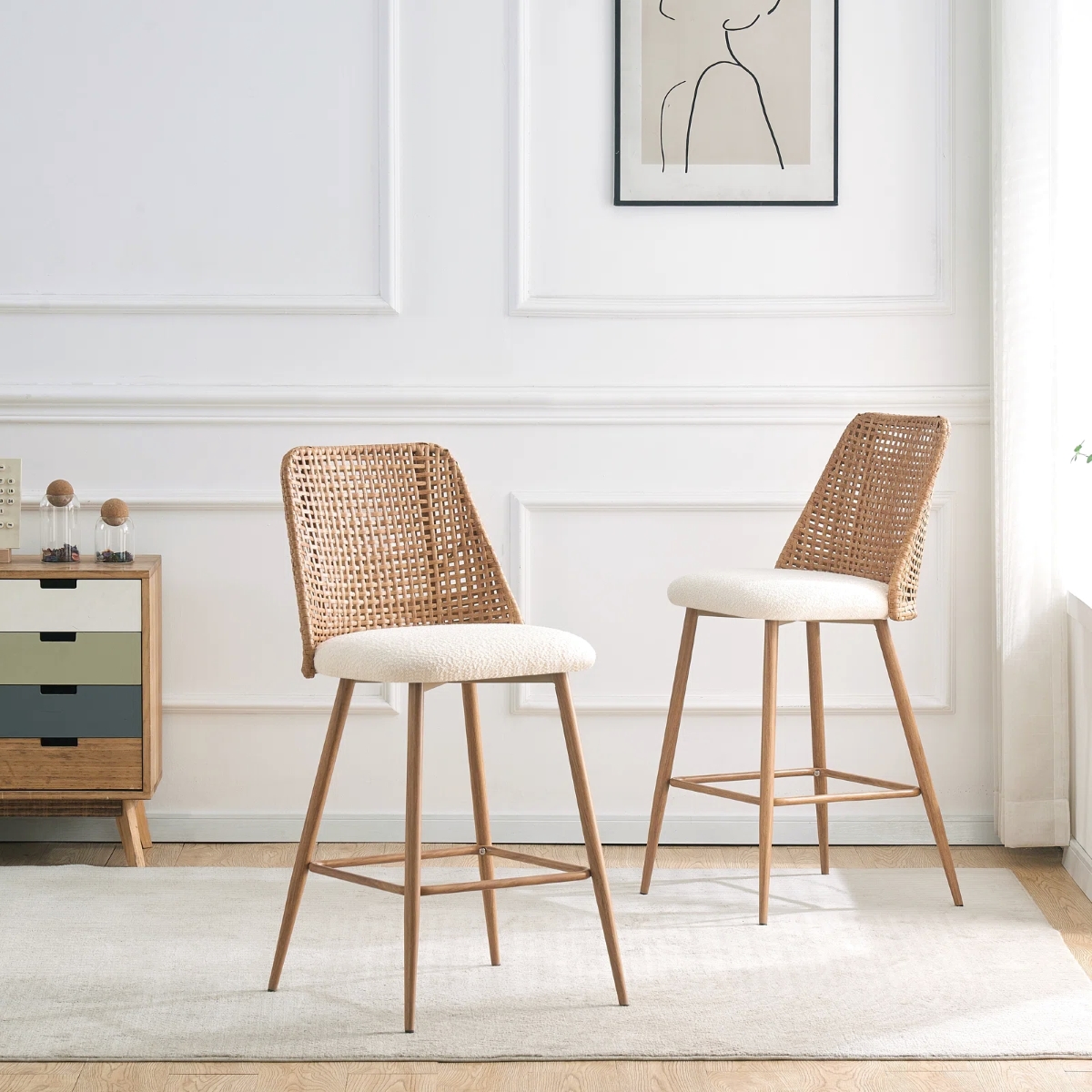
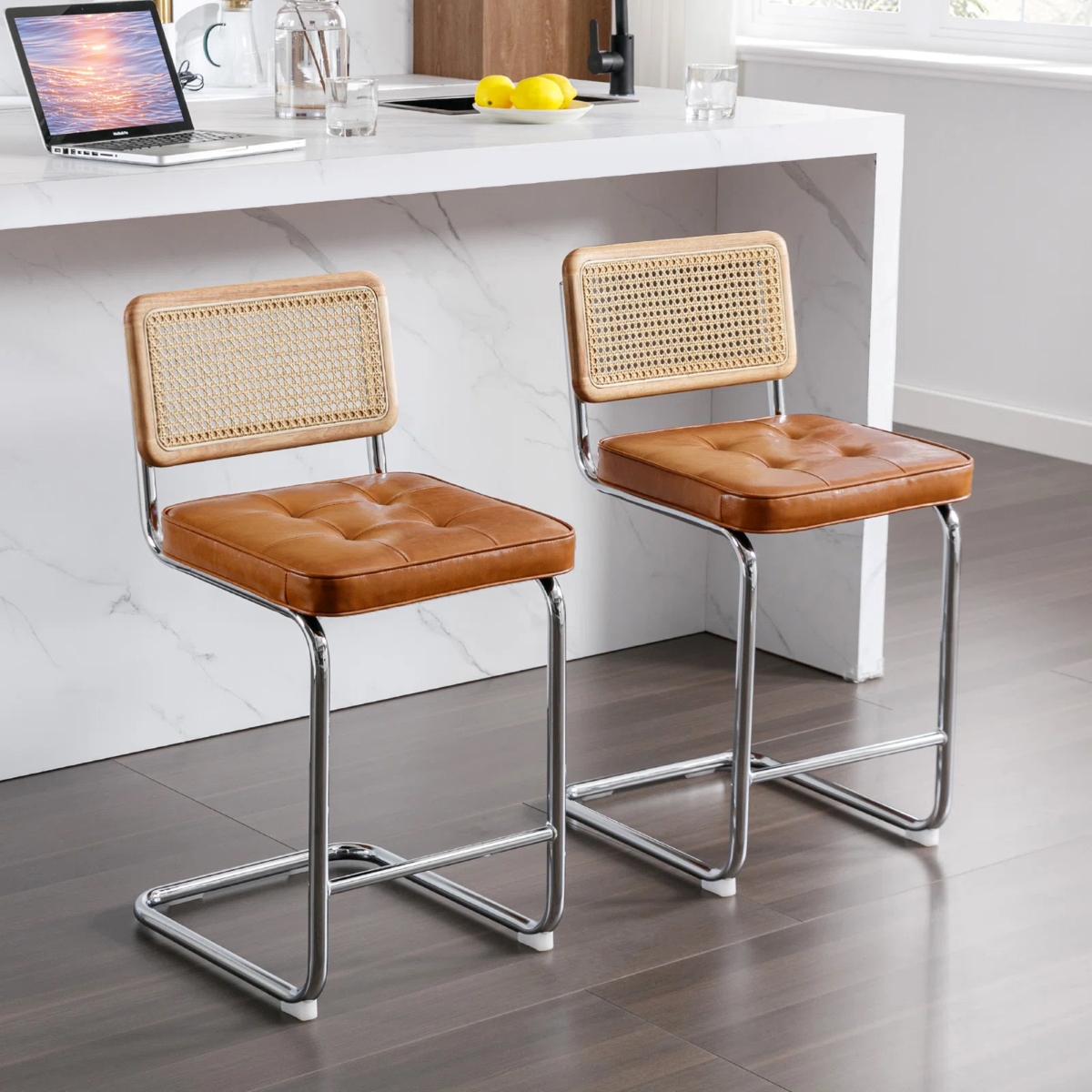
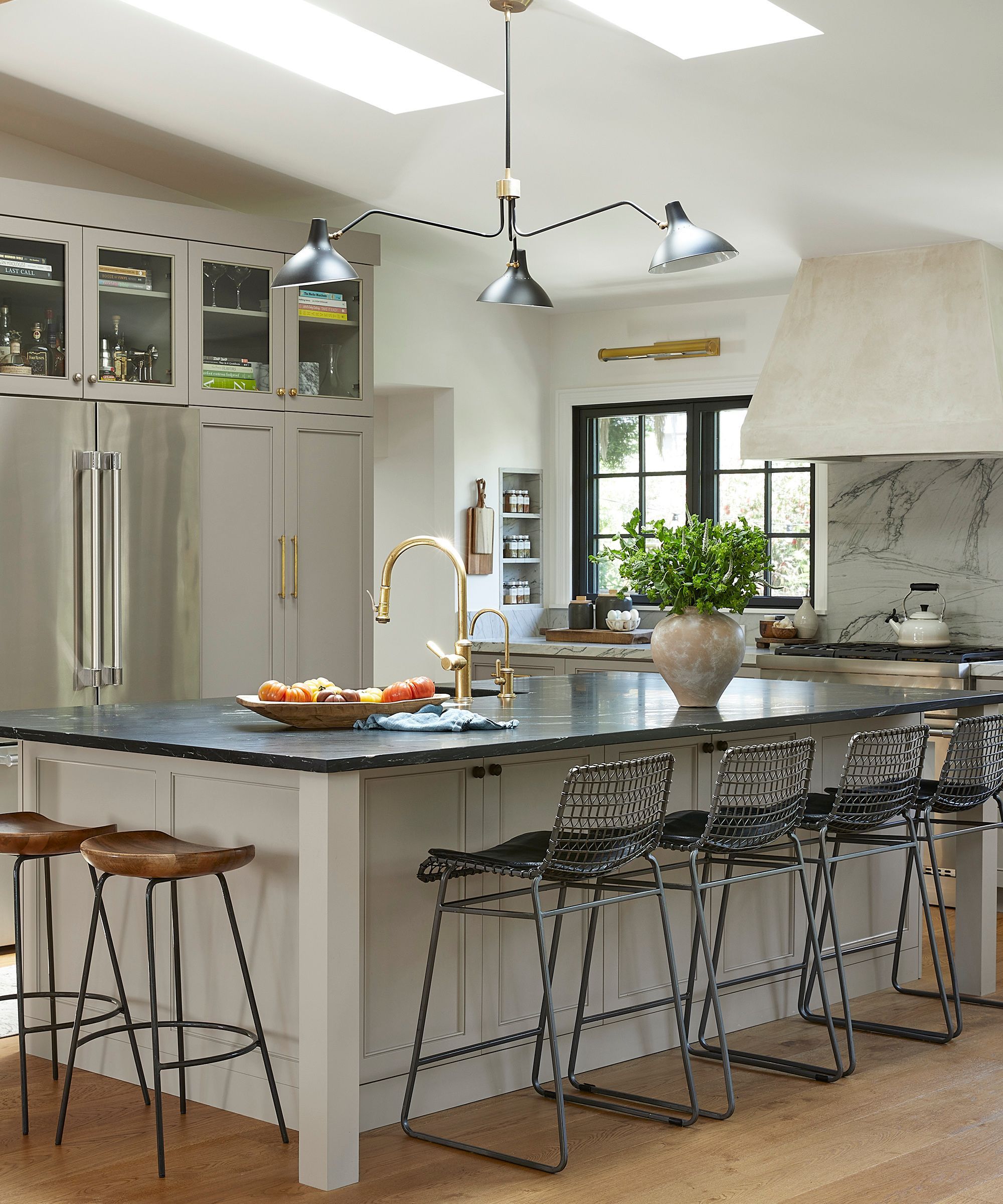
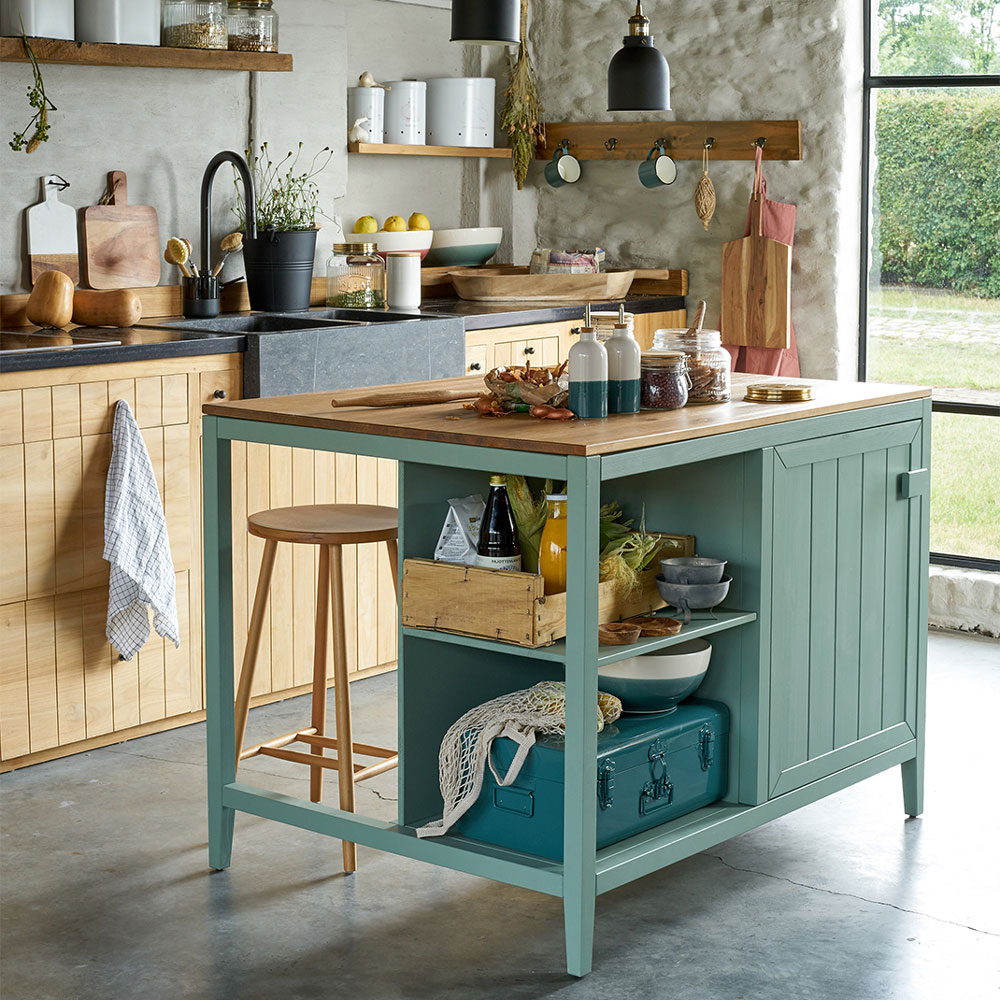
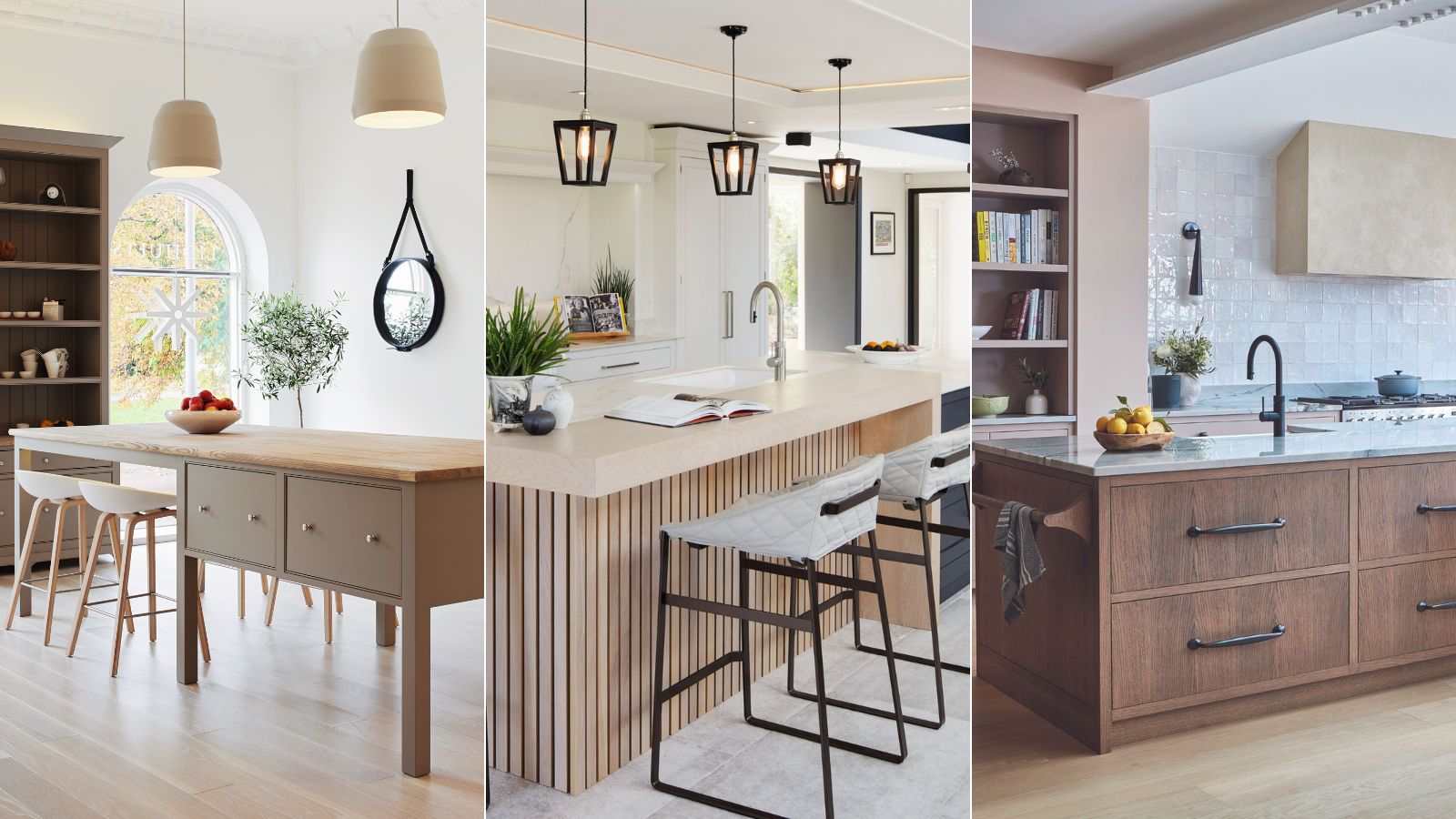
According to design experts like Fiona Ginnett from HØLTE Studio, adding seating to a portable island is entirely possible but necessitates careful consideration of design elements. The stability of the portable island is paramount; it must have a sturdy base or lockable castors to ensure safety when seating is in use. Once the island is secure, counter stools are generally the preferred seating choice due to their compact size and ease of storage. Their smaller footprint allows them to be tucked away neatly when not required, preserving the flexibility of the portable island.
A significant challenge with portable islands and seating arrangements is storage when the island is not in its primary, central position. Designers advise planning for an designated storage spot, such as against a wall, where the island and its accompanying stools can be kept without becoming an obstruction or a “storage nightmare.” For instance, a portable island might serve as a central prep area with seating, then be moved against a wall and its stools repurposed as console tables or accent pieces in other rooms, highlighting its multi-purpose potential.
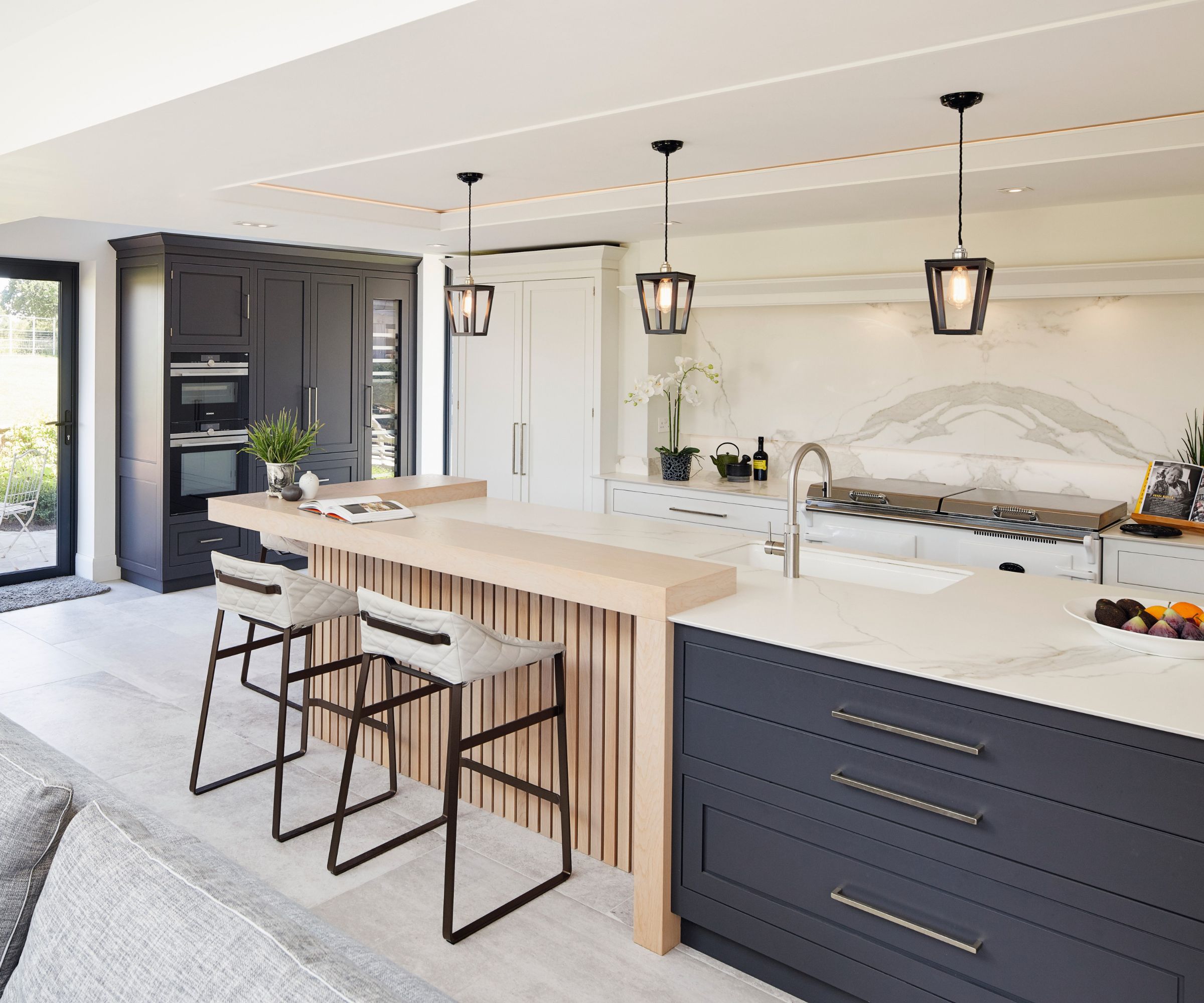
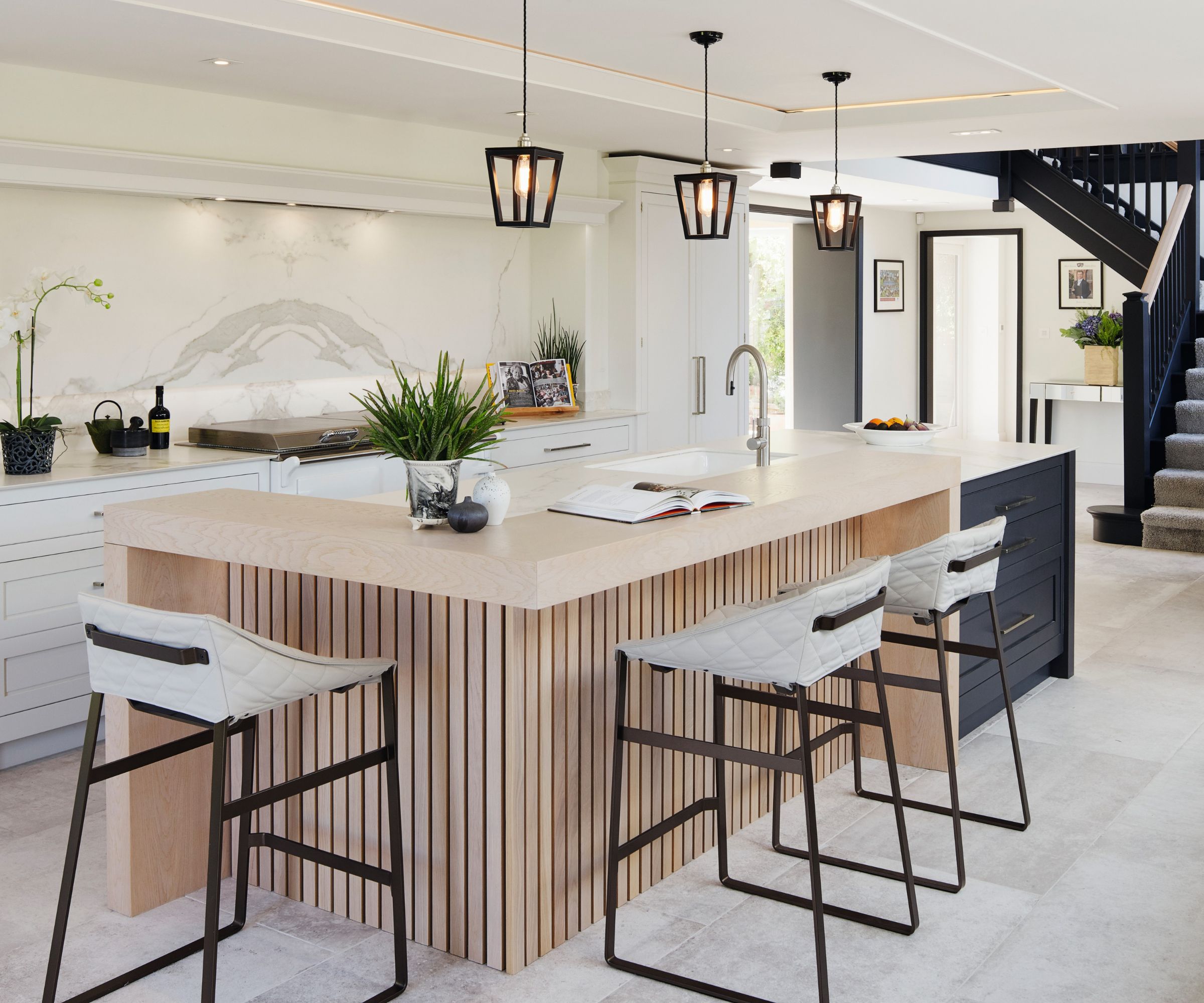
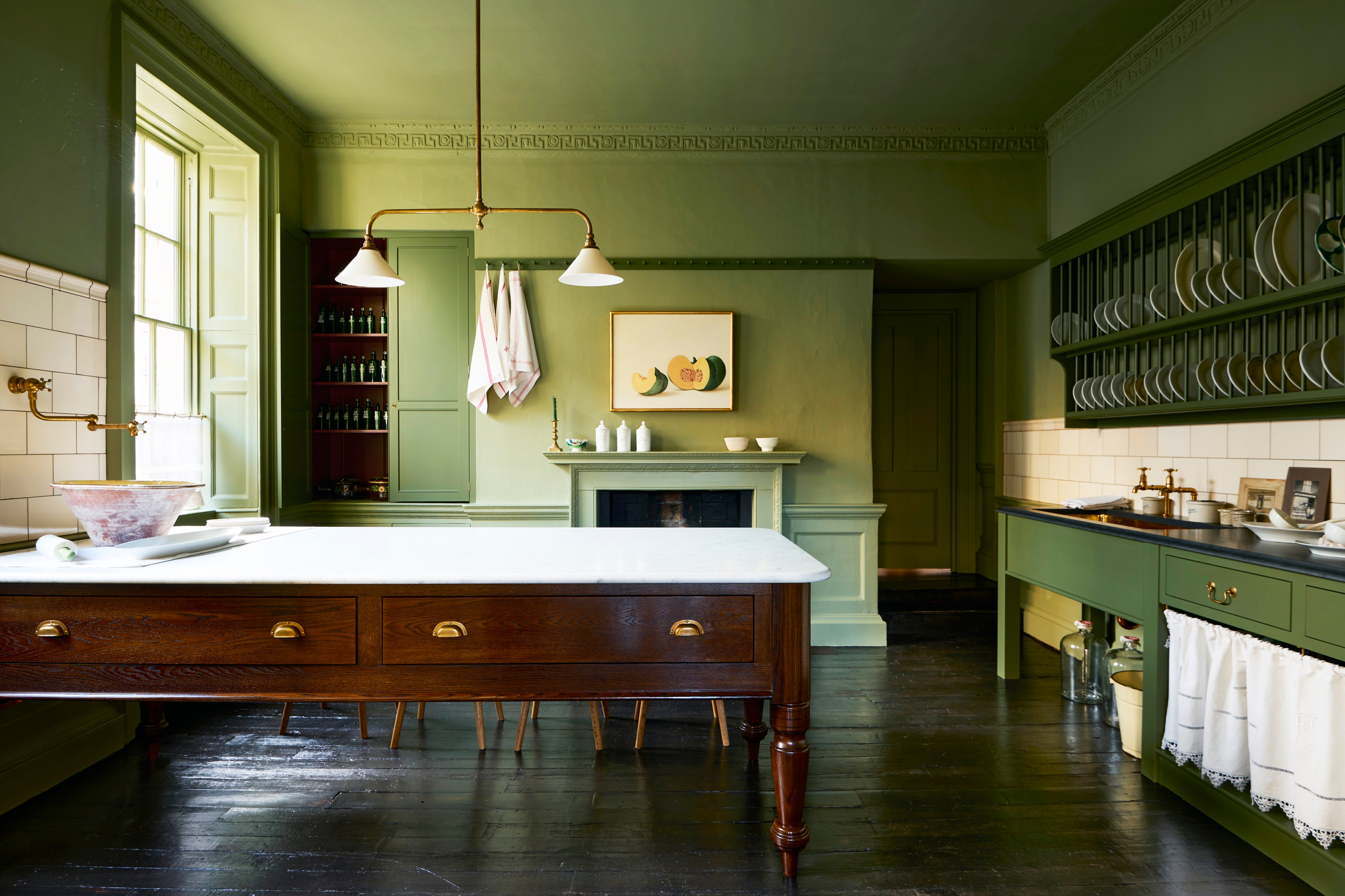
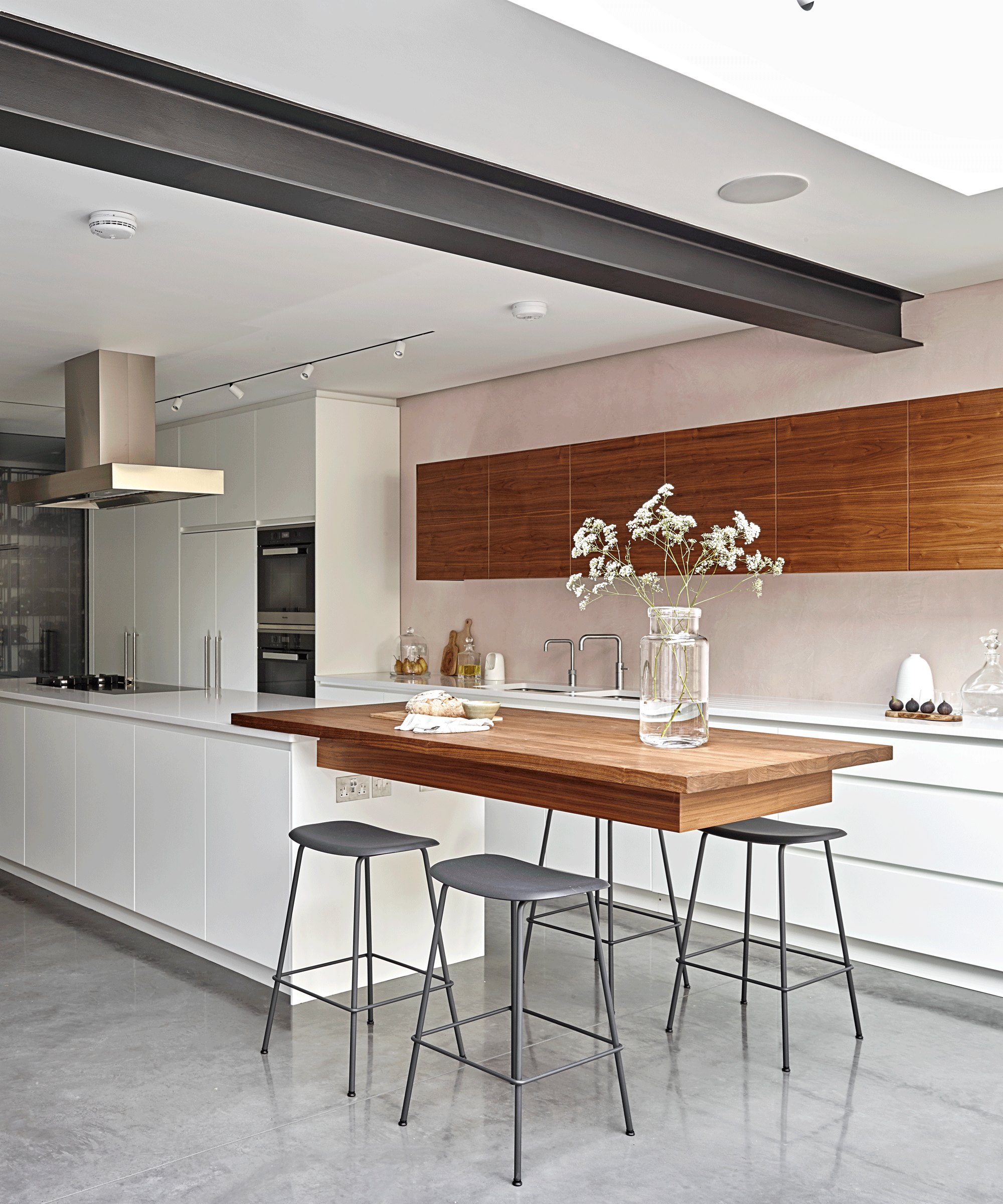
Fiona Ginnett also emphasizes the importance of design features like overhanging countertops or cantilevered sections on the portable island itself. These elements are crucial for providing adequate legroom, which enhances comfort and makes the seating feel more integrated and less of an afterthought. Furthermore, these design choices can facilitate easier storage of stools, allowing them to slide neatly underneath the overhang when the island is relocated.
The article also delves into the selection of appropriate seating. Lightweight, backless stools are highly recommended as they can be easily tucked away under the island or stacked. If permanent storage in the kitchen is not feasible, choosing stools that can function as versatile accent pieces in other parts of the home, such as side tables, is an effective solution. This approach ensures that the seating remains functional and aesthetically pleasing even when not actively used at the kitchen island. Ultimately, while portable kitchen islands offer versatility, successful integration of seating depends on thoughtful design that addresses stability, comfortable legroom, and practical storage solutions for the stools.
#PortableKitchenIsland #KitchenSeating #InteriorDesign #SpaceOptimization #HomeDecor #MultiFunctionalFurniture #KitchenTrends #CounterStools #PortableKitchenIsland #KitchenSeating #InteriorDesign #SpaceOptimization #HomeDecor #MultiFunctionalFurniture #KitchenTrends #CounterStools
合計0件のコメント
 まだコメントはありません
あなたも好きかもしれません
How to Add More Seating to Your Kitchen Island

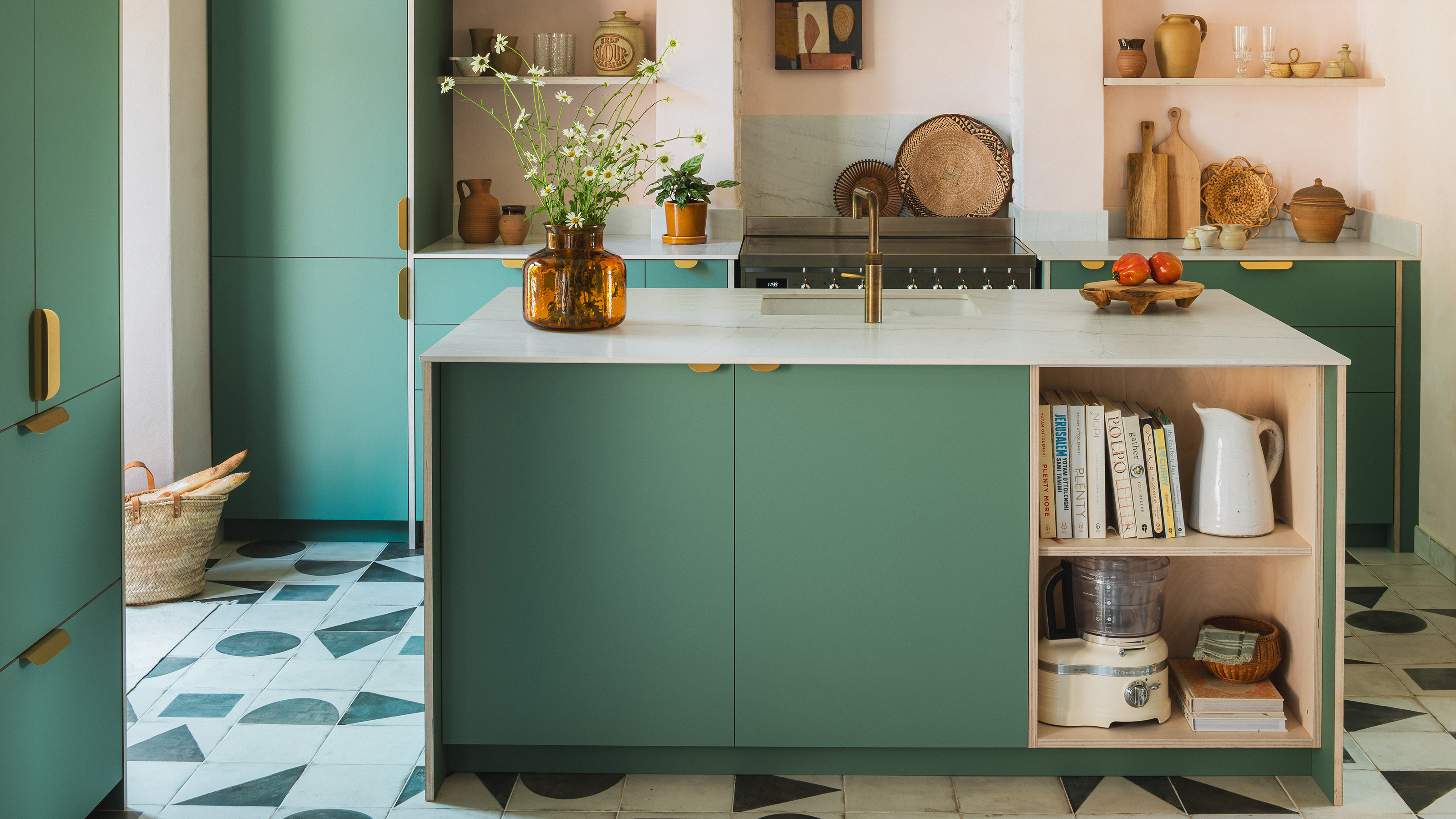
Forget seating, this is how you should be making the most out of your kitchen island in 2025
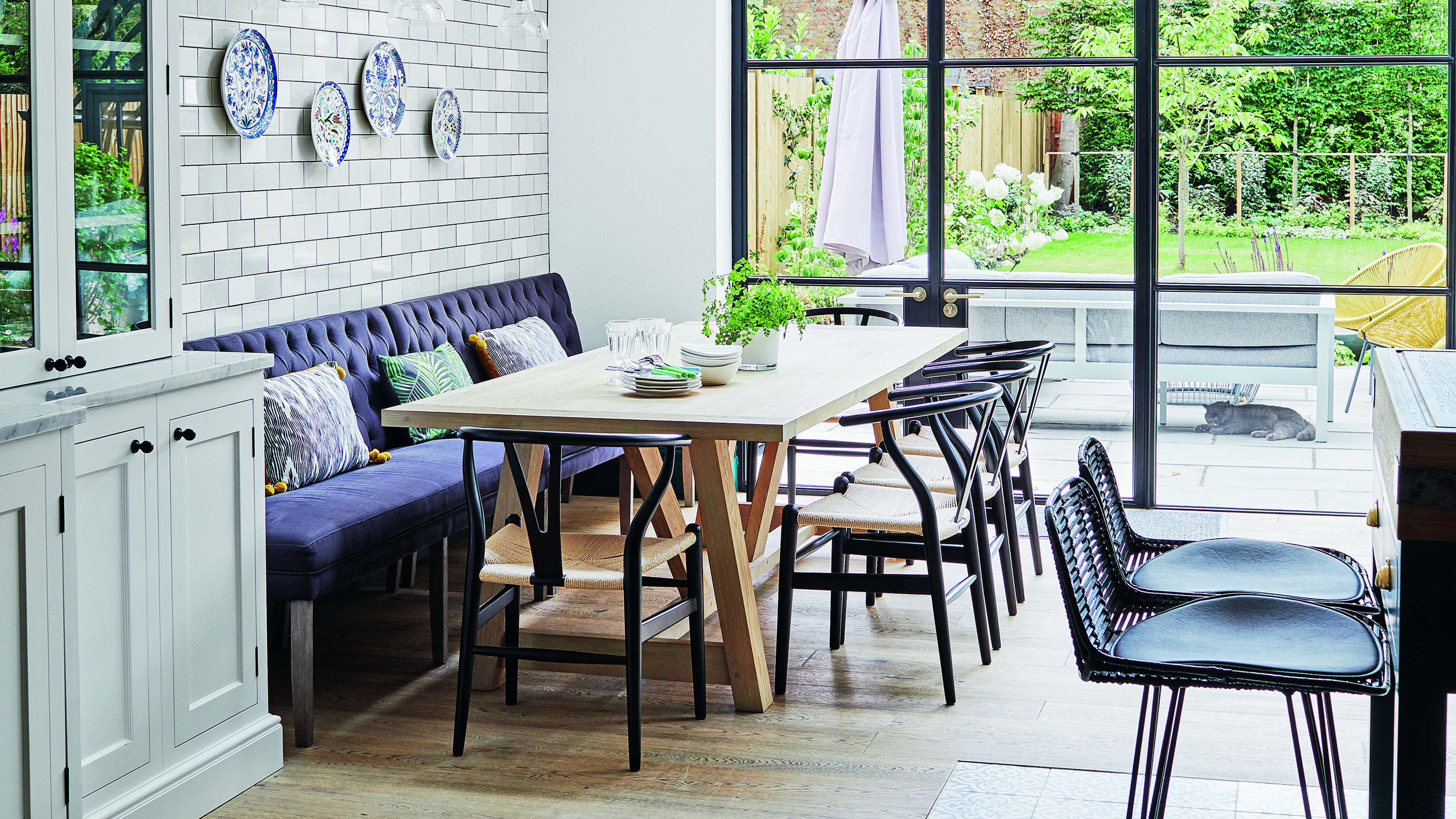
Is banquette seating replacing the kitchen island? Here's why this café-inspired look is trending in 2025
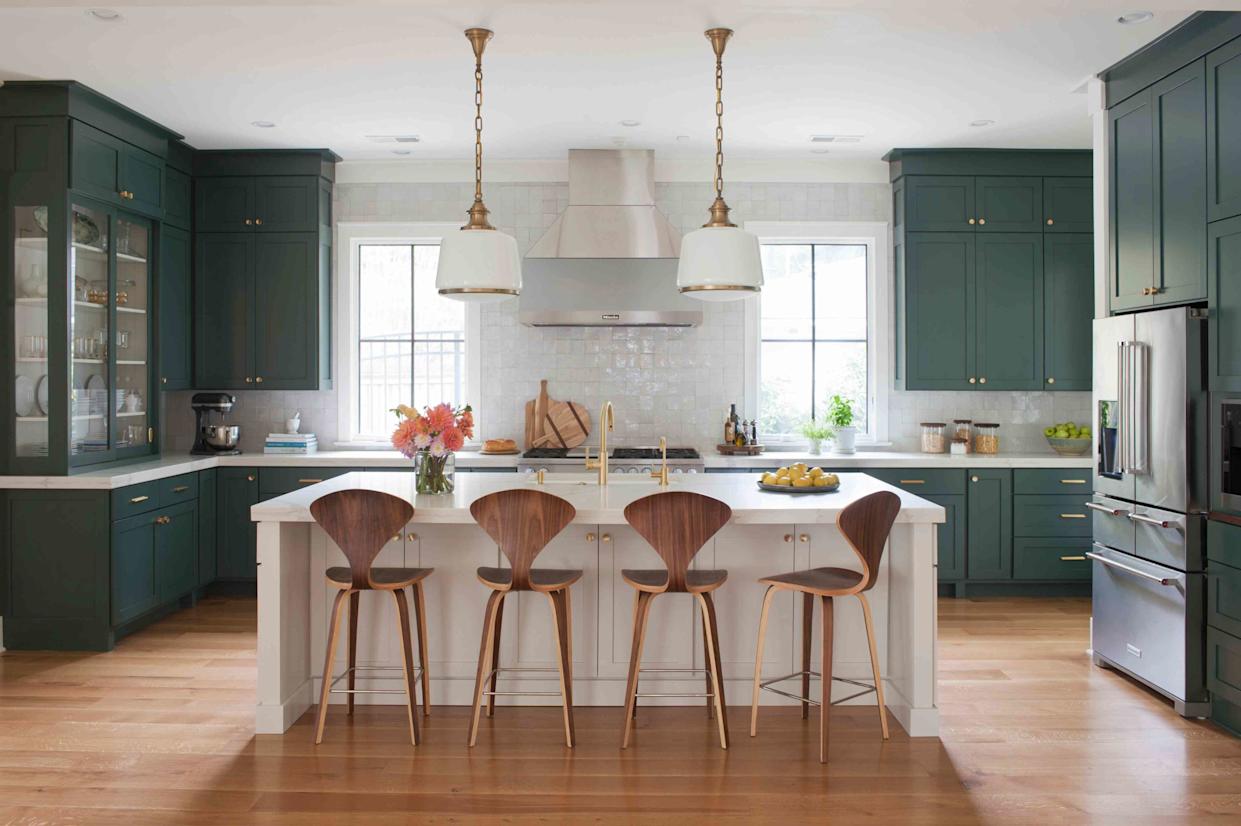
The Most Inviting Spot in Your House Might Not Be in the Living Room

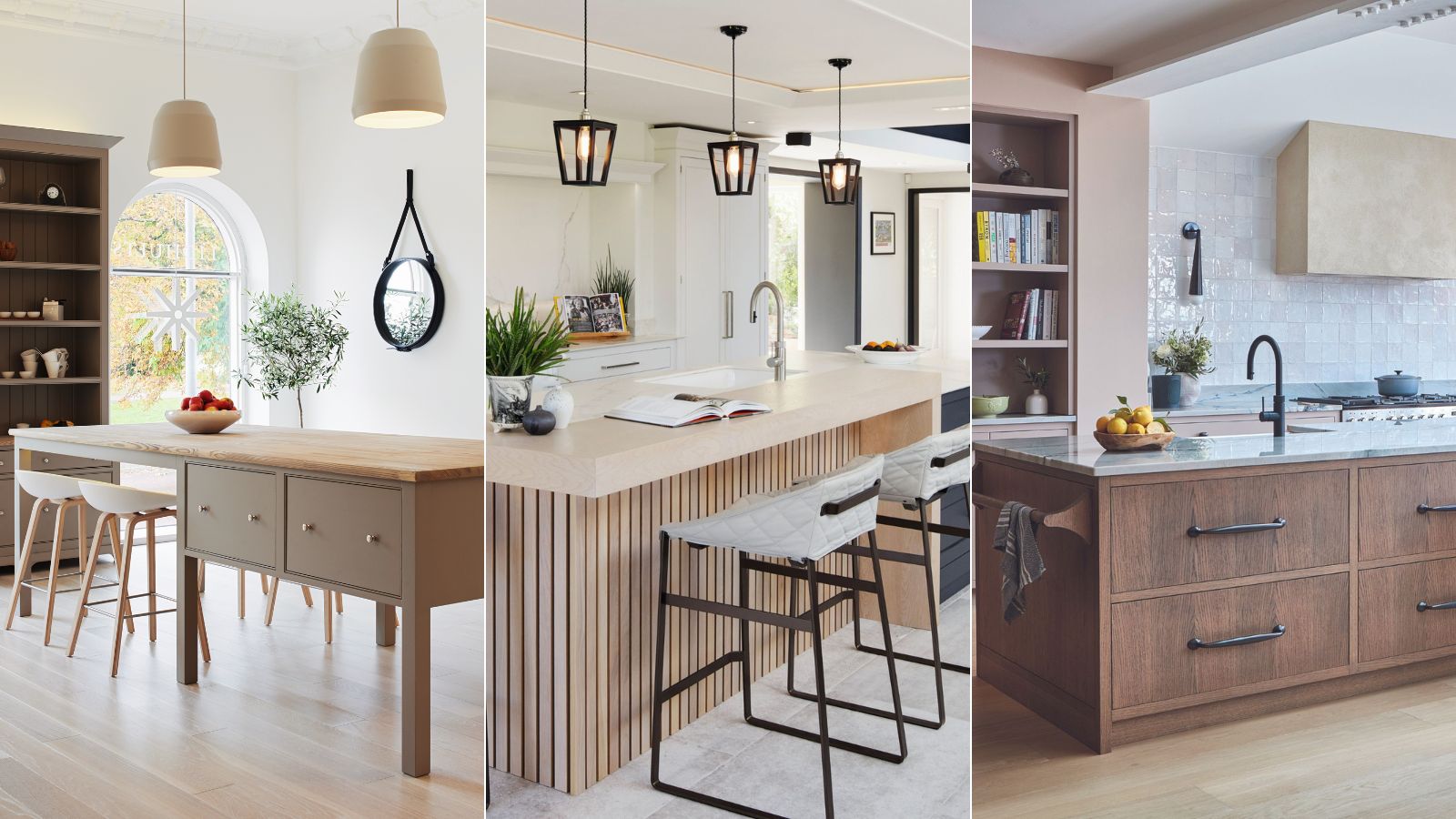
How to design a kitchen island with seating – 6 expert steps to the perfect, social space

The 4-inch seating rule is the secret to a sociable kitchen – here's how to use this design principle in a cooking space
There’s Nothing Worse Than an Awkward Kitchen Island—Here’s How to Calculate Correctly
Portable kitchen island ideas – moveable trolleys and freestanding islands for flexible storage
Move Over Dining Rooms, the Kitchen Island Just Became the Coziest Eating Spot — All You Need is the Right Seating

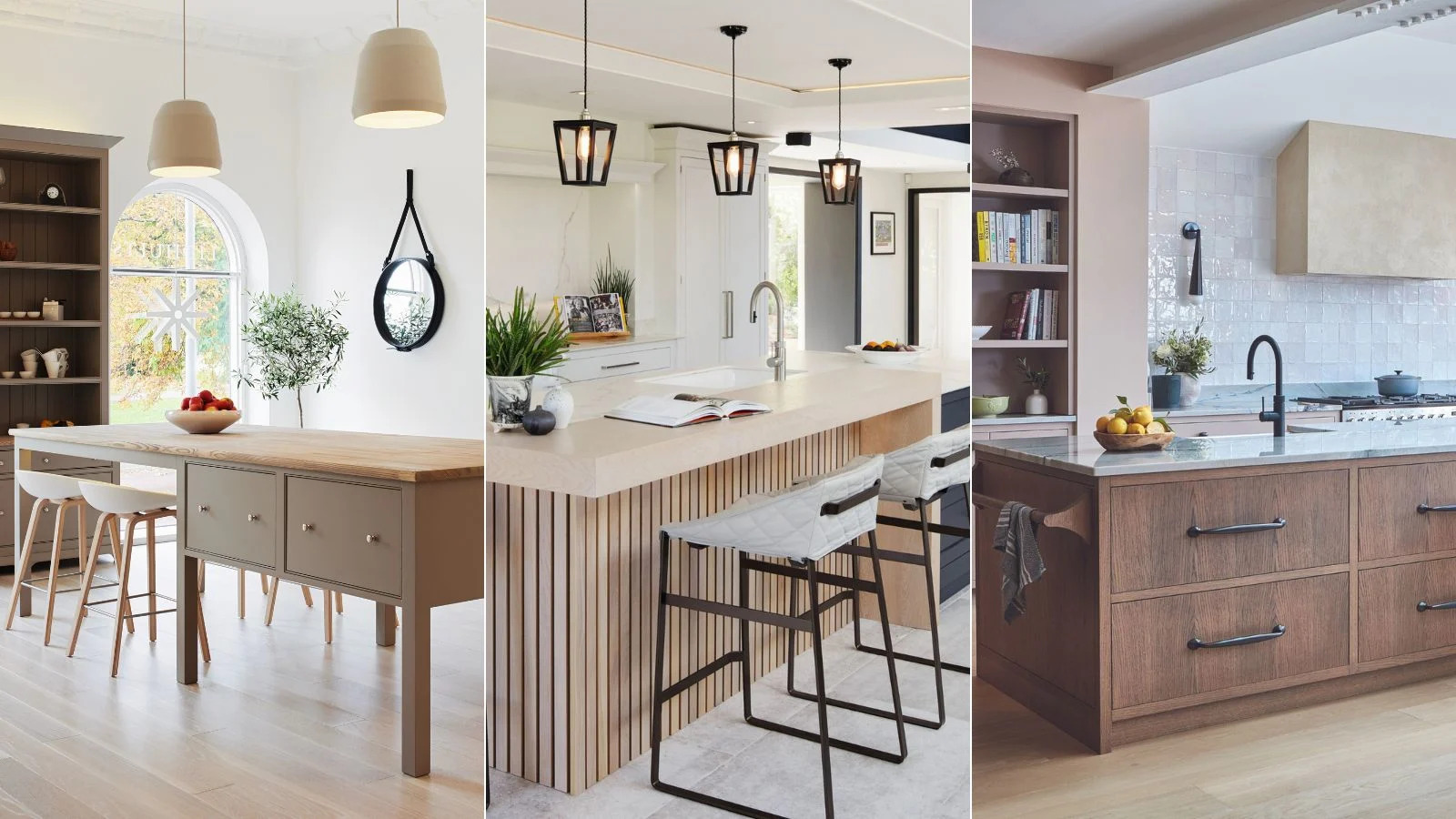
How to design a kitchen island with seating – 6 expert steps to the perfect, social space

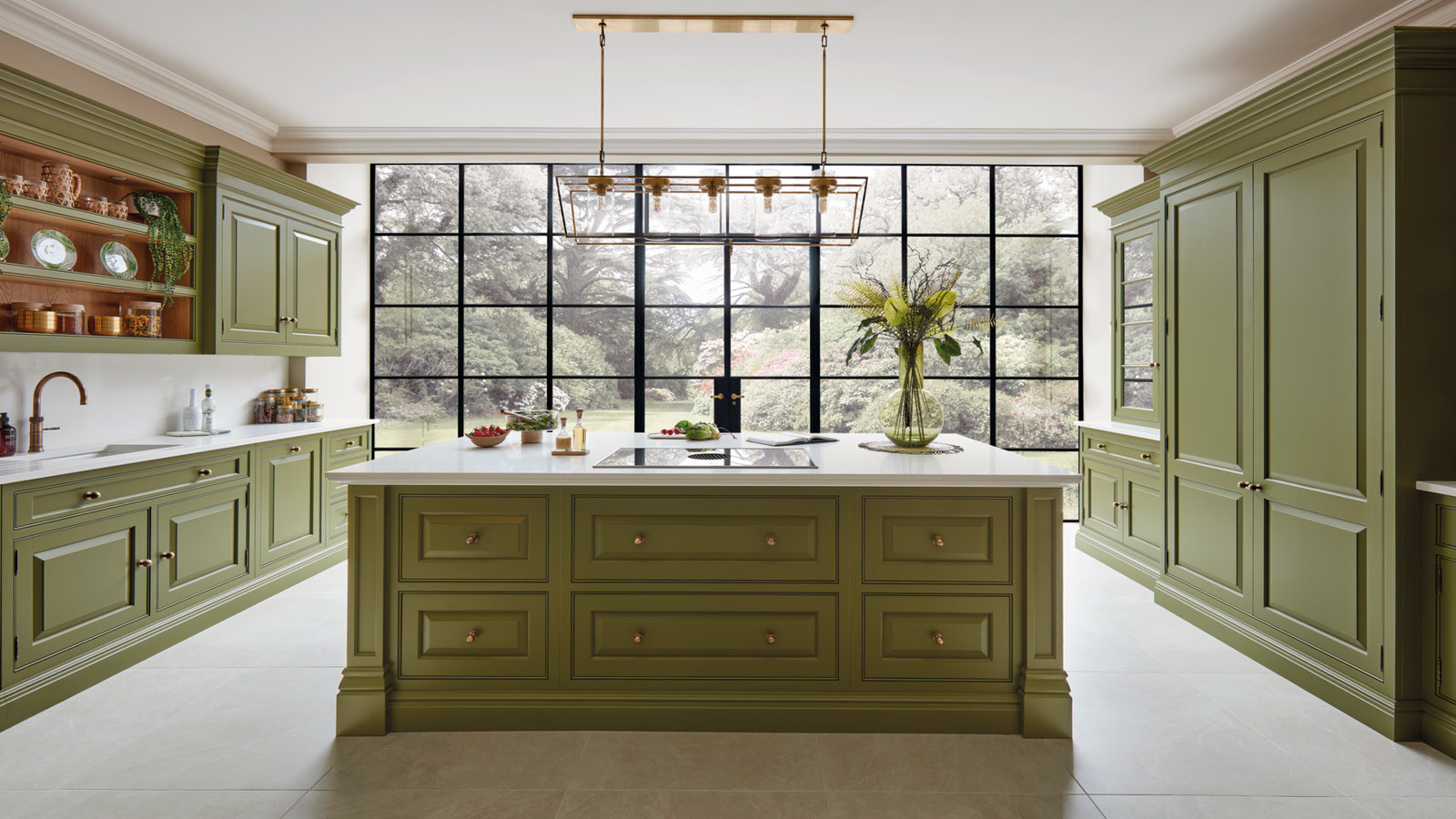
Say goodbye to the kitchen island, and hello to the prep table

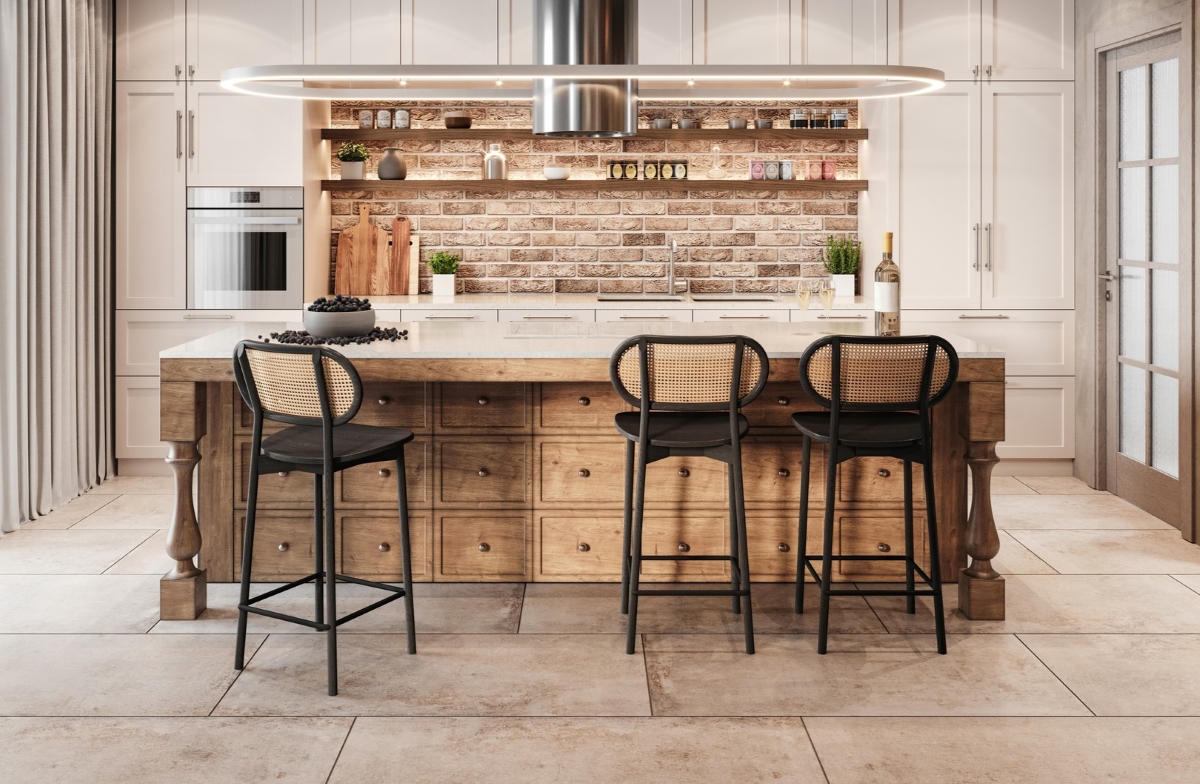
14 Ideas for Kitchen Island Seating to Go With Any Style
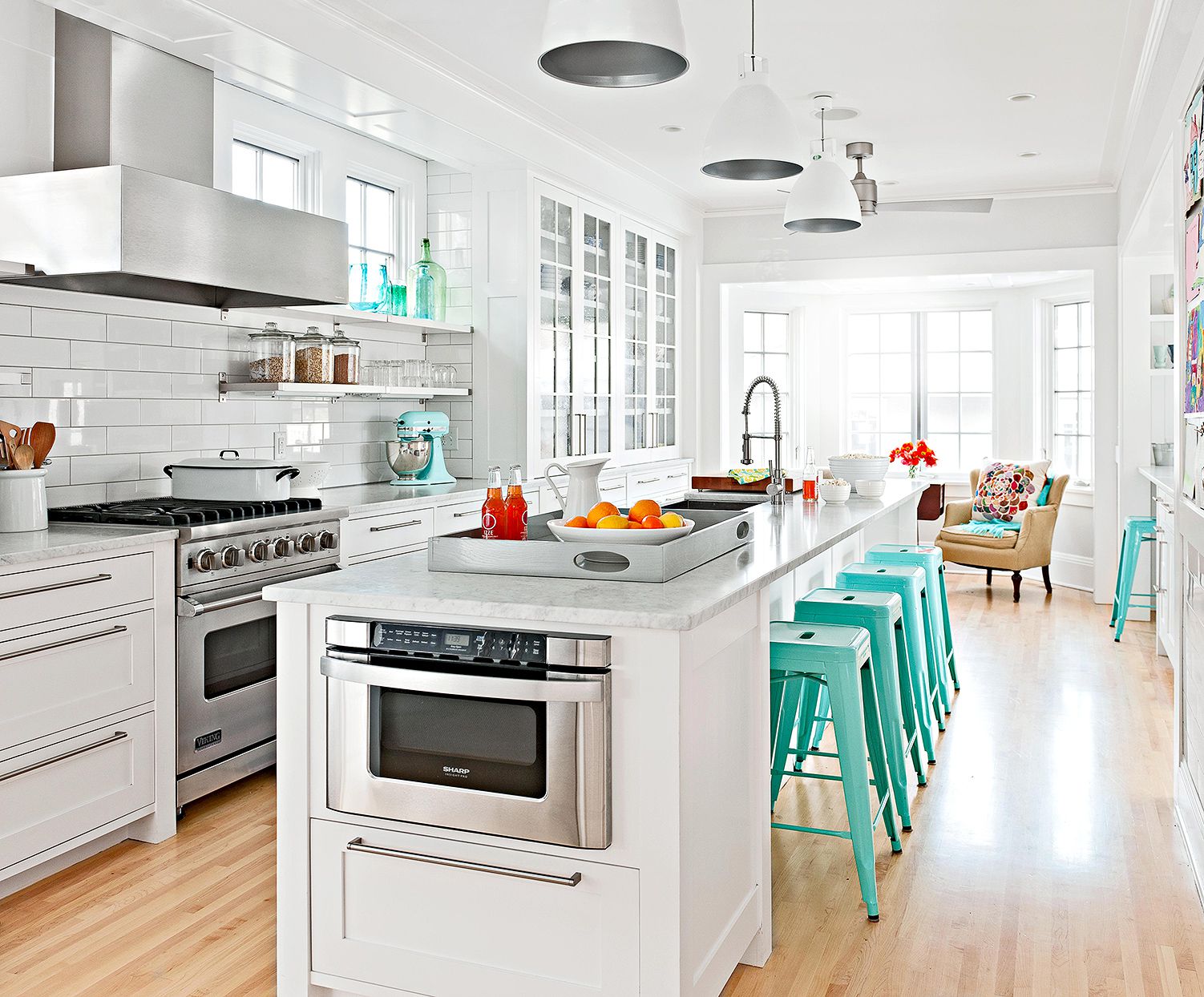
How to Choose a Kitchen Island with Seating to Create a Cozy Space

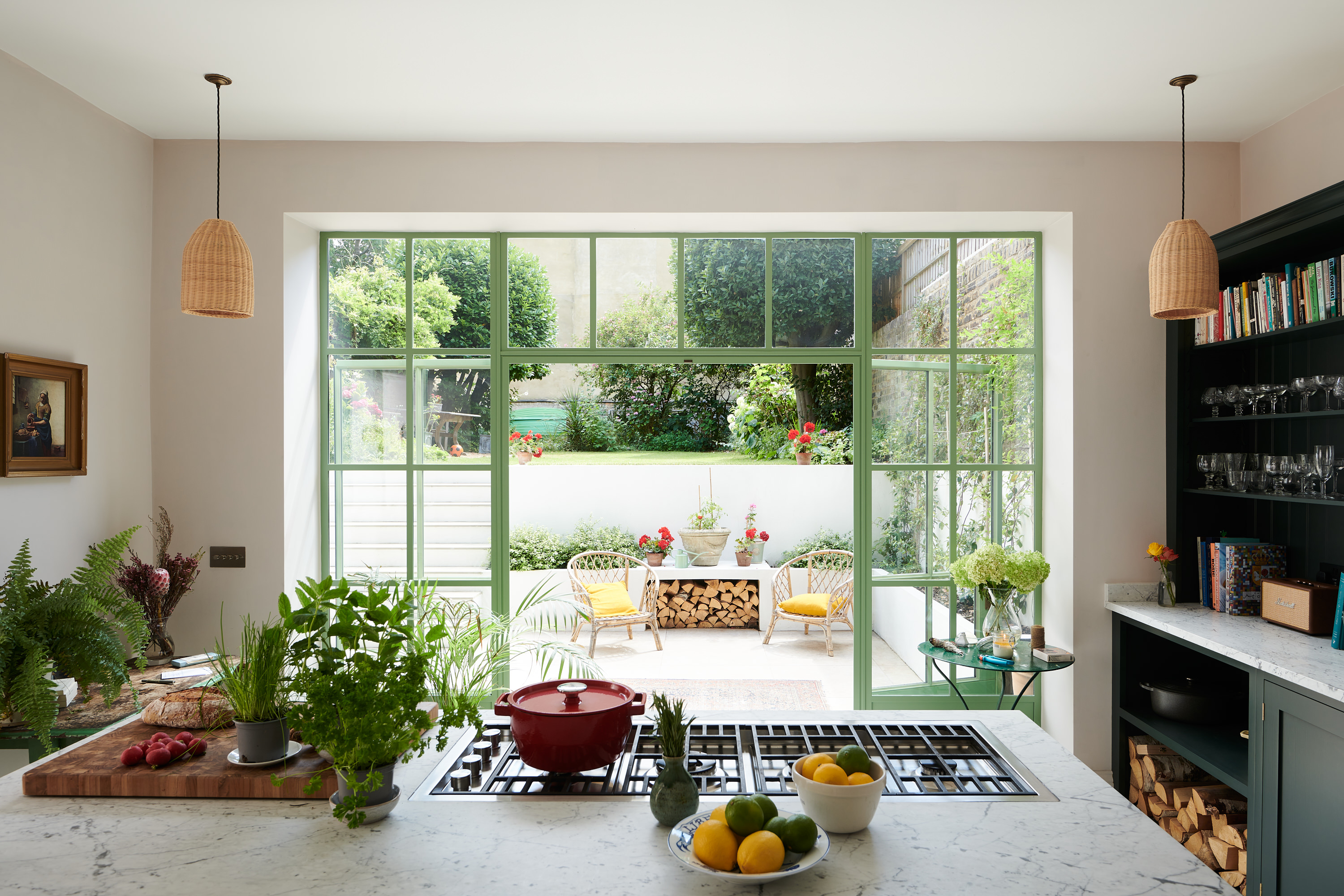
Should the hob go in the kitchen island? Experts decide on the most sociable and space-saving design
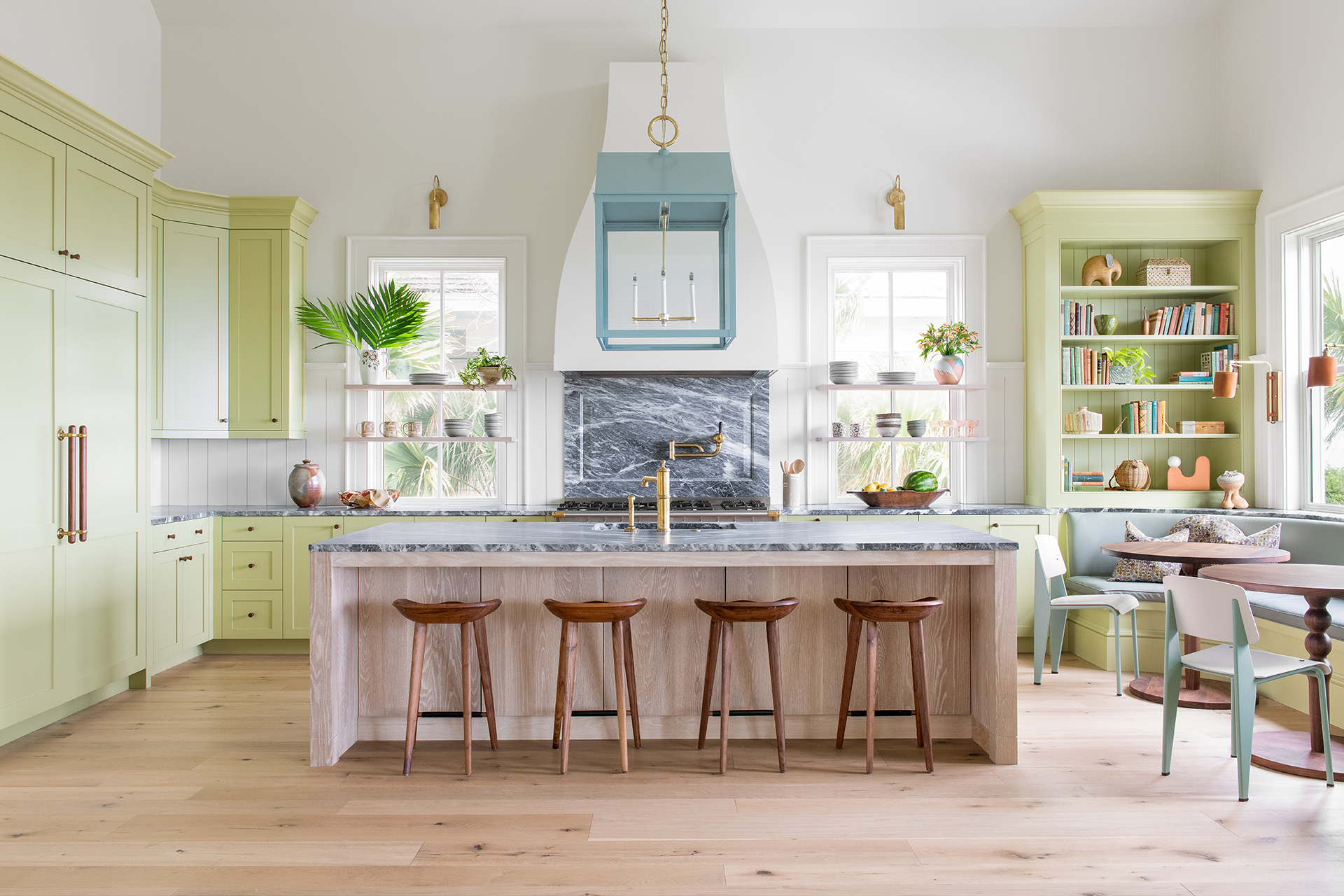
Kitchen island seating ideas – 15 ways to create comfort and style
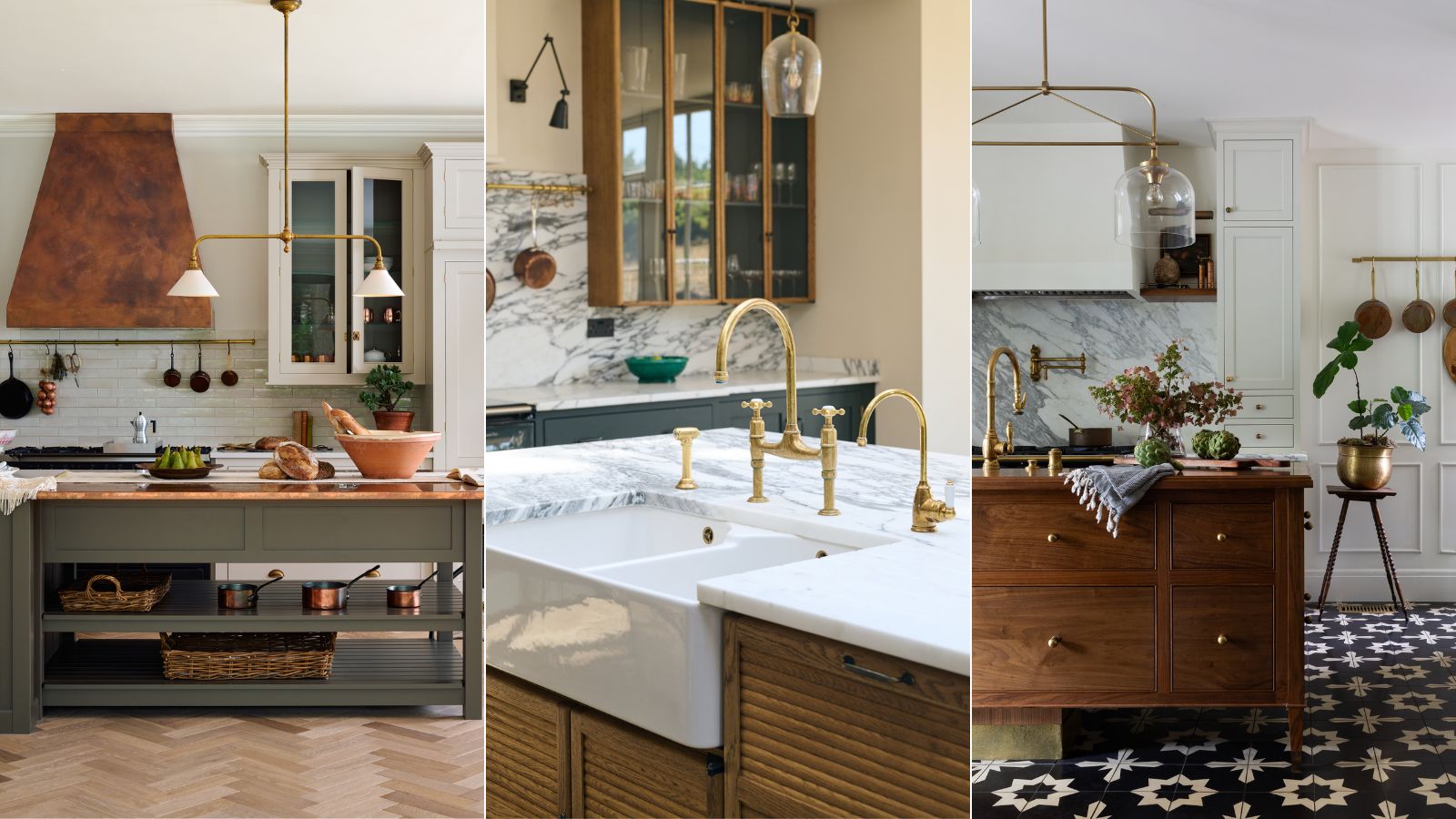
7 successful kitchen island layout ideas experts swear by
How to design a kitchen island with seating – 6 expert steps to the perfect, social space

Kitchen focus – Why integrated seating is a growing design trend
Cleverly Designed Kitchen Islands That Check Off Storage and Seating

Get rid of that kitchen island with these clever alternatives