5 Easy, Designer-Approved Lighting Hacks to Brighten Up Your Home
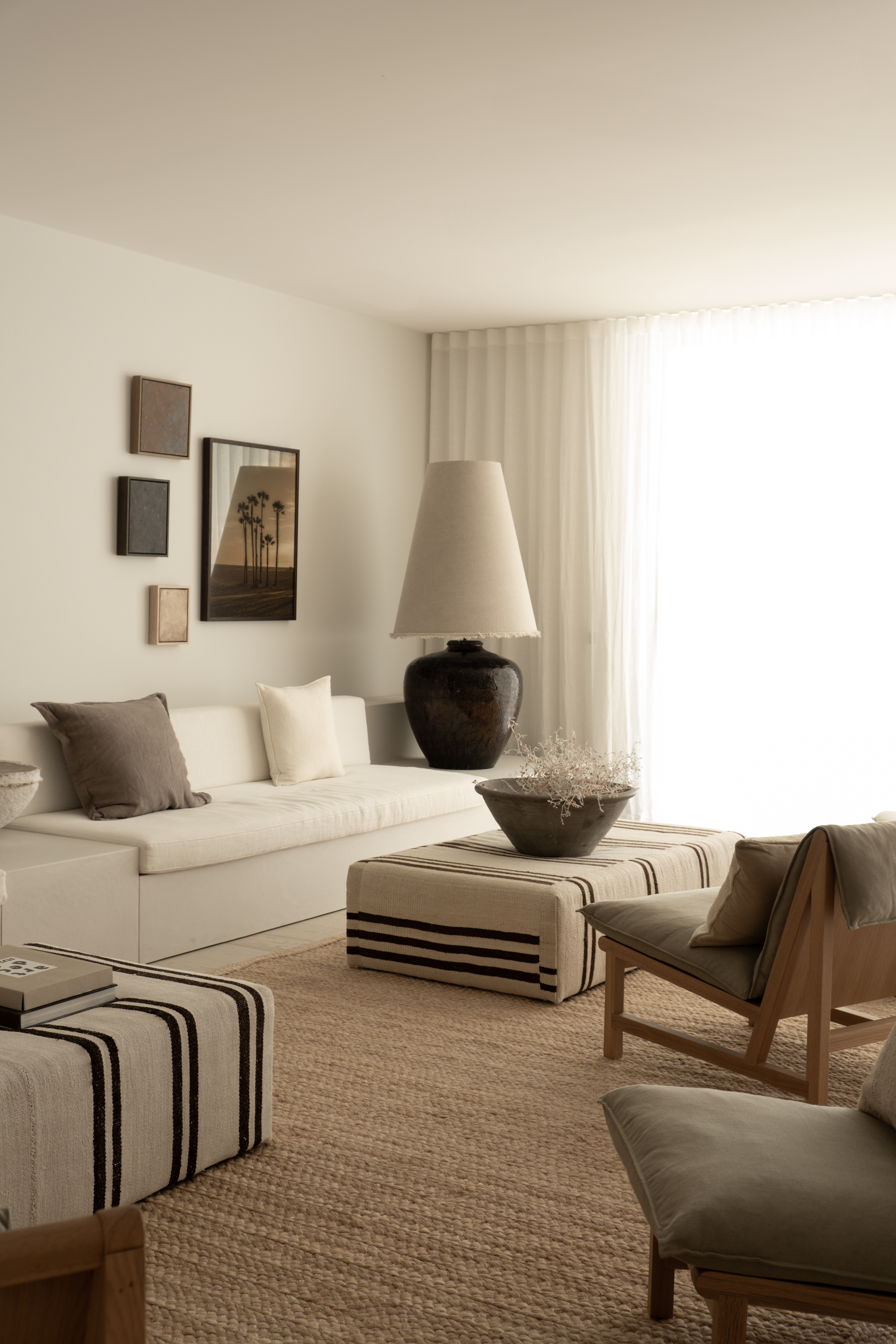
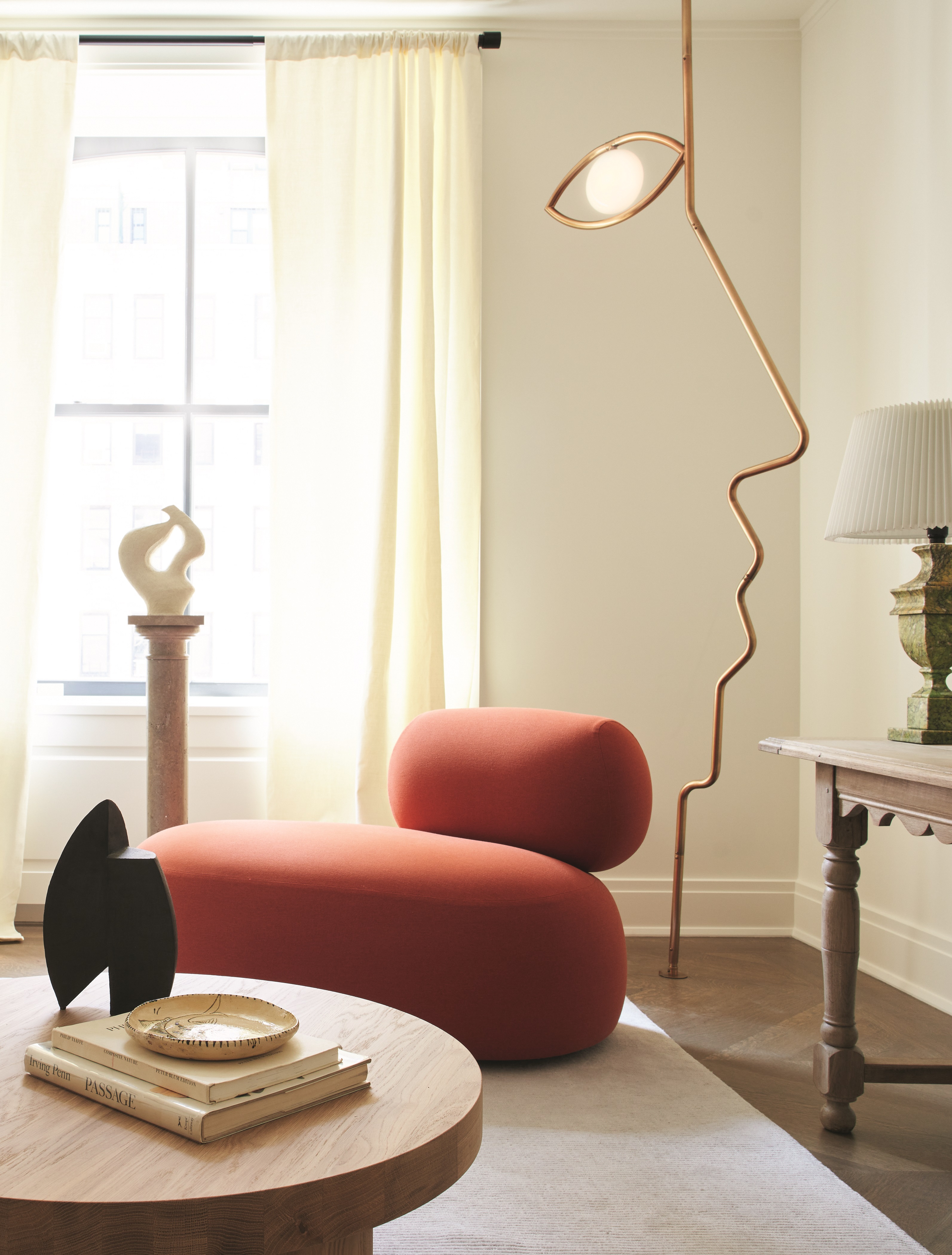
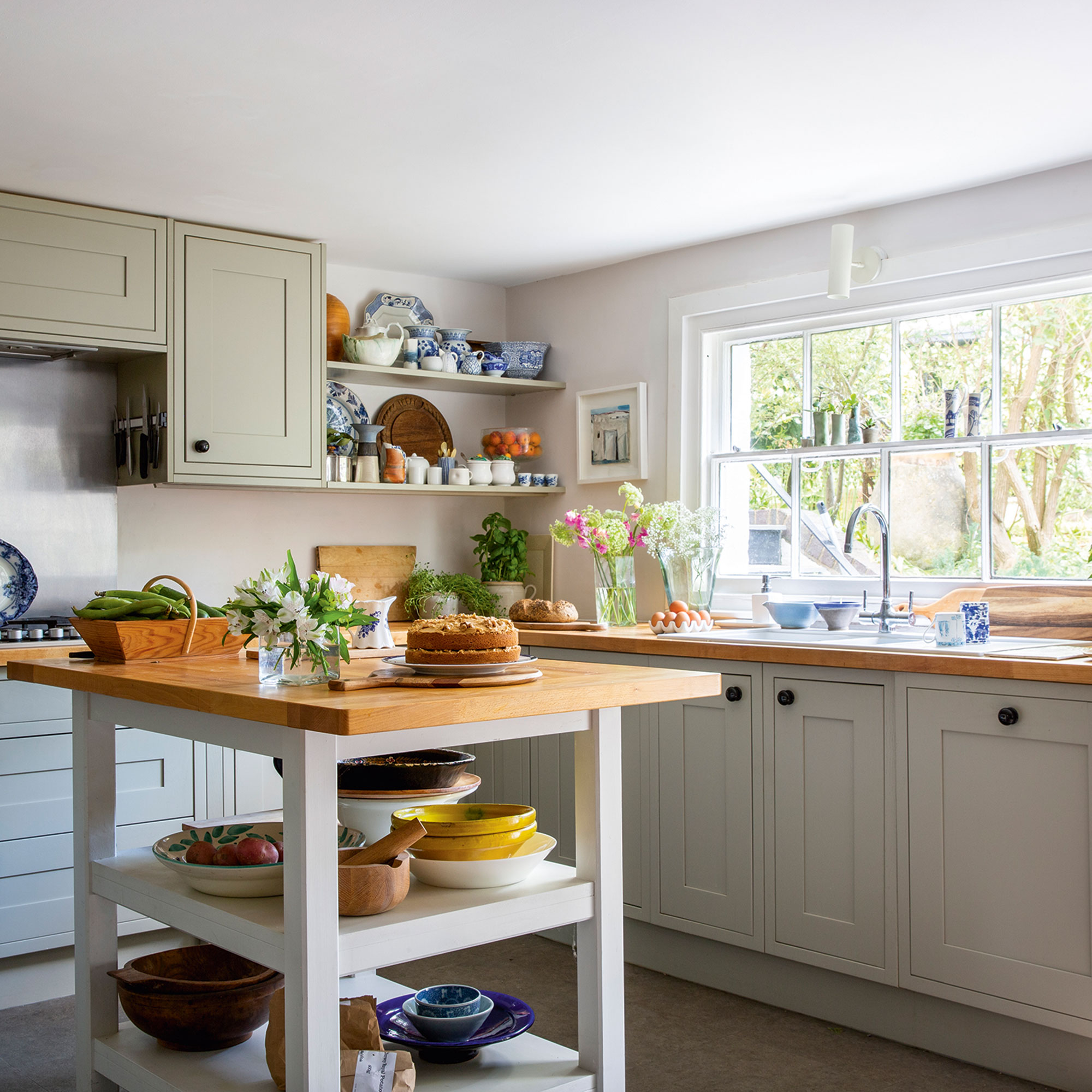
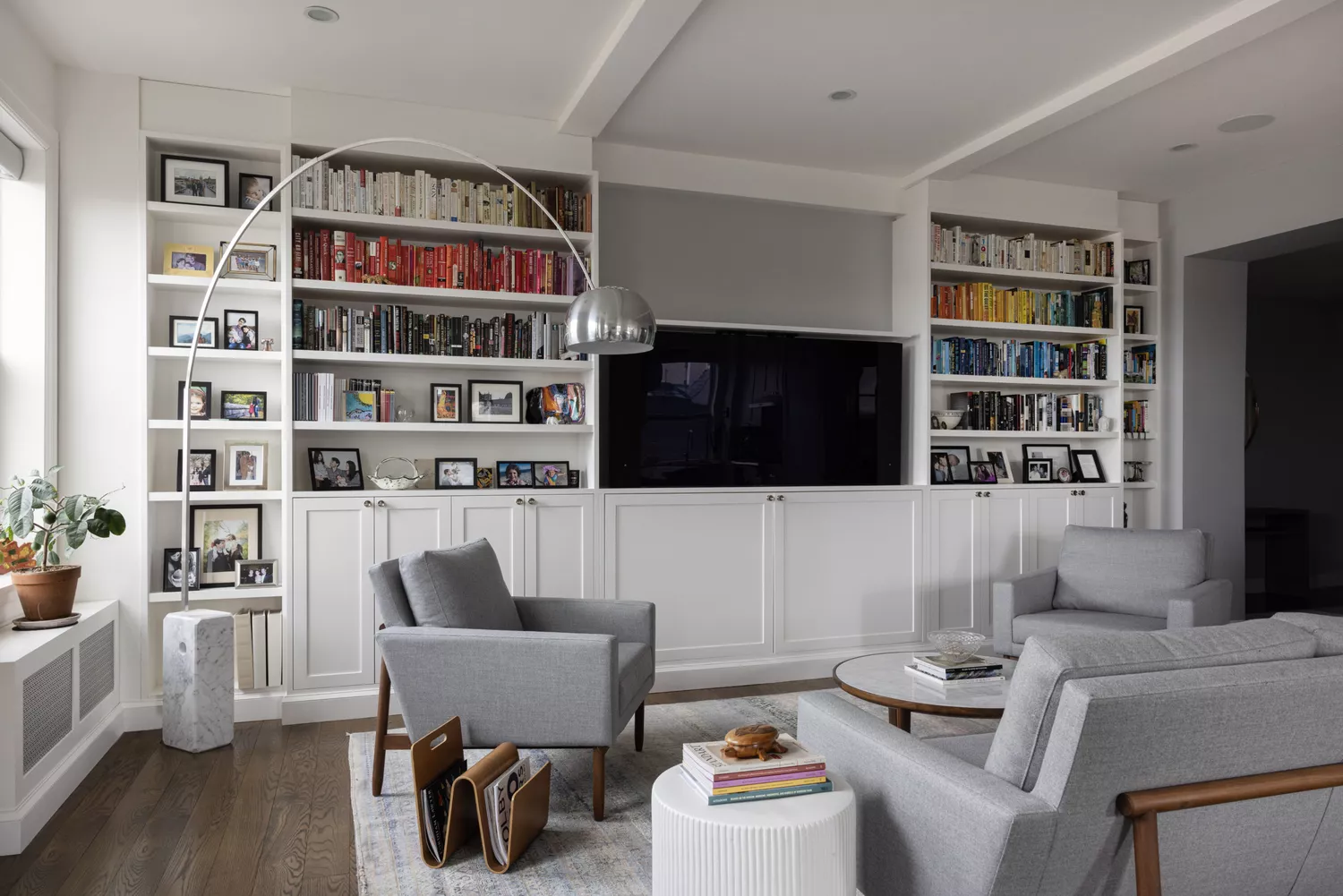
Achieving a cozy and inviting ambiance in a room often relies on a well-executed lighting scheme, which typically involves a blend of recessed lighting, overhead fixtures, and eye-level lamps or sconces. While interior designers excel at creating these schemes, DIY decorators may find the process challenging. This article offers five essential lighting hacks from design professionals to effortlessly enhance a home's lighting.
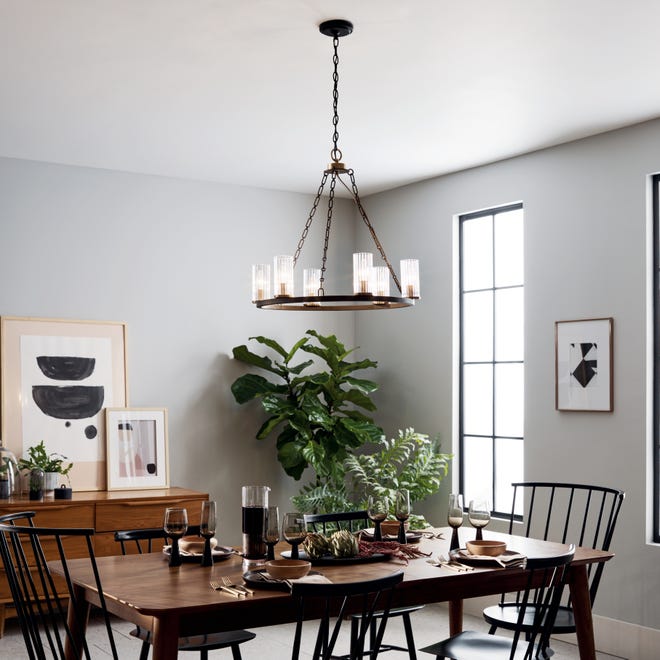
The first hack emphasizes the importance of selecting appropriate light bulbs, beyond just the fixture. Designers advise paying attention to both color temperature (kelvin) and brightness (lumens). A common mistake is using bulbs with too low a kelvin, often around 2700K, which can produce an overly yellow light that makes a room appear dated. Instead, aiming for approximately 3000K across all bulbs helps achieve a warm, inviting glow. Consistency in bulb color and kelvin is crucial; mixing warm and cool temperature bulbs should be avoided to maintain a cohesive look.
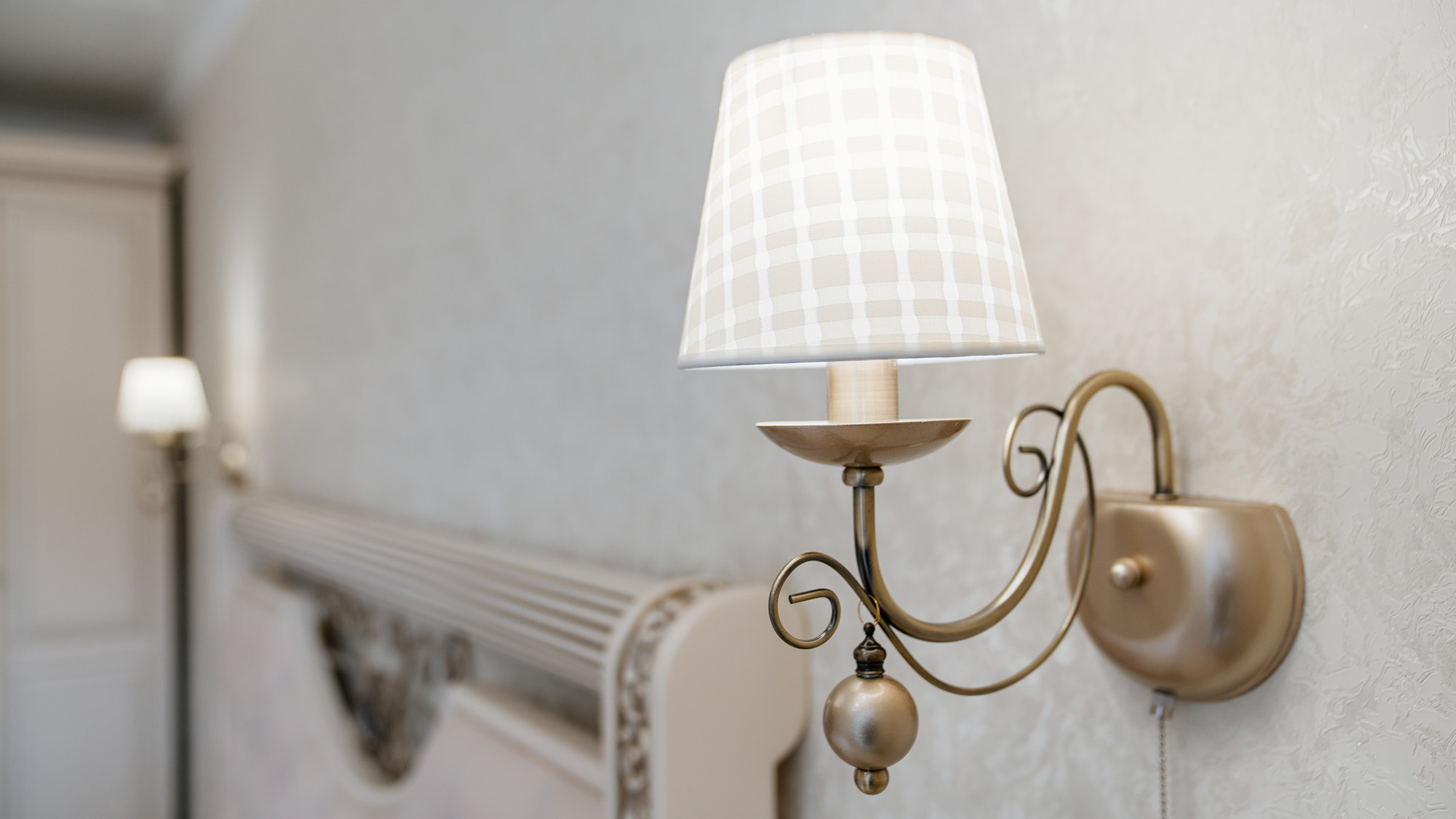
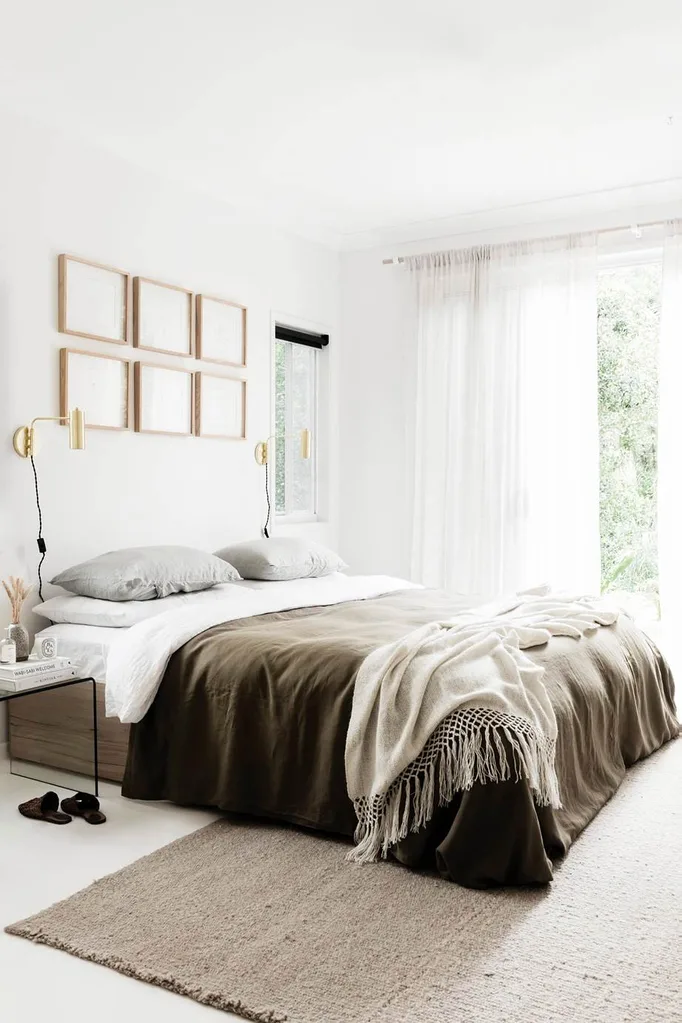
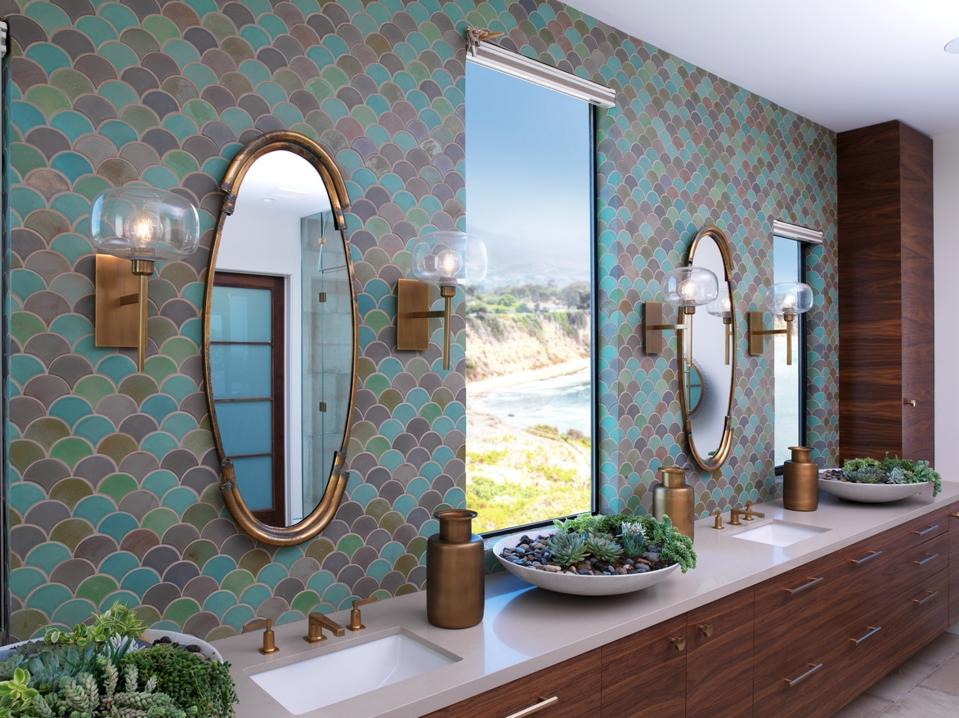
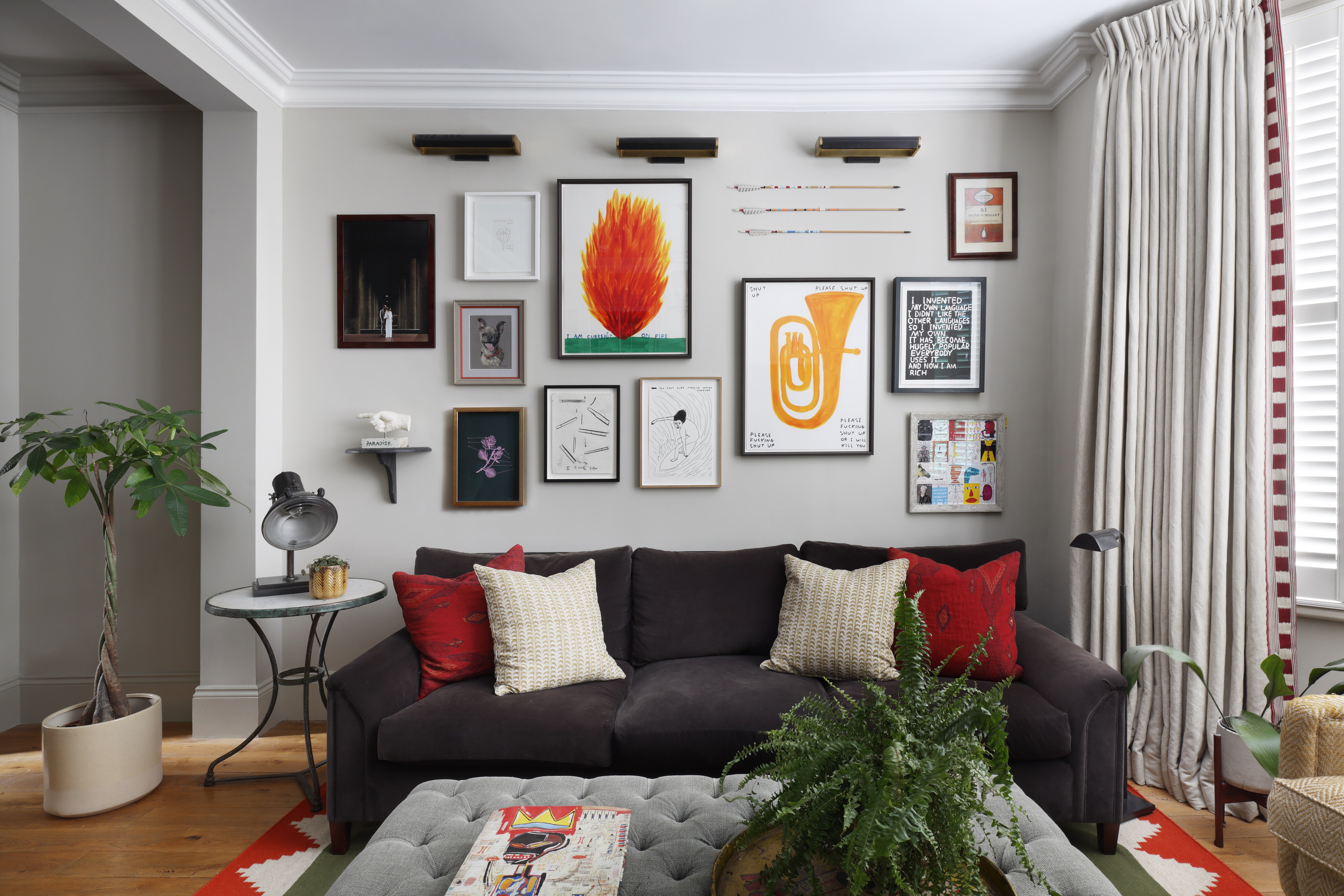
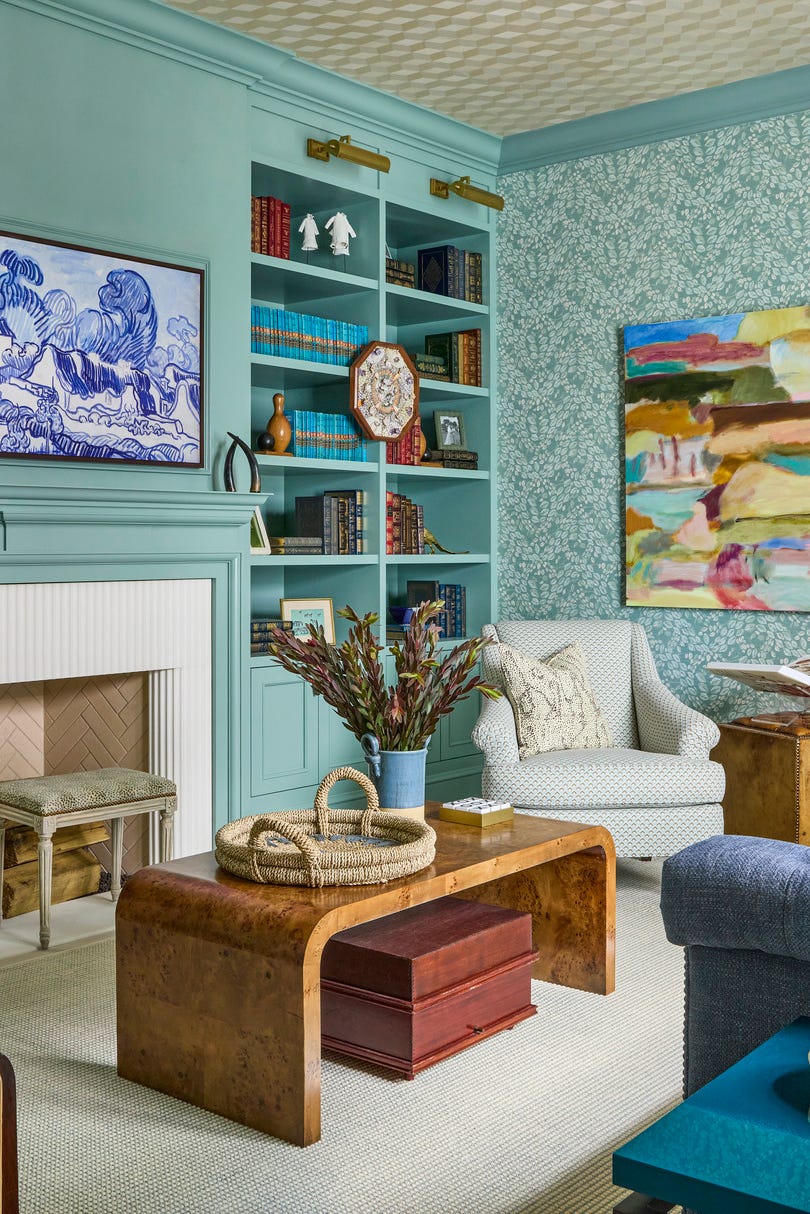
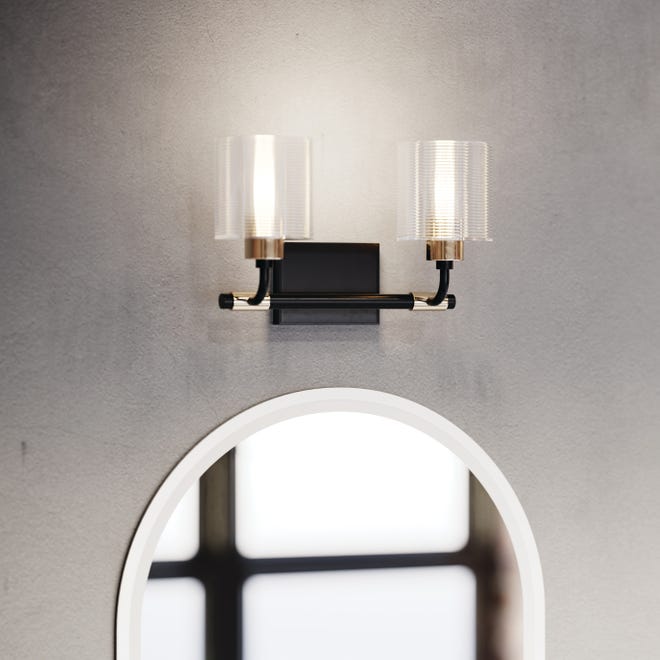
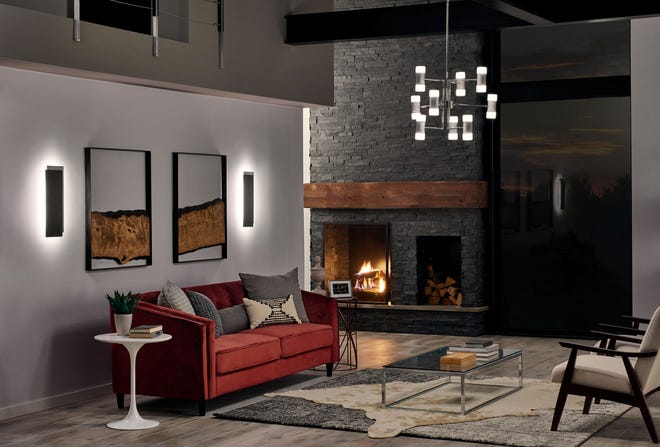

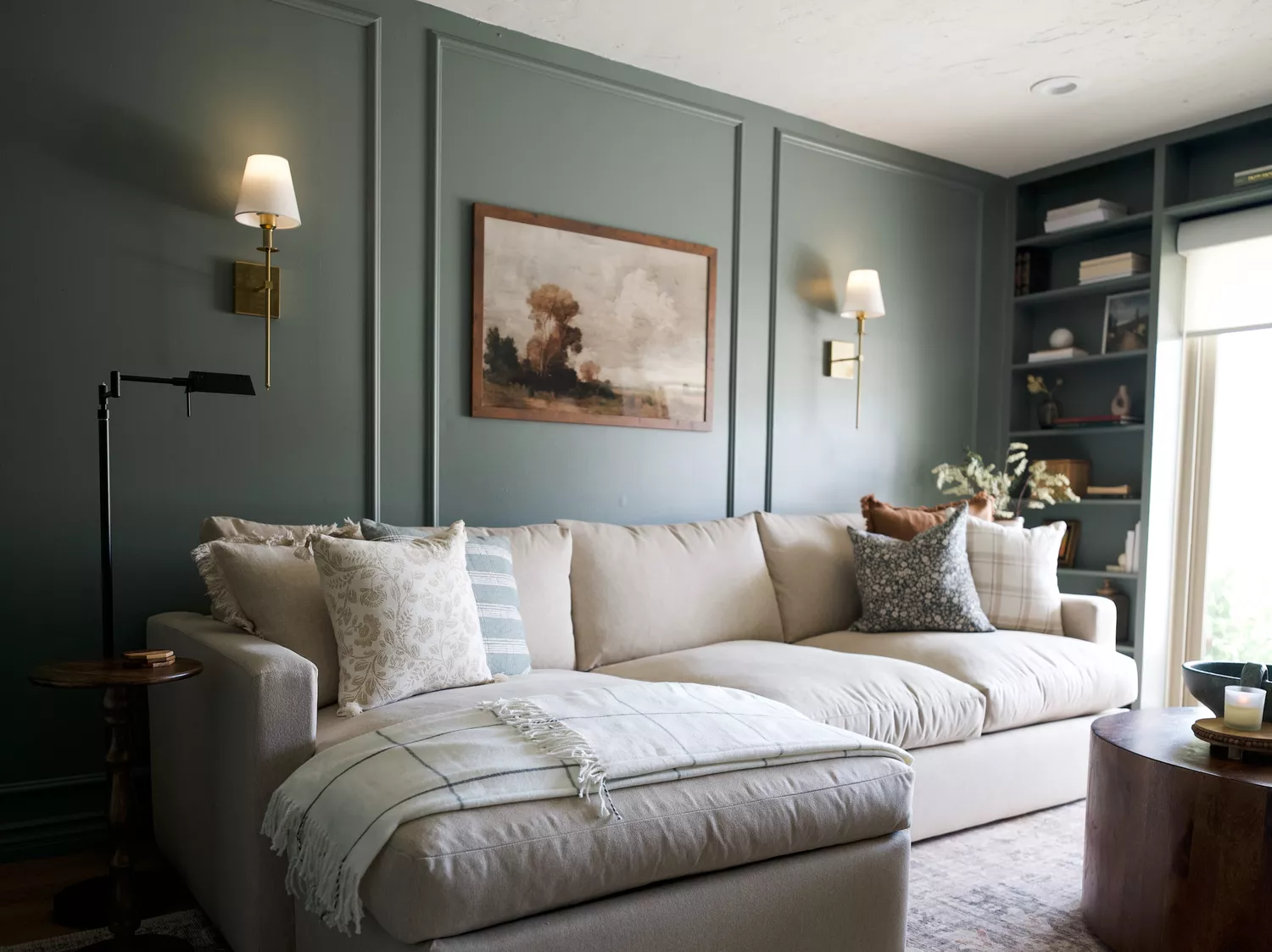
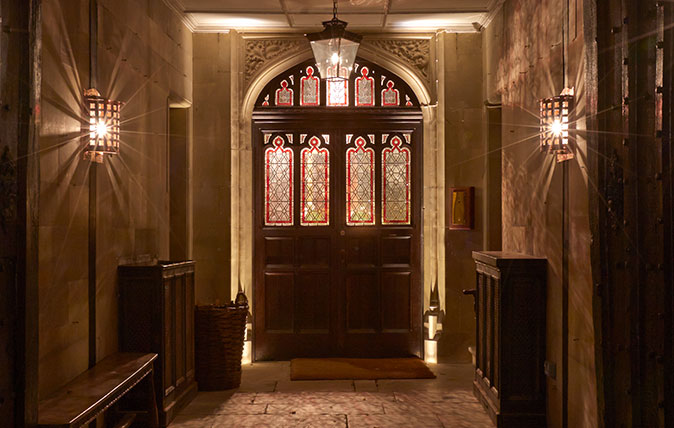
The second hack involves using lighting to accentuate specific design details within a room. Not all lighting needs to be purely functional; strategic placement can highlight architectural features like arched doorways or decorative elements such as the wood grain of a bar cabinet. This approach, which can create visual patterns and add a "wow factor," makes a space feel more inviting and interesting. For example, sconces can effectively spotlight textured walls like grasscloth or shiplap, creating beautiful shadows that enhance their unique characteristics.
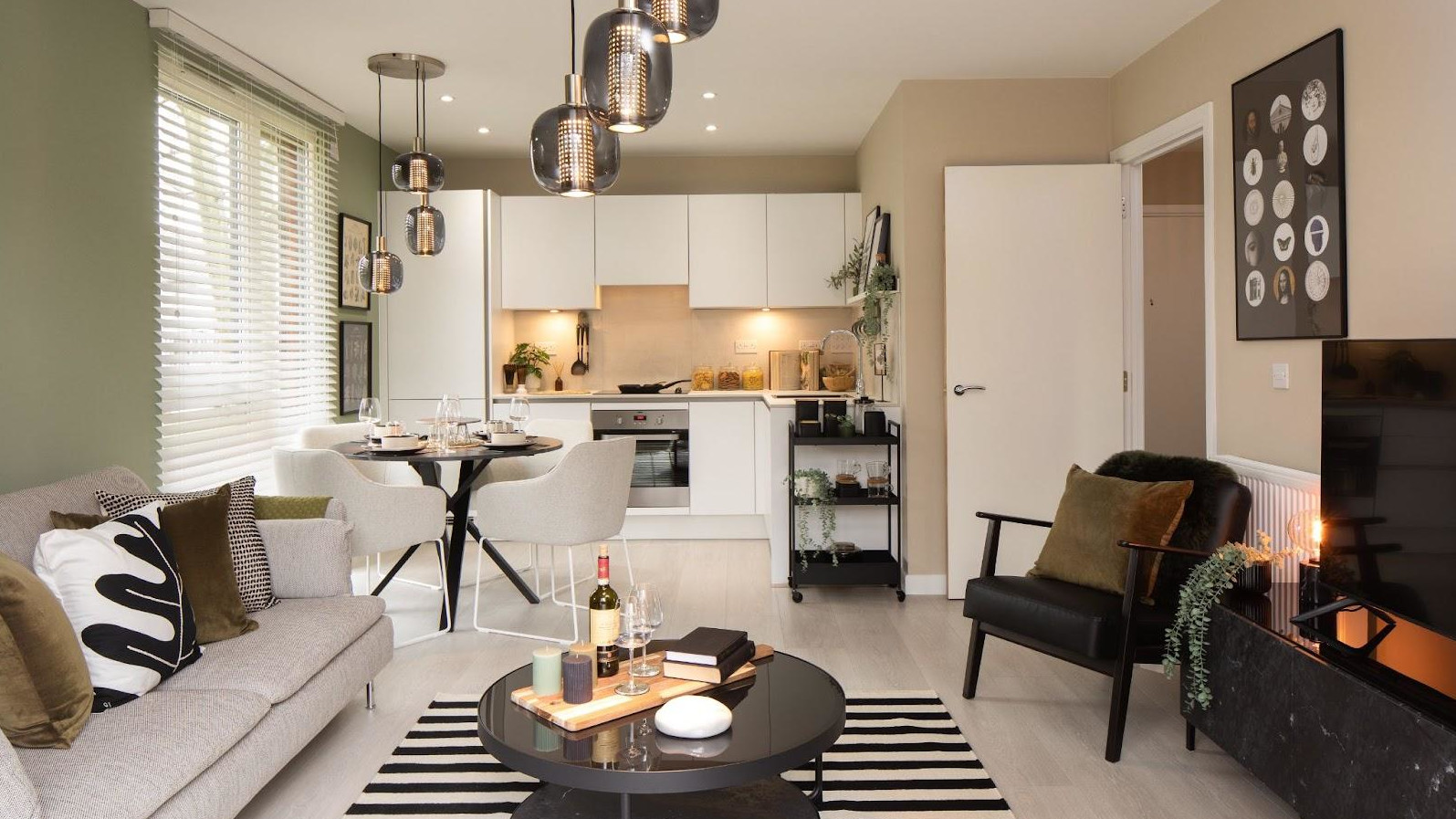
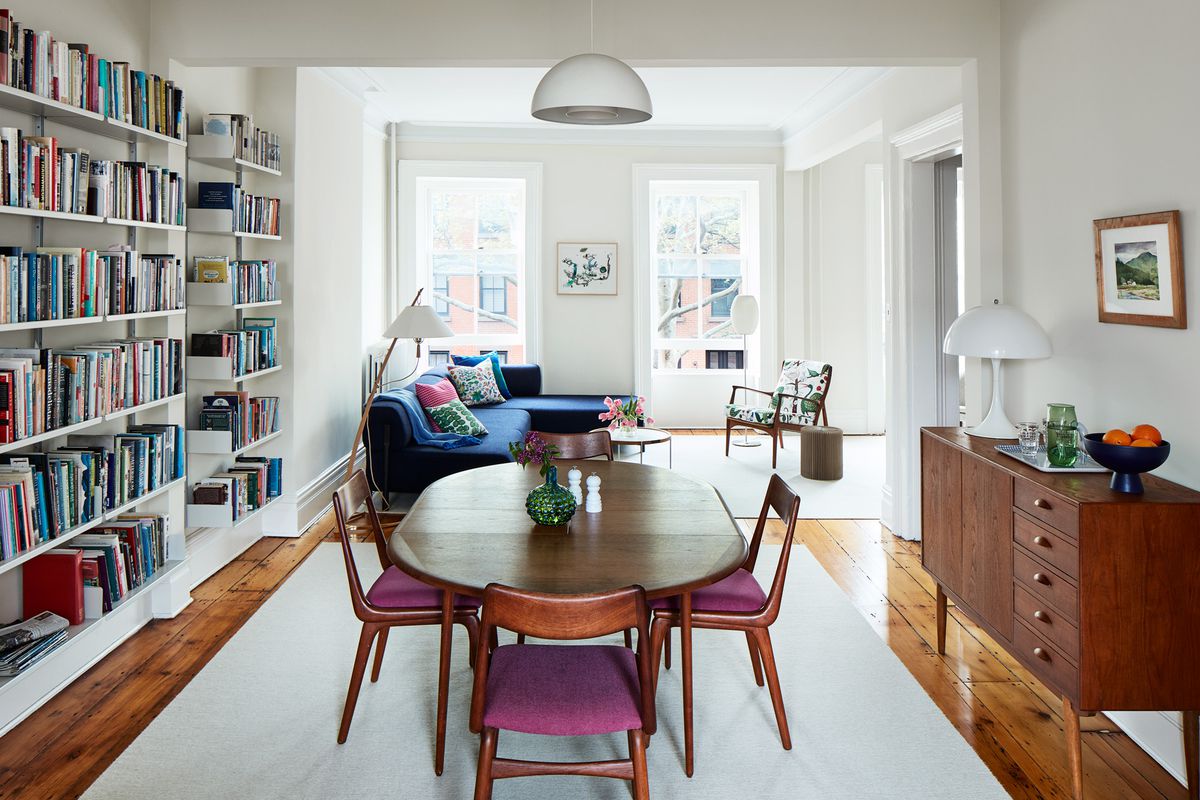
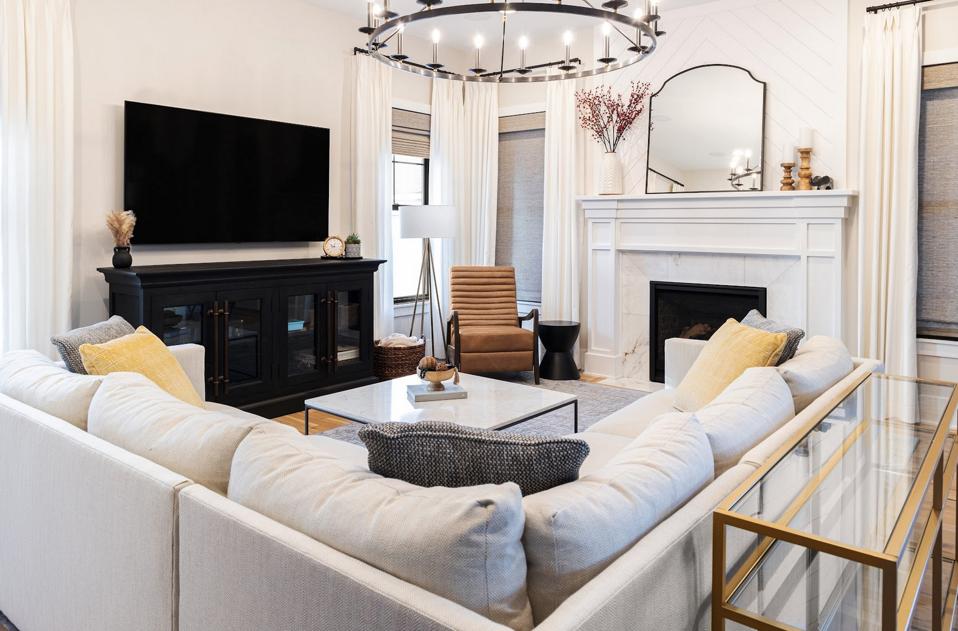
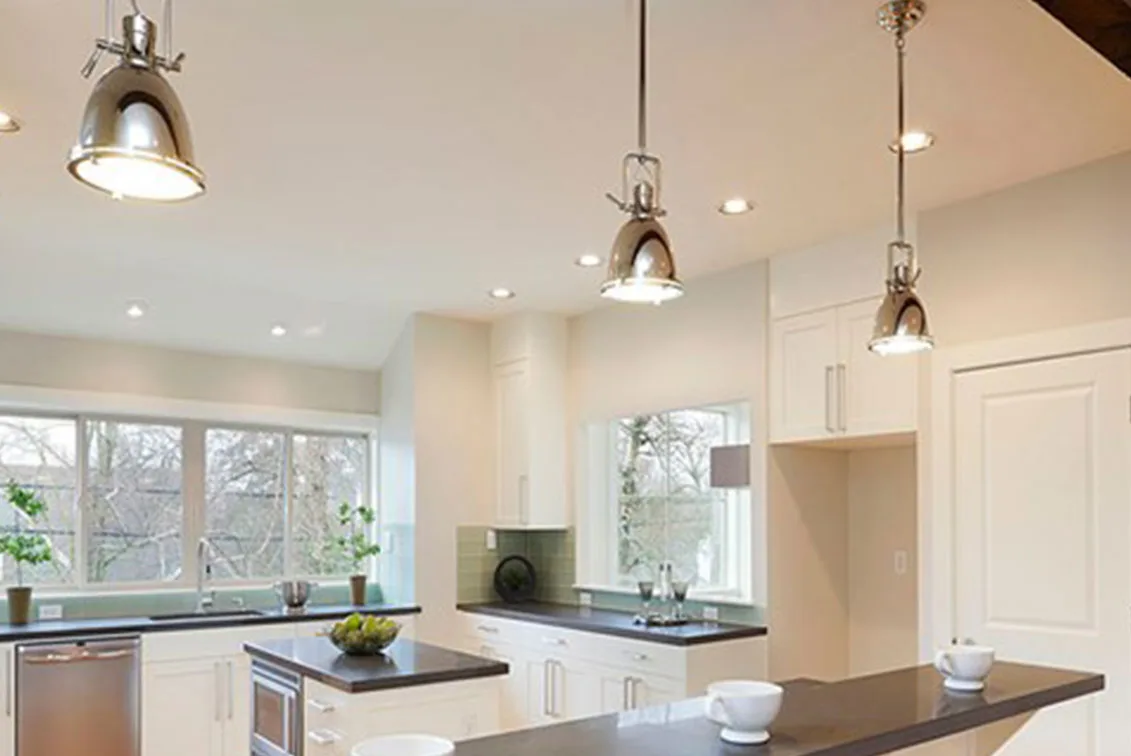
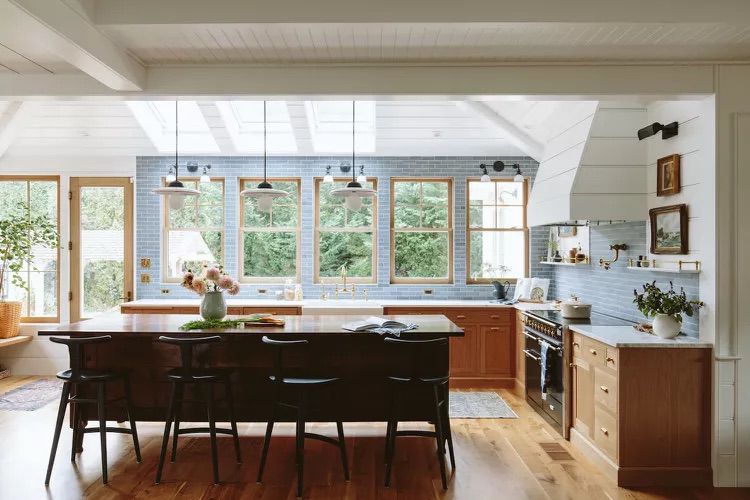
The third hack rethinks the traditional use of recessed lighting. While recessed lights have been popular for their functionality, they can sometimes produce an unpleasant glare. Designers recommend minimizing their use and, when necessary, opting for lensed recessed lights or those that reflect light upward rather than directly downward. Indirect downlights, which bounce light off a dome before directing it into the room, are particularly favored for their ability to reduce glare and provide a softer illumination.
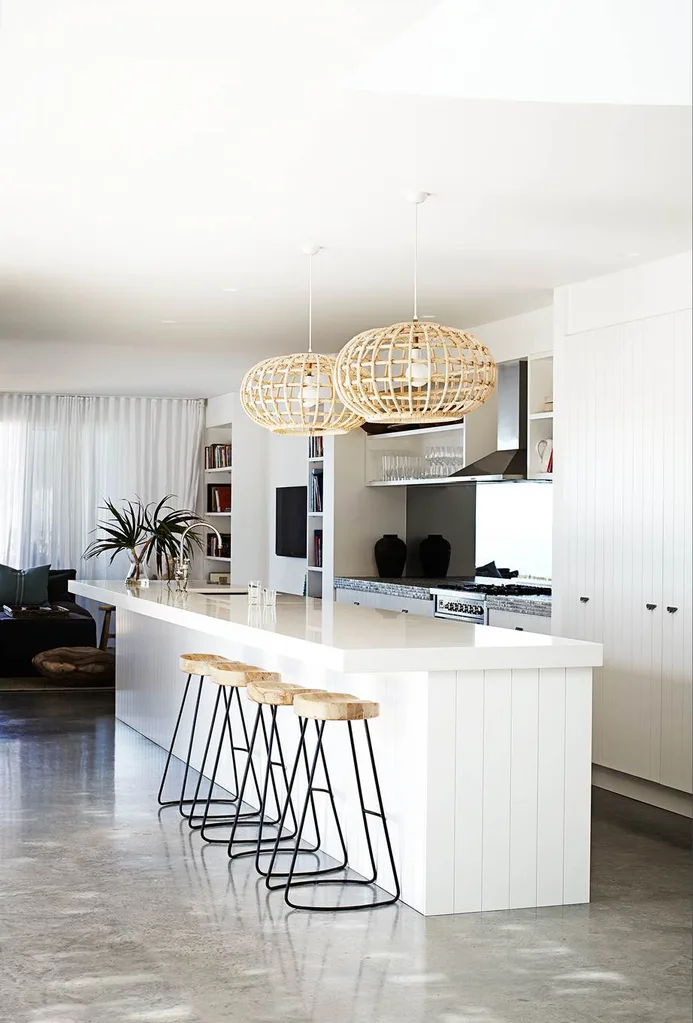
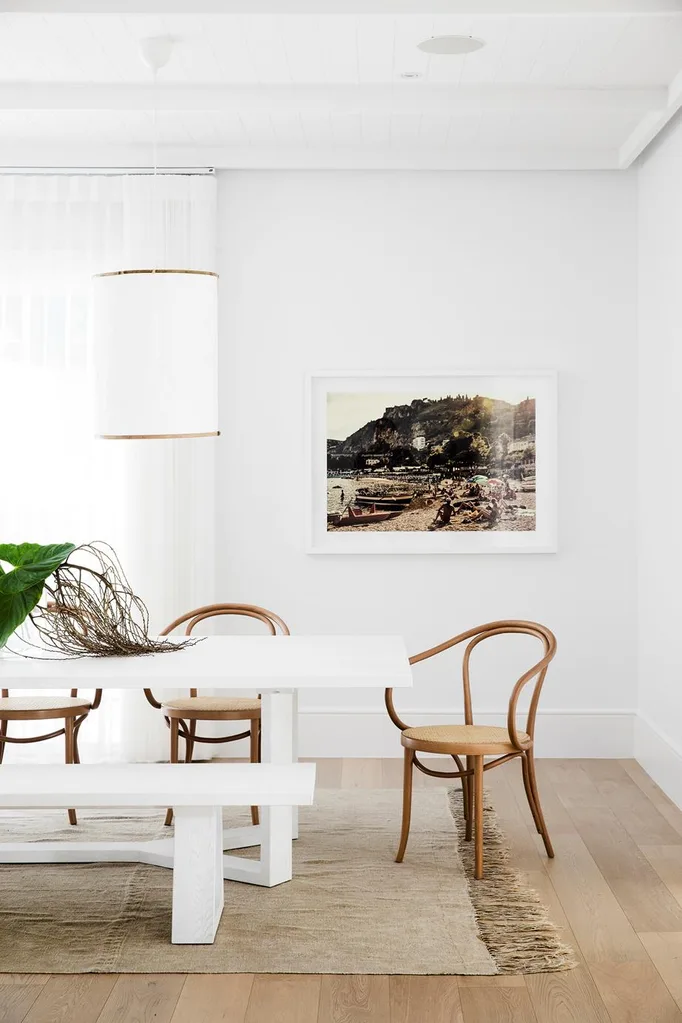
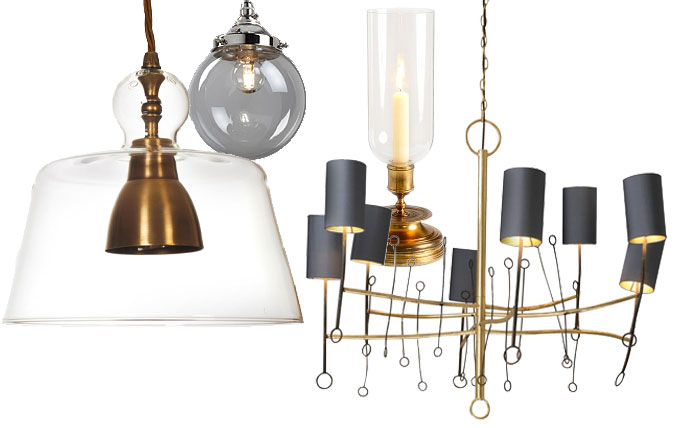
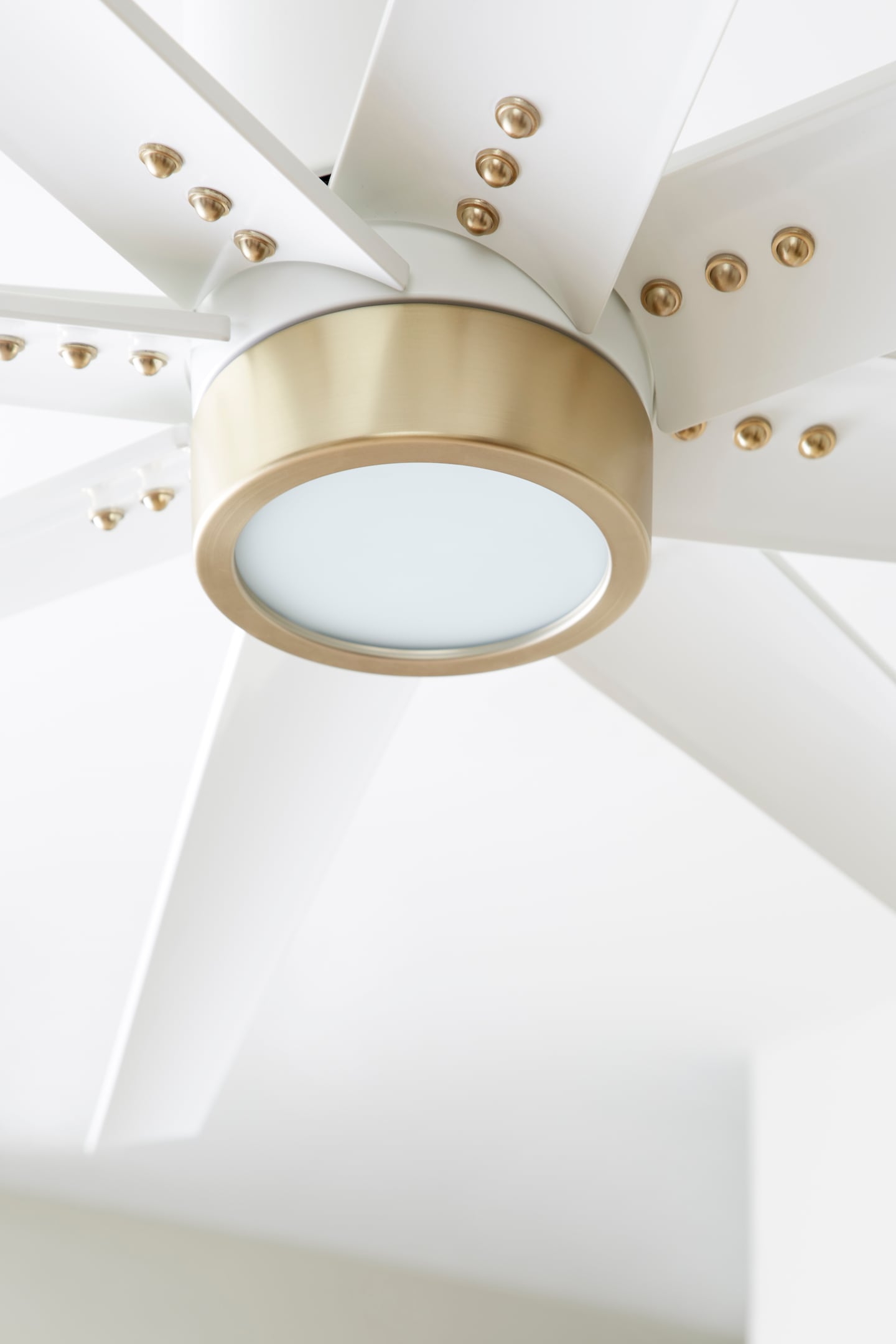
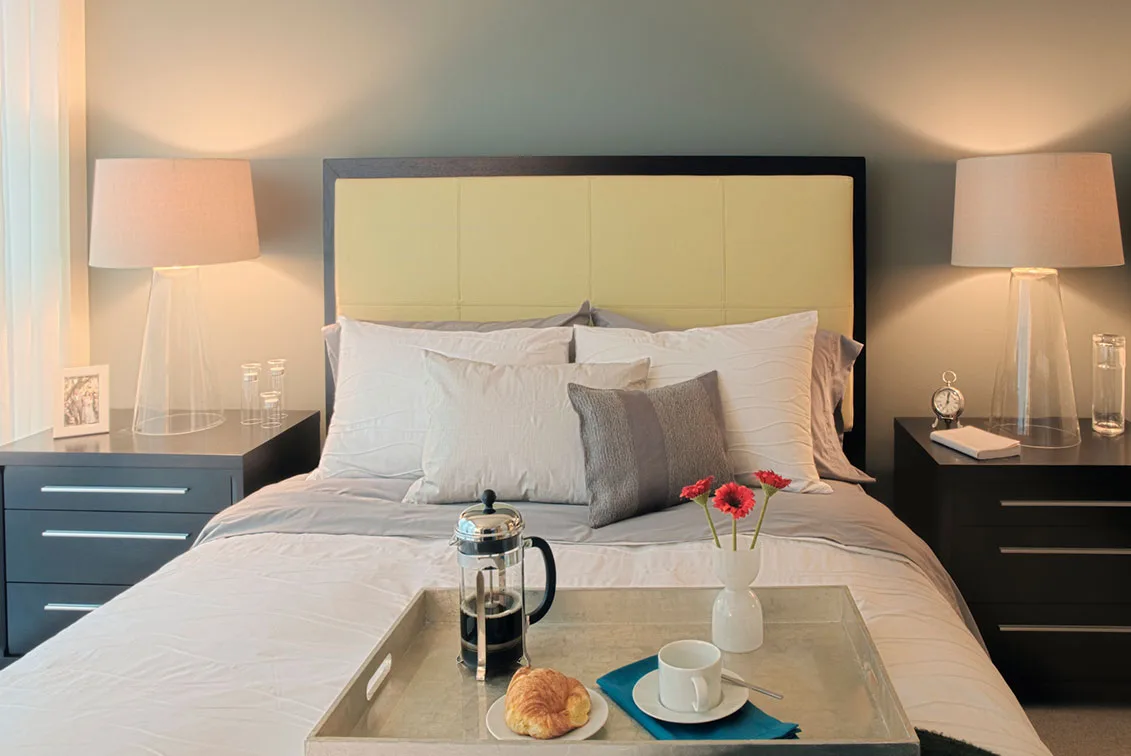
The fourth hack focuses on the strategic placement of overhead fixtures. Contrary to the common practice of centering an overhead fixture in the middle of a room, designers suggest a more functional approach, especially in bedrooms. For instance, an overhead fixture in a bedroom should be centered above the bed, specifically 18 inches from the foot of the bed. This positioning ensures the light is over the sleeper's feet, keeping it out of the way when navigating around the bed and allowing for the use of taller fixtures that might otherwise obstruct movement.
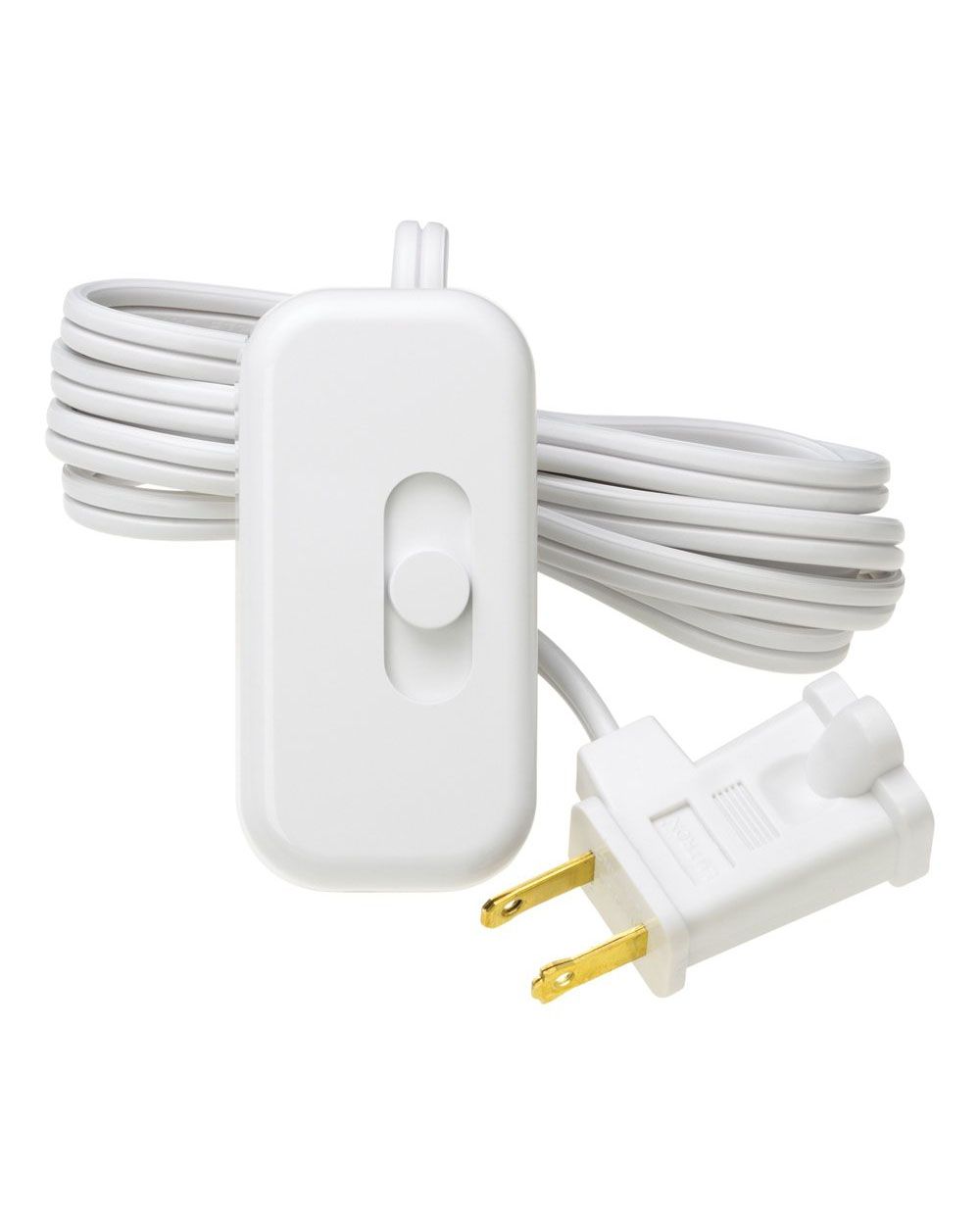
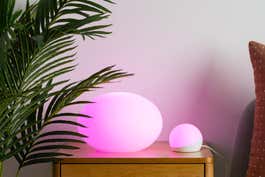
The final hack addresses the concept of mood lighting through preset systems. Different activities and occasions call for varied lighting setups. Designers recommend installing dimmers on lamps and integrating them with smart home systems like Lutron Caseta. These systems allow users to create custom lighting "themes" or scenes that can be activated based on the time of day or specific activities. Connectivity with voice assistants such as Google Home or Alexa further simplifies this process, enabling users to activate predetermined lighting schemes with simple voice commands for events like parties or quiet reading sessions.
#LightingDesign #HomeDecor #InteriorLighting #SmartHome #DesignTips #ArchitecturalLighting #BulbSelection #RecessedLighting #OverheadFixtures #LightingDesign #HomeDecor #InteriorLighting #SmartHome #DesignTips #ArchitecturalLighting #BulbSelection #RecessedLighting #OverheadFixtures
合計0件のコメント
 まだコメントはありません
あなたも好きかもしれません
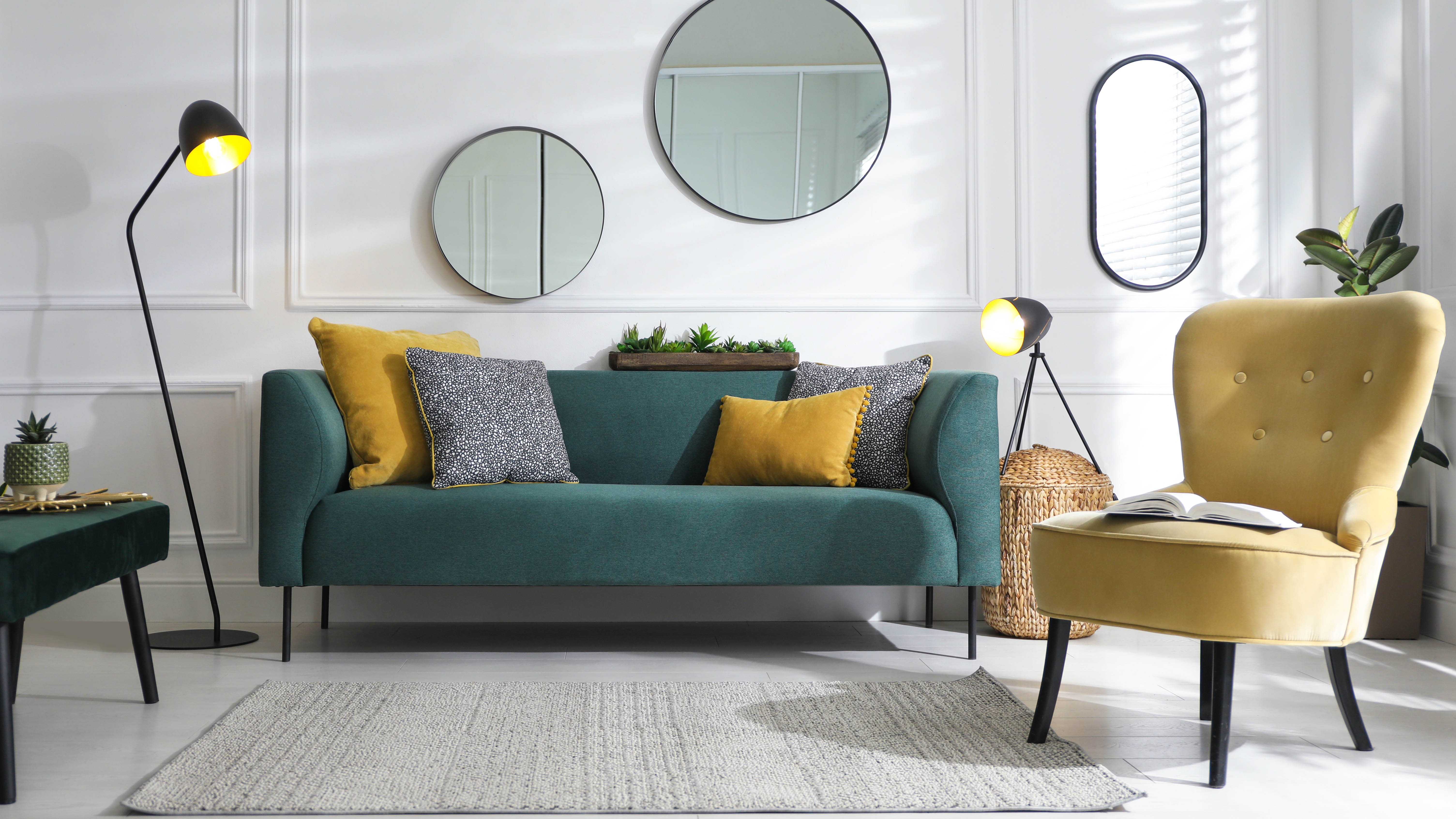
How to brighten any room in your home — 5 tips from a lighting expert


5 Design-Friendly Smart Lighting Styles to Personalize Your Home | Reviews by Wirecutter
Design experts offer lighting tips for upgrades that shine

7 Rental-Friendly Lighting Hacks Designers Use to Instantly Brighten Up Their Spaces
An interior designer’s guide to lighting your home

Get your home's lighting just right: Seven questions answered
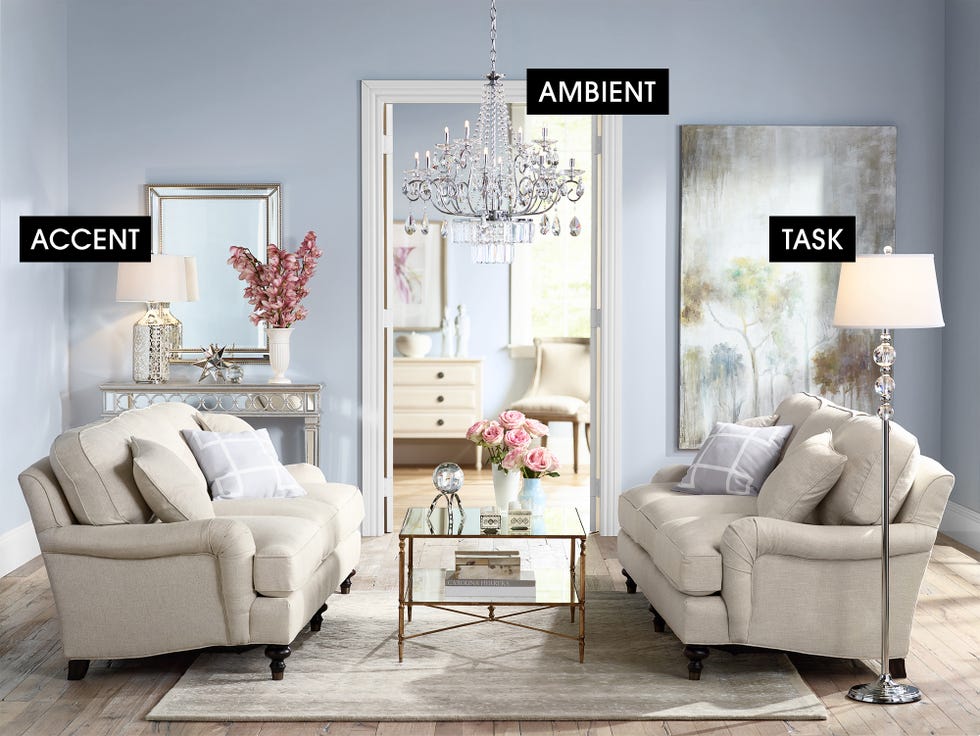
The 3 Types Of Lighting Every Room Needs

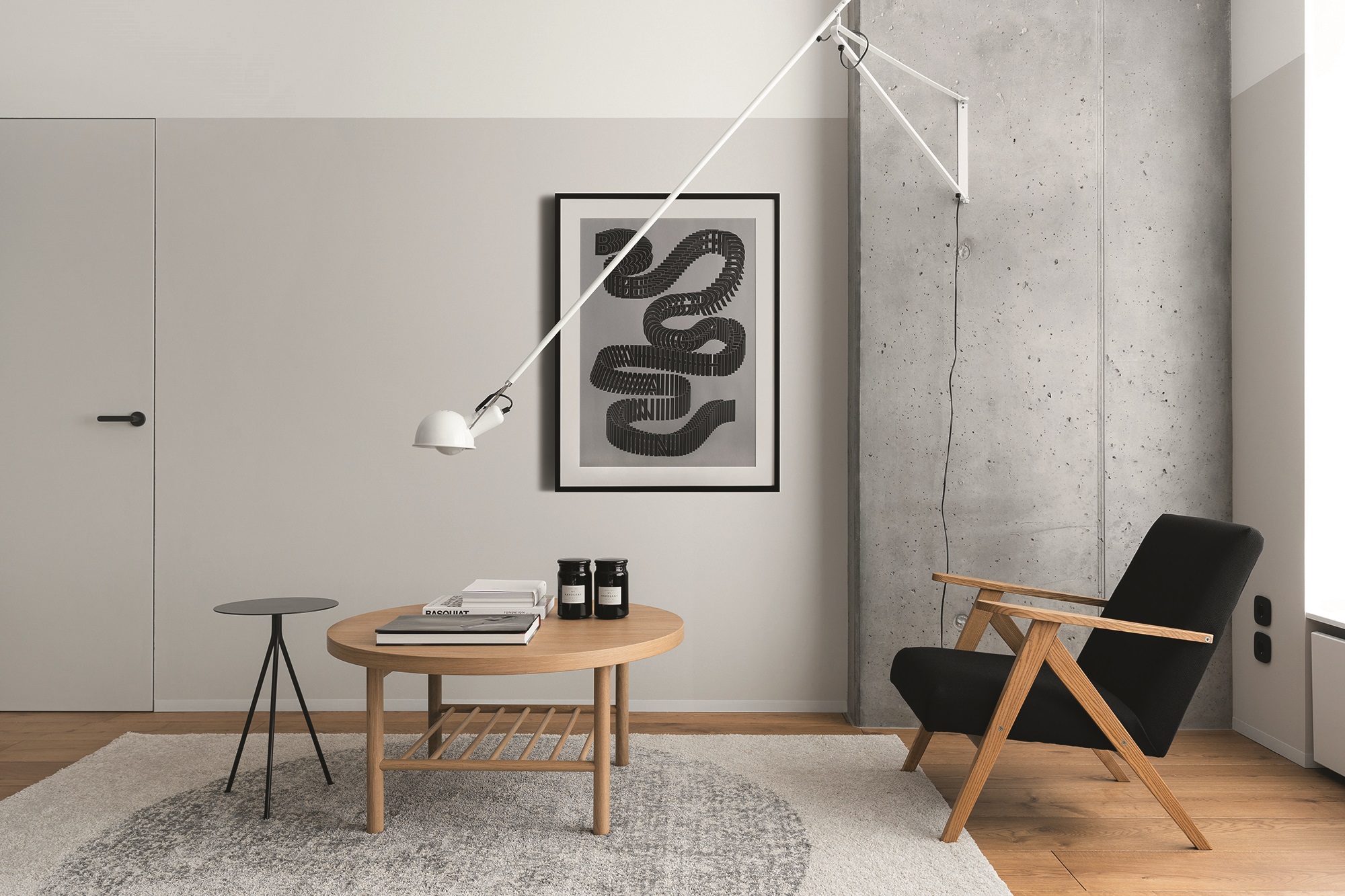
How do I make my home's lighting more modern? 10 creative ideas from inspiring designers

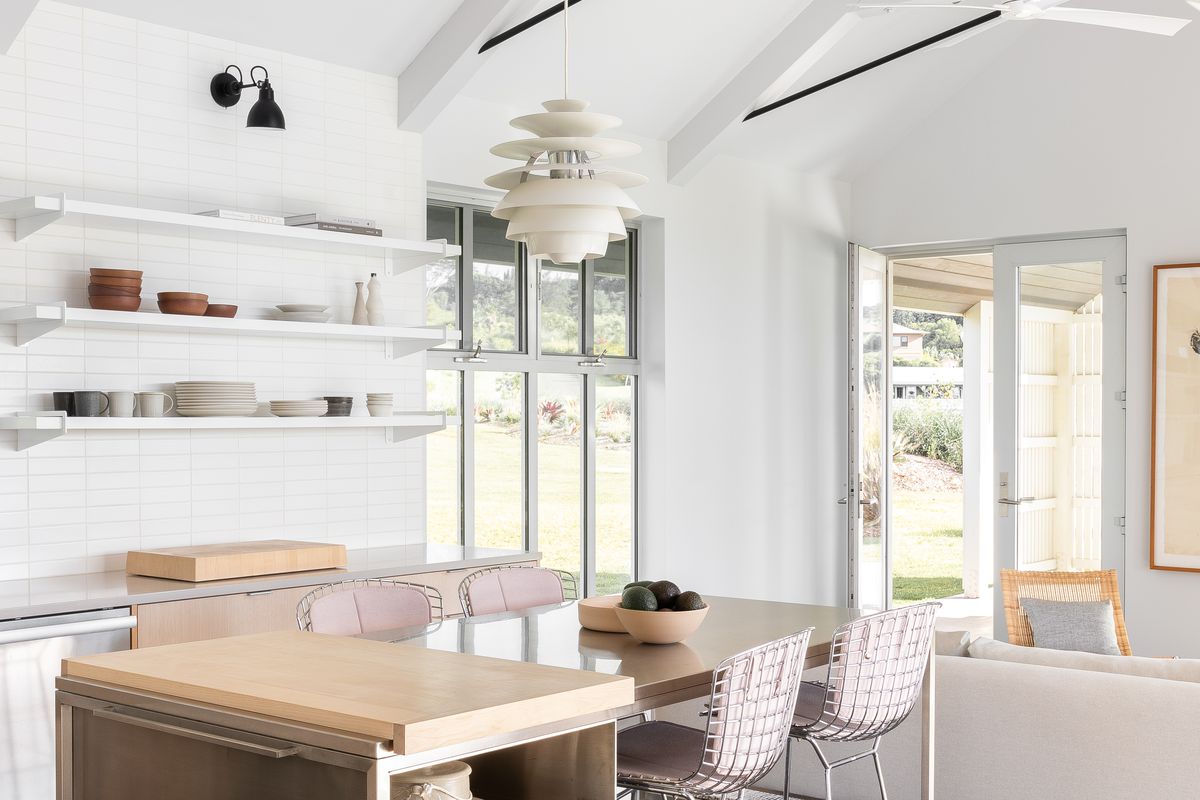
Pro tips to improve your home’s lighting—without an electrician
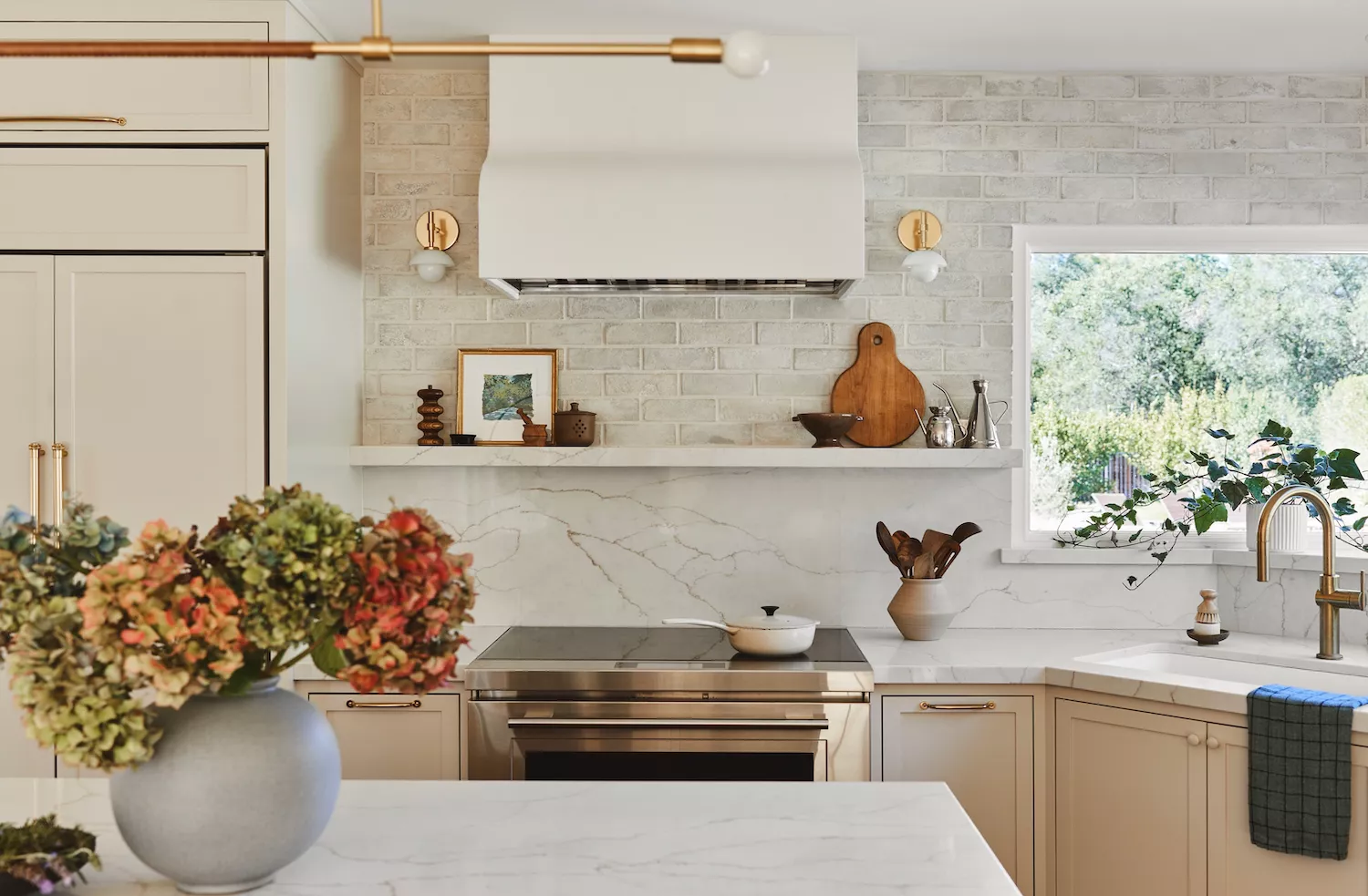
Small Kitchen, Big Impact: 5 Lighting Ideas Designers Actually Use to Instantly Brighten a Space
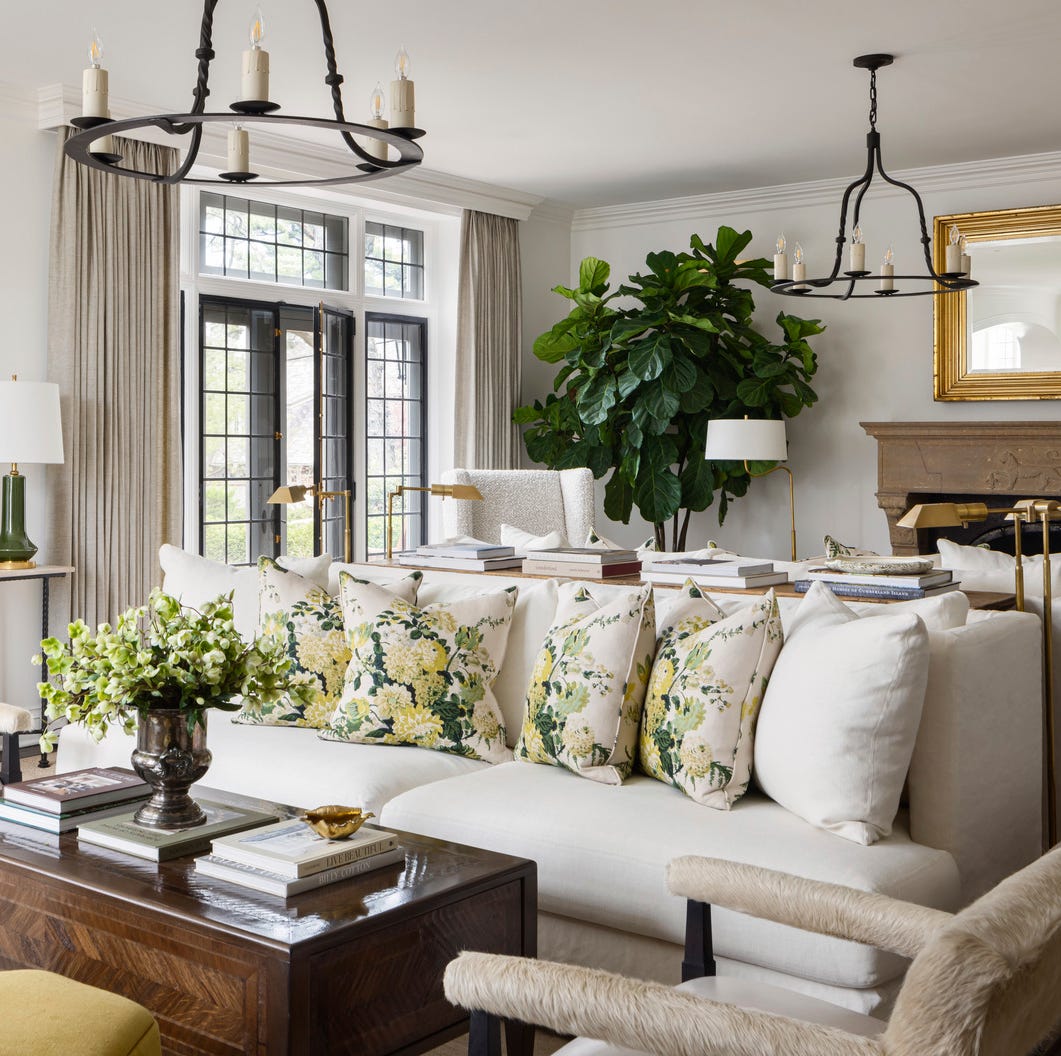
20 Ways High-End Designers Properly Light a Living Room

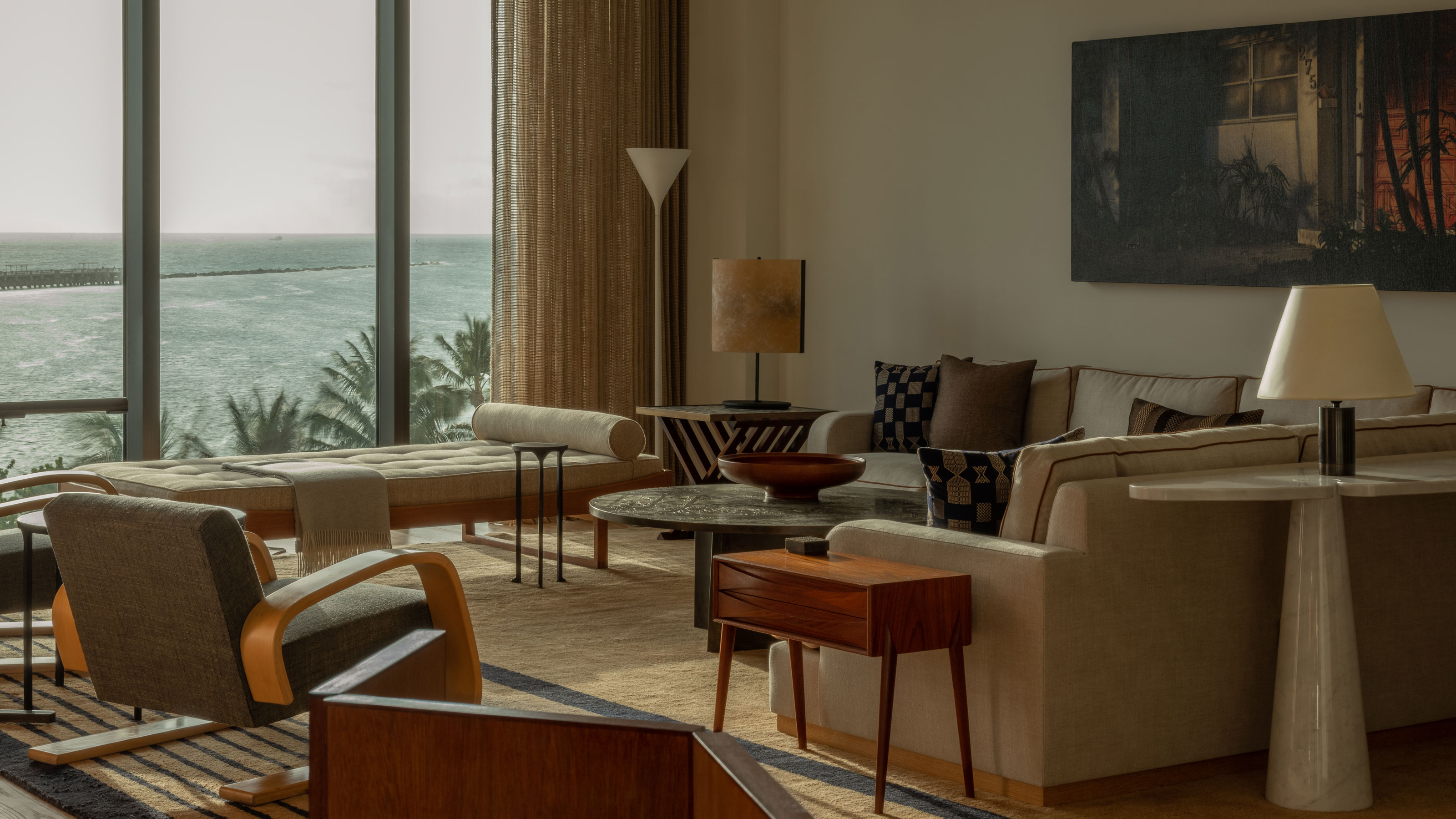
This Lighting Trick for Your Living Room is the Secret Designers Use to Elevate Their Decorating Schemes
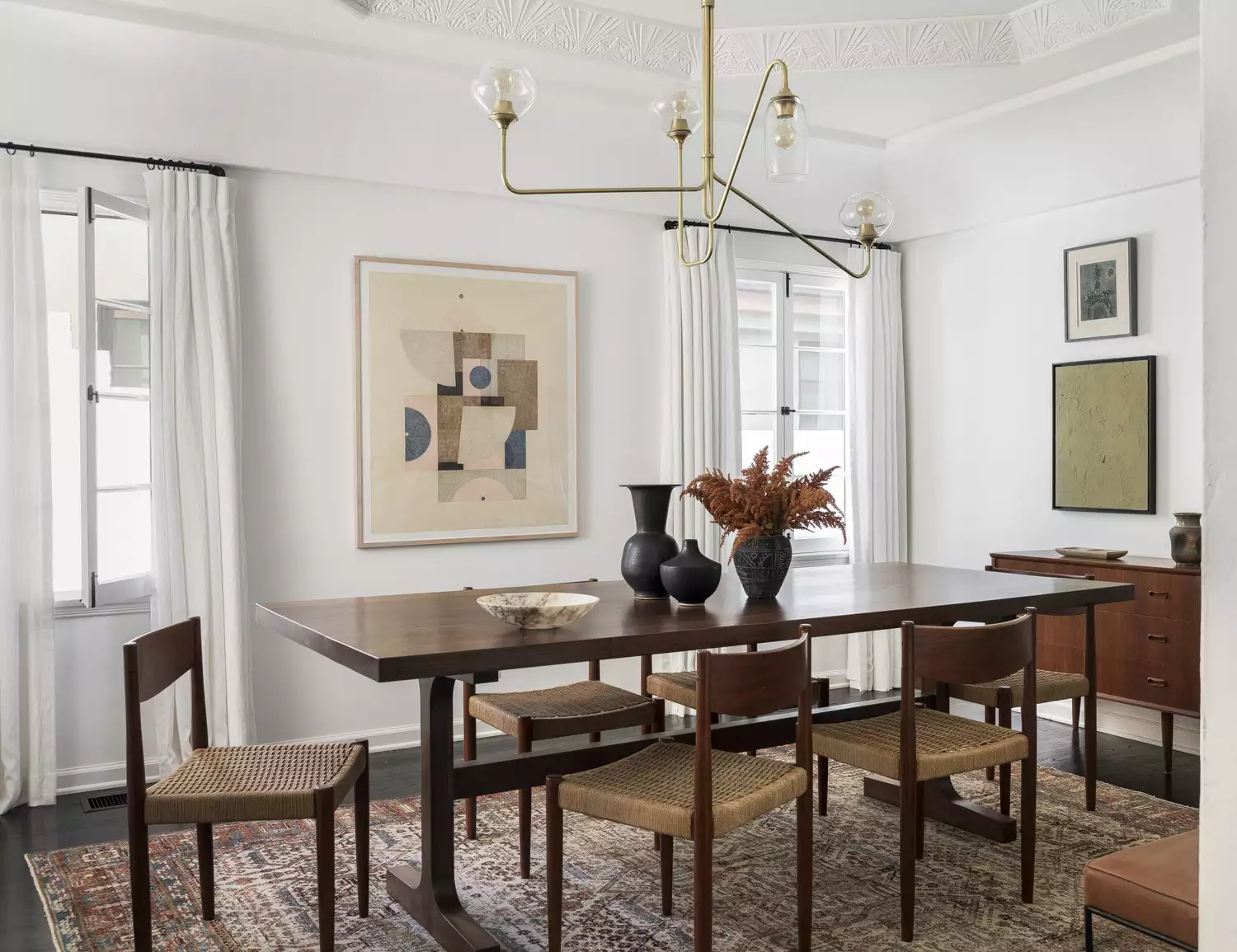
Interior Designers Share Their Secrets for Upgrading Home Lighting—Without Breaking the Bank


Best new lighting designs to brighten up your space

The best lighting for every room in the house

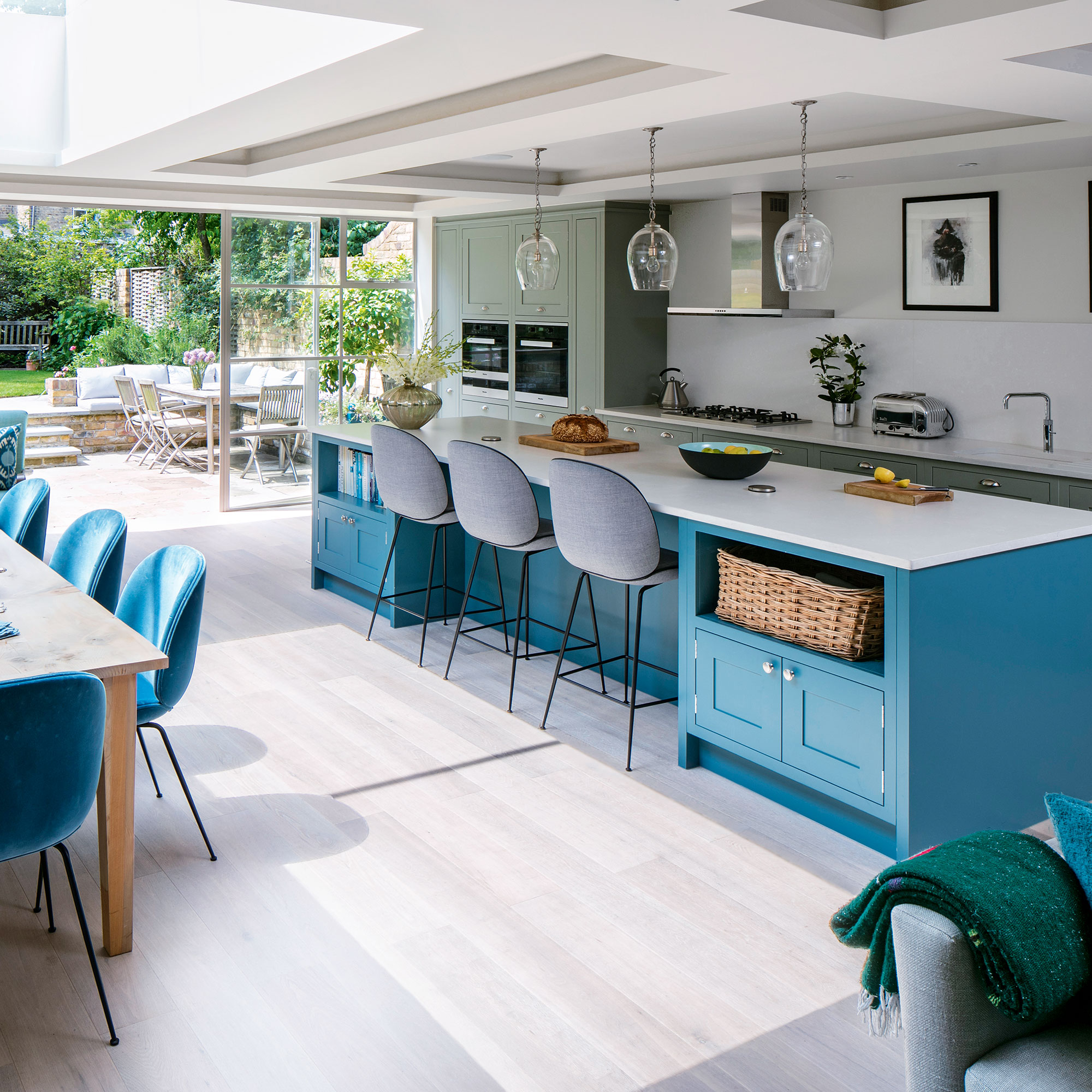
5 kitchen lighting layouts to illuminate your space to perfection
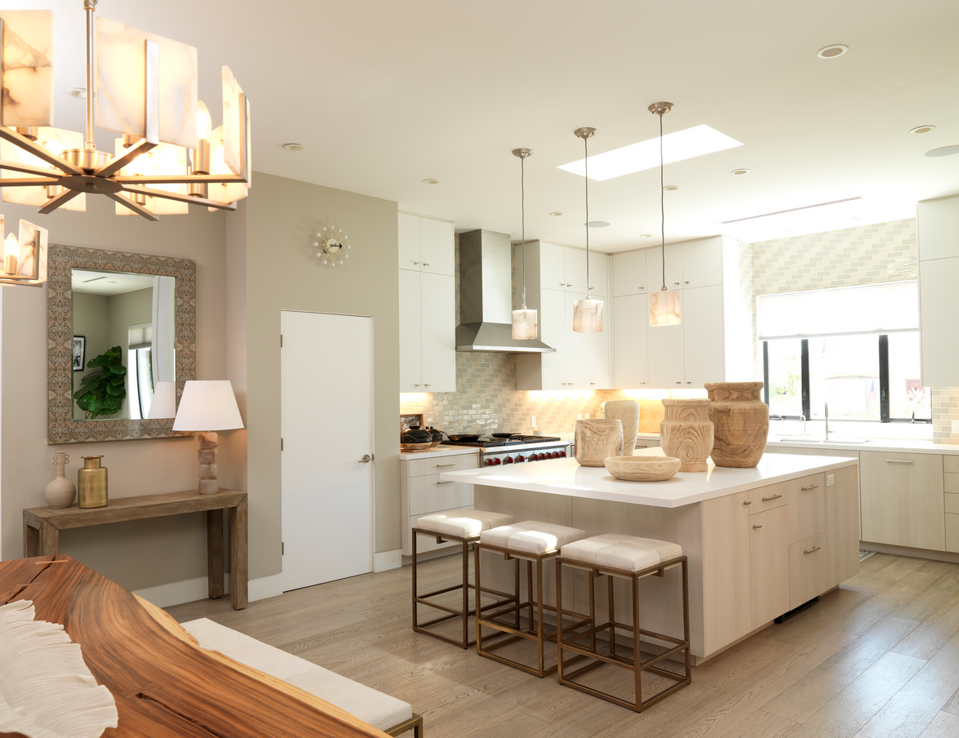
These Task, Accent, And Ambient Lighting Tips Can Transform Your Home

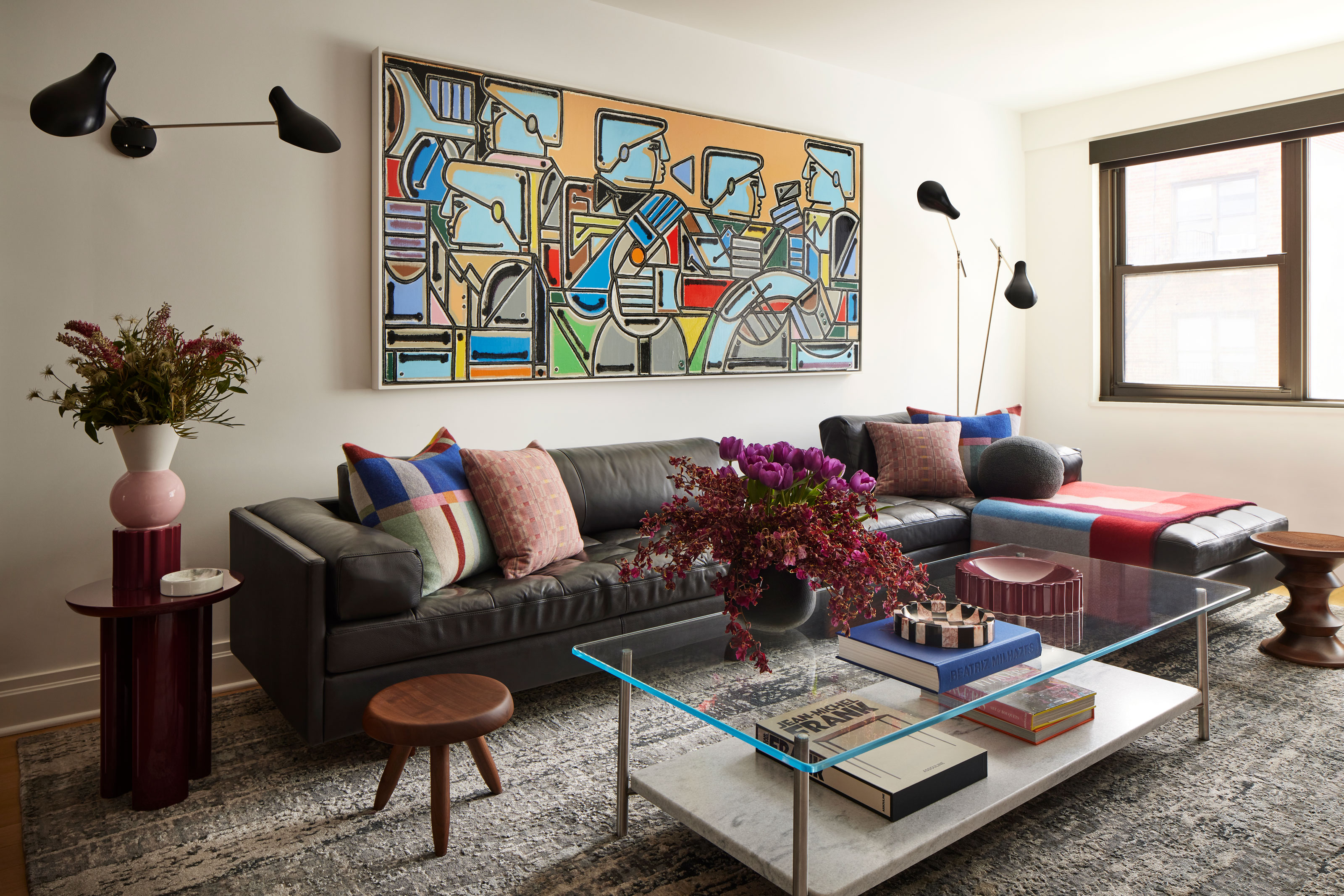
Forget the Ceiling Light — These Are the 5 Ways You Should Be Lighting Your Living Room
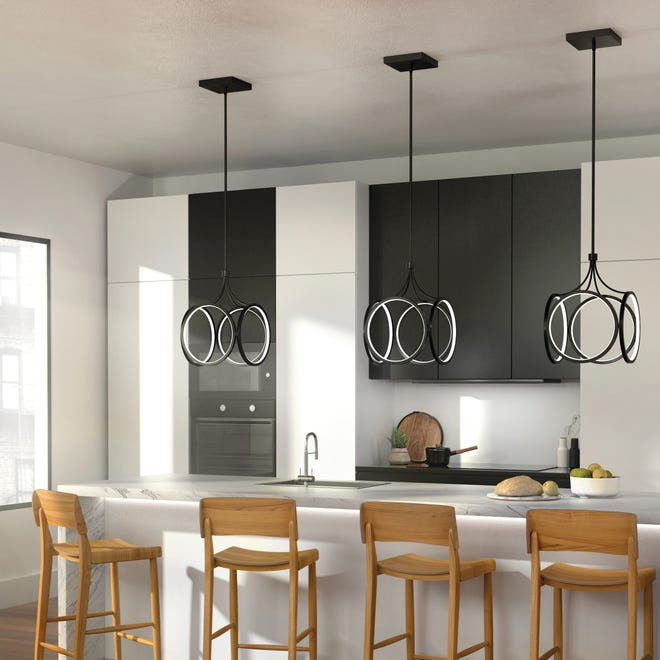
Homestyle: Lighting the way
5 Lighting Upgrades Pros Recommend to Instantly Increase Your Home’s Value