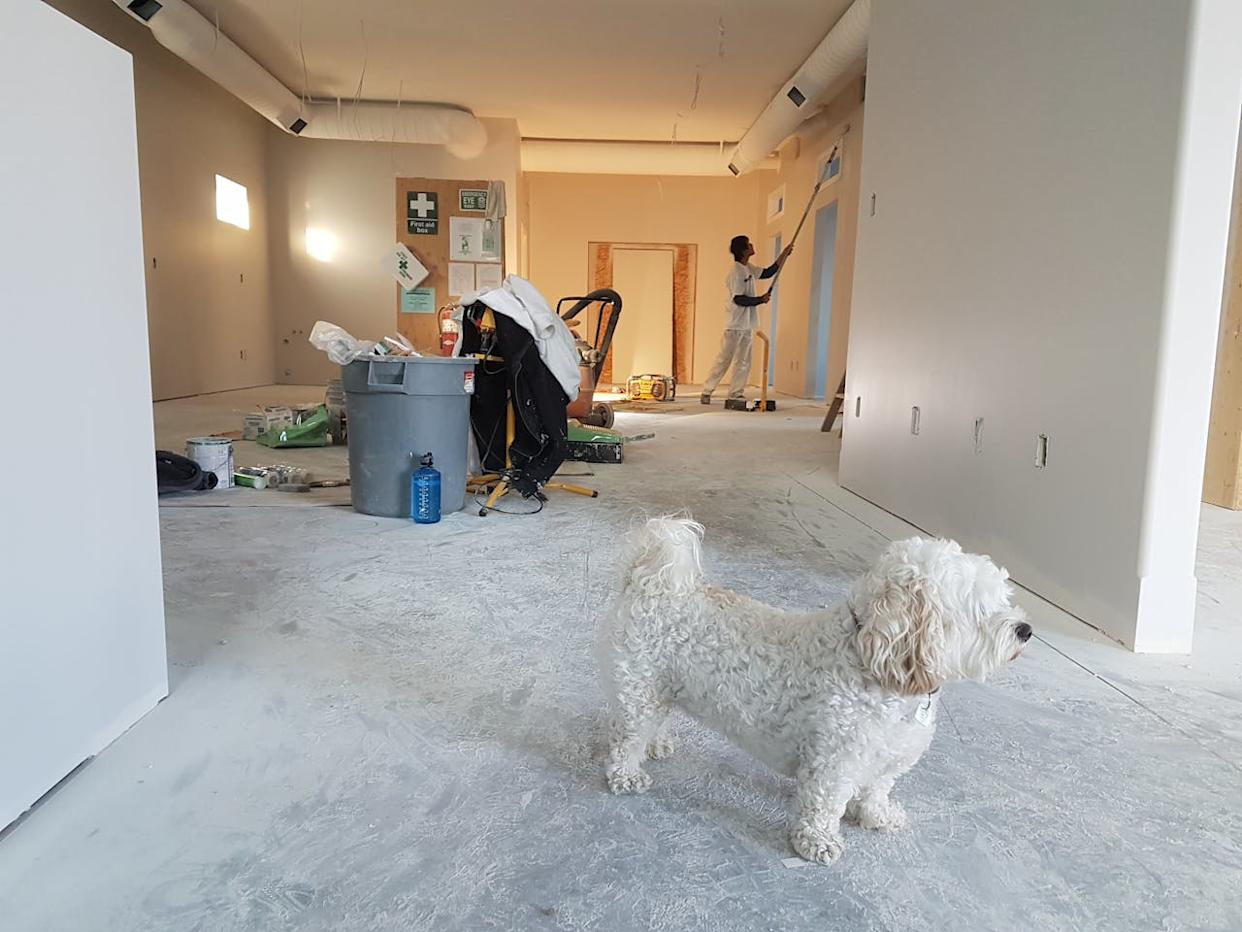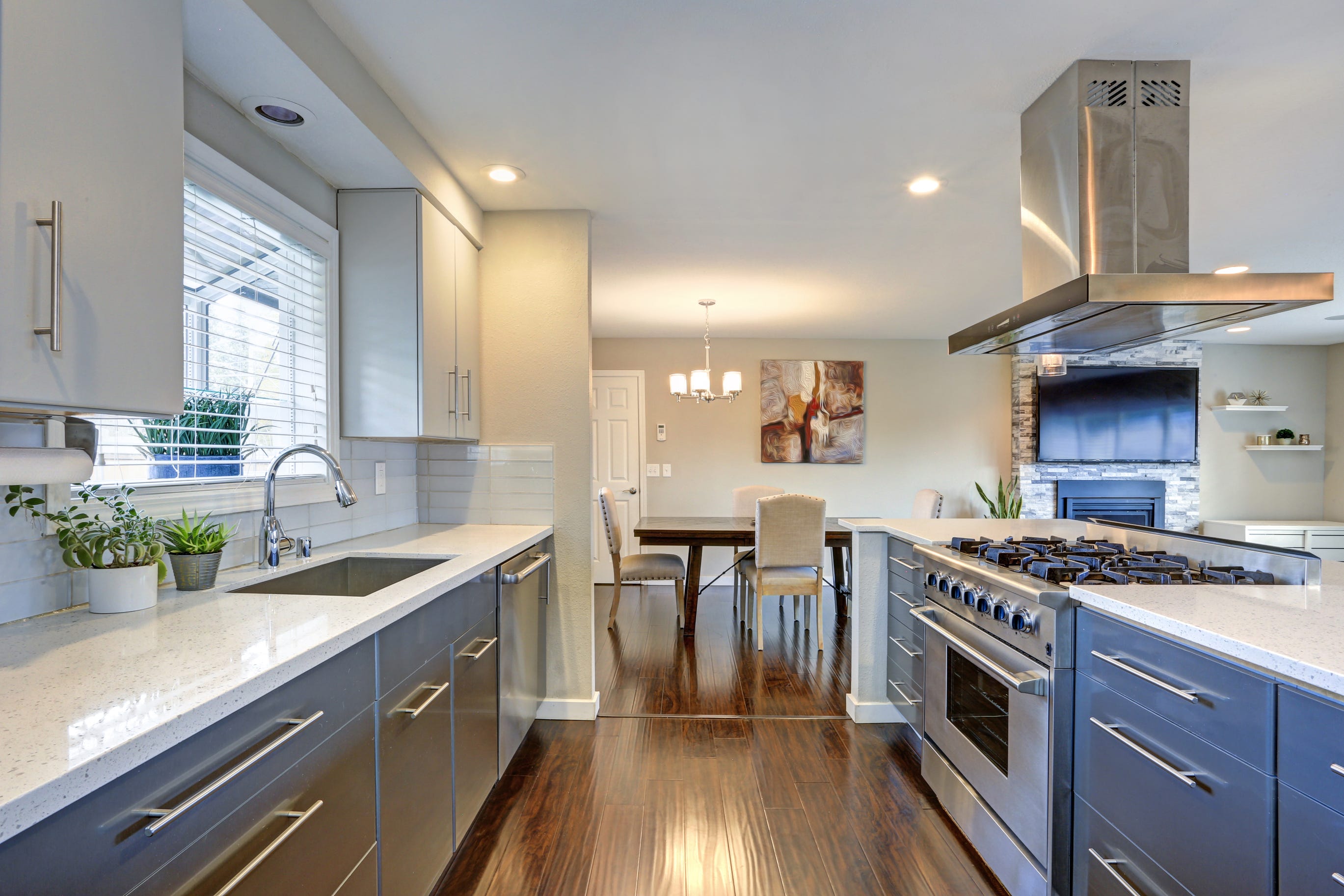
At Home with Marni Jameson: Home renovations that get the best returns
The article discusses home improvements that offer the most significant return on investment, drawing insights primarily from the 2022 Remodeling Impact Report by the National Association of Realtors (NAR). This report surveyed remodelers to determine average project costs and realtors to assess the impact of improvements on a home's resale value. The author introduces the topic by humorously describing the disruptive sounds of roofers next door, highlighting that a new roof, despite the inconvenience, is a top outdoor project returning 100% of its investment.
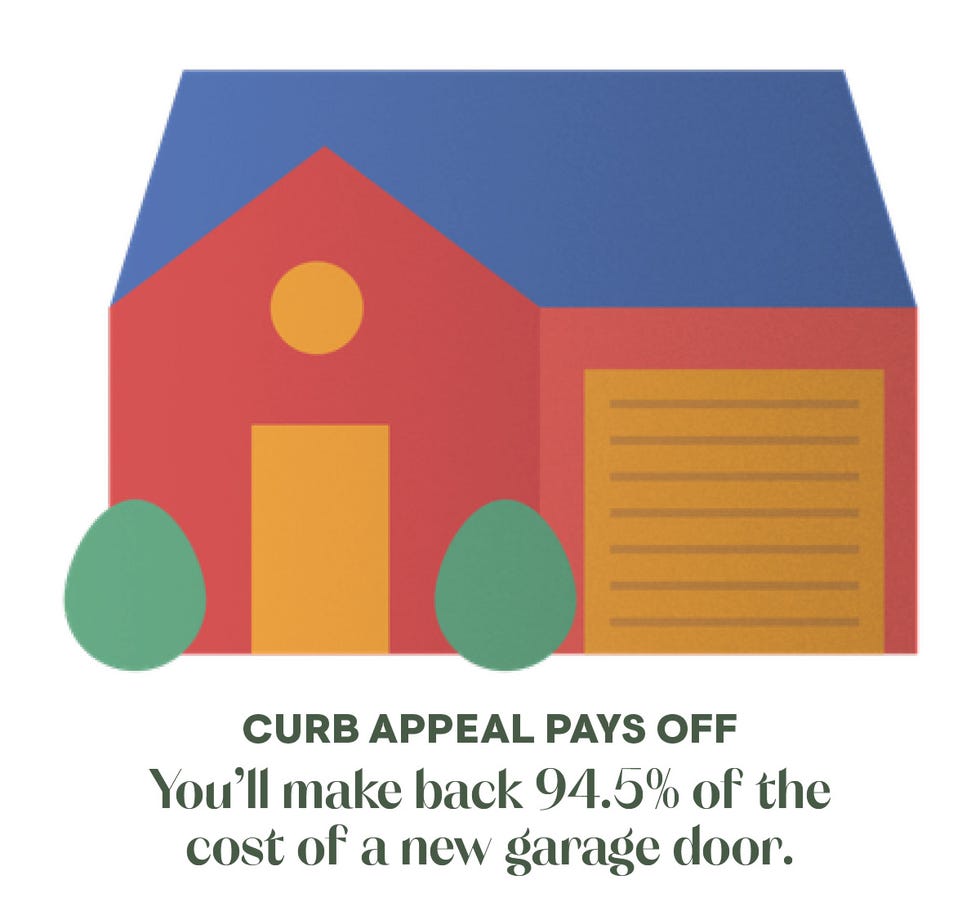
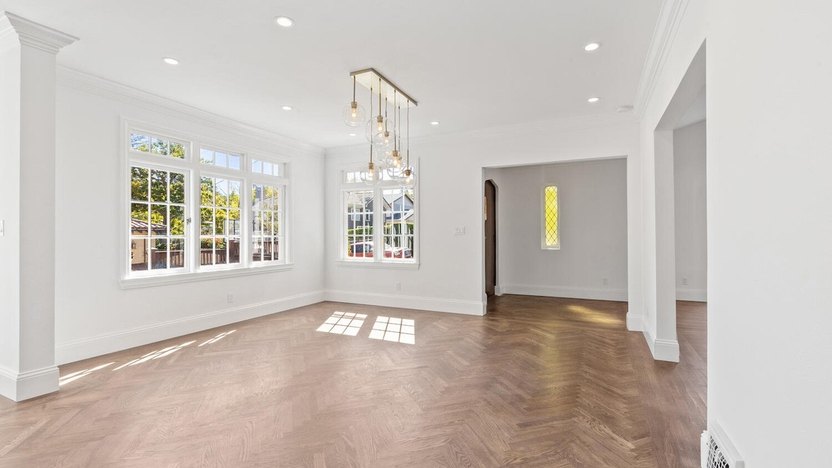
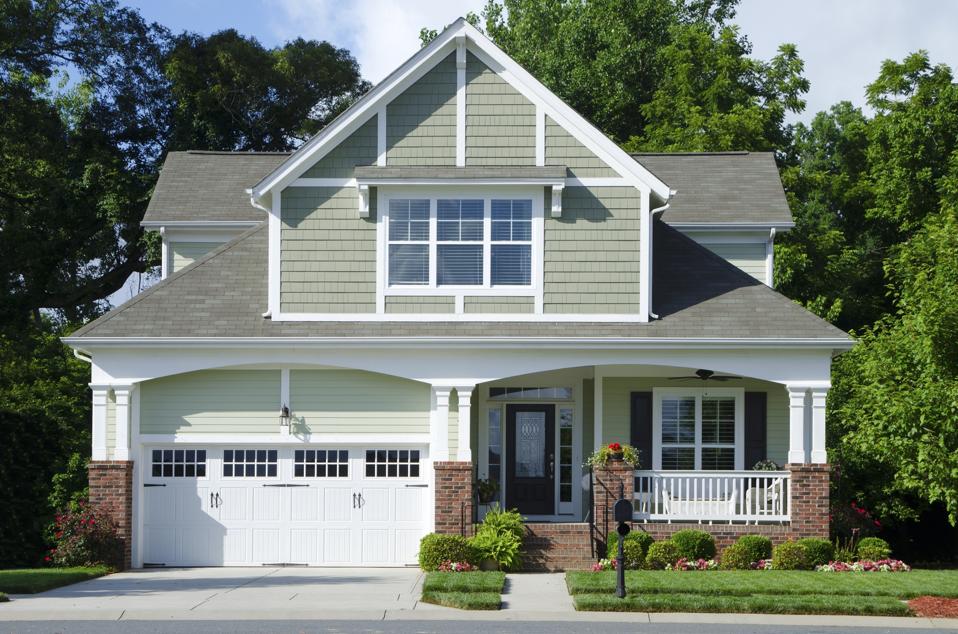
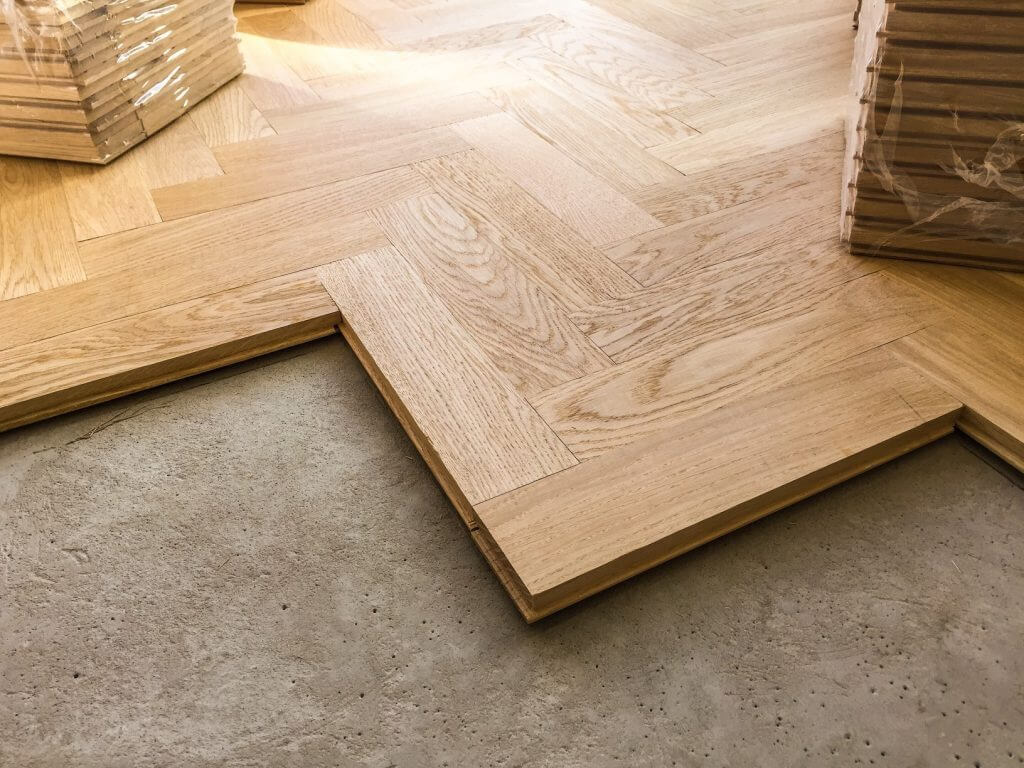
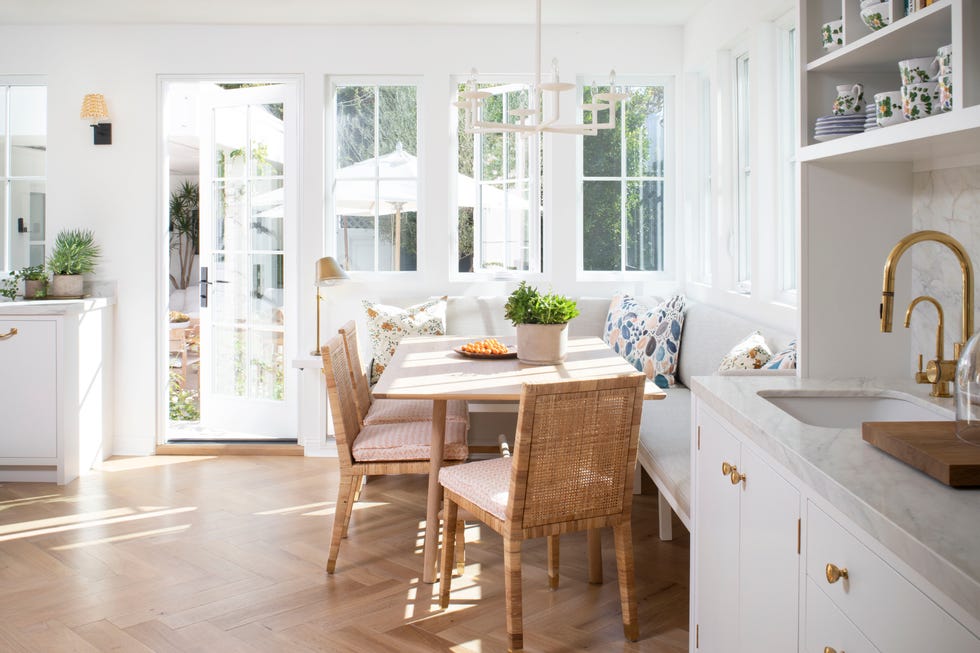
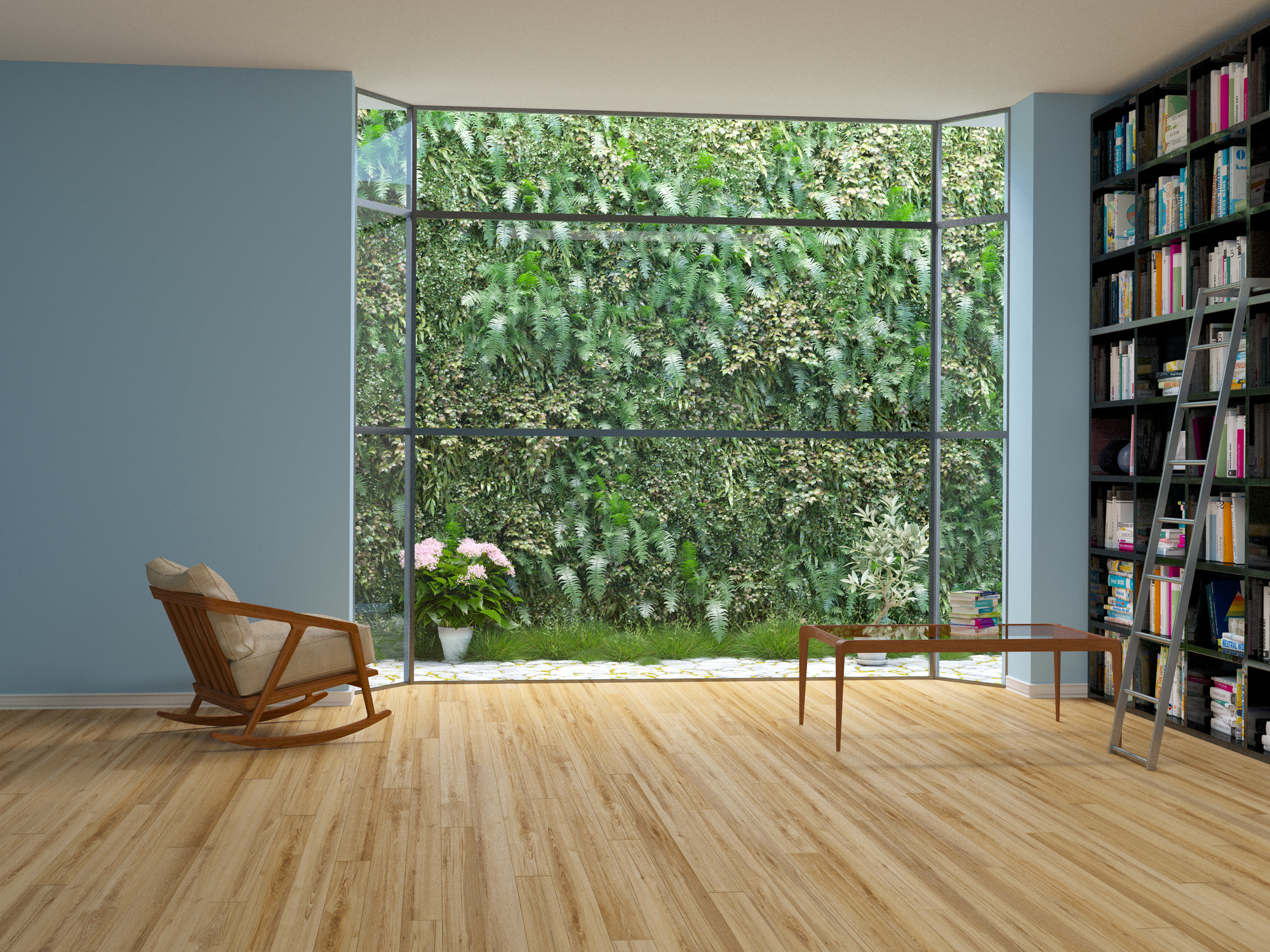
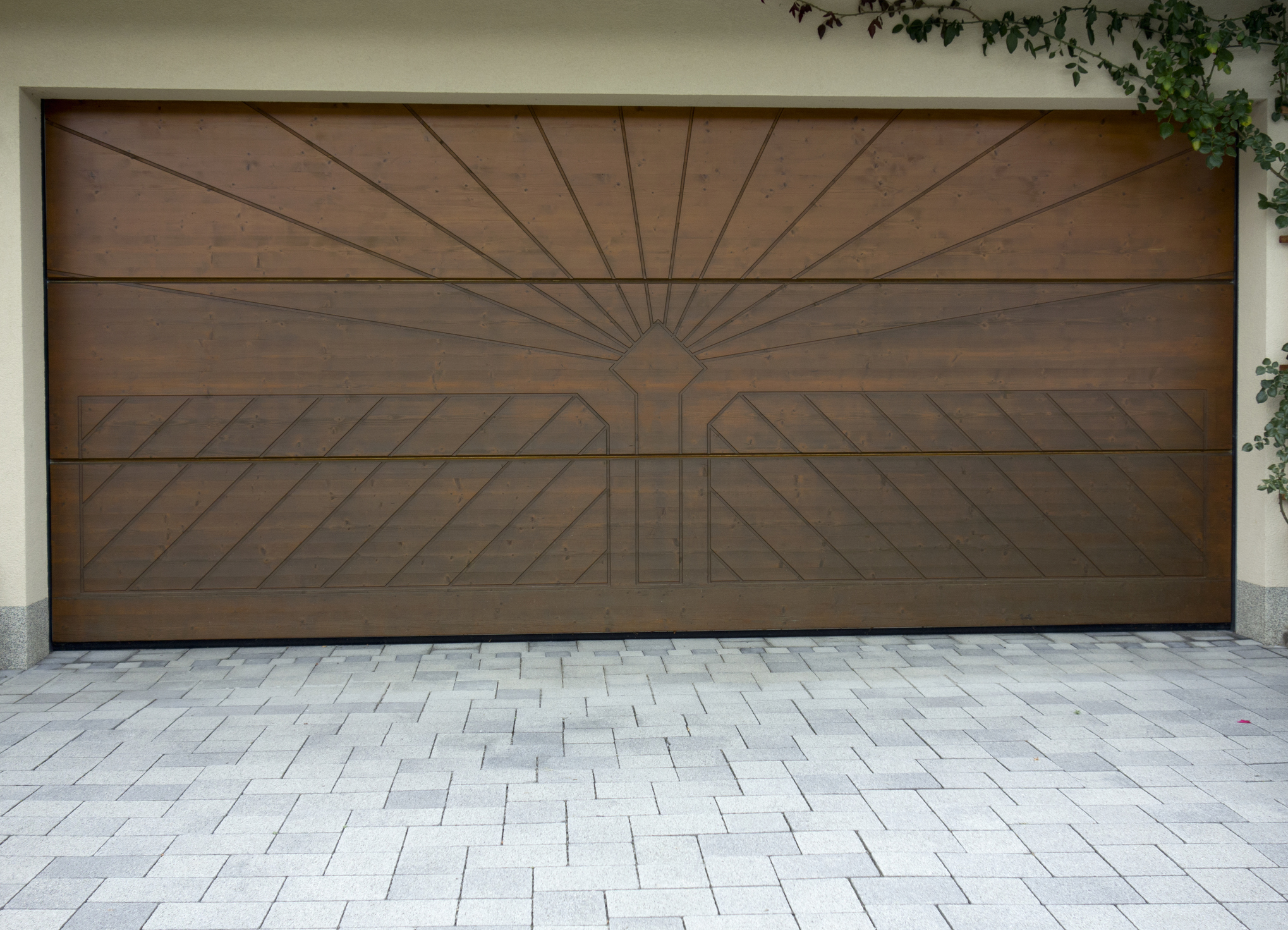
According to Jessica Lautz, NAR’s vice president of demographics and behavioral insights, a new roof tops the list because homebuyers recognize it as a costly and unpleasant task they are willing to pay for. Another high-return outdoor project is a new garage door, which not only enhances curb appeal but also improves insulation and offers a 100% return. For indoor improvements, hardwood floors lead the way, with refinishing existing ones yielding an average return of 147% and installing new ones providing 118%. New insulation, though not visually appealing, also delivers a 100% average return, coupled with energy savings.
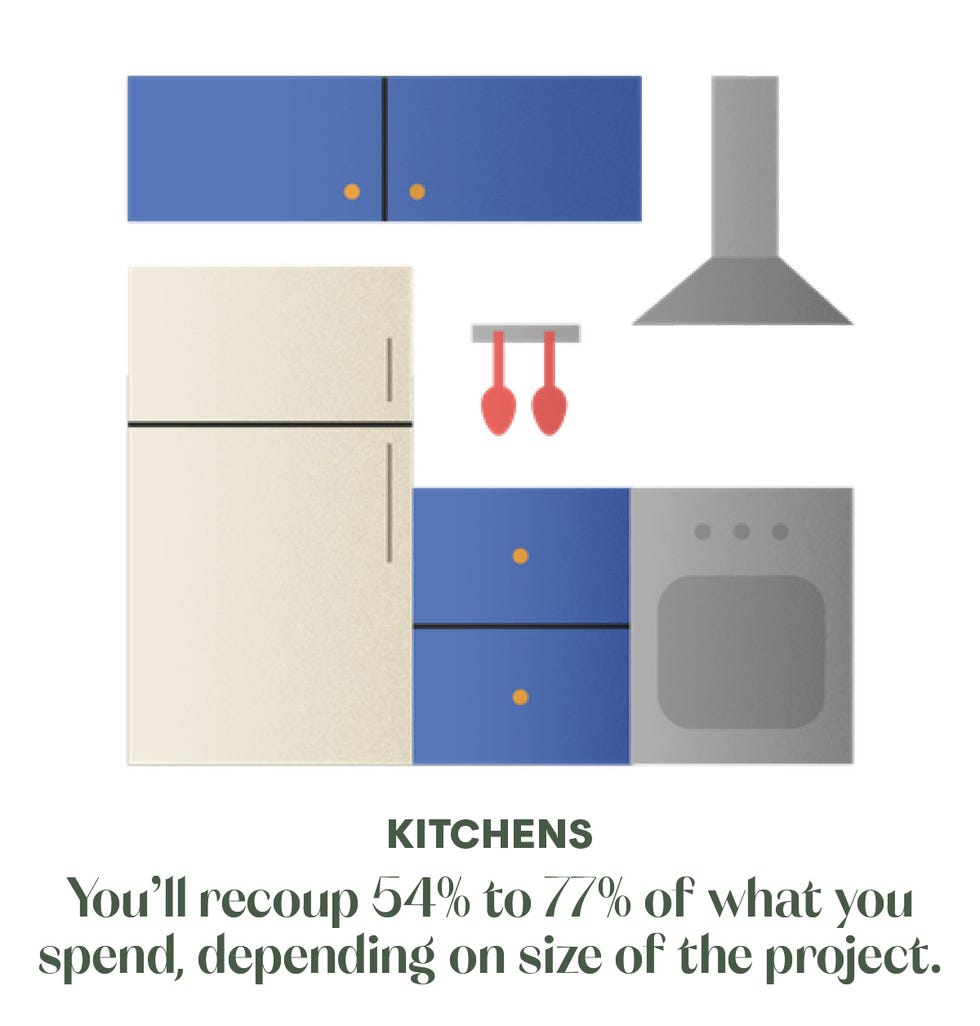
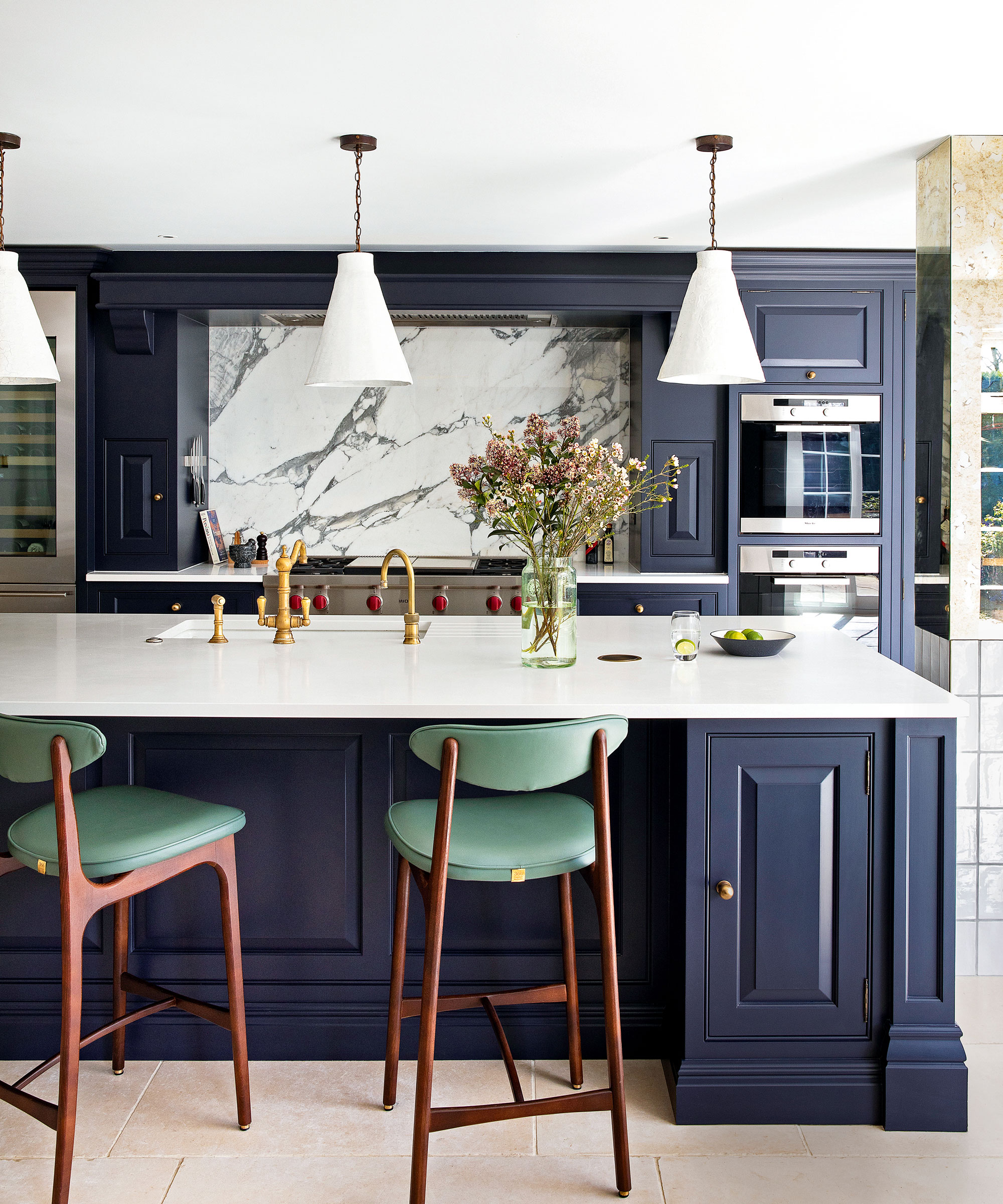
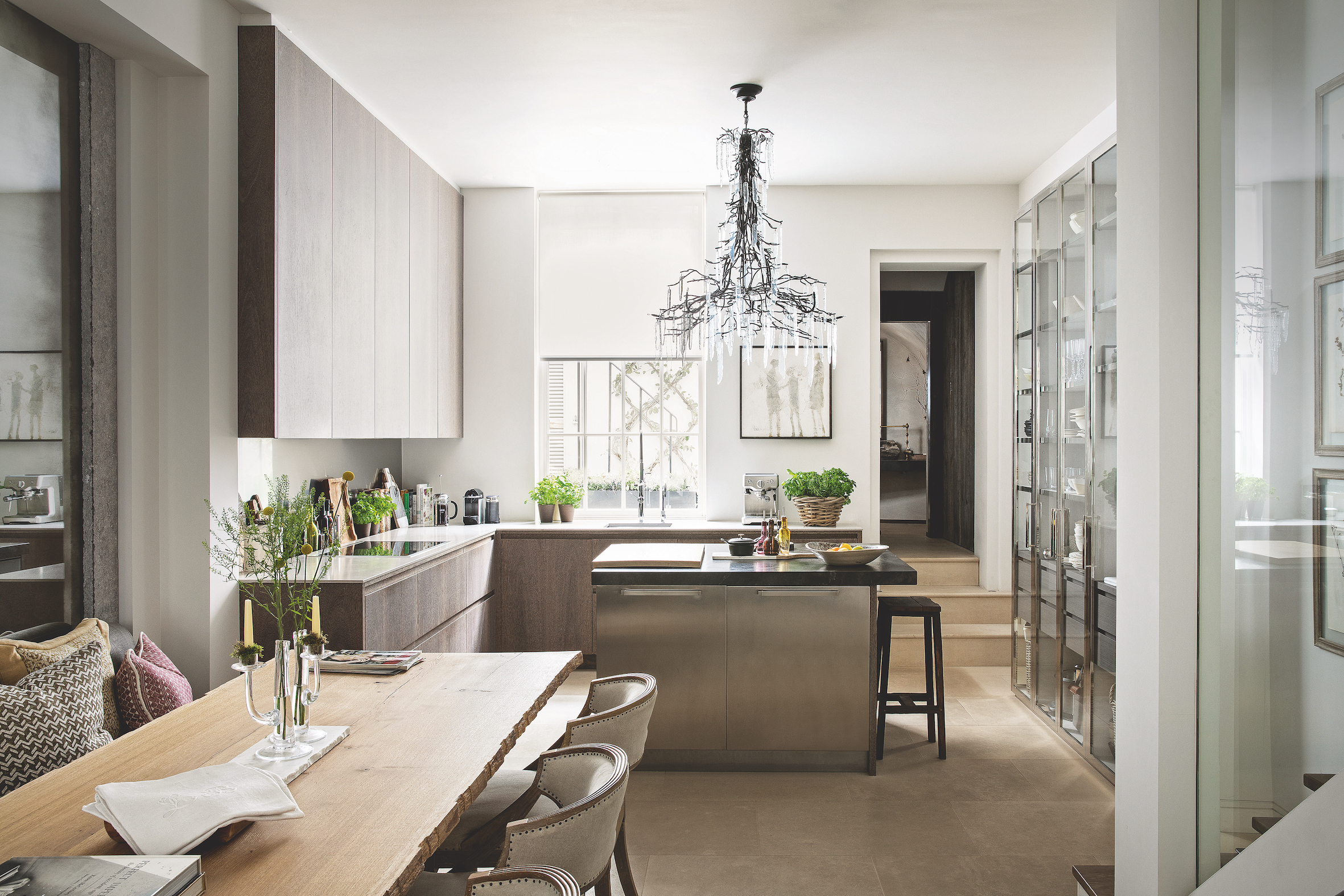
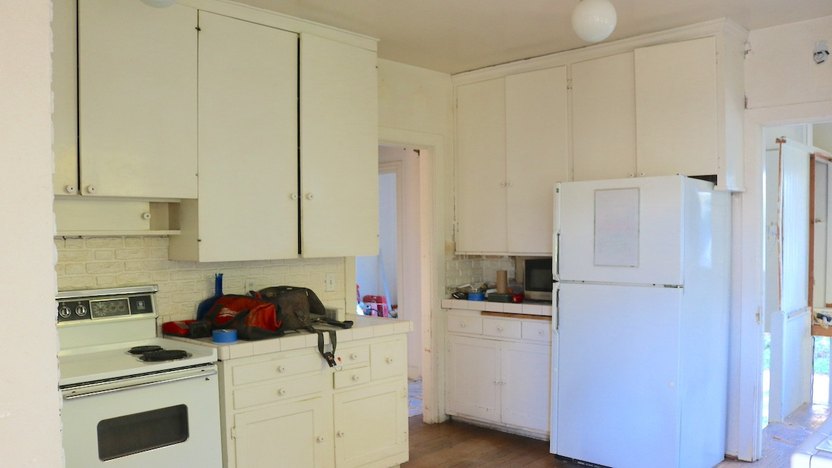
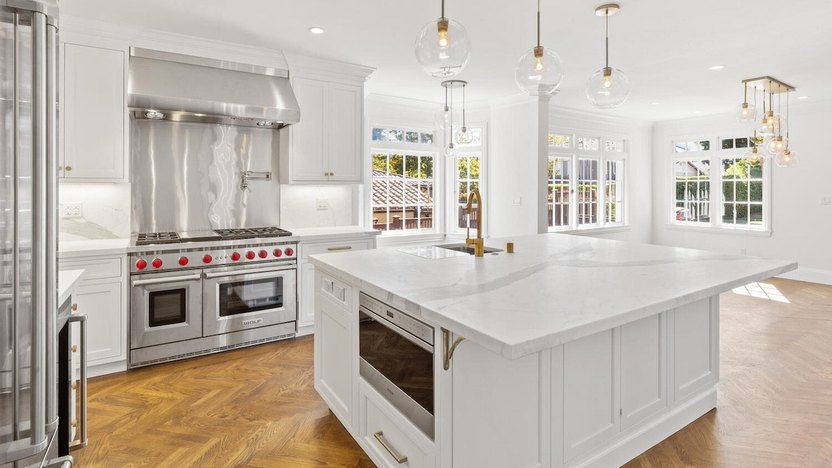
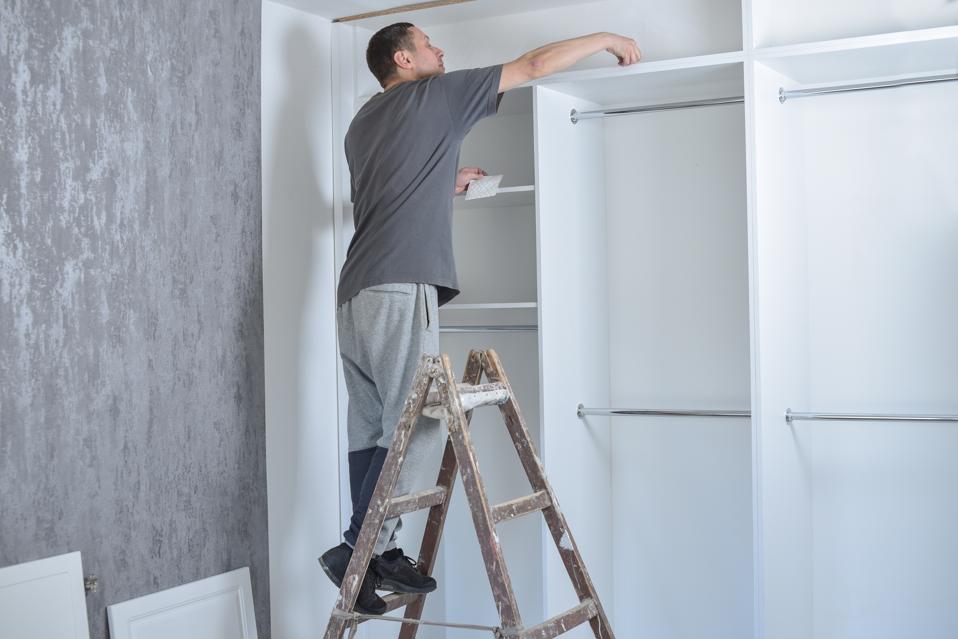
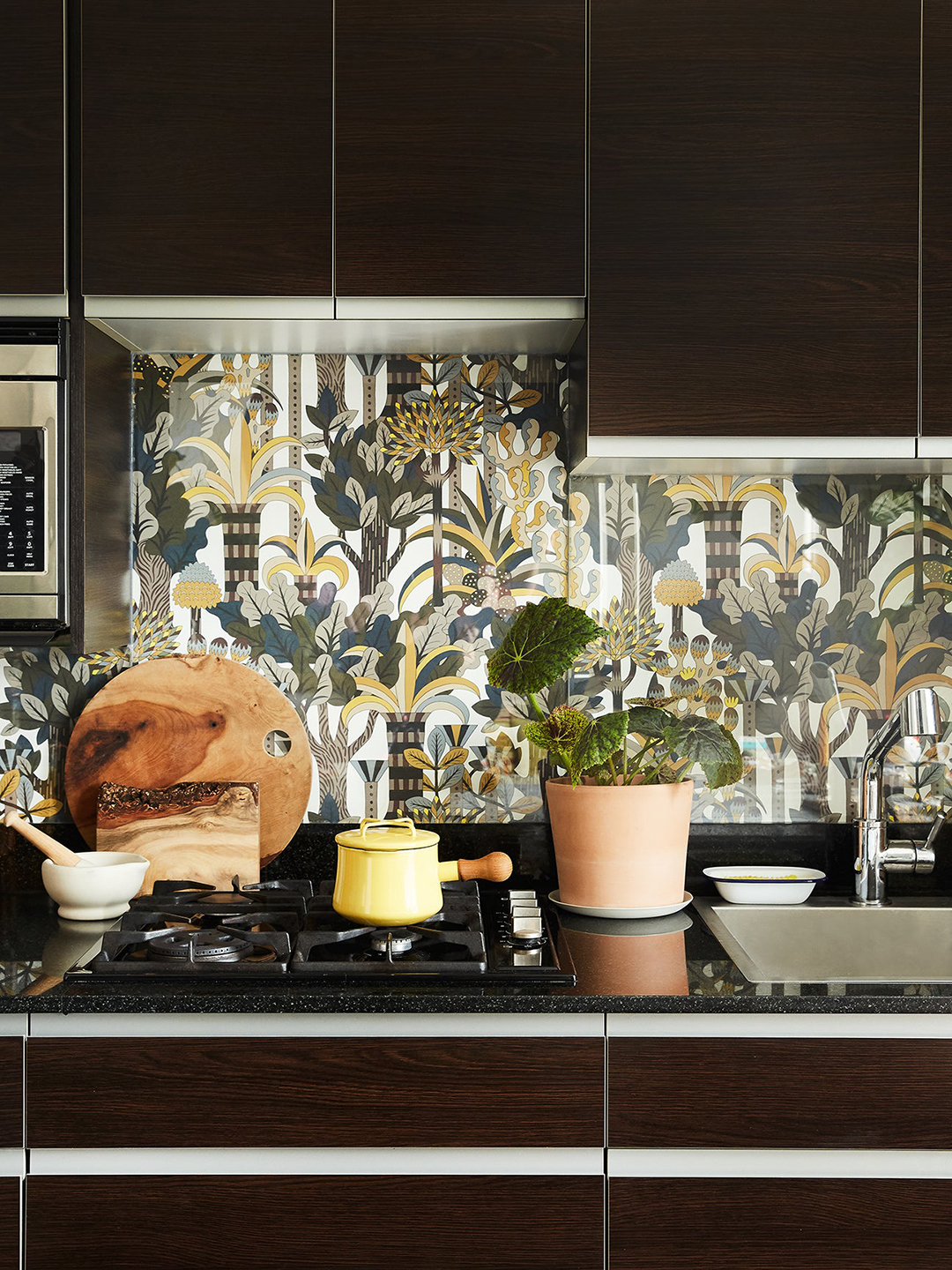
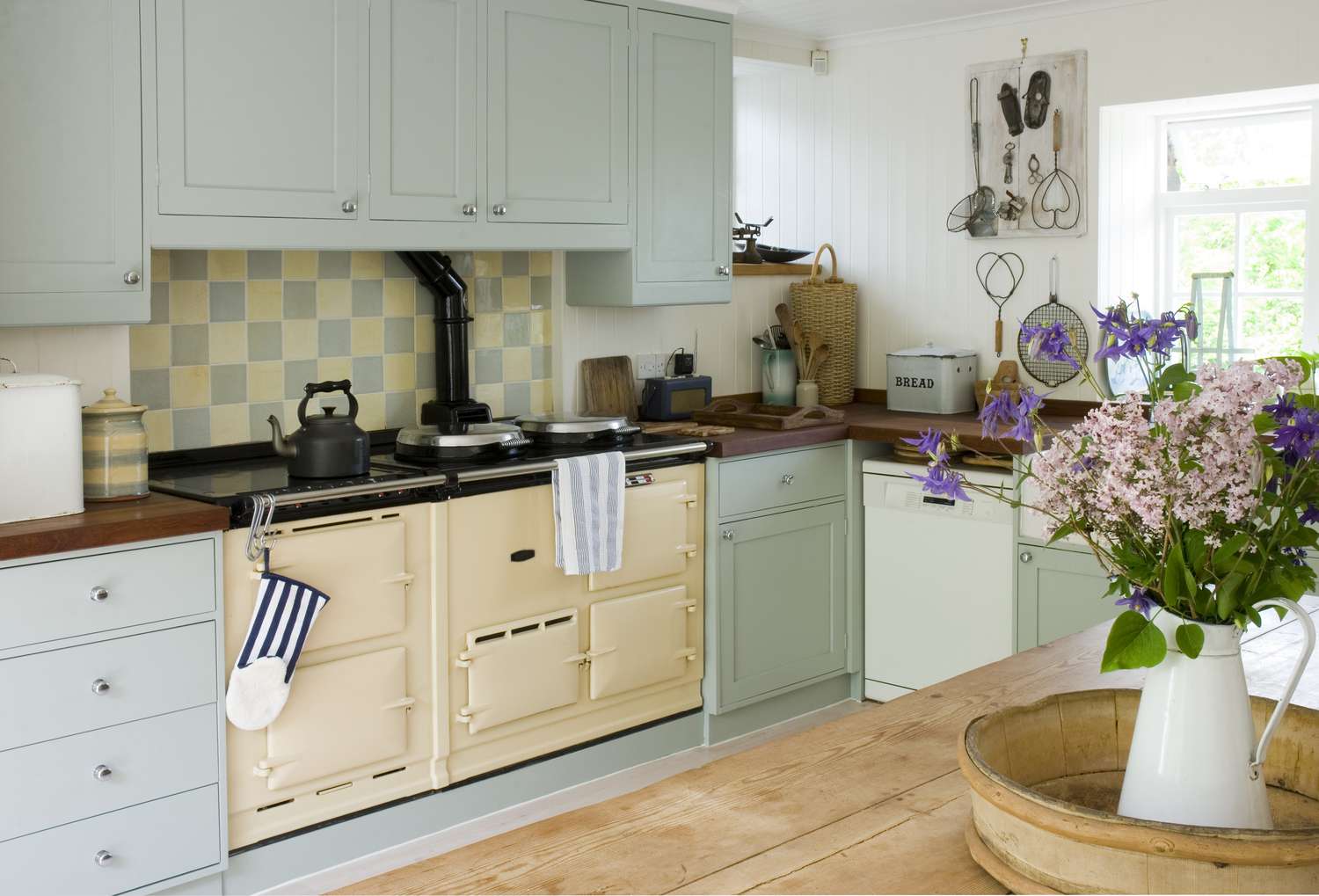
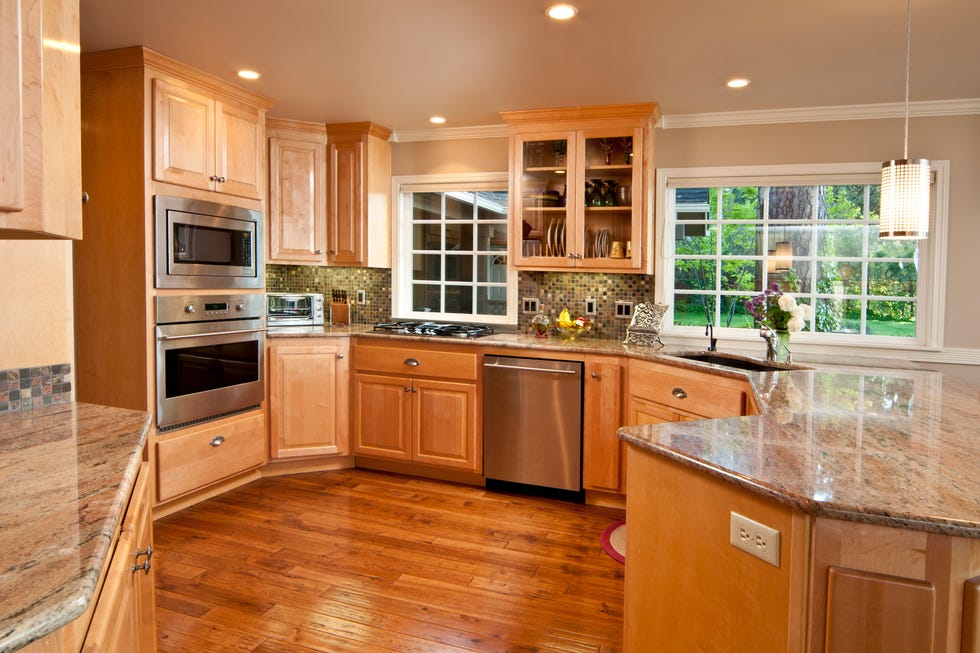
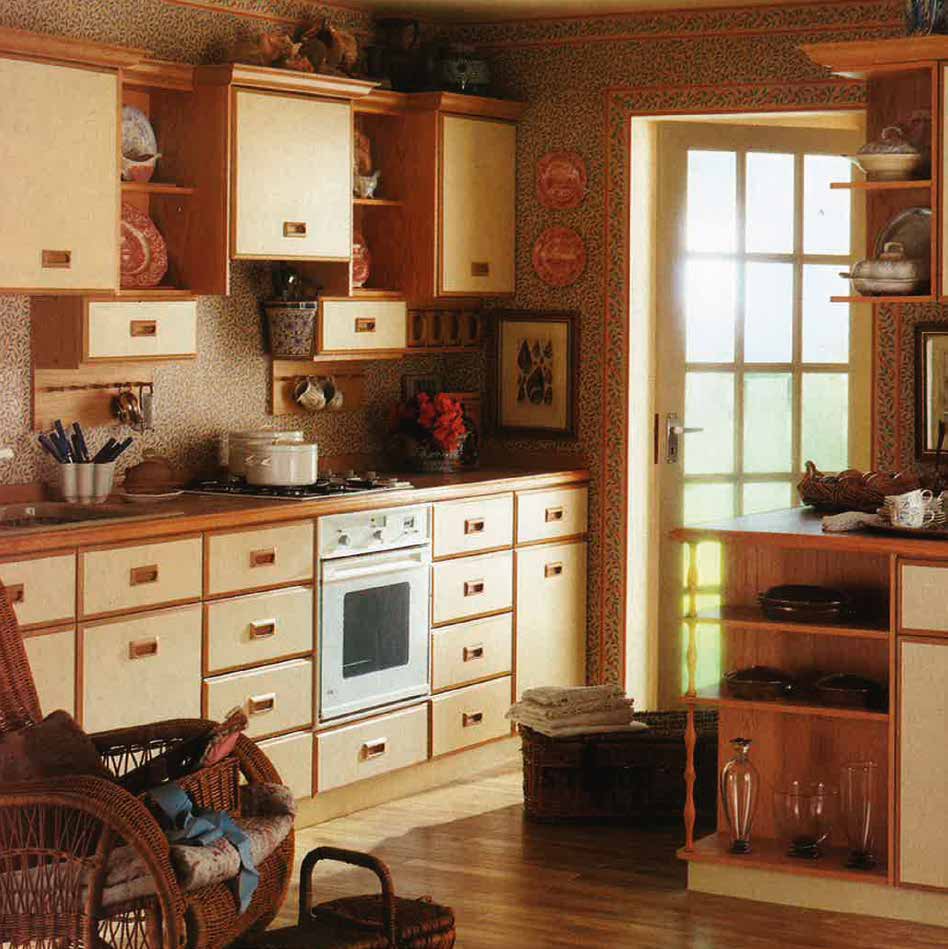
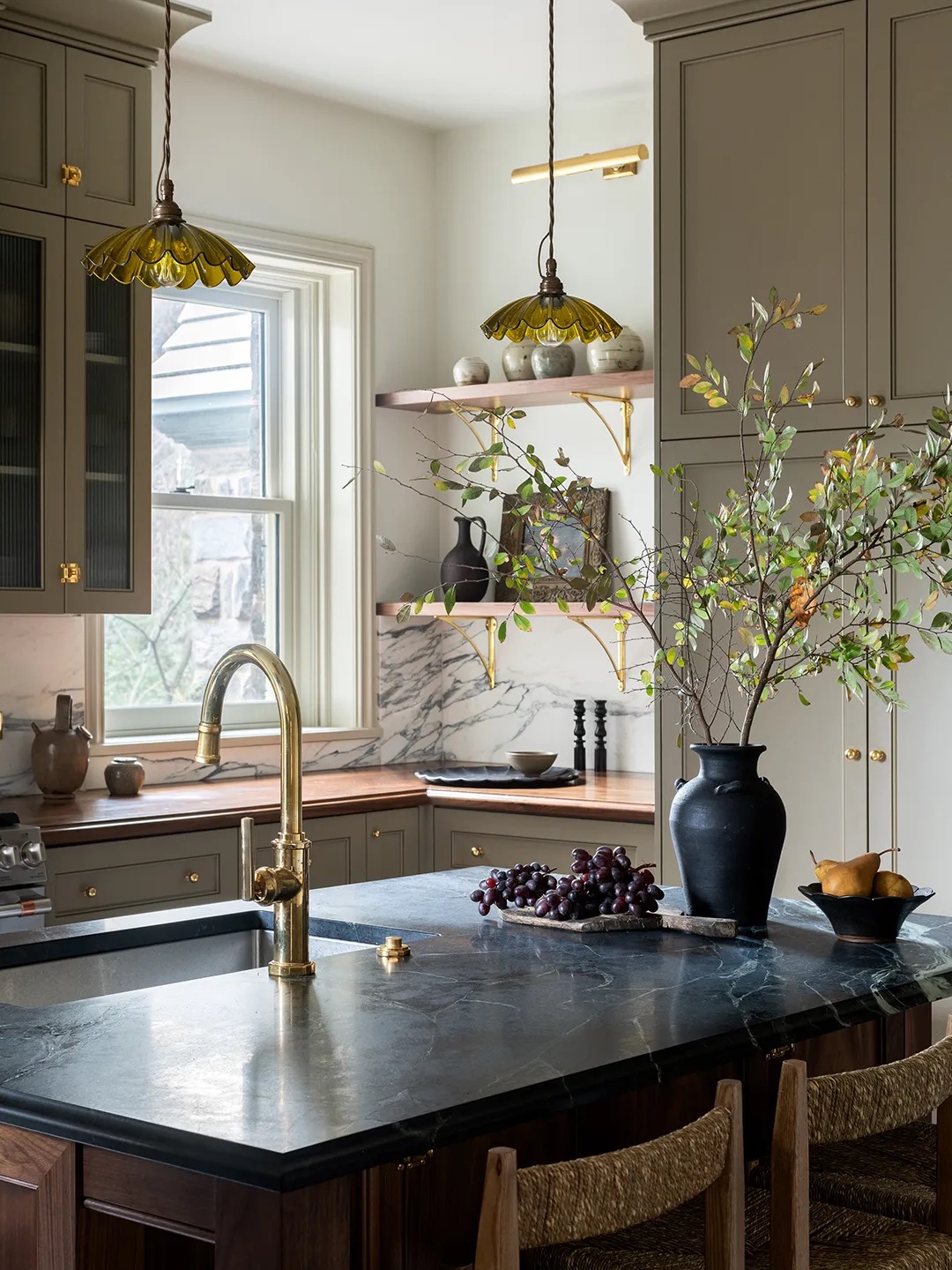
More extensive projects like finishing an attic or basement can result in returns of 75% to 86%, respectively. Kitchen renovations, a common desire for many homeowners, show returns between 67% for modest upgrades (new counters, appliances, refreshed cabinets) and 75% for complete overhauls (new layout, new cabinets, added island). A separate report from Groundworks, a basement remodeling company, suggests a modest kitchen remodel could yield an 81% return.
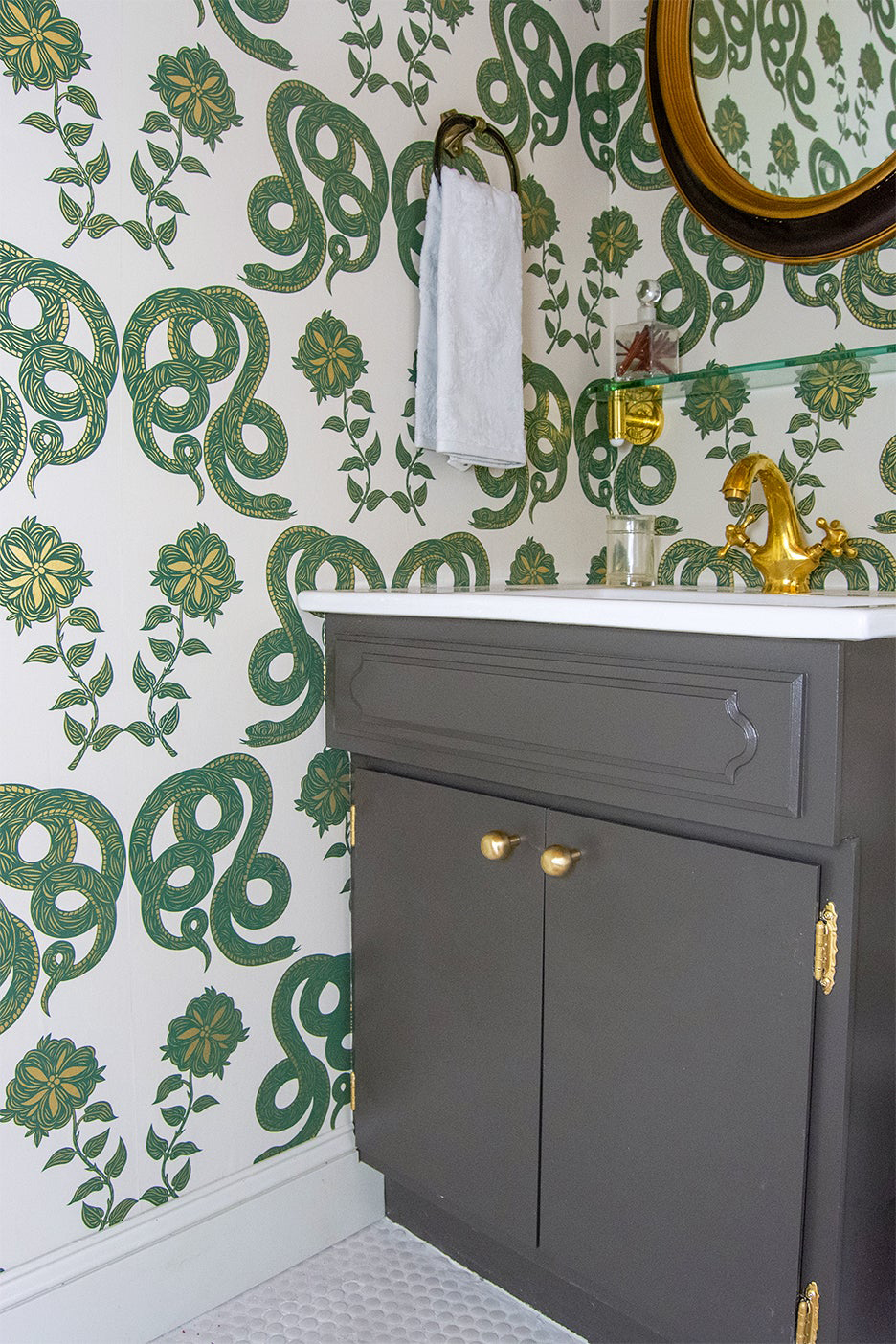
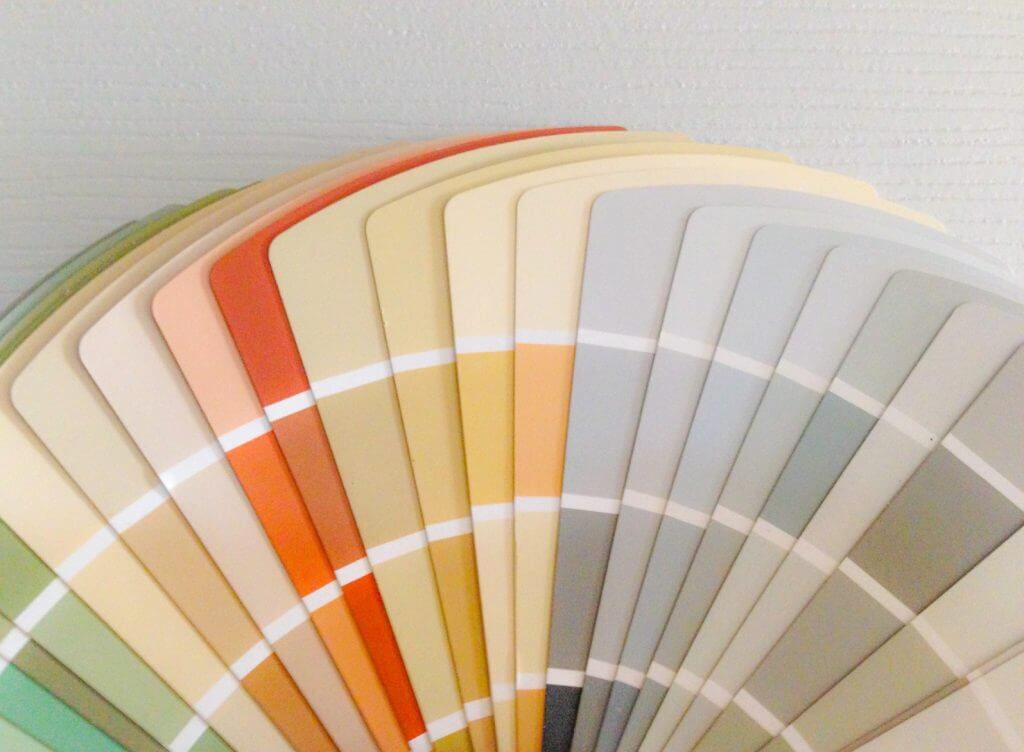
The article also touches on lower-cost projects not covered in the NAR report but which can significantly boost home value. These include new landscaping, diligent lawn care, and a freshly painted front door. Painting a home's interior, specifically, can net a 107% return, provided the color choice is not unconventional. This is supported by the fact that 63% of realtors advise sellers to paint their interior walls.
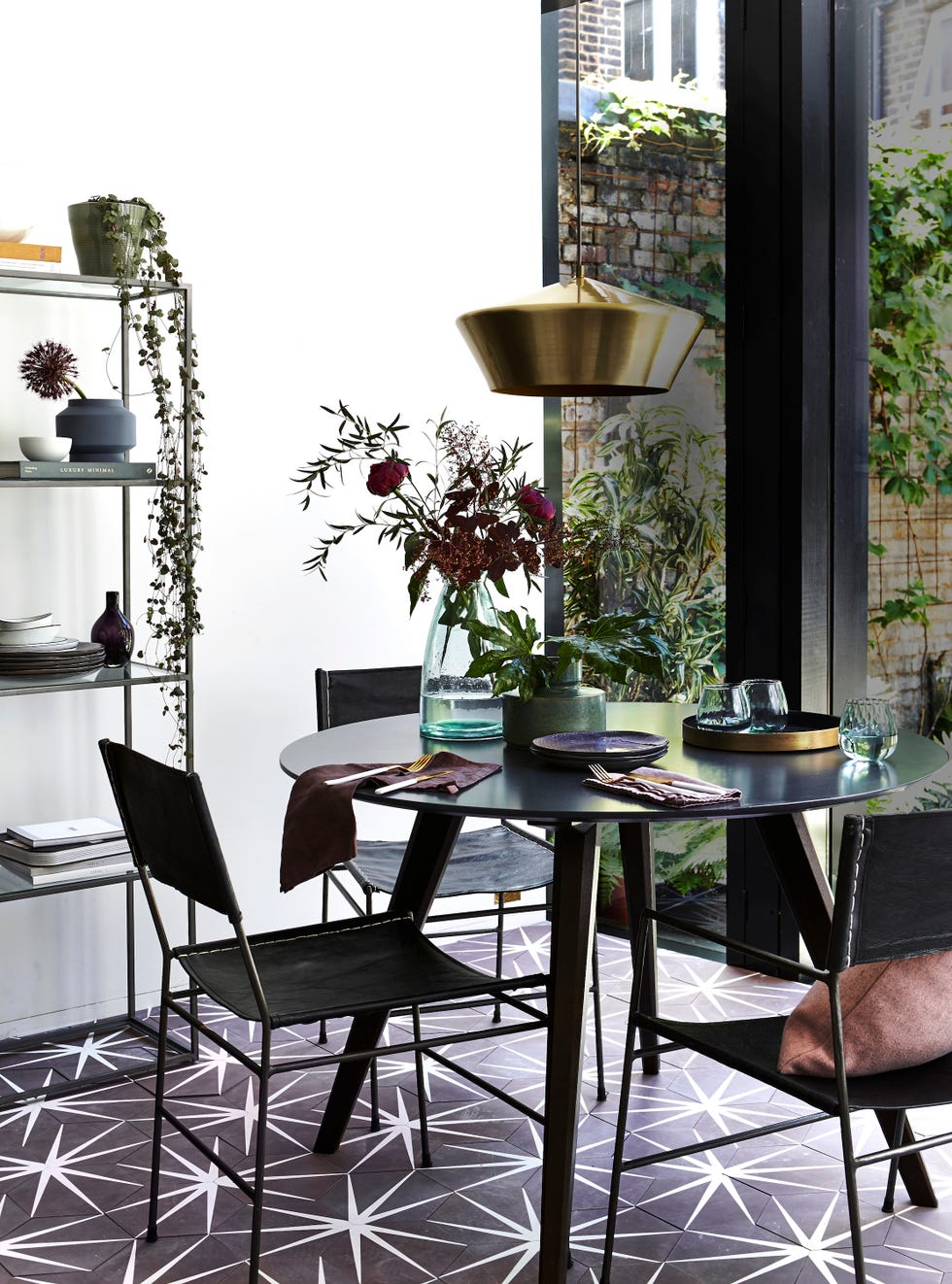
Before undertaking any renovation, several critical factors beyond financial returns should be considered. First is necessity: improvements add value when they address old, worn, or outdated elements, or enhance livability. Tearing out a new kitchen to install another new kitchen, for instance, offers minimal value. Second is taste: the improvement should be aesthetically pleasing to a broad audience, suggesting consultation with designers or realtors to avoid overly personal or unusual choices. Third is the neighborhood context: what adds value in one area might be a wasted investment in another, making local realtor advice crucial. Fourth is the age and condition of the home: the NAR report focused on homes built after 1981 and in good condition. Older homes often incur higher remodeling costs due to hidden issues and the need to meet current building codes. Lastly, the 'joy factor' emphasizes the personal enjoyment derived from an improvement, which, while not a financial return, contributes significantly to a homeowner's satisfaction. The author concludes by reiterating that the sounds of construction can be perceived as the sounds of money being made, underscoring the value of strategic home renovations.
#HomeRenovation #ReturnOnInvestment #HomeImprovement #RealEstate #PropertyValue #InteriorDesign #ExteriorHome #Remodeling #HomeEquity #HomeRenovation #ReturnOnInvestment #HomeImprovement #RealEstate #PropertyValue #InteriorDesign #ExteriorHome #Remodeling #HomeEquity
0 comment in total
 No comments yet
You may also like
Remodeling

Home Remodeling Projects That Pay Back The Most In Happiness

These Under-$1,500 Renovations Could Help Sell Your Home Faster

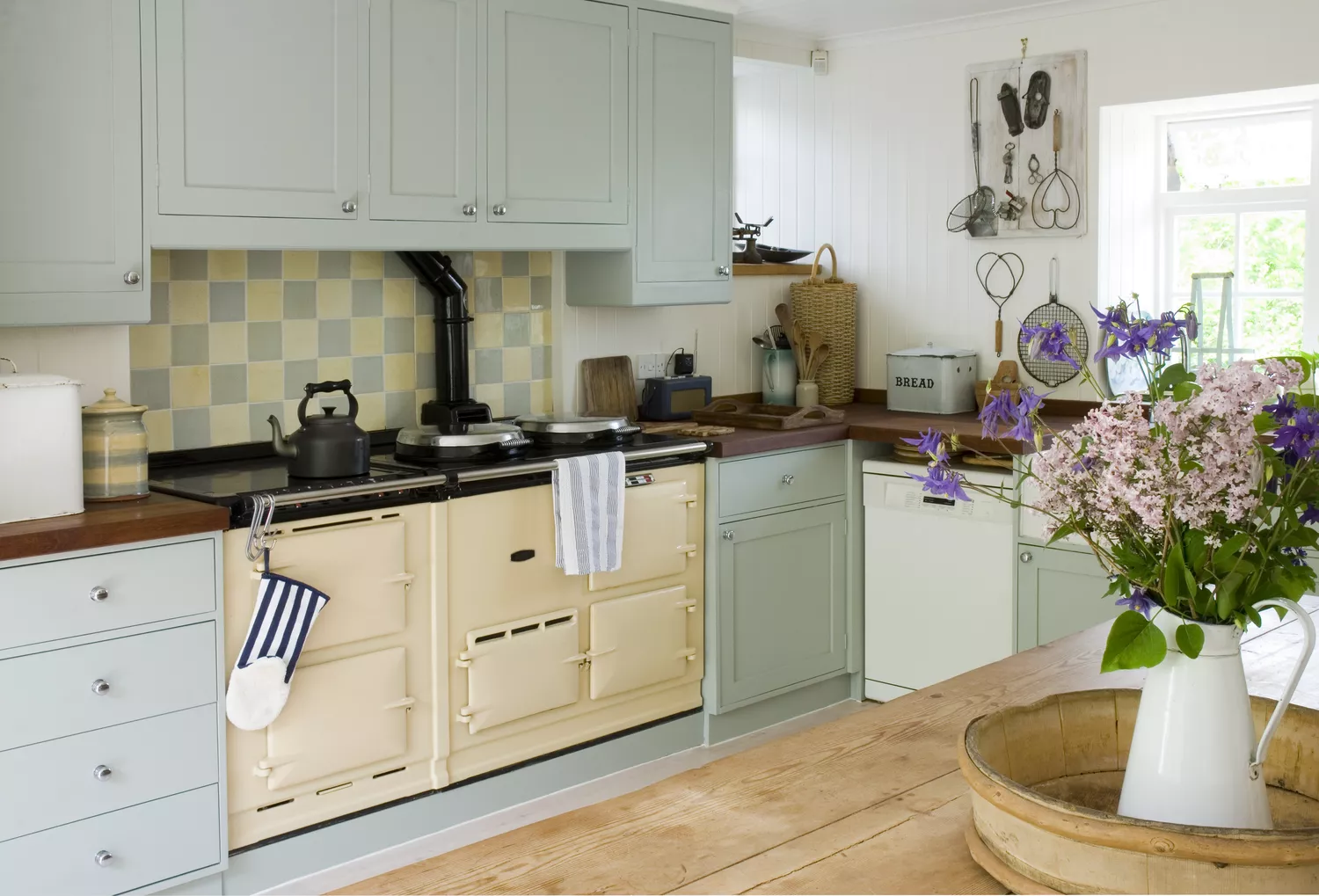
10 Home Improvements That Experts Say Are a Waste of Money
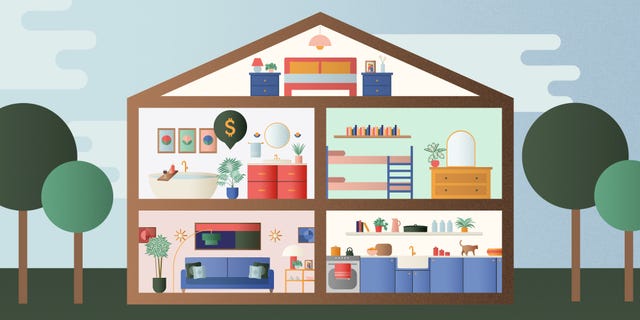
Will Your Renovation Make Its Money Back?


Move That Bus! — See the Original 'Extreme Makeover: Home Edition' Cast Today

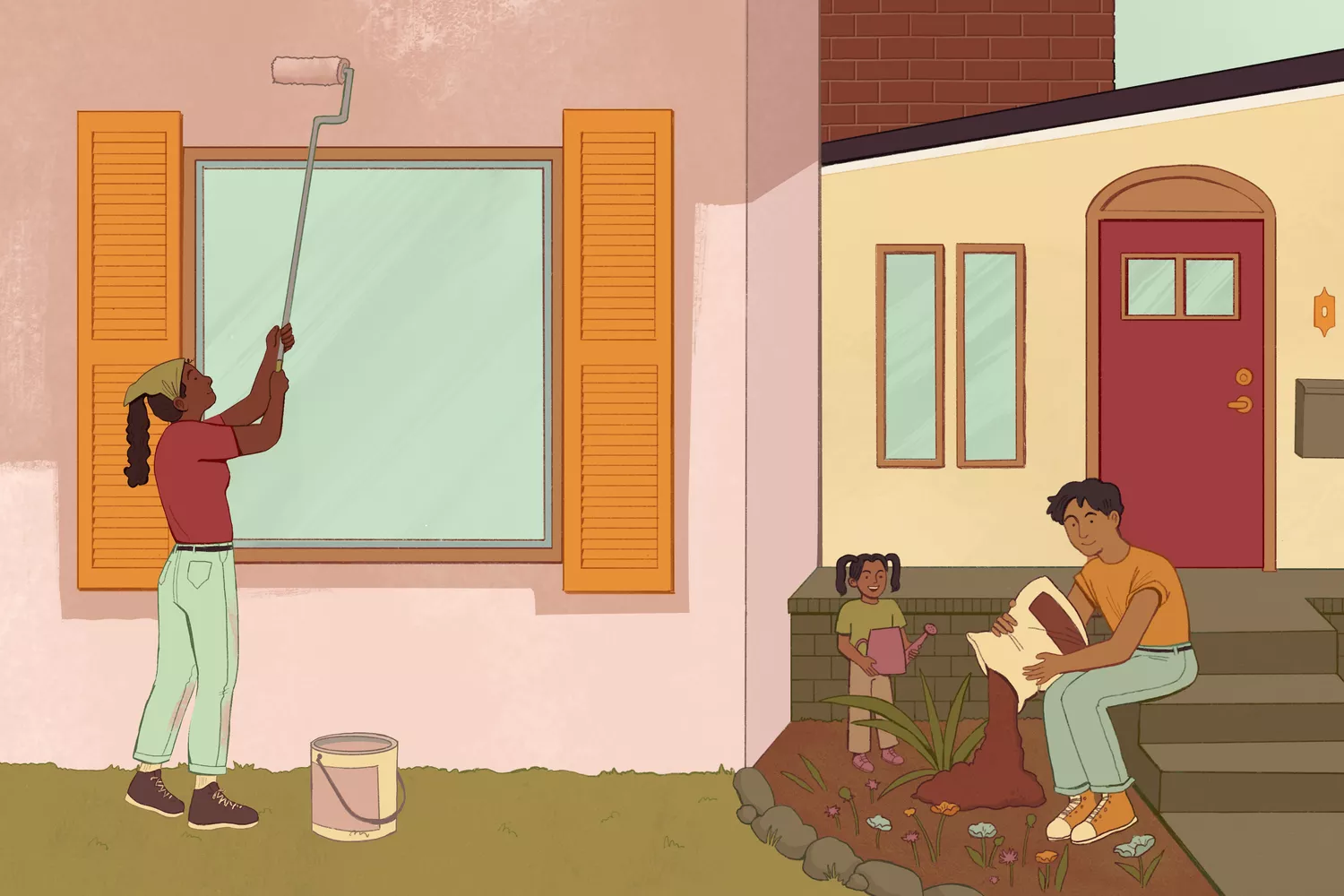
When Moving Isn't an Option, How to Turn Your Old Home Into Your Dream Home

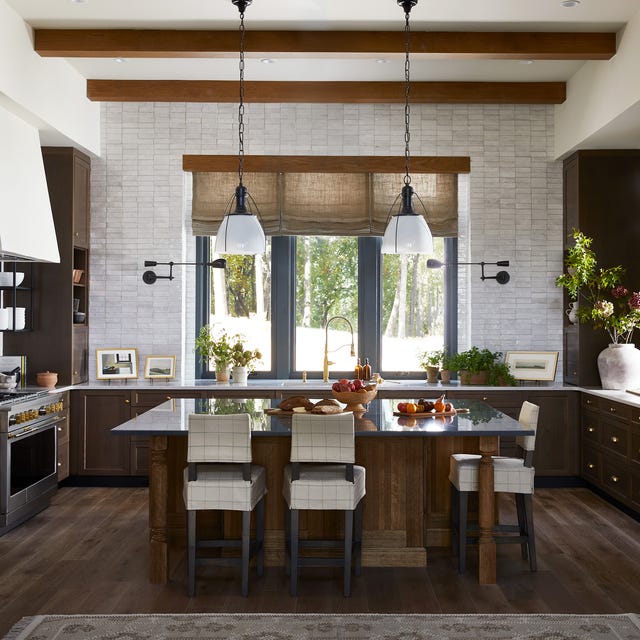
5 Kitchen Upgrades to SKIP if You're Trying to Sell Your Home, Warn Designers


5 renovation projects that will add value to your home in 2024


Home renovation trends to watch: What homeowners need to know
5 Most Profitable Home Improvements to Make Before Selling Your Home


6 things you should look past when viewing a property, according to real estate experts and interior designers
Can’t Relocate? Try These 4 Value-Adding Renovations Instead

Money-wasting home improvements to avoid
11 Design Features That Make a Home Sell for More, According to a Real Estate Expert
This Kitchen Countertop Boosts Home Value Even More Than Quartz

Joanna Gaines, Christina Haack, and More TV Expert Advice I Followed to Renovate and Decorate My Home

10 retro design trends that could be devaluing your property by thousands
Home Upgrades That Pay Off

10 Common Home Renovations That Lower Your Property Value in 2025