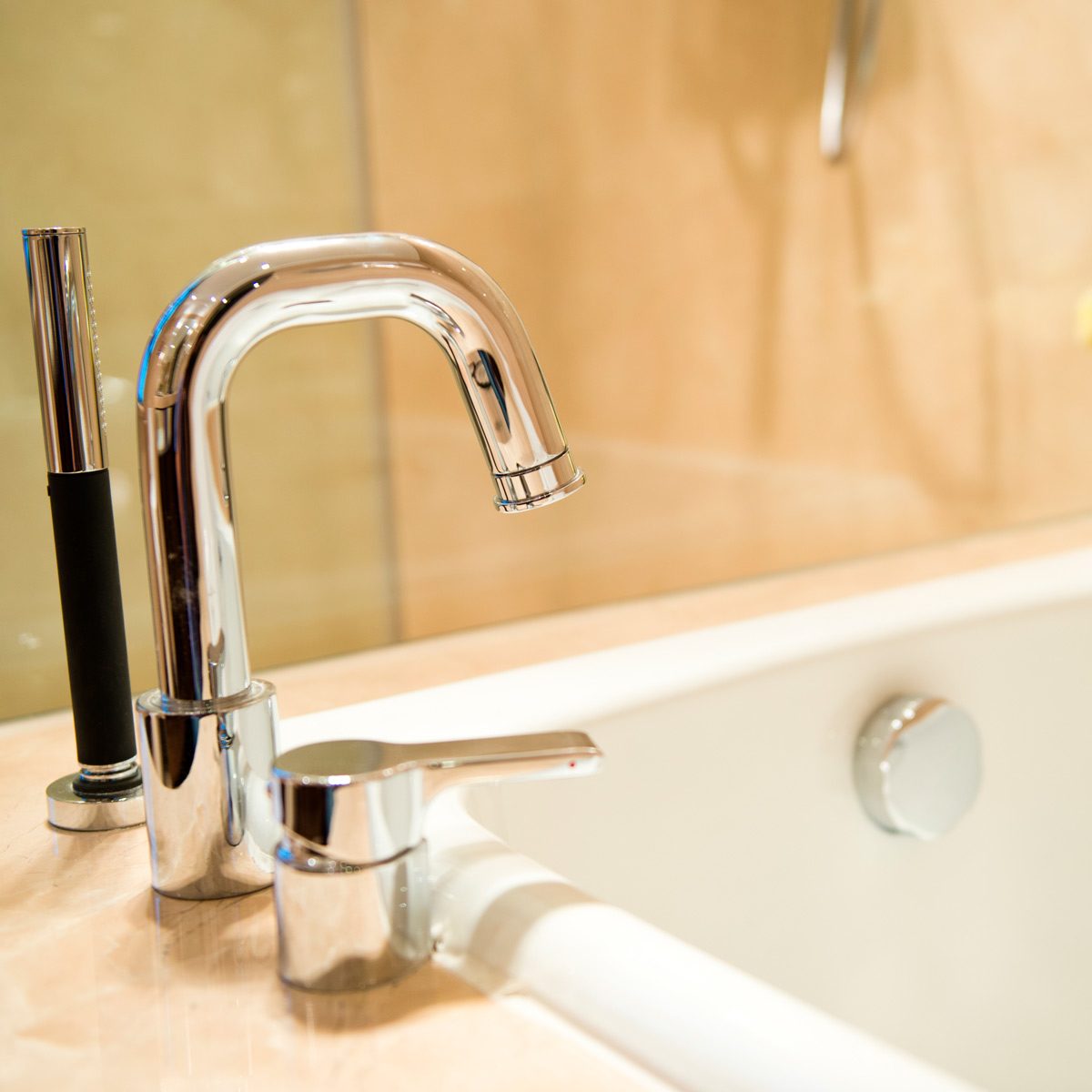

The Right Way to Clean a Jetted Tub
Jetted tubs, while offering a luxurious bathing experience, require consistent cleaning to prevent the accumulation of bacteria, mold, and debris in their internal systems. Stagnant water can trap these contaminants, leading to an unsanitary environment. Although cleaning a jetted tub might appear complex due to its intricate parts, it is a manageable task with the right approach and common household cleaning agents.
The frequency of cleaning depends on usage. For tubs used multiple times weekly, a bi-weekly rinse and a thorough monthly deep clean are recommended. This schedule helps counteract the buildup of oil, skin cells, dirt, and bacteria, which can adhere to the tub's surfaces and jets, fostering mold growth. Prior to initiating the cleaning process, it is important to consult the tub's manual for specific instructions regarding air induction valves and any restrictions on cleaning products.
To begin the cleaning process, the air induction valves should generally remain closed. This configuration directs the cleaning solution through the internal jets, optimizing their cleansing. The first step involves flushing the tub by filling it with cold water, ensuring the water level is at least two inches above the jets. The jets are then run for a minimum of 10 minutes without any additives. Following this, the jets are turned off, and the water is drained.
The next stage involves a hot water and distilled white vinegar soak. The tub is refilled with hot water, again ensuring it is a few inches above the jets. Depending on the tub's size, two tablespoons to a quarter cup of mild dish detergent are added until dissolved. Subsequently, two cups of distilled white vinegar are incorporated. With the valves closed (if permitted by the manufacturer), the jets are operated for 15 minutes. The tub is then drained.
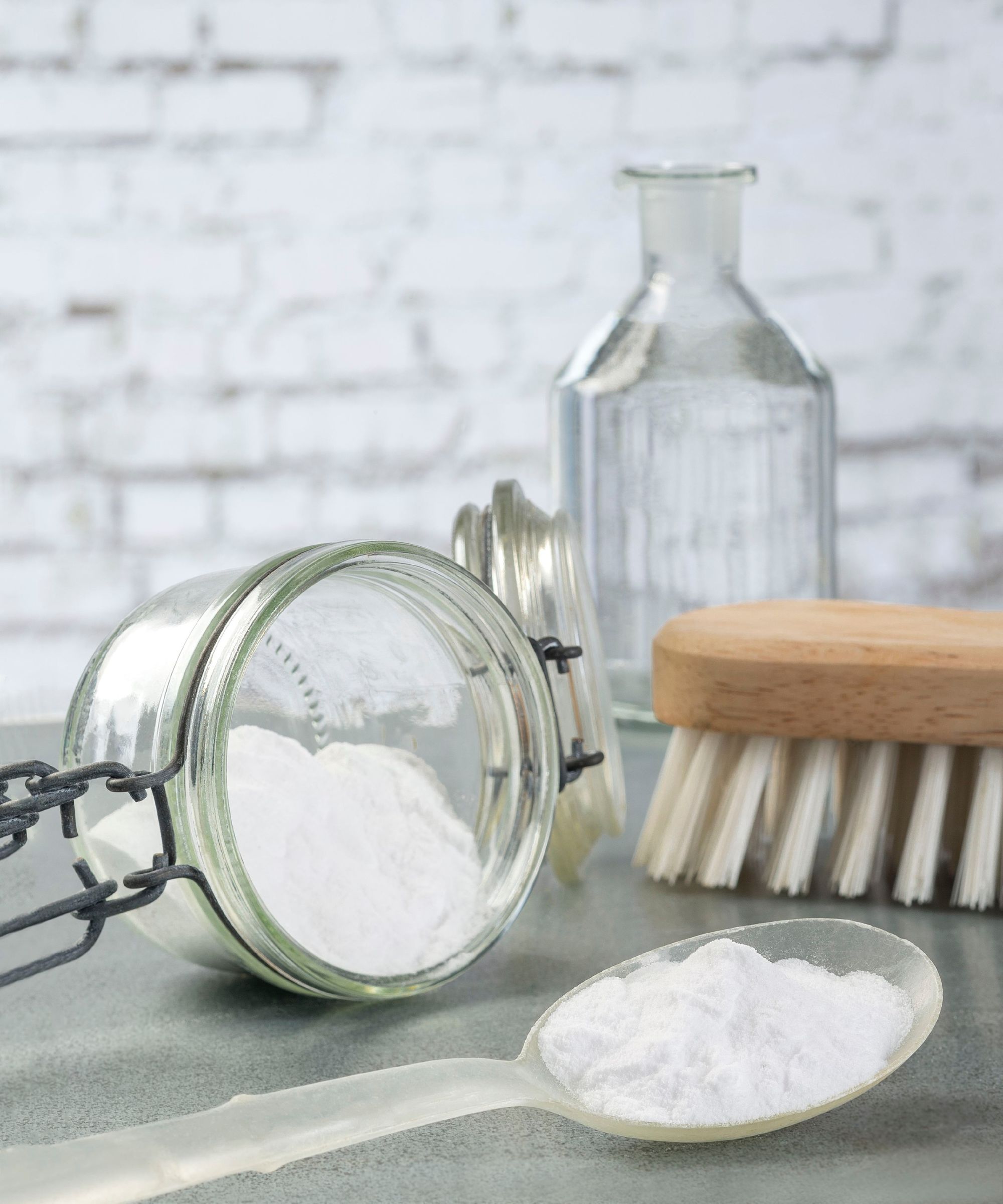
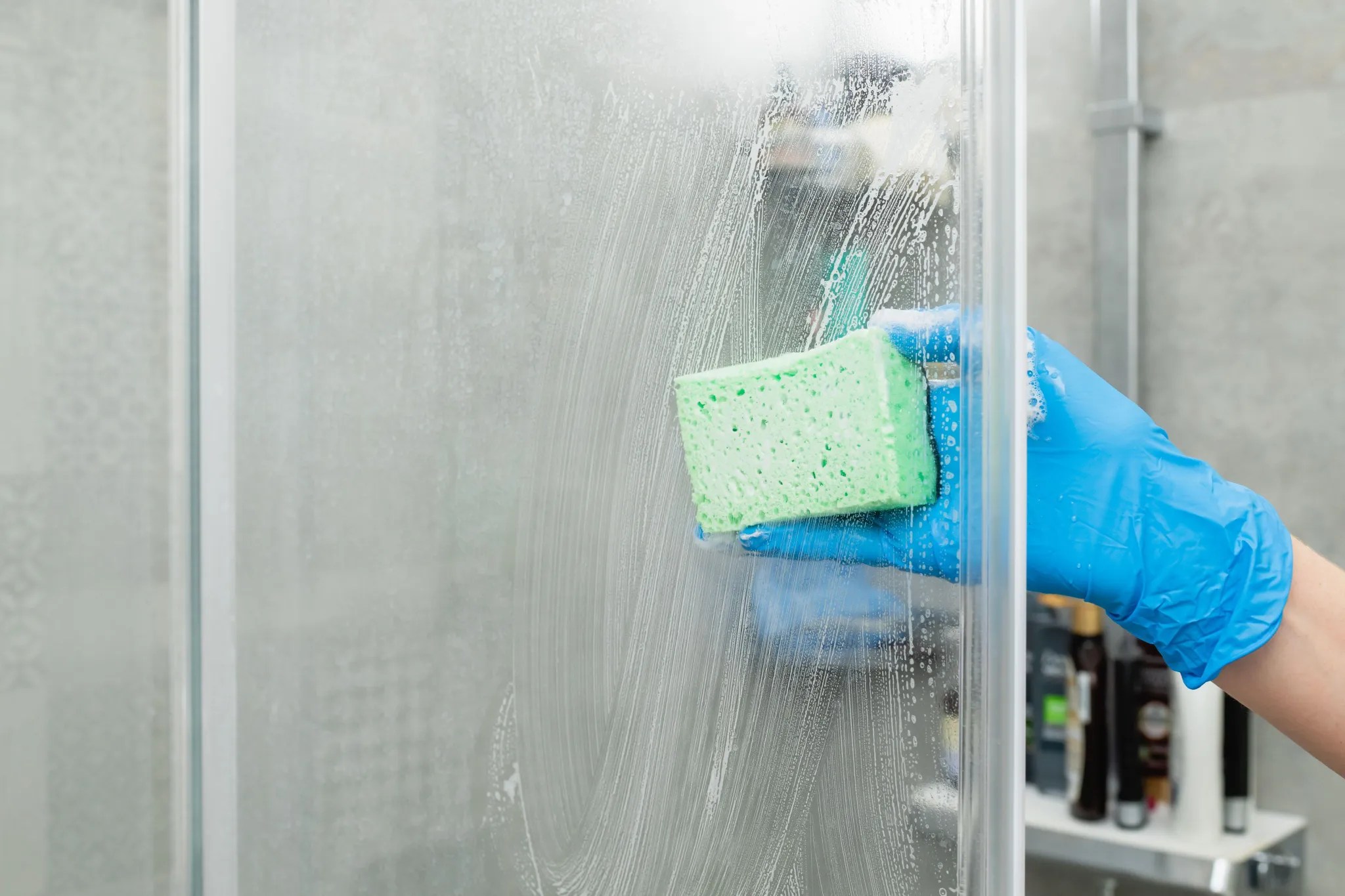
After draining, the tub is scrubbed using a homemade paste comprising baking soda, water, and a small amount of mild dish soap. This paste is applied to all tub surfaces and fixtures, and an old toothbrush is used to scrub it in a circular motion. The paste and any residue are then rinsed away with warm water.
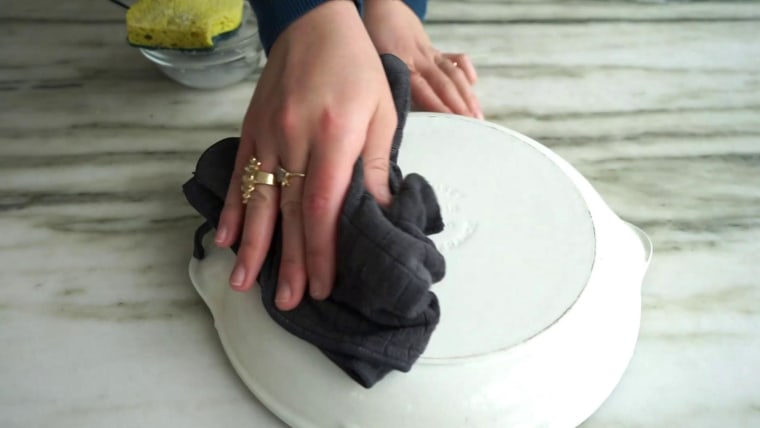
For a final rinse and flush, the tub is refilled with warm water, a few inches above the jets. The jets are run for 15 minutes, this time with the valves open. If no debris is observed, the tub is drained. The process concludes by wiping the tub dry with a microfiber towel to prevent water spots.
Maintaining the jetted tub between deep cleans is crucial for preventing residue buildup. After each use, filling the tub with hot water and allowing it to sit for 10 minutes can help break down soap residue. Draining the water and wiping the tub with a microfiber cloth dampened with a solution of equal parts alcohol and vinegar further reduces residue circulation through the jets, simplifying future cleaning tasks.
While Epsom salts and bath bombs can be used in jetted tubs, moderation is advised due to their potential to cause long-term damage, ranging from cosmetic issues like peeling to severe problems like pipe corrosion, especially if proper cleaning protocols are not consistently followed. The appearance of black gunk in a jetted tub typically indicates a buildup of mold, mildew, soap residue, or dead skin, underscoring the importance of regular cleaning to purge these contaminants.
#JettedTubCleaning #HomeMaintenance #BathroomCleaning #DIYCleaning #MoldPrevention #BacteriaRemoval #HouseholdTips #TubCare #CleaningHacks #JettedTubCleaning #HomeMaintenance #BathroomCleaning #DIYCleaning #MoldPrevention #BacteriaRemoval #HouseholdTips #TubCare #CleaningHacks
0 commenti in totale
 Nessun commento ancora
Potresti anche gradire
Bathtub Styles, Fixes and Cleaning

13 Best Shower Cleaners for Clear Glass, Shiny Tile and More

How to use a steam cleaner on rugs, upholstery and more


How To Clean Grout For A Fresh And Sparkling Bathroom

Professional cleaners do these 4 things to remove rust from bathtubs – here's how to replicate the results

How to declutter a bathroom according to the experts

How To Clean Bathroom Tile, According To Professional Cleaners
The Best Shower Cleaners of 2025


Squeegee Every Time You Shower — and More Bathroom Cleaning Hacks | Reviews by Wirecutter
How To Clean A Faucet Head
You're cleaning your bathroom floor wrong, experts warn – here's how to get it right
Chemical engineer insists a kitchen staple removes all water stains from shower doors - only a teaspoon is needed

Want a Super Clean Bathroom? Here Are the 8 Best Bathtub Cleaners to Get the Job Done

The Best Shower Tile Cleaner for a Sparkling Shower, Tested


How to clean a bathroom sink – expert tips for a well-scrubbed sink
How to ditch the bathroom clutter and restore its zen-like serenity

We Asked a Cleaning Pro How to Finally Get Rid of Mold in the Shower—And We're Trying This ASAP
32 Of The Best Shower Cleaners To Give Your Bathroom A Much Needed Deep Clean
Soak Off a Stressful Day in One of The Best Freestanding Tubs
How To Clean Bathroom Chrome