How To Clean A Faucet Head
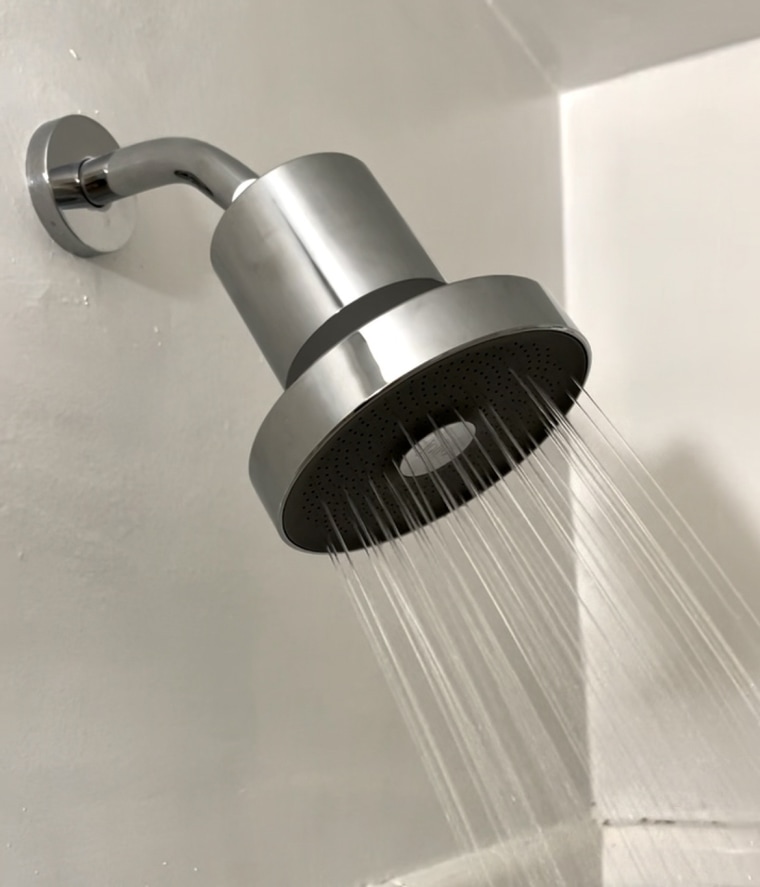
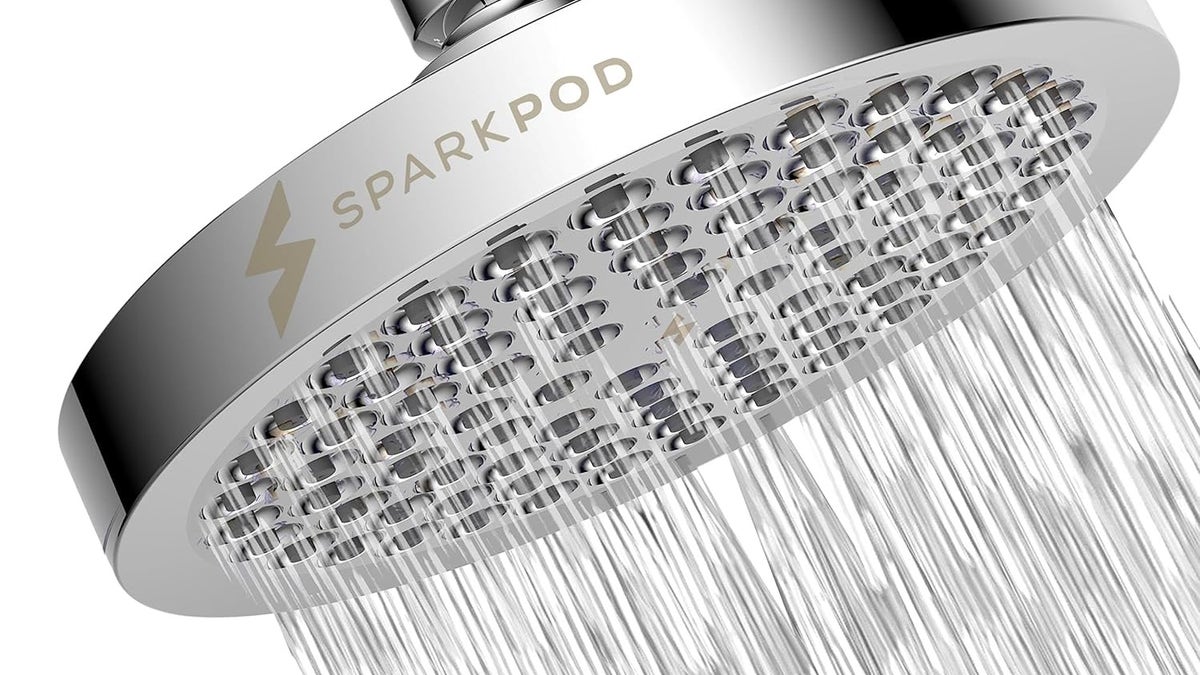
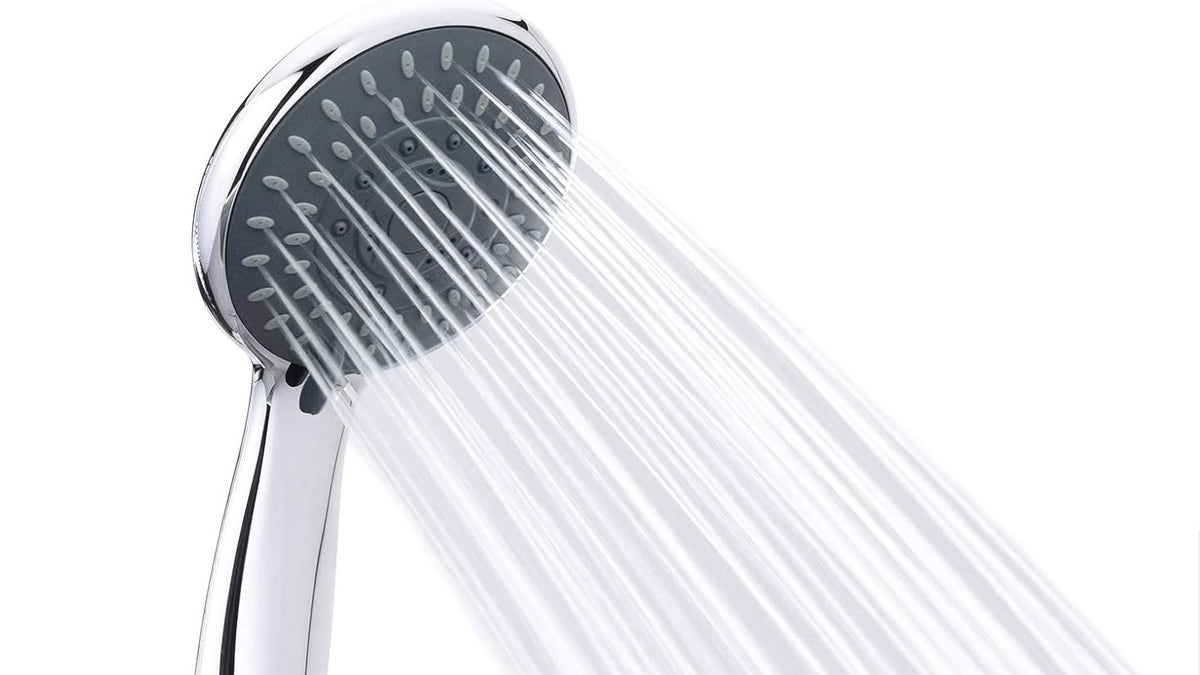
Faucet heads, both in showers and sinks, accumulate limescale, soap scum, food debris, and even harmless bacteria over time. This buildup not only affects water pressure and flow but can also lead to unpleasant odors and foster the growth of mold and mildew. Regular cleaning is essential to maintain hygiene and functionality. This guide outlines three effective methods for cleaning faucet heads using common household items and a specialized cleaner.
Before initiating any cleaning process, it's crucial to understand the properties of the cleaning agents. Vinegar, a popular household cleaner, is highly acidic and can damage or discolor natural stone surfaces like marble, as well as certain faucet finishes such as black, bronze, or gold. While its strong odor is non-toxic, adequate ventilation is recommended. Individuals with sensitive skin should wear gloves when handling undiluted vinegar. CLR (calcium, lime, rust) is another effective cleaner, safe for specific surfaces like chrome, fiberglass, porcelain, and stainless steel, but should be kept away from natural stone, brass, copper, aluminum, and galvanized metals. Always read product labels for safety and usage instructions, even for products like CLR that meet the EPA’s Safer Choice Standard.
The first method involves cleaning with vinegar. This technique is essentially a vinegar bath for the faucet head. To prepare, mix equal parts distilled white vinegar and water in a plastic bag. For heavily soiled faucets, a couple of tablespoons of baking soda can be added to the mixture, which will create a harmless fizzing action to help break down buildup. The faucet head is then submerged in this solution, and the bag is secured to keep it immersed. After soaking for 30 minutes, the bag is removed, and any remaining residue is scrubbed off with a toothbrush or scrub brush. Finally, the faucet head is thoroughly rinsed, and water is run through it to flush out any leftover solution. An alternative approach is to wet a cloth with the same vinegar and water mixture, secure it around the faucet head, let it sit for 30 minutes, then scrub and rinse.
The second method utilizes baking soda. A thick, spreadable paste is created by mixing baking soda with water in a small bowl. For enhanced cleaning power, a bit of hydrogen peroxide can be added to the paste. This paste is then applied to the faucet head, including the nozzles, and left to sit for 30 minutes. After the soaking period, the faucet head is scrubbed with a wet toothbrush and rinsed thoroughly.
The third method involves using CLR, a specialized cleaner designed to tackle calcium, lime, and rust. A 50/50 solution of CLR and water is prepared in a bowl. The faucet or shower head is submerged in this solution for 2 to 3 minutes, then gently scrubbed with a scrub brush or toothbrush. Following this, the bowl is cleaned, refilled with cold water, and the faucet head is submerged again for another 2 minutes to rinse off the CLR. It is critical to remember the specific material compatibilities of CLR to avoid damaging certain faucet finishes.
Regardless of the chosen method, it is crucial to ensure proper ventilation by opening doors and windows during cleaning. While vinegar fumes are generally harmless, and CLR adheres to safety standards, good airflow is always recommended. If any adverse reactions or illnesses occur after using household cleaners, medical attention should be sought immediately. Regular cleaning, ideally every few months or at the first sign of reduced water pressure or buildup, will help maintain optimal faucet performance and hygiene.
#FaucetCleaning #HomeMaintenance #CleaningTips #VinegarCleaning #BakingSodaCleaning #CLRUsage #HardWaterStains #LimescaleRemoval #HouseholdCleaning #FaucetCleaning #HomeMaintenance #CleaningTips #VinegarCleaning #BakingSodaCleaning #CLRUsage #HardWaterStains #LimescaleRemoval #HouseholdCleaning
0 comment in total
 No comments yet
You may also like

Shower Heads


This Easy-to-Install Filtered Shower Head Is a Complete Game Changer
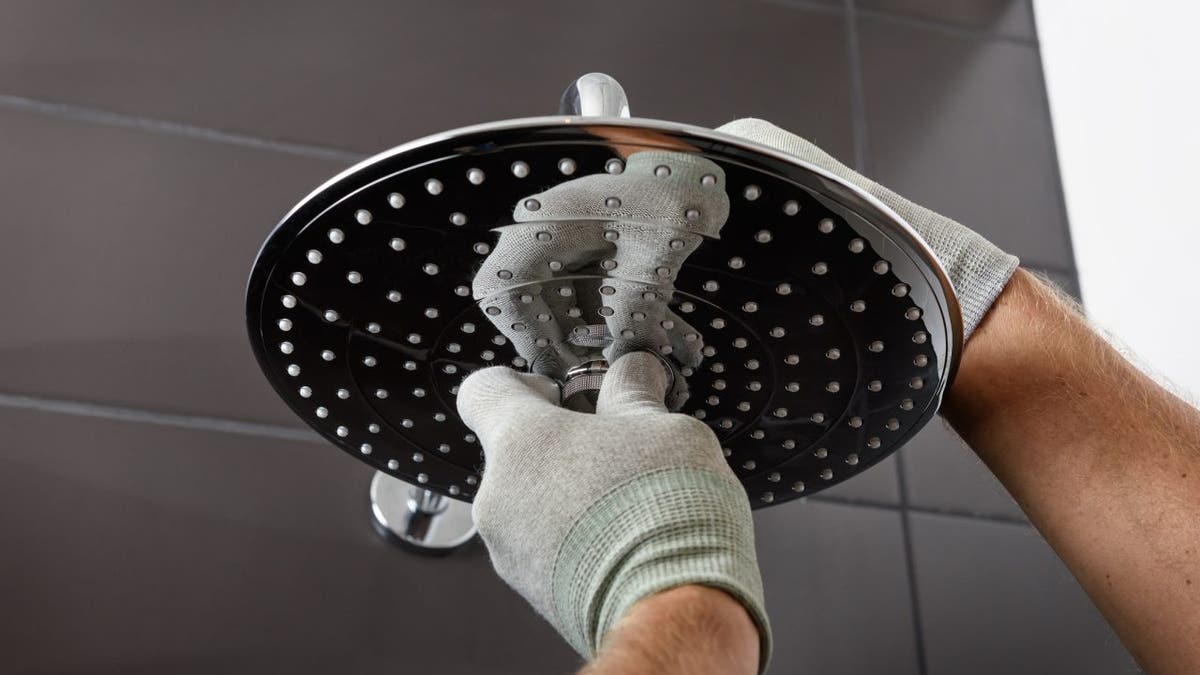
Simple remodel tip: upgrade your bathroom shower head

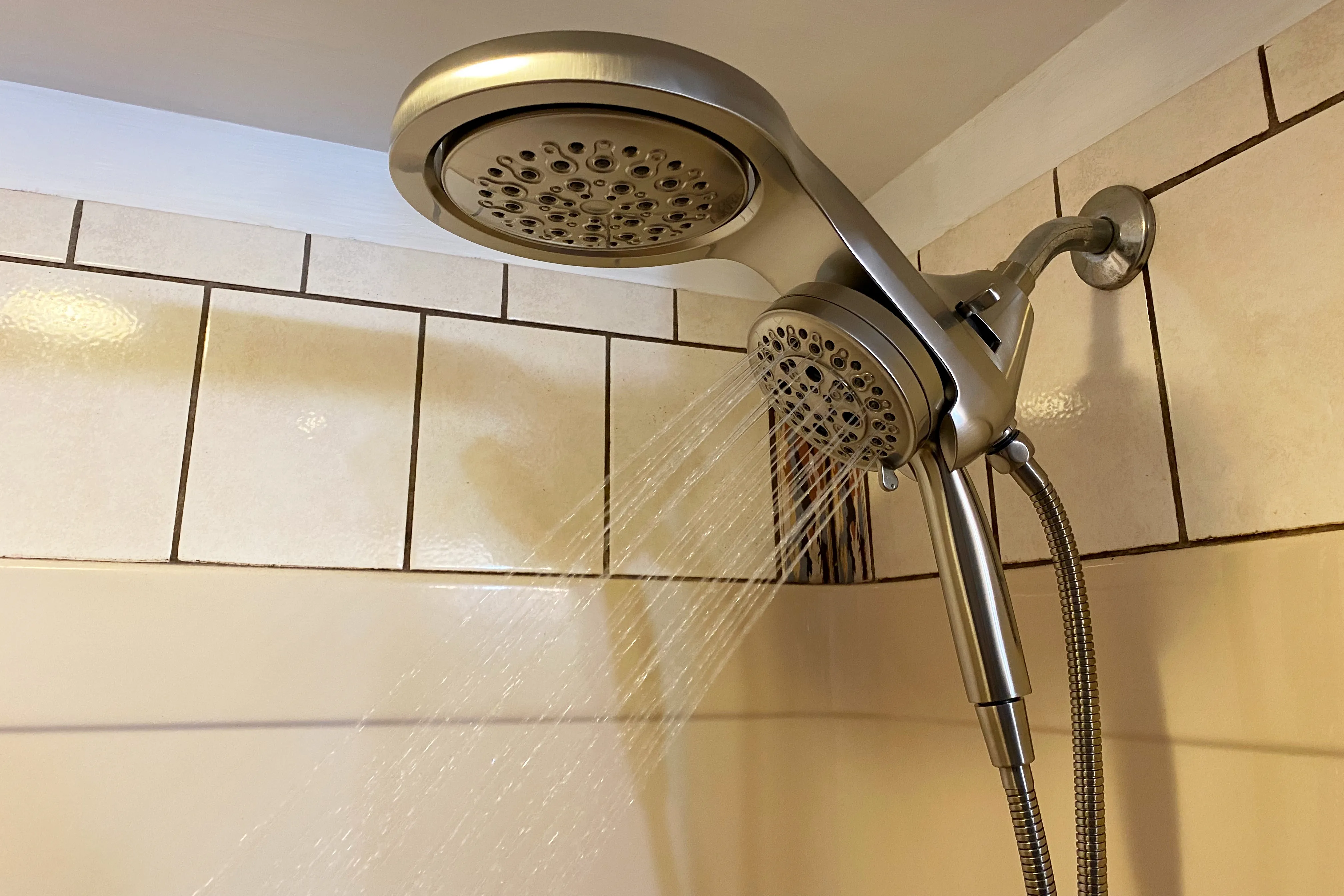
Turn Your Daily Shower Into a Spa-Like Experience with The 5 Best Showerheads We Tested

Best Filtered Shower Heads in 2026, Tested and Reviewed

The One Change You Can Make to Your Shower to Save Your Skin and Hair

The Right Way to Clean a Jetted Tub

We Asked a Cleaning Pro How to Finally Get Rid of Mold in the Shower—And We're Trying This ASAP

I Tried a Bunch of Filtered Showerheads to See What the Deal Is
How To Clean Bathroom Chrome

7 Best Handheld Shower Heads for a Spa-Like Experience

How to clean a bathroom sink – expert tips for a well-scrubbed sink

The 8 Best Filtered Shower Heads, According To Our Team And Expert Advice

Jolie’s filtered showerhead gave me the softest hair I’ve ever had — and I installed it myself
How do filtered showerheads help with hair and skin health?


Squeegee Every Time You Shower — and More Bathroom Cleaning Hacks | Reviews by Wirecutter
We've tested 6 filtered showerheads (so far) — and yes, they really work
I Tried This Shower Filter For 2 Months & My Hair Has Never Felt Healthier

This Simple Shower Upgrade Has Made My Hair So Much Shinier
The Best Showerheads We’ve Tested for Long, Luxurious Showers