1/8
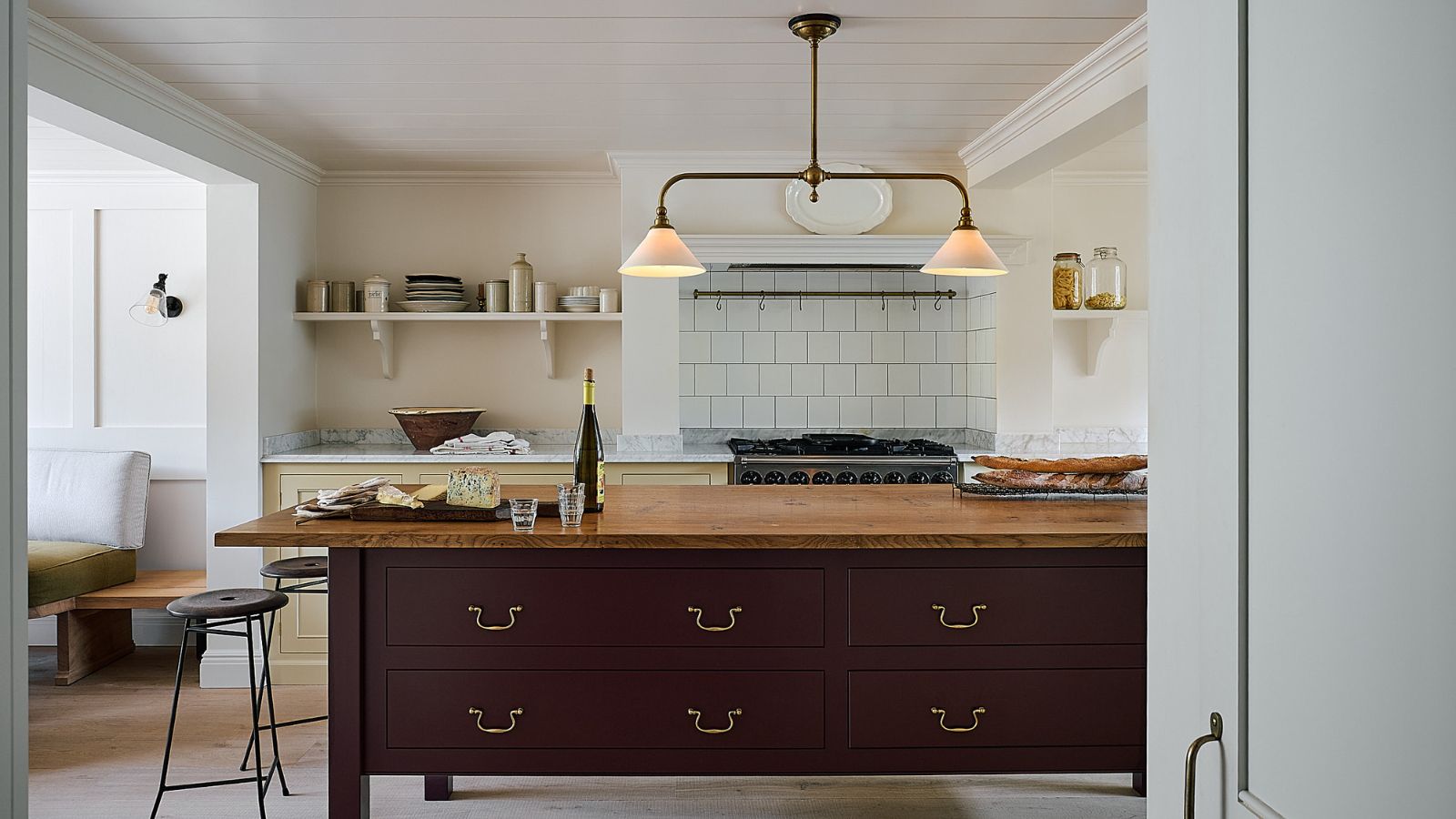
'Most kitchens don't suffer from a lack of storage, just inefficient use of it' – 7 things people with tidy kitchen cabinets never do
This article discusses common pitfalls that people with tidy kitchen cabinets avoid, offering advice from professional organizers to help readers achieve streamlined and accessible kitchen storage. It emphasizes that effective kitchen organization is not about the amount of space, but rather how efficiently that space is utilized. The article identifies seven key habits to steer clear of when organizing kitchen cabinets, ranging from stacking non-identical items to storing non-kitchen goods in these spaces.
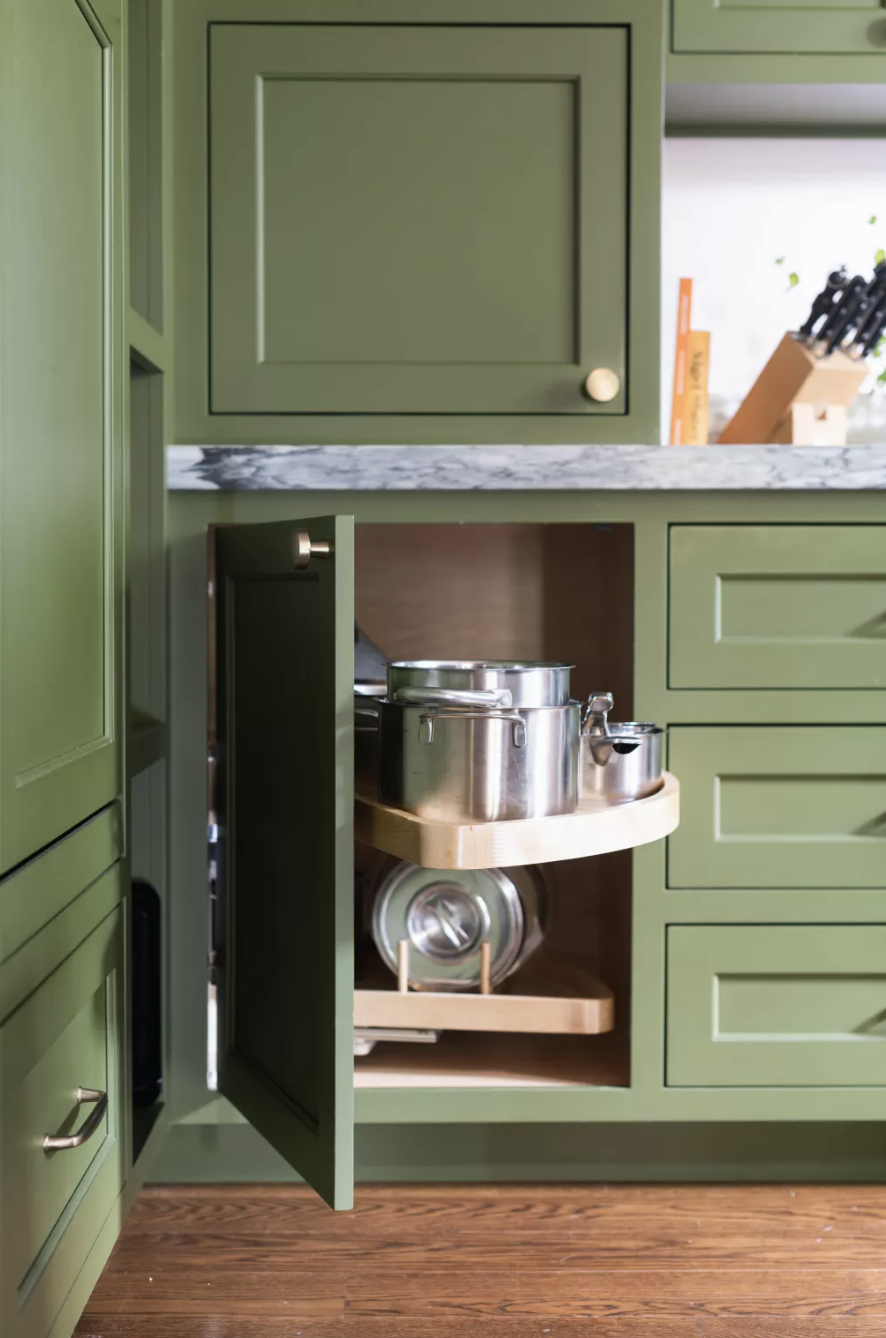
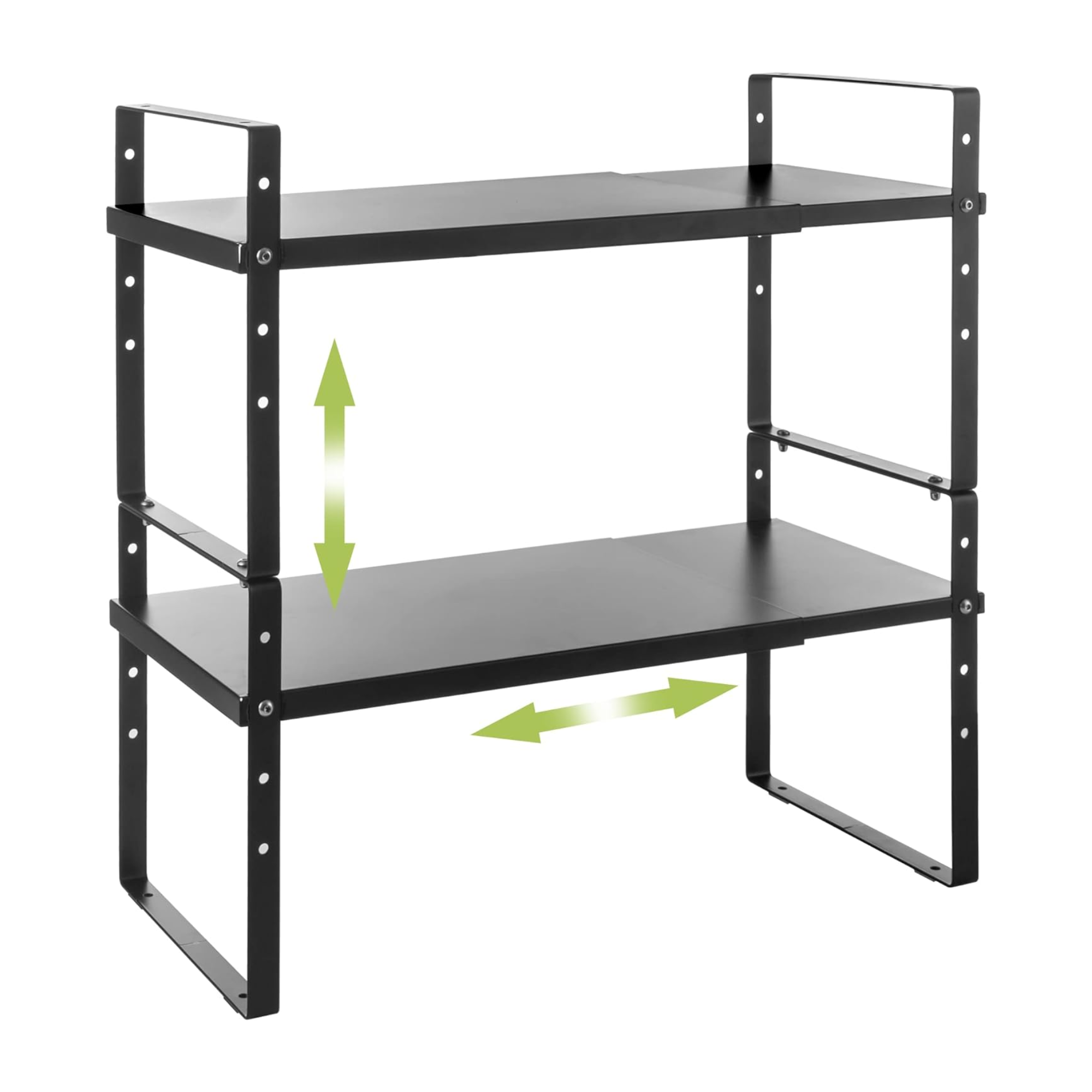
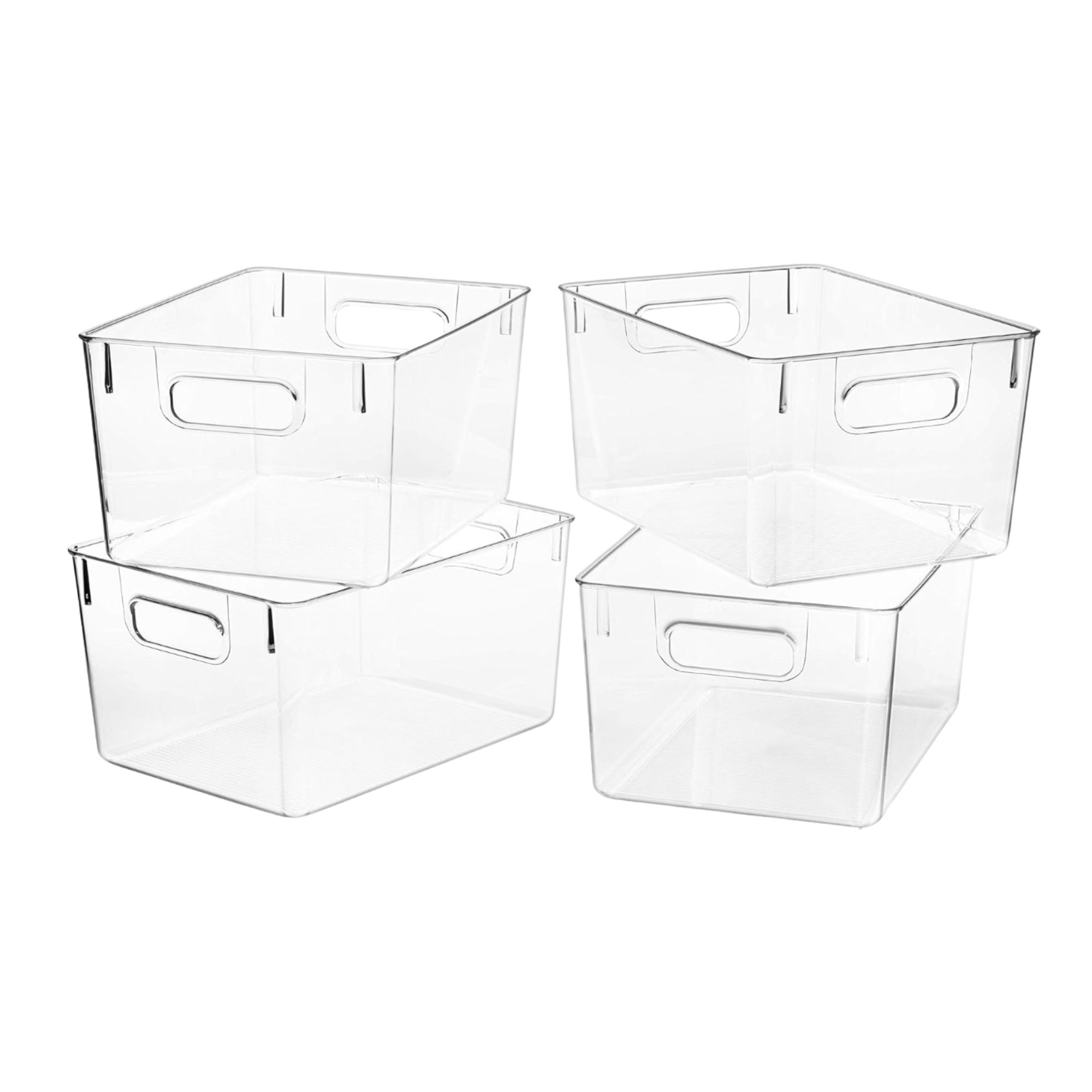
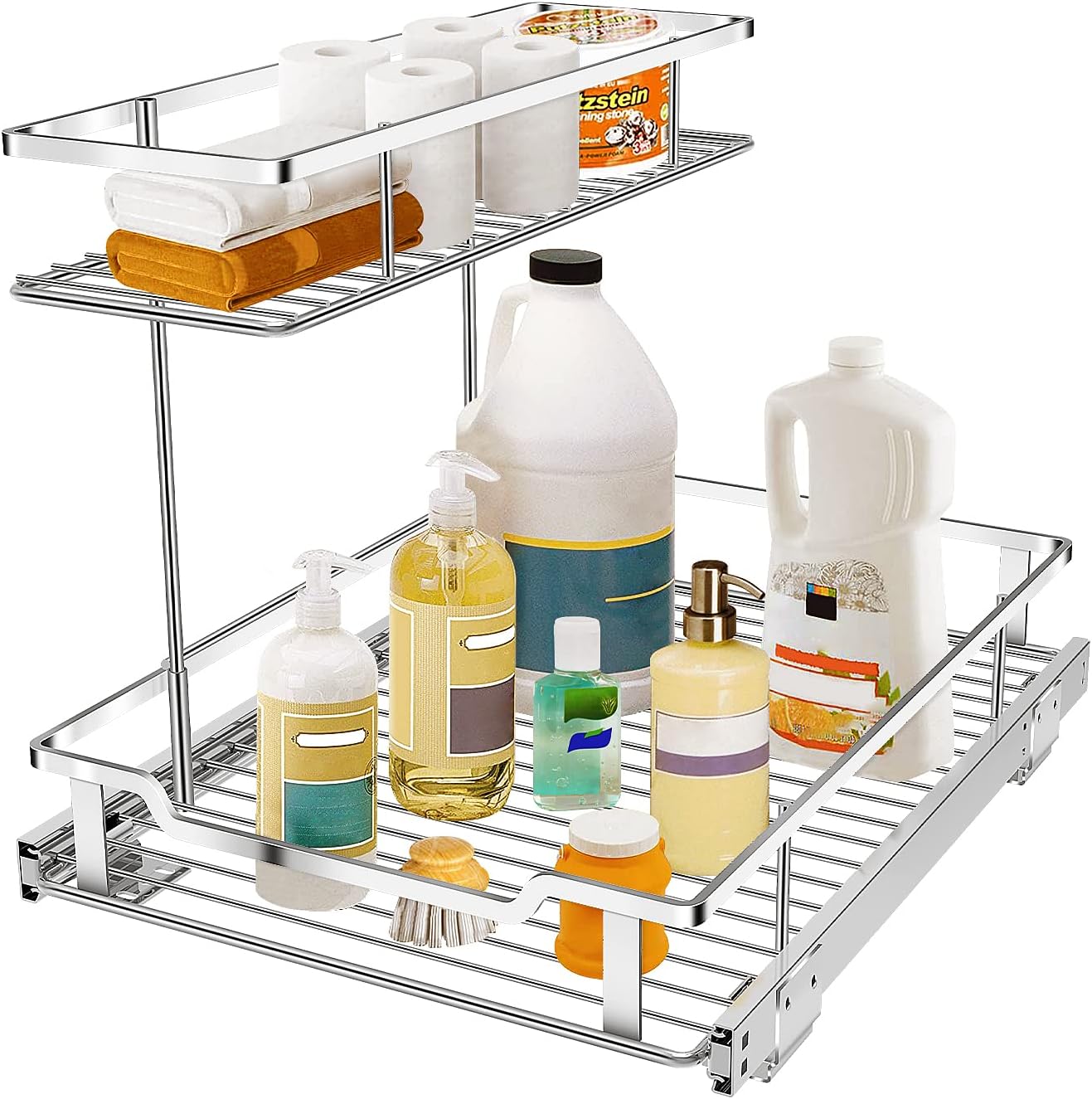
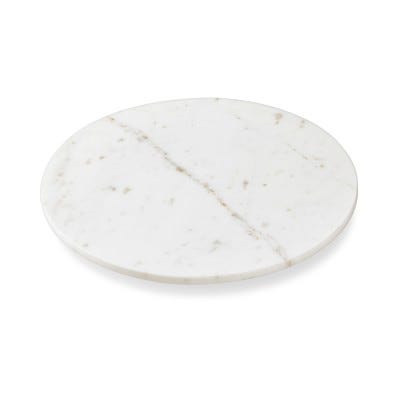
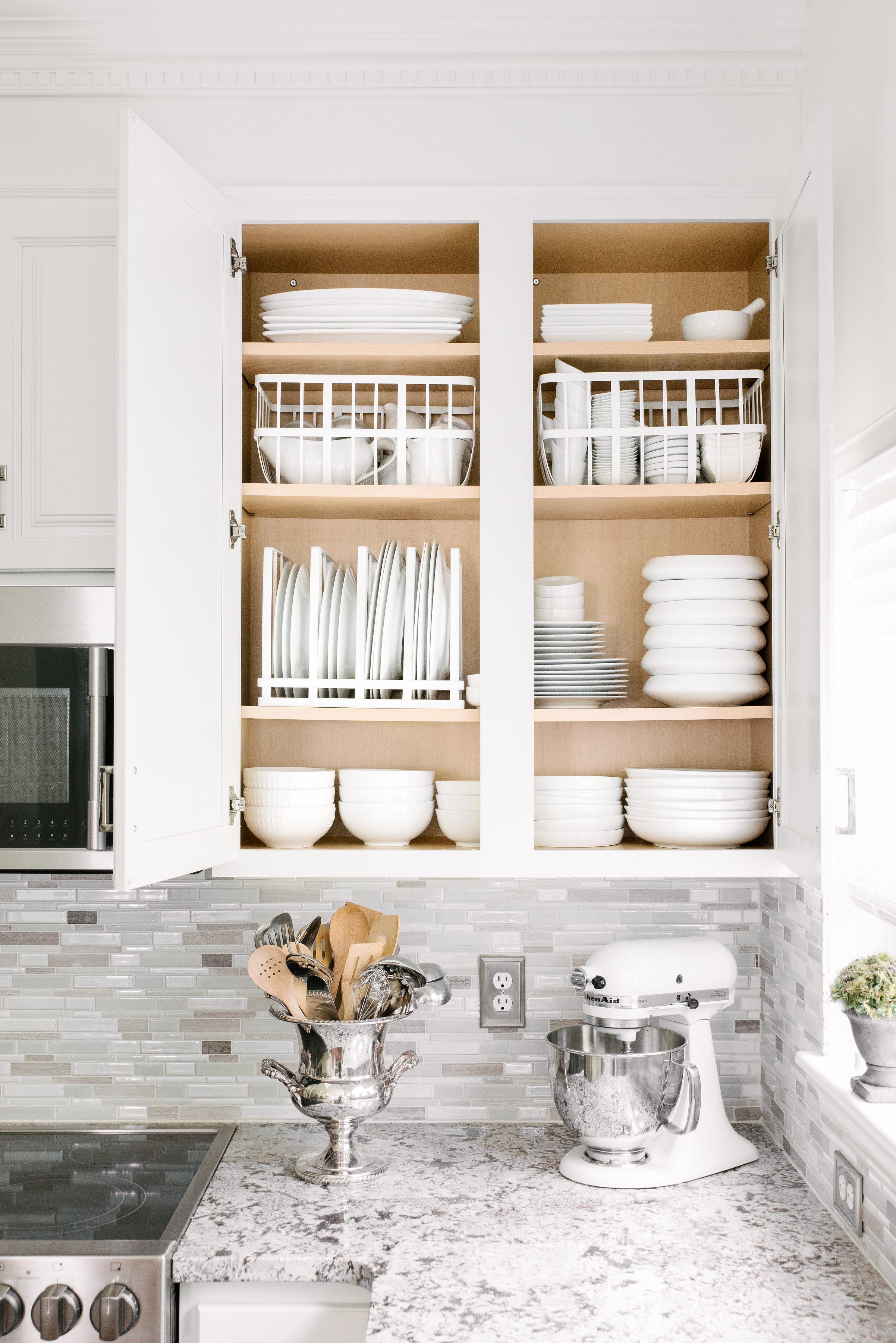
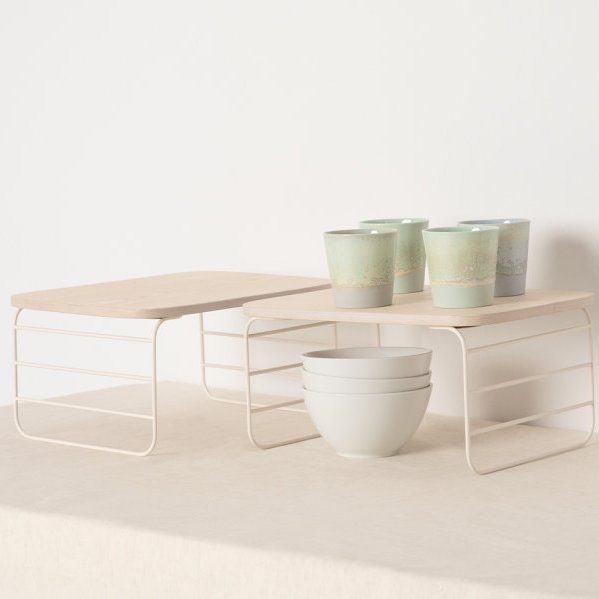
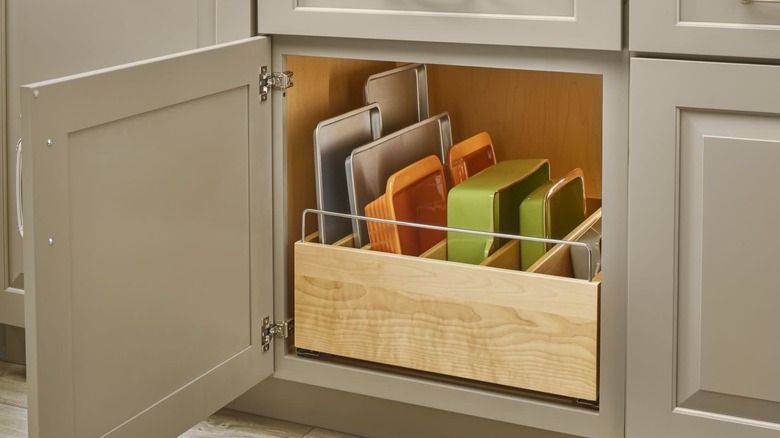
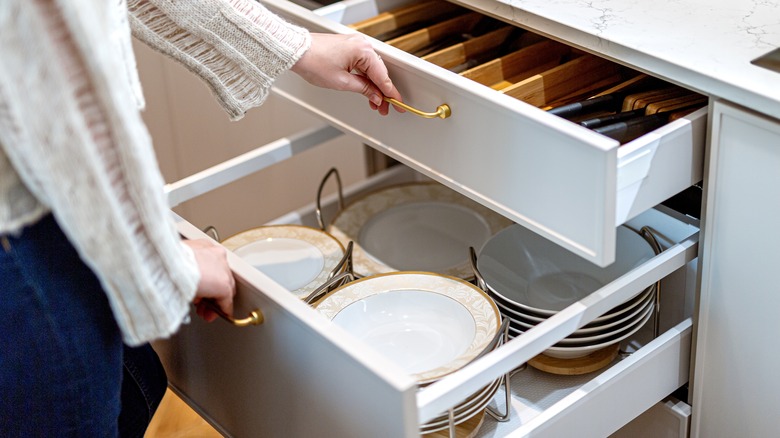
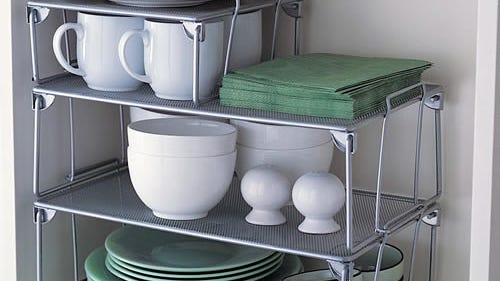
The first common mistake highlighted is stacking non-identical items. Professional organizer Heidi Ganser Lang suggests that while identical plates can be stacked, mixing different items like bowls and plates or various baking pans hinders accessibility. She recommends using shelf risers or dividers to separate different types of dishware and storing baking sheets and pans vertically to allow for easy retrieval without disturbing other items. Additionally, she advises against stacking items behind others, stressing that if an item cannot be seen, it is less likely to be used. Tools such as water bottle organizers and turntables are recommended to ensure visibility and easy access to all items.
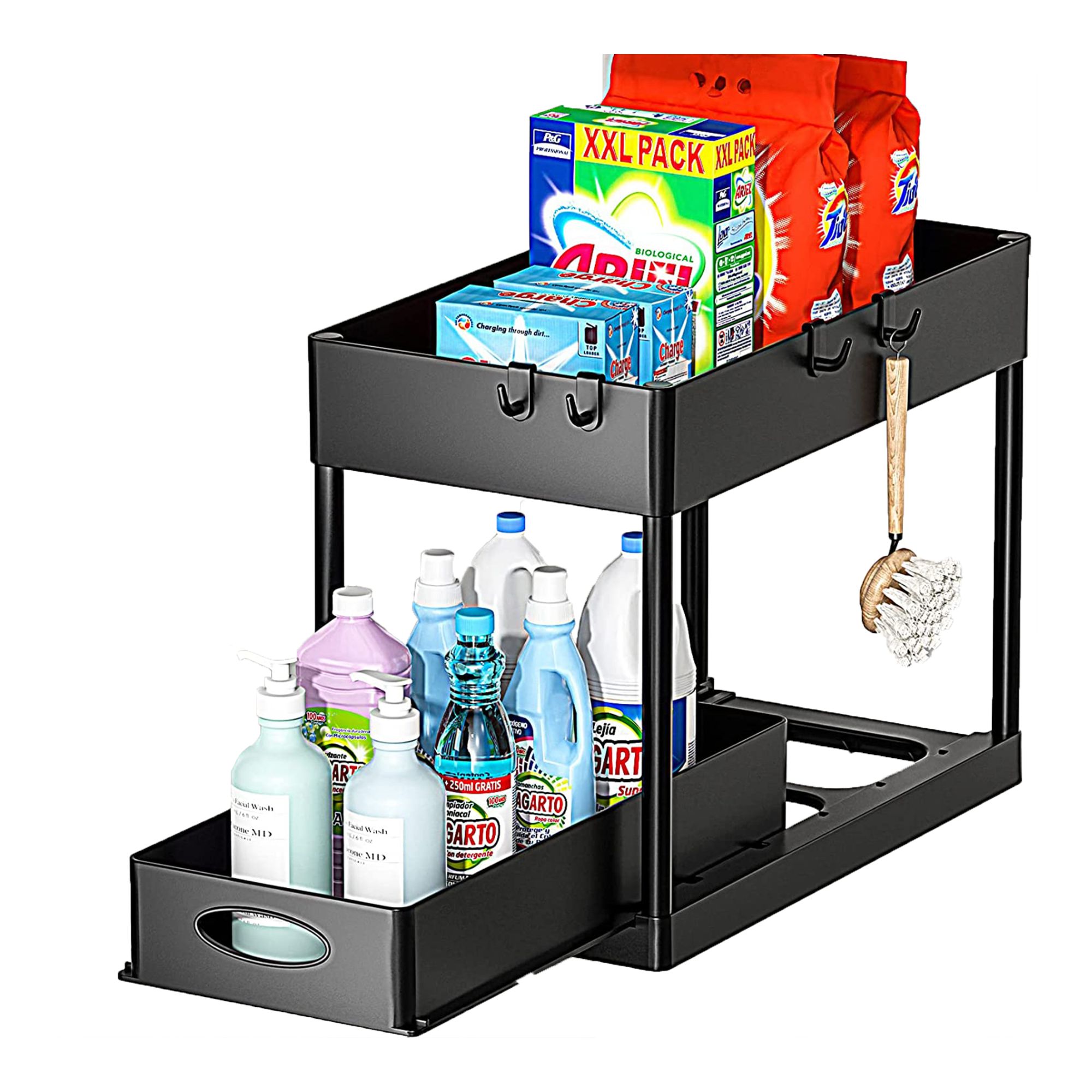
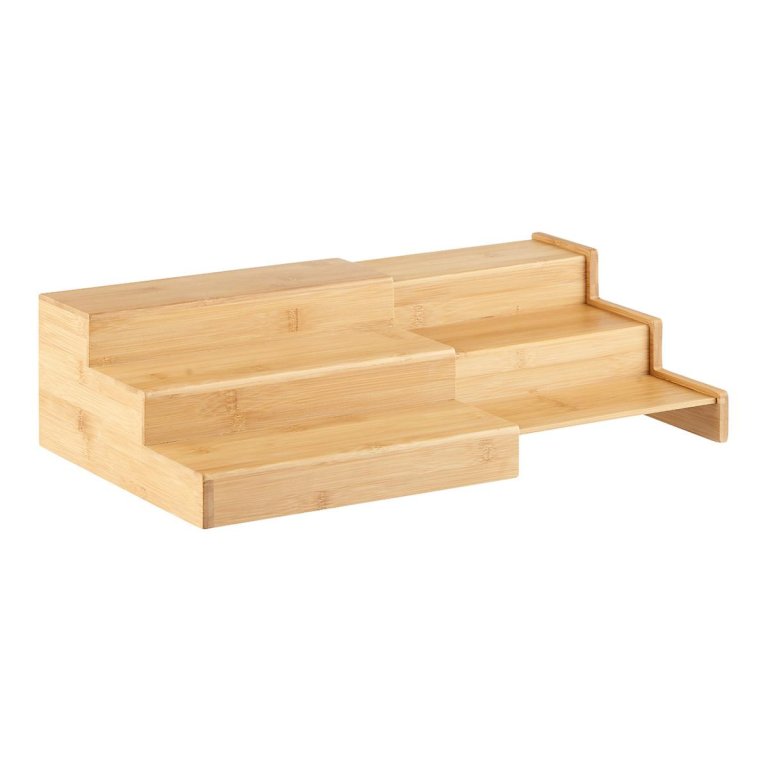
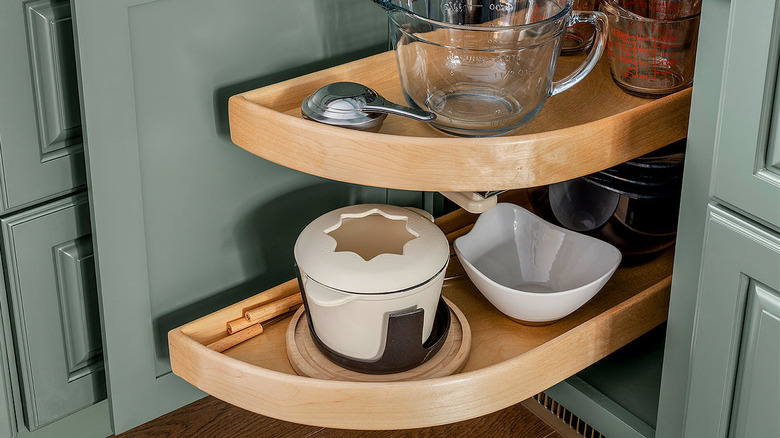
The second point addresses making repeated purchases, particularly in the context of food items. Georgina Burdett, a professional organizer, notes that tidy cabinet owners reduce food waste by ensuring all purchases are visible. She suggests using 3-tier organizers or Lazy Susans to keep items at the back of cabinets accessible, thereby preventing forgotten or expired goods and avoiding unnecessary duplicate purchases.
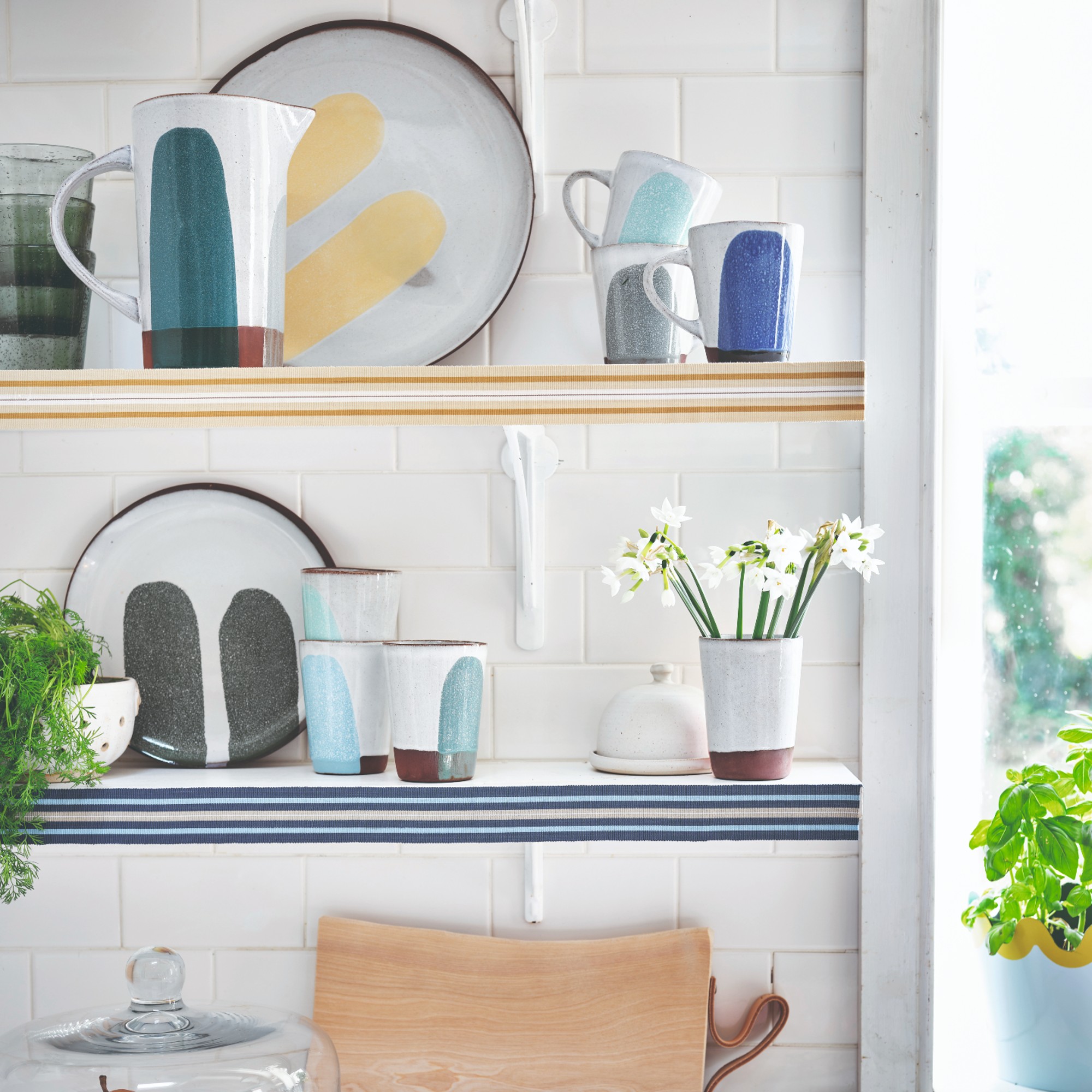
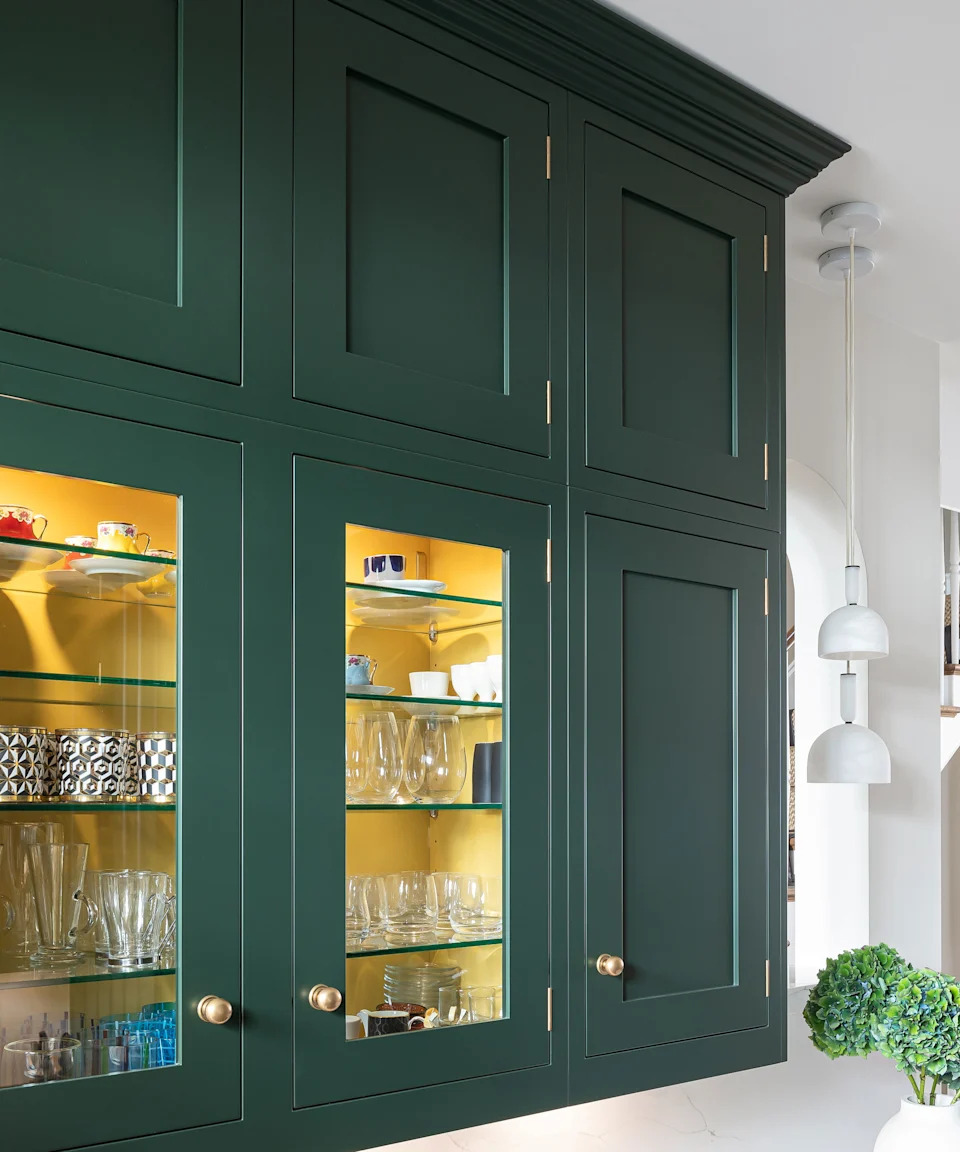
The third habit to avoid is collecting and storing unnecessary cups. Meghan Cocchiaro, founder of Organized by Meg, advises against keeping an excessive number of mugs, instead suggesting a single matching set for daily use or a limited collection of favorite mugs. She highlights that mugs are bulky and should only be kept if regularly used, mentioning that disposable cups can serve for large gatherings.
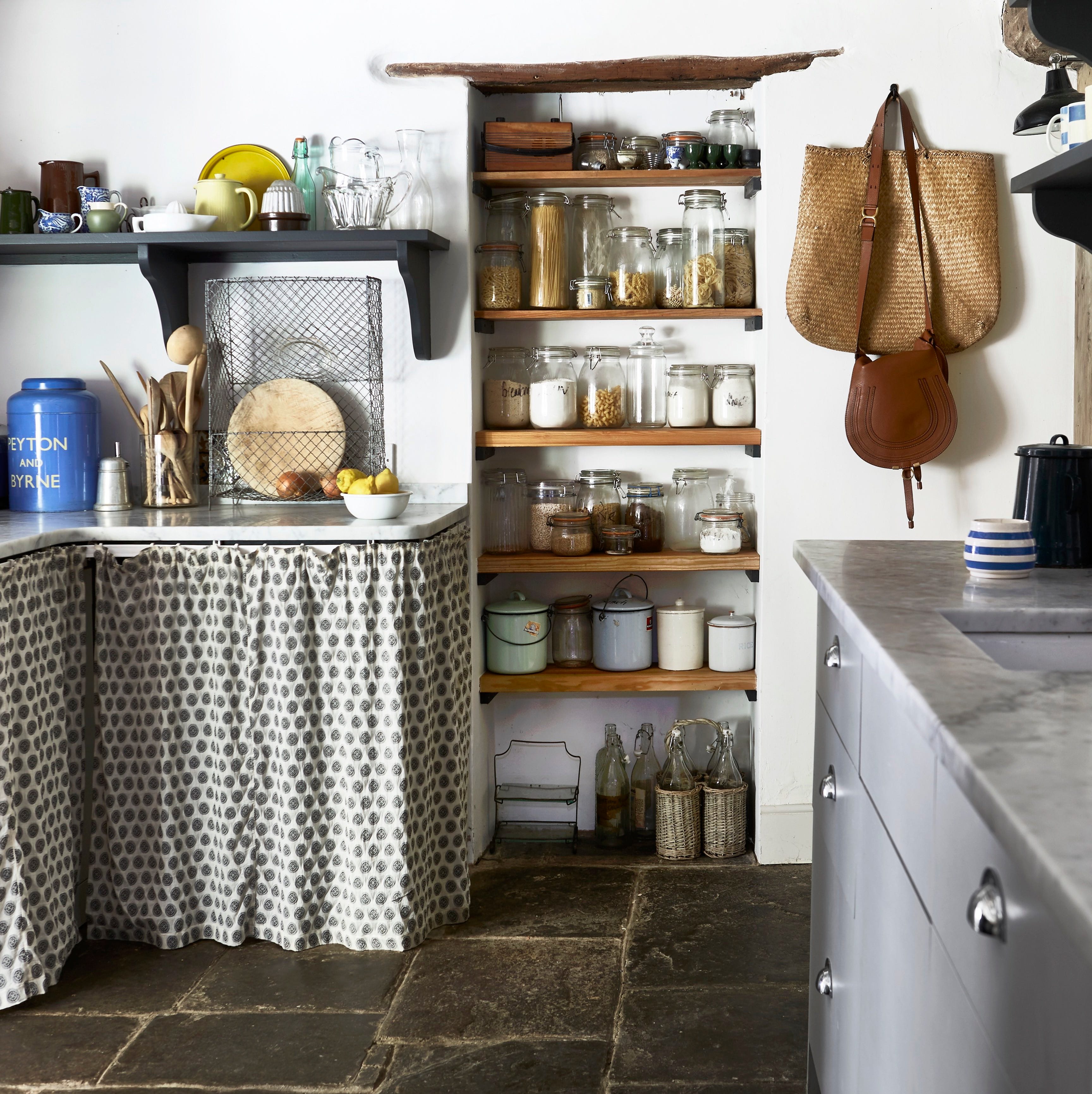
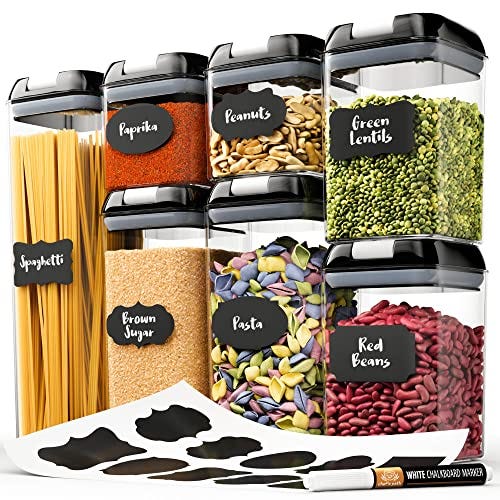
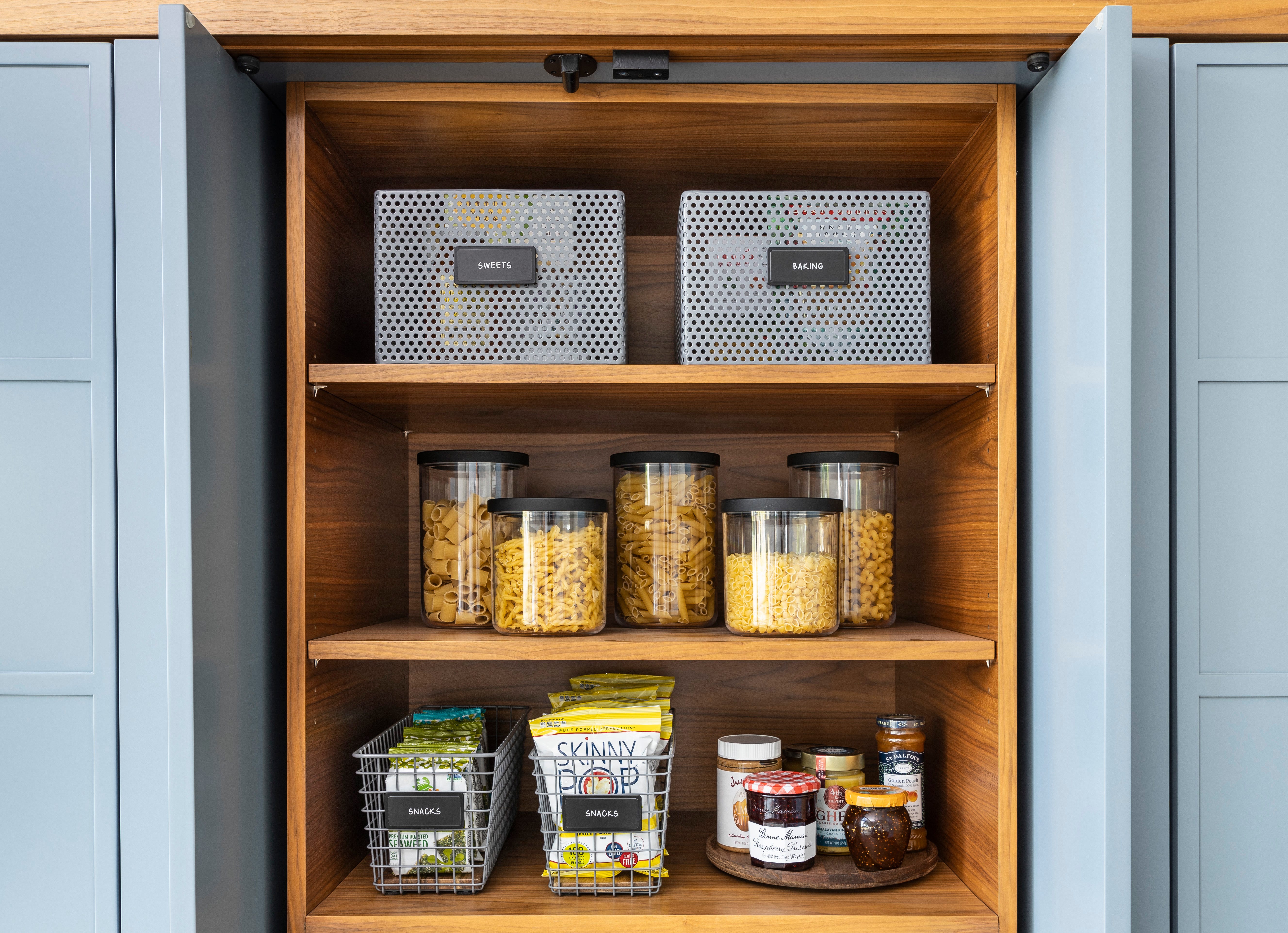
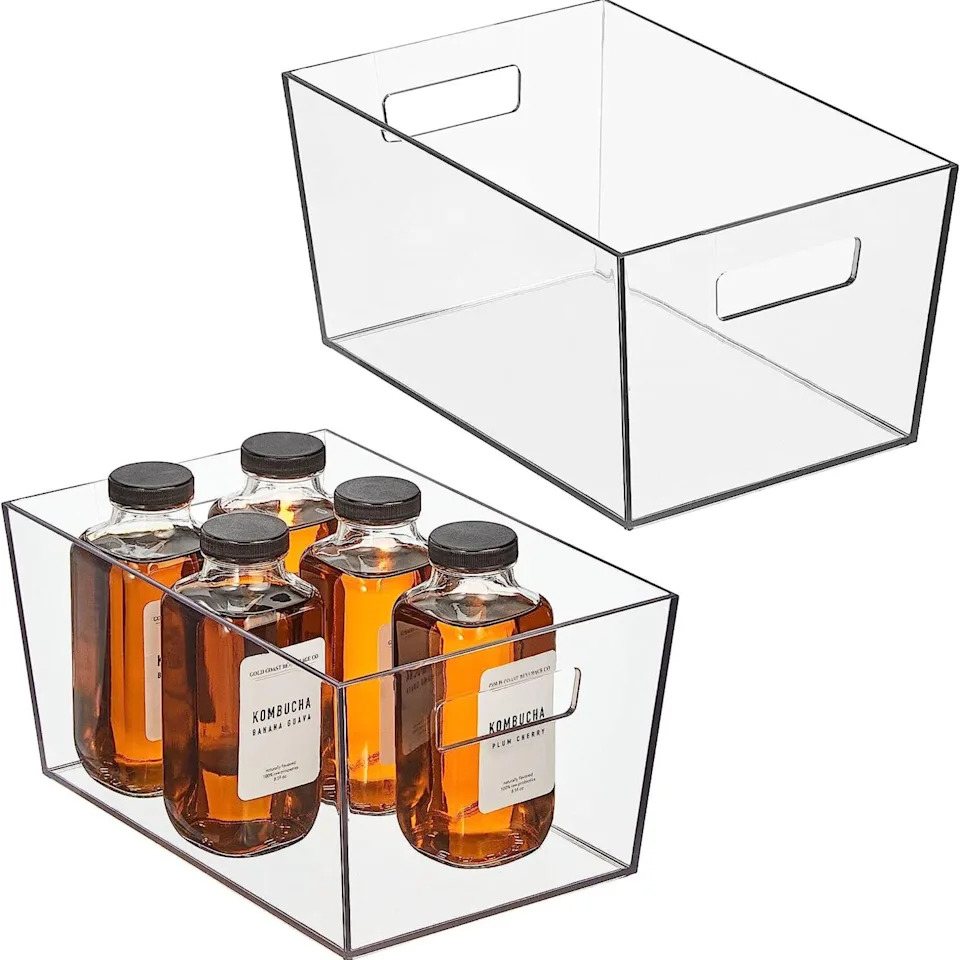
The fourth pitfall is neglecting to label baskets and bins within cabinets. Jennifer Q. Williams, founder of Saint Louis Closet Co., emphasizes the importance of labeling for maintaining an organized system and avoiding confusion about where items belong. She also advises dating decanted food items, especially rarely used spices and baking ingredients, to prevent them from passing their 'best before' dates unnoticed. This helps manage inventory and reduces waste.
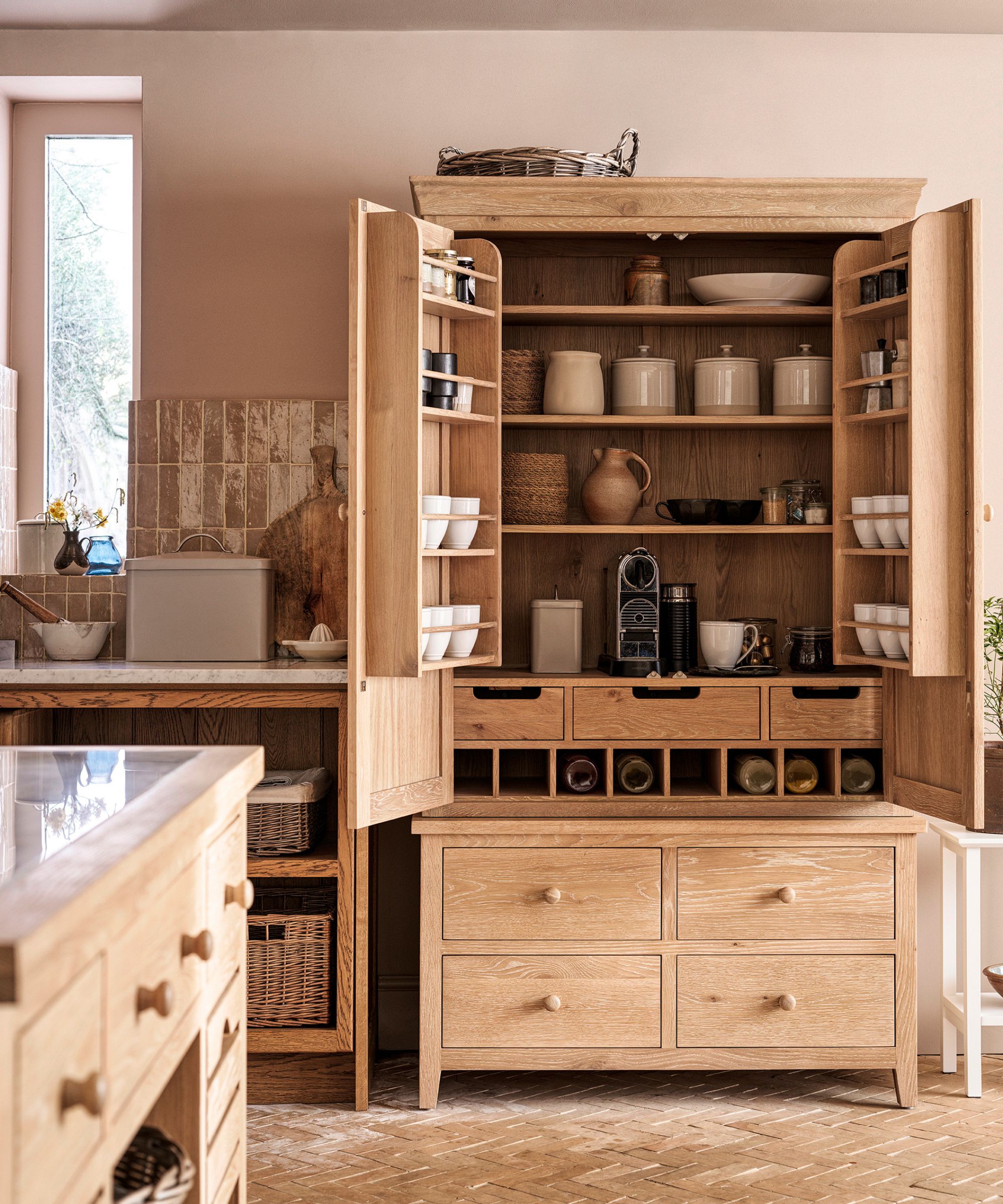
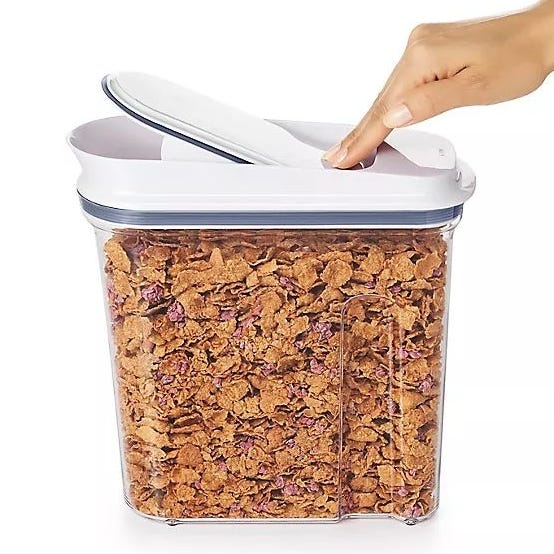
Keeping expired food is the fifth mistake to avoid. Meghan Cocchiaro points out that people with organized kitchens regularly clear out stale food and spices to prevent waste and free up space for fresh groceries. She recommends weekly or bi-monthly resets of pantries, refrigerators, and coffee cabinets, establishing designated zones for different food types, and using storage solutions like sealing clips to maintain freshness and organization.
The sixth piece of advice is not to store rarely used serveware in prime spots. Both Meghan Cocchiaro and Heidi Ganser Lang agree that items used infrequently, such as holiday serveware or specialty appliances, should not occupy easily accessible cabinet space. Instead, they should be stored in higher, harder-to-reach cabinets, in basement storage, or in dining room hutches. This strategy ensures that prime cabinet real estate is reserved for frequently used items, improving daily functionality.
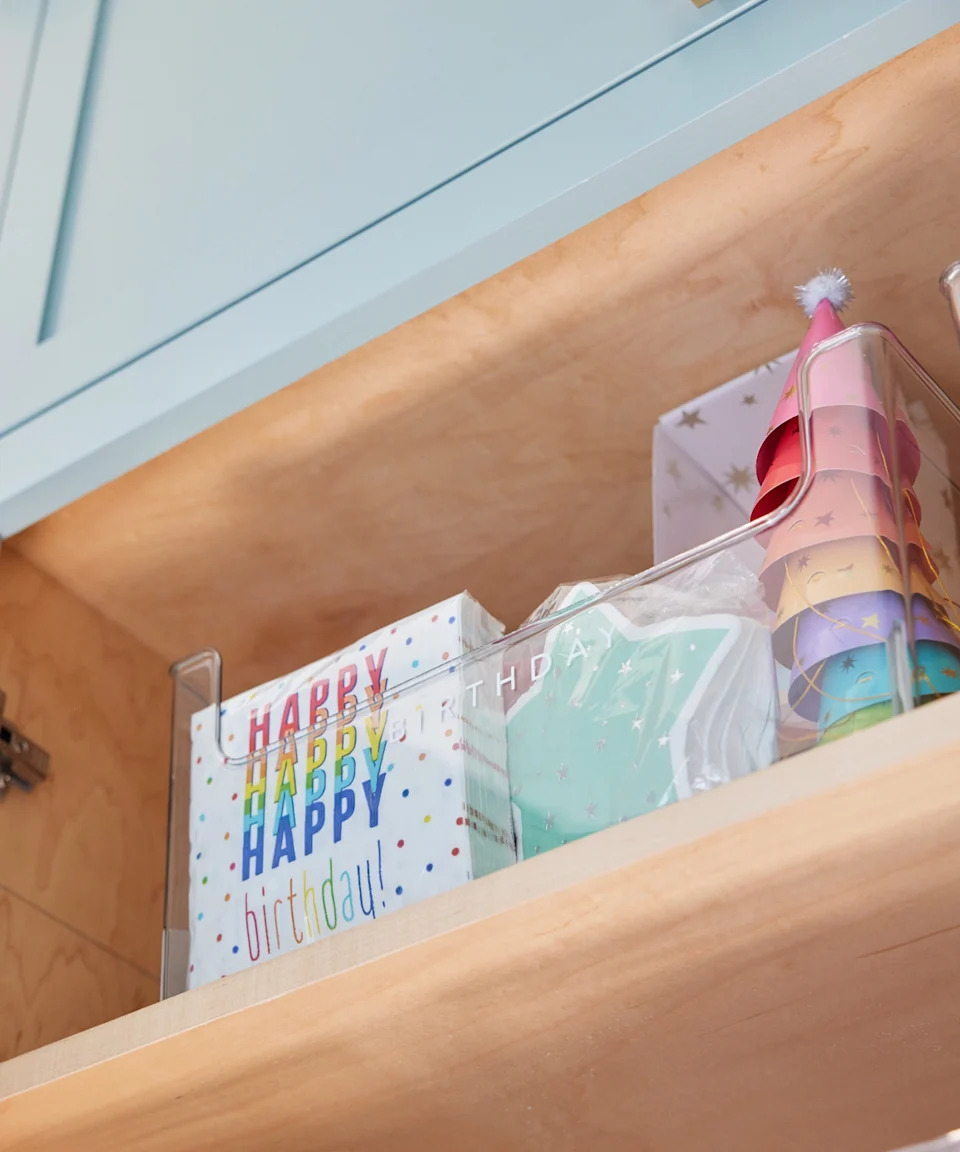
Finally, the seventh point advises against storing non-kitchen items in kitchen cabinets. Meghan Cocchiaro stresses that kitchen cabinets should be exclusively for kitchen-related goods. She suggests creating specific storage zones throughout the home for non-kitchen items, such as plastic bags, tape measures, or party supplies, and regularly purging items that are no longer needed or used. This approach maintains the kitchen's efficiency and prevents clutter build-up.
#KitchenOrganization #CabinetStorage #HomeDecluttering #ProfessionalOrganizers #FoodWasteReduction #KitchenDesign #EfficientStorage #KitchenOrganization #CabinetStorage #HomeDecluttering #ProfessionalOrganizers #FoodWasteReduction #KitchenDesign #EfficientStorage
0 commenti in totale
 Nessun commento ancora
Potresti anche gradire
7 things people with organized kitchen pantries always do
Never store these 6 things on open kitchen shelving, warn pro organisers
Professional organizers use low kitchen cabinets to store these items – it'll make your storage so much more convenient

Pro Organizers Cringe When They See These 7 Things in a Kitchen
5 storage mistakes people with clutter-free kitchens never make - they'll make you re-think your remodel plans

These are the 7 things to get rid of first in your kitchen cabinets, according to cleaning pros

Keep Your Kitchen Cabinets Organized With These 21 Tips From Experts
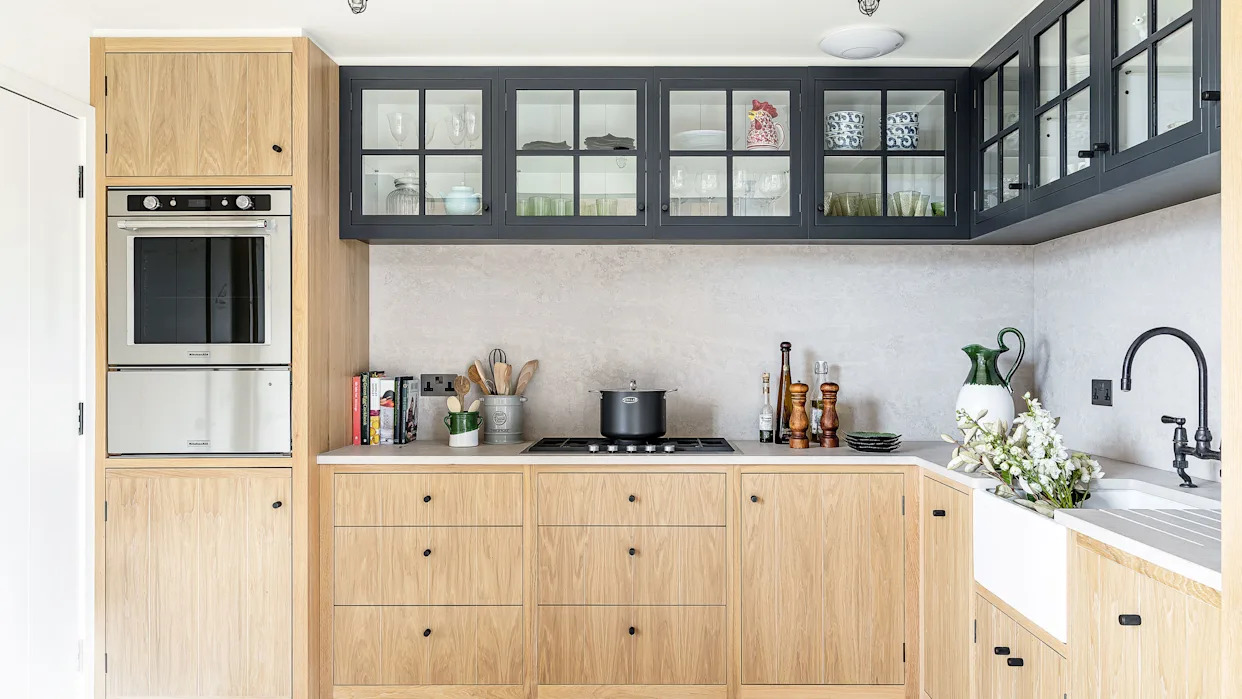
What to put in high kitchen cabinets –according to professional organizers and designers
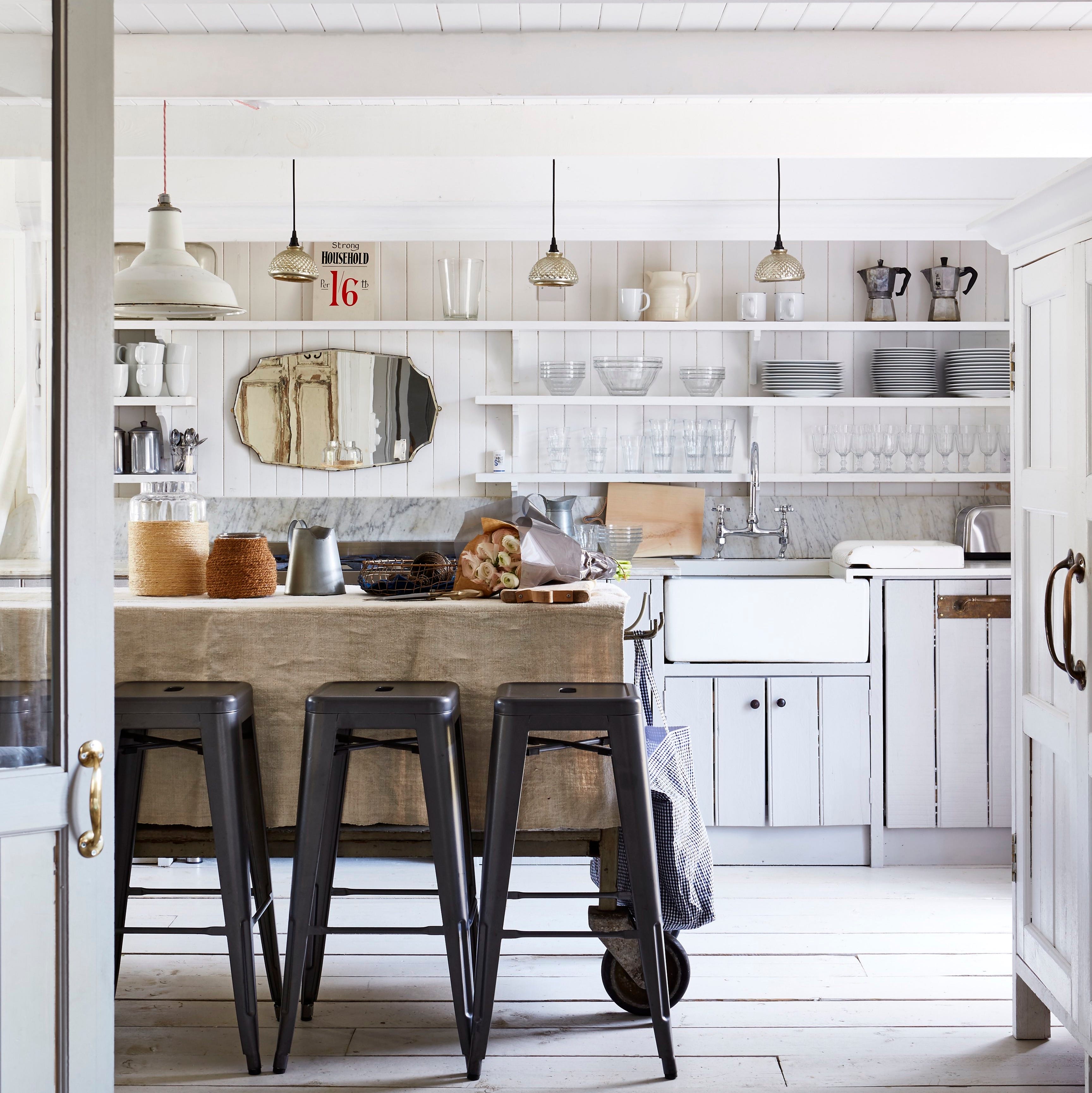
7 kitchen storage mistakes you're making – and how to fix them
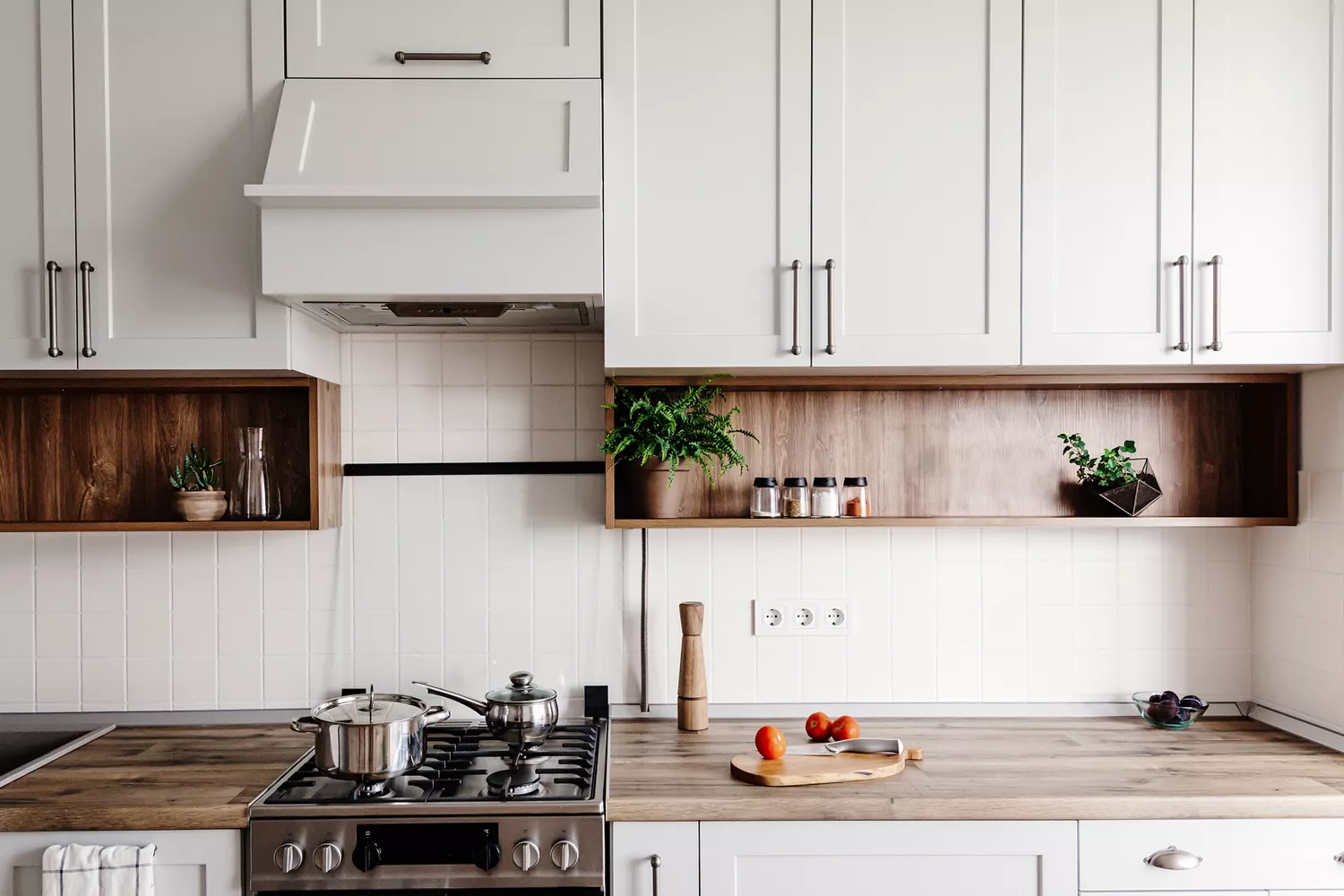
6 Things You Should Never Store in Your Kitchen Cabinets—and Where to Keep Them Instead

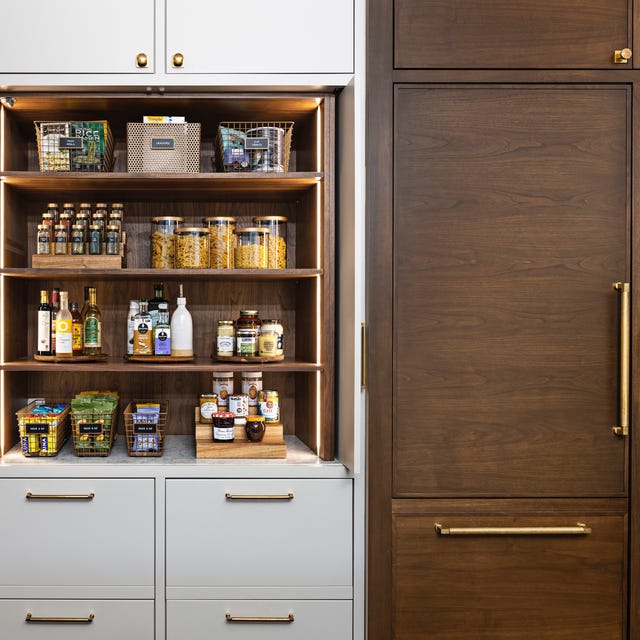
Decluttering Experts Share Their Best Kitchen Cabinet Organization Ideas

Kitchen Storage Ideas — 16 Clever Ways to Find Space for Everything
7 Items You Should Never Store In Kitchen Cabinets
10 things decluttering experts won't keep in their kitchen cupboards

You’re 3 Steps Away from Your Most Organized Kitchen Cabinets Yet
14 Kitchen Cabinet Organizers That Will Make Storage A Breeze
How to Make Your Kitchen Cabinets More Functional — 7 Expert Tips to Optimize Your Storage for Everyday Efficiency
The 5 kitchen storage mistakes interior designers always avoid

This Organization Hack Will Make Your Kitchen Cabinets Feel Like They're Twice the Size
9 Things You Should Get Rid of in Your Kitchen Cabinets Right Now — An Expert Explains Why