1/48
If You Work From Home, Here Are 6 Tips To Create The Perfect WFH Office
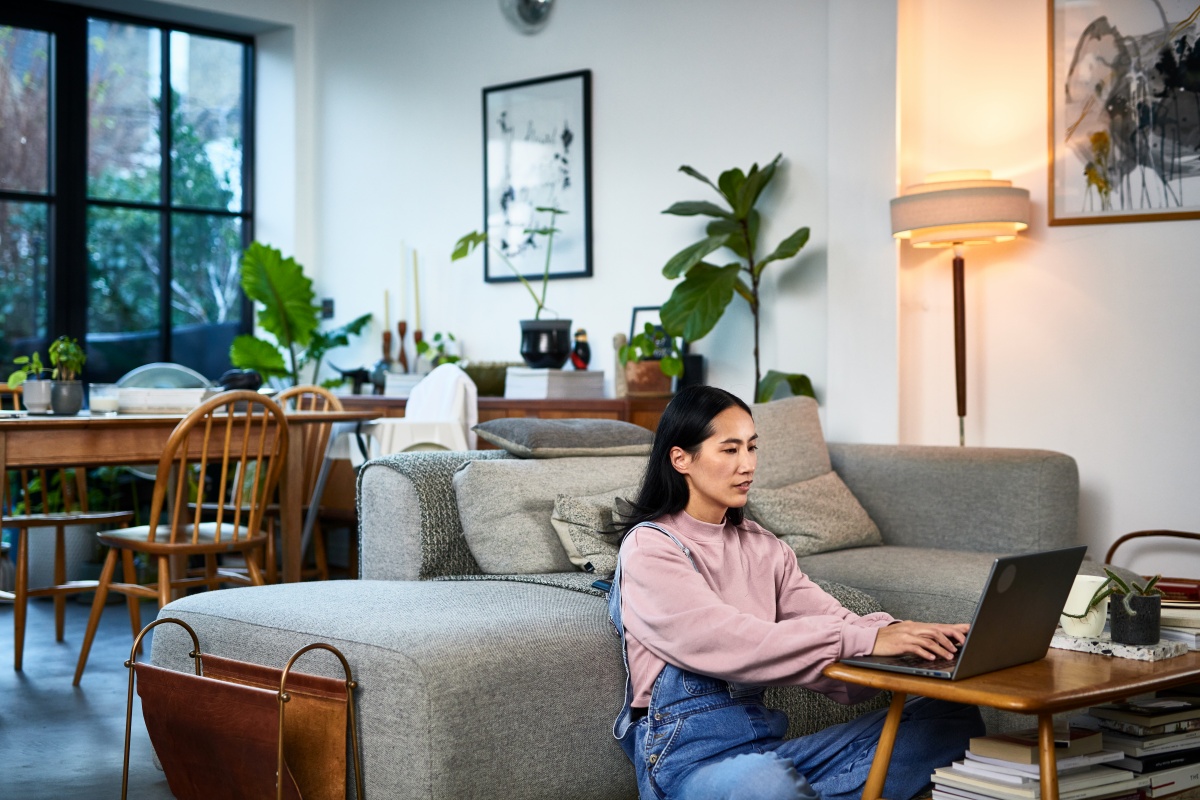
The shift to remote work, accelerated by the COVID-19 pandemic, has significantly increased the number of individuals working from home. Between 2019 and 2021, the population primarily working from home tripled from 9 million to 27.6 million. This trend has not only offered flexibility but also allowed people to relocate from expensive urban centers to more affordable regions, with some even opting for minimalist homes over larger, high-maintenance properties. Remote work also provides substantial time savings by eliminating daily commutes, averaging 72 minutes globally and 55 minutes in the U.S., and reduces expenses related to vehicle wear and tear and professional attire.
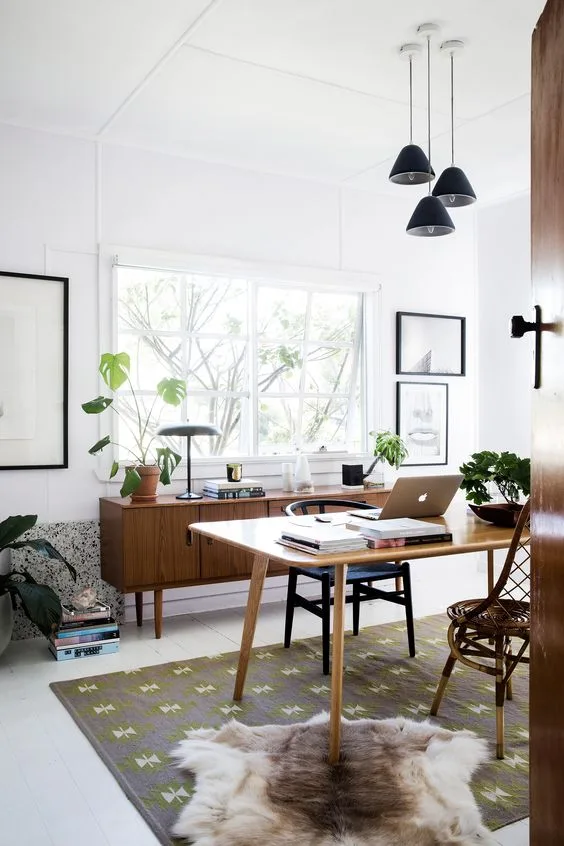
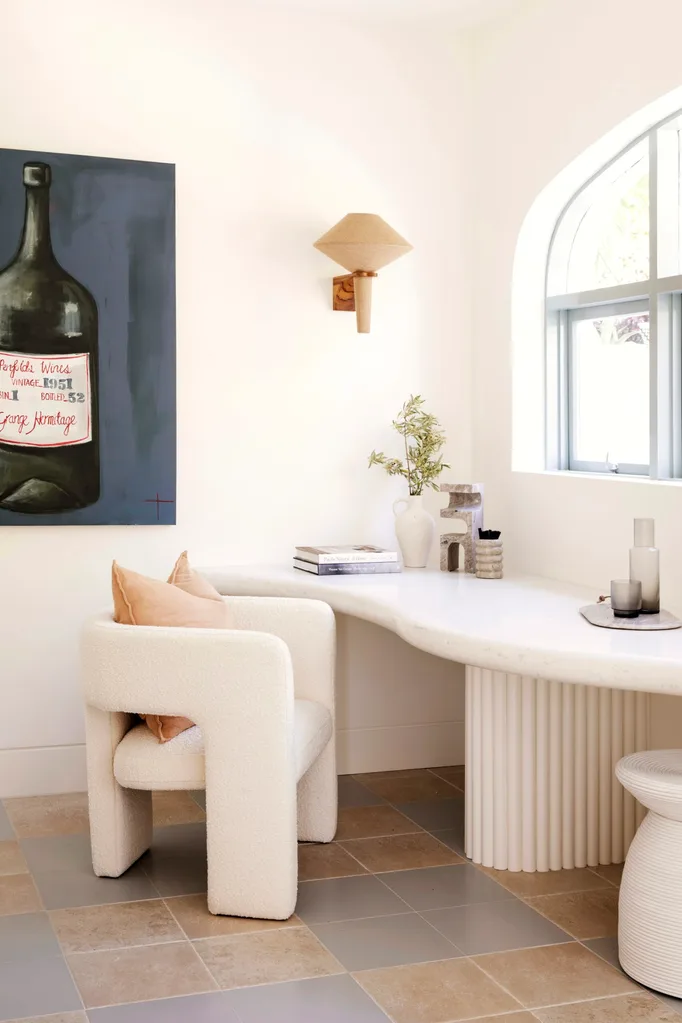
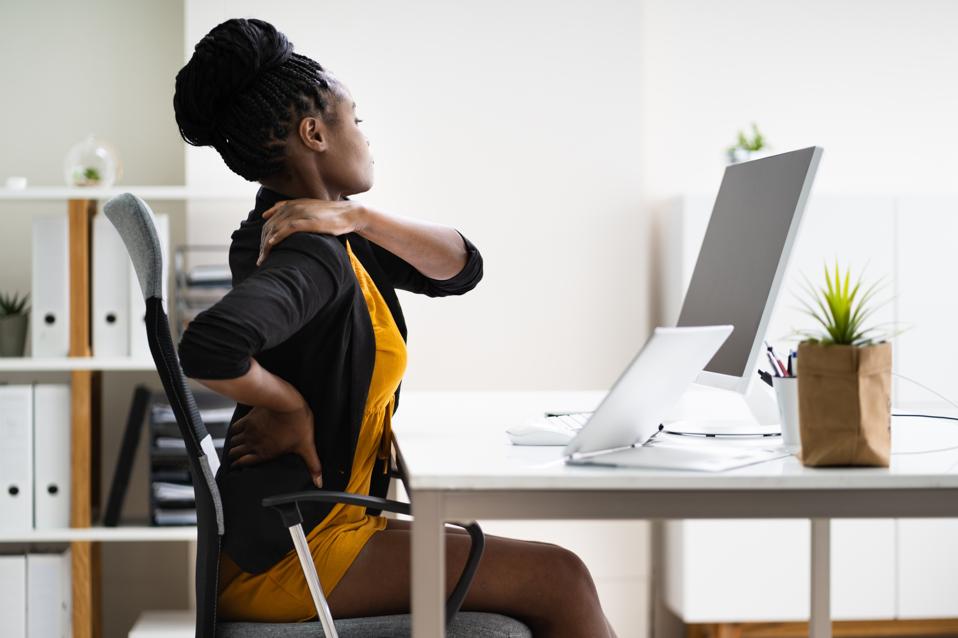
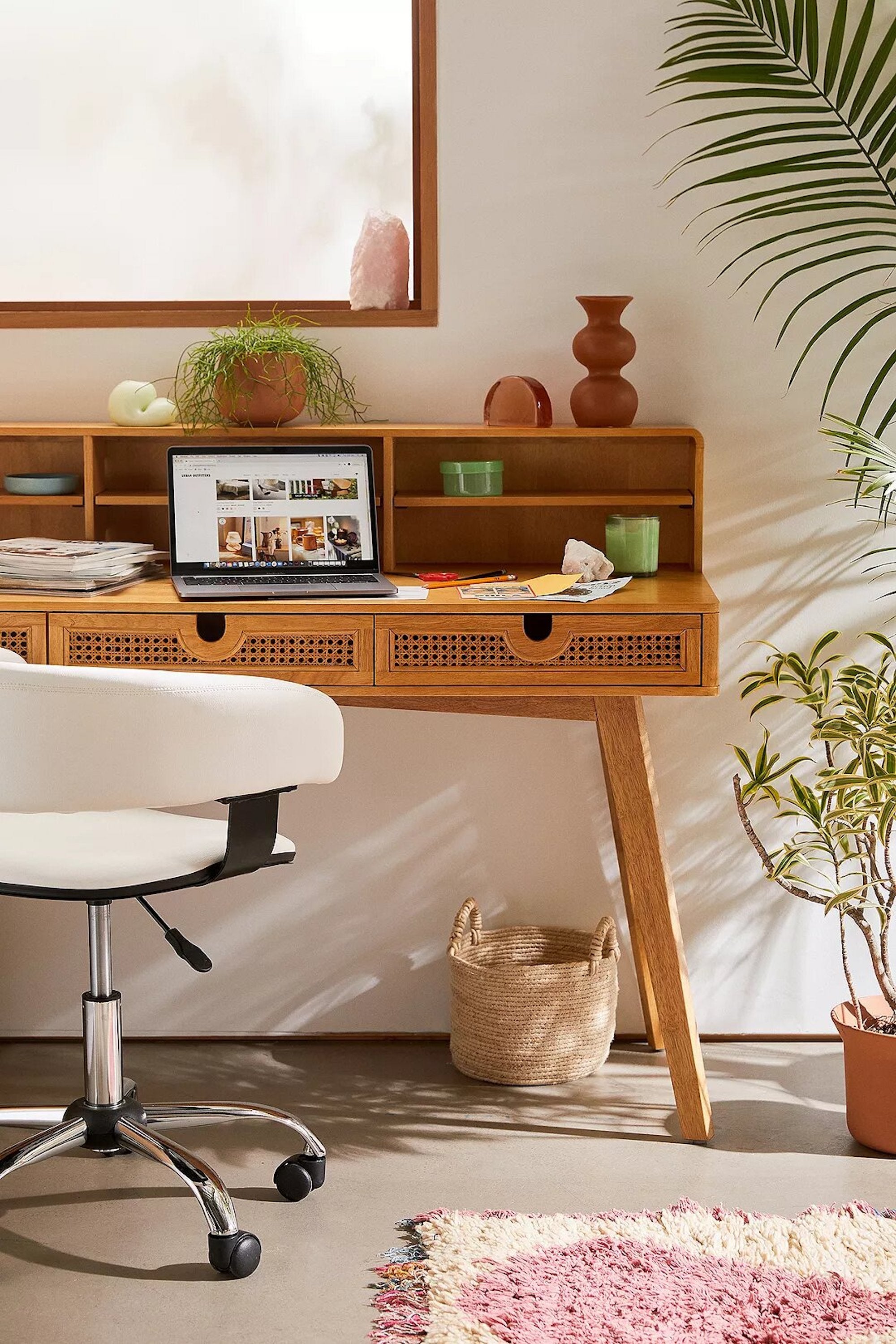
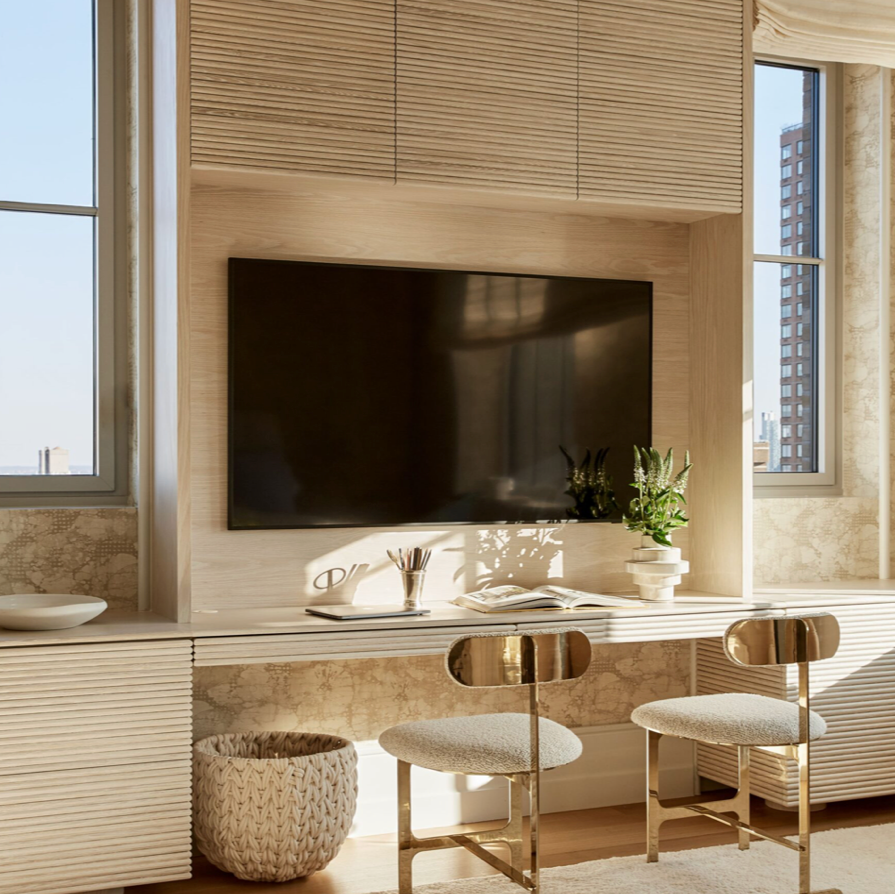
Creating an optimal home office environment involves more than just aesthetics; it emphasizes functionality and ergonomics to prevent health issues associated with prolonged sitting. Dr. Allen Conrad of Montgomery County Chiropractic Center highlights that proper ergonomic setups can prevent degenerative disc problems and sciatica, while New York City interior designer Emma Beryl notes that a well-designed WFH space can boost motivation and productivity. Key considerations for a home office include strategic location, thoughtful design, enhanced functionality, effective sound management, appropriate lighting, and ergonomic equipment.
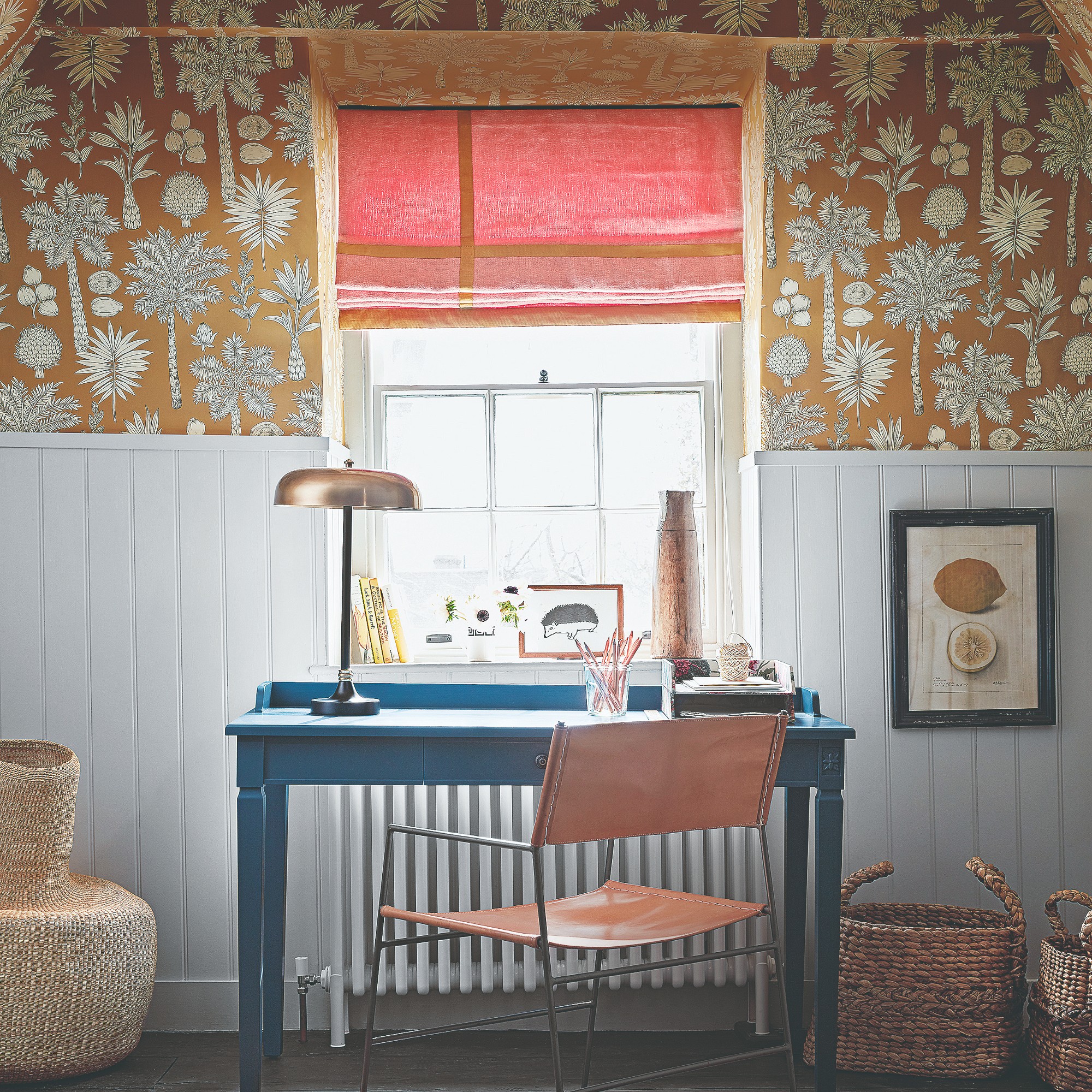
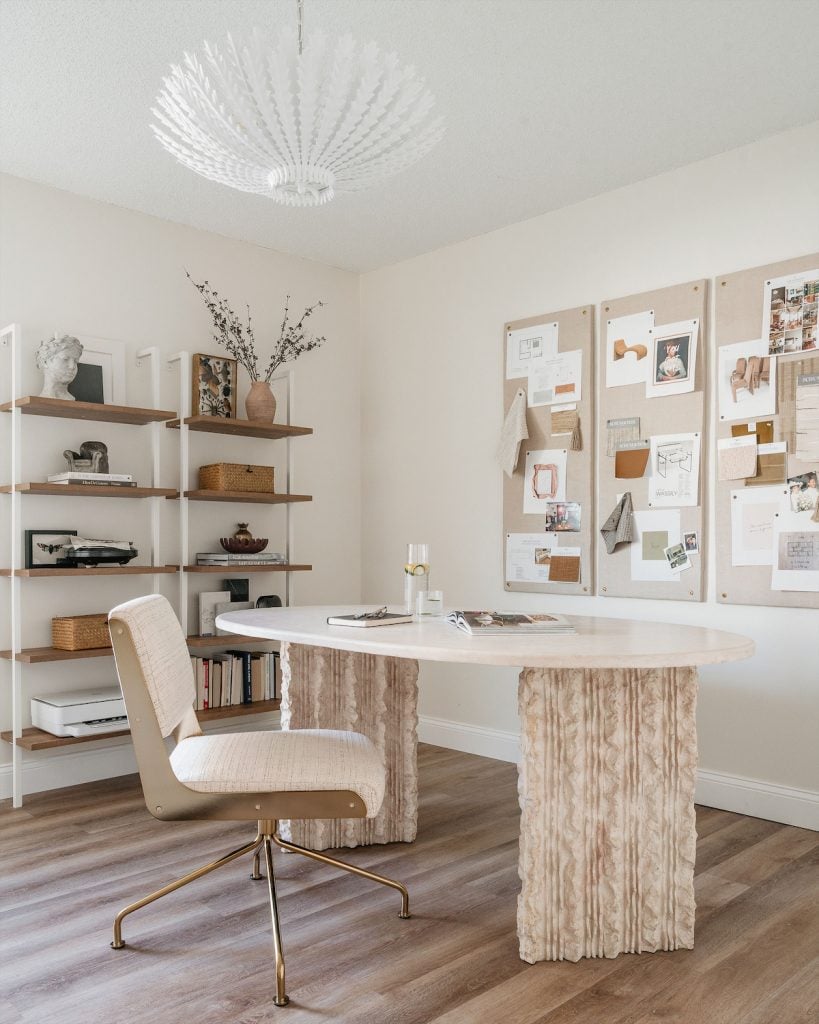
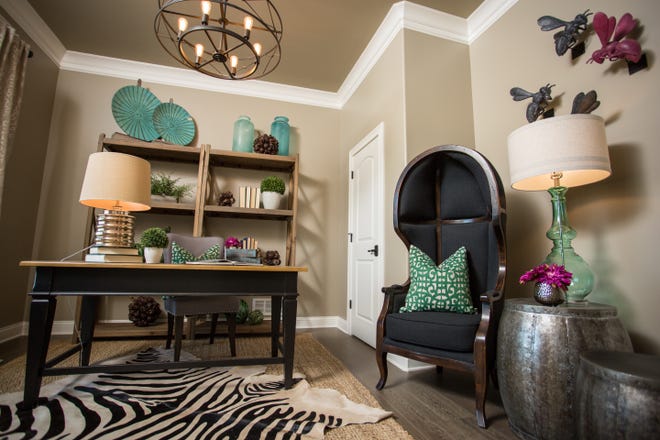
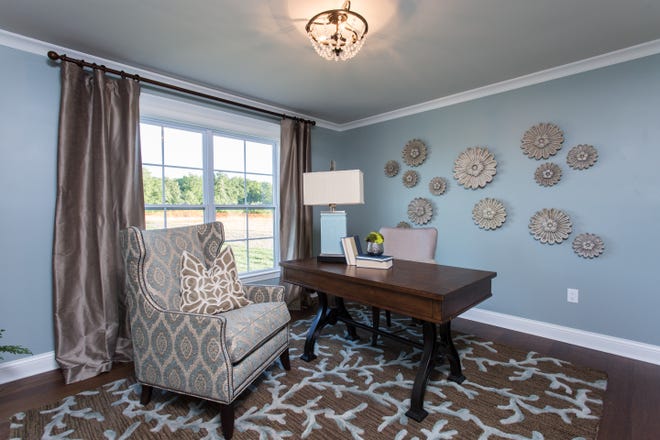
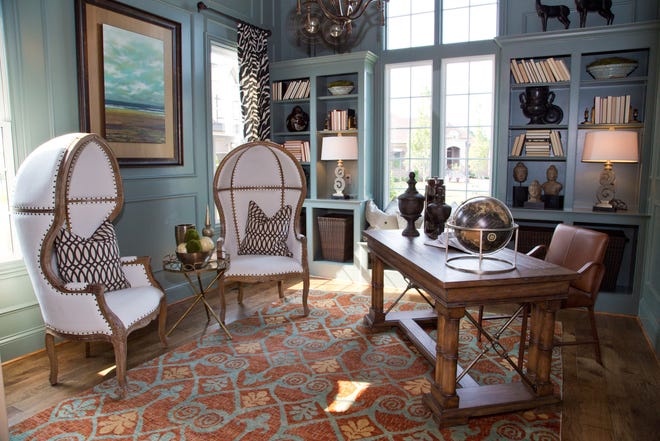
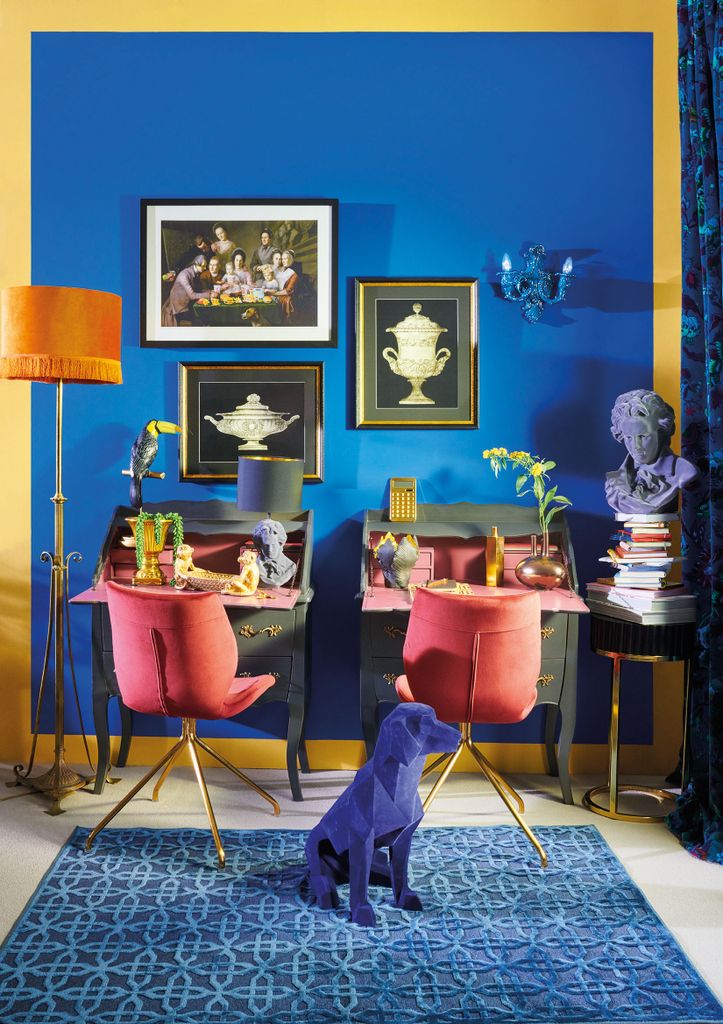
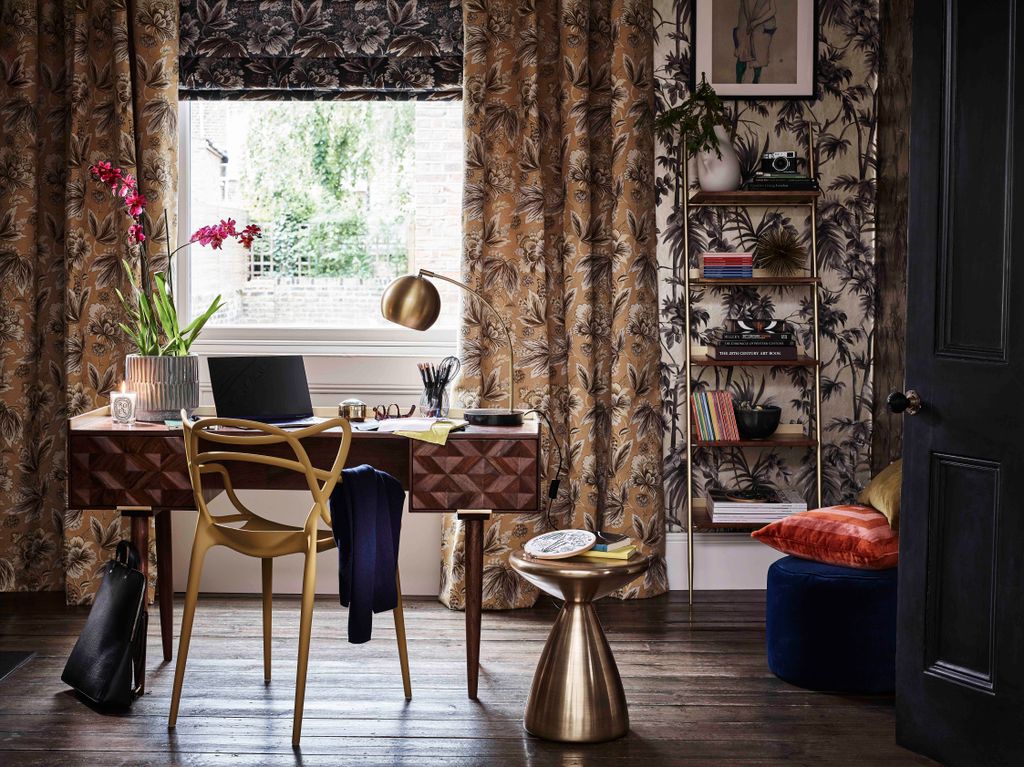
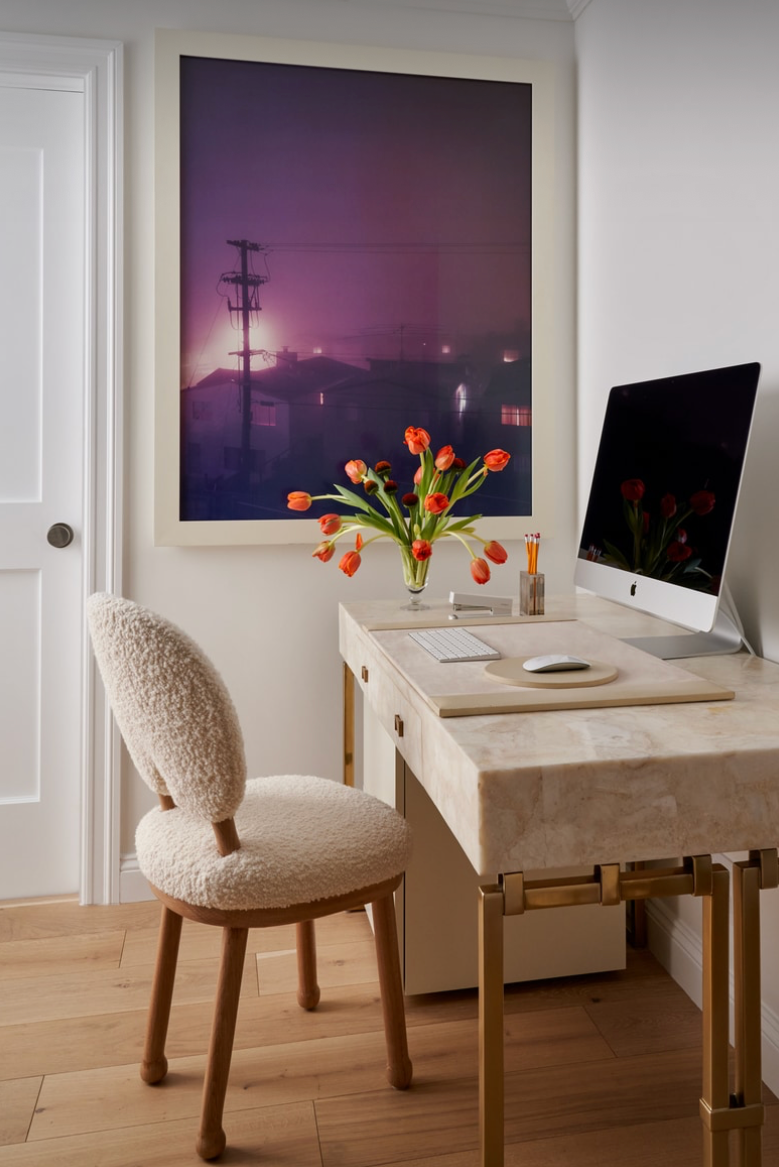
For location, experts recommend placing the office in a quiet, remote part of the home, ideally with sound insulation. Jay Kallos of Ashton Woods suggests careful window placement to leverage natural light without creating distractions. Ariana Lovato of Honeycomb Home Design advises dedicating a spare room for privacy during calls and meetings. In terms of design, Leigh Spicher of Ashton Woods advocates for a dedicated workspace to separate professional and family life, favoring spaces with doors that can be closed. Christopher Grubb of Arch-Interiors Design Group suggests designing the workspace to feel distinct from the rest of the home, incorporating elements like dramatic wallpaper or accessories for energy and relaxation. Post-pandemic, outdoor workspaces with waterproof power outlets and even motorized umbrellas have also gained popularity.
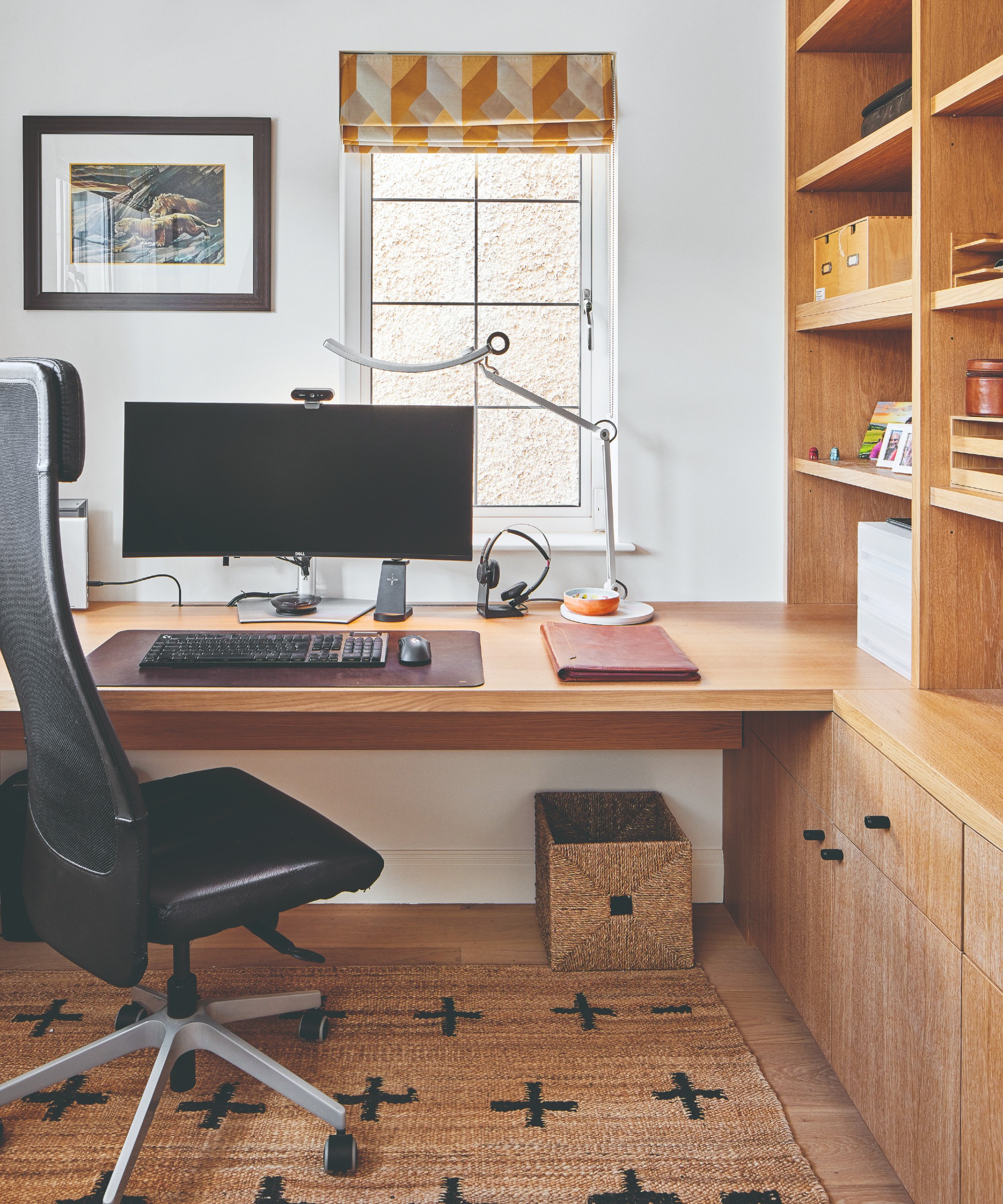
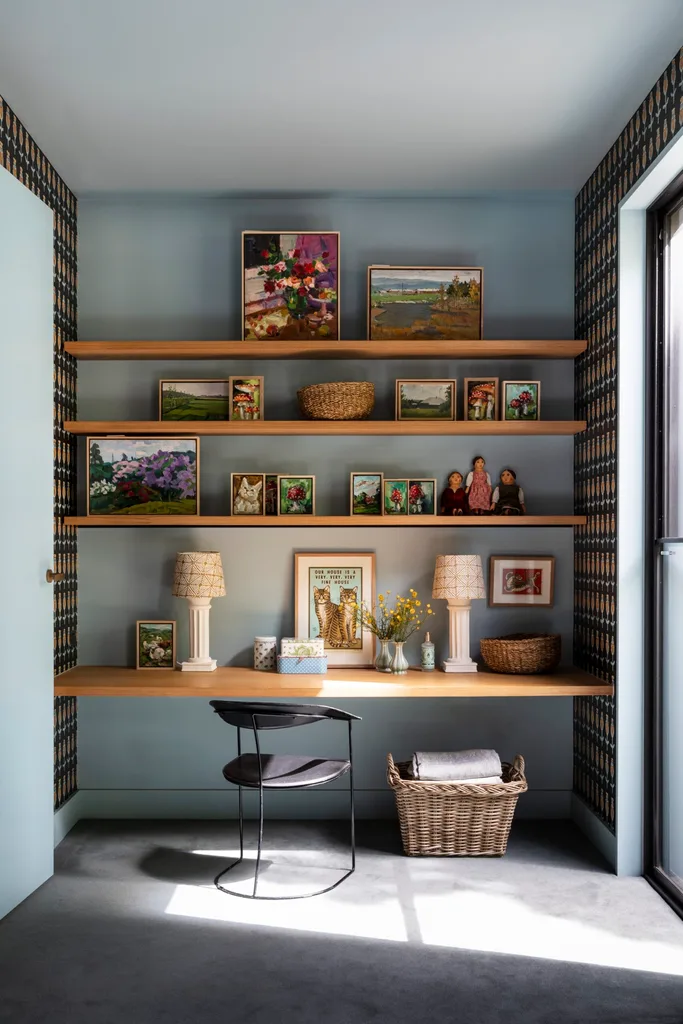
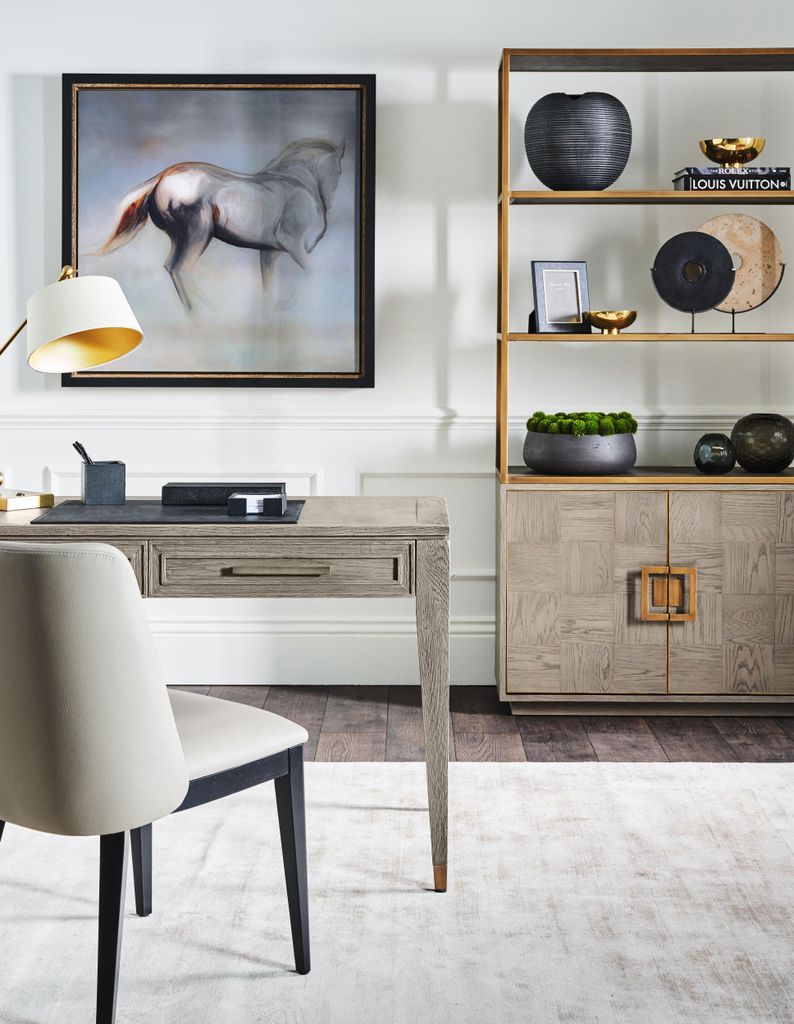
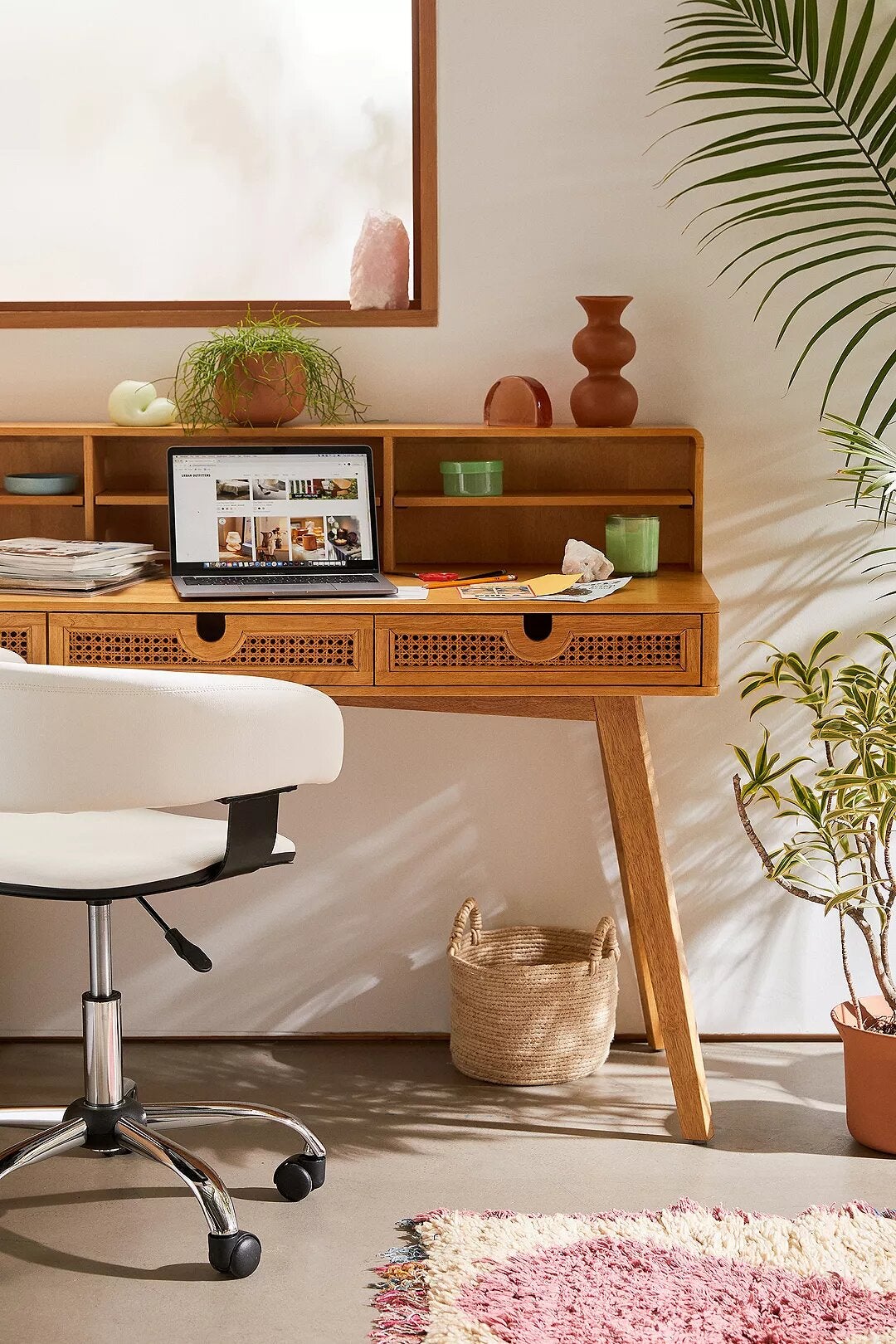
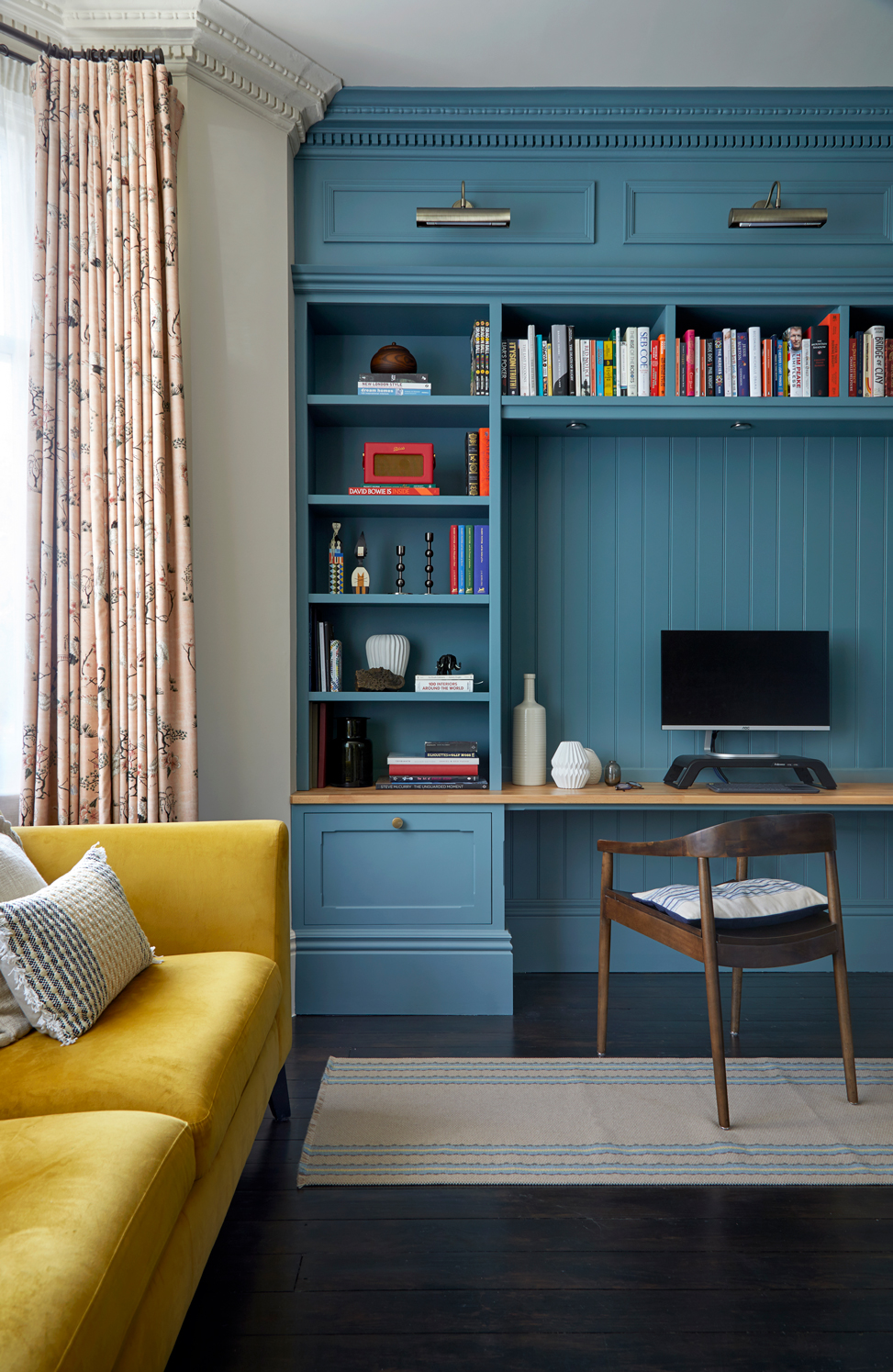
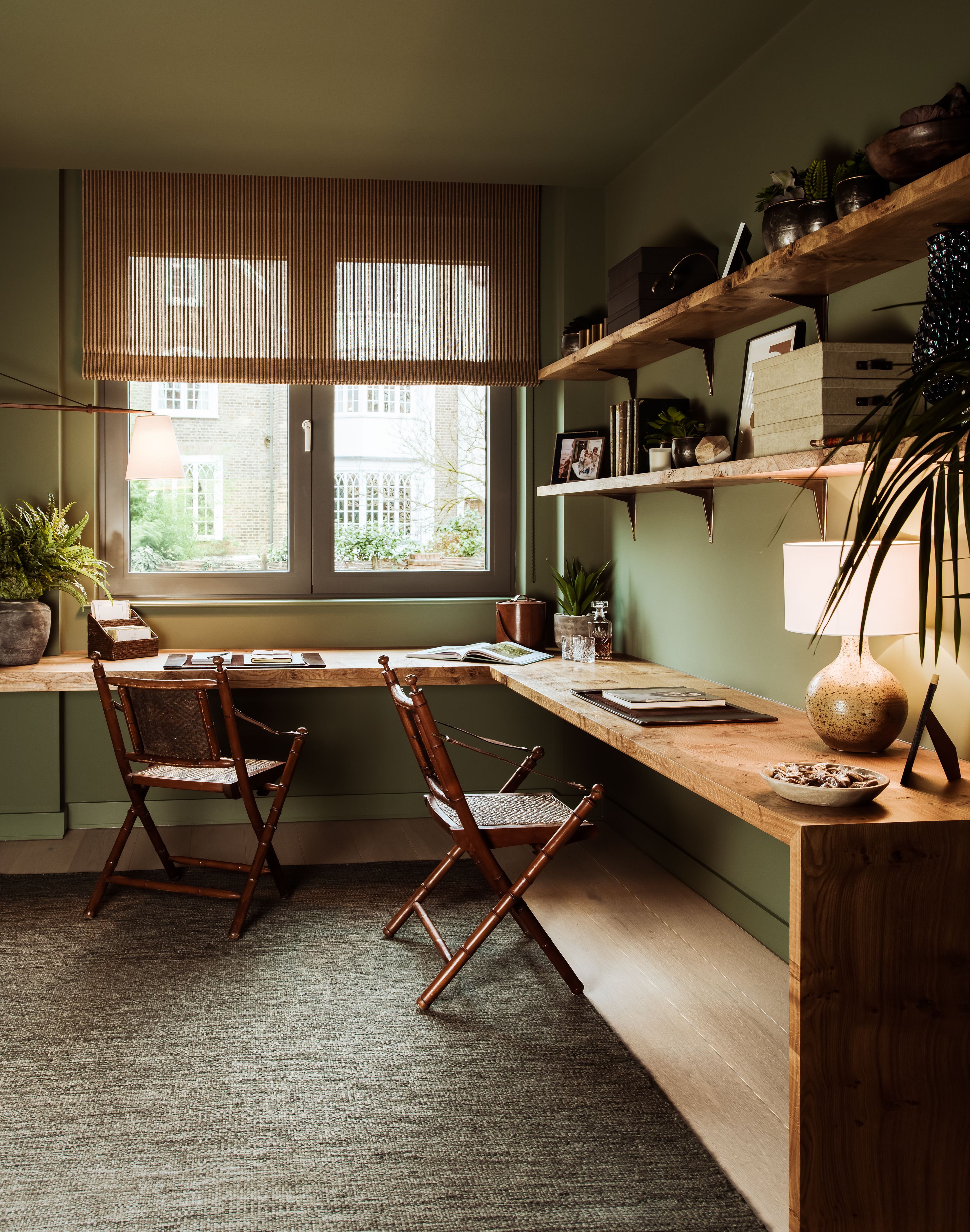
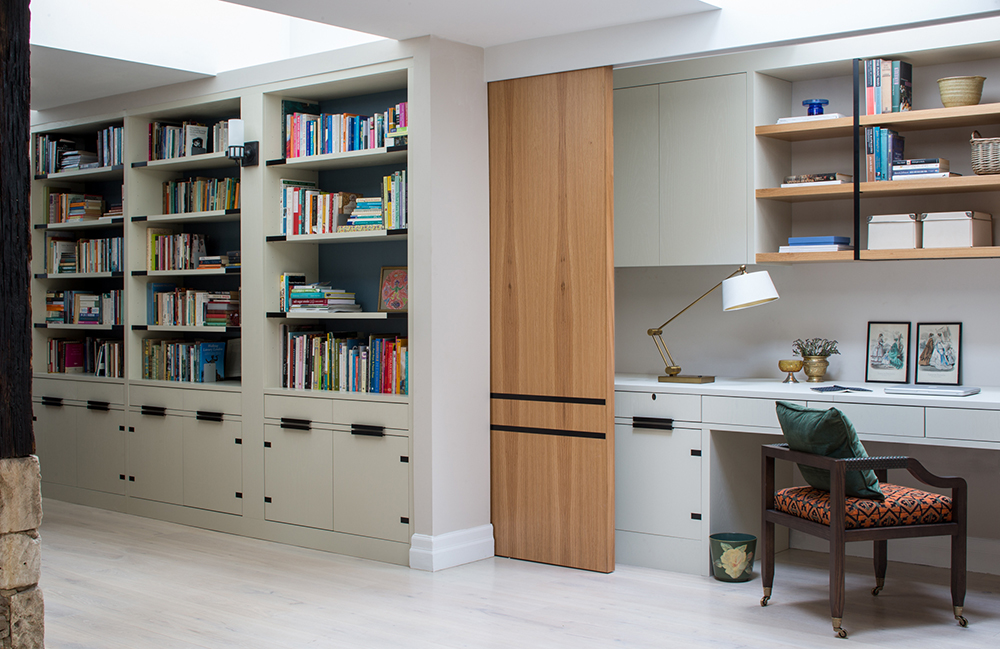
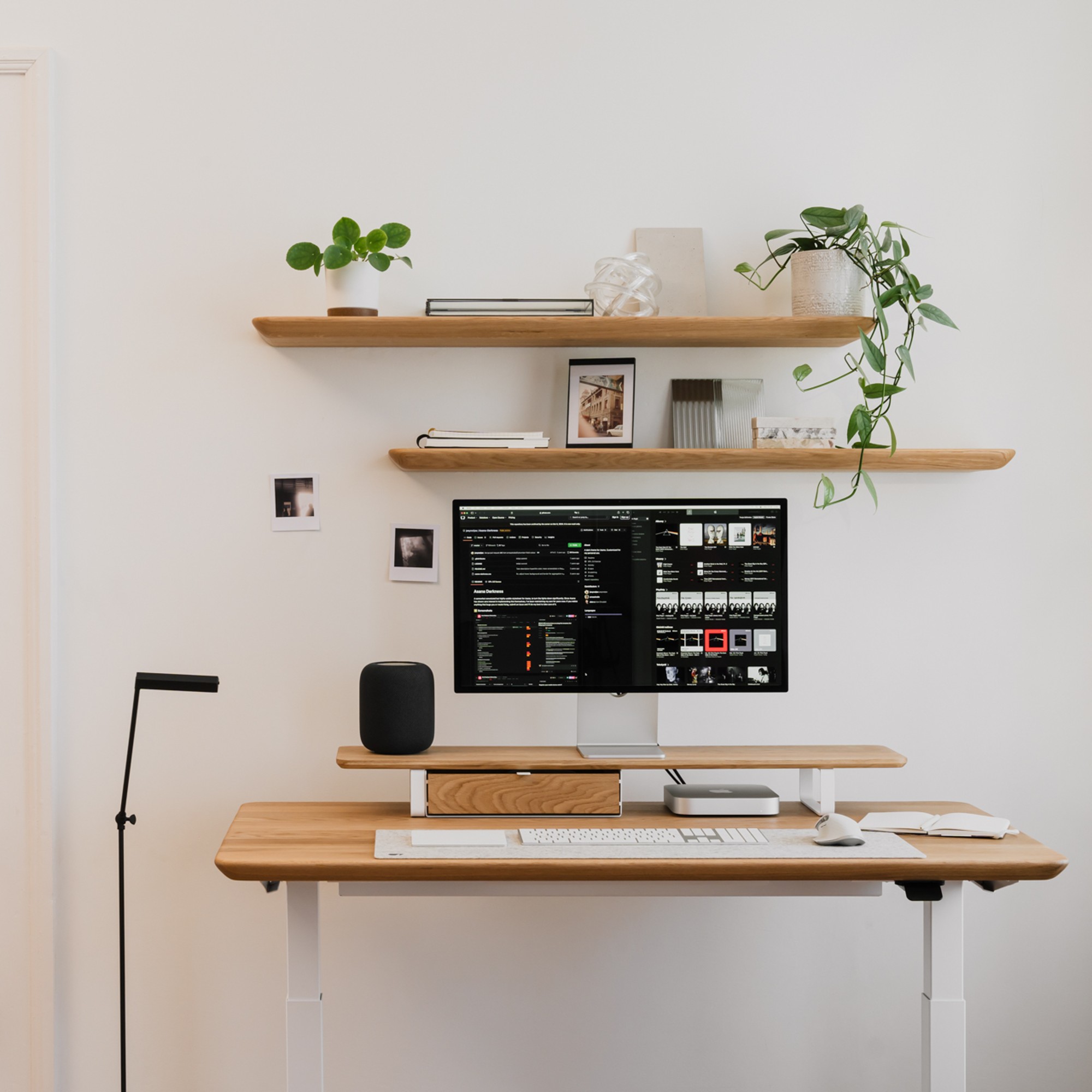
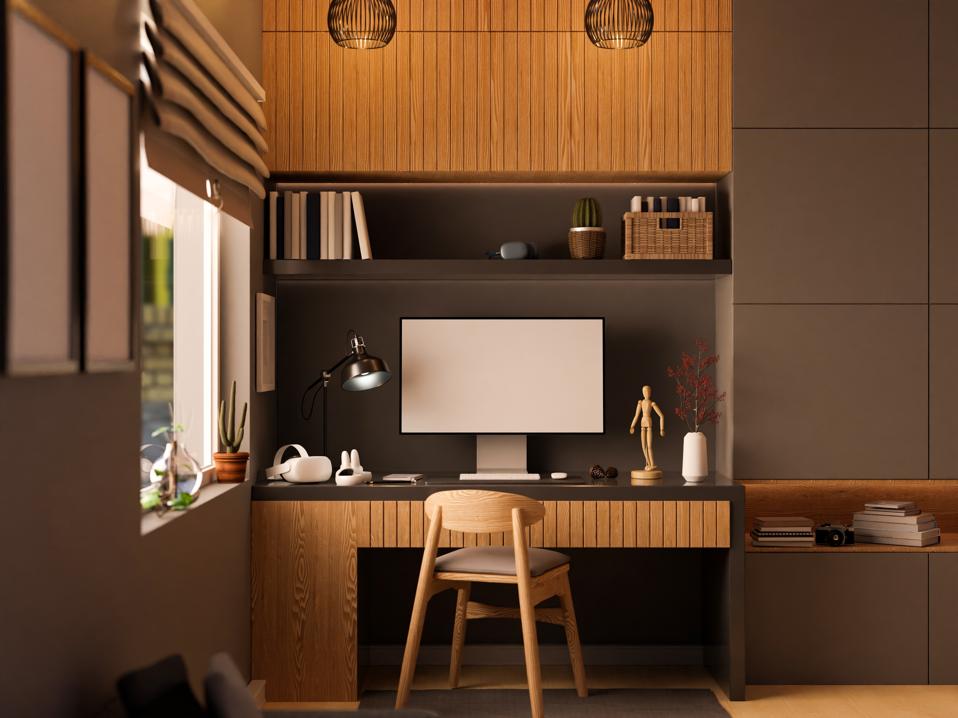
Functionality is paramount, with designers emphasizing efficient storage solutions to minimize clutter. Grubb suggests furniture with slide-out shelves for hiding printers and shredders, and advising on extra shelves in built-ins for versatility. Tama Bell recommends large L-shaped desks with integrated file storage and accessible tall bookcases for organization and personalization. Sound management is crucial for virtual meetings. Grubb suggests using area rugs to absorb sound and decorative acoustical panels, noting that blue tones are often preferred for backgrounds during video calls due to their calming effect. Soft surfaces like upholstered furniture and drapery also contribute to sound absorption, and even opening closet doors can help.
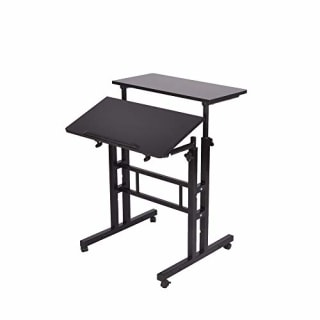
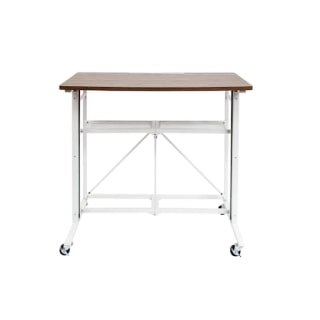
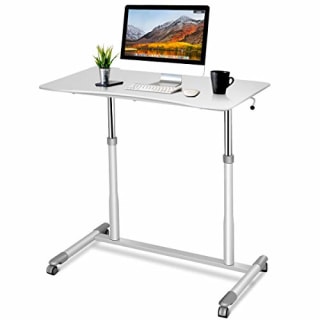
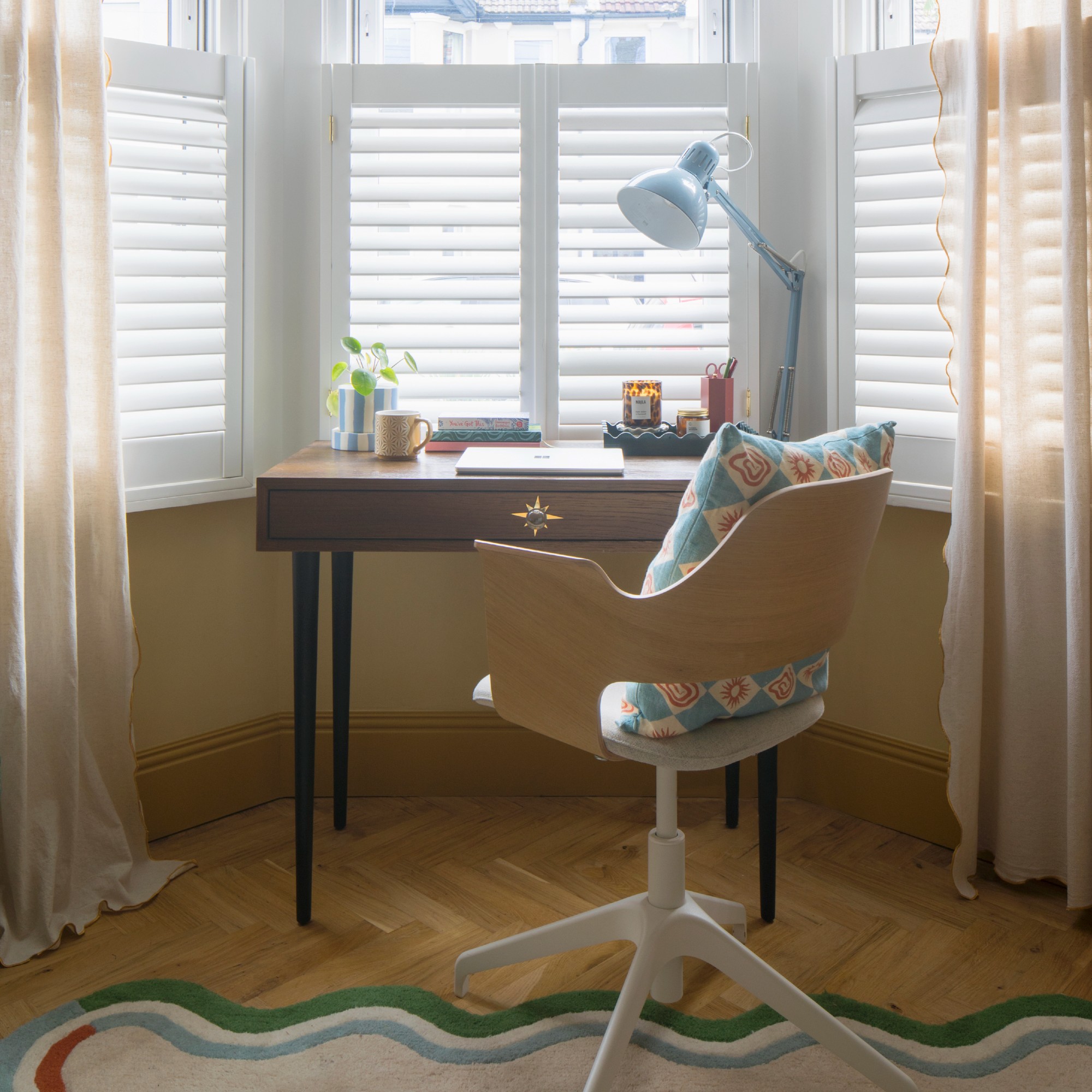
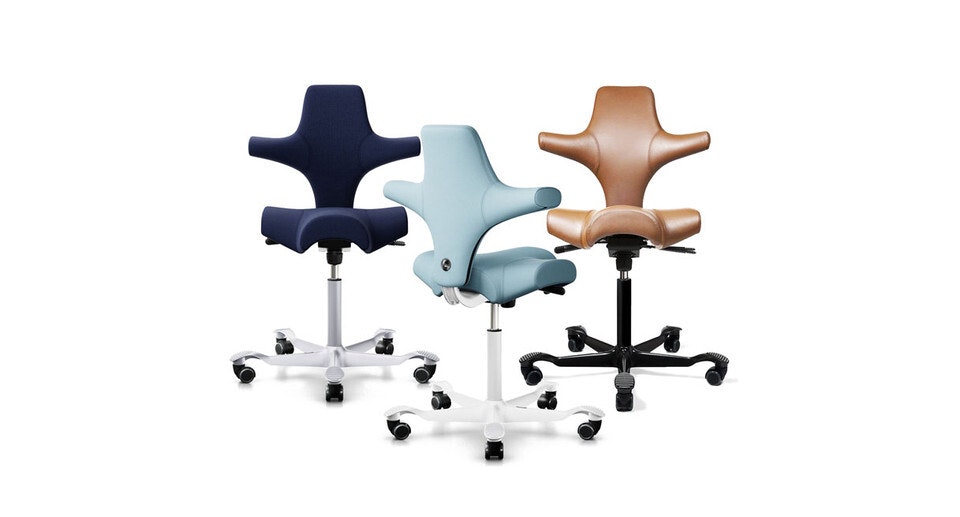
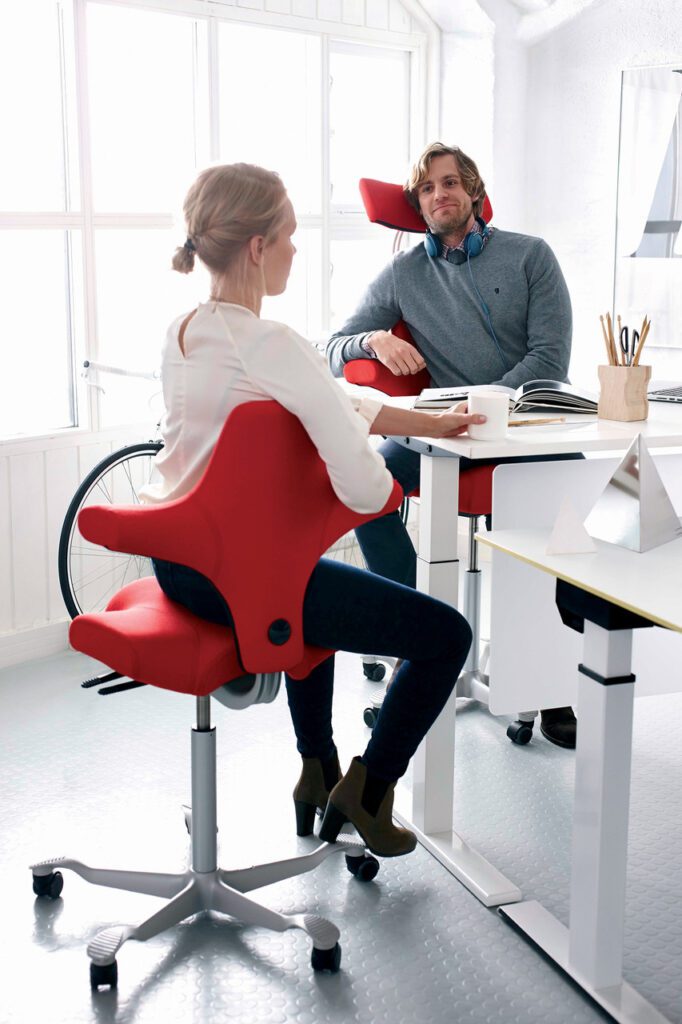
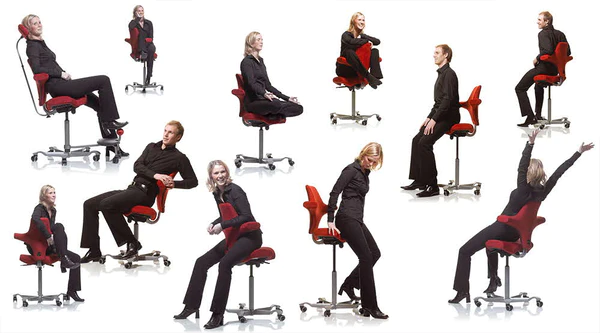
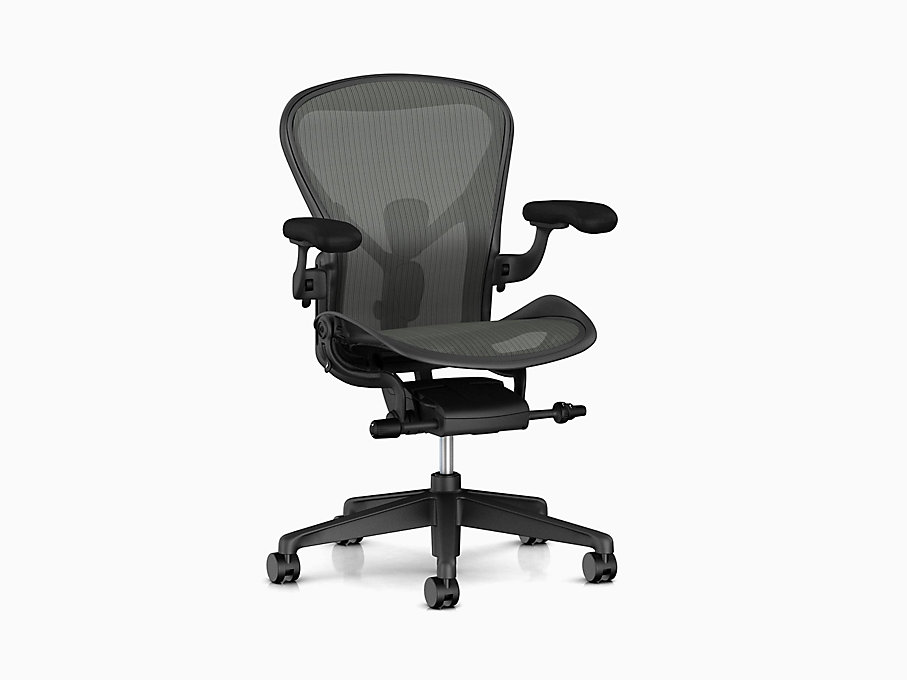
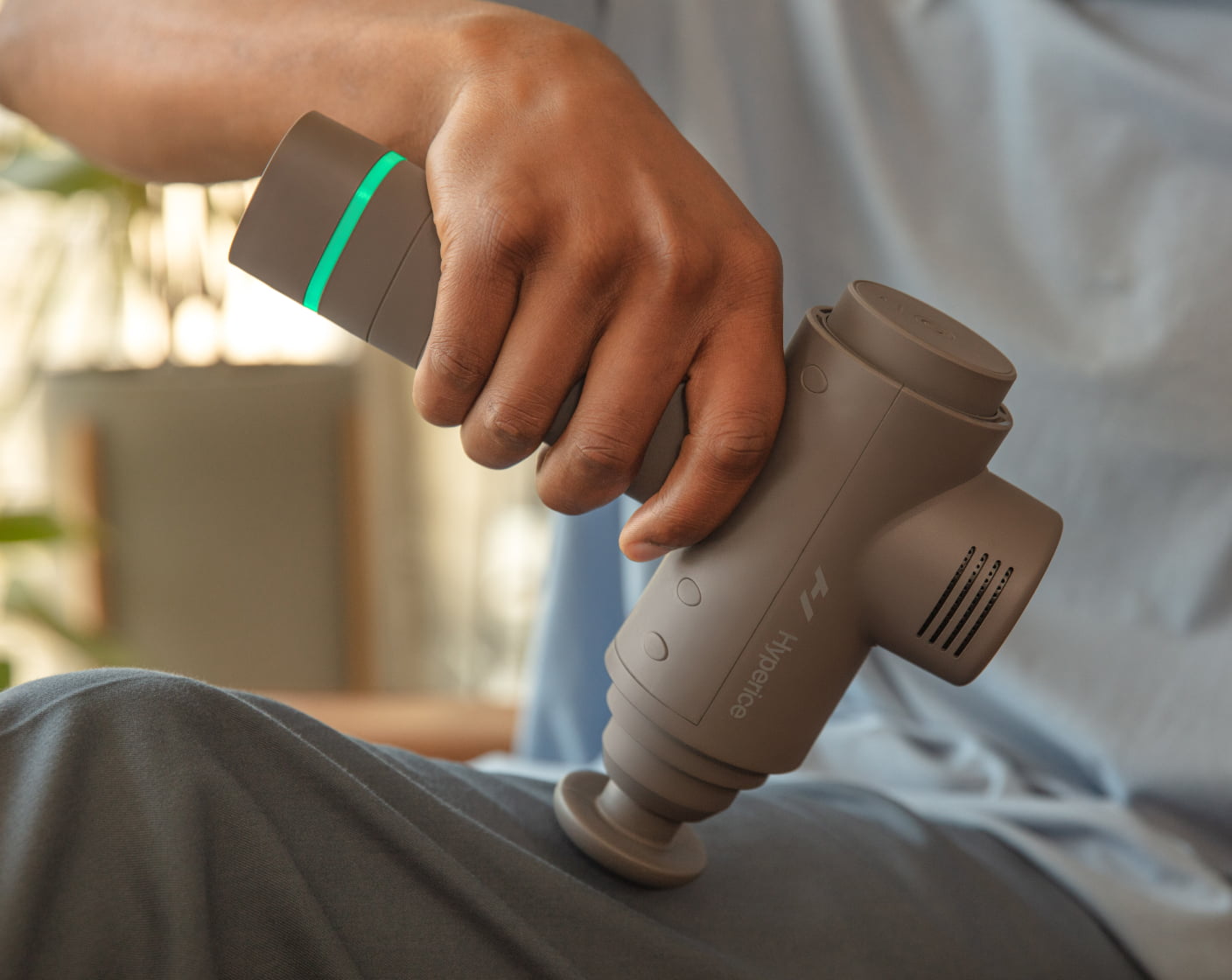
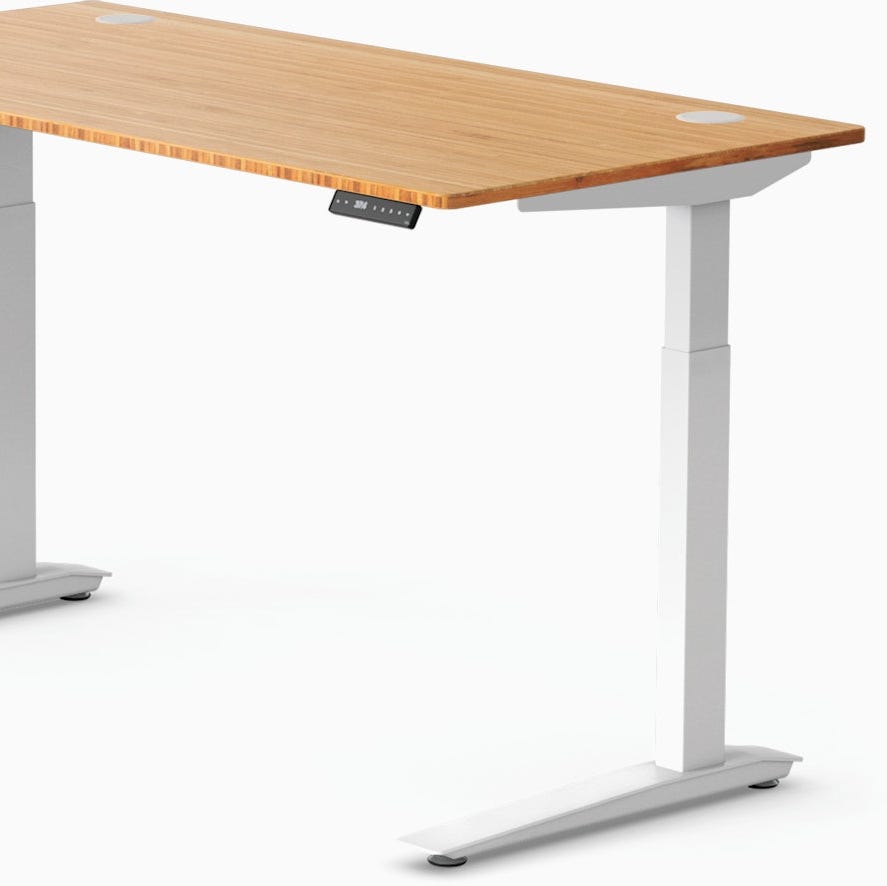
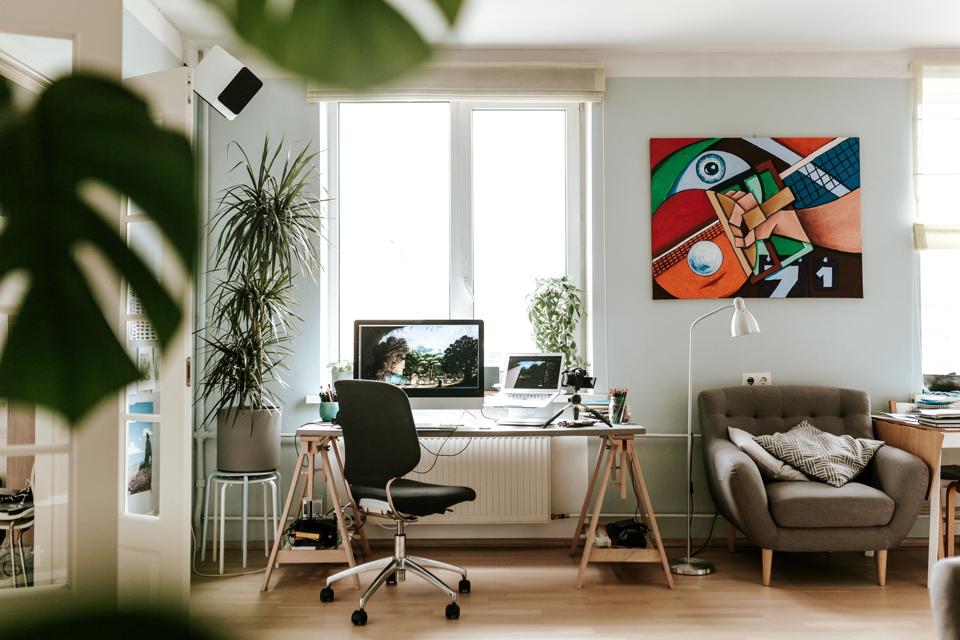
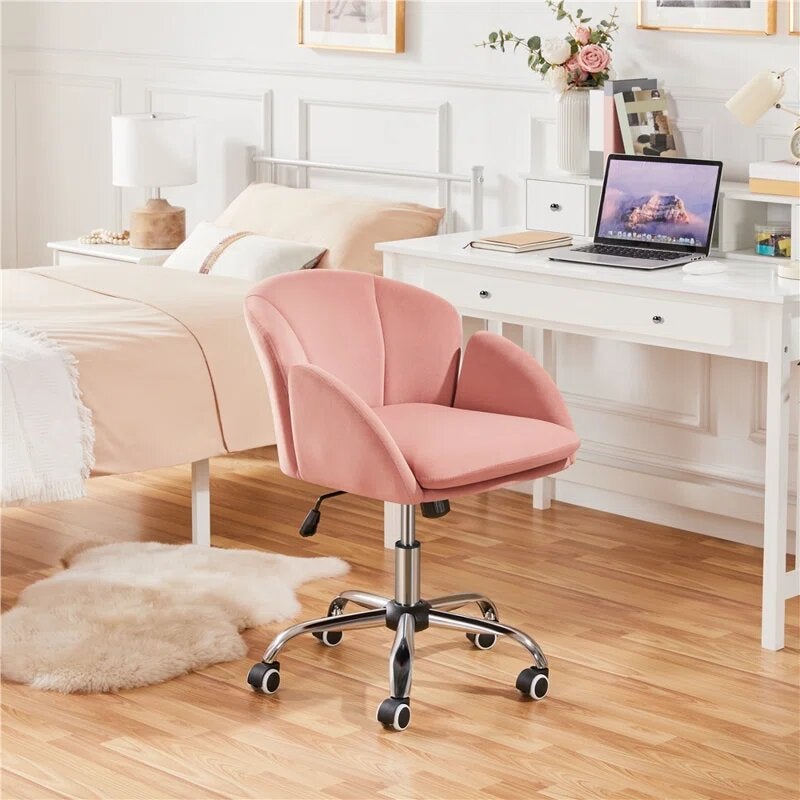
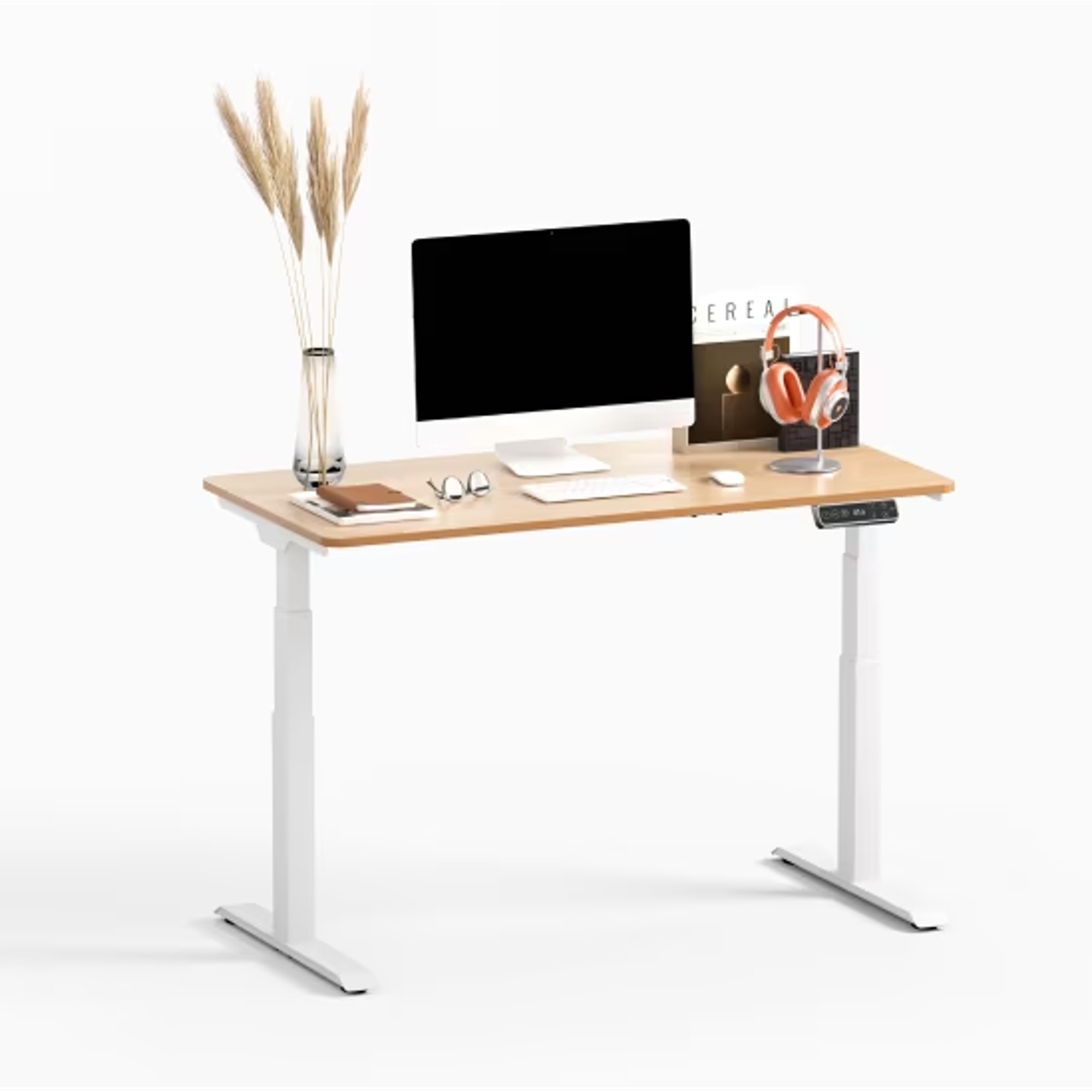
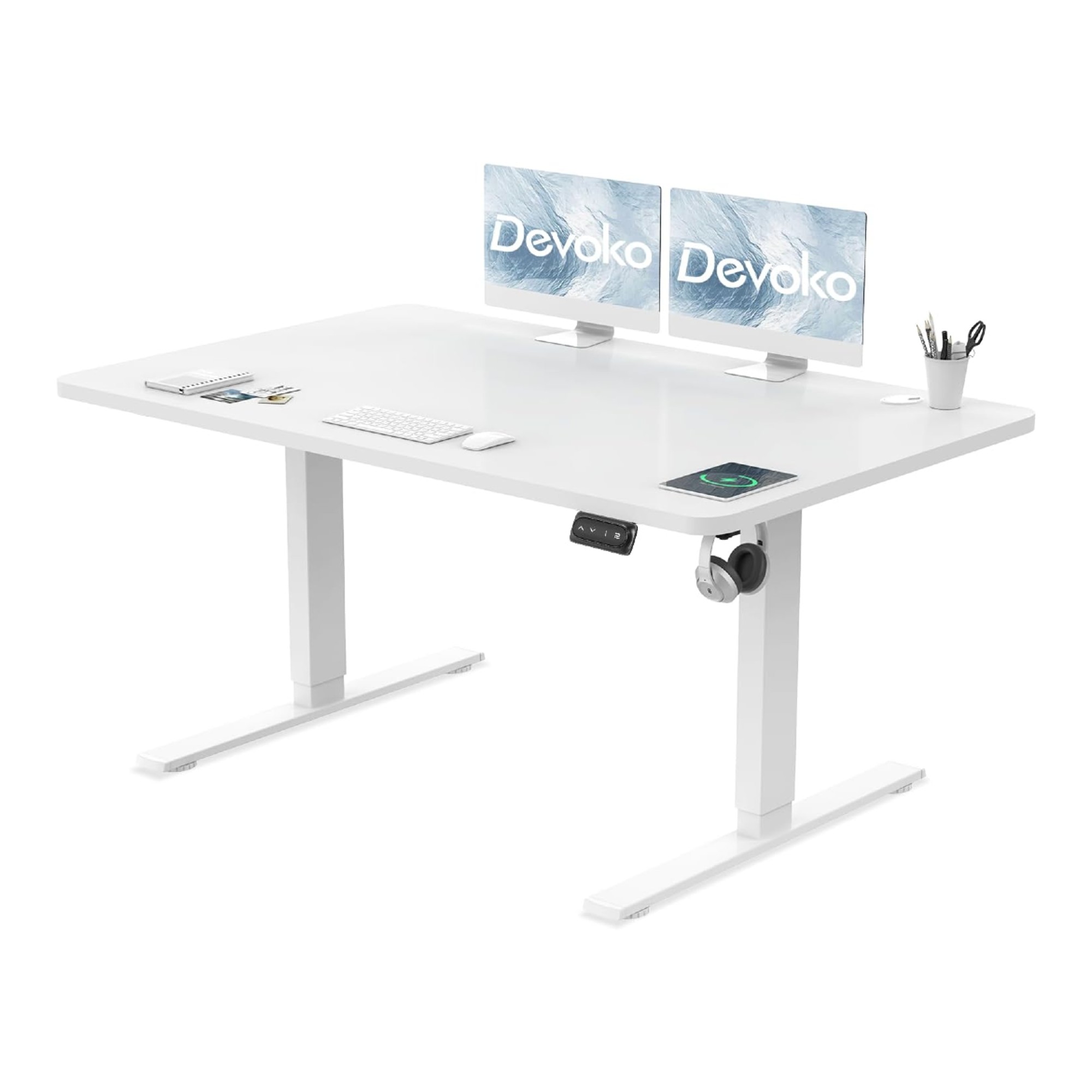
Proper lighting is essential to prevent eye strain. Grubb advises using light rings and dimmers for all light sources to control intensity and avoid glare during video calls. Natural light from windows is beneficial for wellness, and motorized shades can offer flexible control. Beryl recommends positioning the office near natural light to maintain eye comfort. Ergonomics is a critical component for health and productivity. Dr. Conrad and Dr. Sapna Sriram emphasize the importance of adjustable chairs and monitors to maintain proper posture and reduce strain. Standing desks or converters are recommended for improved posture, enhanced ergonomics, increased energy, and reduced health risks associated with prolonged sitting. The article concludes by providing a curated list of products, including adjustable standing desks, ergonomic chairs, external and portable monitors, desk shelves, various lighting options, mice and keyboards, desk pads, organizing essentials, speakers, smartwatches, smartphones, projectors, headphones, docking stations, portable power stations, webcams, microphones, coffee makers, beverage carbonators, and recovery tools like treadmills and massage guns, all designed to create a stylish, comfortable, and efficient home office.
#WorkFromHome #HomeOfficeDesign #Ergonomics #HomeDecoration #Productivity #RemoteWork #InteriorDesign #WorkplaceWellness #WorkFromHome #HomeOfficeDesign #Ergonomics #HomeDecoration #Productivity #RemoteWork #InteriorDesign #WorkplaceWellness
0 commenti in totale
 Nessun commento ancora
Potresti anche gradire

5 home office ideas to create the perfect workspace


How to make your home office a more pleasant place to work
15 home office décor ideas for every WFH setup

Rethinking your home office setup for a productive season ahead
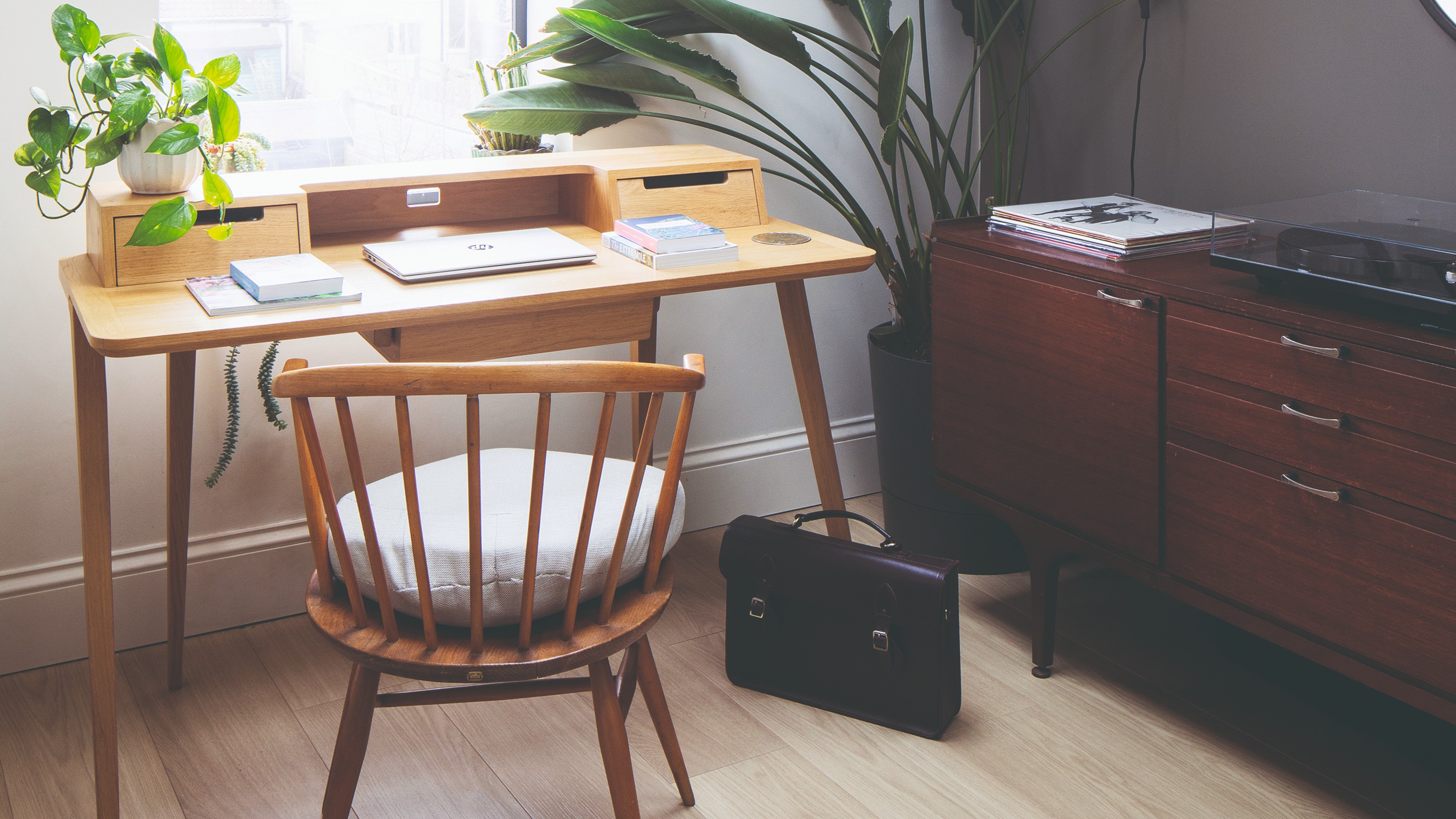
16 home office layout ideas to boost productivity and create a comfortable work space
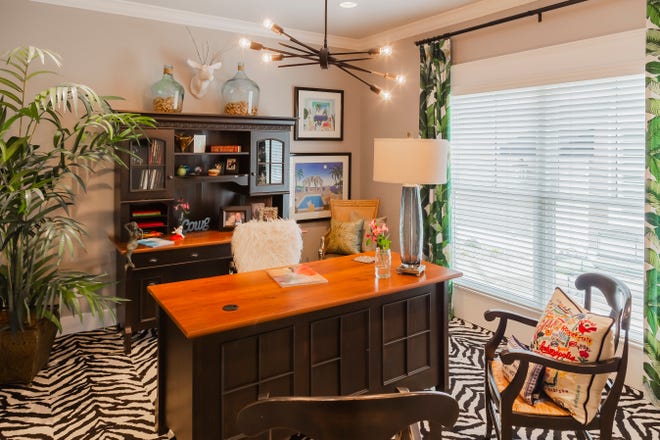
Step up your home office game with these tips from an interior designer
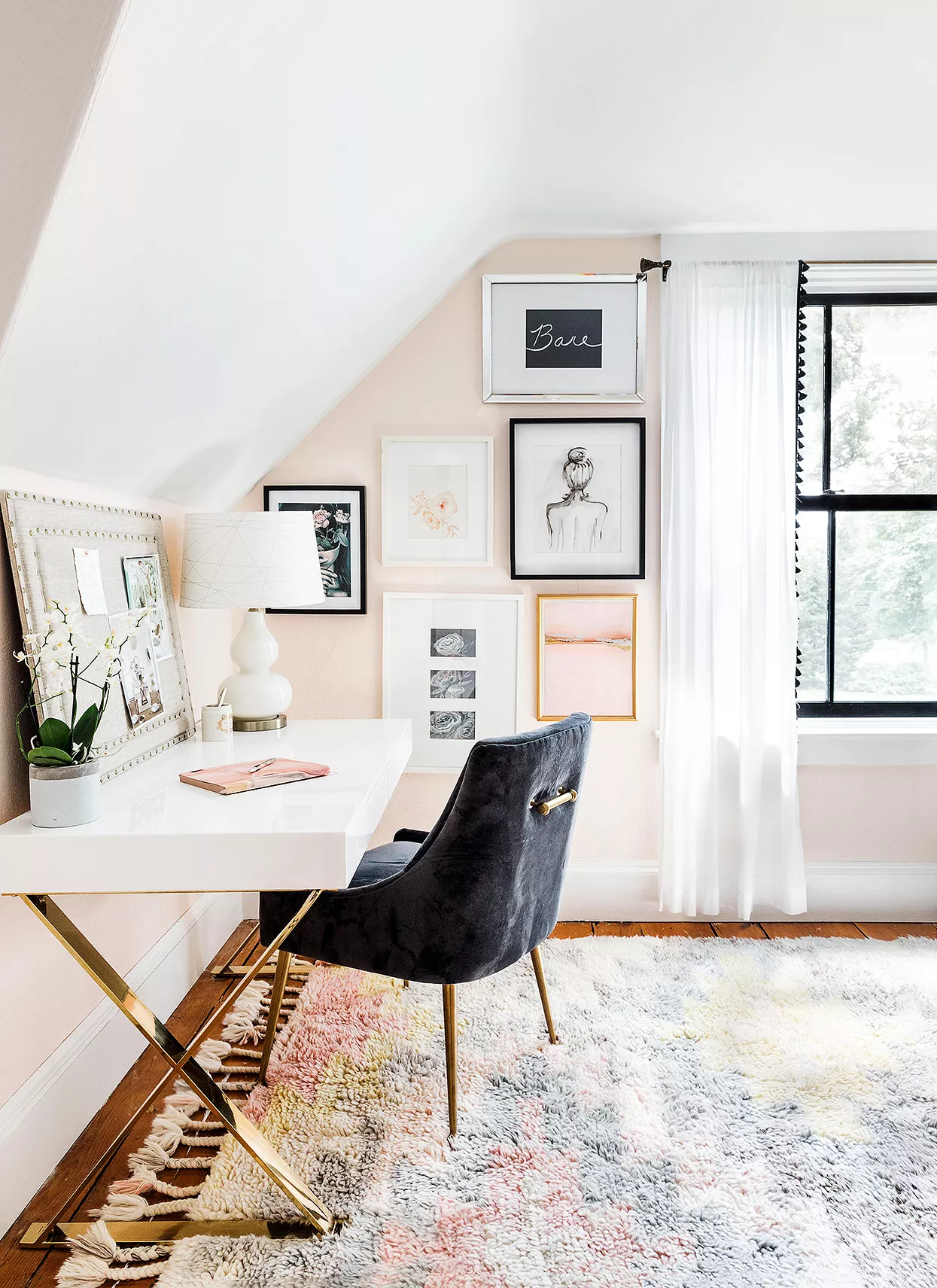
Corporate Natalie’s Top Tips for a Functional Home Office

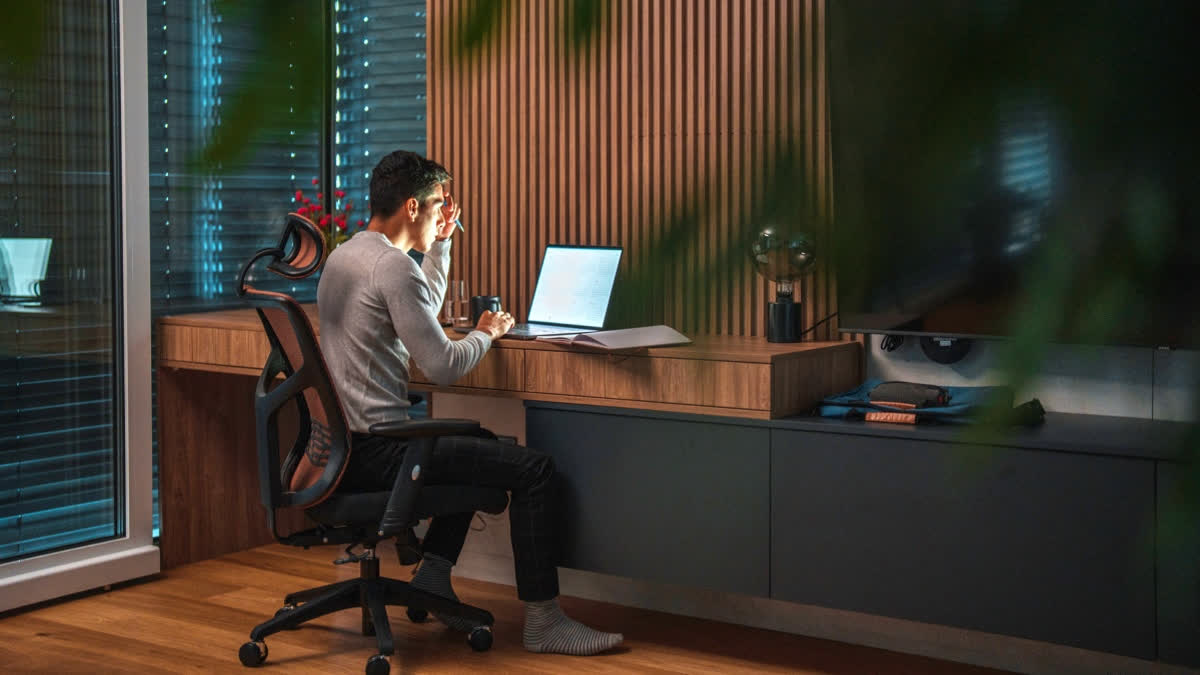
10 Work From Home Hacks For Indian Homes: How To Build A Productive Home Office Without Spending Too Much
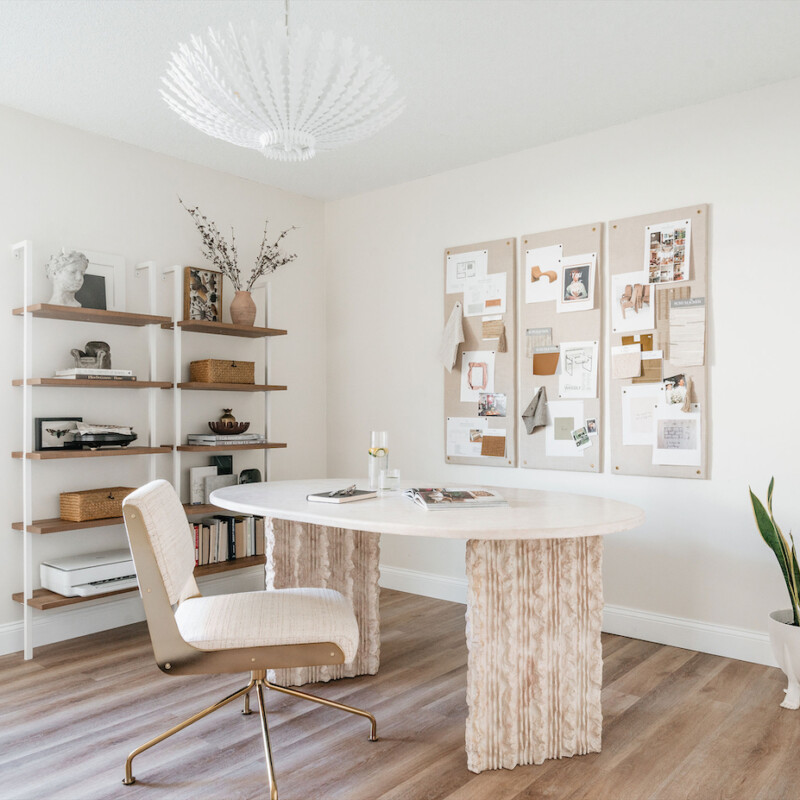
6 Home Office Design Ideas to Fuel Productivity and Keeps Spirits Lifted

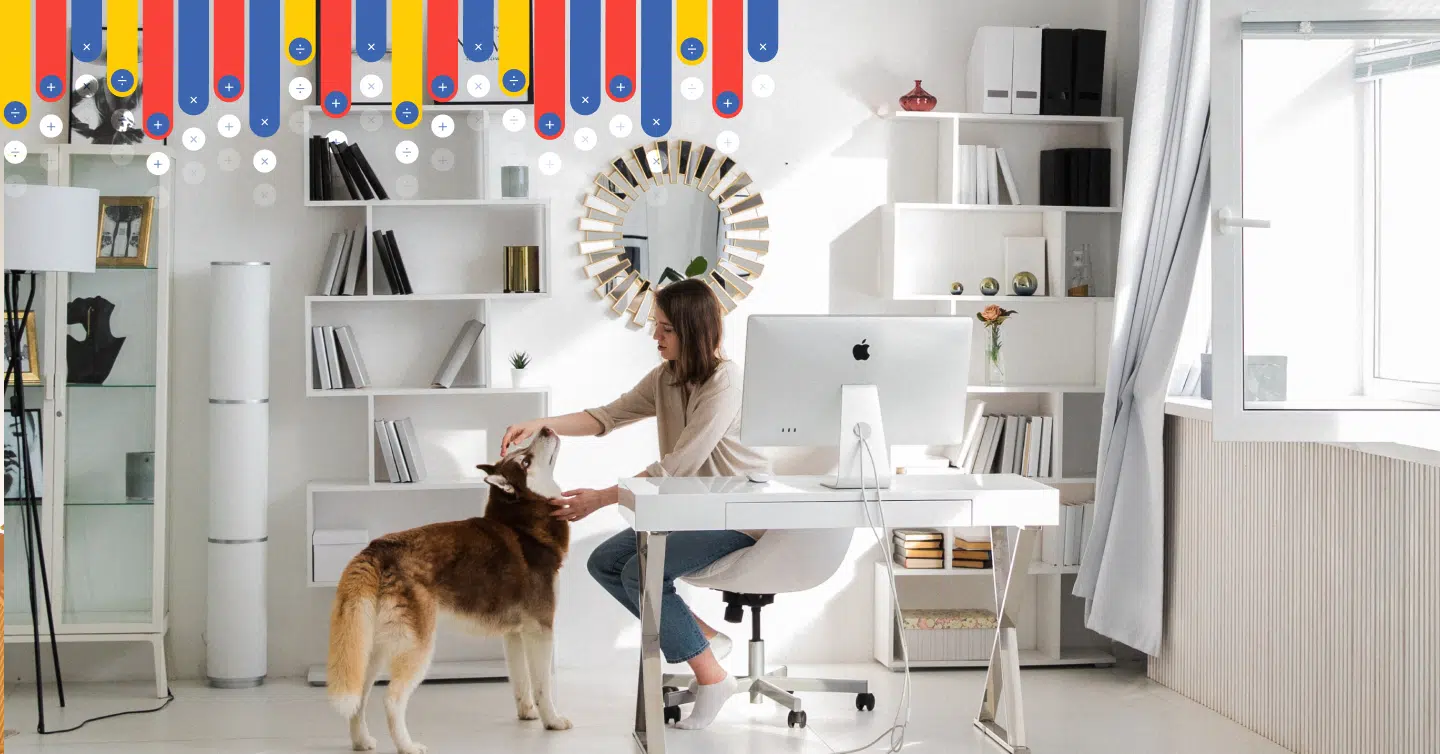
How To Set Up A Dedicated Office Space In Your Home
6 Work From Home Office Essentials You Need In 2024
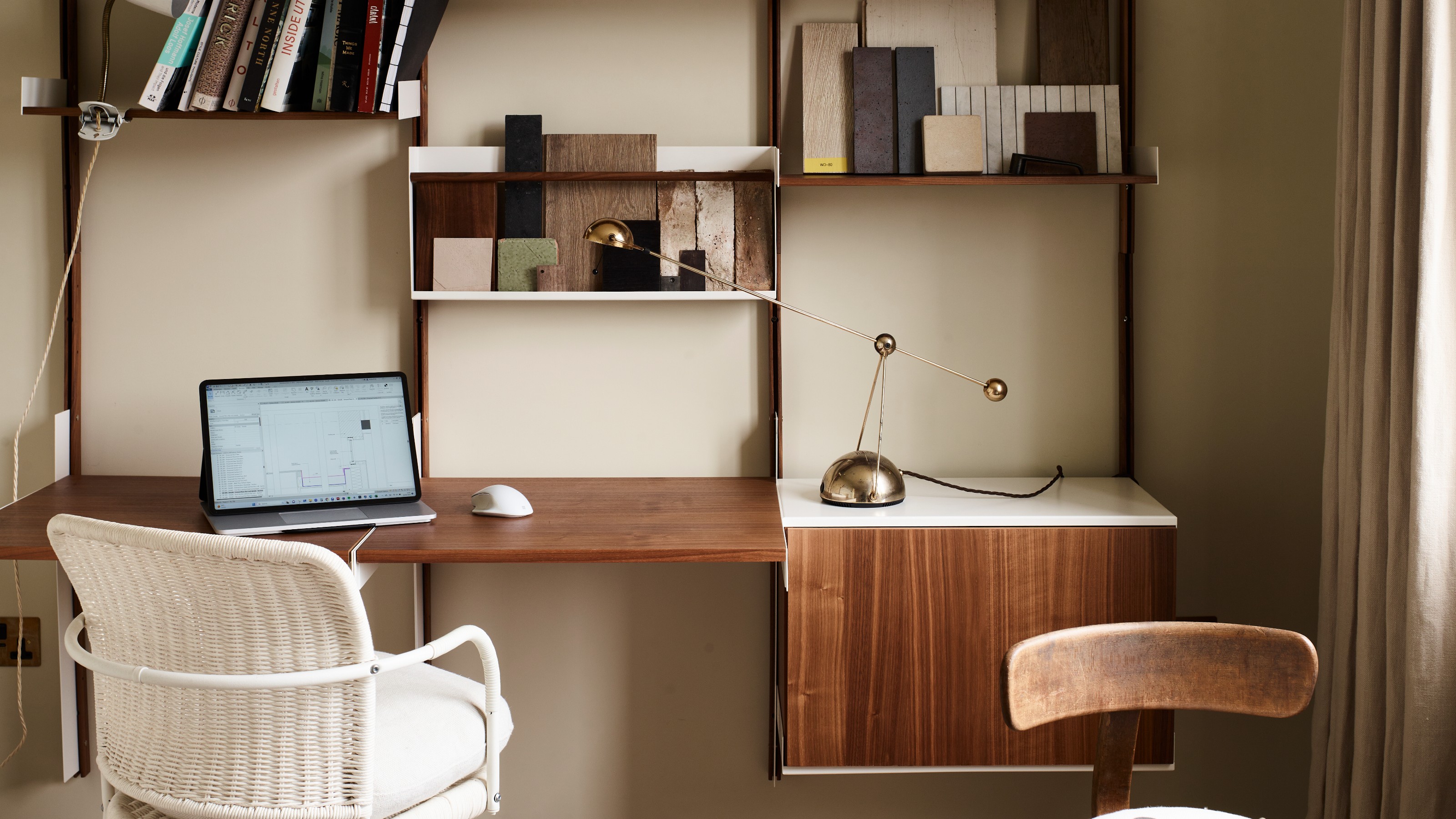
21 home office desk ideas for a stylish and functional WFH set-up
5 Tips For Creating A Remote Work Setup That Rivals Any Office
How to design the ultimate home office, according to the experts

16 Stylish Home Office Furniture Finds For Your Dream WFH Setup

5 Ways To Make Your Home Office Feel Like A Chic NYC Loft
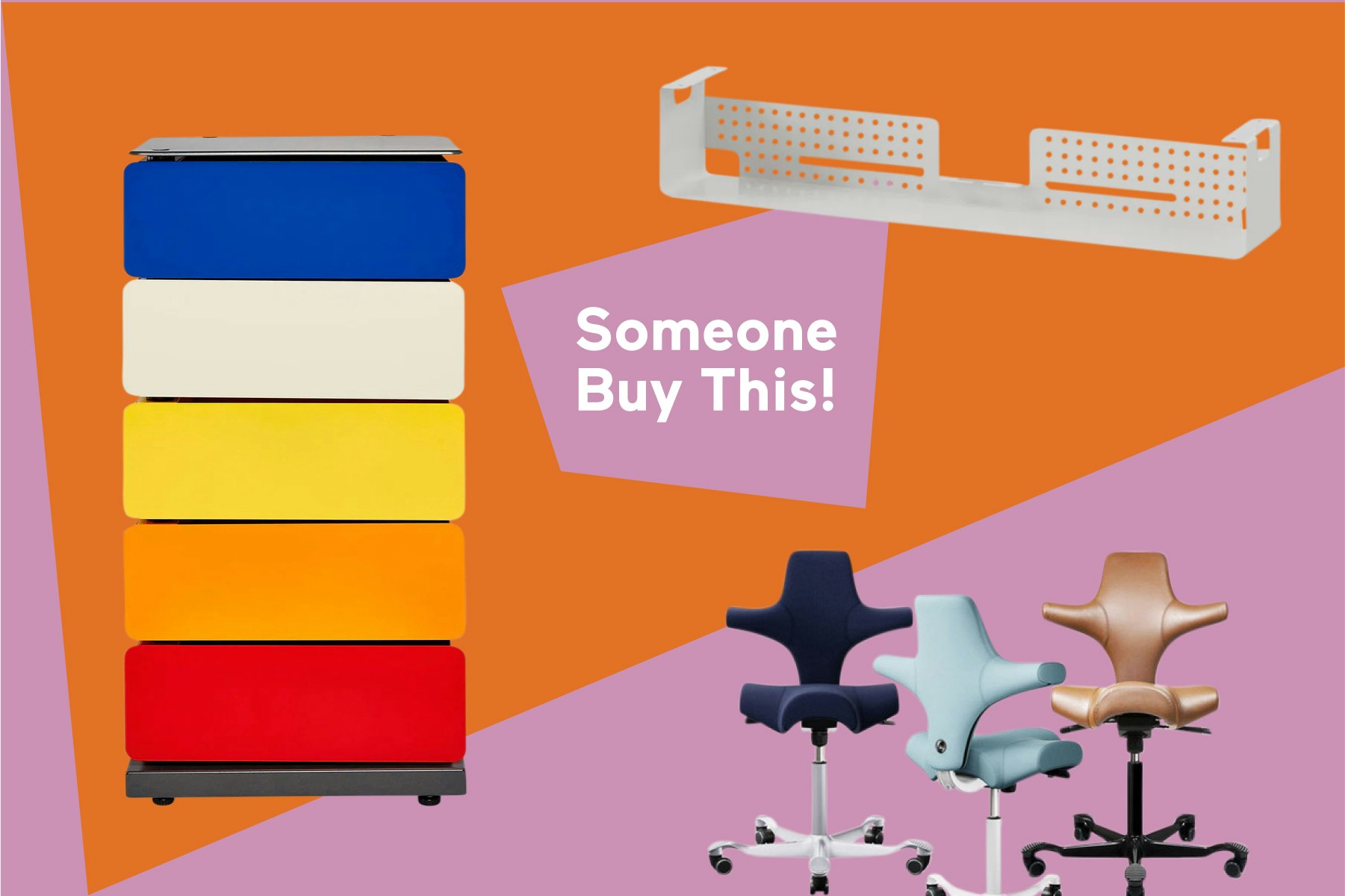
Four Years Into WFH Life, Here’s What You Need for an Aesthetically Pleasing Home Office

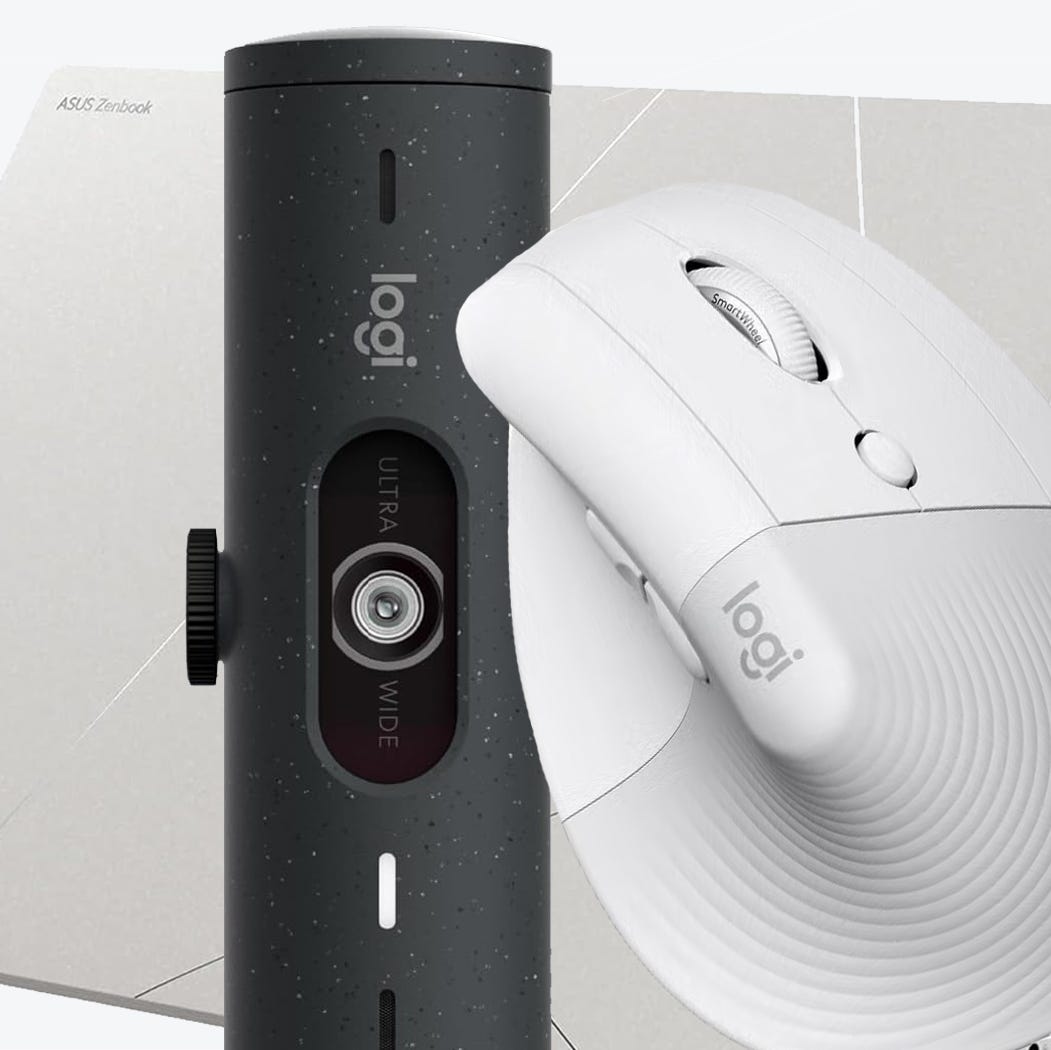
Everything You Need For the Perfect Work From Home Setup

Desk ideas for the home office - how to make sure your space works hard in the style stakes

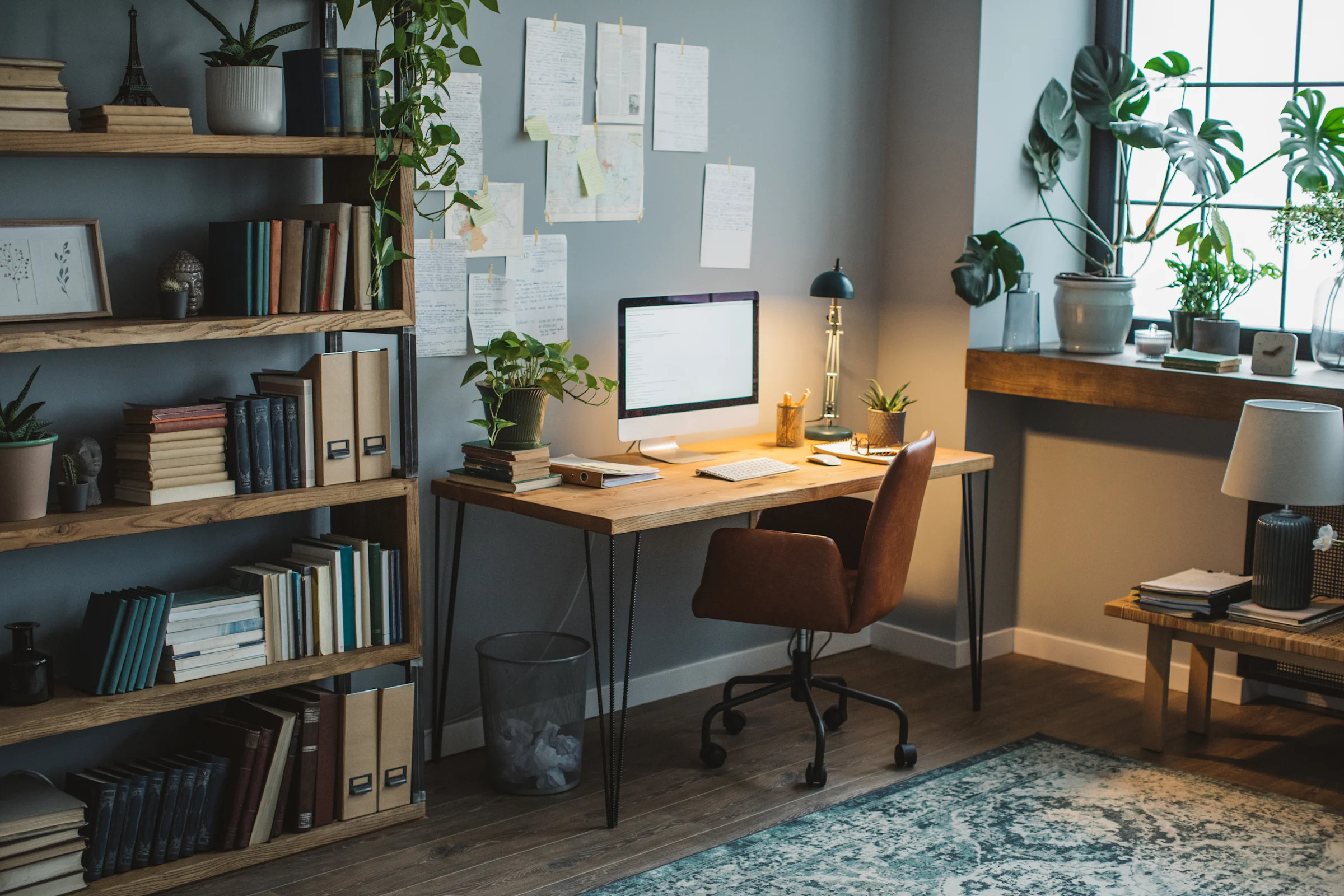
8 Home Office Layout Ideas That Are Up to Any Task