How To Clean A Mattress In 4 Simple Steps
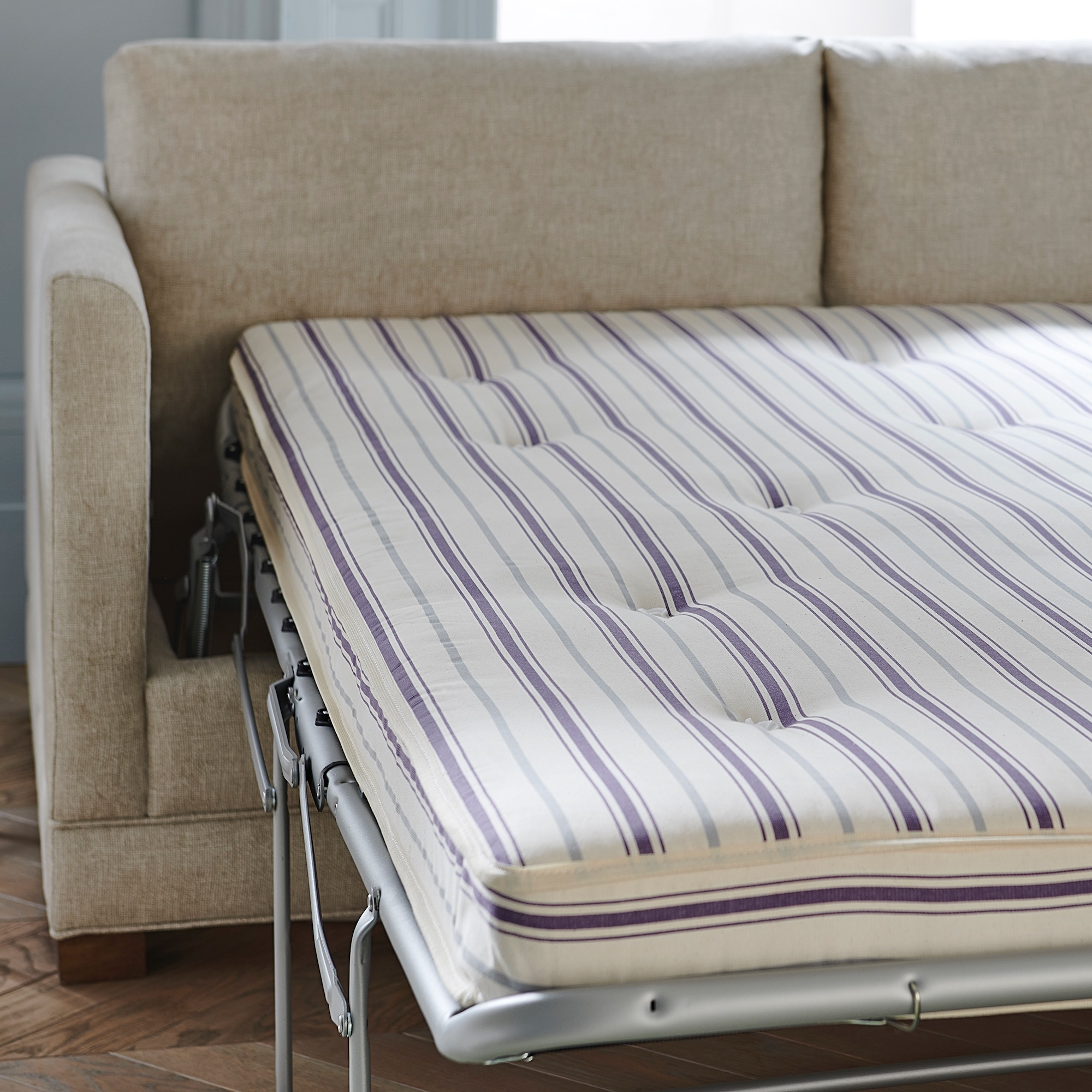
Maintaining a clean mattress is crucial for sleep hygiene, bedroom cleanliness, and keeping allergens at bay, though it does not need to be done as frequently as washing sheets. Mattresses can become a breeding ground for dust mites, sweat, hair, body oils, cosmetic residue, food and beverage spills, dead skin cells, and various allergens over time. These accumulations can lead to exposure to contaminants, potential allergic reactions, and negatively impact sleep quality. Regular cleaning helps to mitigate these issues, promoting healthier sleep and extending the mattress's lifespan.
A significant concern when cleaning a mattress is the risk of wetting comfort materials like polyfoams or viscoelastic memory foams, which can be damaged by moisture. To minimize this risk, it is generally safer to use a water-resistant mattress protector and wash it periodically instead of directly cleaning the mattress surface. Mattress cleaning should ideally be reserved for specific incidents requiring immediate attention, such as spills. If a mattress must be cleaned, spot-cleaning is recommended, using gentle cleansers and DIY solutions to avoid introducing harsh chemicals that could degrade materials or impact health. It is essential to ensure the mattress is completely dry before remaking the bed to prevent mold growth. Before applying any cleaning solution, testing it on a small, inconspicuous area is advisable to confirm it does not damage the fabric. Proper ventilation and wearing gloves are also important safety considerations.
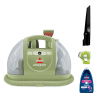
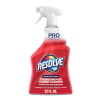
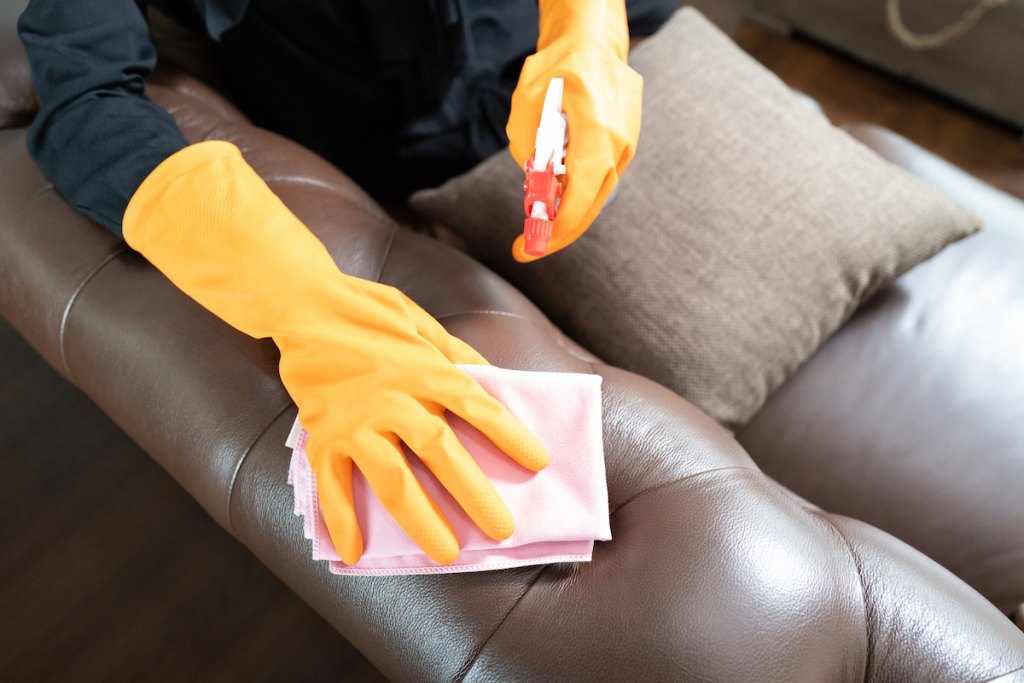
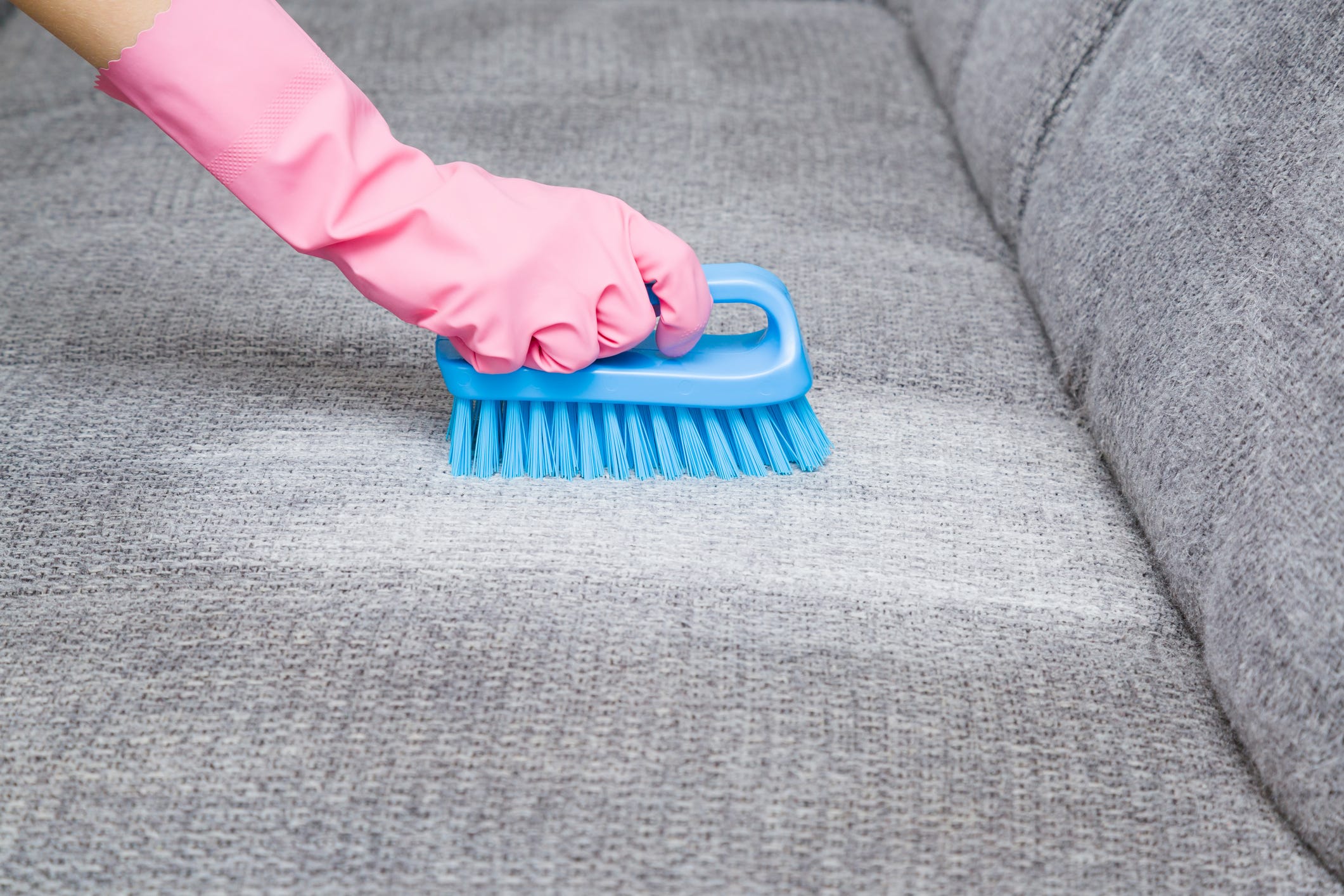
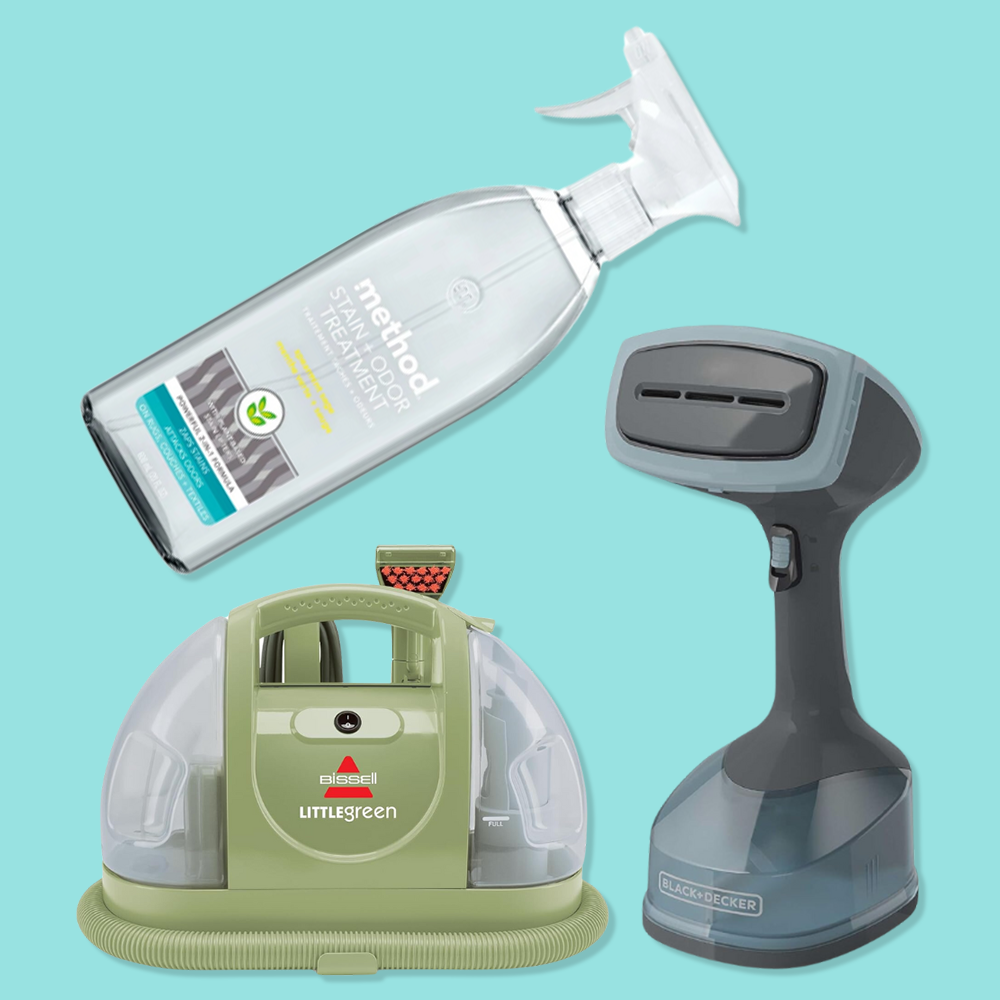
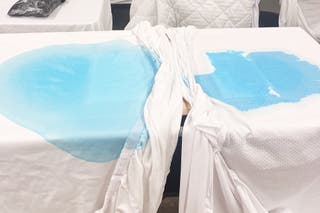
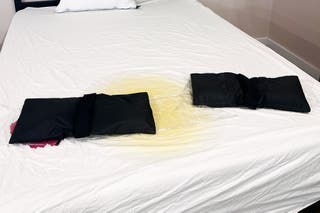
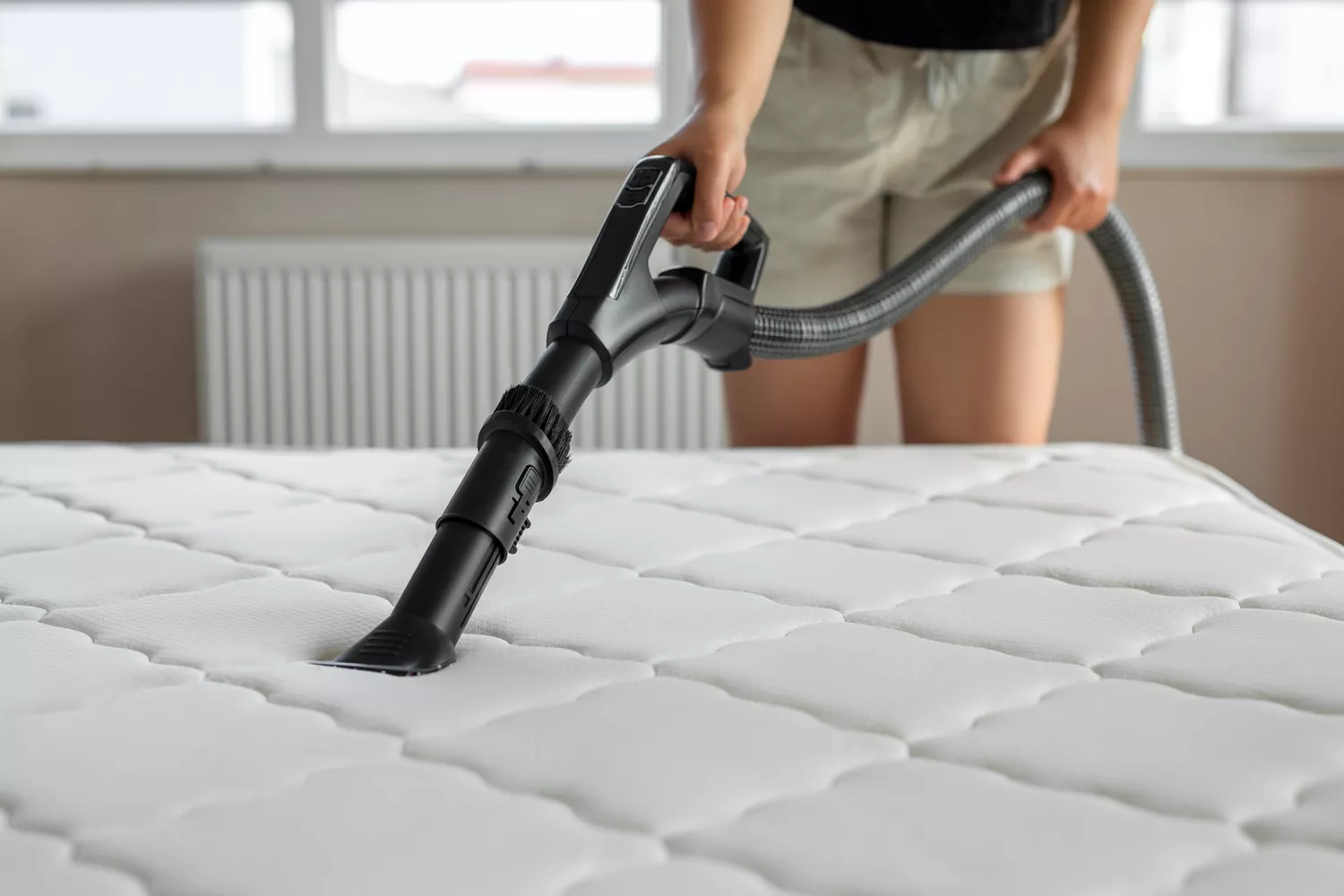
To clean a mattress, essential supplies include a vacuum cleaner with an upholstery attachment, a mild detergent, enzyme cleaner, or dish soap, a spray bottle, baking soda, hydrogen peroxide, and clean cloths or sponges. Optional tools include a steam cleaner or upholstery cleaner. The process begins with removing surface stains and odors, starting with a thorough vacuuming of the mattress to eliminate loose dirt and debris. A bed/mattress vacuum specifically designed for mattresses is ideal. For stains, a homemade solution of hydrogen peroxide and baking soda, diluted dish soap, or a commercial stain remover can be gently dabbed onto the affected area, avoiding excessive soaking. After allowing it to sit, the solution should be blotted with a clean, damp cloth, followed by a dry cloth to absorb moisture. Next, baking soda should be generously sprinkled over the entire mattress and left for at least 15 minutes to neutralize odors and absorb moisture. Finally, the mattress is vacuumed again using a non-bagless vacuum to remove all baking soda residue, with a bagged dustbin vacuum being preferable to protect the motor from fine particles.
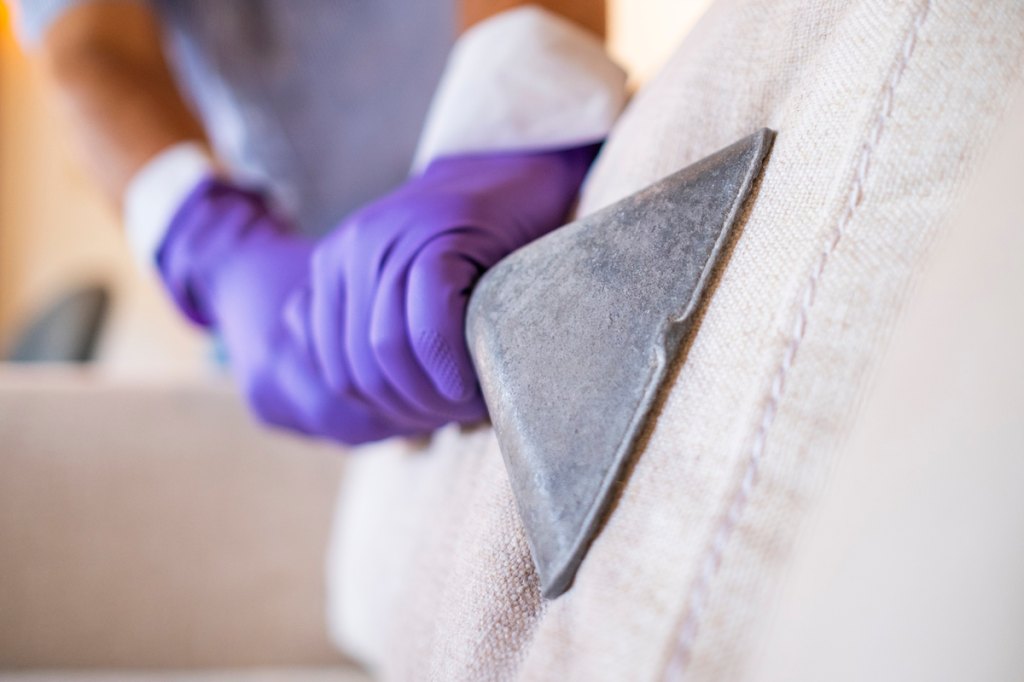
Deep cleaning a mattress with wet materials is generally not recommended by experts due to the risk of damage. However, if deep cleaning is deemed necessary, the process involves stripping all bedding and mattress protectors for washing according to manufacturer instructions. Visible stains are spot-treated with a mild detergent or enzyme cleaner. A steam cleaner or upholstery cleaner can be used to penetrate deeper into mattress fibers, removing dirt and allergens, provided the mattress material is safe for wet cleaning. Steam cleaning also effectively kills dust mites, but the mattress must be allowed to dry completely before vacuuming up dead mites and remaining debris. Drying can take 12 to 24 hours, so starting in the morning is best, and using fans, open windows, or a dehumidifier can accelerate the process. The mattress must be thoroughly dry before replacing bedding to prevent mold and mildew.
The frequency of mattress cleaning depends on various factors, including personal hygiene, eating or drinking in bed, allergies, pet access, sleep accessories, and home humidity levels. A general guideline suggests deep cleaning at least twice a year. For individuals prone to allergies, cleaning every three to four months may be beneficial. Any spills or stains should be addressed immediately to prevent them from becoming more challenging to remove. Bleach should be avoided as it can damage fabric, leave harmful residues, and be detrimental to skin and respiratory health; mild detergents or baking soda are safer and more effective alternatives.
#MattressCleaning #HomeMaintenance #SleepHygiene #StainRemoval #OdorElimination #DustMites #AllergenControl #DIYCleaning #BedroomCare #MattressCleaning #HomeMaintenance #SleepHygiene #StainRemoval #OdorElimination #DustMites #AllergenControl #DIYCleaning #BedroomCare
0 commenti in totale
 Nessun commento ancora
Potresti anche gradire

How to clean a bedroom: daily, weekly and deep-clean tasks


How To Deep Clean a Couch: Expert Tips for Getting It To Look Like New

How to Clean Every Type of Floor Quickly and Easily


Cleaning Experts Reveal GROSS Bacteria May Be Lurking In Your Upholstered Bed Frame


7 things you might be forgetting to clean in your bedroom
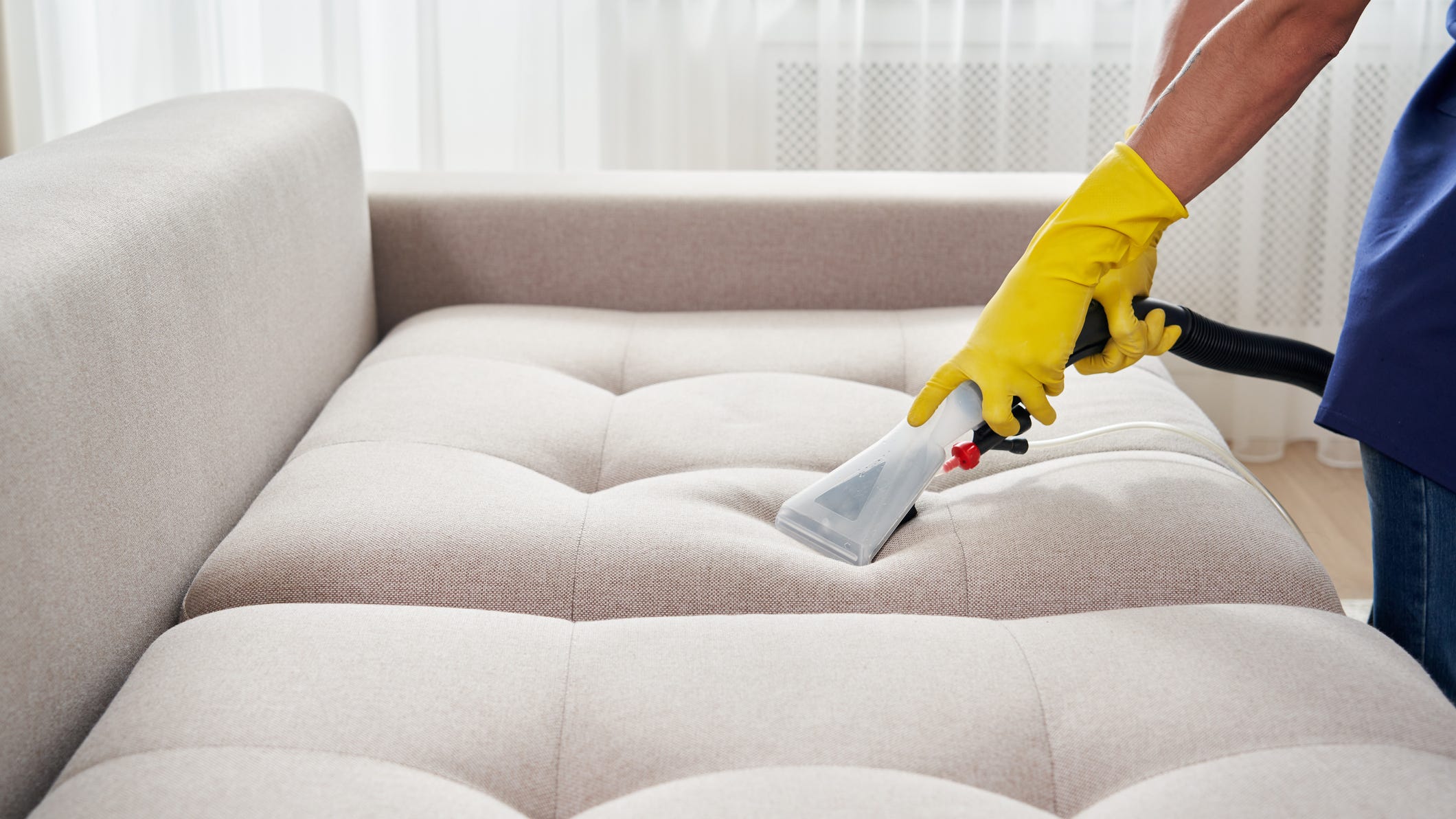
Are You Cleaning Your Couch Enough? Here's How to Do It the Right Way


Here's What Really Happens if You Don't Clean Your Mattress Every Few Months

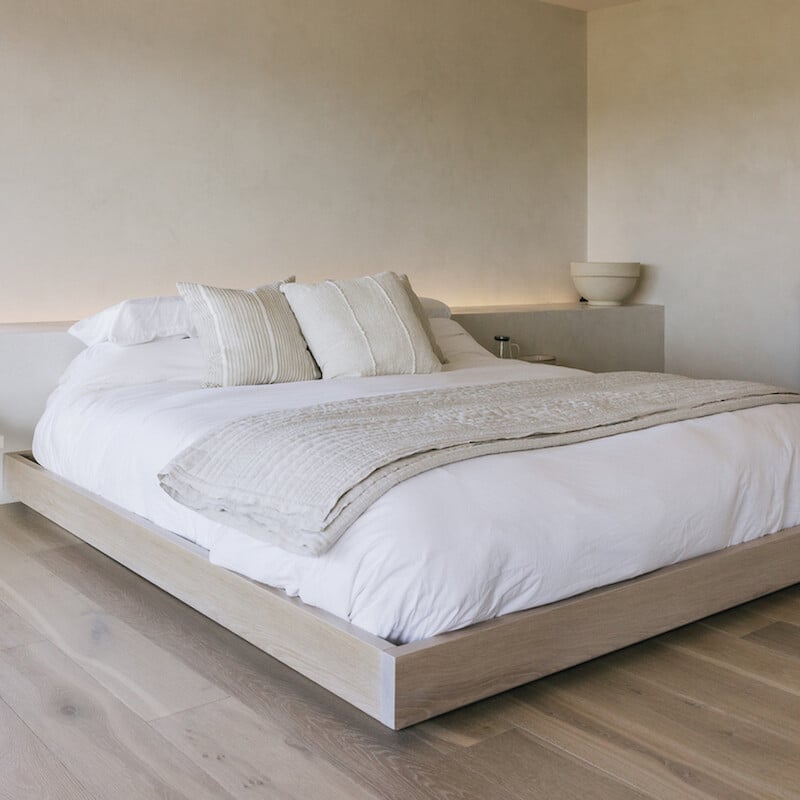
5 Things to Banish From Your Bedroom for a Fresh, Clean Start
How to Clean a Couch, According to Experts | NBC Select

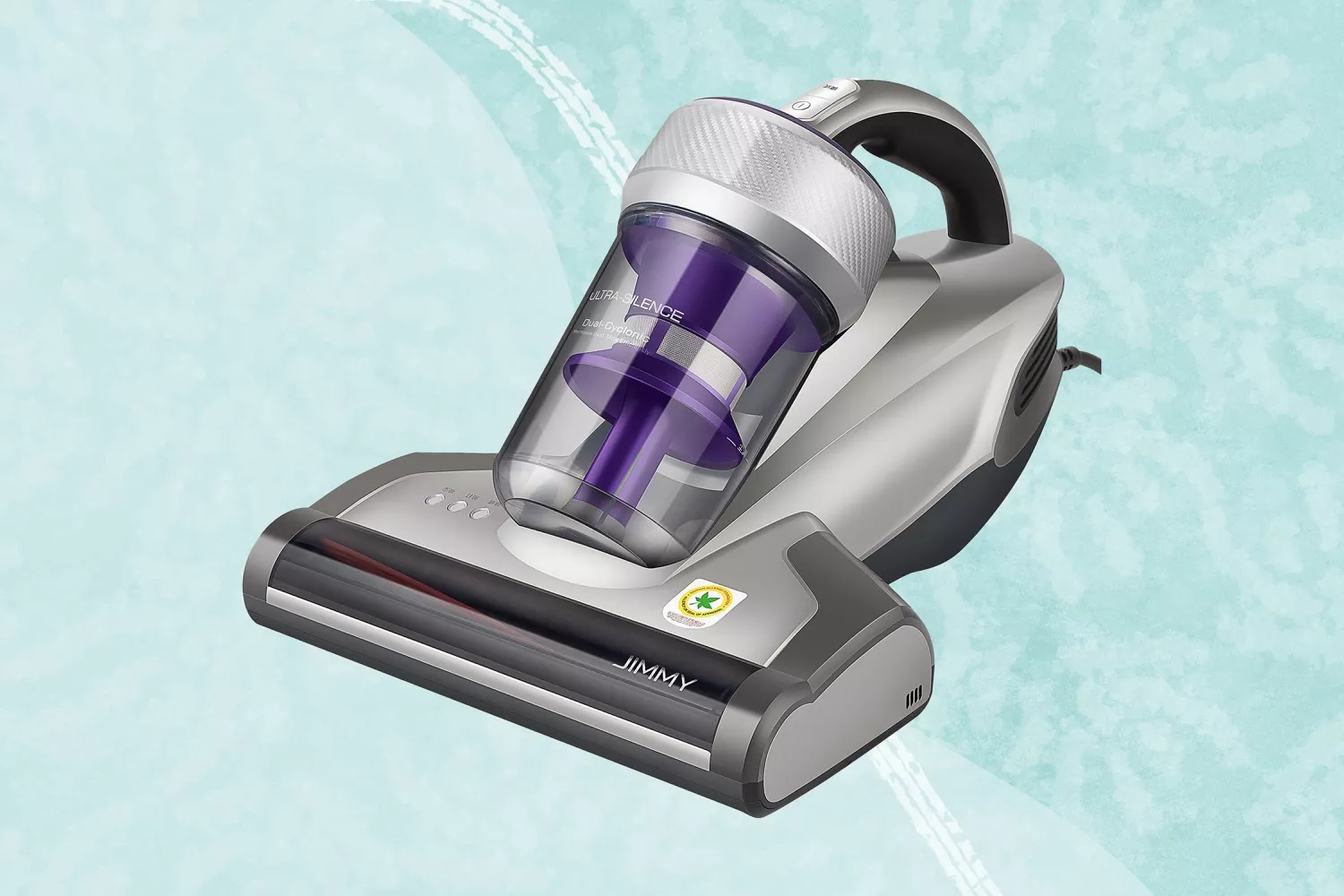
Get Restful, Worry-Free Sleep on Your Clean Mattress

This Headboard Cleans the Air Near You as You Sleep

I swear by this incredibly easy 5-step method for cleaning real wood floors

How to Clean a Mattress in 9 Simple Steps (2025)


How to clean bouclé fabric in 4 simple steps
Spring Cleaning Checklist: A Room-by-Room Cleaning Guide

Accident-Proof Your Mattress With a Waterproof Protector

How to clean a sofa bed – top hacks for tackling stains and everyday cleaning for an immaculate couch

5 things professional cleaners always notice in dirty bedrooms that are a ‘breeding ground’ for dirt
Hotel expert reveals the secret formula professionals use to keep bed sheets white – I've been doing it wrong for years

How to Clean Upholstered Furniture the Right Way