1/23
How Can Architecture Combat Flooding? 9 Practical Solutions
Flooding poses a significant threat to buildings globally, with instances like the repeated damage to the Farnsworth House highlighting the ongoing challenge. Projections indicate that substantial portions of the continental U.S., particularly the Northern Plains, Upper Midwest, and Deep South, face flood risks. Beyond the U.S., regions such as Mozambique, Malawi, Zimbabwe, and Iran experienced devastating floods in April 2019, leading to considerable loss of life and displacement. While architectural solutions cannot entirely prevent or protect against the most severe floods, implementing protective measures is crucial for mitigating damage and potentially saving lives.
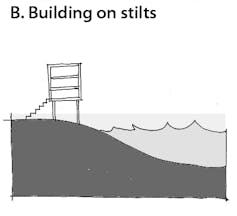
The initial step in flood preparedness involves identifying whether a building is located in a flood-prone area, typically by consulting readily available flood maps, such as those provided by the U.S. Federal Emergency Management Agency (FEMA). Once a risk is identified, stakeholders can decide between relocation or implementing protective measures. For those opting to stay, nine key strategies can be employed. Elevating the structure above the estimated flood level is a primary defense. Architects can use resources like FEMA's Estimated Base Flood Elevation Viewer to determine the necessary height and suitable elevation methods, such as building on columns or stilts, or raising a solid foundation. Local climate and flood history, along with specialized guides like FEMA's manual on coastal construction, should inform these decisions.
Selecting flood-resistant materials is another critical measure. These materials must endure contact with floodwaters for at least 72 hours without significant damage, which includes resisting both hydrostatic (standing) and hydrodynamic (flowing) forces that can displace walls, collapse structures, or cause scouring. Suitable materials are durable and humidity-resistant, encompassing concrete, glazed brick, closed-cell and foam insulation, steel hardware, pressure-treated and marine-grade plywood, ceramic tile, water-resistant glue, and polyester epoxy paint.
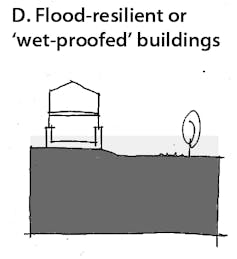
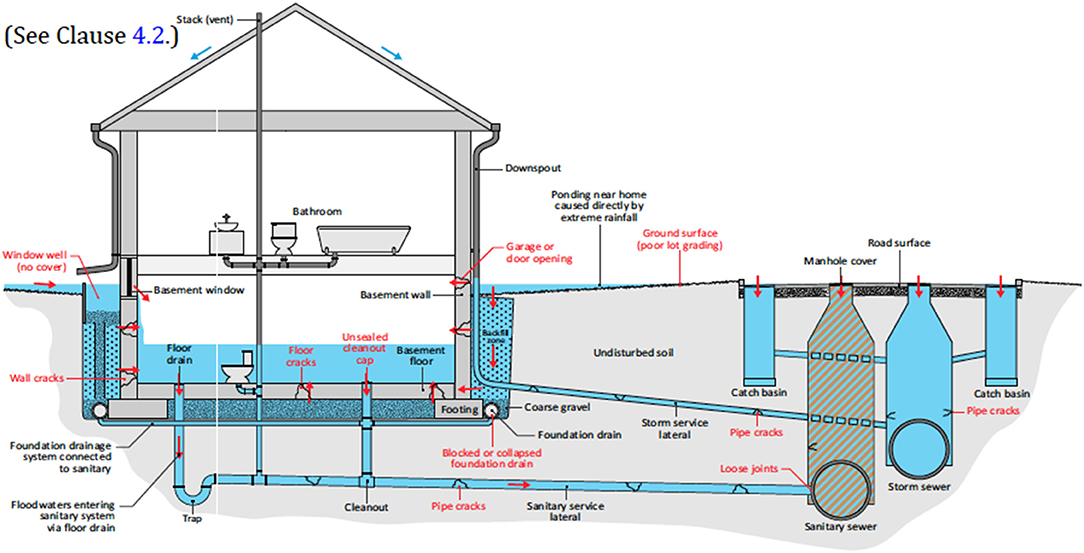
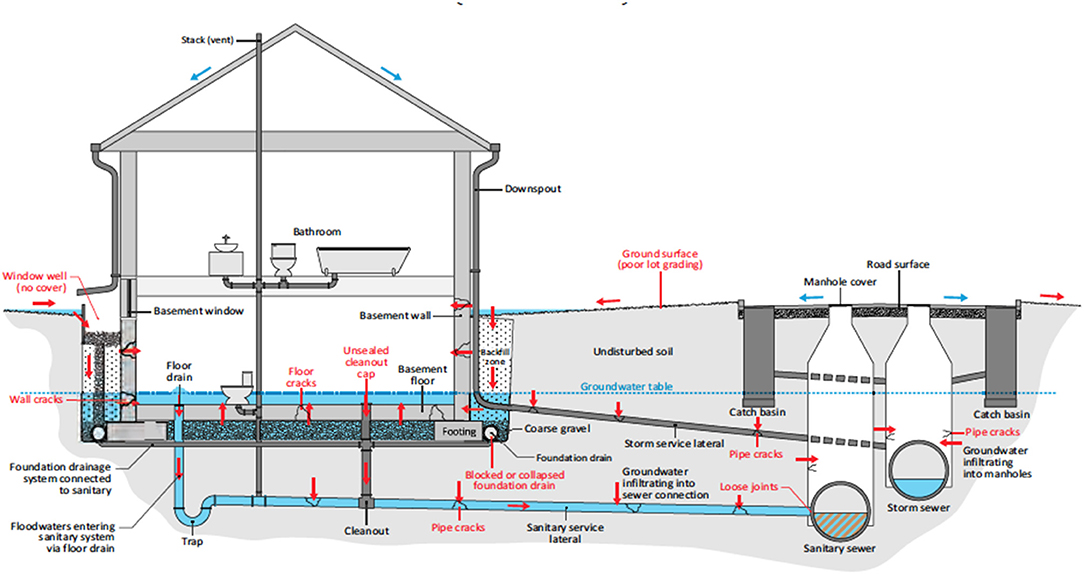
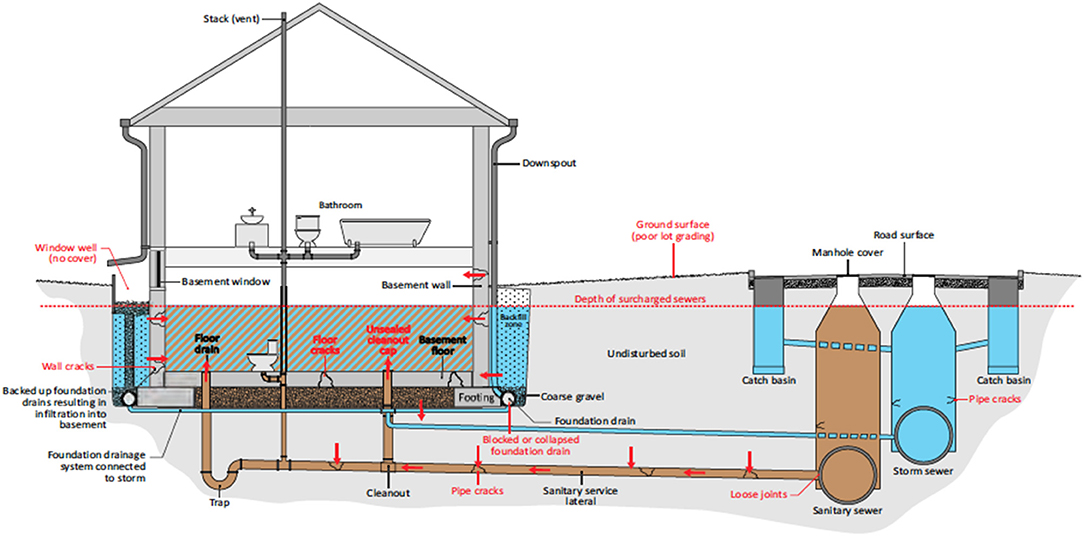
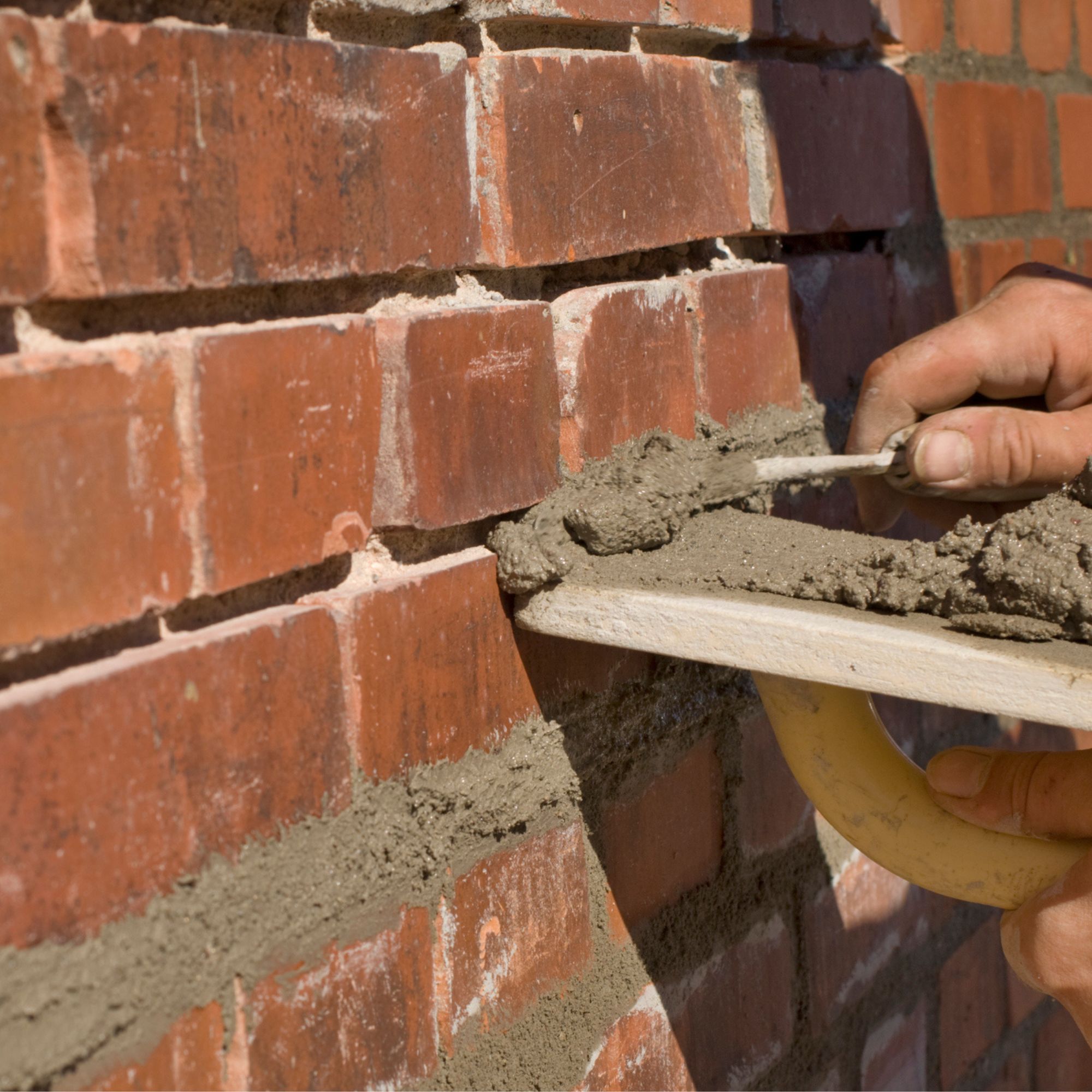
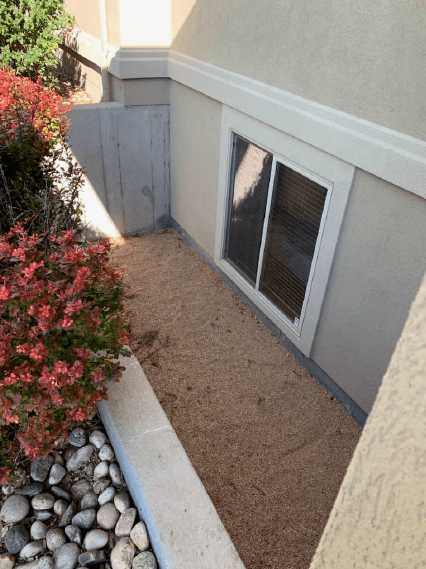
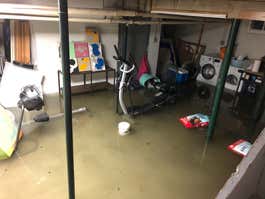
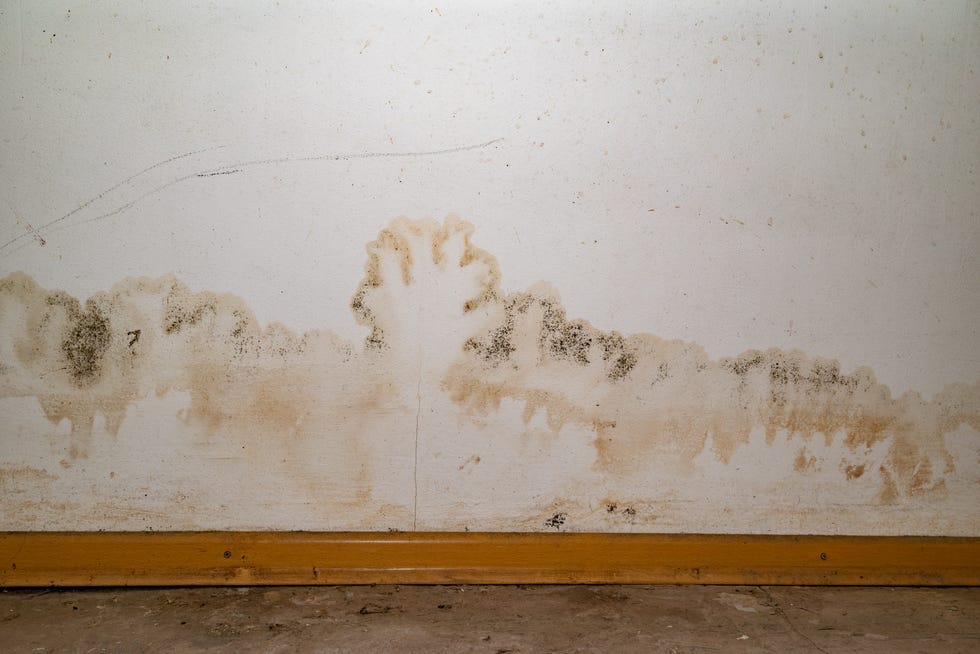
Applying coatings, sealants, and waterproof veneers constitutes dry floodproofing, which aims to prevent water entry into the building's interior. A waterproof veneer might involve a brick layer with a waterproof membrane, while interior walls in flood zones should utilize washable closed-cell foam insulation. Sealants and coatings can be applied to foundations, walls, windows, and doorways to seal against water penetration and resist flood loads. Conversely, wet floodproofing, like installing foundation vents, allows water to flow through a structure, reducing pressure on walls and windows. This approach requires flood-resistant interior materials, hydrostatic openings, and protected equipment, albeit necessitating post-flood cleanup. Sump pumps, especially those with battery backup, are vital for regularly flooded basements to remove water and maintain functionality during power outages.
Protecting mechanical, plumbing, and electrical systems is paramount. HVAC equipment and other service components should ideally be located above the flood protection level. If this is not feasible, these systems must be designed to withstand inundation through waterproof enclosures, barriers, or protective coatings, preventing severe damage or hazards like electrical fires. Municipal codes should be consulted for specific requirements. Anchoring fuel tanks is also essential, as unanchored tanks can cause structural damage or environmental contamination if displaced by floodwaters. Tanks should be secured to concrete slabs or ground anchors to resist buoyancy and flood forces.
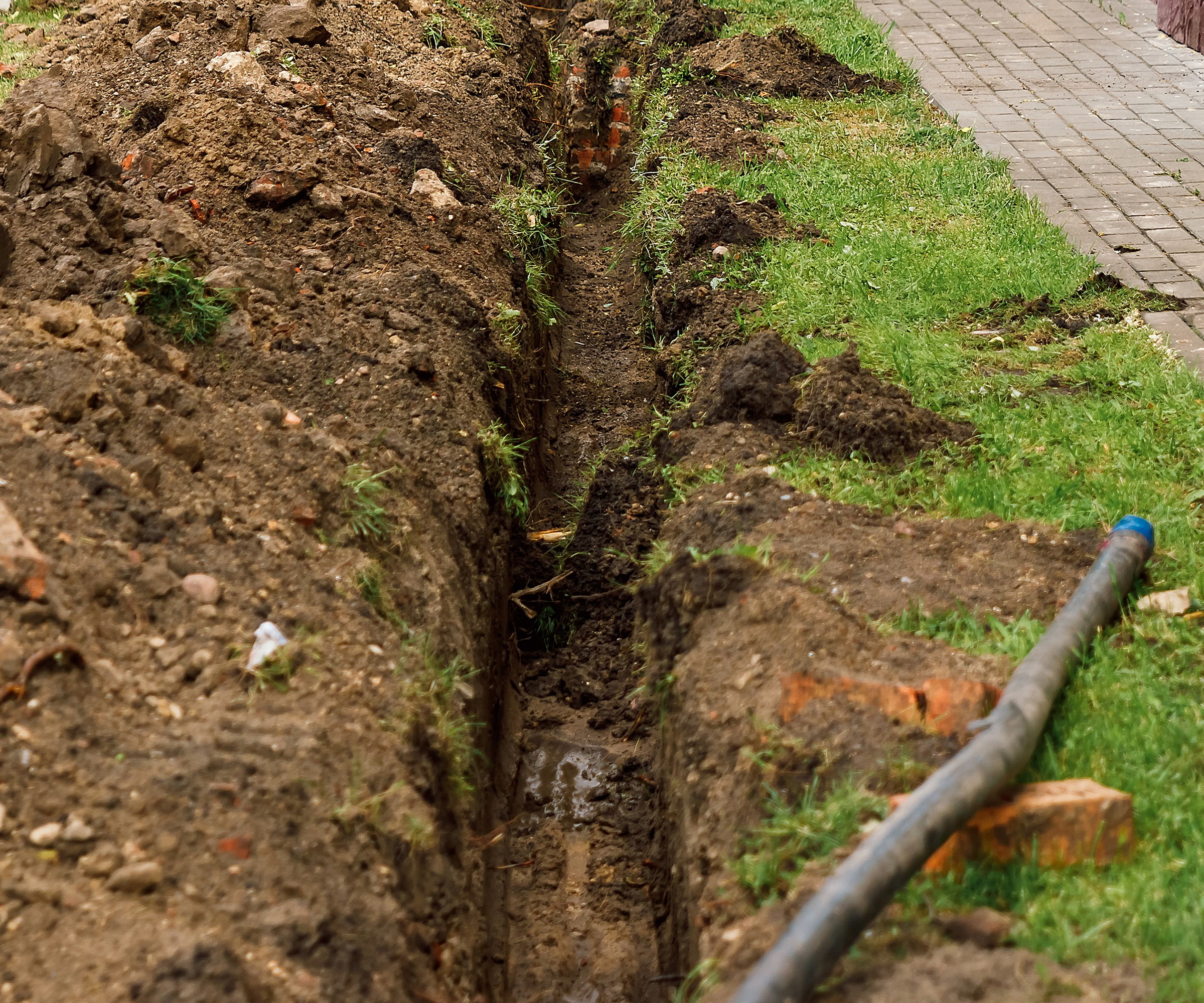
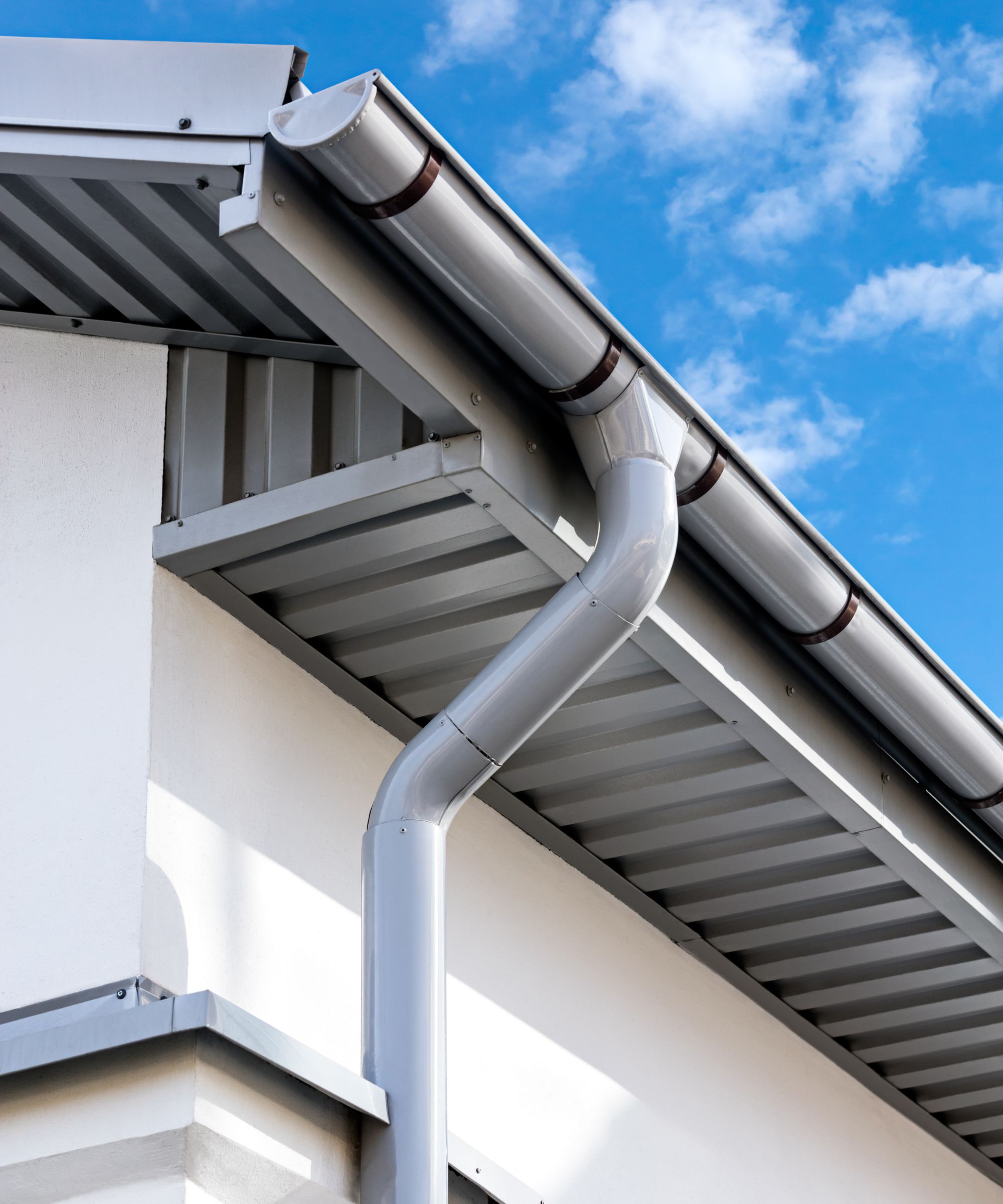
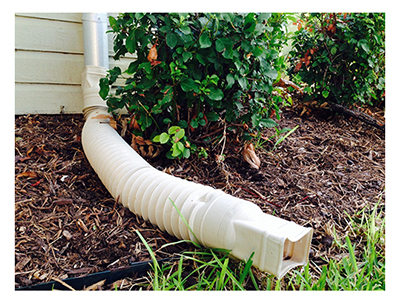
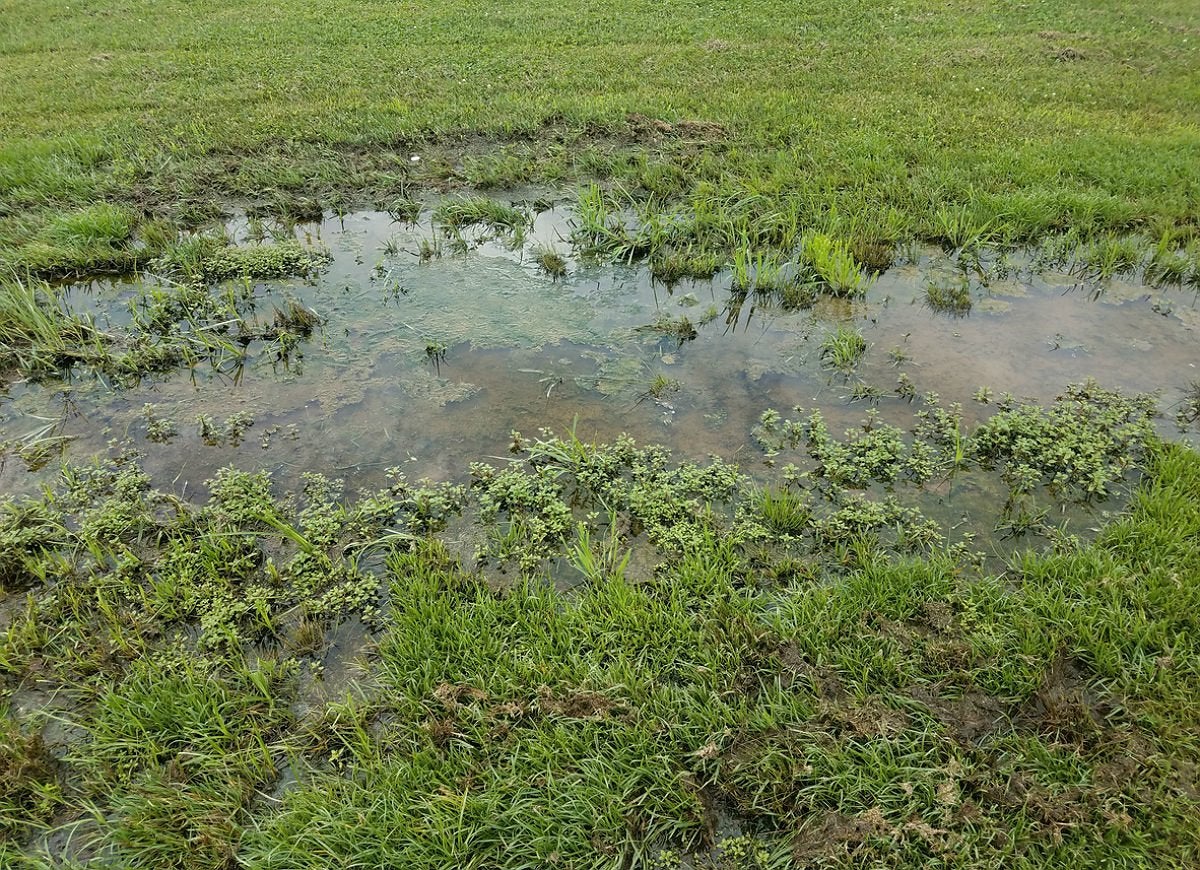
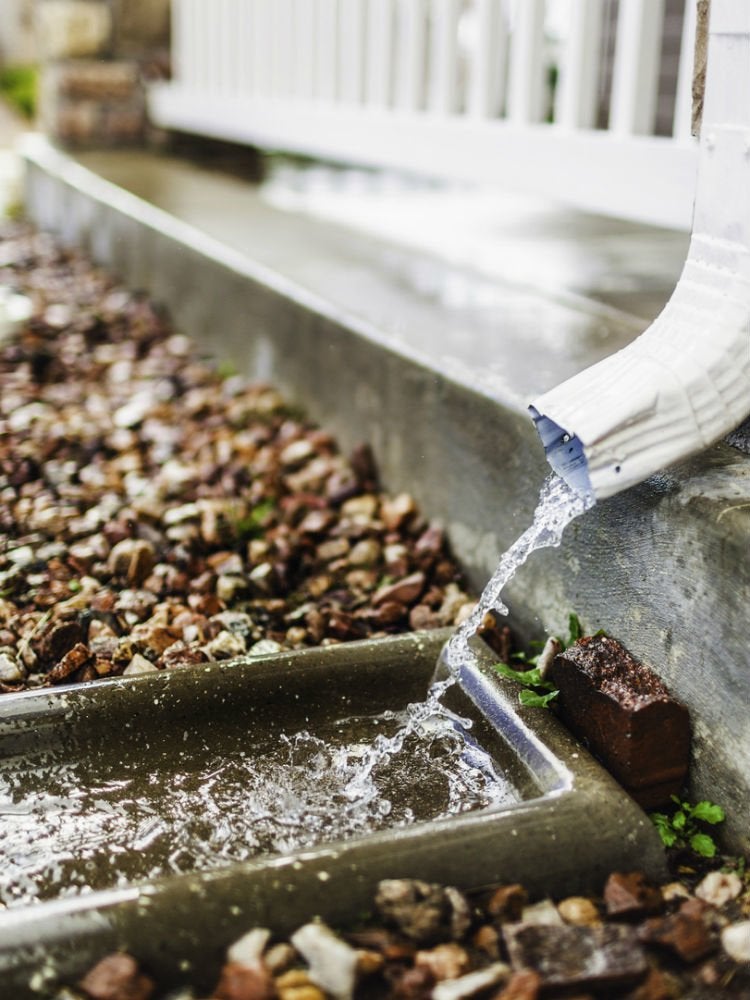
Constructing permanent barriers, such as floodwalls made of concrete or masonry, or levees built from compacted soil, can prevent floodwaters from reaching structures. However, these solutions require extensive maintenance and, in the case of levees, significant land and suitable materials. Finally, grading the surrounding lawn away from the house ensures that rainwater drains away from the foundation, rather than pooling around the structure. This involves using heavy soil with clay and sand content to direct surface runoff towards appropriate drainage systems like street gutters. By implementing these architectural and site design strategies, the impact of flooding on buildings can be substantially mitigated, enhancing resilience and safety.
#FloodProtection #Architecture #BuildingResilience #SustainableDesign #ClimateAdaptation #Waterproofing #ConstructionMaterials #SitePlanning #DisasterPreparedness #FloodProtection #Architecture #BuildingResilience #SustainableDesign #ClimateAdaptation #Waterproofing #ConstructionMaterials #SitePlanning #DisasterPreparedness
0 commenti in totale
 Nessun commento ancora
Potresti anche gradire
Living with water: four buildings that will withstand flooding


Floodproofing a house — 12 things experts say you can do
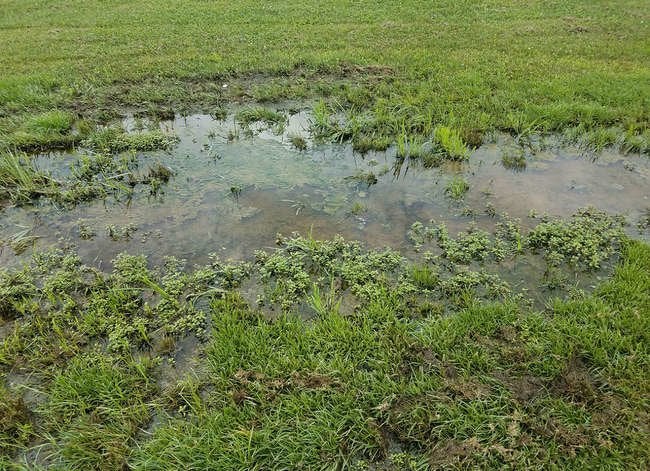
6 Smart Ways to Prevent a Soggy Yard with Every Rain Shower


Floating Architecture that are the sustainable solution we need to survive the rising sea level crises!


Reducing Urban Flood Risk Through Building- and Lot-Scale Flood Mitigation Approaches: Challenges and Opportunities
Worried about your basement flooding? Install these temporary measures before heavy rainfall

My Basement Flooded…What I Wish We’d Have Known to Better Prepare, and What We Learned

Learn How to Install Rainscreen Siding Like a Pro

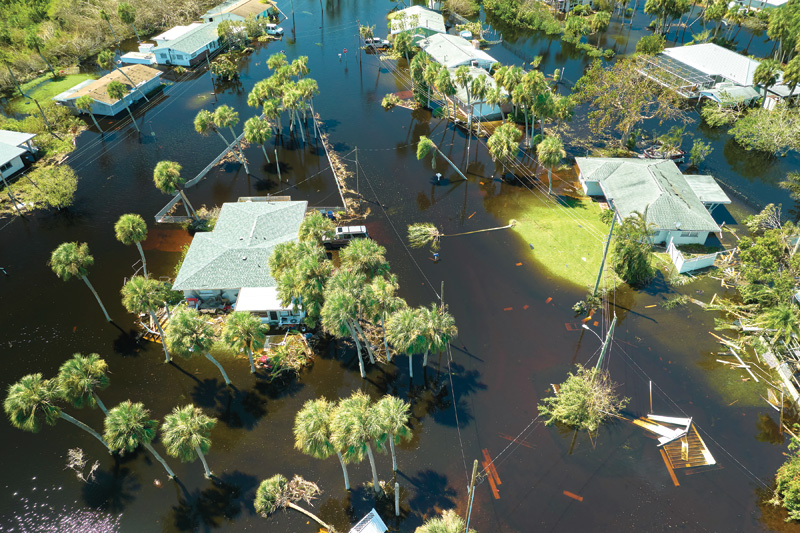
Hurricanes and flooding: Advancing building strategies for resilience

How to Prepare if You Live or Work in a Floodplain

Everything I Did to Flood-Proof My Old House | Reviews by Wirecutter

flood proof house by studio peek ancona

Deluge defence: smart solutions for when the rain comes

When Rivers Rise Fast – Flood-Smart Living: Simple Steps to Protect your Home

7 ways to flood-proof your home during Thailand’s storm season

Let’s Architect! Resiliency in architectures
Ways to protect your home from flooding – safeguard your space from storms
How To Keep Floodwaters From Entering The House Through The Front Door And Bathroom
The BEST Ways to Protect Your Home From Water Damage, According to Experts

What to Do If Your Basement Floods During a Storm, According to Experts