
1/2
HGTV's 'Rehab Addict' gives tips on restoring old houses
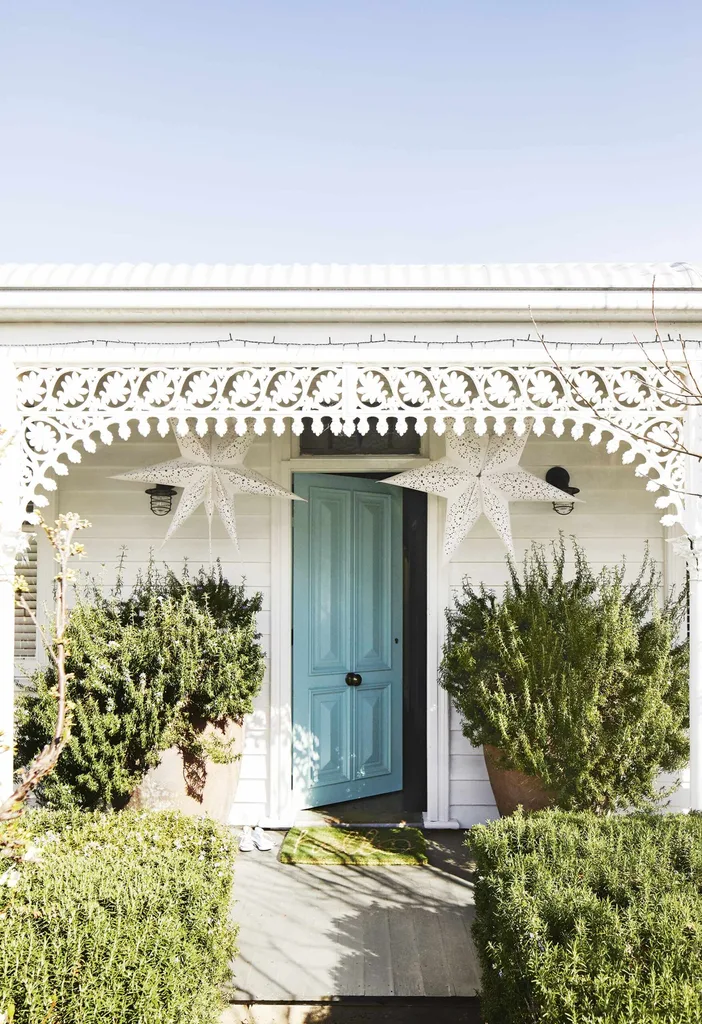
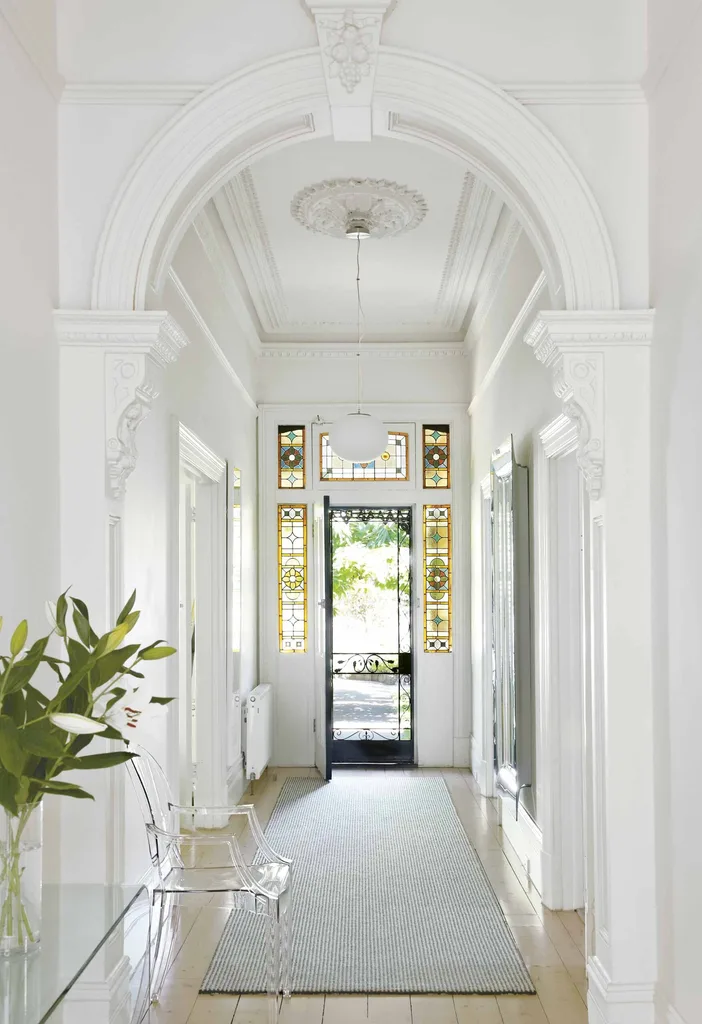
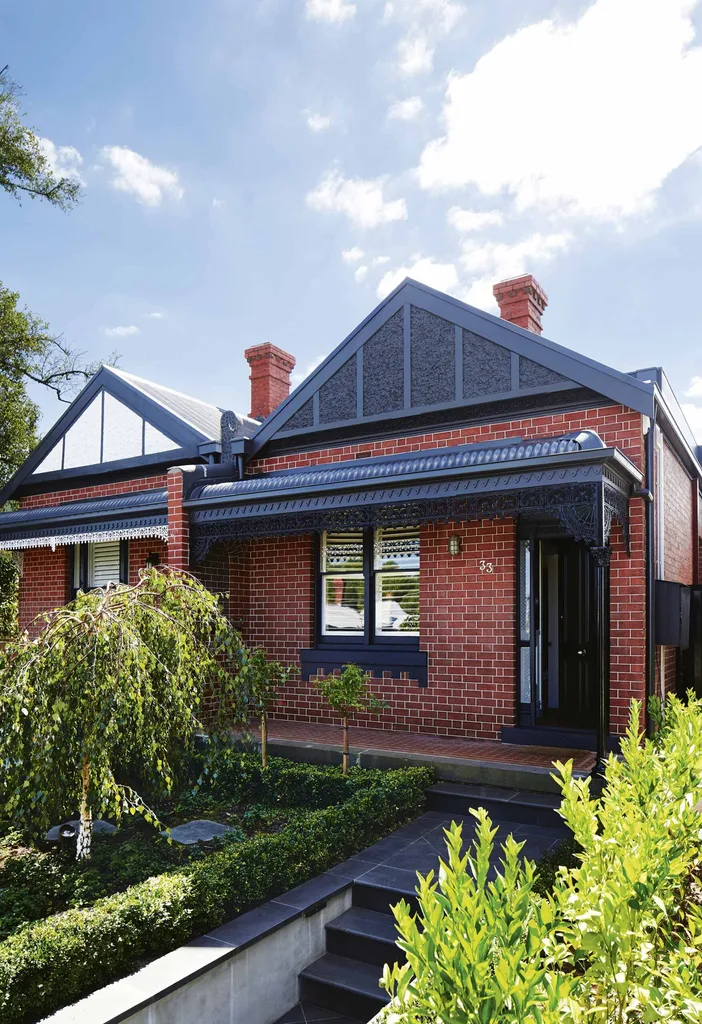
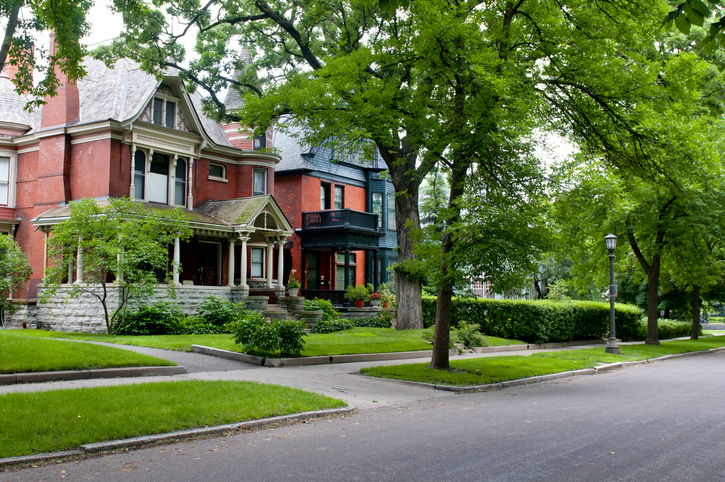
The article details the insights of Nicole Curtis, host of HGTV's "Rehab Addict," on the authentic restoration of old homes. Curtis emphasizes the importance of preserving the historical integrity of older houses rather than undertaking trendy renovations that can diminish their value and character. Her philosophy centers on restoring original features and only selectively updating for modern conveniences.
Curtis observes that many homeowners, often due to a lack of education, make detrimental changes to old houses by replacing valuable architectural elements with modern, often inferior, materials. These "improvements" are frequently driven by current design trends that lack longevity and can negatively impact a home's long-term value. In contrast, Curtis advocates for maintaining the home's original era and style, arguing that this approach consistently retains or increases property value.
Key modern additions Curtis approves of include discreetly integrated walk-in closets, updated heating, cooling, and plumbing systems for comfort and efficiency, and new appliances such as dishwashers that did not exist when the home was built. These additions enhance functionality without compromising historical aesthetics.
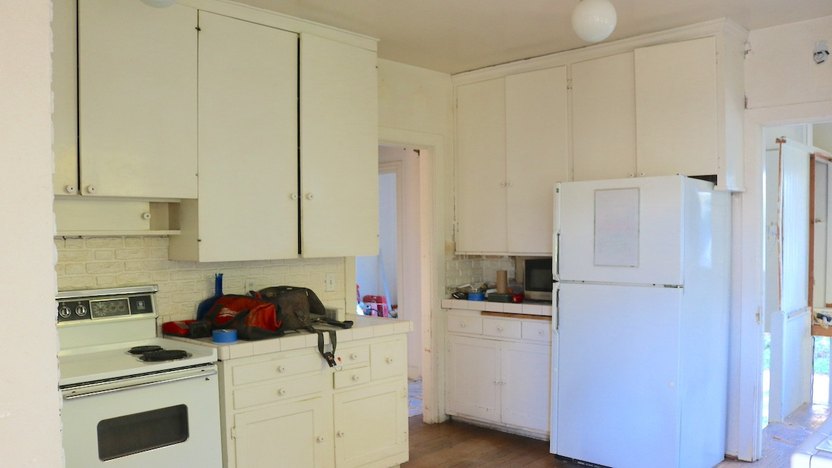
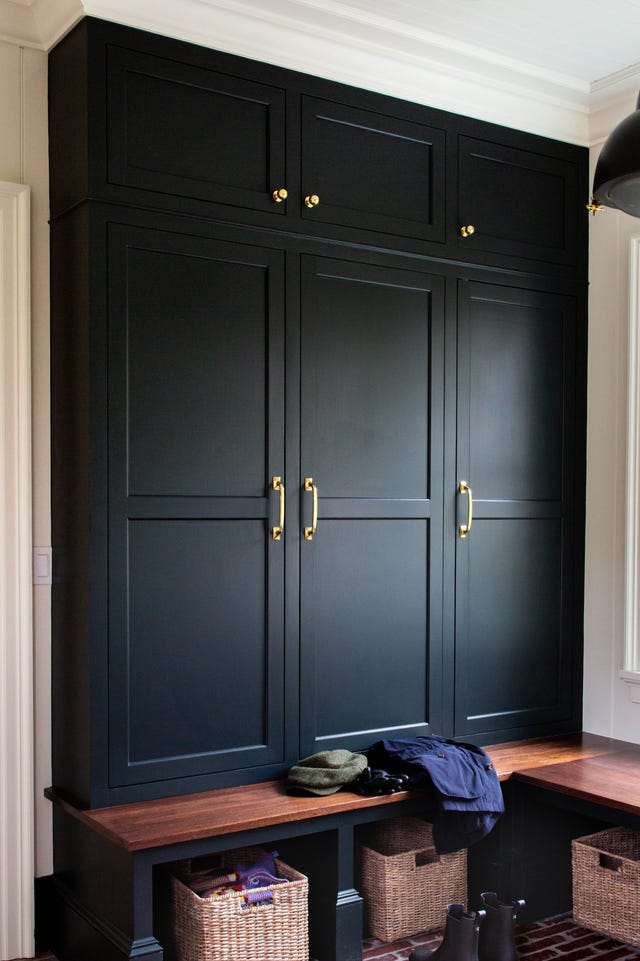
For preserving original features, Curtis offers several specific recommendations. She strongly advises against replacing solid wood cabinets with newer, man-made materials like melamine or MDF. Instead, she suggests refinishing existing wood cabinets, highlighting their superior durability, appearance, and cost-effectiveness. Similarly, she recommends refinishing old porcelain bathtubs and sinks, noting that this is significantly more affordable than replacing them with new, often less durable, alternatives such as fiberglass.
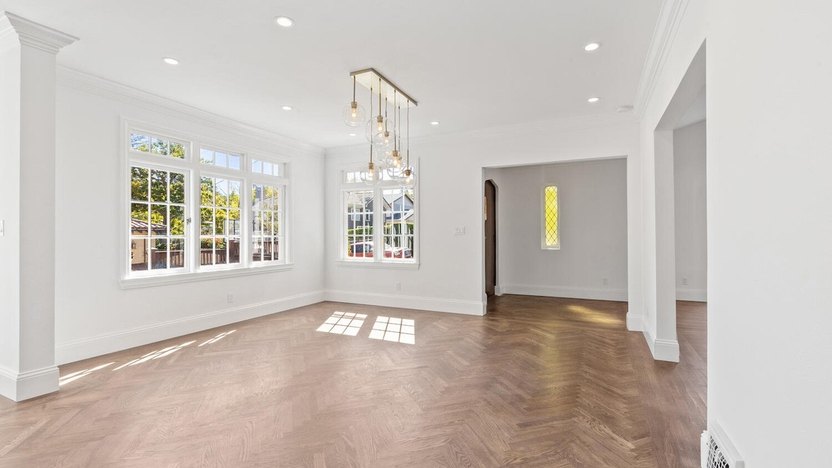
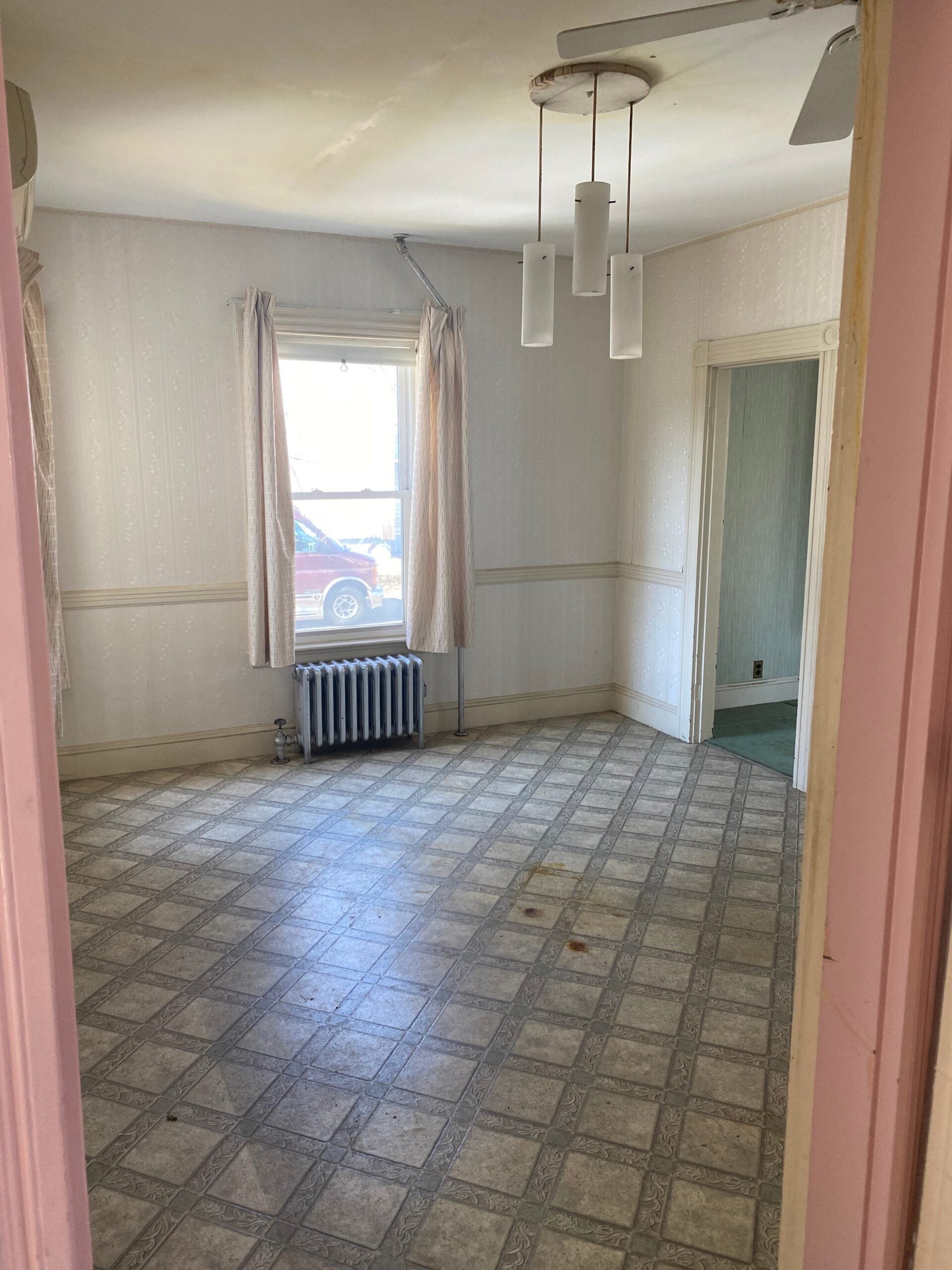
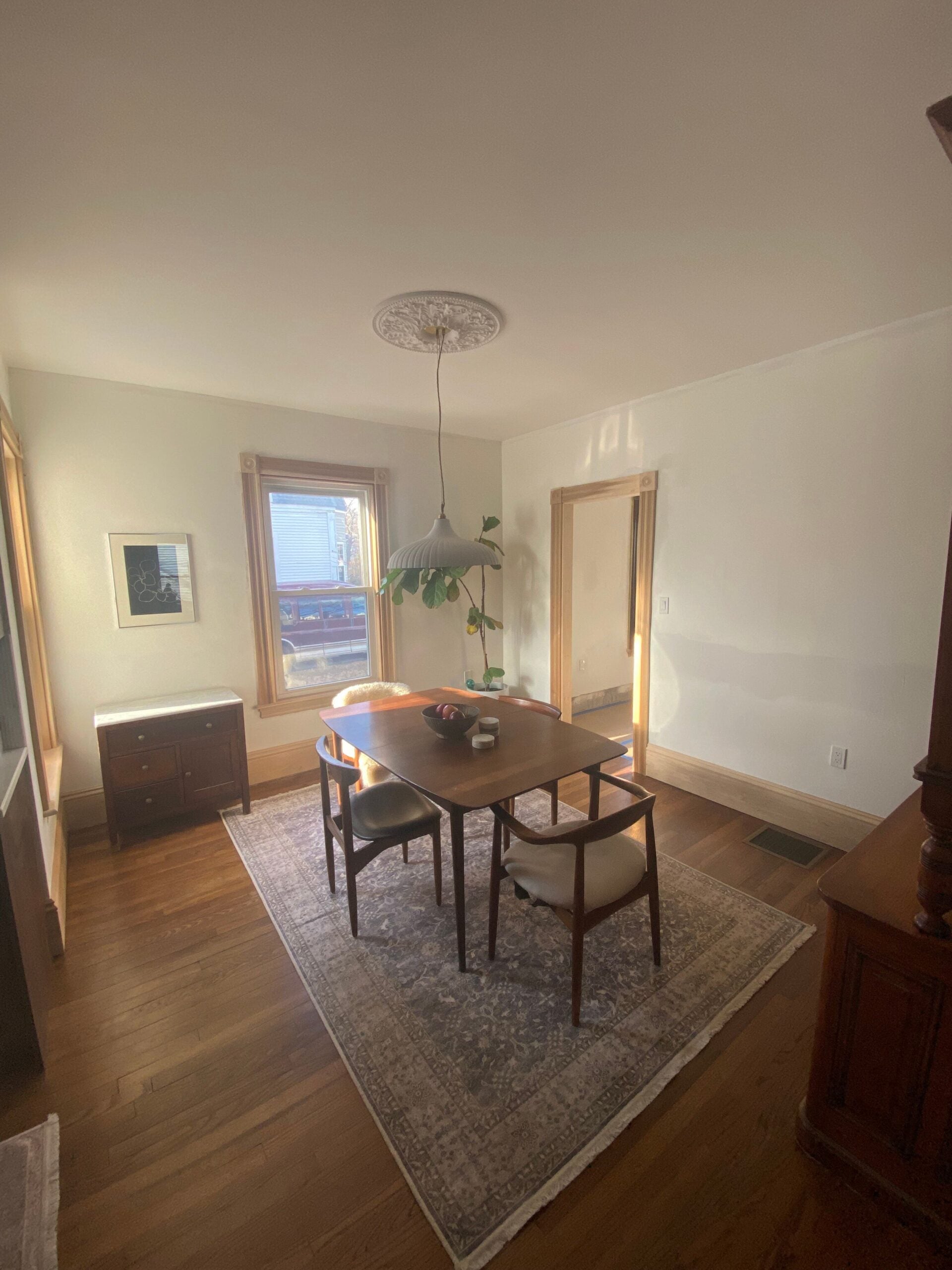
Regarding flooring, Curtis has never replaced a wood floor, even those extensively damaged by fire, flood, or pet stains. She asserts that refinishing and patching existing wood floors is always a more authentic and economical solution than installing new, cheaper alternatives like tile or carpet. For old tile surfaces, her advice is to thoroughly clean them before considering removal, as dirt often contributes to their worn appearance.
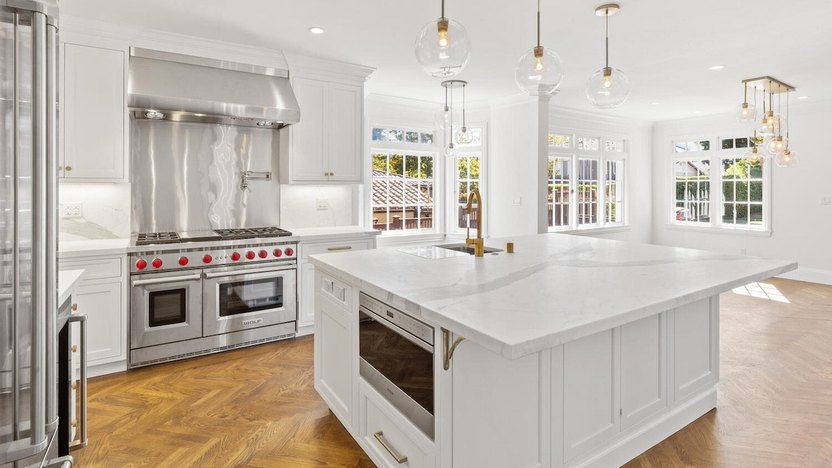
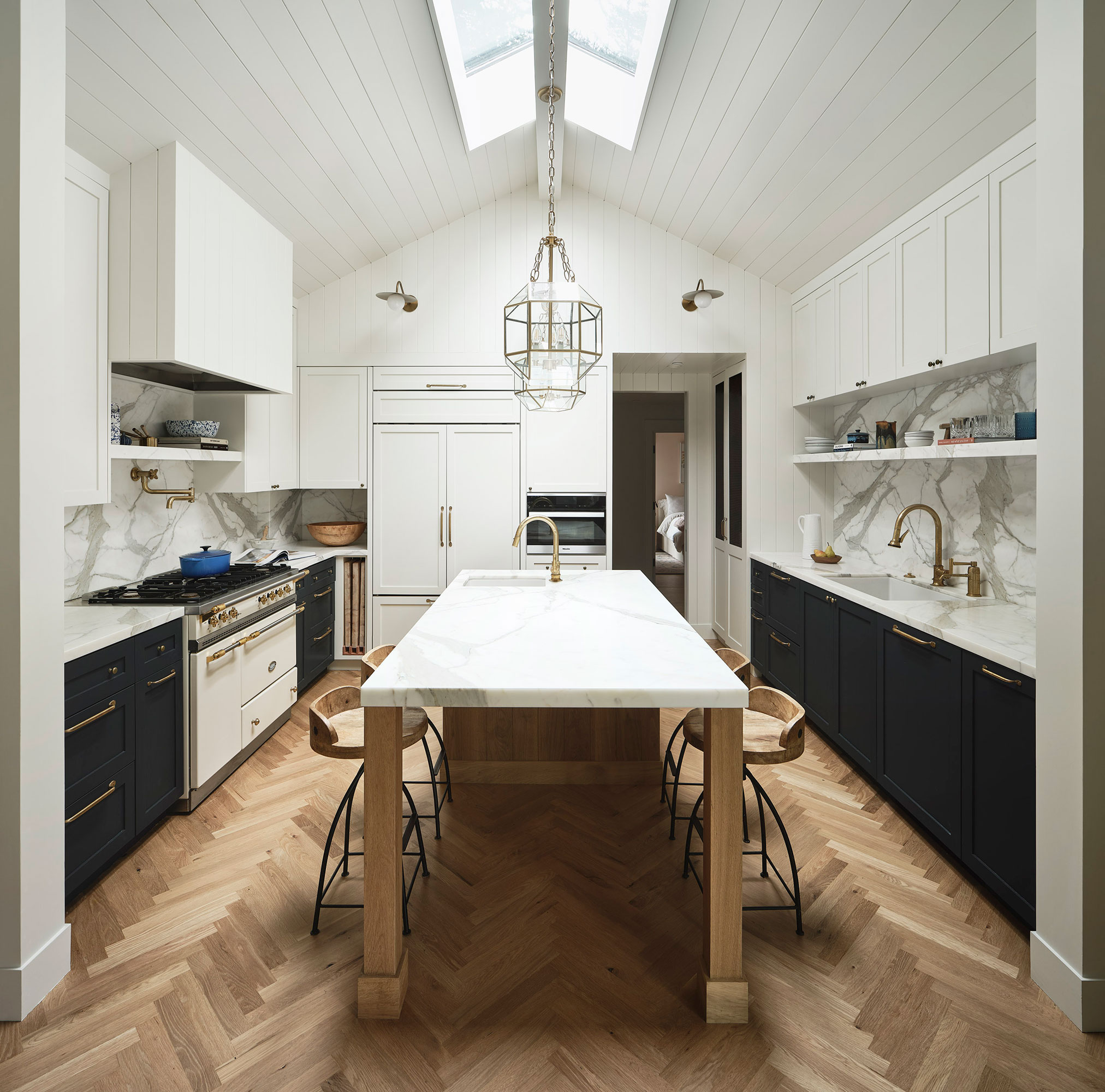
When it comes to countertops, Curtis insists on using materials authentic to the home's period, such as wood (like butcher block), classic marble, or occasionally granite. She advises against man-made materials like laminate or Corian, and modern options like glass tiles, which were not available historically. Ceramic tiles are deemed appropriate for homes built after 1930.
Curtis also expresses strong disapproval of open floor plans in old houses, viewing them as a temporary trend that often leads to dissatisfaction. She recommends living in an older home for at least six months before making any structural changes, particularly wall removal, to understand its natural flow and function. Finally, she stresses the importance of repairing, rather than replacing, original windows and doors. Old windows often appear inefficient due to lack of maintenance; proper repair, weatherstripping, and the addition of historically accurate storm windows can significantly improve their efficiency while preserving the home's historic value. The same principle applies to original doors, which should be maintained rather than removed.
#HomeRestoration #HistoricHomes #RehabAddict #NicoleCurtis #HomeImprovement #AuthenticDesign #Preservation #InteriorDesign #RenovationTips #HomeRestoration #HistoricHomes #RehabAddict #NicoleCurtis #HomeImprovement #AuthenticDesign #Preservation #InteriorDesign #RenovationTips
0 commenti in totale
 Nessun commento ancora
Potresti anche gradire
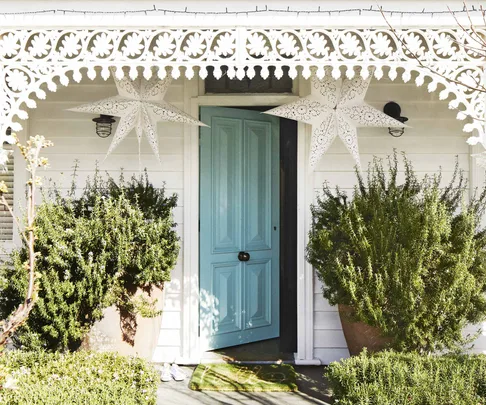
7 tips for restoring heritage homes to their former glory


4 Things We Learned From Restoring Our Historic ’70s Home on Fire Island

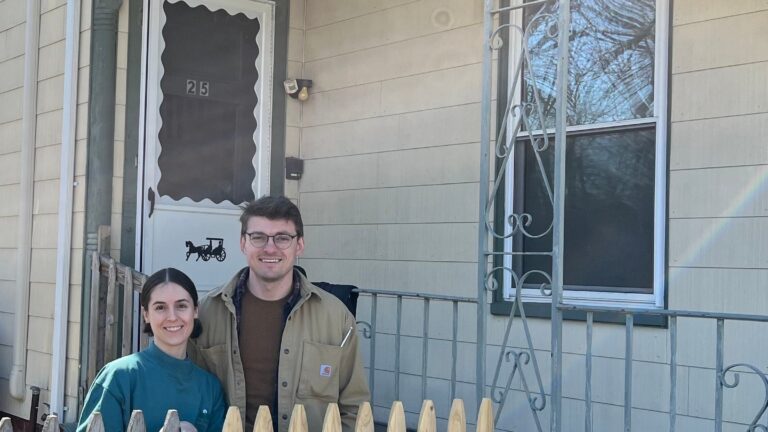
When restoring historic homes, what’s old is new again

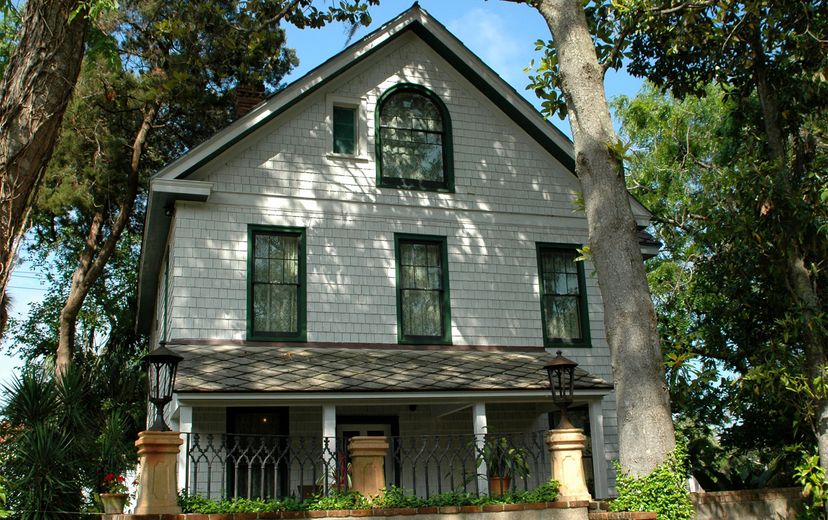
Owning an Old House: Charming Love Affair or Expensive Money Pit?
Joanna Gaines, Christina Haack, and More TV Expert Advice I Followed to Renovate and Decorate My Home
The Truths About Buying and Living in an Old House


Why Fixer to Fabulous' Dave and Jenny Marrs say cozy and realistic is better than perfect

5 Common Mistakes Homeowners Make When Restoring Old Houses
7 Vintage Home Details Experts Want to Bring Back

They Can Fix It


10 retro design trends that could be devaluing your property by thousands
Top tips for renovating old homes: Whether restoring or modernising, clever design is key

At Home with Marni Jameson: How to update older homes without messing them up
7 Things You Should Always Preserve or Try to Save in an Old Home, According to Designers

Inside a 100 Year-Old Craftsman Bungalow in Bolivar, Missouri
The best country house specialists in Britain, from stonemasons and joiners to builders and paint specialists
Where to Fix Your Best Stuff in the Twin Cities
This Former 1930s Hunting Lodge Was Updated for Family Living

Guide to Buying Older Homes by Decade
Emmanuel Alegbeleye talks home renovation tips