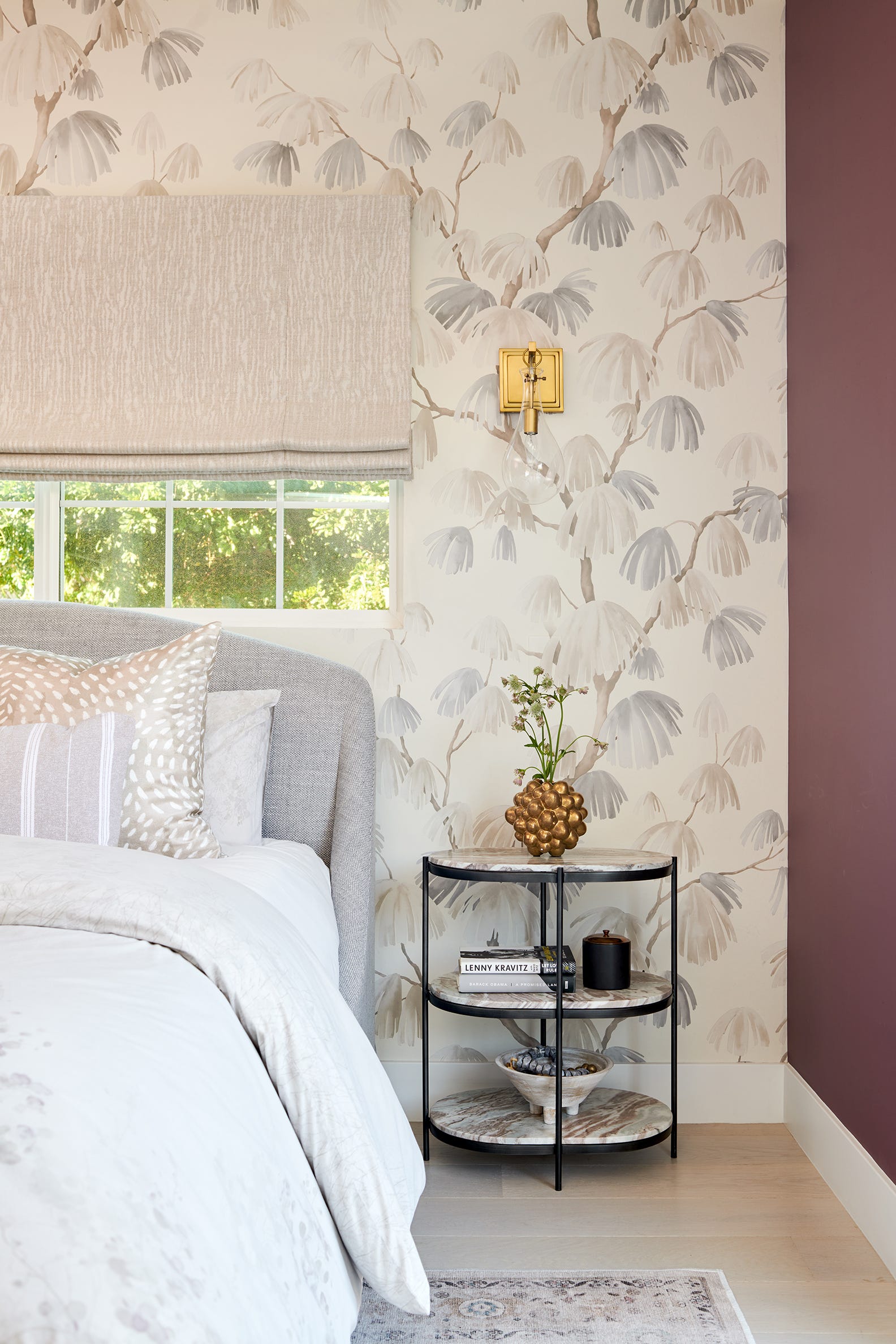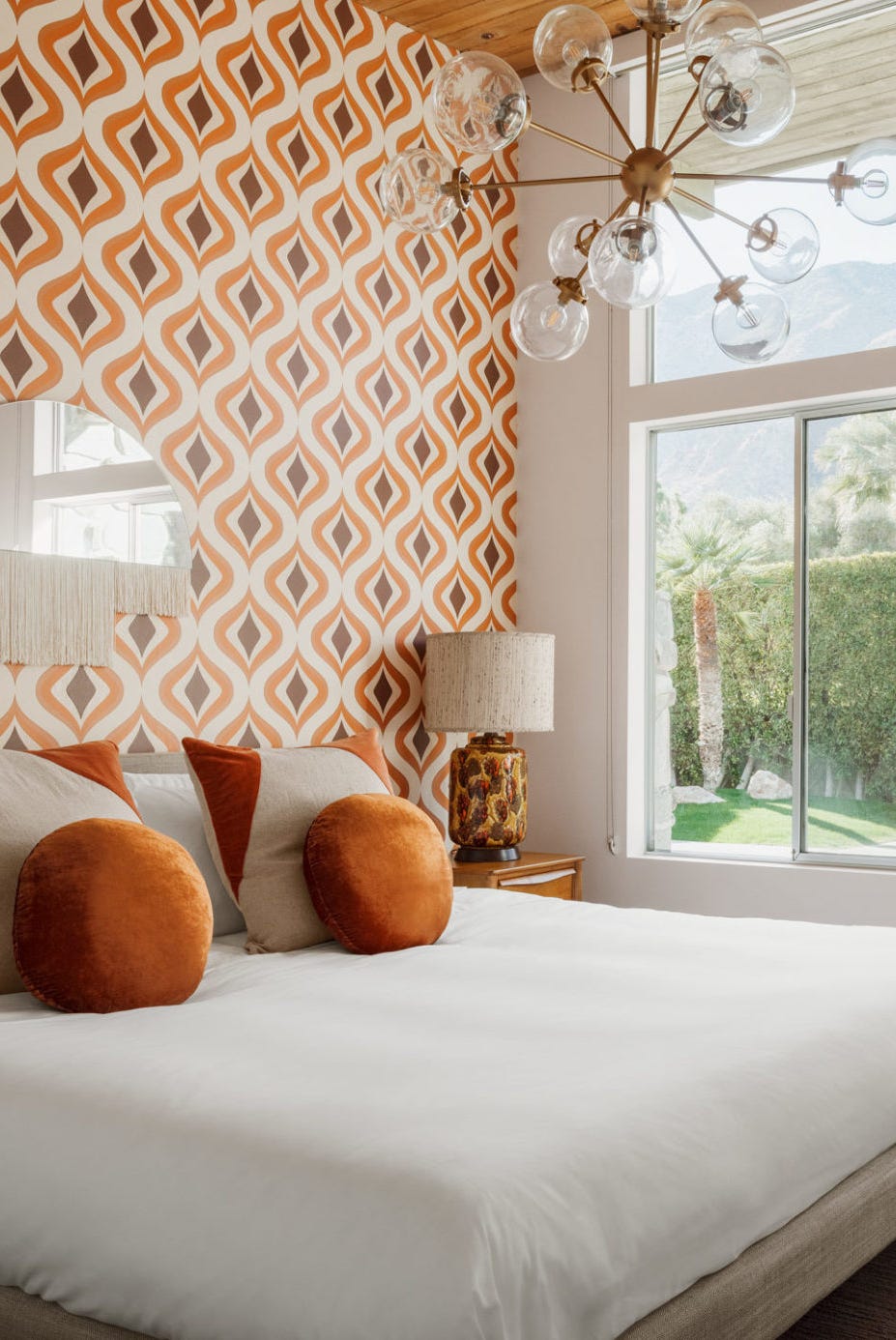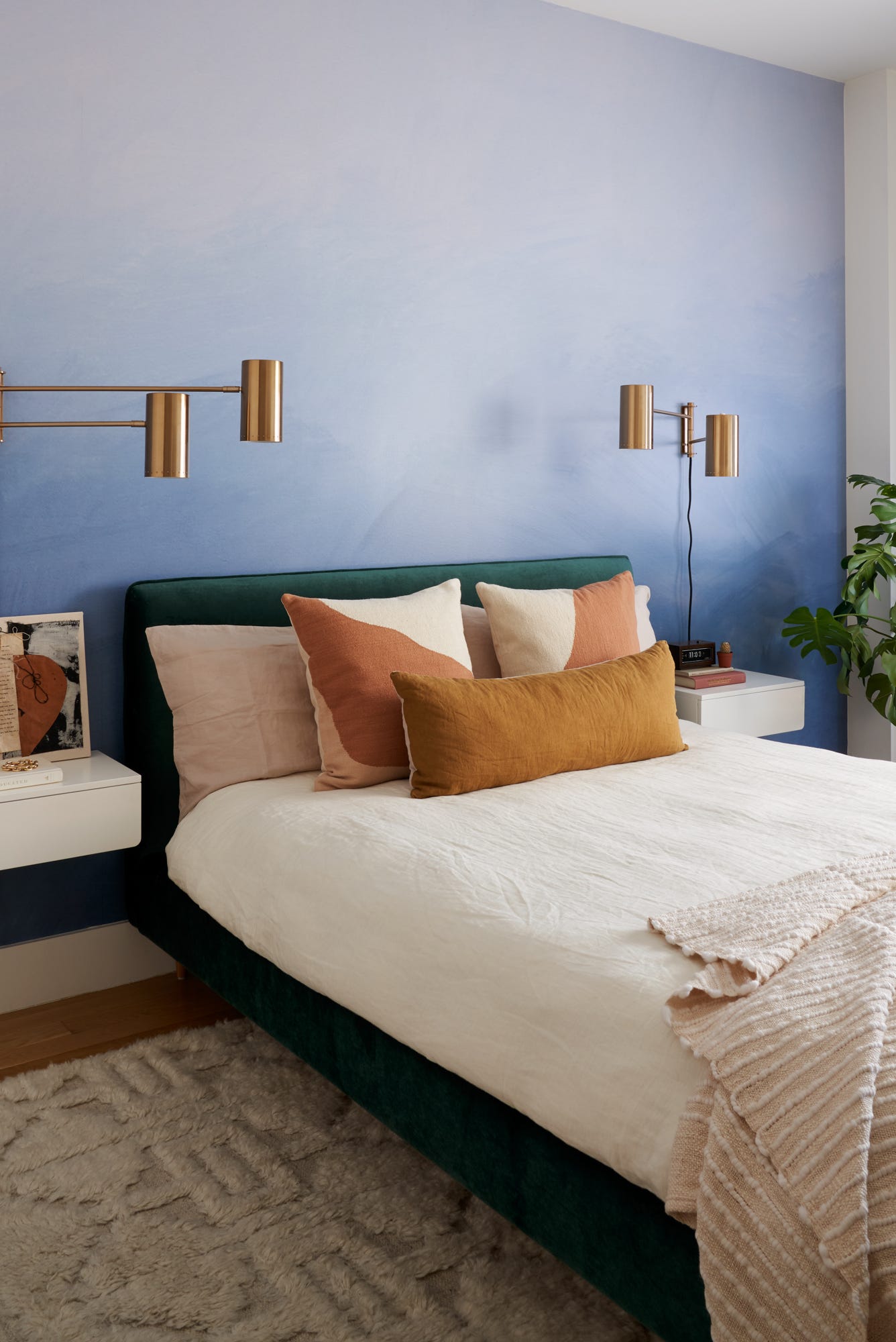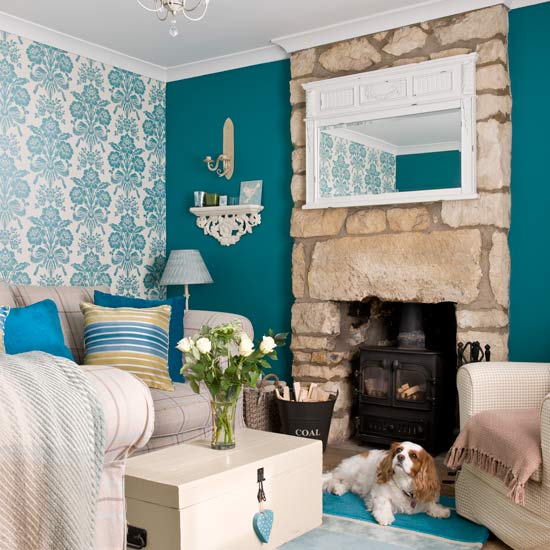
Focus your room with an accent wall
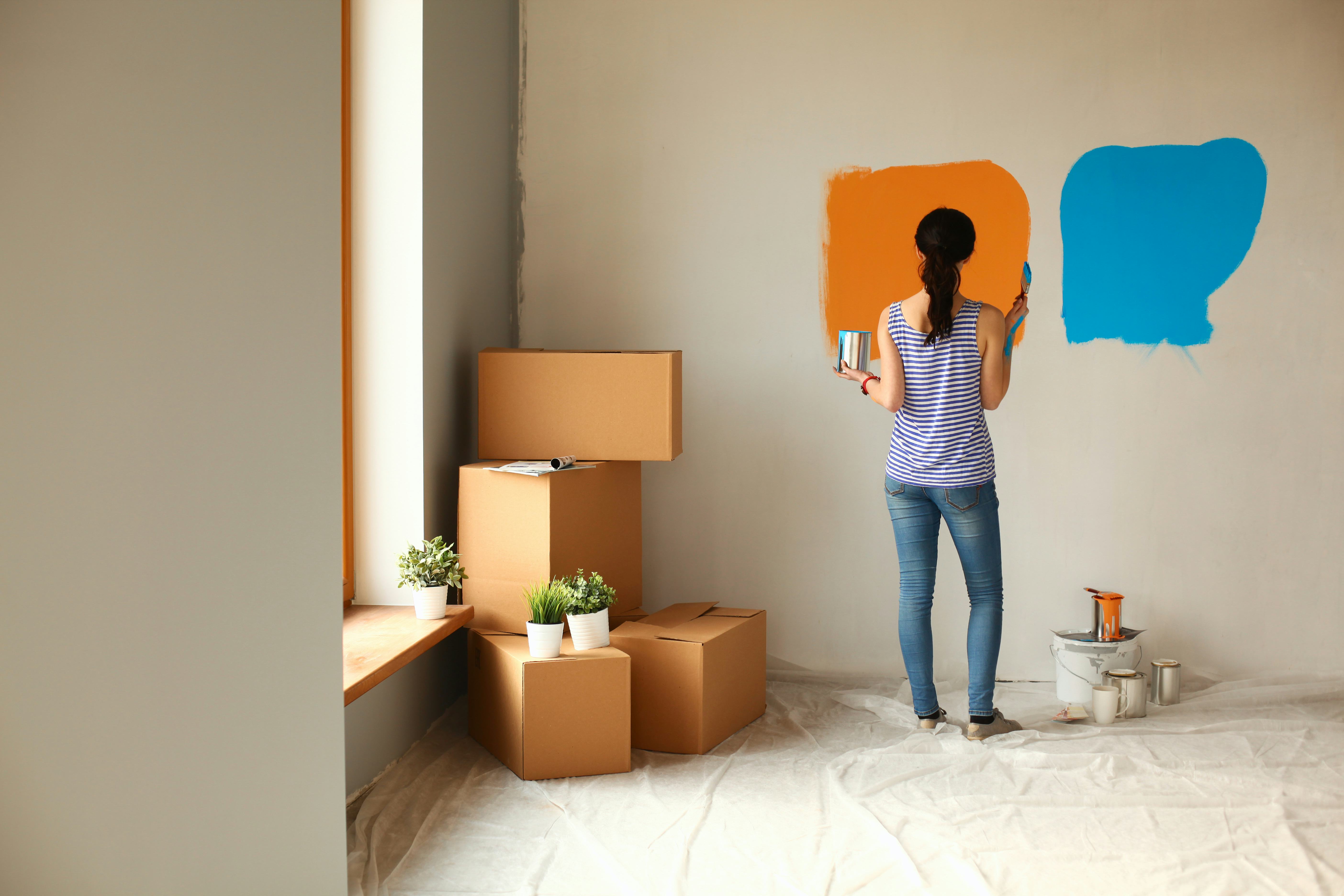
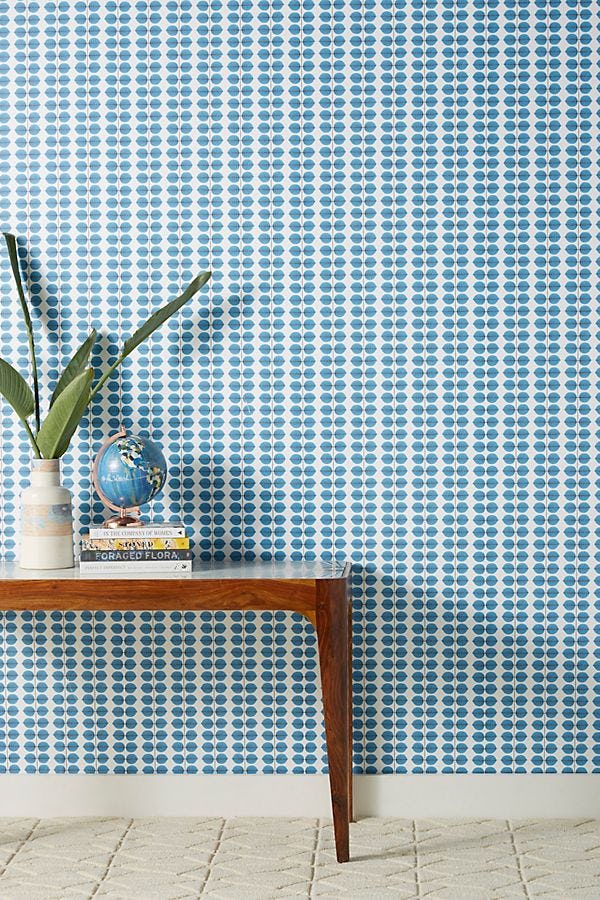
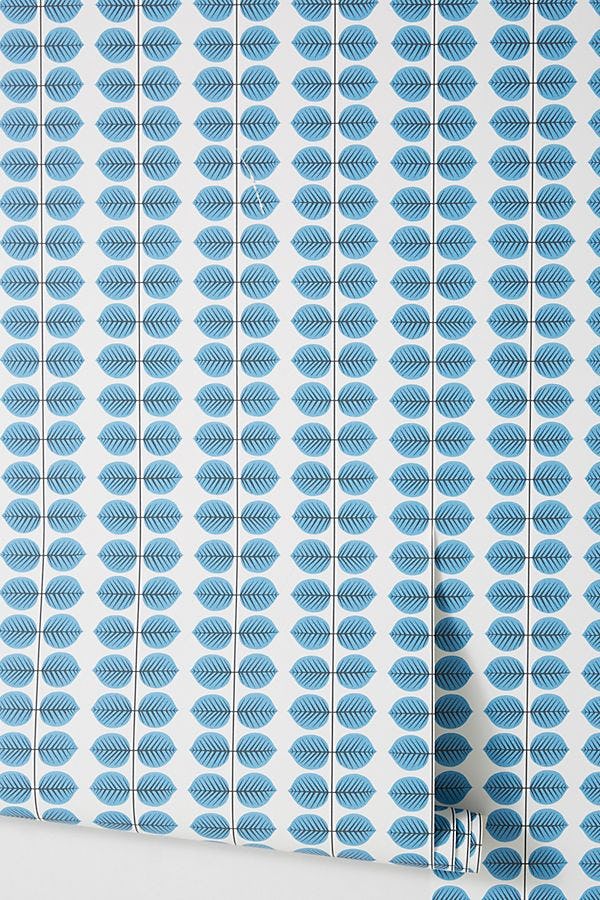
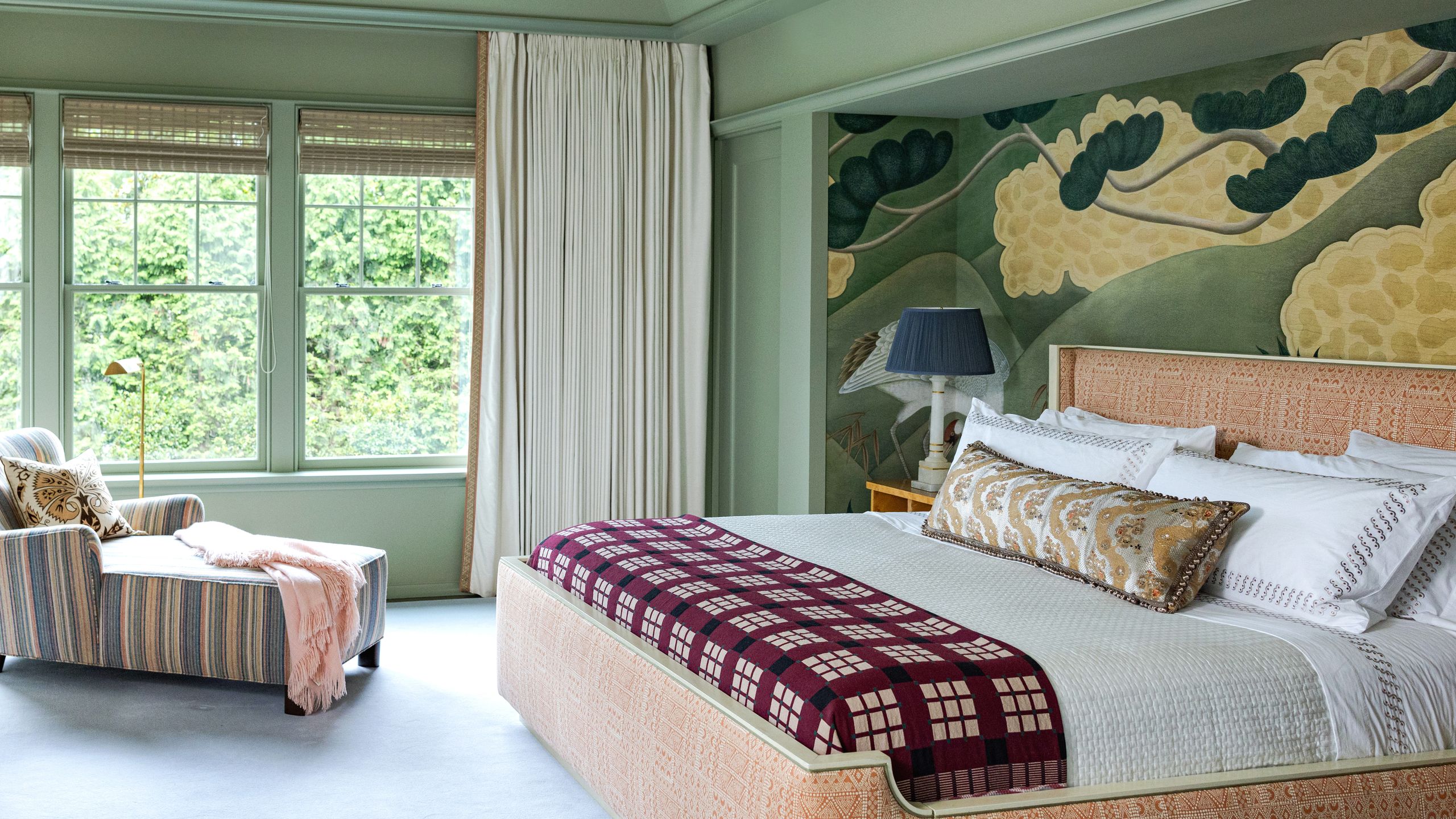
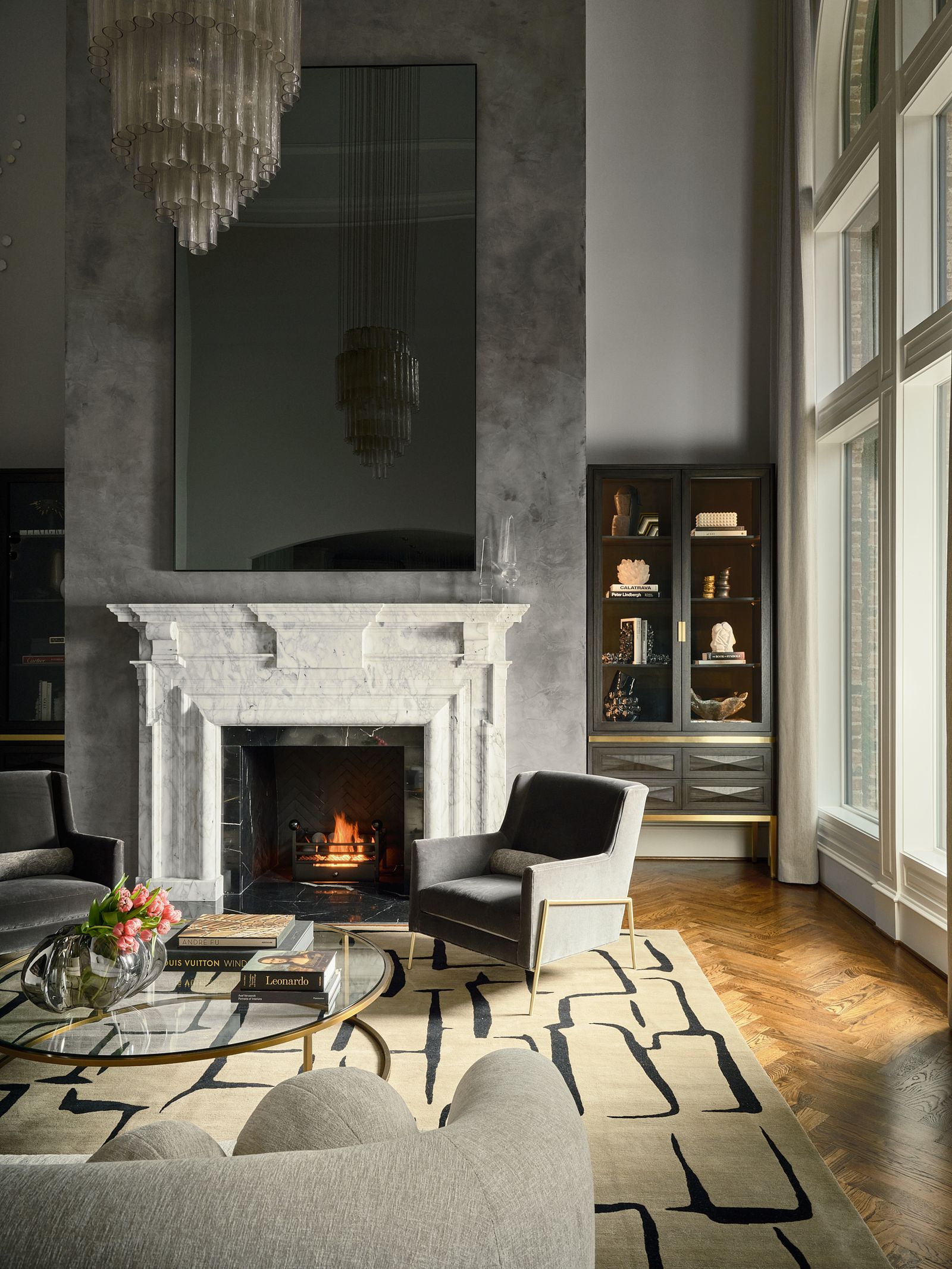
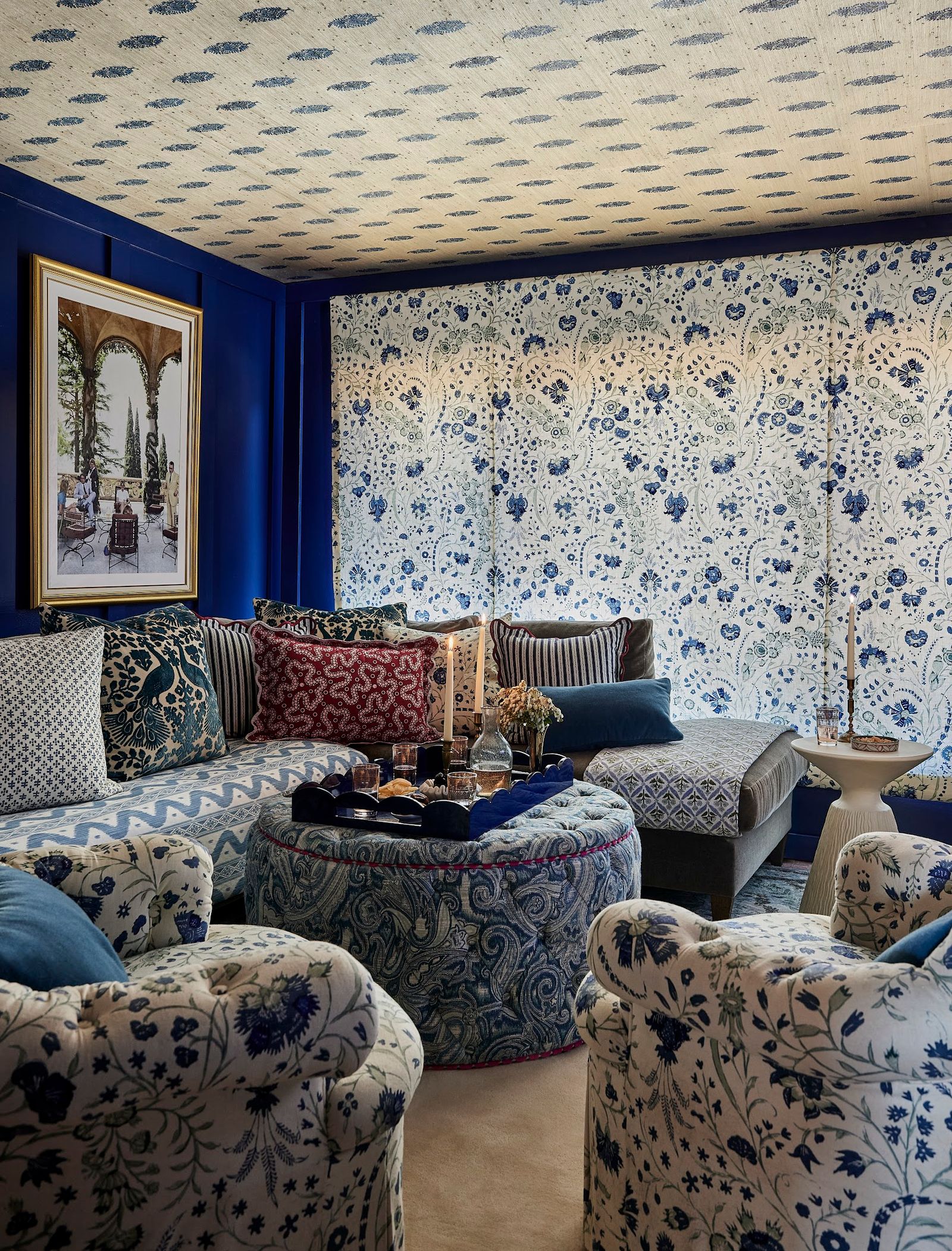
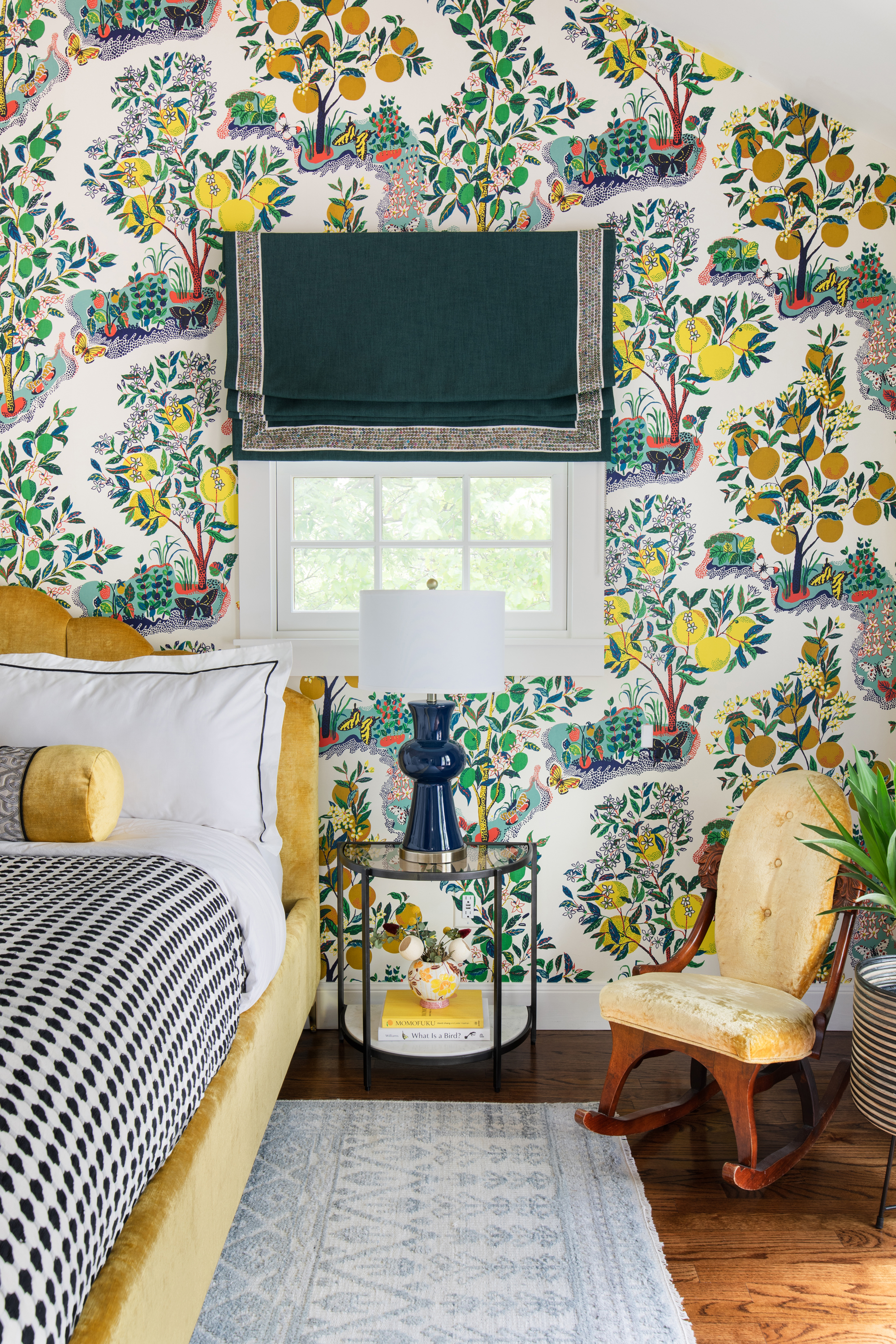
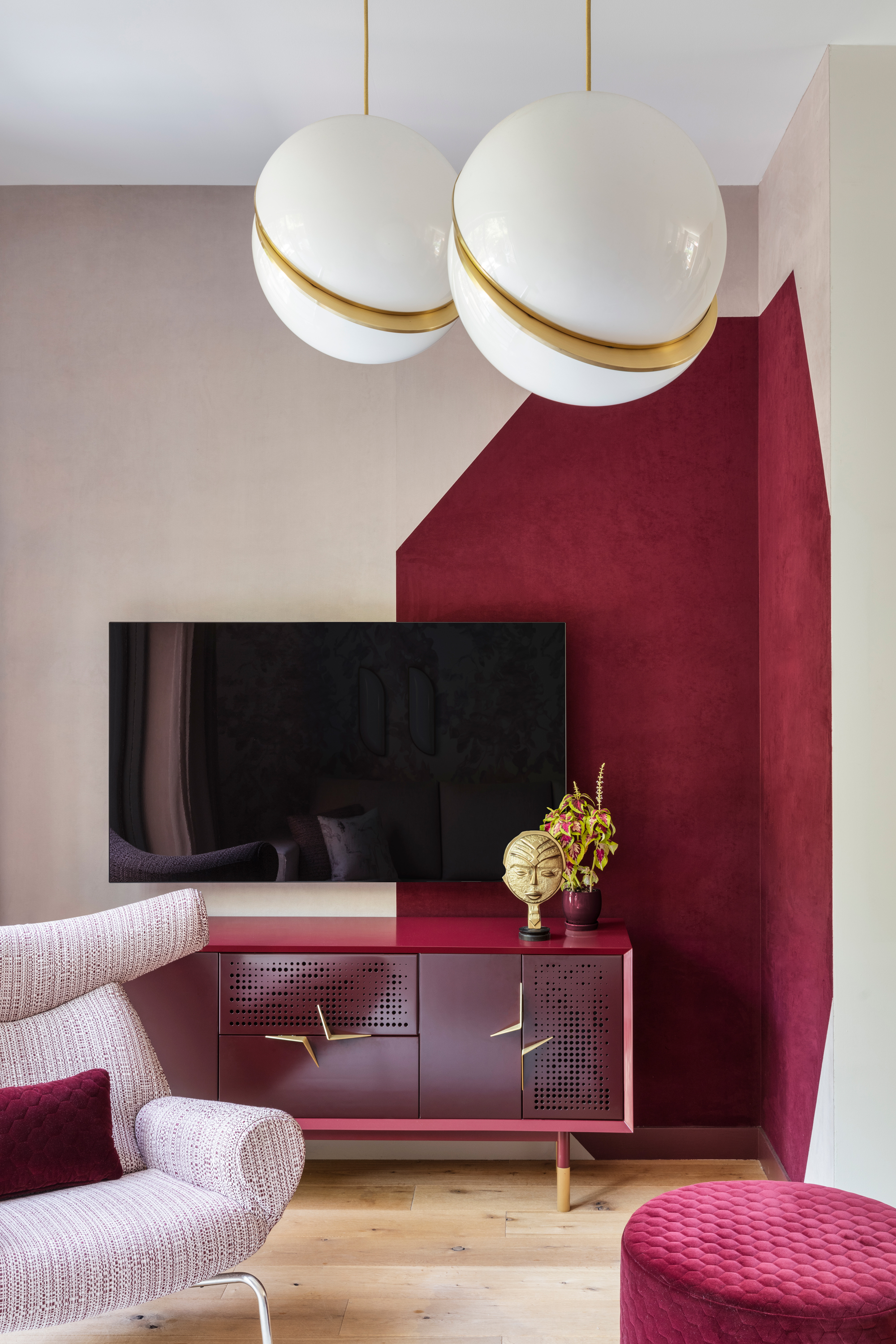
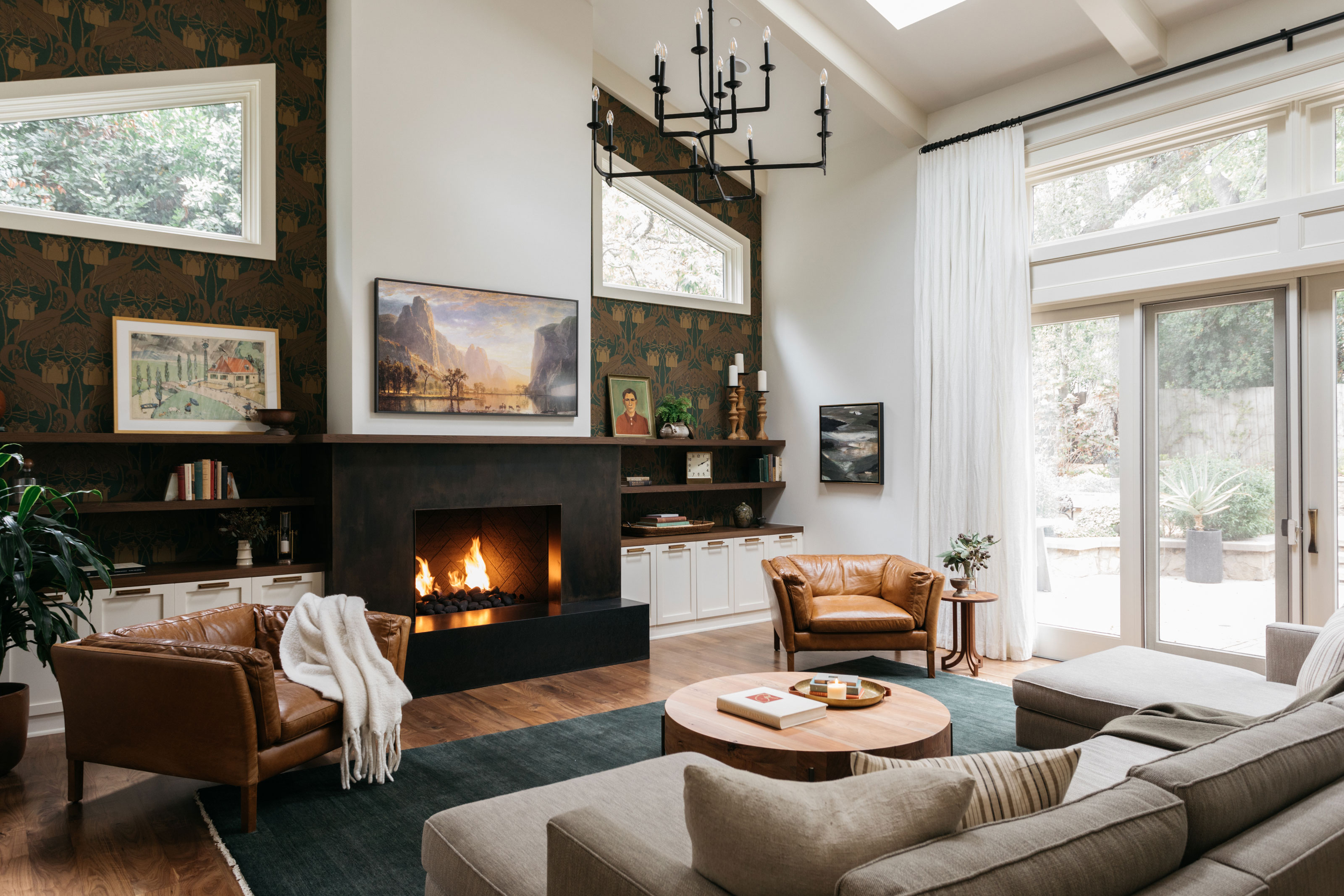
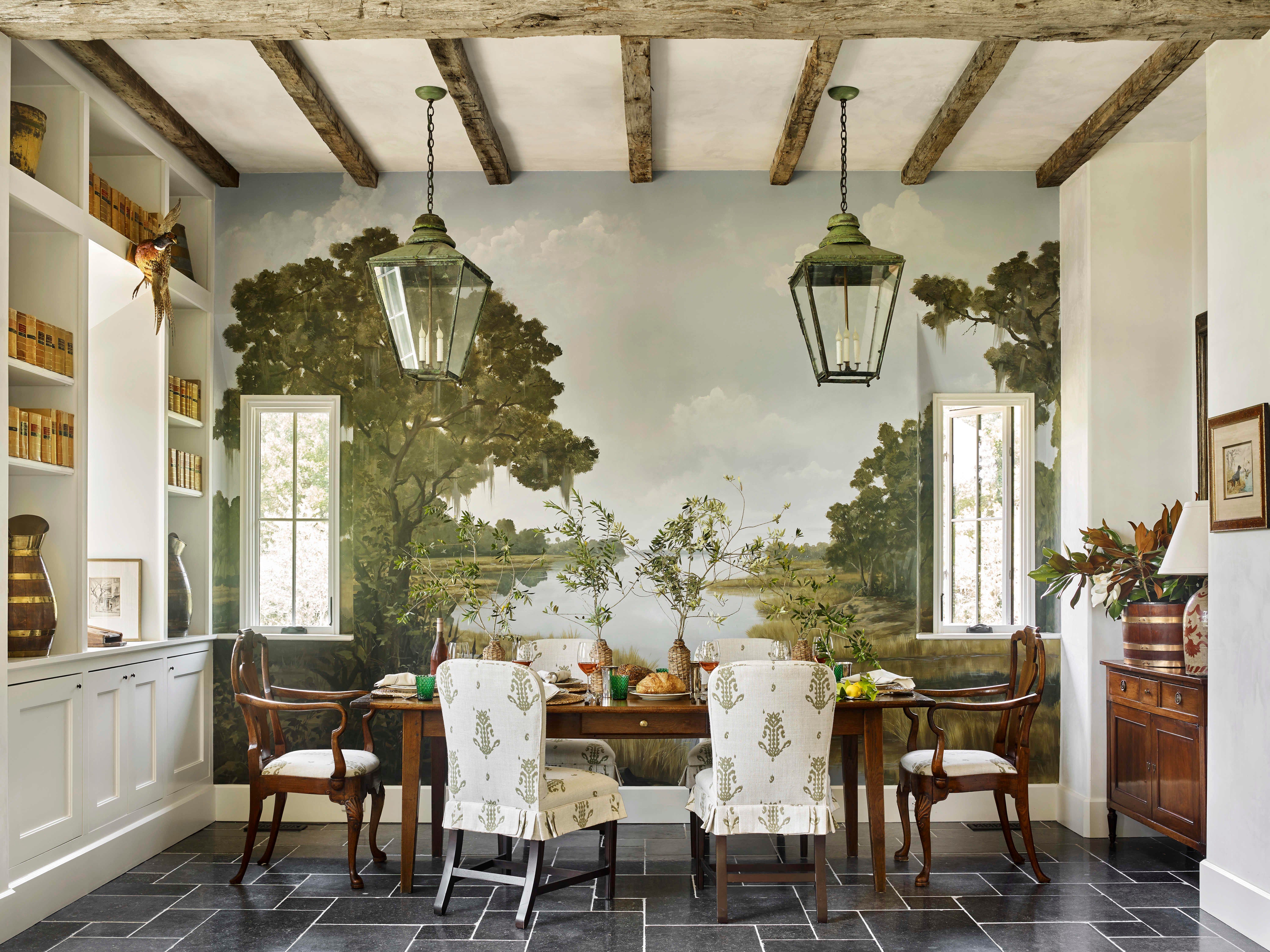
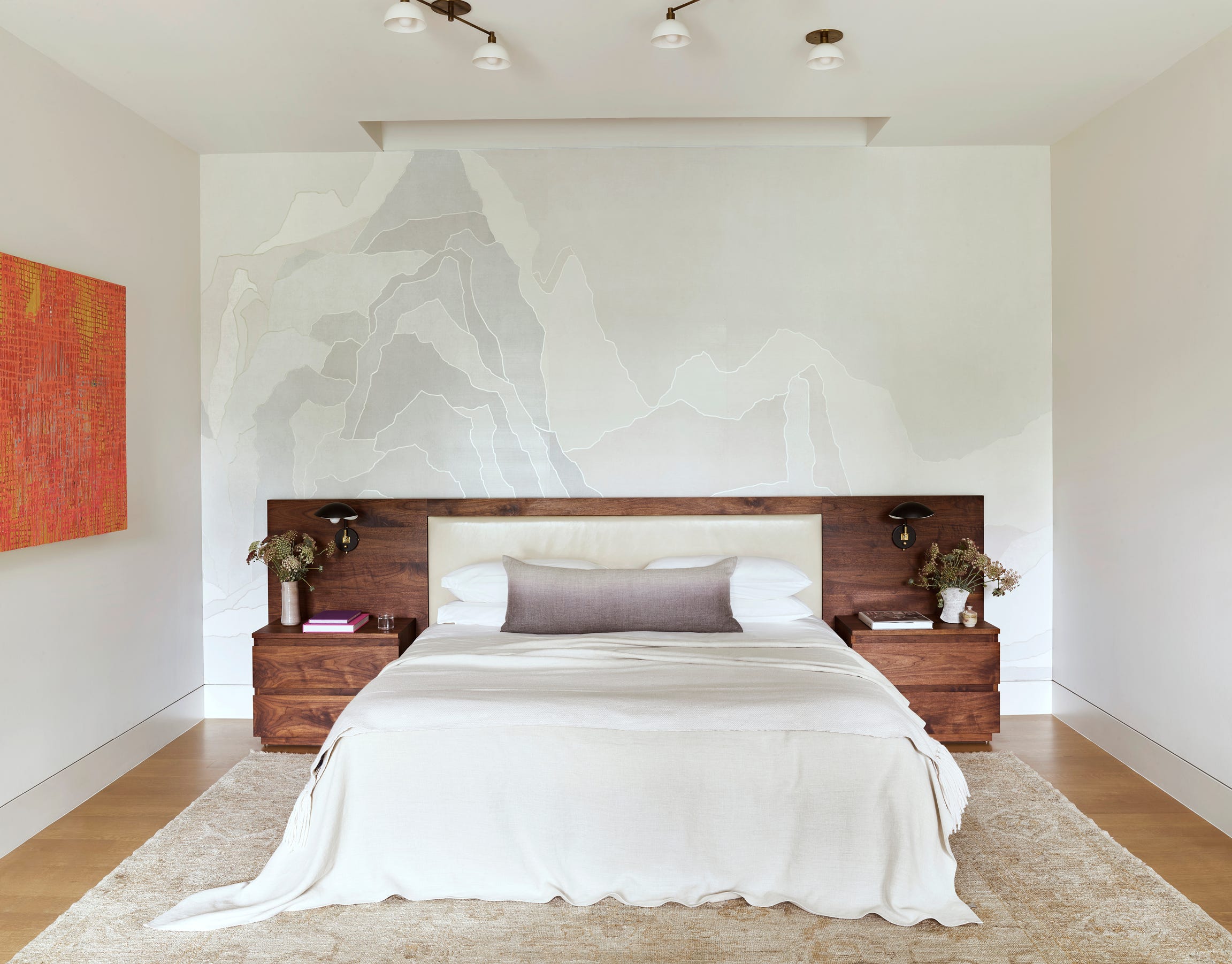
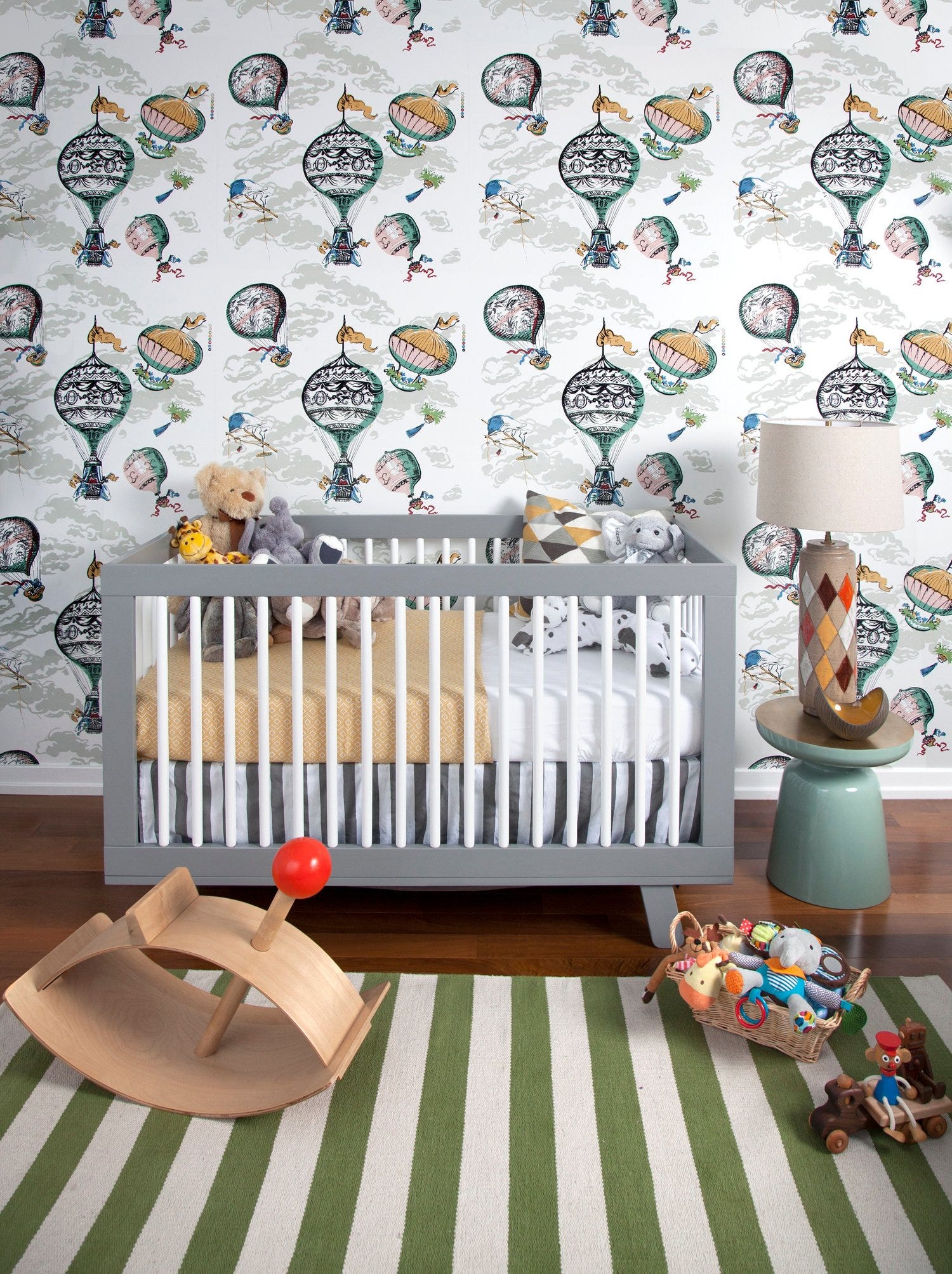
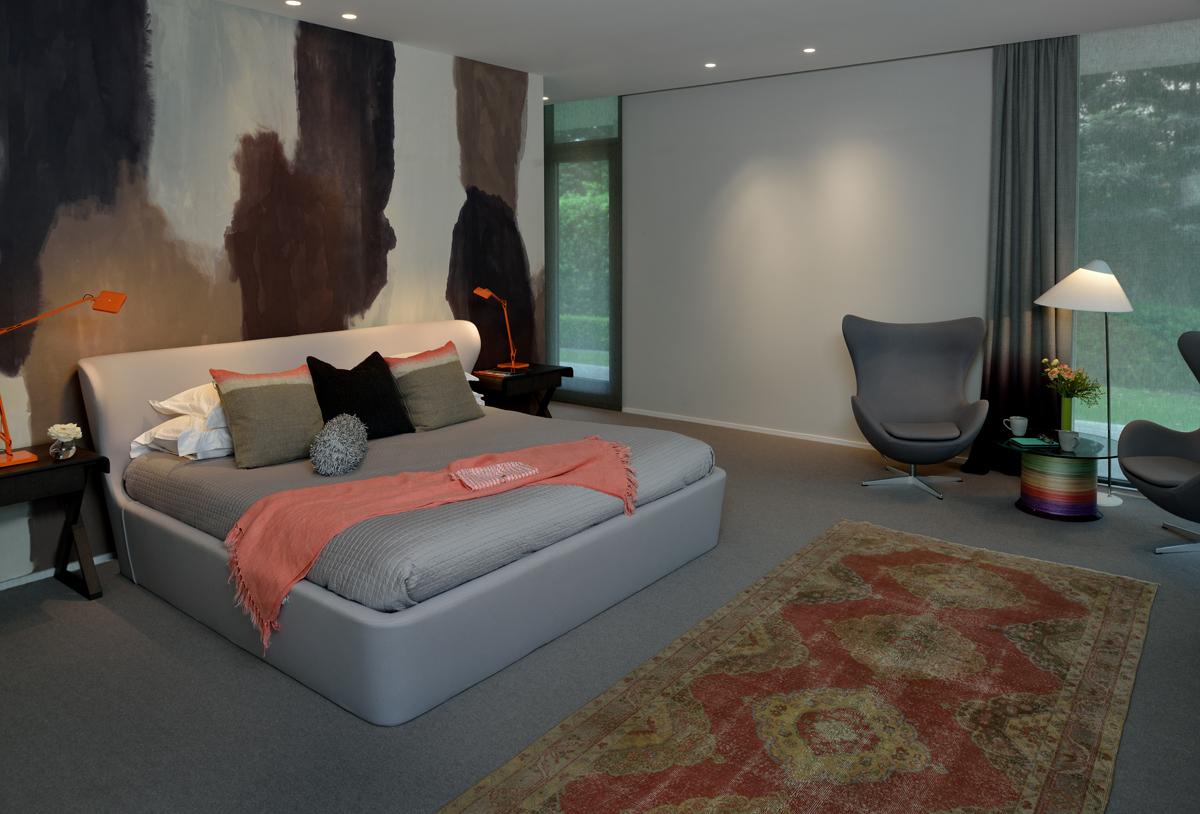
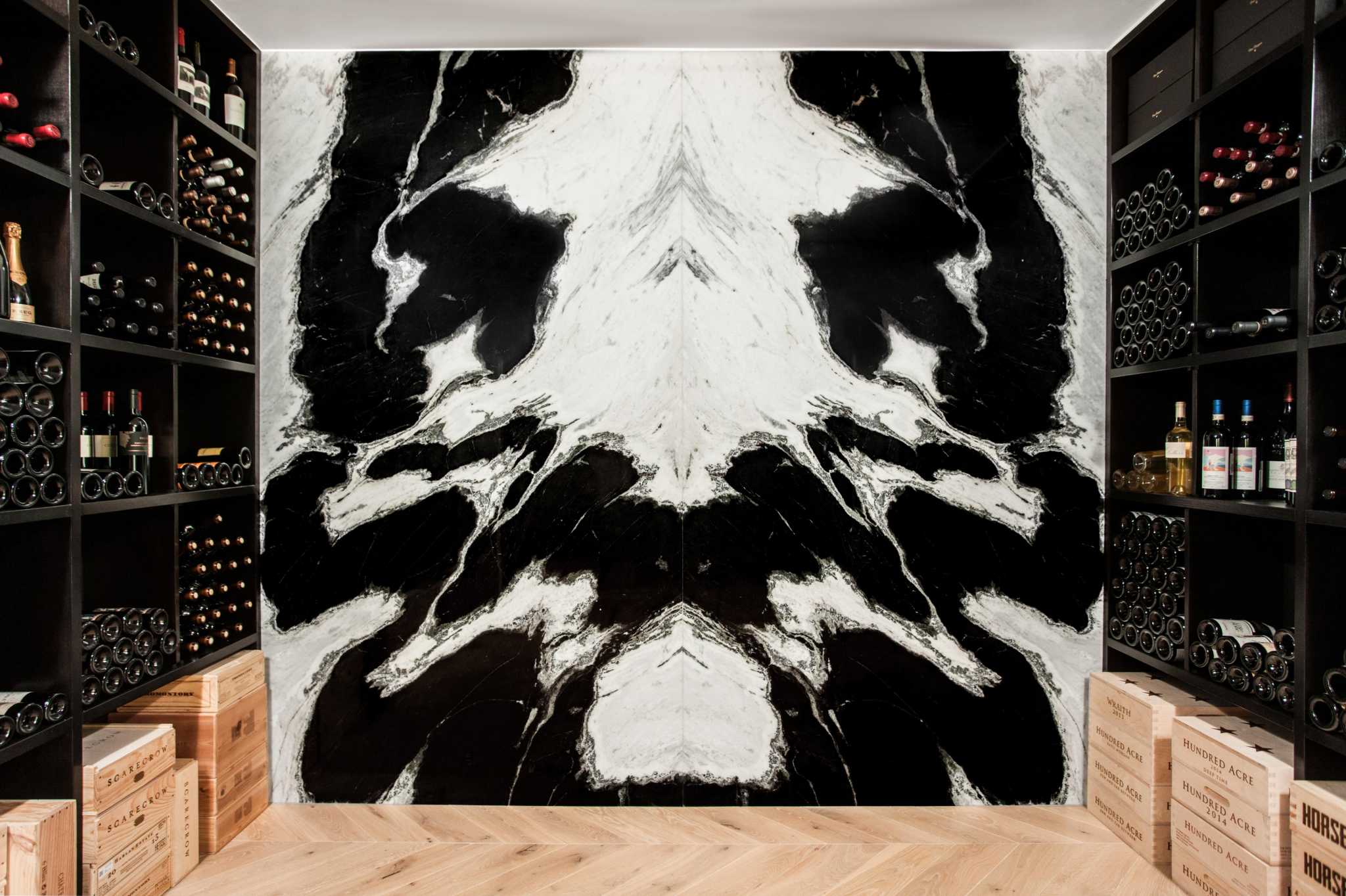
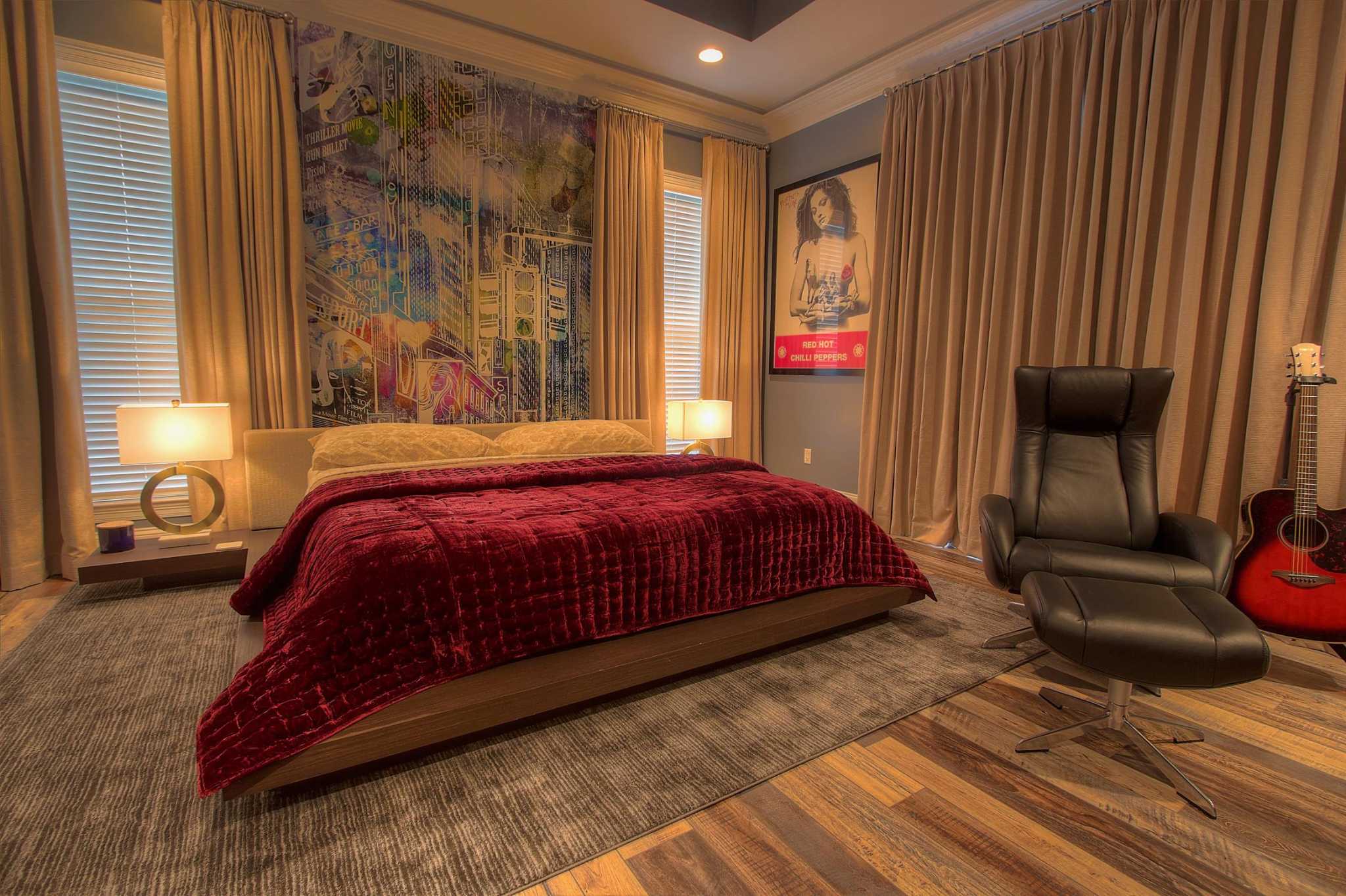
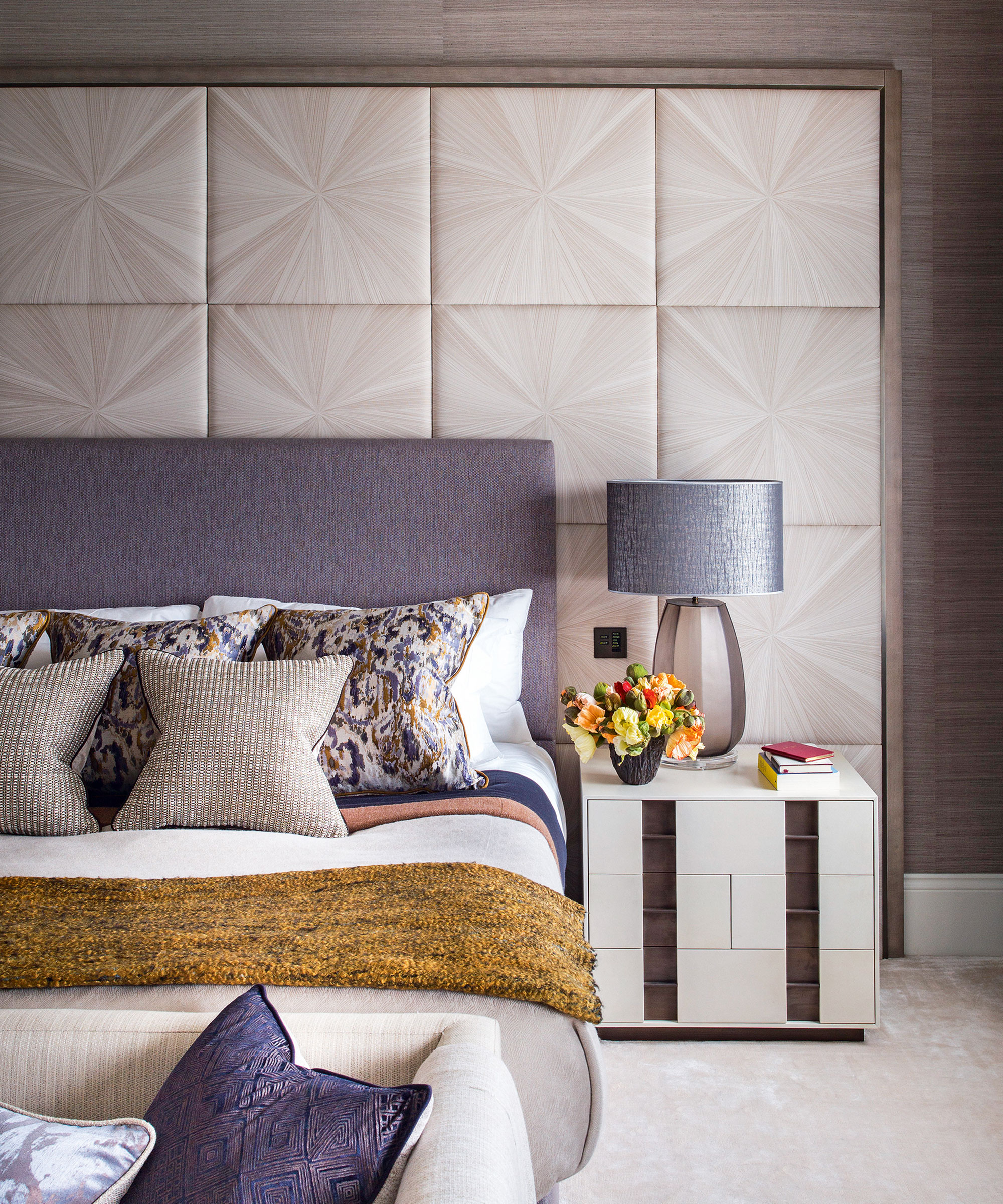
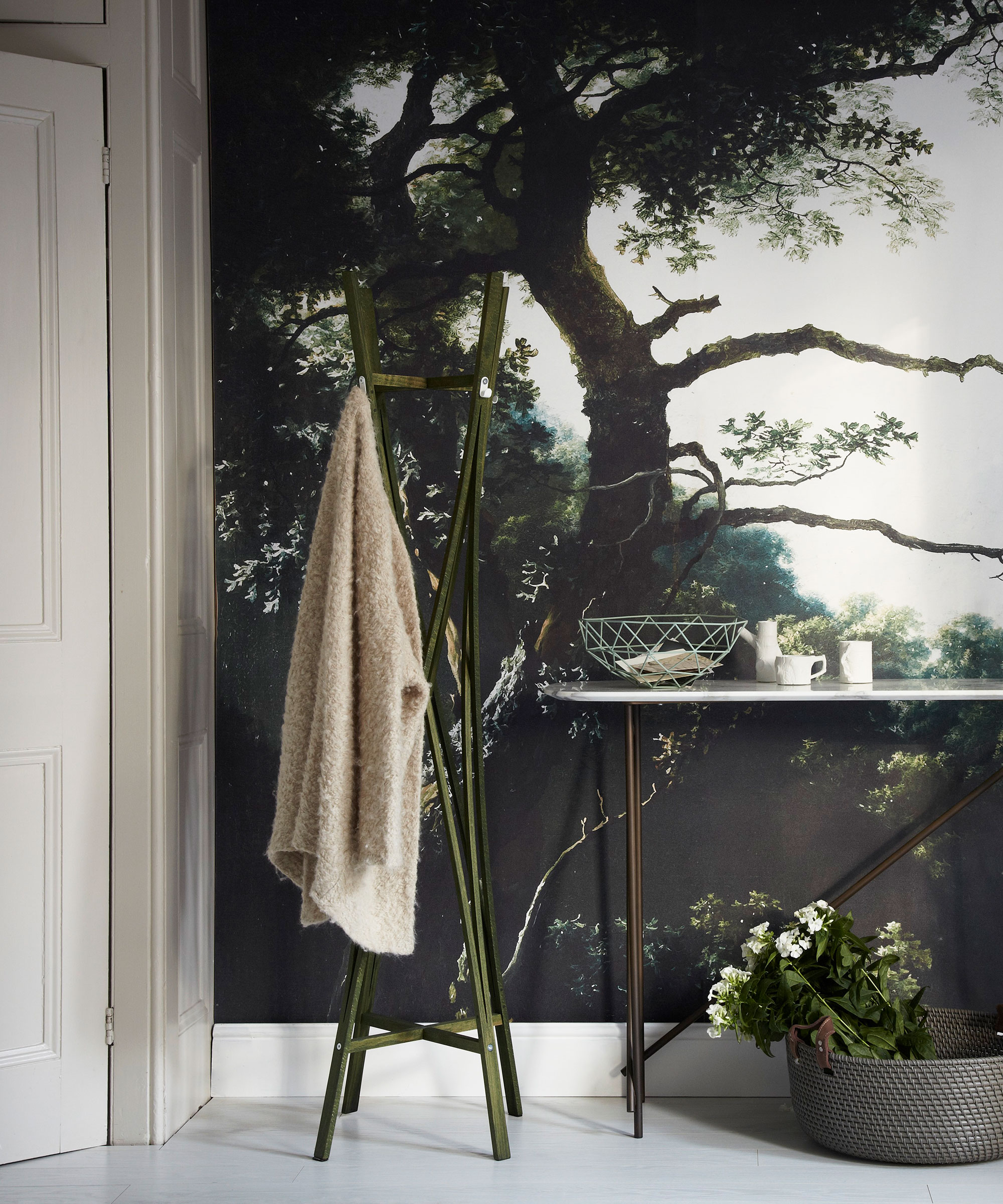
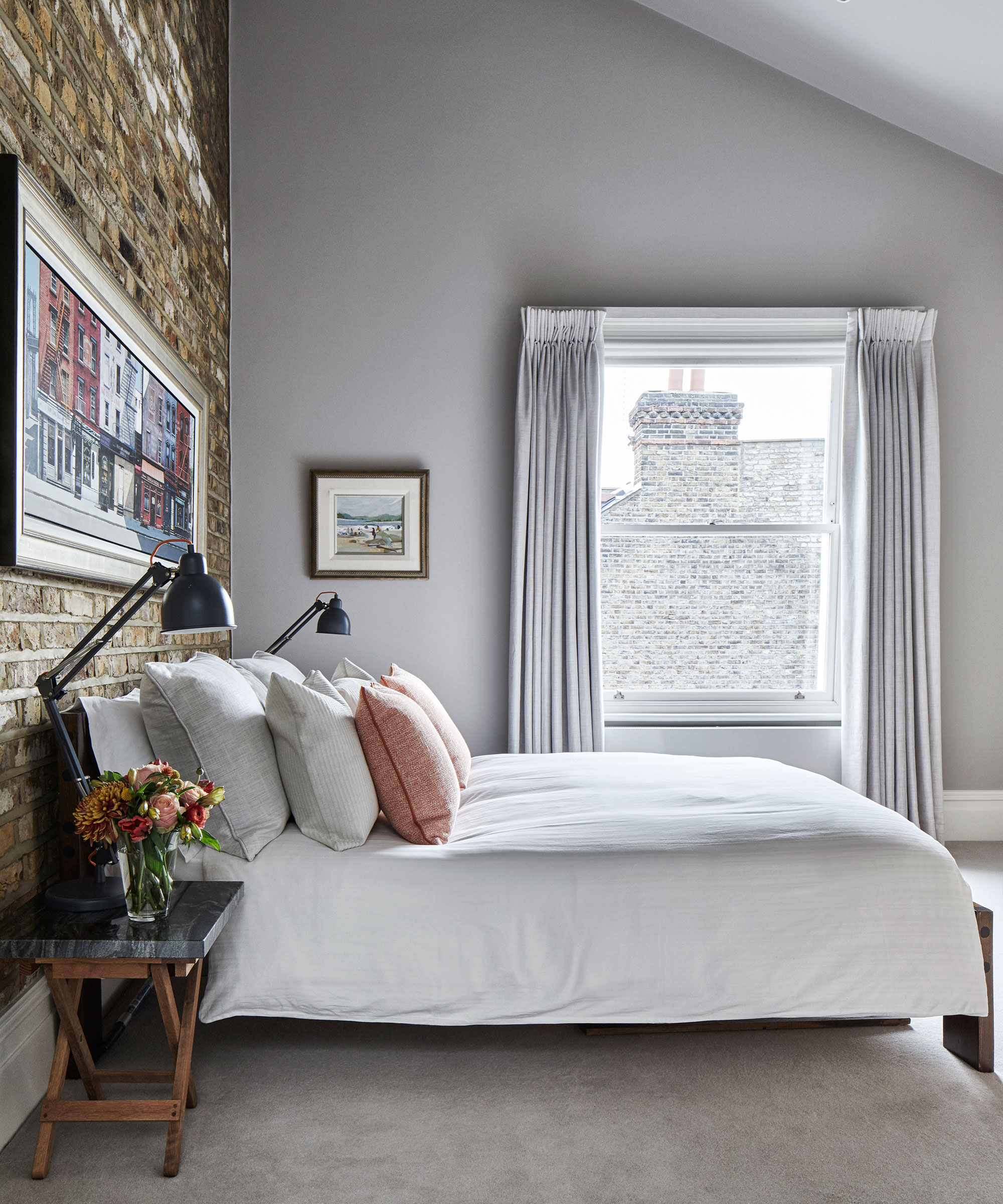
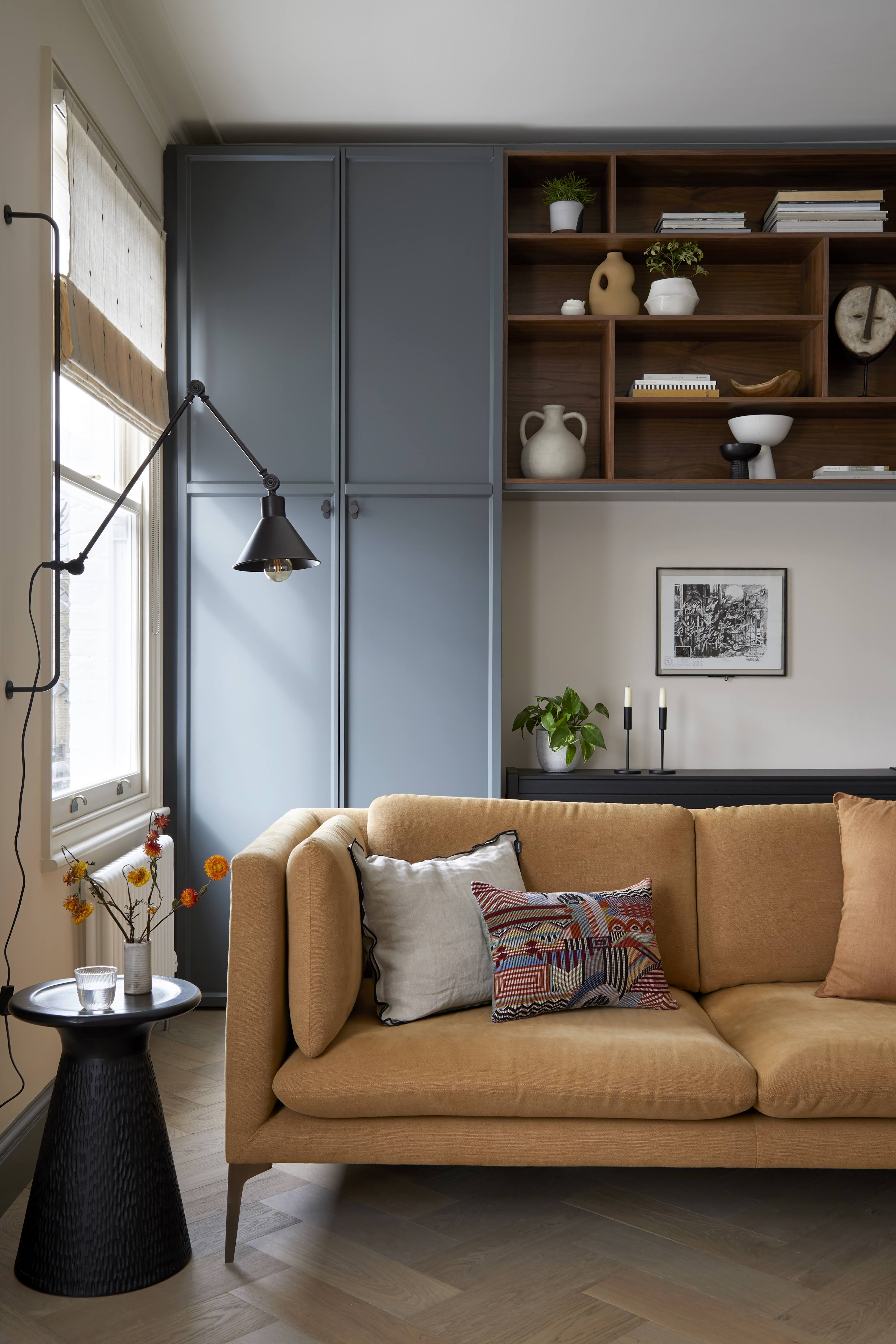
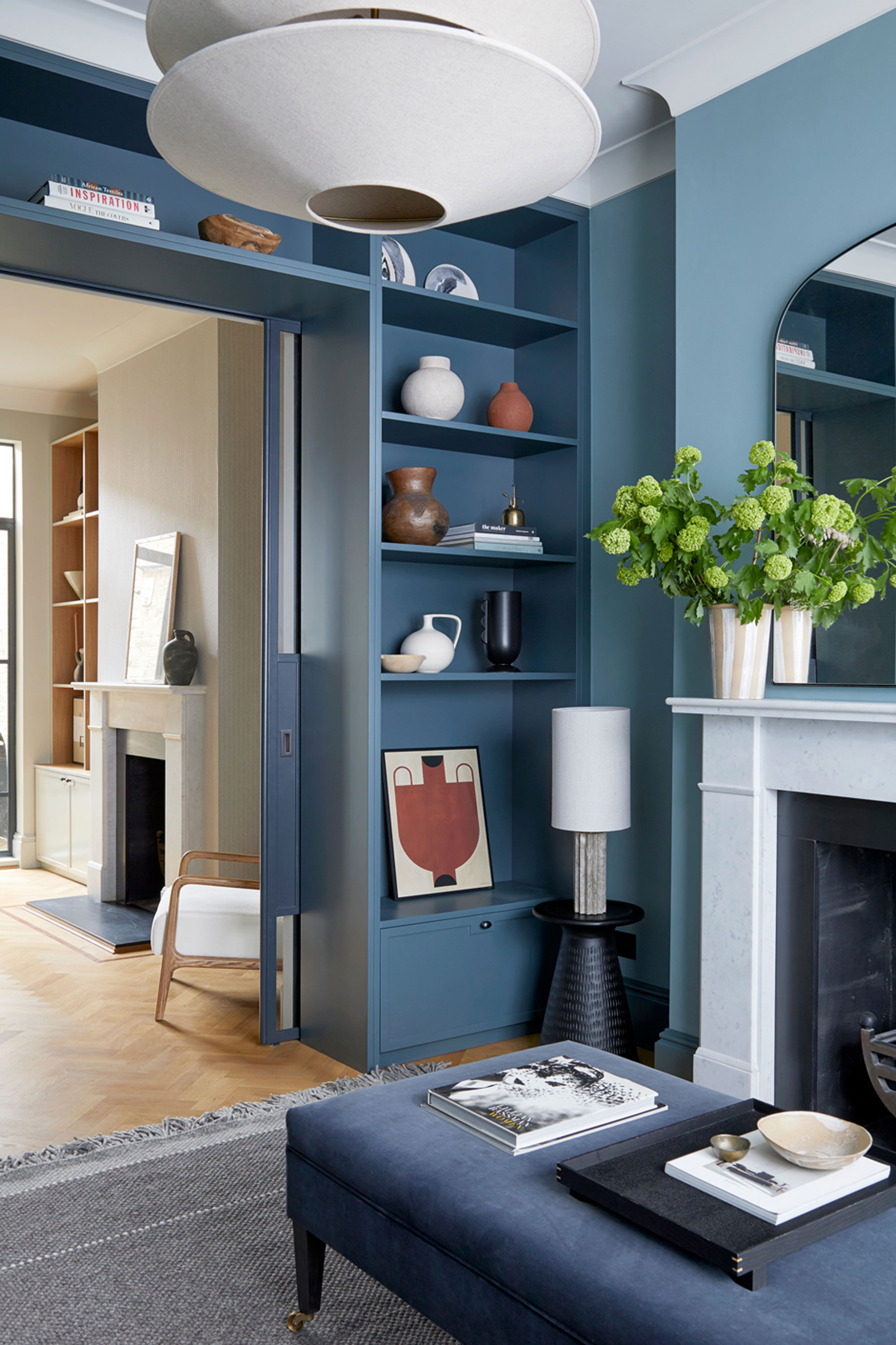
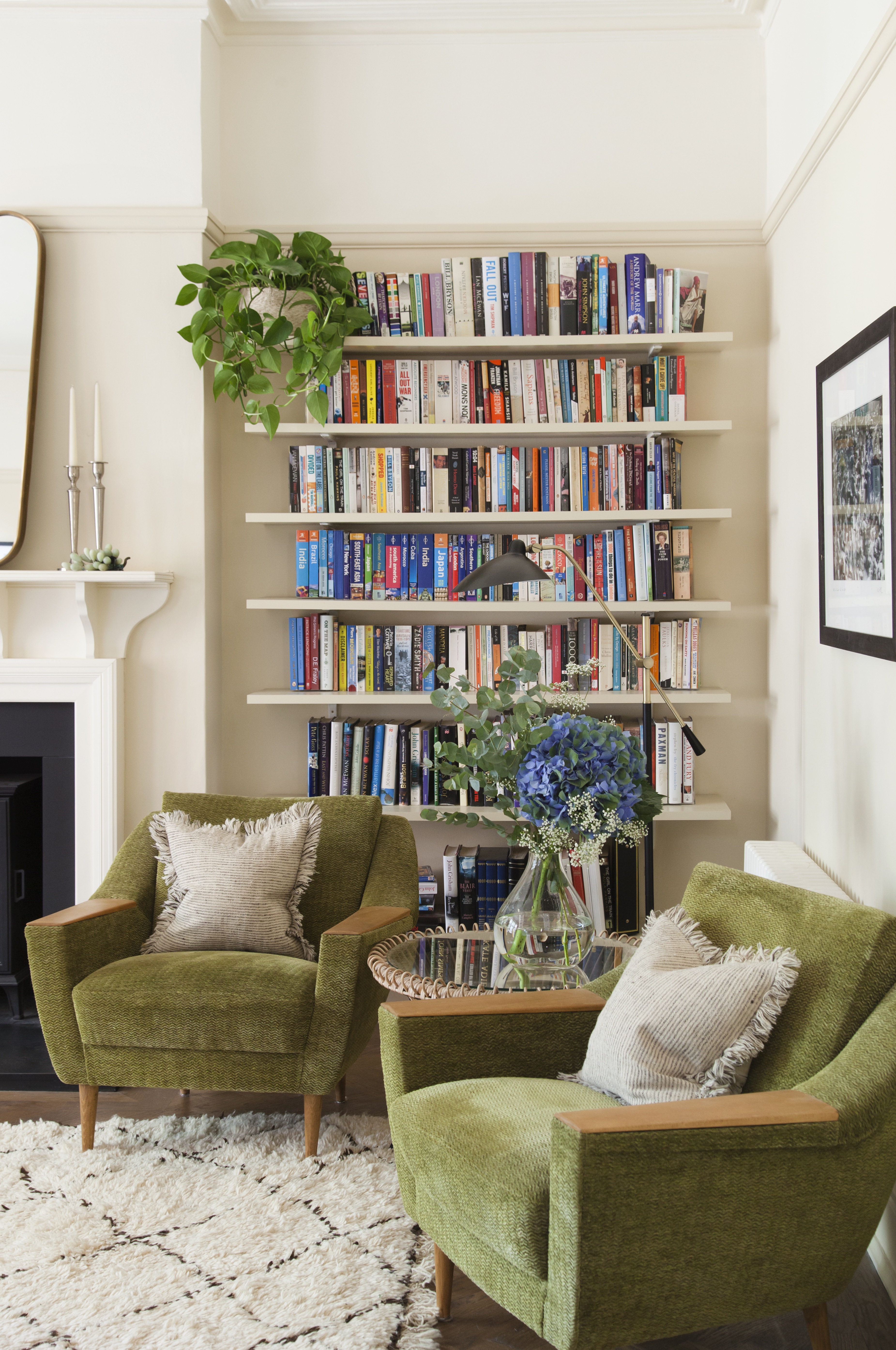
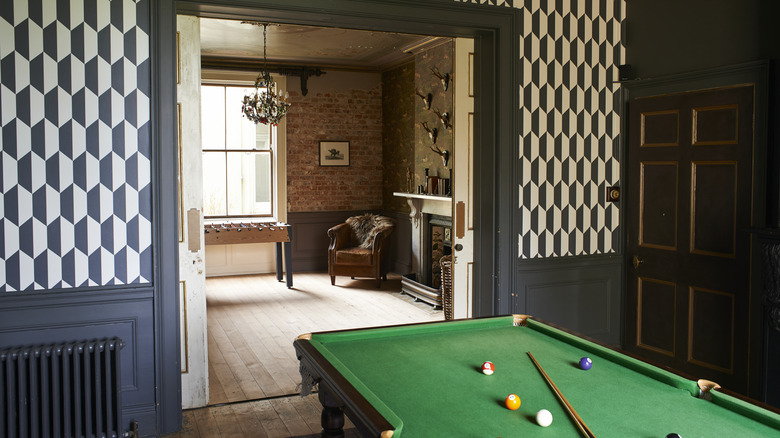
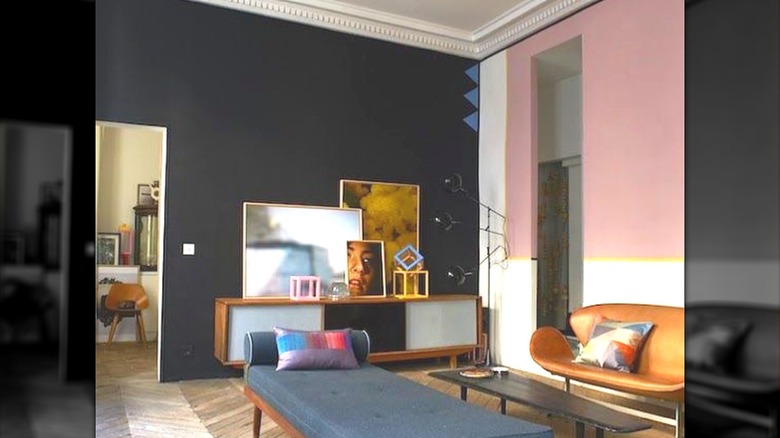
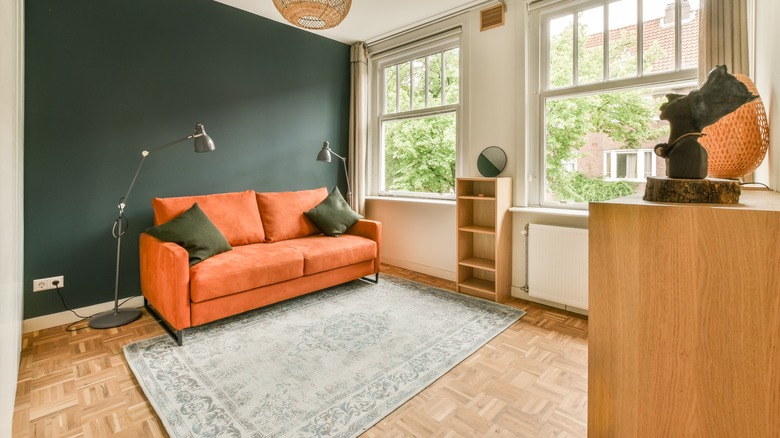
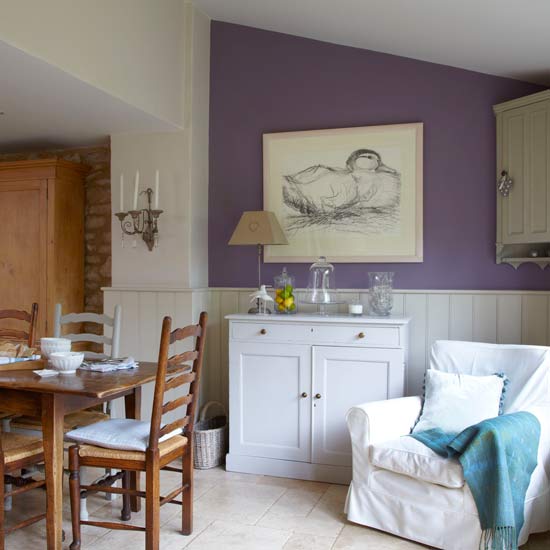
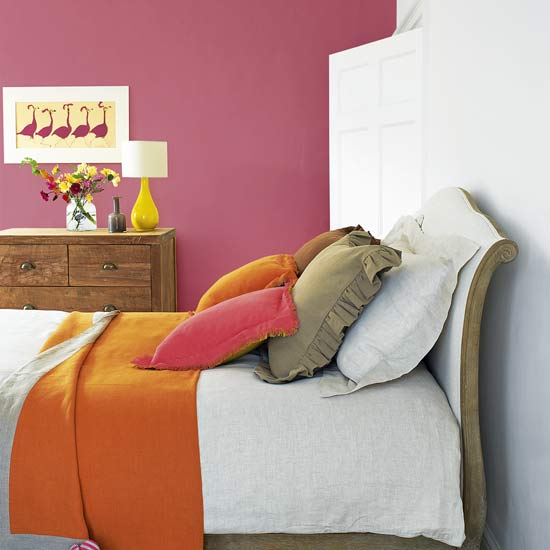
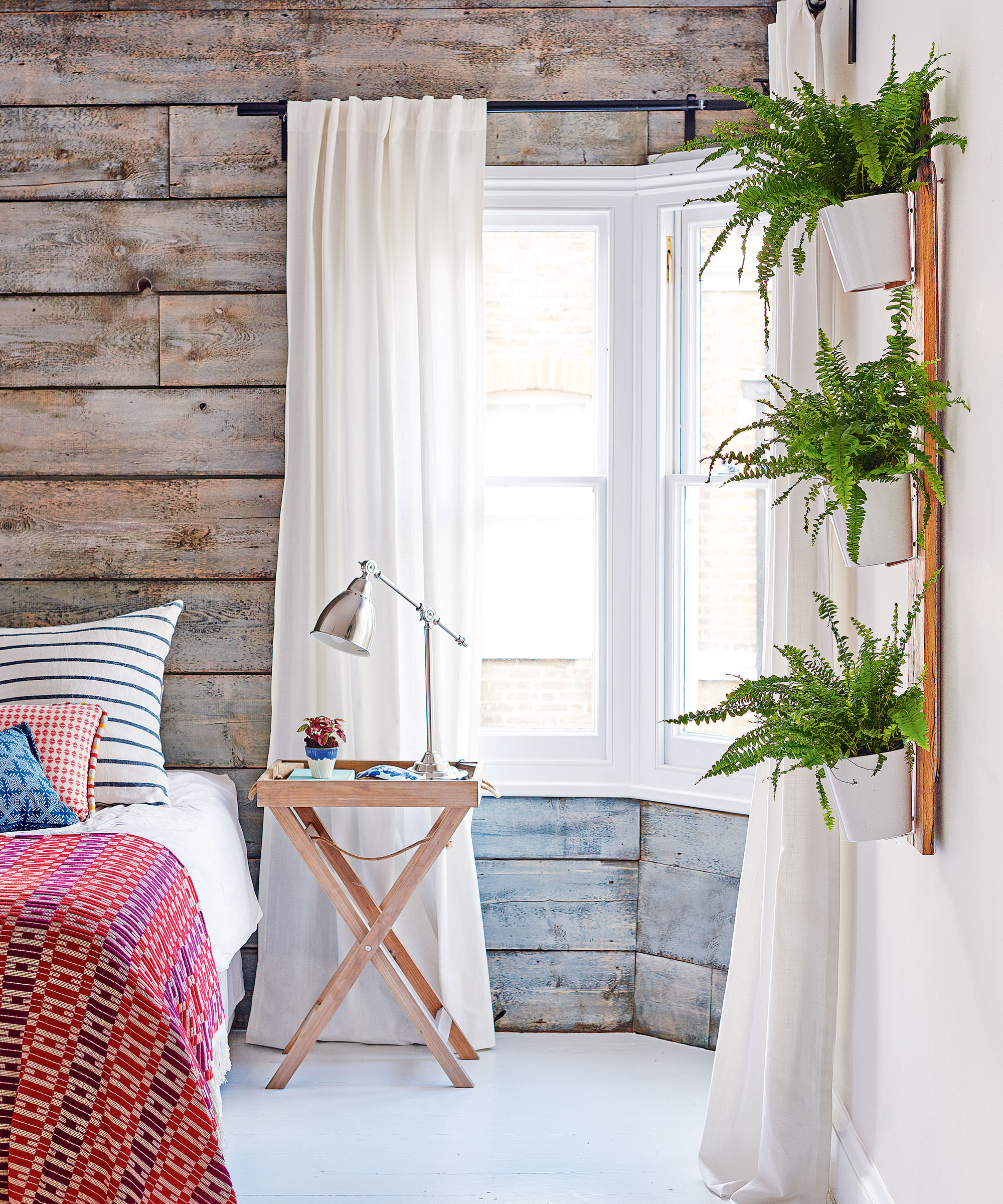
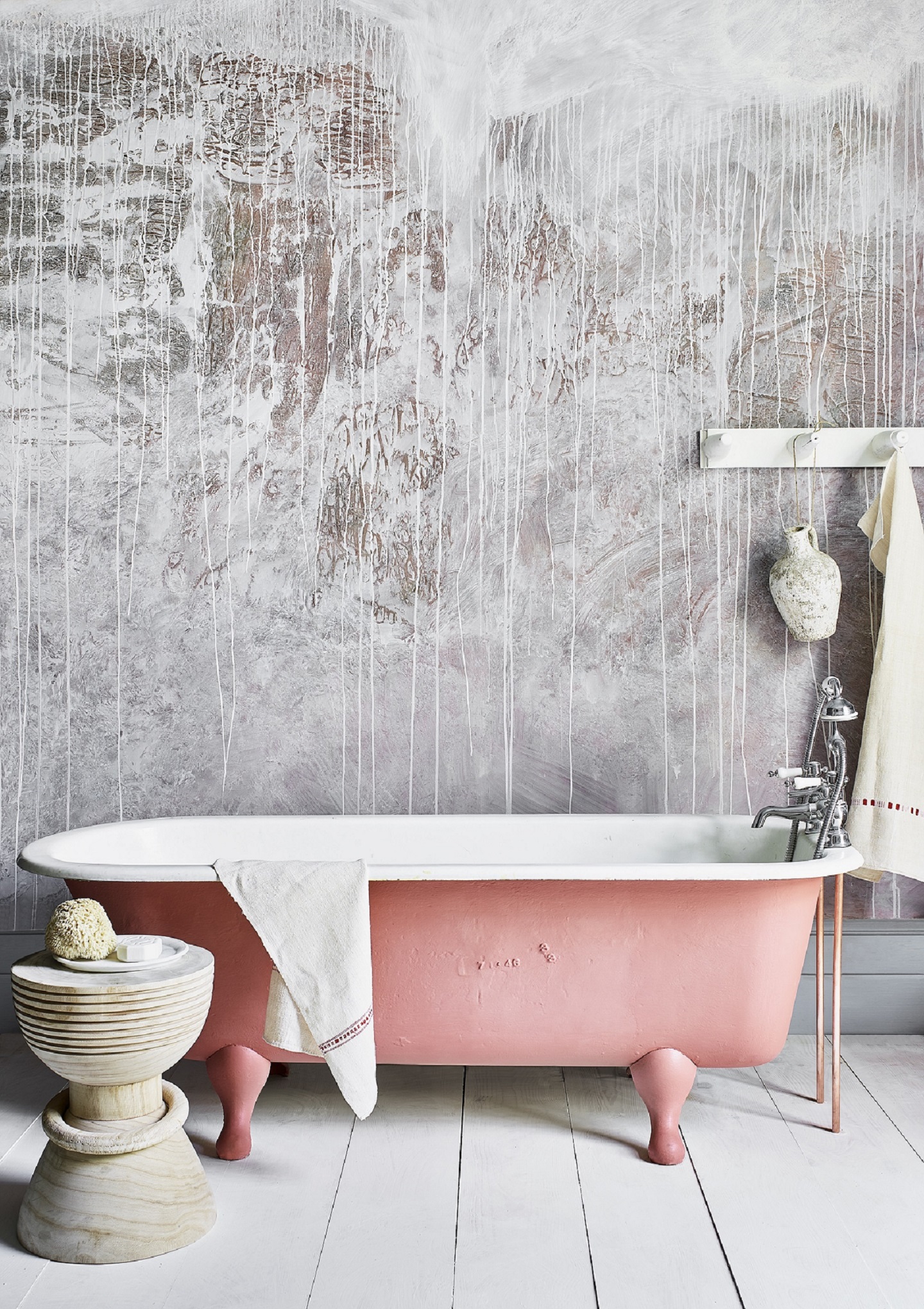
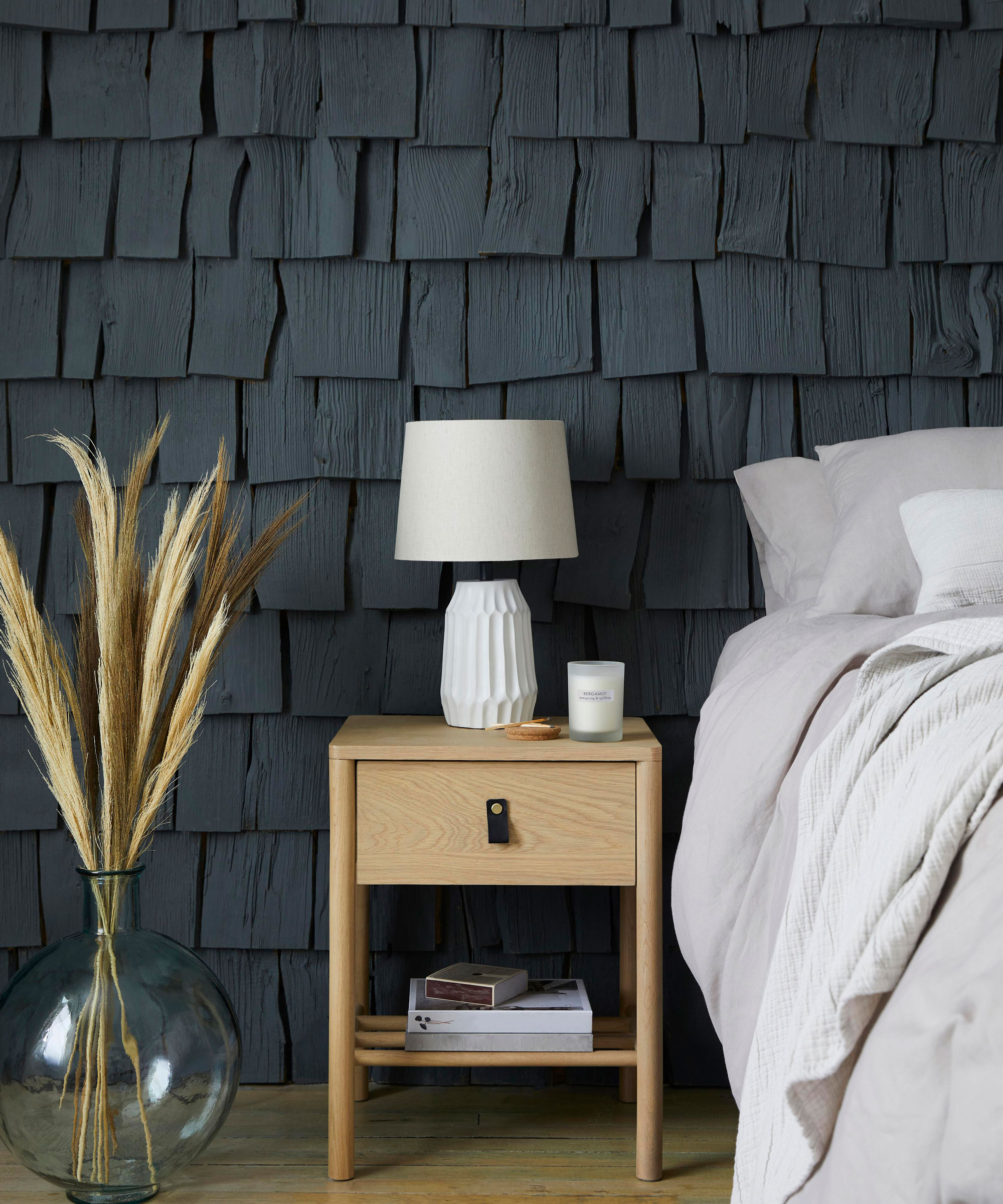
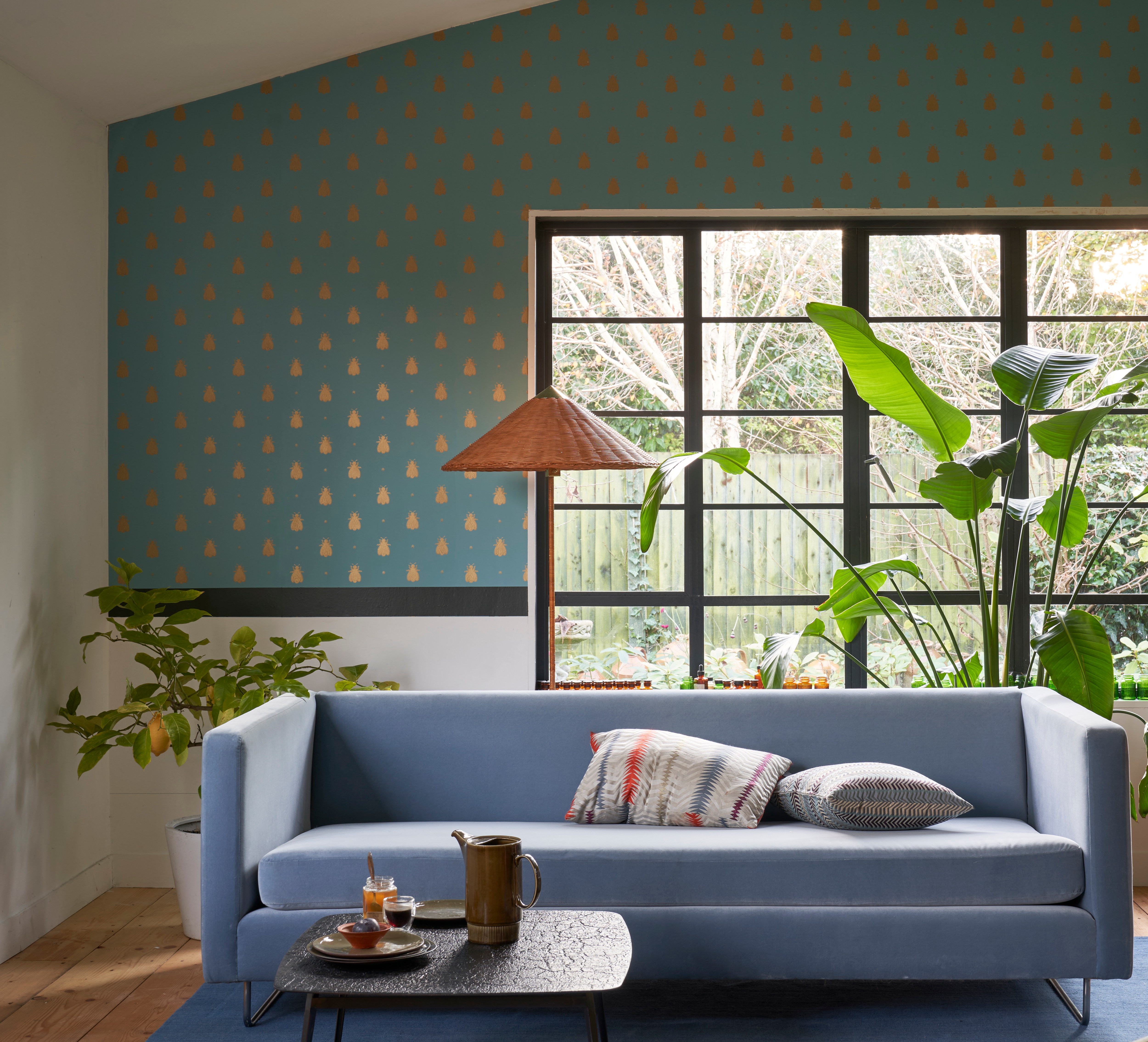
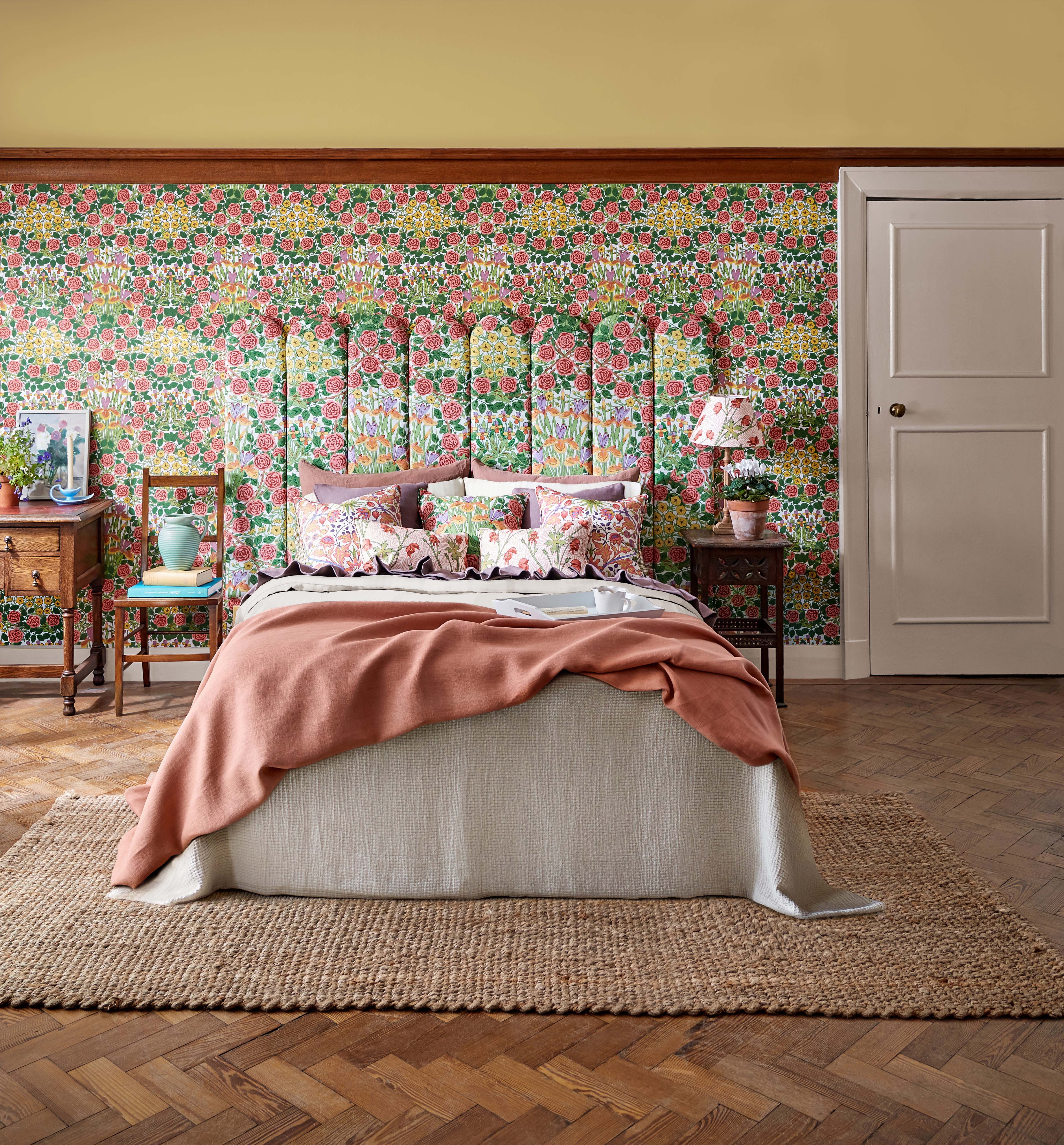
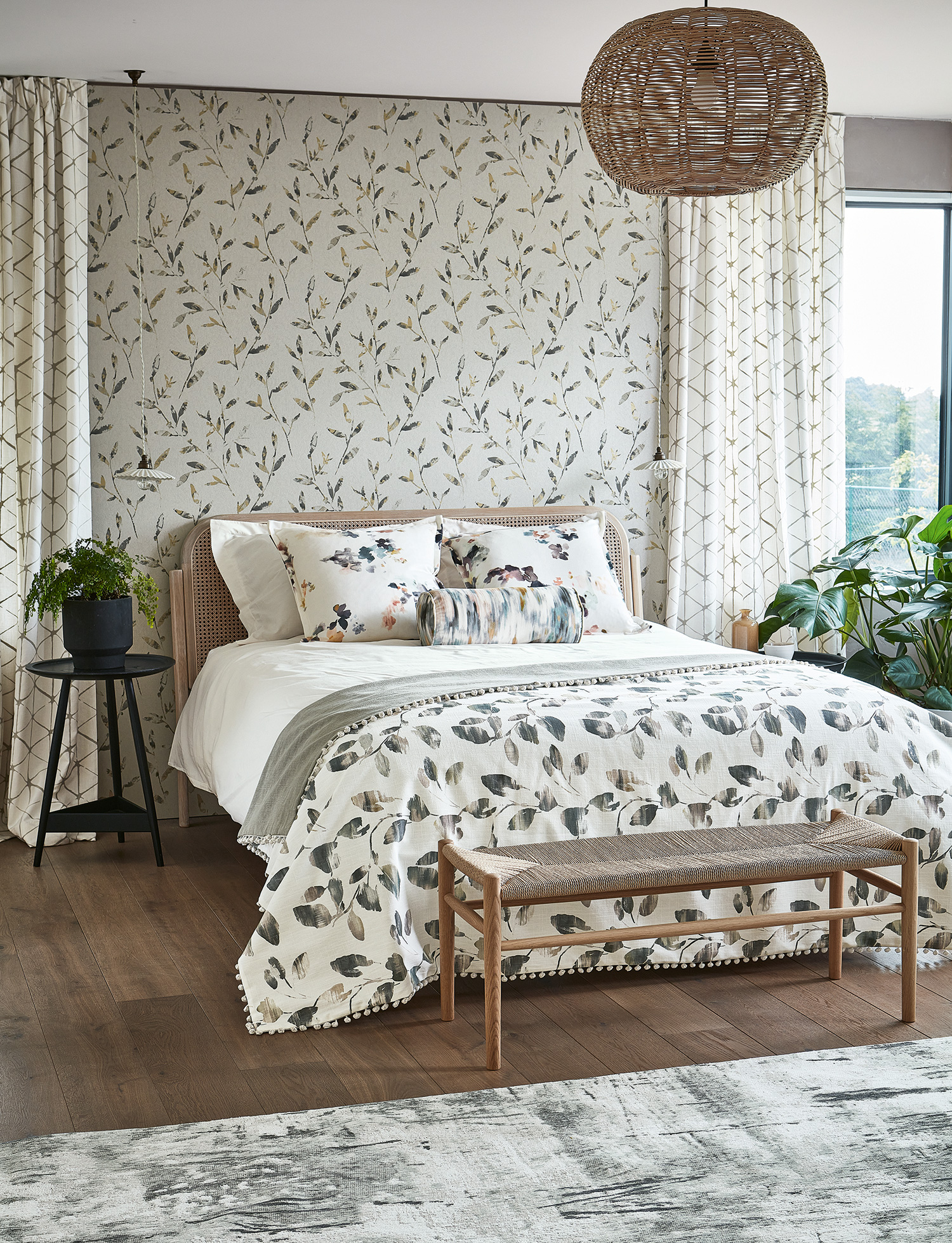
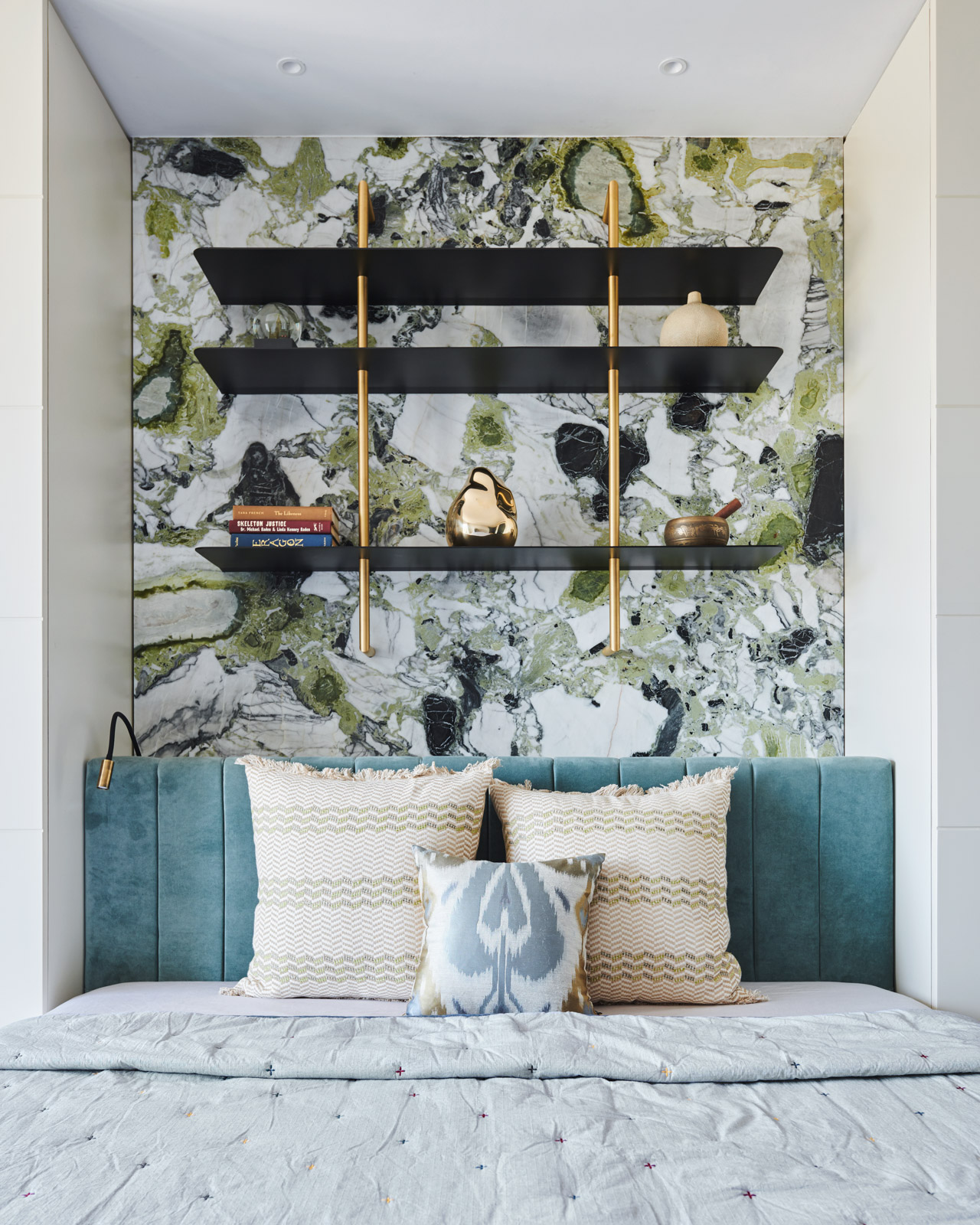
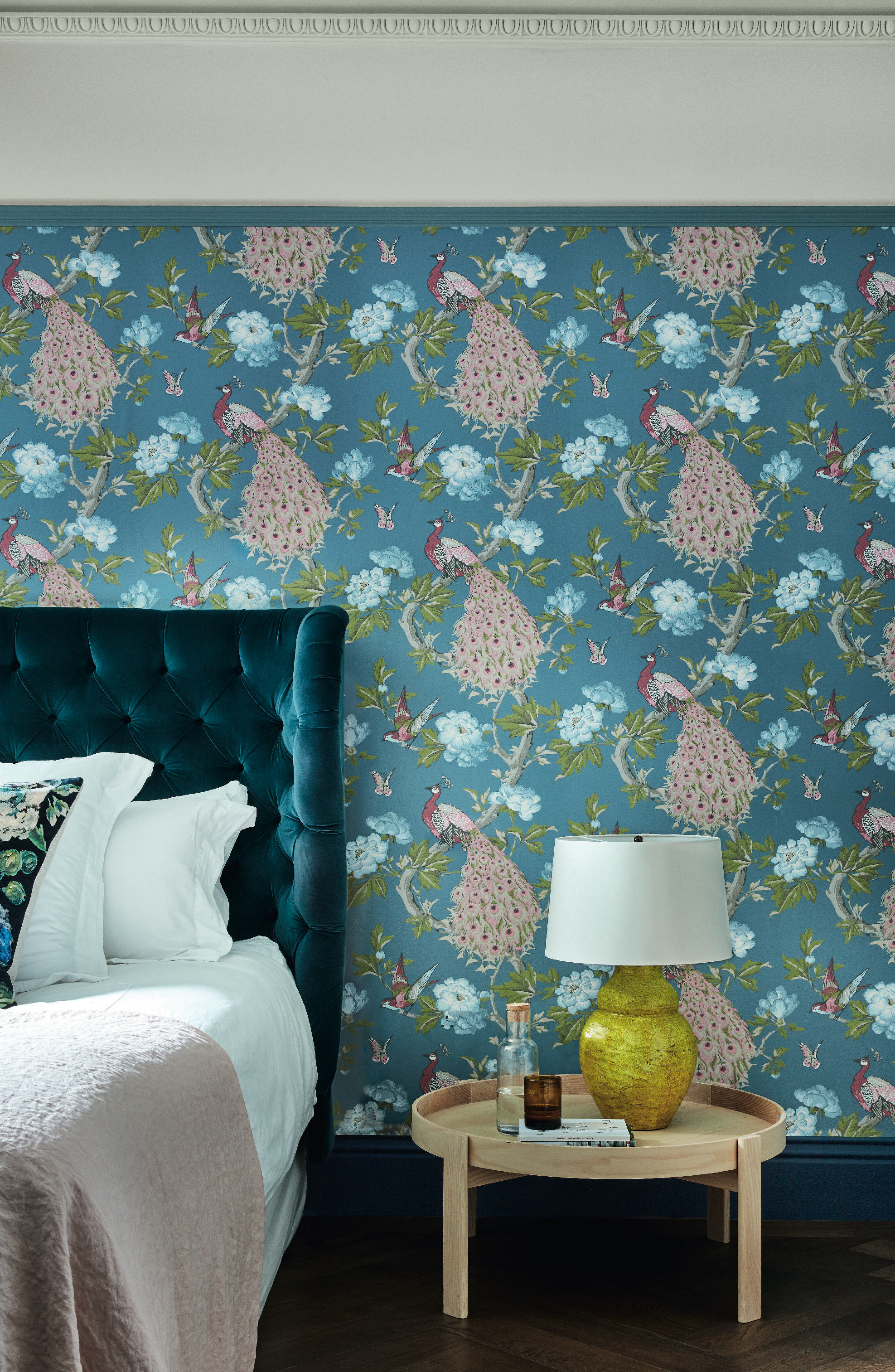
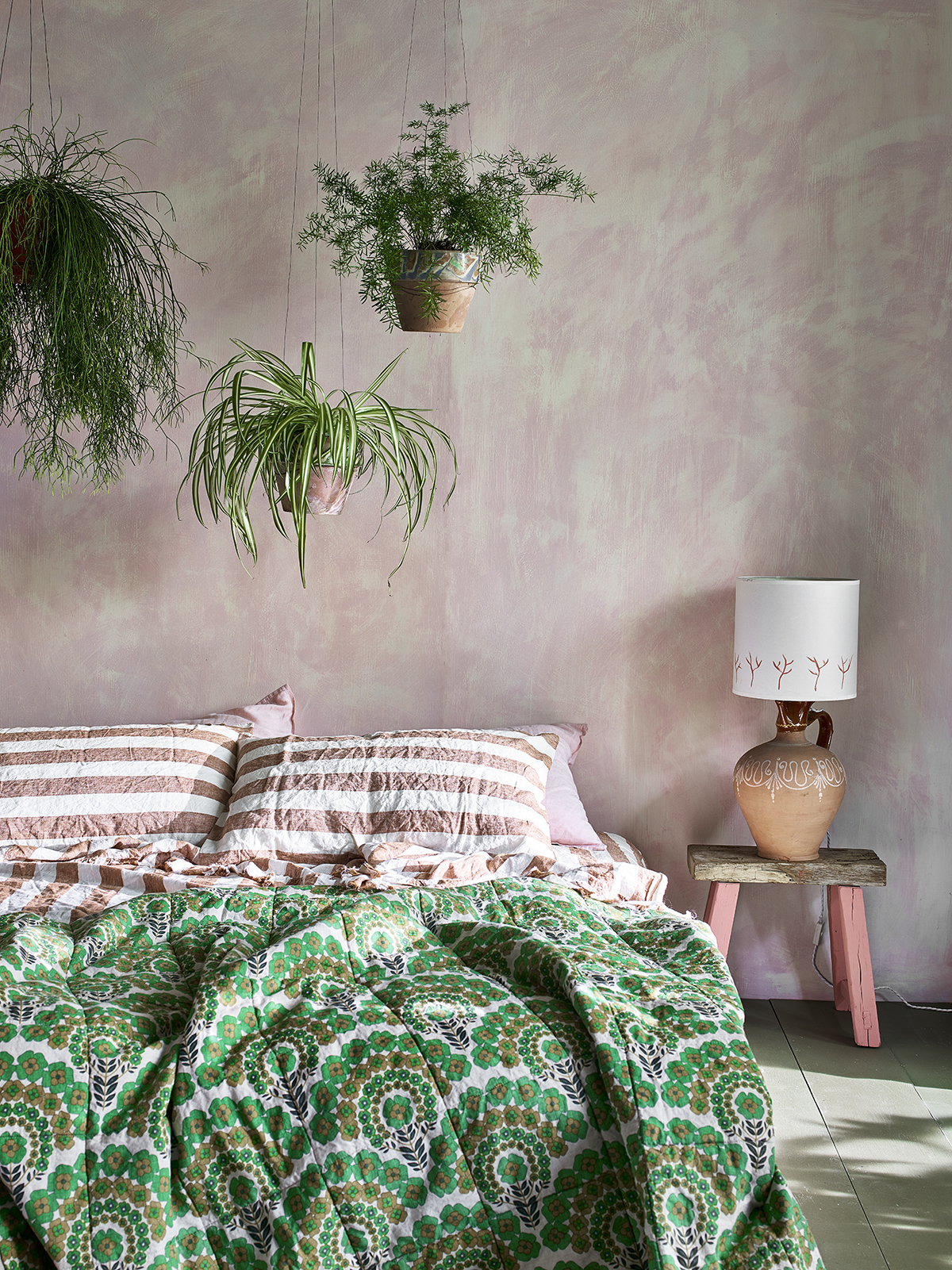
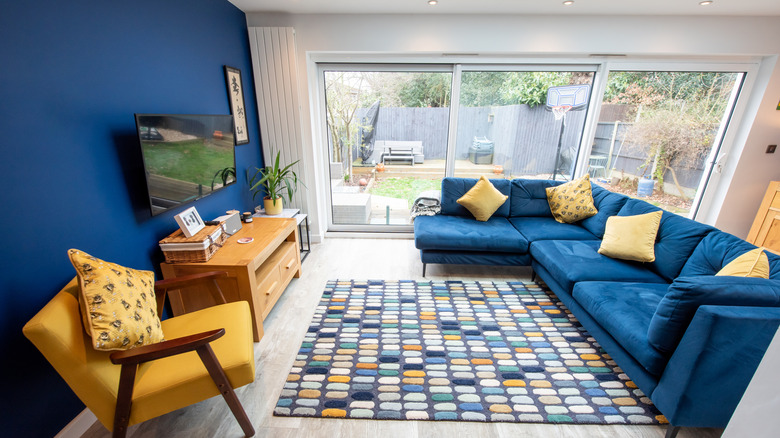
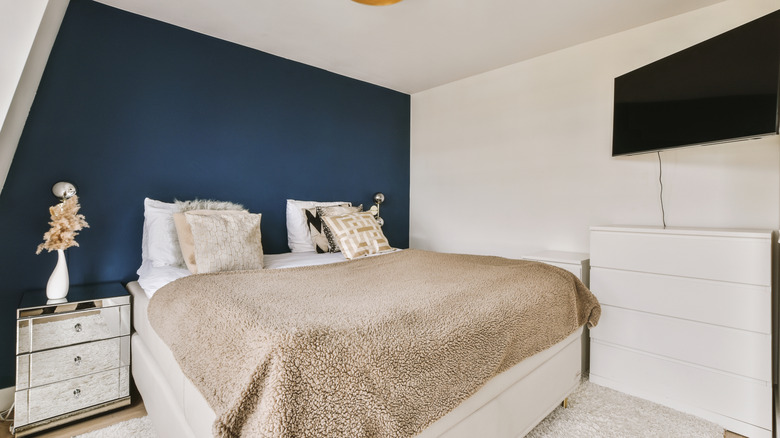
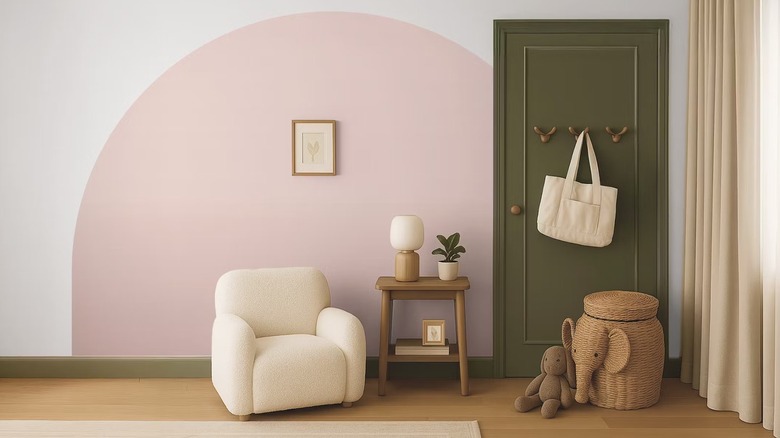
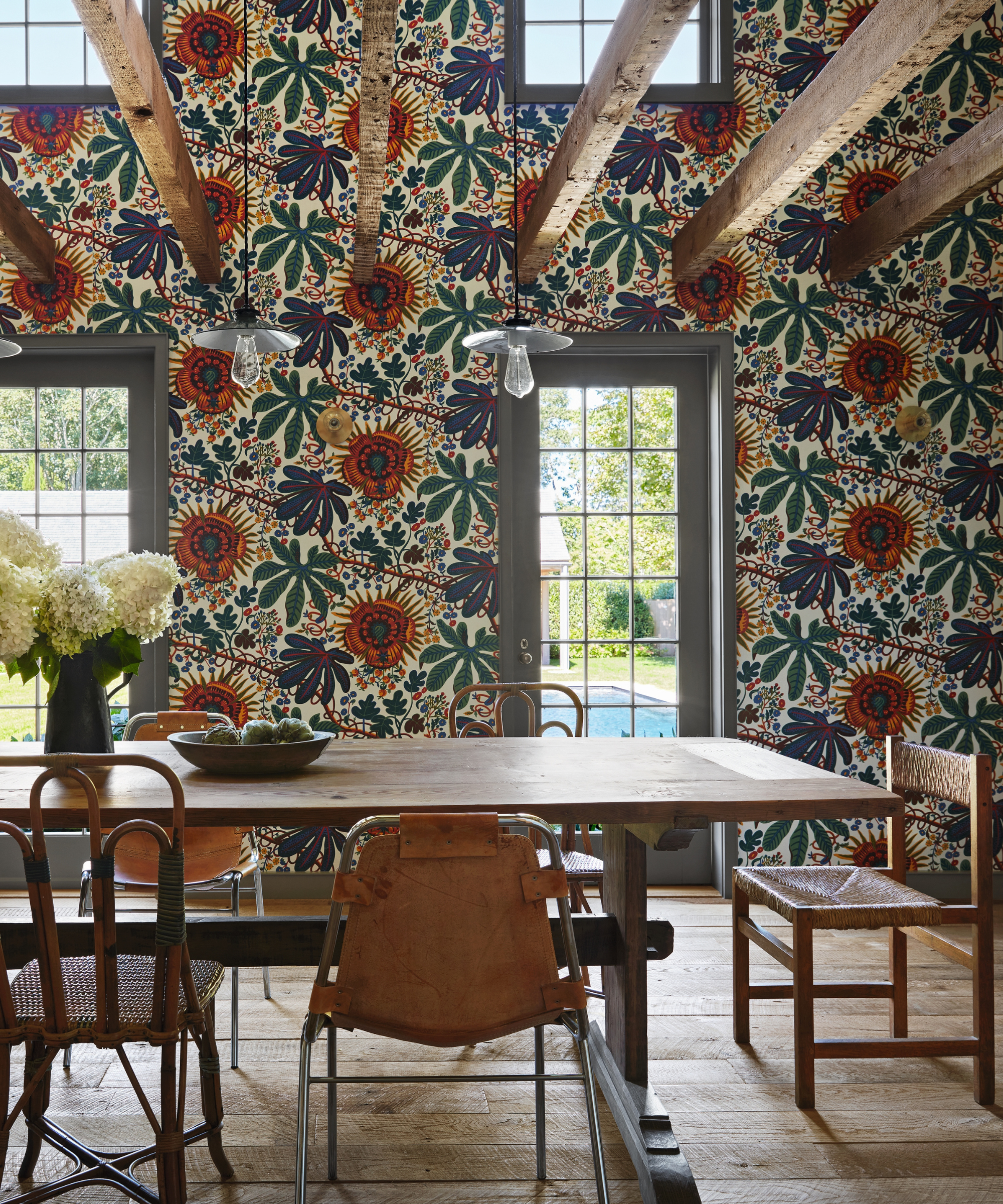
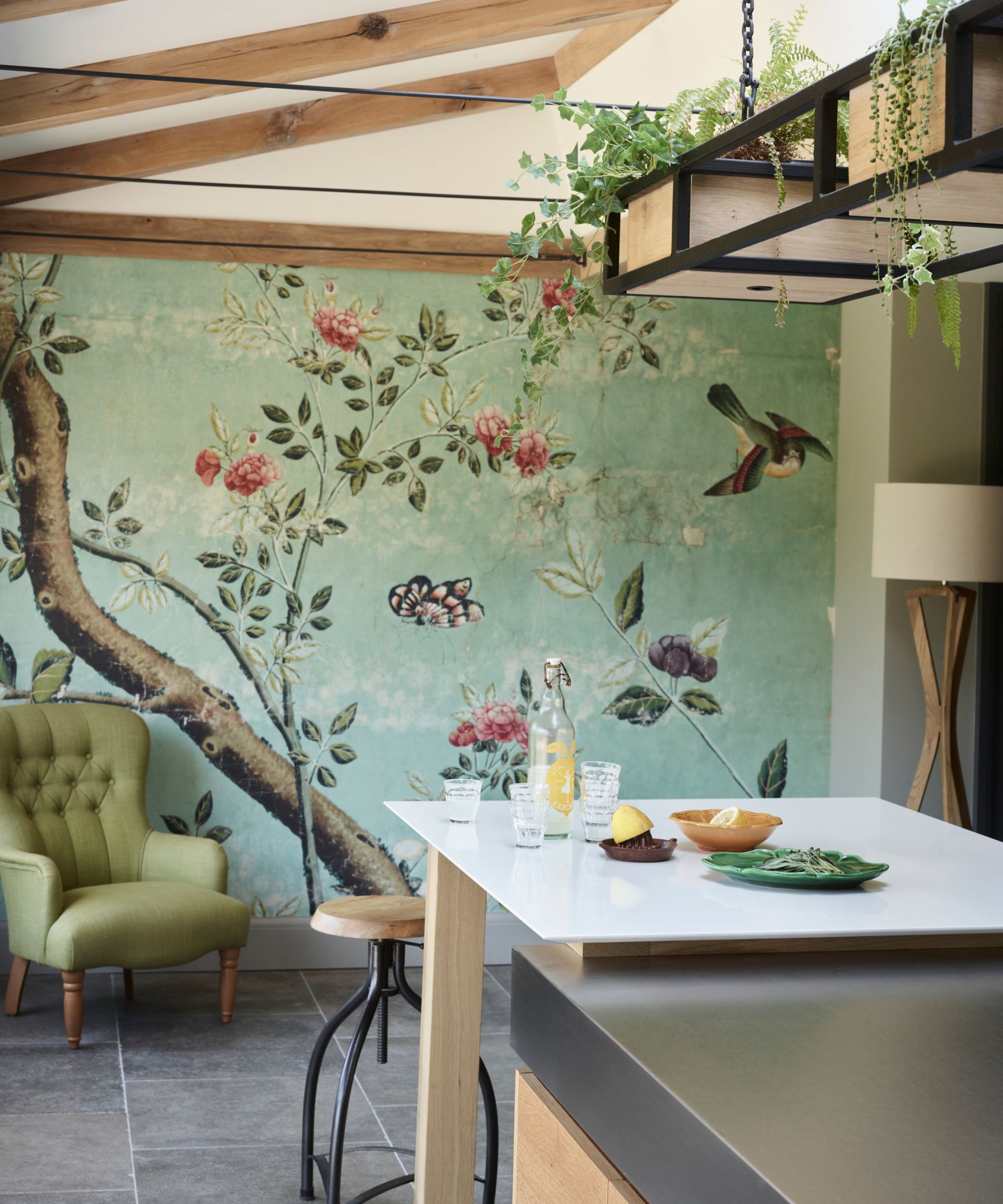
Accent walls serve as a focal point within a room, drawing attention and adding character to an otherwise neutral space. The traditional method of using a bold paint color for an accent wall is still popular, but contemporary design embraces a wider array of textures and materials, such as tile, fabric, and plants, to create visual interest. Architectural features like hallways, bay windows, or columns can also be highlighted to achieve a similar effect.
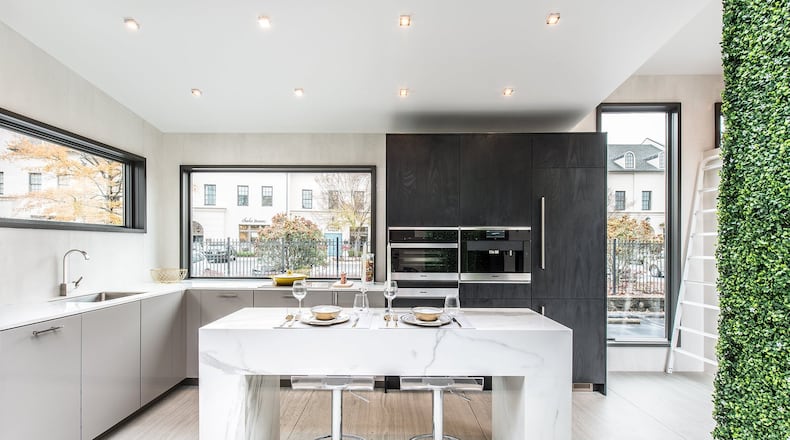
Jeffrey Bruce Baker, an Atlanta architect and interior designer, notes that accent elements don't always need to be dominant to be significant. He suggests looking for unusual spaces or integrating function with form, as demonstrated by Eryn Houck of Bellwether Design Co., who incorporated a tile accent wall with a spice-holding niche in her Virginia-Highland kitchen. This approach provides both creative storage and visual appeal.
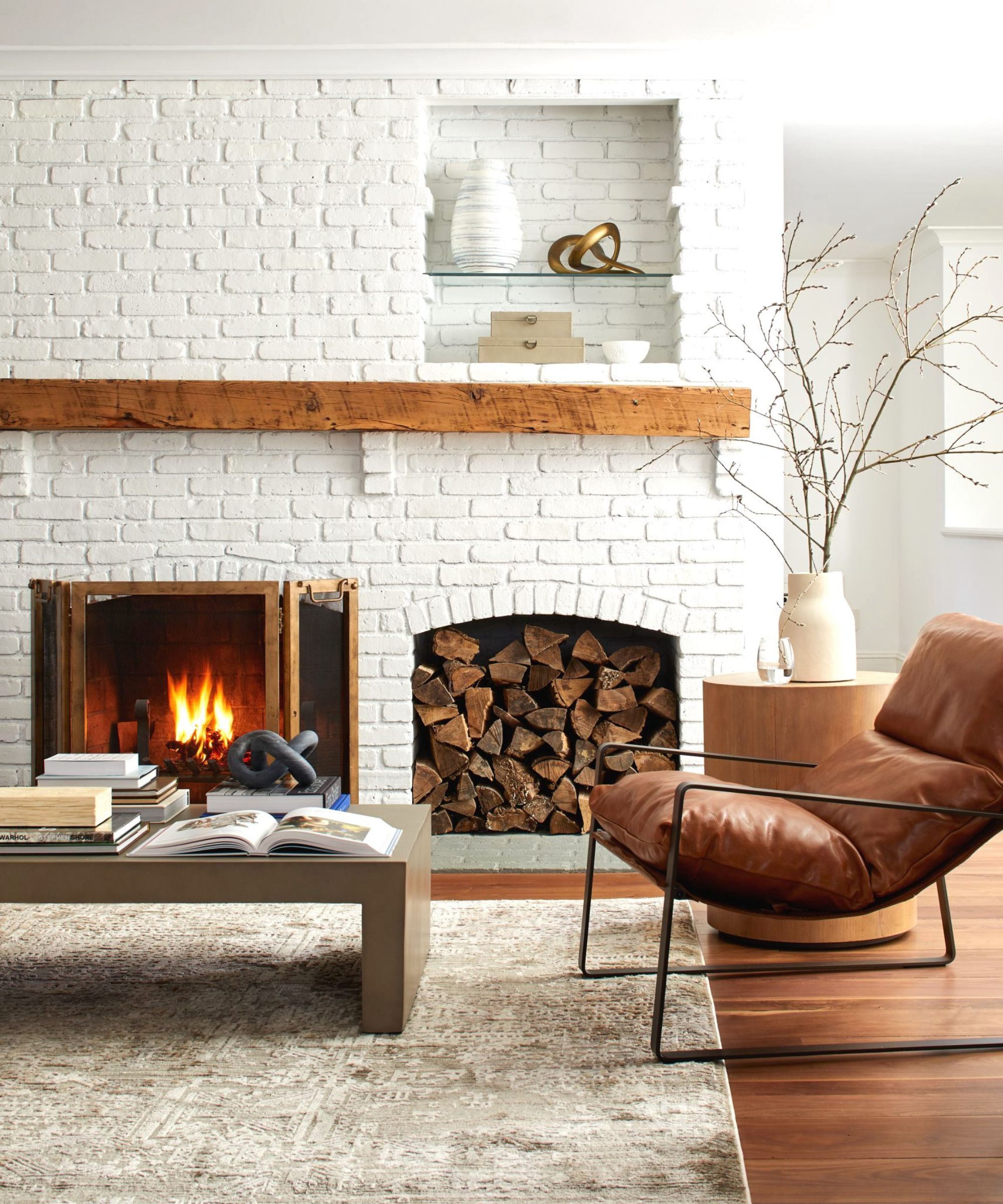
To ensure an accent wall successfully enhances a room, designers recommend maintaining balance. Houck advises against combining a tile accent wall with other prominent features to avoid overwhelming the space. Baker emphasizes that any accent wall needs clear start and stop points to prevent it from becoming visually excessive or overly costly. Jamie Diacou of Jamie Diacou Interiors exemplifies this by using reclaimed brick pavers around a fireplace in a basement sitting room, carefully limiting the brick to the immediate area and balancing its heaviness with floating wooden shelves. The decor, room shape, and entrance location are crucial considerations for proper balance, as the accent wall is typically the first thing observed upon entering a room.
Introducing texture is another effective way to transform a wall. Soft textures, such as fabric, or natural elements like plants, can make a significant impact. Baker utilized a faux greenery wall in the Neolith Tiny House, a traveling showroom, to introduce softness and color, contrasting with the porcelain surfaces. For homeowners, he suggests incorporating live plants as both decorative and functional elements. A textural change, rather than just a color change, can create a fresh and soft ambiance. For example, pairing white walls with whitewashed woods, white fabrics, or mother-of-pearl glass tiles can achieve this effect.
Finally, personalizing the accent wall to reflect individual tastes and needs is vital. Houck's spice wall, while universally applicable, held particular meaning for her and her cooking-enthusiast husband, combining his passion for food with her aesthetic sensibilities. Similarly, Diacou designed a brick fireplace and focal wall in a basement to align with her clients' desire for an Old World aesthetic. Baker concludes that design should evoke joy and lightness, encouraging individuals not to take it too seriously but rather to create a space that makes them smile and enjoy their surroundings.
#AccentWalls #InteriorDesign #HomeDecor #ArchitecturalFeatures #TexturalDesign #HomePersonalization #DesignBalance #JeffreyBruceBaker #ErynHouck #AccentWalls #InteriorDesign #HomeDecor #ArchitecturalFeatures #TexturalDesign #HomePersonalization #DesignBalance #JeffreyBruceBaker #ErynHouck
0 commenti in totale
 Nessun commento ancora
Potresti anche gradire
This Accent Wall Tip Will Make You Want To Redecorate
It’s not an accent wall anymore. It’s a ‘statement’ wall.

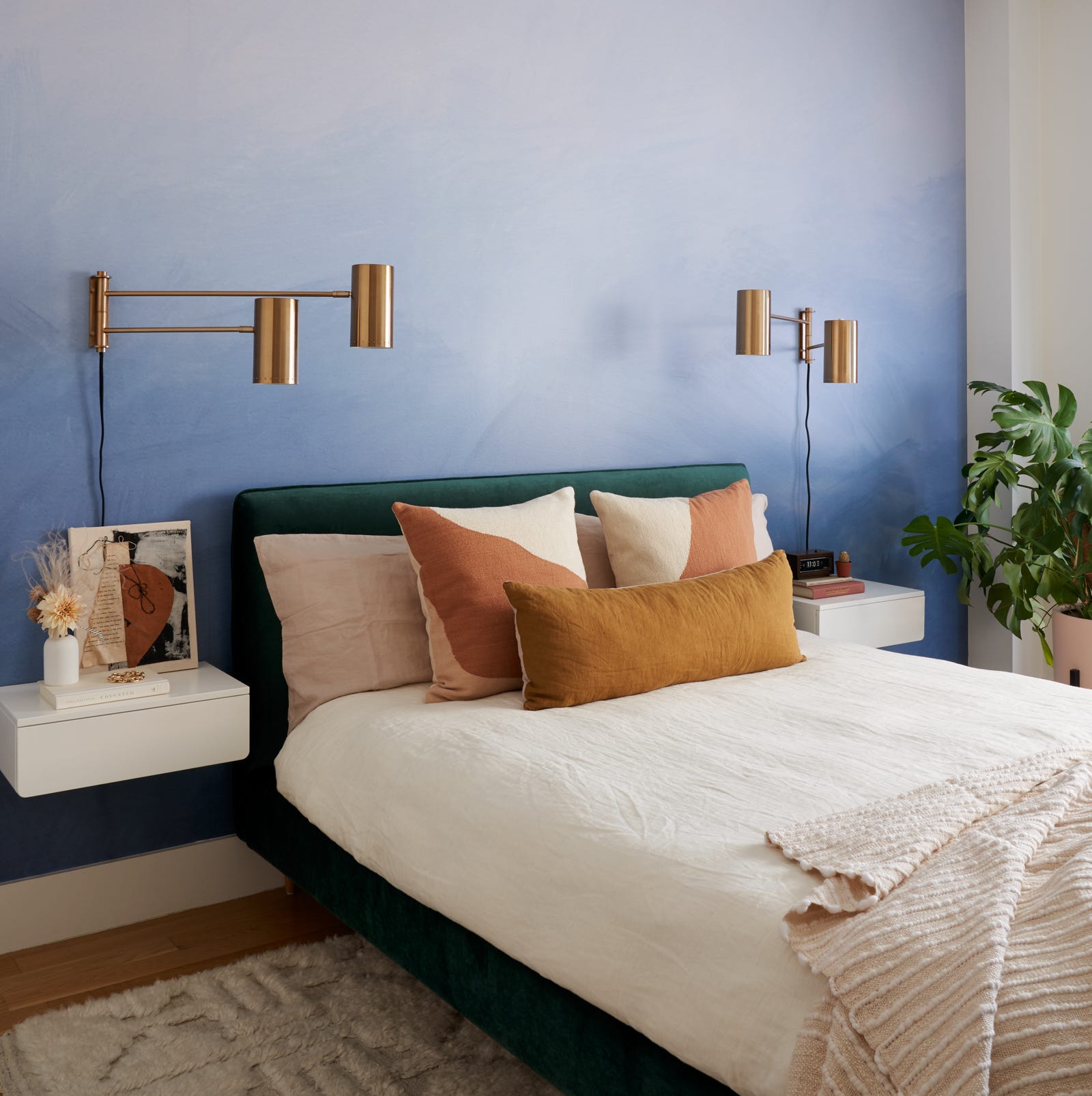
The Right Way to Pull off a Bedroom Accent Wall, According to Design Pros

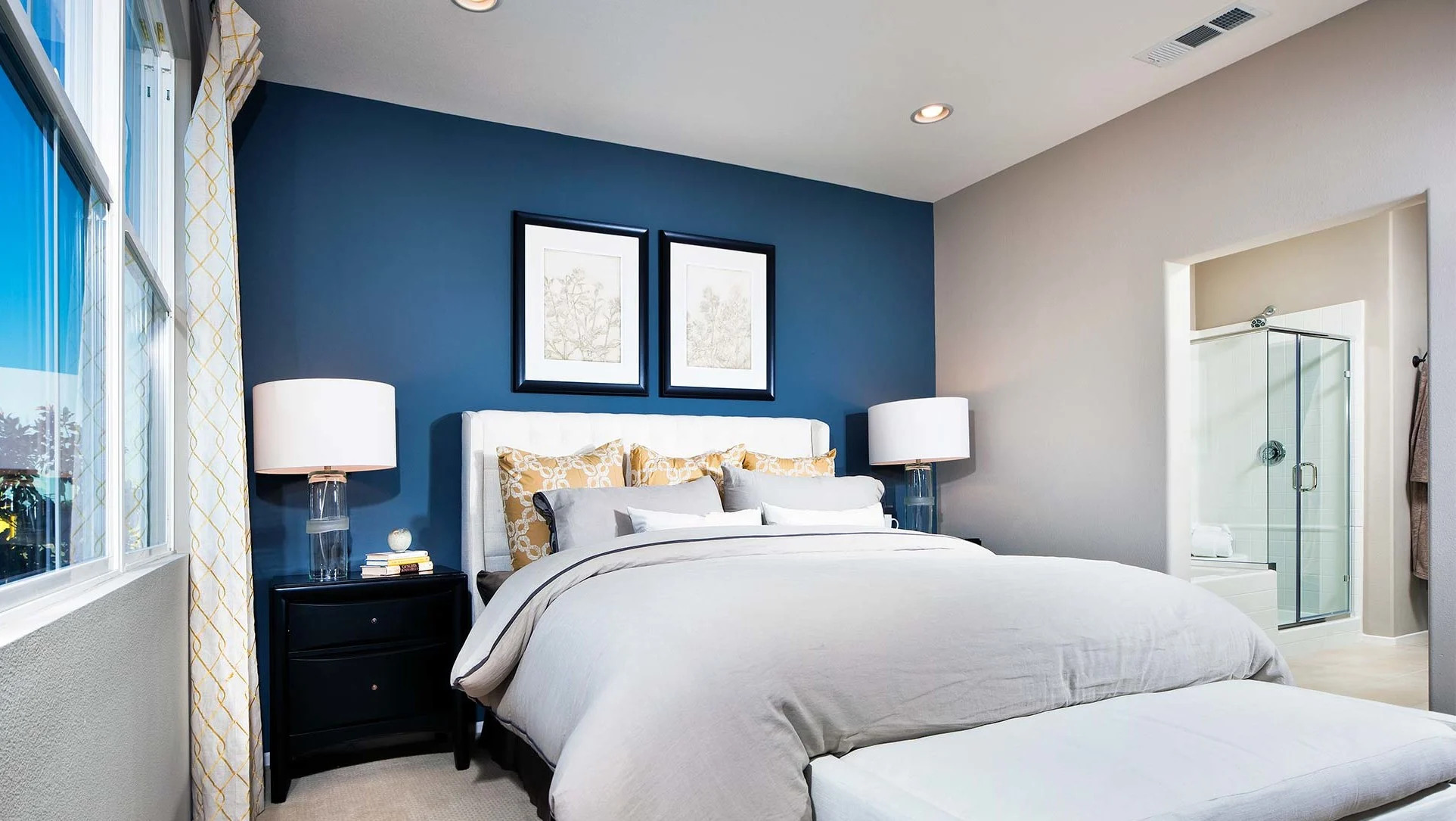
You’re Doing It Wrong: Painting an Accent Wall


34 Accent Wall Ideas for Every Room in the House

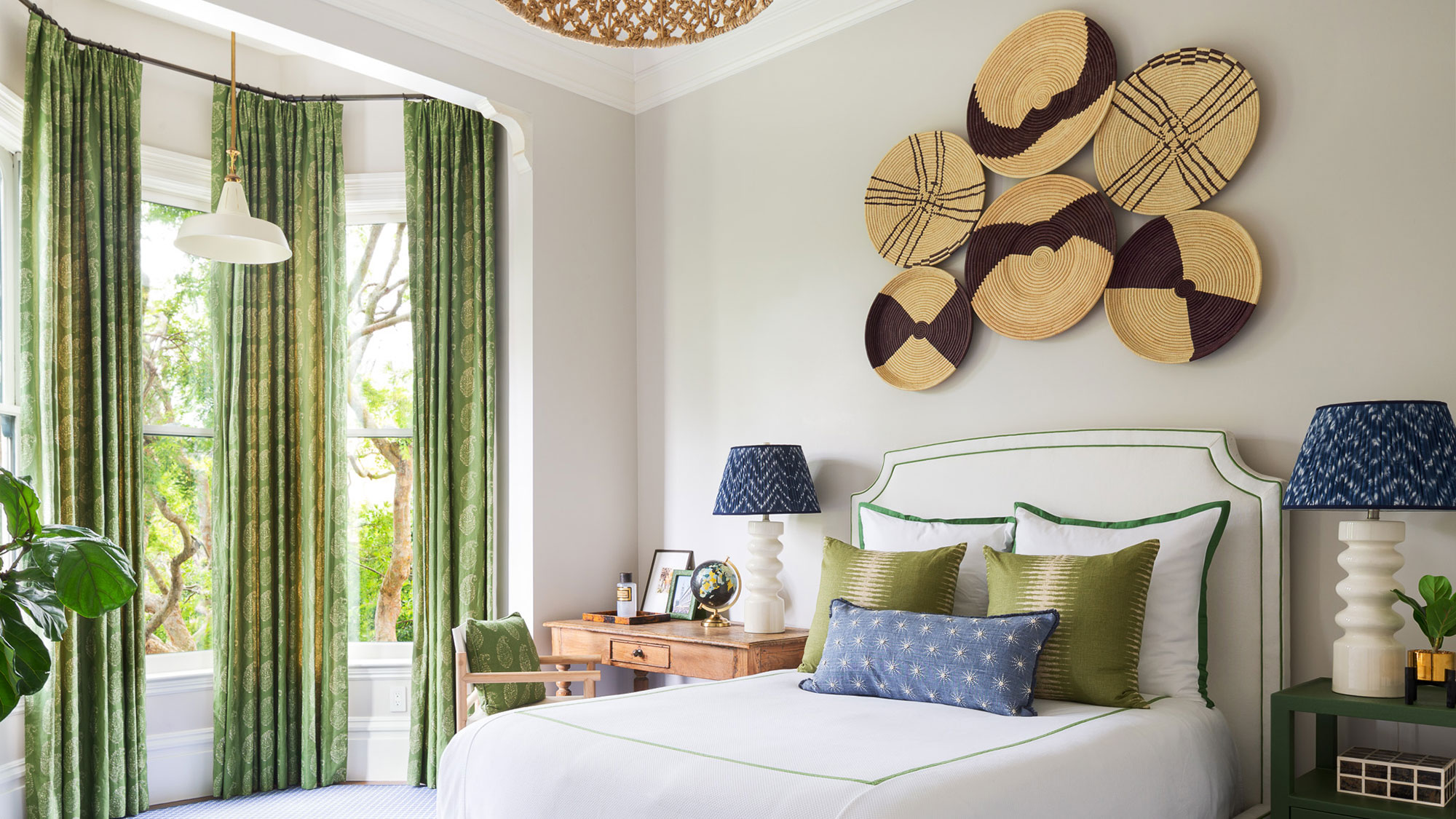
Bedroom accent wall ideas – 10 ways to create a feature wall

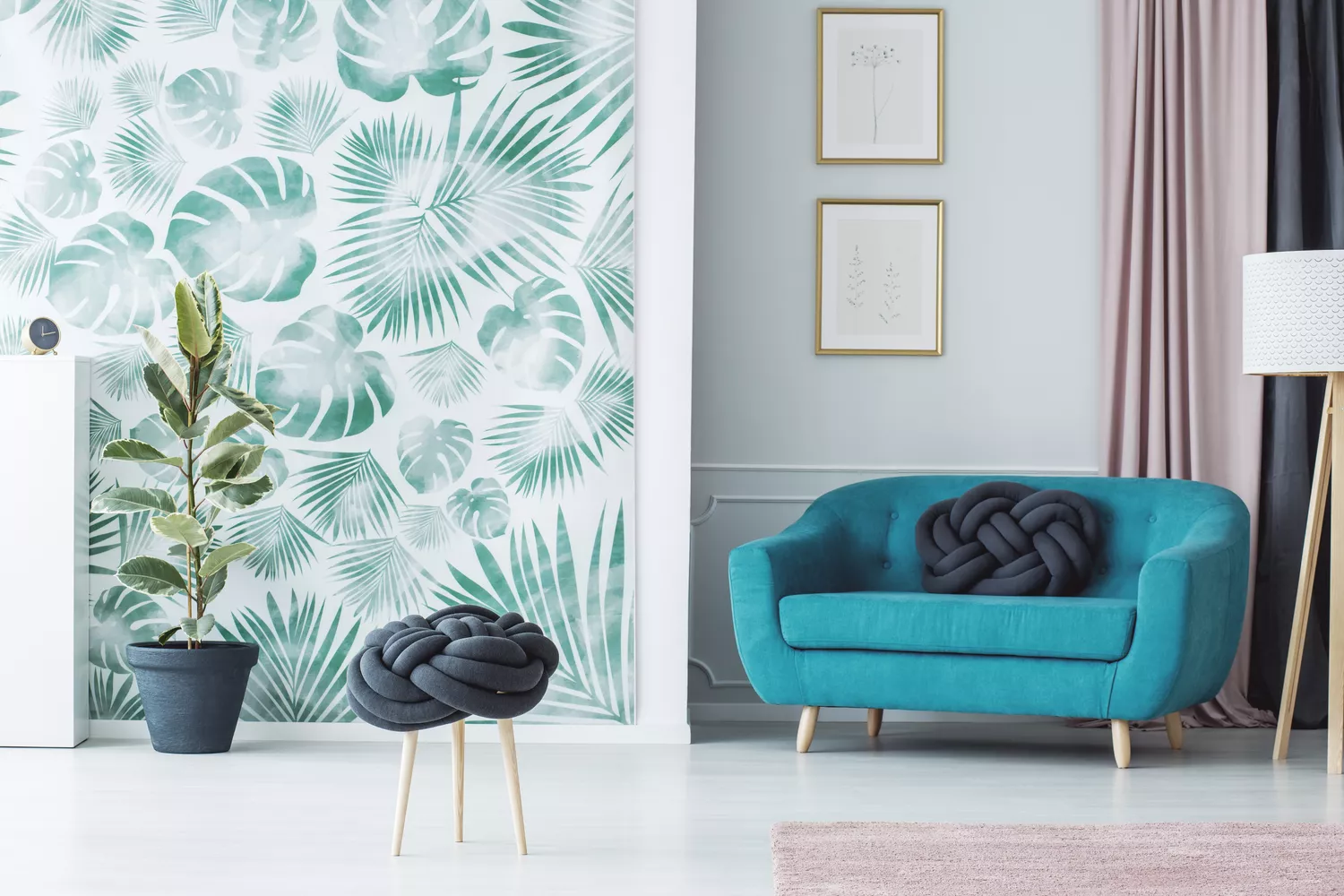
26 Attention-Grabbing Accent Wall Ideas to Make Your Space Feel Less Boring

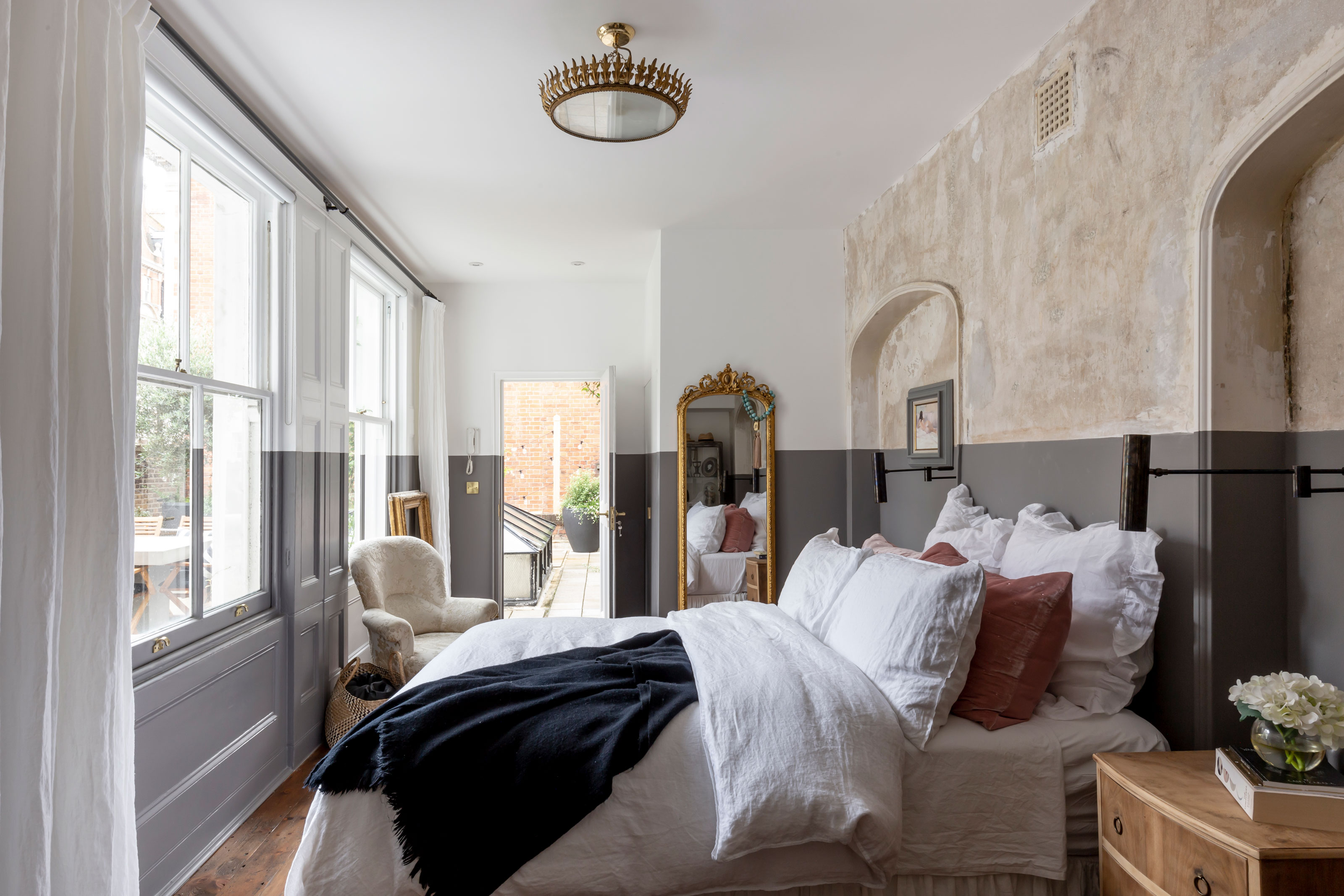
12 bedroom accent wall ideas for an on-trend focal point

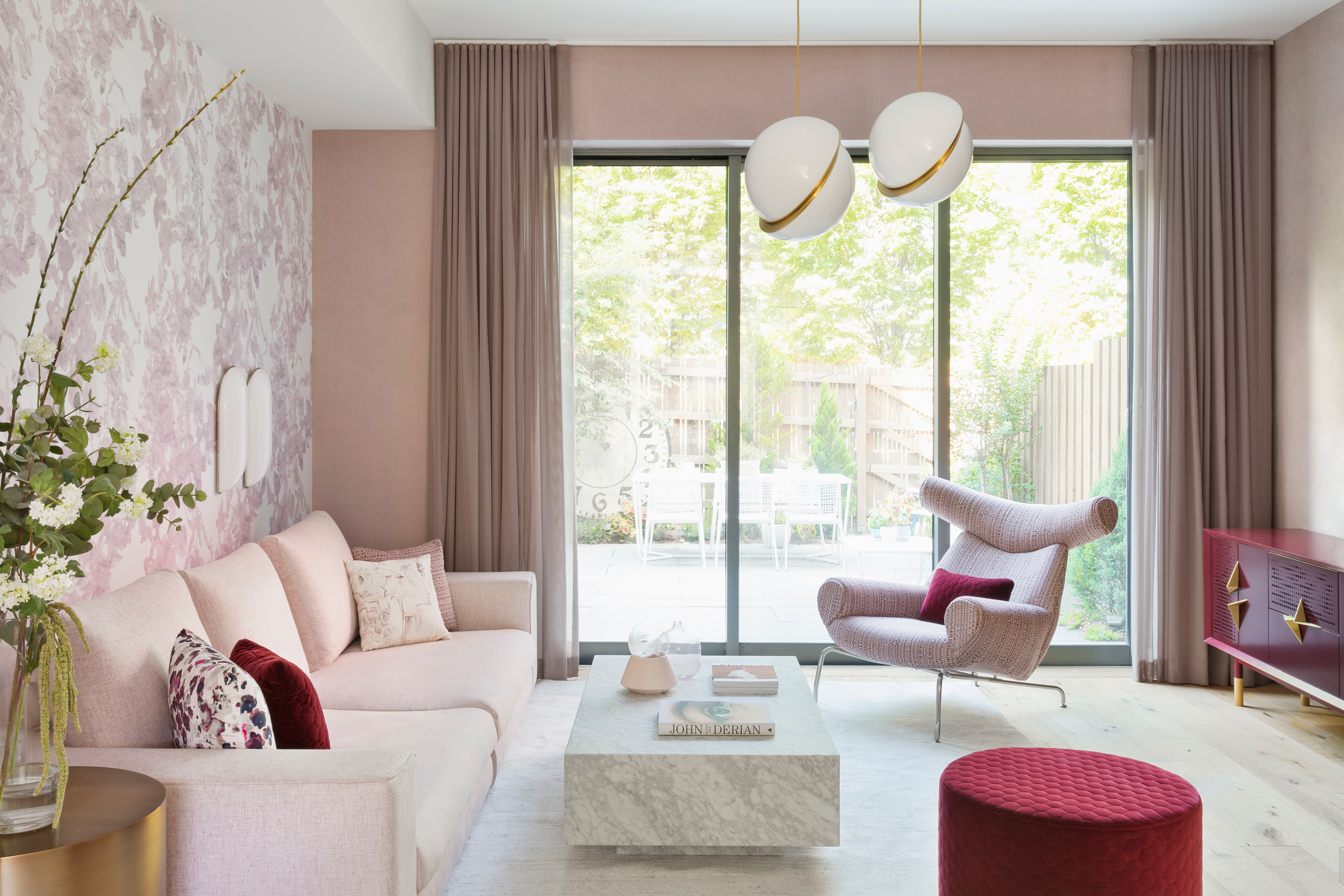
Are accent walls out of style? This is how designers are using them now and beyond
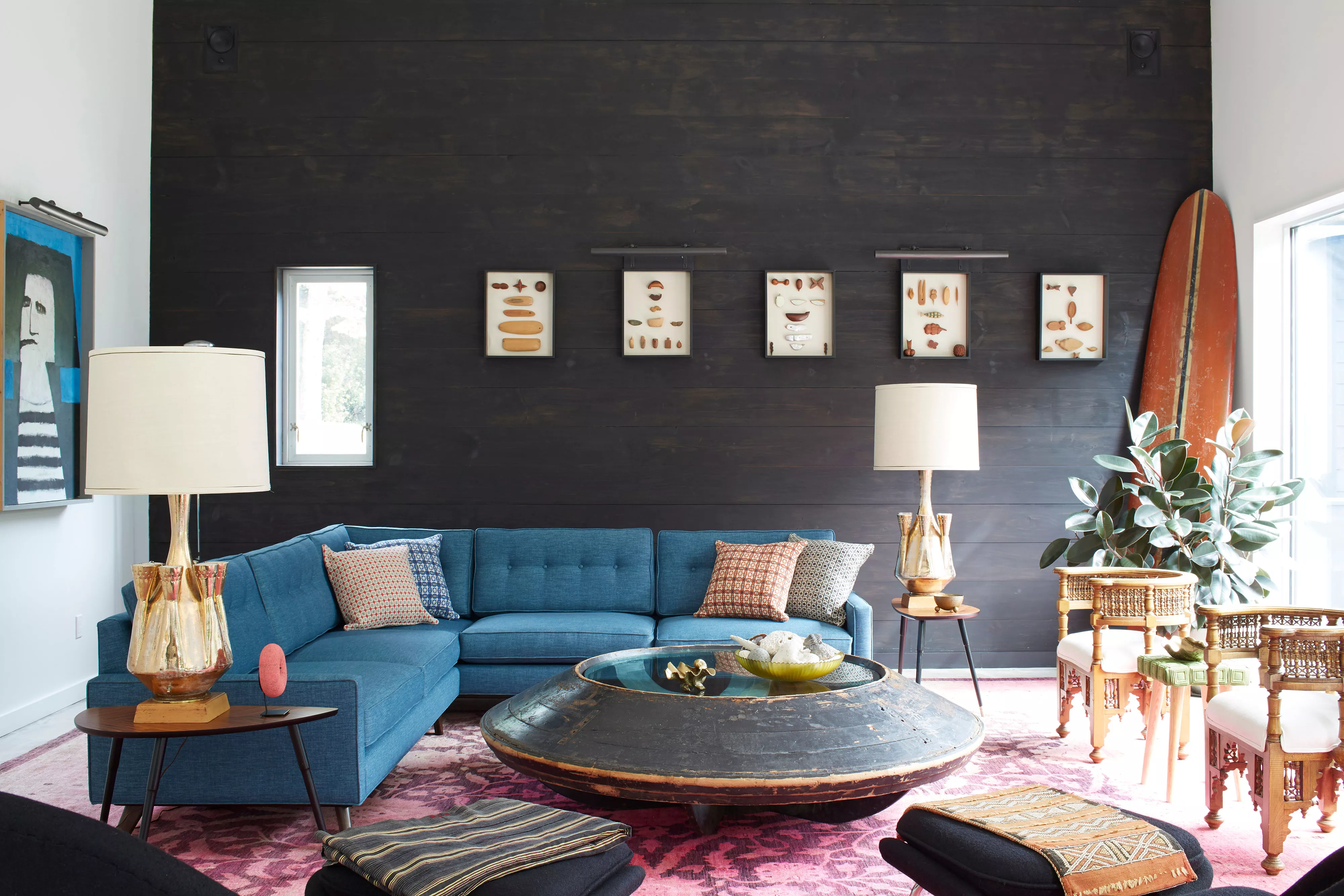
Are Your Accent Walls Outdated? What Designers Want You to Use Instead

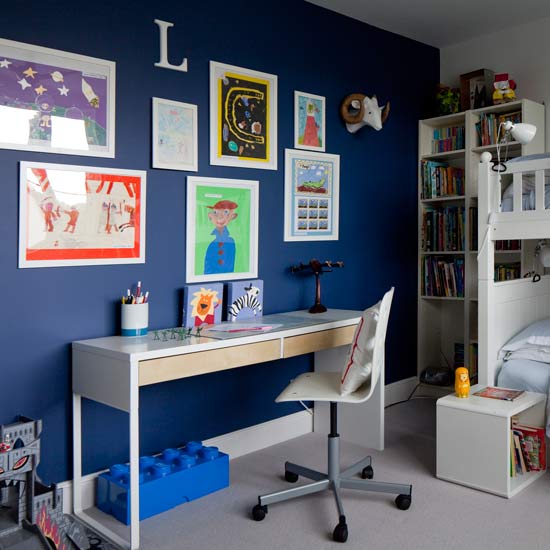
7 amazing colours for a statement wall with wow
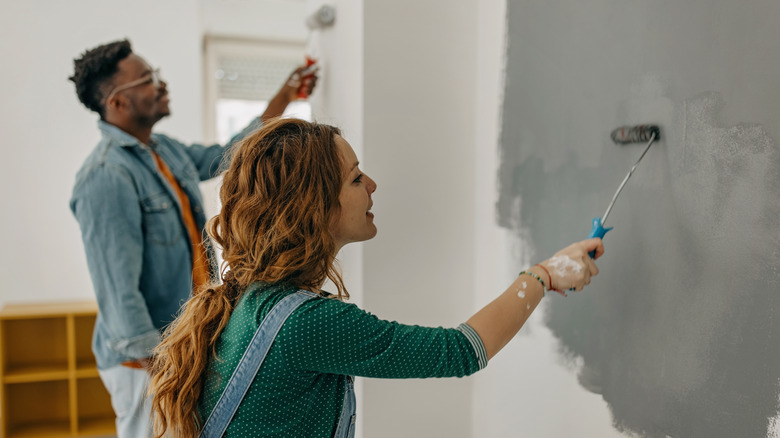
10 Painted Accent Wall Trends That Are On Their Way Out, And What To Do Instead
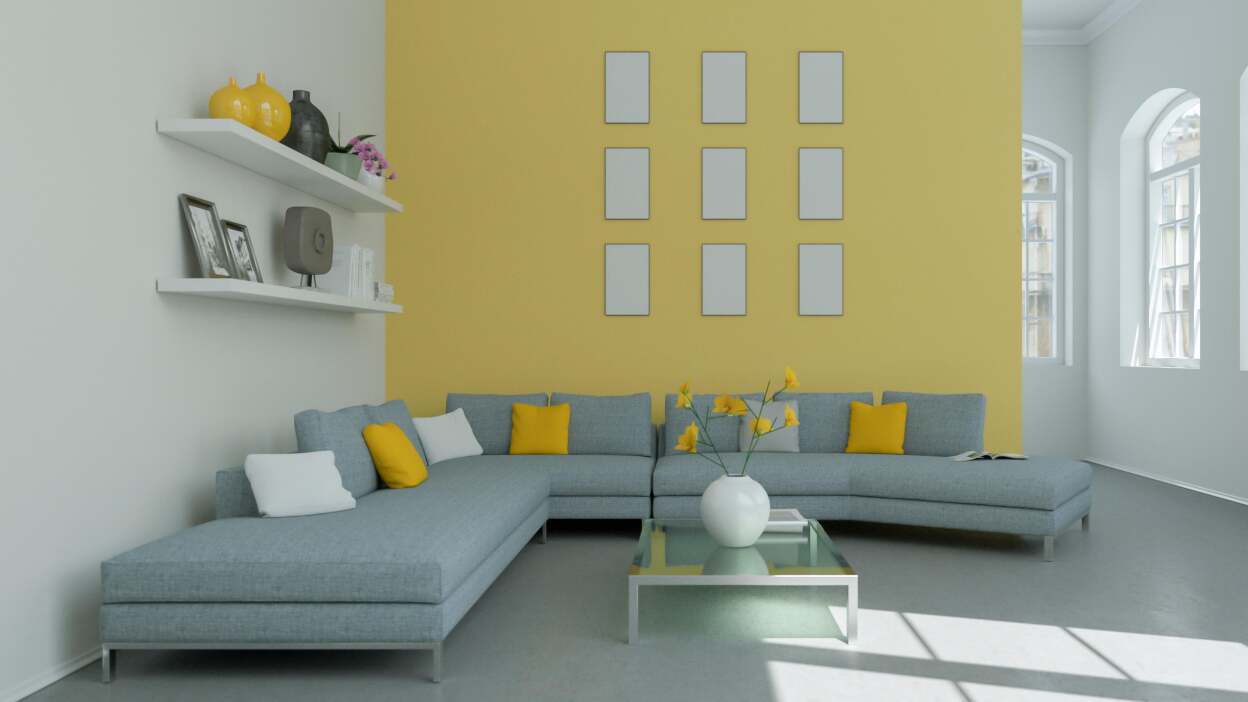
How to Make Your Accent Wall Look Intentional, Not Like an Accident

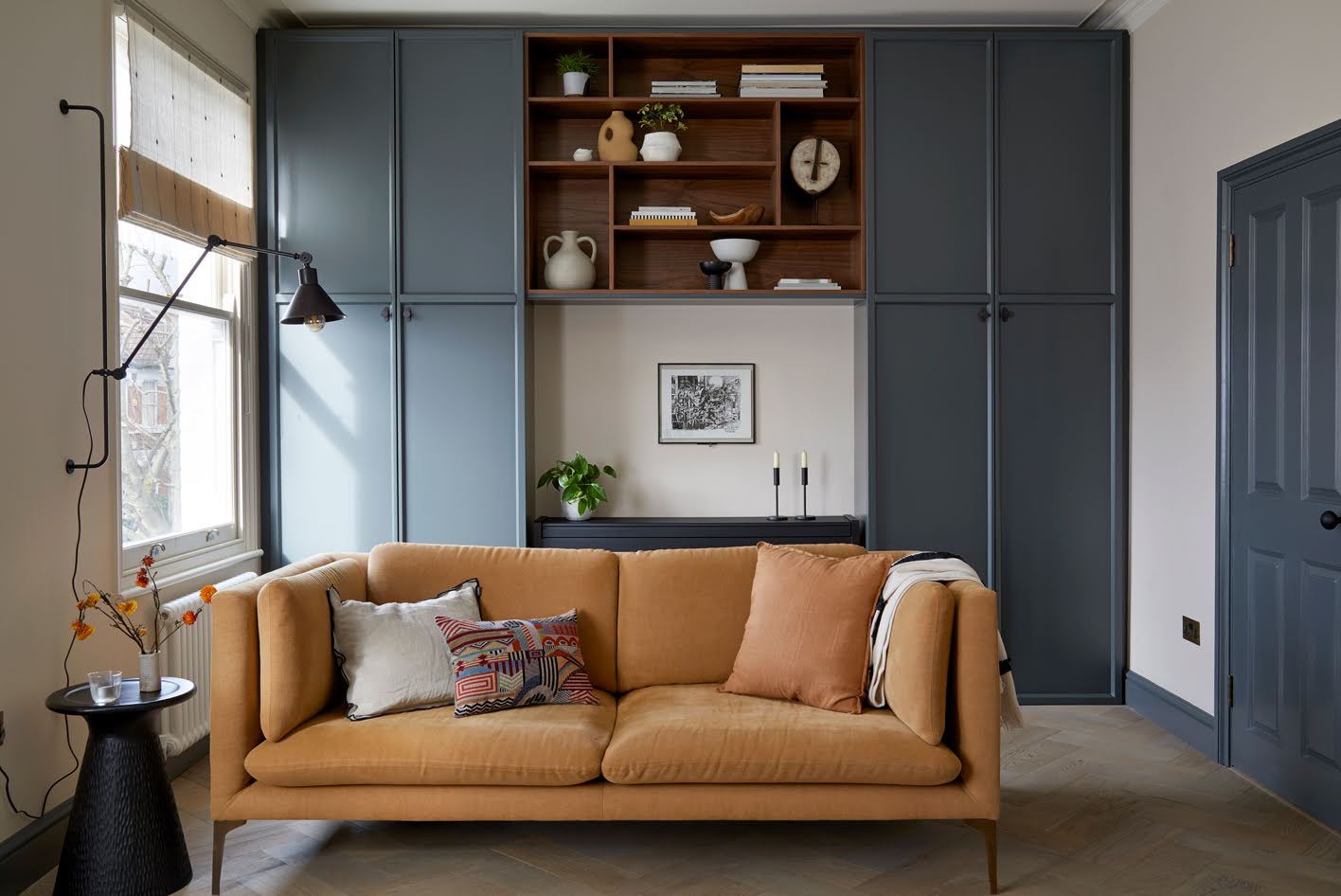
Living room accent wall ideas – 10 new ways designers recommend to style your blank spaces
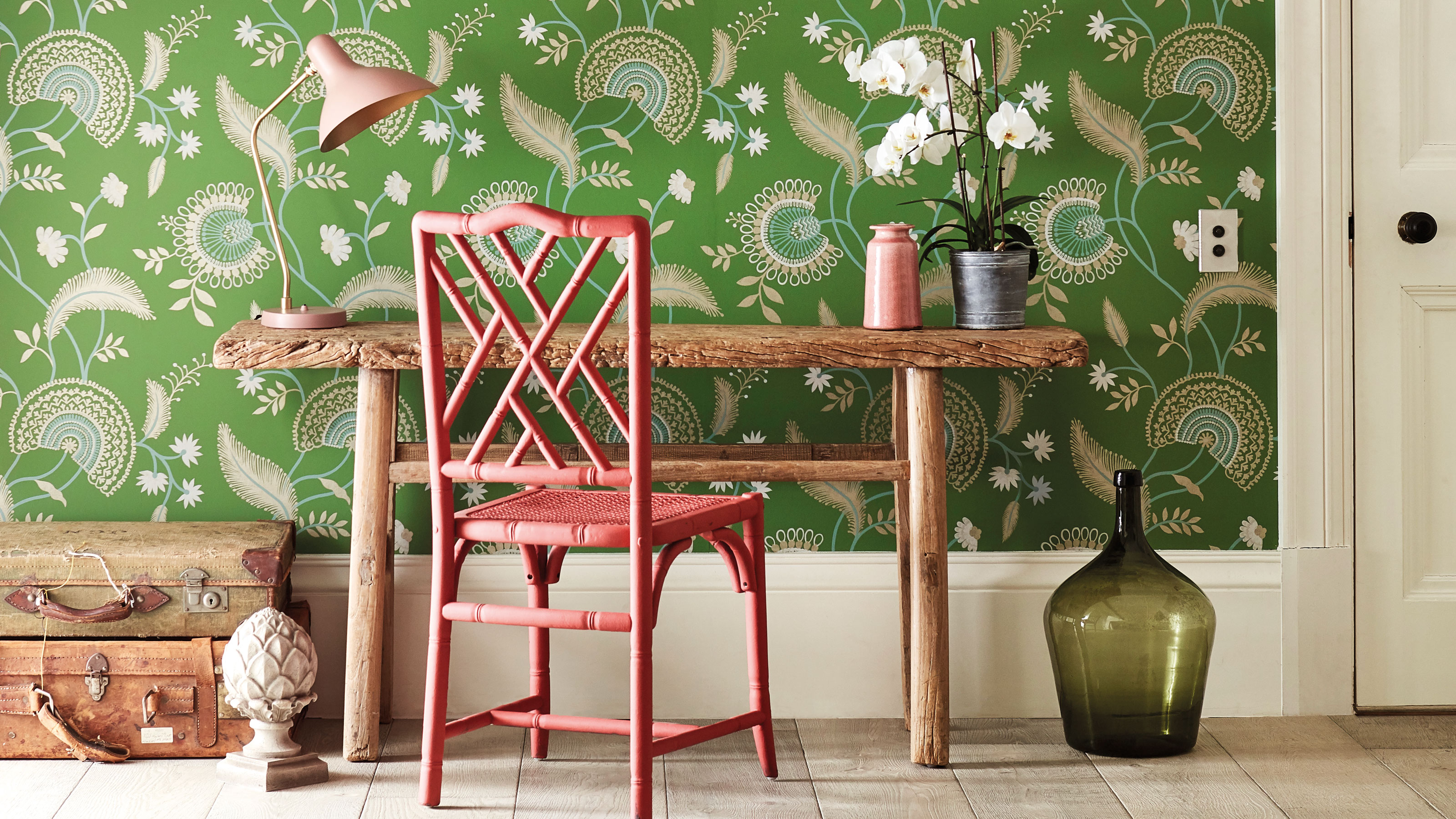
Accent wall ideas – 20 of the latest ways to create a statement feature
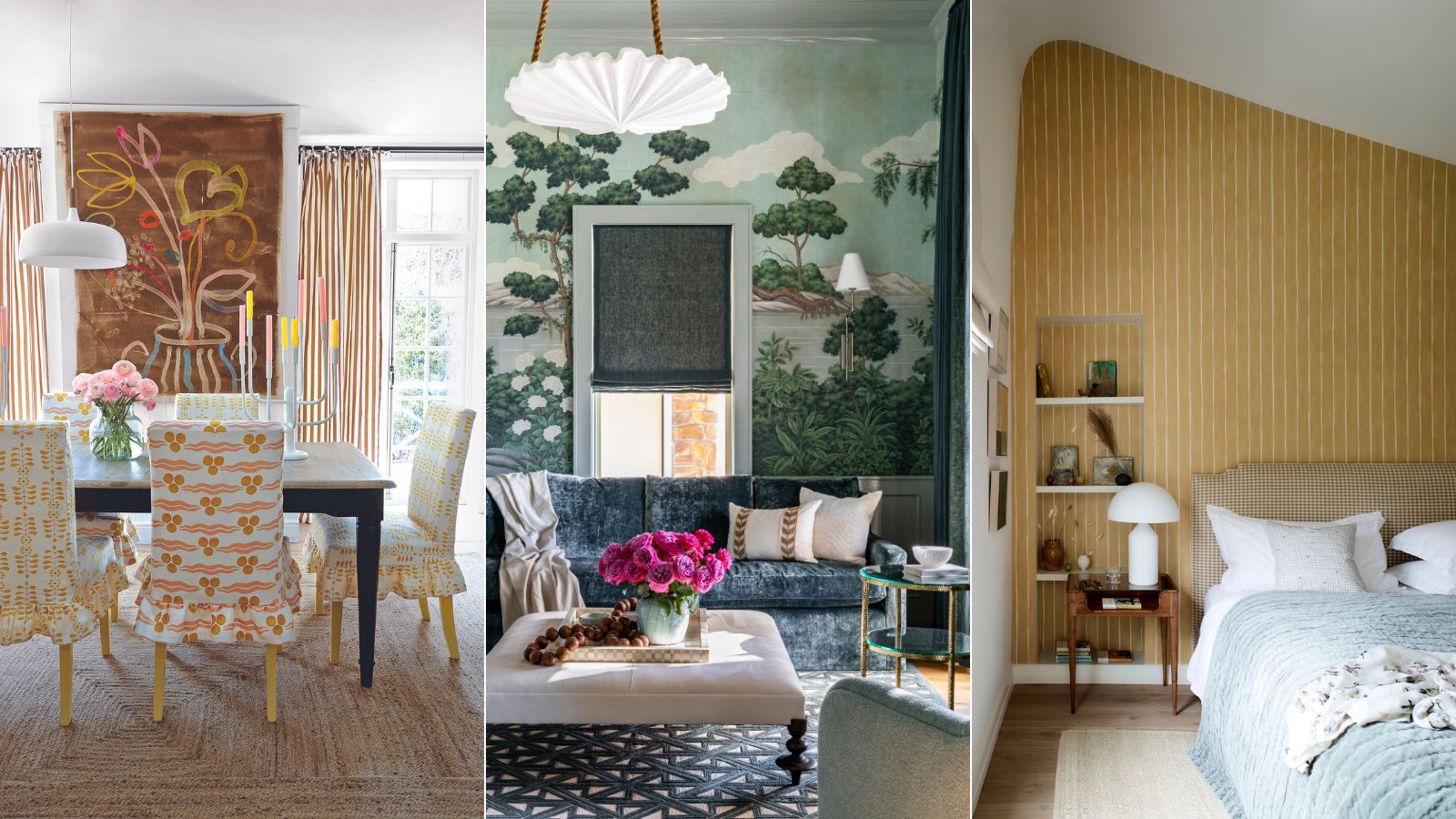
Are accent walls still on trend? Designers decide on what this love-hate style will look like in 2024
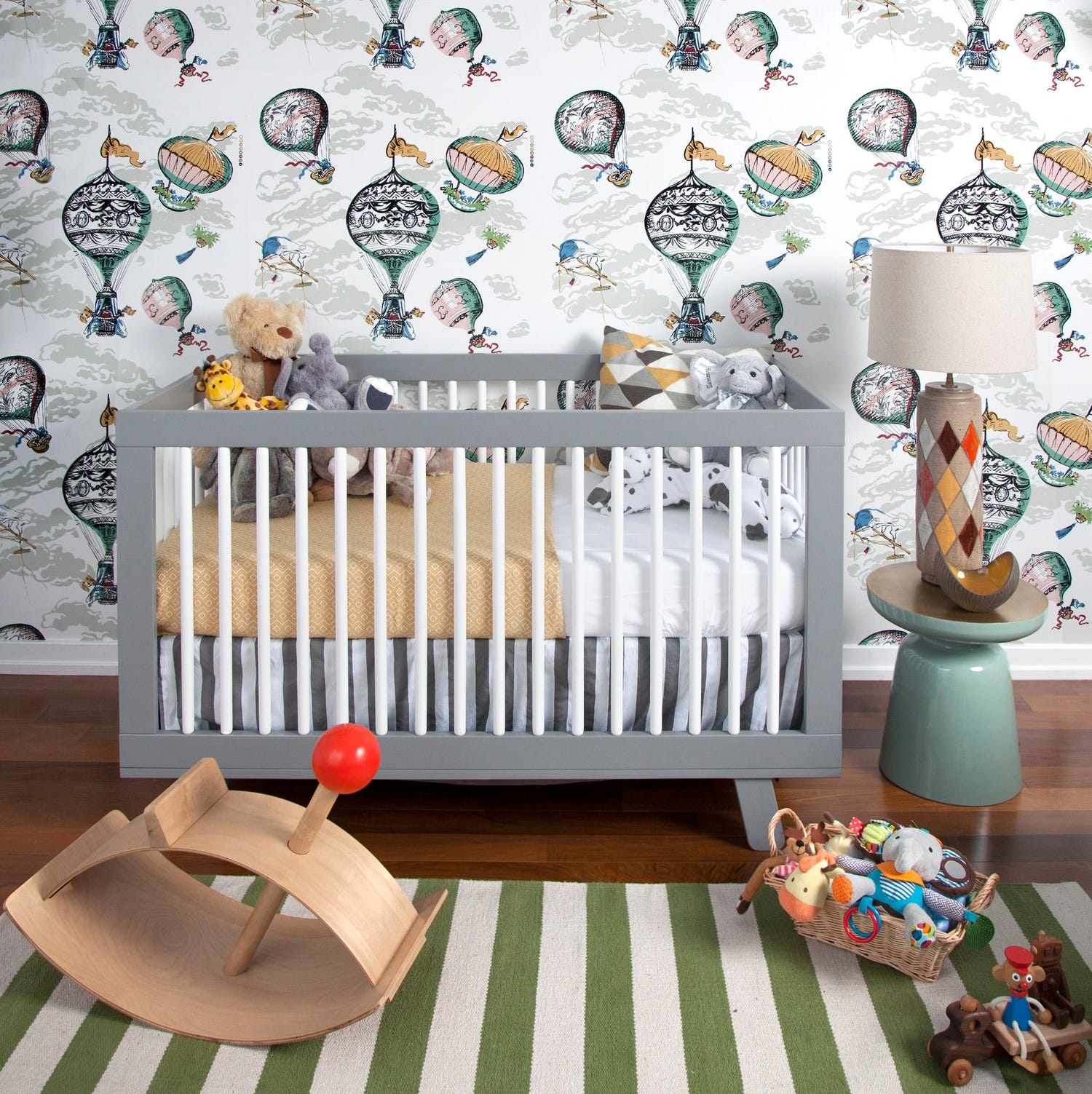
12 Accent Wall Ideas That Will Never Go Out of Style

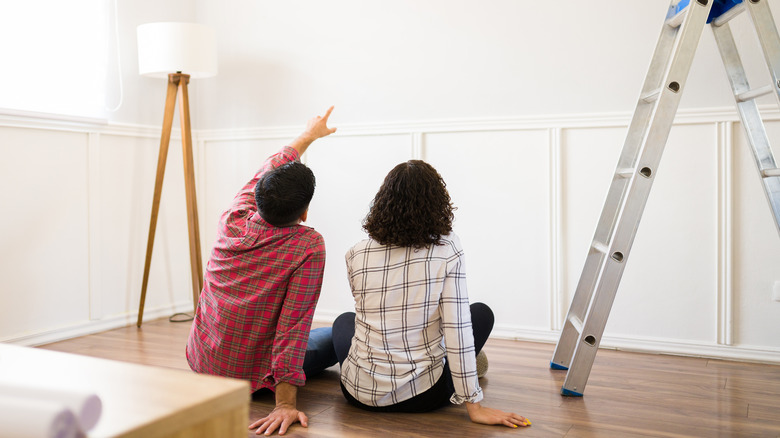
16 Accent Wall Ideas That You'll Start Seeing Everywhere In 2025
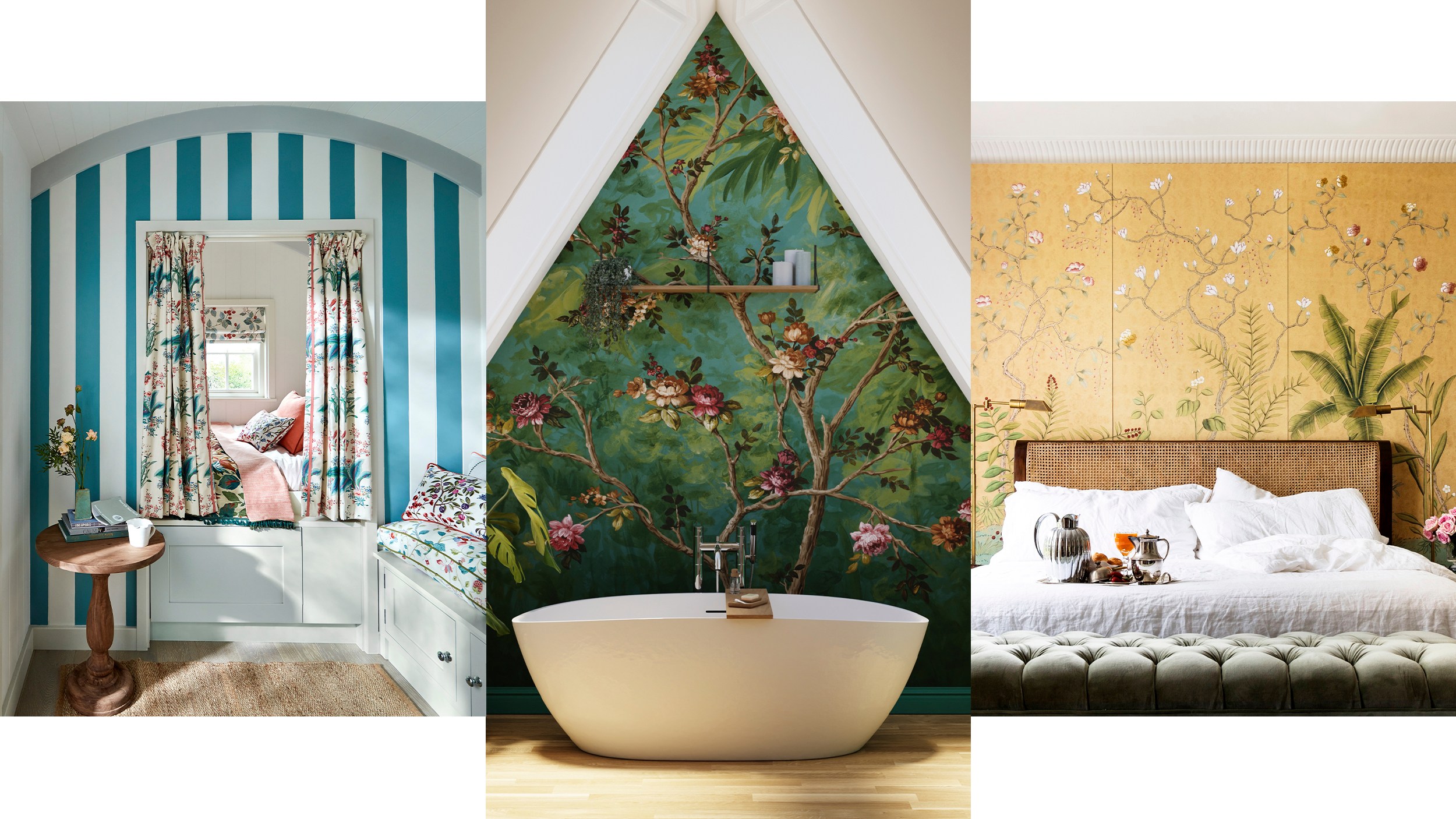
Feature walls are back, here’s 21 to try now
Accent Walls Geometric Designs That Bring Life to Your Living Room