1/7
Are work tables the new way to create a kitchen island?
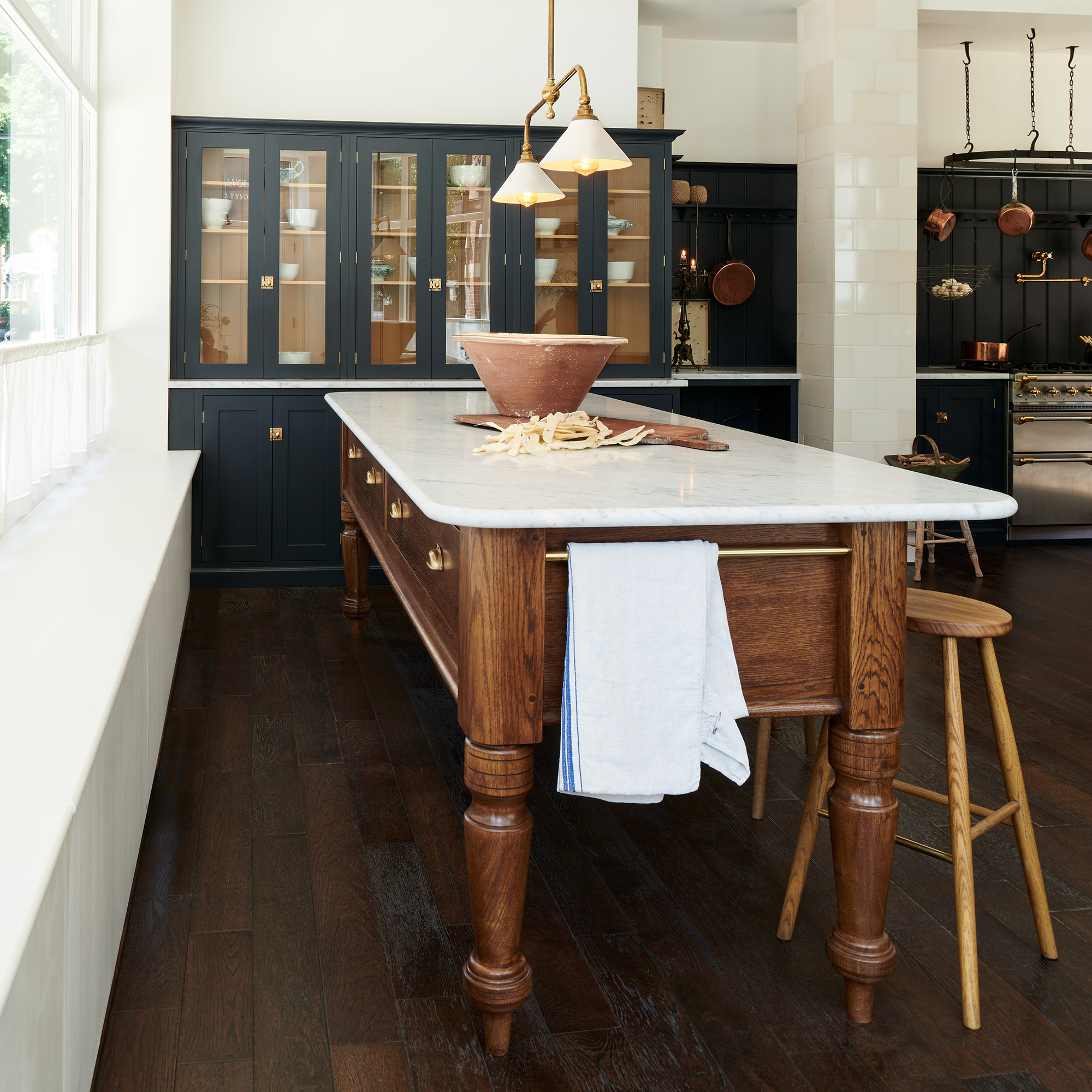
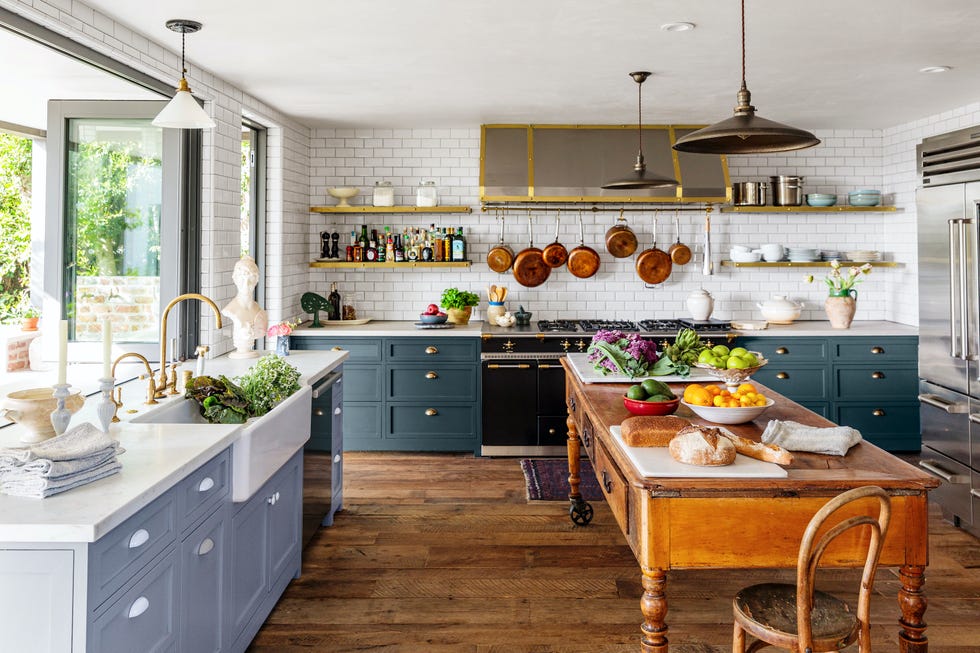
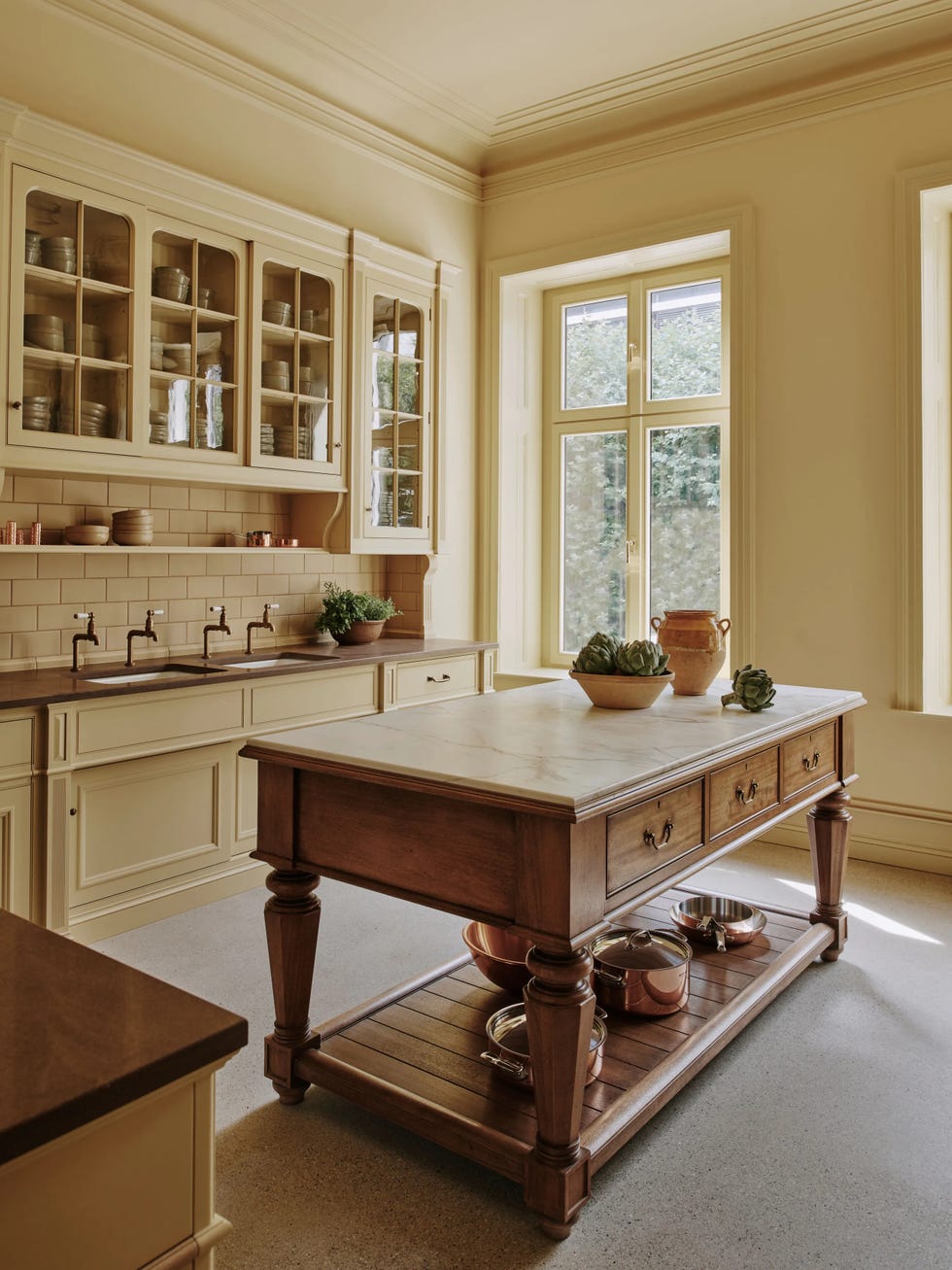
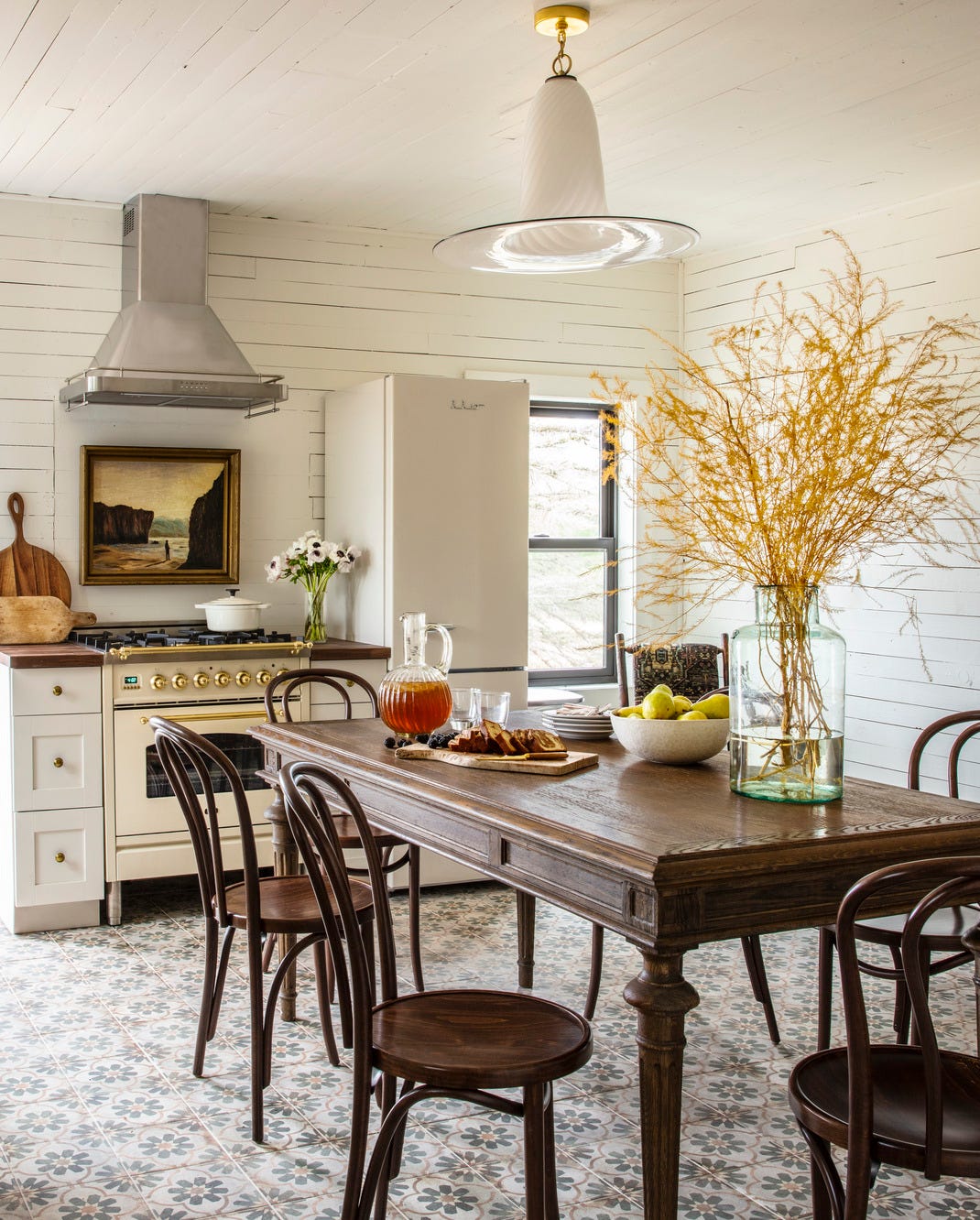
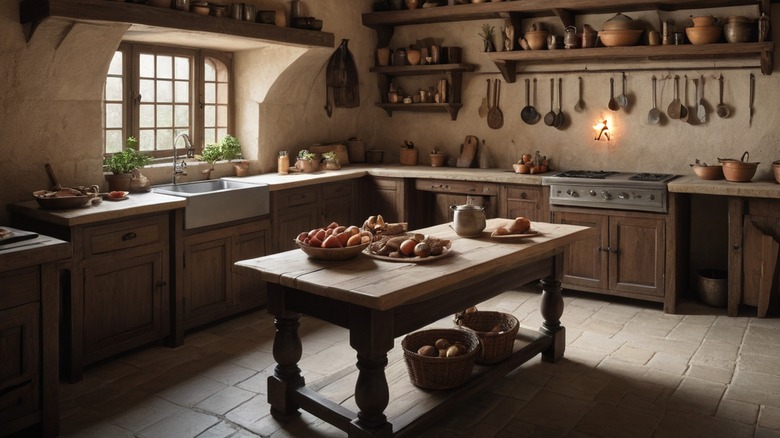
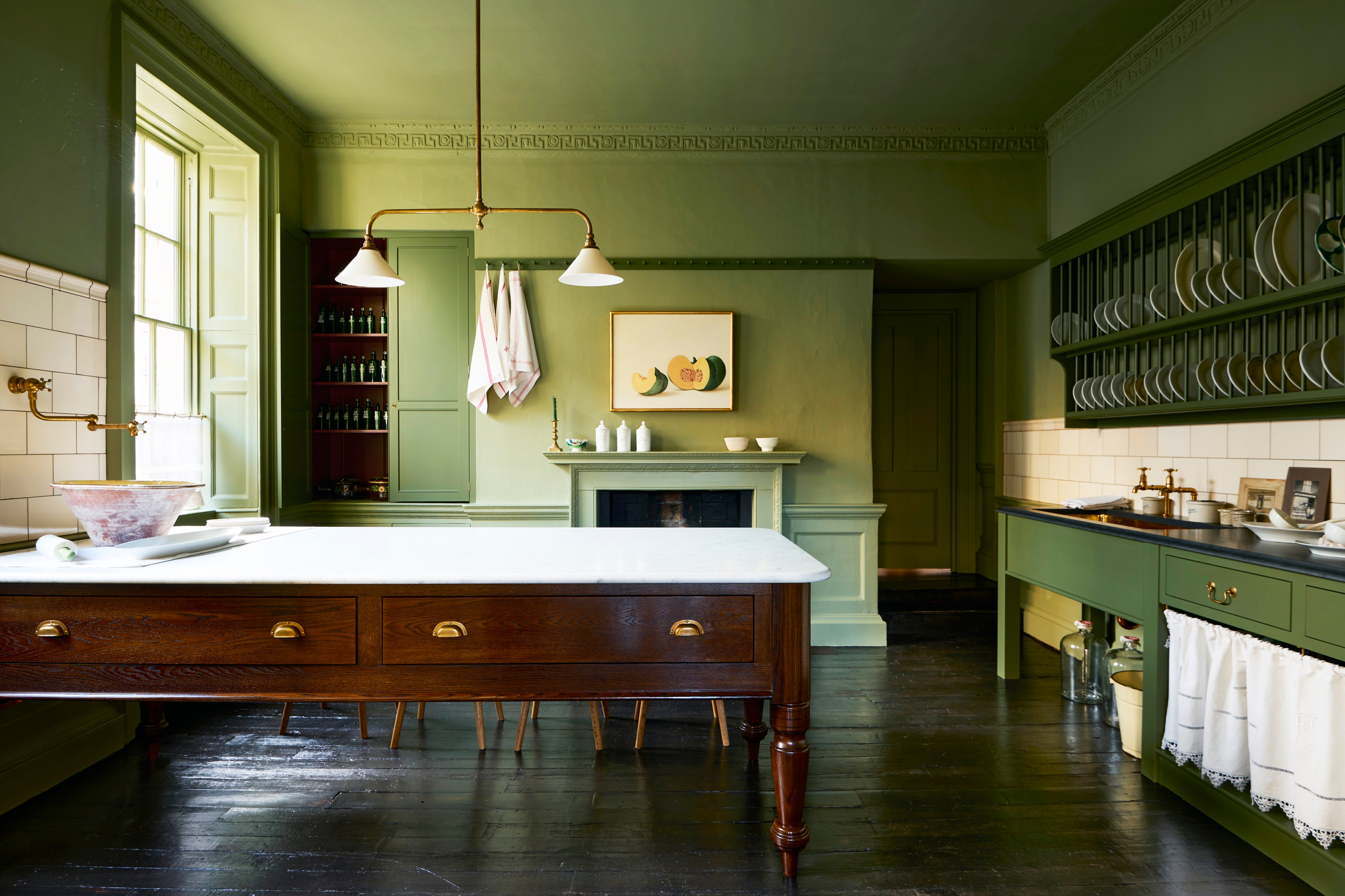
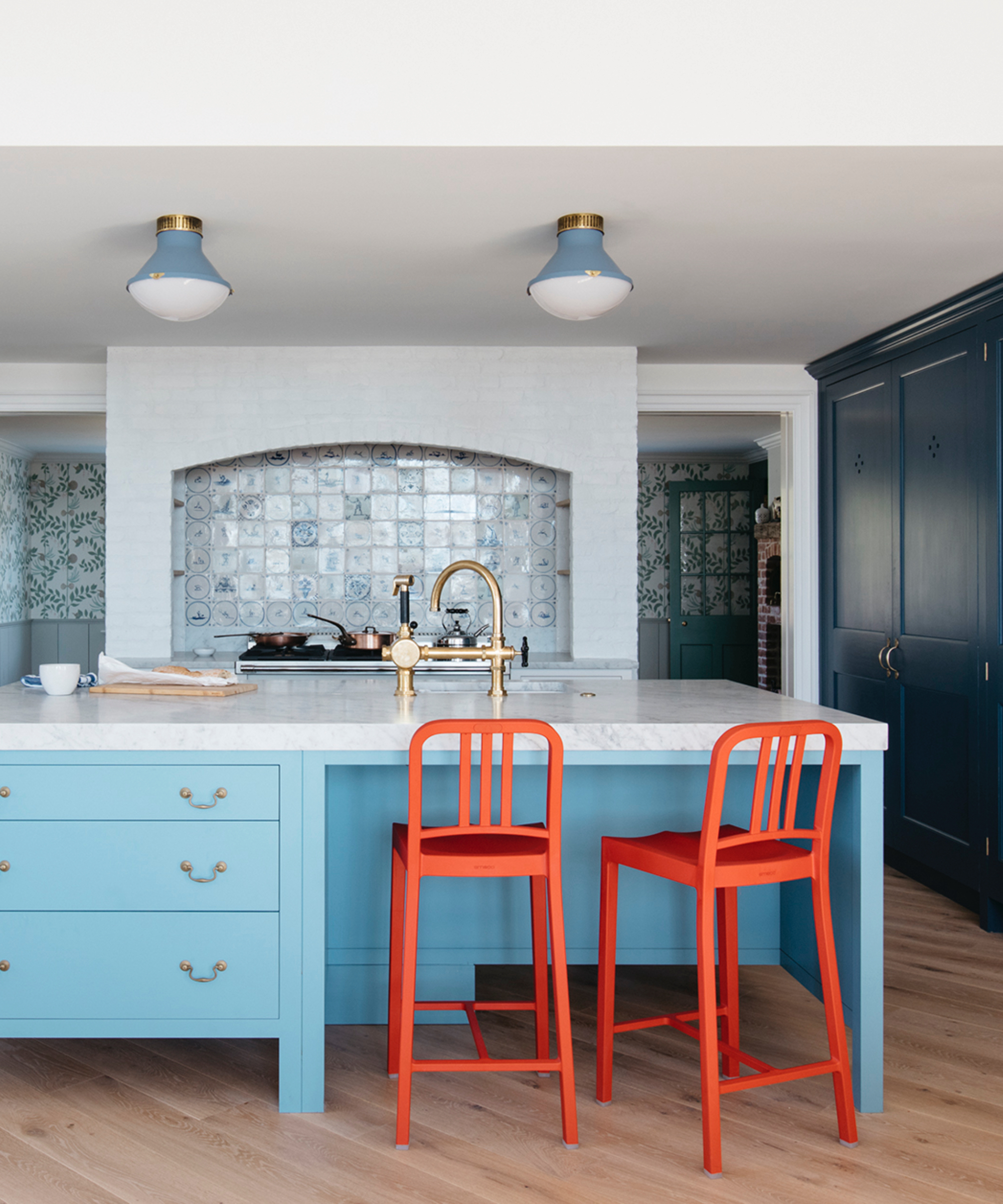
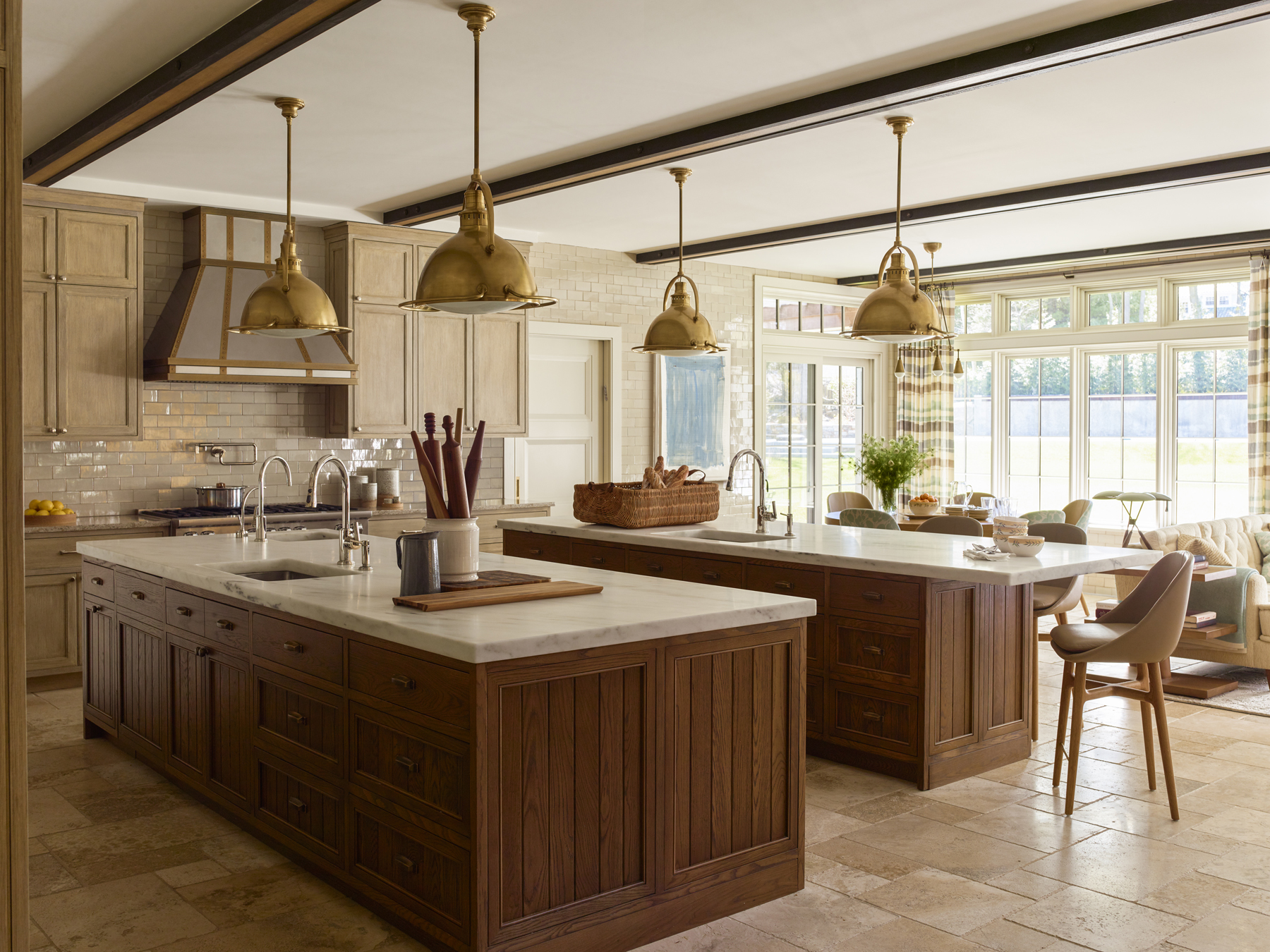
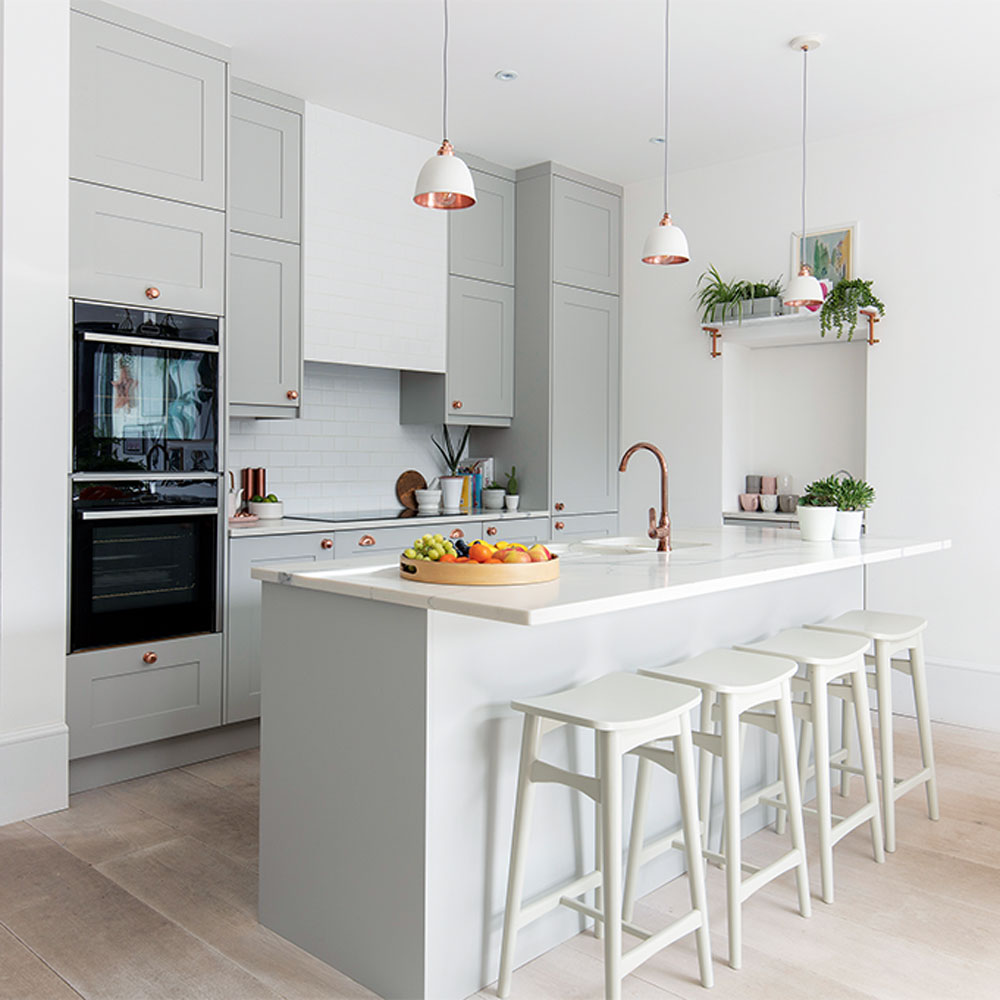
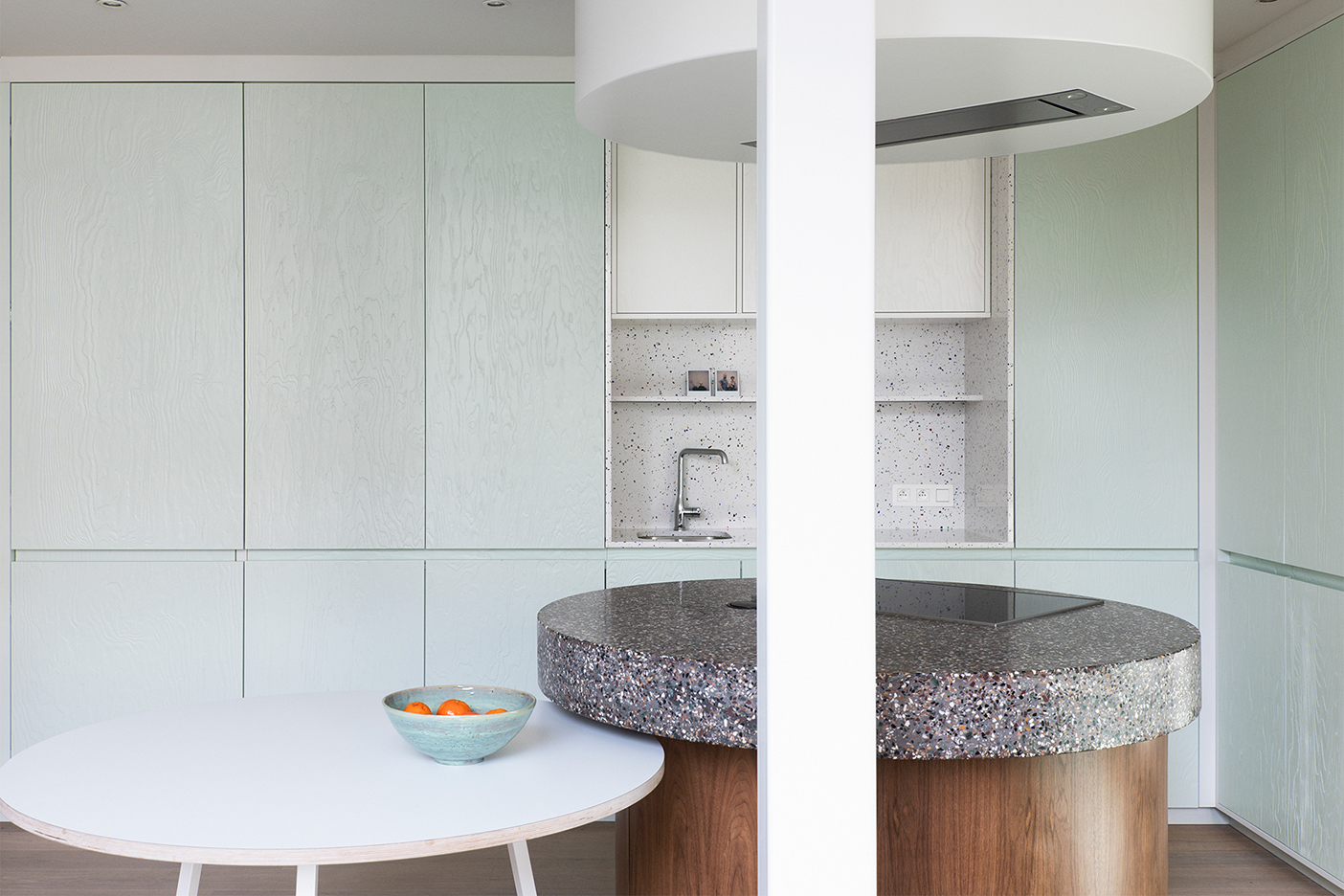
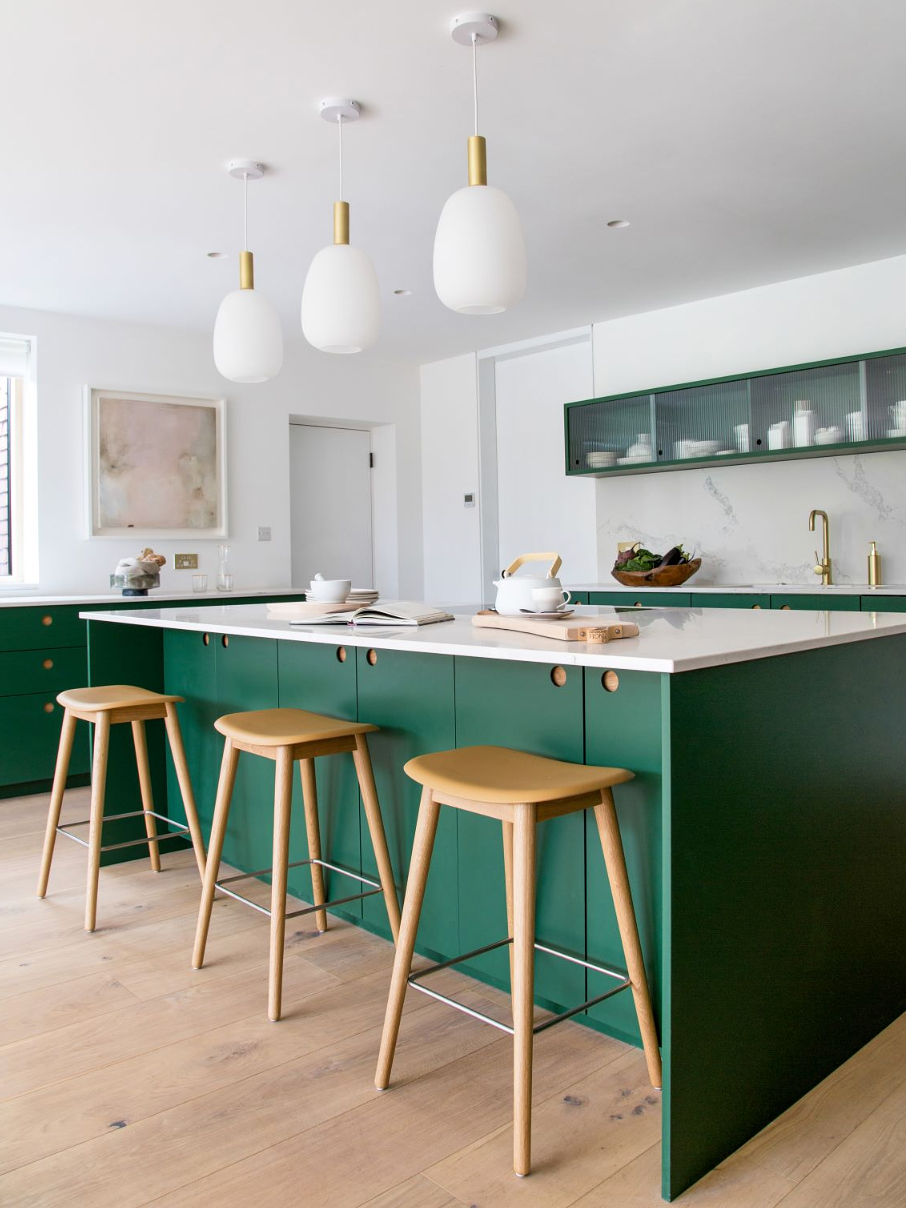
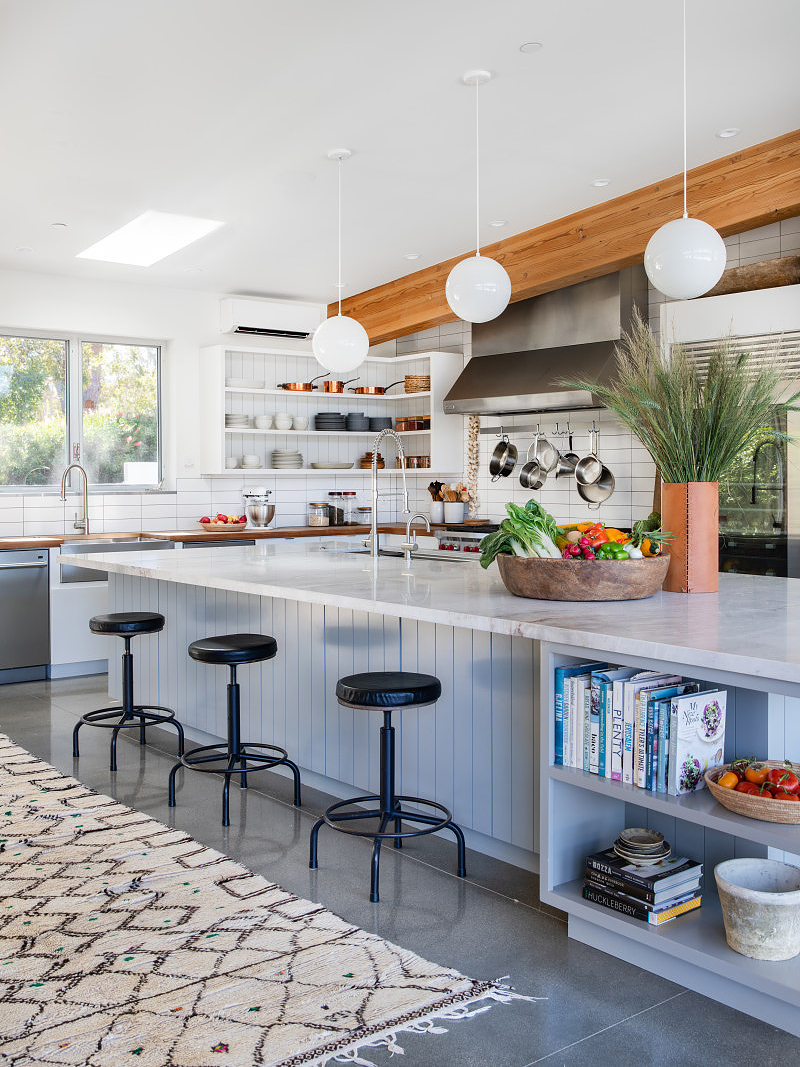

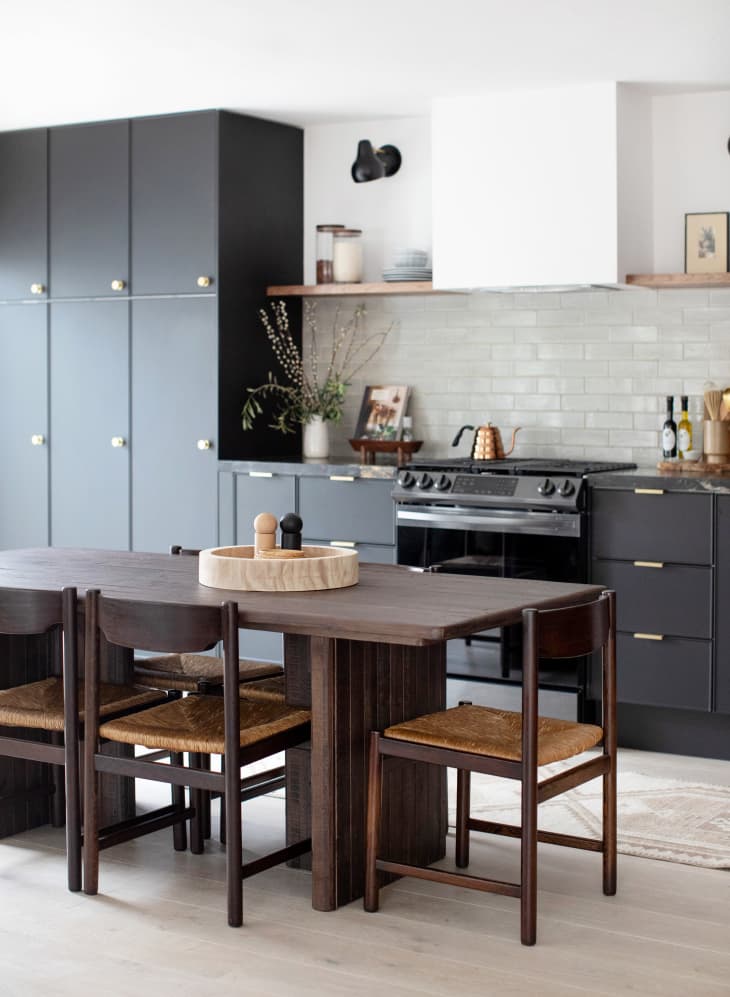
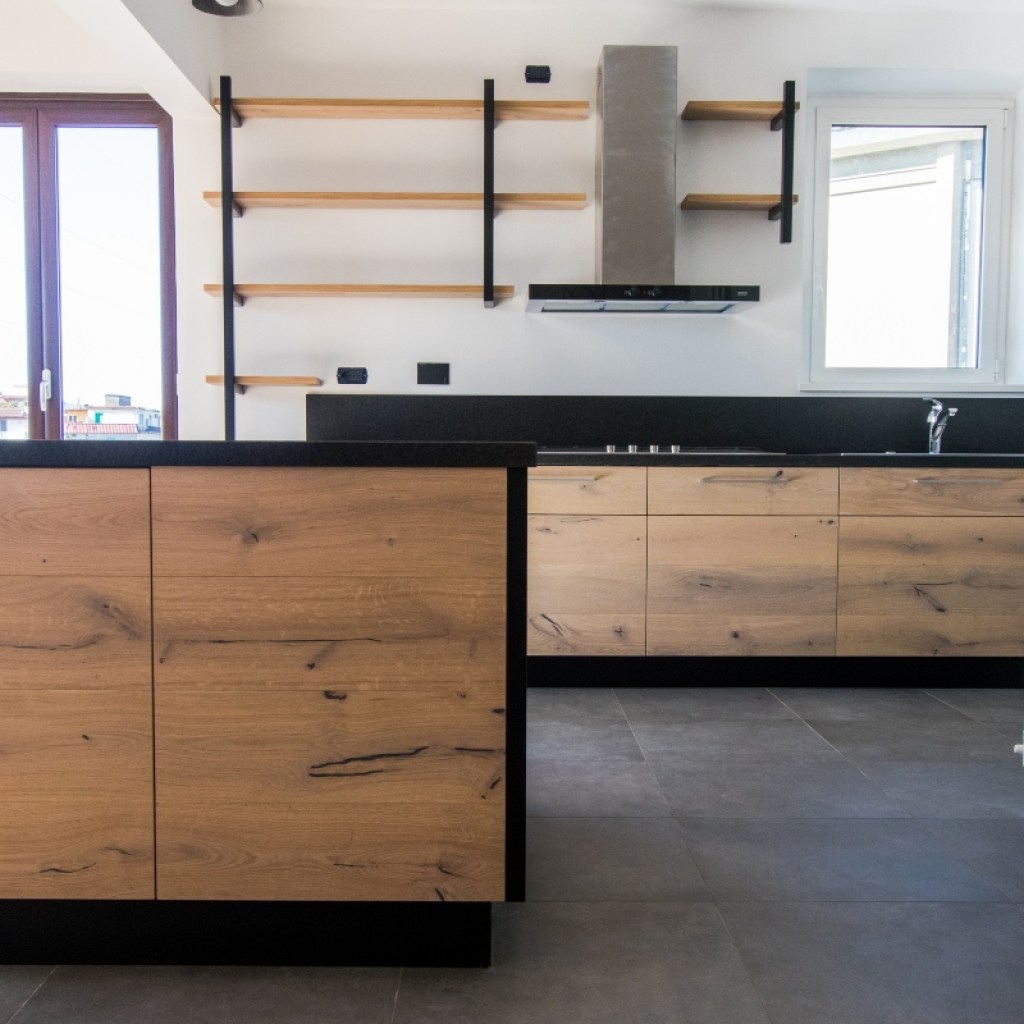
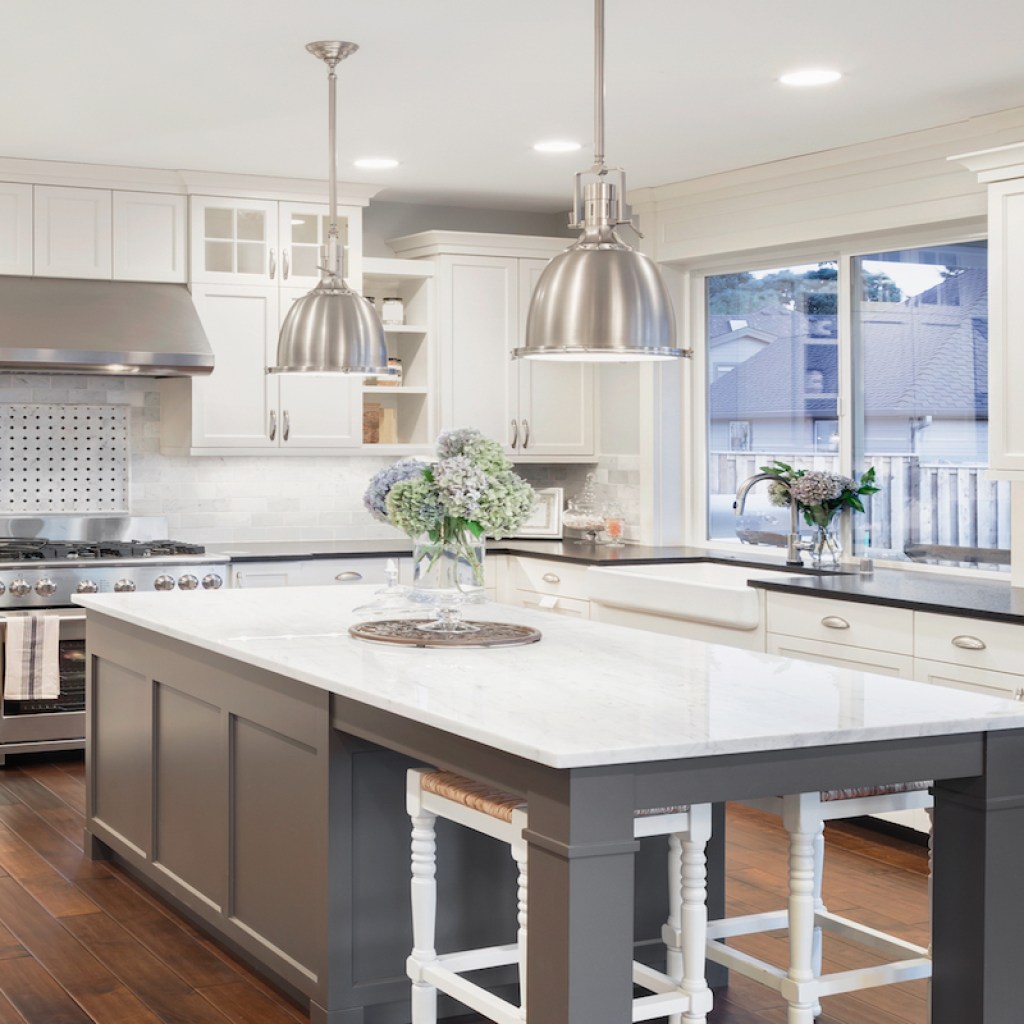
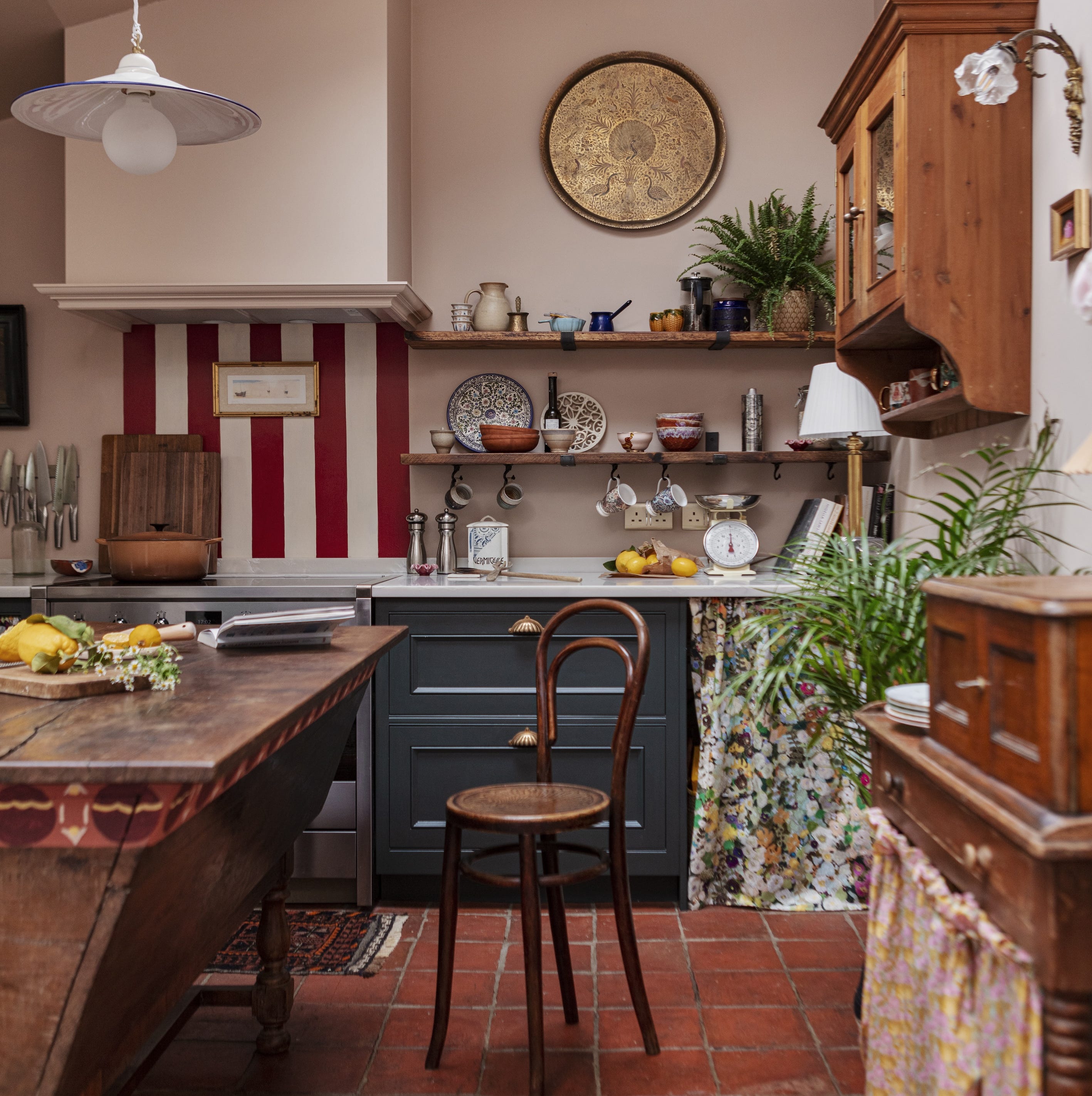
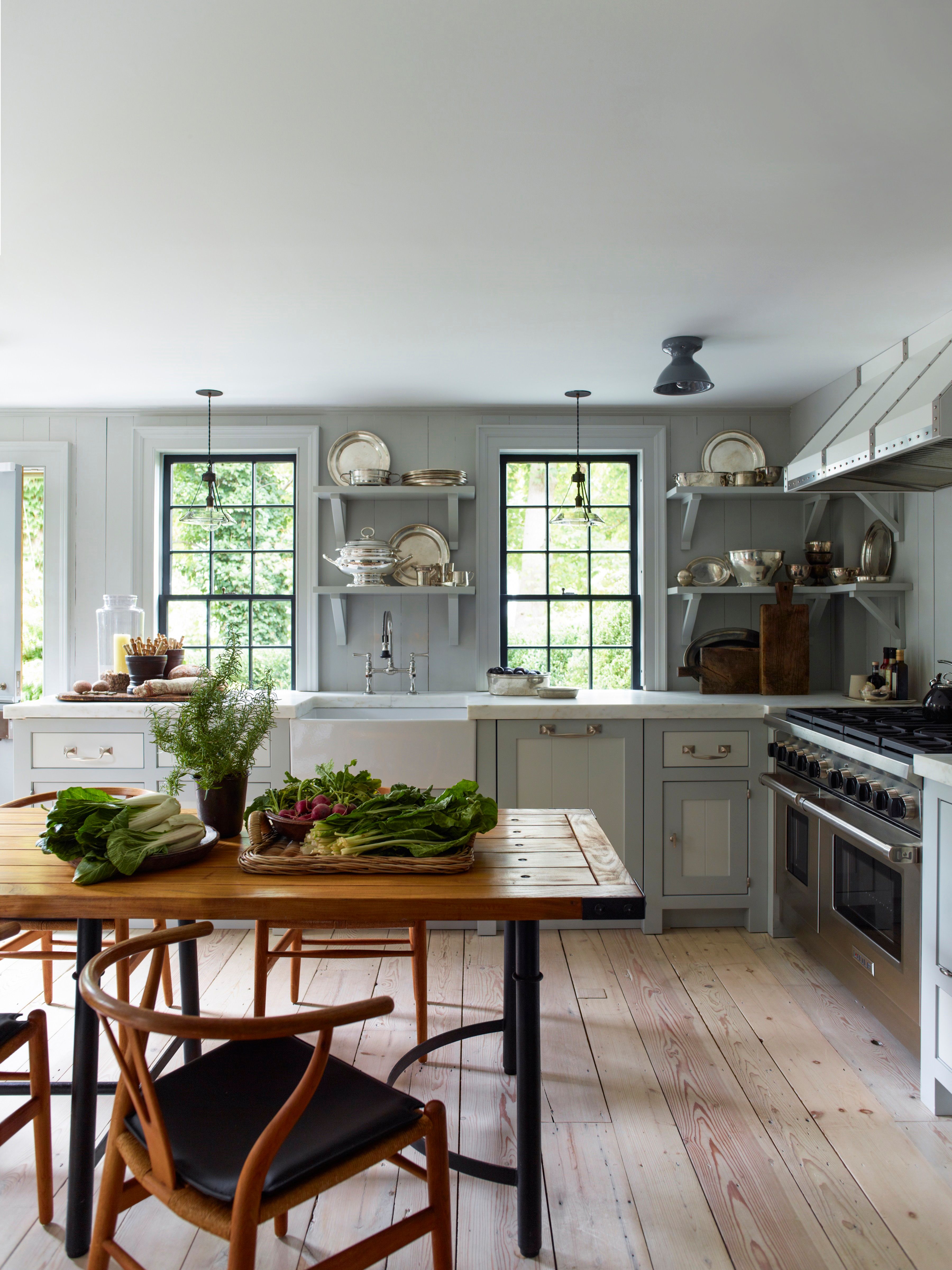
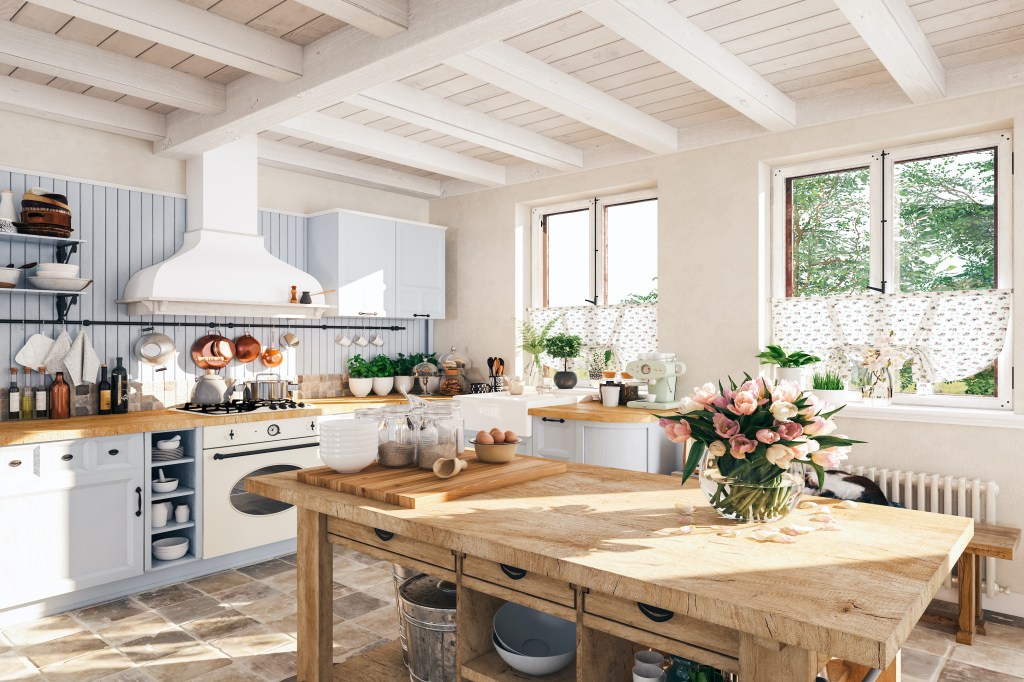
Traditional work tables are experiencing a revival as a preferred alternative to built-in kitchen islands, offering a relaxed, lived-in aesthetic that aligns with current kitchen trends. These freestanding units, often featuring a large countertop, a couple of drawers, and a lower shelf, provide a more open and airy feel compared to the boxy nature of typical islands. This design philosophy echoes the functionality found in Victorian and Georgian homes, where the focus was on food preparation and social gathering. While they offer less storage than conventional islands, their appeal lies in their versatility and ability to foster a more sociable atmosphere in the kitchen.
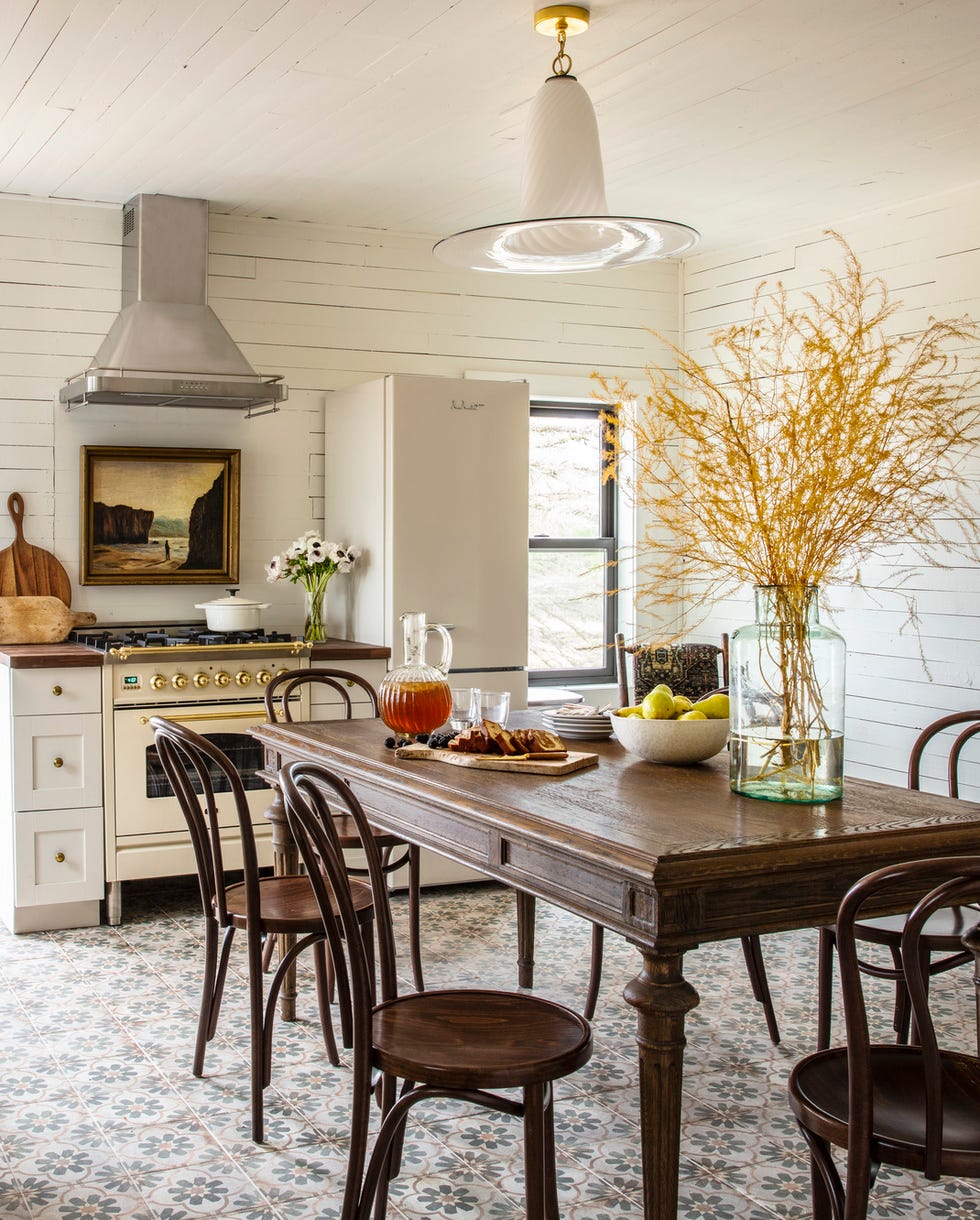
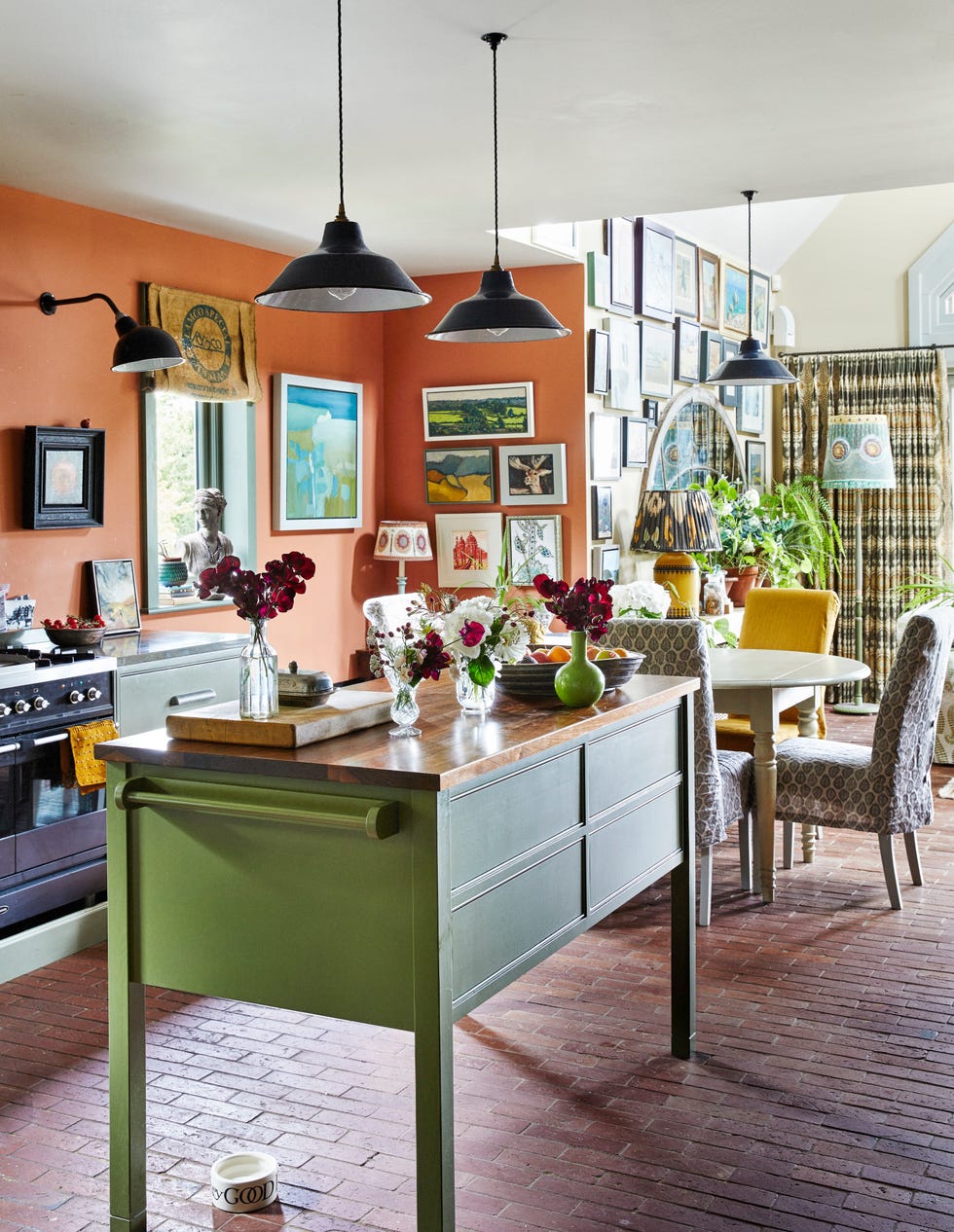
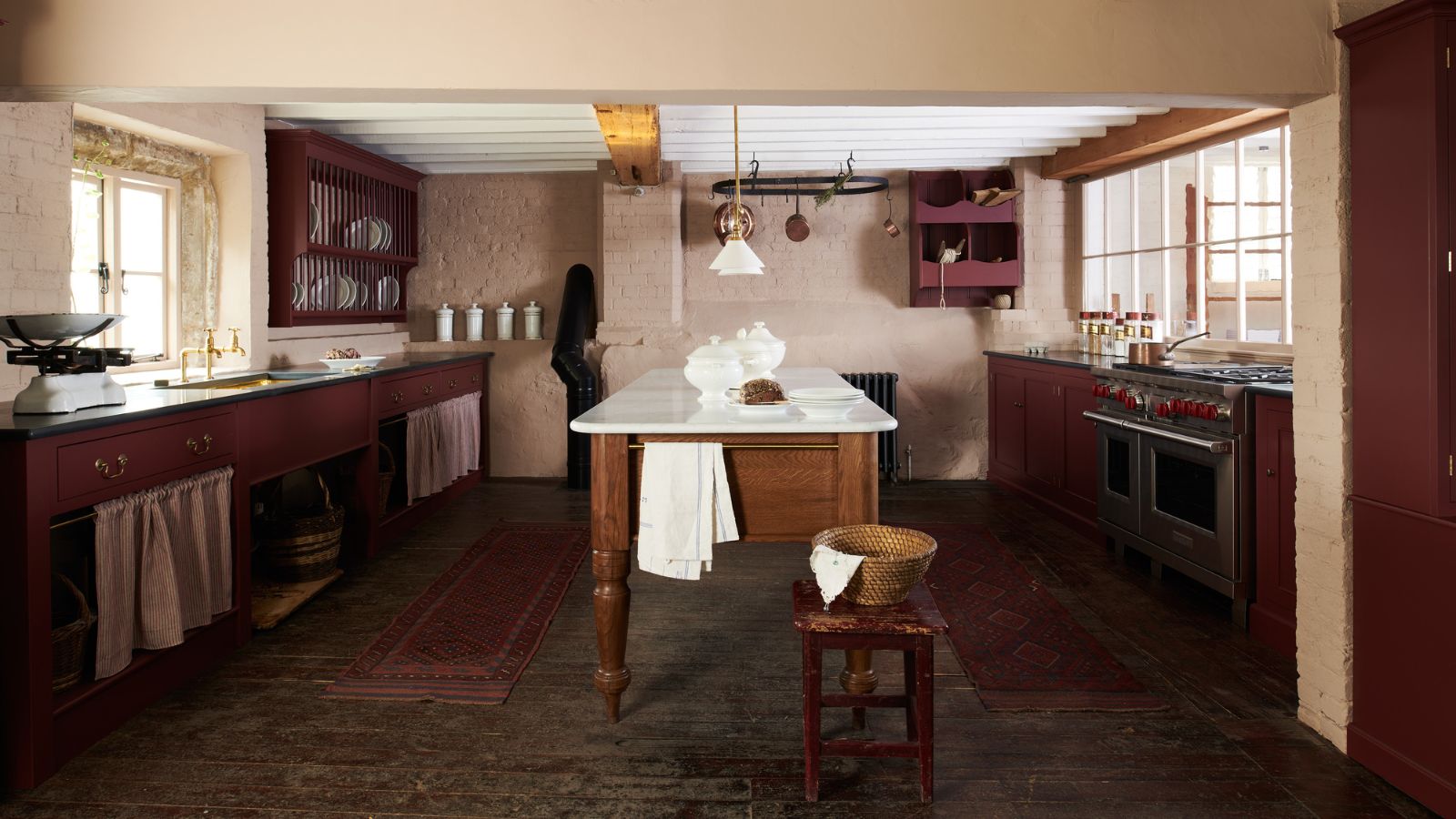
Designers highlight the growing trend towards freestanding kitchen elements, with work tables fitting seamlessly into both traditional and contemporary homes. Richard Davonport, managing director at Davonport, notes their relaxed, informal aesthetic that suits modern lifestyles and entertainment preferences. In period homes, work tables integrate particularly well with the existing architecture. Their adaptable nature, ranging from simple tables to more built-in-looking features, allows them to complement various kitchen styles and meet diverse household needs. Davonport emphasizes that these tables bring a sense of lightness to a space, facilitate creative material contrasts, and can be styled to appear more like furniture than a fixed fixture, offering flexibility for future kitchen evolution.
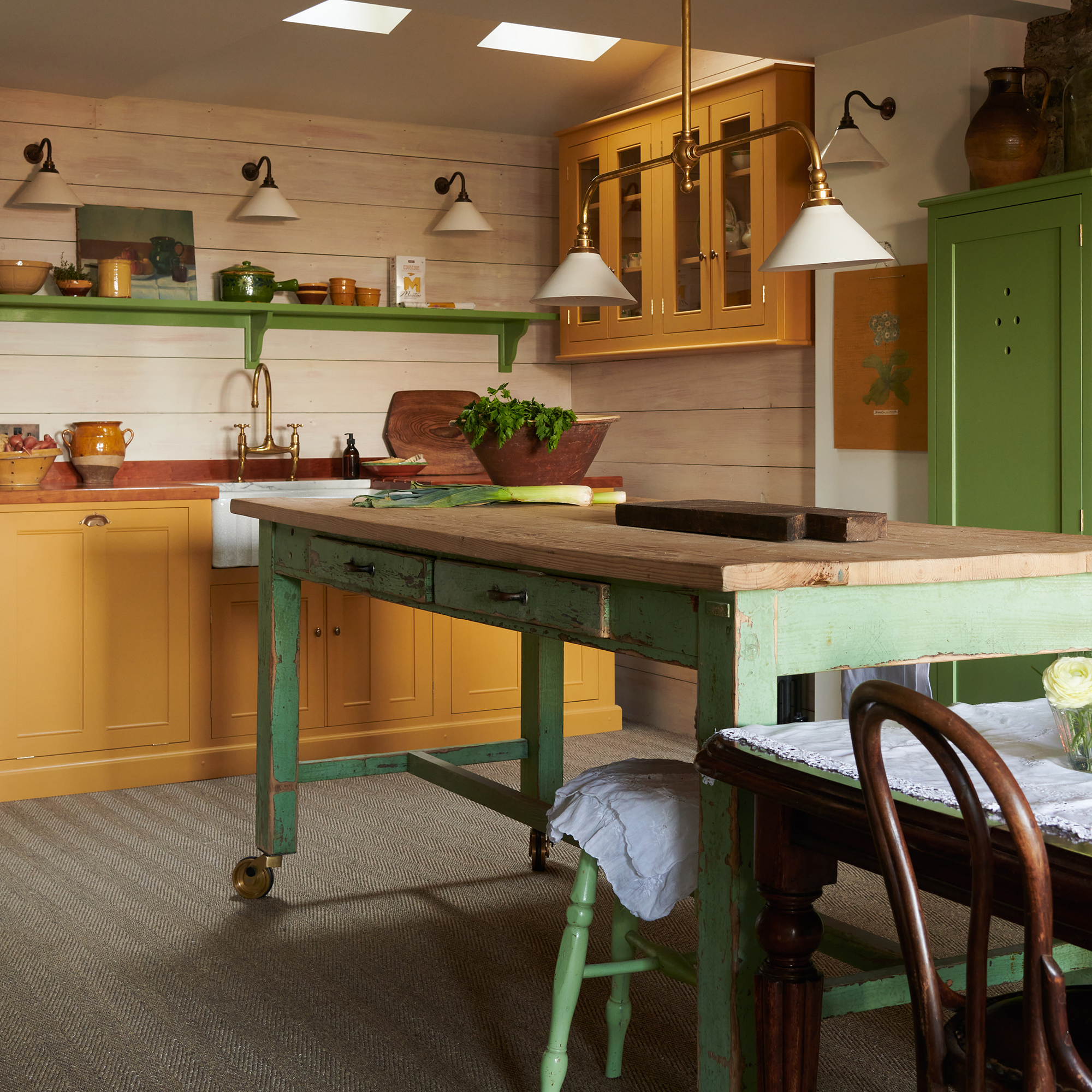
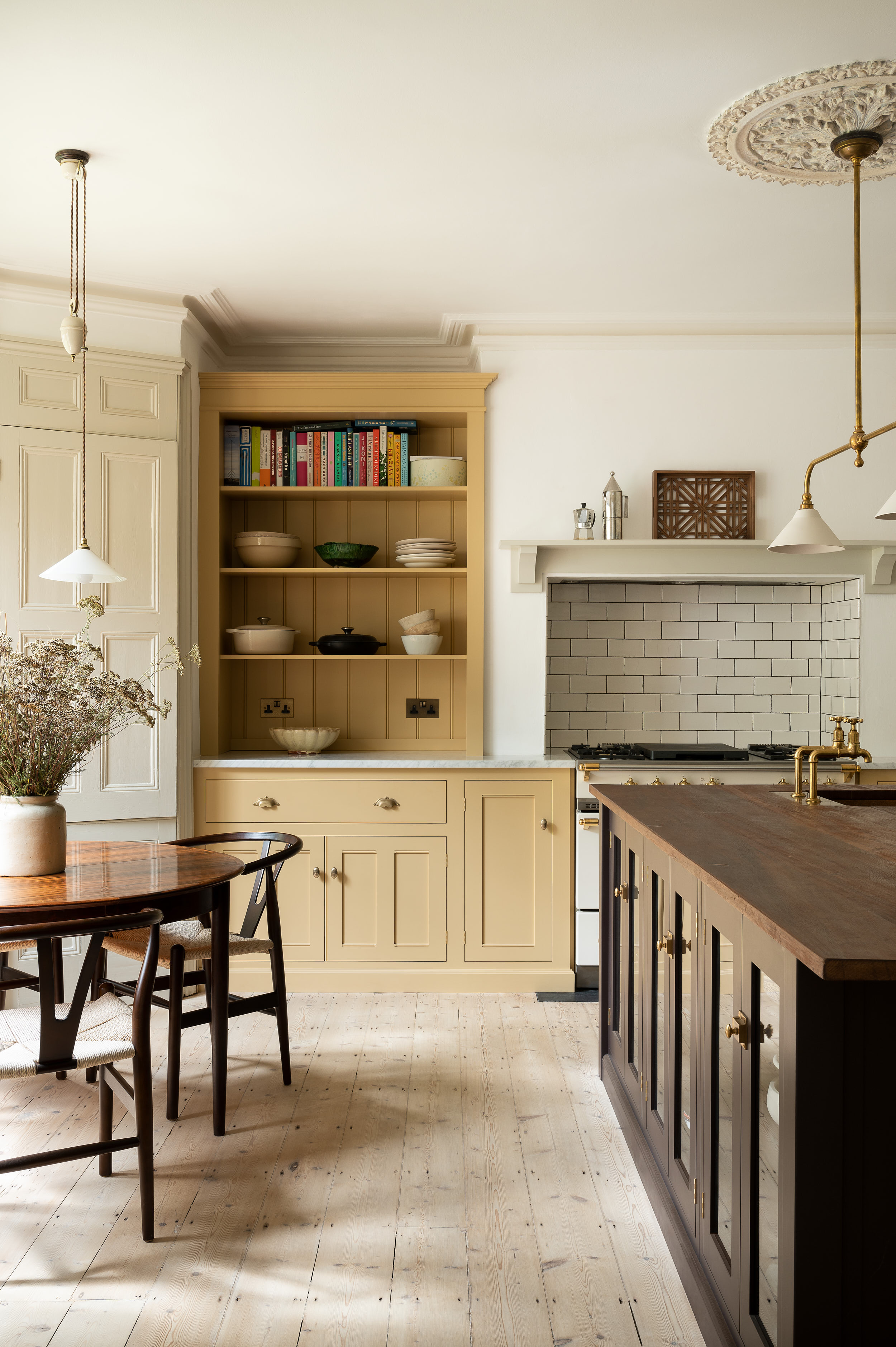
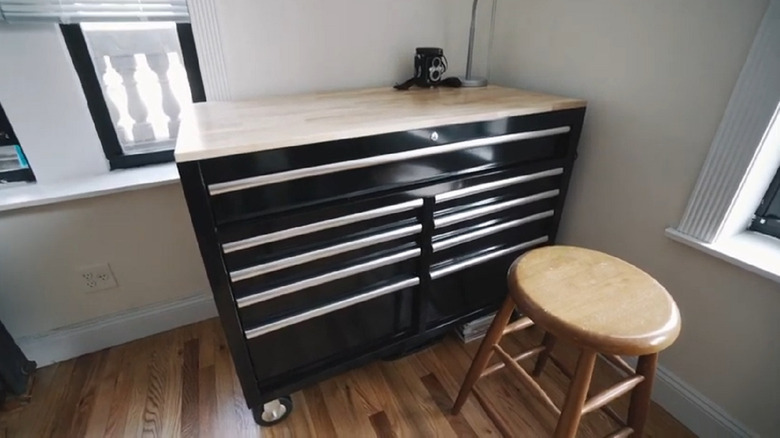
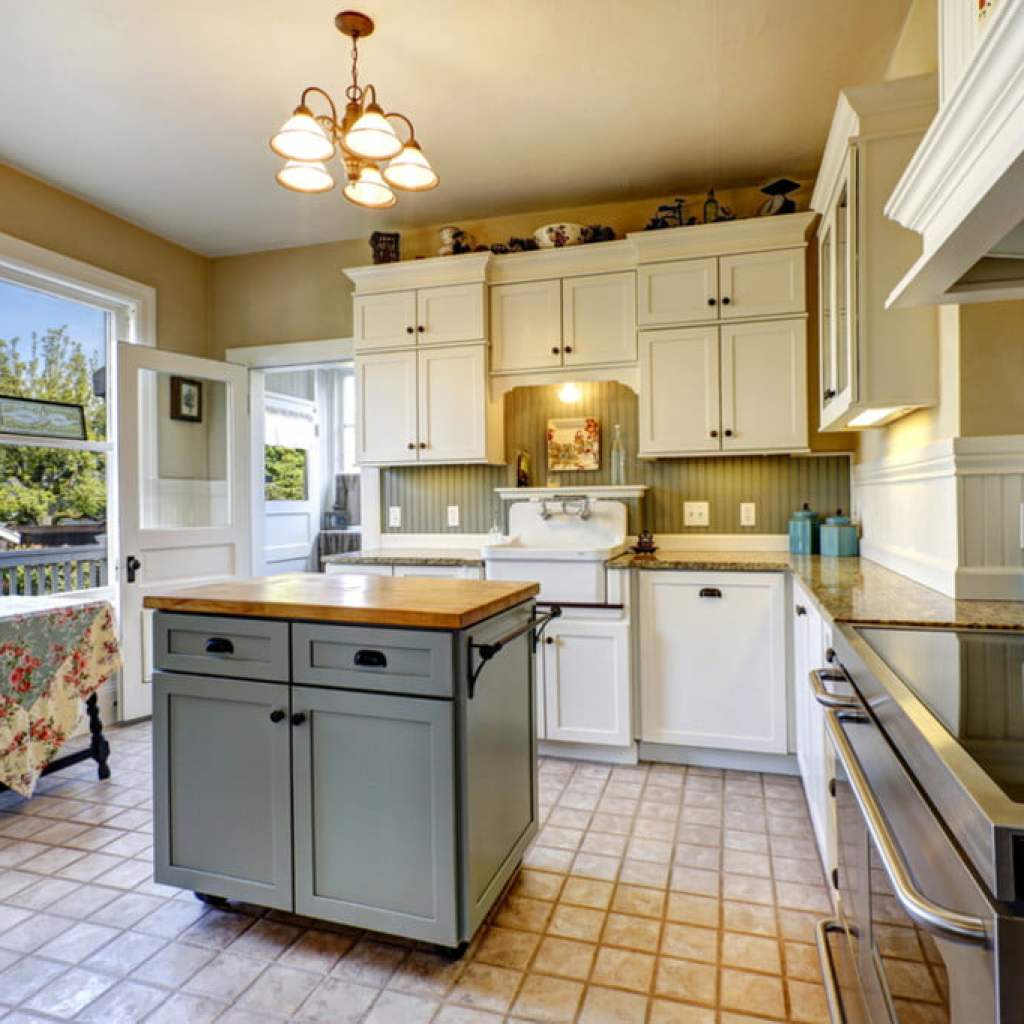
One of the most significant advantages of incorporating a work table into a kitchen is its social aspect. Helen Parker, creative director at deVOL Kitchens, suggests that a work table transforms the kitchen into a central hub for family life, where cooking and conversation can coexist. She envisions a kitchen with ample space for food preparation and communal engagement. For those seeking an authentic look, vintage work tables offer character and functionality, especially when enhanced with features like castors for mobility. This allows for dynamic kitchen layouts, adapting the space based on immediate needs.
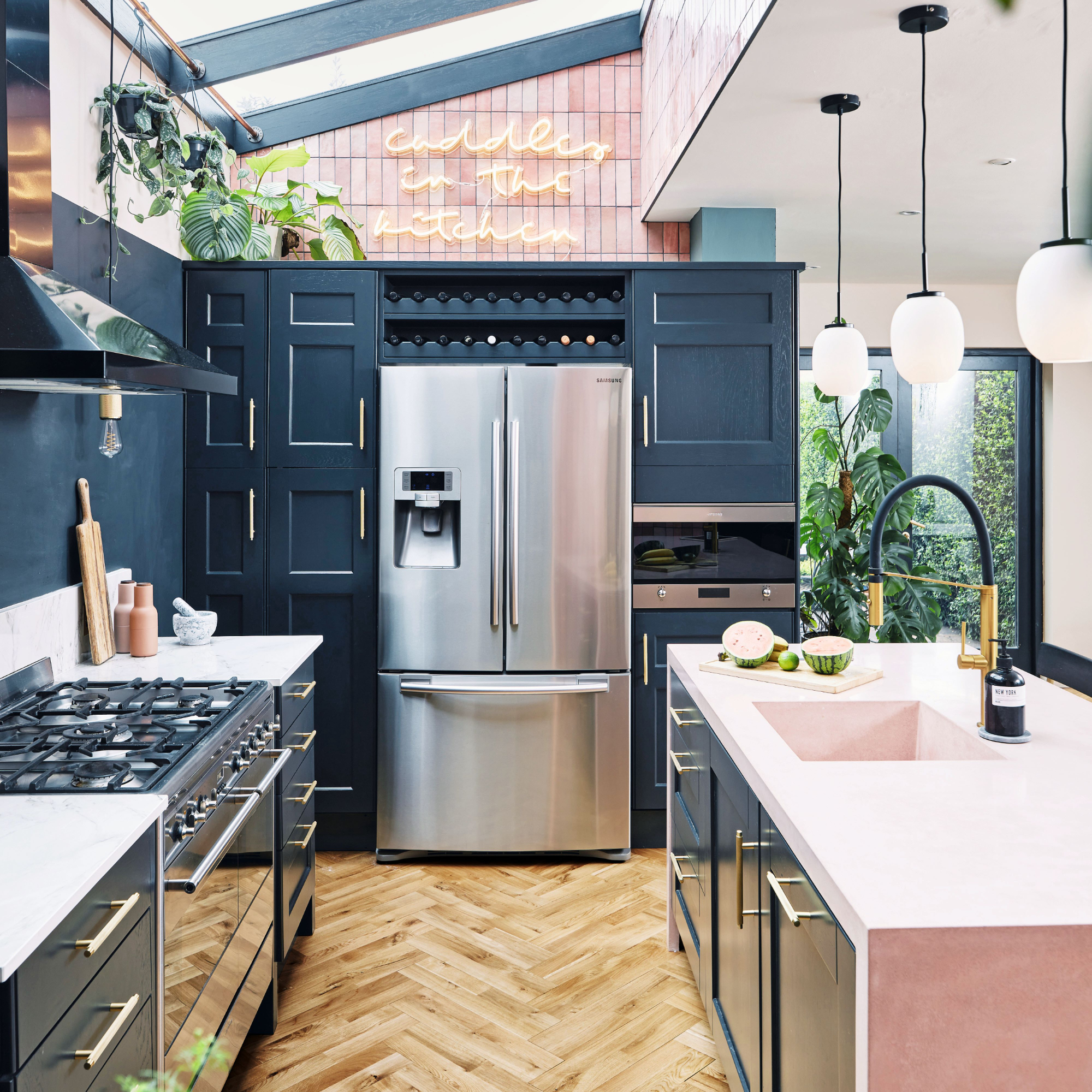
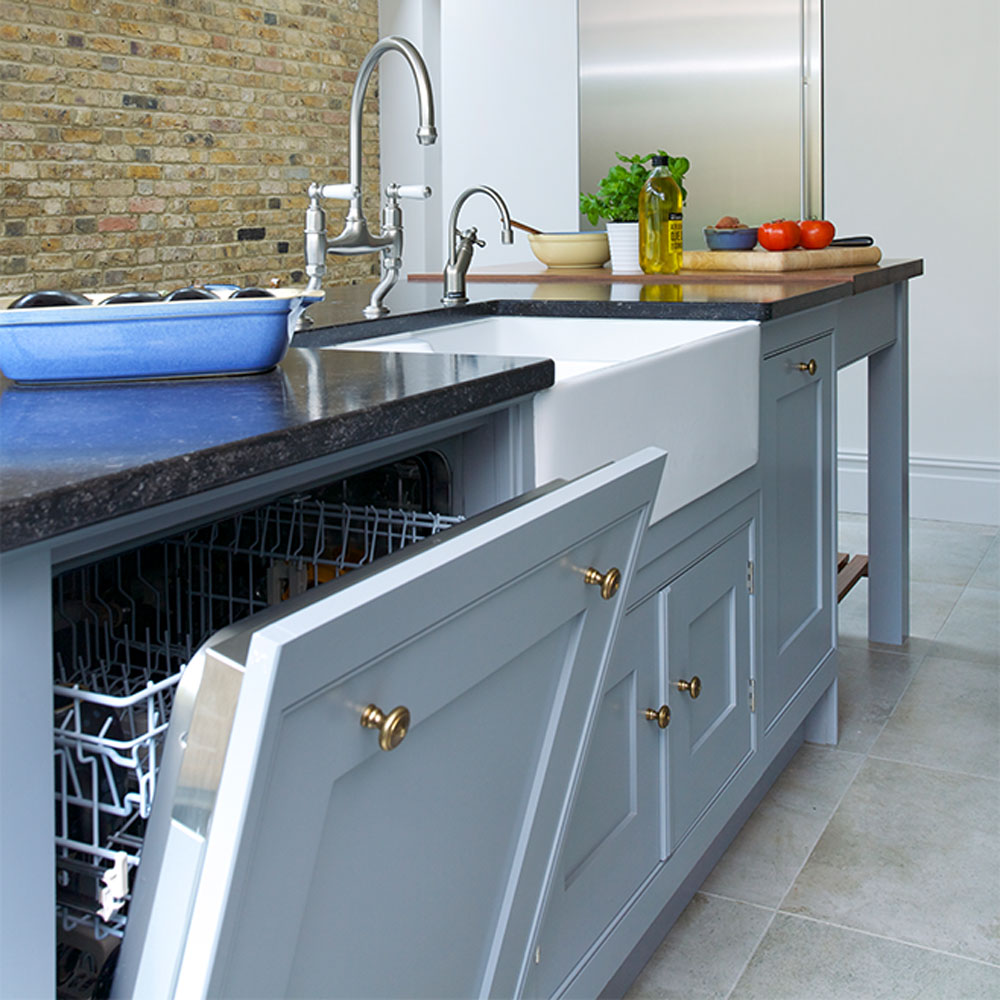
However, work tables are not without their considerations. For kitchens requiring substantial storage, a traditional work table's limited capacity might be a drawback. To address this, hybrid designs offer a compromise, providing the aesthetic of a freestanding unit with the added functionality of deep drawers and pot boards typically found in built-in islands. This allows homeowners to achieve the desired look without sacrificing essential storage space.
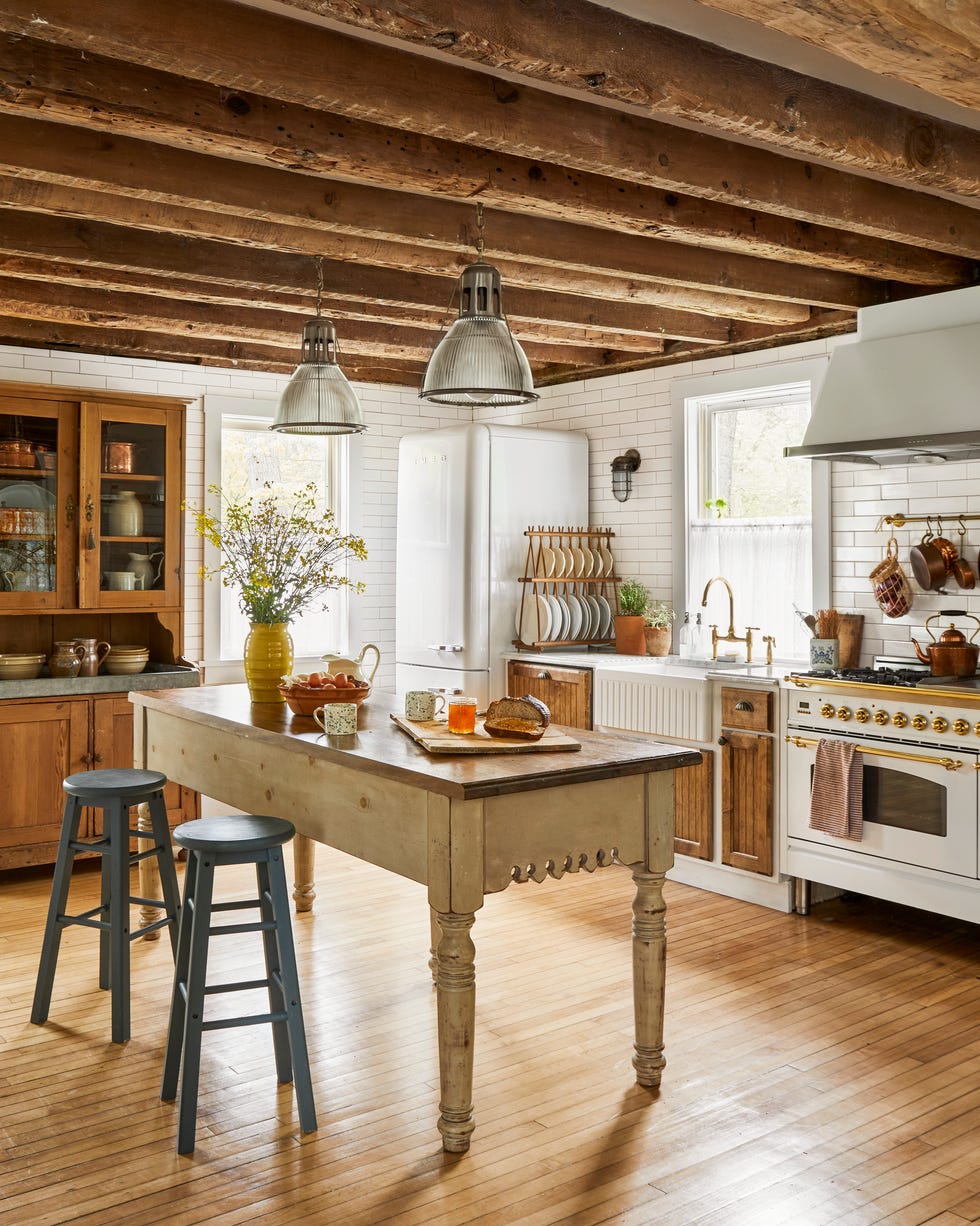
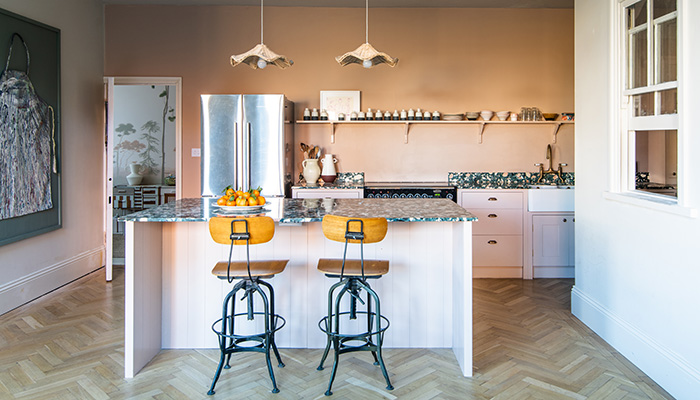
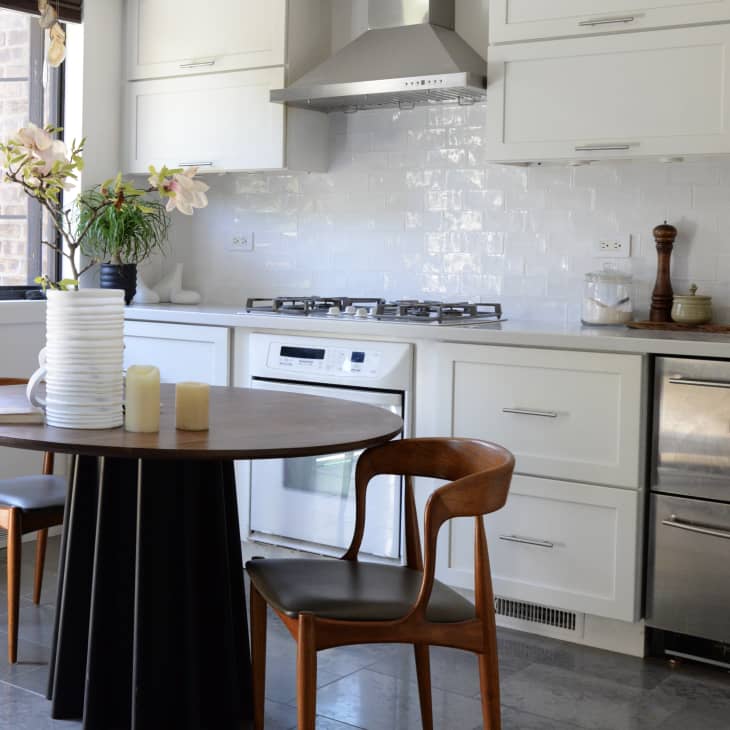
Work tables are particularly well-suited for smaller kitchens where a bulky built-in island could make the space feel cramped. Their open, freestanding design can contribute to an illusion of greater space, making a small kitchen appear larger and more inviting. The article illustrates this with an example of an L-shaped kitchen where a work table integrates harmoniously with wooden countertops and original floorboards, creating a charming and functional central point. Ultimately, the trend towards work tables emphasizes a return to traditional, adaptable, and character-filled kitchen designs, encouraging a more relaxed and communal approach to the heart of the home, provided the reduced storage is taken into account.
#KitchenDesign #WorkTable #KitchenIsland #InteriorDesignTrends #FreestandingKitchen #HomeDecor #SmallKitchenSolutions #VintageFurniture #KitchenDesign #WorkTable #KitchenIsland #InteriorDesignTrends #FreestandingKitchen #HomeDecor #SmallKitchenSolutions #VintageFurniture
0 commenti in totale
 Nessun commento ancora
Potresti anche gradire
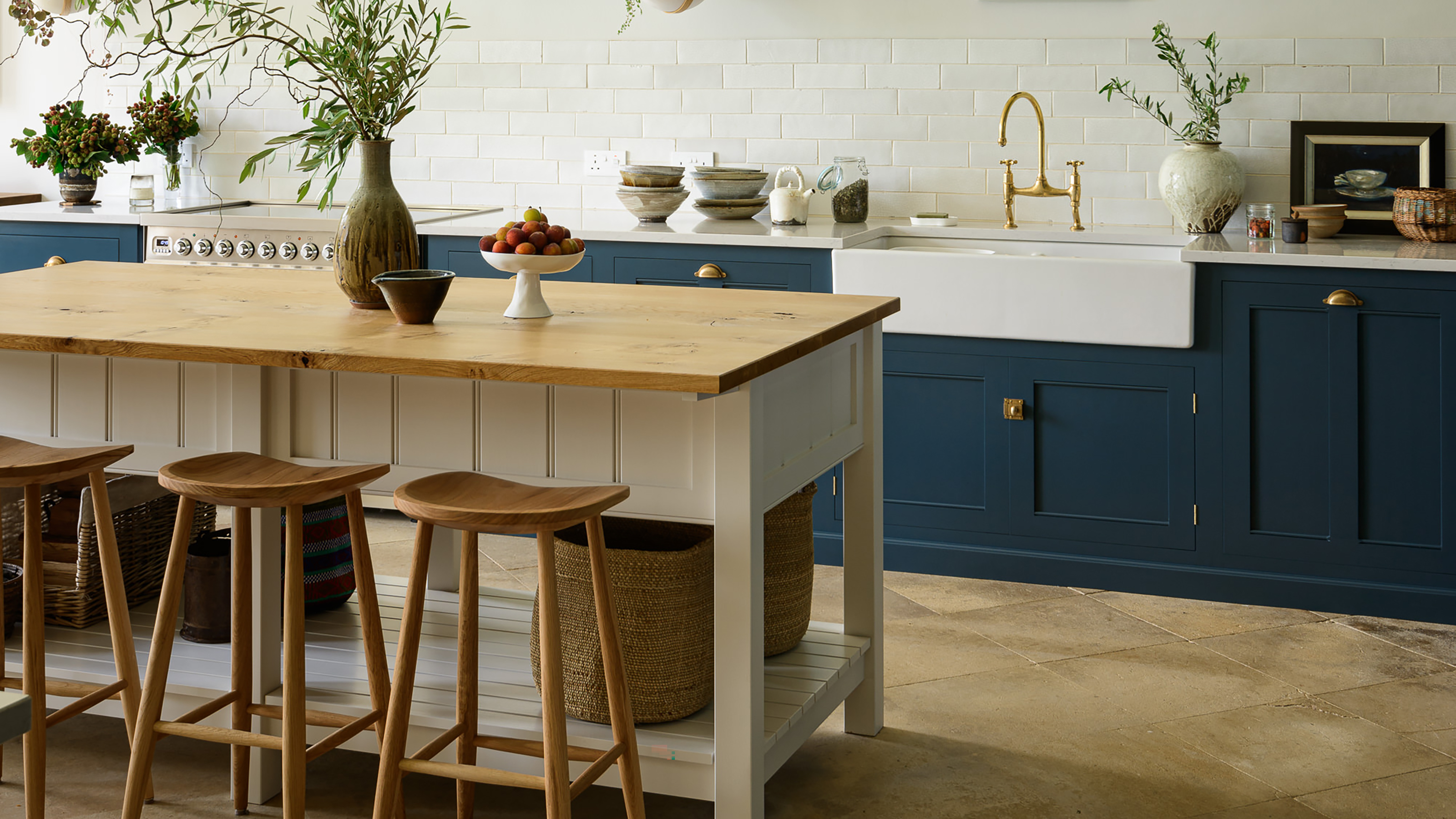
Are kitchen islands out? Kitchen experts agree that the prep table might be it's trendy replacement
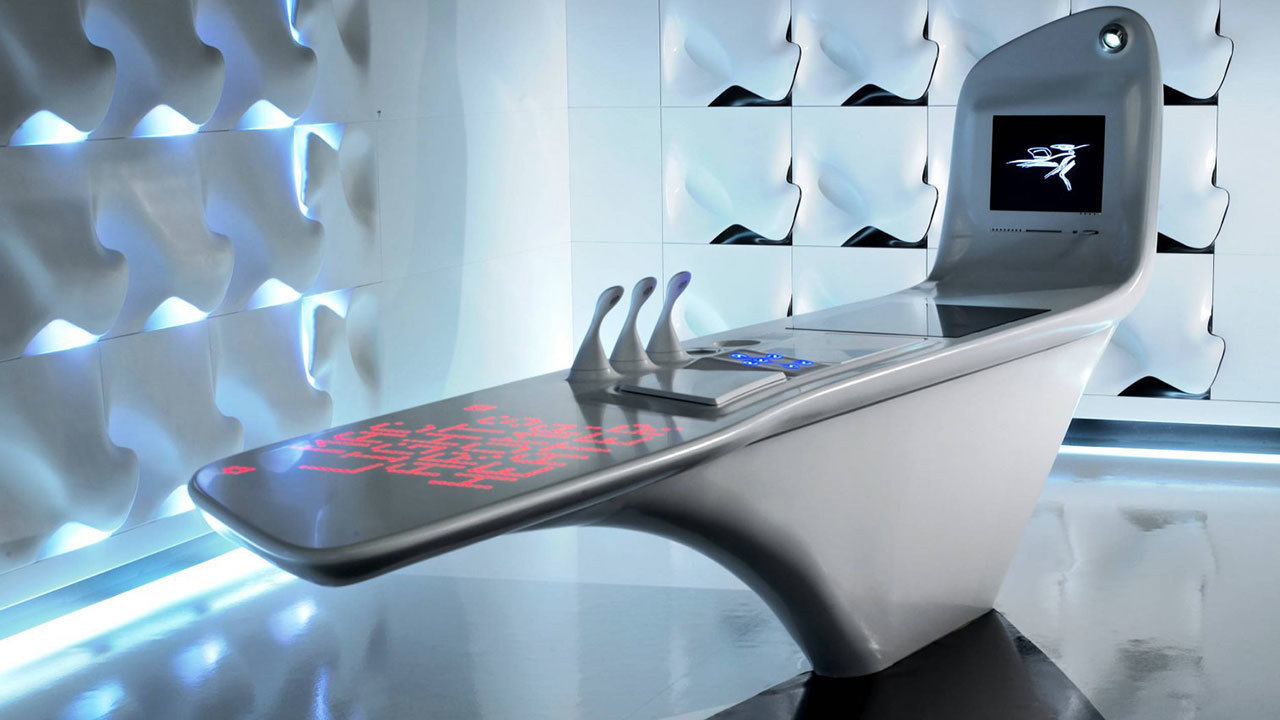
Futuristic Kitchen Islands
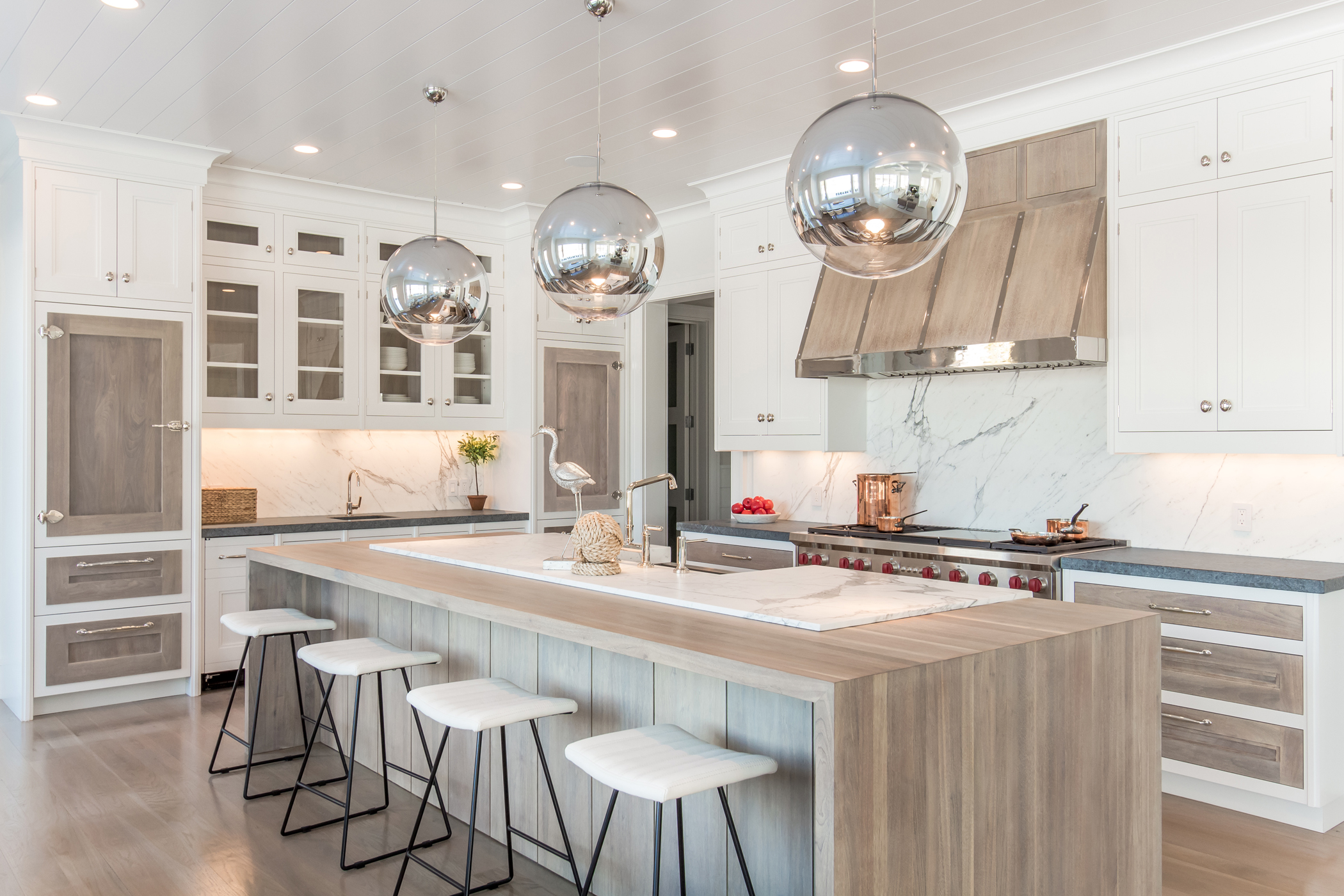
Four trending ways to reimagine kitchen islands
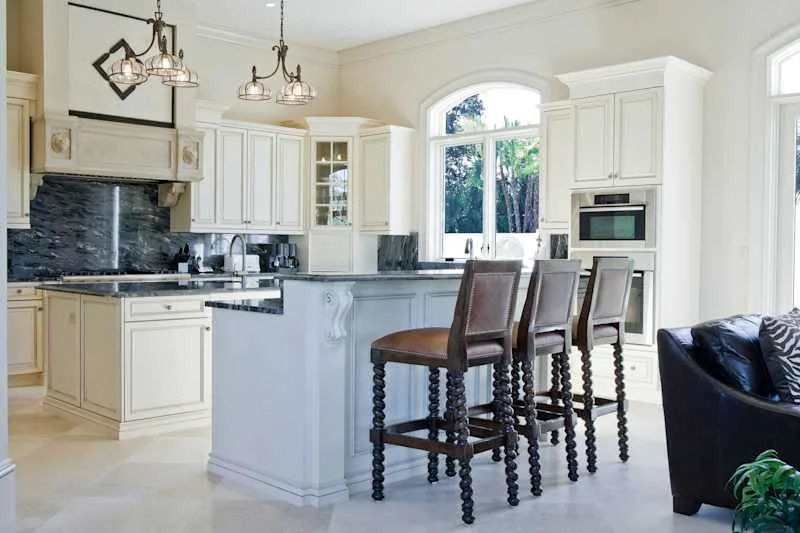
This ’90s Kitchen Island Trend Is Being Replaced with Something Far More Practical

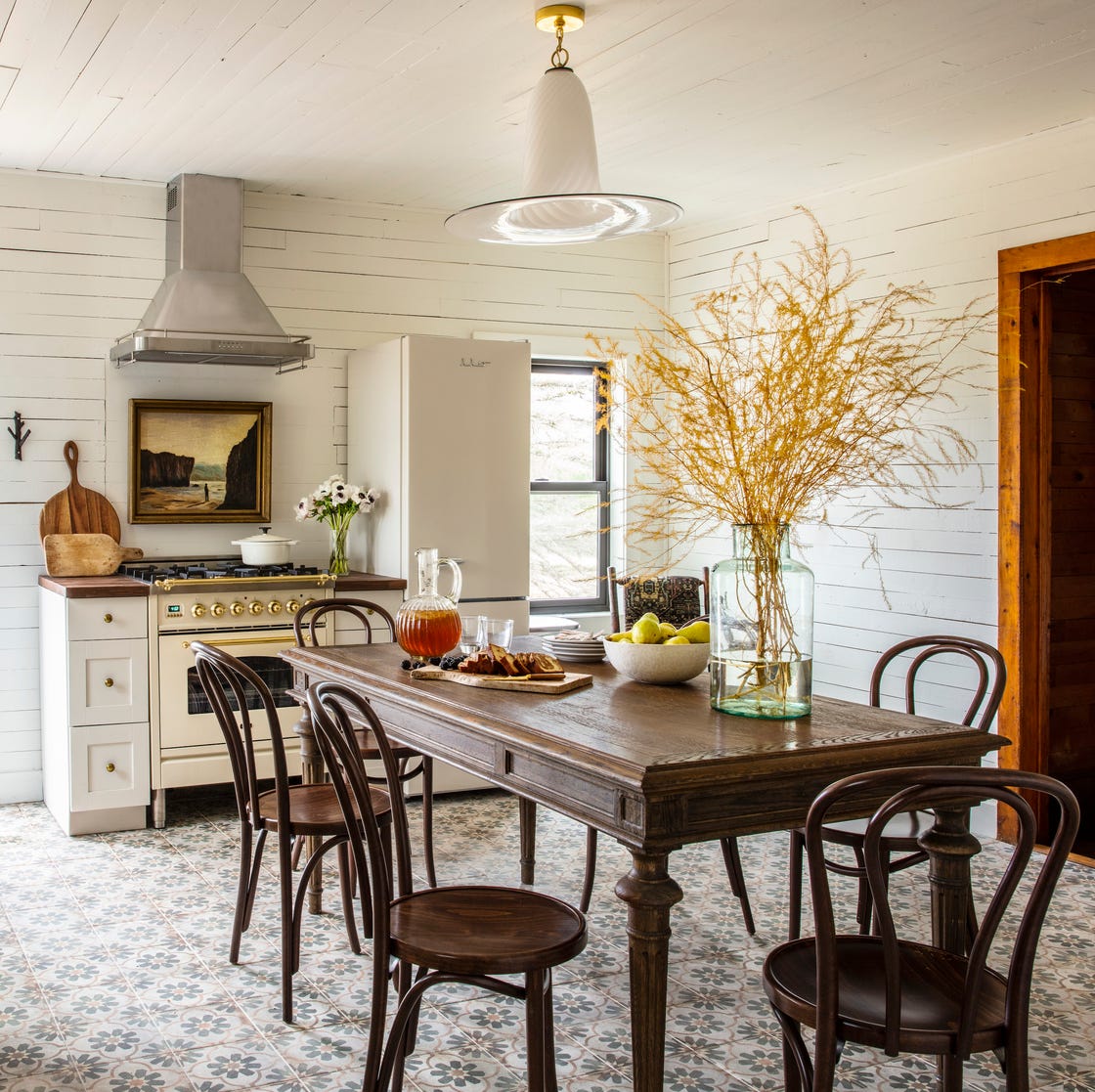
Is It Time to Say Goodbye to the Kitchen Island?
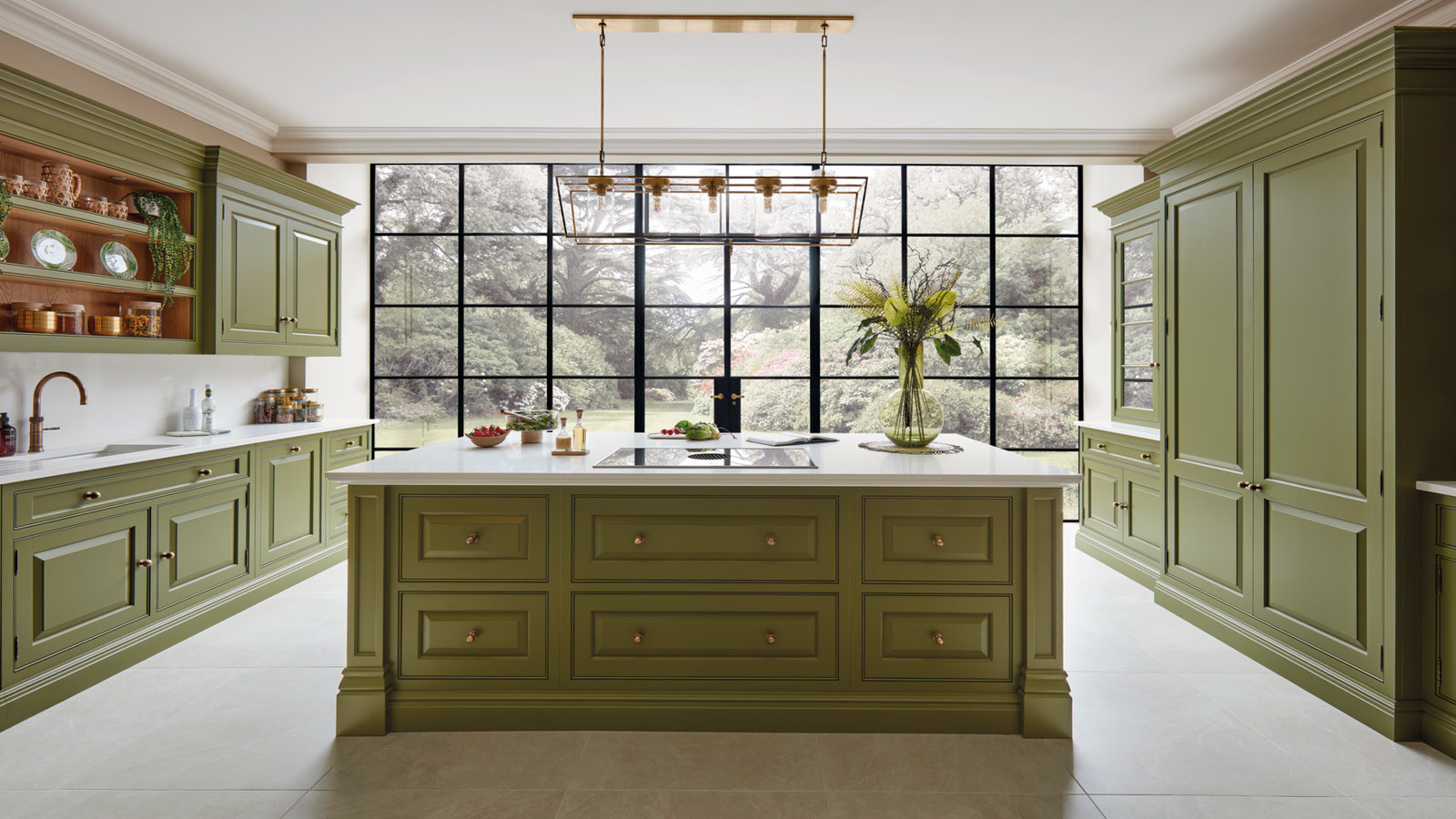
Say goodbye to the kitchen island, and hello to the prep table

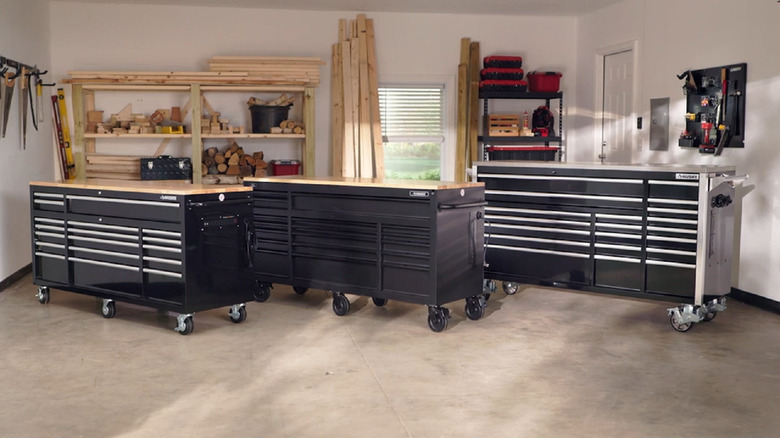
Turn Your Home Depot Workbench Into An Impressive Kitchen Island

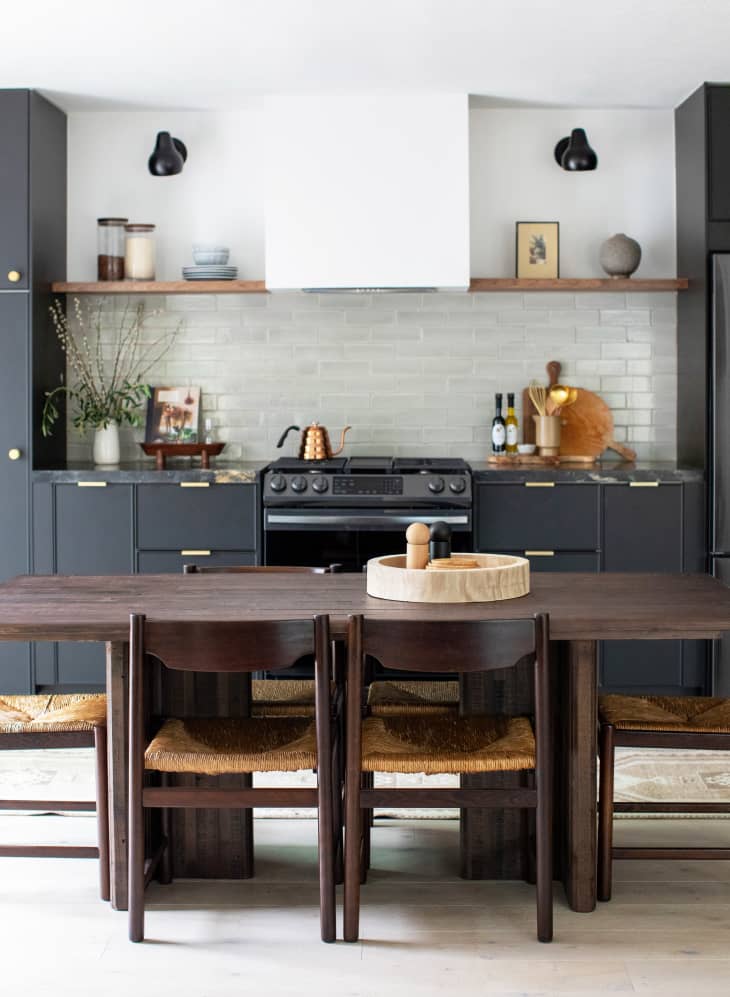
This Smart Kitchen Layout Trick Might Save You Space — and Thousands of Dollars!— in the Long Run
Is it time to say goodbye to kitchen islands?
Move over, islands: Kitchen tables are making a comeback

Kitchen island sink ideas to create a multi-functional workspace
5 kitchen worktop trends that experts think you should be considering for your next project in 2025
This Popular Kitchen Feature Might Actually Date Your Home

Do you need a kitchen island? Designers weigh in on are they an essential or are islands becoming outdated

Cleverly Designed Kitchen Islands That Check Off Storage and Seating
The best kitchen island ideas for a captivating (and functional) prep space
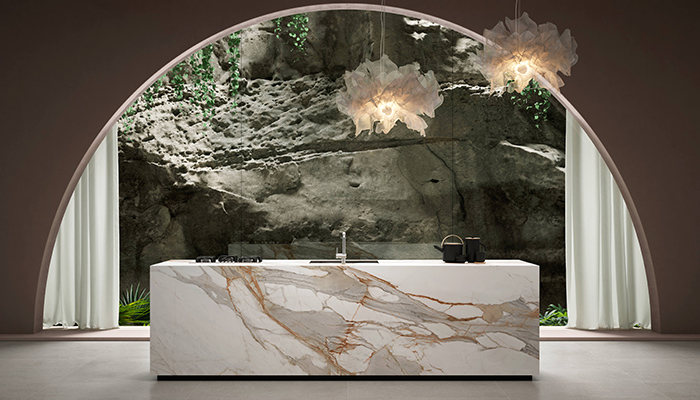
10 statement island worktops for the ultimate kitchen centrepiece

All Kitchen worktops


Move Over Dining Rooms, the Kitchen Island Just Became the Coziest Eating Spot — All You Need is the Right Seating

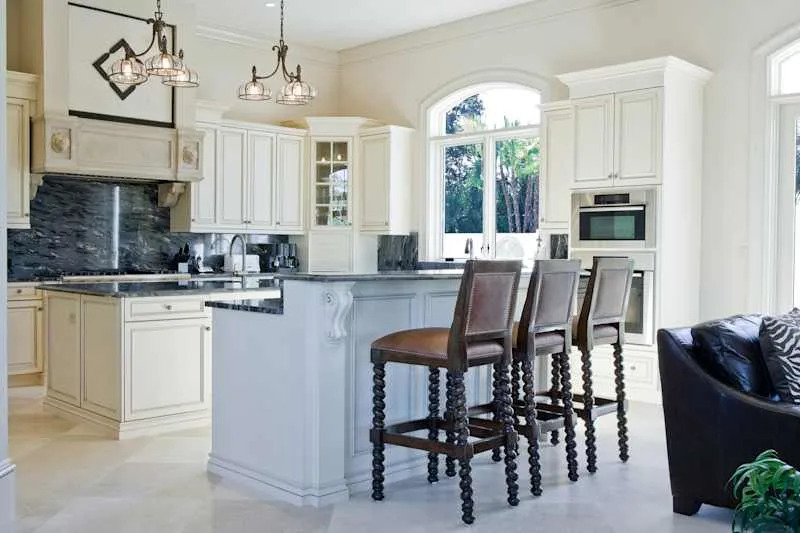
This ’90s Kitchen Island Trend Is Being Replaced with Something Far More Practical