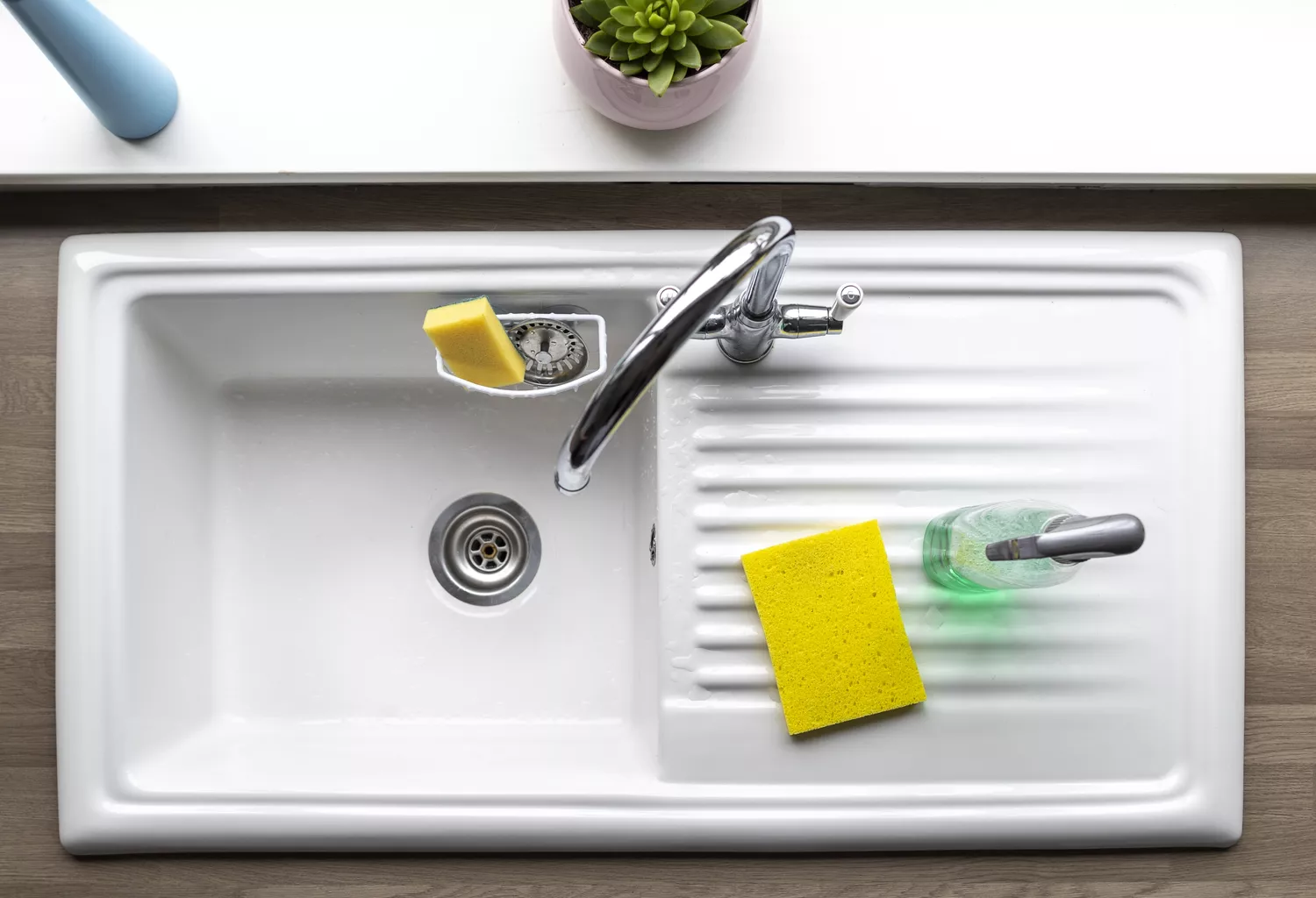
3 Easy Ways to Get Rid of Drain Flies—and Prevent Them From Coming Back
Drain flies, scientifically known as Psychoda spp., are small insects, typically 3 to 6 millimeters in length, characterized by their gray to black color and fuzzy, moth-like appearance due to their hairy bodies and wings. These pests are primarily attracted to damp, humid environments and areas containing organic debris and stagnant water, often originating from sewer lines and entering homes through drain pipes. While generally harmless to humans, a drain fly infestation can become a significant nuisance.
The presence of drain flies is often indicative of slow or clogged pipes, which facilitate the buildup of moisture and organic matter crucial for their breeding. Common breeding grounds include sinks, showers, bathtubs, floor drains, and laundry rooms. Drain flies differ from fruit flies in their environmental preferences; fruit flies are drawn to ripe fruit, rotting vegetables, and fermented products, whereas drain flies specifically seek high moisture levels and feed on bacteria, fungi, and organic material found in drains. Identifying a drain fly infestation involves observing small, furry-winged flies around moist areas or drains. These insects are weak fliers, usually seen crawling or hopping on surfaces, especially vertical ones near drain openings during the day, with increased activity in the evening.
Drain flies enter homes primarily due to the allure of decaying organic matter and slow-moving or stagnant water in drains. Plumbing issues, such as improperly connected appliances like dishwashers where the drain line is linked to the wrong side of the kitchen sink P-trap, are common causes. Infestations also frequently occur in rarely used drains, including those in guest bathrooms, laundry rooms, or basements, where stagnant water can accumulate unnoticed. To prevent this, it is recommended to run water through such drains at least once a week.
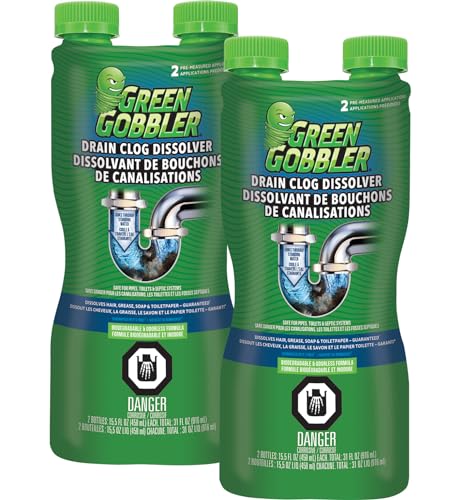
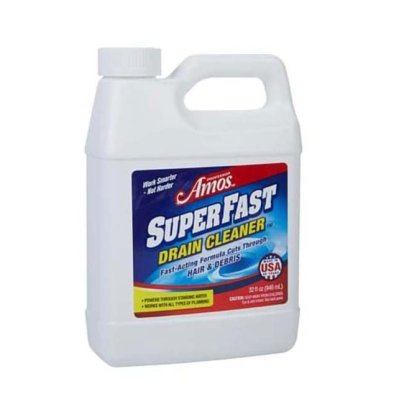
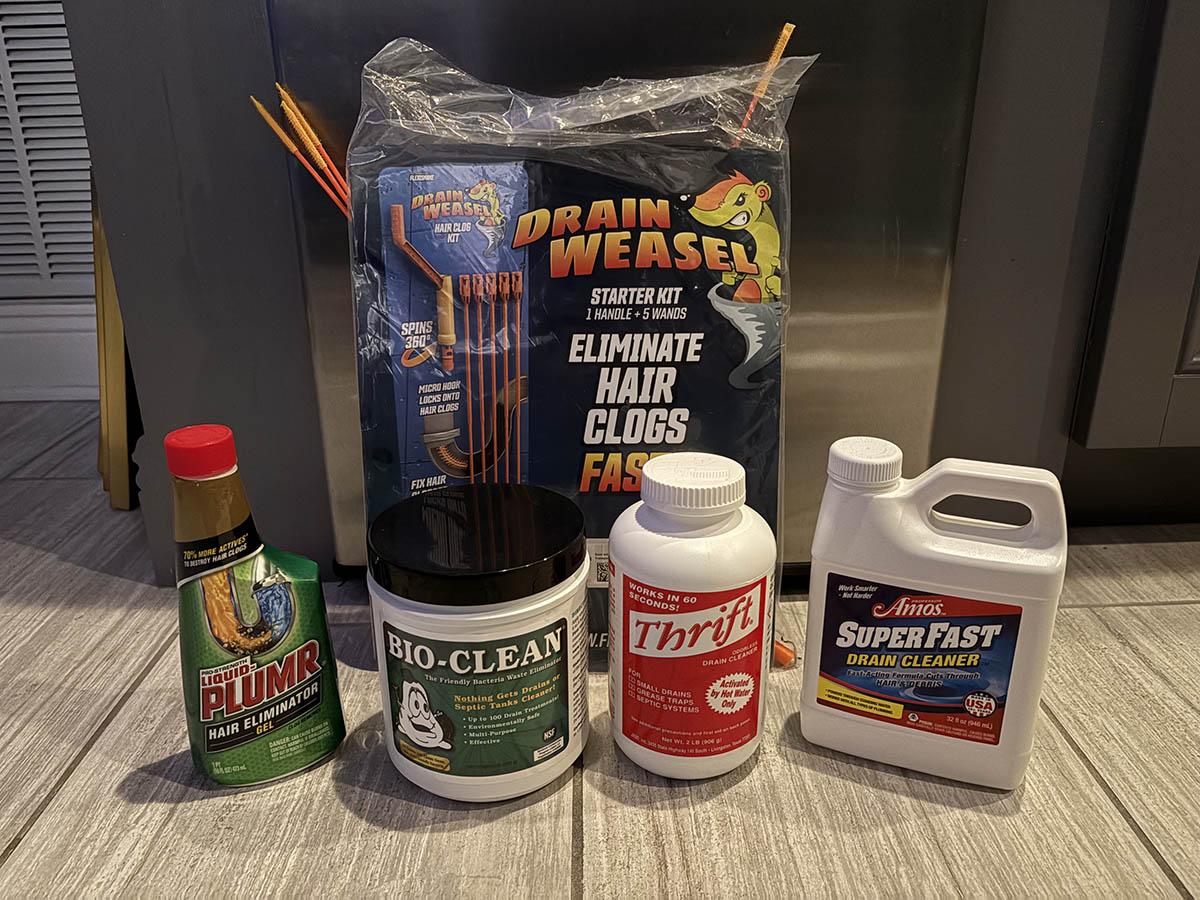
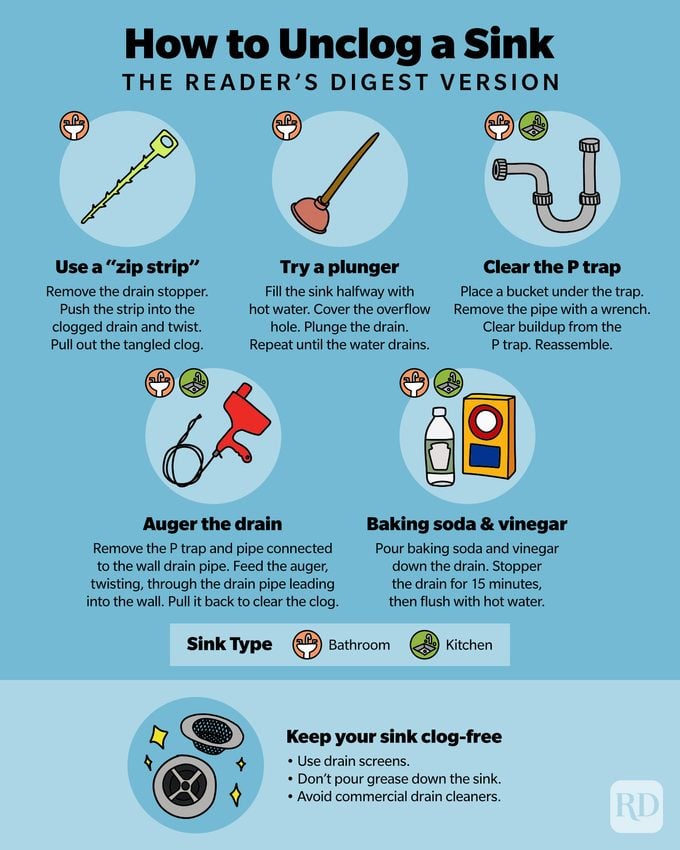
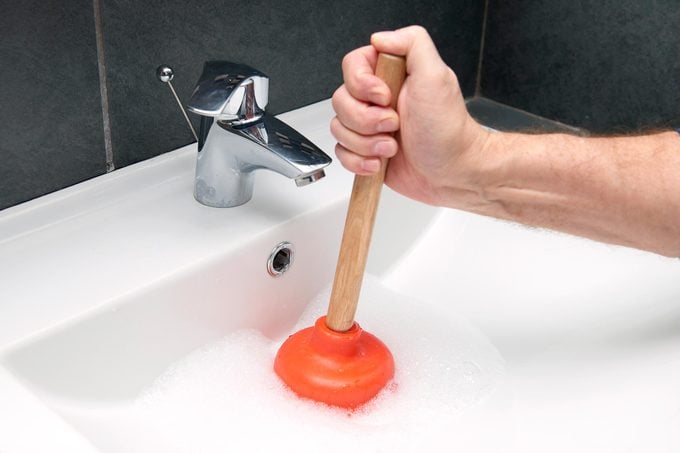
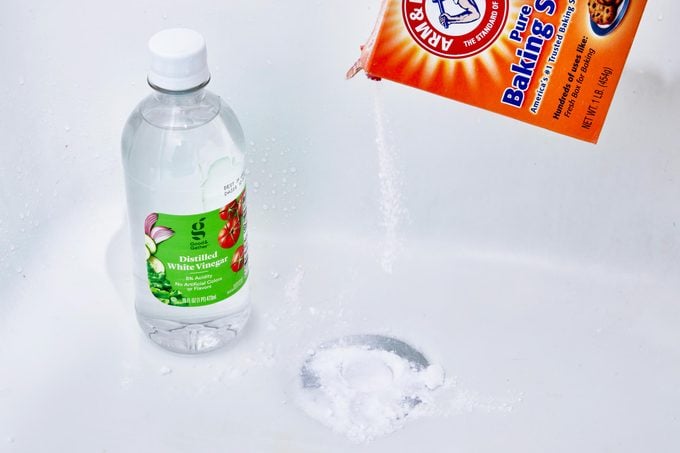
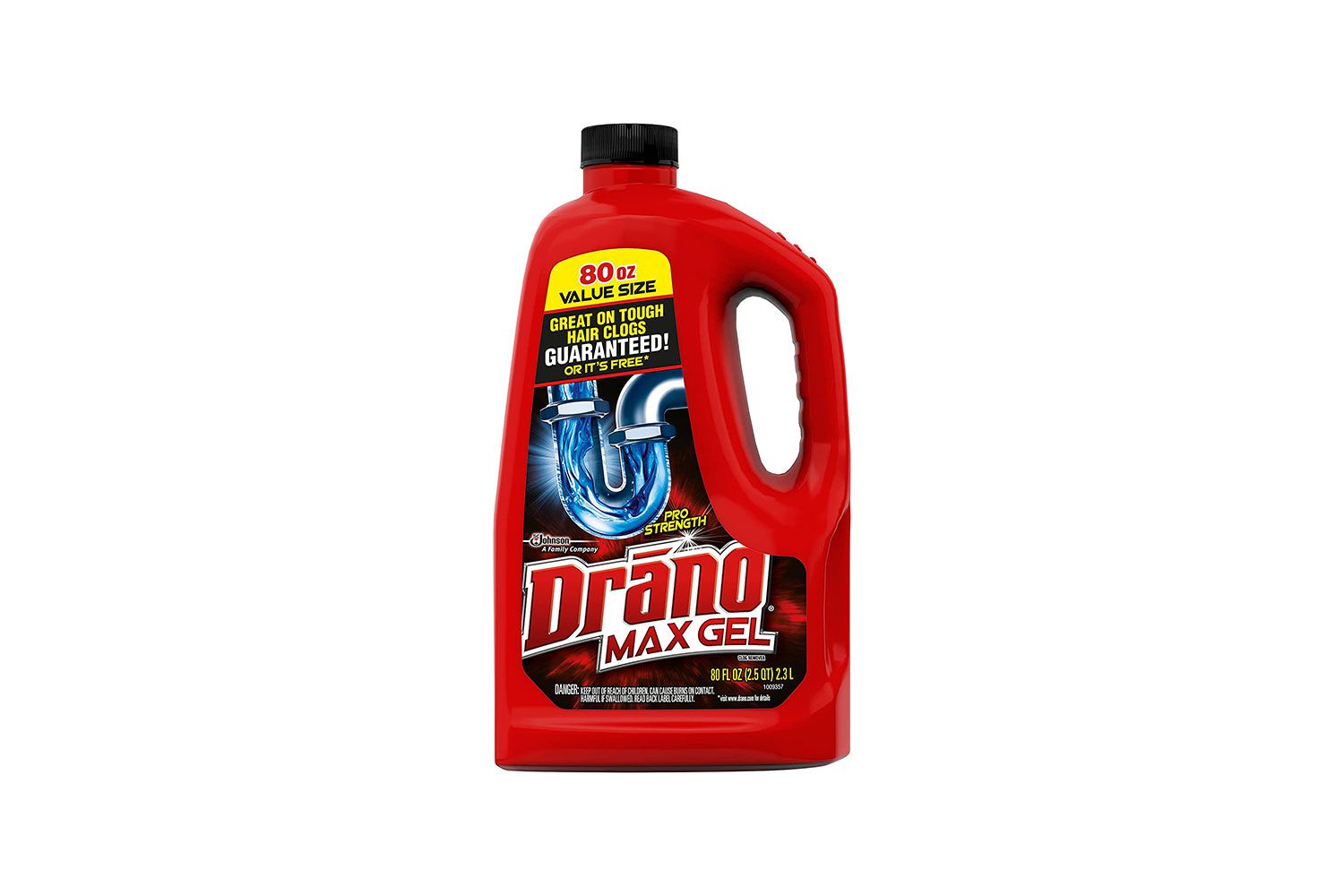
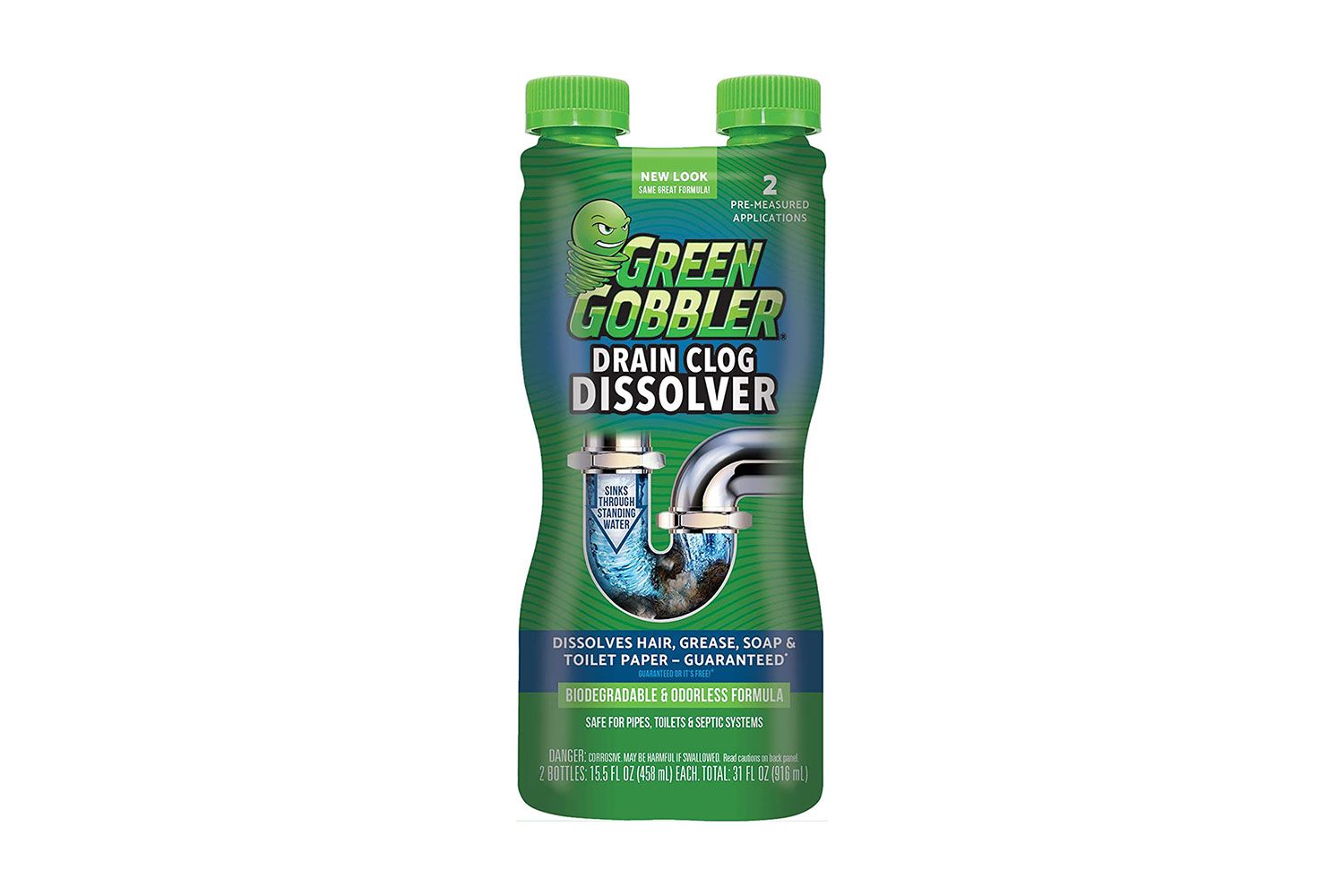
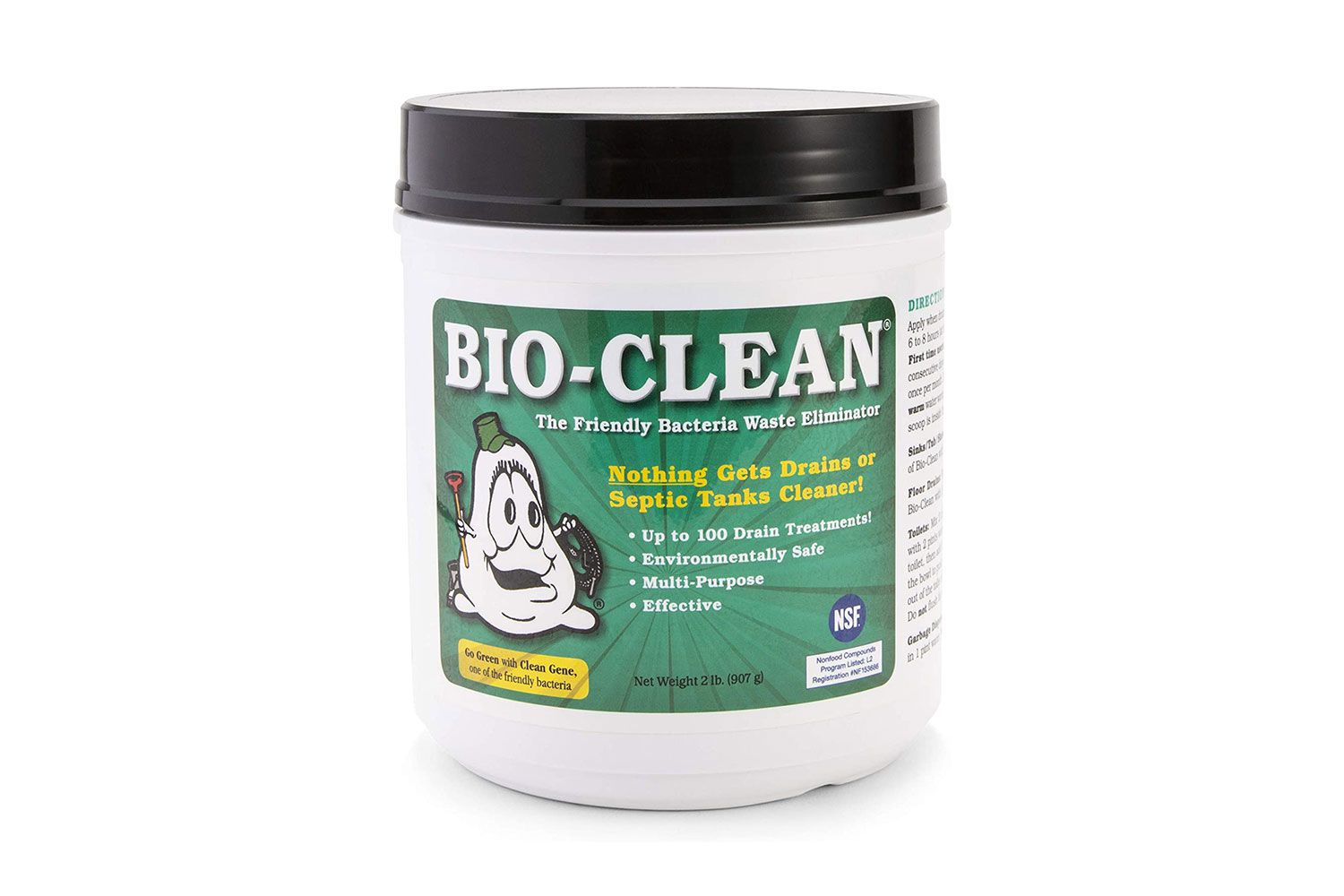
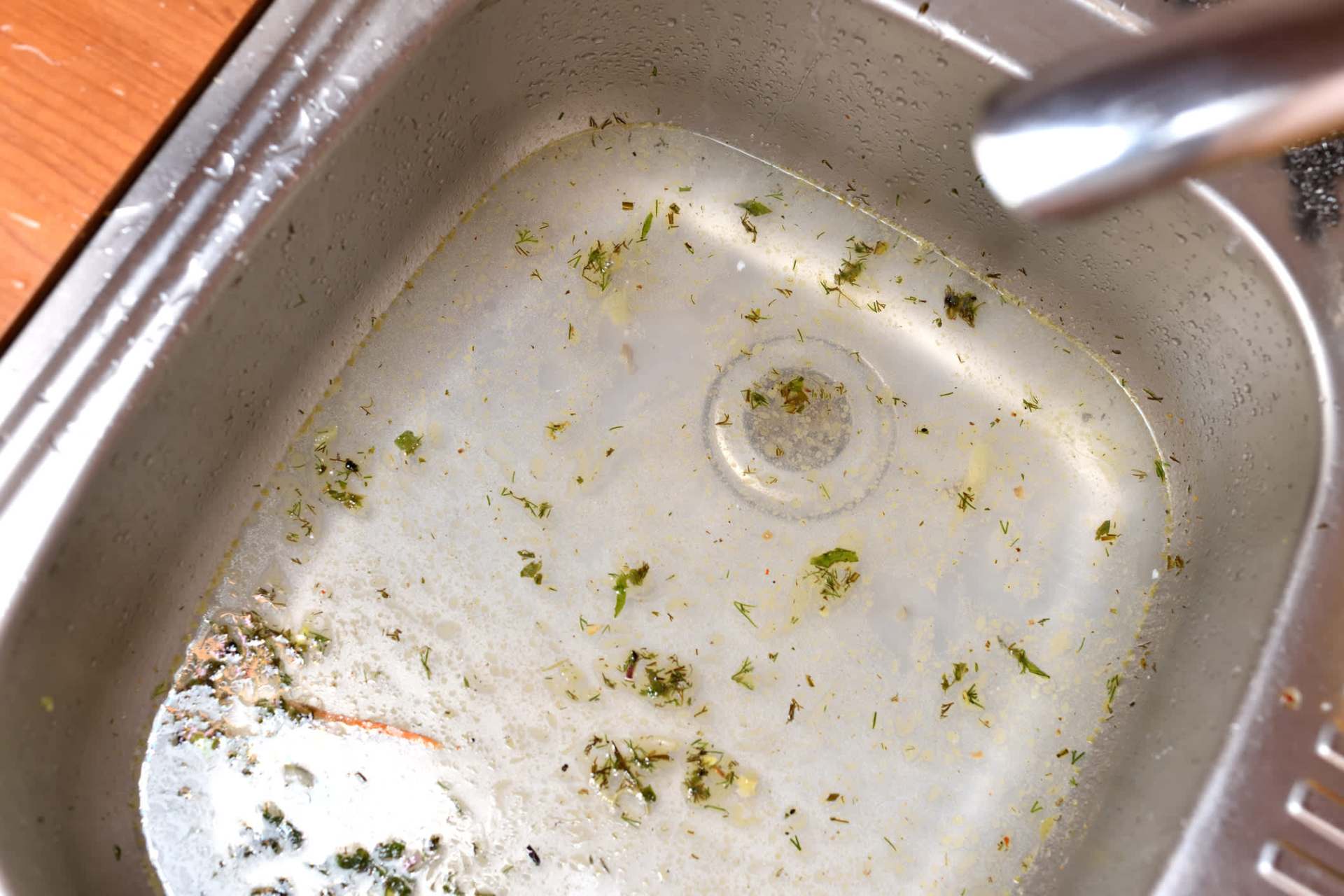
Effective methods to eliminate drain flies focus on eradicating their food sources and breeding sites. One simple method involves pouring boiling water down the drain, which helps to dislodge buildup from the pipes. This should be repeated daily for several days to ensure the removal of adult flies and newly hatched larvae. If boiling water alone is insufficient, a combination of baking soda and vinegar can be used. After an initial pour of boiling water, half a cup of baking soda is followed by half a cup of vinegar, creating a reaction that breaks down organic matter. The drain is then covered for 5 to 10 minutes before being flushed again with boiling water. Another effective solution is to use a microbial drain cleaner, which targets bacteria and organic matter. Following an initial flush with boiling water, the cleaner is applied according to product instructions.
Preventing future drain fly infestations involves consistent sanitation and minor home maintenance. Key preventive measures include regularly inspecting and addressing any recent water-related appliance installations, promptly fixing plumbing leaks, and ensuring drains are not clogged. Regularly removing organic debris and food particles from drains is crucial. Cleaning drains routinely with enzymatic or microbial cleaners also helps. Keeping sink and shower drains covered when not in use can deter flies. Disposing of trash daily, checking that windows and doors are properly screened, and discarding decaying food are additional steps to prevent drain flies from entering or breeding in the home.
#DrainFlies #PestControl #HomeMaintenance #CleaningTips #DIYPestControl #PlumbingIssues #InsectInfestation #HouseholdPests #DrainFlies #PestControl #HomeMaintenance #CleaningTips #DIYPestControl #PlumbingIssues #InsectInfestation #HouseholdPests
0 commenti in totale
 Nessun commento ancora
Potresti anche gradire

Say goodbye to clogged drains with these simple household cleaning hacks

8 natural home remedies to remove lizards from your house this summer

The Best Way to Remove Mildew, According to Experts

5 DIY Drain Cleaner Recipes That Use Natural Ingredients to Prevent Clogs


How to get rid of cluster flies – simple expert-approved methods to banish these pests


How to get rid of damp
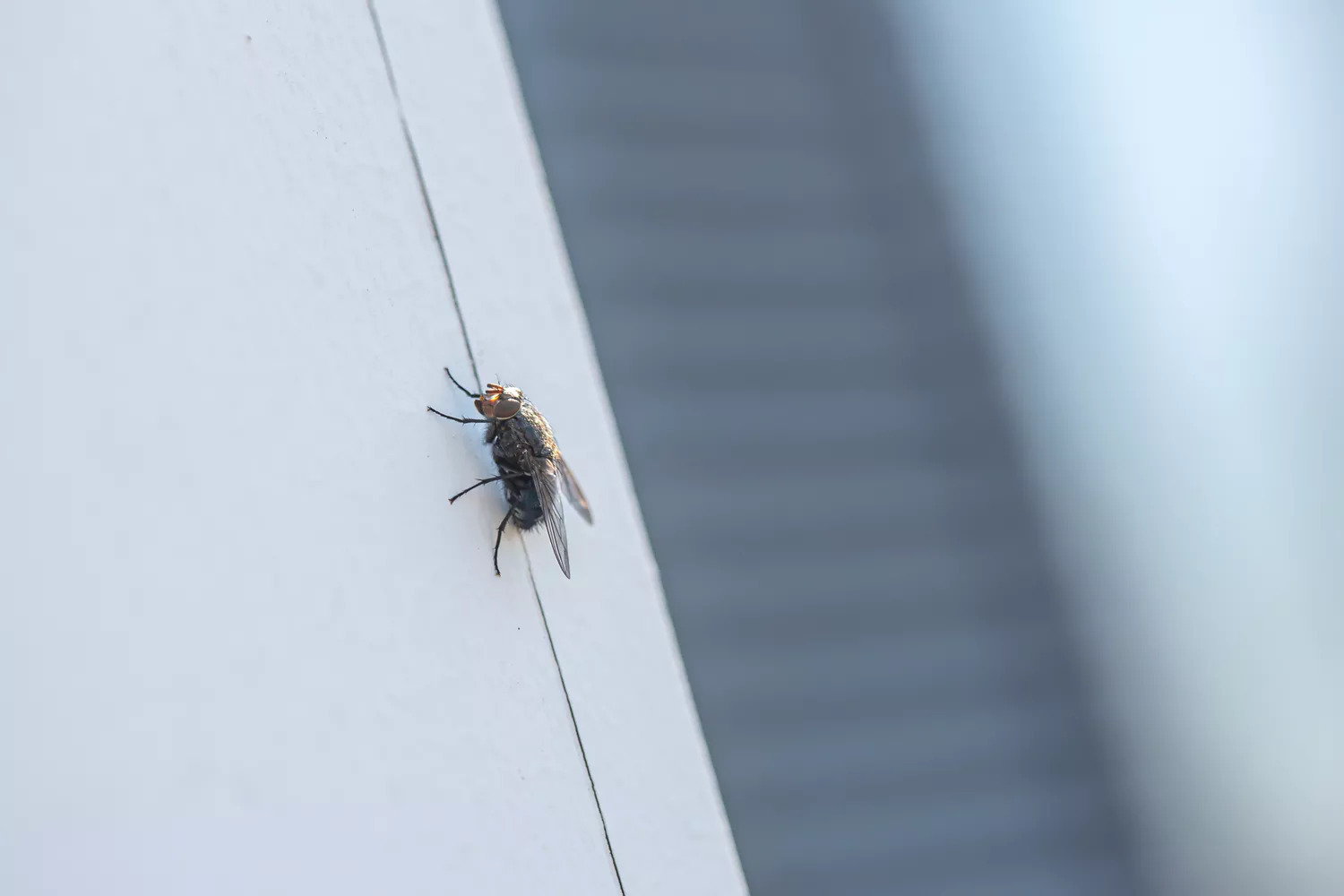
We Asked an Entomologist If Pennies in Water Could Keep Flies Away—And Her Answer Surprised Us


Expert-tested mould removal tips that actually work

Gross! Here Are the Best Ways to Remove Mildew for Good
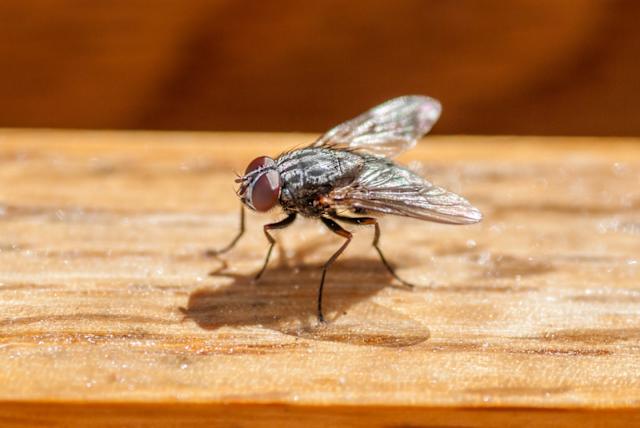
10 Easy Ways to Keep Cluster Flies Out of Your House for Good This Fall
This $7 Product Can Clear Even the Most Stubborn Drain Clog

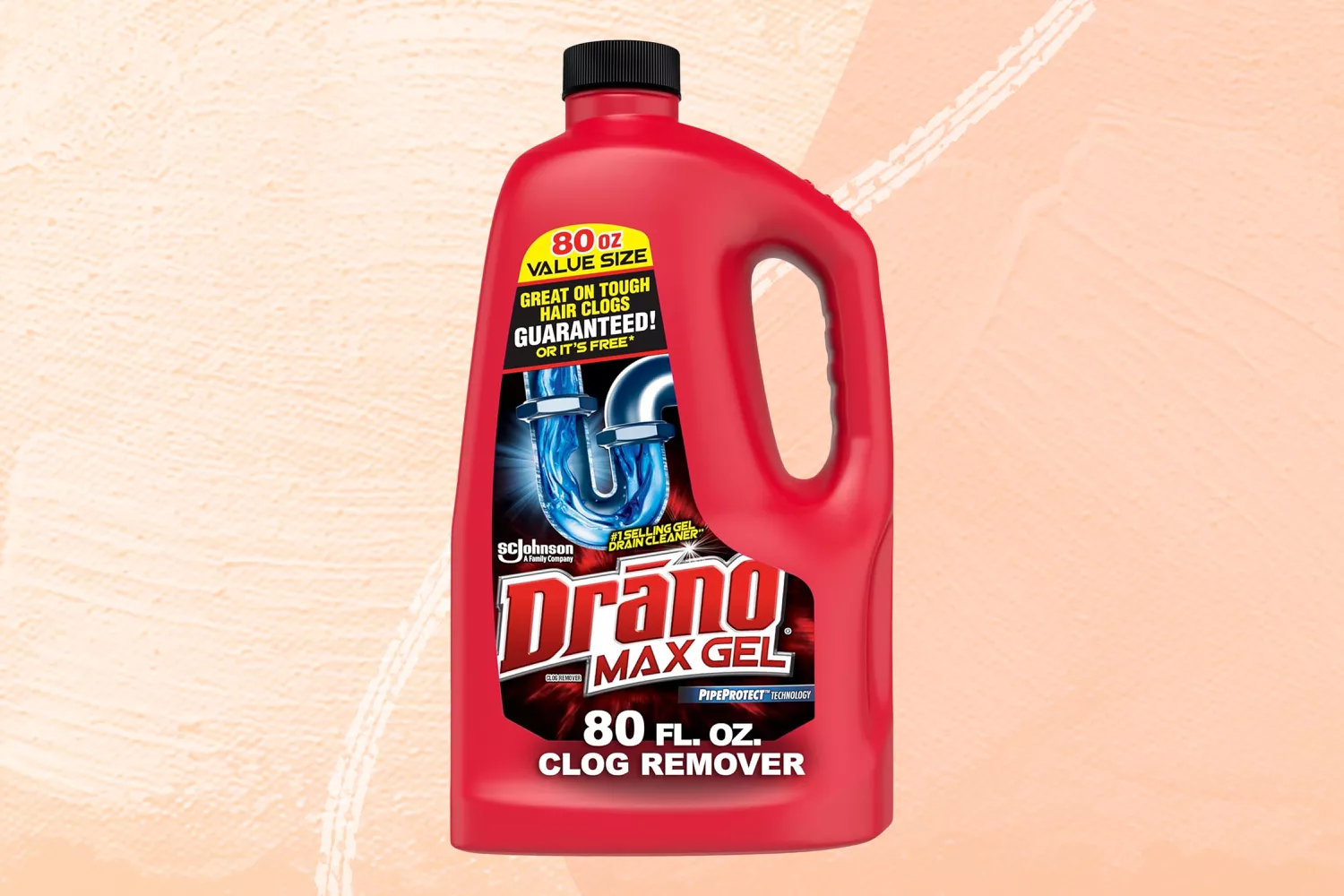
Dealing With a Slow Drain? Here are 7 Drain Cleaners to Safely Unclog Pipes
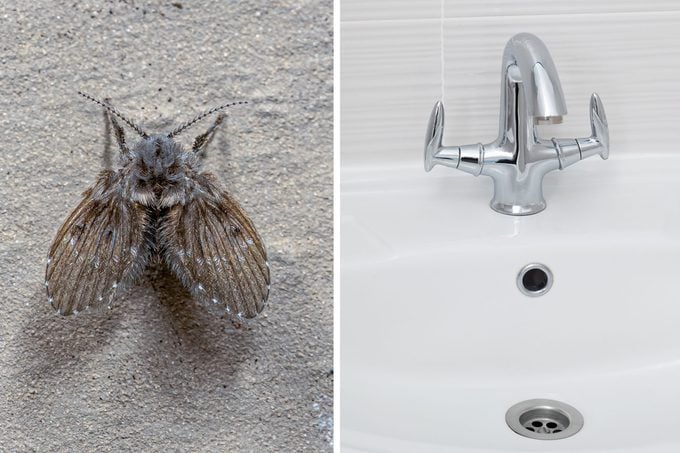
How To Get Rid of Small Flies In Your Bathroom

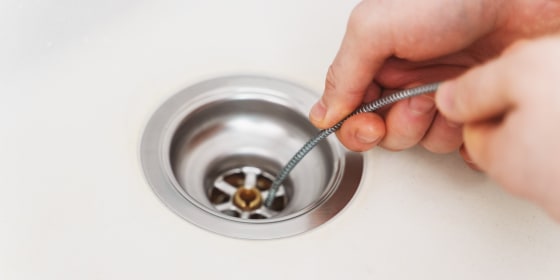
How to use a drain snake, according to experts
How to Clear a Clogged Sink Drain—Without Needing to Call a Plumber

How to get rid of mould
8 Things You Should Never Wash Down The Sink

Best drain unblockers 2025, tested in a real home
Lots of rain can mean mould, this is how to get rid of it. - ABC Emergency

Homeowner shares plumber-approved hack to easily fix clogged drains: 'Interesting idea'