1/2
How to Properly Babyproof a Fireplace
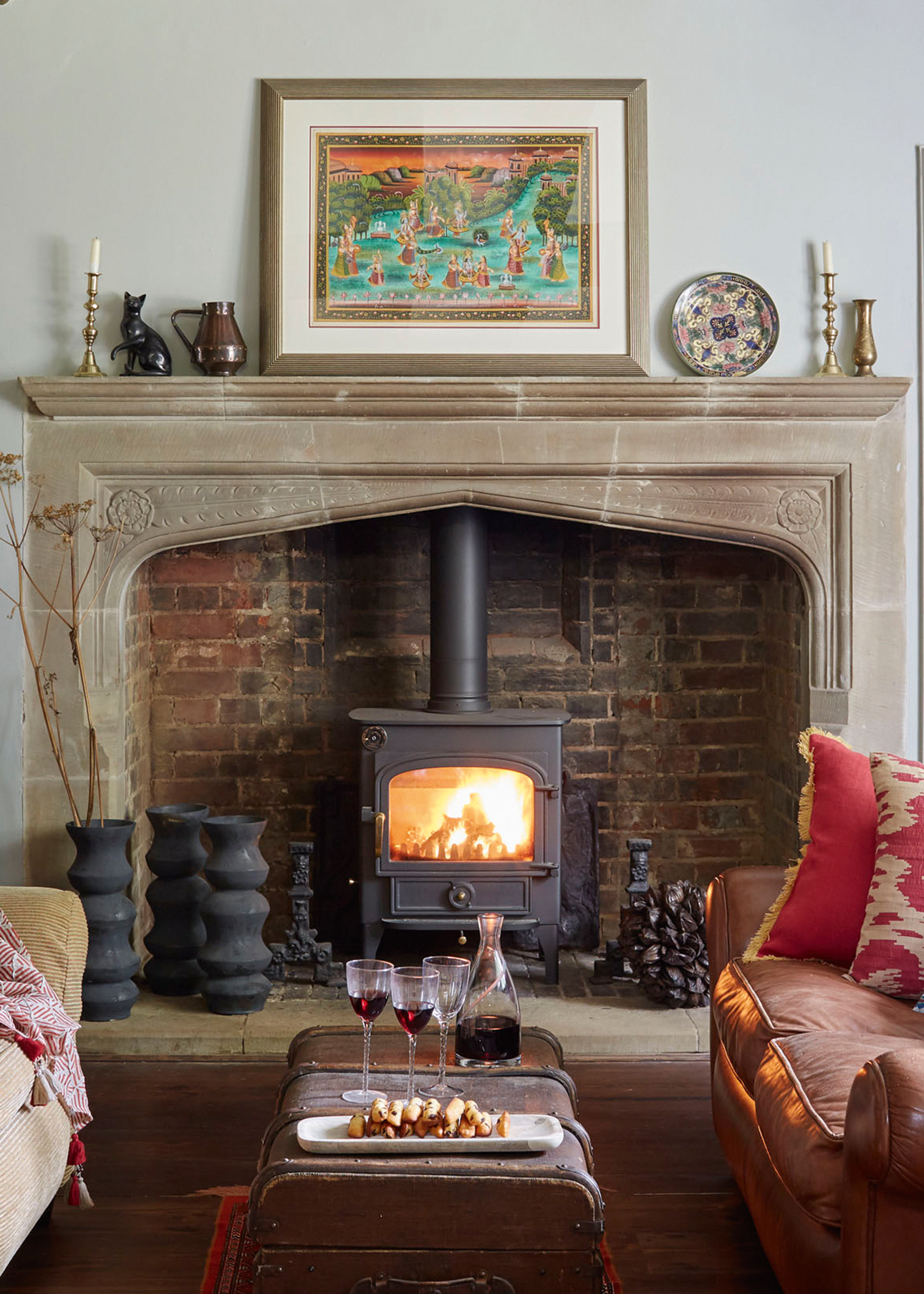
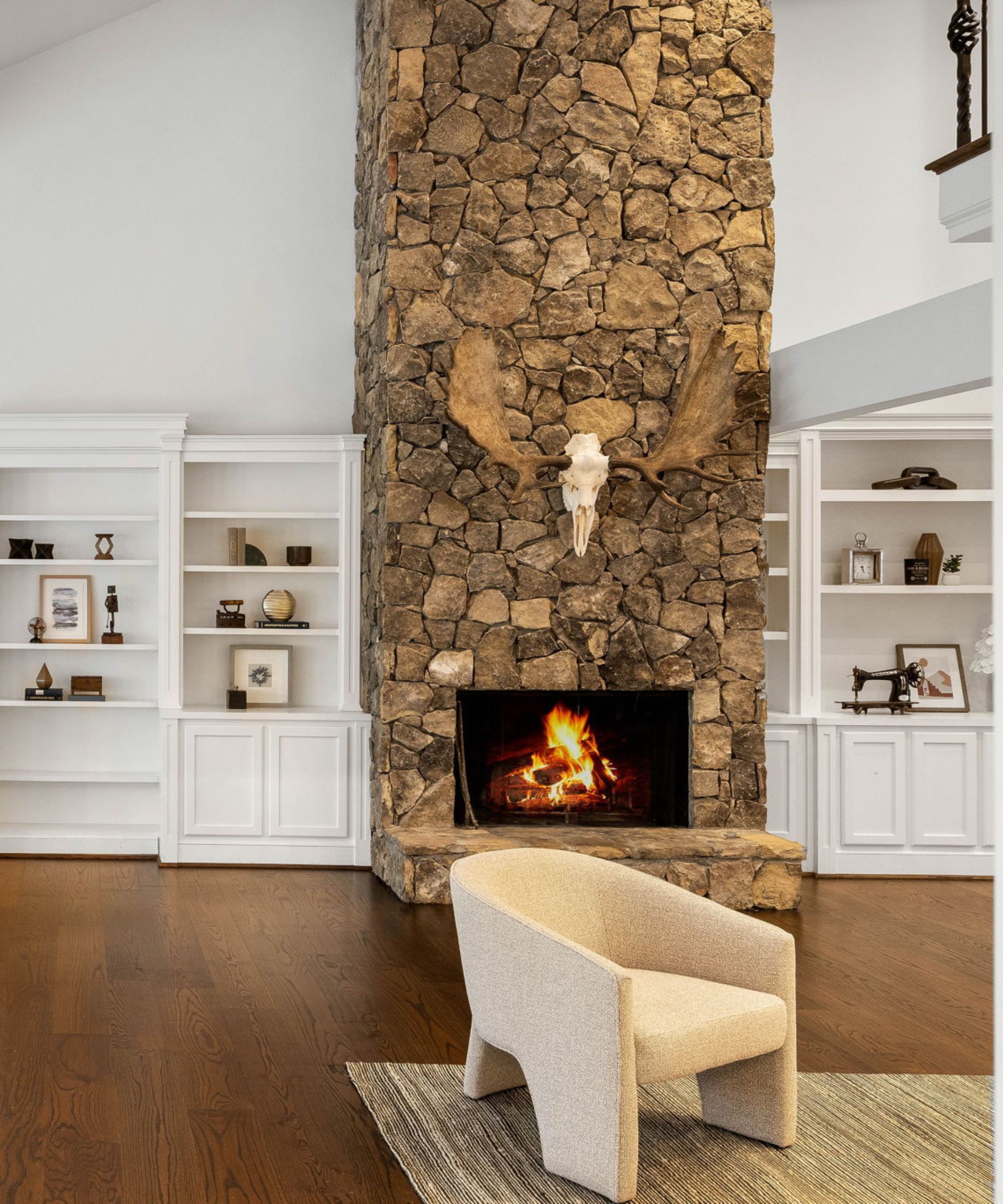
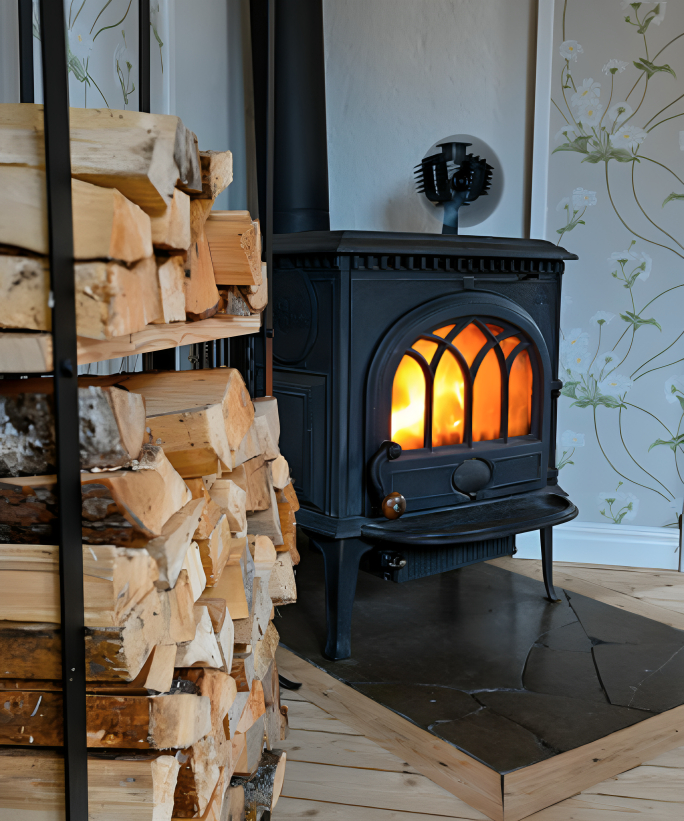
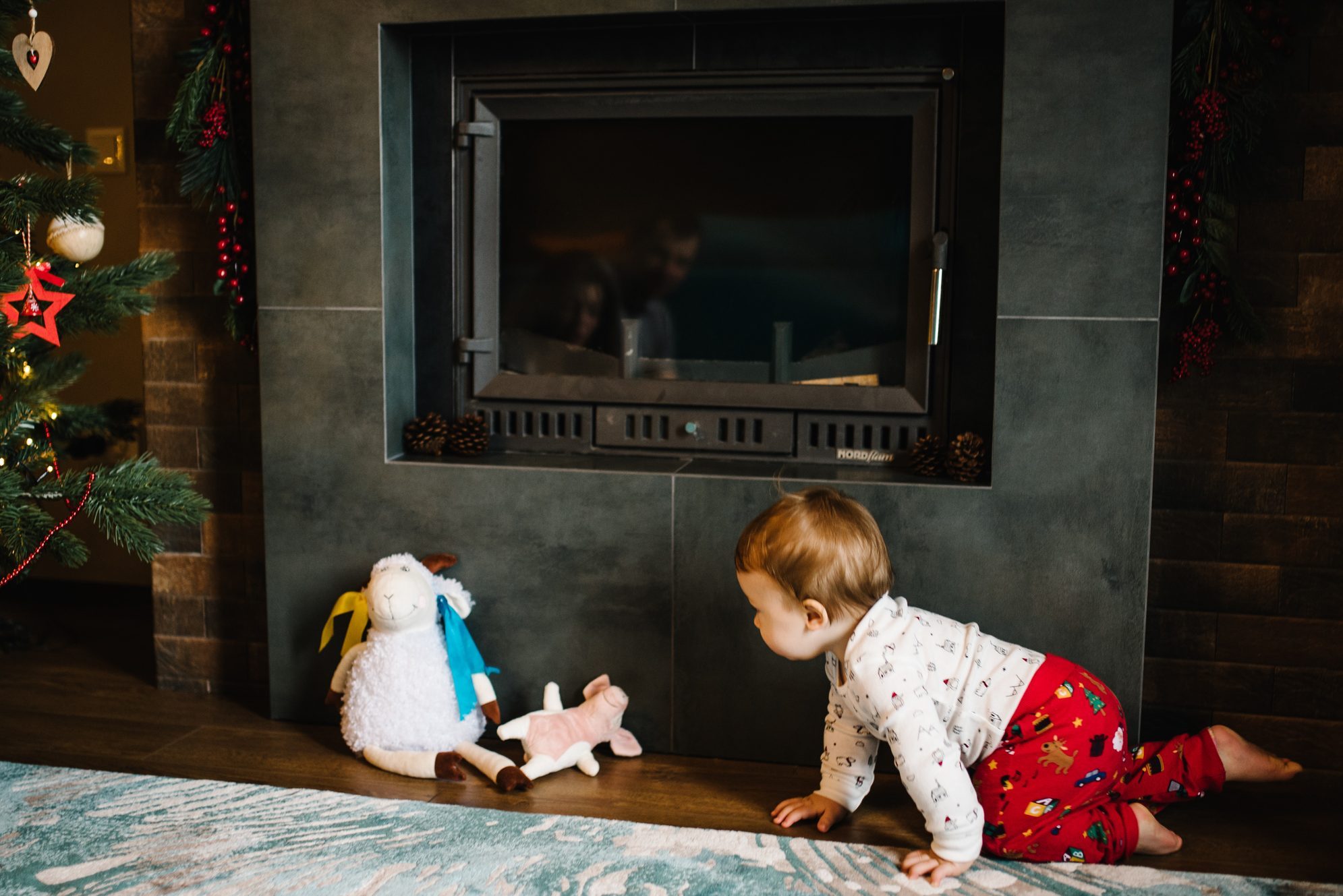
The article addresses the critical topic of babyproofing fireplaces to prevent accidental injuries to young children, drawing on expert advice from Peter Kerin, an advanced certified professional childproofer with two decades of experience. Given that over one-third of accidental child injuries occur at home, childproofing, particularly around fireplaces, is essential to guard against burns, bumps, and other traumatic injuries.
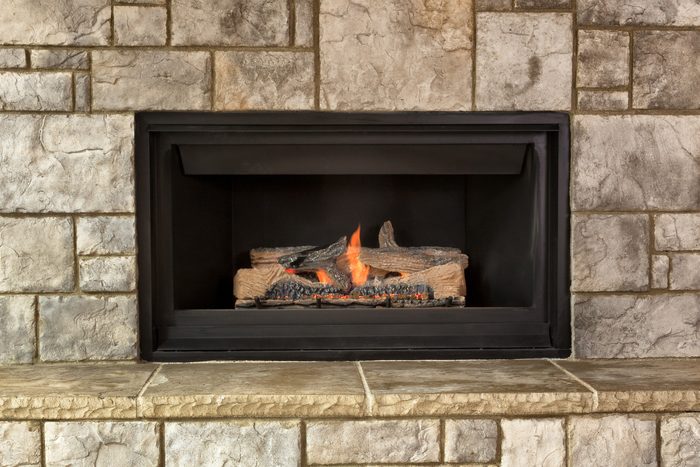
The guidance provided covers both gas and wood-burning fireplaces, emphasizing similar safeguards for both types. A primary recommendation is to limit fireplace use when children are present. Kerin advises parents to conduct a test: after extinguishing a fire, monitor how long it takes for the glass or surrounding surfaces to cool down completely. This helps determine a safe waiting period before allowing children near the fireplace, as surfaces can remain hot for extended periods even after the flames are gone.
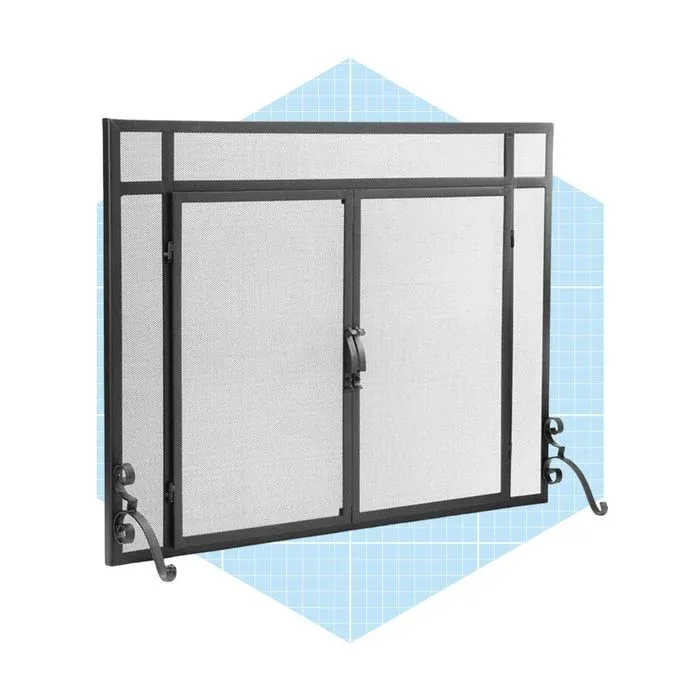
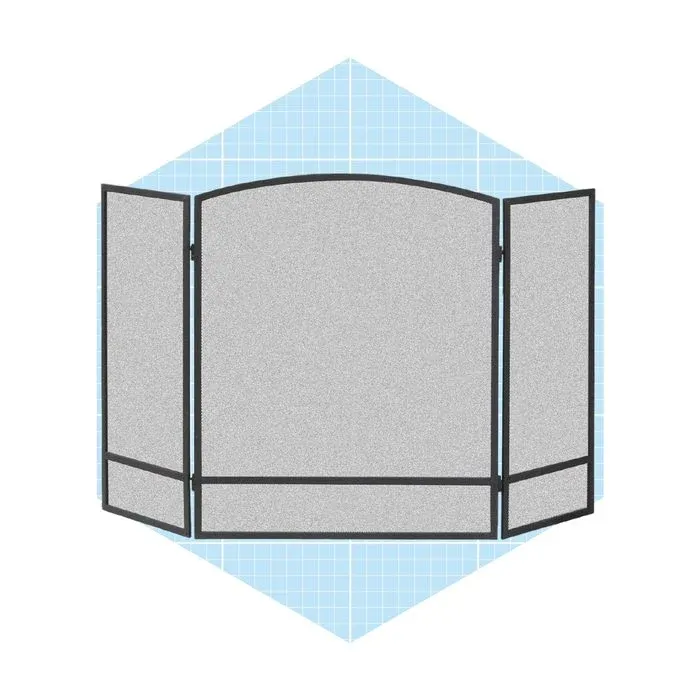
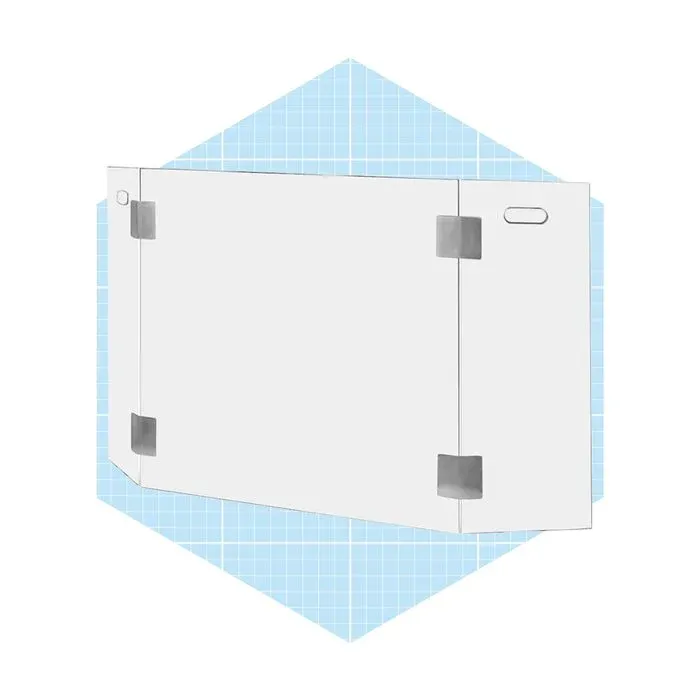
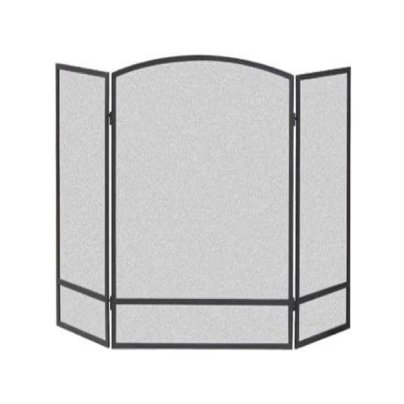
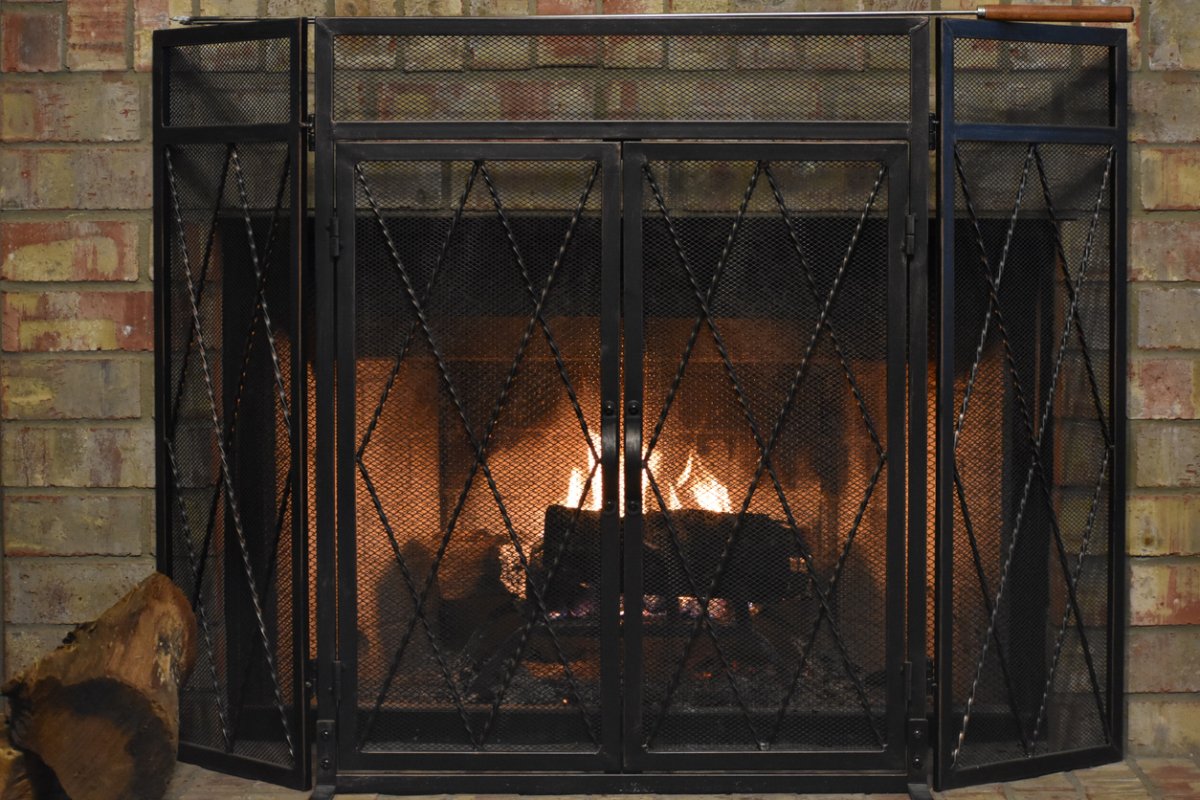
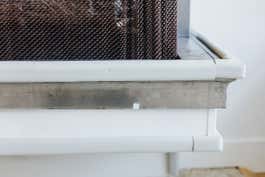
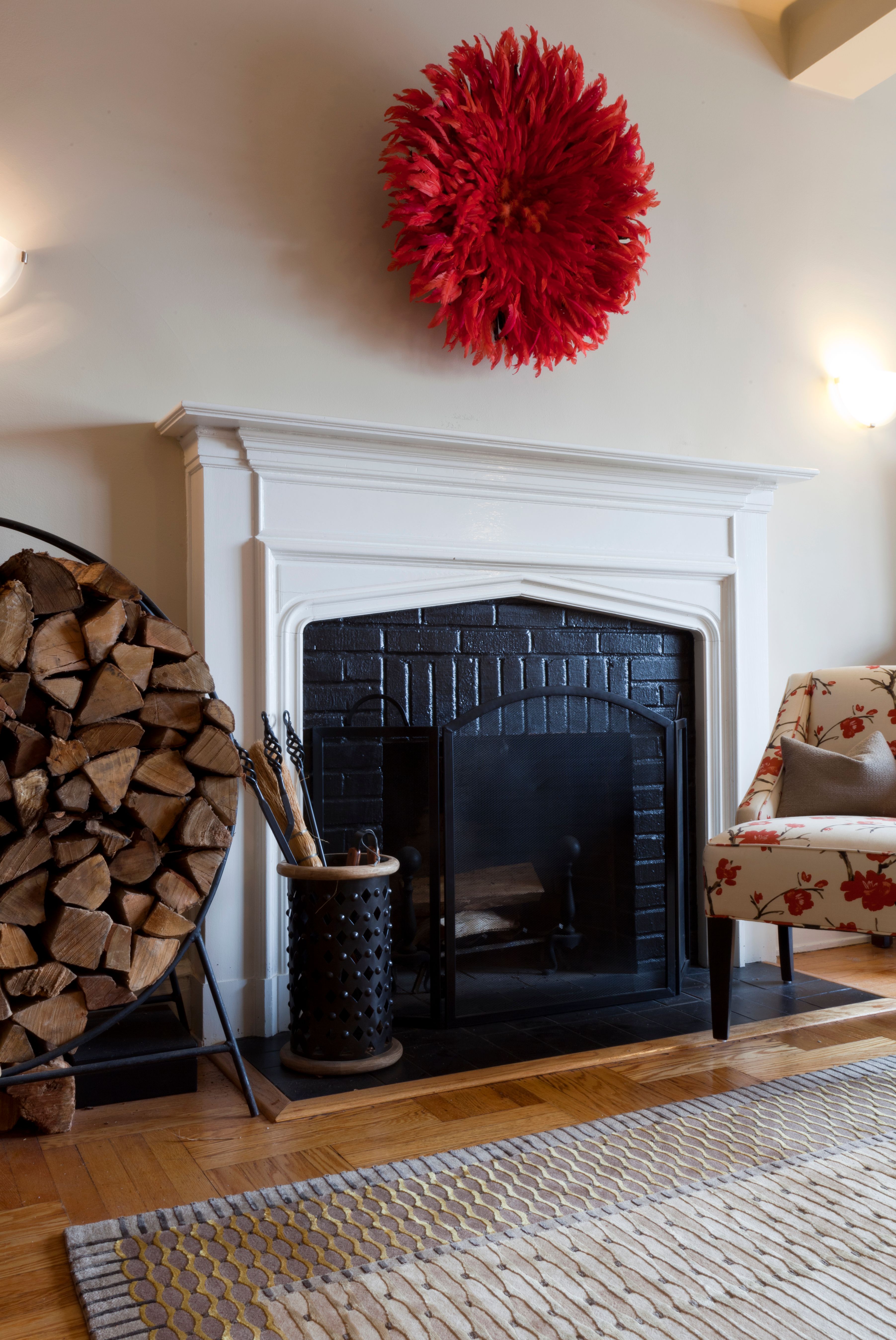
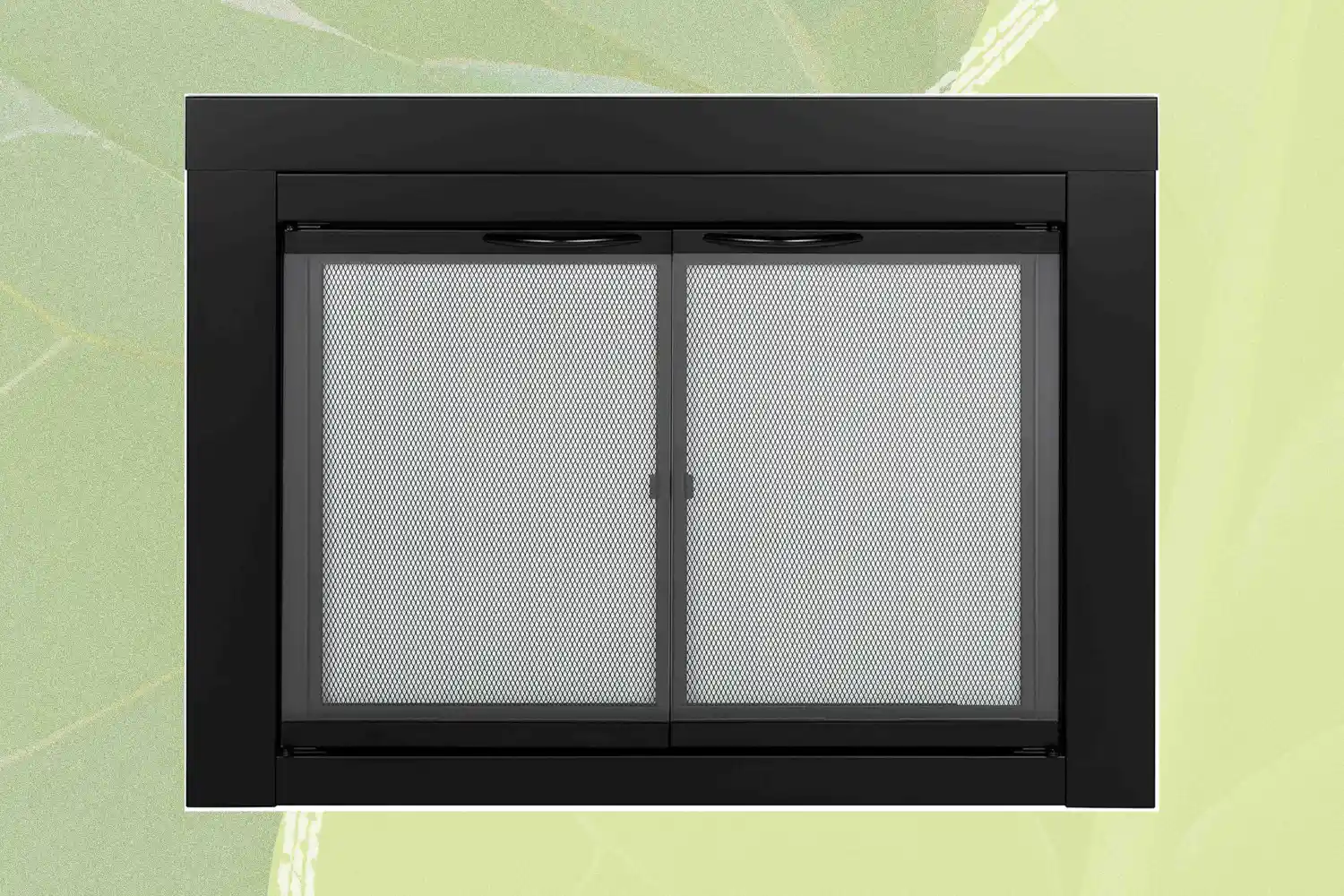
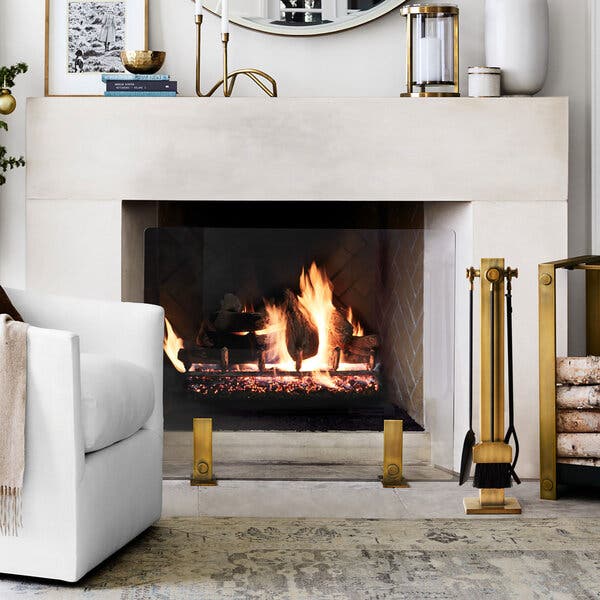
Babyproofing the hearth is another crucial step, as it presents a significant tripping and falling hazard for children. Two main suggestions are offered for this area. First, adding padding around the hearth's edges can prevent injuries from accidental bumps. Specific products like easy peel-and-stick options and clamp-on guards from brands like Cardinal Gates are recommended for their effectiveness. Second, maintaining a safe space around the fireplace is vital, preferably achieved through configuring safety gates. These gates, such as those from KidCo, are designed to deny children access to both the hearth and the fire itself. The article clarifies that common accordion or mesh screens, while useful for containing embers, are not sufficient for child safety as they can get hot and are often easily moved by children.
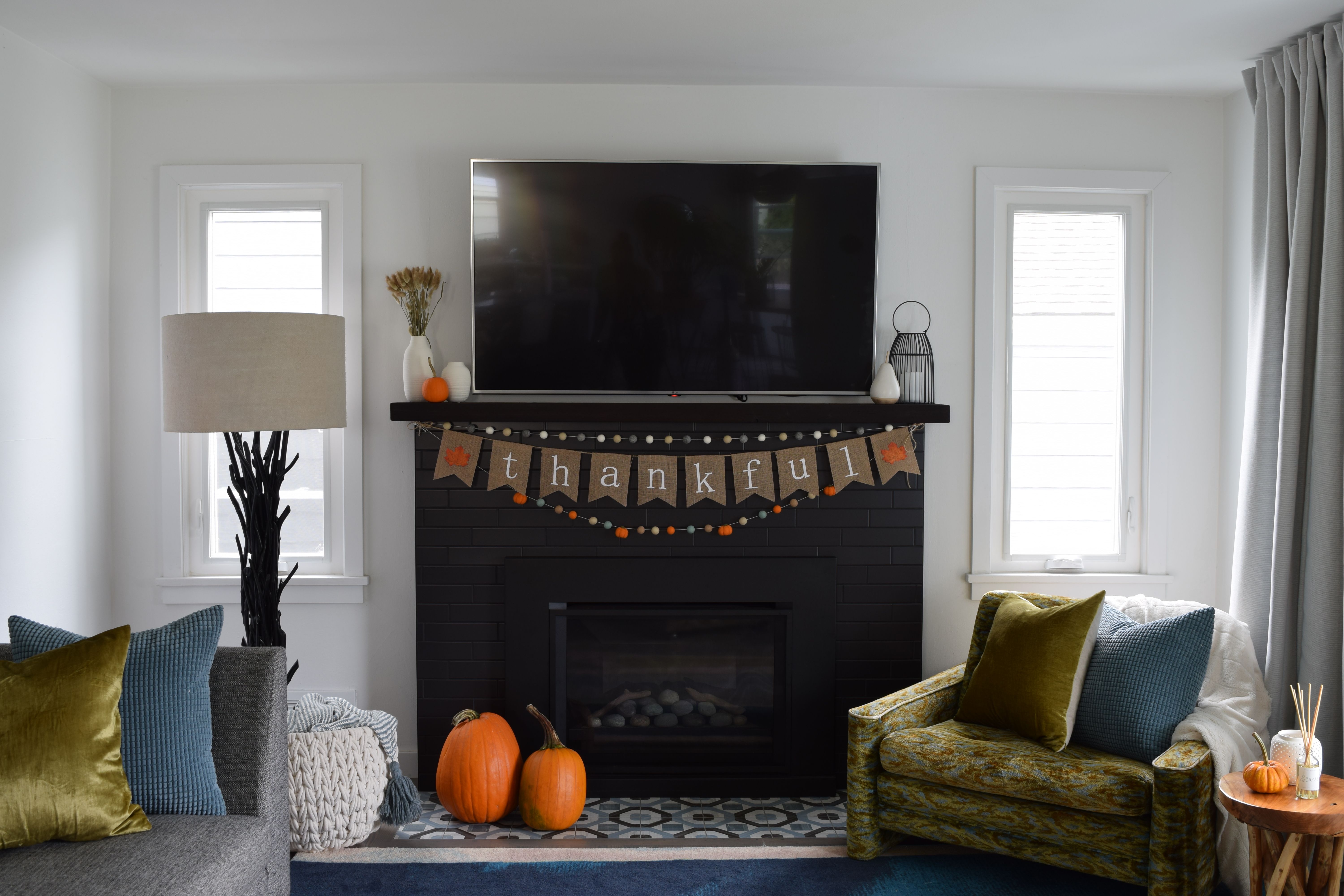
For electric fireplaces, which generally pose fewer direct dangers due to their visual flame and fan-driven internal heaters, specific safety measures are still necessary. Parents should check the temperature of the fireplace's surfaces when it's operating to understand how hot it gets and how long it takes to cool down. Maintaining a safe distance is also advised, with a recommendation of 30 inches for electric fireplaces and 35.5 inches (approximately three feet) for those with an open flame, aligning with European Union safety standards.
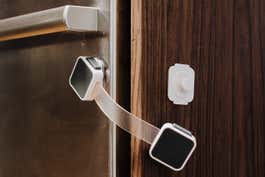
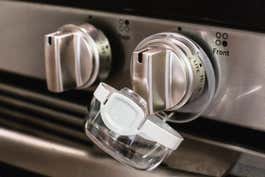
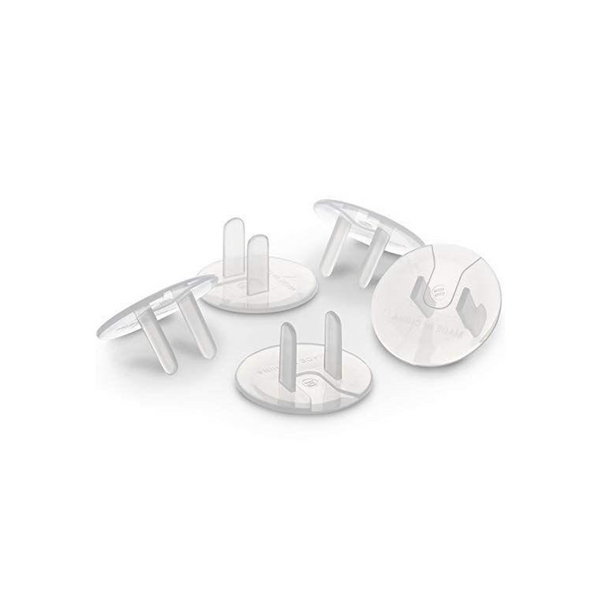
Additionally, denying access to electrical components like plugs, switches, and remote controls is important for electric fireplaces. This might involve unplugging the unit when not in use and employing plastic socket covers or rocker switch covers to prevent curious hands from operating the fireplace or accessing electrical outlets. The article concludes by highlighting that modern childproofing benefits from a better understanding of child development and injury prevention, coupled with improved safety products. This collective knowledge contributes to making the home a safer environment for children, particularly around potential hazards like fireplaces.
#FireplaceSafety #Childproofing #BabySafety #HomeSafety #ParentingTips #GasFireplace #ElectricFireplace #HomeMaintenance #FireplaceSafety #Childproofing #BabySafety #HomeSafety #ParentingTips #GasFireplace #ElectricFireplace #HomeMaintenance
0 commenti in totale
 Nessun commento ancora
Potresti anche gradire
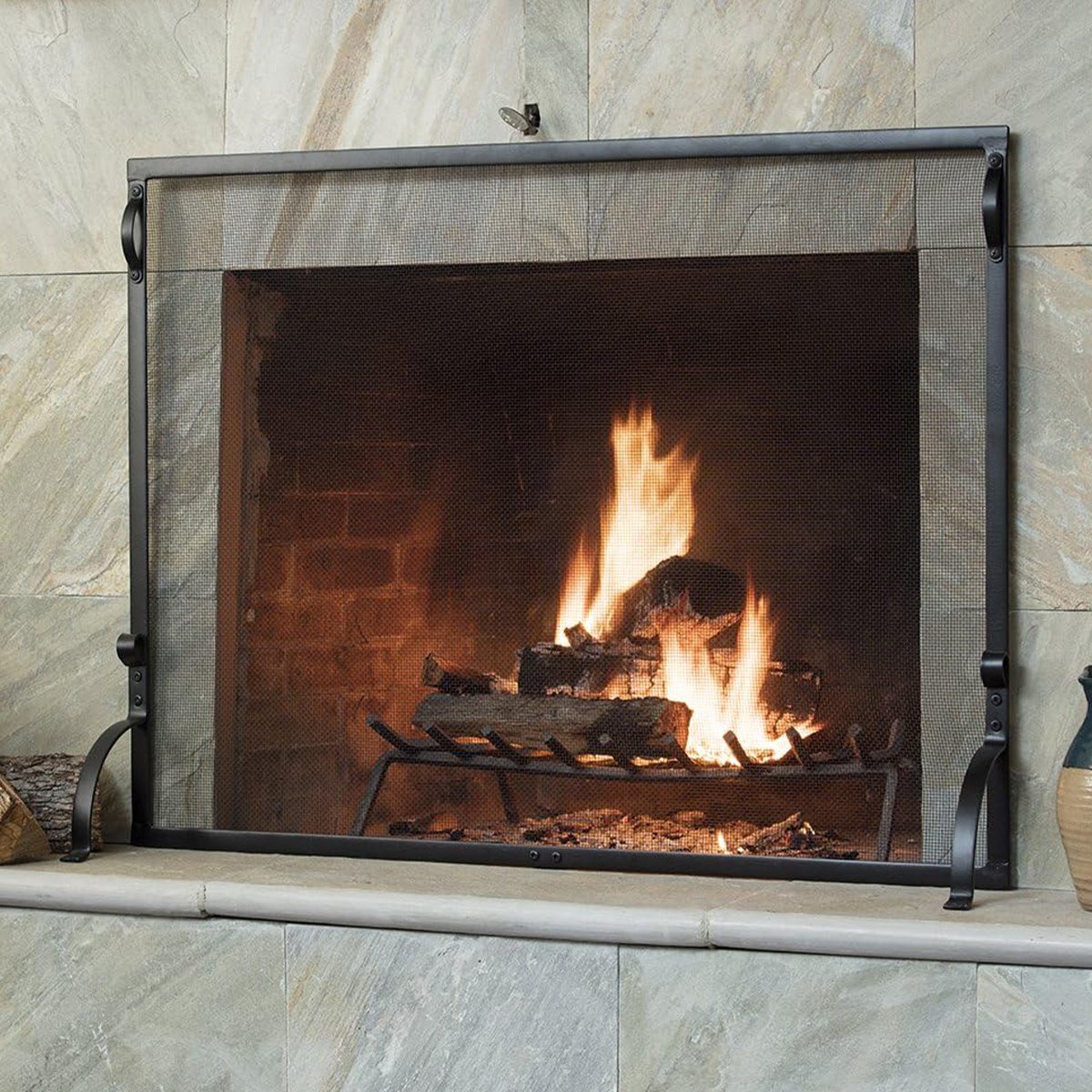
Best Fireplace Guard Screens for Safe and Elegant Indoors
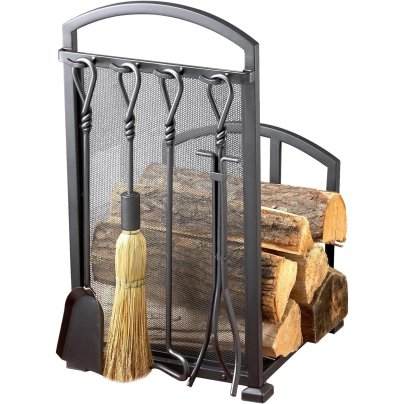
The Best Fireplace Tools to Keep Your Fireplace Clean—and Stylish


How to draught-proof a chimney — 3 DIY solutions recommended by the experts
Home Clinic; METHODS OF KEEPING THE FIREPLACE FROM SMOKING (Published 1981)
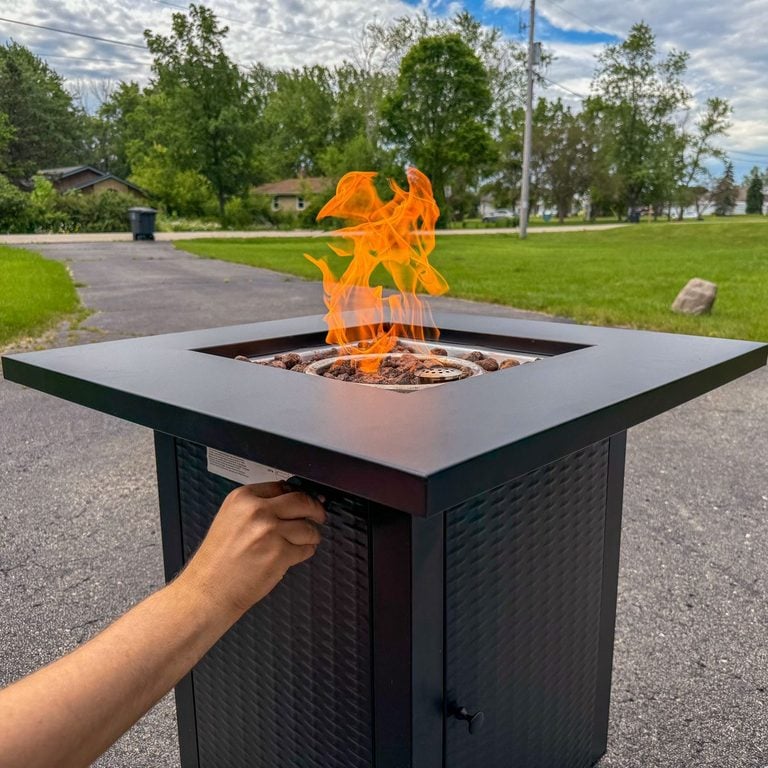
Fireplace Ideas and Installation
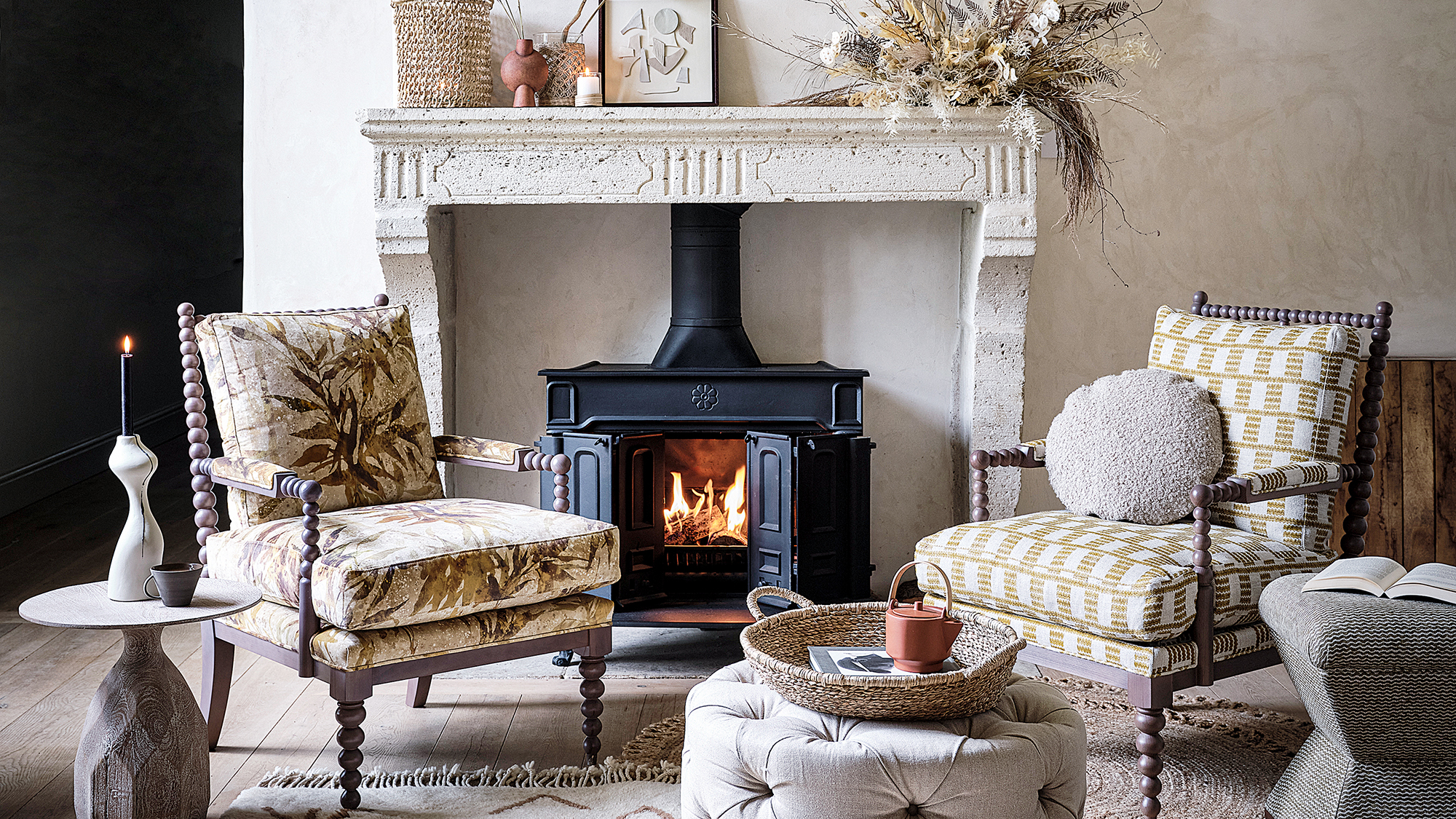
How to clean a fireplace – these expert tips will keep your fireplace looking its best

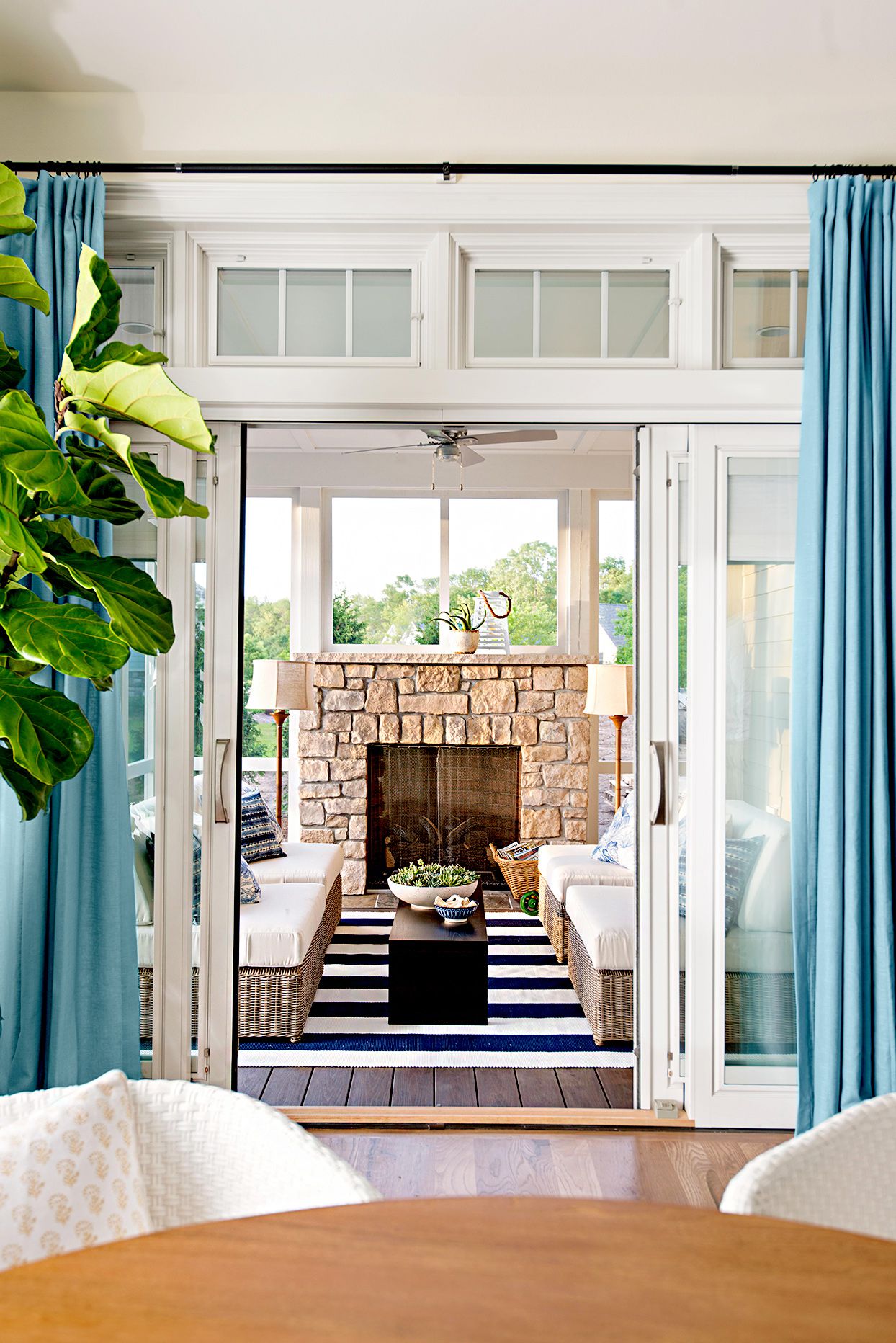
What You Need to Know About Fireplace Installation in Your Home

The Best Fireproof Safes of 2025

I Just Childproofed My Kitchen, and Here’s What I Did
From Metal to Glass—9 Fireplace Screens That Offer Style, Safety, and Durability

Baby Cabinet Locks: 11 Best Options For Child Proofing In 2025
11 Best Child-Proof Door Knob Covers In 2025

How to safely start a fire in a fireplace that lights easily every time
Our Favorite Baby-Proofing Tools | Reviews by Wirecutter
6 Ways to Get More Heat From Your Fireplace and Stop Wasting It
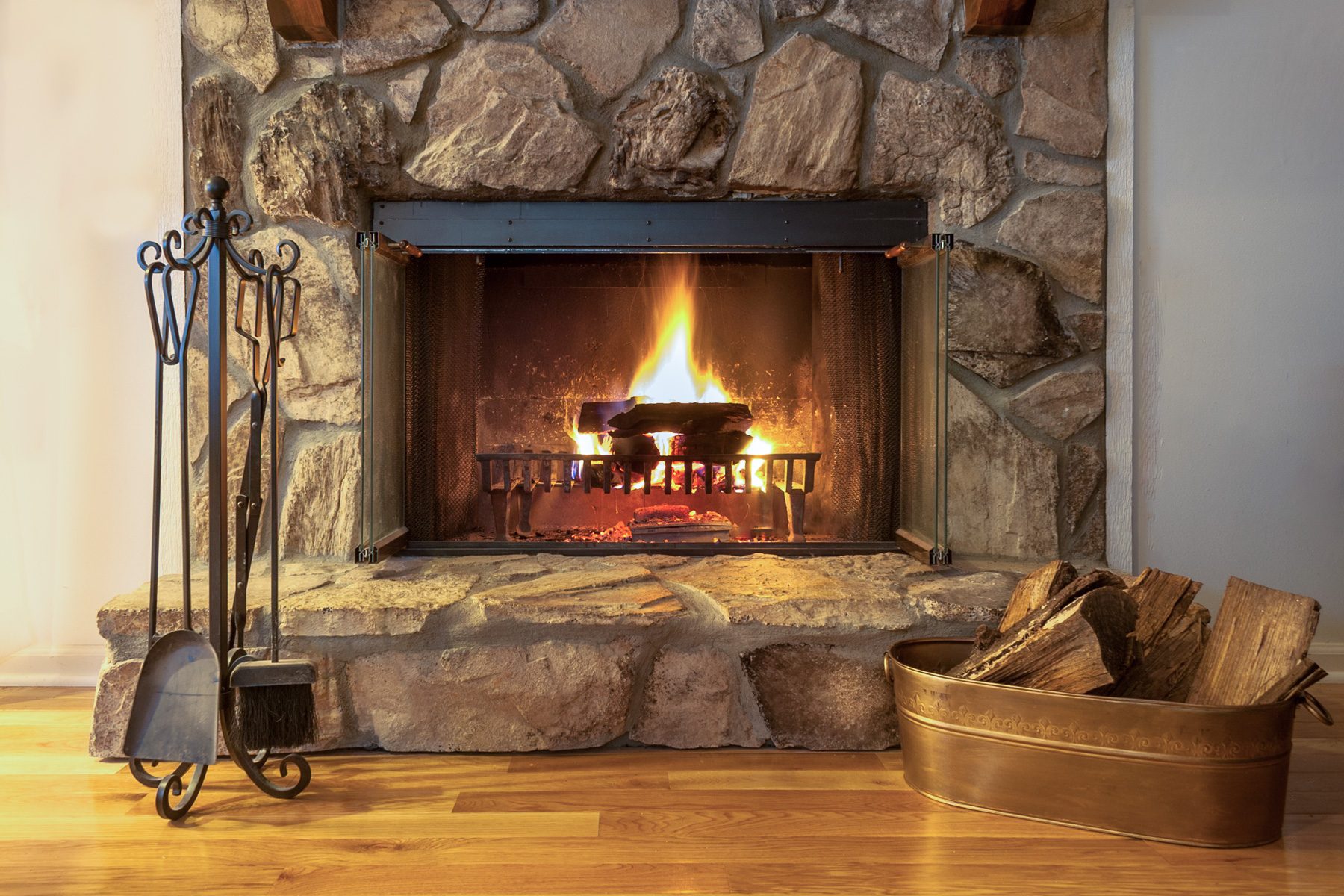
Ways To Increase the Heat From Your Wood-Burning Fireplace
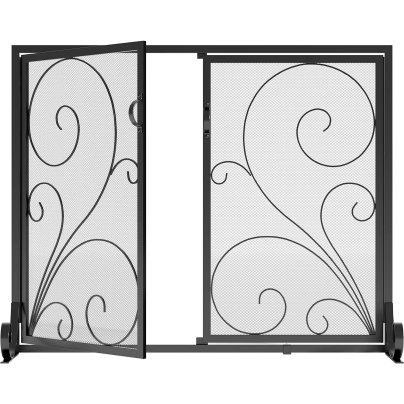
The Best Fireplace Screens for a Safe, Inviting Hearth
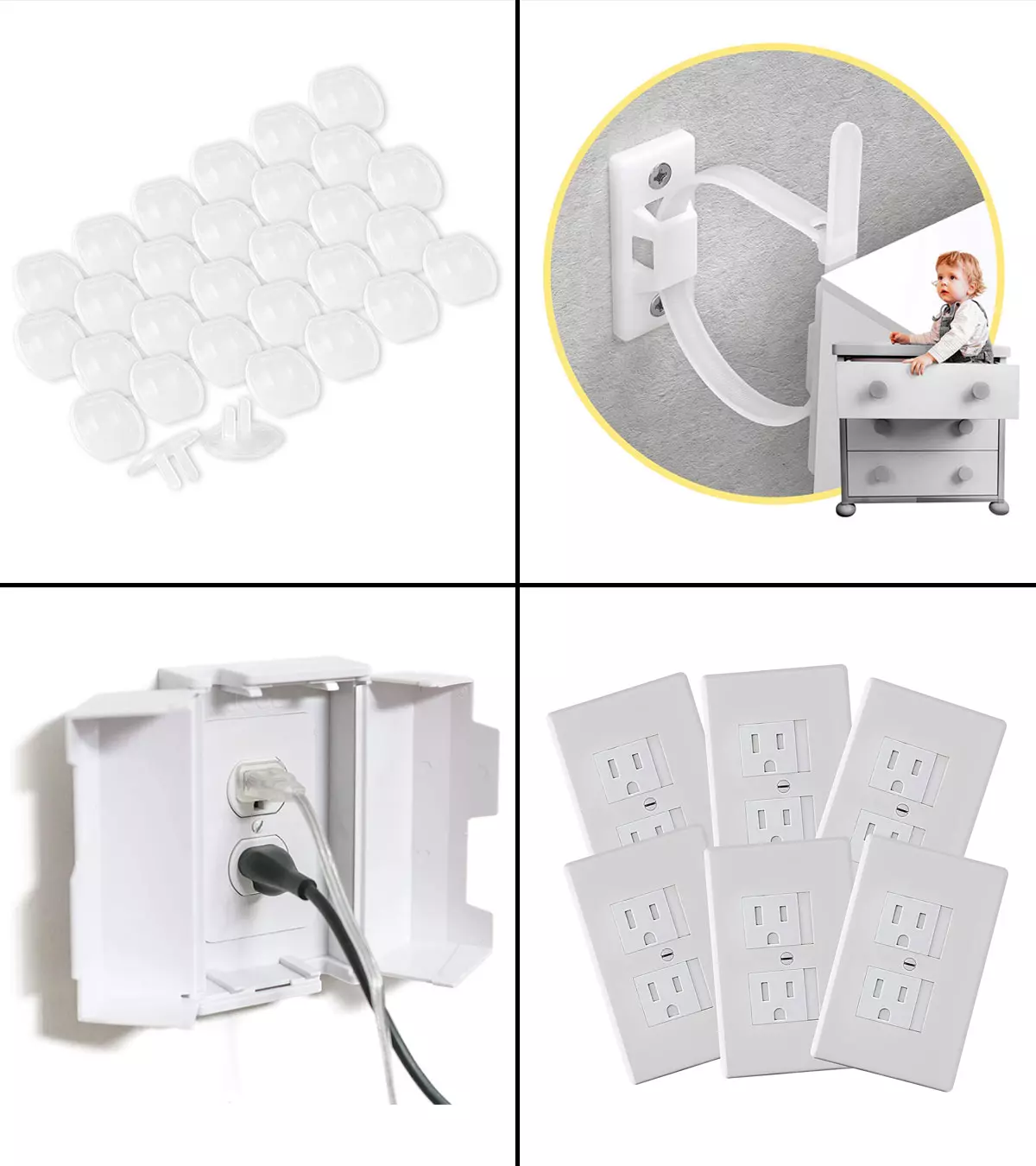
Baby Proofing Products: 15 Essential Safety Picks For 2025
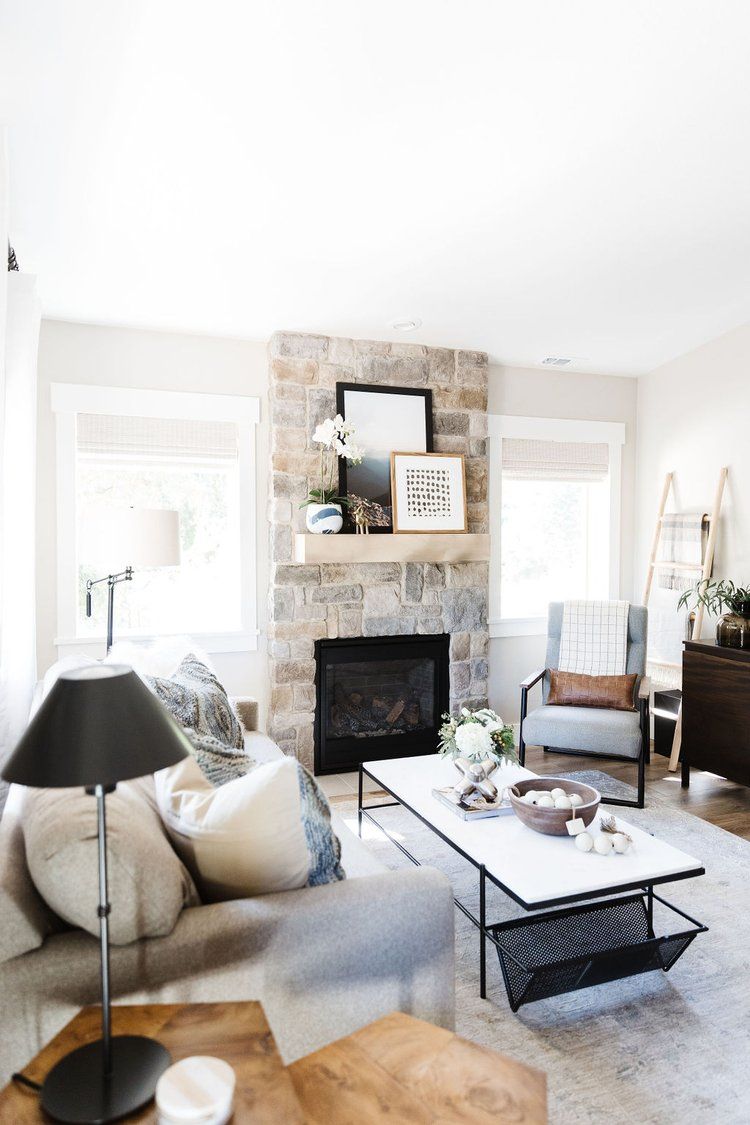
Add flair to your fireplace this season with tips from interior designers

Shopping for Fire Screens (Published 2022)