1/7
Mid-century modern history in Palm Springs area
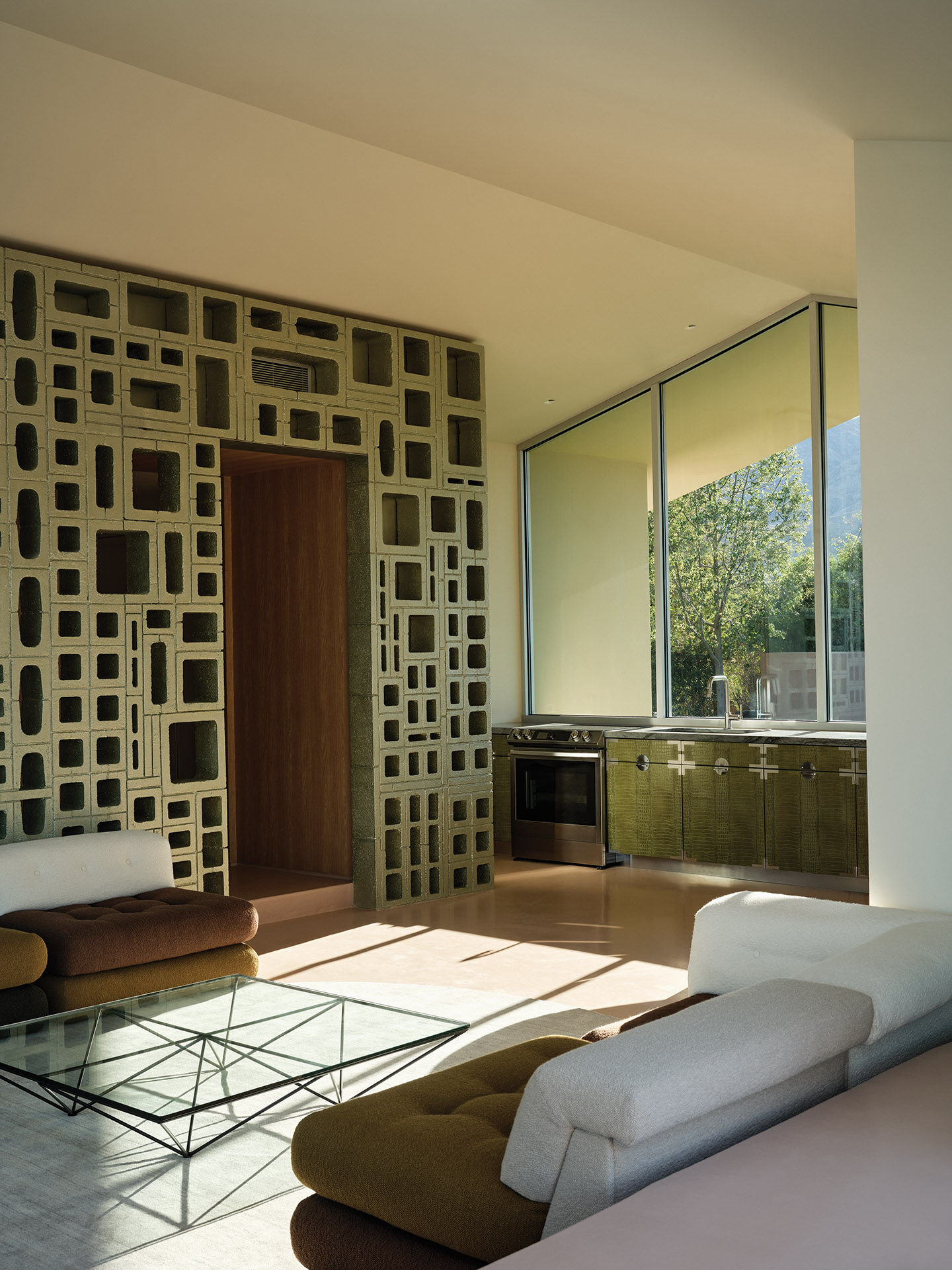
The term "modern" is a broad and often vague descriptor, encompassing a vast array of concepts, objects, and periods, from the Eiffel Tower to Abstract Expressionism and the iPhone. This extensive definition can be misleading, as modernism itself was a fragmented movement, with various factions often at odds with each other as much as with traditional forms. In architecture, "modern architecture" evokes images of glass walls, cantilevers, industrial materials, and a lack of ornamentation, yet its history is diverse in both style and concept. Styles such as Functionalism, Brutalism, New Formalism, Metabolism, the International Style, and Organic Architecture all fall under this umbrella, each possessing distinct formal and conceptual goals. Popular architectural modernisms, including Streamline Moderne, Art Deco, and Googie, were frequently dismissed by leading modernists as deviations from their intellectual principles.
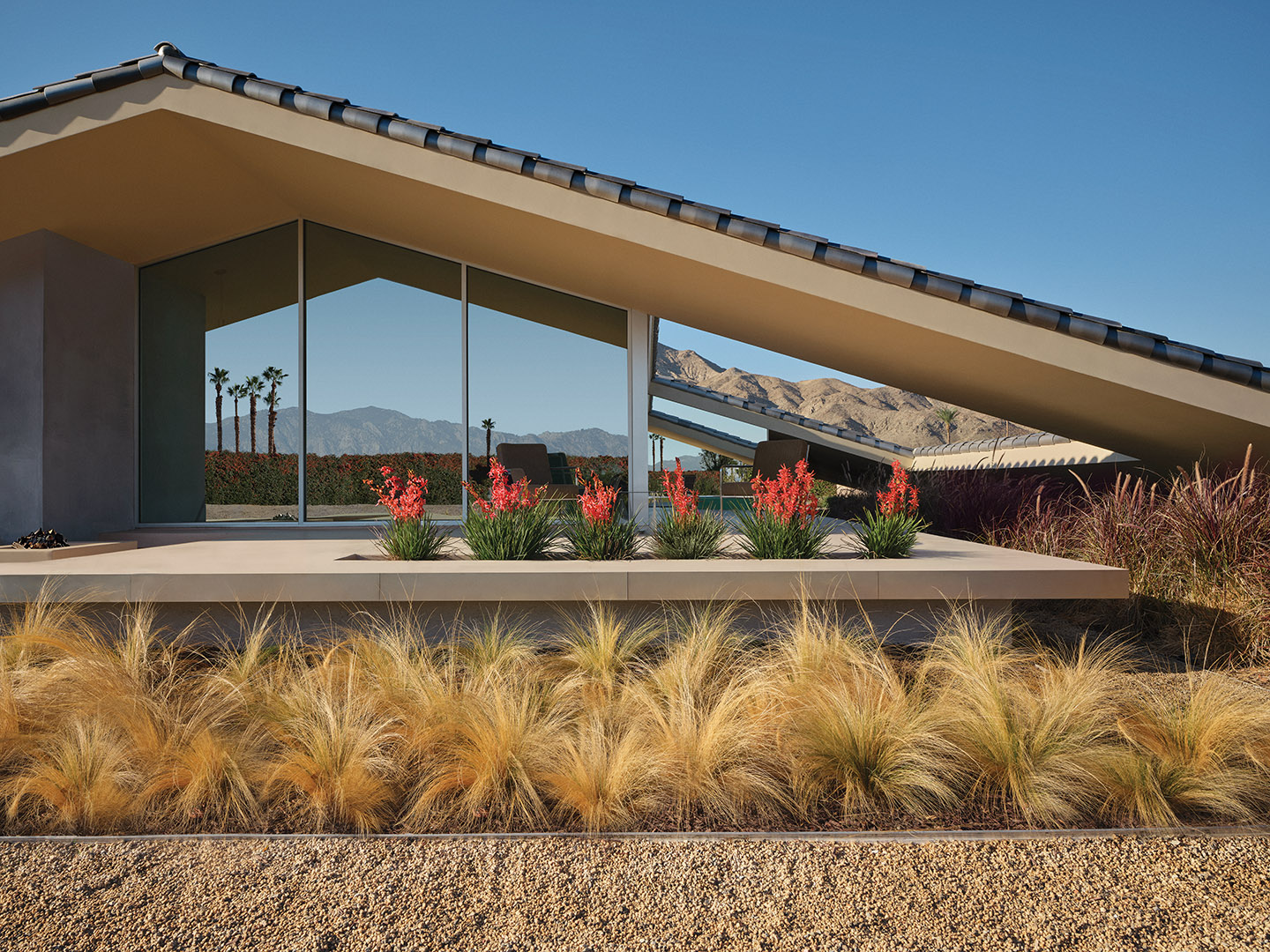
Amidst this stylistic diversity, Late Moderne emerged as a significant architectural style from the late 1930s to the early 1950s, leaving a notable mark on the Coachella Valley, particularly through the work of designer Herbert W. Burns. Late Moderne architecture incorporated a range of influences, emphasizing streamlined forms, organic materials and color palettes, and a balance between horizontal and vertical elements. This style, though distinct from the high modernism of contemporaries like Albert Frey, was a valid modernist expression and proved exceptionally popular with the public.
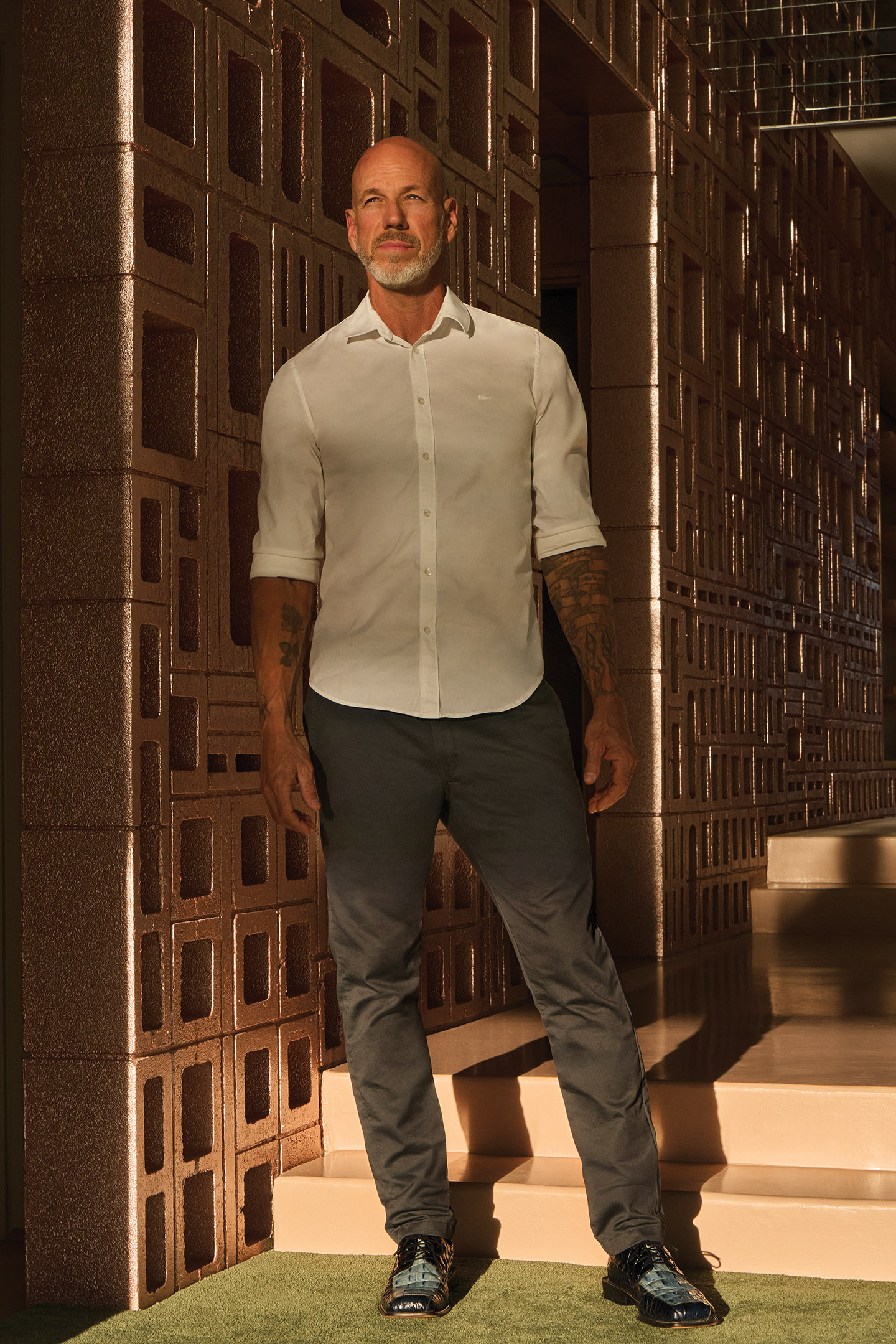
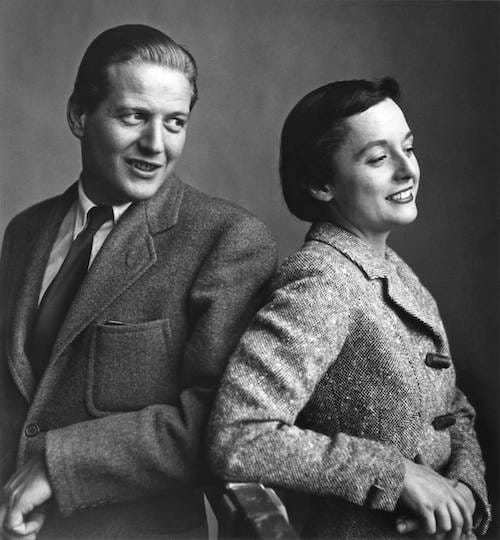
Herbert W. Burns arrived in Palm Springs in 1945, having pursued a diverse career before dedicating himself to architectural design and development. His initial project was the Town & Desert Apartment Hotel, which he owned and operated with his wife, Gayle. This hotel's design established the foundation for his unique Late Moderne approach, with subsequent projects being variations on this theme. These designs typically featured vertical sandstone volumes piercing expansive, horizontal structures, adorned with decorative vertical poles and glass walls, all rendered in a palette of desert-inspired pastels.
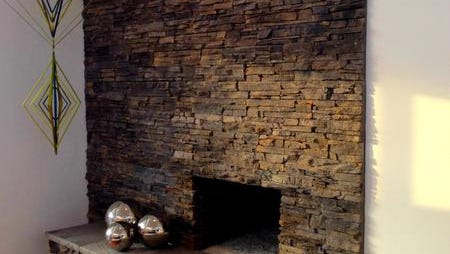
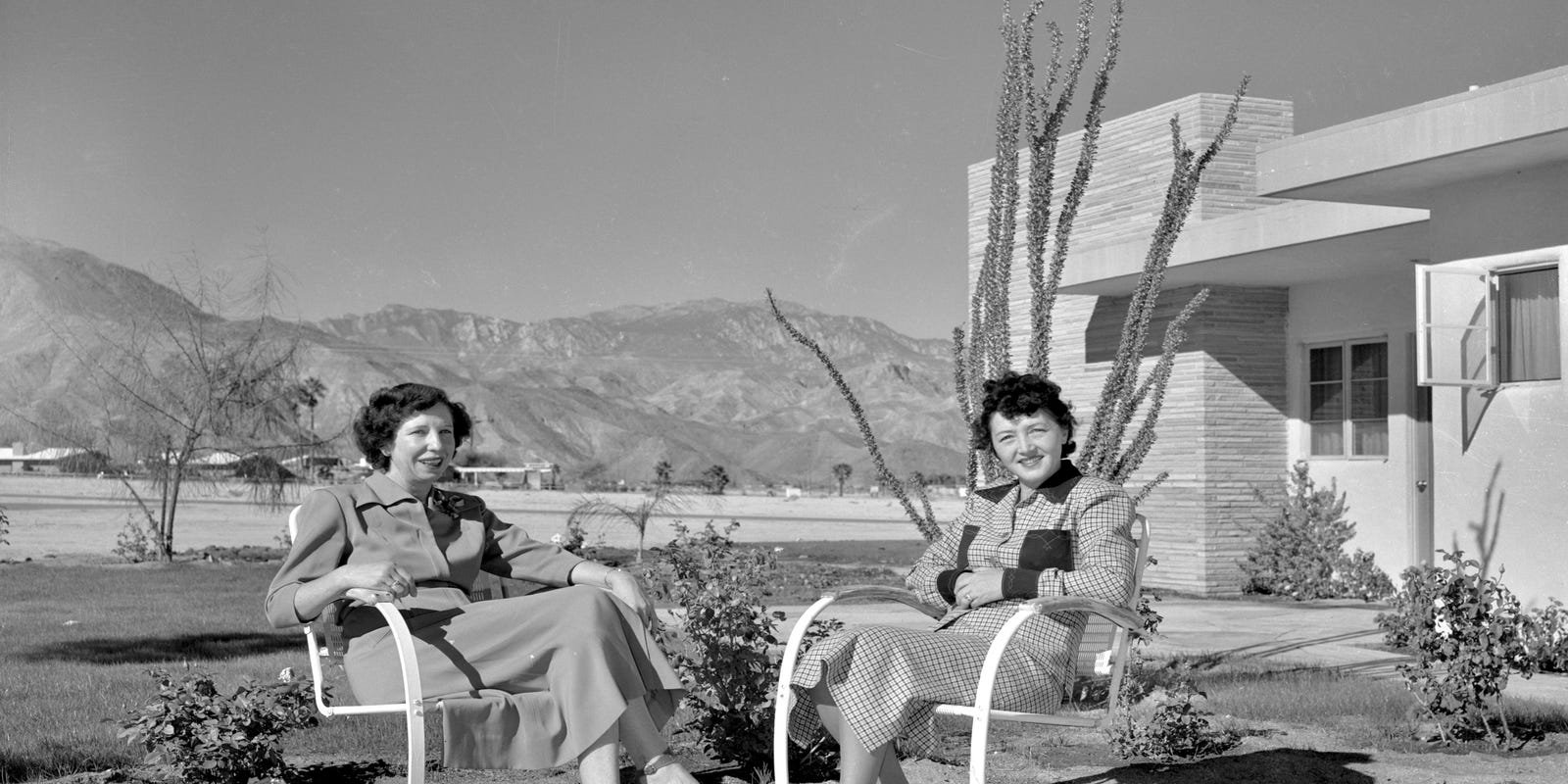
Edith Eddy Ward, a prominent figure in her own right, arrived in Palm Desert in 1946 and quickly became the Palm Desert Corporation's top sales agent, selling undeveloped desert land to affluent clients. Despite initial skepticism from Carl Henderson, the community's sales manager, Ward's effectiveness and unconventional methods earned her the nickname "Shady Lady of Shadow Mountain." In 1947, Ward commissioned Burns to design a duplex for herself and her mother, Margaret "Bunny" Ward. Located near the then-undeveloped El Paseo, this flat-roofed duplex featured Burns' characteristic sandstone columns, sandstone-faced interior walls, and corrugated glass room dividers, offering panoramic views of the desert landscape. A _Los Angeles Times_ feature highlighted its ability to embrace the desert's beauty while mitigating its harshness.
Ward and her mother's occupancy of the Burns duplex was brief. In 1949, ever the shrewd businesswoman, Ward sold the property to Fred and Mildred Talbot, who had admired Burns' work during a stay at the Town & Desert. Anticipating future growth in Palm Desert, Ward had ensured Burns designed the duplex with expansion in mind for a small hotel. The Talbots, in turn, re-hired Burns to design two wings that seamlessly transformed the duplex into a low-slung, V-shaped structure centered around a pool. Completed in 1950, this twelve-unit property opened as the Sun and Shadow Apartment Hotel and operated for over three decades. The building, now housing the Lotus Garden Center, remains visible at the intersection of San Luis Rey Avenue and Larrea Street, a block from El Paseo. While modifications have obscured some of Burns' original design, his signature sandstone volumes still stand as a testament to the building's history and the varied nature of modernism.
#PalmDesertHistory #HerbertBurns #EdithEddyWard #LateModerneArchitecture #CoachellaValley #ArchitecturalDesign #MidCenturyModern #PalmSprings #SunAndShadow #PalmDesertHistory #HerbertBurns #EdithEddyWard #LateModerneArchitecture #CoachellaValley #ArchitecturalDesign #MidCenturyModern #PalmSprings #SunAndShadow
0 commenti in totale
 Nessun commento ancora
Potresti anche gradire
This Palm Springs House Is Full of the Grooviest, Most Stylish Mid-Century Modern Decorating Ideas
Seattle Architect Makes Palm Springs His New Home
Inside a Rocking Palm Beach Mansion Made With Rare, Vibrant Marble From Around the World

The enduring appeal of Mid-century Modern

Walls of windows illuminate midcentury home
How an Interior Designer Designed His Dream Home in Palm Springs
Palm Springs’ Bar Cecil revels in its maximalist ‘dandy’ interiors
Landscape Architects Design to Please the Senses in Palm Springs
Ensconced in Velvet, This Palm Springs MCM Makes The Perfect Birthday Gift

‘Obsession’ with mid-century style leads to a Cedarville revelation

19 Laudable Midcentury Modern Renovations in Los Angeles

Columbus was built as the "exemplary mid-century city"

How to get the Palm Springs look in your home
Mid-century design meets Palm Springs flair in the home of an interior designer

Tom Blachford brings Palm Springs houses and classic cars into moonlit focus
Best of Design 2025: A Mid-Century Modern Home That Blends the Indoors and Outdoors

Desert Hues Temper This Mid-Century Modern Oasis in Palm Springs
How Architect Robert Stone Is Changing the Palm Springs Modernism Narrative
Don’t Call It an Accent Wall—In This Bungalow, Patterned Surfaces Act Like Headboards and Room Dividers

The American Society of Interior Designers Salute Past