1/2
Are Closed-Concept Layouts Here to Stay? Everything You Need to Make It Work
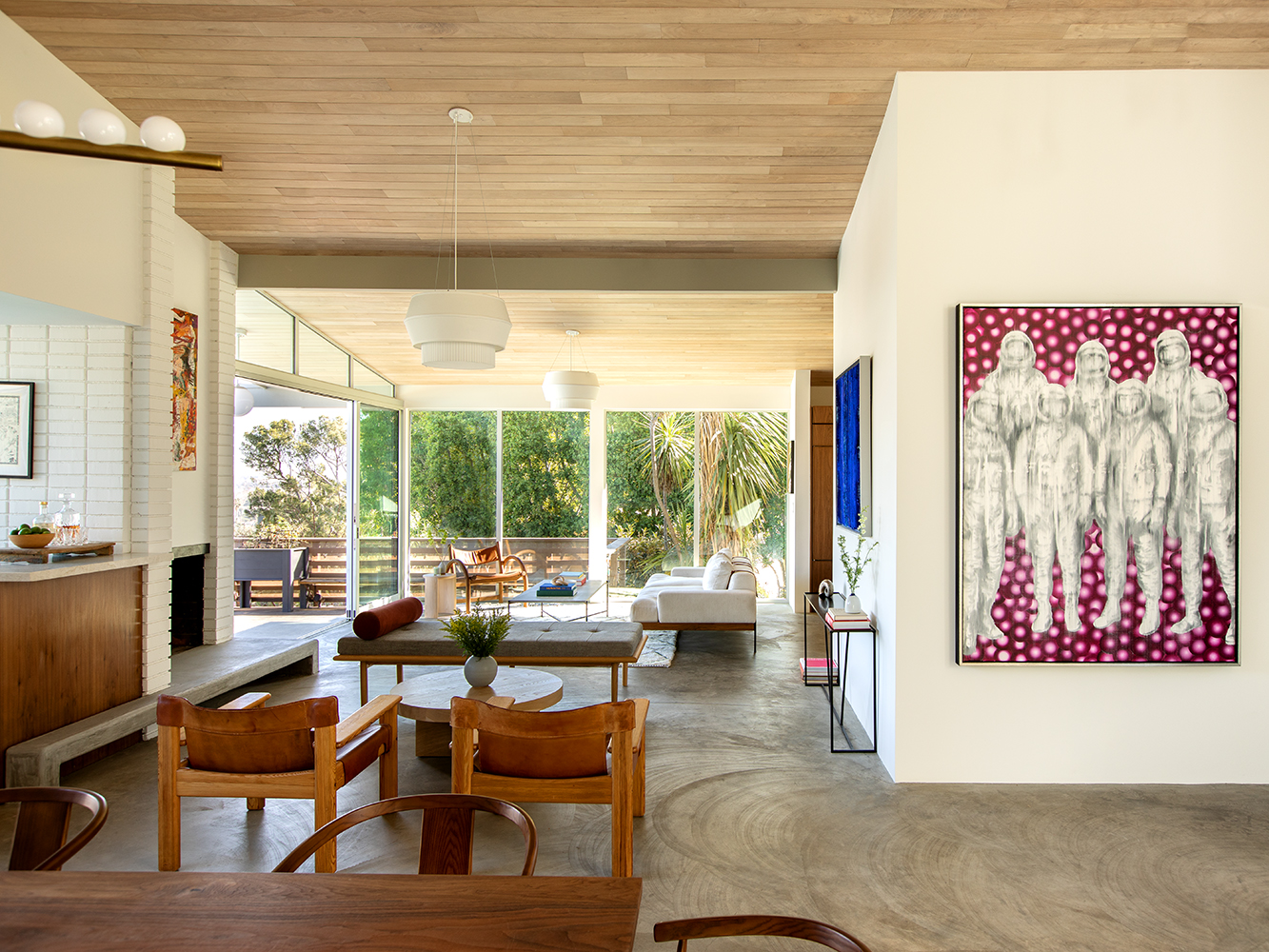
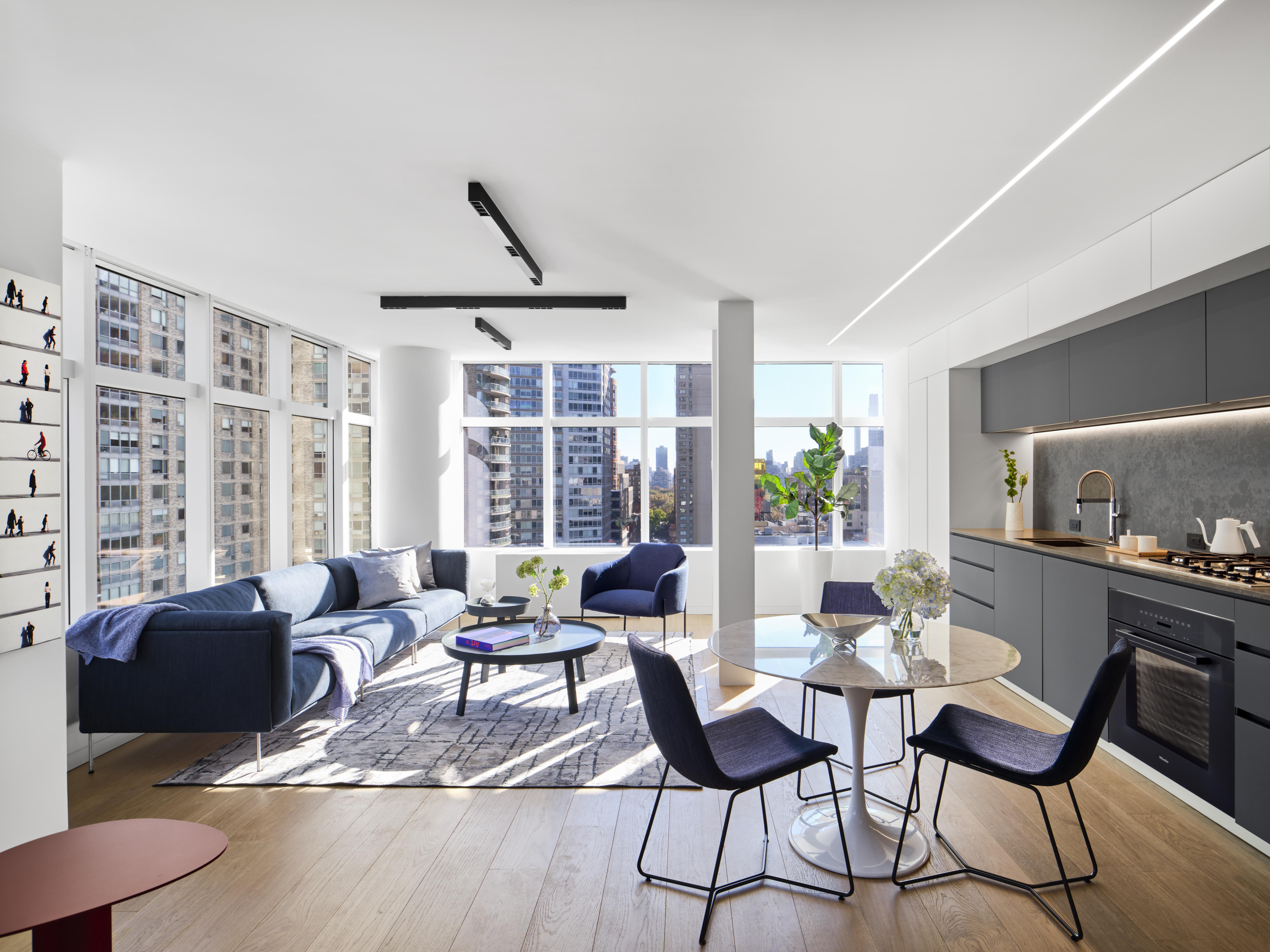
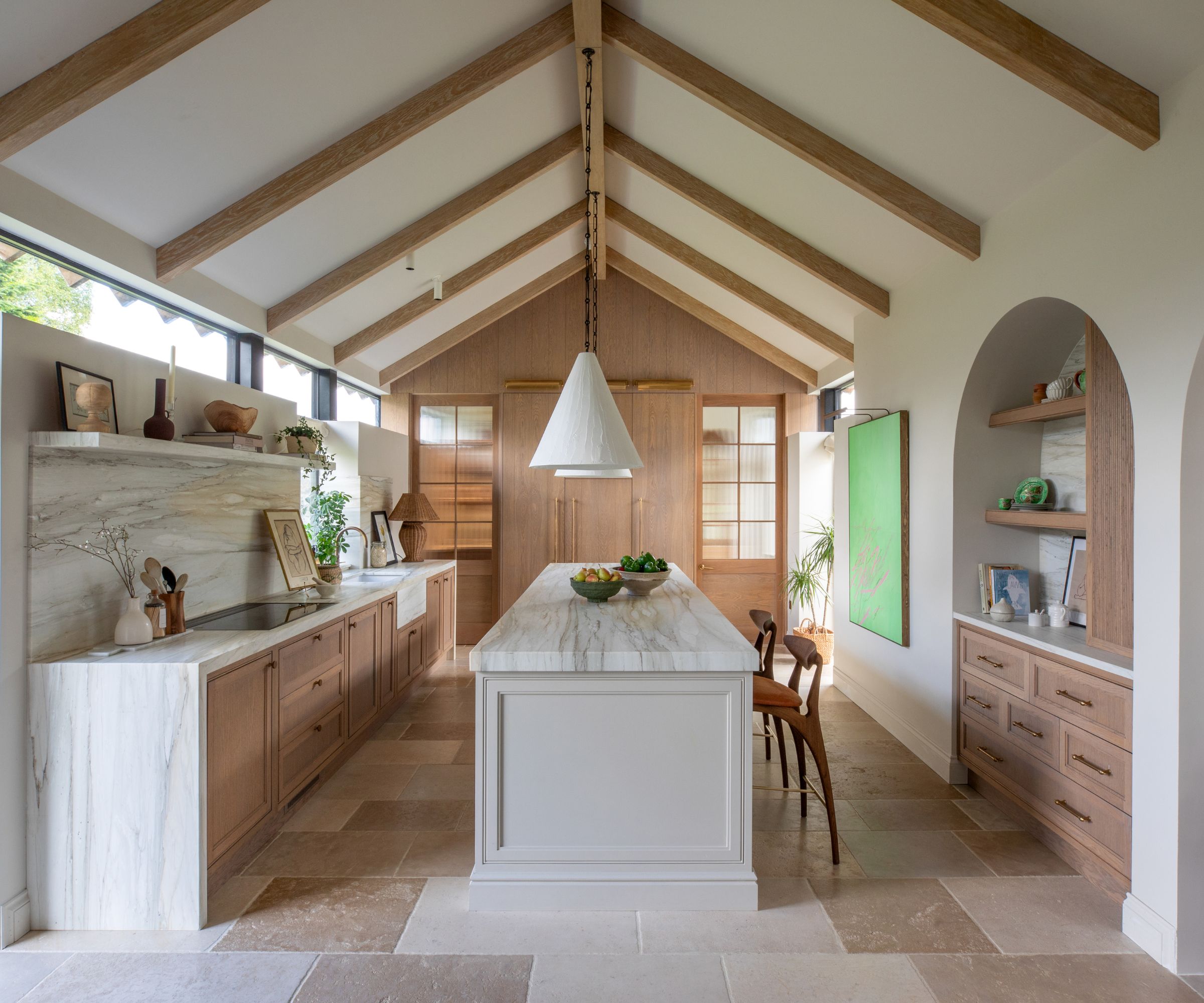
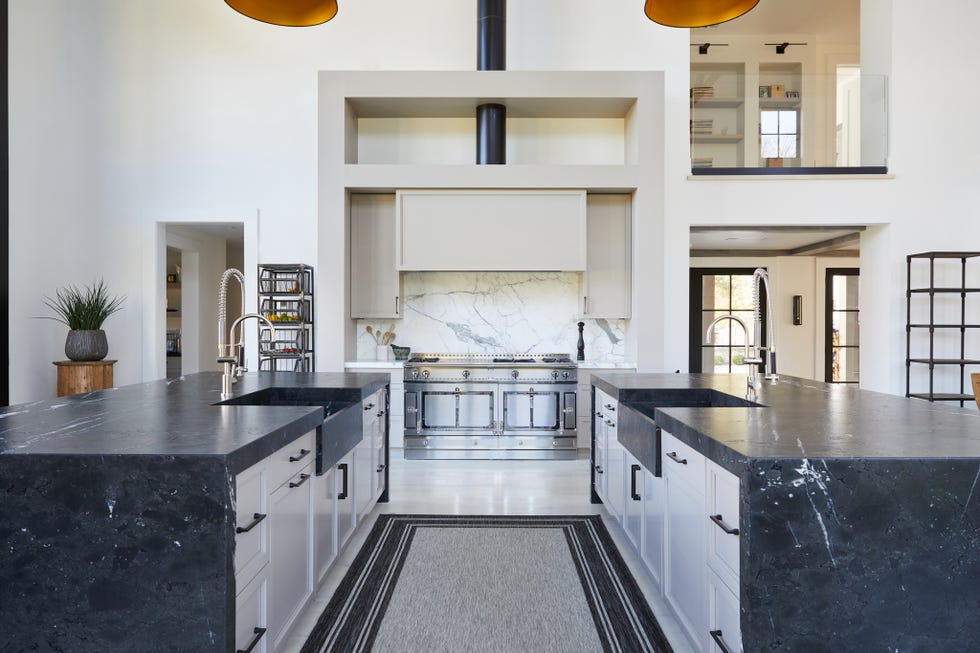
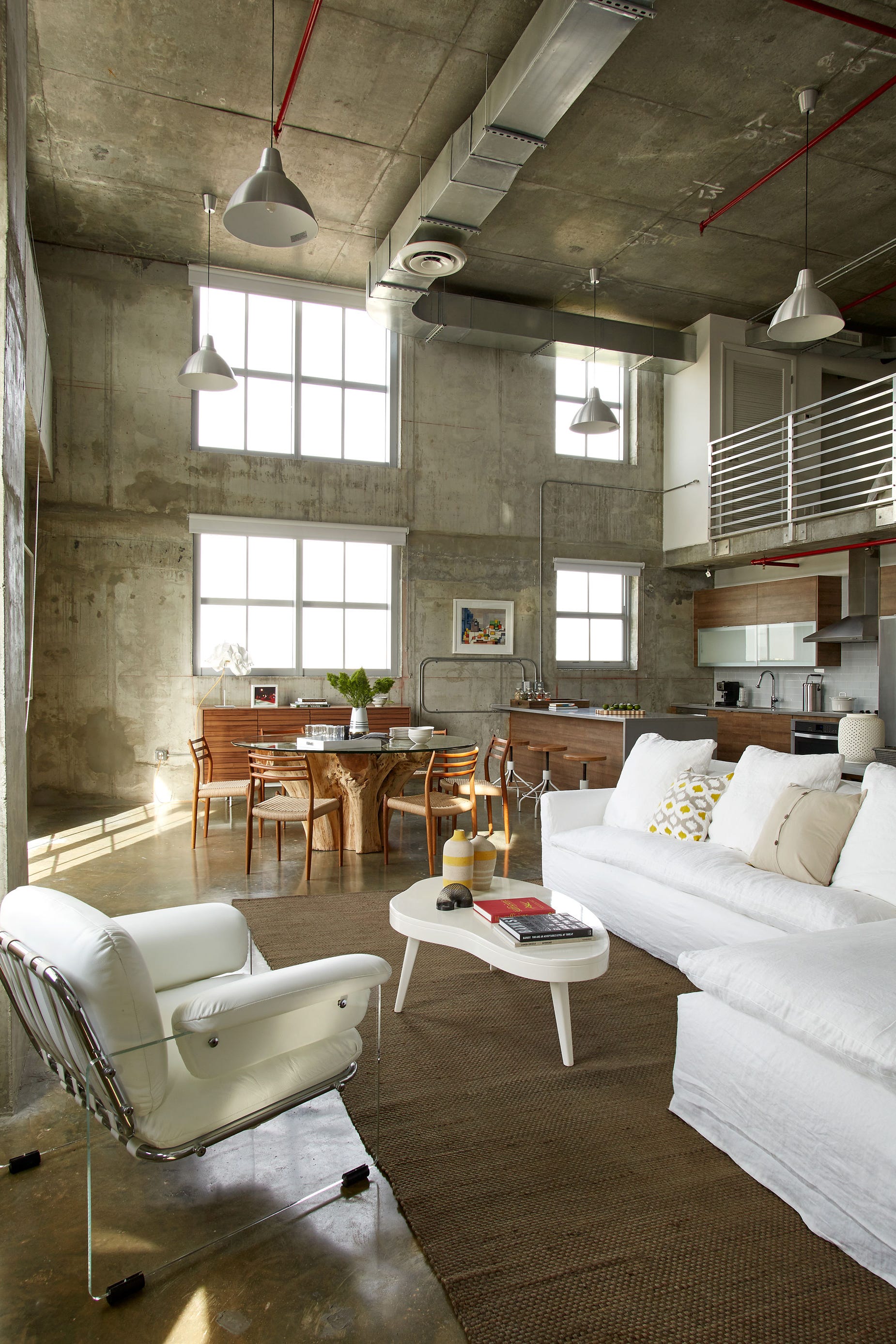
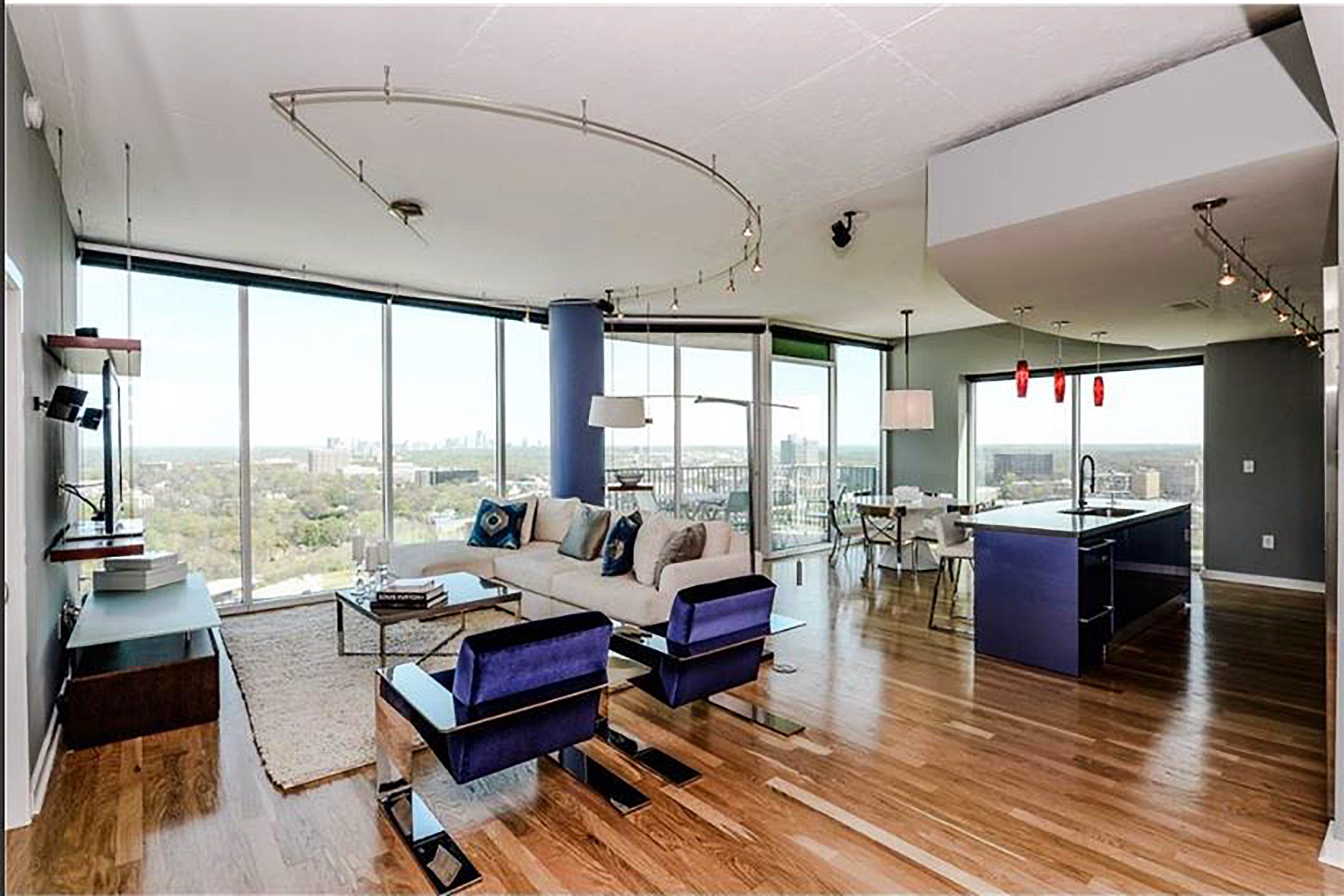
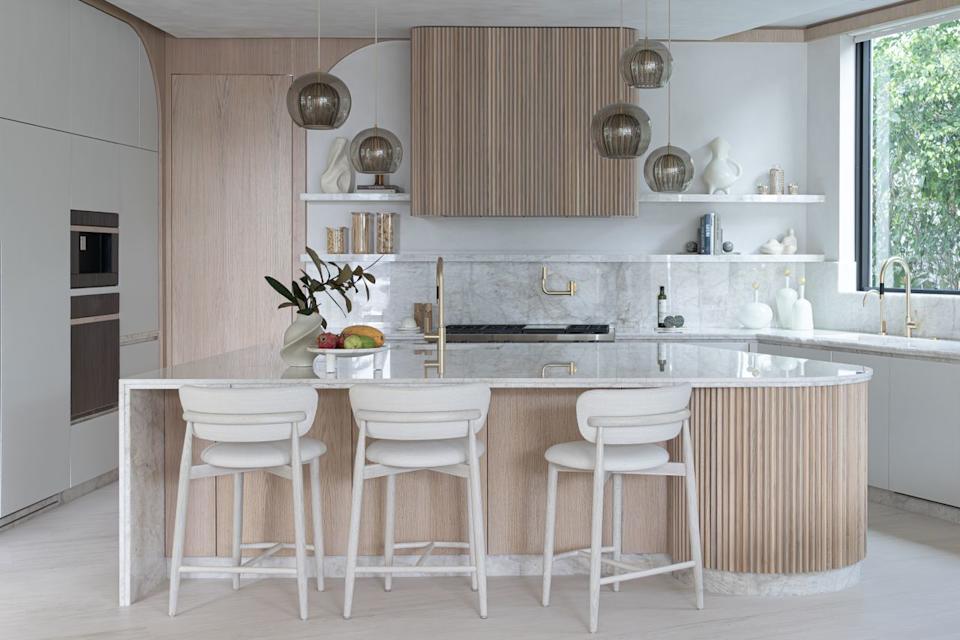
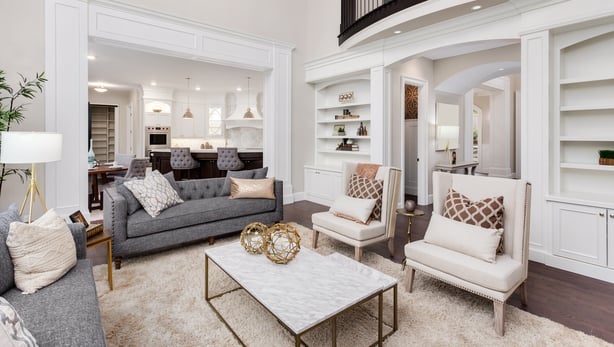
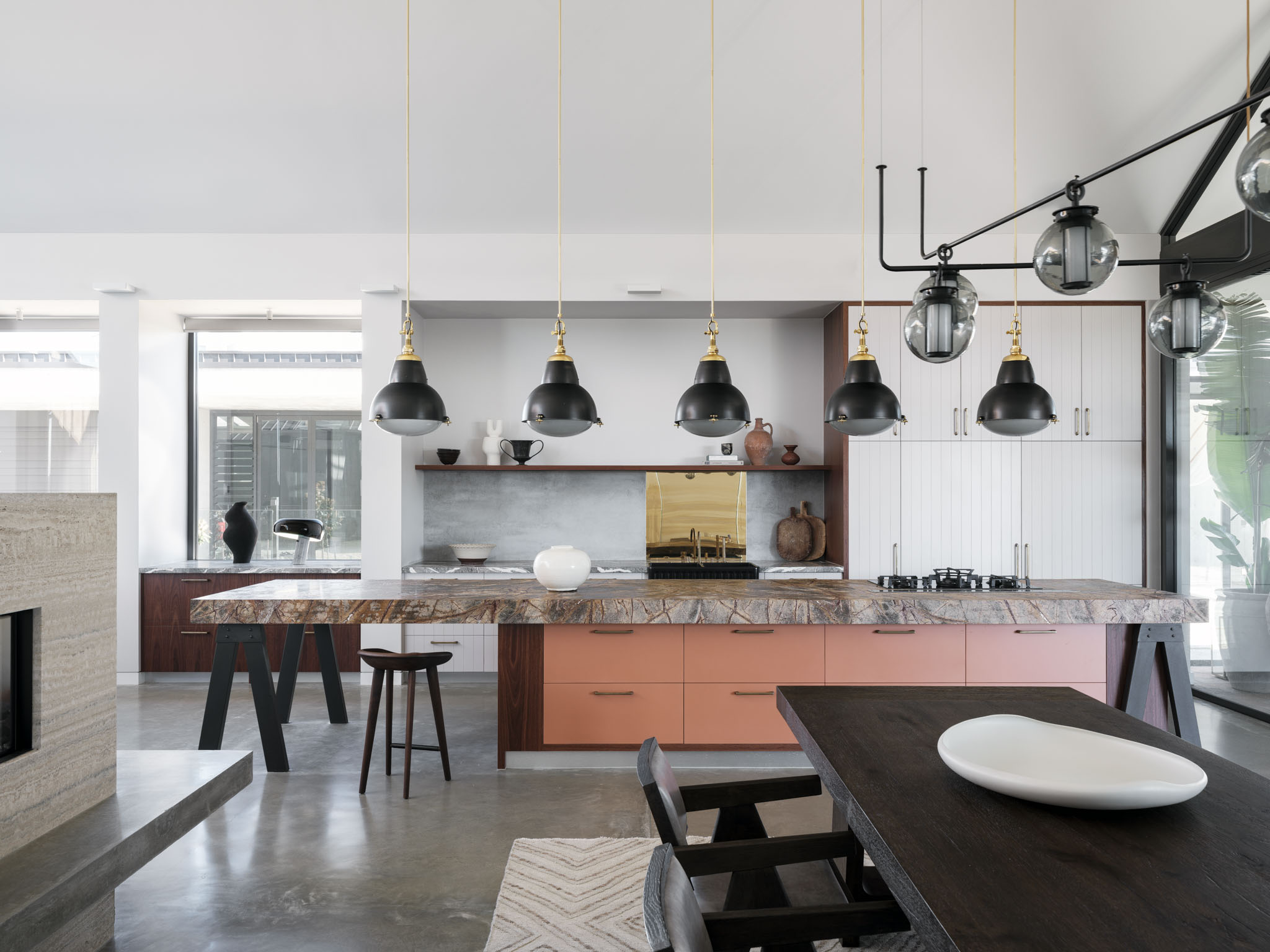
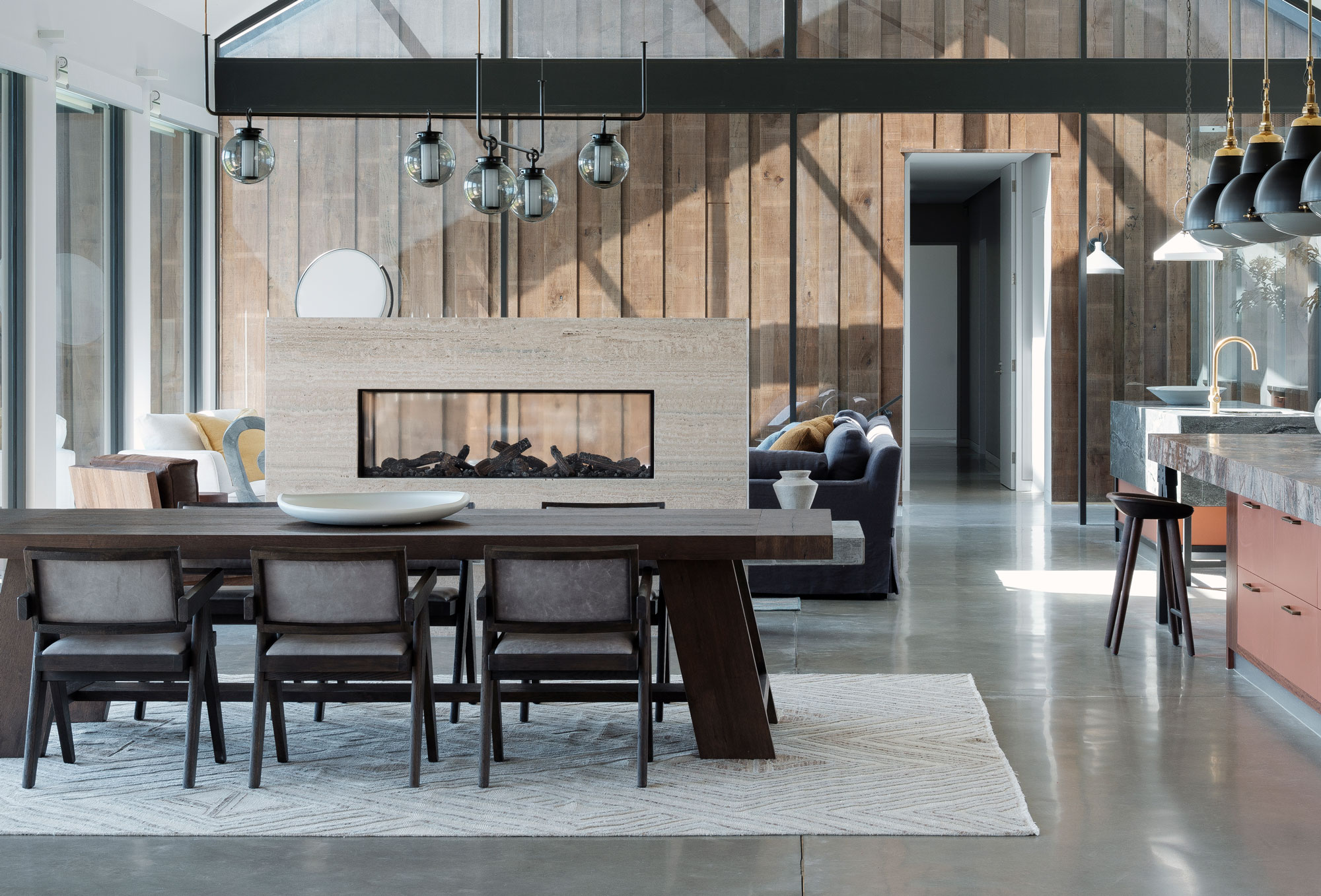
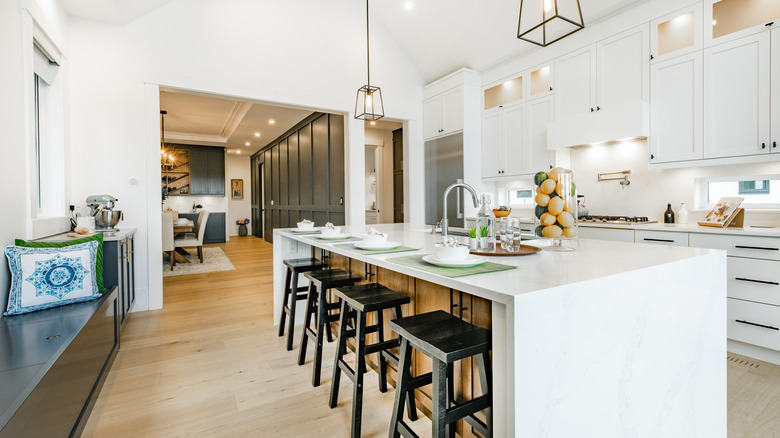
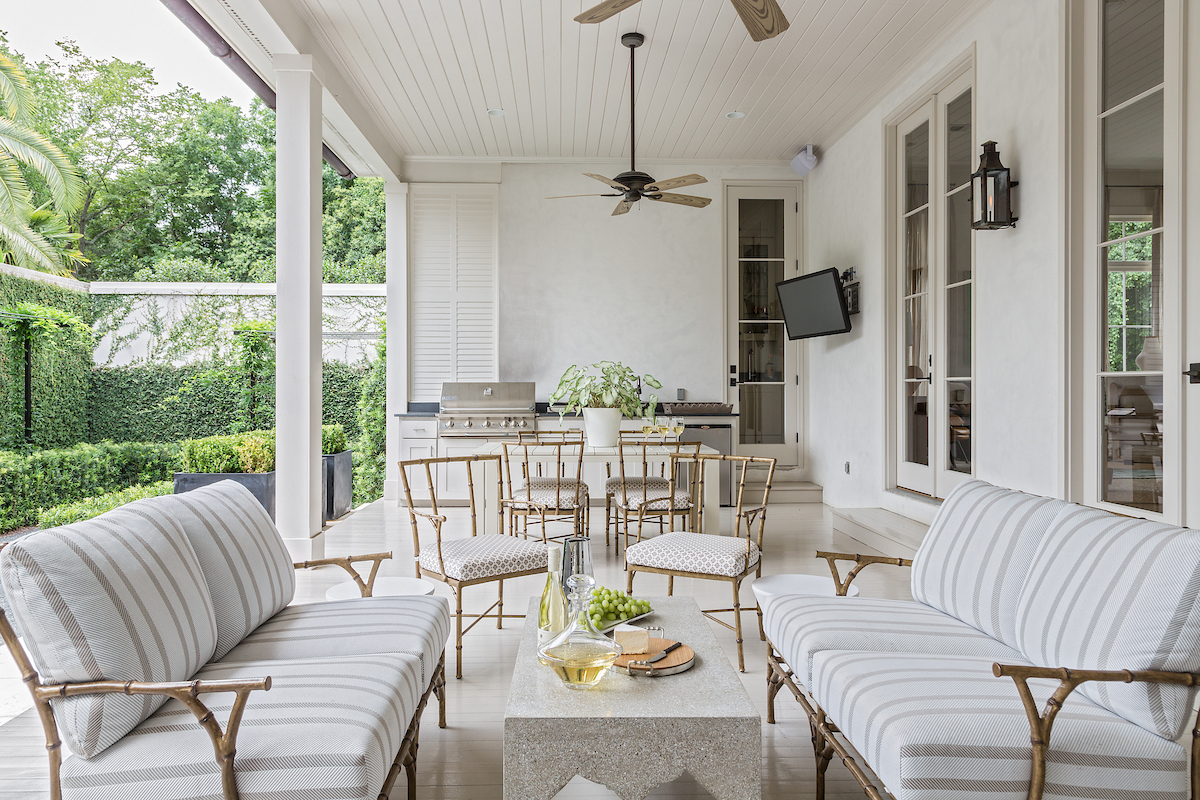
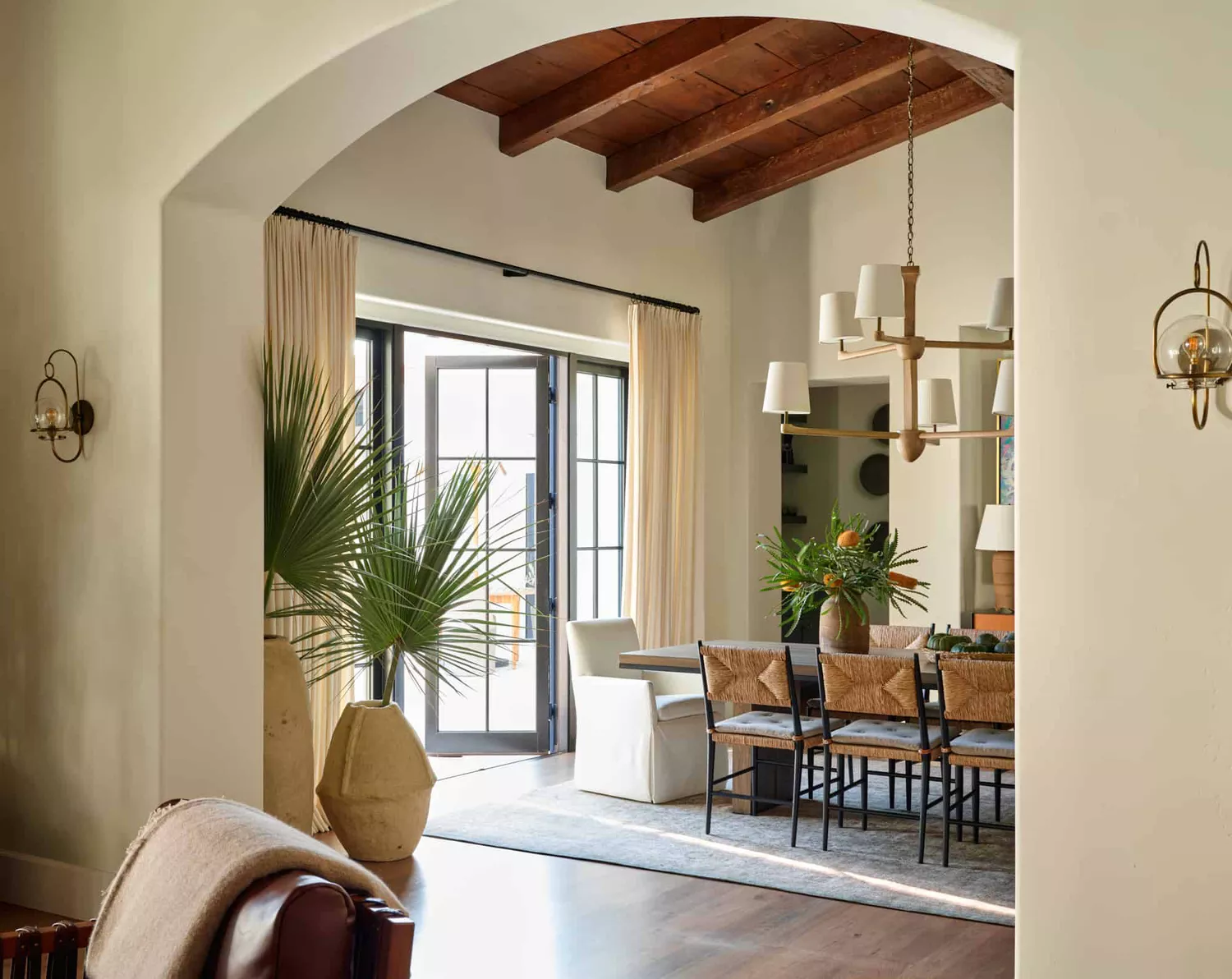
In interior design, the debate between open-concept and closed-concept layouts has been a significant topic. For decades, open-concept living, characterized by large, interconnected spaces, dominated home design, lauded for its ability to create bright, airy environments and foster communal living. However, recent trends indicate a resurgence of closed-concept layouts, prompting a re-evaluation of spatial design preferences among homeowners and designers alike. This shift suggests a cyclical nature of design trends, where older styles eventually regain popularity, often in response to evolving lifestyle needs.
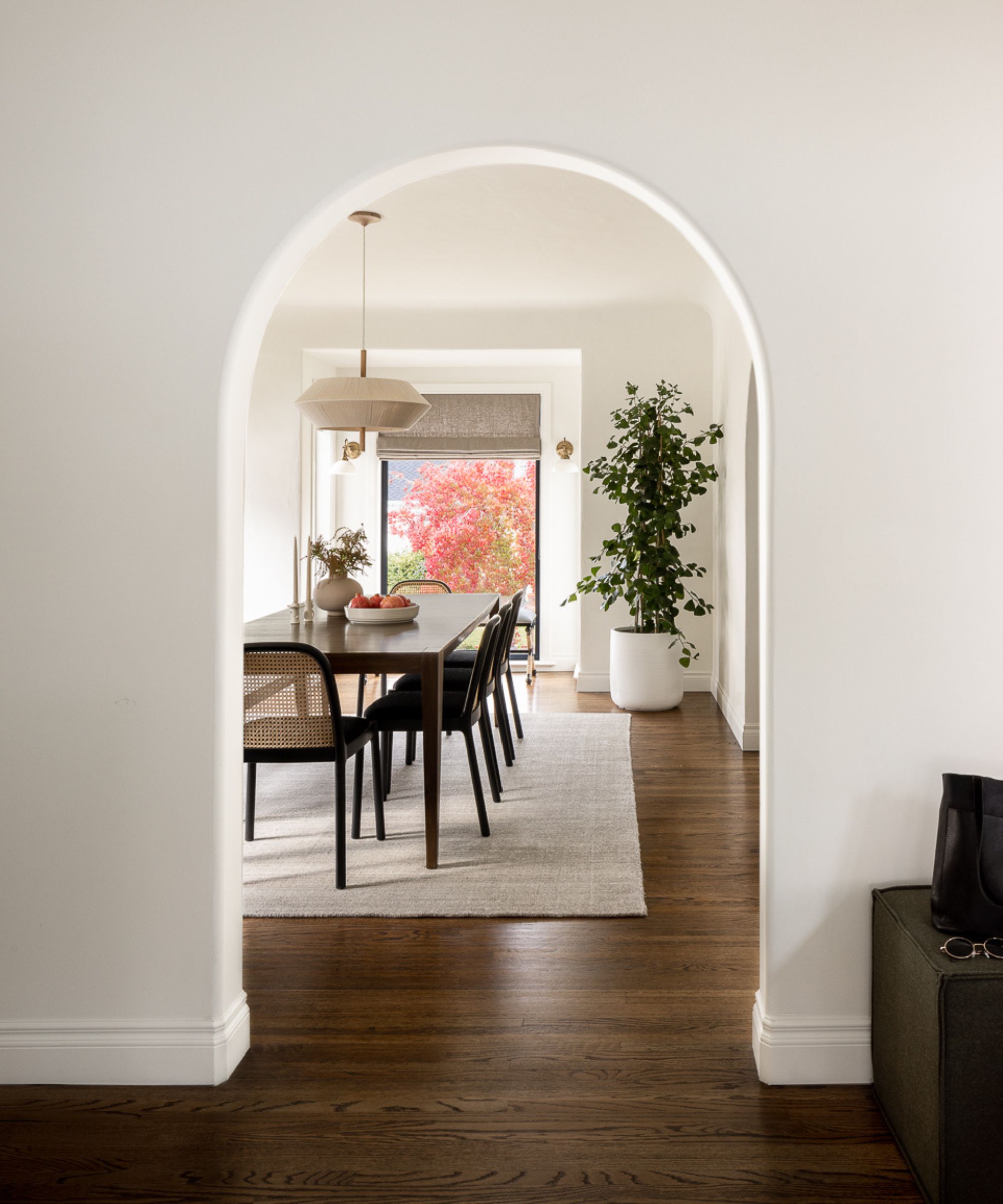
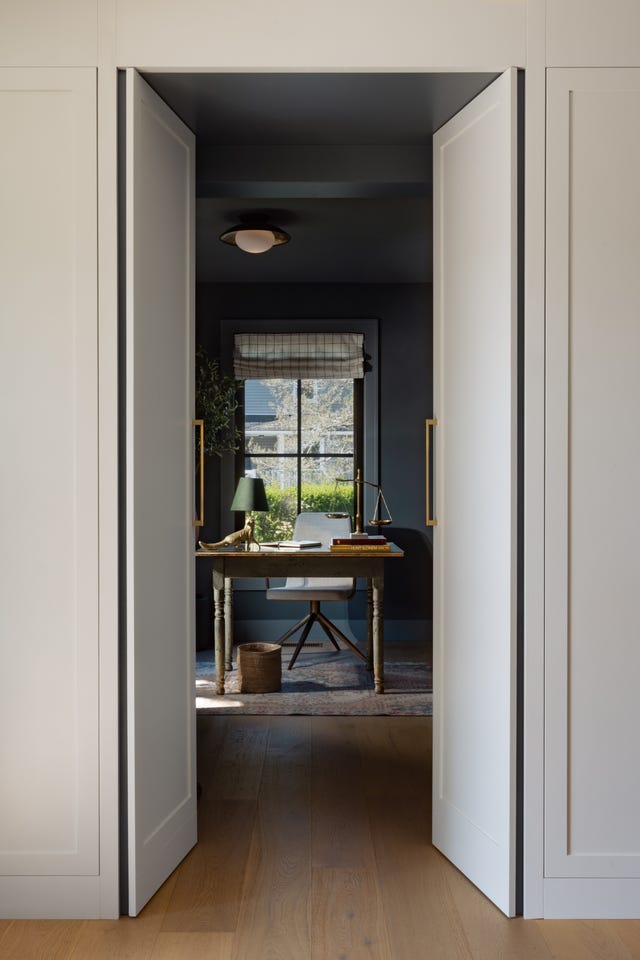
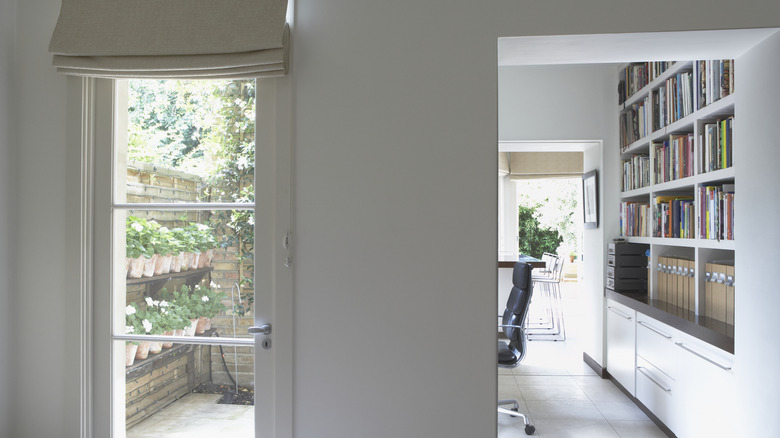
Several factors contribute to the renewed interest in closed-concept layouts. A primary driver is the increased demand for privacy within the home, especially amplified by the widespread adoption of remote work and schooling. With multiple family members often simultaneously engaged in calls, virtual meetings, or focused tasks, the lack of distinct rooms in an open-concept setting can lead to excessive noise and distractions. Separated rooms offer dedicated, quieter spaces, allowing individuals to concentrate without disturbing others or being disturbed themselves. This practical need for personal space directly counters one of the open concept's supposed benefits—unrestricted flow and interaction.
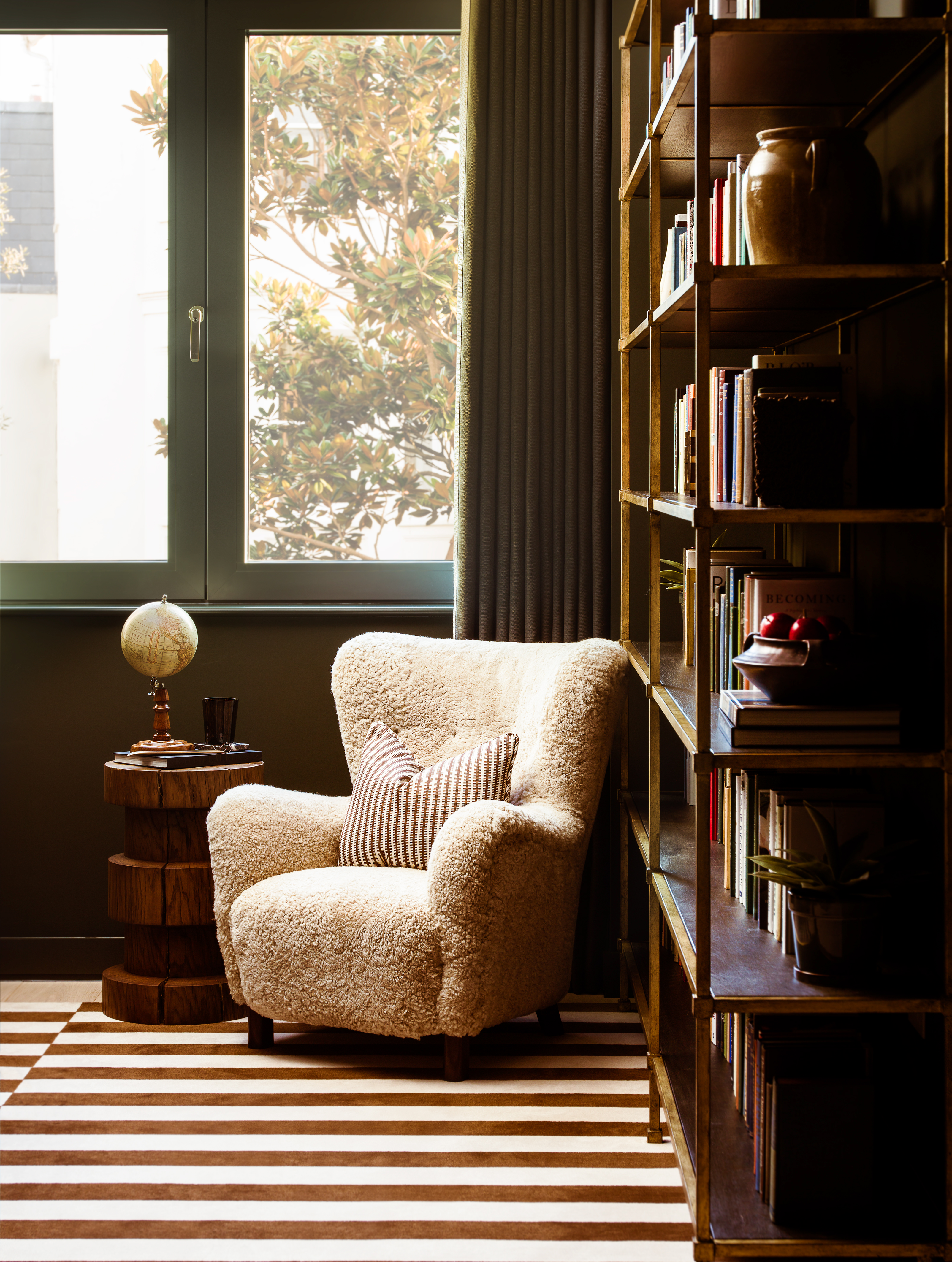
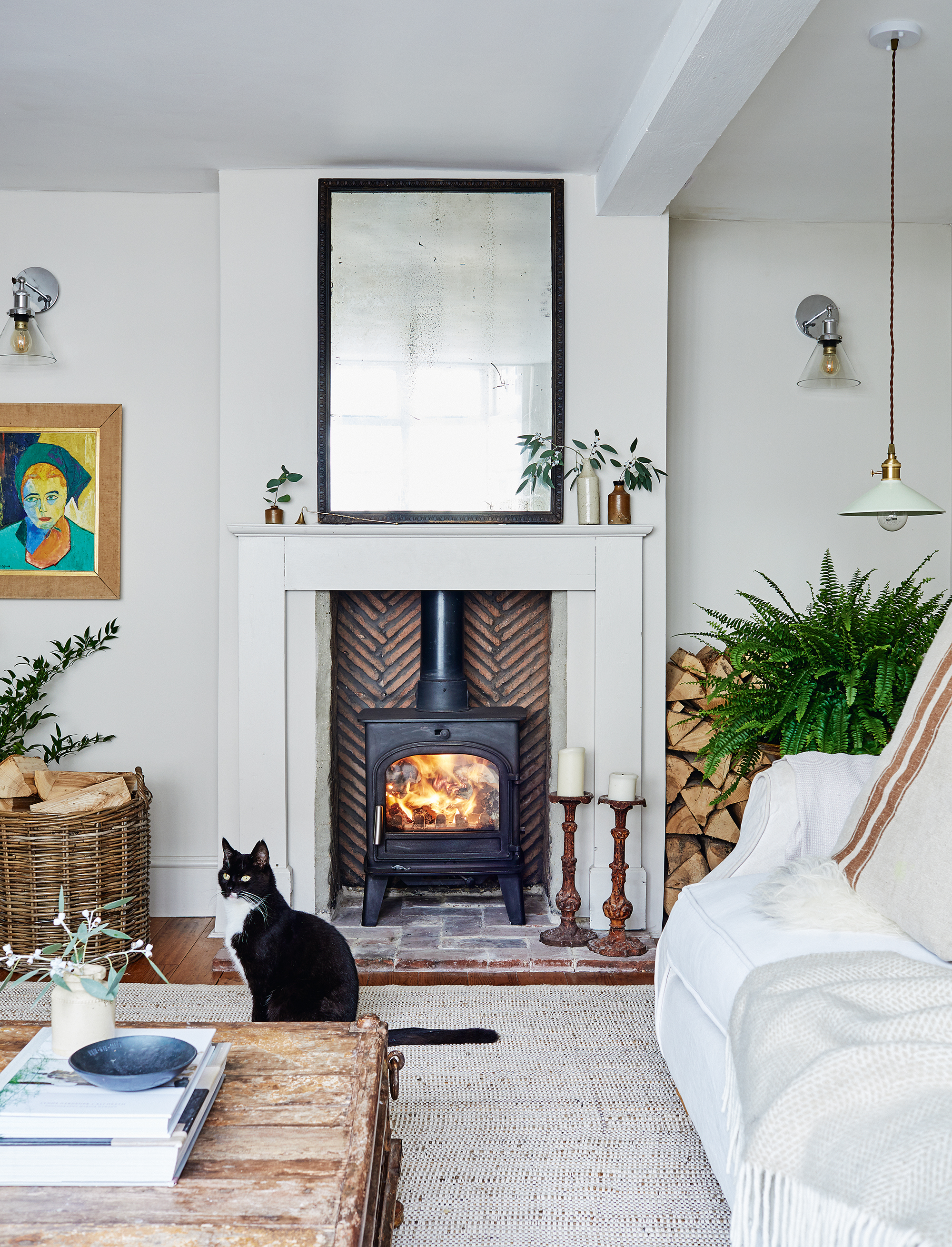
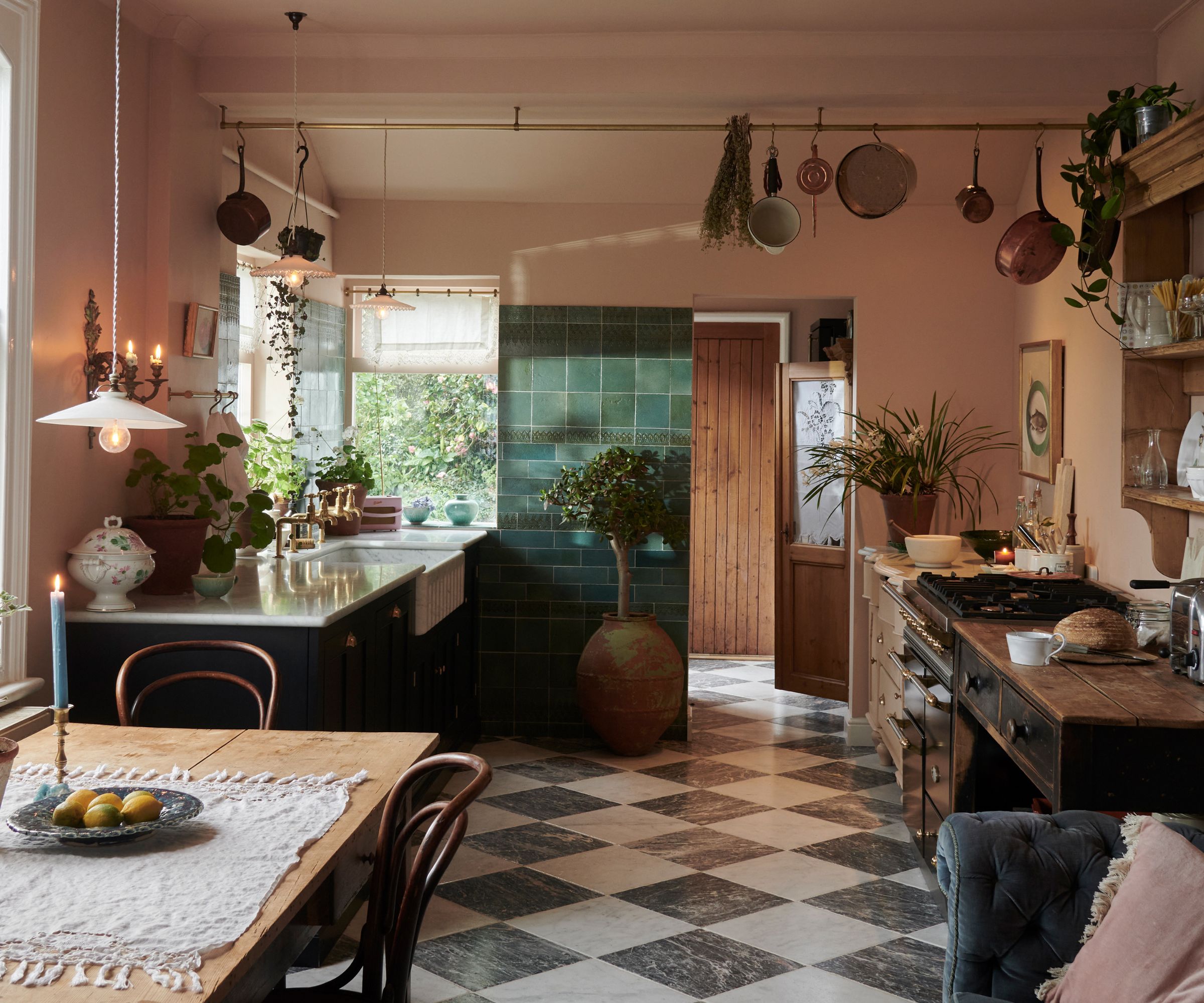
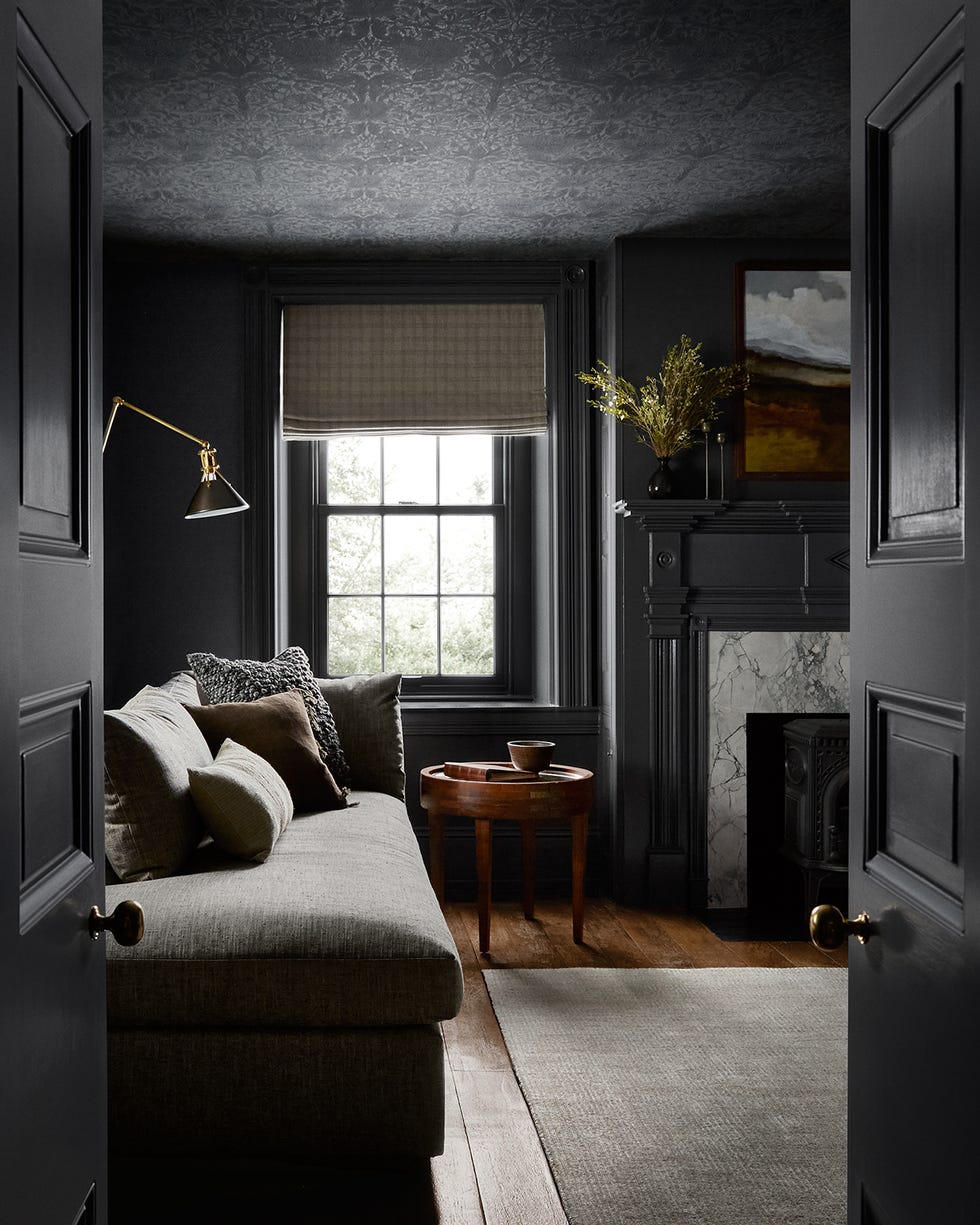
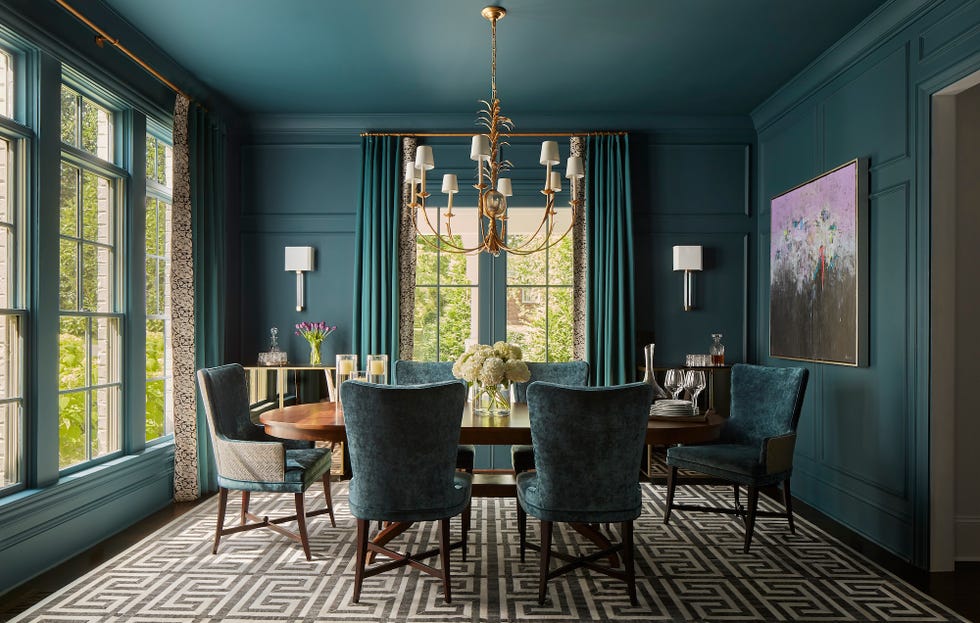
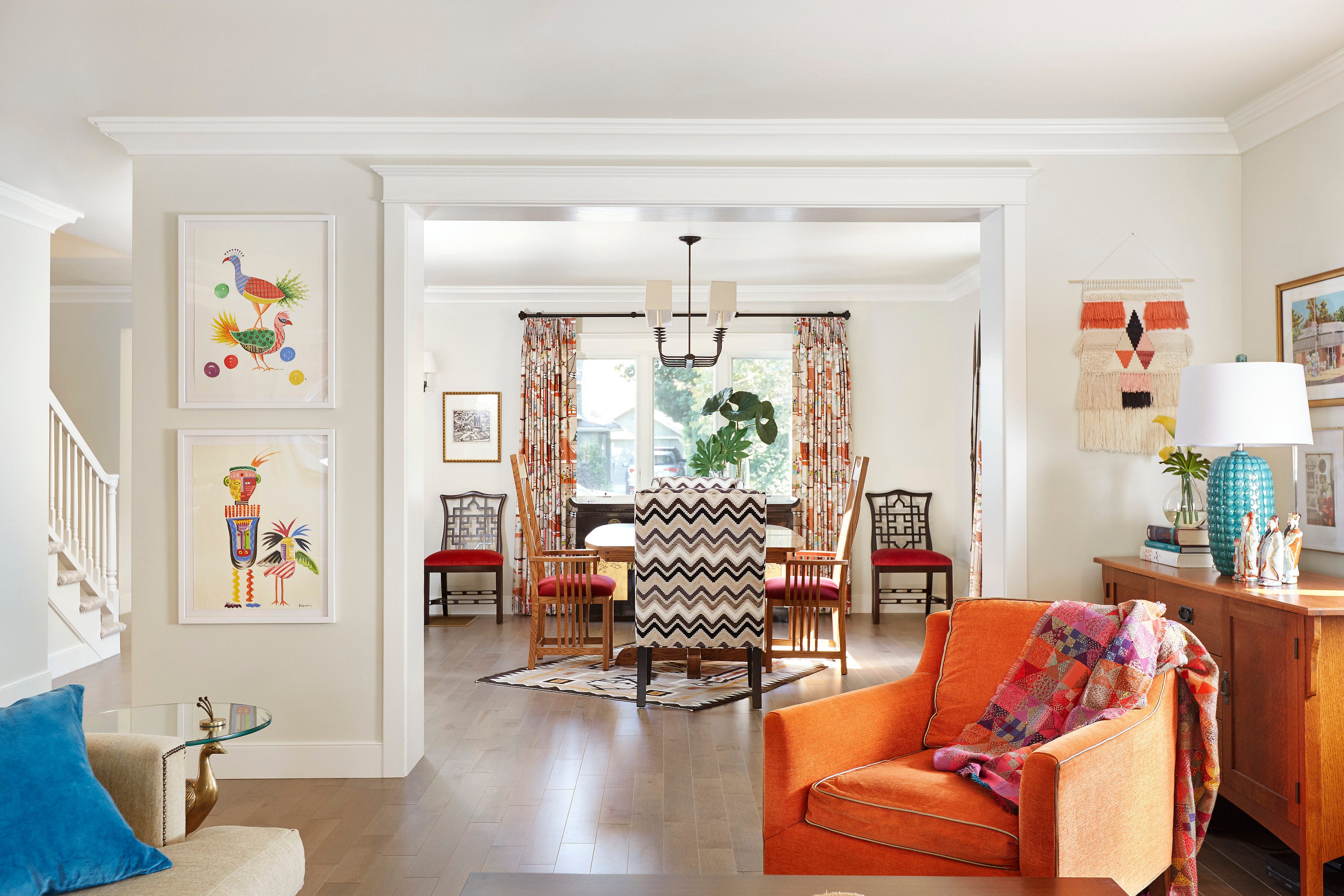
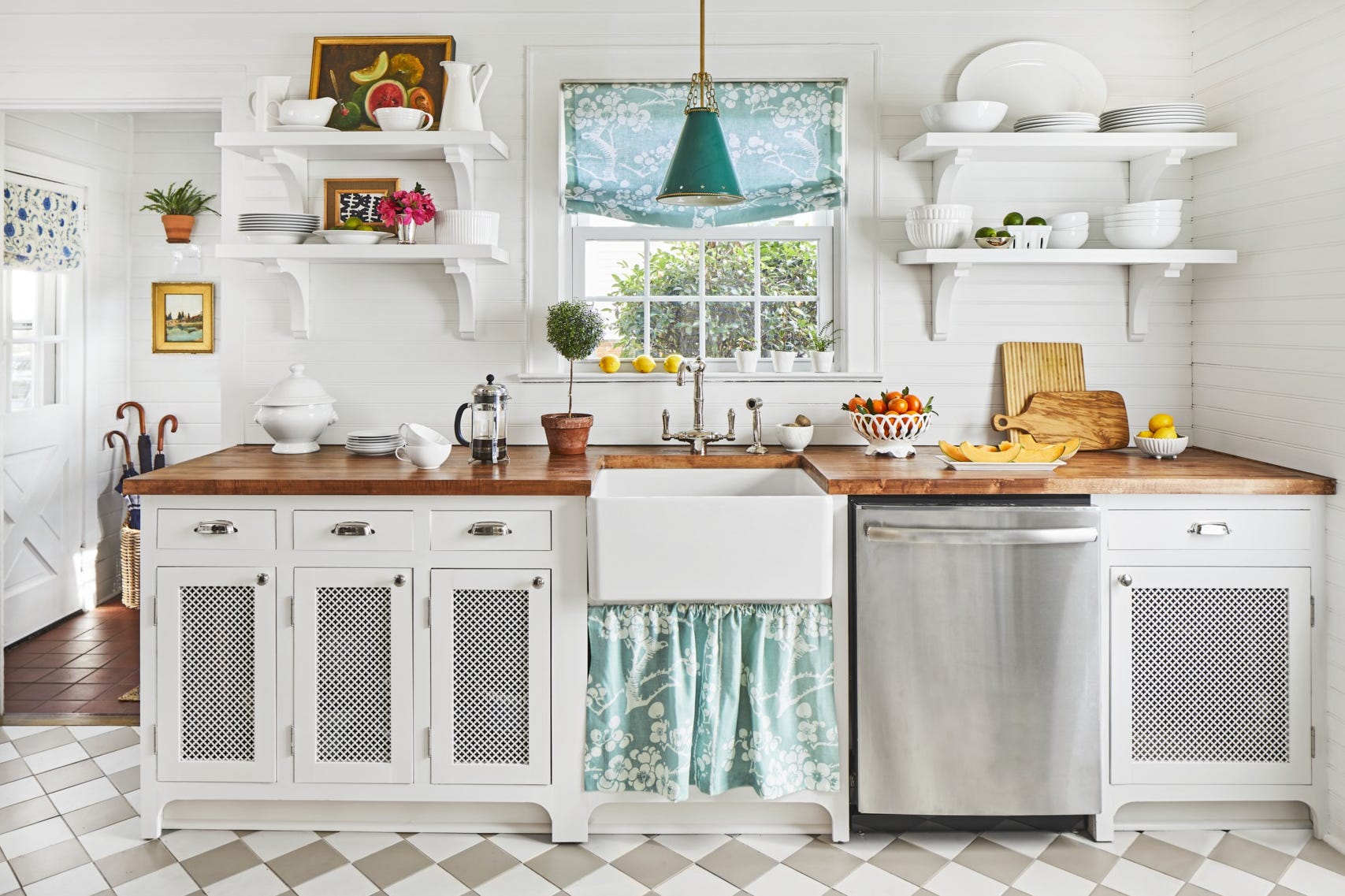
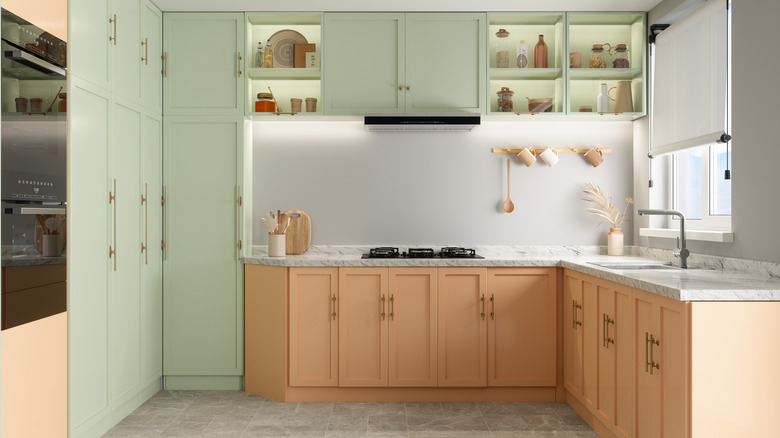
Beyond practicality, closed-concept layouts offer aesthetic and functional advantages. They facilitate the creation of distinct atmospheres and energies in different areas of a home. Each room can be designed with a specific purpose and mood in mind, allowing for greater creative expression through varied color schemes, textures, and furniture styles. This ability to channel specific energy into a central area rather than dispersing it across multiple zones can lead to a more curated and intimate living experience. While open layouts prioritize spaciousness and light, closed concepts provide opportunities for more unique and diverse environments within the same dwelling.
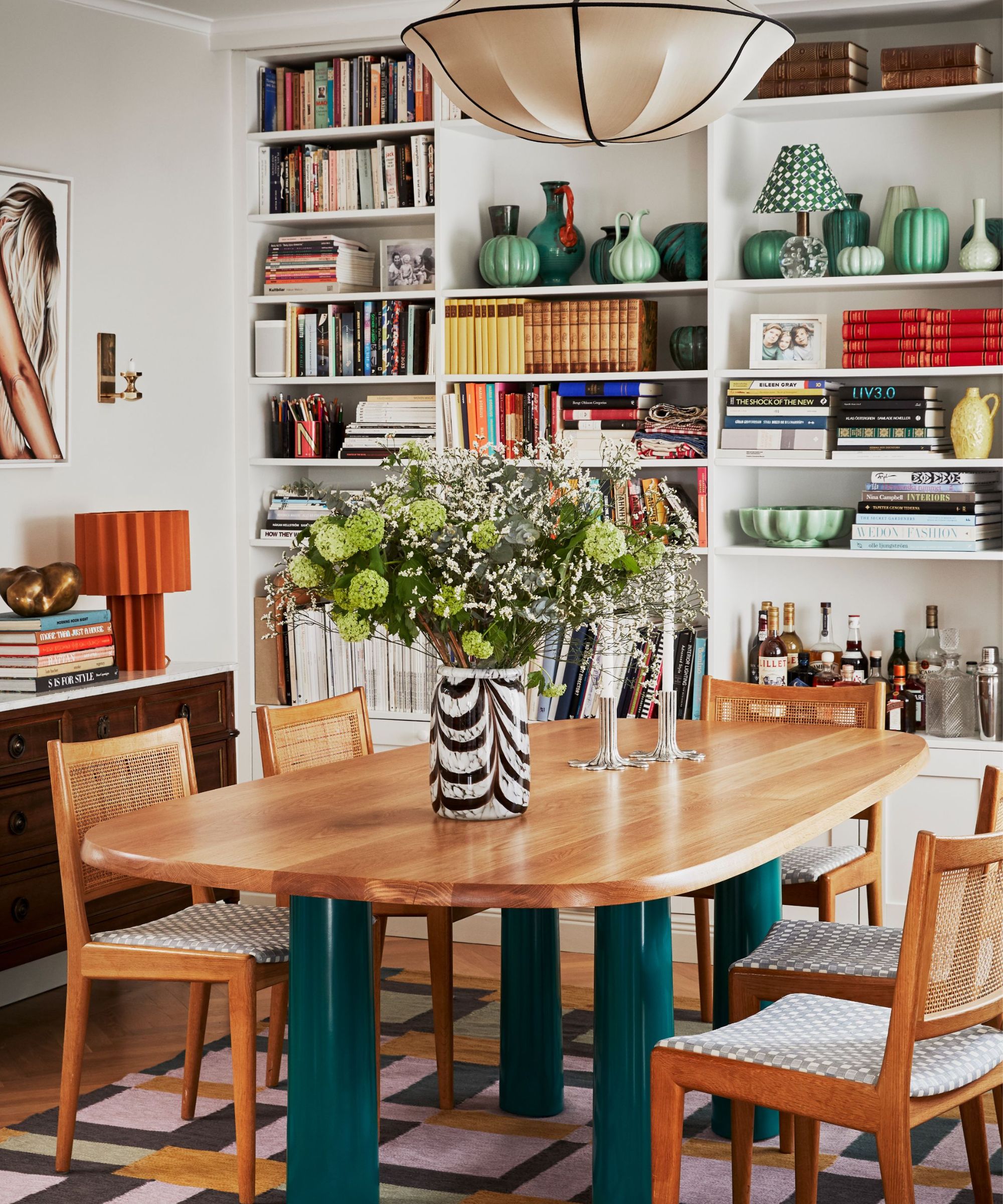
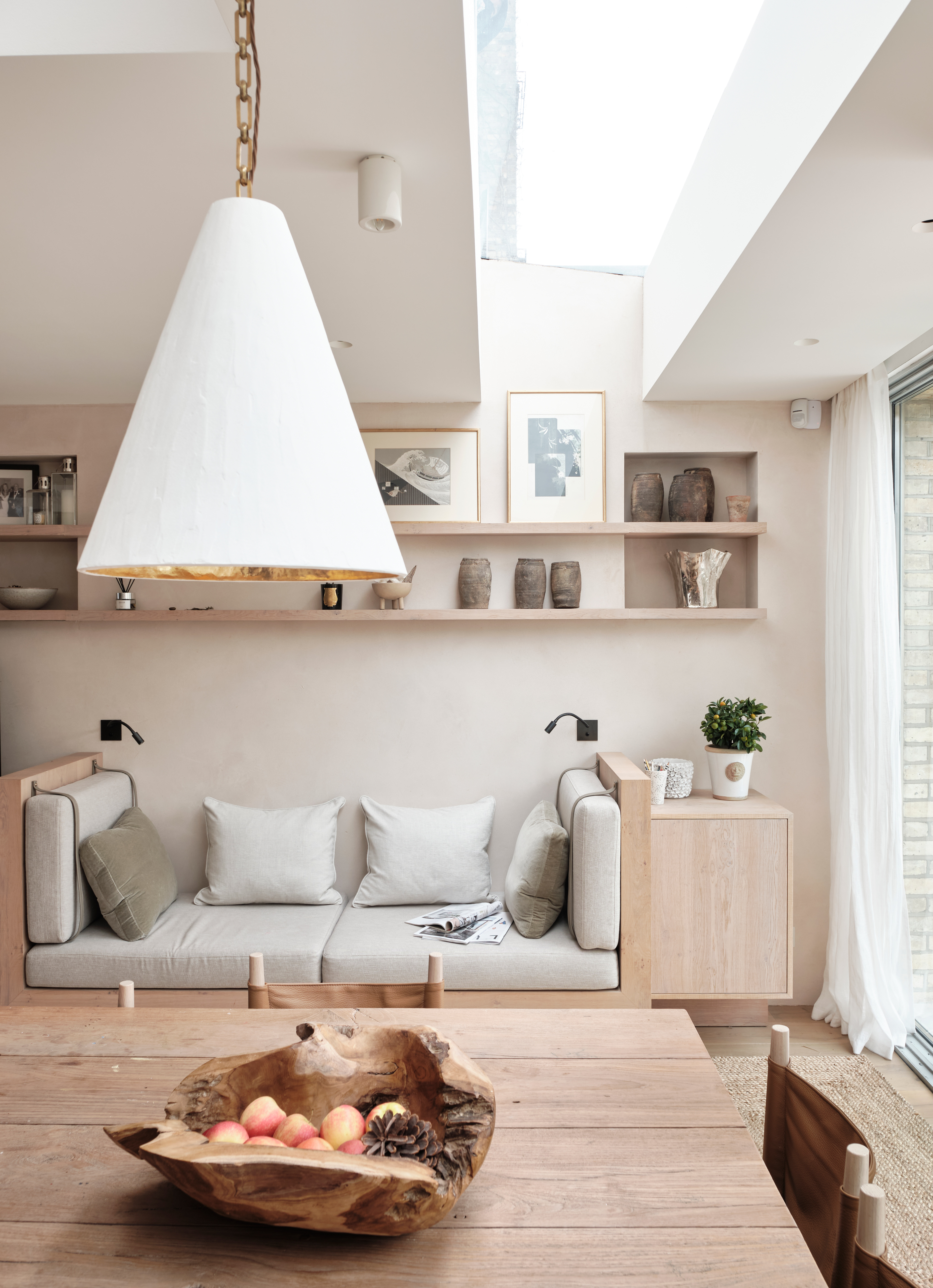
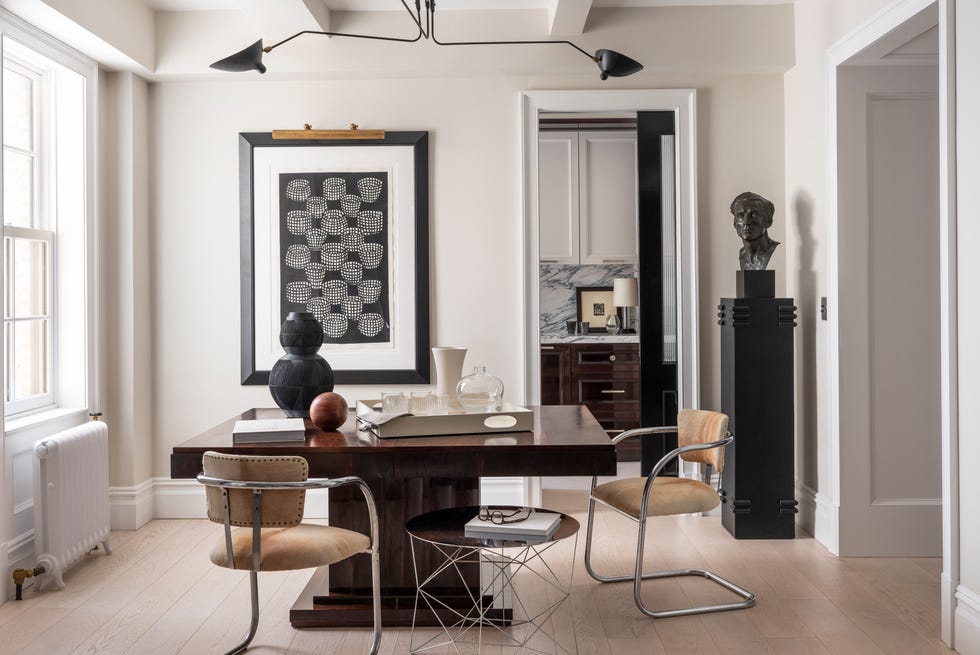
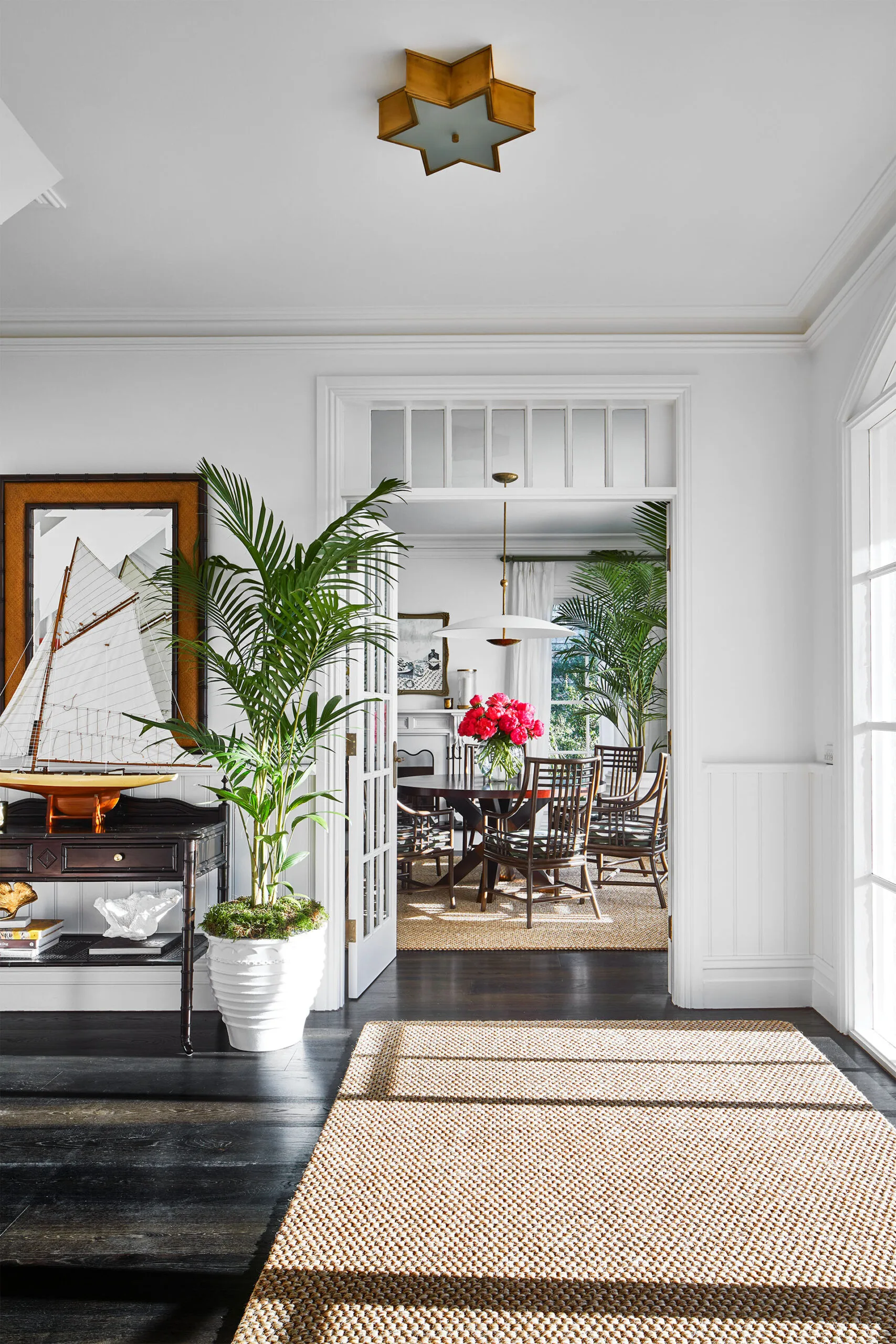
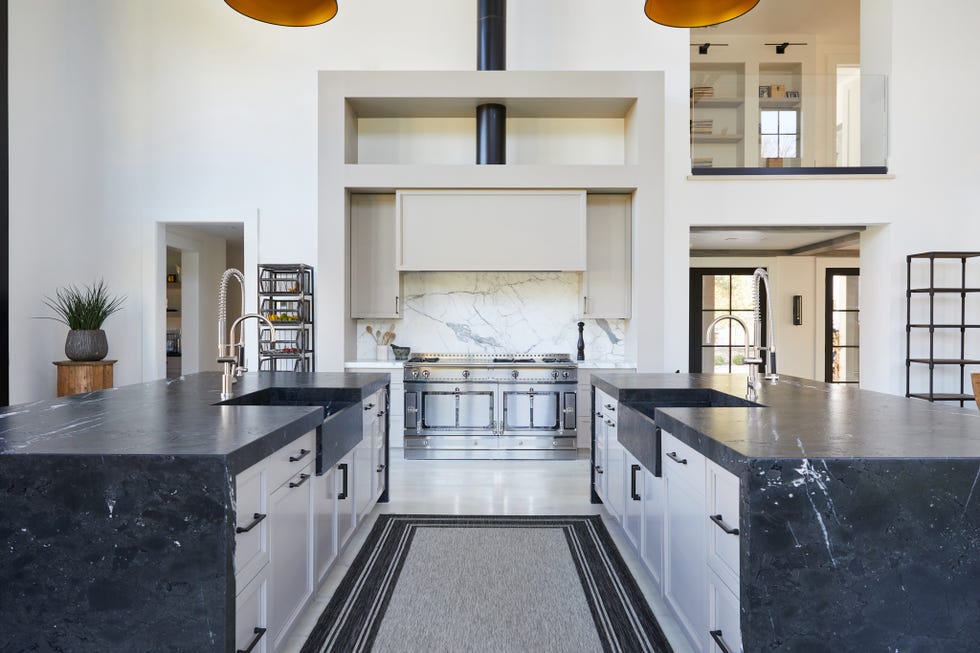
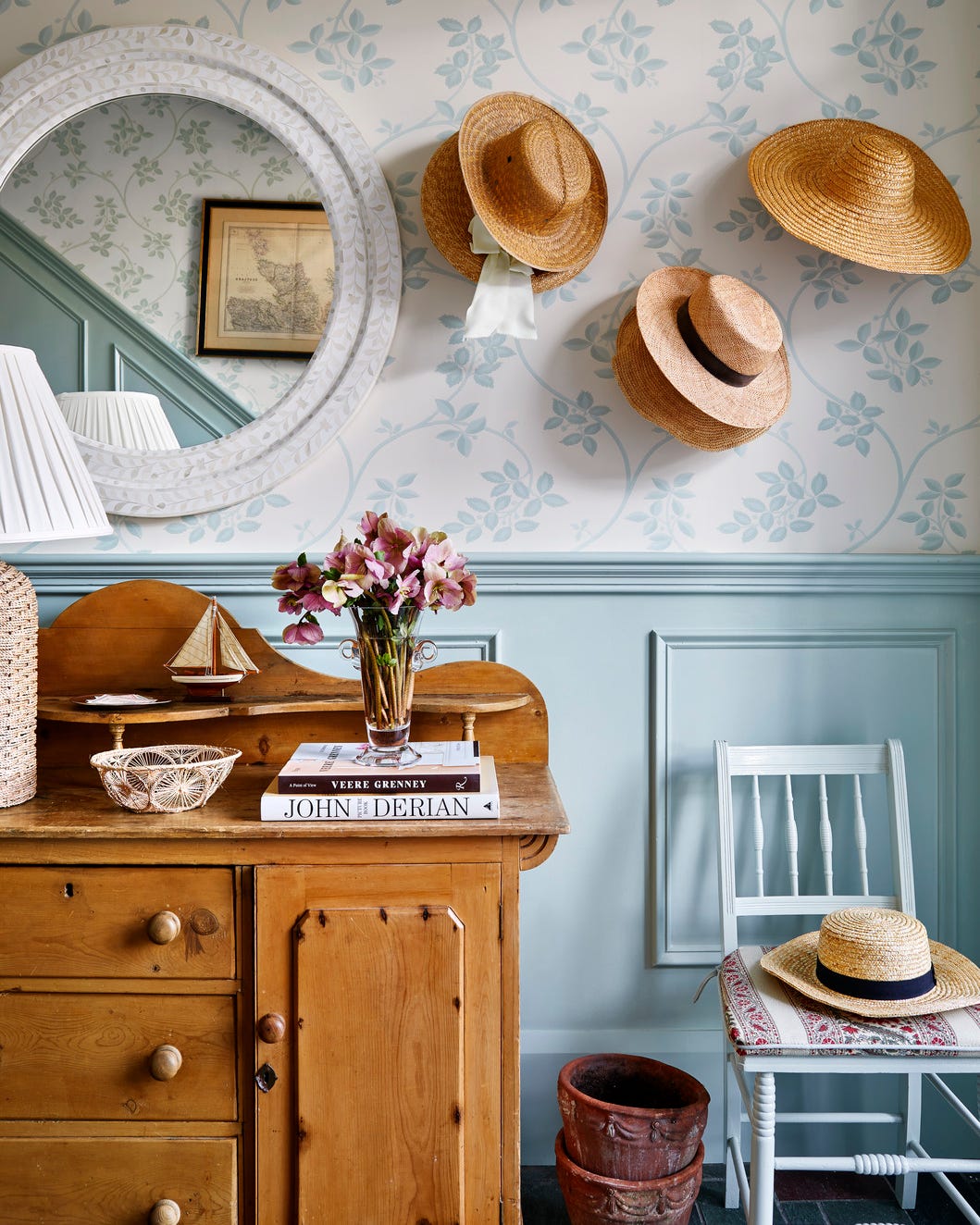
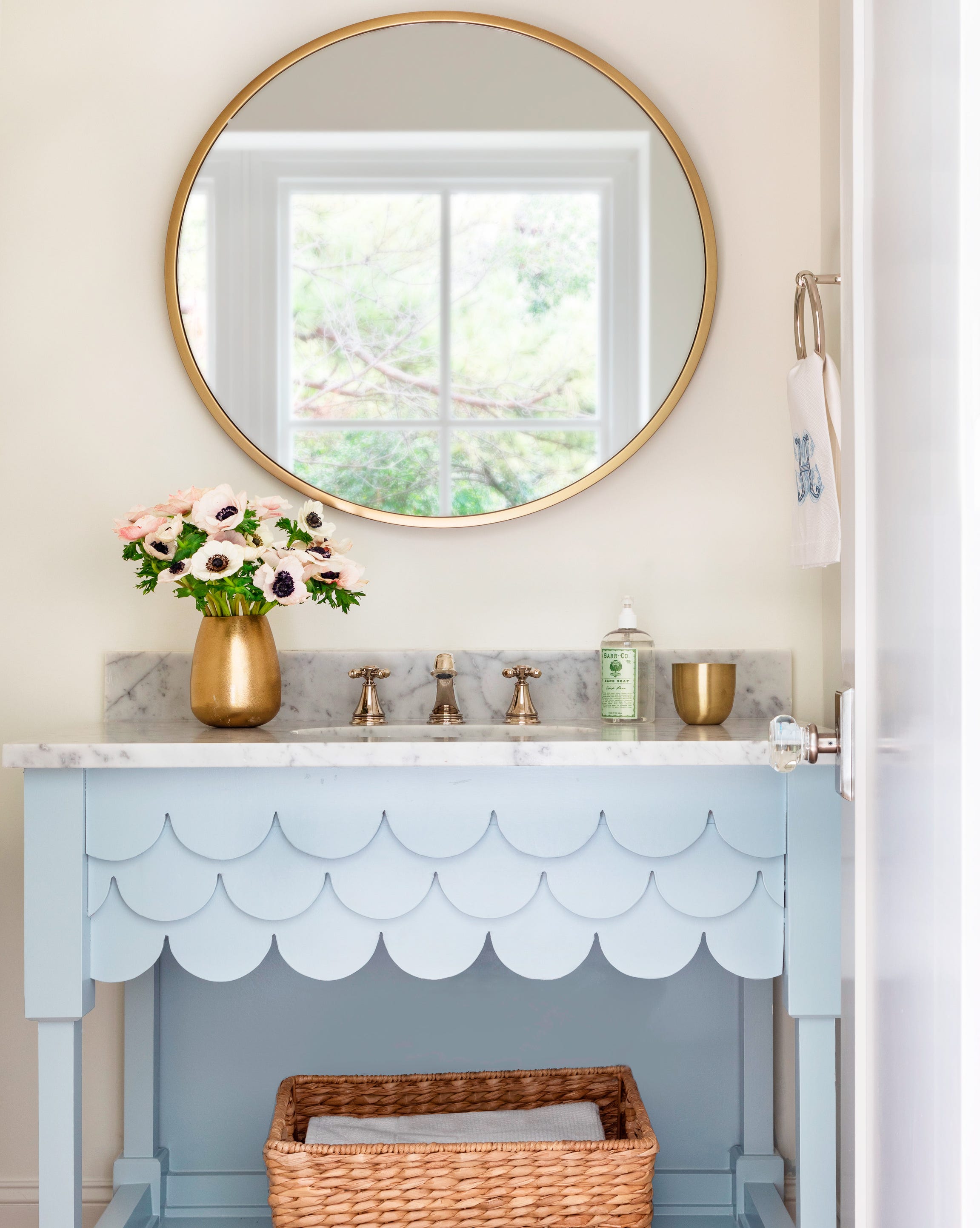
Designers emphasize that the return of closed-concept layouts does not necessarily signal the complete abandonment of open living. Instead, many advocate for a balanced approach, where both open and closed spaces coexist harmoniously. This hybrid model allows homeowners to enjoy the benefits of both styles—communal areas for gathering and separate rooms for privacy and focused activities. The perception that closed layouts make spaces feel smaller can be mitigated through thoughtful design elements such as high ceilings, strategically placed windows, and the use of mirrors, which can expand visual space and maximize natural light. Furthermore, the presence of more walls in a closed layout provides additional surfaces for decorative finishes, art, and built-in storage, enhancing the overall design and functionality of a home.
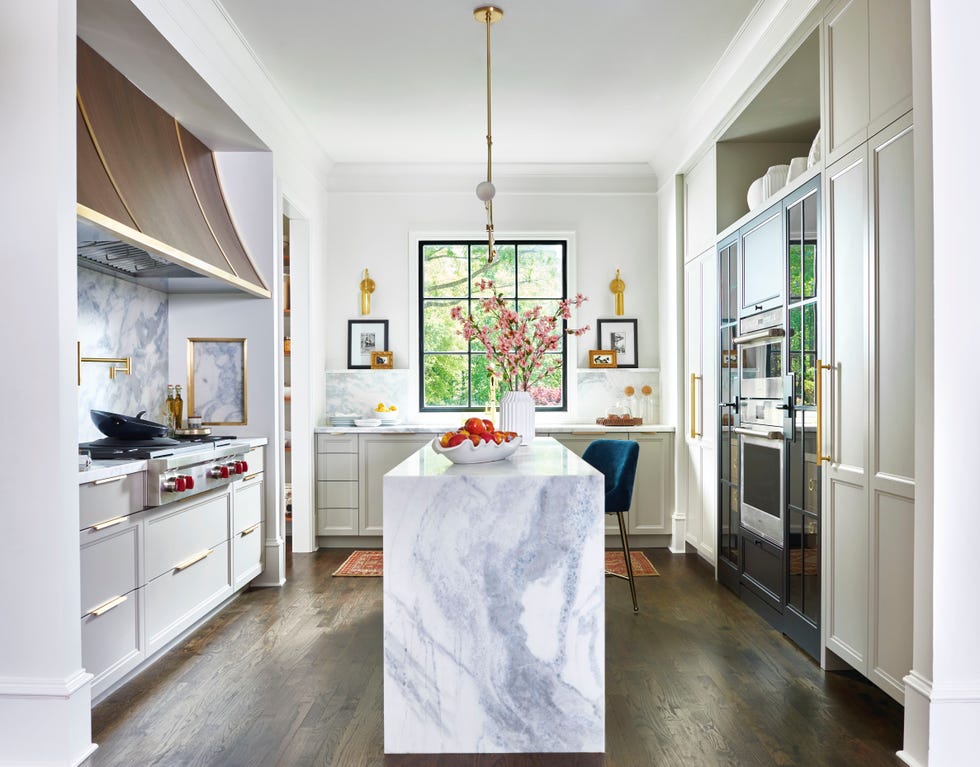
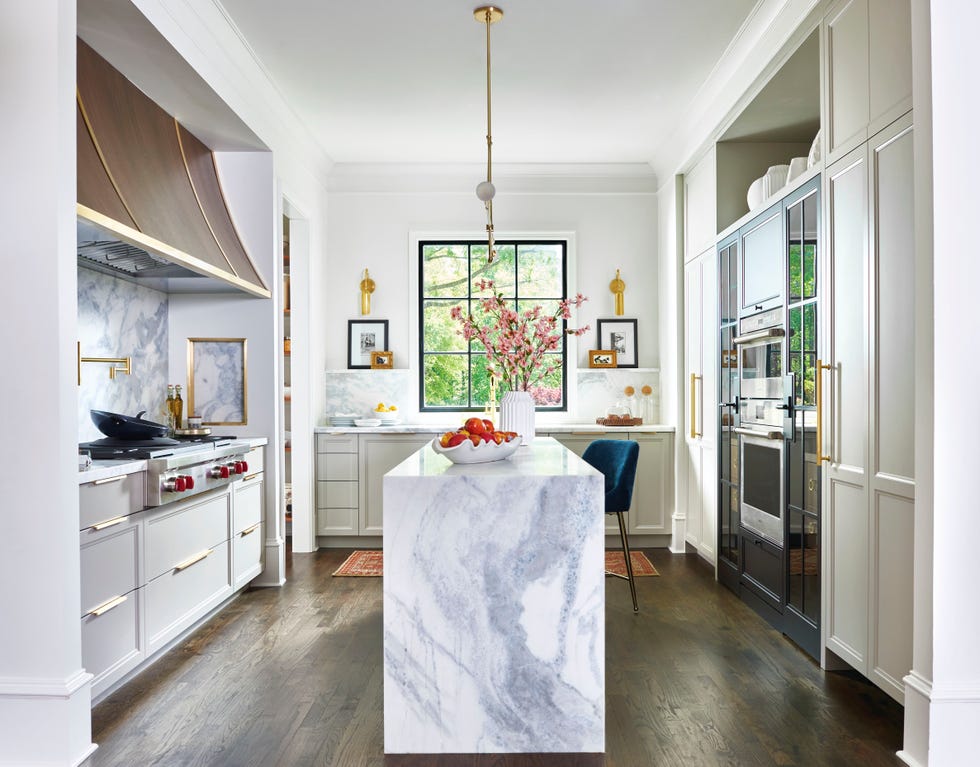
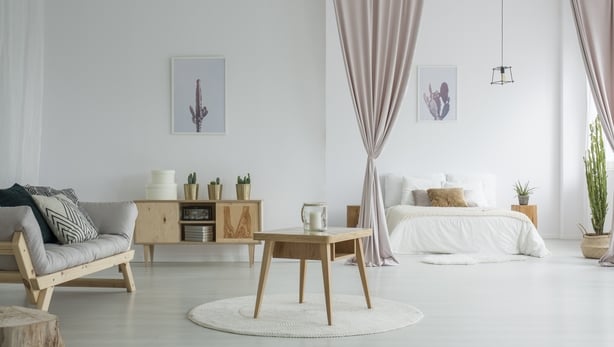
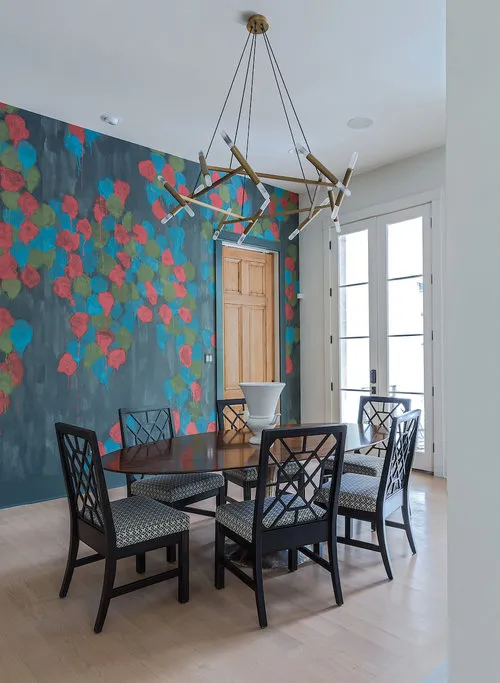
An often-overlooked benefit of closed-concept layouts is their contribution to tidiness and visual organization. In an open-concept setting, clutter in one area, such as a kitchen after meal preparation, is immediately visible from other living spaces. Closed rooms offer the advantage of containing mess within designated areas, allowing other parts of the home to remain visually undisturbed. This compartmentalization can reduce visual stress and maintain a sense of order, particularly when hosting guests or during daily family life. For those living with existing closed-concept layouts, designers suggest leveraging bold paint colors, wallpapers, and fabrics to infuse personality into individual spaces. To maintain a cohesive flow throughout the home, using similar color palettes, textures, or furniture styles across different rooms is recommended. Creative solutions like room dividers, furniture arrangements, rugs, and varying plant heights can also be employed to create 'zones' within a larger space, offering flexibility and semi-separation without permanent structural changes, catering to diverse family needs and activities.
#InteriorDesign #HomeTrends #ClosedConceptLayout #OpenConceptLiving #Privacy #SpacePlanning #HomeDecor #DesignCycles #InteriorDesign #HomeTrends #ClosedConceptLayout #OpenConceptLiving #Privacy #SpacePlanning #HomeDecor #DesignCycles
0 commenti in totale
 Nessun commento ancora
Potresti anche gradire
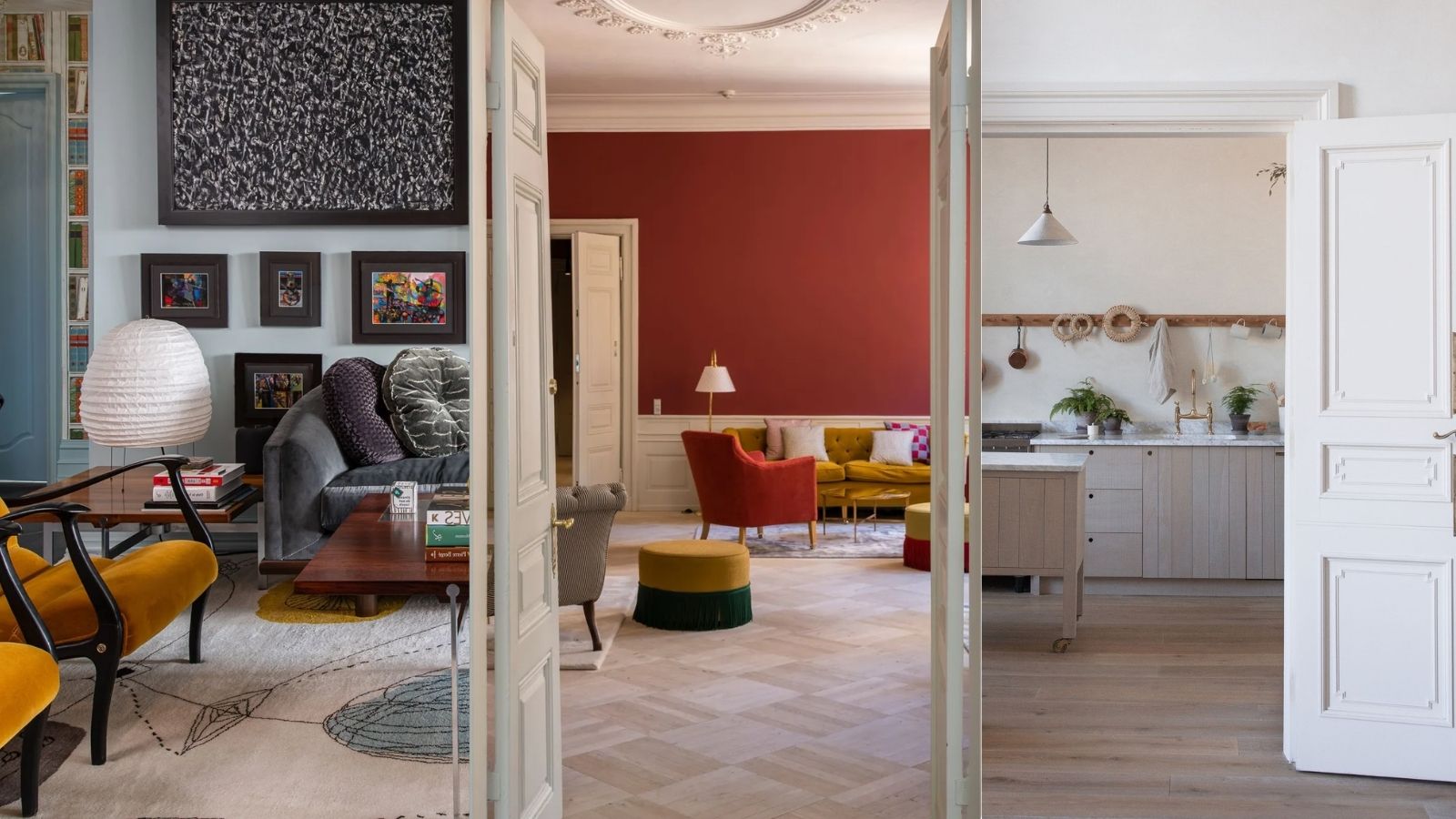
Are closed layouts back on trend? Designers weigh in on why we are over open plan
Is open-plan living dead? Here's what the design experts say

The Preppy Design Trend Is Here to Stay—How to Pull it Off
Are Open Concept Floor Plans Going Out of Style? Here's What Interior Designers Say

Are Open Concept Floor Plans Still in Style? Here's Why Designers are Opting Against This Once-Loved Layout

Is It Time to Shut the Door on Open-Concept Living?

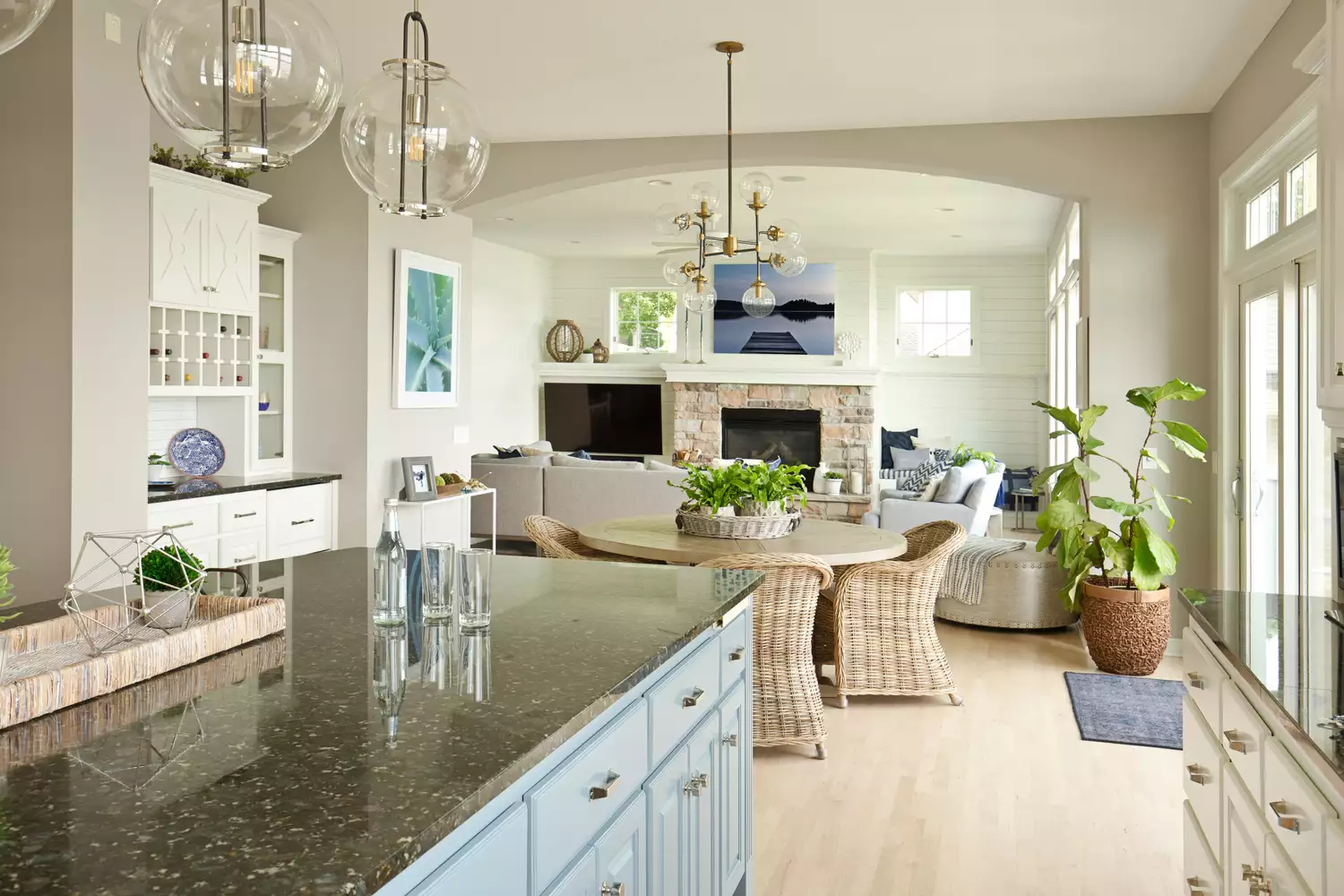
Are Open Concept Floor Plans Going Out of Style? We Asked Designers and They All Agreed
No Demo Reno's Jenn Todryk Expects This Design Trend To Take Off In 2024

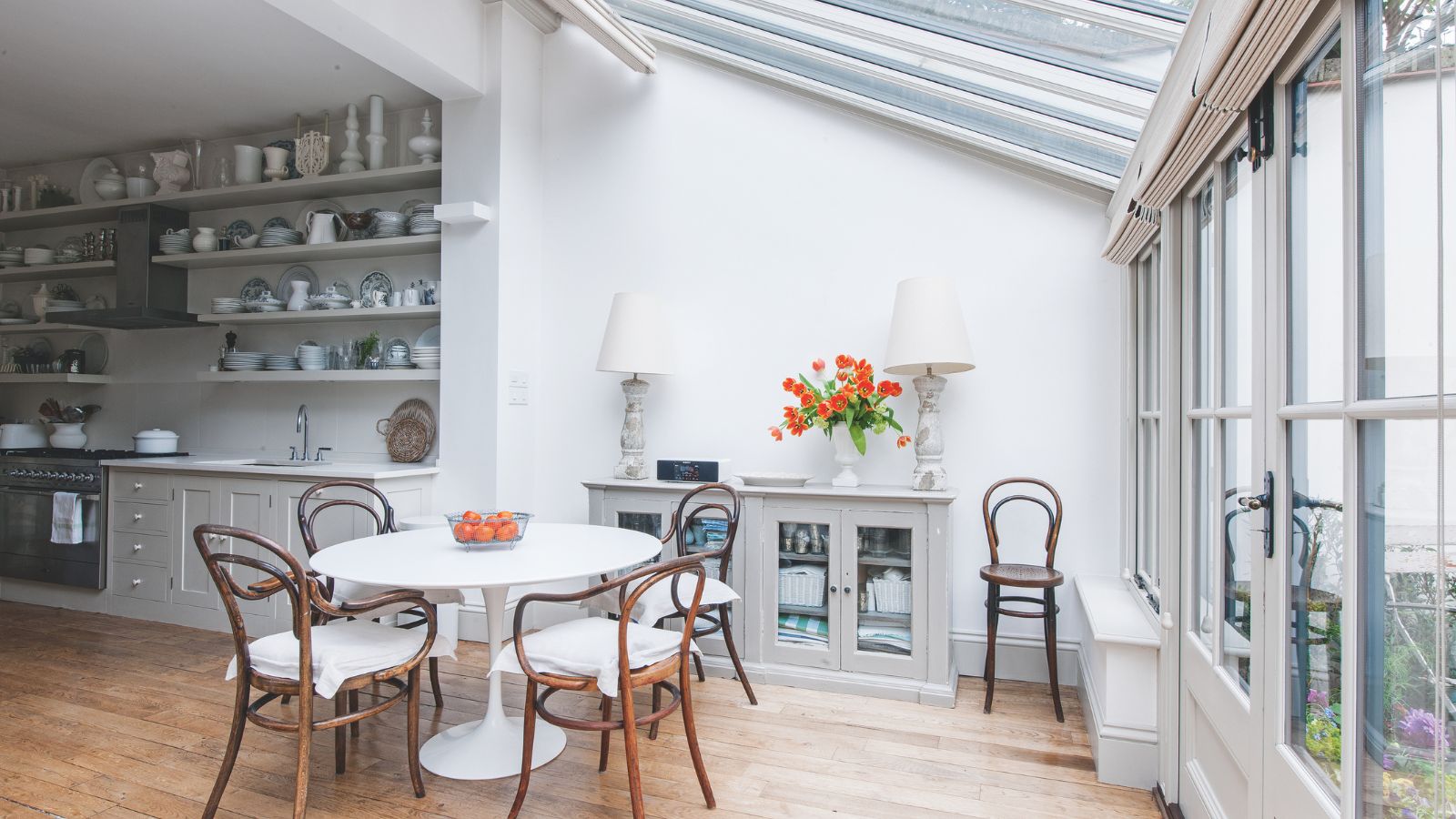
Is open plan going out of style? Experts weigh on whether this once-loved layout is starting to date

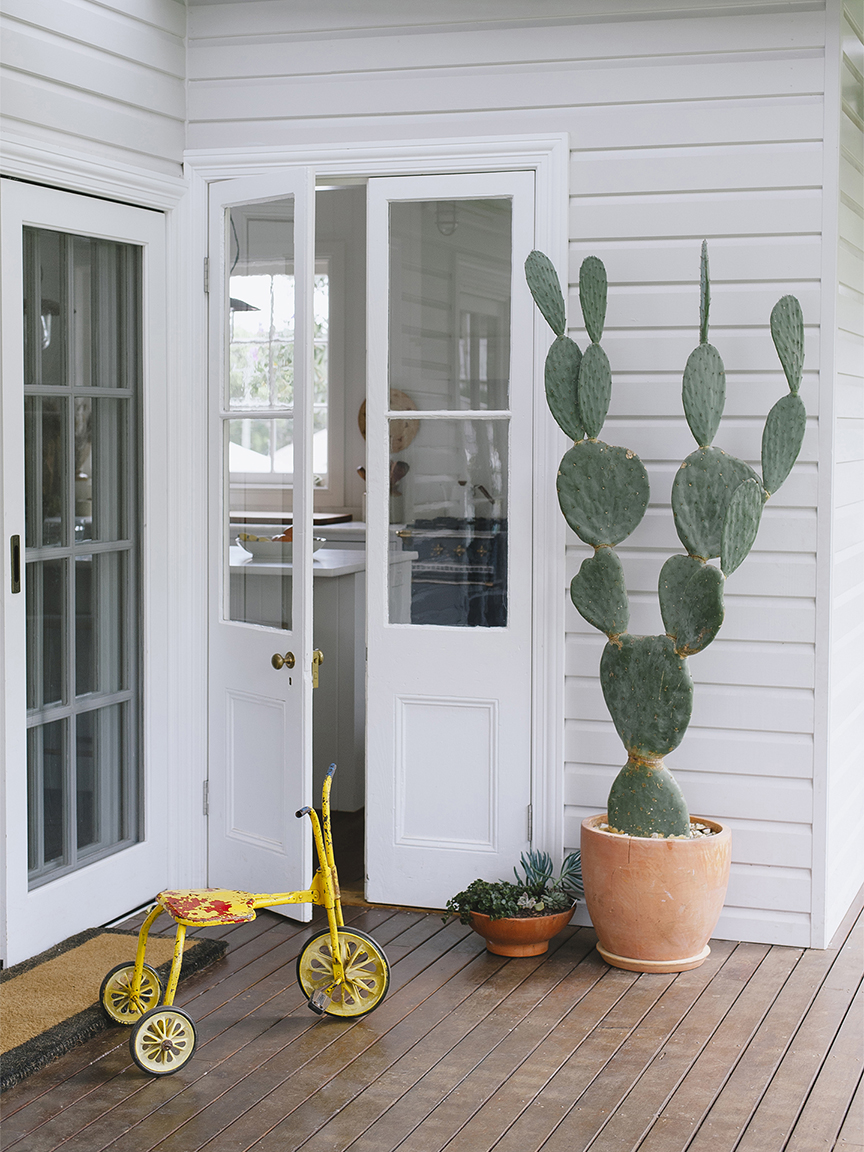
Is This the End of the Open-Plan Layout?

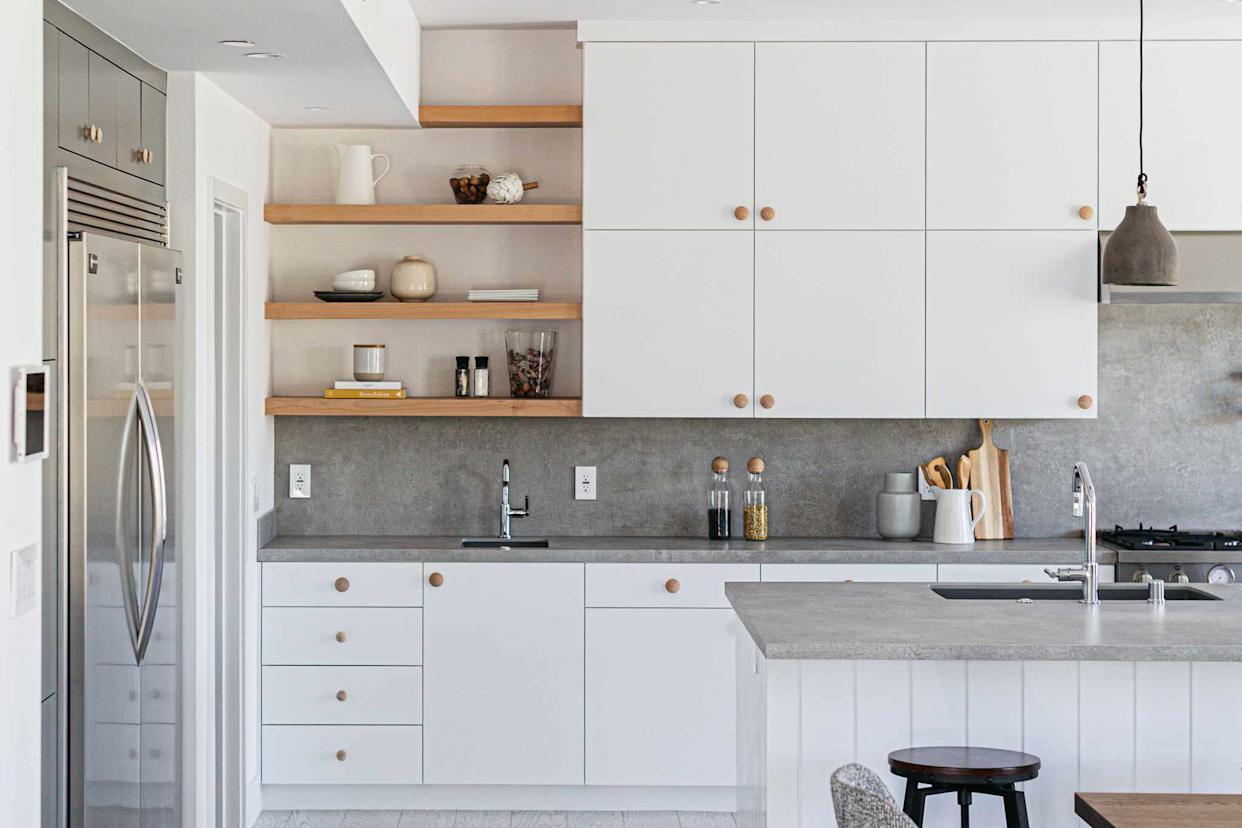
Are Open Shelves Finally Out of Style in 2026? Designers Weigh In
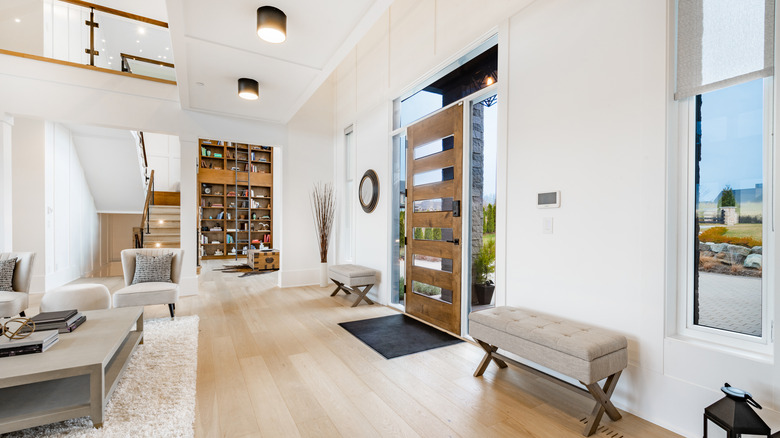
Are Open-Concept Floor Plans Going Out Of Style?
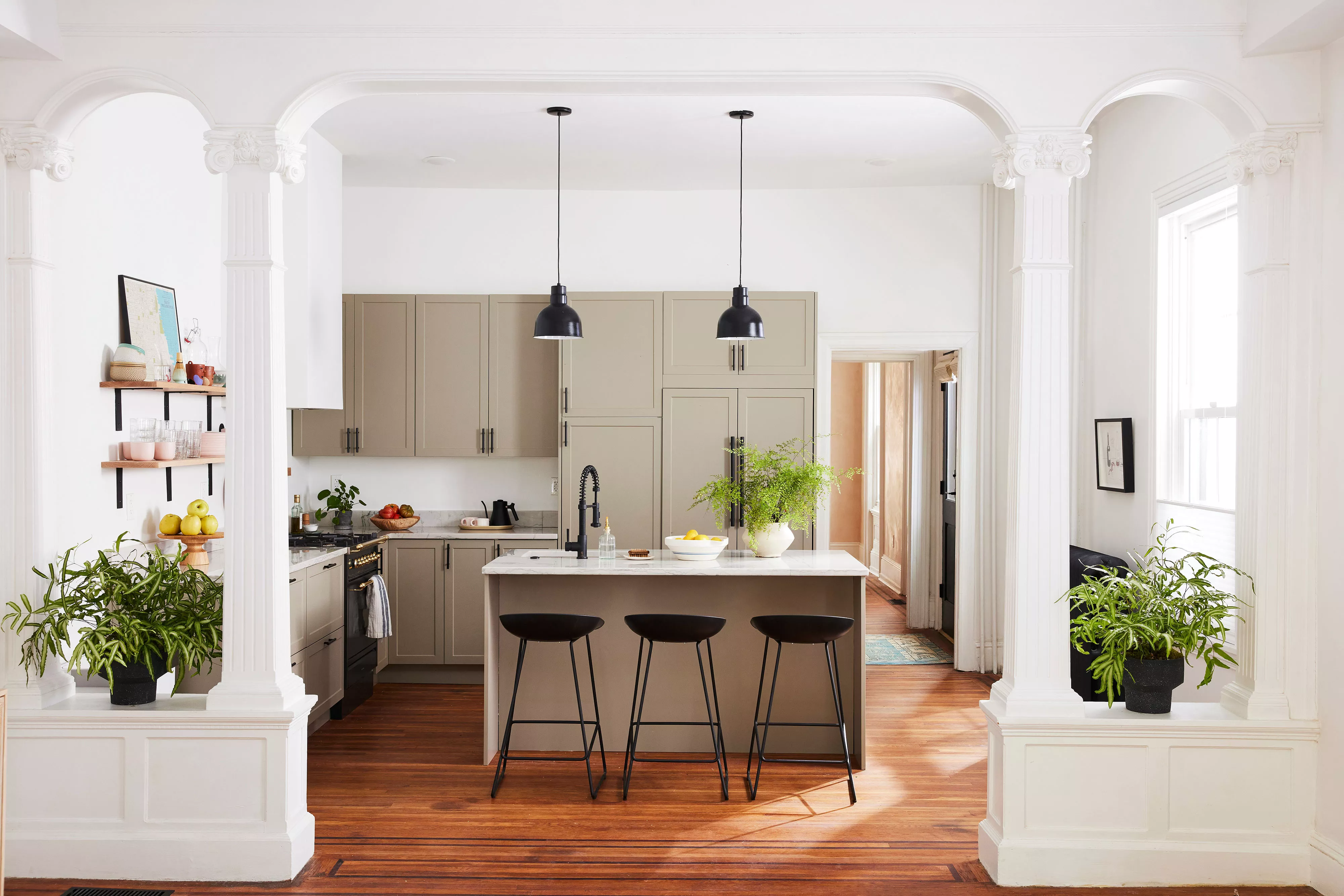
Closed Concept Is Back: Here's How to Breathe New Life Into the Design

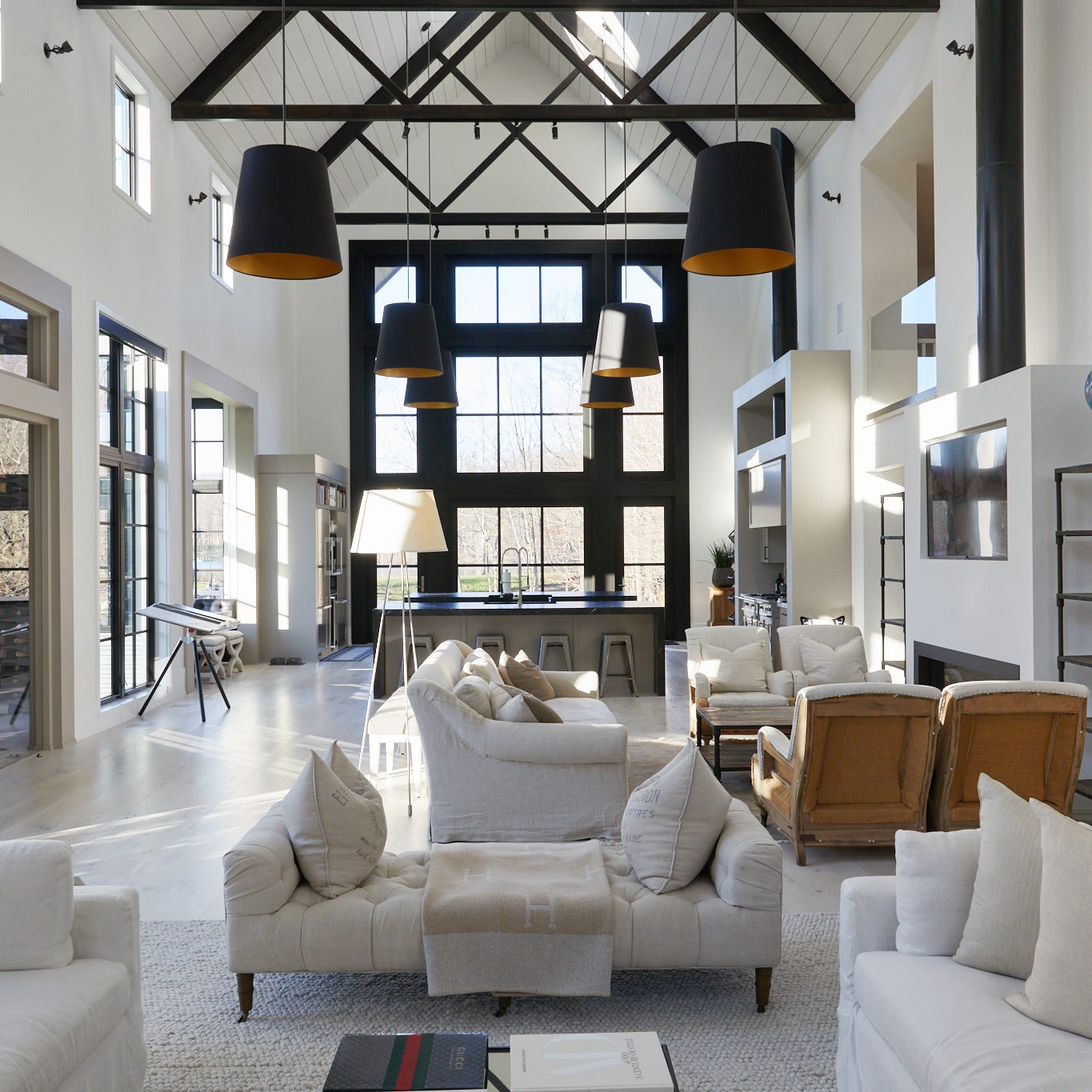
This Controversial Home Layout Has DIVIDED the Design World
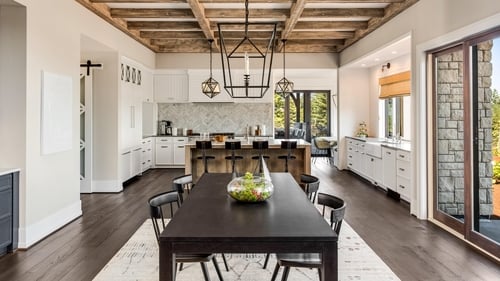
Open plan living: The new normal or passing trend?

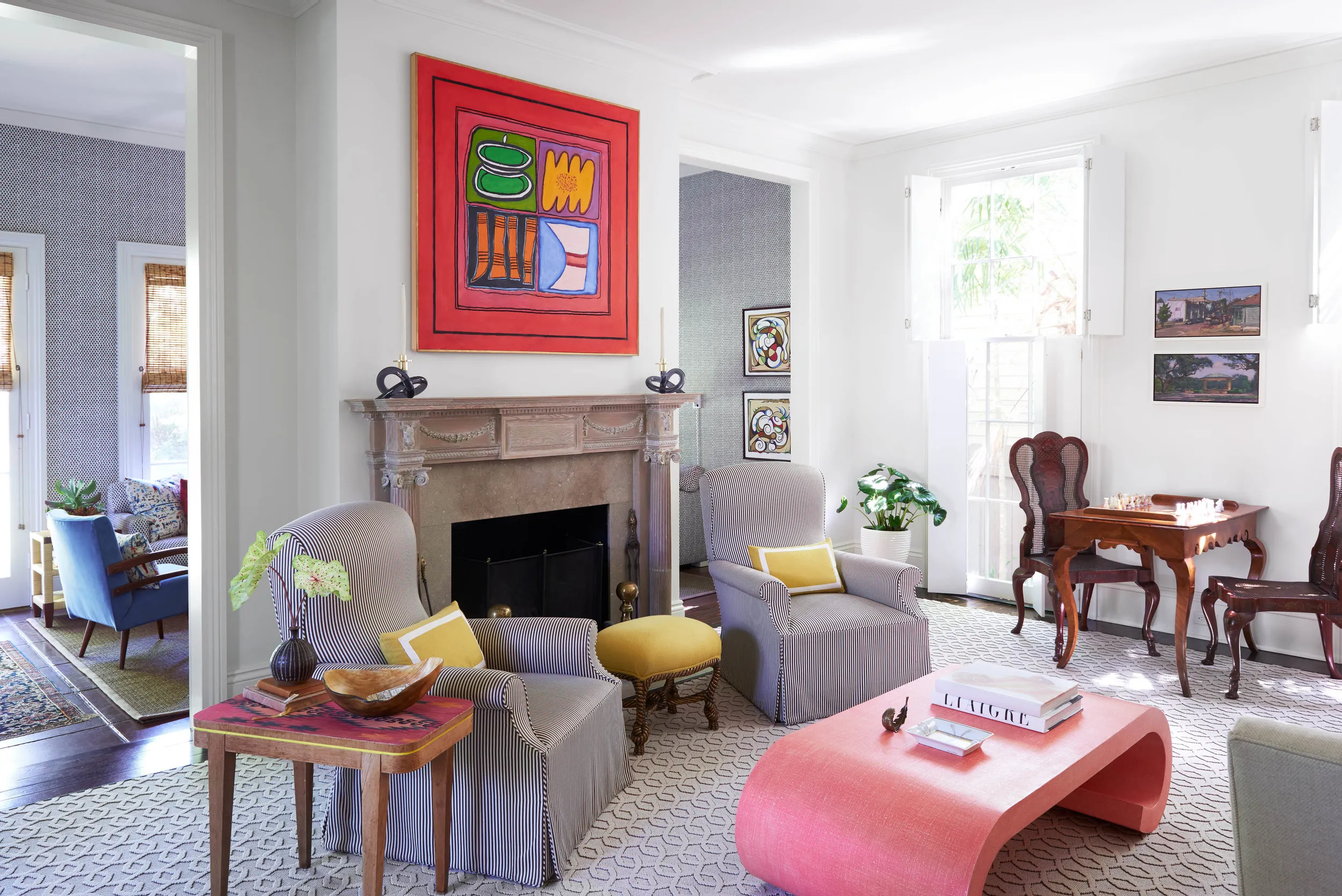
Are open floor plans on the way out?

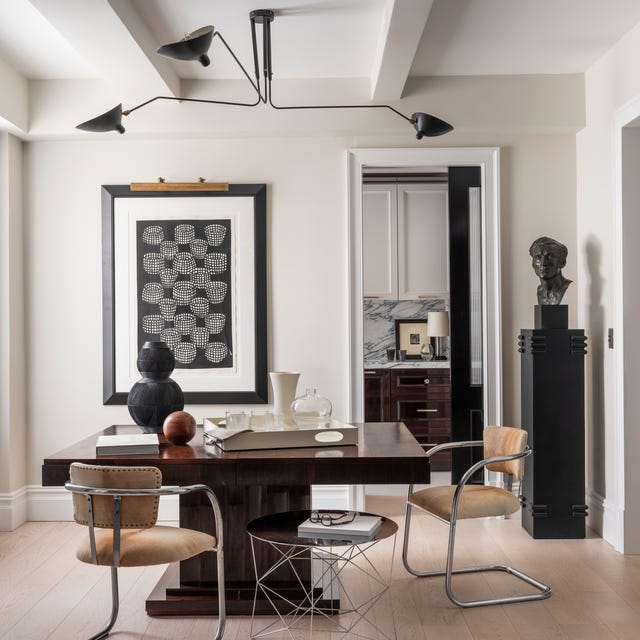
Designers Agree: Open Concept Is Out, Tradition Is In

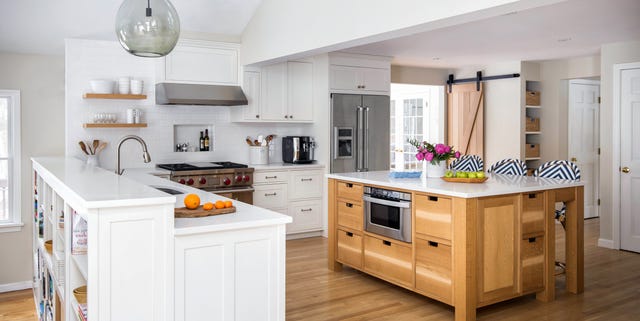
The Challenges and Opportunities of Open-Concept Floor Plans

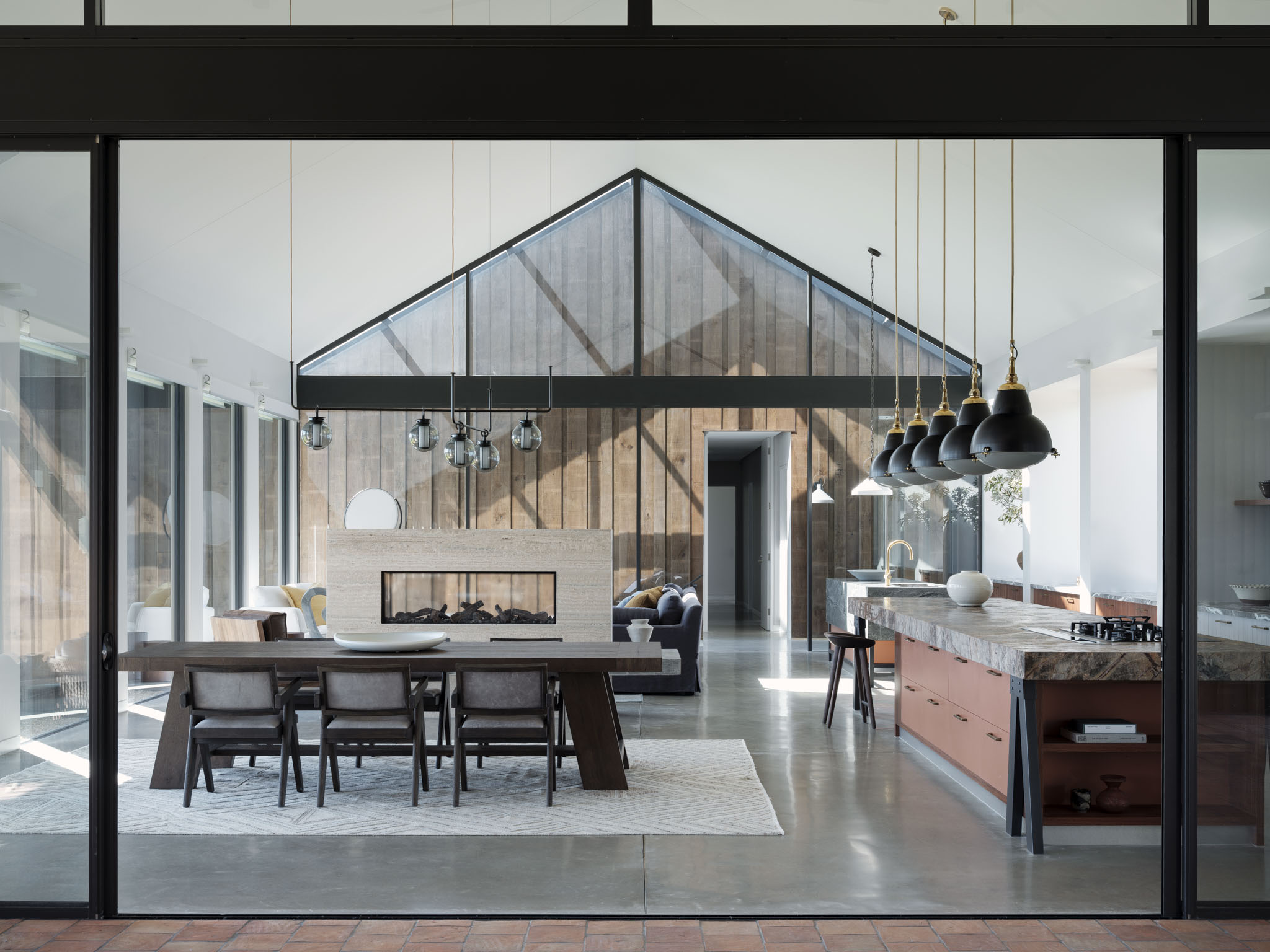
This is How You do Open-Concept in 2024 — A Modern "Barn" That Perfects the Art of Zoning Spaces
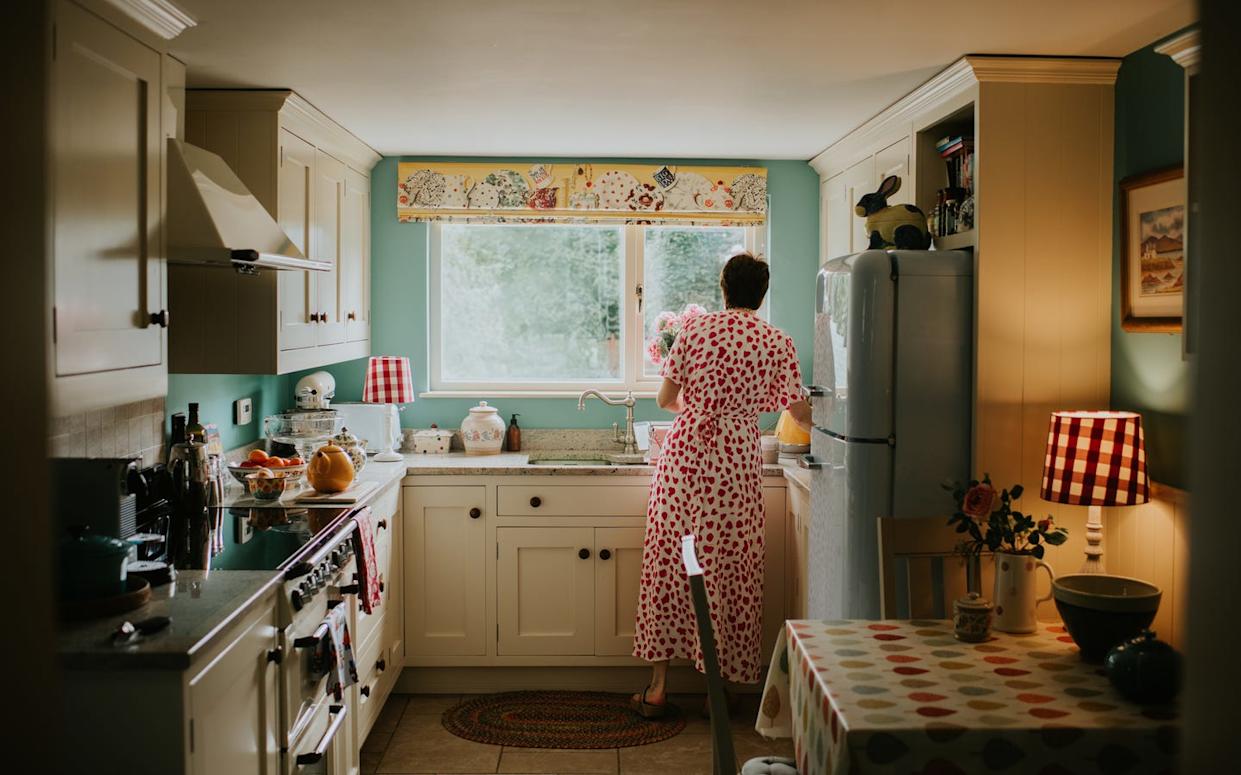
Designers Agree: Open Concept Is Out, Tradition Is In