This Once-Popular Living Room Furniture Piece Is Disappearing in 2026, Designers Say
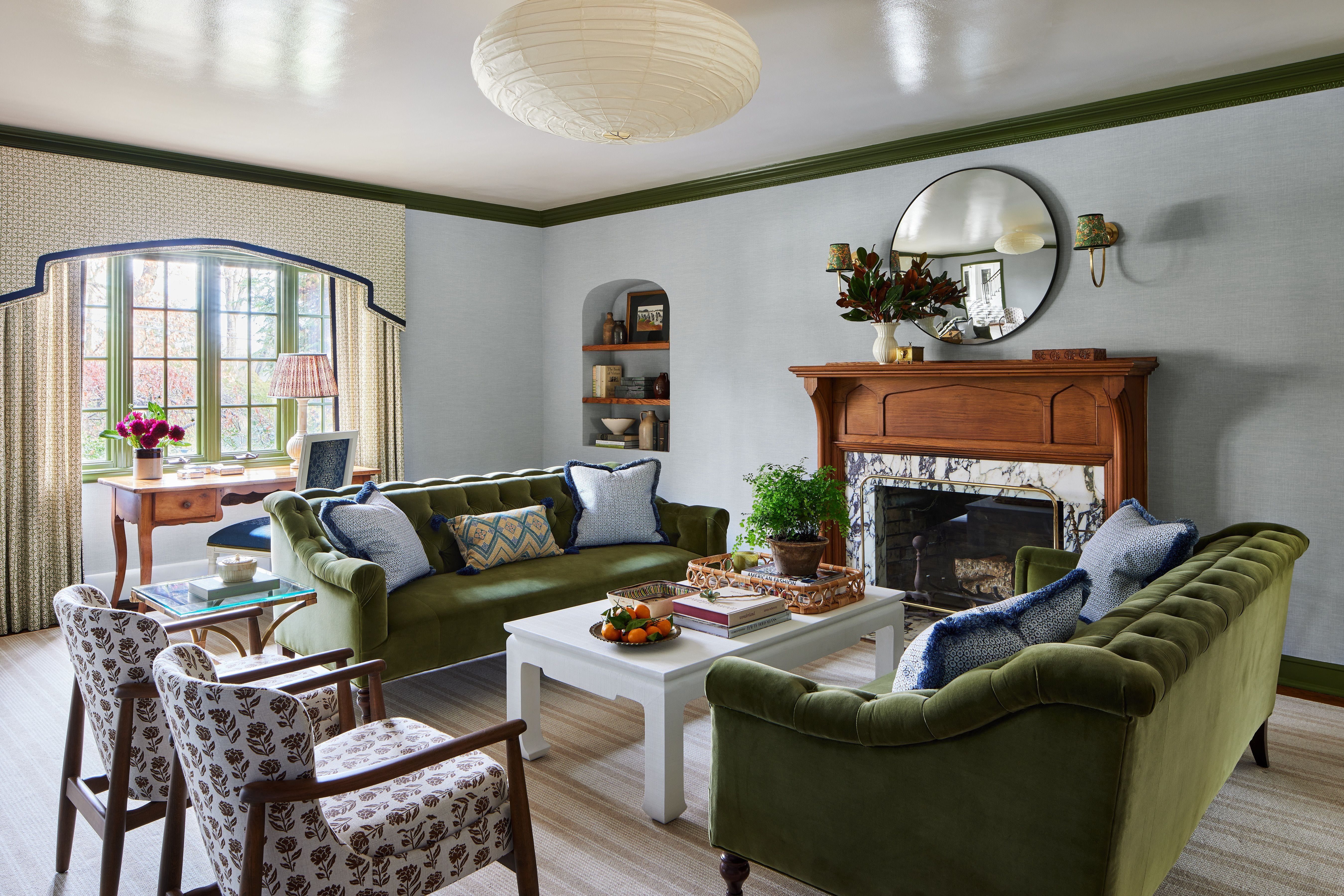
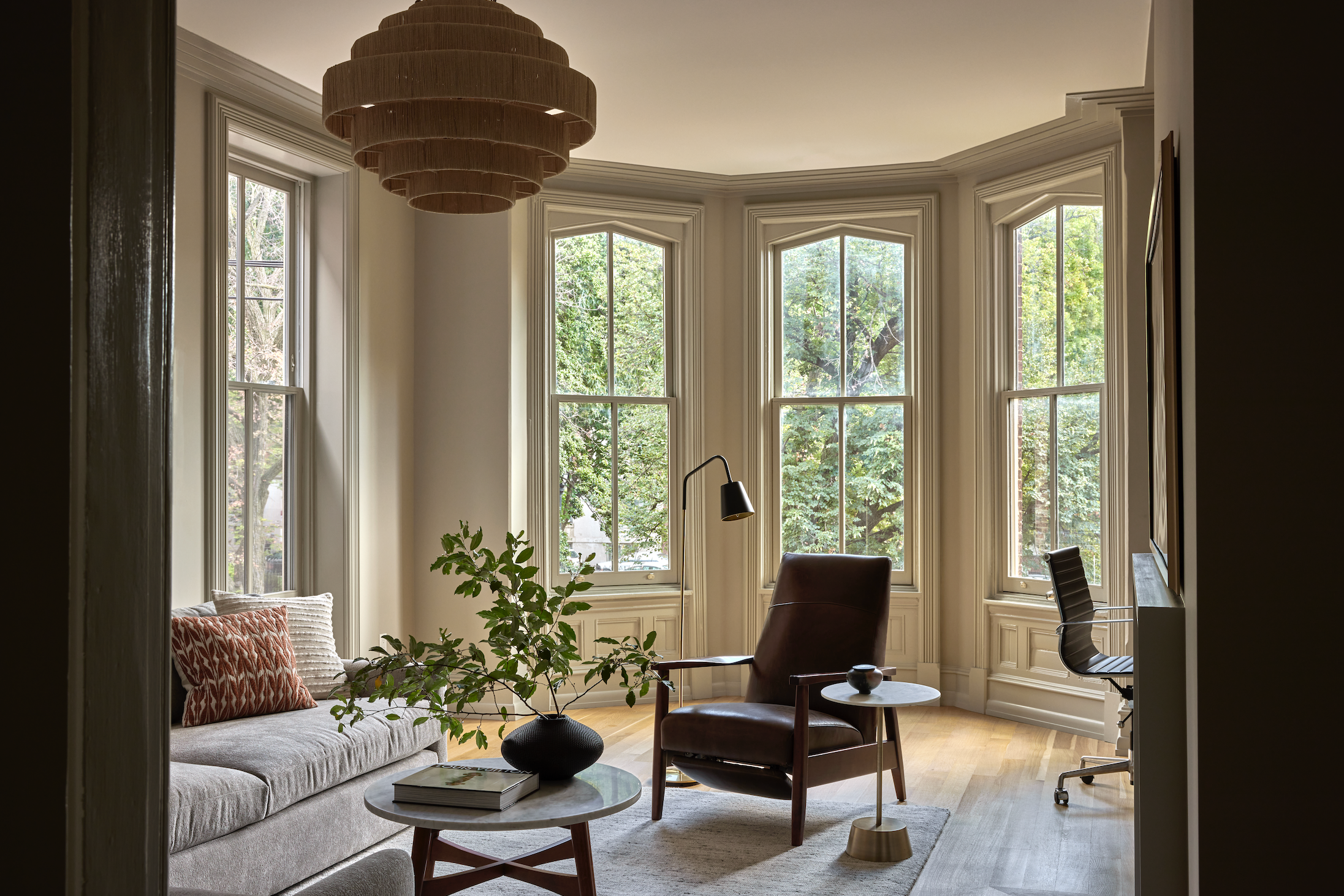
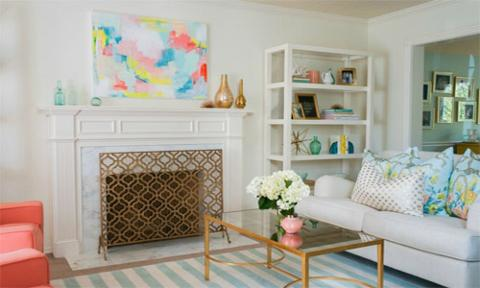
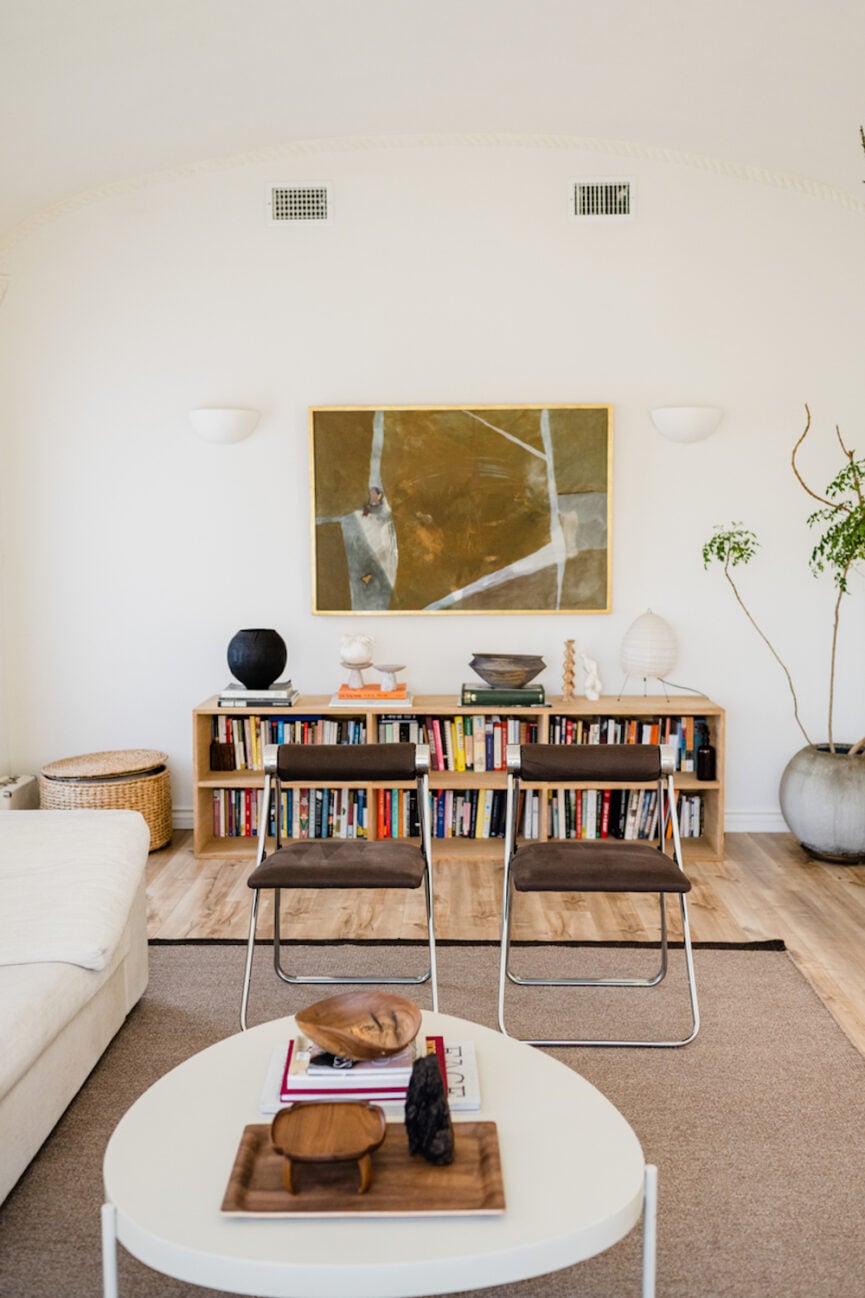
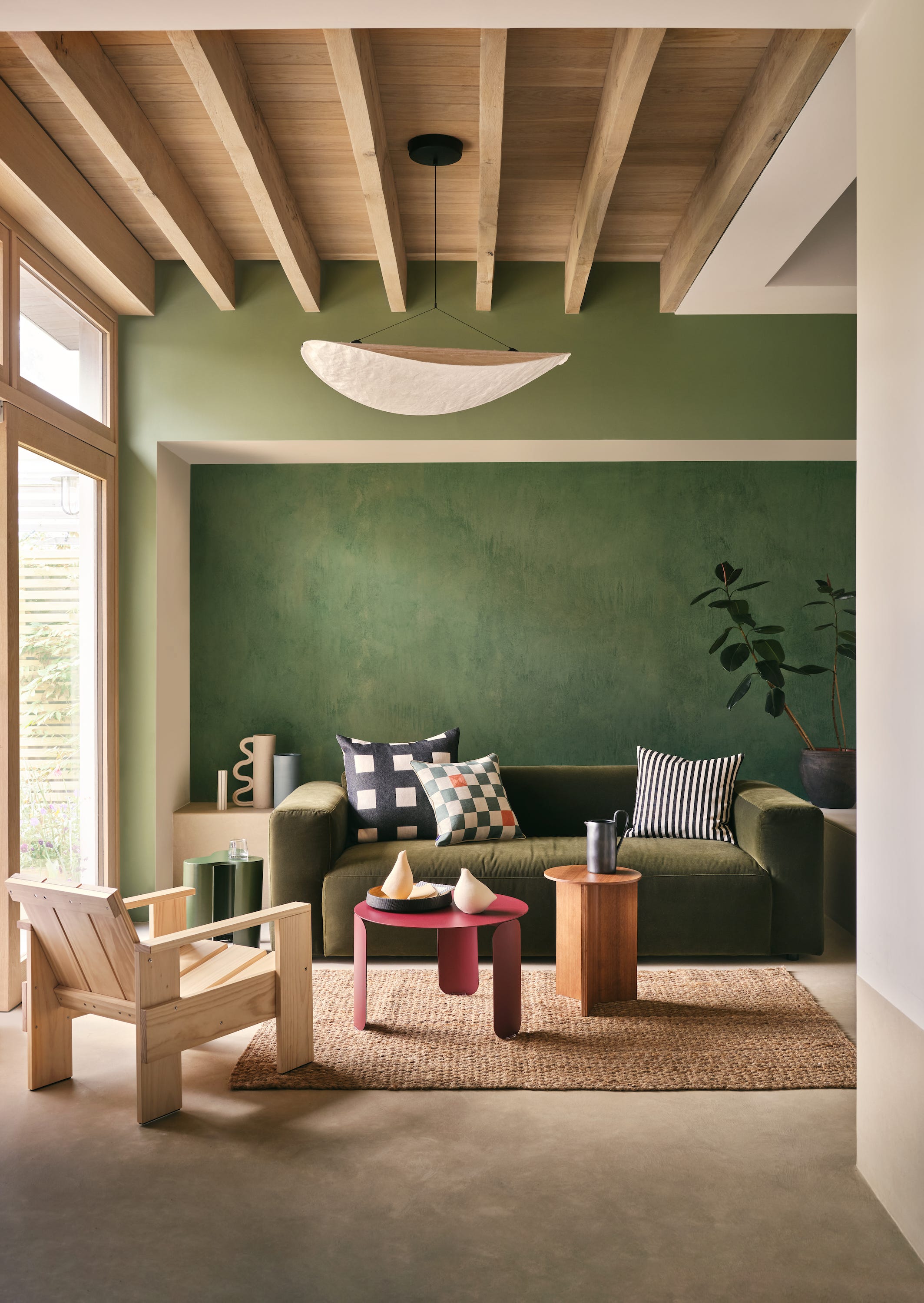
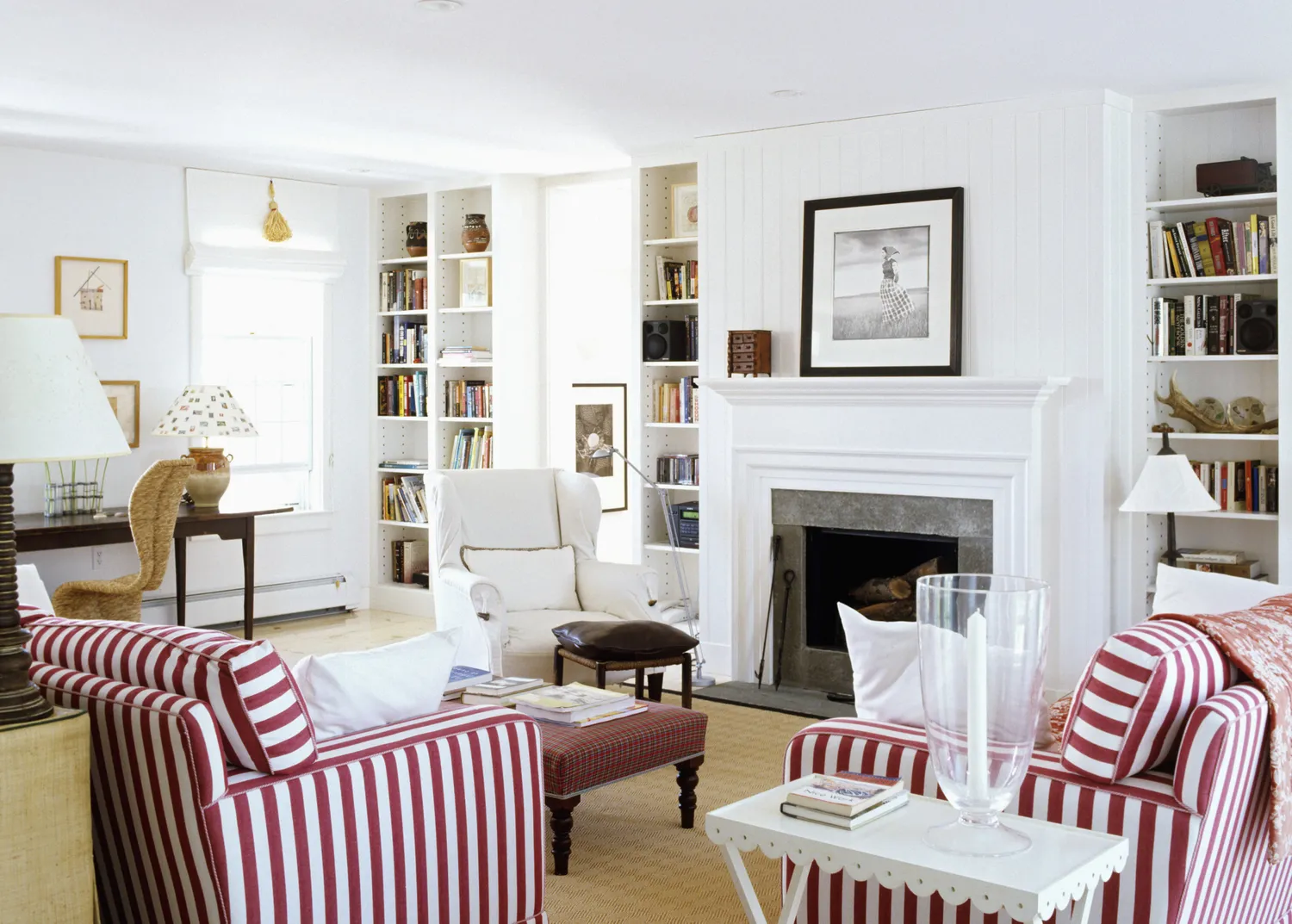
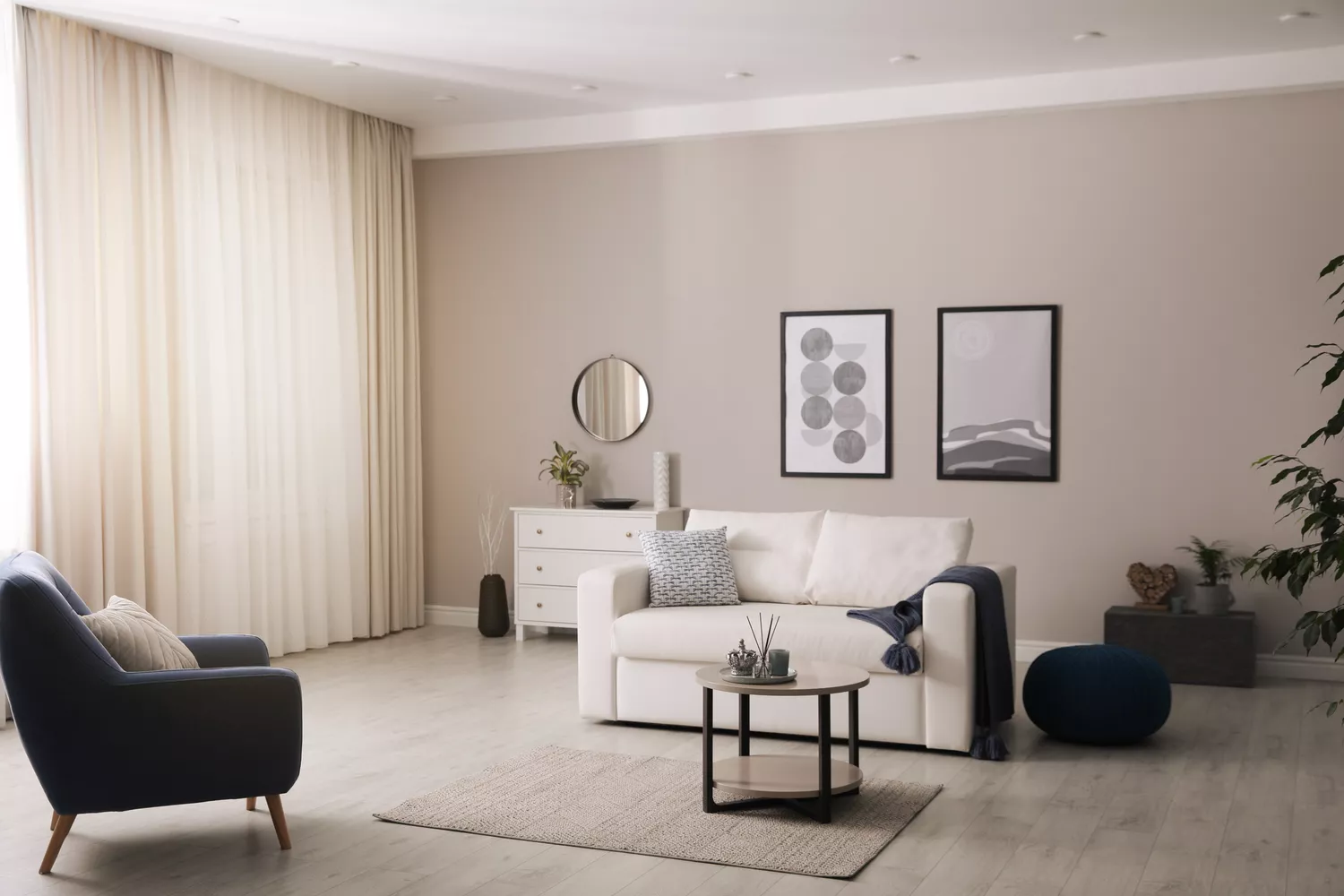
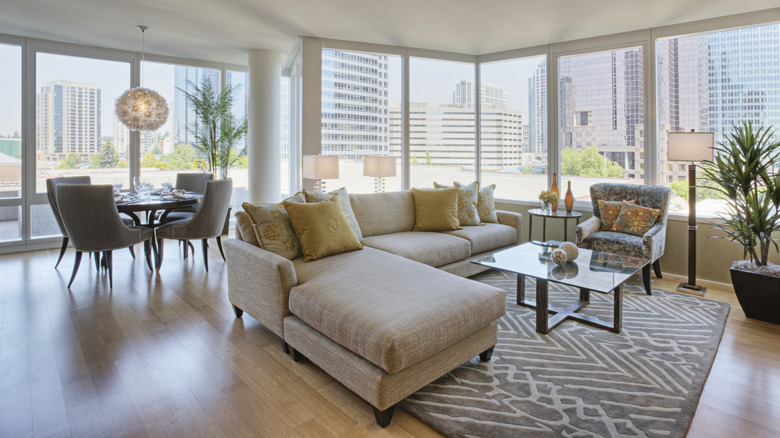
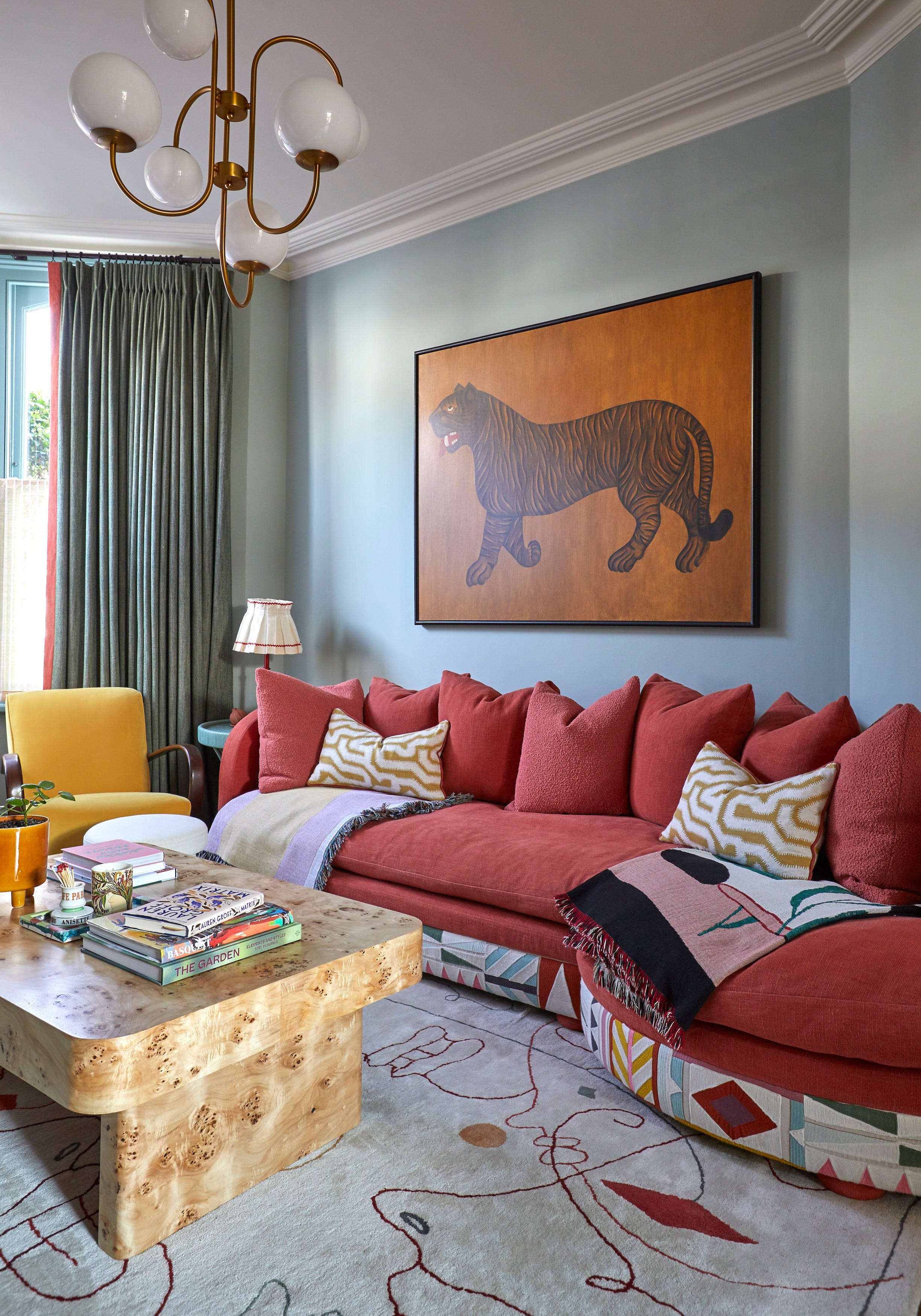
Designers are increasingly moving away from traditional coffee tables in living room designs, especially in smaller spaces where they can consume valuable square footage without offering adequate functionality or storage. This shift is driven by a desire for more casual, flexible, and functional living environments that cater to contemporary lifestyles. Experts like Claire Thompson, Robert and Sharon Reed of Walnut & Ash Interiors, and Jennie Rebecca Springer of Jennie Rebecca Design emphasize that while surface space in a living room is essential, a conventional coffee table is not always the best solution. Instead, they advocate for a range of alternative furniture pieces that can provide the necessary surface area while also offering additional benefits such as storage or versatility.
One popular alternative is the use of trunks. Trunks placed in front of a sofa can serve the same purpose as a coffee table, providing a surface for drinks or decor, but with the added advantage of significant storage space. This is particularly beneficial in apartments or condos where storage is often limited. Designers suggest using trunks to store items like pillows, throw blankets, board games, or seasonal decorations, while keeping the top minimally decorated for easy access to the stored contents.
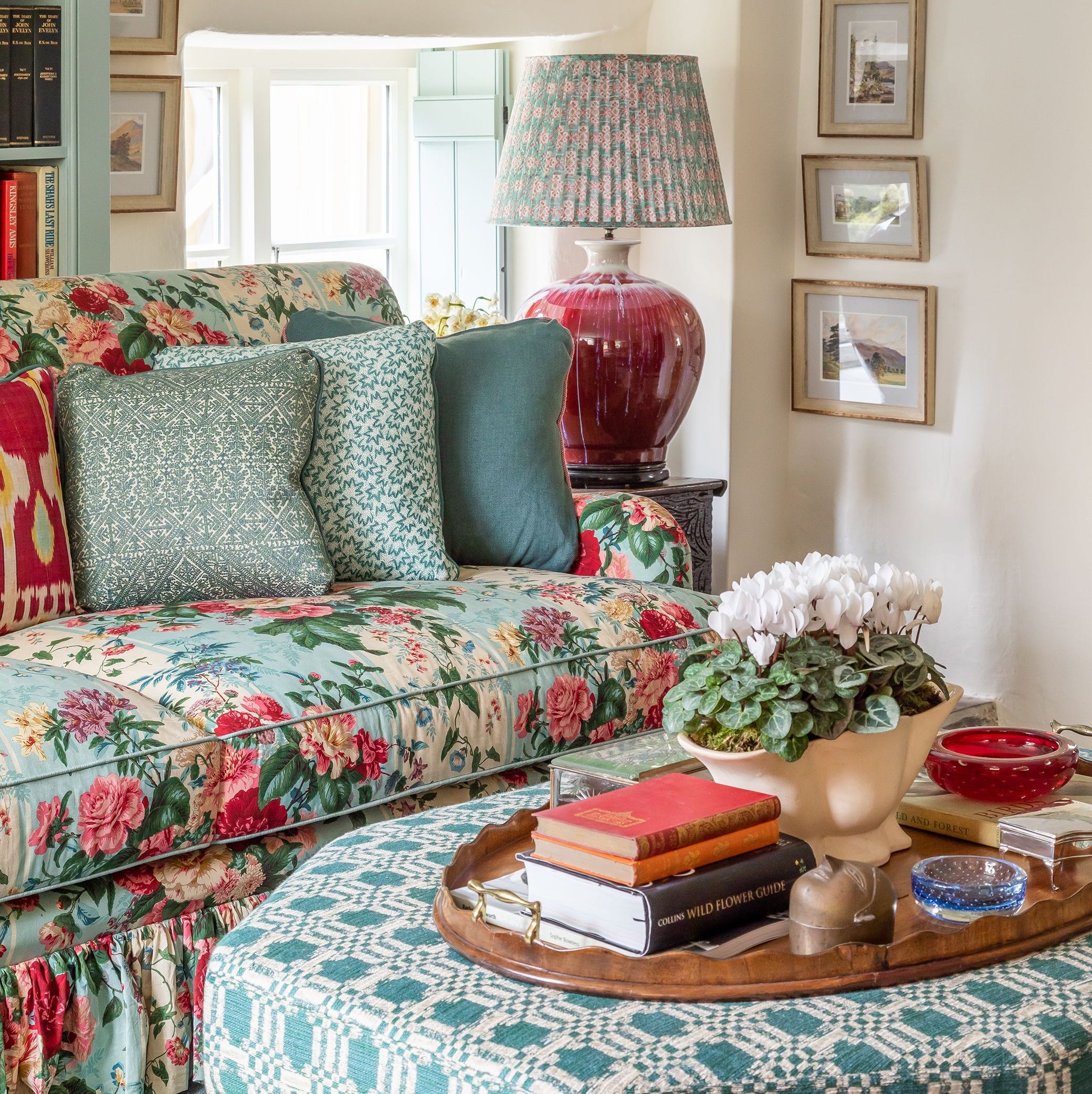
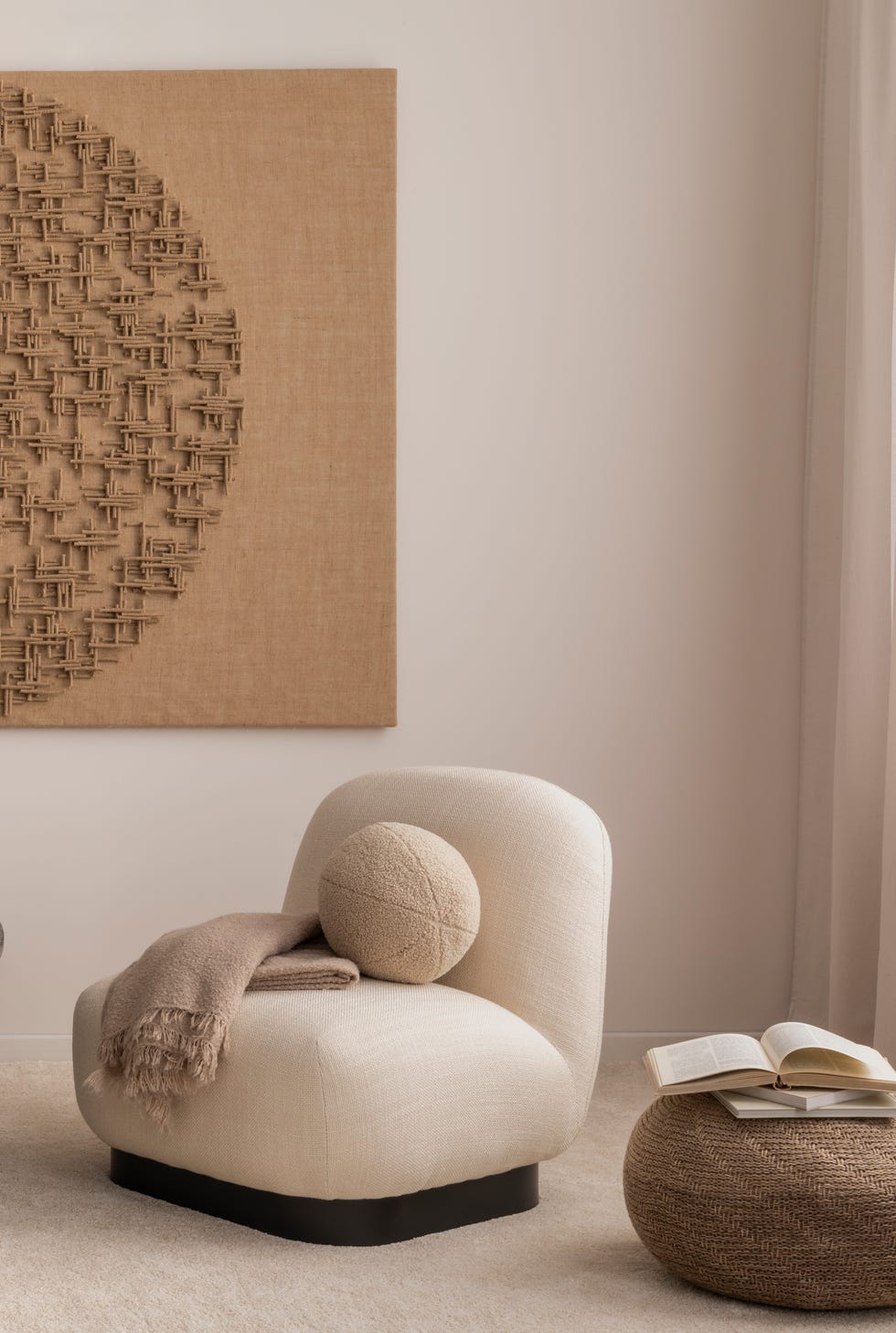
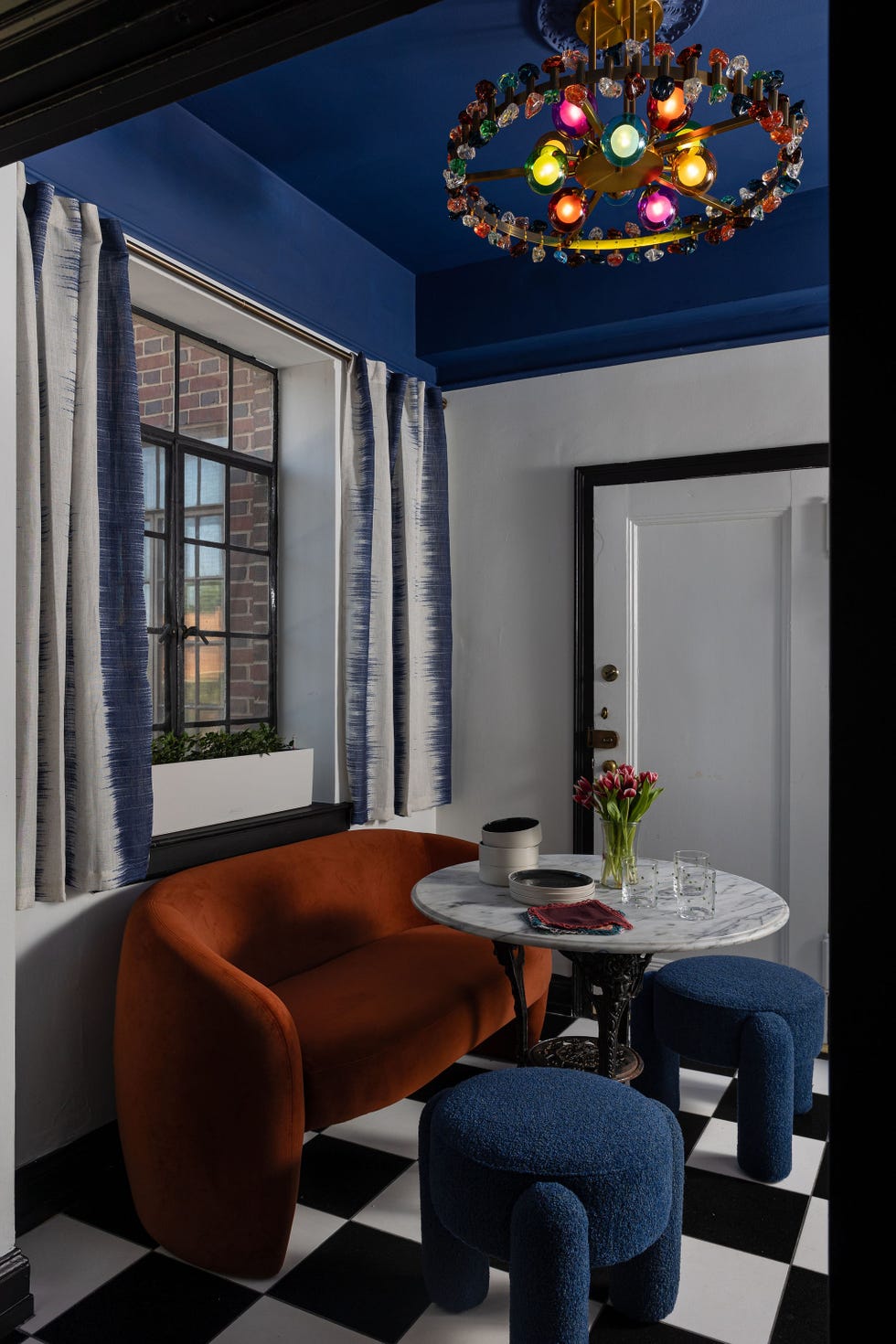
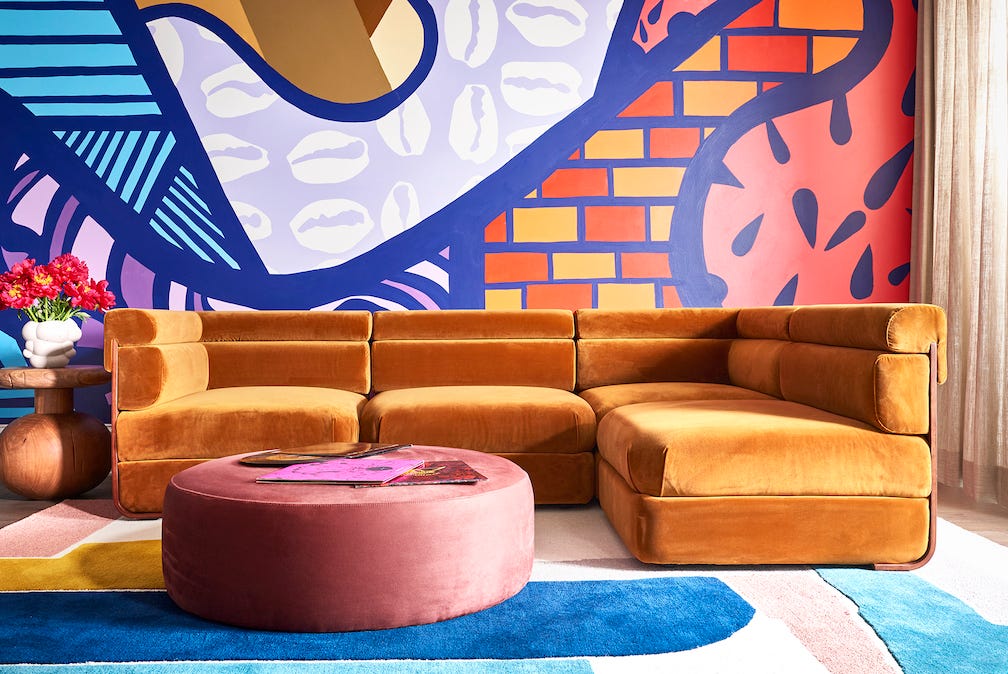
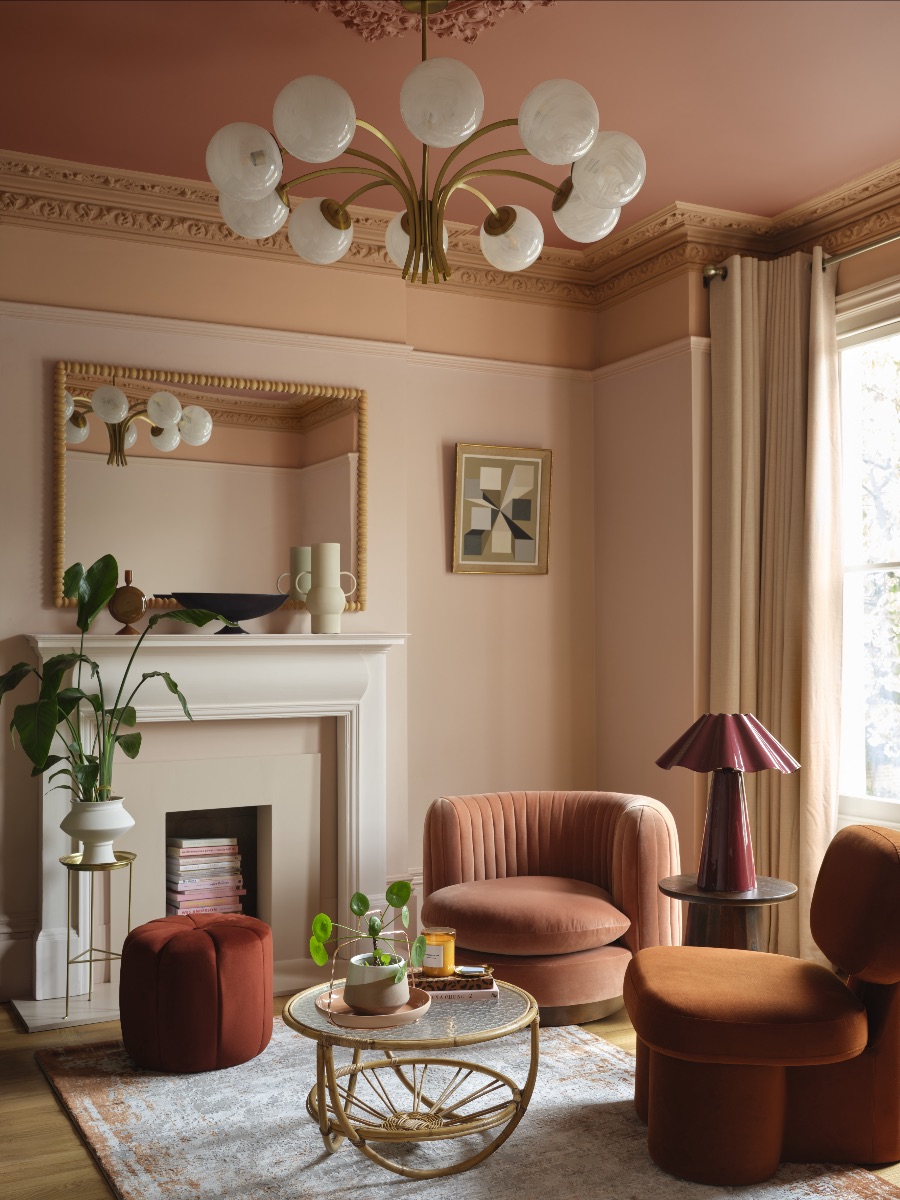
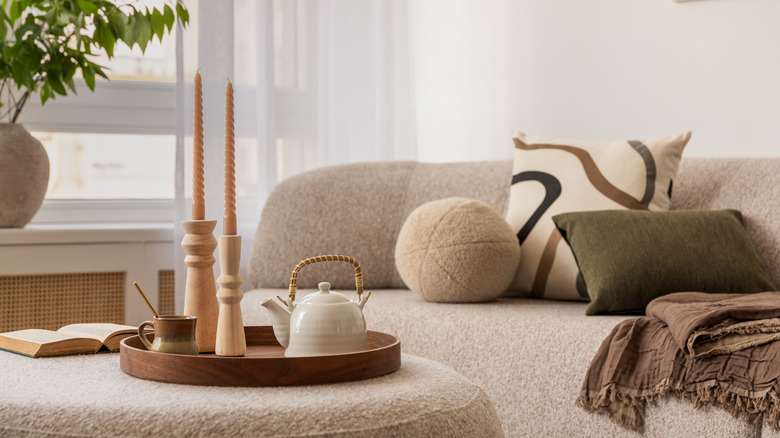
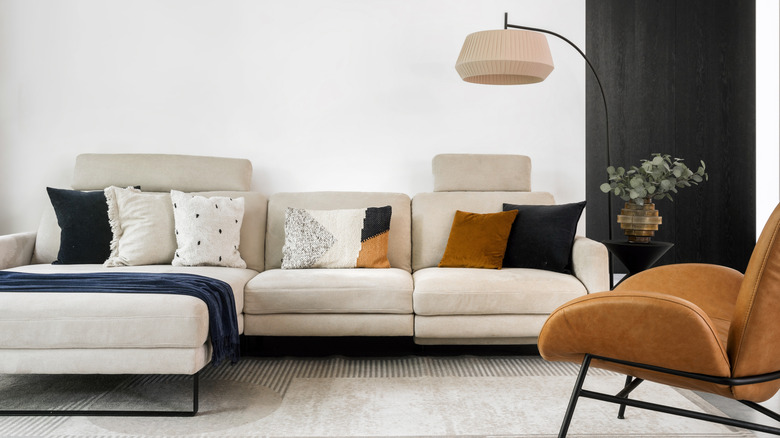
Oversized ottomans are another favored alternative, especially for more relaxed and lounge-like living rooms. Claire Thompson notes that while they might be less suitable for formal settings, ottomans can make a room feel cozy and inviting. To compensate for the lack of a flat surface, designers often pair ottomans with decorative trays for holding items or with small martini tables and side tables nearby for convenience. This allows the ottoman to serve as a footrest or extra seating while still providing necessary surface areas.
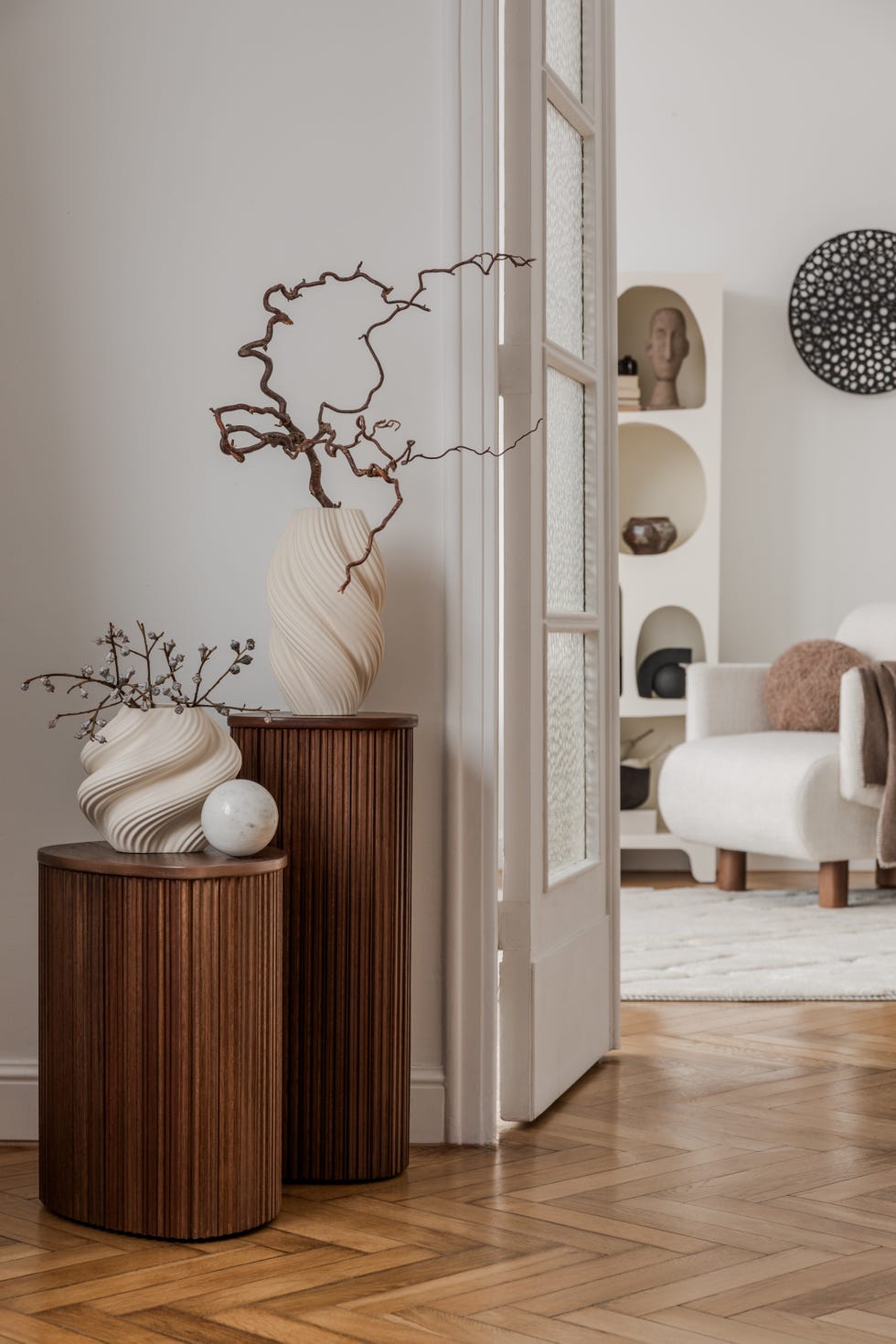
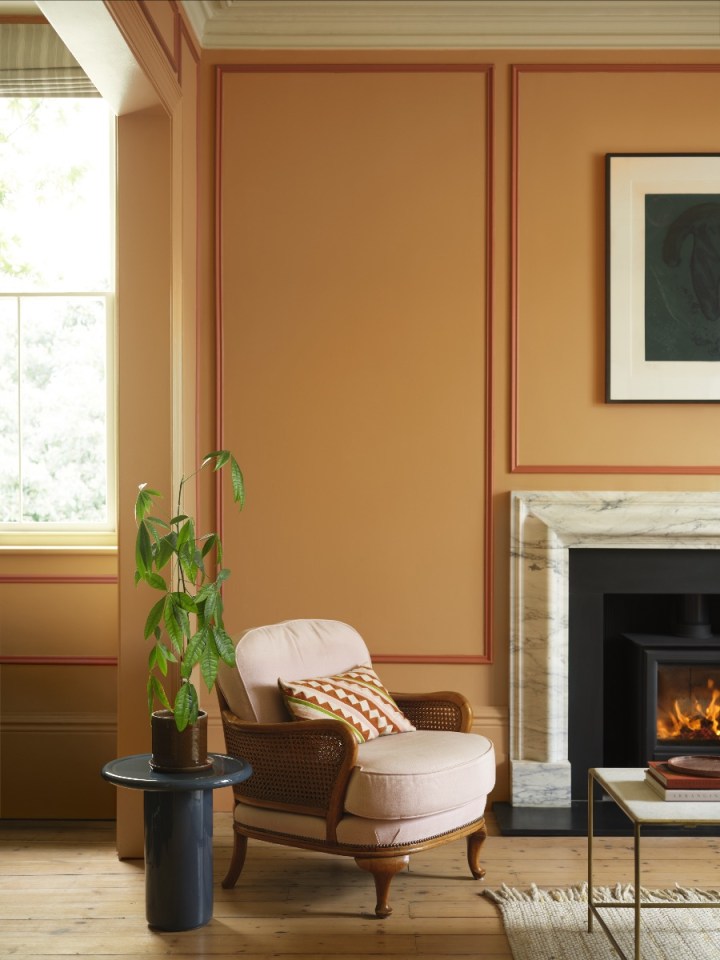
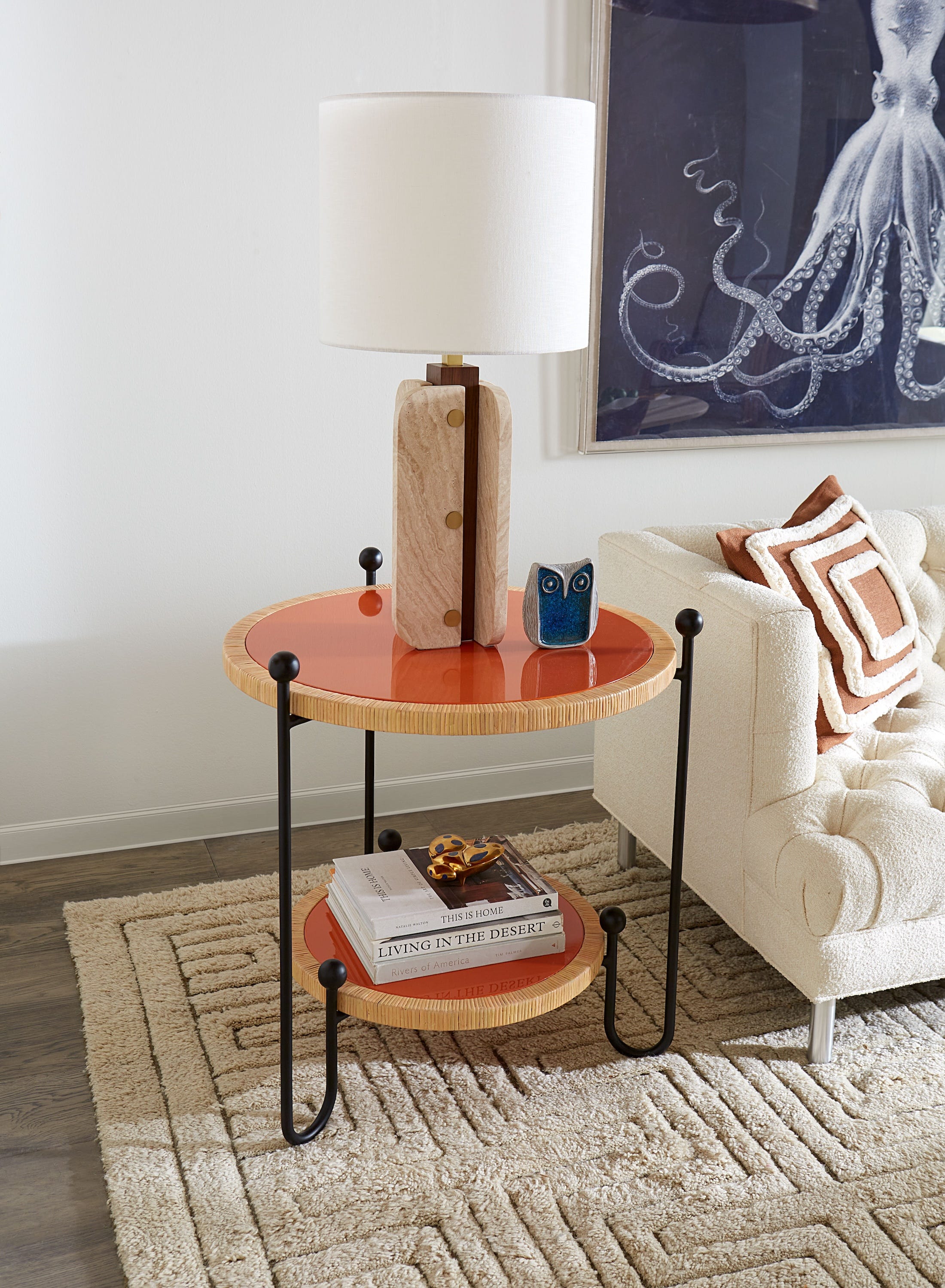
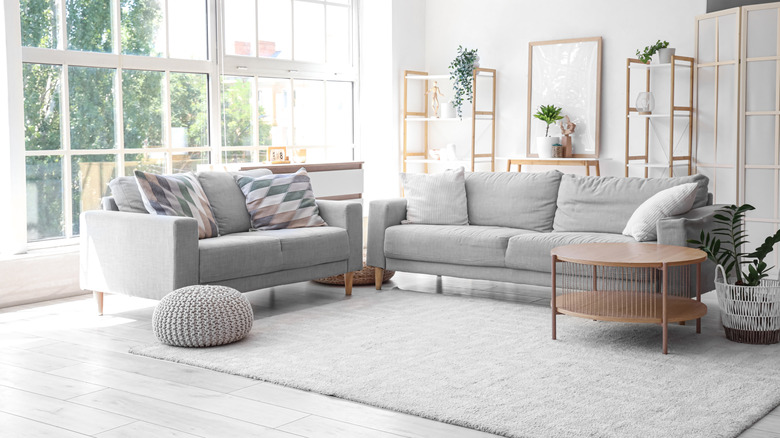
Nesting tables and end tables are also highlighted as practical solutions, particularly for small living rooms. Jennie Rebecca Springer points out that multiple, smaller tables can be more advantageous than one large coffee table. Nesting tables offer flexibility, as they can be expanded for entertaining guests to provide more surface area, and then compactly stored when not in use, freeing up floor space. End tables positioned on either side of a sofa offer convenient spots for drinks, lamps, and decorative items, contributing to the overall functionality and flow of the room. These alternatives demonstrate a trend towards more adaptable and storage-efficient furniture choices, reflecting a broader evolution in living room design preferences.
Ultimately, the core idea is to prioritize the functionality and comfort of the living space, ensuring that furniture choices align with the room's size and intended use. The designers' consensus is that while surface area is indispensable for everyday living and hosting, the traditional coffee table is no longer a mandatory element in modern living room design. The emphasis is now on creative, multi-functional pieces that optimize space and enhance the user experience, moving away from rigid design conventions towards more adaptable and personalized solutions.
#LivingRoomDesign #CoffeeTableAlternatives #SmallSpaceSolutions #HomeDecorTrends #InteriorDesign #FunctionalFurniture #StorageSolutions #DesignFlexibility #ModernLiving #LivingRoomDesign #CoffeeTableAlternatives #SmallSpaceSolutions #HomeDecorTrends #InteriorDesign #FunctionalFurniture #StorageSolutions #DesignFlexibility #ModernLiving
कुल 0 टिप्पणियाँ
 कोई टिप्पणी नहीं
आपको यह भी पसंद आ सकता है
Designers Say This DIVISIVE 1950s Sofa Trend Will Rule 2026
Interior designers reveal the home decor trend that will take over 2026 & why it's time to bin off accent walls

Designers Are Shifting Away From Classic Shaker Kitchen Cabinets in 2023


It's Official - This Kitchen Cabinet Color Trend Is Going Out Of Style In 2026
Designers Are Calling It: These Furniture Trends Will Be Everywhere in 2026

John Lewis reveals this popular wall accessory is being discontinued

It's Official: Designers Say These 6 Living Room Trends Are Going Out of Style in 2026

It’s Time to Say Goodbye to These Outdated Design Trends in 2024
Designers Say This Fabric Will Dominate Living Rooms in 2024

Say Goodbye To Exaggerated Furniture Shapes: The 2026 Trend Coming To Replace It
Designers Say This Century-Old Glass Trend Is About to Be EVERYWHERE in 2026
The Decorating Trends Designers Are Leaving Behind in 2026

Designers Say This Beloved Style Is Completely Out for 2025

This Surprising Chair Trend Is Taking 2024 by Storm
8 Decorating Trends Designers Wish Would Go Away in 2025

Tired Furniture Trends That Are Now Becoming A Thing Of The Past
Interior Designers are Ditching These Home Trends in 2024
Are Open Shelves Finally Out of Style in 2026? Designers Weigh In
The living room trends defining 2025: Time to banish the big light?
Major Bathroom Design Changes Are Coming: This Popular Trend Is Ending In 2026