1/8
The real history of tartan, from the Scottish Highlands to the streets of Tokyo
A new exhibition at the V&A Dundee aims to unravel the complex legacy of tartan, a checked cloth deeply embedded in Scottish identity but with a global reach. Tartan, often called "plaid" in the United States, has a long and multifaceted history, serving as both a symbol of tradition and subversion. Mhairi Maxwell, a curator at the V&A Dundee, notes that Scots have a love-hate relationship with the fabric, which embodies ongoing debates about independence, nationalism, decolonization, and global textile perspectives.
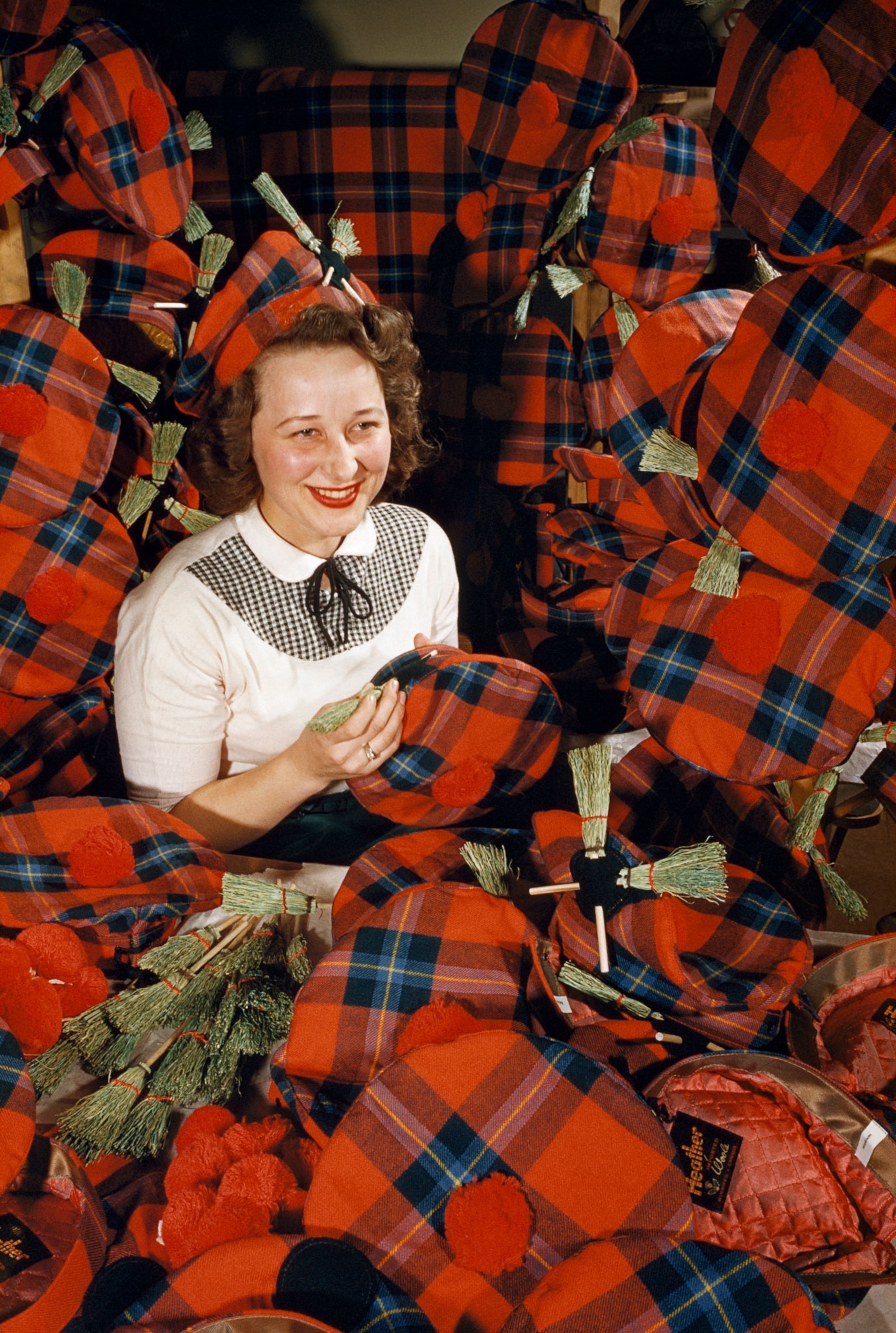
Originating in Scotland at least by the third century A.D., tartan is characterized by its simple "two over two" twill weave, creating interlocking stripes. Traditionally made from wool, it was practical wear for the Gaelic-speaking Highlanders. Its political significance escalated in the mid-18th century when it became a symbol of allegiance for Bonnie Prince Charlie and his Jacobite rebels during their attempt to restore the House of Stuart. Following their defeat at Culloden in 1746, Highland dress, including specific tartan-patterned items like the phillabeg and trews, was banned. While the ban did not prohibit all tartan per se, it severed the Highlanders' everyday connection to the fabric by forcing them into Lowland European clothing styles.
The repeal of the ban in 1782 marked a turning point. In 1822, King George IV's decision to appear in full Highland dress during his visit to Scotland inadvertently led to the phenomenon of "tartanry," a kitschy, overly romanticized portrayal of Scotland. Queen Victoria further amplified this trend with her purchase and tartan-decorated Balmoral Castle, transforming the Highlands into an idyllic tourist destination after many of its inhabitants were displaced in the Highland Clearances. Tartan became a brand, mass-produced and spread across the British Empire by the military.
This commodification was later challenged by 1970s youth culture, with punks like the Vivienne Westwood-styled Sex Pistols using tartan to subvert the establishment. Fashion designer Alexander McQueen consciously repoliticized the cloth with his 1995 "Highland Rape" show, using Clan MacQueen tartan to highlight the destruction of Highland culture after Culloden. Maxwell emphasizes that tartan is a "loud pattern," always worn to be seen and heard.
Today, tartan continues to evolve. Despite its pervasive presence in Scottish souvenir shops, businesses are re-evaluating its role. The Fife Arms in the Cairngorms, for instance, incorporates tartan alongside contemporary international art. Brands like Prickly Thistle are championing sustainable practices, crafting made-to-measure garments from natural fibers to combat fast fashion. Beyond Scotland, tartan has found global appeal. It is as much a Japanese symbol as it is Scottish, appearing in Tokyo street style, runway shows, and even a major Japanese museum exhibition years before Scotland hosted its own. It's also an official national symbol of Canada, the Maple Leaf Tartan. The V&A Dundee exhibition aims to decentralize tartan's narrative, showcasing its use in French couture and Indian madras fabrics, establishing it as a truly global textile with enduring tension and inspiration.
#Tartan #ScottishHistory #VADundee #TextileArt #FashionHistory #CulturalIdentity #HighlandDress #JacobiteRebellions #SustainableFashion #Tartan #ScottishHistory #VADundee #TextileArt #FashionHistory #CulturalIdentity #HighlandDress #JacobiteRebellions #SustainableFashion
कुल 0 टिप्पणियाँ
 कोई टिप्पणी नहीं
आपको यह भी पसंद आ सकता है
When Hollywood Needs a Historically Accurate Outfit That Looks Just Right, It Turns to Rabbit Goody
The History of Printed Fabrics in Two Splendid Volumes
A guide to collecting textiles: why every detail matters

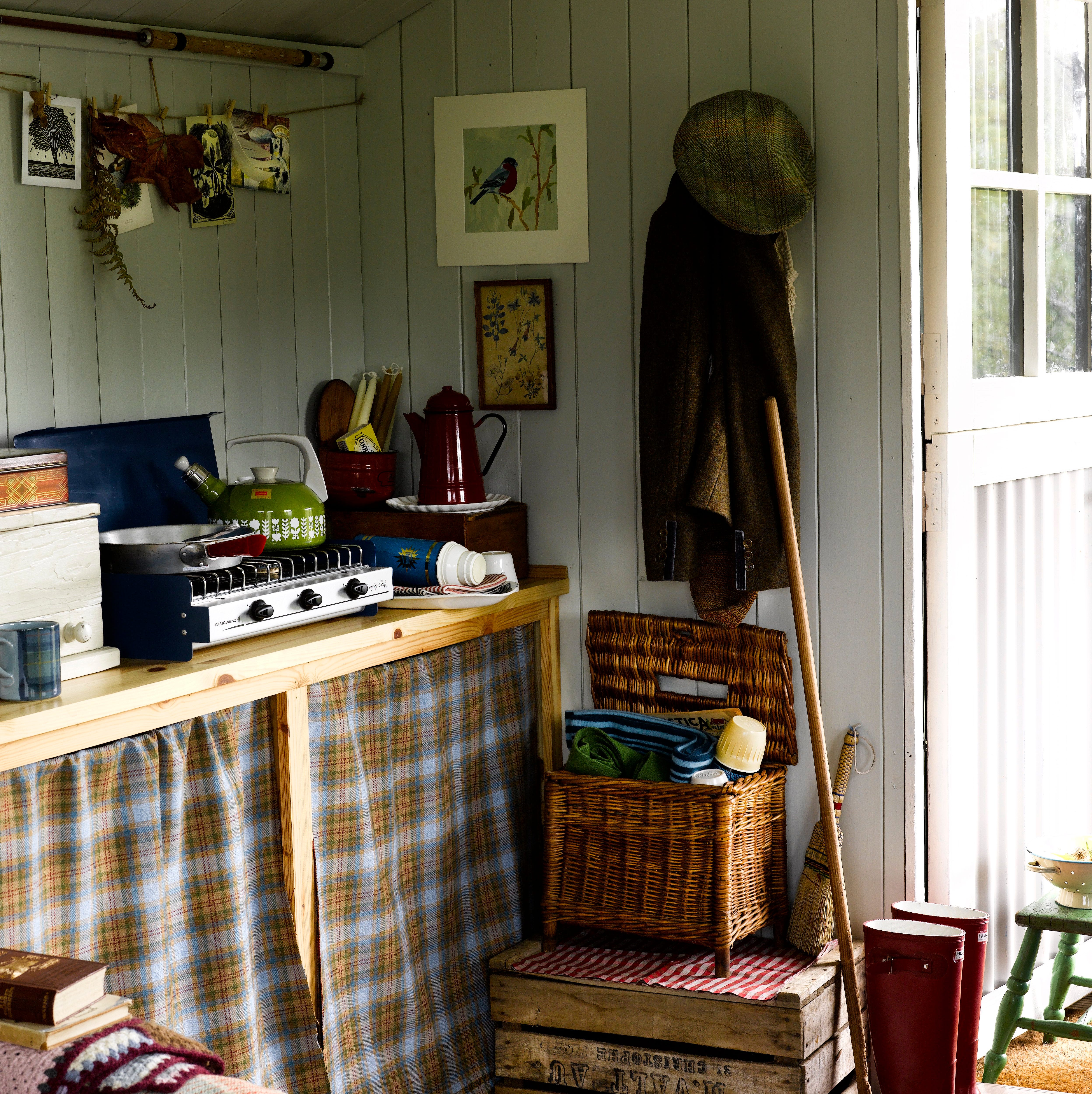
13 ways to decorate with tartan
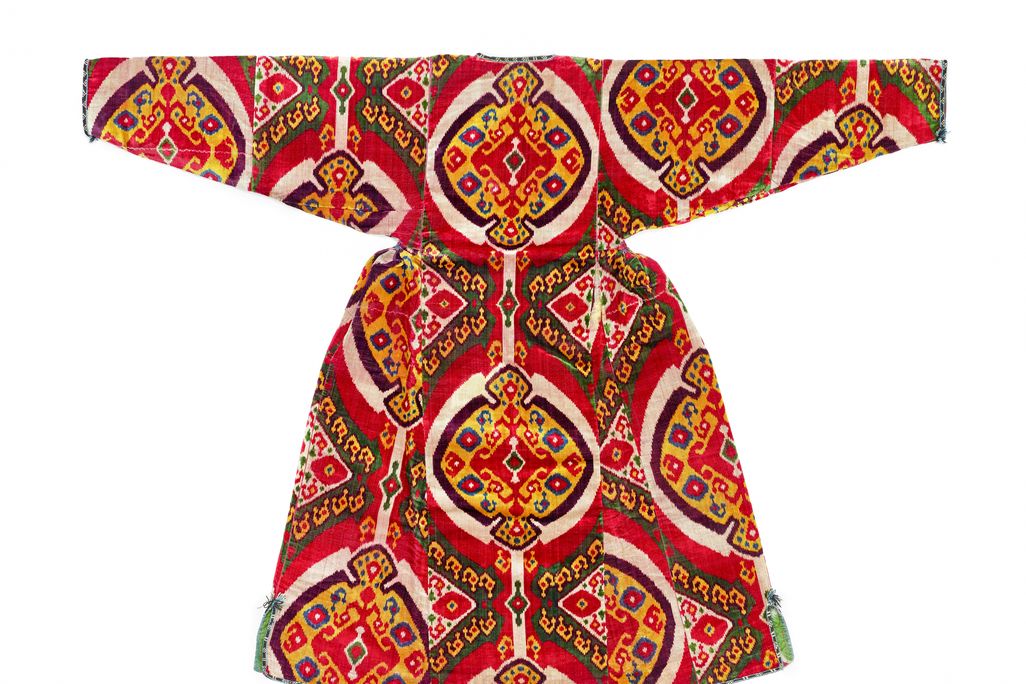
How the Technicolor Ikat Designs of Central Asia Thread Into Textile History
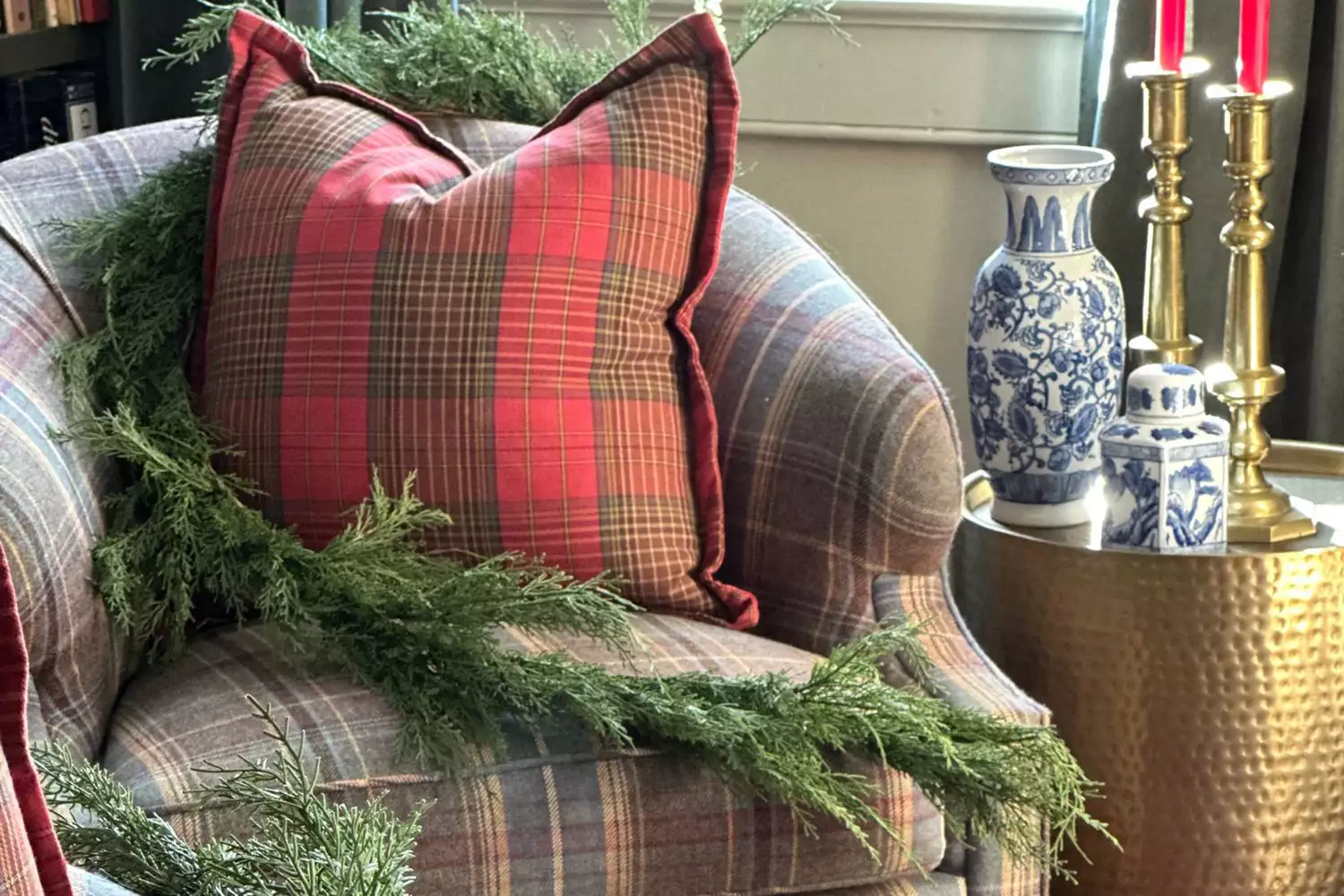
How To Decorate With Holiday Tartan, According To Designers
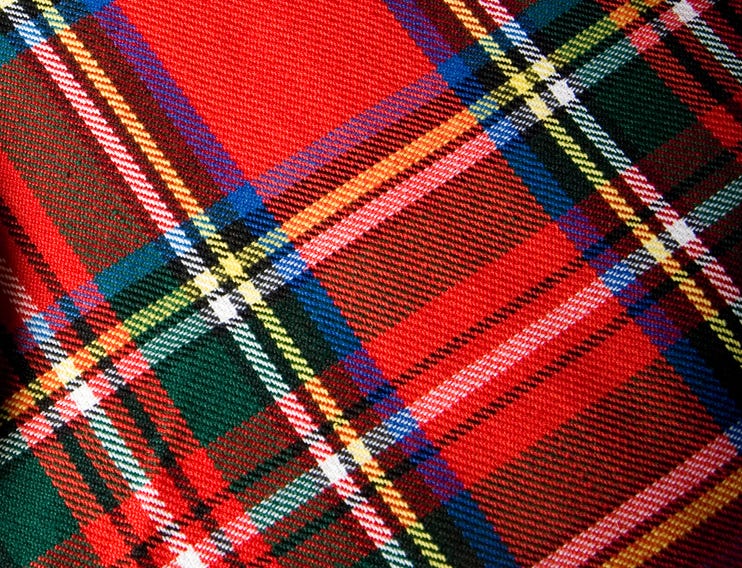
How to decorate with tartan at home

5 global textile techniques still seen in modern fabrics

Textile as Portable Garden

The Classic, Preppy Or Punk Textile That's About To Be A Major Trend For 2026

The Forgotten History of Bourne and Allen’s Mid-Century Textiles

28 shades of aimai : Reinventing Japan’s traditional color wheel
The floral fabric that was banned

Experiments with Amber: Recreating an Early Modern Varnish Recipe on the History of Design Course