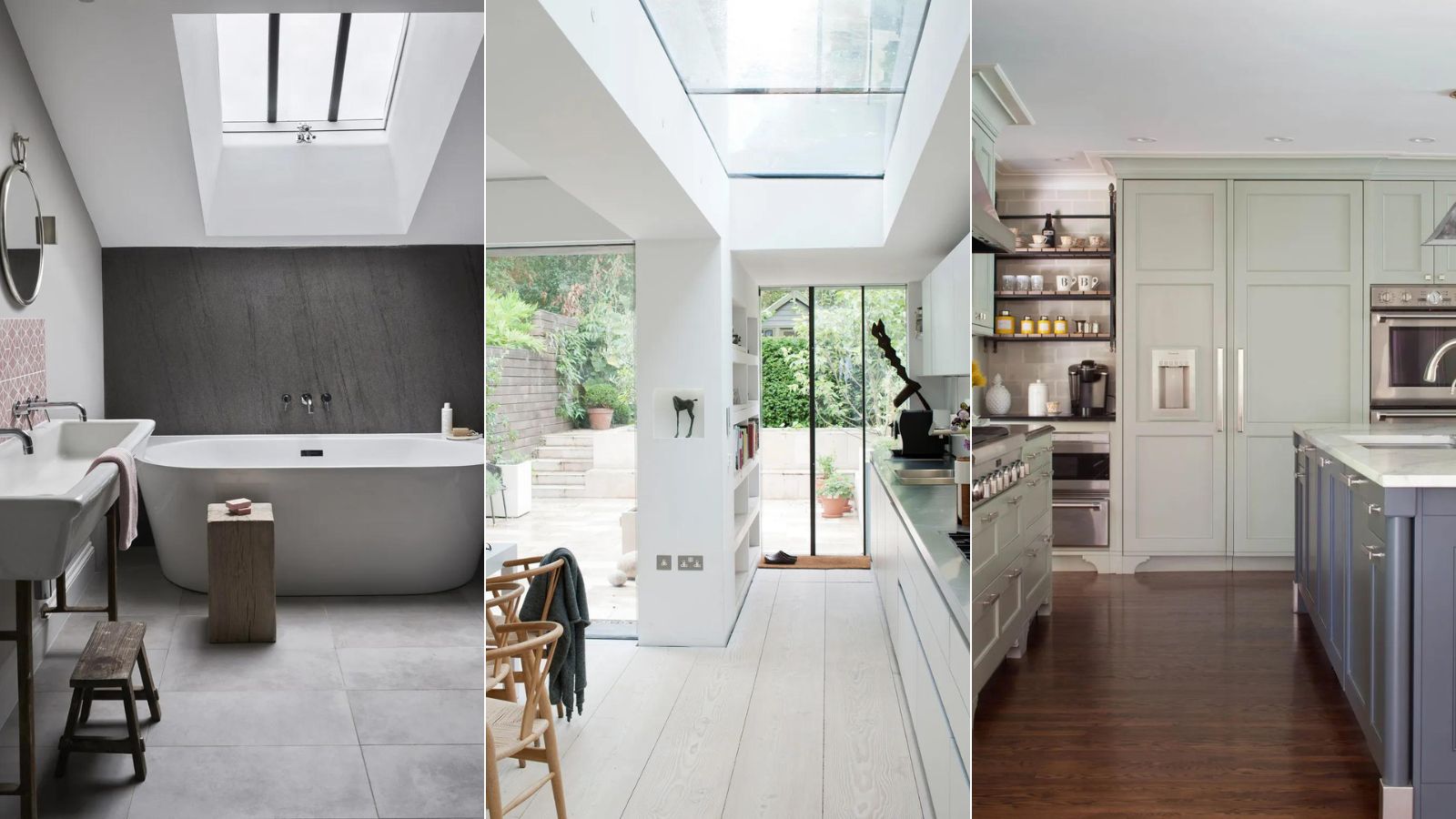
1/3
Should you live on-site when renovating a property? We weigh up the pros and cons
The decision to live on-site during a property renovation is complex, with both advantages and disadvantages that warrant careful consideration. Expert opinions highlight various factors influencing this choice, from financial implications to daily convenience and project oversight.
One of the primary benefits of living on-site is cost savings. Renovations, especially major ones, involve significant expenses, and temporary accommodation can add substantially to the overall budget. Avoiding rental costs or hotel fees can make staying put a financially appealing option for many homeowners. Beyond monetary savings, remaining in one's home offers a degree of convenience. It minimizes disruption to daily routines, which is particularly valuable for individuals with fixed work schedules or children attending local schools. The familiarity of one's own space, despite the construction, can also provide a sense of stability.
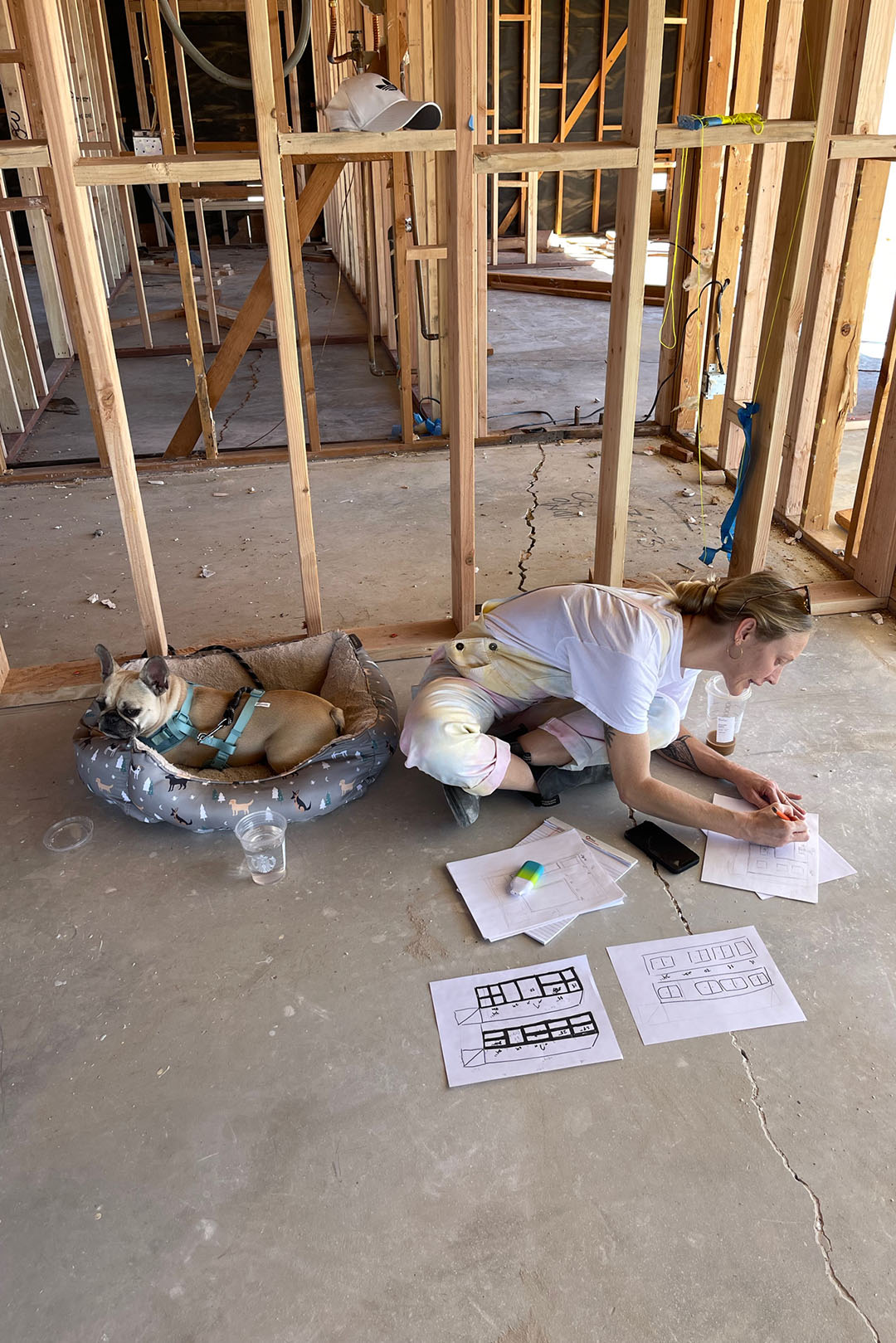
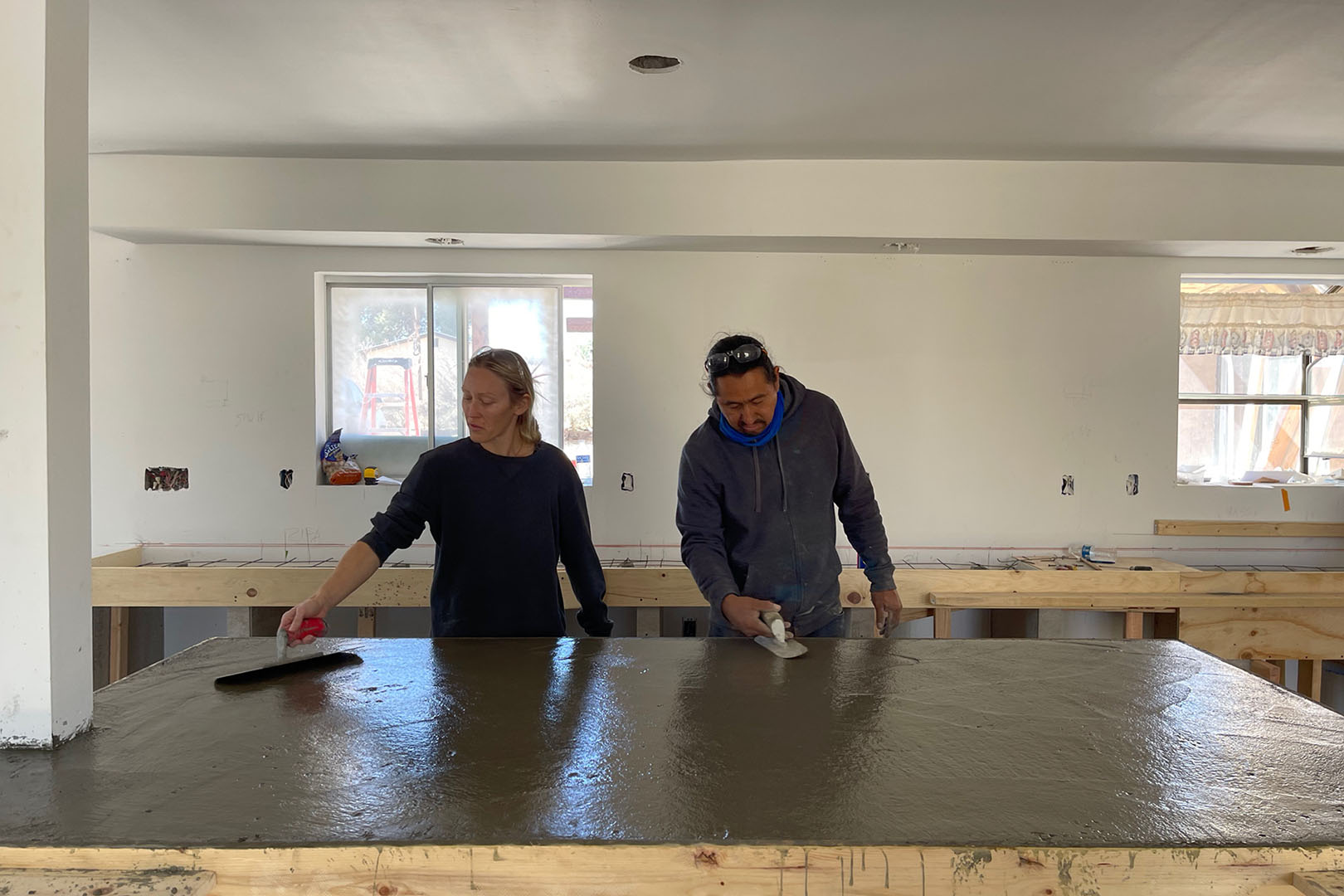
Another significant advantage is enhanced oversight of the renovation work. Being physically present allows homeowners to closely monitor the quality and progress of the contractor's work on a daily basis. This immediate access facilitates early detection of any issues, potentially preventing costly mistakes, such as improperly installed materials. Direct presence also enables quicker decision-making. Renovation projects often encounter unexpected challenges requiring impromptu choices, and a homeowner on-site can provide immediate answers and discuss solutions in real-time with the construction team. This constant communication can also foster improved relationships with the renovation crew, leading to a more collaborative and efficient working environment.
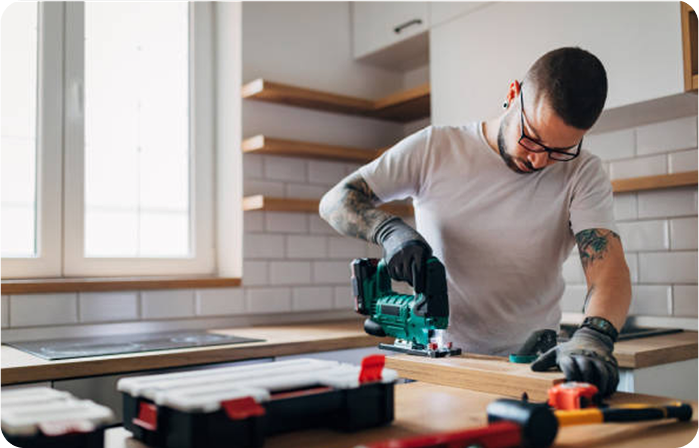
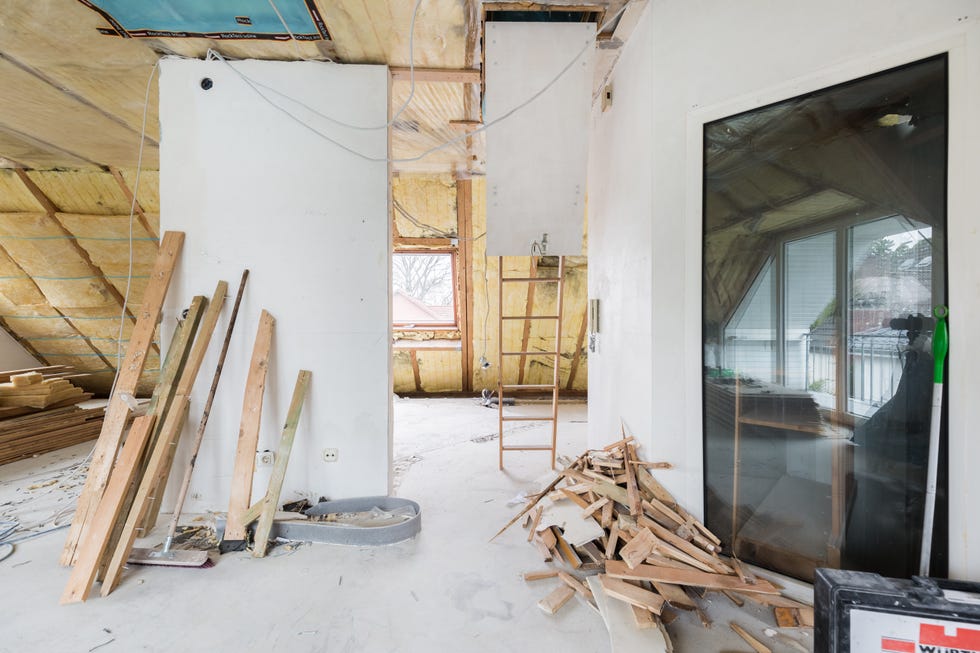
However, living through a renovation presents numerous drawbacks. Discomfort is almost inevitable. Construction zones are typically dusty, noisy, and subject to environmental factors like rain, which can lead to wet conditions. Work often begins early, disrupting sleep and peace. Safety is another critical concern, with potential hazards such as exposed electrical wiring, dangerous tools, and construction materials posing risks. Prolonged exposure to dust, fumes, or allergens can also negatively impact health. Furthermore, essential home services like electricity, water, or HVAC may need to be temporarily shut off, creating significant inconvenience.
Limited space and loss of privacy are additional challenges. Belongings often need to be consolidated, leading to cluttered living areas. Large portions of the home may be inaccessible, which can be particularly disruptive if essential areas like kitchens or bathrooms are under renovation. The constant presence of contractors and workers can also infringe upon a homeowner's privacy. Lastly, while intended to save money, living on-site can sometimes paradoxically increase costs. Contractors may charge more due to the added complexities of working around residents, requiring extra measures to maintain safety and minimize disruption. For these reasons, many experts suggest a hybrid approach, where homeowners stay on-site for certain phases of the renovation but move out during the most intensive or disruptive periods.
#HomeRenovation #OnSiteLiving #PropertyRenovation #ConstructionManagement #CostSavingTips #HomeImprovement #RenovationProsAndCons #ProjectOversight #HomeRenovation #OnSiteLiving #PropertyRenovation #ConstructionManagement #CostSavingTips #HomeImprovement #RenovationProsAndCons #ProjectOversight
कुल 0 टिप्पणियाँ
 कोई टिप्पणी नहीं
आपको यह भी पसंद आ सकता है
Remodeling
The 3 most expensive home renovation projects, and how to save money on them

5 Most Profitable Home Improvements to Make Before Selling Your Home

These Features Instantly Kill a Home’s Renovation Potential

Renovate | Build
9 Things You Need to Know Before Renovating Your Home, According to Experts
At Home with Marni Jameson: Home renovations that get the best returns

6 Renovating Myths I Uncovered While Getting My General Contractor’s License

Will Your Renovation Make Its Money Back?
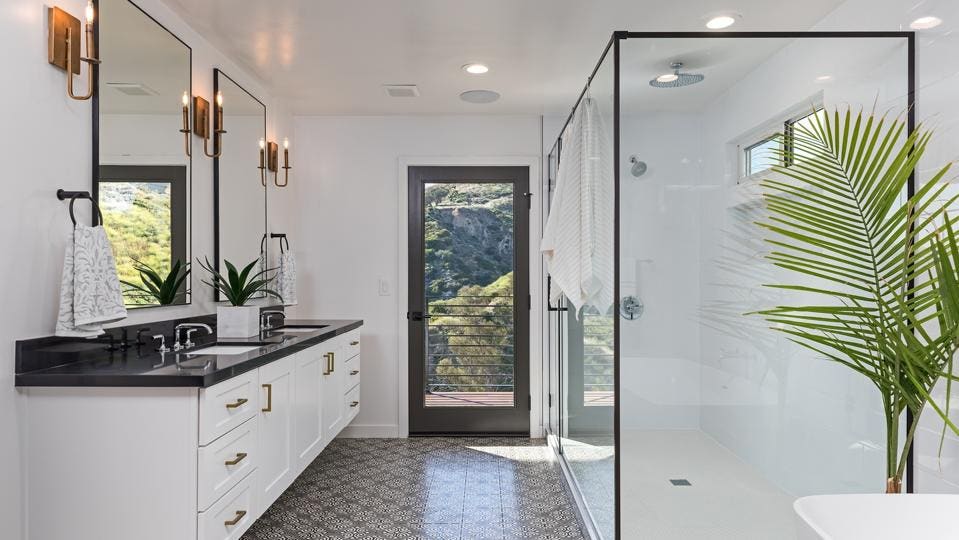
Home Renovations That Can Make A Big Impact, According To Experts


Renovation

Home Remodeling Projects That Pay Back The Most In Happiness


Renovate your home or buy a new one? Here's what experts suggest


Home renovation loan benefits & guidelines

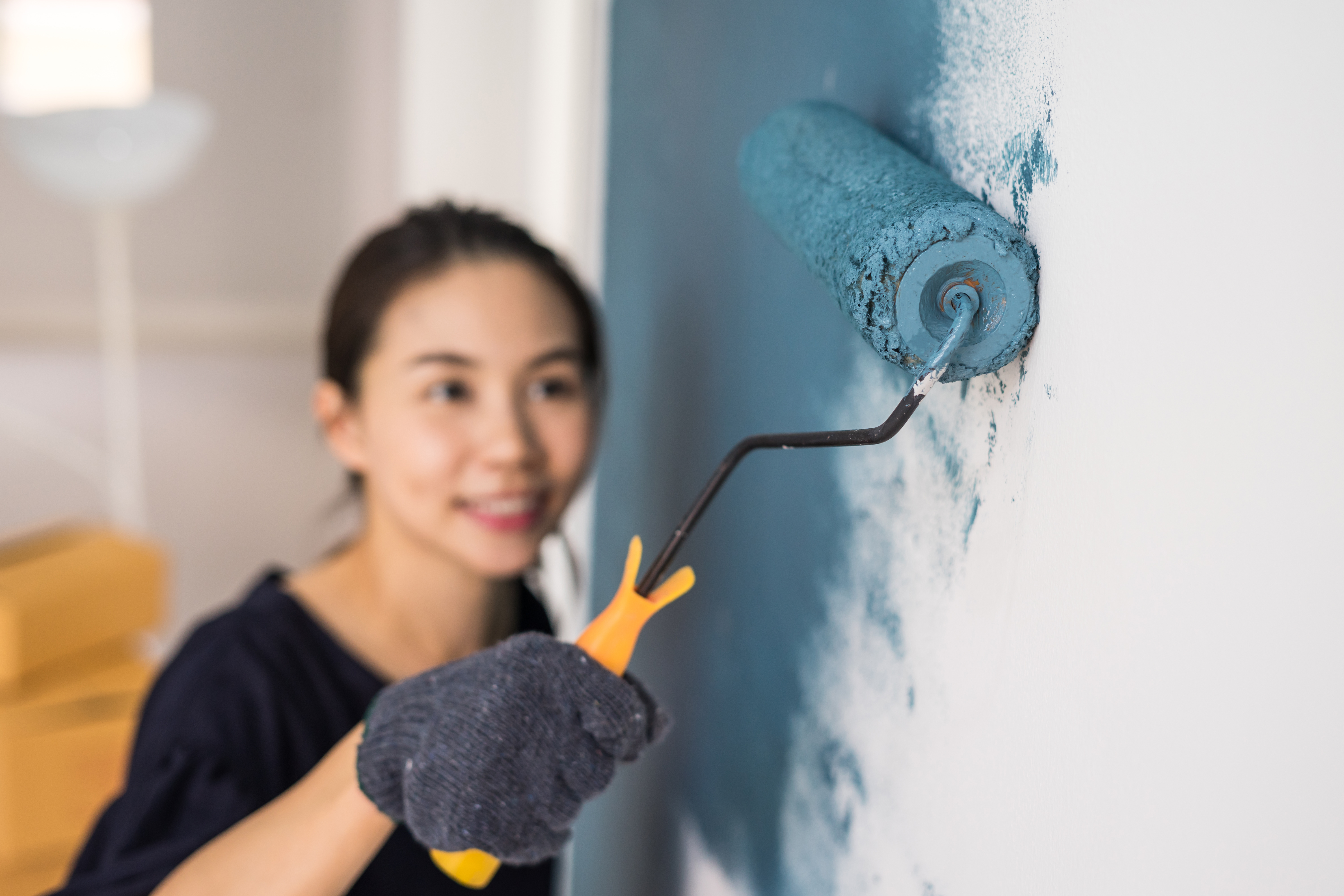
Home Renovation Projects That Are (Mostly) Tariff-Proof

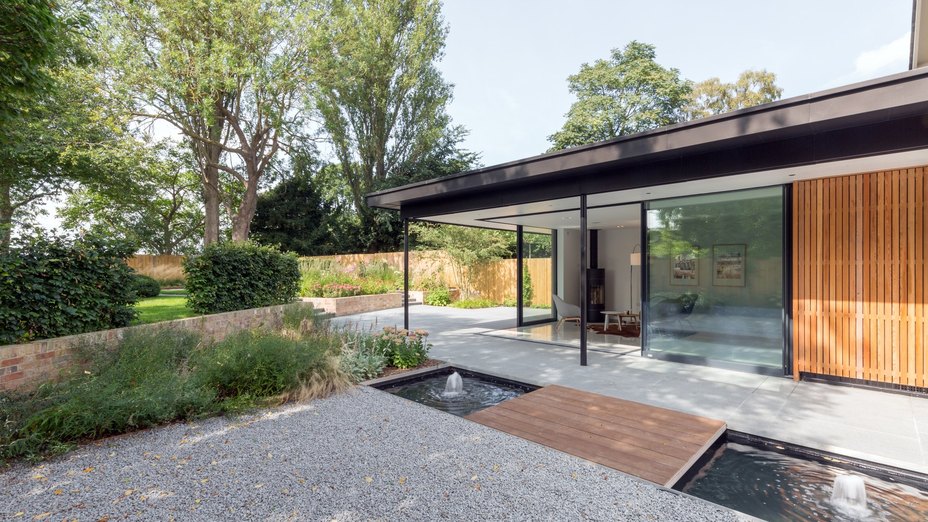
I Spent $58K to Convert My Sunroom Into an ADU That Earns $18K per Year

Money-wasting home improvements to avoid


5 renovation projects that will add value to your home in 2024

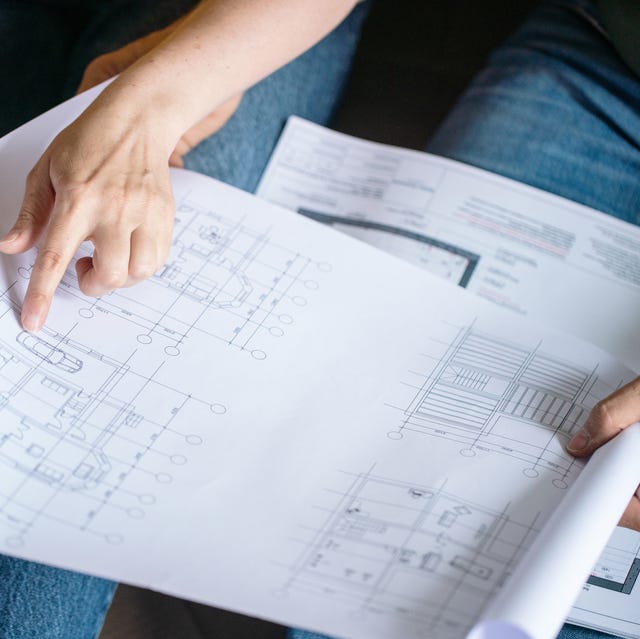
Psychologists Reveal the MAJOR Impact of Home Renovations on Your Mental Health
6 Home Renovation Tips To Cut Costs, Avoid Stress and Boost Resale Value