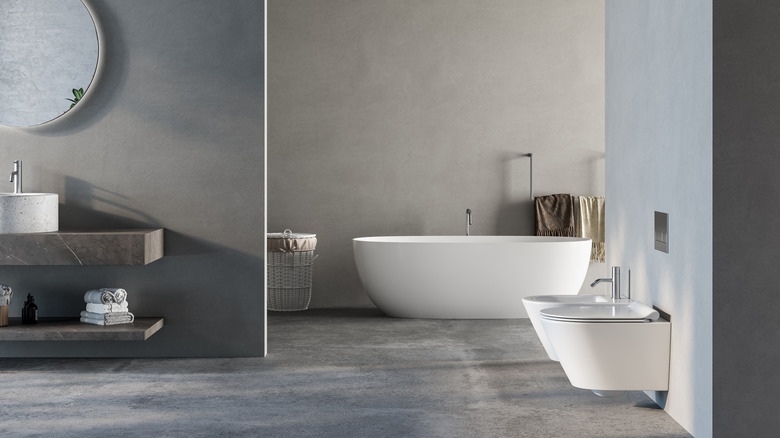
1/13
Say Goodbye To Traditional, Builder-Grade Bathrooms — These 12 Unique Features Are In
In 2026, bathroom design is shifting away from purely functional spaces towards personalized, comfortable retreats that prioritize well-being. This evolution is driven by technological advancements and changing homeowner expectations, moving beyond one-size-fits-all solutions to create tailored, calming environments. These upgrades reflect a broader desire for long-term livability and responsiveness to individual needs.
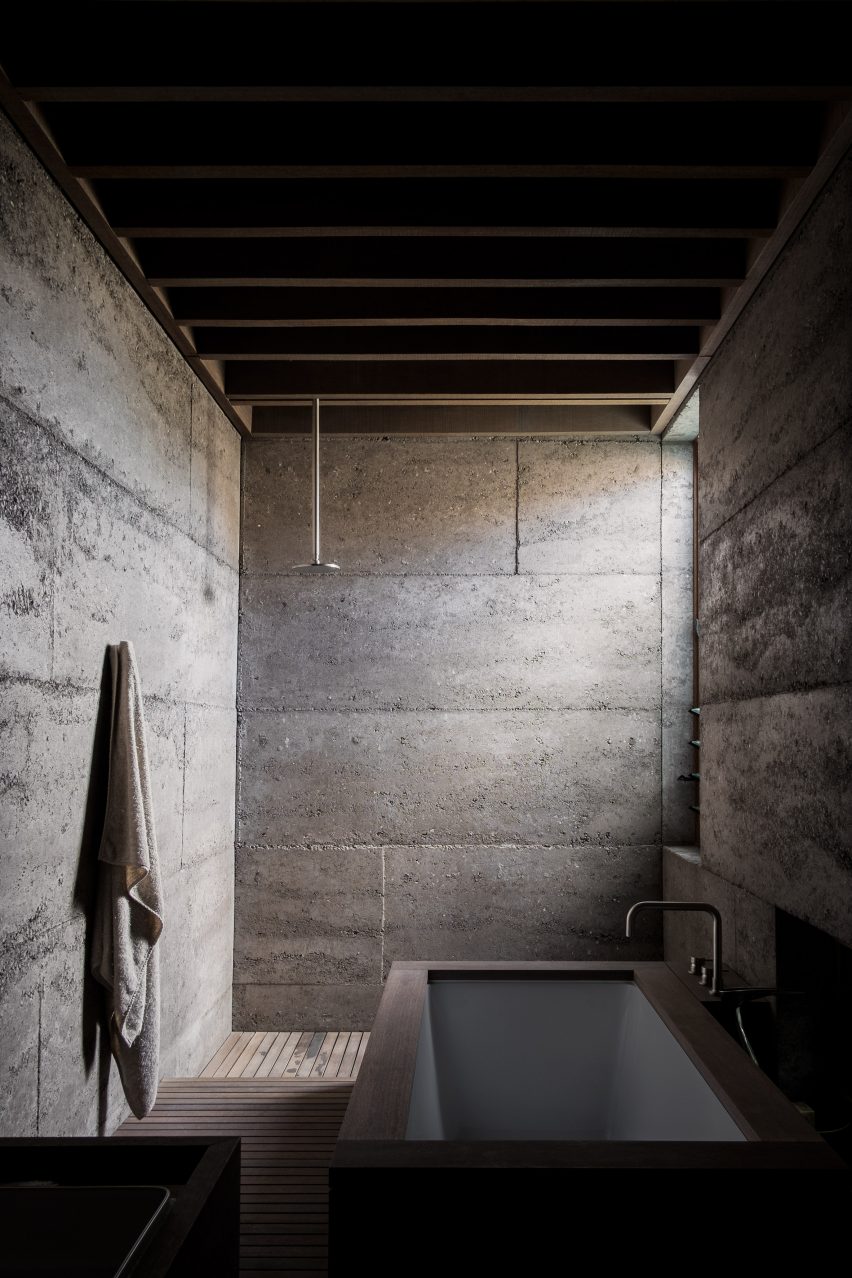
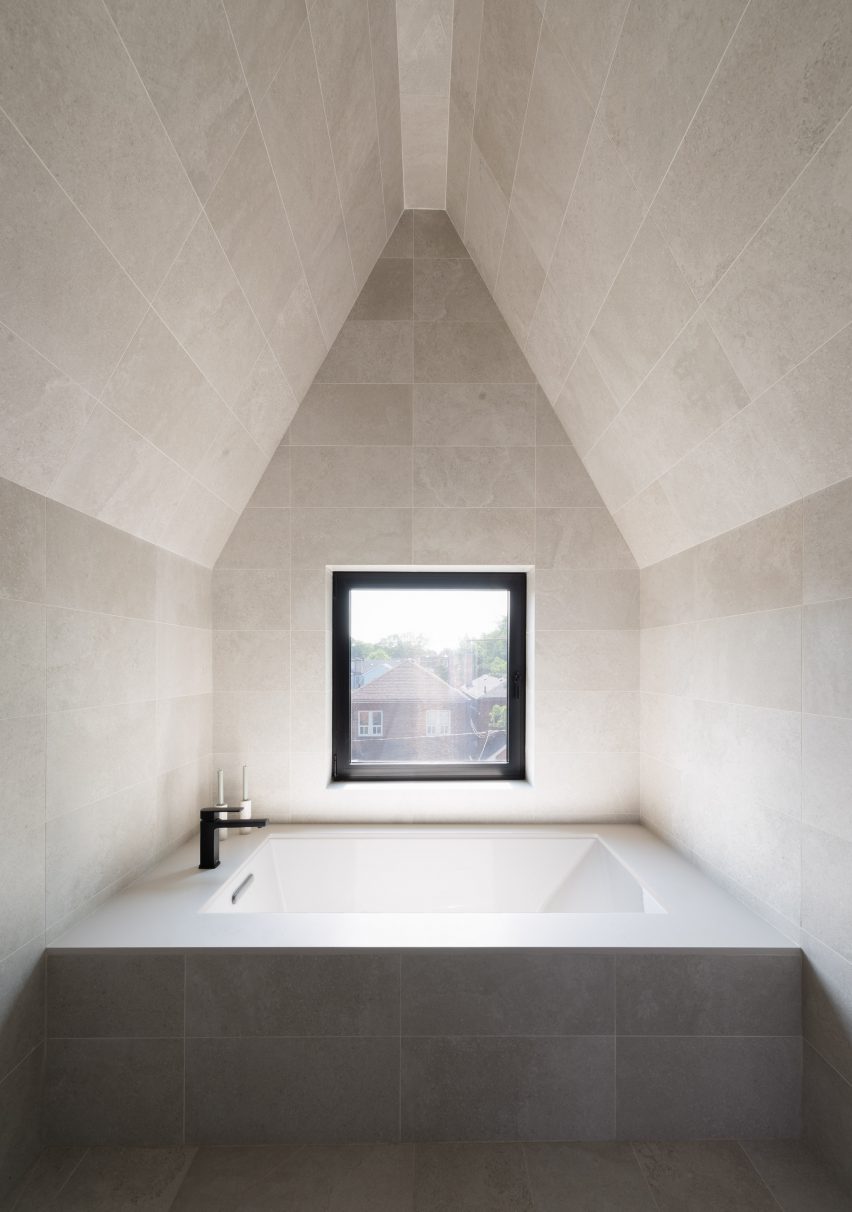
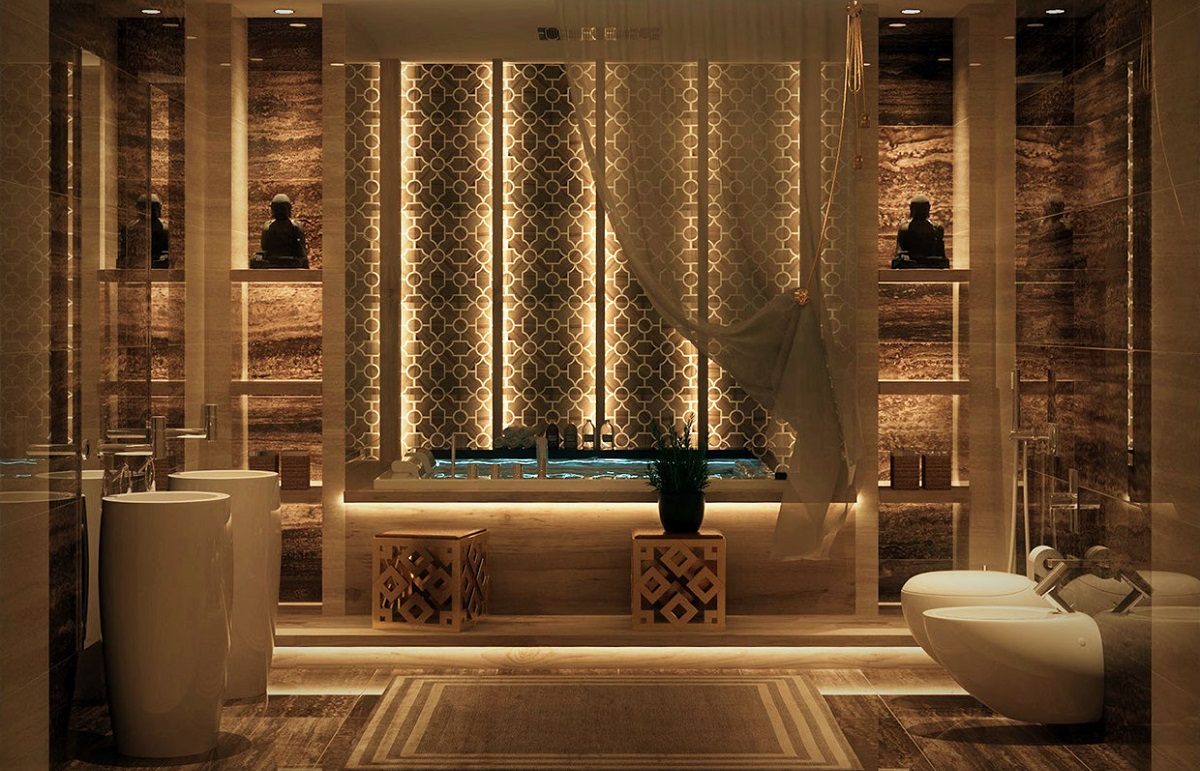
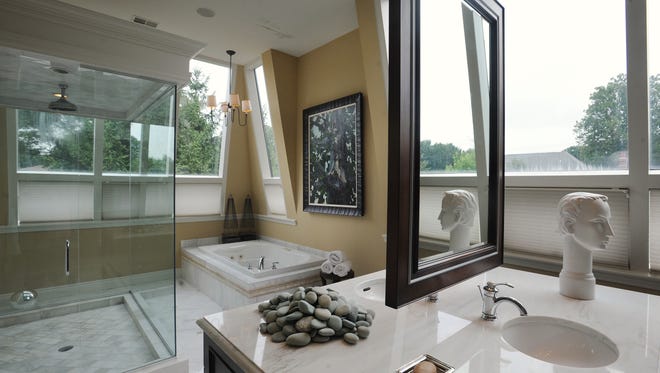
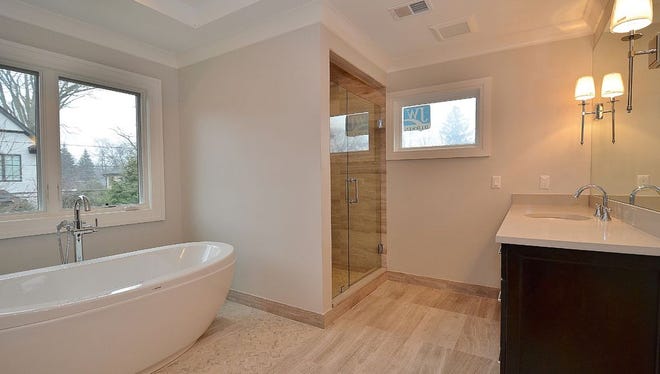
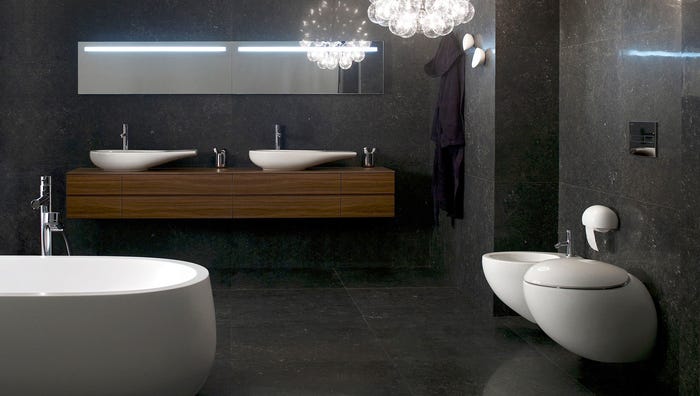
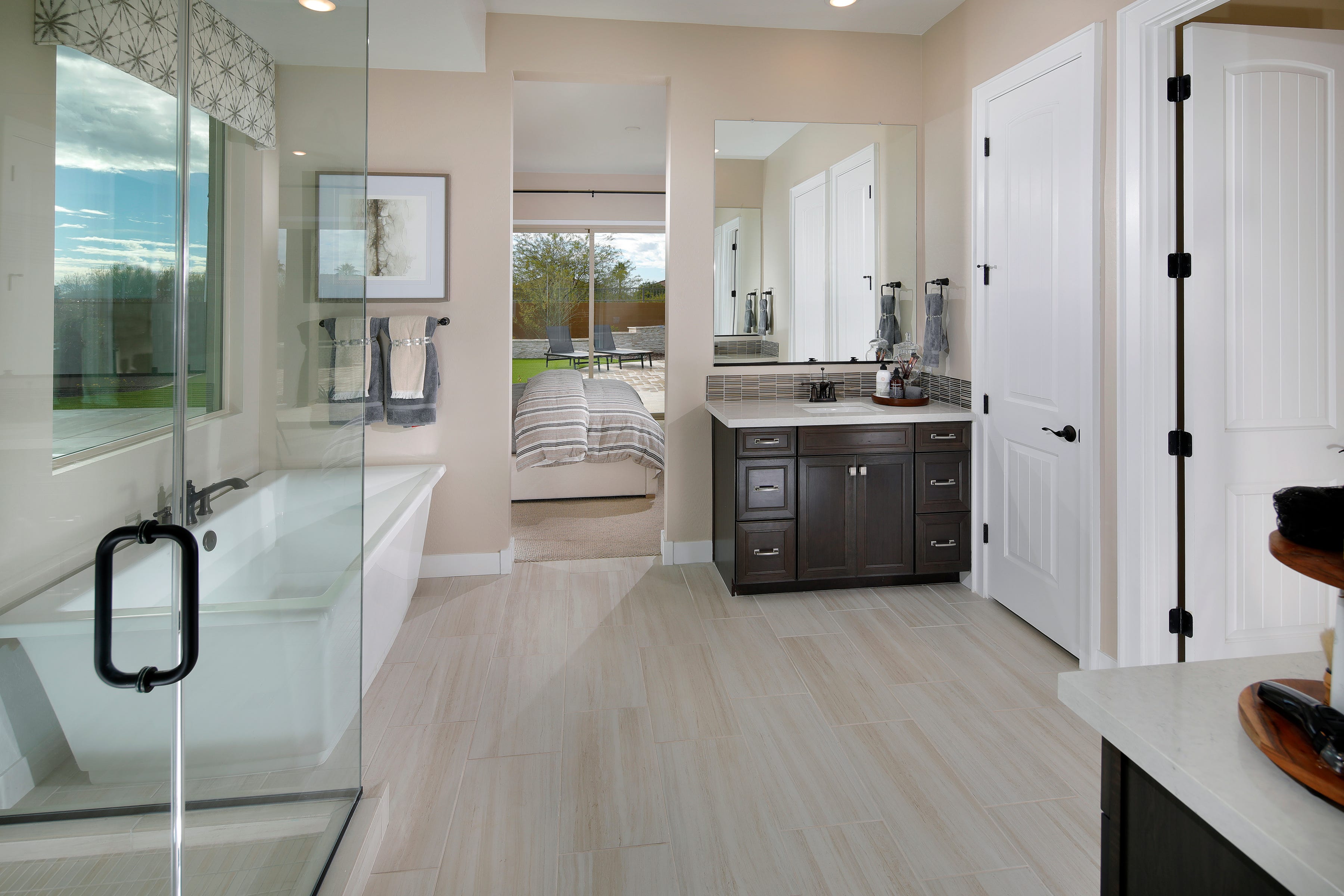
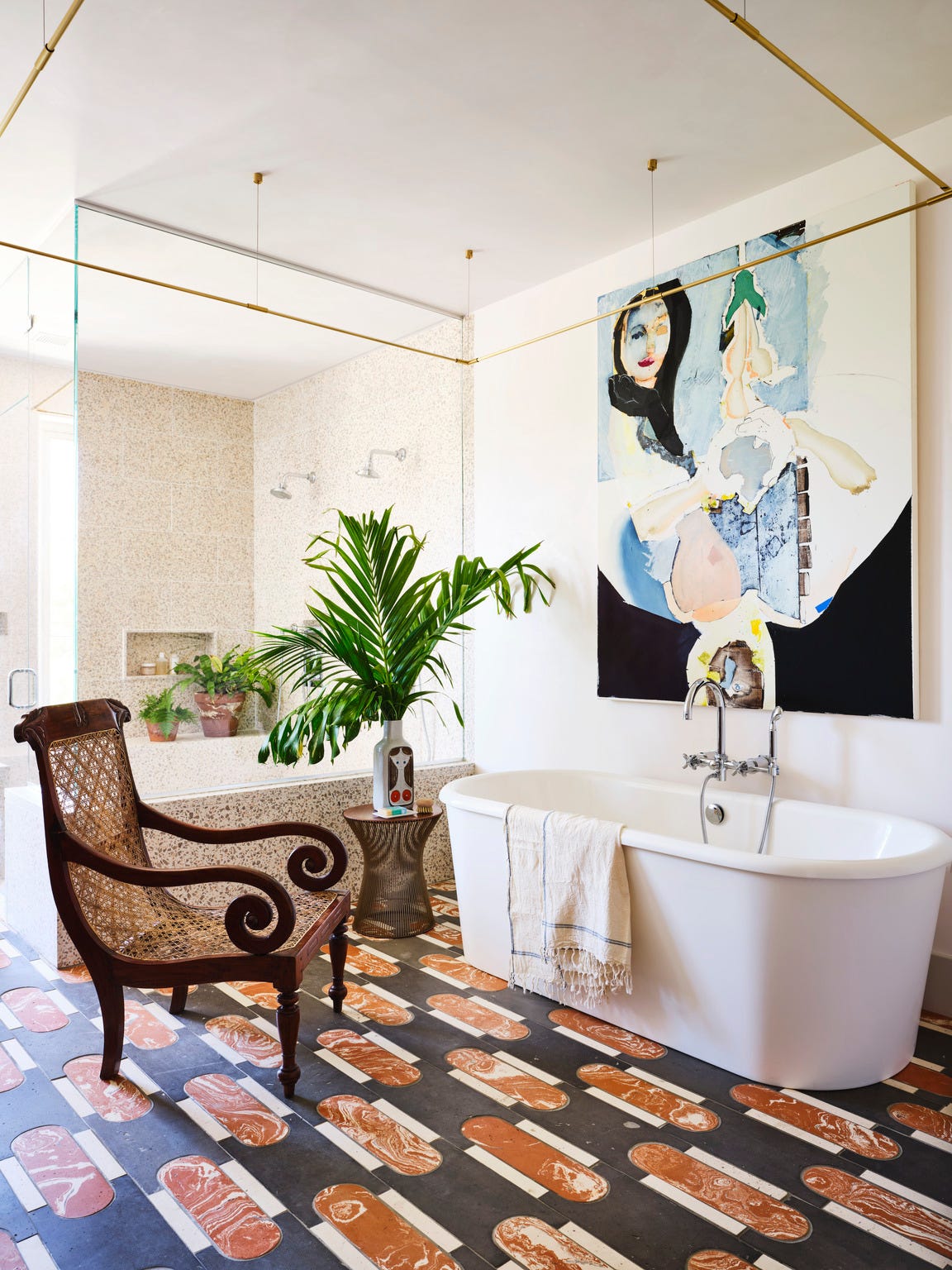
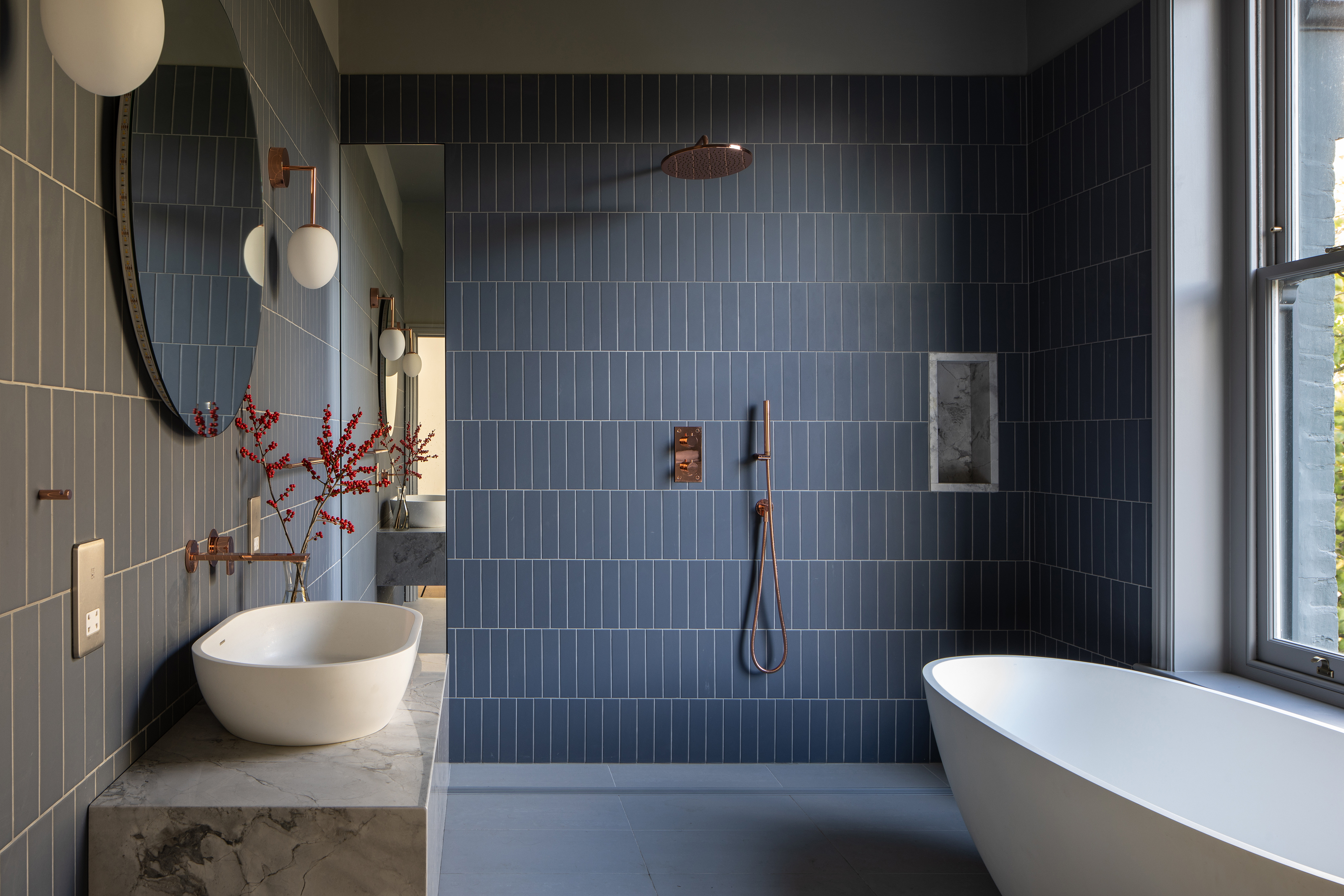
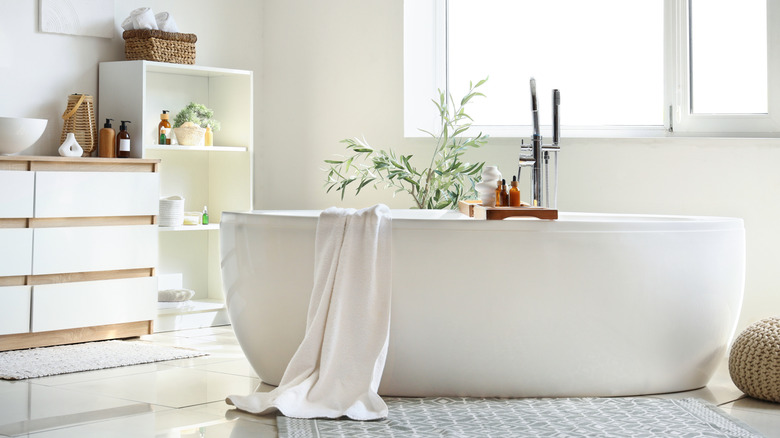
Spa-inspired bathrooms are becoming the new standard, transforming routine activities into restorative experiences. This trend incorporates elements like soaking tubs, walk-in steam showers, warm stone surfaces, and natural textures to create a relaxing atmosphere. The focus is on individual comfort, using soft finishes, calming color palettes, and thoughtful layouts to encourage a sense of tranquility. This design approach is seen as enduring, tapping into the fundamental desire for spaces that support mental and physical well-being.
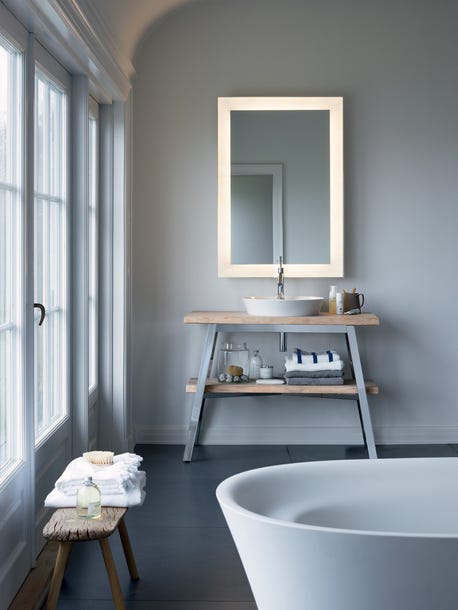
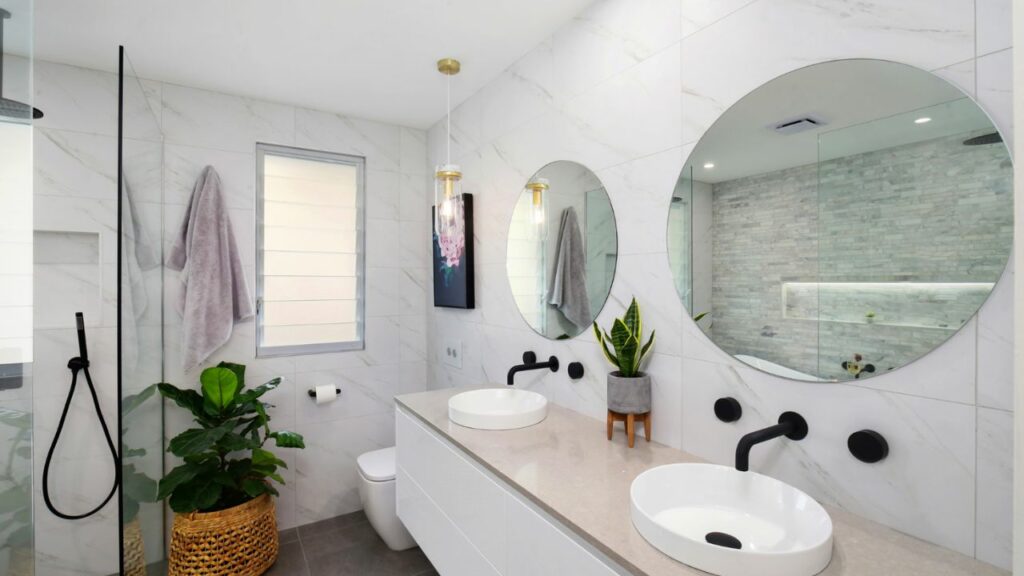
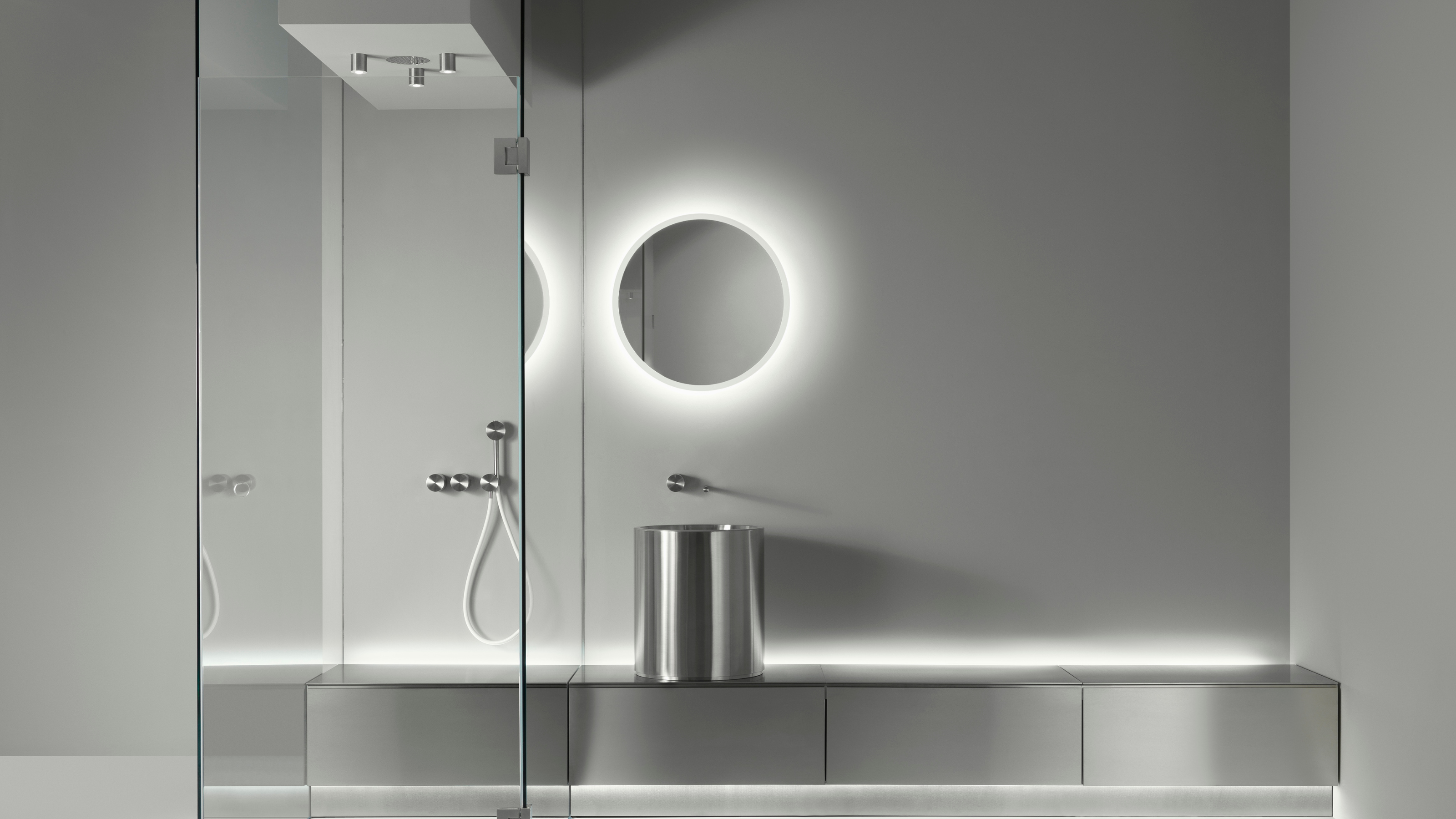
Smart mirrors are integrating seamlessly into bathrooms, offering enhanced functionality without disrupting the serene aesthetic. These mirrors often include built-in LED lighting with adjustable brightness and color temperature, as well as defogging technology, making daily tasks easier and more personalized. They contribute to a more sustainable choice with energy-efficient LED lighting, supporting the shift towards adaptable and thoughtfully designed bathrooms.
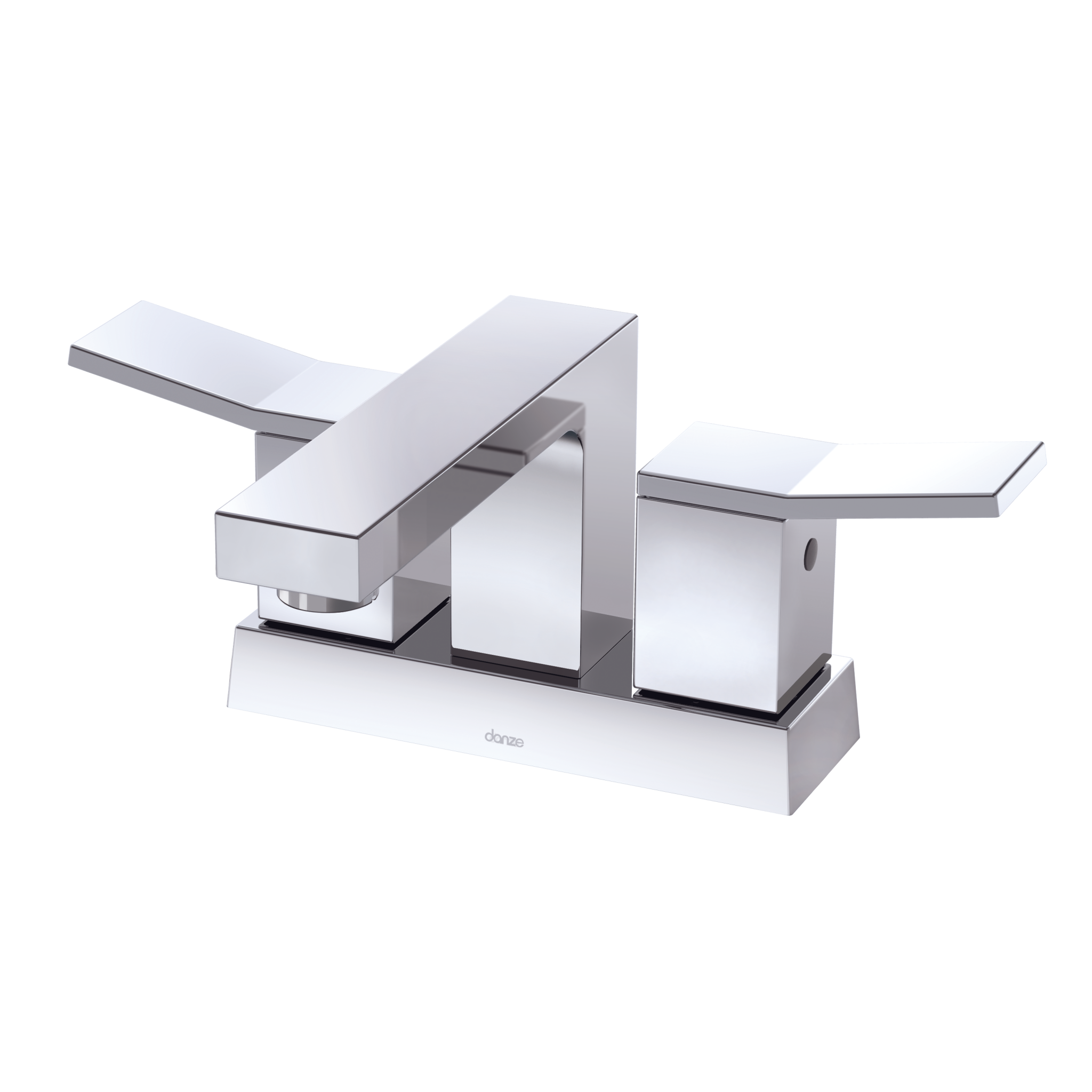
Touchless fixtures are gaining popularity due to increased emphasis on hygiene and ease of maintenance. Hands-free faucets and soap dispensers reduce germ spread and are designed to blend into modern minimalist aesthetics. Beyond cleanliness, these fixtures offer practical benefits like water conservation through motion sensors and safety features such as preset temperatures to prevent burns. They are becoming less of a luxury and more of a long-term, thoughtful solution in modern bathroom design.
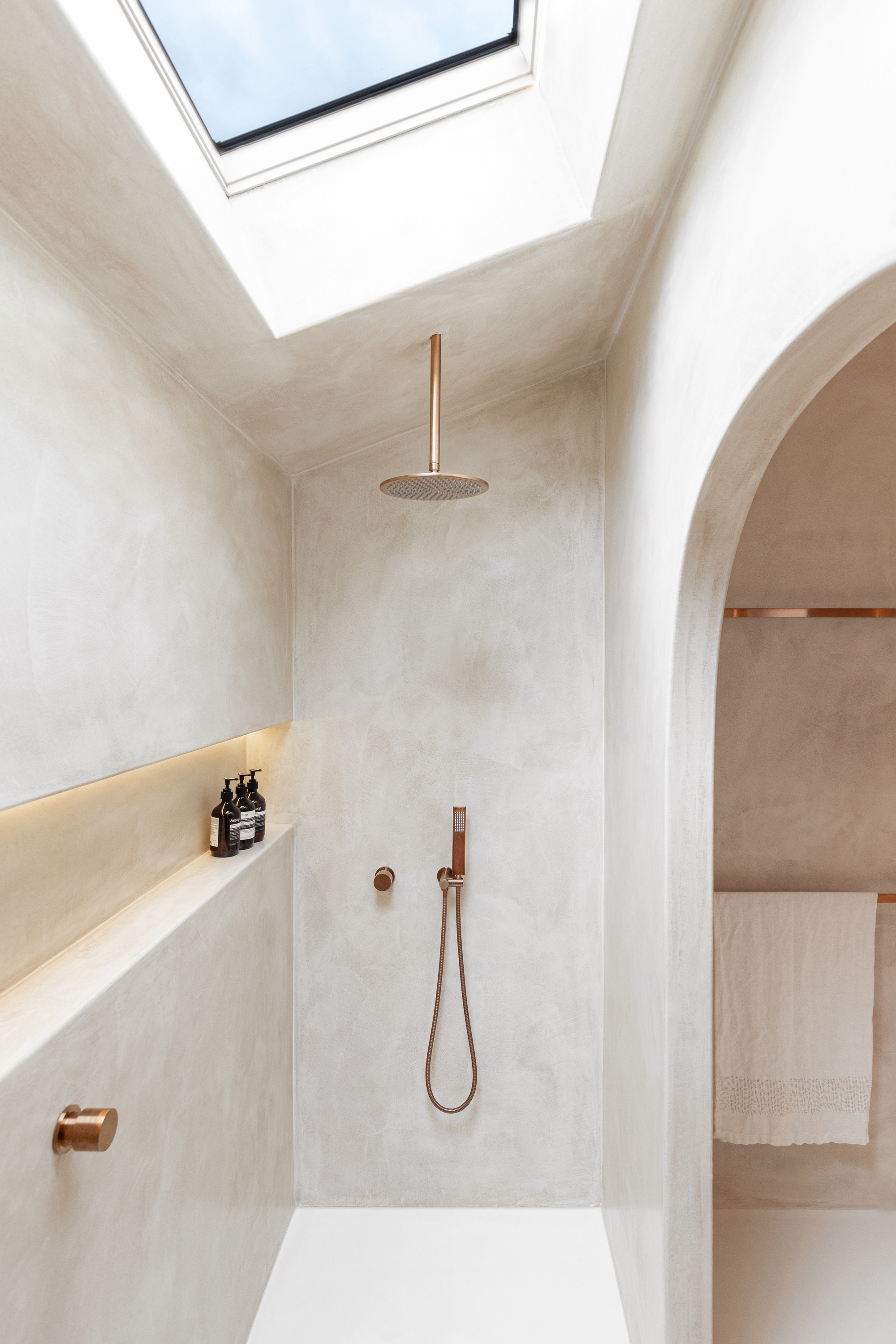
Chromotherapy and hydrotherapy are taking center stage, utilizing colored light and water pressure to enhance physical comfort and emotional well-being. Chromotherapy, integrated into showers and tubs, allows users to adjust the mood with different color hues, while hydrotherapy features like targeted jets and rainfall showerheads aim to ease muscle tension and improve circulation. These additions seamlessly integrate into daily routines, enhancing the experience without requiring extra steps and reflecting a design philosophy that prioritizes how spaces make people feel.
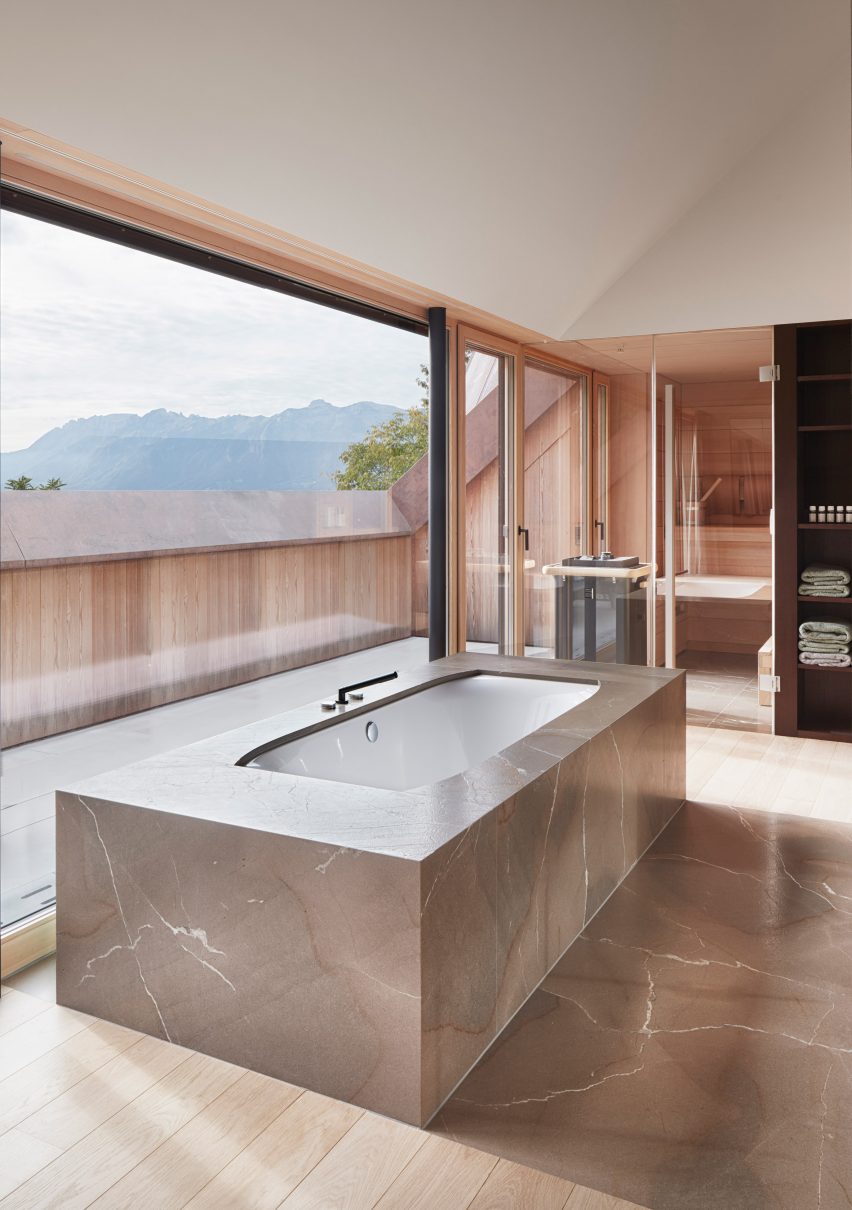
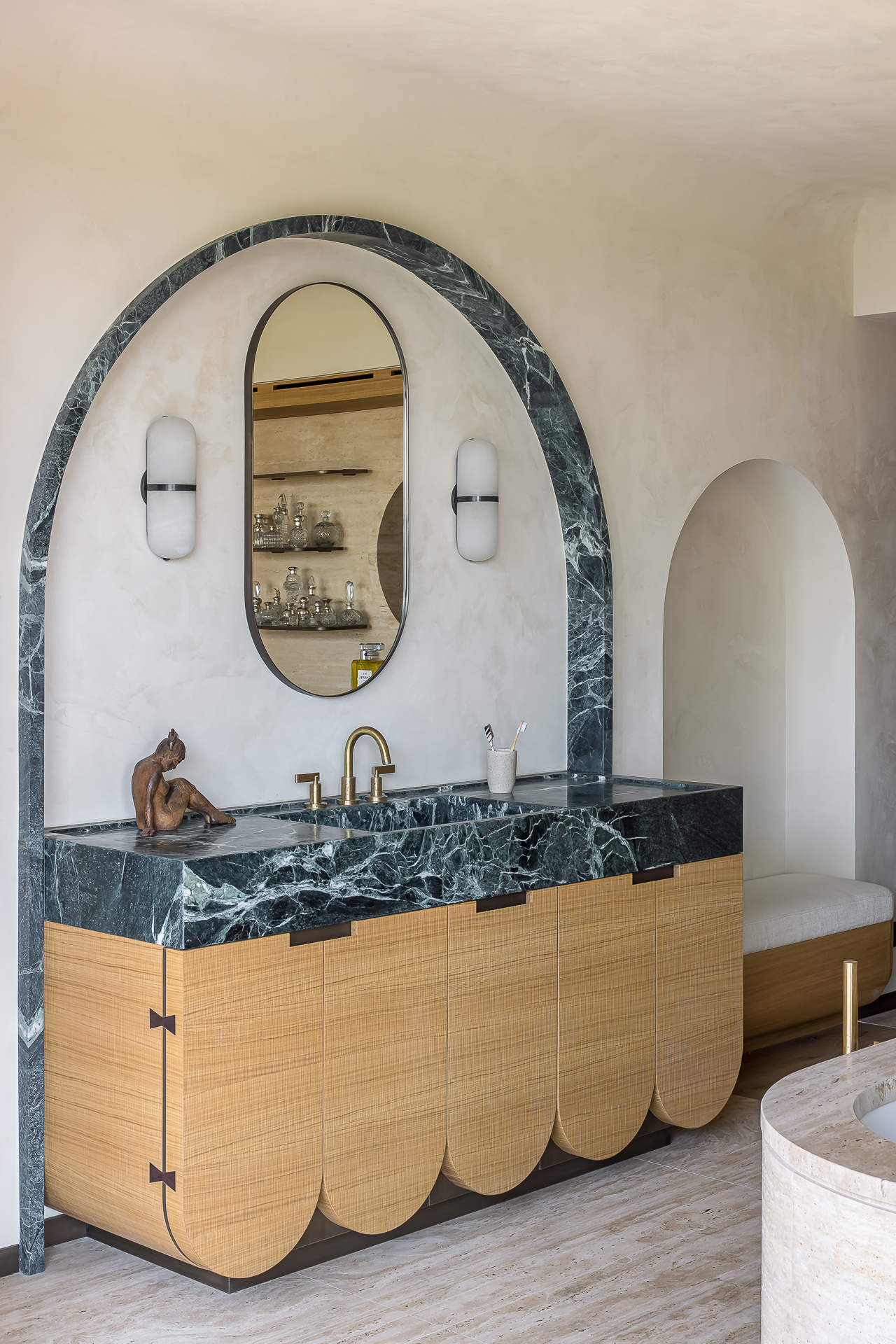
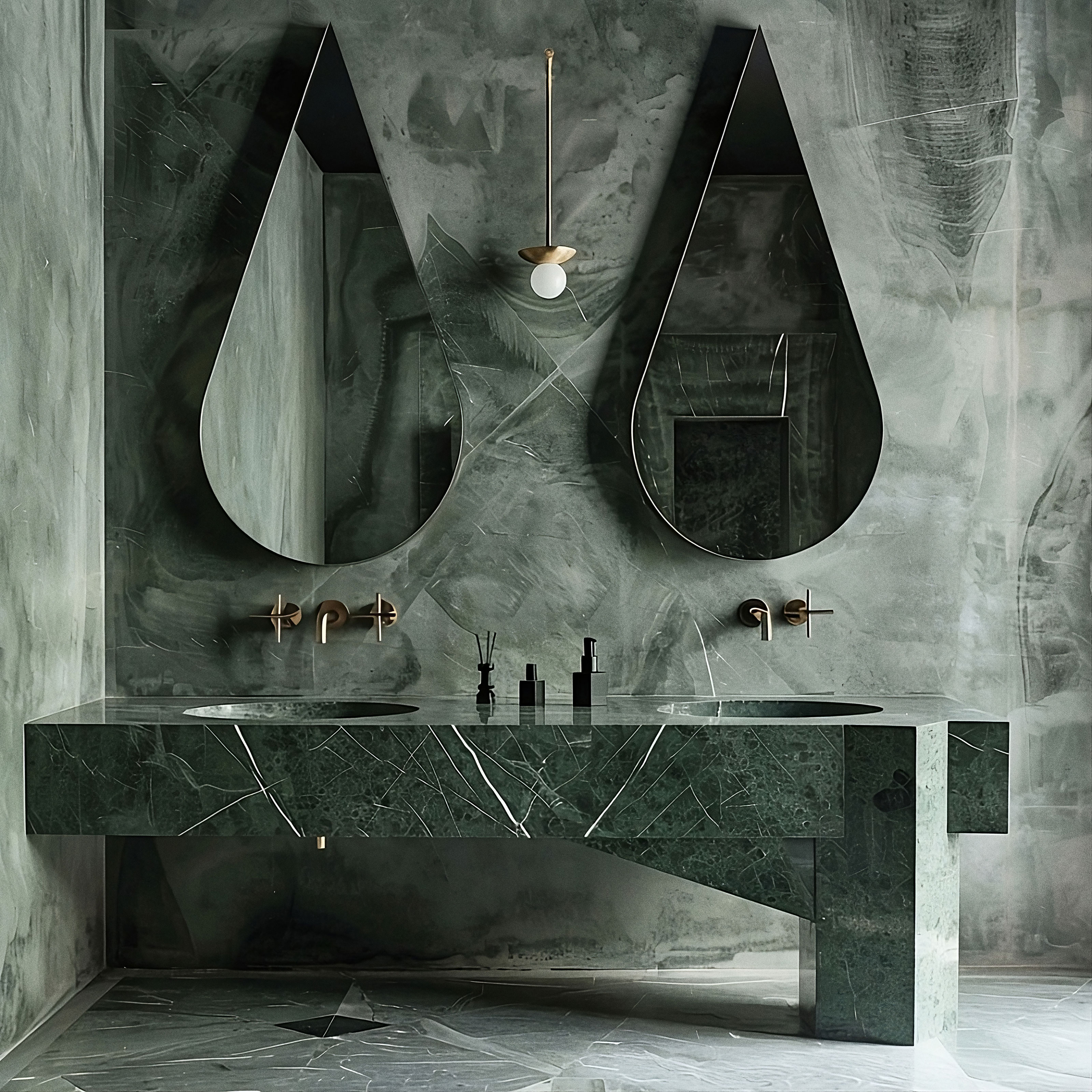
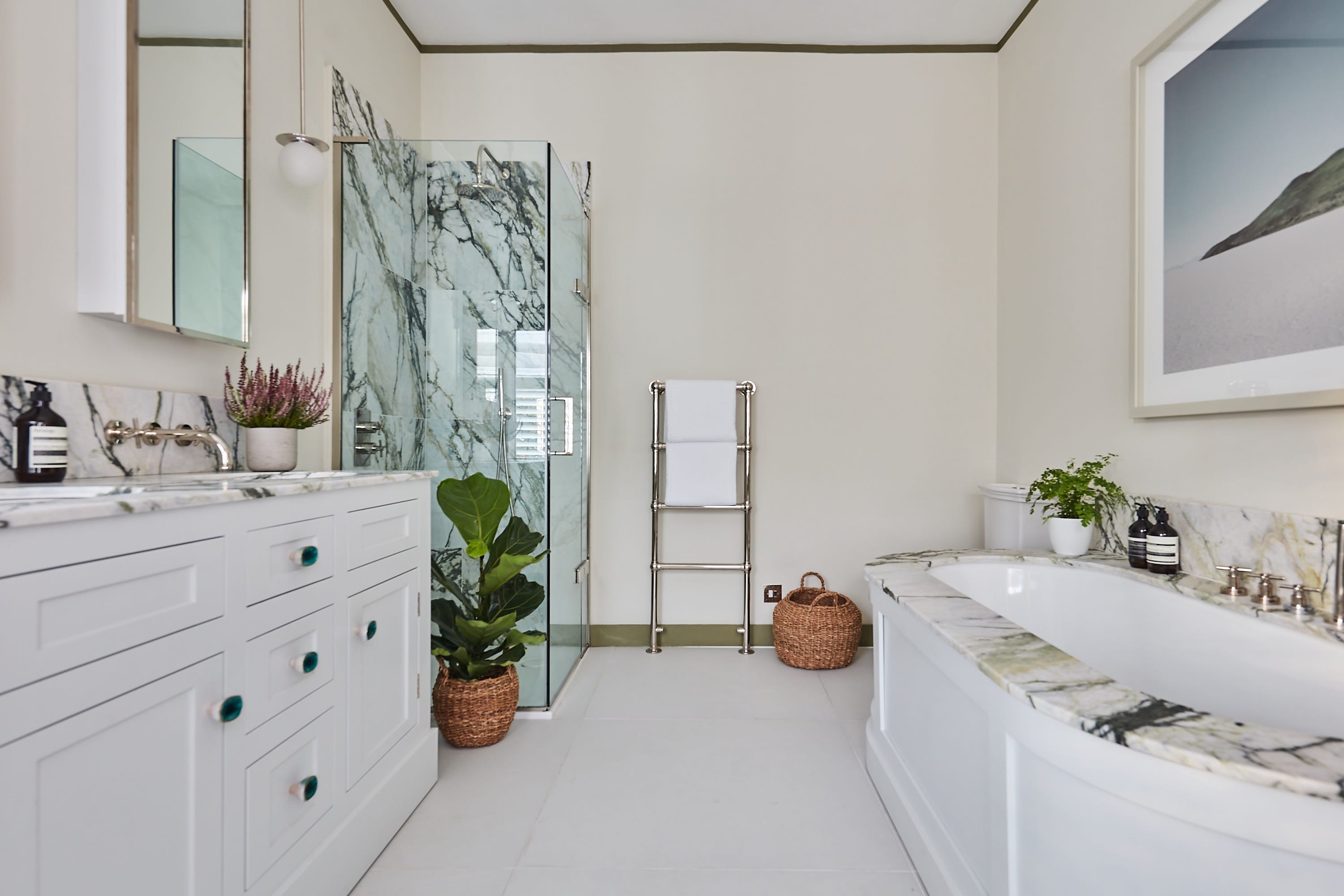
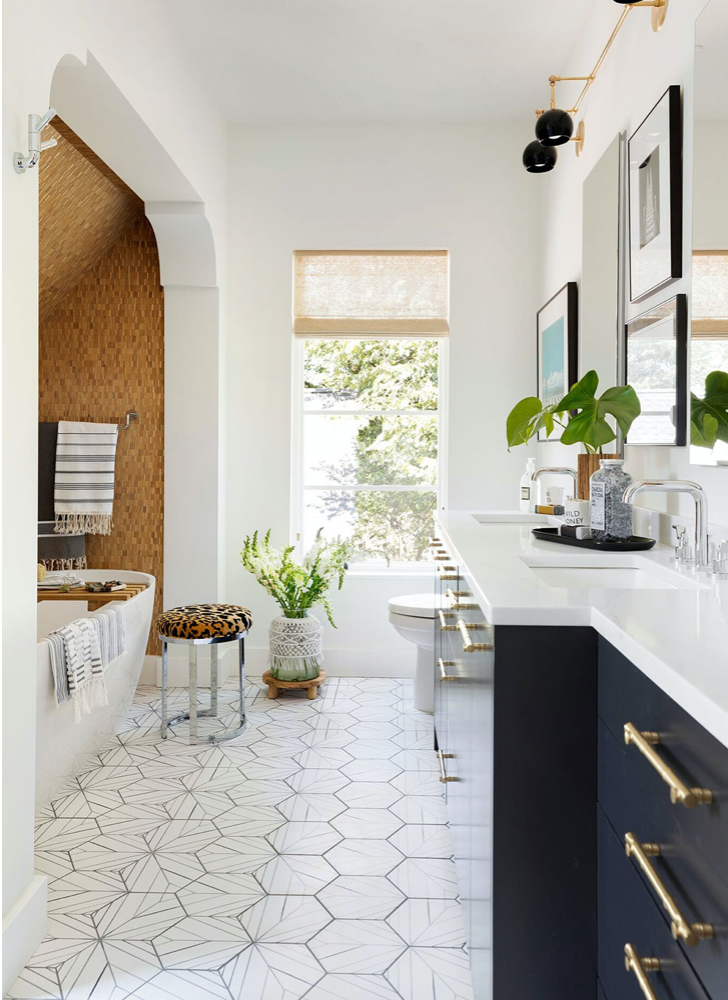
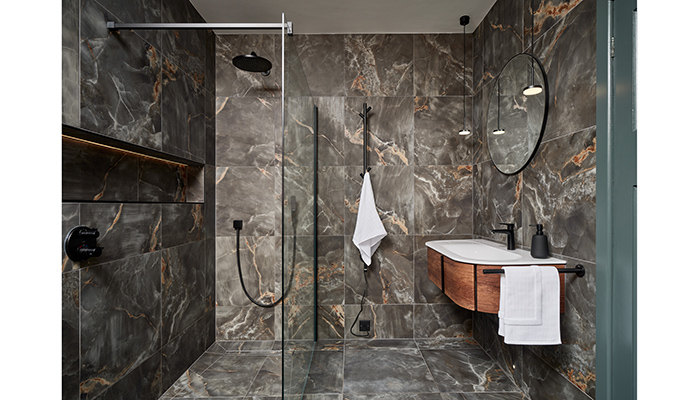
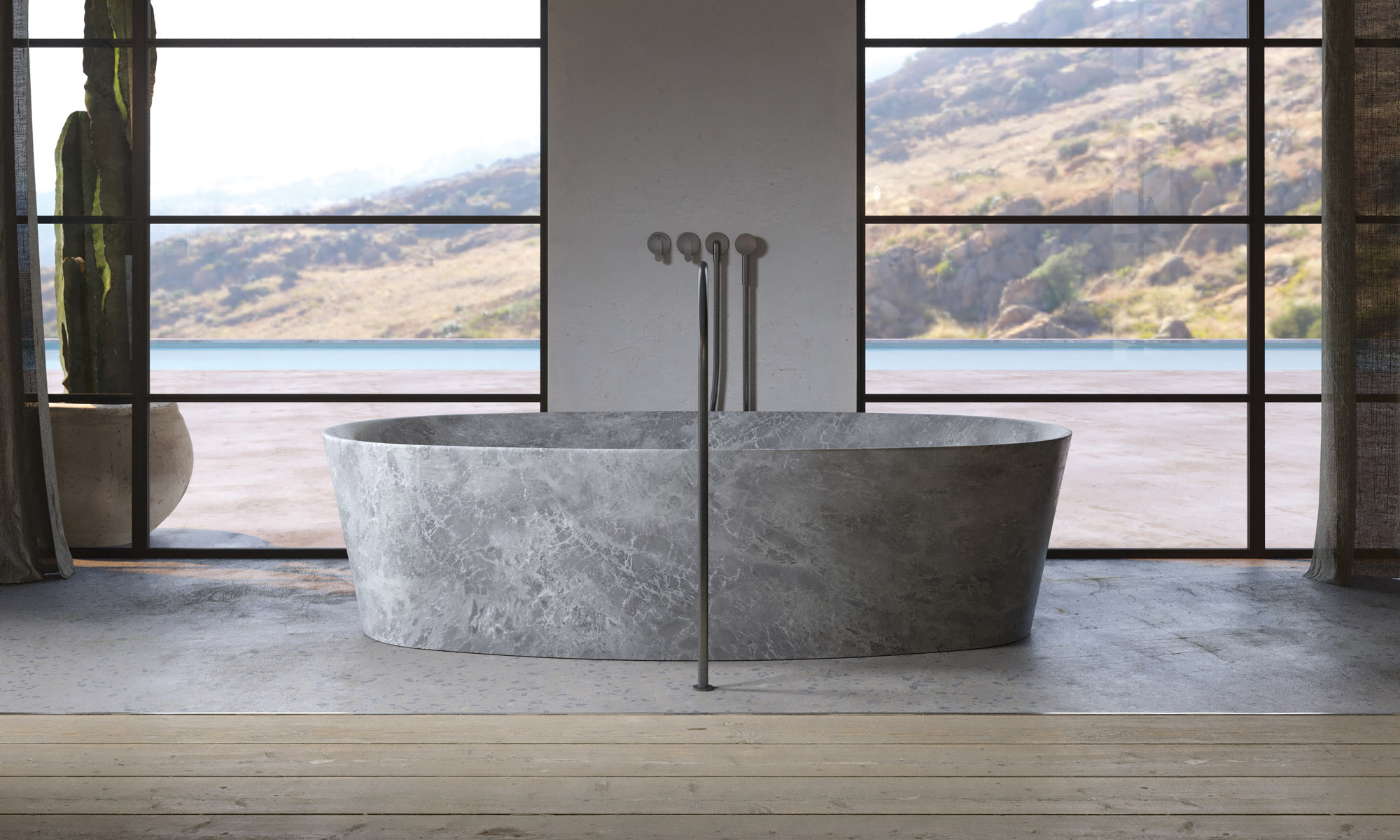
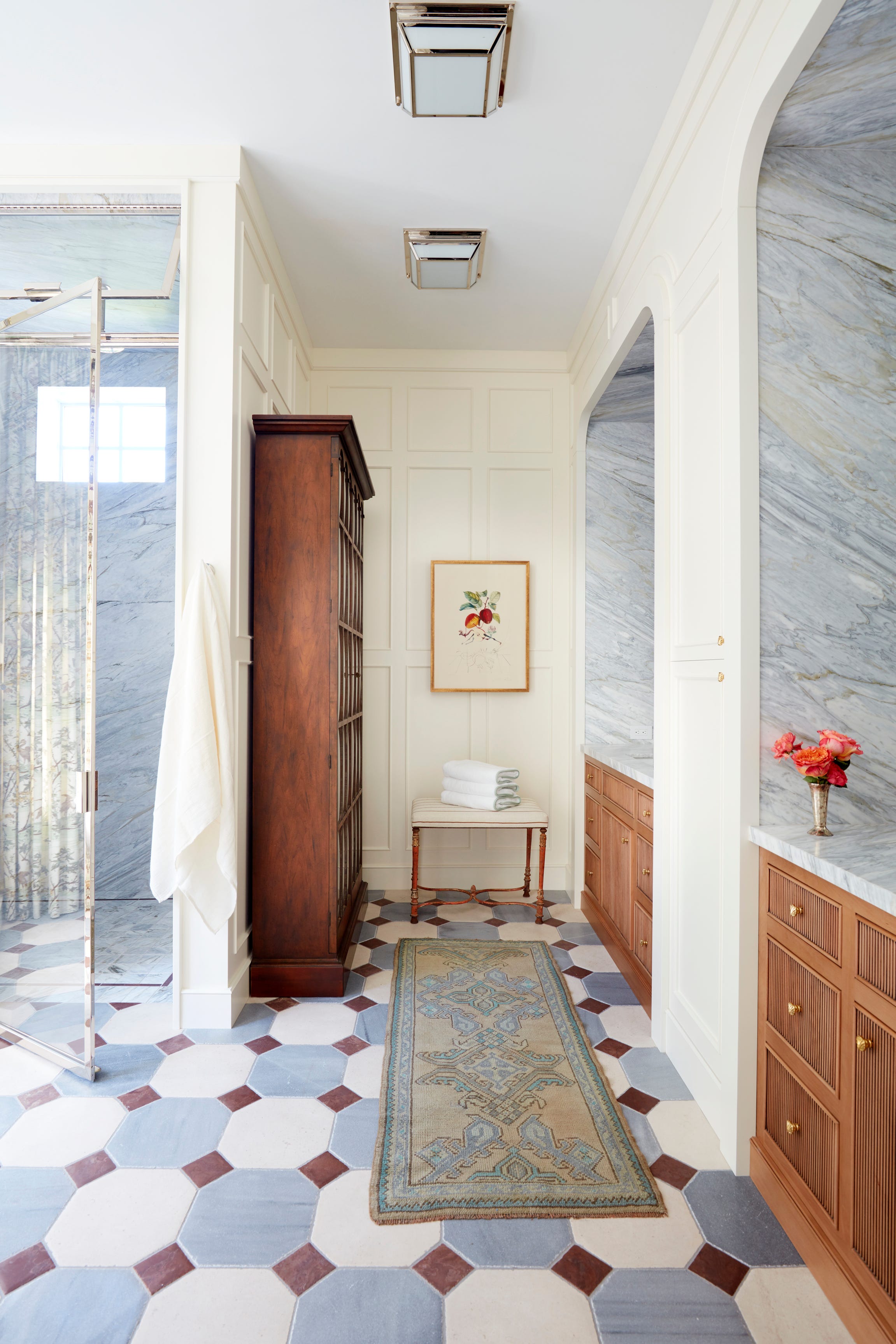
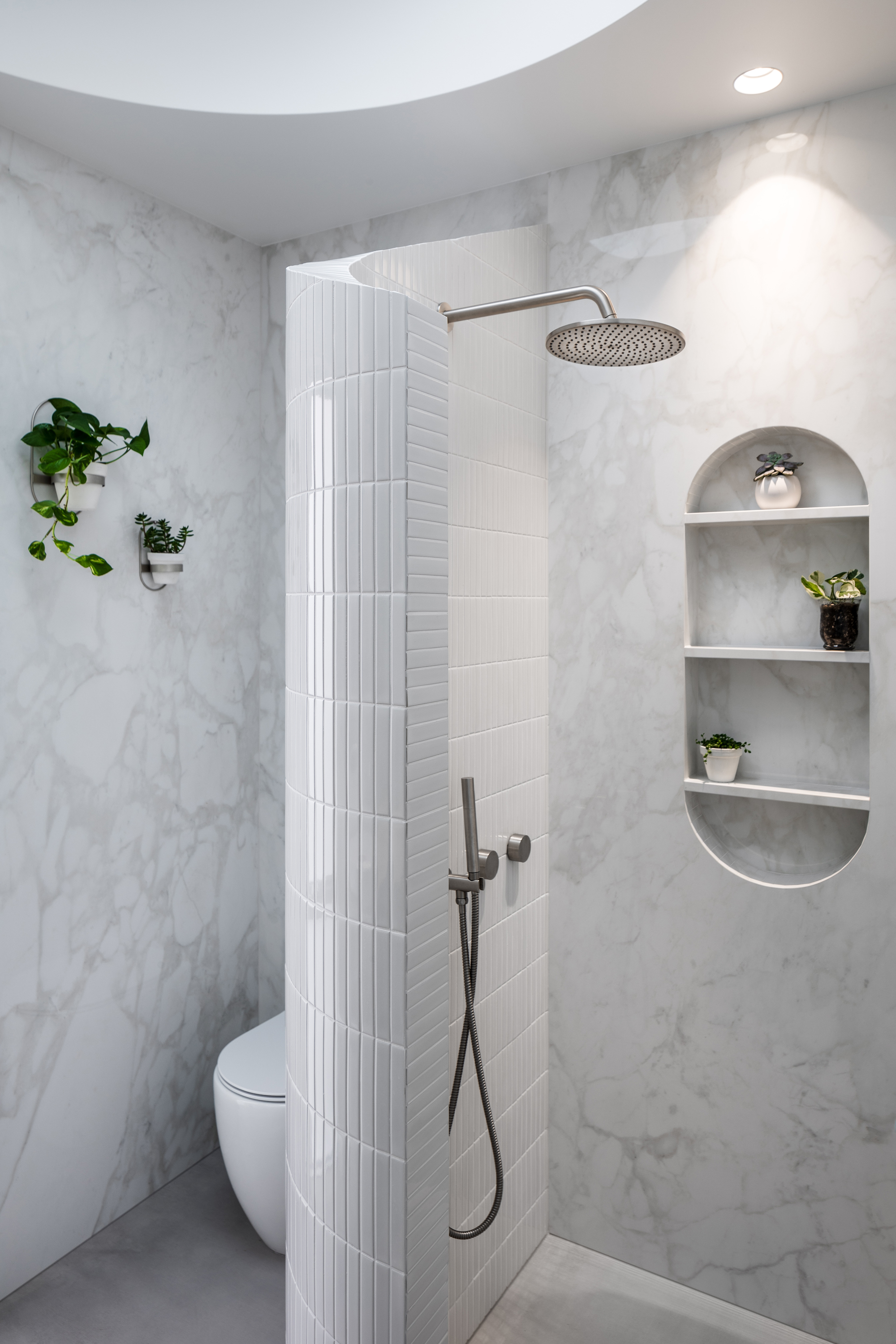
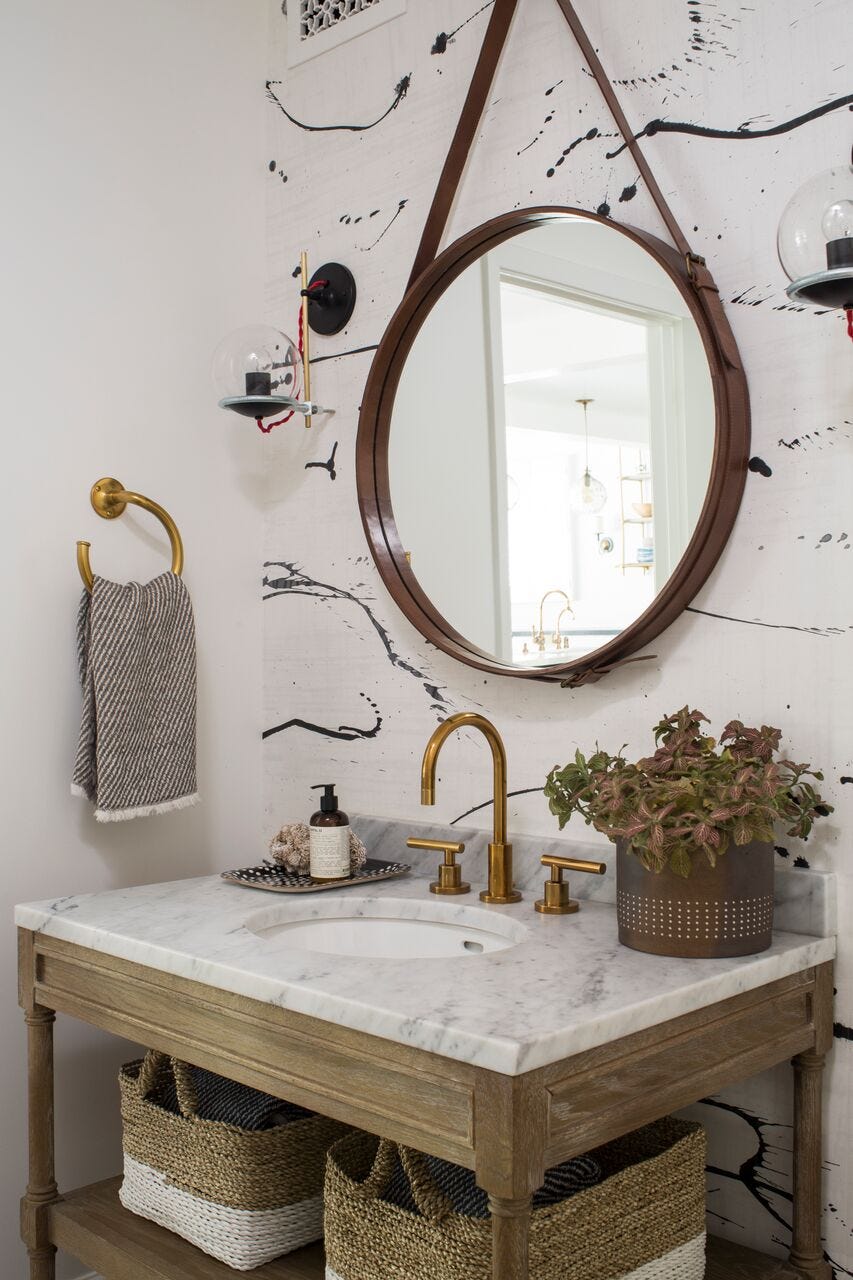
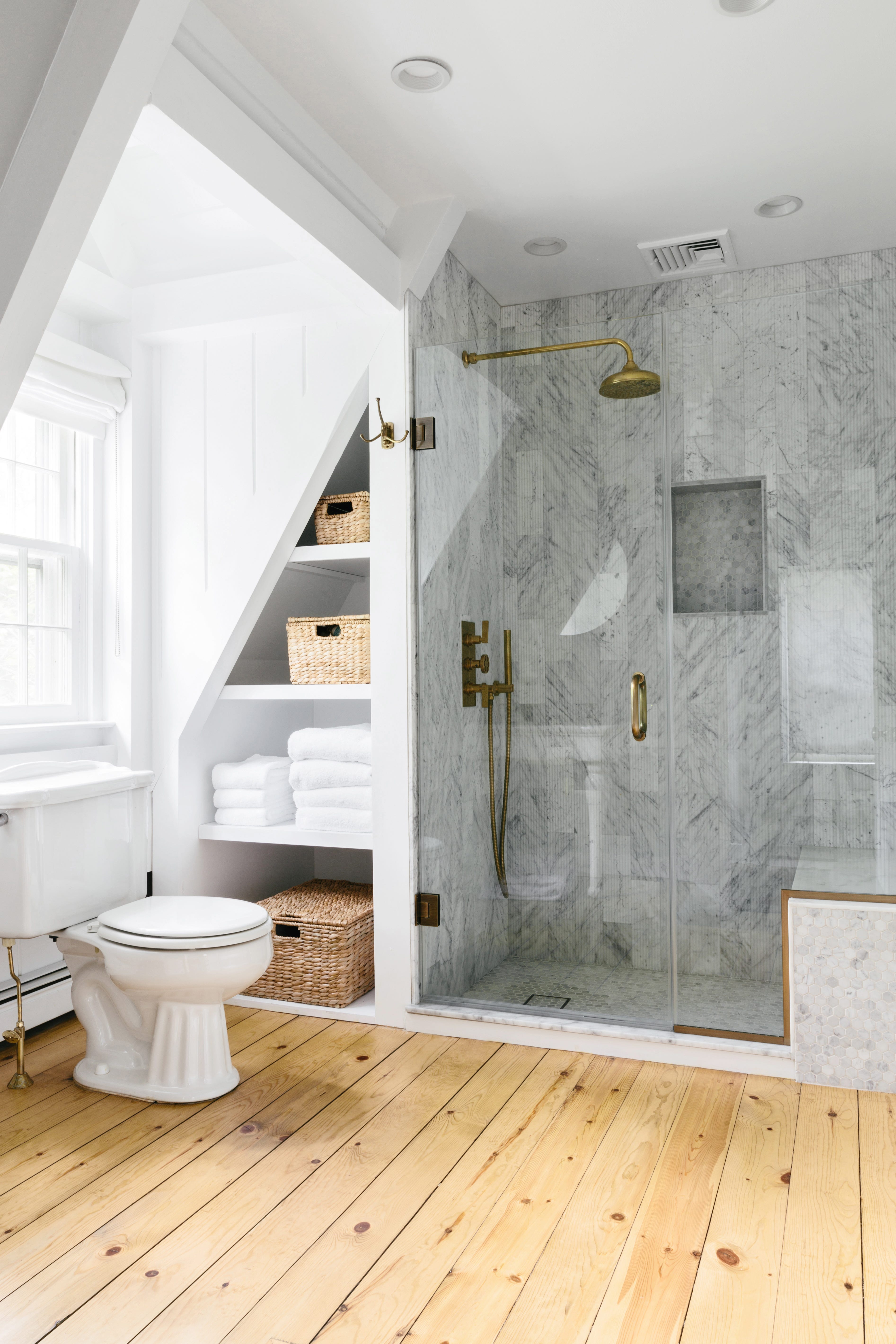
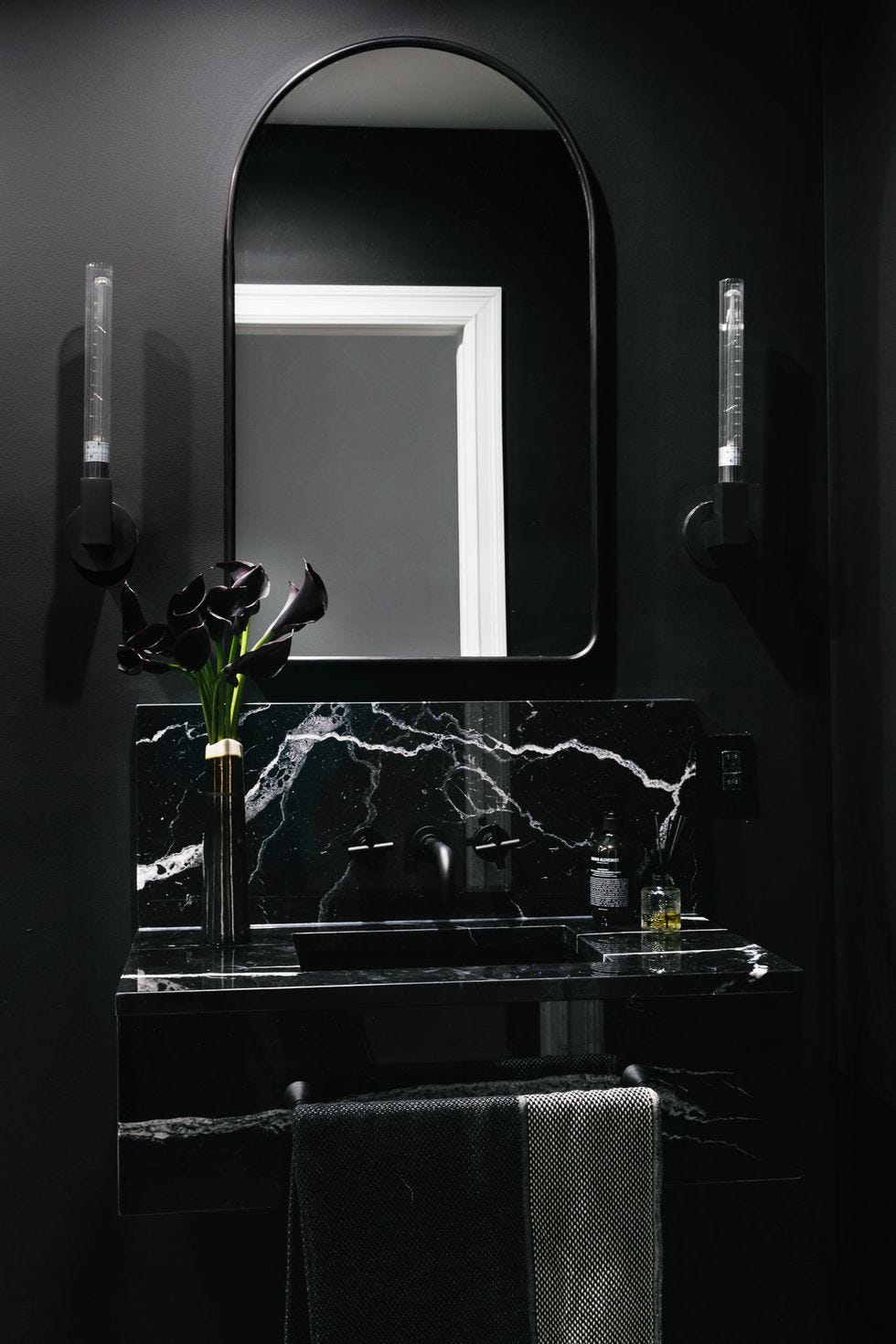
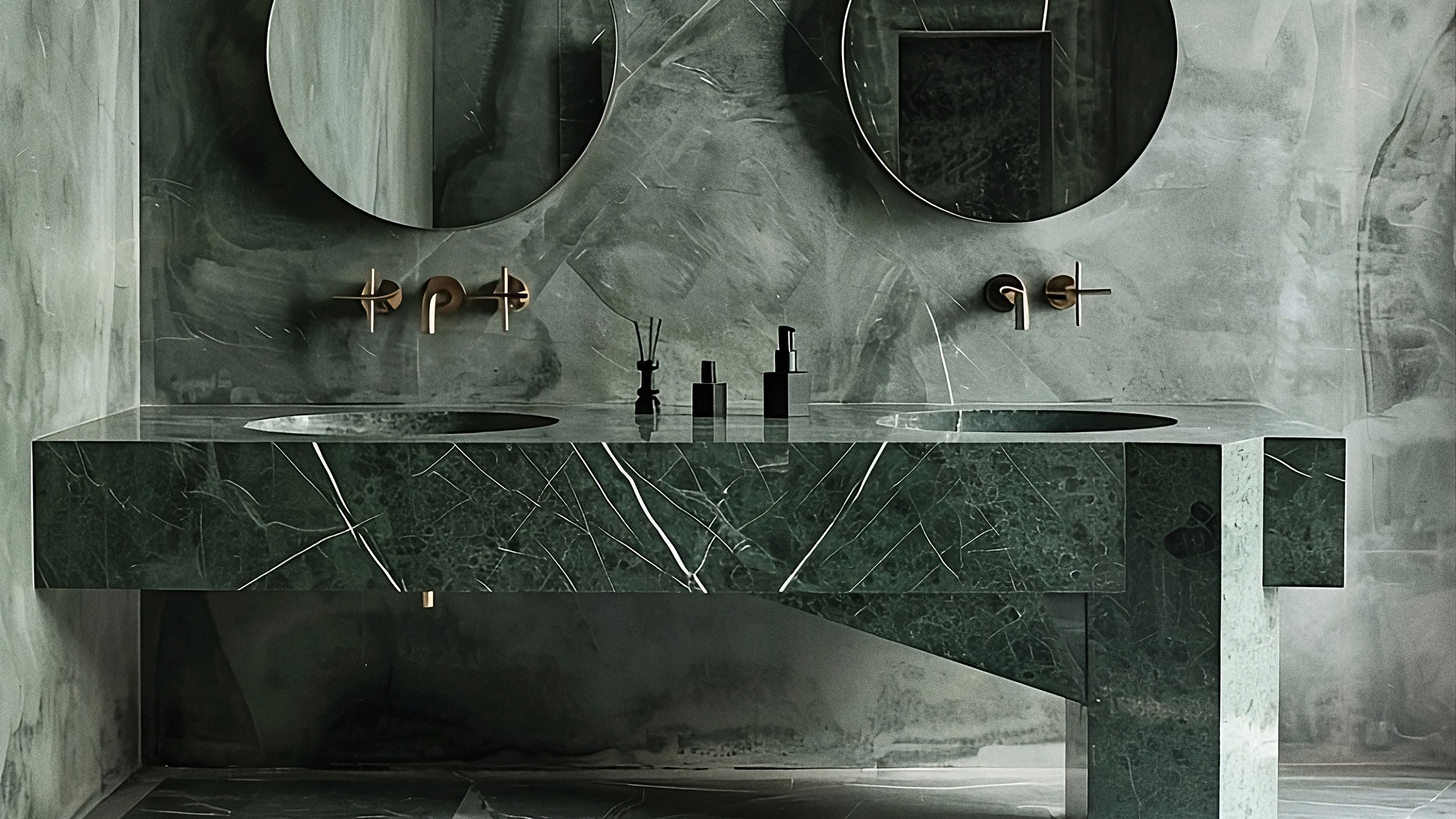
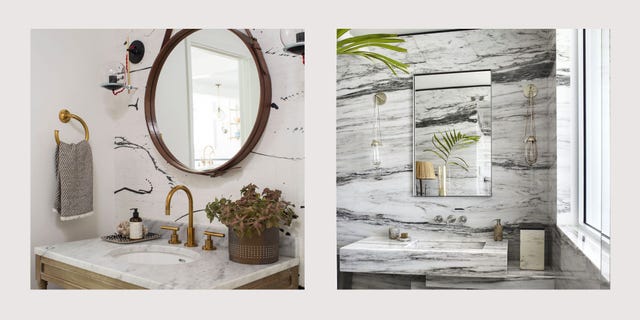
Statement stone and natural materials are replacing synthetic finishes, bringing depth and individuality to bathrooms. Materials like marble, travertine, and granite offer unique imperfections and tonal shifts, creating warm, inviting spaces. Their durability and heat retention contribute to a comfortable environment, and they age gracefully, offering a timeless appeal. This shift reflects a preference for authenticity and permanence, investing in materials that are enduring and adaptable rather
than fleeting trends.
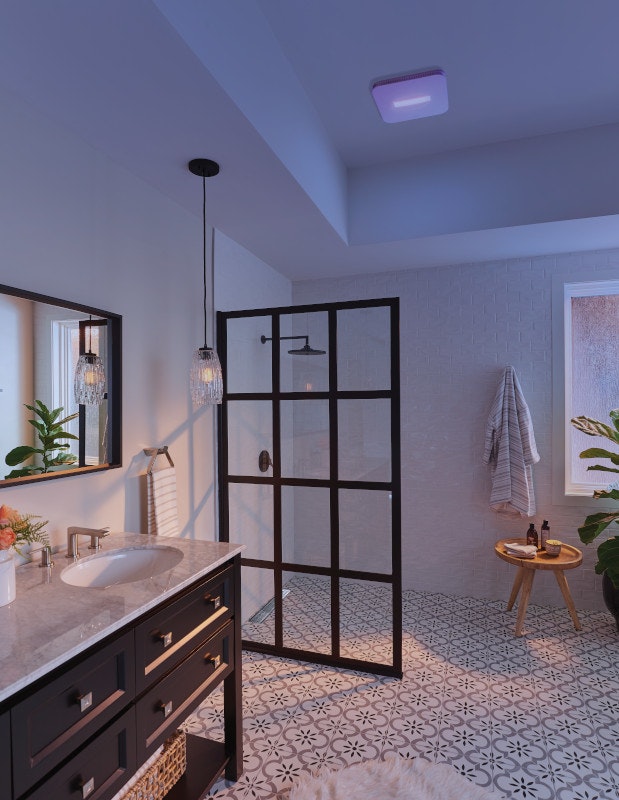
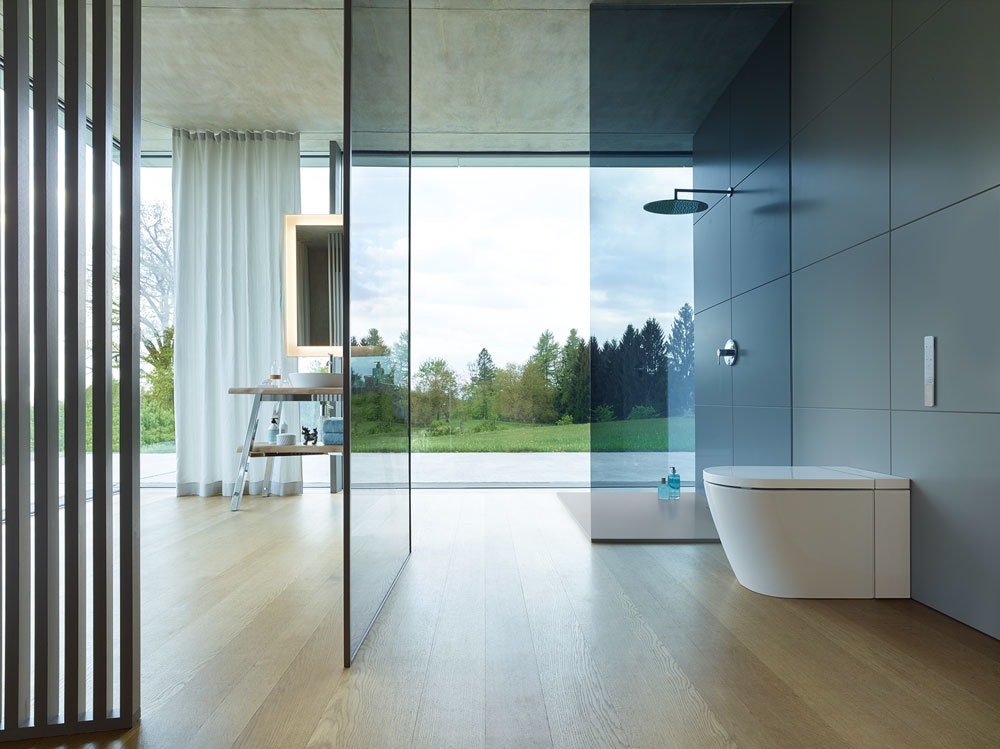
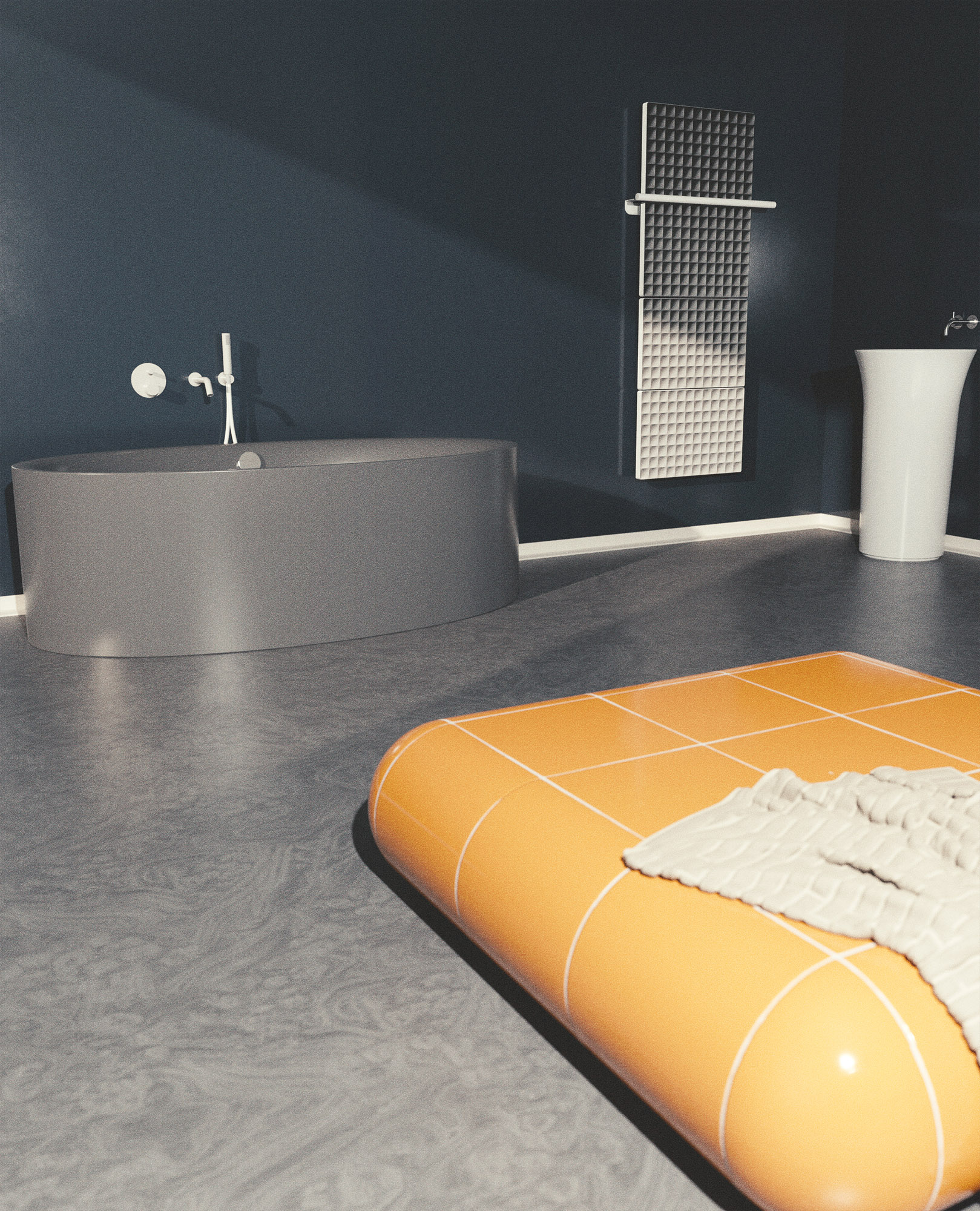
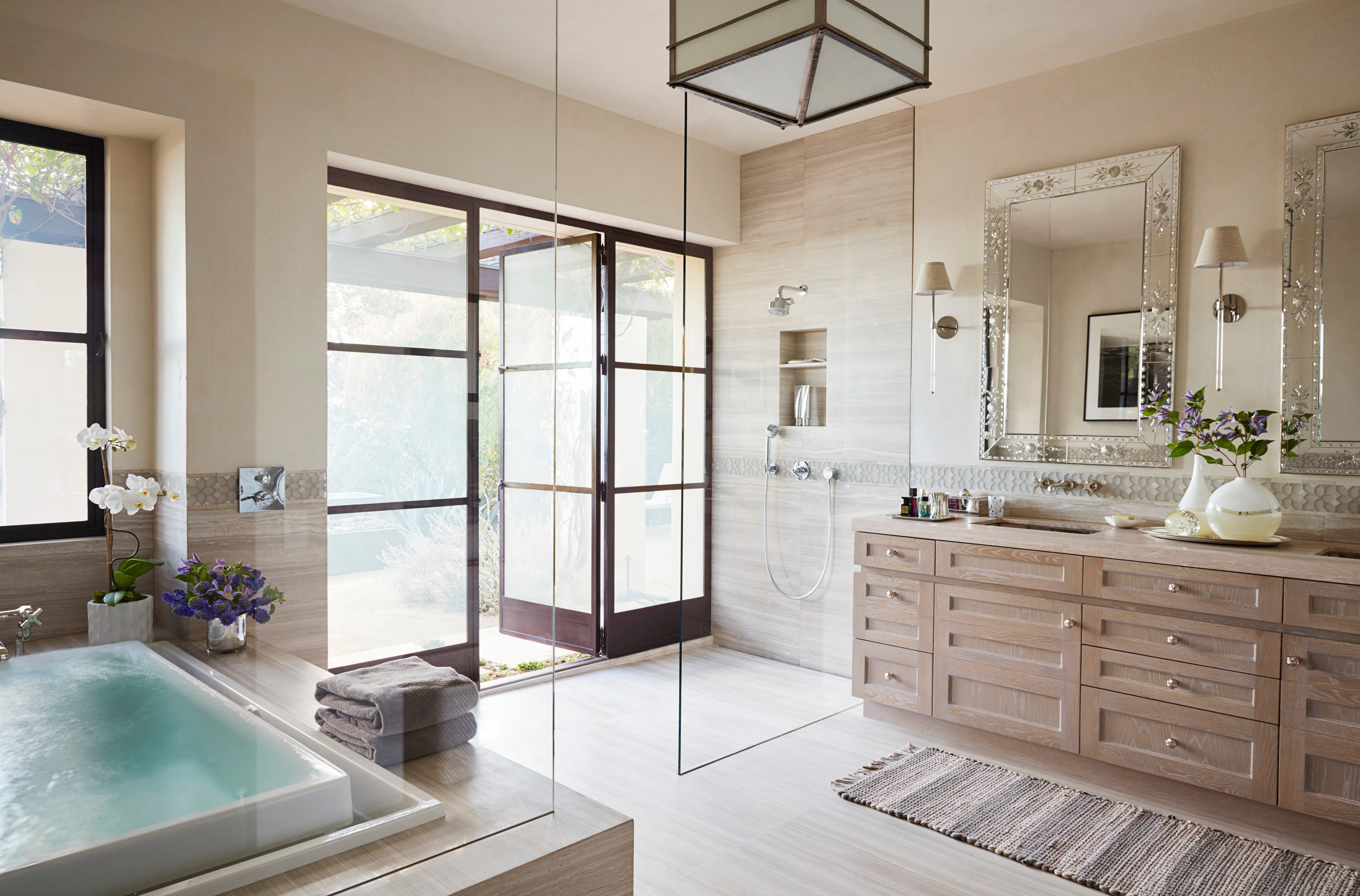
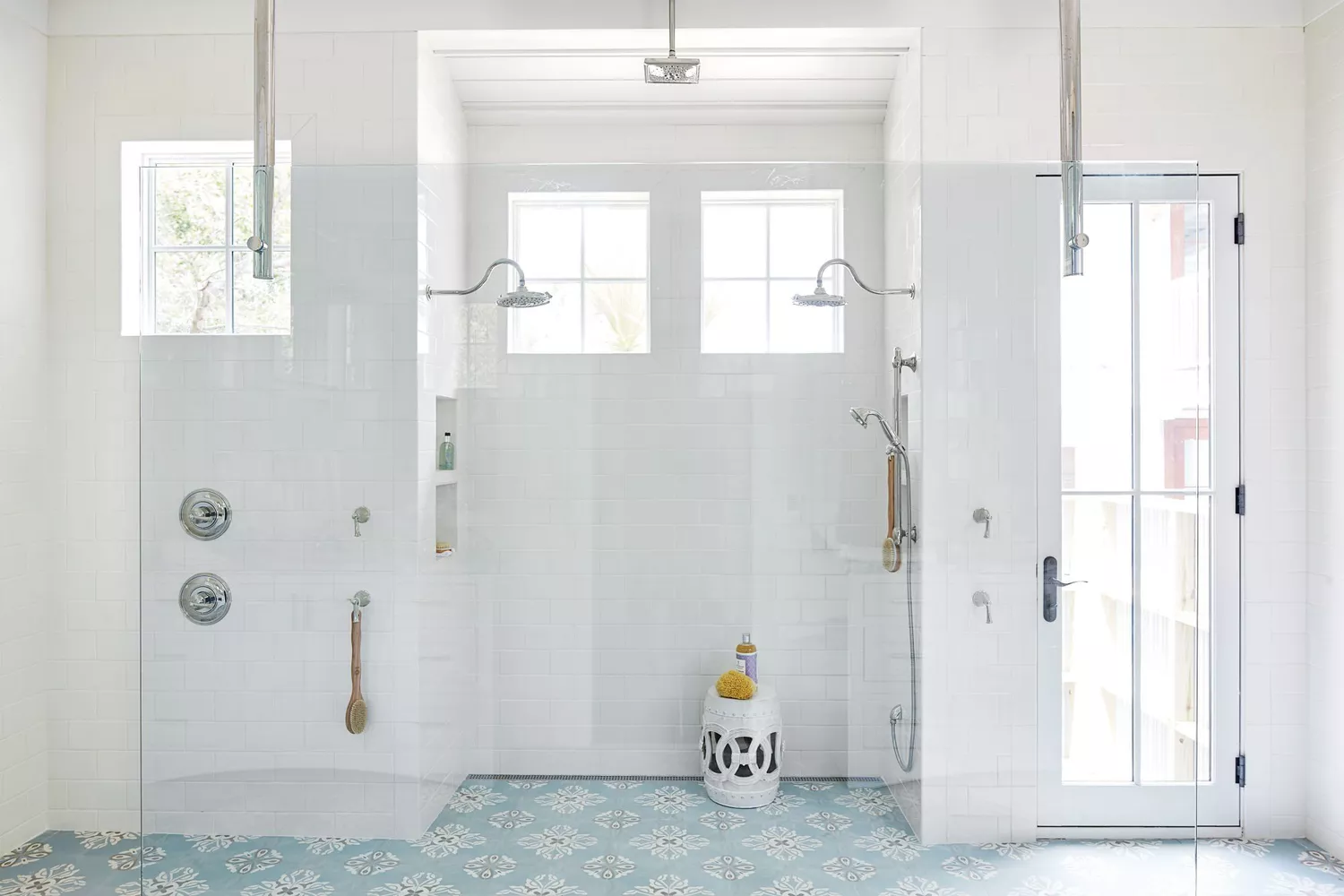
Wet rooms are redefining bathroom layouts by removing traditional barriers, creating larger, more cohesive spaces. This open approach is visually appealing and highly functional, especially in smaller homes. Wet rooms are also practical for long-term use due to fewer seams and joints, making them easier to clean and more accessible. They offer flexibility in layout and improve safety and ease of movement, aligning with a broader shift towards user-friendly and adaptable design.
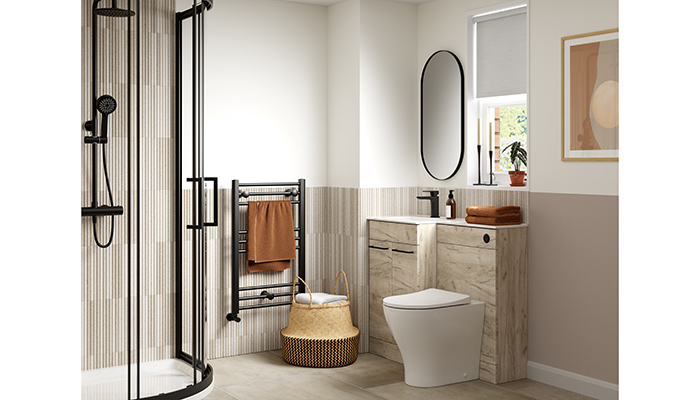
Heated features, once exclusive to luxury settings, are becoming common in residential bathrooms. Radiant floor heating, warm towel racks, and heated toilet seats significantly enhance comfort, especially in bathrooms with cold tile or stone surfaces. These elements are increasingly viewed as practical rather than indulgent, seamlessly integrating into daily routines to provide subtle, lasting comfort without changing the bathroom's visual aesthetic.
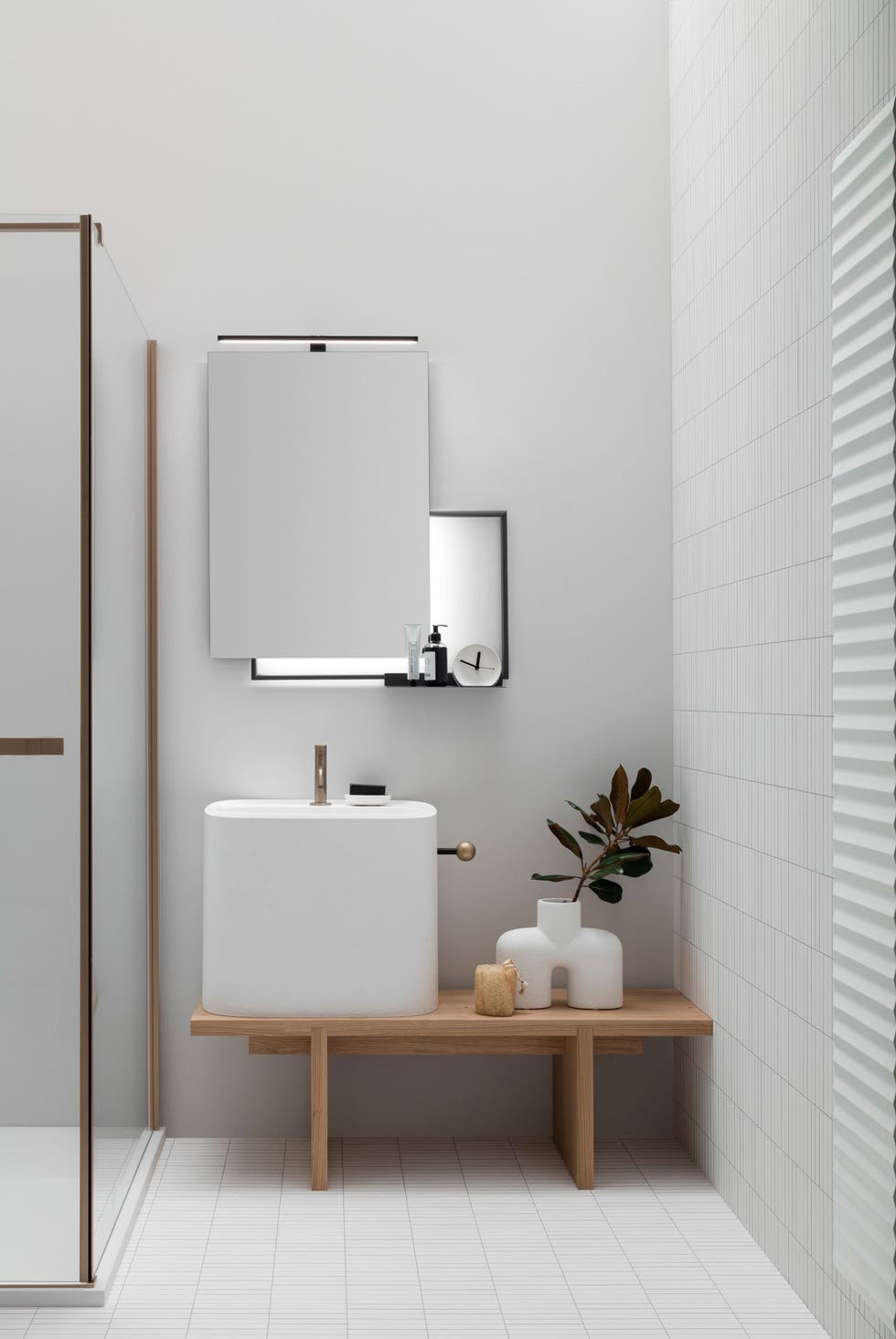
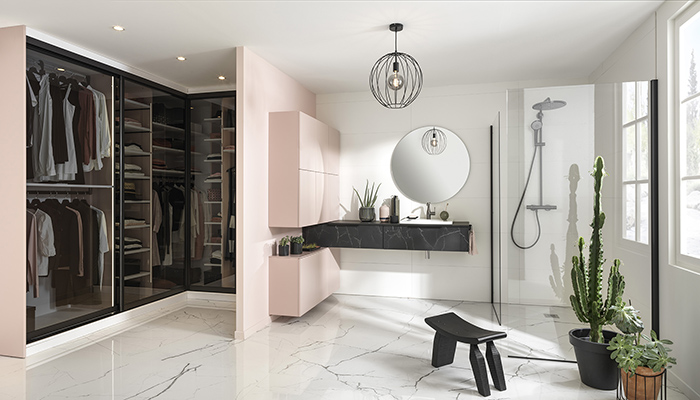
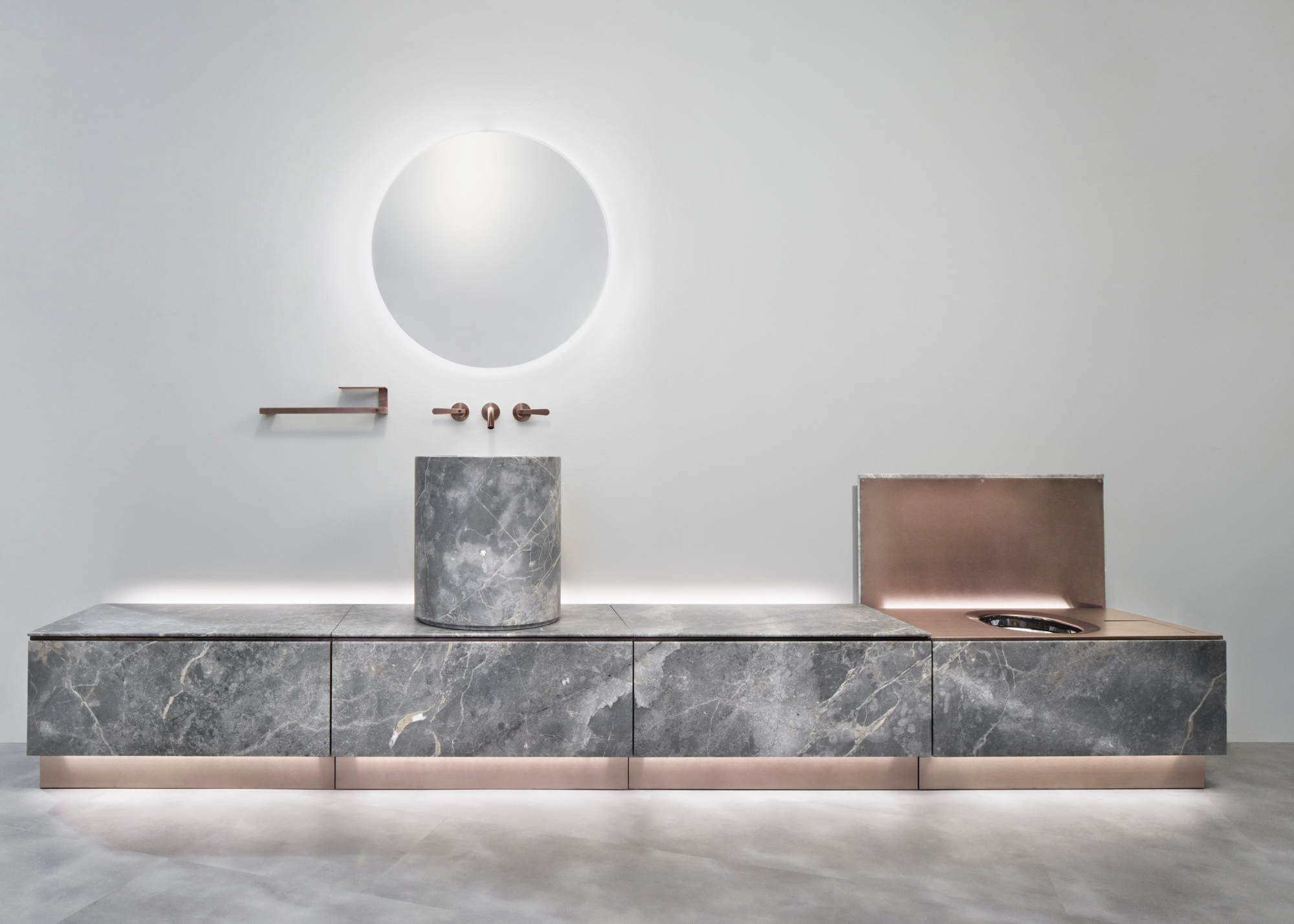
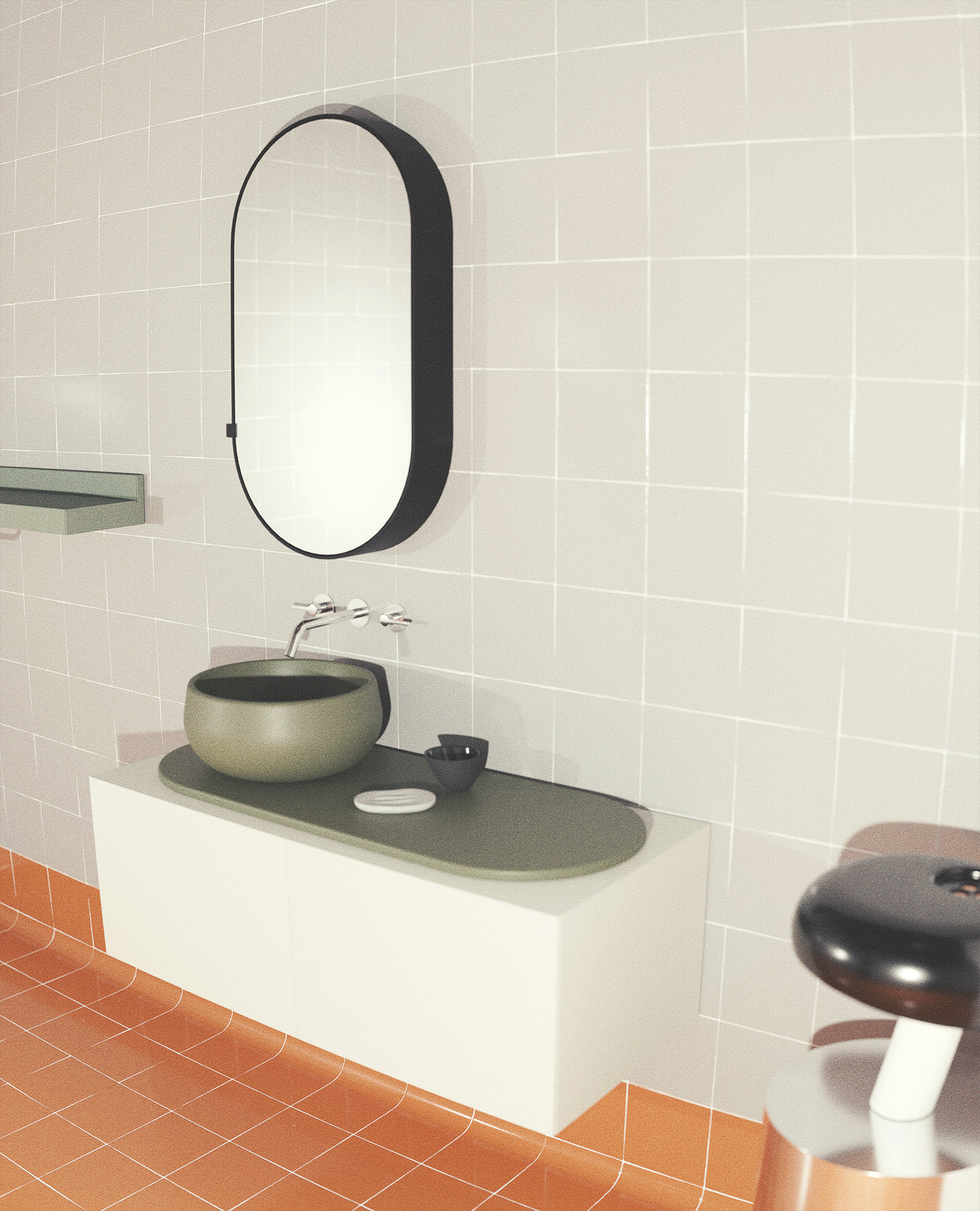
Minimalist storage solutions are designed to be quieter and more intentional, with hidden drawers and floating cabinets blending into the architecture. This approach maintains visual calm and supports a sense of restoration. Efficient storage simplifies cleaning and maintenance, offering flexibility to adapt as needs evolve without major renovations. It prioritizes thoughtful organization over sheer volume, creating practical, adaptable, and visually composed bathrooms.
Integrated sound and smart controls are promoting seamless technology integration in bathrooms, with centralized systems managing lighting, sound, temperature, and water settings. These systems create an intuitive experience, often accessible via voice command, keeping the focus on comfort. They are designed to be discreet, supporting routines without interruption, and smart water assistants further aid in reducing waste. This technology prioritizes efficiency and ease, making bathrooms feel calm and responsive.
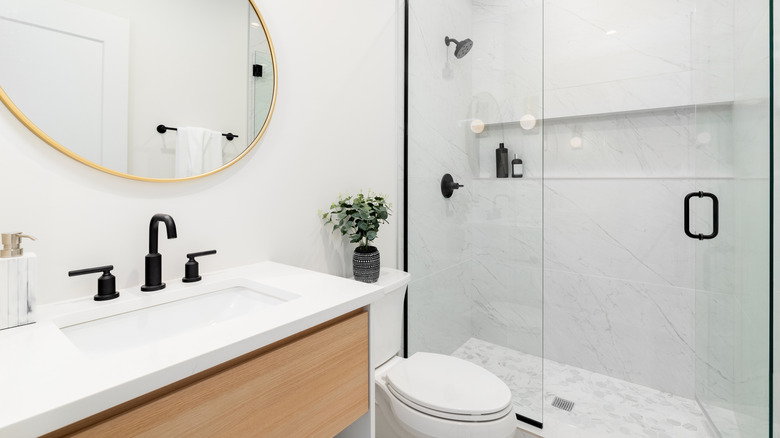
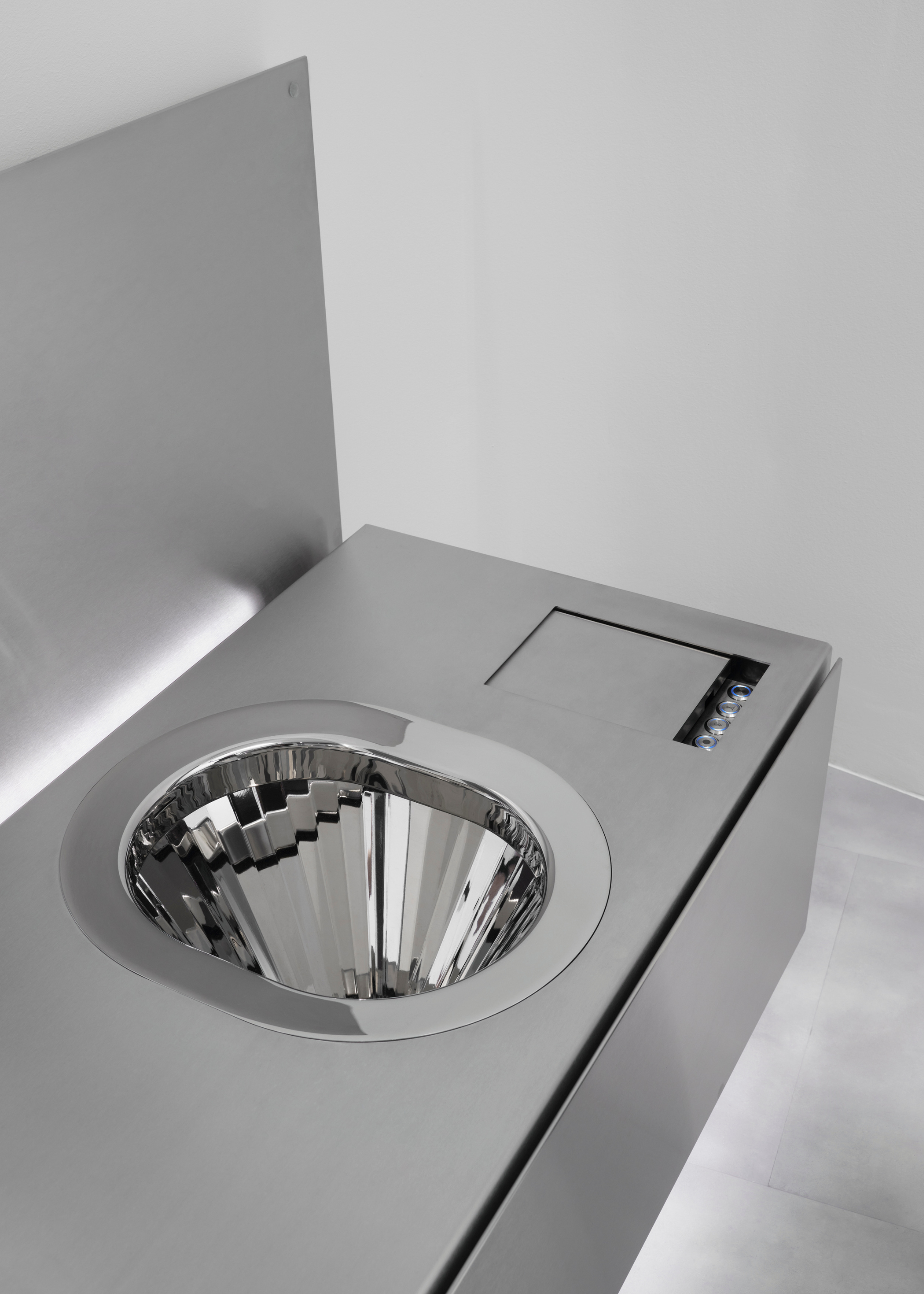
Accessibility is now a key design consideration, with features like walk-in showers, wall-mounted toilets, and discreet grab bars blending seamlessly into modern interiors. This thoughtful integration improves safety and ease of movement while maintaining a contemporary look. Accessible design benefits everyone, supporting long-term living and adapting to changing needs, preventing the need for future disruptive renovations. These bathrooms balance comfort with aesthetics, creating inclusive spaces without sacrificing style.
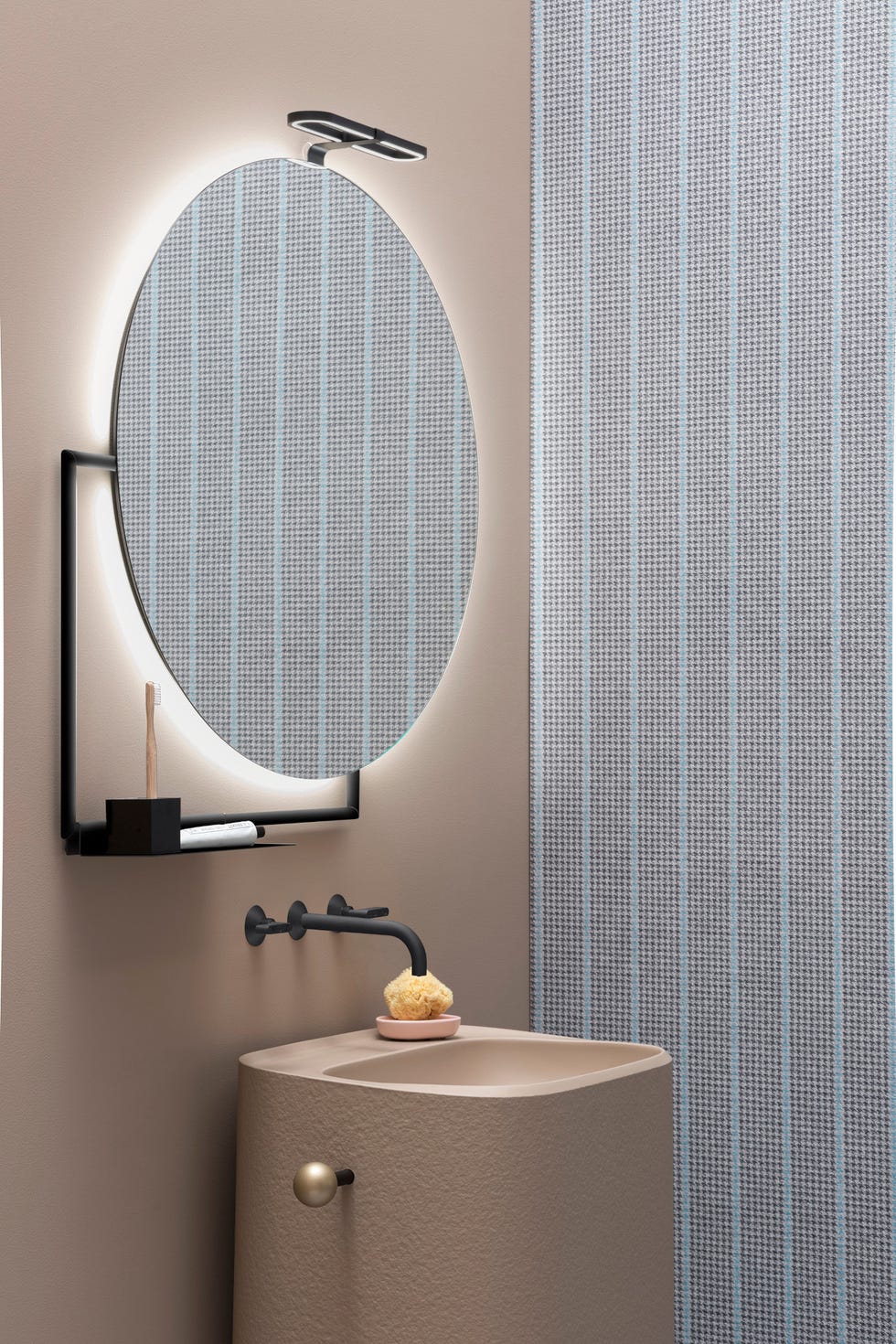
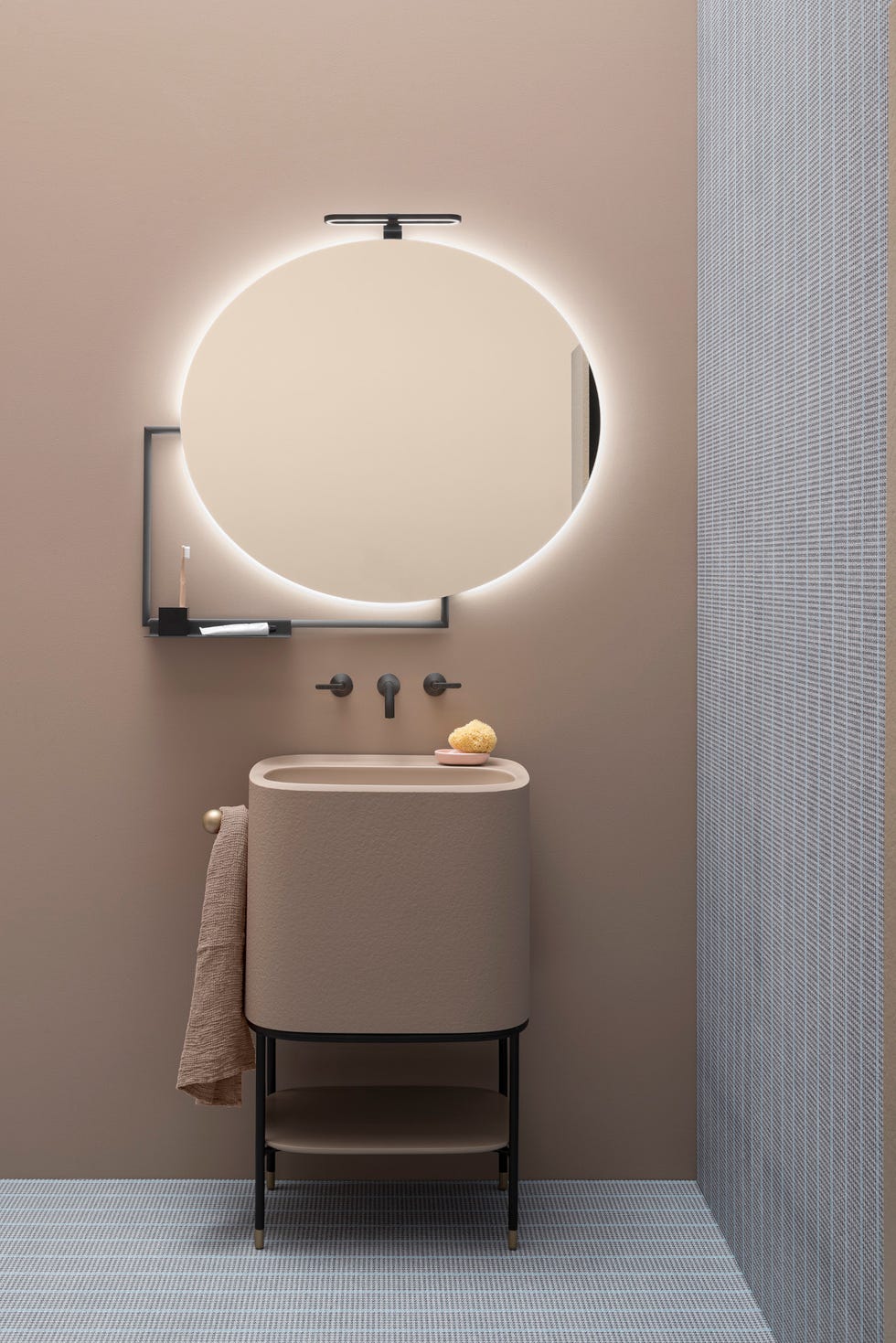
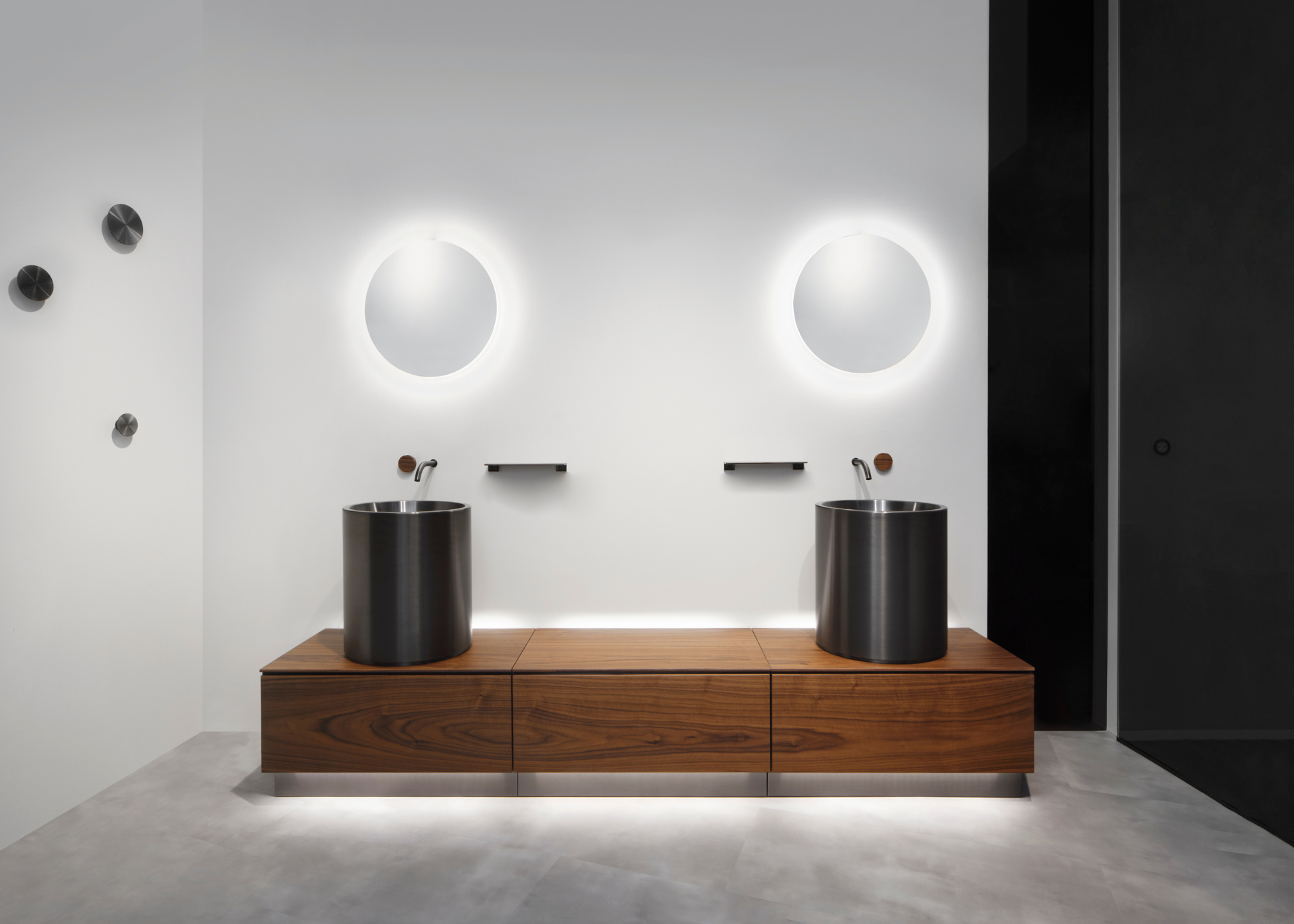
Personalized and cozy lighting layers are replacing harsh overhead fixtures, allowing for a more nuanced atmosphere. Softer lighting around mirrors and indirect illumination create welcoming spaces that can be tailored to different times of the day or personal preferences. This adaptability makes the bathroom more responsive and human-centric, enhancing the perception of materials and contributing to a sense of calm and balance that evolves with daily routines and seasonal changes.
Sustainability is increasingly influencing bathroom design through practical features like water-efficient fixtures, energy-conscious lighting, and responsibly sourced materials. These elements reduce resource use and lower long-term costs without compromising comfort or aesthetics. Sustainable upgrades are often invisible in daily use, quietly improving efficiency. This long-term thinking benefits both the environment and the homeowner, making sustainable bathrooms resilient and easier to maintain.
#BathroomDesign #HomeRenovation #InteriorDesignTrends #SmartHome #WellnessDesign #SustainableLiving #AccessibleDesign #LuxuryBathrooms #NaturalMaterials #BathroomDesign #HomeRenovation #InteriorDesignTrends #SmartHome #WellnessDesign #SustainableLiving #AccessibleDesign #LuxuryBathrooms #NaturalMaterials
कुल 0 टिप्पणियाँ
 कोई टिप्पणी नहीं
आपको यह भी पसंद आ सकता है
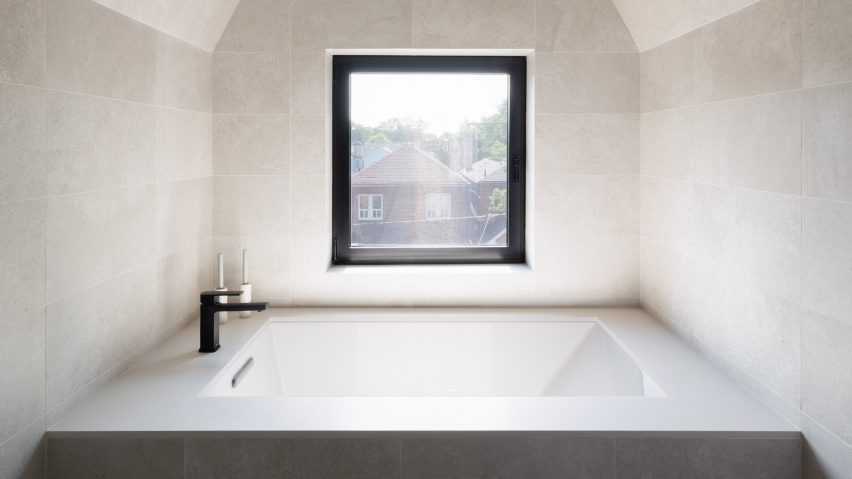
Twelve contemporary bathrooms with a spa-like feel
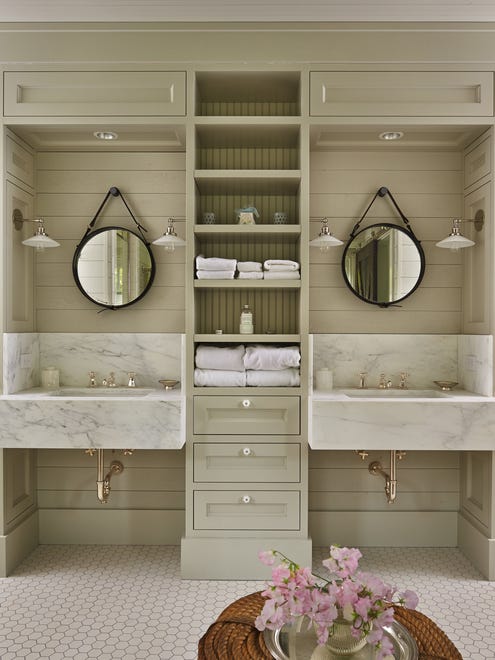
Bathroom Trends
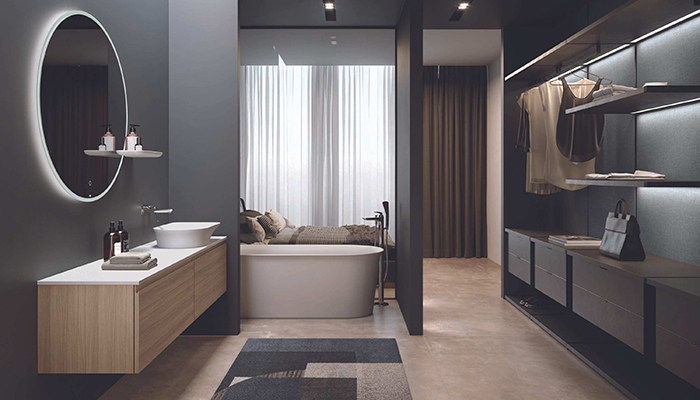
How boutique style is making its mark on en suite bathroom design
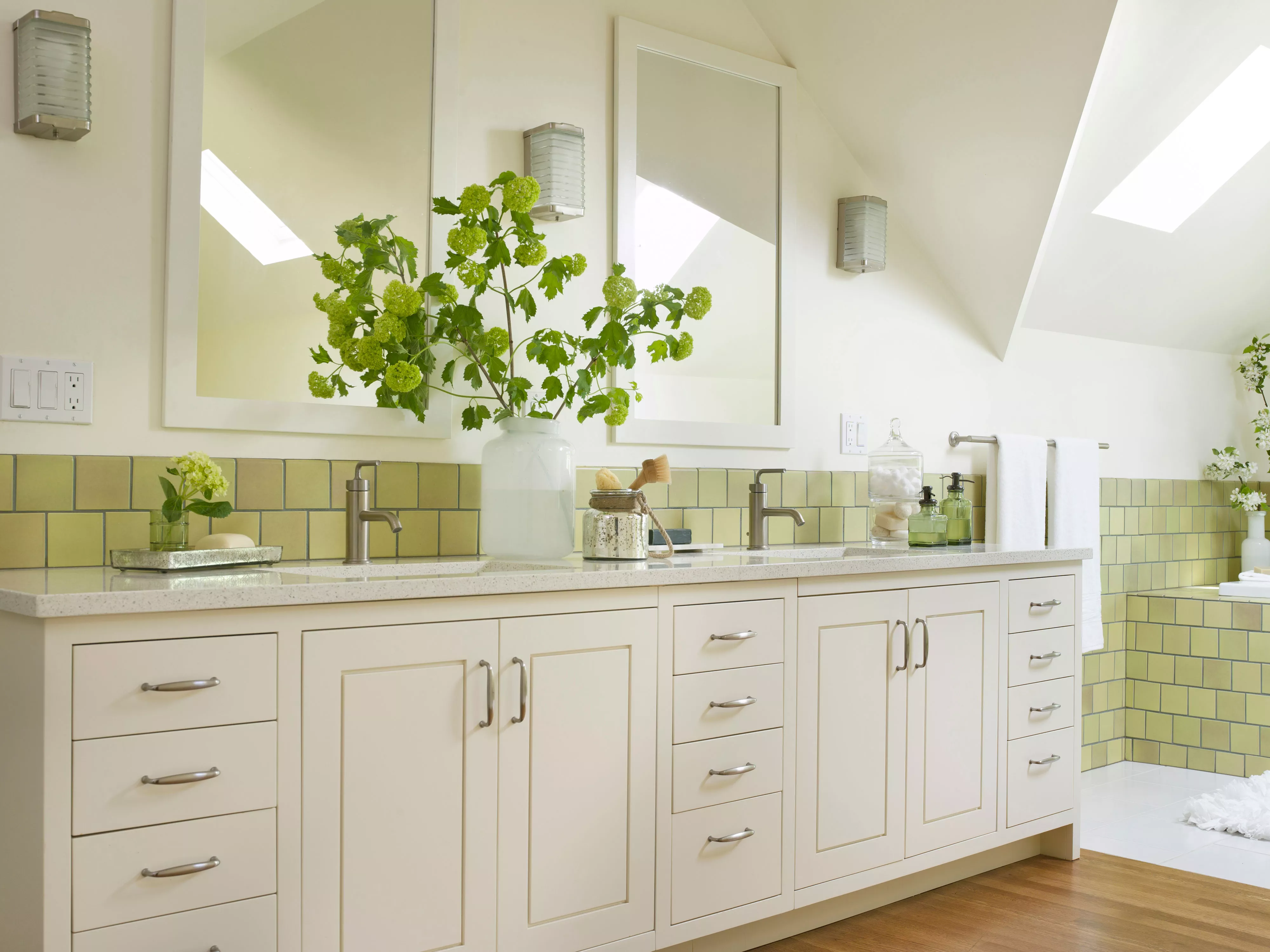
These 2026 Bathroom Trends Are Making Personal Style a Priority
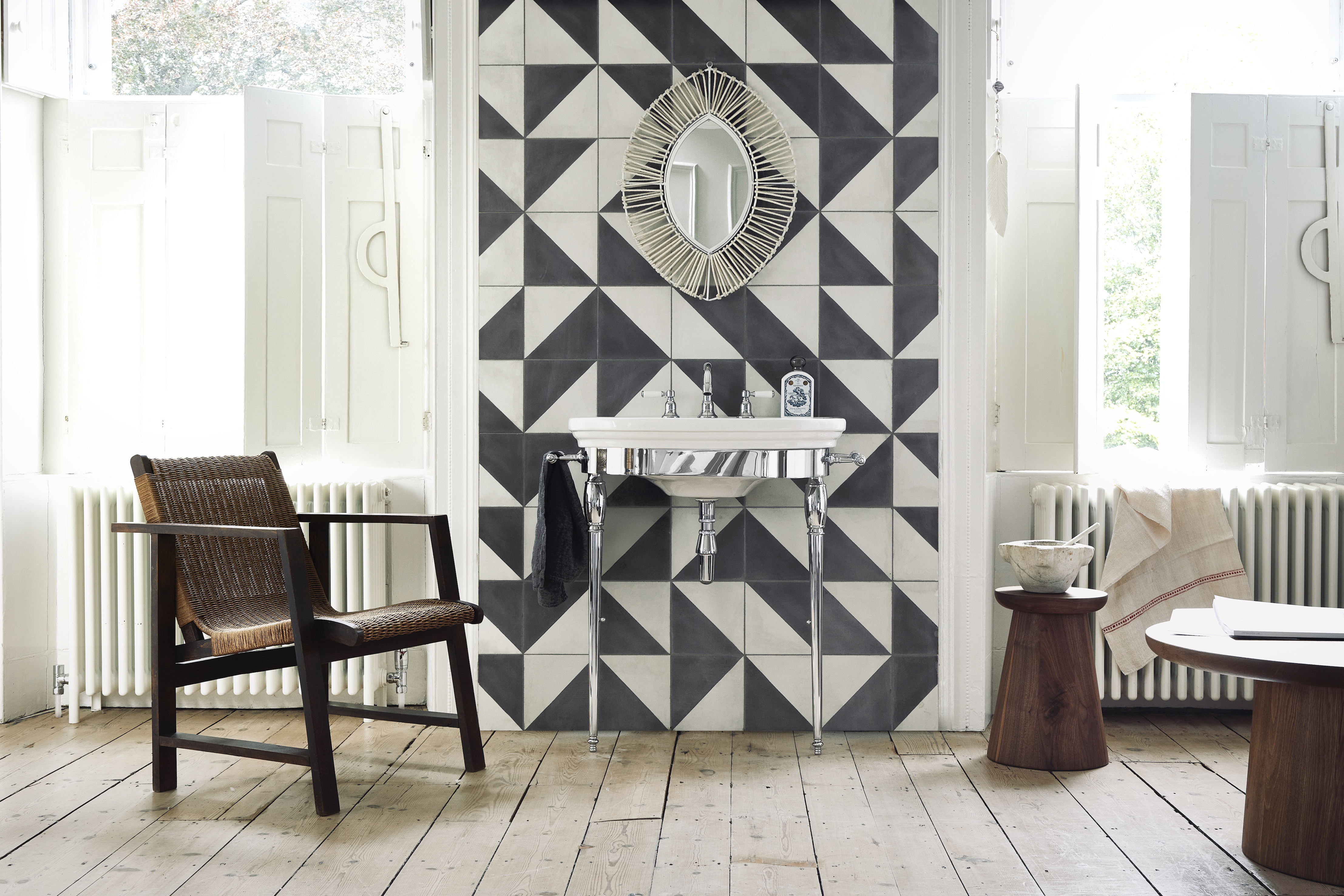
Transitional bathroom ideas – 12 ways to embrace this increasingly popular style

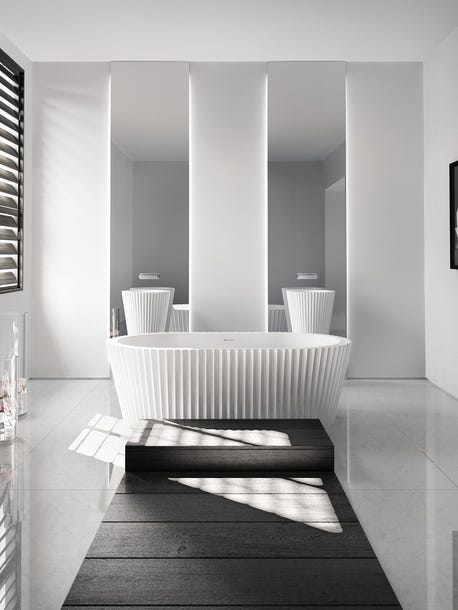
Gallery: Splish splash, clean design takes a bath
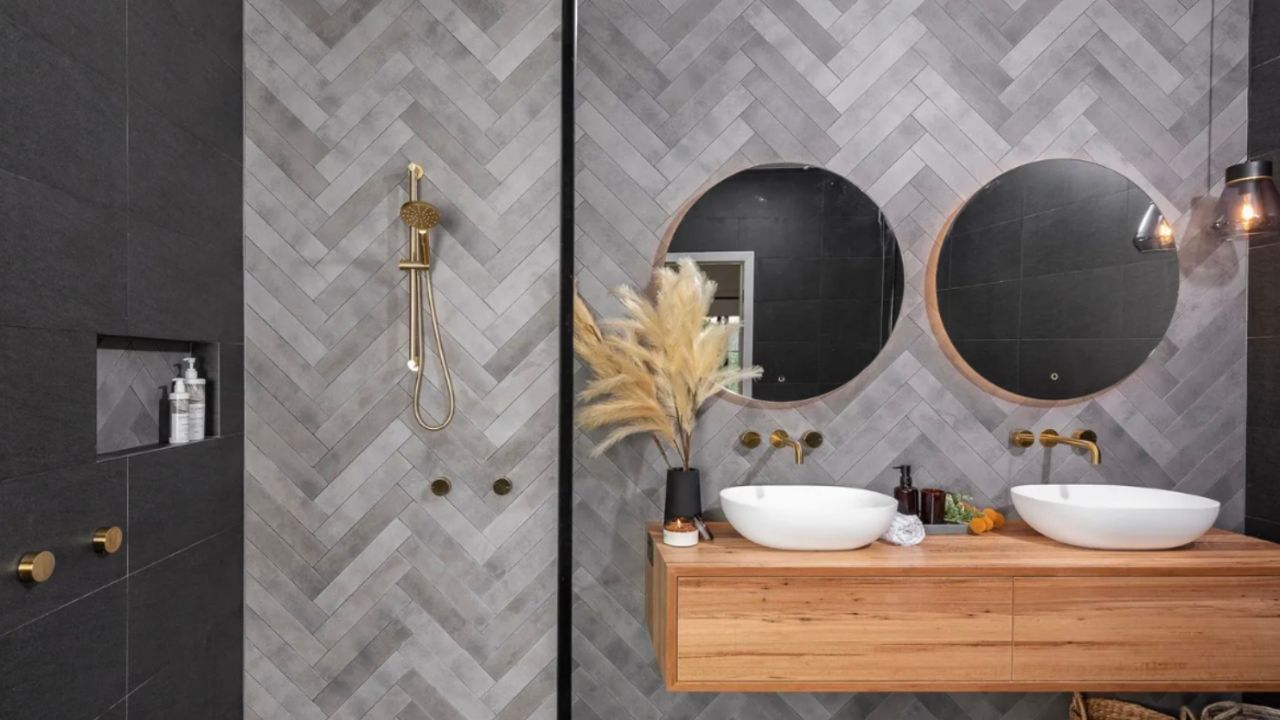
Bathroom trends for today and tomorrow

Designers are going bold with bathroom niche ideas – here's how to hop on the trend

Forget Bathtubs — Designers Say This Feature is the New Focal Point You Should Invest in for a Bathroom
Bathtubs Are Going Out Of Style In 2025 - Here's The Trend Taking Over Bathroom Design
This 'Invisible' Toilet Is the Future of Bathroom Design
The Bathroom Trends To Keep On Your Radar in 2019

Decoding the trends of luxury bathrooms

The modern bathroom, increasingly personalized between technology and sustainability
Breathtaking bathroom ideas (will you make a colour splash?)
12 vanities that’ll add style and substance to your bathroom

Trend Report: 10 High-Tech, High-Design Bathroom Products for the New Decade

These Are the Bathroom Trends That Will Dominate in 2022

The 5 Biggest Bathroom Trends for 2023, According to Designers
7 Bathroom Trends Designers Are Leaving Behind In 2026