1/13
Transitional bathroom ideas – 12 ways to embrace this increasingly popular style
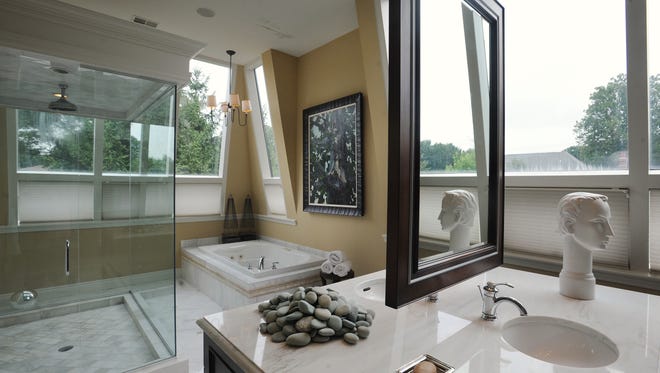
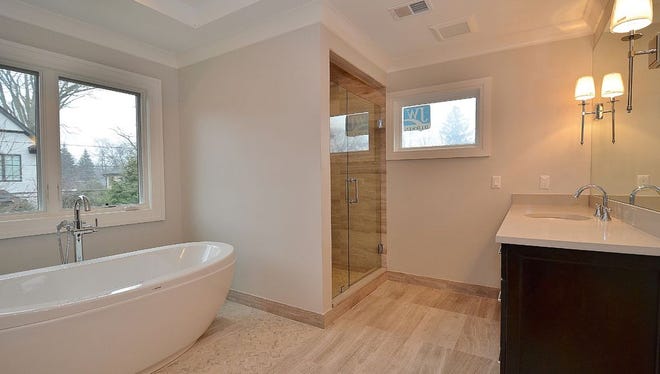
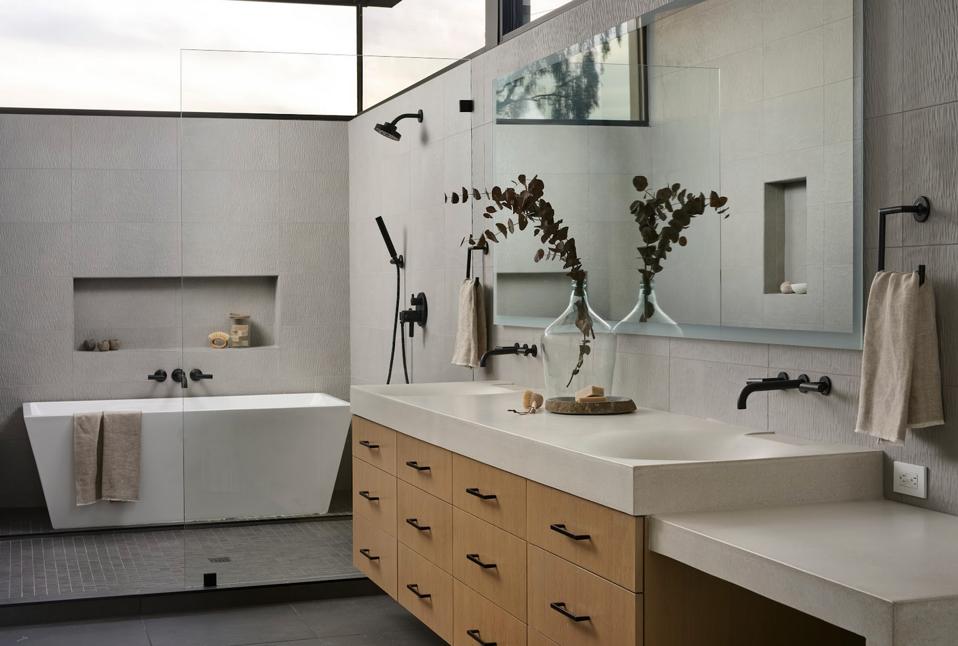
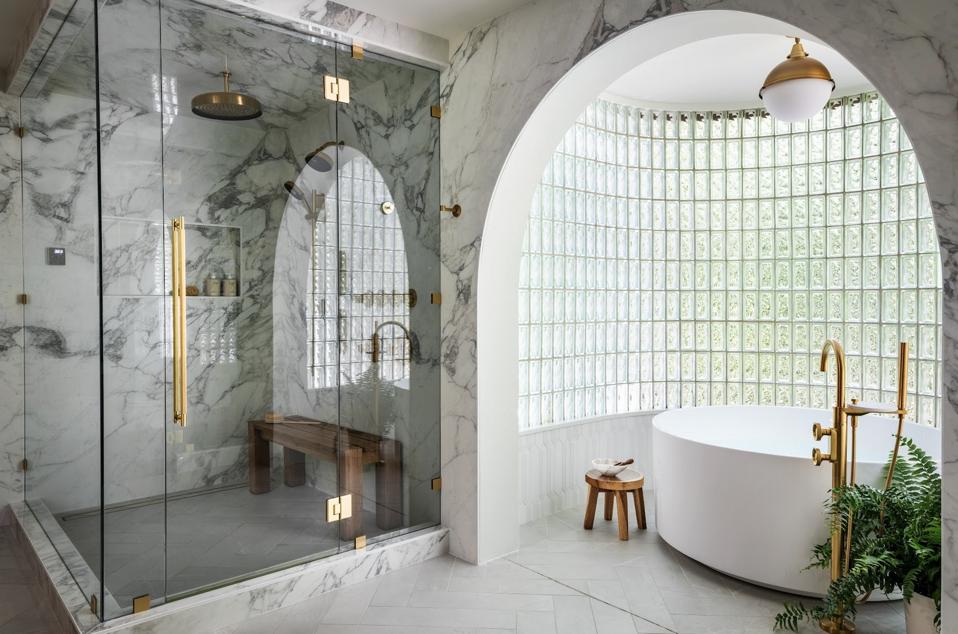
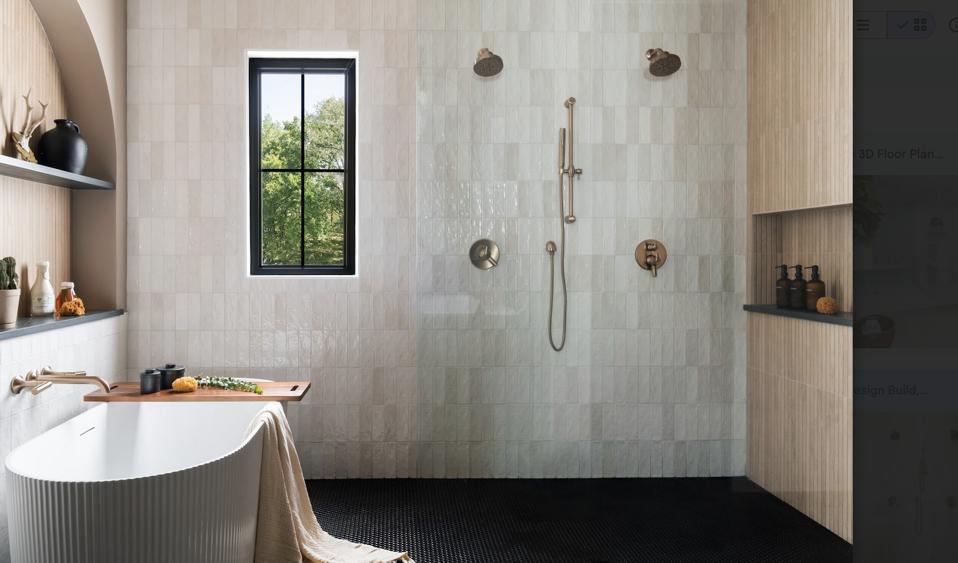
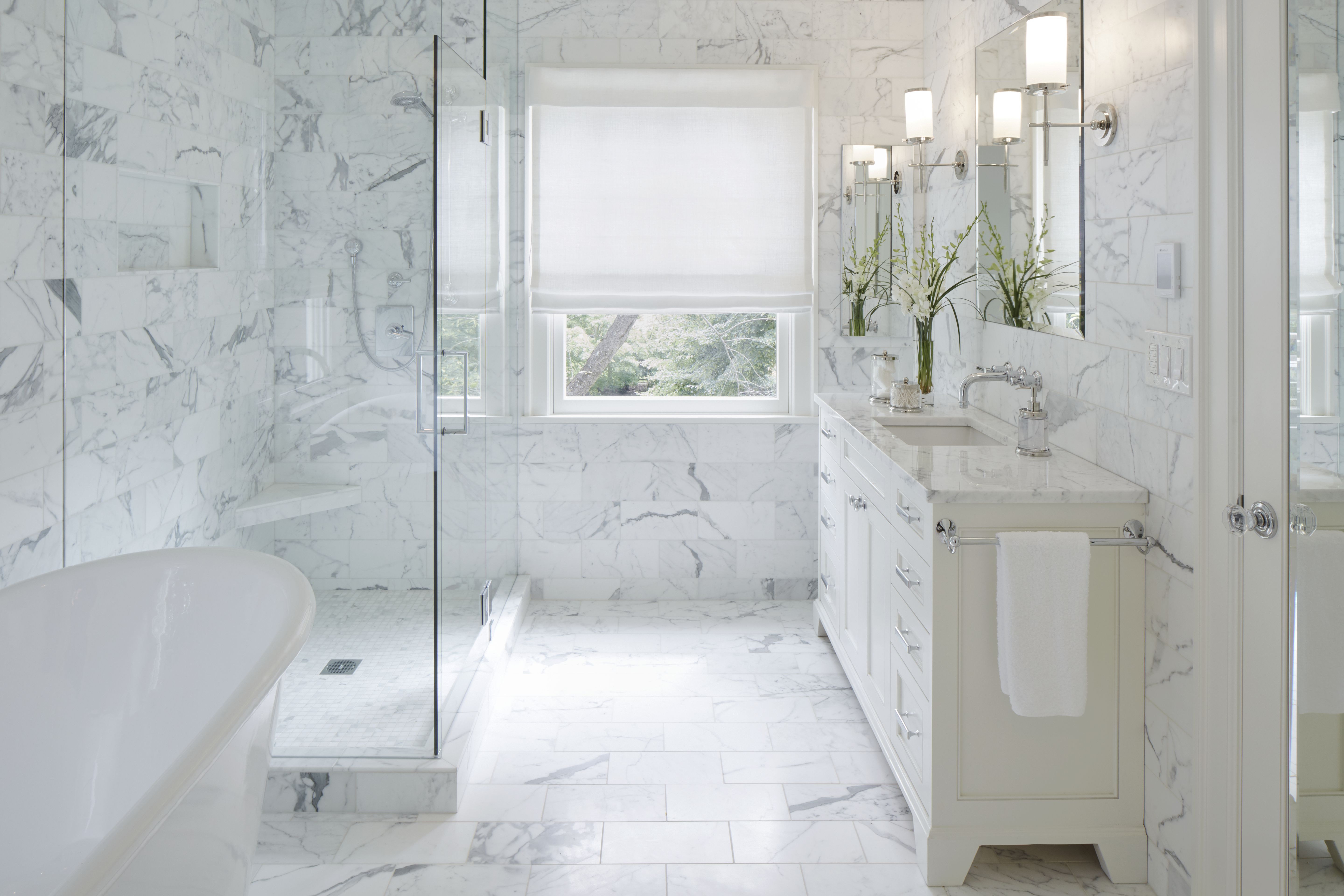
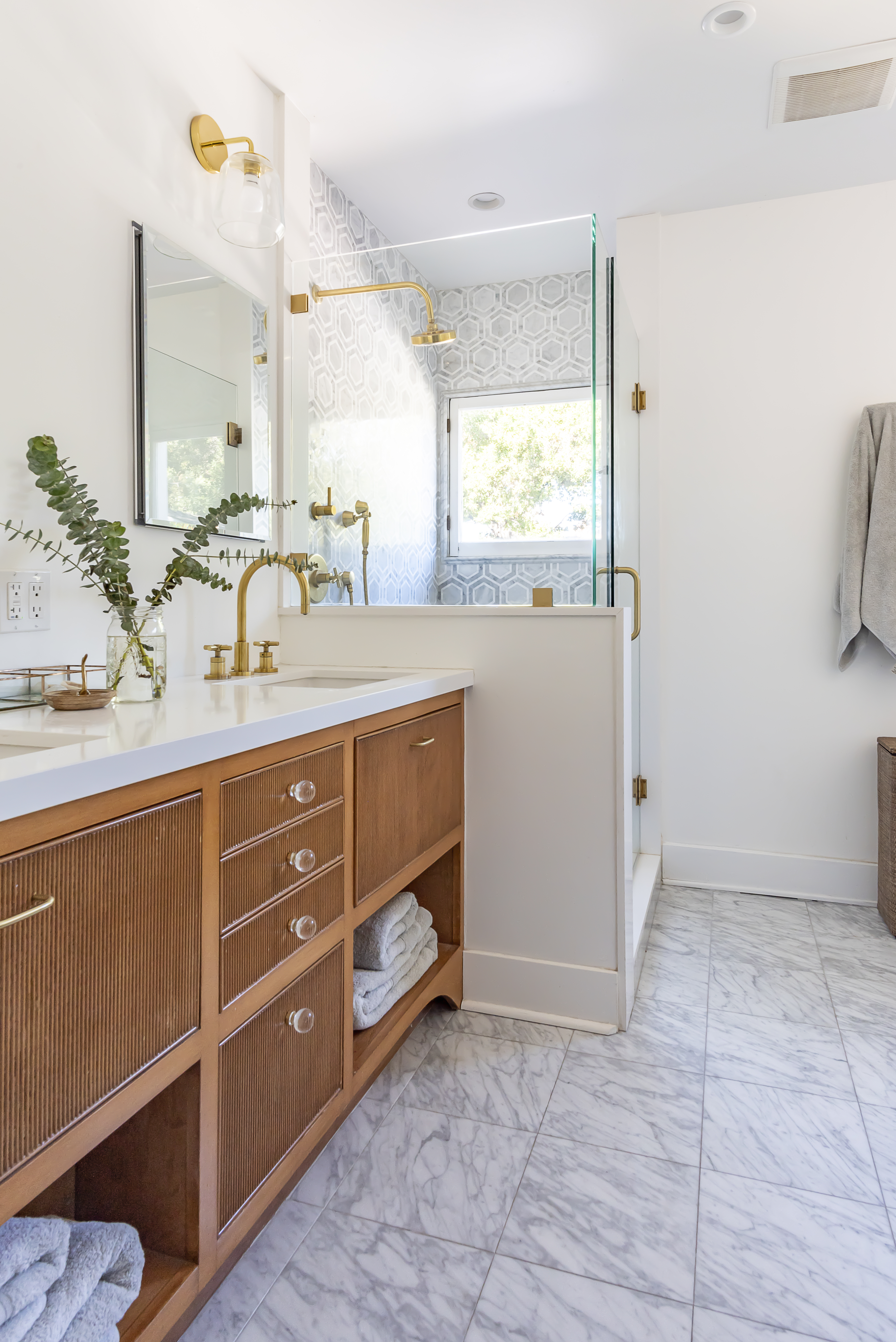
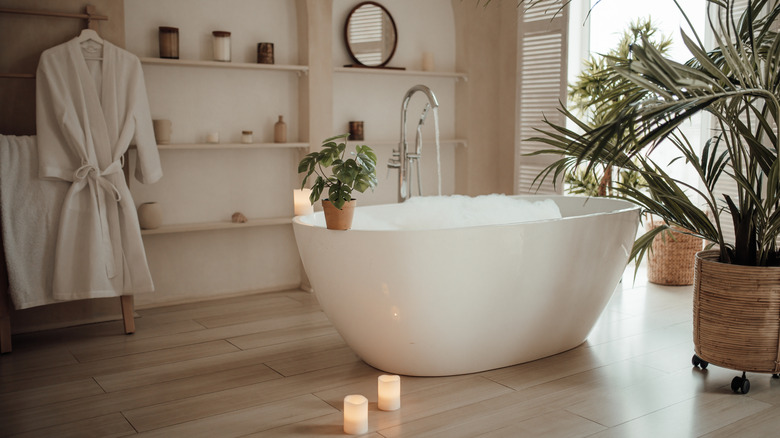
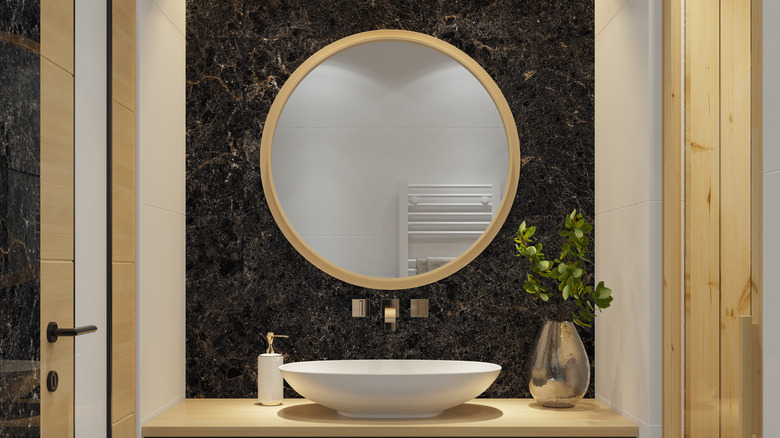
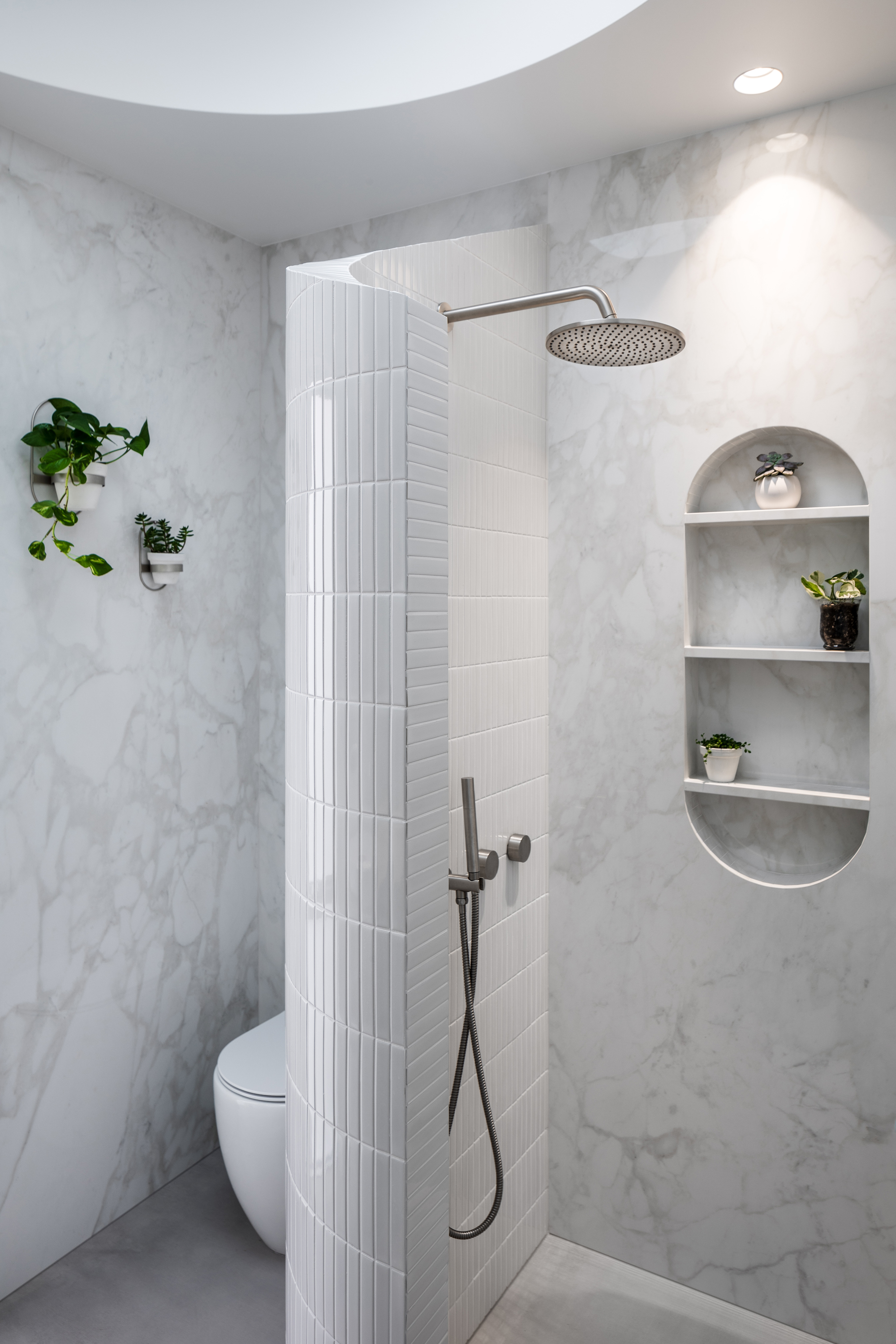
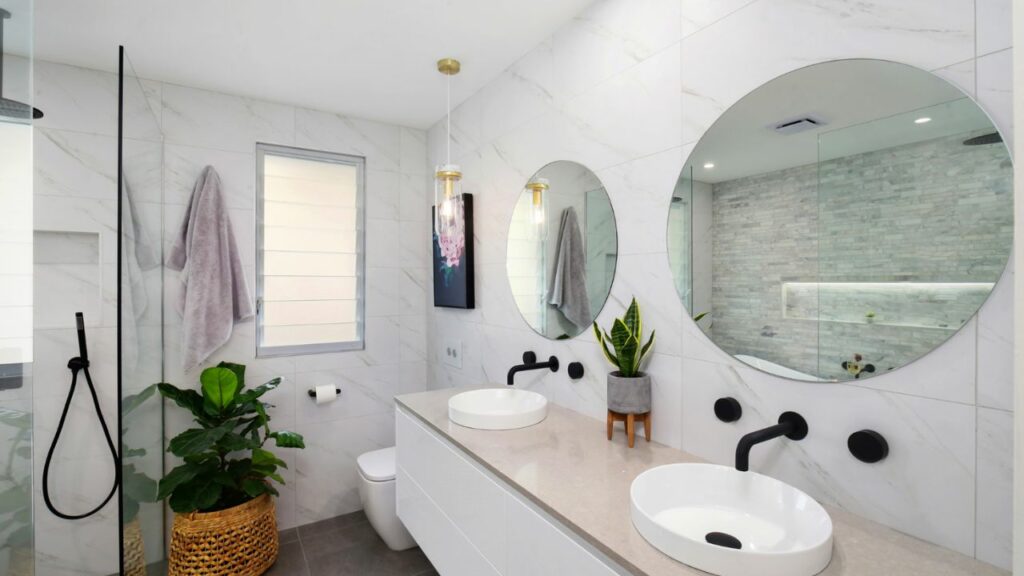
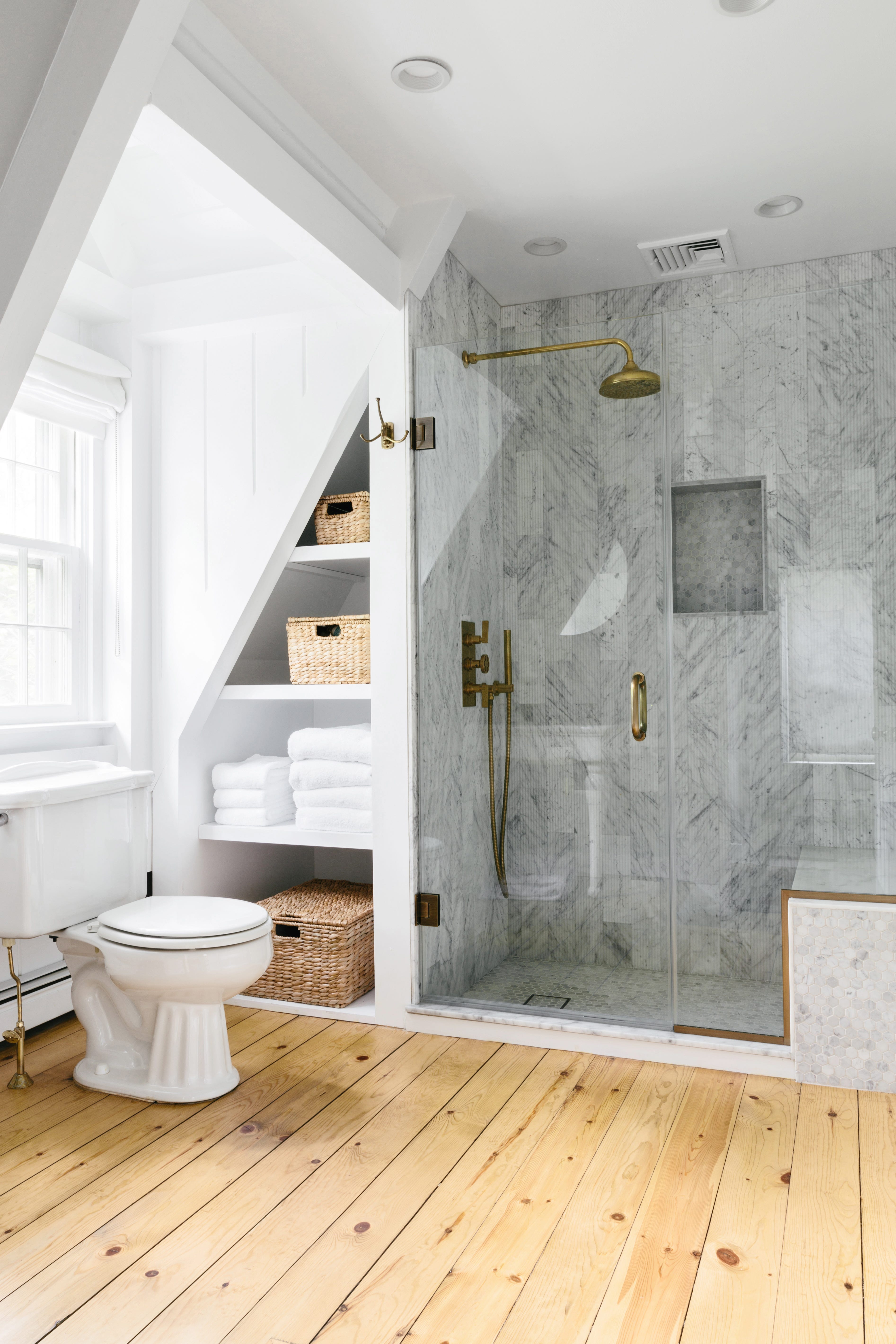
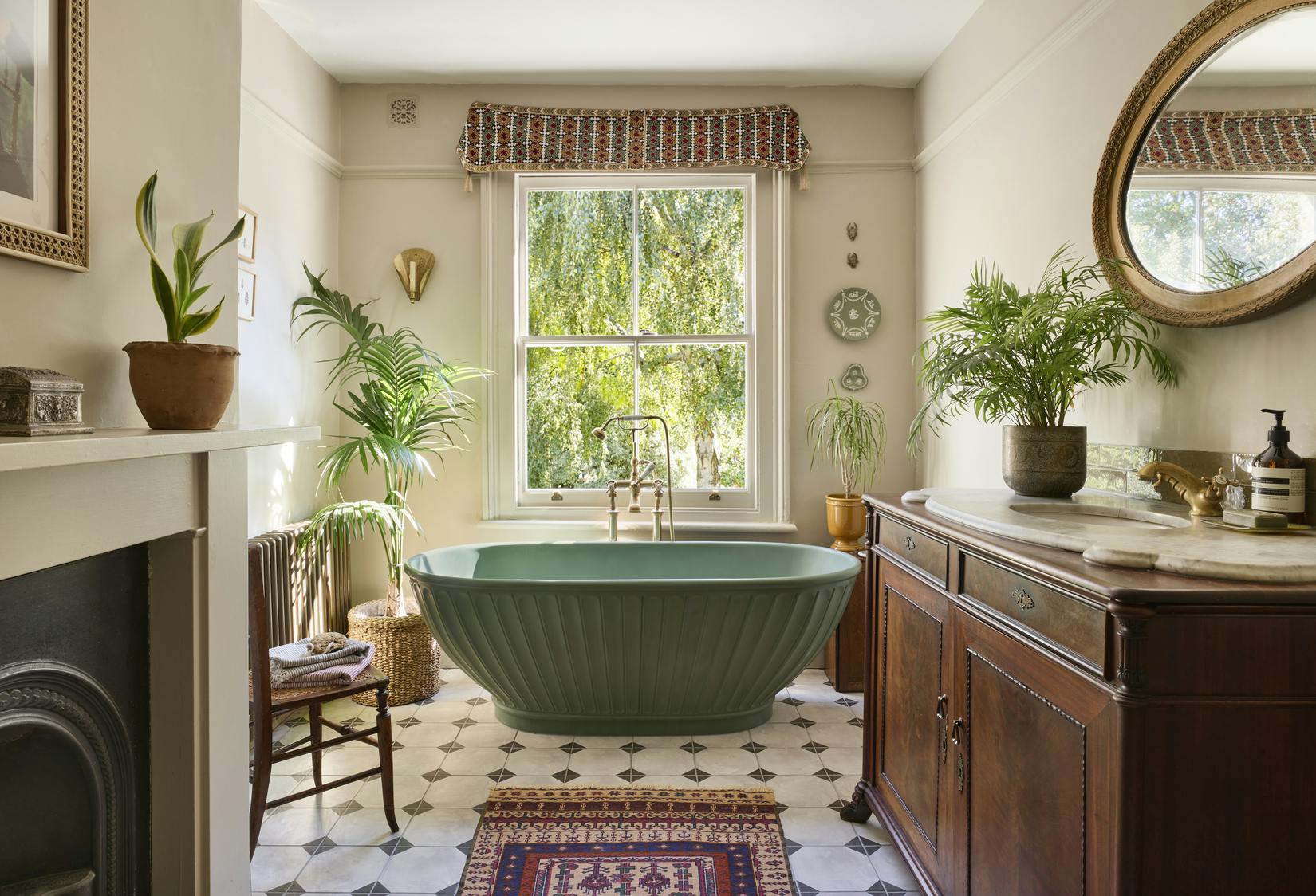
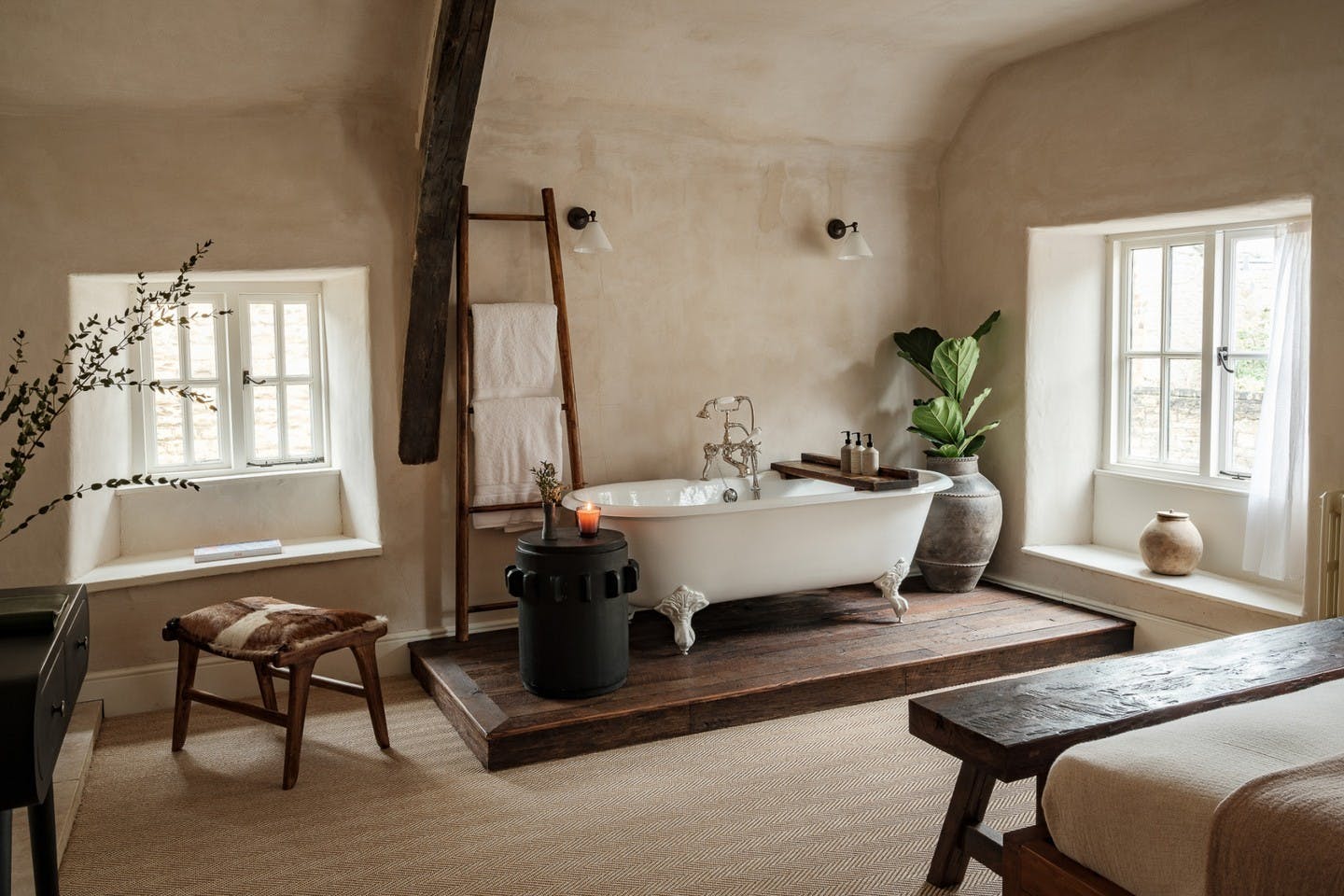
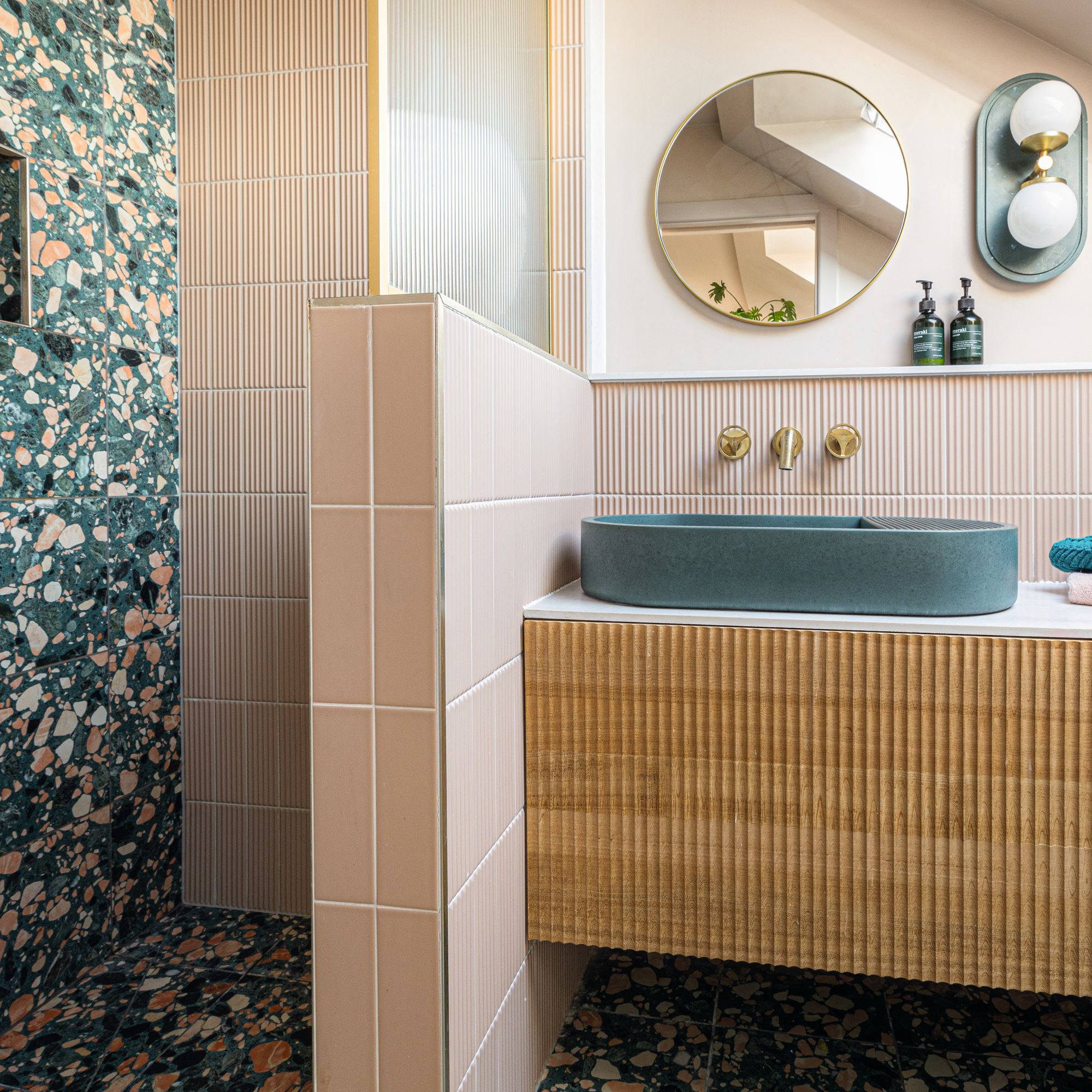
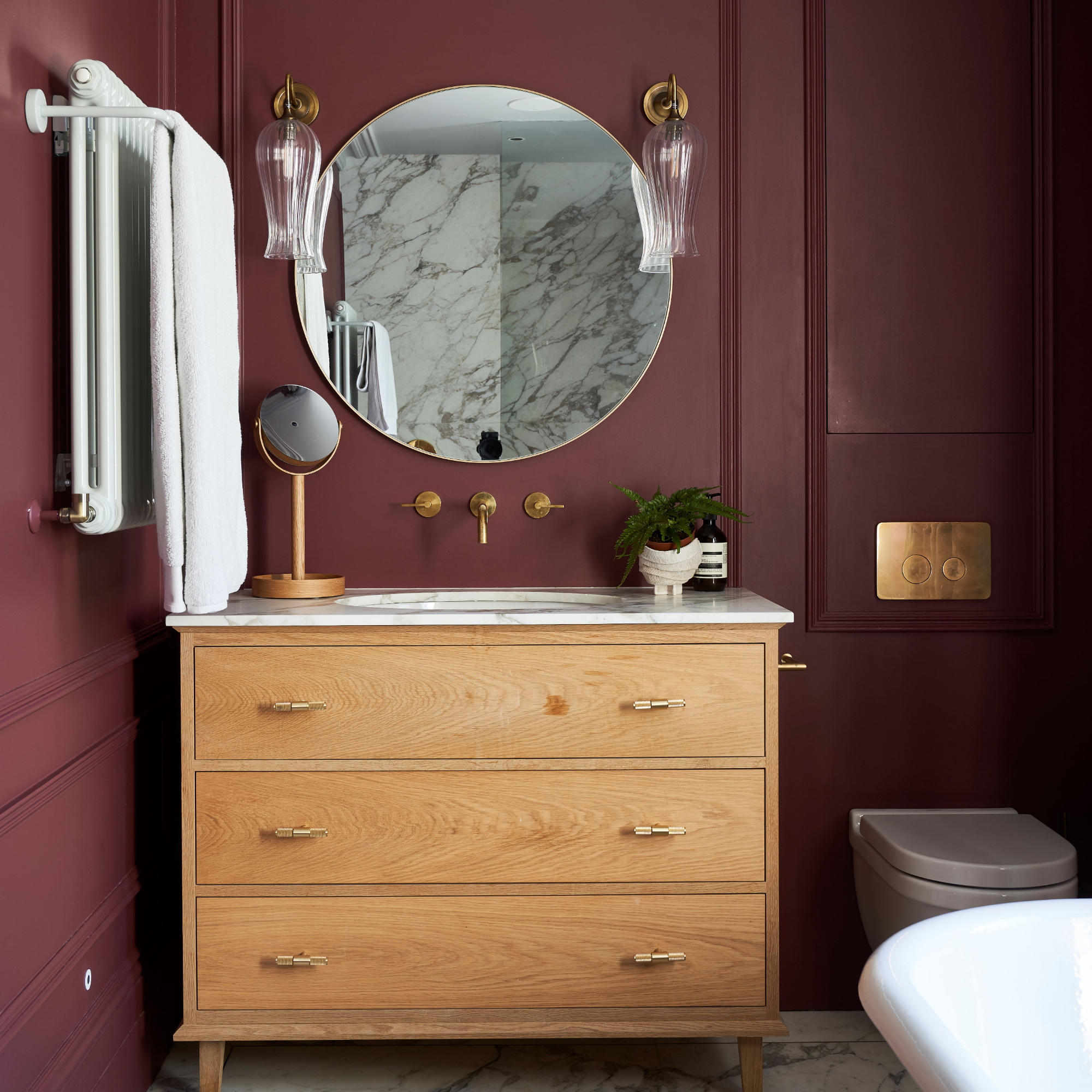
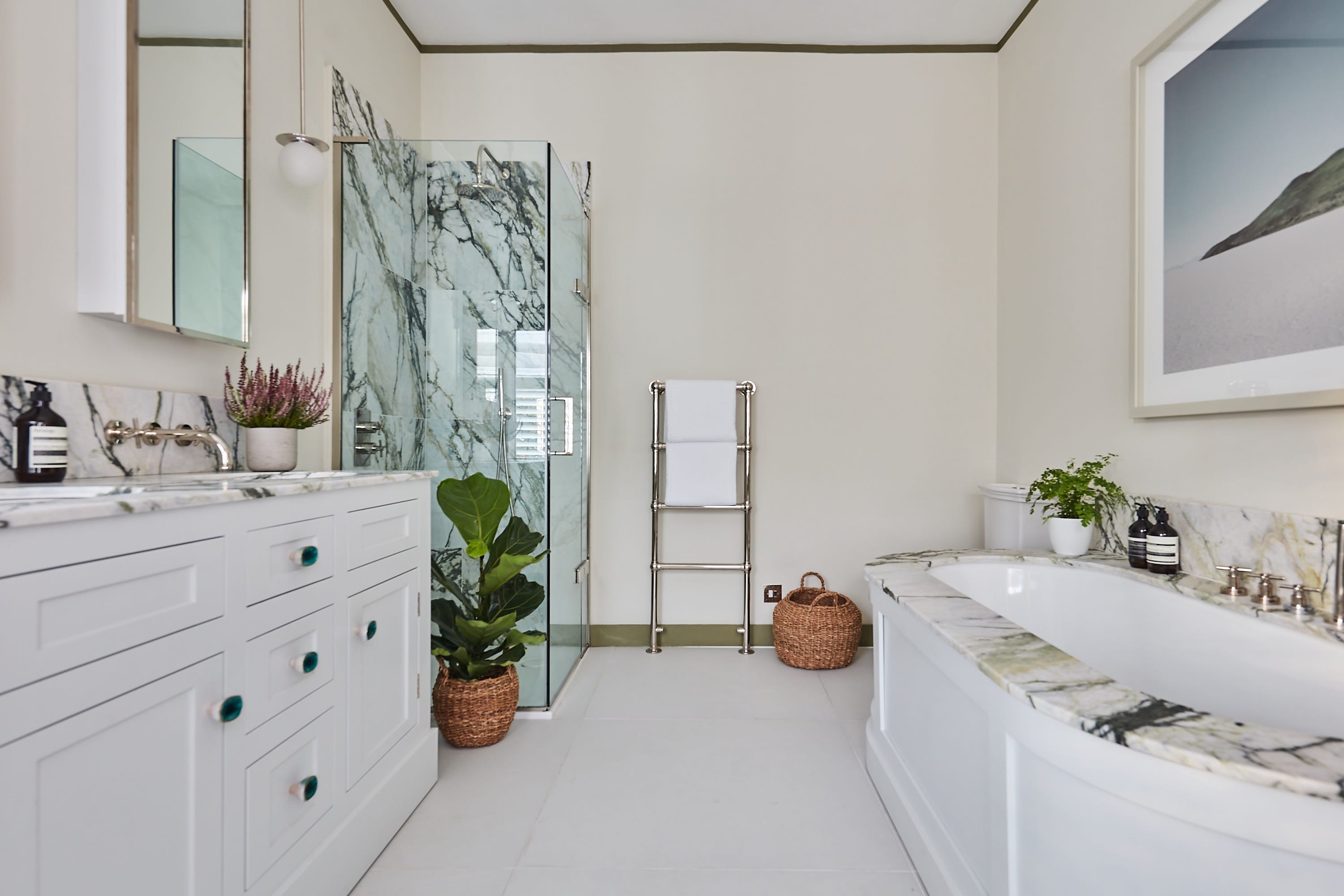
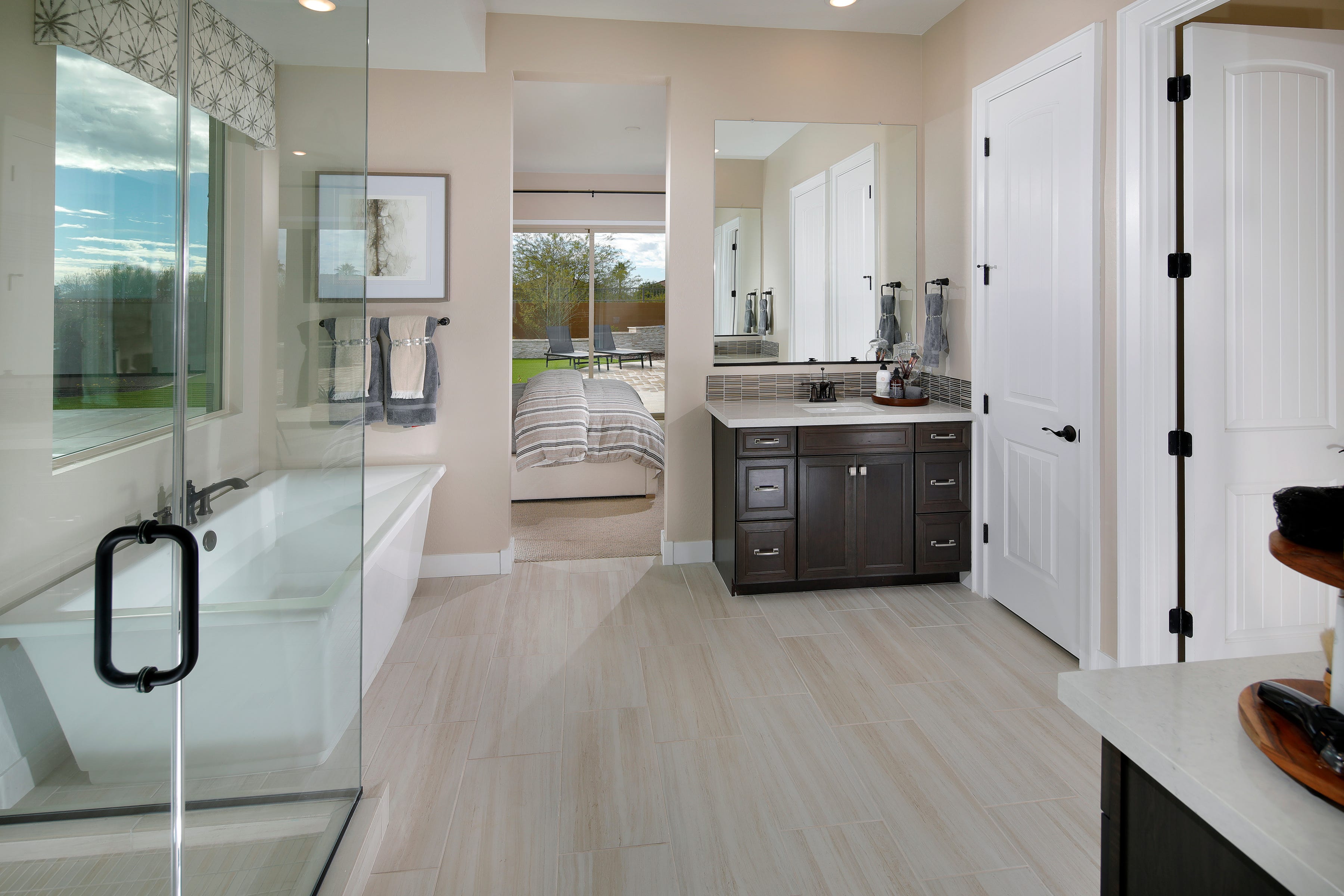
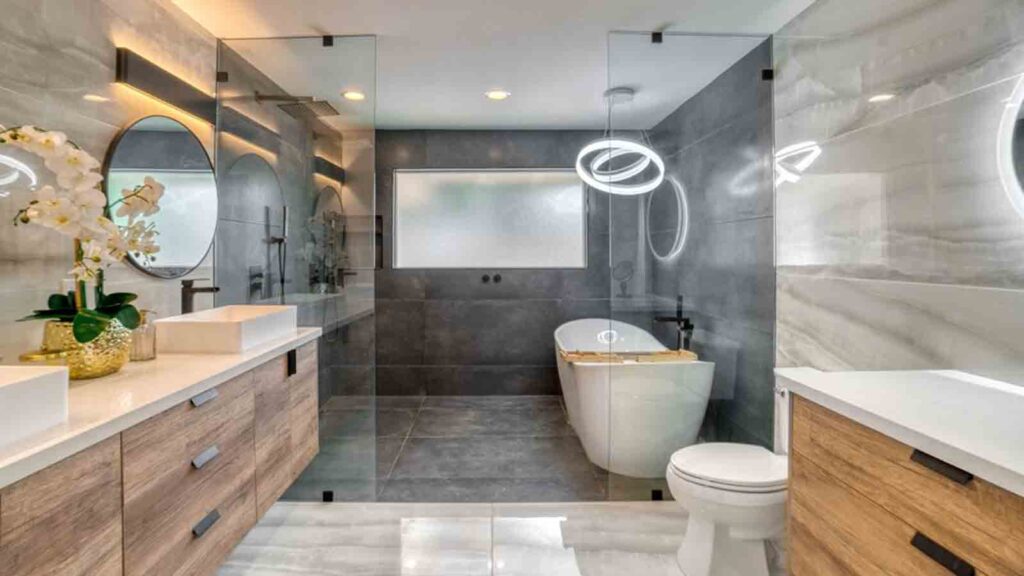
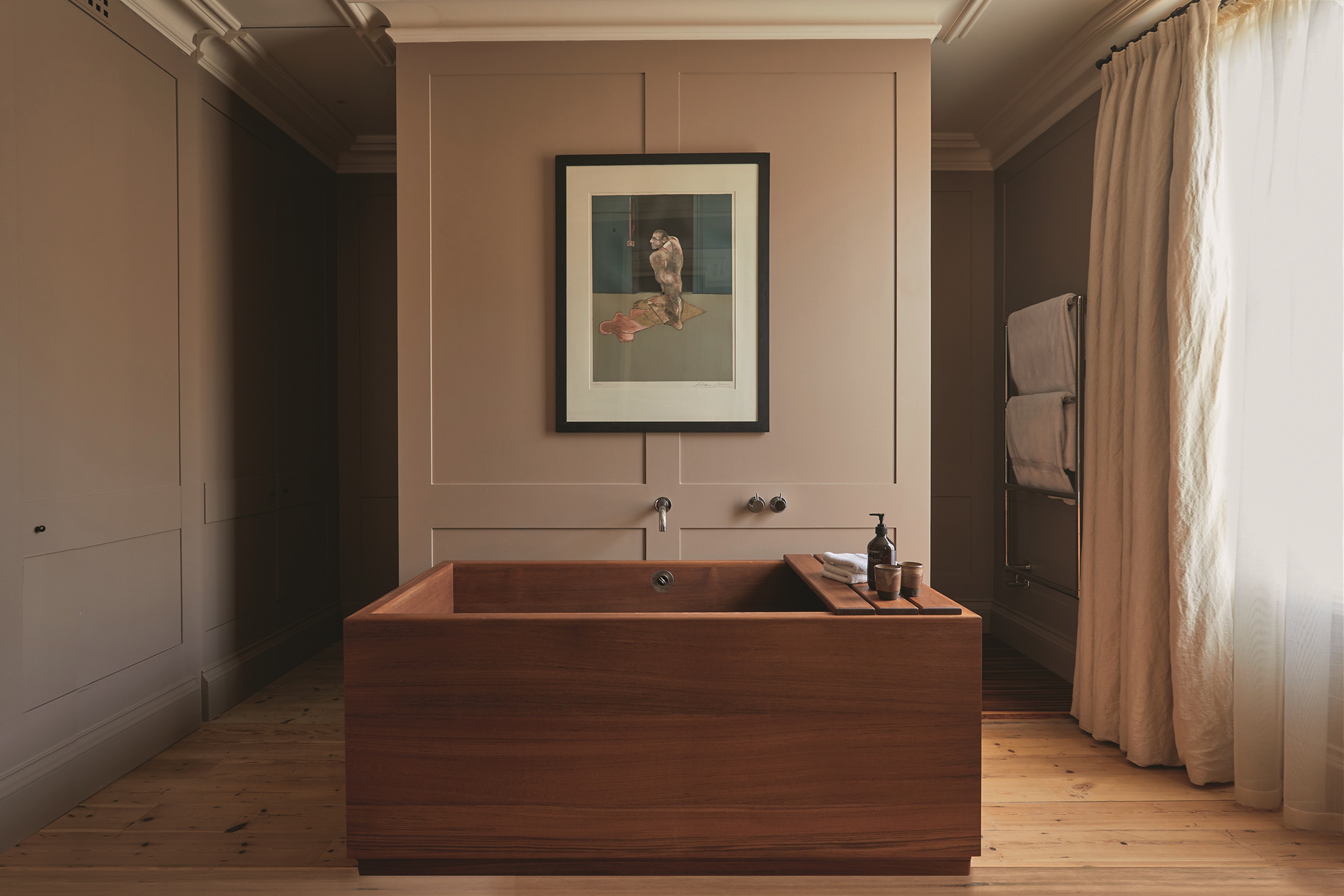
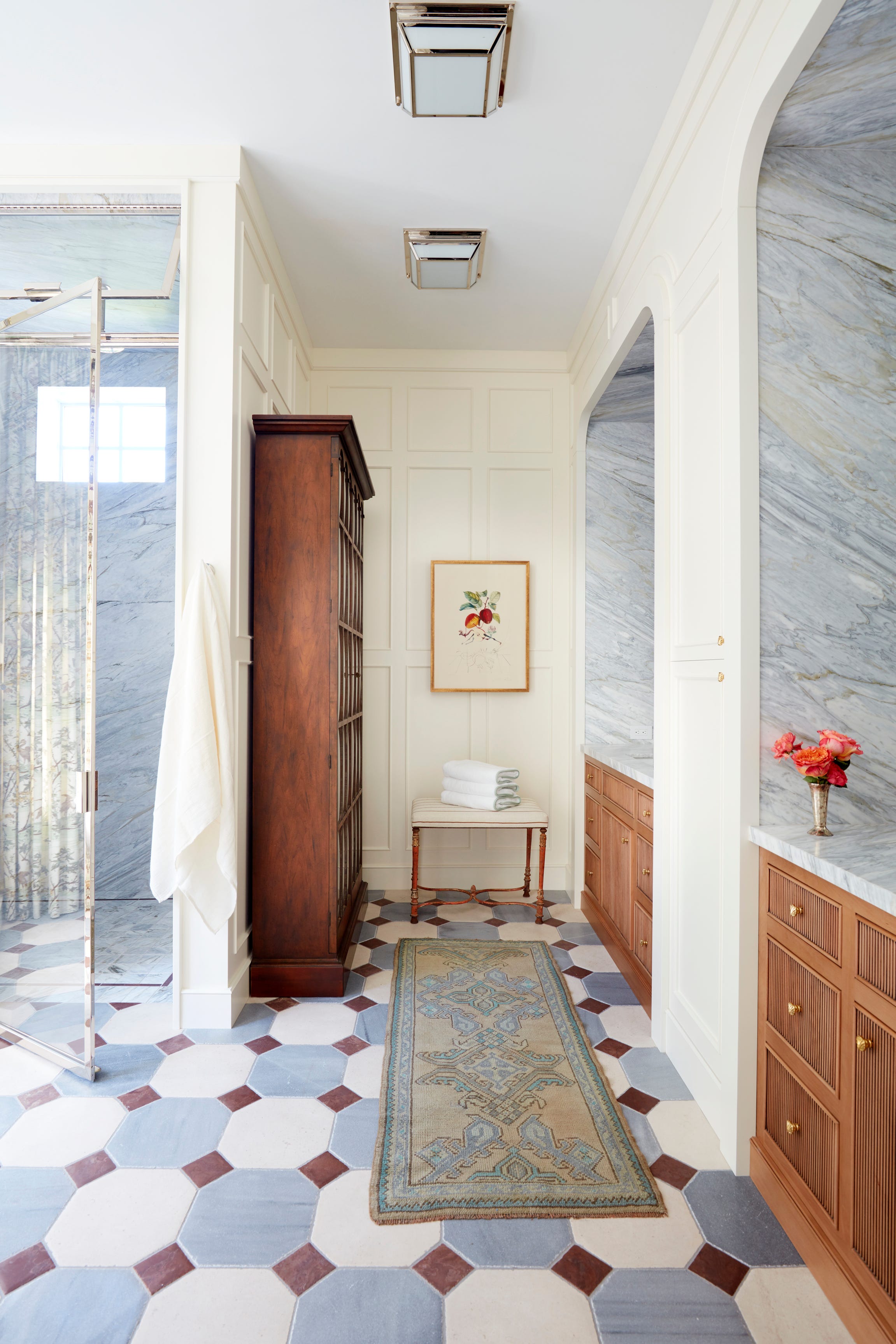
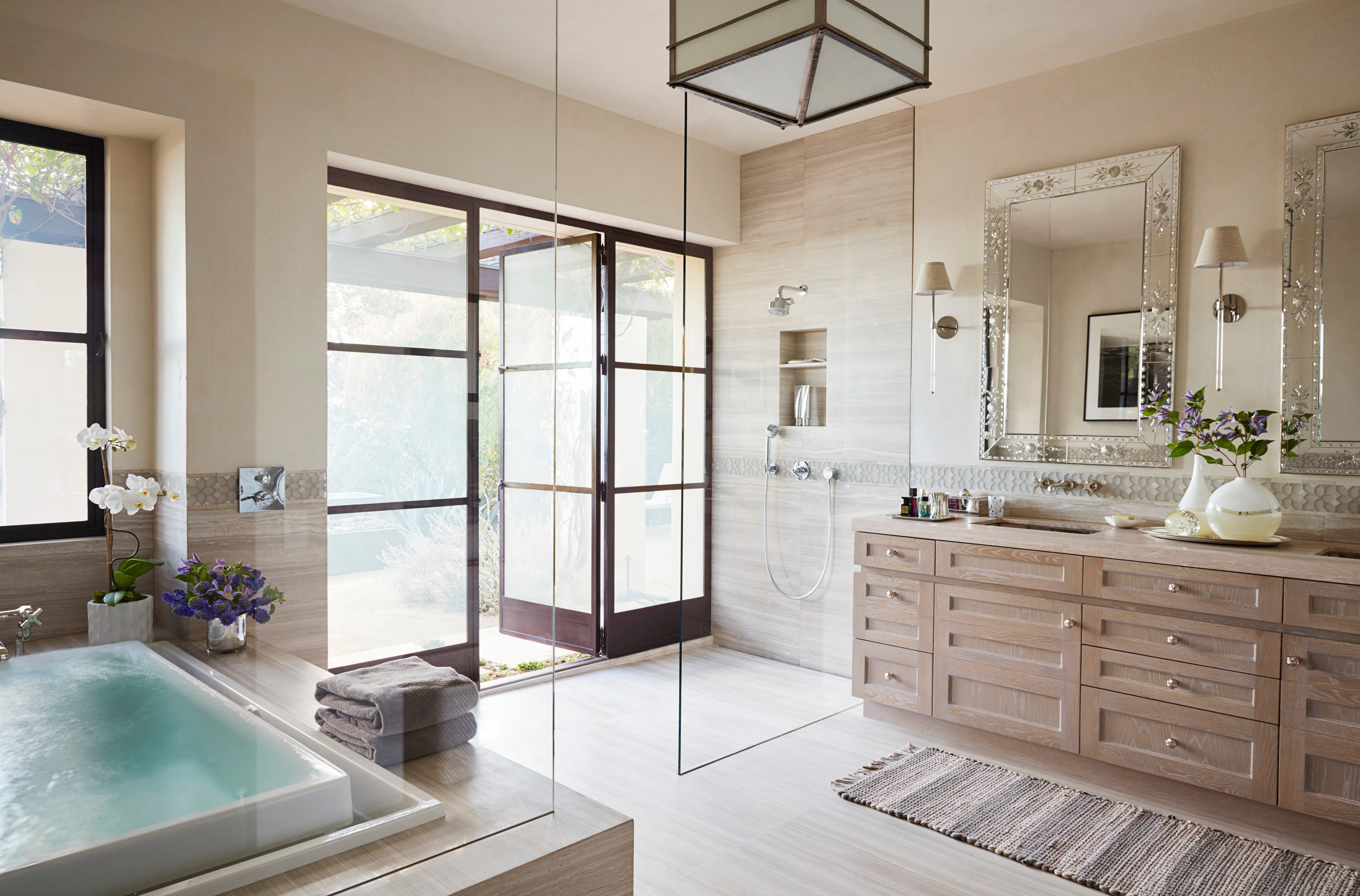
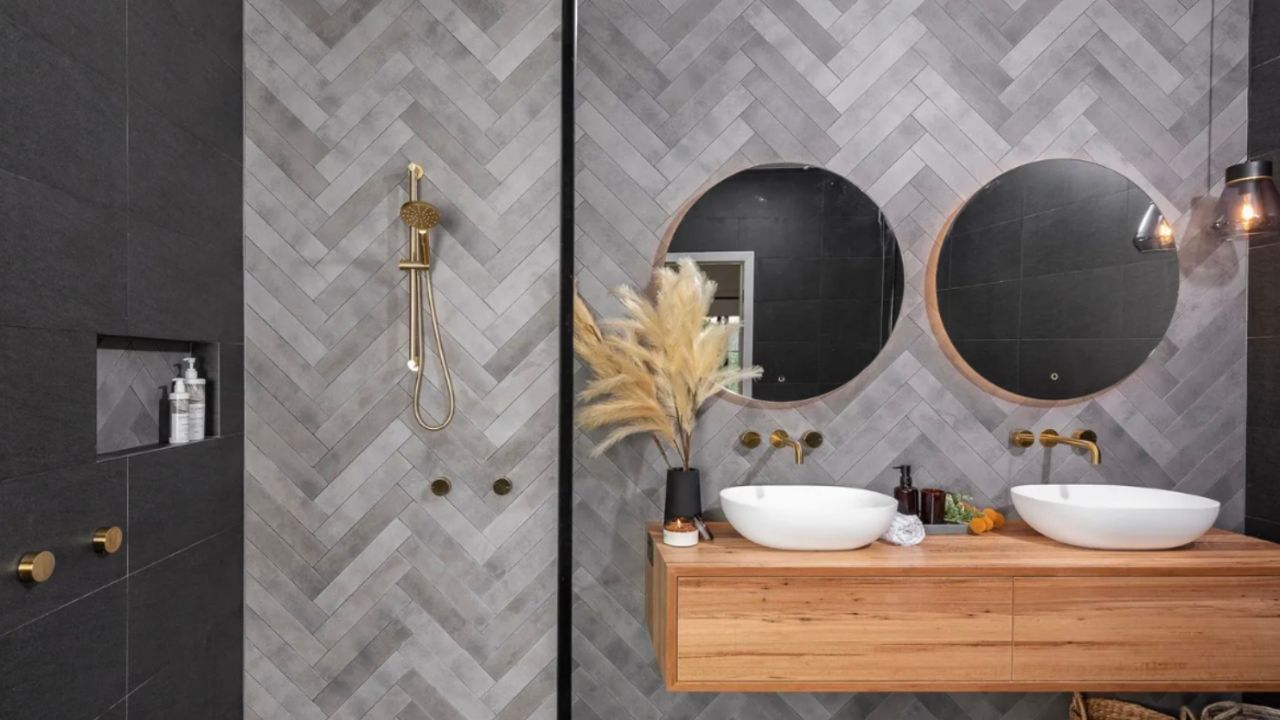
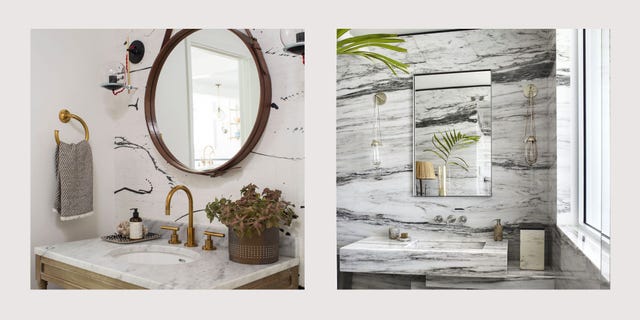
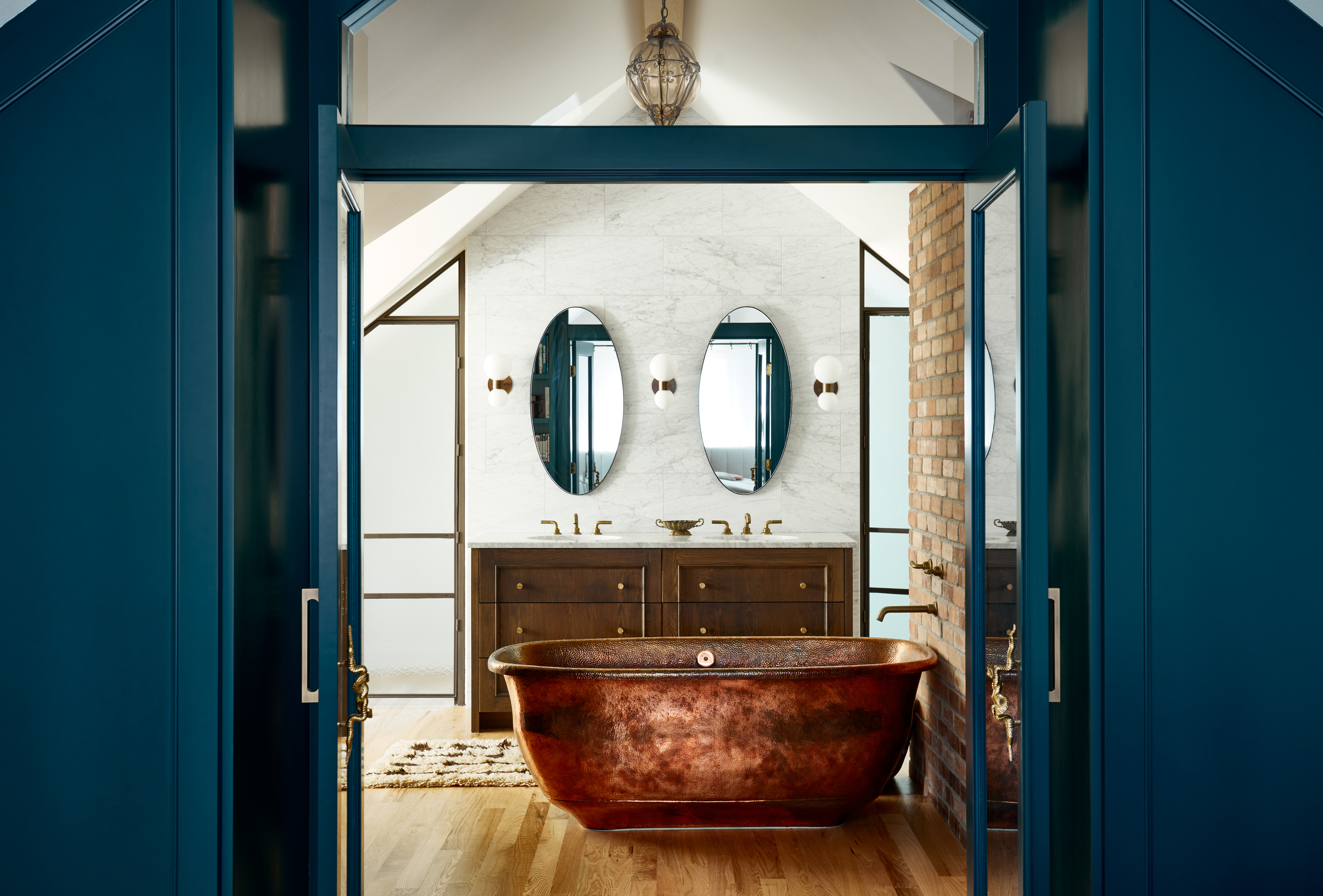
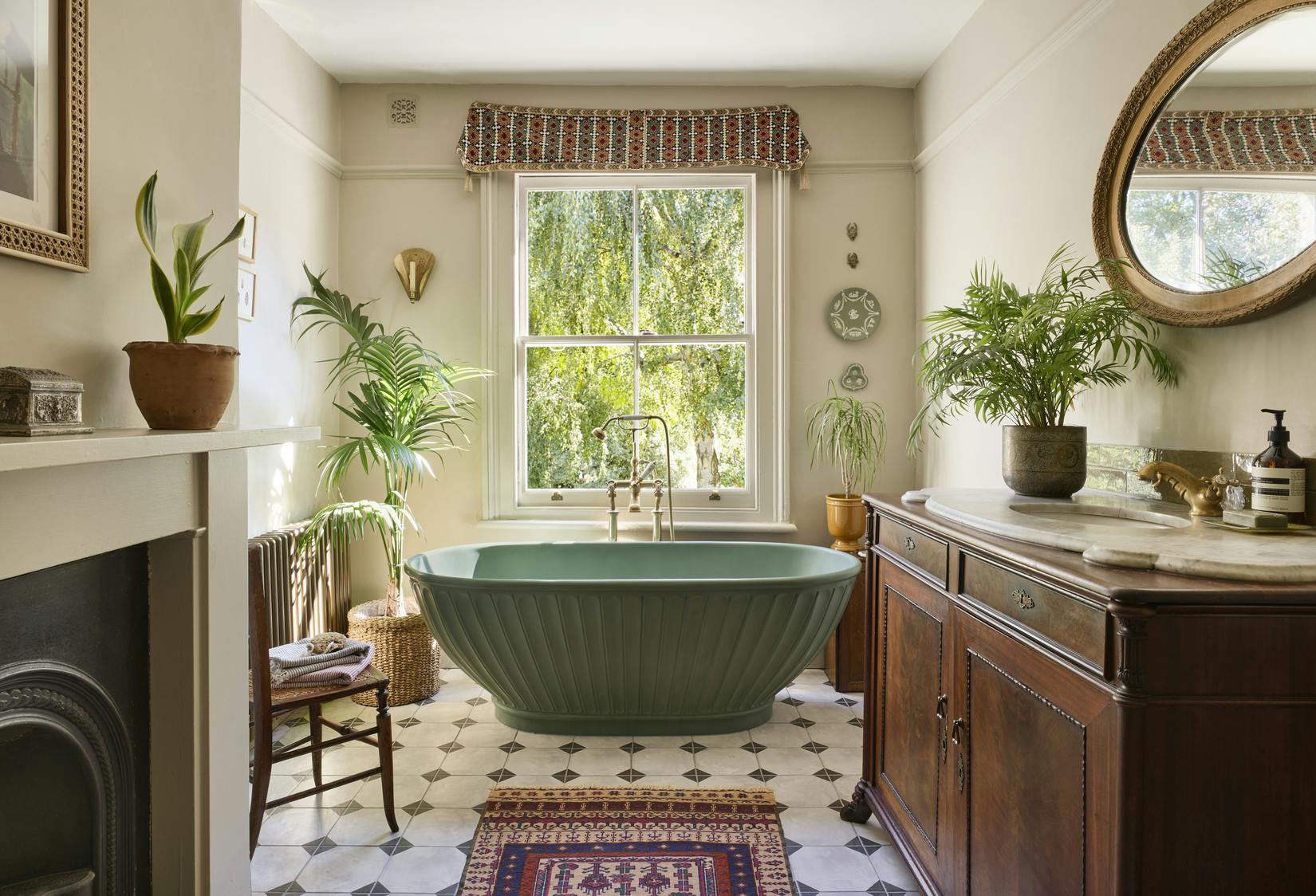
Transitional bathroom design blends contemporary elements with classic interior styles, offering a versatile aesthetic for homeowners who appreciate both modern and traditional design. This increasingly popular style allows for a mix of old and new pieces, such as a floating vanity alongside an antique one, or polished marble floor tiles with weathered floorboards. The key is to achieve a balanced amalgamation of these elements, as highlighted by interior designer Nishtha Sadana, who suggests combining a pedestal sink with modern fixtures or a modern vanity with traditional brass accents to create a statement of style through contrast. Anna Franklin, founder of Stone House Collective, advises using a neutral palette with smooth lines and brushed metals, incorporating whites, creams, grays, and black, and adding warmth with wood to bring in a farmhouse feel.
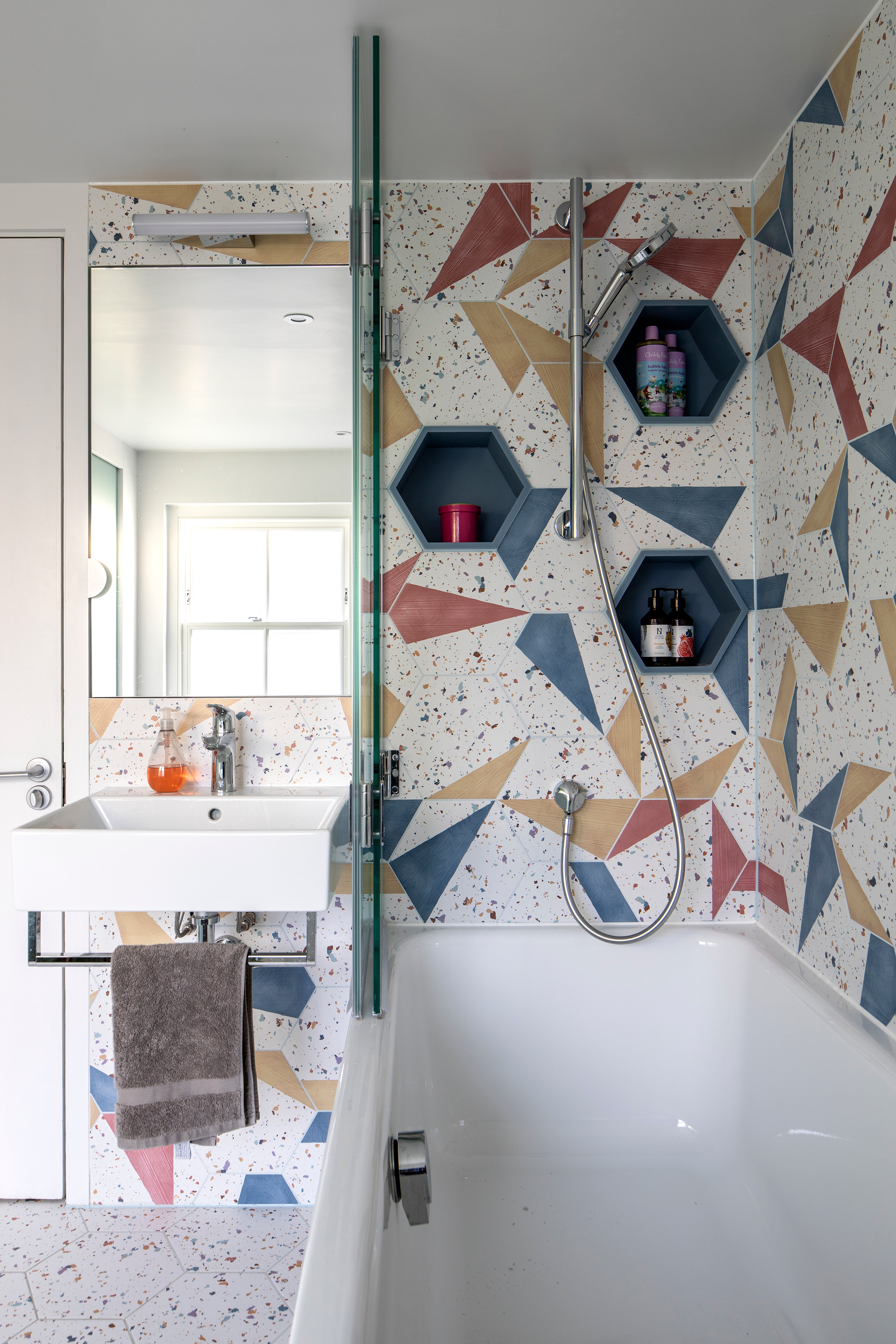
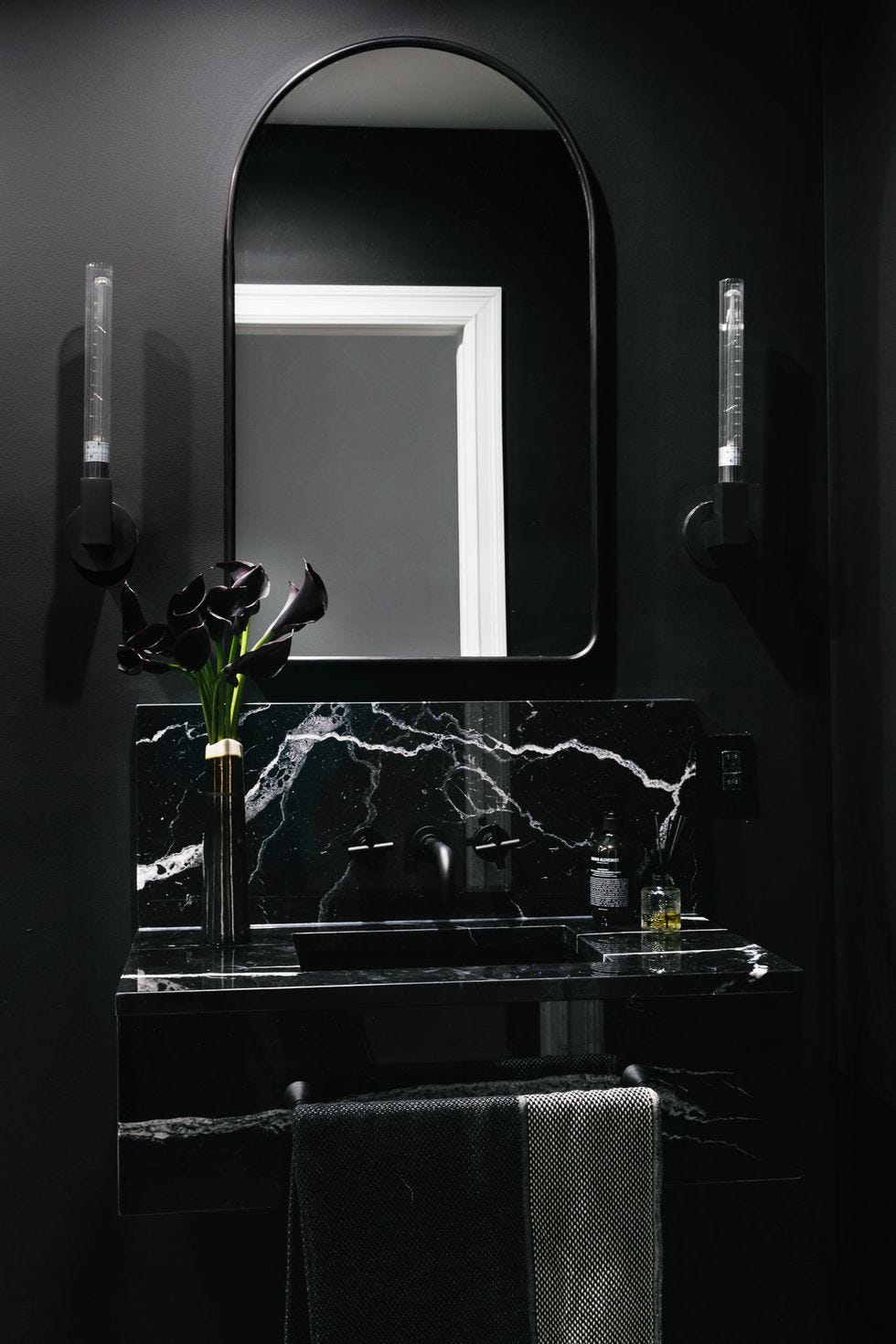
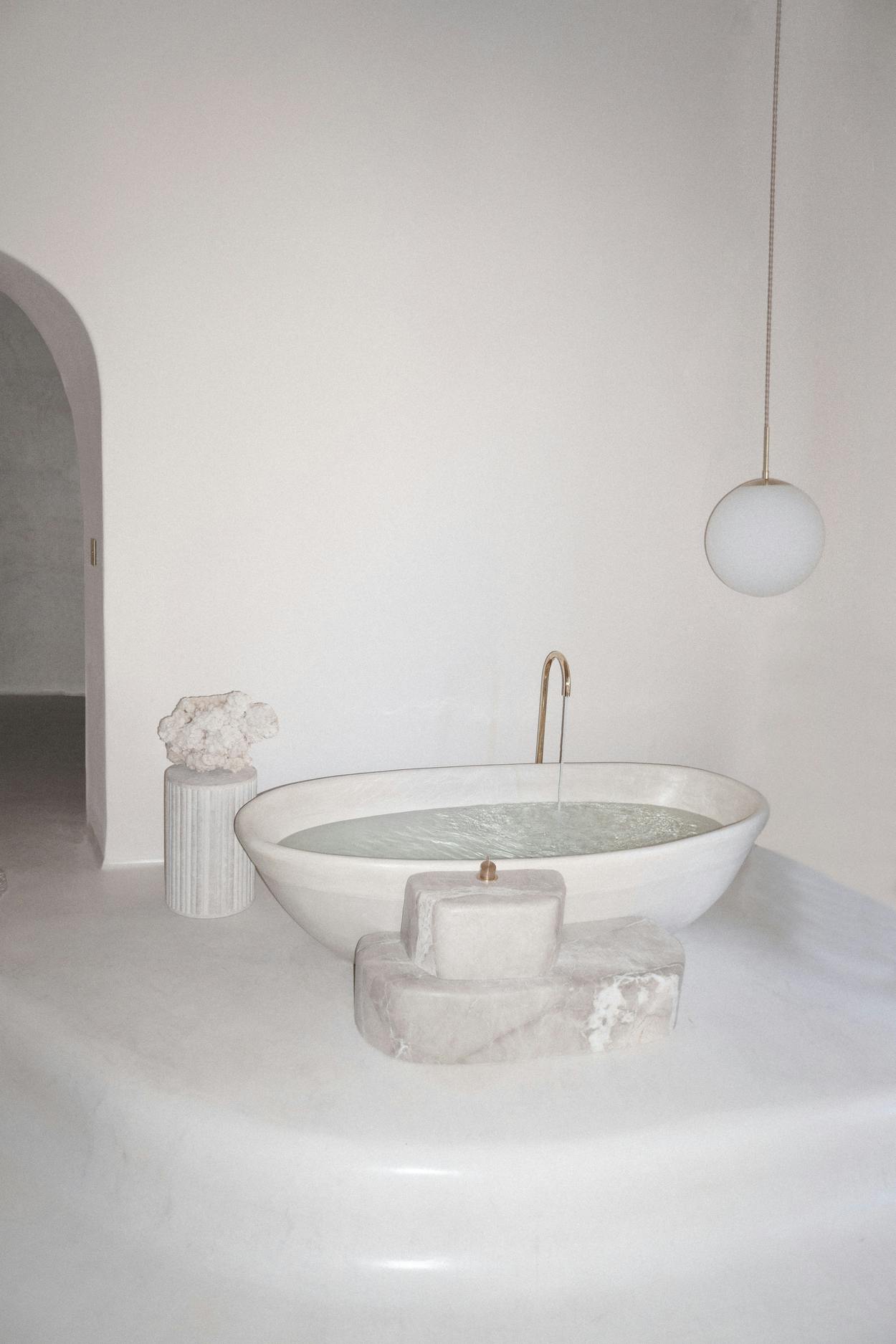
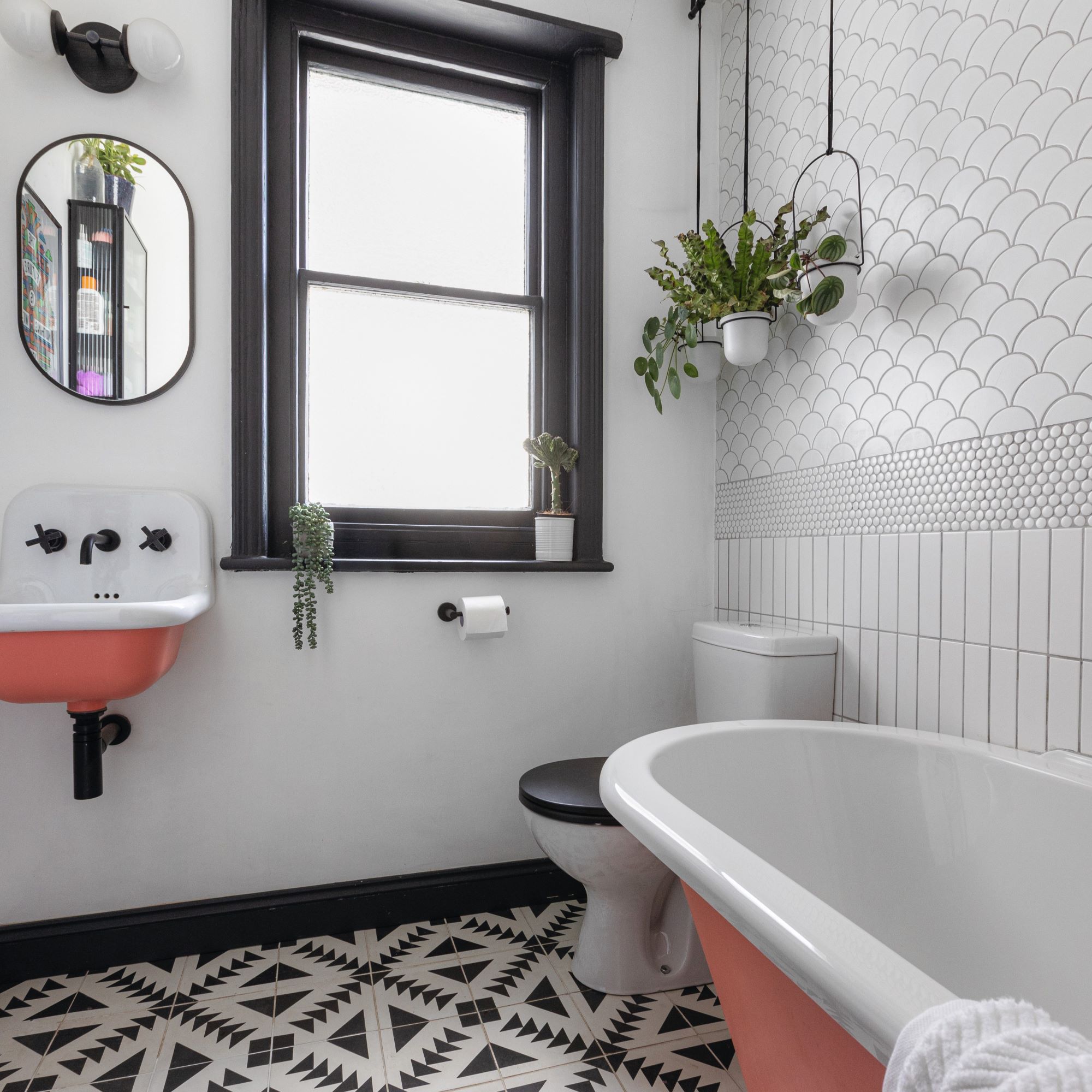
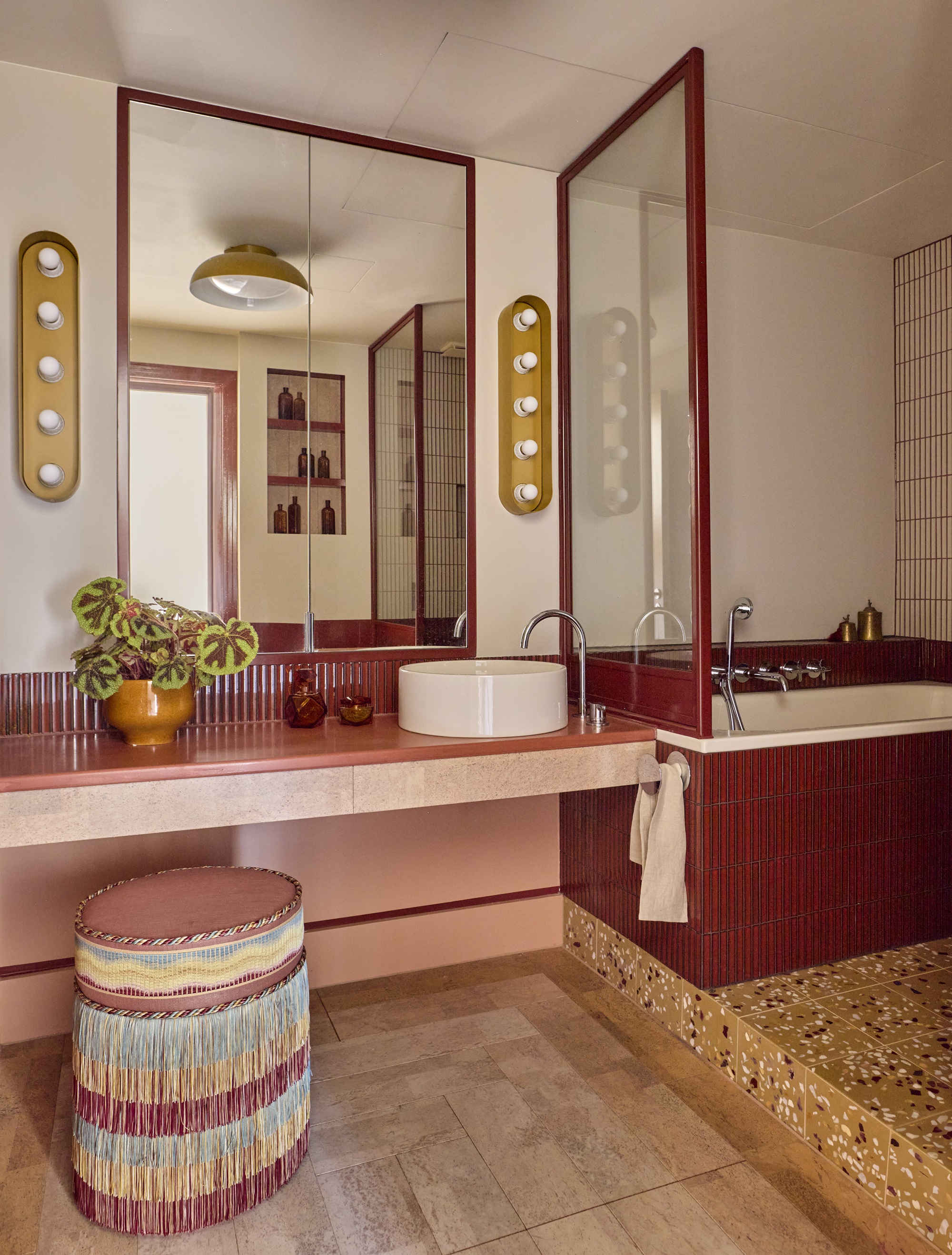
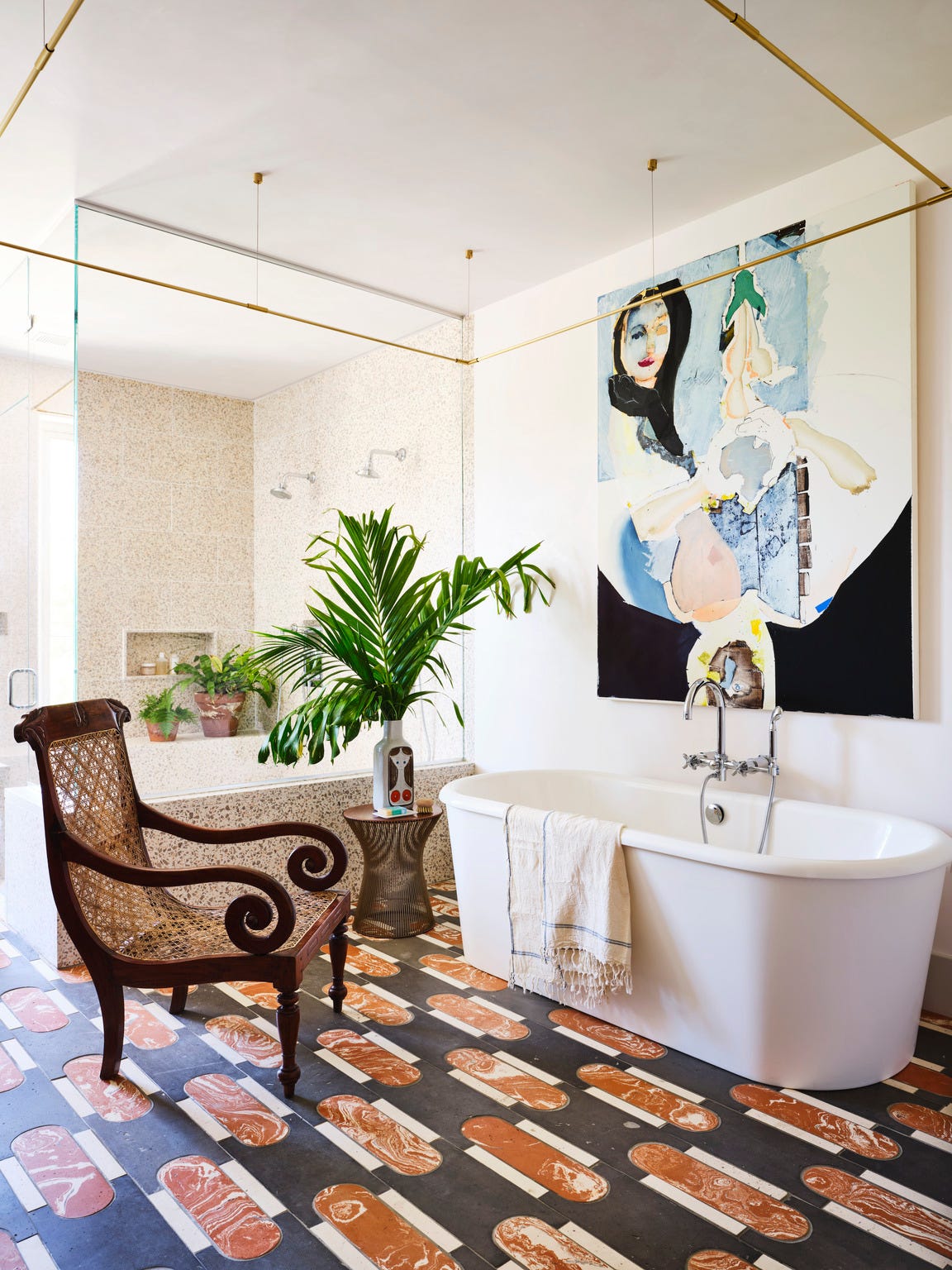
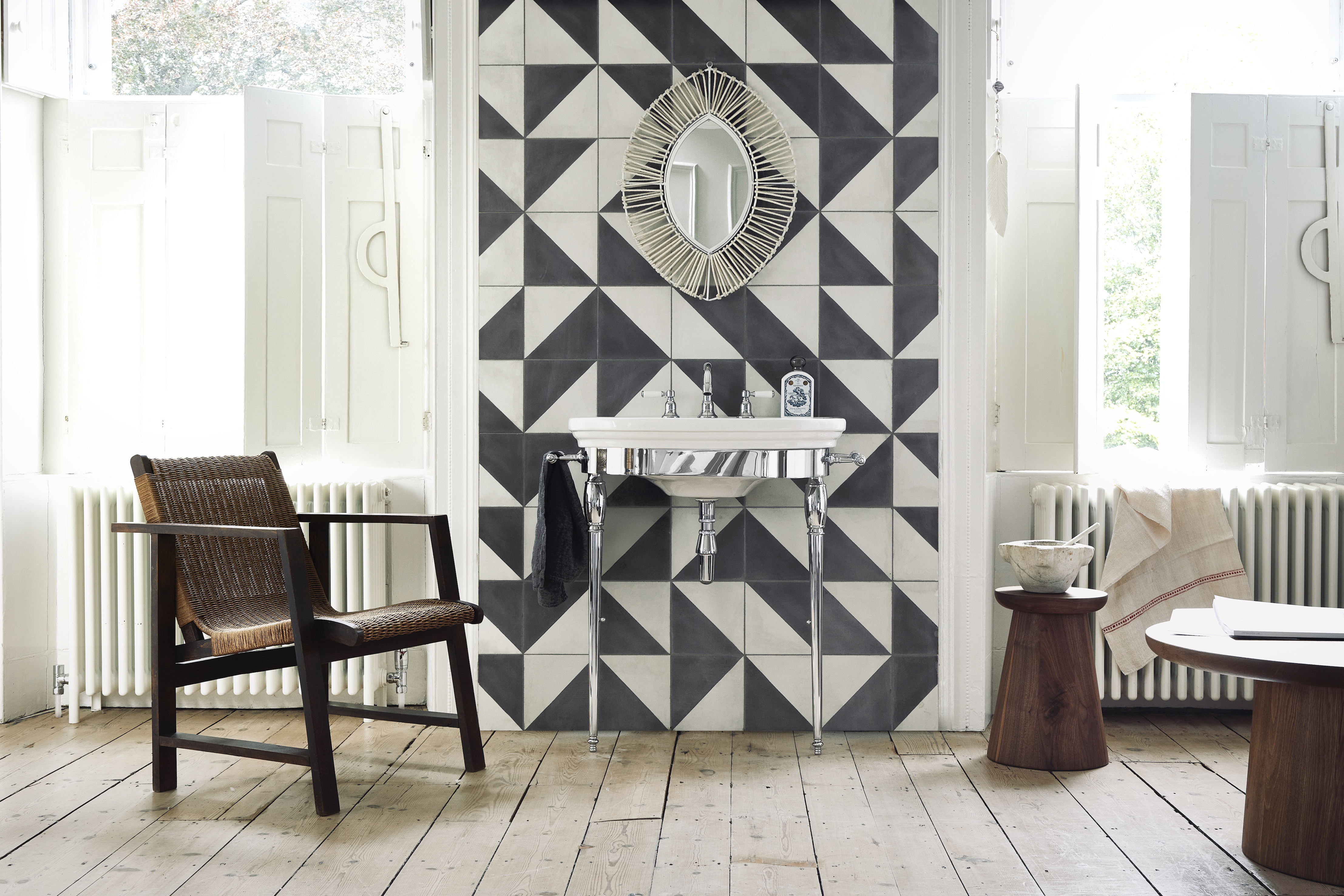
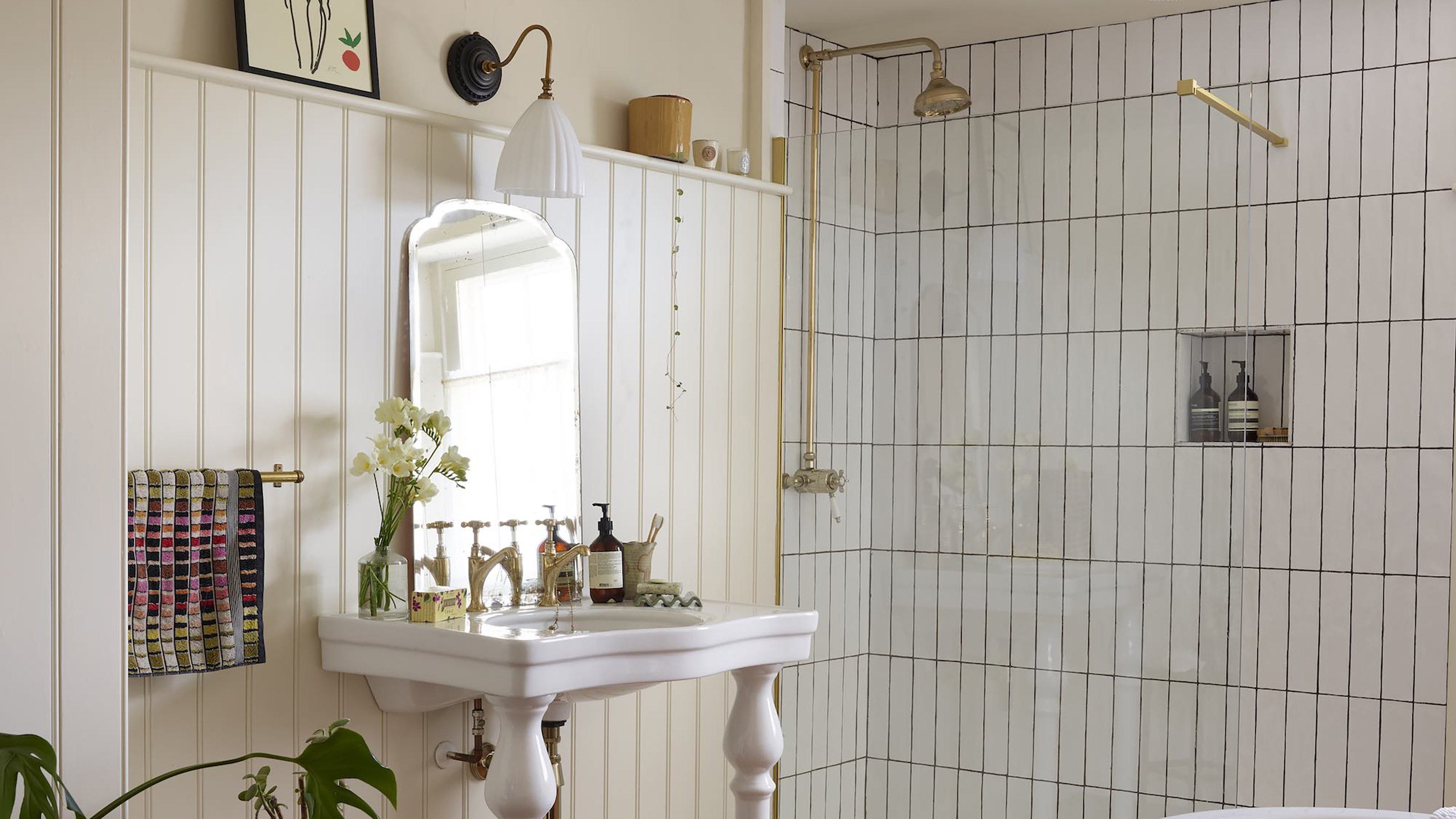
Several practical examples illustrate how to implement transitional bathroom design. One approach involves mixing vintage-inspired pieces with 1930s accessories, as seen in a bathroom with a wall-mounted basin sink, arched mirror, and brass pendants, creating a bright and fresh space. Another method is to integrate a single contemporary element into a traditional setting, such as a modern marble side table in a farmhouse-style bathroom. The flexibility of the transitional style also allows for playful combinations, like bold graphic tiles with an Art Deco-style vanity, complemented by wooden floors and mid-century furniture for added depth and charm.
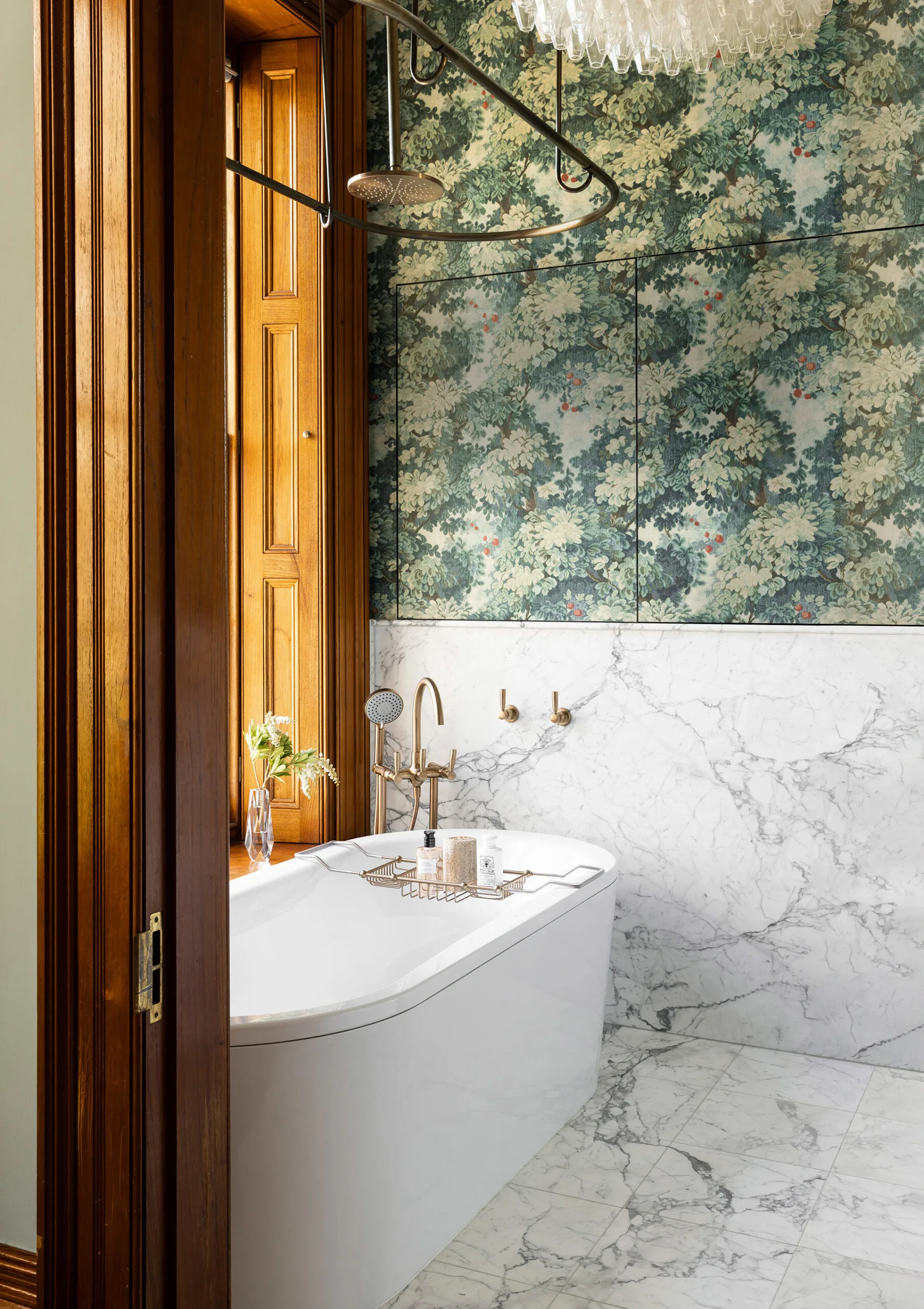
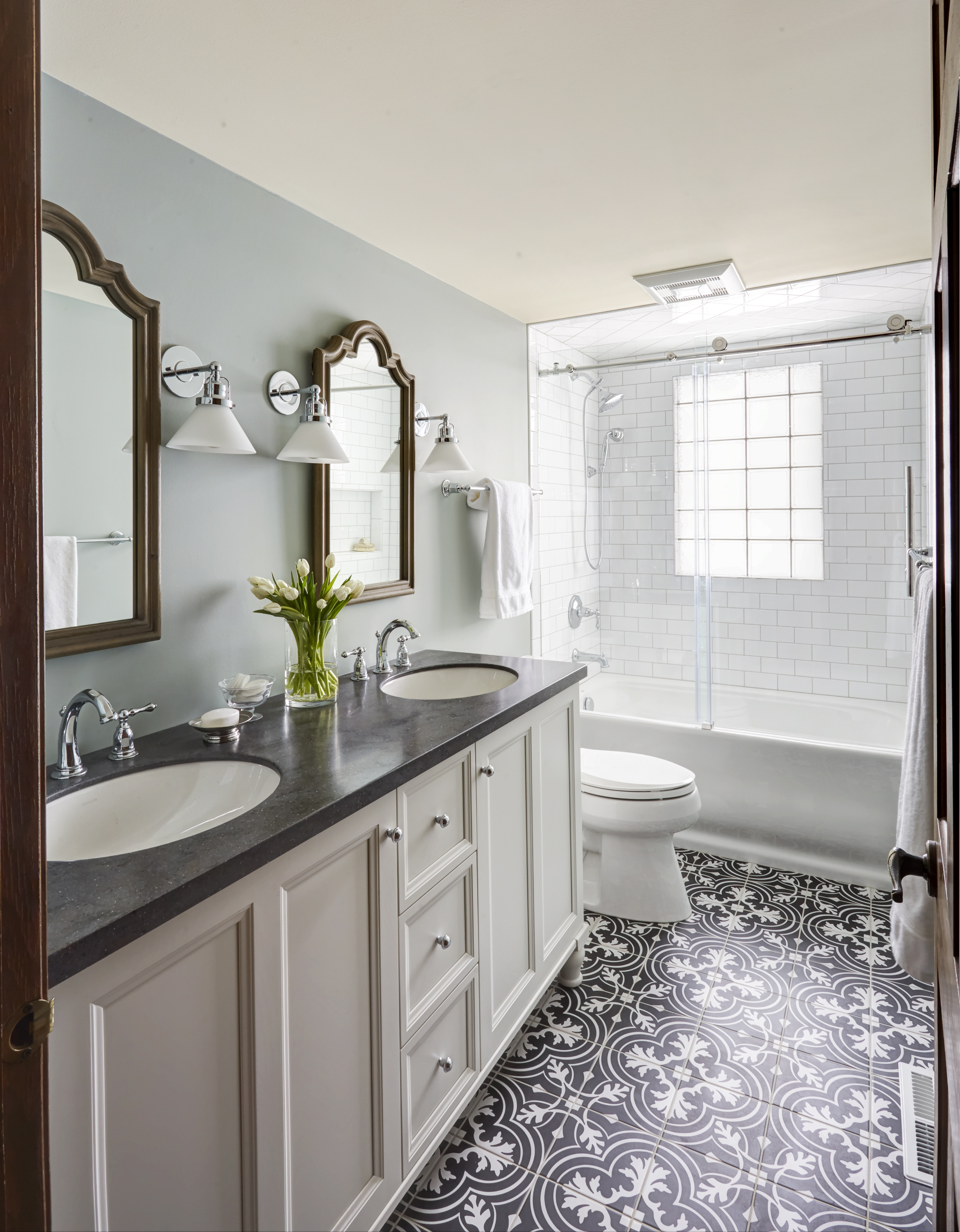
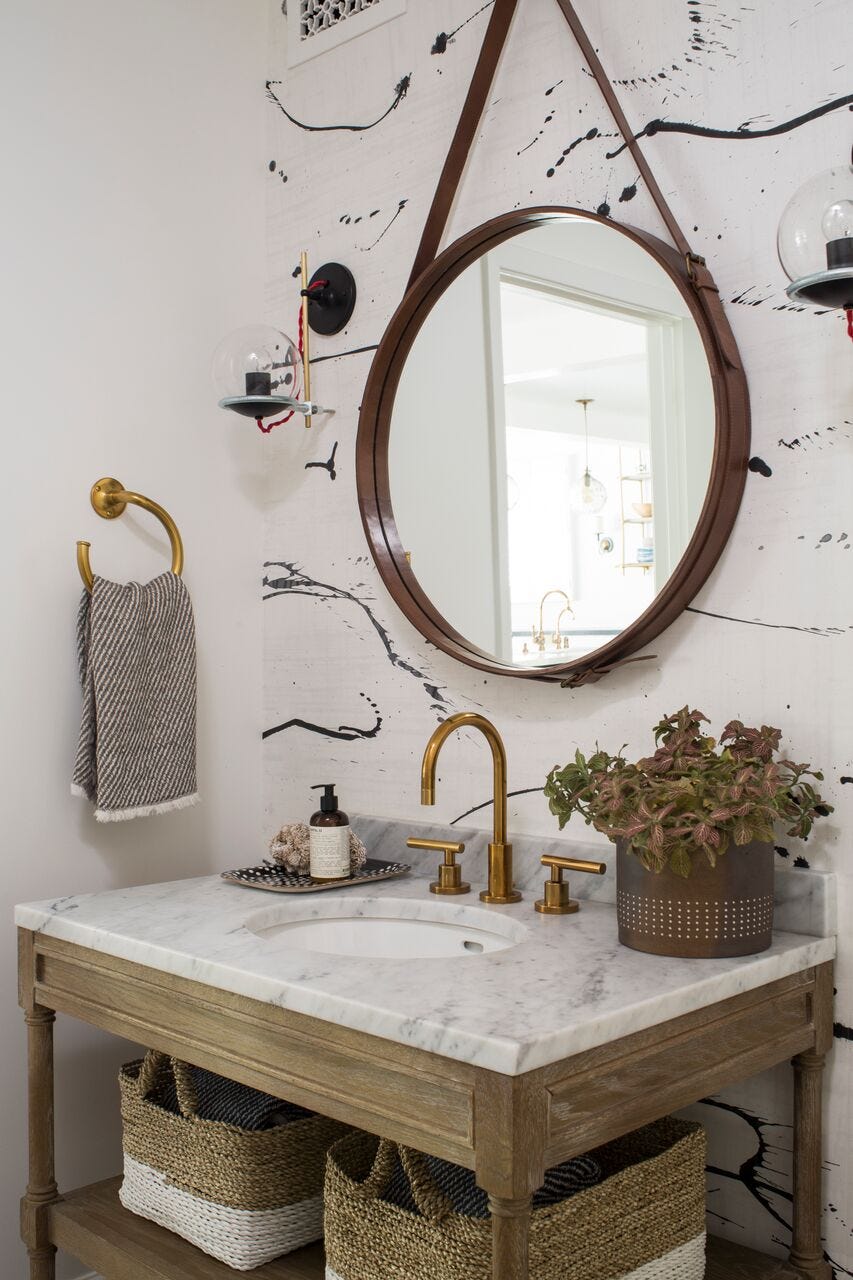
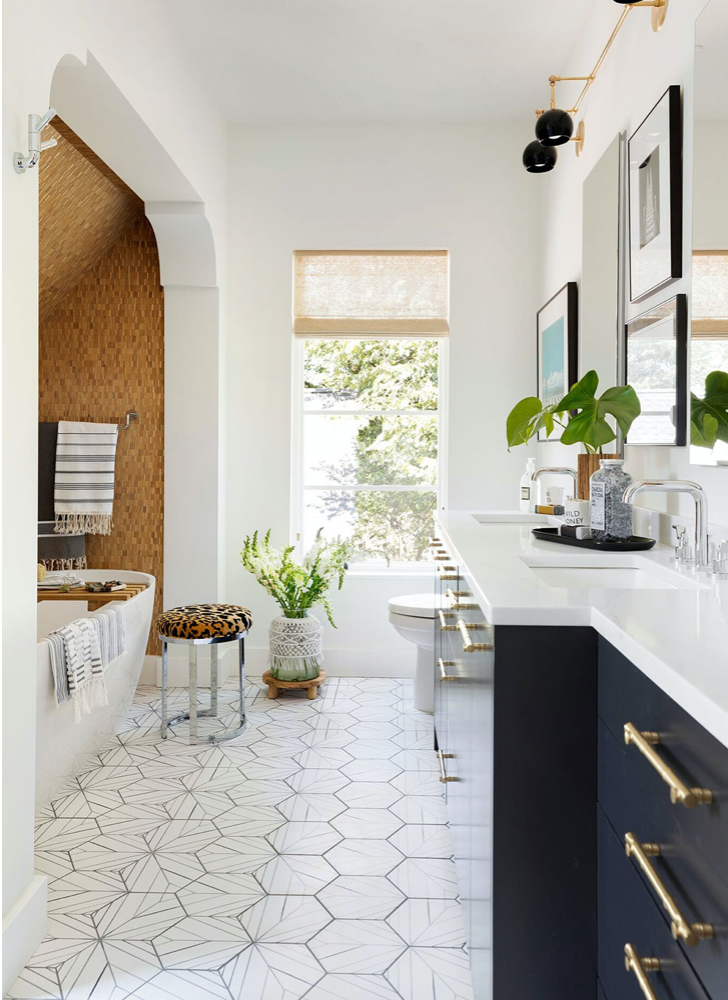
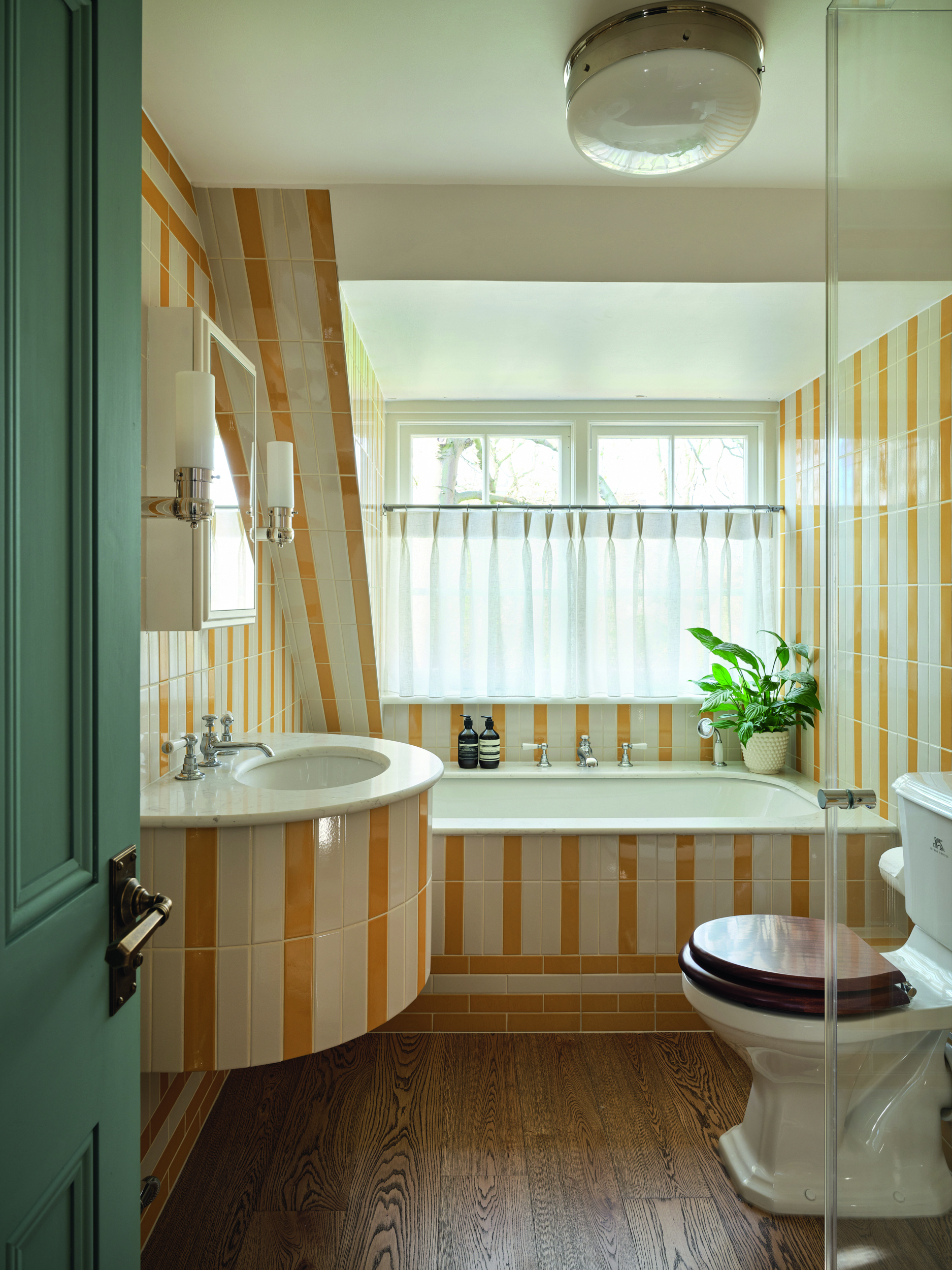
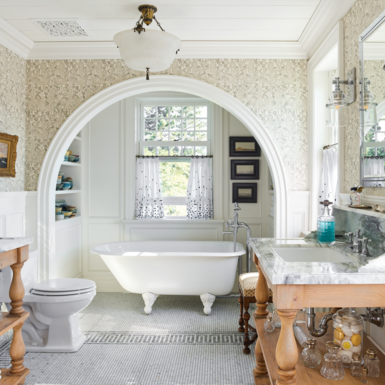
To achieve a refined transitional look, designers often suggest complementing monochromatic schemes with antique touches, such as a vintage rug and rustic stool in a minimalist black and white bathroom. A rustic vanity with a marble, granite, or quartz countertop can anchor the space, blending farmhouse charm with contemporary fixtures. Curved shapes, like a curvy bathtub against a studded wall, can soften modern industrial elements. Decorative retro wallpaper and graphic tiles can also serve as focal points, paired with vintage wooden vanities and brass fixtures. Maintaining a muted color palette, primarily taupes, whites, grays, and blues, with hints of black, ensures a light and airy feel, balancing light and dark elements.
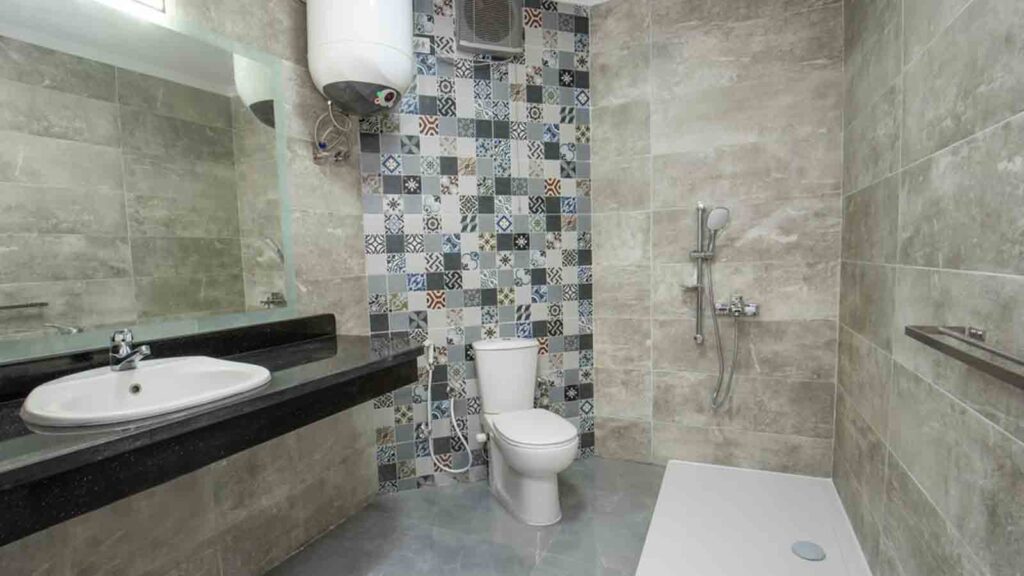
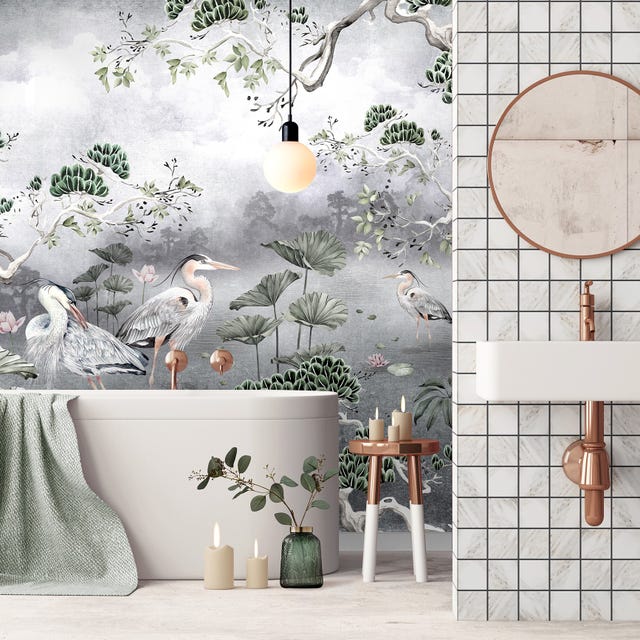
Further design ideas include pairing modern paintwork, such as a single shade on all woodwork, with floral tiles behind a classic roll-top tub, and contrasting patterned floor tiles with charming exposed wooden beams, especially when combined with Shaker cabinetry and LED mirrors. For minimalist bathrooms, an illustrative mural in traditional black and white can add warmth and visual interest, maintaining a subtle and uncluttered aesthetic. Regardless of the specific elements chosen, simple shapes work best, as demonstrated by a wall-hung basin mimicking metro tiles, creating a utilitarian yet contrasted space with exposed brick. Ultimately, transitional bathrooms prioritize comfort and modern amenities while retaining historical charm, offering an aesthetically pleasing and practical solution for diverse design preferences.
#TransitionalDesign #BathroomDecor #InteriorDesign #HomeImprovement #ModernBathroom #VintageElements #NeutralPalette #HomeDecor #BathroomTiles #TransitionalDesign #BathroomDecor #InteriorDesign #HomeImprovement #ModernBathroom #VintageElements #NeutralPalette #HomeDecor #BathroomTiles
0 comment in total
 No comments yet
You may also like
Bathroom Trends
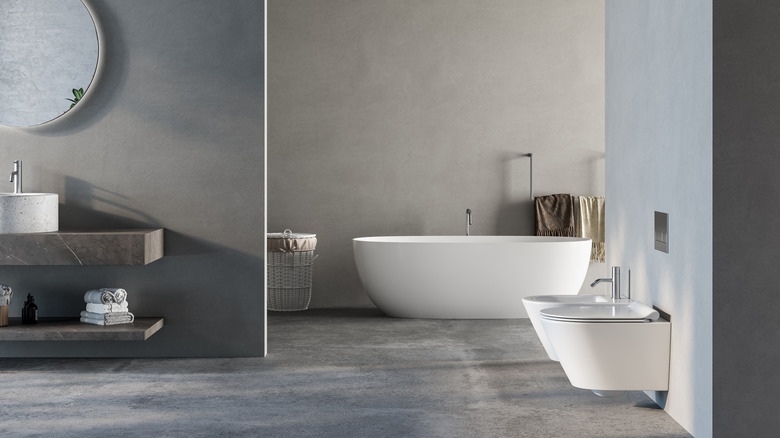
Say Goodbye To Traditional, Builder-Grade Bathrooms — These 12 Unique Features Are In

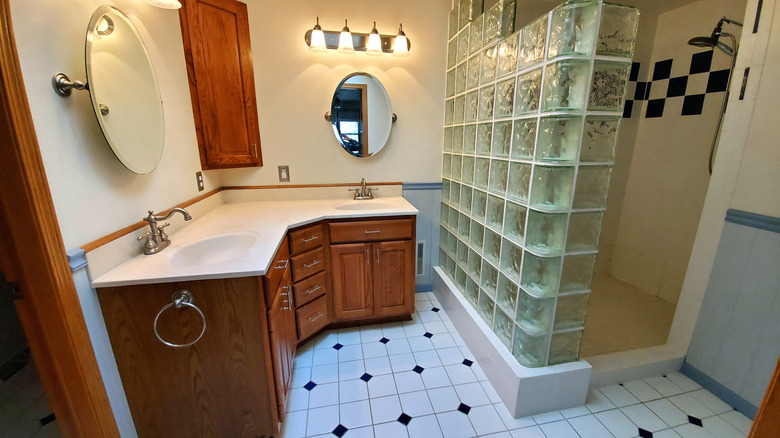
Bathroom Decor Items That Will Look Severely Outdated In 2025
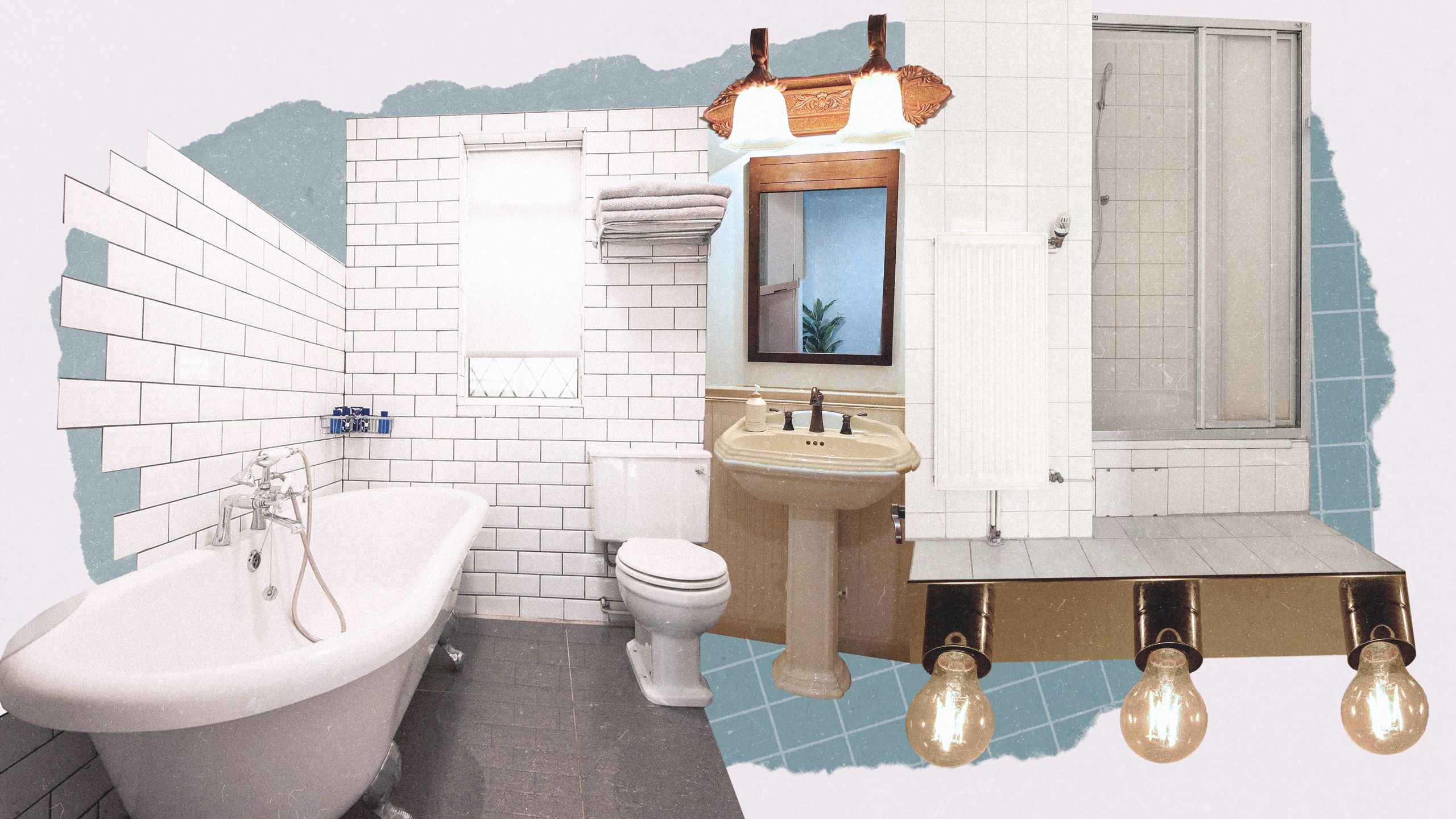
These 7 Trends Are Dating Your Bathroom Big-Time

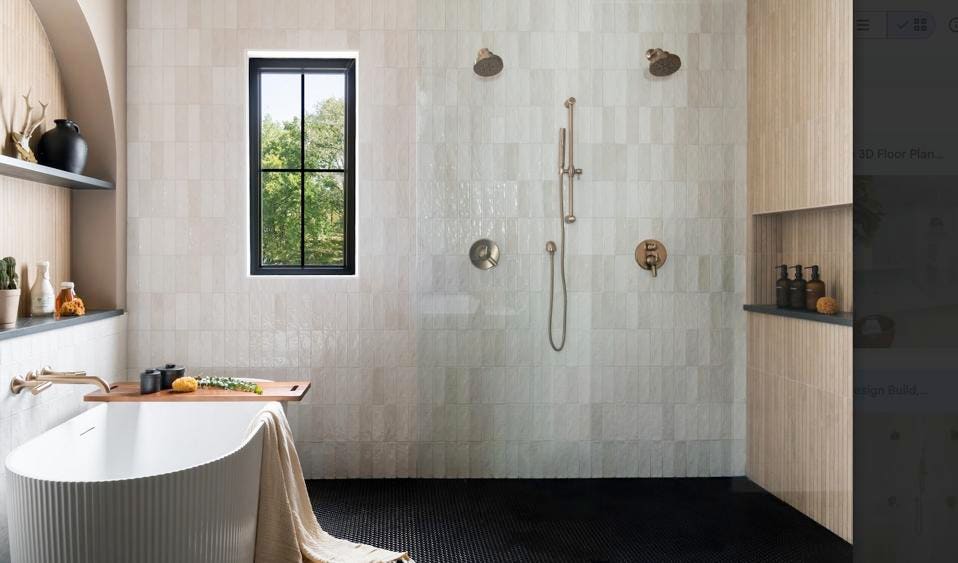
Houzz Identifies 10 Bathroom Design Trends You’ll Want To Incorporate

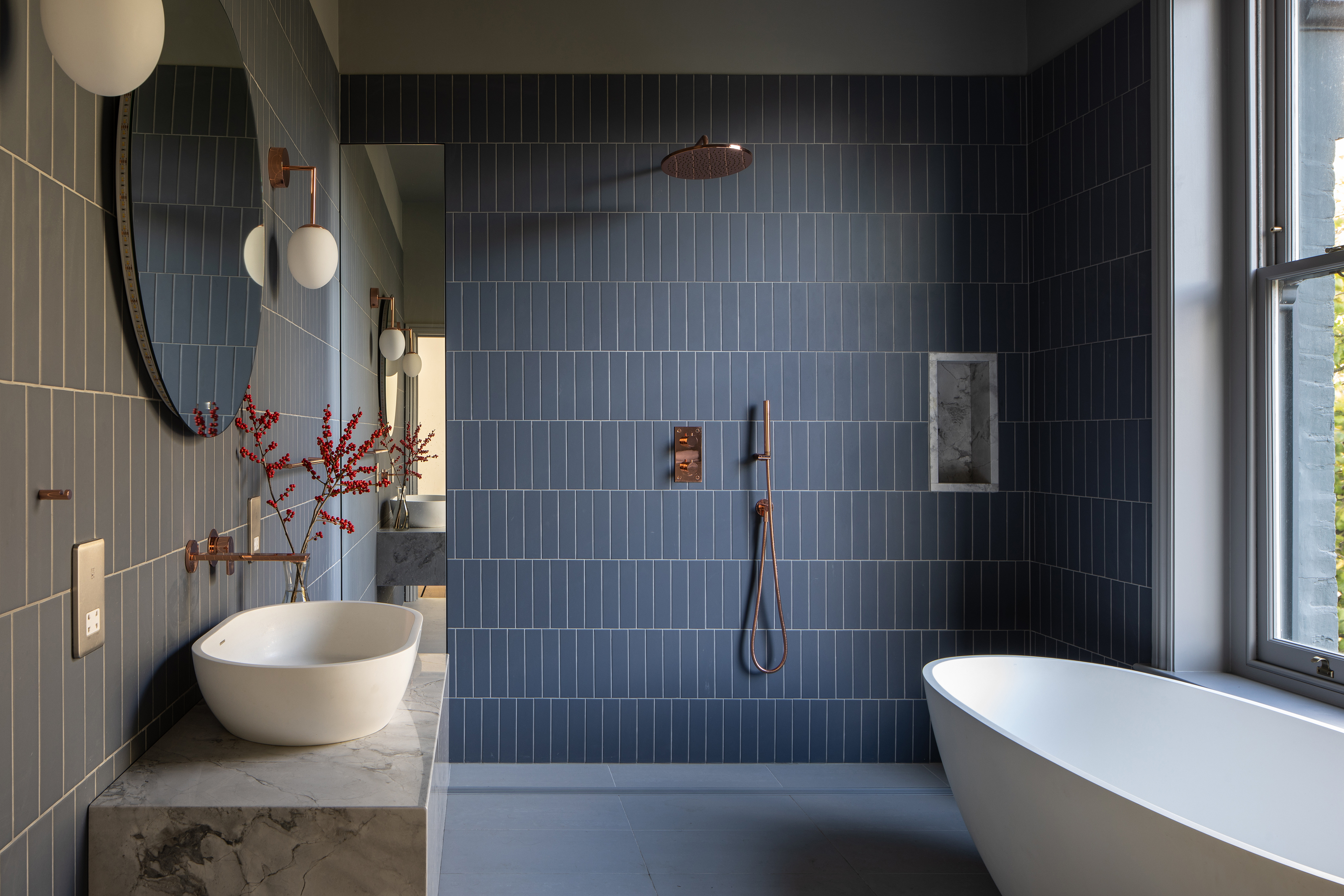
Designers are going bold with bathroom niche ideas – here's how to hop on the trend

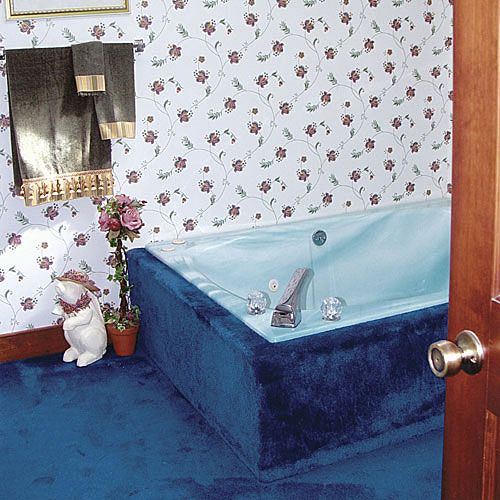
11 Outdated Bathroom Trends We're Retiring In 2024
The 8 Must-Know Bathroom Trends for 2026 |
The bathroom trends set to dominate from now ’til the new year

Bathroom trends for today and tomorrow

Outdated bathroom trends - 10 overdone looks to steer clear of, according to experts
All The Bathroom Trends That Will Be Taking Over In 2026
7 Bathroom Trends Designers Are Leaving Behind In 2026
The Bathroom Trends To Keep On Your Radar in 2019

These Are the Bathroom Trends That Will Dominate in 2022

The 5 Biggest Bathroom Trends for 2023, According to Designers
'Transitional' bathrooms combine the best parts of traditional and modern style – here's how the experts get the mix right
The Best Bathroom Ideas To Get The Glow-Up You Deserve
Make sure you know all these bathroom trends in 2024

7 Dated Bathroom Trends to Avoid in 2025, According to Designers