1/6
Is Your Home Ready for Another Cleveland Winter? How to Winterize in Northeast Ohio
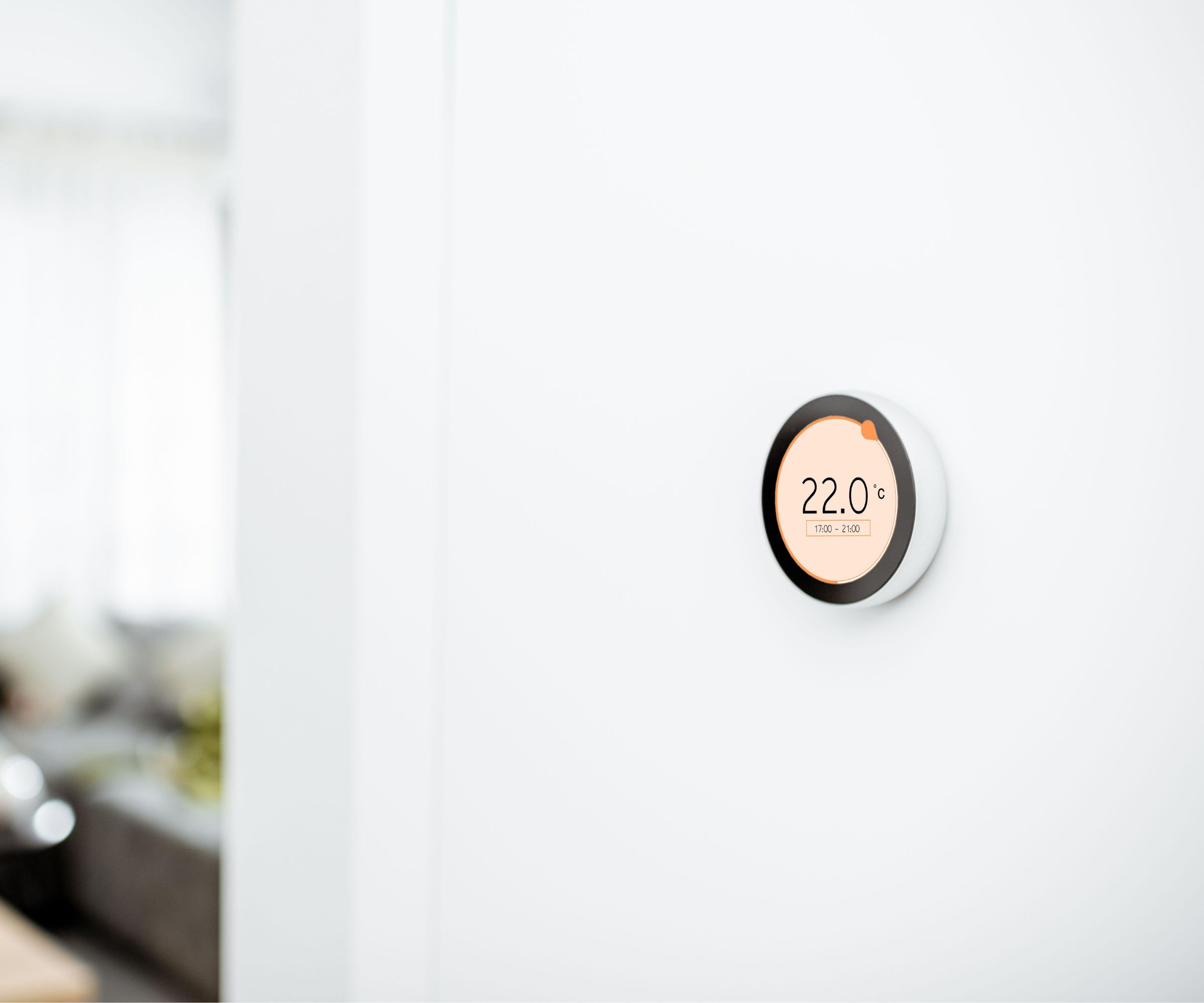
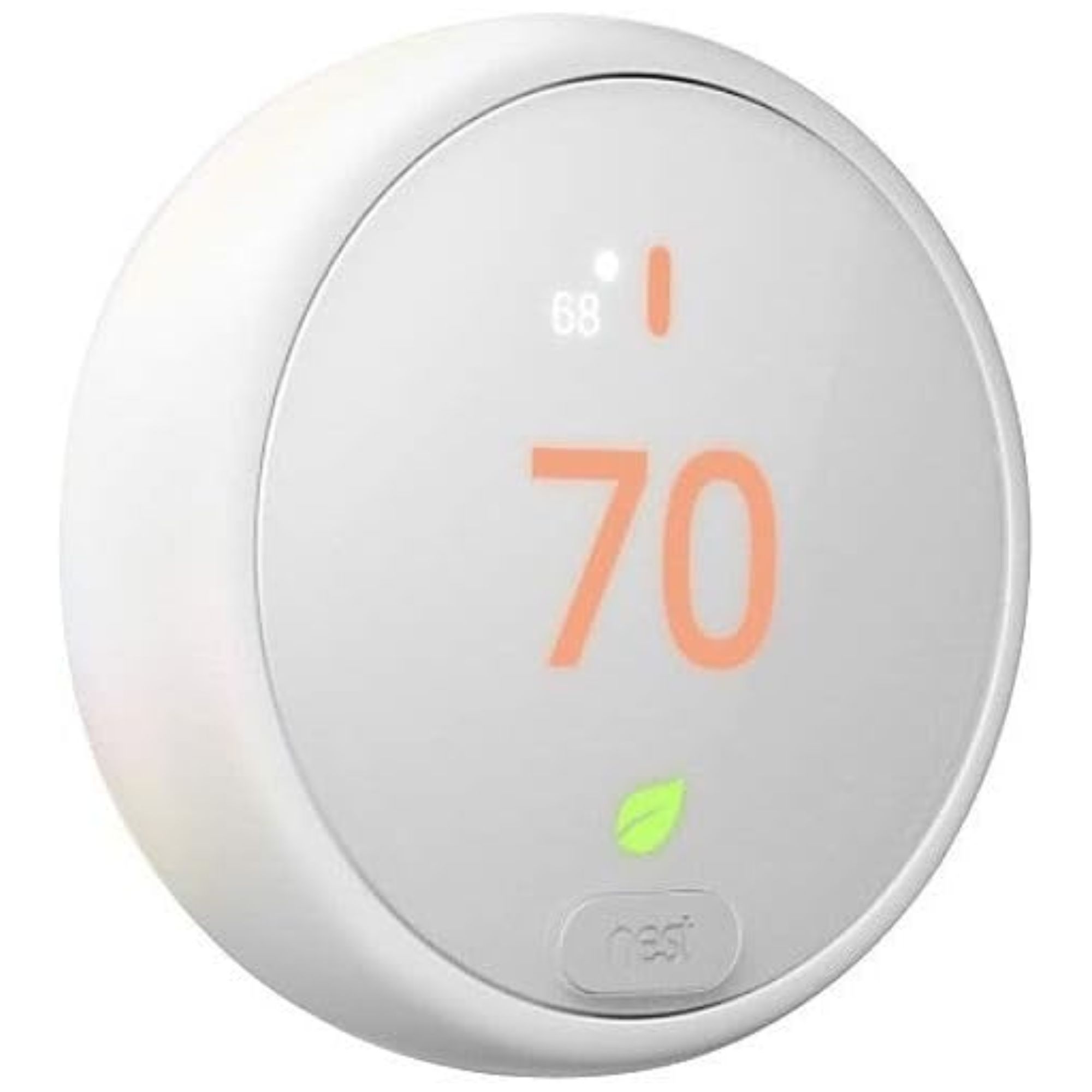
Preparing a home for the Northeast Ohio winter involves several crucial steps to ensure a healthy, safe, and energy-efficient living environment. Overlooking basic winterization can lead to common issues such as ice-jammed gutters, window leaks, continuously running furnaces, and frozen pipes. Experts emphasize addressing key areas of the home, starting with indoor air quality. Indoor air can be significantly dirtier than outdoor air due to trapped pet dander, dust, mold spores, bacteria, and skin particles when homes are sealed up for winter. Sean Nagle, general manager of Bay Heating & Air Conditioning, notes that closing up homes during cold weather prevents natural ventilation, leading to a buildup of pollutants and carbon dioxide. While carbon monoxide sensors are essential for safety, CO2 levels also warrant attention. An imbalance in CO2 can cause lethargy, often mistaken for other common winter ailments. Modern thermostats offer built-in indoor air quality sensors that can alert residents to high CO2 levels, prompting them to open windows for ventilation or consider whole-house ventilation systems that pull in filtered fresh air and expel stale air. Energy recovery ventilators provide an advanced solution by also pushing out stale air while recovering energy.
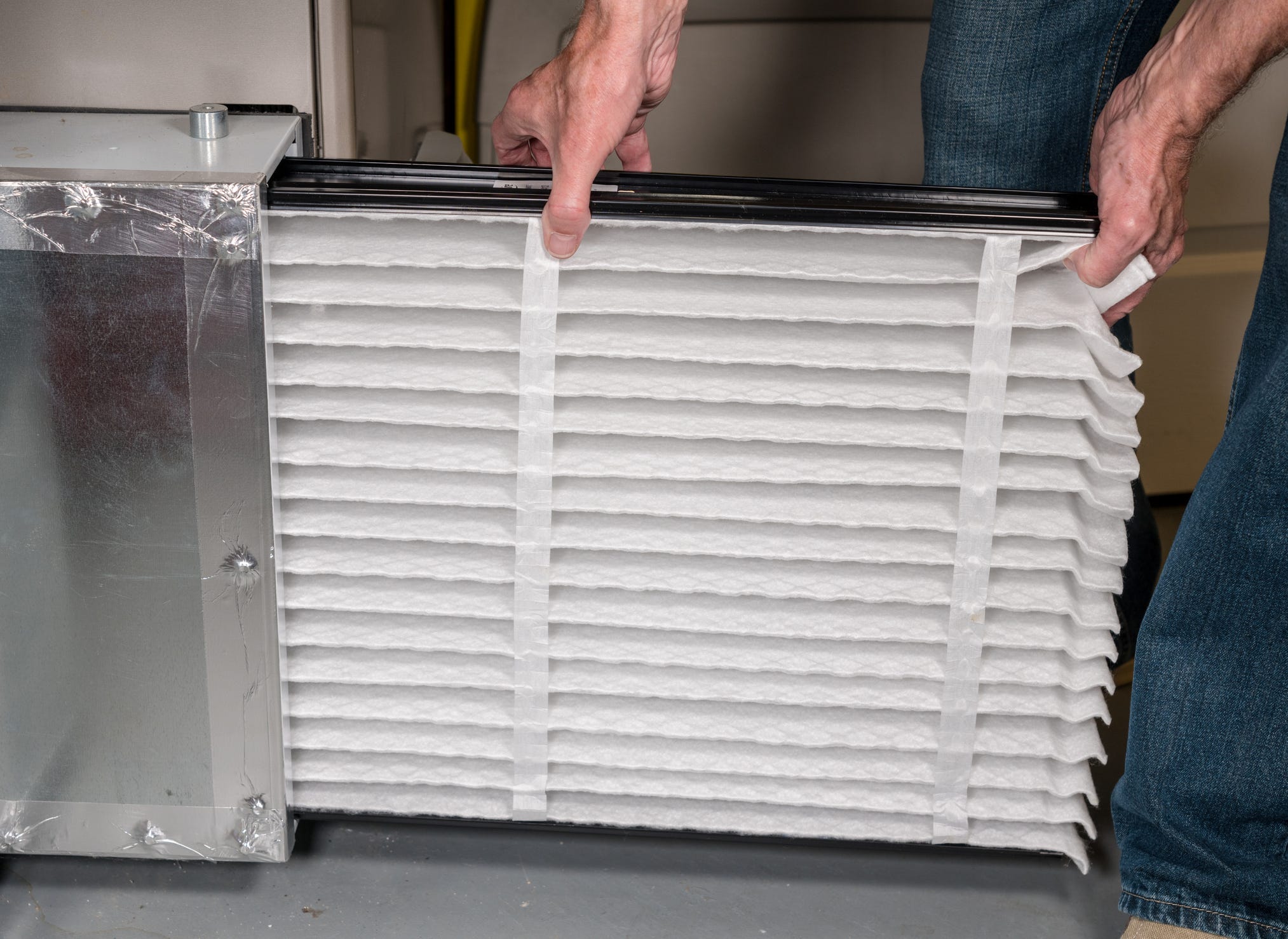
For allergy sufferers, UV lights installed in HVAC systems can kill bacteria, viruses, and mold spores, while air ionizers generate negative ions that cause airborne contaminants to clump together and stick to HVAC filters. Maintaining a whole-house humidity level between 35% and 60% is also vital; levels below 35% encourage bacteria and viruses, while levels above 60% promote mold growth. Beyond air quality, routine HVAC system maintenance is critical for preserving equipment, improving efficiency, and reducing utility bills. One-inch filters should be changed monthly, and high-efficiency 4- to 5-inch filters biannually. Annual or bi-annual professional HVAC tune-ups can catch problems early, extending the life of the system. Signs of a malfunctioning HVAC system include "short cycling," poor airflow, and unusual humming noises.
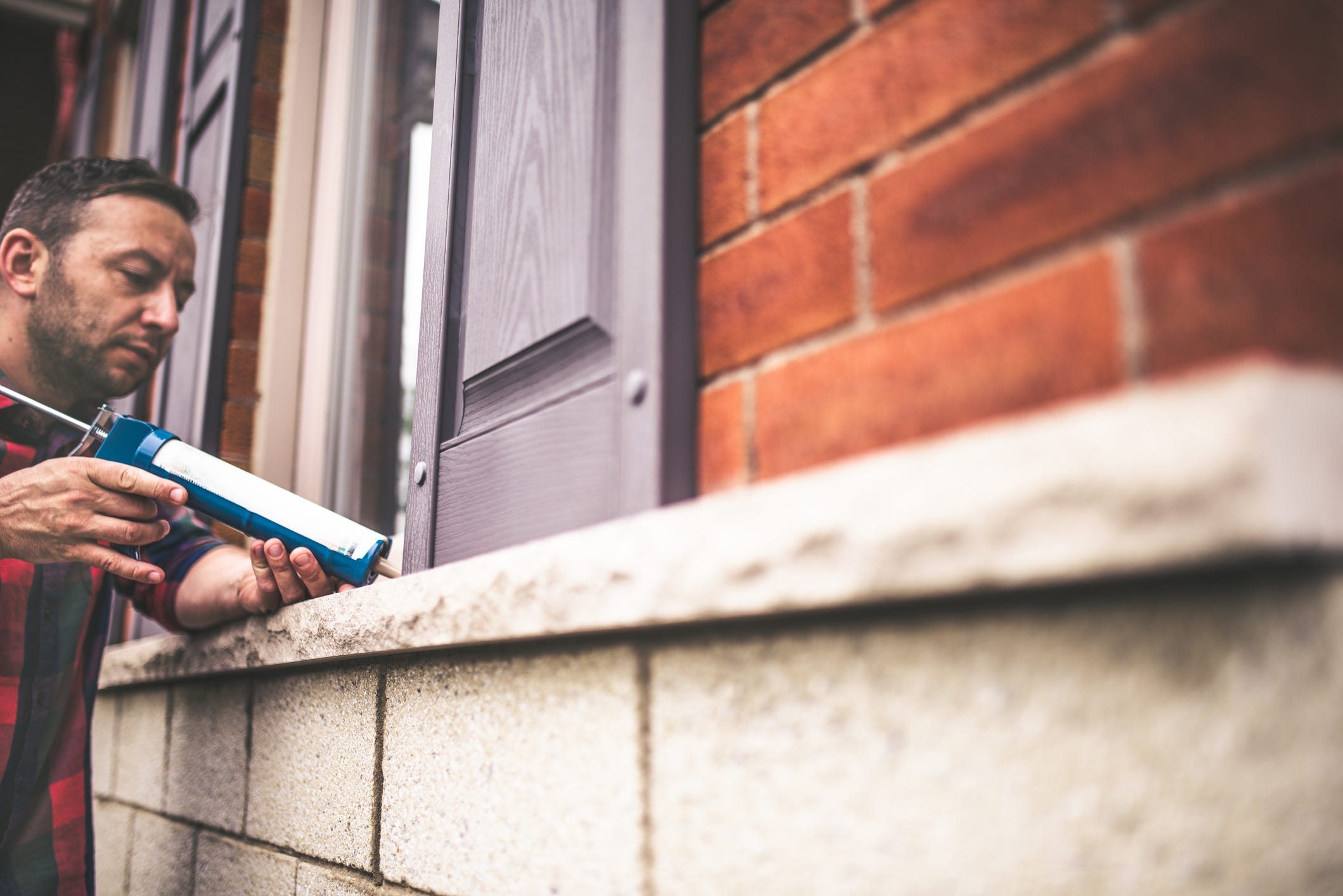
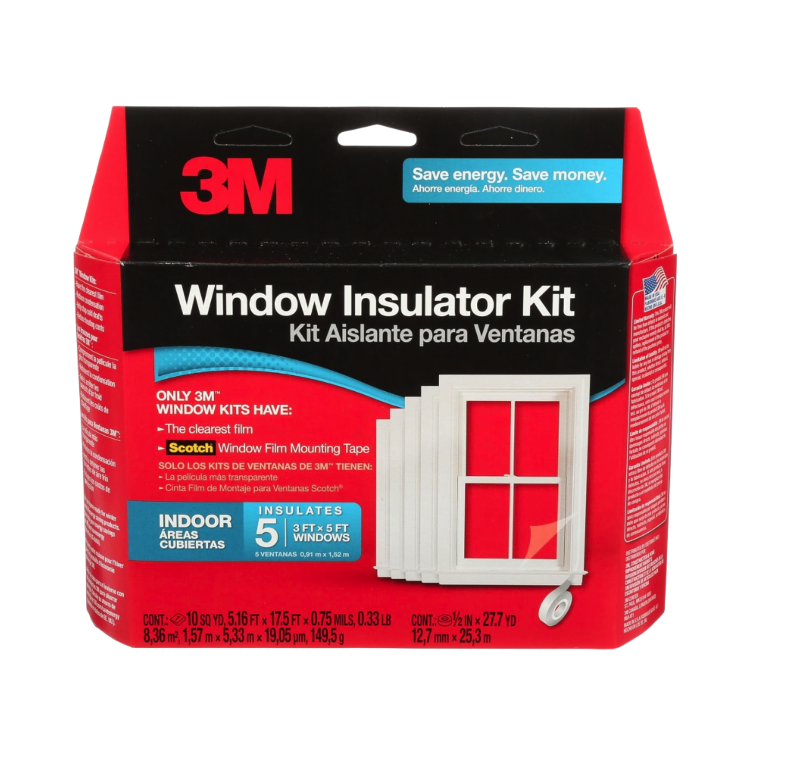
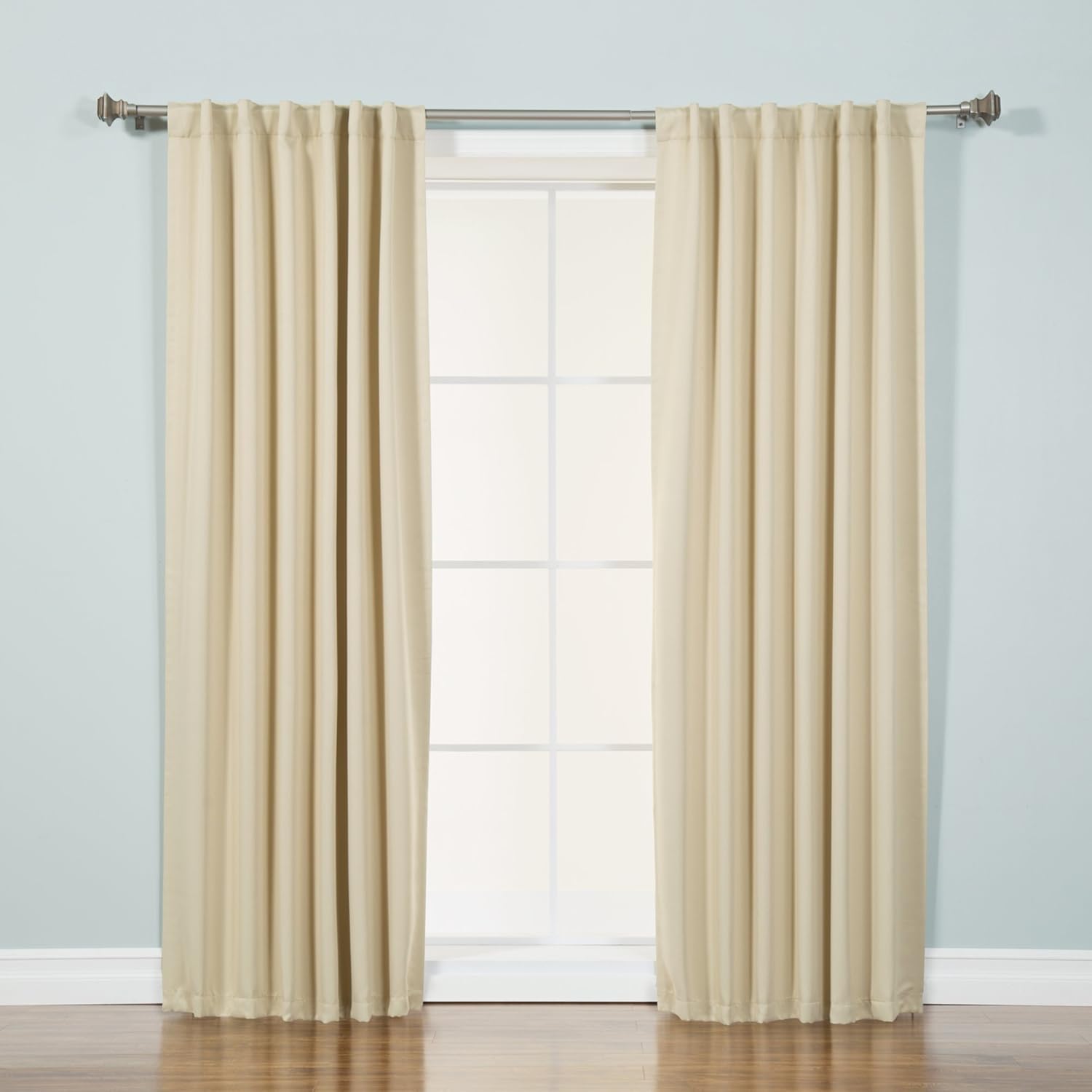
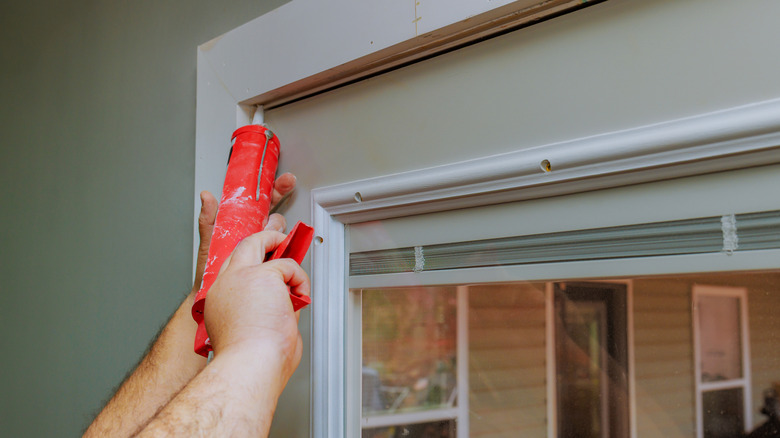
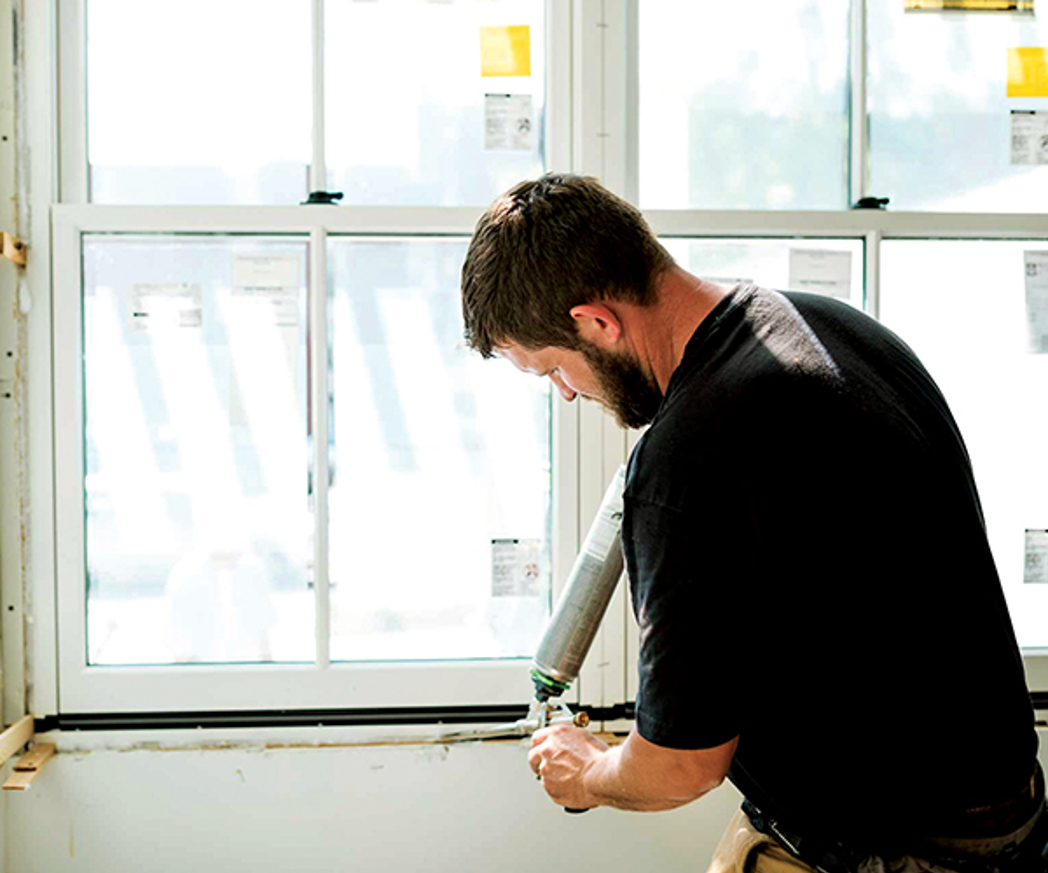
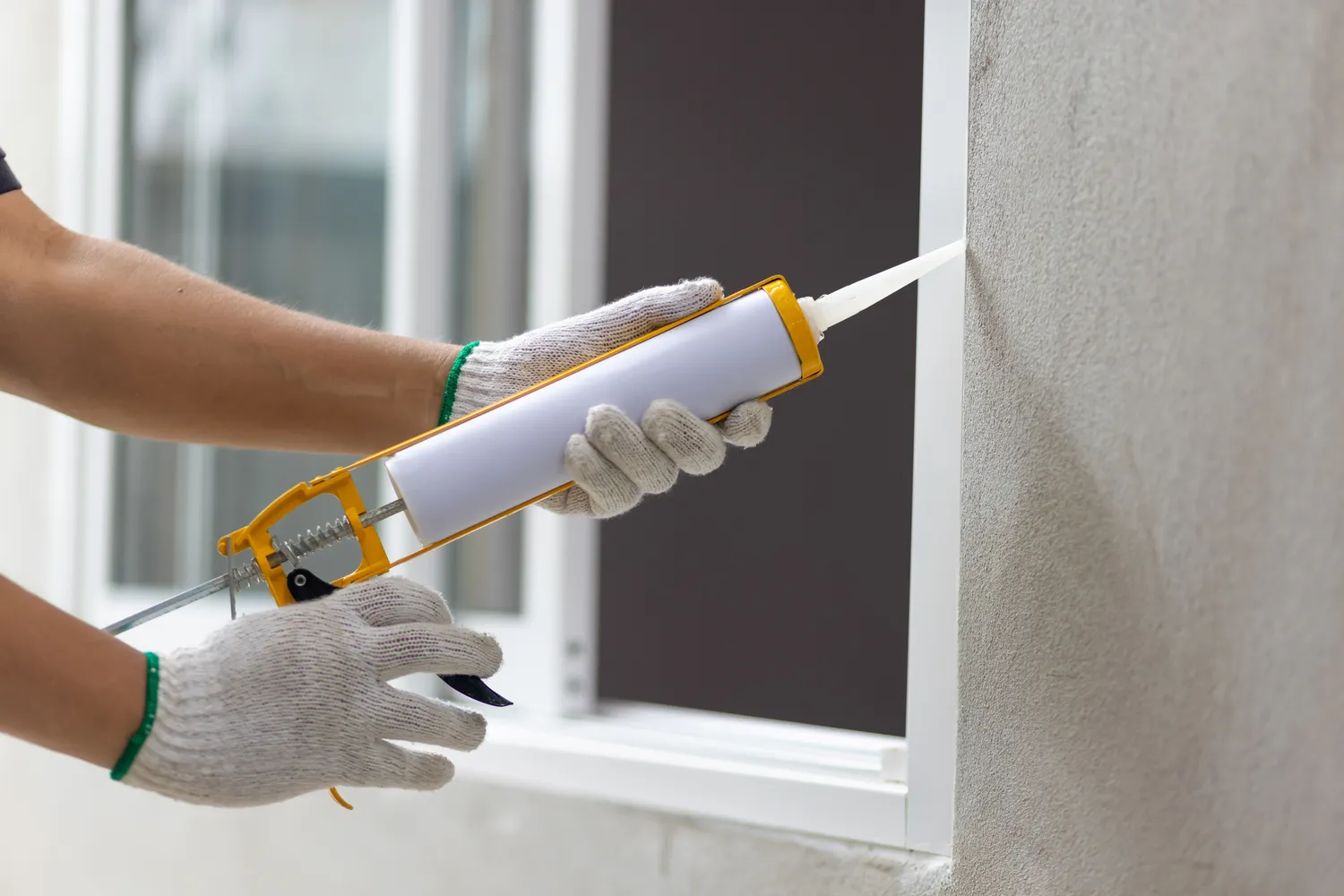
Windows and doors are significant sources of heat loss if not properly sealed. Brian Rutherford, regional manager of Gunton Corp./Pella Windows & Doors, suggests a simple test: hold a lit match or lighter near the window's perimeter on a breezy day; a dancing flame indicates a leak. Common culprits include deteriorated weather stripping and eroded caulking. Unlocked windows also pose risks, as they may not be fully closed, leading to drafts and potential expansion/contraction issues that prevent proper locking. Ensuring doors are level and square is also important to prevent air leakage. Exterior inspection should include checking caulking around all protruding objects like vents, as snowmelt can sit and seep into unsealed areas, unlike rain, which drains more quickly.
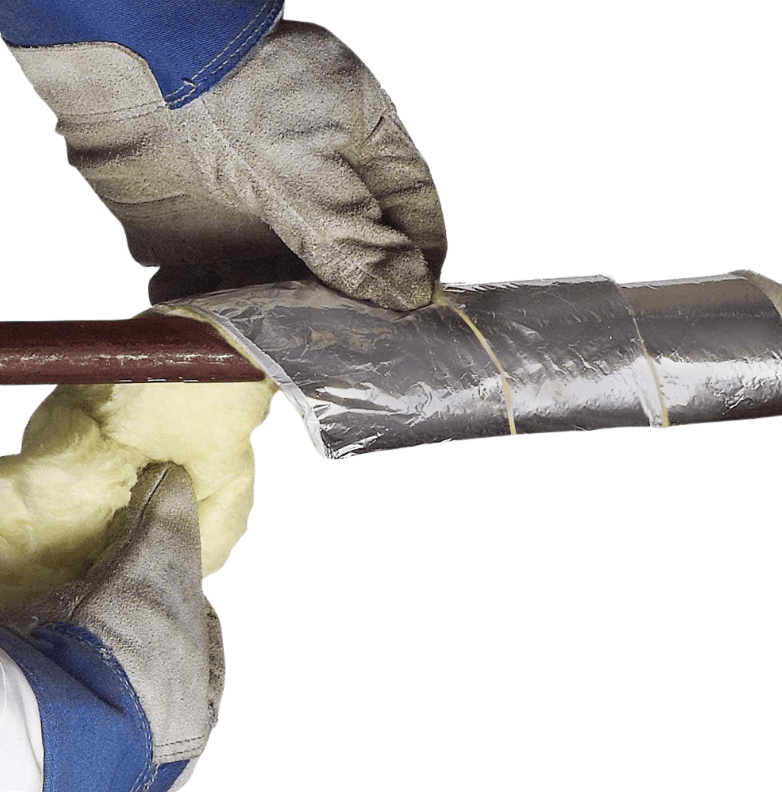
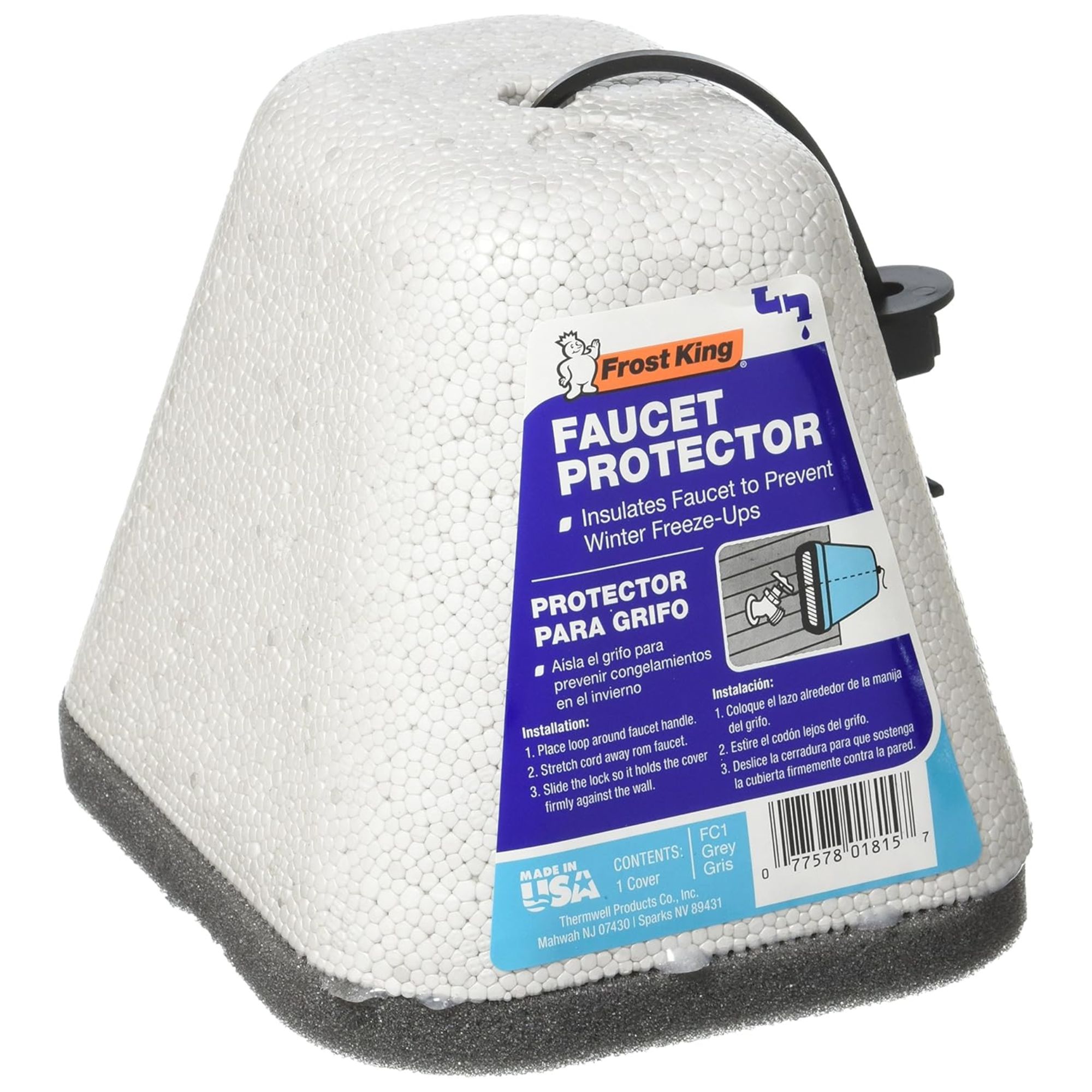
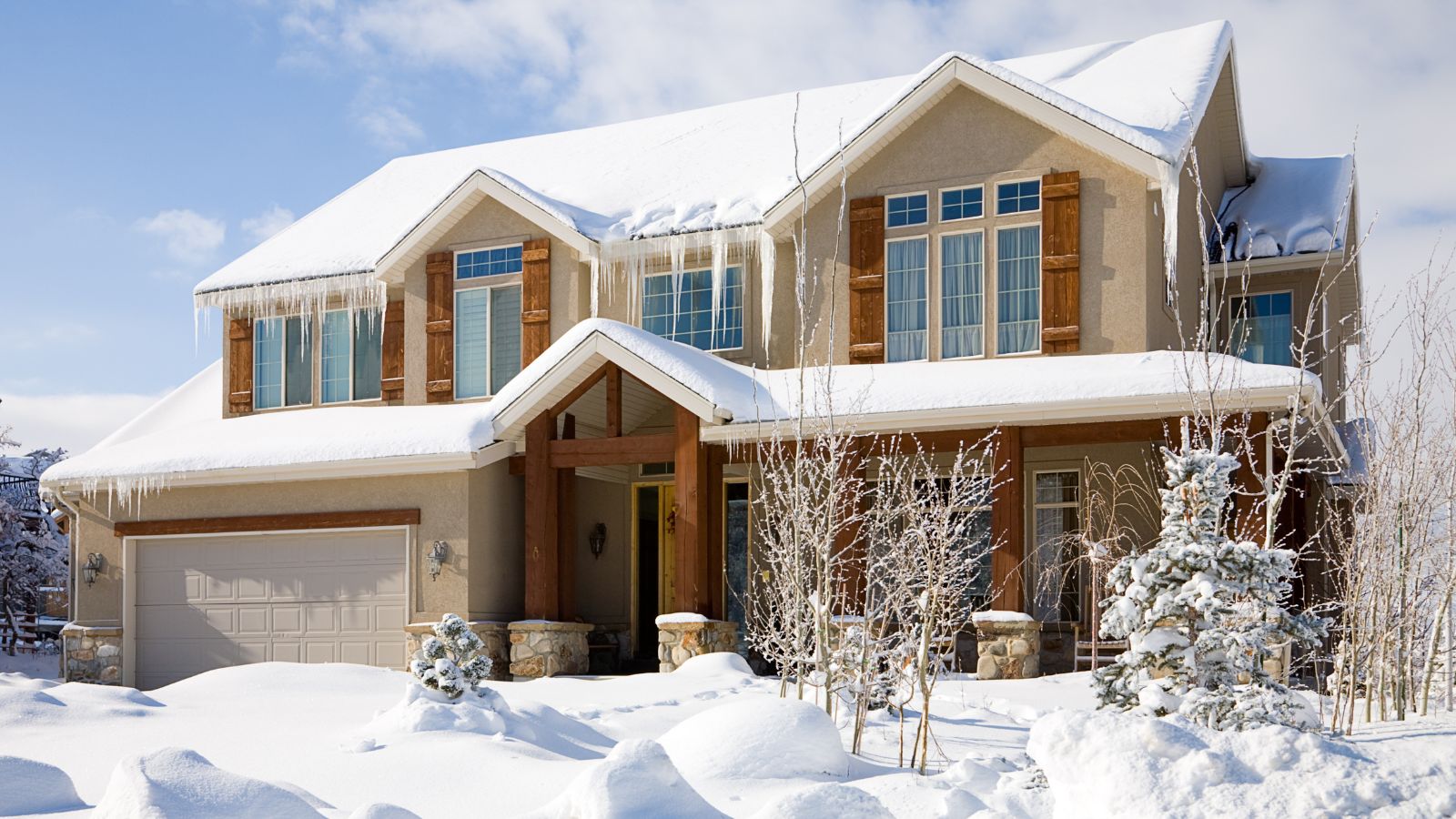
Roof integrity is another crucial aspect of winterization. Chris Kamis, president and CEO of Absolute Roofing and Construction, advises checking for missing shingles and damaged flashings around chimneys and pipes. Clogged gutters are particularly problematic in winter, as refreezing snowmelt can back up under shingles, leading to severe interior water damage. Kamis recommends cleaning gutters in late November to early December and ensuring downspouts are not overflowing. Finally, protecting pipes from freezing is essential to prevent burst pipes, flooding, and high utility bills. Stack advises opening cabinet doors to allow warm air to circulate around pipes, especially those on outside walls or in attics. Allowing faucets to trickle can keep water circulating, and if leaving town, shutting off the main water supply is a prudent measure.
#Winterization #HomeMaintenance #NortheastOhio #IndoorAirQuality #HVACSystem #EnergyEfficiency #WindowSealing #RoofInspection #PipeFreezing #Winterization #HomeMaintenance #NortheastOhio #IndoorAirQuality #HVACSystem #EnergyEfficiency #WindowSealing #RoofInspection #PipeFreezing
कुल 0 टिप्पणियाँ
 कोई टिप्पणी नहीं
आपको यह भी पसंद आ सकता है
It's Time to Prepare Your Home for Winter With These 10 Quick, Easy Ways
13 Of The Best Home Renovation Projects To Tackle During Winter


How to keep your house warm in winter — 29 budget-friendly and easy ways to stay cosy
Handyman: Make sure water heater is ready for cold days
How to Winterize Your House And Save Yourself Thousands in Repairs Later

17 Tips and Hacks to Help Keep Your House Warm This Winter

6 Outdoor Fixes You Should Do Now for a Damage-Free Spring, Home Reno Pros Say


One Designer on How to Make Your Screened-In Porch Usable This Winter

7 easy and efficient ways to keep your house warm this winter
How to create a winter-friendly outdoor living space

Turn Your Entry Into a Warm, Storm-Ready ‘Entry Shield’ With These 5 Hacks

These are the 7 ways I'm trying to keep my 110-year old house warm this winter – all without turning on the central heating

Heat your home efficiently this winter

The must-have items to get you through winter

When to drip faucets – avoid frozen and burst pipes with these expert-approved precautions

25 Colorful Winter Flowers That Actually Thrive in the Cold

The 8 Must-Have Products to Winterize Your Home


Don't ruin your patio! 7 steps experts say you must take before the first frost


Plan the Perfect Upstate Getaway This Winter
Ask The Contractor: 6 Things You Didn’t Know About Remodeling Your Home During Winter