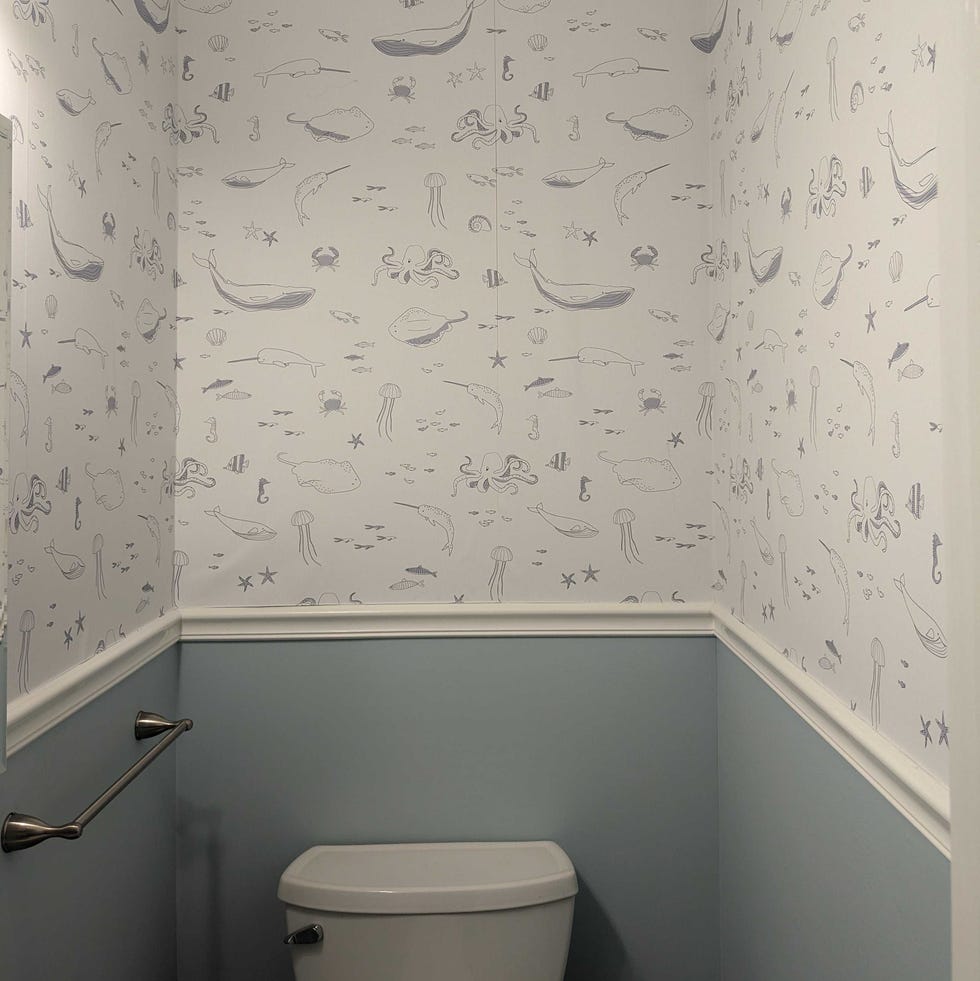
1/8
Interior Designers Reveal Their Honest Opinions on Peel-and-Stick Wallpaper vs. Paste
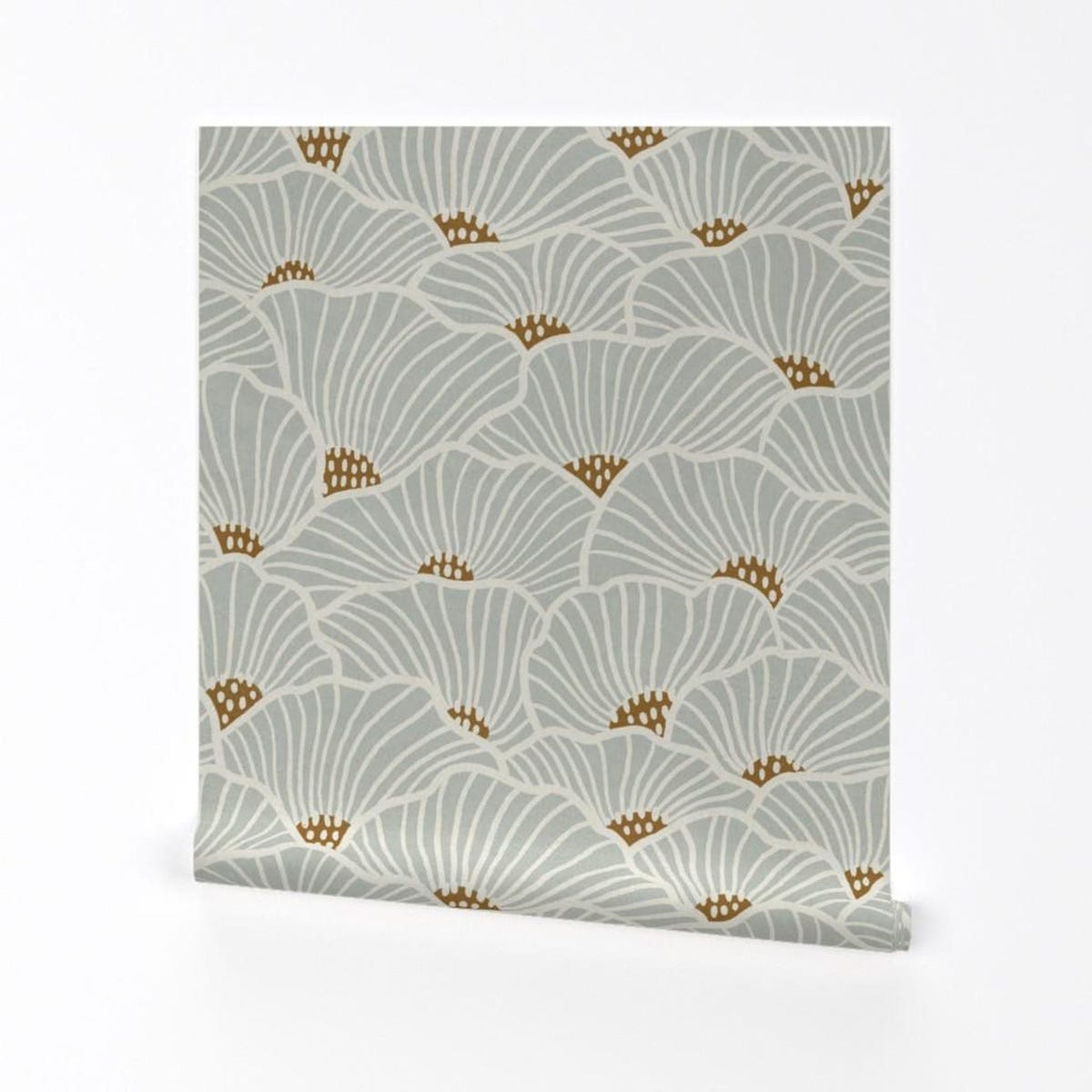
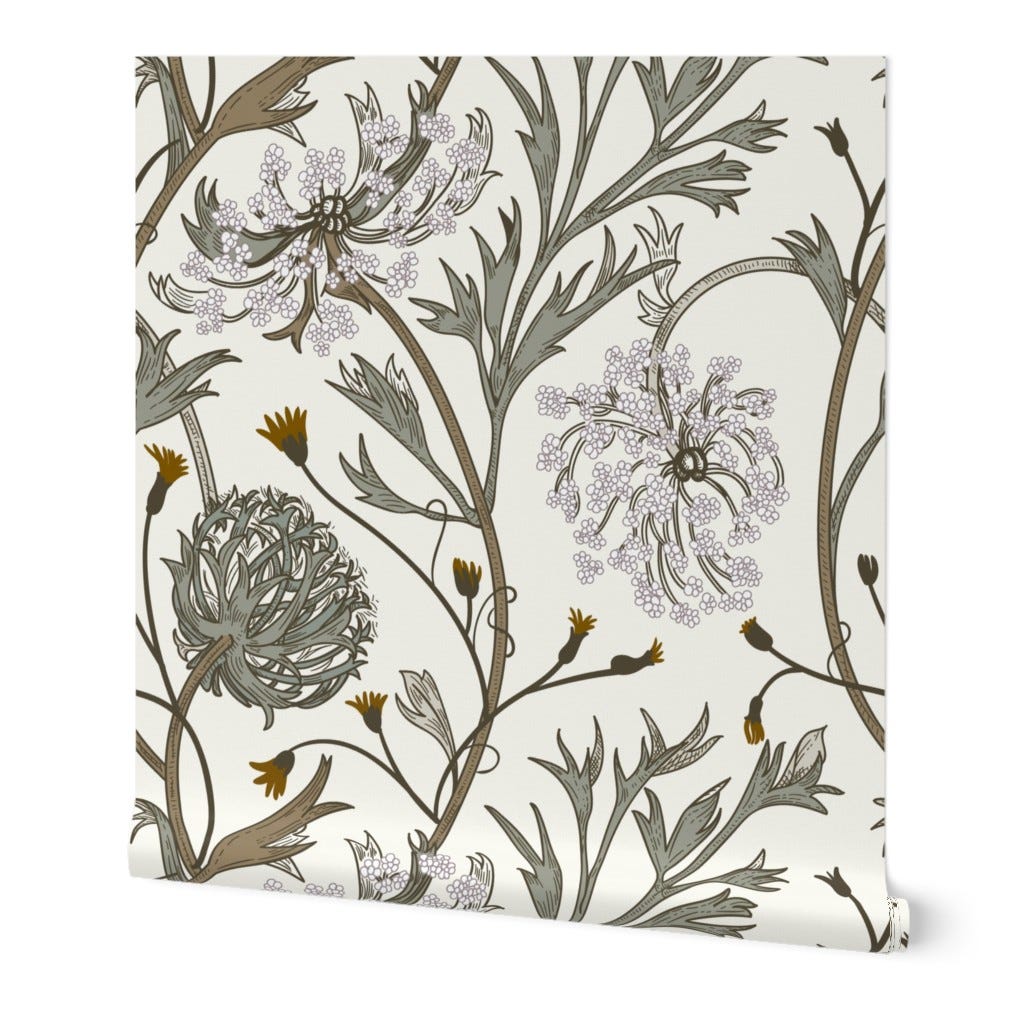
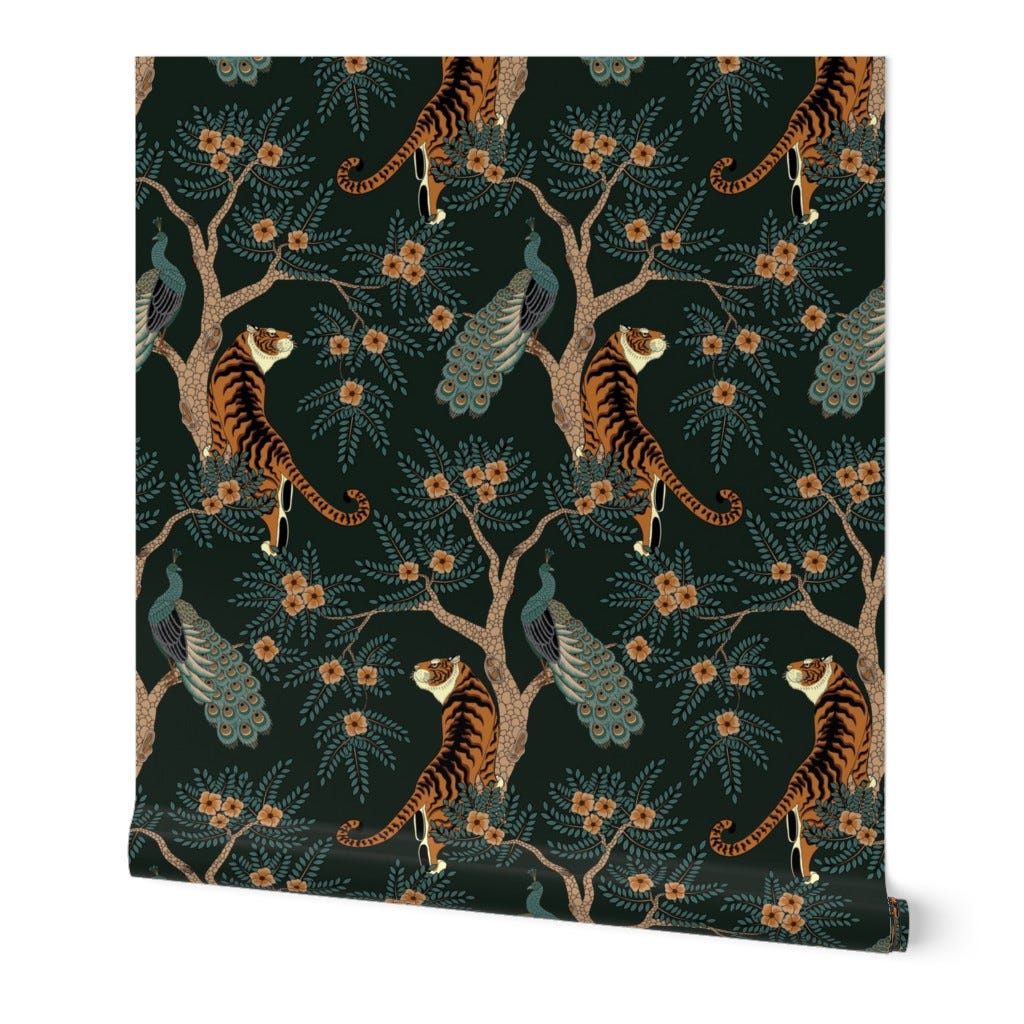
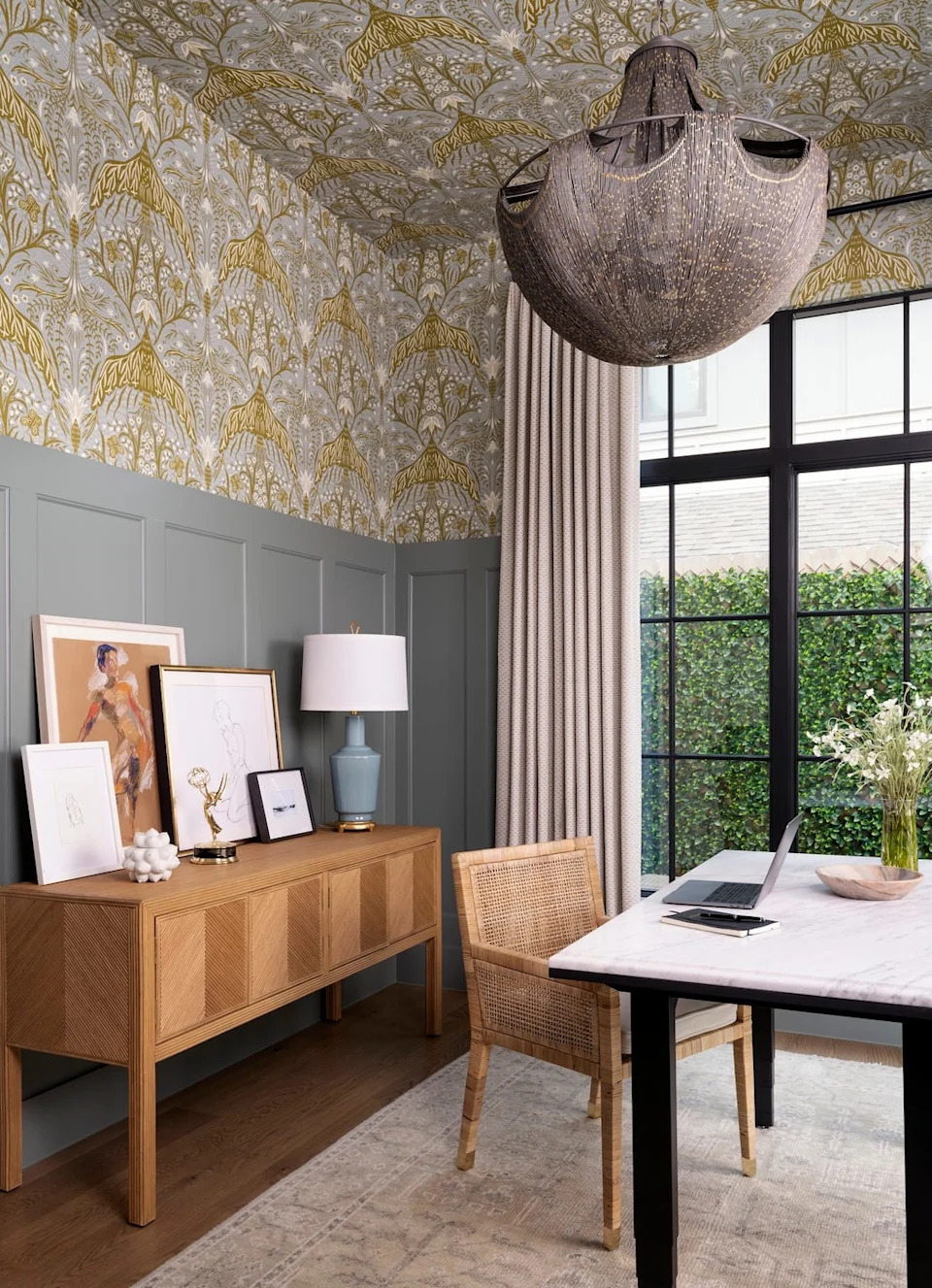
The article explores the growing trend of wallpaper in home decoration, with interior designers increasingly favoring it over paint for updating walls. This trend is supported by market research projecting significant growth in the global wallpaper market and a survey indicating that 9 out of 10 designers prefer wallpaper. For DIY enthusiasts considering wallpaper, the choice often comes down to peel-and-stick versus traditional paste wallpaper.
Professional designers offer their insights into the advantages and disadvantages of both types. Peel-and-stick wallpaper is generally recommended for temporary spaces such as children's rooms or rental properties, where decor changes are anticipated. Its temporary nature, however, also implies it may not be a long-lasting solution, with designers noting that it tends to come off over time, making it suitable for quick fixes rather than permanent installations.
Traditional wallpaper, in contrast, is advocated for long-term wall treatments due to its superior durability and longevity. It adheres more permanently to walls, with examples of it lasting for 20 to 30 years. This strong adherence, while beneficial for durability, can make removal challenging if future decor changes are desired. The decision to use traditional wallpaper is therefore considered a more significant commitment.
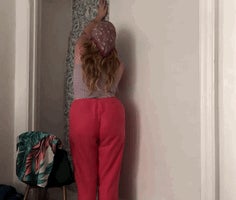
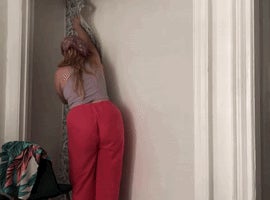
Regarding installation, peel-and-stick wallpaper is often perceived as easy to apply, but designers caution that it requires practice and patience. Common issues include the adhesive sticking to itself or the paper stretching out of shape, leading to user frustration. Traditional wallpaper, surprisingly, can be more forgiving on imperfect or textured walls because peel-and-stick is typically thinner and can highlight surface imperfections.
There's a general perception among professionals that peel-and-stick is for DIYers, while traditional wallpaper is for professionals. However, even for DIYers, proper installation of peel-and-stick is crucial. Some designers find that peel-and-stick lacks the refined appearance of traditional wallpaper, with visible seams and a 'cheap' look, leading them to avoid recommending it to clients.
Repairing traditional wallpaper can be complex and expensive, often requiring the expertise of a professional to seamlessly fix issues like bubbles, rips, or loose seams. Peel-and-stick, however, is easier to repair as damaged sections can be removed and replaced by the homeowner. Despite its lower retail price, peel-and-stick can sometimes be more expensive to install professionally, as installers may charge more due to the added labor required, often needing two people for proper application.
Traditional wallpaper, paradoxically, can be easier for experienced installers because they are familiar with its characteristics, leading to more predictable results. Many professional installers express a preference for traditional wallpaper, citing issues like peeling corners, bubbles, and stretching with peel-and-stick. Humidity is another significant factor, with peel-and-stick wallpaper performing poorly in humid environments or on textured walls, often failing to adhere properly.
While peel-and-stick does not require as many additional supplies as traditional wallpaper, making it attractive to DIYers, the quality of both types of wallpaper varies significantly. High-end peel-and-stick options can perform well, just as low-end traditional wallpapers might present challenges. Ultimately, peel-and-stick can be an excellent choice for small design accents, such as lining cabinets or drawers, where its self-adhesive backing simplifies installation and allows for quick visual updates. The technique of slow and low-angle peeling of the backing is crucial for successful application in these contexts.
#WallpaperTrends #PeelAndStick #TraditionalWallpaper #HomeDecor #InteriorDesign #DIYProjects #WallTreatments #HomeImprovement #DesignersOpinion #WallpaperTrends #PeelAndStick #TraditionalWallpaper #HomeDecor #InteriorDesign #DIYProjects #WallTreatments #HomeImprovement #DesignersOpinion
कुल 0 टिप्पणियाँ
 कोई टिप्पणी नहीं
आपको यह भी पसंद आ सकता है
Peel-and-stick wallpaper tips and shopping

Should You Put Wallpaper on the Ceiling? Here’s What Designers Recommend
11 Best Removable Wallpapers of 2025—Tested and Approved by Editors
Home with Tess: Wallpaper is back, and it's better than ever
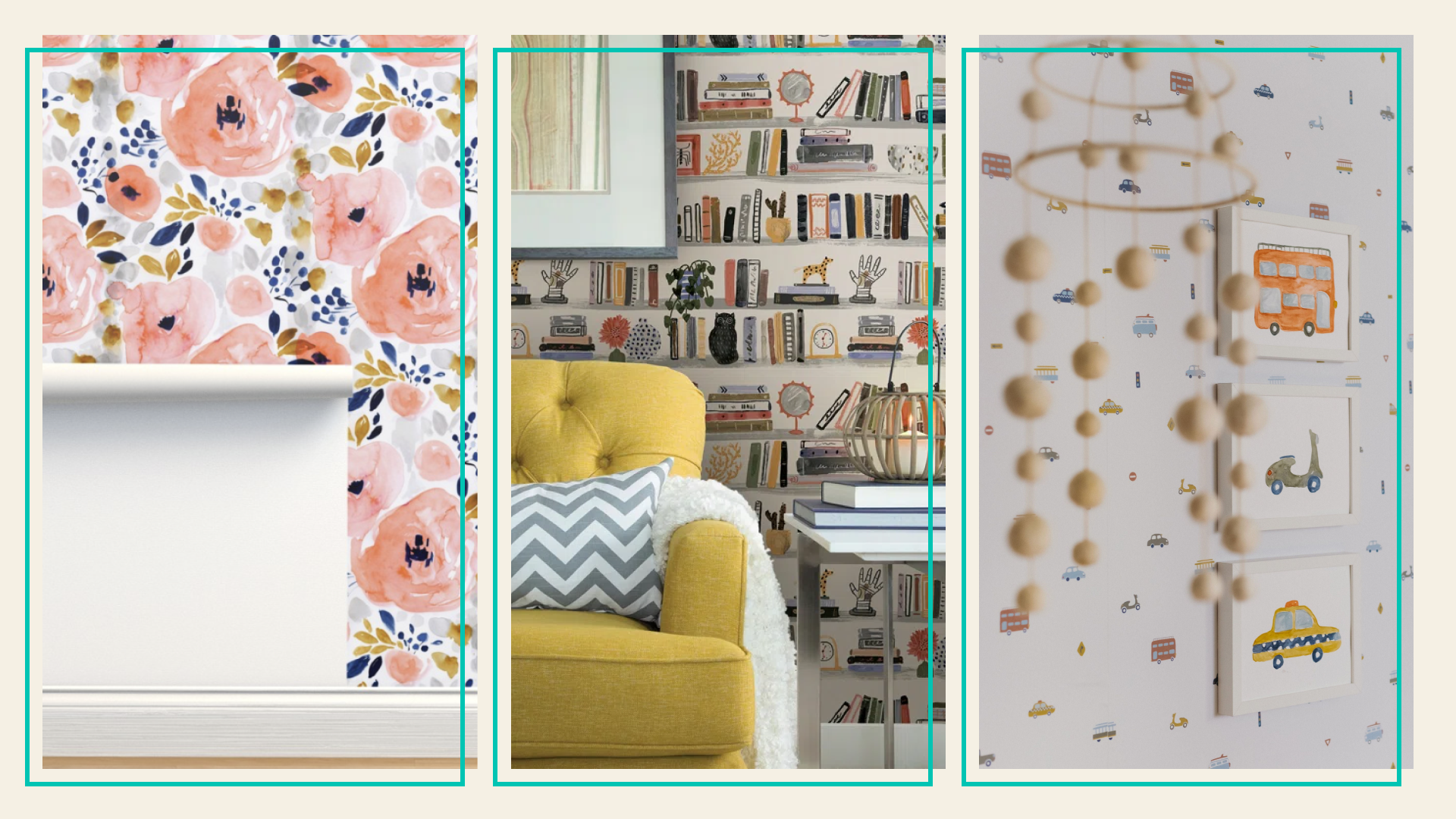
Peel and Stick Wallpaper We Love From 7 Different Retailers

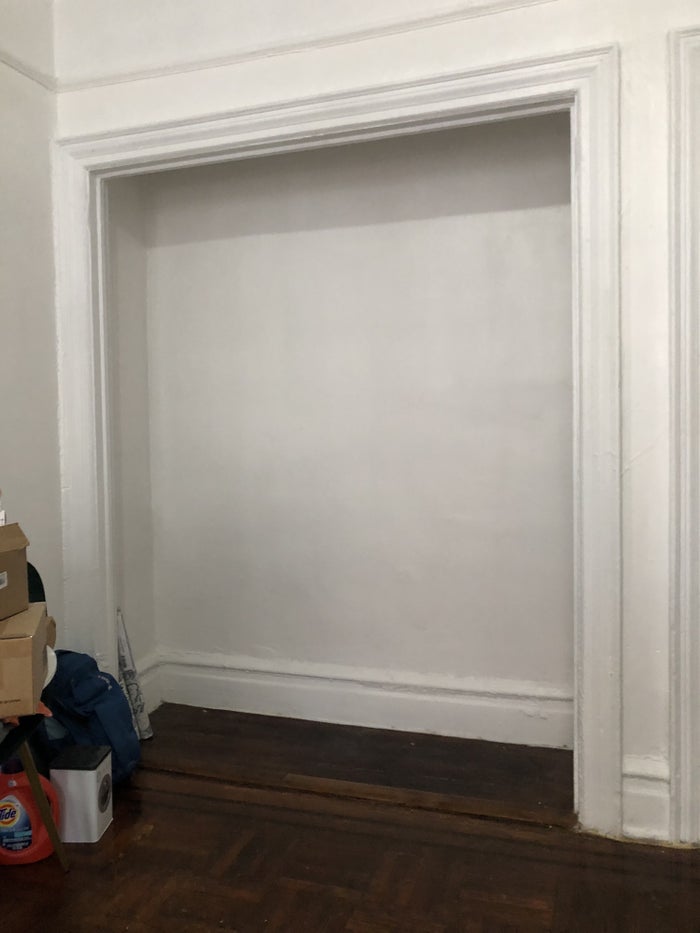
I Tried Putting Up Target Peel-And-Stick Wallpaper And It Wasn't A DIY Disaster

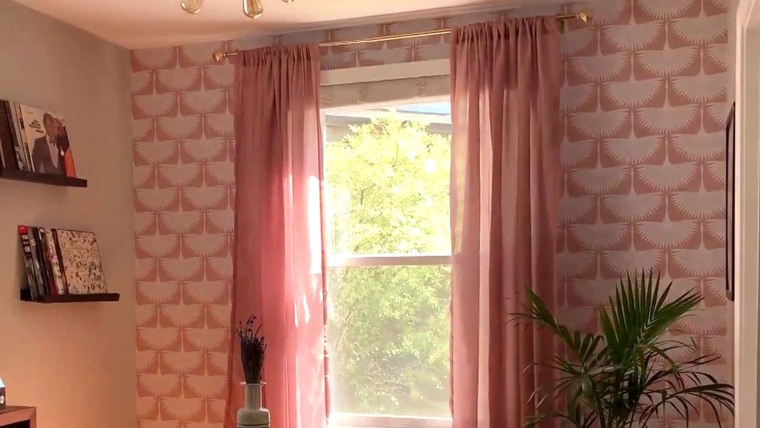
Transform your room with peel and stick wallpaper

The 3 Best Removable Wallpapers of 2026 | Reviews by Wirecutter

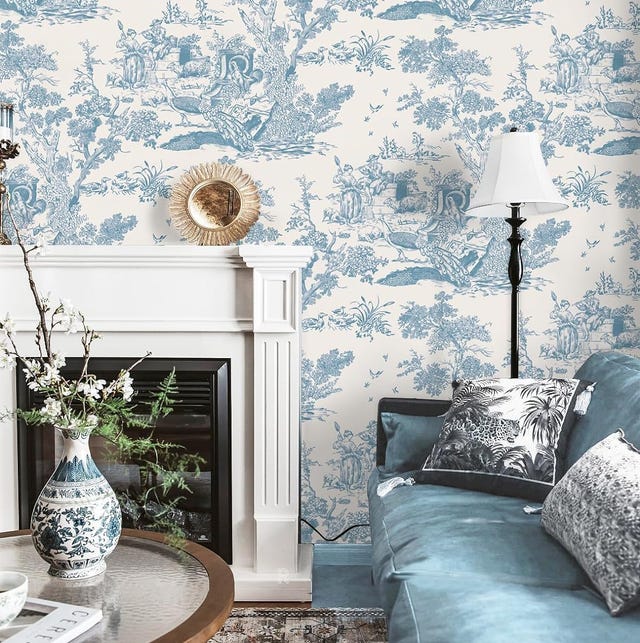
Our Editors Love This Brand's Removable Wallpaper

Should You Install Peel and Stick Floor Tile? An Interior Designer Shares Some Pros and Cons

I thought I was over gallery walls, but this designer-approved hanging method has changed my mind – it makes awkward corners look 'softer, layered and lived-in'

Best peel-and-stick wallpapers: 8 perfect picks for the non-committal decorator

6 Wallpaper Mistakes Designers Immediately Notice in Any Home

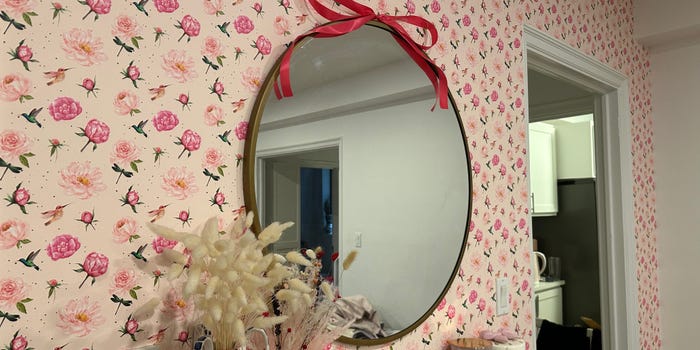
Best removable wallpaper of 2025, renter-tested and DIY approved
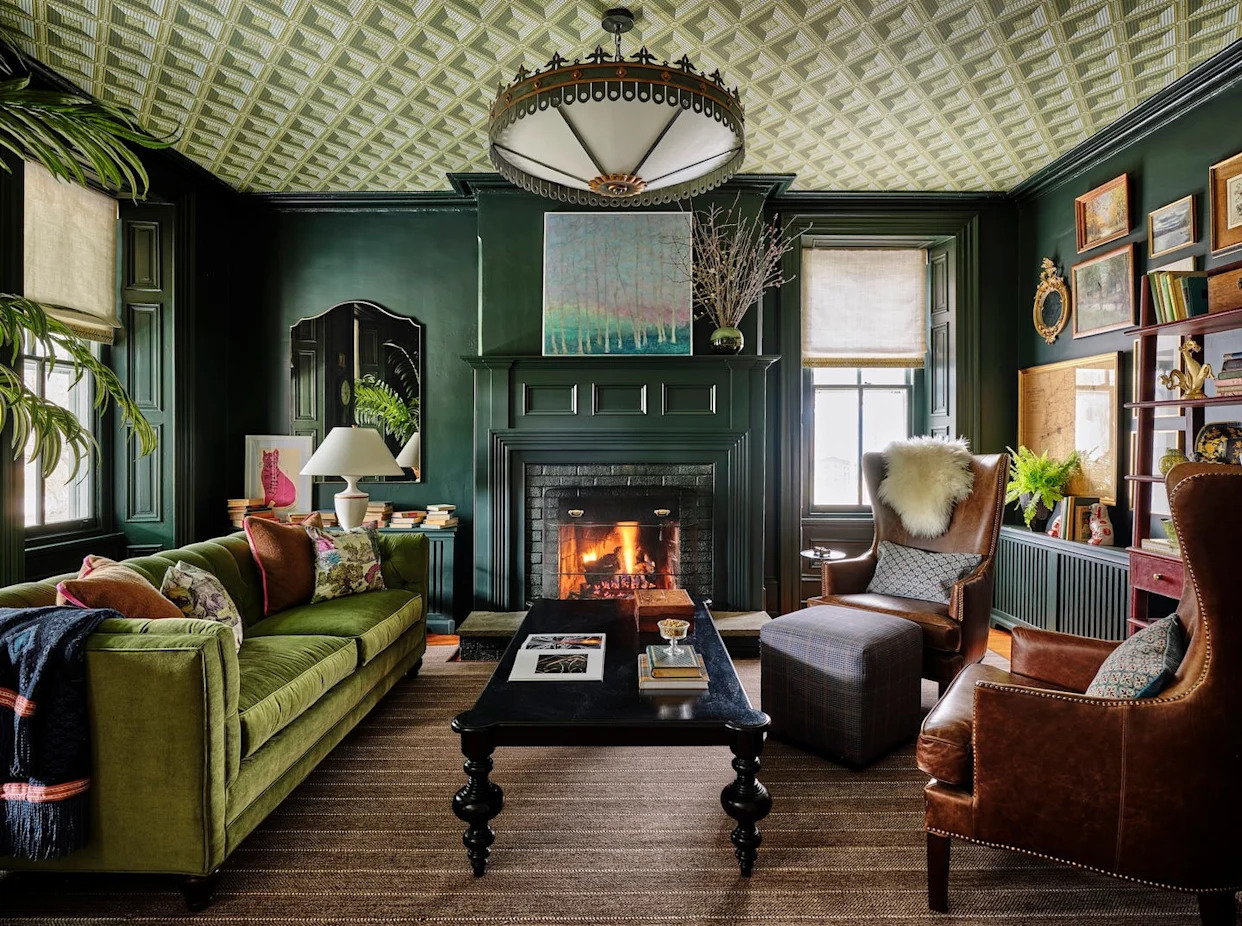
Bye-Bye, Accent Walls! Designers Say THIS Is Now the Hottest Decorating Feature

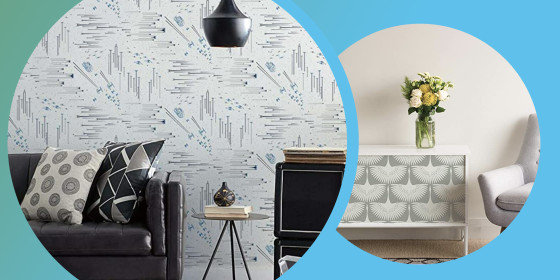
13 best peel-and-stick removable wallpapers of 2021 - TODAY
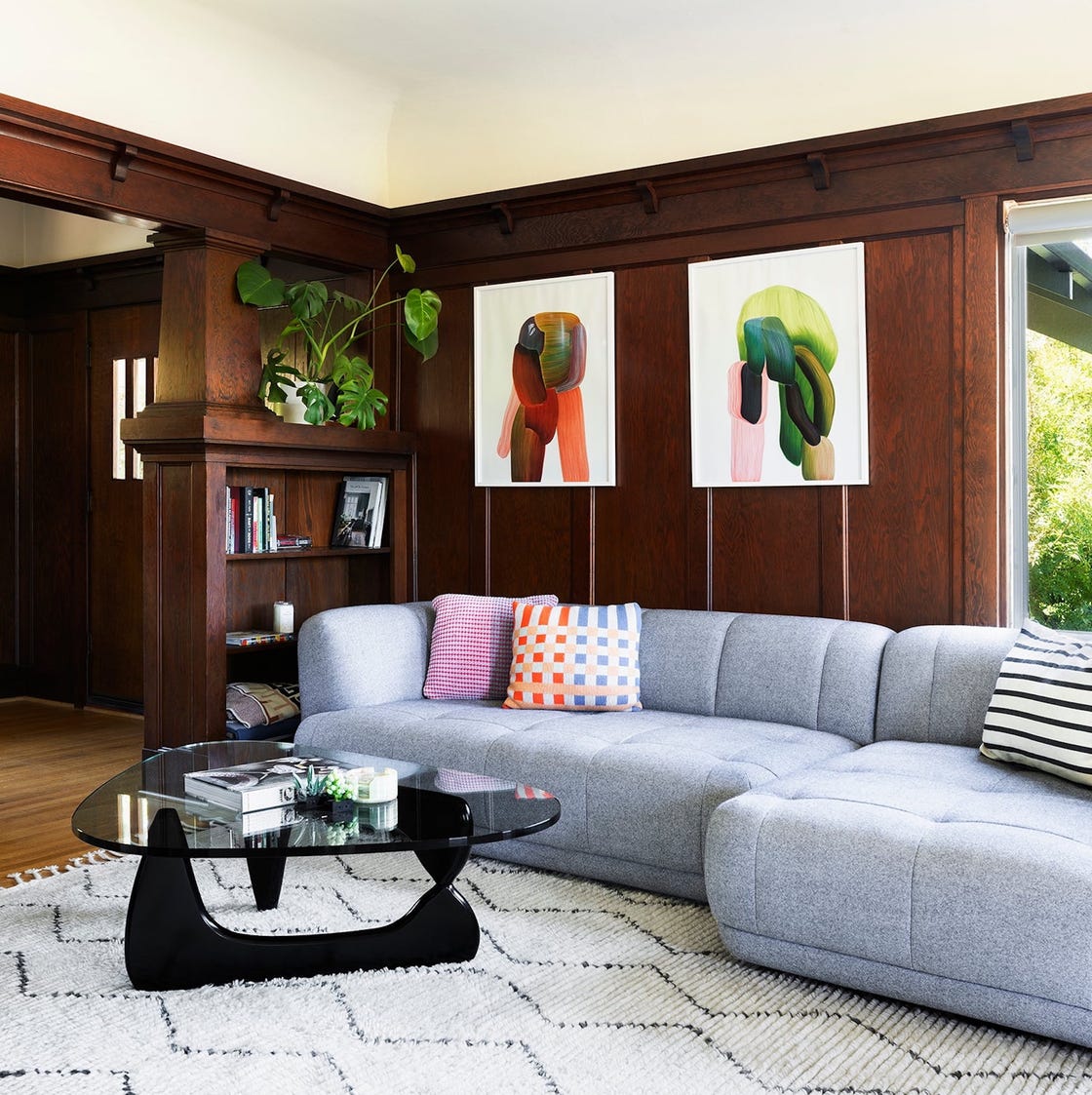
Designers Are Ditching "Flat Painted Walls" for THIS Unexpected Trend
67% of Renovators Are Abandoning Standard Backsplashes for This Maximalist Look

Choosing Wallpaper Is a Big Deal—But Backdrop’s New Design Makes It Easy
This Local Boutique Specializes in All Things Wallpaper