1/14
Impact of Window-to-Wall Ratio on Heating Demand and Thermal Comfort When Considering a Variety of Occupant Behavior Profiles
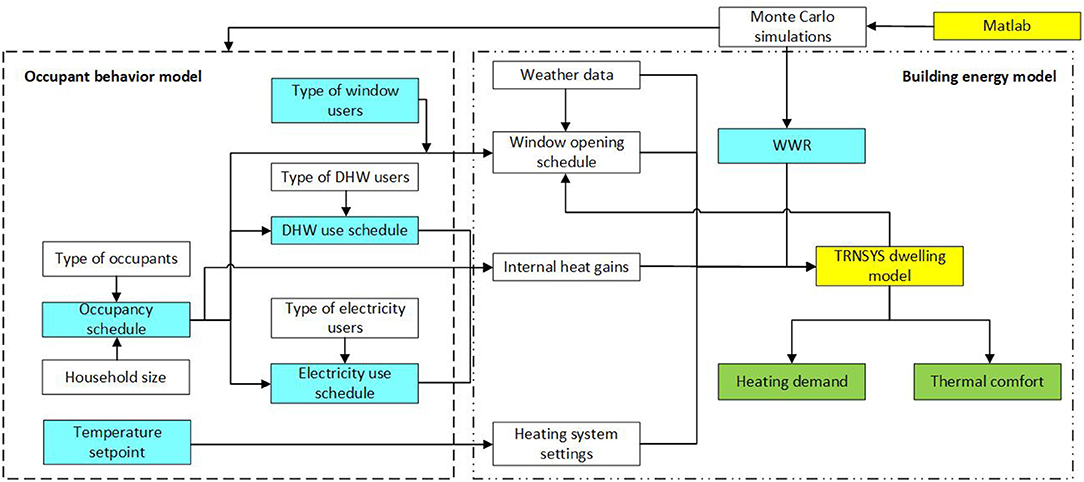
This study investigates the influence of window-to-wall ratio (WWR) on heating demand and thermal comfort in residential buildings, taking into account the significant variability in occupant behavior. Traditionally, building design parameters are analyzed using a single 'average' occupant behavior schedule, which fails to capture the full spectrum of behaviors. To address this limitation, a parametric analysis is conducted using a stochastic occupant behavior model to generate numerous possible occupant profiles. These profiles are then used as inputs in an energy simulation of a residential dwelling, allowing for the generation of probability distributions for energy consumption and thermal comfort across different WWR values.
The methodology involves calibrating submodels for occupant behavior and building energy using data from a monitored four-storey, 40-unit social housing building in Quebec City, Canada, constructed in 2015. The building's energy consumption and environmental conditions have been continuously monitored. The occupant behavior generator simulates five aspects of behavior: occupancy, domestic hot water consumption, electricity consumption, temperature setpoint, and window opening. These are modeled probabilistically, with parameters drawn from real-world data and Markov chains used to generate stochastic schedules. The building energy and comfort simulation, implemented in TRNSYS and controlled by Matlab, models a single unit and performs yearly simulations with a 10-minute time step. Thermal comfort is assessed using the PMV/PPD approach during the heating season and the ASHRAE 55 adaptive model during summer. A Monte Carlo approach, involving 1,000 simulations with different occupant behavior profiles, is used to generate robust probability distributions of energy consumption and comfort.
The results demonstrate that occupant behavior profoundly impacts thermal comfort and heating demand, with wide variations observed. Increasing the WWR generally leads to more discomfort, both hot and cold. For instance, the median total discomfort hours rise from 1,776 to 2,578 hours when WWR increases from 13% to 40%. However, for extreme discomfort scenarios (the least comfortable 10% of cases), larger windows appear to provide slightly better comfort, particularly in cold conditions due to increased solar gains. Heating demand consistently increases with WWR, with median values rising from 24 to 34 kWh/m² as WWR goes from 13% to 40%.
Further analysis reveals how specific occupant behavior aspects interact with WWR. Higher temperature setpoints lead to more discomfort with larger windows, especially for low heating consumers who are more susceptible to overheating. High electricity consumption, generating internal heat gains, correlates with better winter comfort and lower heating demand, but also with increased summer overheating, particularly for larger WWRs. Window opening behavior primarily affects heating demand in winter, with its influence diminishing as window size increases. Building orientation also plays a critical role. A northeast-oriented unit experiences significantly more cold discomfort and higher heating demand compared to a southwest-oriented unit, particularly with larger WWRs, due to reduced solar gains. A sensitivity analysis using linear regressions quantifies the influence of different occupant behavior parameters. Temperature setpoint is strongly correlated with heating and cold discomfort, with its influence on heating demand increasing with WWR. The impact of window opening on heating demand decreases with larger window sizes, while building orientation's influence on heating demand and discomfort is amplified with high WWR.
This research highlights that the optimal WWR choice for a building is highly dependent on the variety of occupant behaviors, suggesting that designers should consider a broad spectrum of possible occupant profiles rather than a single average. The findings provide a framework for architects and engineers to better assess how WWR affects building performance for diverse occupants, moving towards more human-centric building design optimization. Future work could expand on other design features, building archetypes, climates, and performance metrics, including visual comfort and economic considerations.
#OccupantBehavior #WindowToWallRatio #HeatingDemand #ThermalComfort #BuildingPerformance #StochasticModel #MonteCarloSimulation #ResidentialBuildings #EnergyEfficiency #OccupantBehavior #WindowToWallRatio #HeatingDemand #ThermalComfort #BuildingPerformance #StochasticModel #MonteCarloSimulation #ResidentialBuildings #EnergyEfficiency
कुल 0 टिप्पणियाँ
 कोई टिप्पणी नहीं
आपको यह भी पसंद आ सकता है

How to arrange a room to maximize heat and cut your energy costs


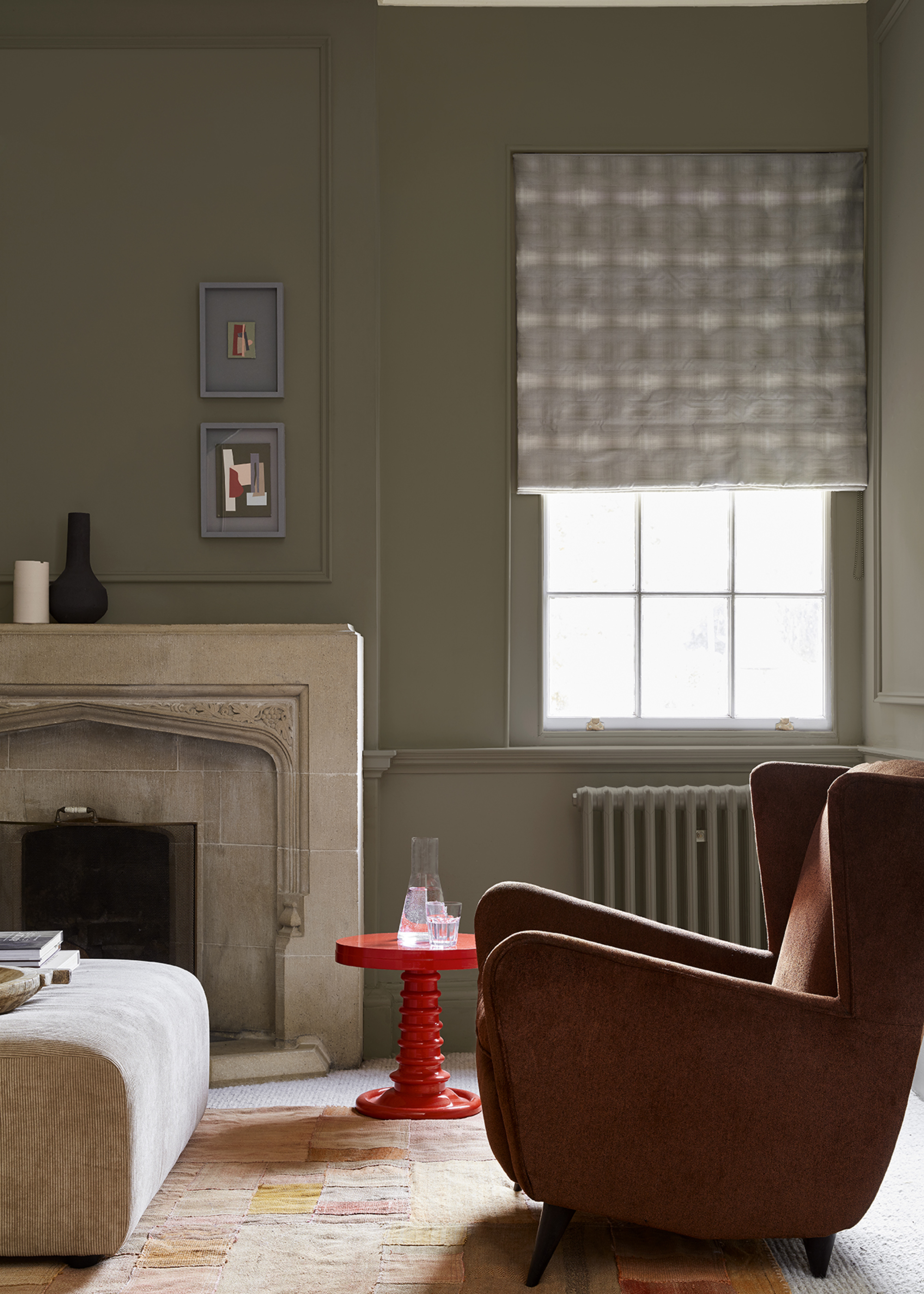
Your Blackout Blinds and Curtains Might Actually Be Making Your Bedroom Hotter — Here’s What You Should Have Chosen for Your Windows Instead


Insulating window coating for retrofit

6 Ways to Choose the Right Window Designs for Your Home

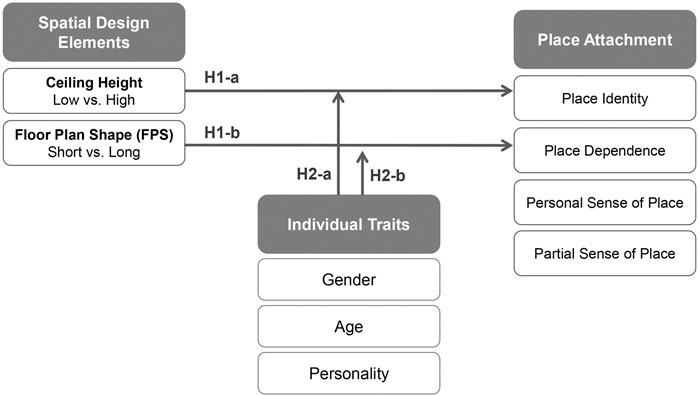
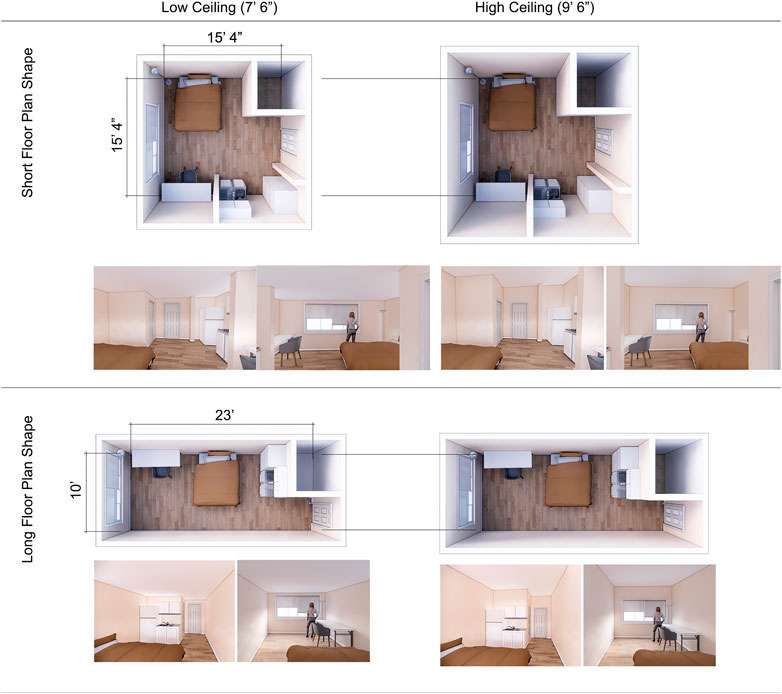
Effects of gender and personality on experience of small living spaces: Ceiling height and floor plan shape in virtual environment
Single vs Double Hung Windows: Cost, Safety, Energy Efficiency


How to Pick Windows: 5 Factors to Consider
Fed Up with Chilly Nights? HVAC Pros Reveal One Quick and Free Bedroom Tweak to Keep You Warmer Without Raising Bills

Secrets of the home: The weather in your hallway

Radiant Floor Heating: Can One Floor Heat Two Stories?


Loft Flat Is Uninhabitable at 38 Degrees

Do Europeans Really Make the Best Windows?
Are your NYC building's radiators too hot in winter? Steam balancing may be the solution

5 Design Mistakes Making Your Heating Less Effective in Your Home — And the Easy Ways to Fix Them

What You Need To Know About Window Insulation


Progress Never Stops for Window Manufacturers