Do Europeans Really Make the Best Windows?
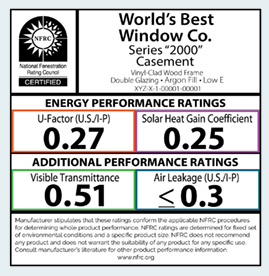
The perception that European windows consistently outperform North American windows is examined in the context of cold-climate home construction. The article highlights that while European manufacturers have effectively penetrated the North American market with high-performance units, particularly from Germany and Austria, comparable performance can also be found in certain North American products. The discussion centers on key performance metrics for windows: U-factor and Solar Heat Gain Coefficient (SHGC), as defined by the National Fenestration Rating Council (NFRC) label in the United States.
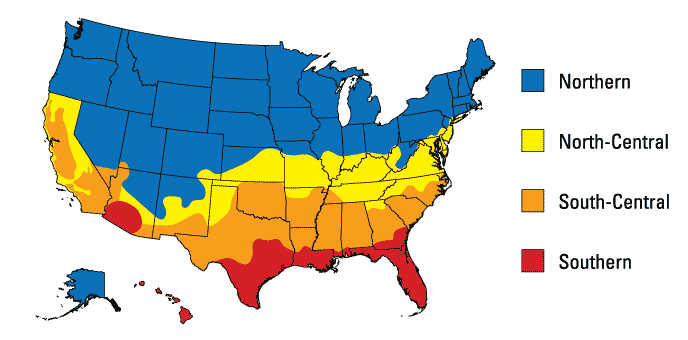
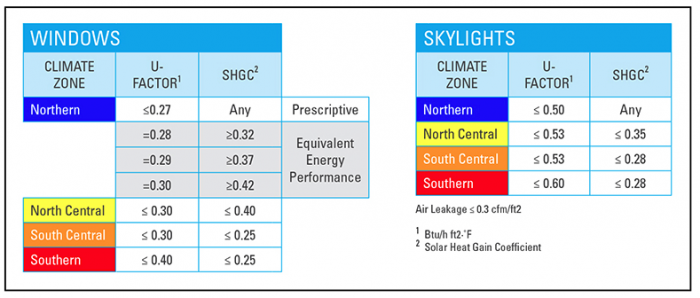
The U-factor, which is the inverse of a window's R-value, measures its resistance to heat flow; a lower U-factor indicates better insulation. While the best double-glazed windows achieve a U-factor of approximately 0.27, triple-glazed options can reach as low as 0.17. The SHGC quantifies the amount of solar heat a window allows to enter a building. A high SHGC is beneficial in cold climates to maximize passive solar heating, especially on south-facing elevations, where values of 0.39 or higher are desirable. Conversely, in hot climates, a low SHGC (0.30 or less) is preferred, particularly for west-facing windows, to prevent overheating. Visible-light transmittance (VT) is another important metric, indicating the amount of visible light passing through a window, with higher VT generally being more desirable.
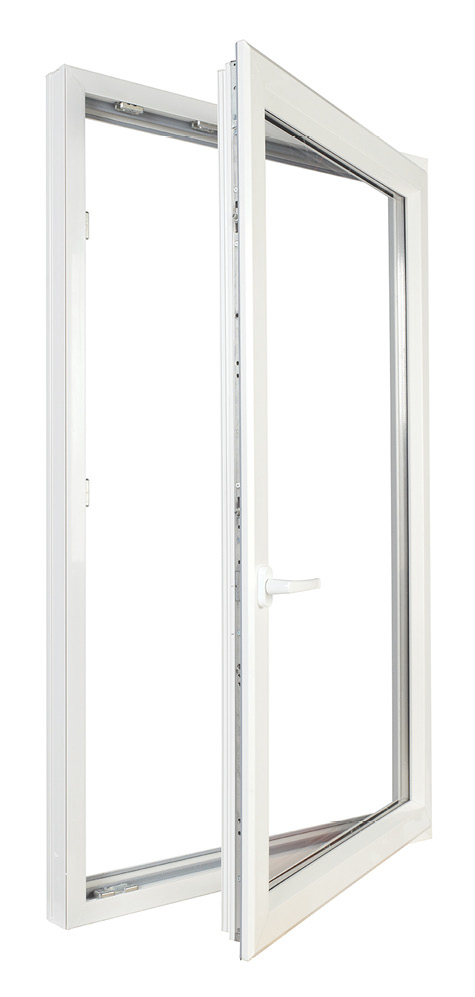
European Passive House windows, certified by the Passivhaus Institut in Germany, adhere to rigorous standards, requiring a European U-factor no greater than 0.80 W/m²·K°. These windows are designed to maintain an interior pane temperature of at least 17°C (62.6°F) even on the coldest days. This level of performance is typically achieved through insulated frames, triple glazing, two low-e coatings, and warm-edge spacers. Several European brands, including Internorm, Silber, Henzmann, Optiwin, Pazen ENERsign, and Unilux UltraTherm, distribute Passive House windows in the U.S.
The article clarifies that the glass technology in high-performance European windows, often featuring argon- or krypton-filled triple glazing with multiple low-e coatings and warm-edge spacers, is structurally similar to that used in leading Canadian windows. Experts, such as Katrin Klingenberg, founder of the Passive House Institute US, suggest that the overall thermal performance of the best fiberglass-framed Canadian and U.S. windows, when evaluated using comprehensive systems design software like Passive House Planning Package, can be nearly equivalent to that of German Passive House windows. The primary distinction often lies in frame materials and specific design details, rather than fundamental glass technology, and North American manufacturers continue to innovate in this competitive market.
#WindowPerformance #EuropeanWindows #NorthAmericanWindows #ColdClimateBuilding #EnergyEfficiency #UFactor #SHGC #PassiveHouse #BuildingMaterials #WindowPerformance #EuropeanWindows #NorthAmericanWindows #ColdClimateBuilding #EnergyEfficiency #UFactor #SHGC #PassiveHouse #BuildingMaterials
0 comment in total
 No comments yet
You may also like
8 Best Window Brands, According to Home Renovation Experts

5 Best Window Brands for Your Home (2025)

A Profile in Windows
The Best Window Brands for the Home

5 Best Window Brands for Your Home (2026)

Progress Never Stops for Window Manufacturers
Compare Most Energy Efficient Windows (2025)
Surprising Things About European Homes From American Who Lived in Them

Pella Windows Review (2021)


High-Tech Windows

These 8 Unusual Windows Will Take You by Surprise

Best Replacement Windows of 2025
A Beginner’s Guide to High-Performance Windows

Eight living spaces with industrial Crittal-style windows