
3D-printed relief art: Michelle Larsen sees a trend reversal in interior design
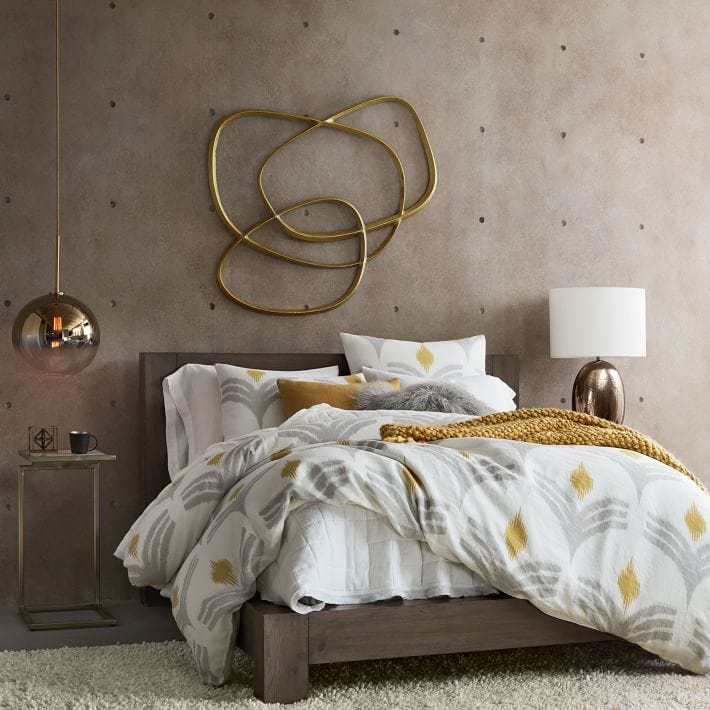
US artist Michelle Larsen is shifting her artistic focus from traditional gallery exhibits to embrace 3D printing and scalable spatial concepts, foreseeing a significant trend reversal in interior design by 2026. She anticipates an increased demand for dimensional wall designs and 3D-printable sculptural elements within various sectors, including shopfitting, the hotel industry, and film sets. This shift will emphasize relief, depth, and haptic effects over smooth surfaces, leveraging large-format additive manufacturing technologies.
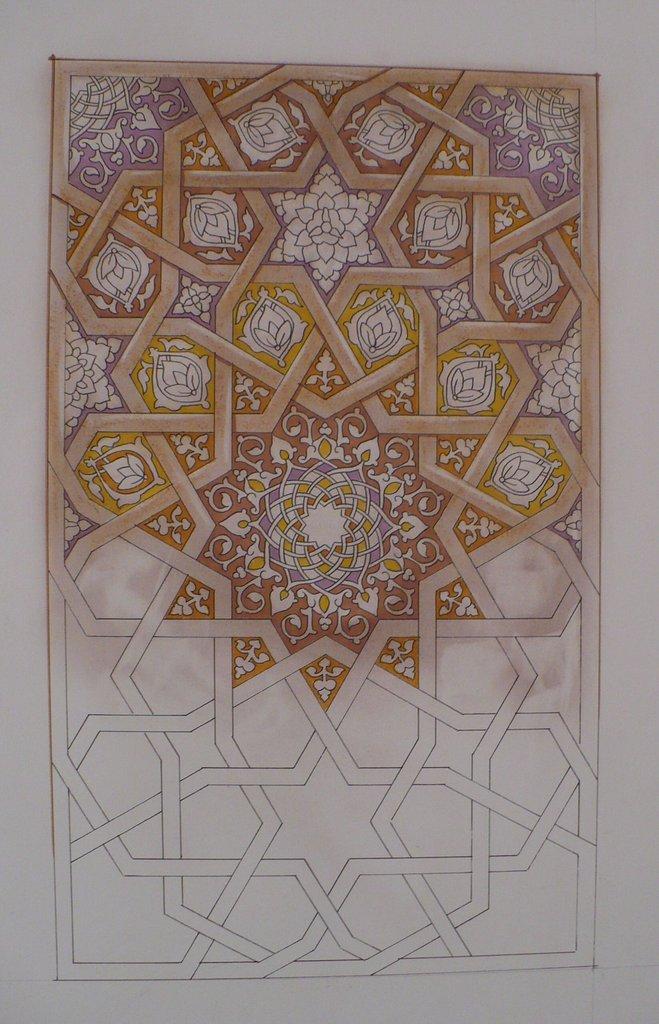
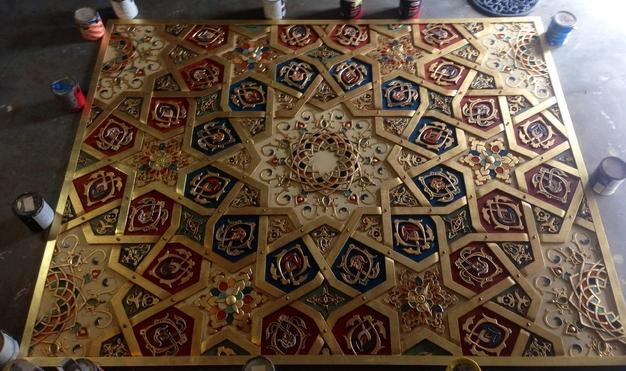
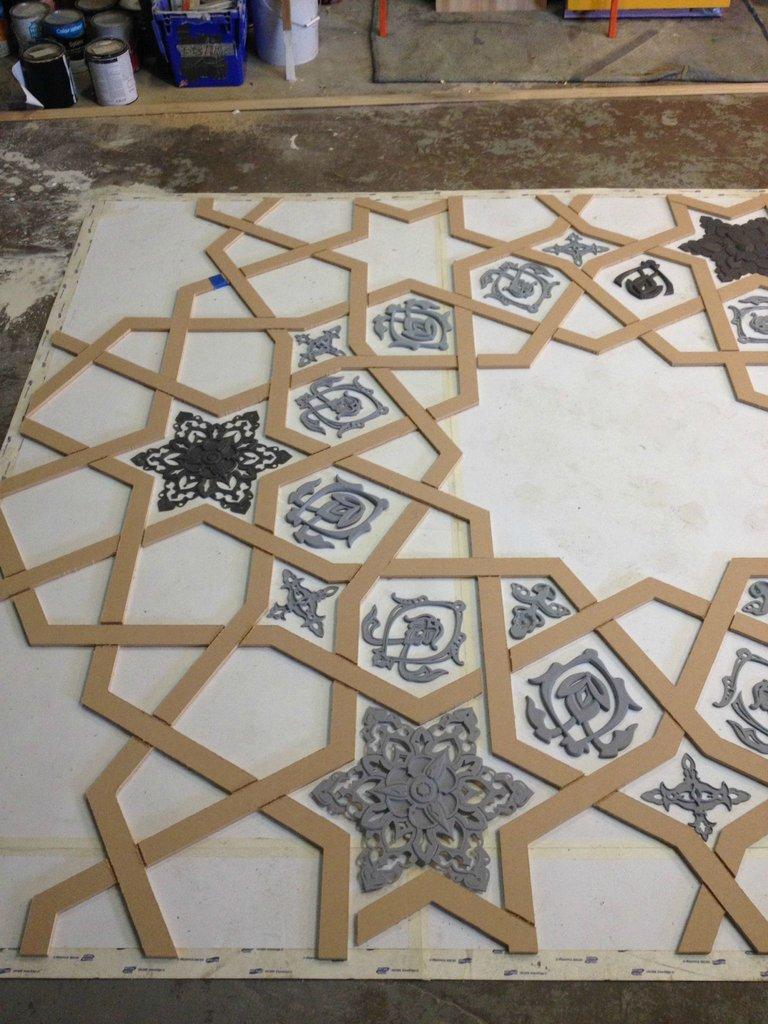
Larsen's established technique, known as "3D Paper Sculpted Painting," involves creating structures from paper that extend several centimeters from the canvas. These unique, hand-formed physical pieces now serve as foundational elements for a sophisticated digital workflow. The process begins with the creation of an original paper sculpture, followed by its capture using 3D scanning or depth mapping technologies. The resulting digital data set is then processed for large-format 3D printing or industrial relief production. This methodology allows for the generation of intricate surfaces suitable for modular wall panels, acoustically functional elements, and decorative sculptures that can be reproduced consistently through series production.
Larsen highlights that "Dimensional art is beginning to shape the next design cycle," noting a growing demand for texture and form, a direction her work has been moving in for over fifteen years. Clara Whitmore, public relations director for Michelle Larsen Studios, confirms that "Design teams and retailers are actively looking for what's next," asserting that Larsen's dimensional originals provide a novel visual language adaptable for commercial applications. This innovative approach, combining analog artistic creation with digital processing, offers designers within the 3D printing sector a unique opportunity to translate organic, emotionally resonant motifs into standardized components. The integration of one-of-a-kind sculptural pieces with 3D-printable data sets establishes a critical interface between art, parametric design, and additive manufacturing. This not only expands the application possibilities for the 3D printing industry but also ensures that both design quality and reproducible production are met directly.
#MichelleLarsen #3DPrinting #ReliefArt #InteriorDesign #AdditiveManufacturing #DigitalArt #SpatialConcepts #DesignInnovation #MichelleLarsen #3DPrinting #ReliefArt #InteriorDesign #AdditiveManufacturing #DigitalArt #SpatialConcepts #DesignInnovation
कुल 0 टिप्पणियाँ
 कोई टिप्पणी नहीं
आपको यह भी पसंद आ सकता है
Aztec Scenic Design Creates Custom 3D Printed Arabian-Inspired Ceiling and it’s Amazing!

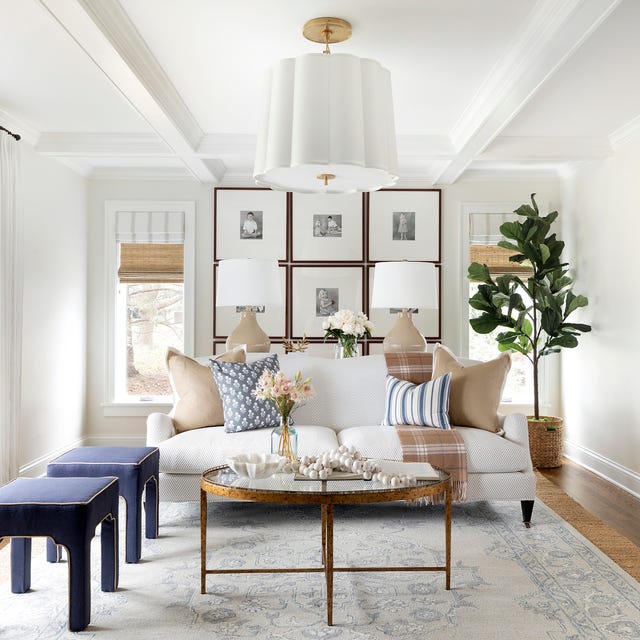
Designers Have Spoken: Grid Walls Are the New Gallery Walls

The Zeitgeist Edit — The Design Moments an Editor Is Talking About in November

Meeting of minds - 5 Jun 2025 - Homes and Gardens - UK Magazine

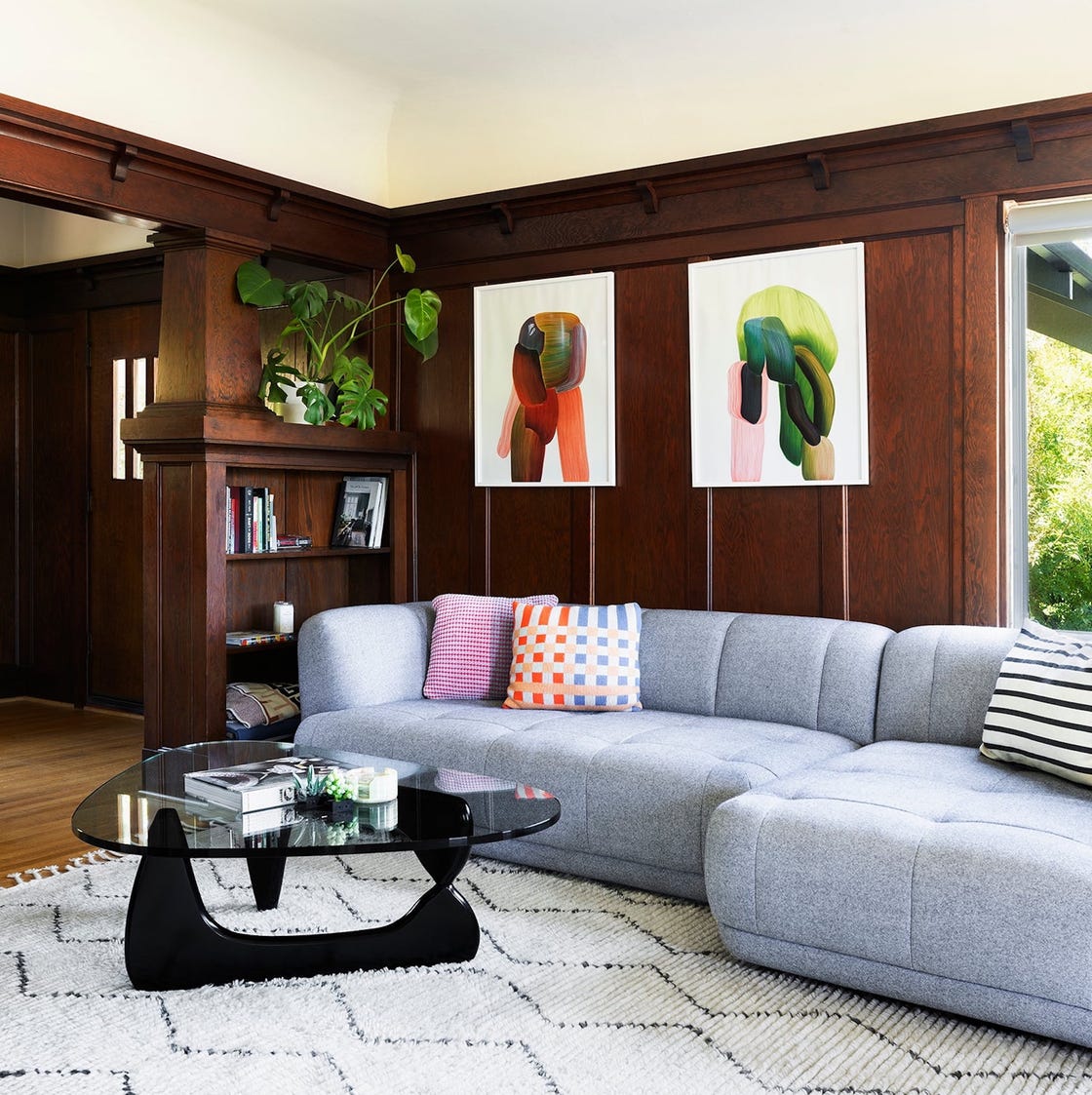
Designers Are Ditching "Flat Painted Walls" for THIS Unexpected Trend

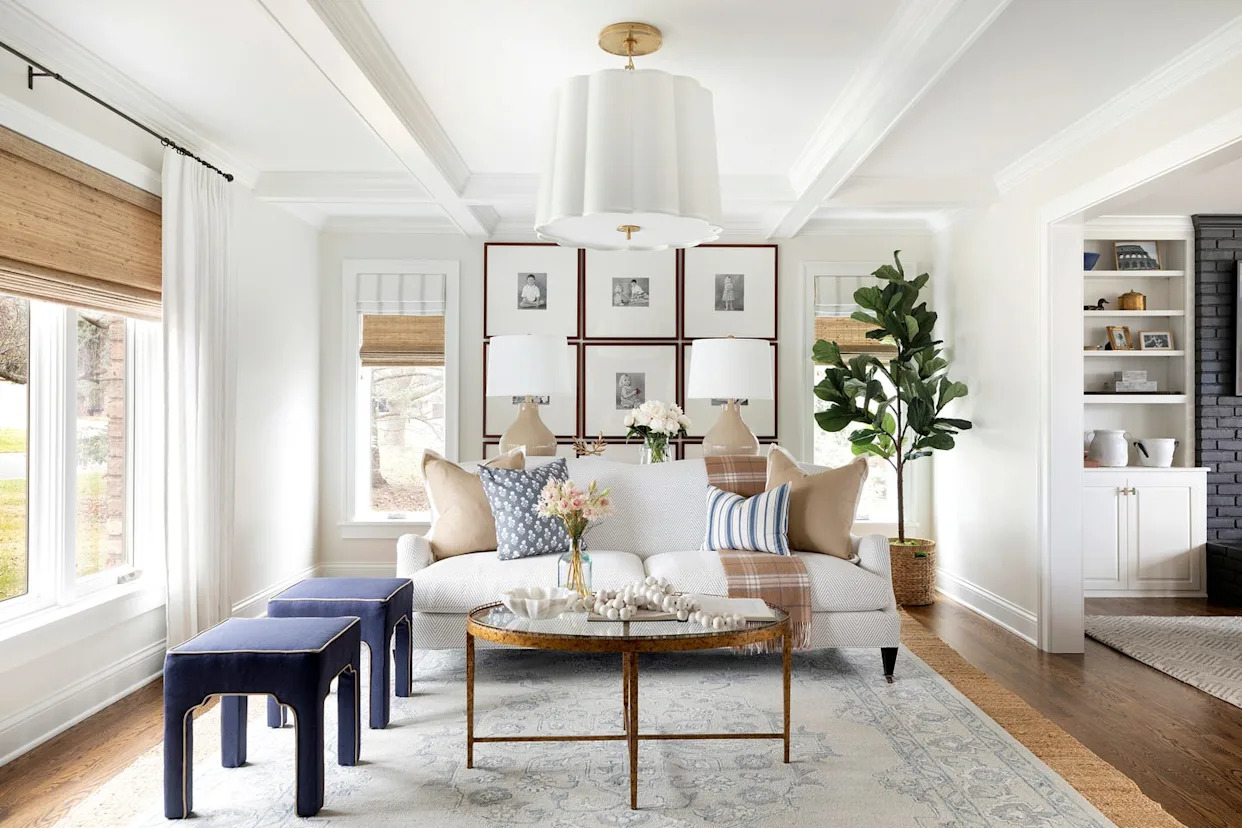
Designers Have Spoken: Grid Walls Are the New Gallery Walls
Editor’s Letter: The Tyranny of Taupe

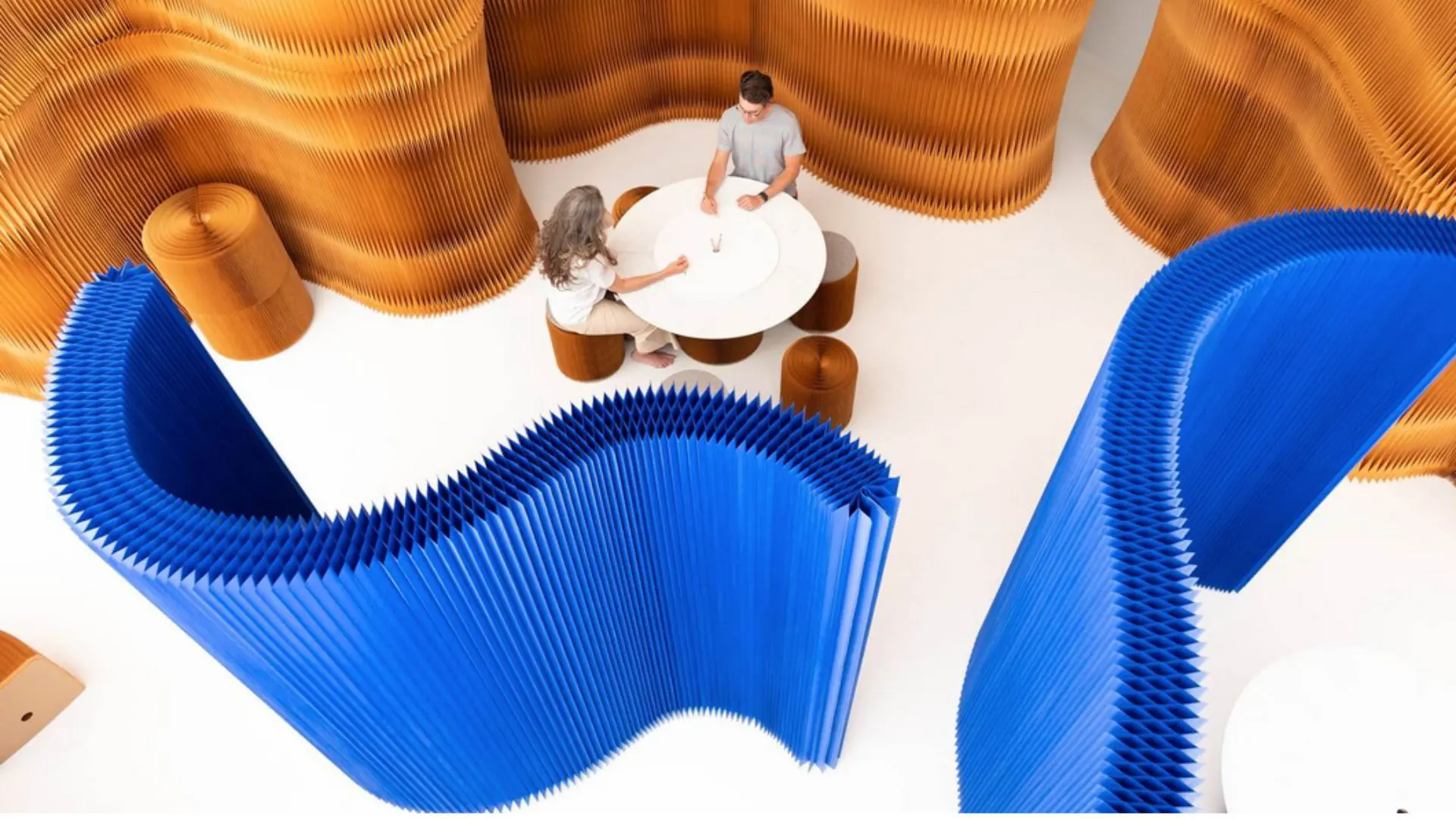
Enjoy these 5 creative space dividers for small and big rooms


The 2020 A-List: 125 of the Best Interior Designers in the World
Designers Have Spoken: Grid Walls Are the New Gallery Walls

Designers Reveal the Surprising Home Trend That's Taking Over Right Now


Meet Krysti Lyn | Whole Home Designer
Interior Designers and Stylists Can’t Get Enough of This New Target Line

3DVIA

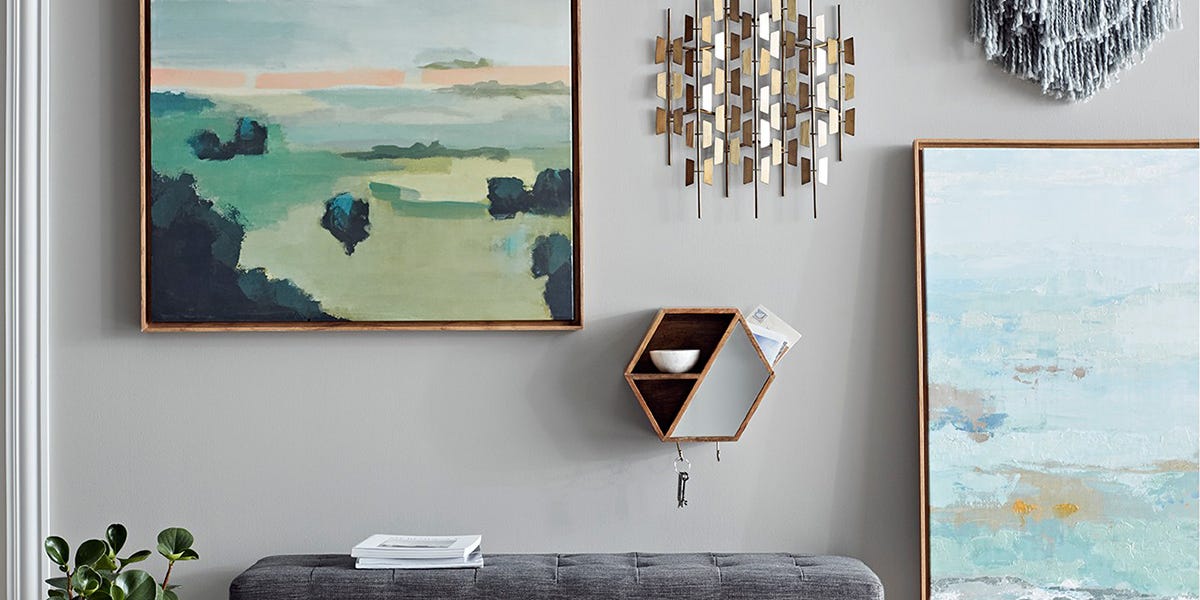
3D Wall Art Literally Adds Dimension to Your Space
Beyond Aesthetics: How Tech is Redefining Interior Design
Interior Design Trends — The 16 Defining Ideas for Decorating Homes in 2025

The writing is on the wall(paper) for this rising interior design trend
Are Interiors Headed for an Industrial Revolution?

Designers Reveal the Bold Design Trend That's Taking Over Homes