1/2
Urban planning theory is ripe for a revamp, as ‘2040’ court decision and the pandemic show
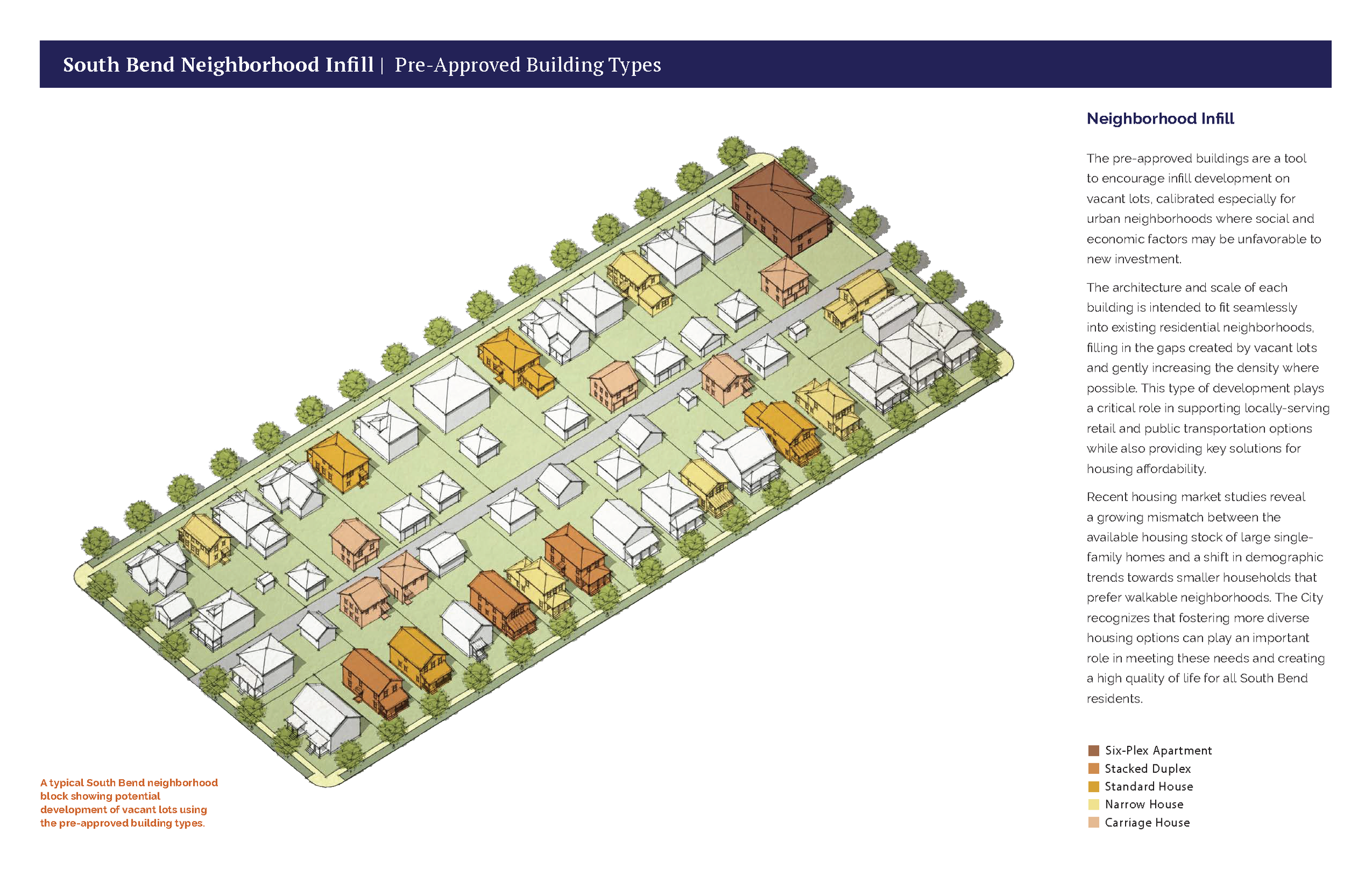
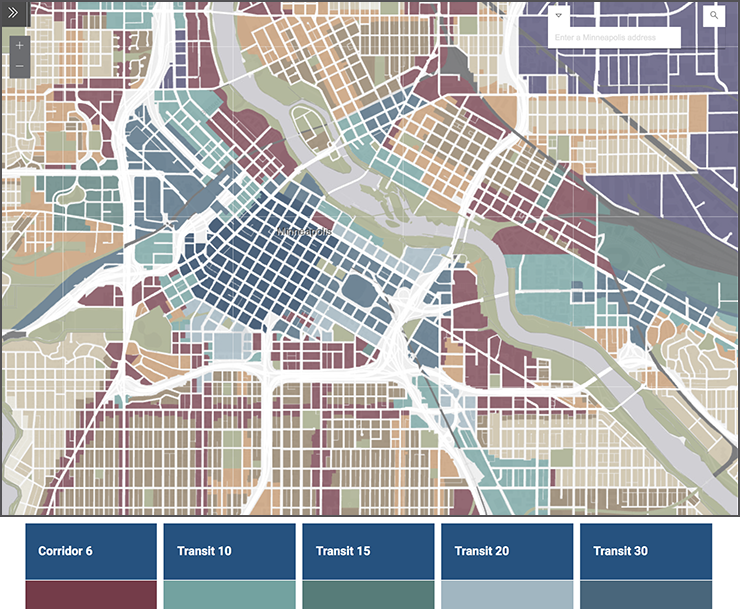
The Minneapolis 2040 comprehensive plan, intended to address social justice and environmental issues through increased urban density and the elimination of single-family zoning, is facing challenges, as evidenced by a district court decision halting its enforcement on environmental grounds. This plan, once hailed as a model for progressive planning, aimed to provide more affordable housing, reduce racial and economic segregation, and protect the environment by allowing up to three housing units per property.
Historically, urban planning has followed various trends. From the late 19th century to the 1950s, rapid urbanization, driven by industrialization and economic opportunities, led to significant city growth but also racial segregation. Post-World War II, suburbanization became prominent due to aging city infrastructure, the appeal of cheaper land, the rise of automobiles, and 'white flight,' resulting in racially and economically segregated metropolitan areas, with the Twin Cities being noted as one of the most segregated urban areas in America.
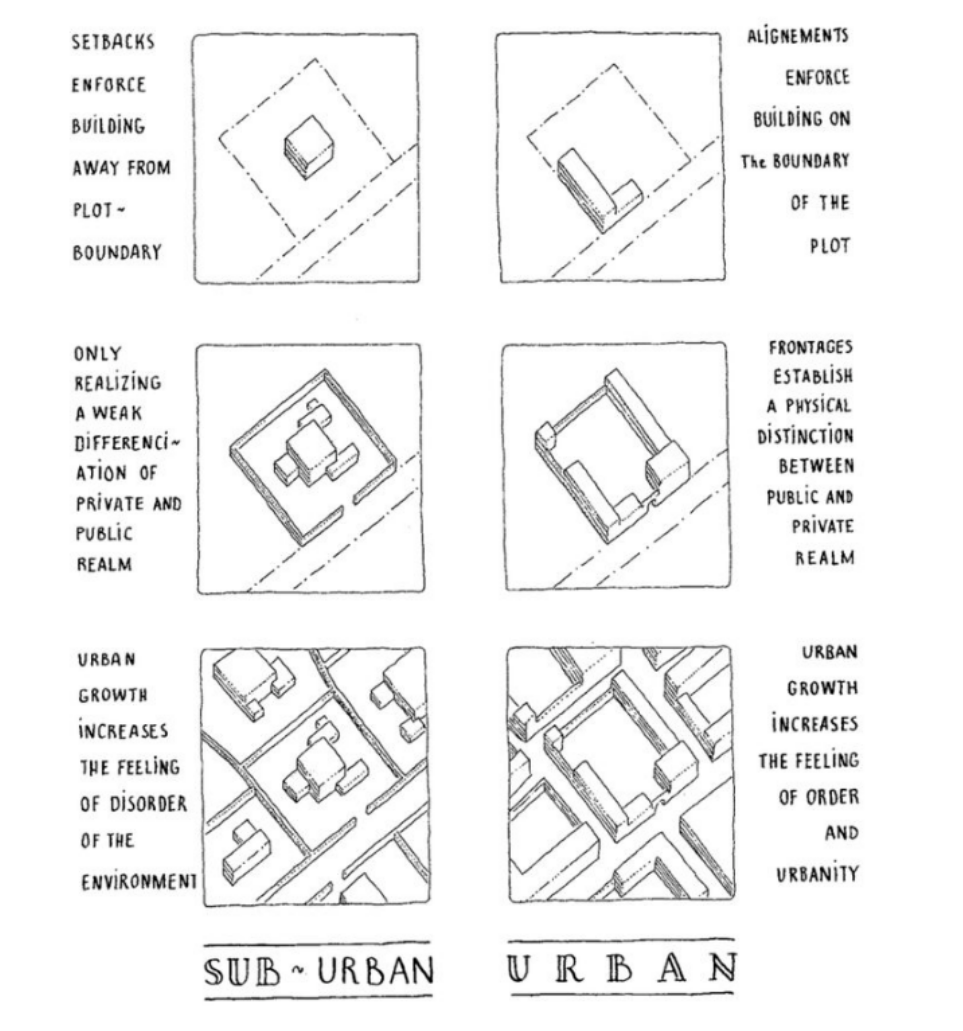
The New Urbanism movement emerged as a response, advocating for a return to cities, increased density, and mass transit. This theory, inspired by Jane Jacobs, argued against suburban sprawl, deeming it economically inefficient, environmentally harmful, and a contributor to segregation. While people did return to cities like Minneapolis and St. Paul, this led to new problems. The existing racial and economic segregation persisted, and redensification resulted in gentrification, rising rents, and an affordability crisis, with the Twin Cities experiencing one of the nation's worst housing shortages.
The Minneapolis 2040 plan's strategy of eliminating single-family zoning aimed to increase housing supply and address affordability and desegregation. However, the anticipated outcomes have not fully materialized. The housing market is diverse; developers prioritize profitable projects, which are typically not for low-income housing. The argument that increased housing supply automatically lowers overall costs has mixed evidence, particularly for low-income households. Furthermore, preliminary studies suggest that zoning changes have led to increased housing costs in low-income neighborhoods, signaling speculation and gentrification, with national investors acquiring properties in areas like North Minneapolis, displacing existing residents and failing to provide affordable or racially integrated housing. Densification has not effectively broken down segregation or led to more affordable units, nor has it addressed mortgage lending discrimination.
Judge Joseph Klein's decision on the Minneapolis 2040 plan highlighted potential environmental problems associated with increased densification that were not adequately considered. Public health factors also present new considerations for urban planning. The COVID-19 pandemic significantly impacted urban design, with many individuals opting for remote work and avoiding mass transit. This shift has led to questions about the long-term necessity of increased mass transit options and has driven up costs per passenger. Many city residents moved to suburbs or more remote areas seeking more affordable and spacious housing, and this trend appears to be sustained, indicating a generational shift towards hybrid and remote work models. The pandemic has also highlighted the importance of public health in urban design, suggesting that density might not always be the optimal solution for future health crises.
Homeownership remains a significant part of the American dream, representing a crucial wealth asset and a pathway to the middle class. Despite the housing challenges, planning solutions currently implemented may not adequately address segregation and affordability. Urban planning theory must adapt to these new realities, integrating public health considerations into building design, transportation, and city layouts. The pandemic's influence on telecommuting suggests a potential reevaluation of the demand for mass transit and the exclusive concentration of housing units in traditional urban cores.
#UrbanPlanning #Minneapolis2040Plan #SingleFamilyZoning #HousingAffordability #RacialSegregation #Gentrification #NewUrbanism #COVID19Impact #MassTransit #Homeownership #UrbanPlanning #Minneapolis2040Plan #SingleFamilyZoning #HousingAffordability #RacialSegregation #Gentrification #NewUrbanism #COVID19Impact #MassTransit #Homeownership
0 commentaire au total
 Aucun commentaire pour le moment
Vous aimerez aussi
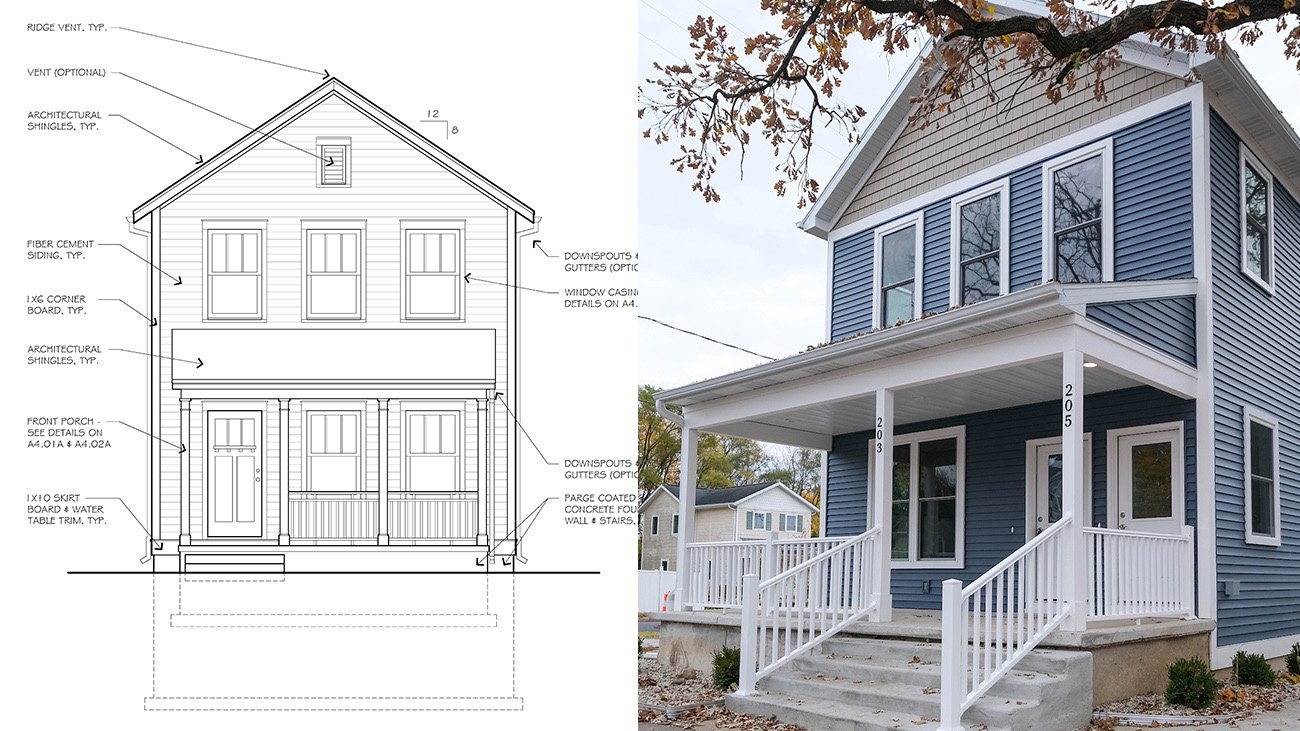
Say Yes to New Housing—Before Anyone Even Asks To Build It
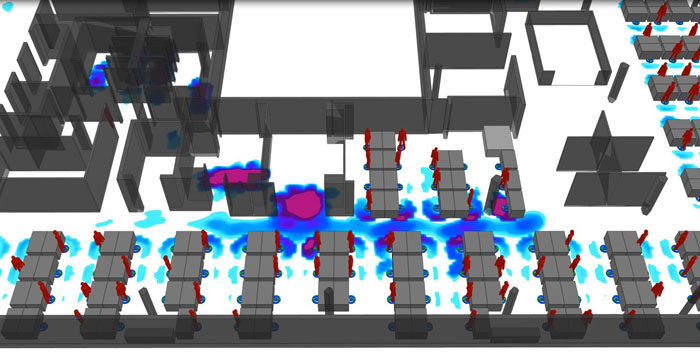
Planning the office space of the future

The Dark Side of Historic Preservation


Planning a city with conflicting values? No problem!


We need more flexible housing for 21st-century lives


Will The Pandemic Be The Death Of The Open Floor Plan?

Championing Chief Architects

It’s Time to Say Goodbye to These Outdated Design Trends in 2024

We need more flexible housing for 21st-century lives

'Designing loneliness into American floor plans'


10 New Trends in Multifamily Housing Design


Courtyard Urbanism: What’s Missing From American Cities


Courtyard Urbanism: Mixing the Best Parts of the City and the Suburb
Are fleeting architectural fads marring SLO?


Ten principles for designing vibrant and liveable mixed-use spaces

More Virtuous Circles


5 Ways architectural epidemiology redefines design impact
Disability-Forward Design Across Multiple Cities
DASH – Designing Affordable Sustainable Housing
Yasminah Beebeejaun: Whose diversity? Race, space, and planning