1/3
How To Waterproof Wood With An All-Natural Ingredient
Waterproofing wood is essential for extending its lifespan, especially for outdoor applications. While various commercial products offer solutions, an eco-friendly alternative is beeswax. This natural ingredient, when properly applied, can condition and protect wood, imparting a deep glow and a pleasant scent. However, understanding its limitations and proper application is crucial for effective use.
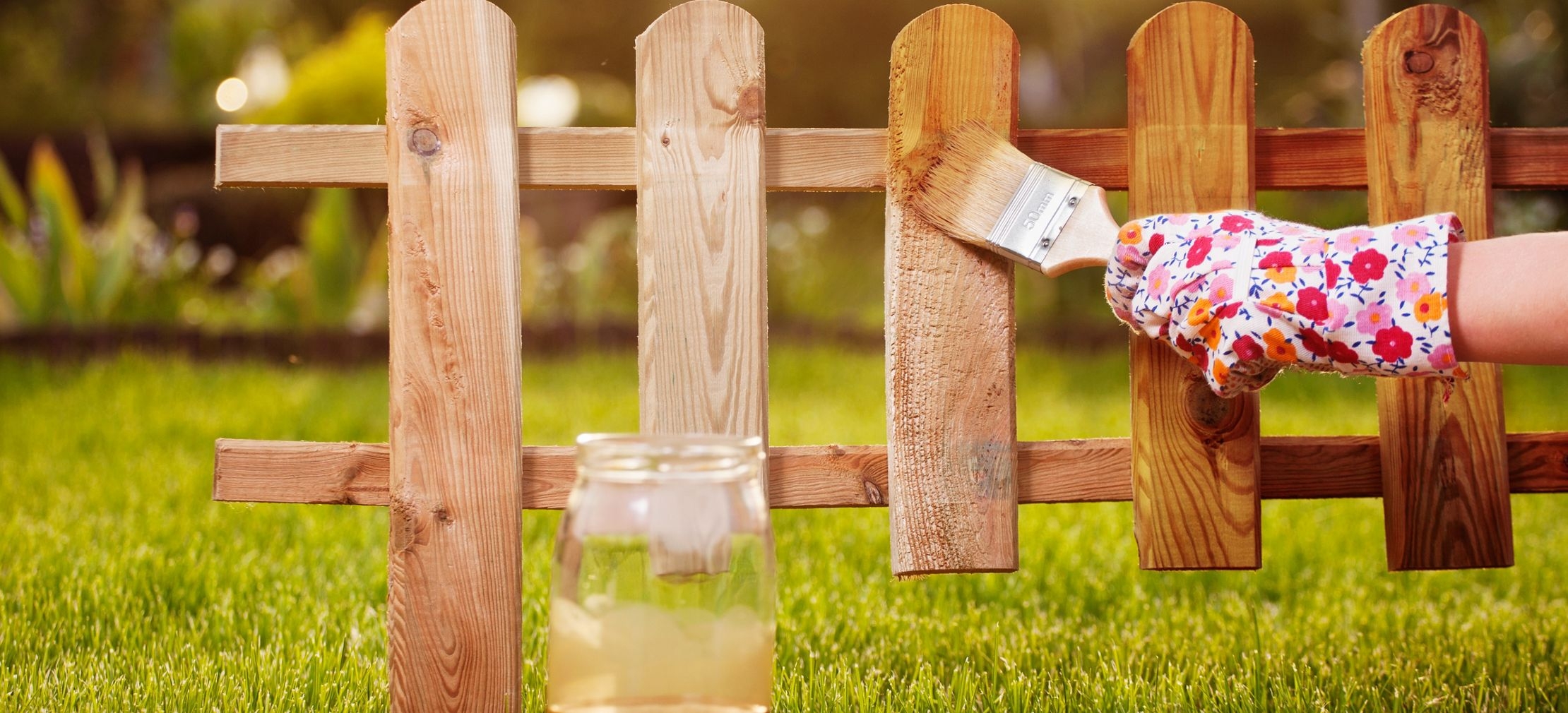
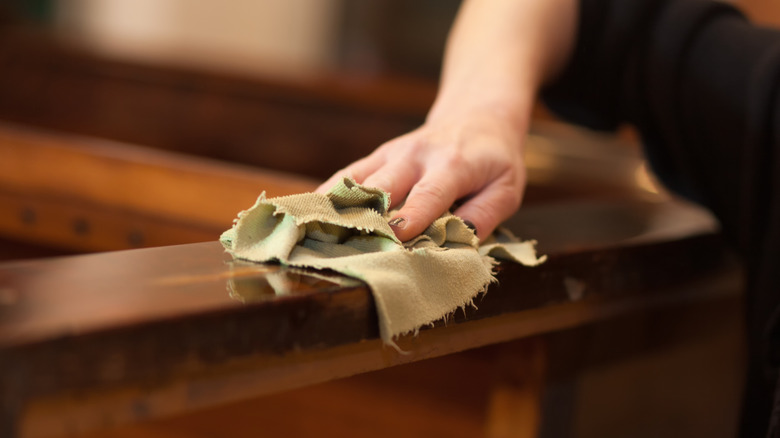
Pure beeswax is too hard to be used directly on its own. It requires mixing with a thinning agent to achieve a workable consistency. Common thinning agents include linseed oil and mineral spirits, which are often found in commercial beeswax polishes. Some formulations also use olive oil as a more natural alternative to mineral spirits, which are petroleum-derived. The application process involves pouring or wiping the beeswax mixture onto the wood and then thoroughly rubbing it in with a soft cloth, such as an old linen or cotton t-shirt. The key is to ensure the wax is fully absorbed into the wood to prevent any sticky residue that could attract dust and dirt. For bare wood, a second application is often necessary as the first coat tends to be entirely absorbed. The wood is adequately waterproofed when it exhibits a satin sheen, indicating sufficient wax absorption rather than a dry or patchy appearance.
While beeswax is an excellent natural option for conditioning and protecting wood, its suitability for waterproofing depends on the project's specific needs and the environmental conditions. For indoor furniture, beeswax polish is a highly recommended choice due to its aesthetic benefits and protective qualities against spills. However, for outdoor furniture or wood constantly exposed to harsh elements, beeswax may not offer the same level of long-term durability as synthetic alternatives. Expert opinions suggest that consistent reapplication would be necessary for outdoor items, especially in areas with significant weather exposure. For projects requiring maximum waterproofing and durability in challenging outdoor conditions, alternative solutions like outdoor polyurethane varnish or marine spar varnish (urethane) are often preferred. Another natural option for wood protection is tung oil, which can be explored for various wood projects. Ultimately, the choice of waterproofing agent should align with the desired level of protection, maintenance commitment, and environmental considerations for the specific wooden item.
#WoodWaterproofing #NaturalIngredients #Beeswax #HomeImprovement #EcoFriendly #WoodCare #DIYHome #WoodWaterproofing #NaturalIngredients #Beeswax #HomeImprovement #EcoFriendly #WoodCare #DIYHome
0 commentaire au total
 Aucun commentaire pour le moment
Vous aimerez aussi
How To Keep Outdoor Wood Beautiful Year-Round: Best Sealers for the Job

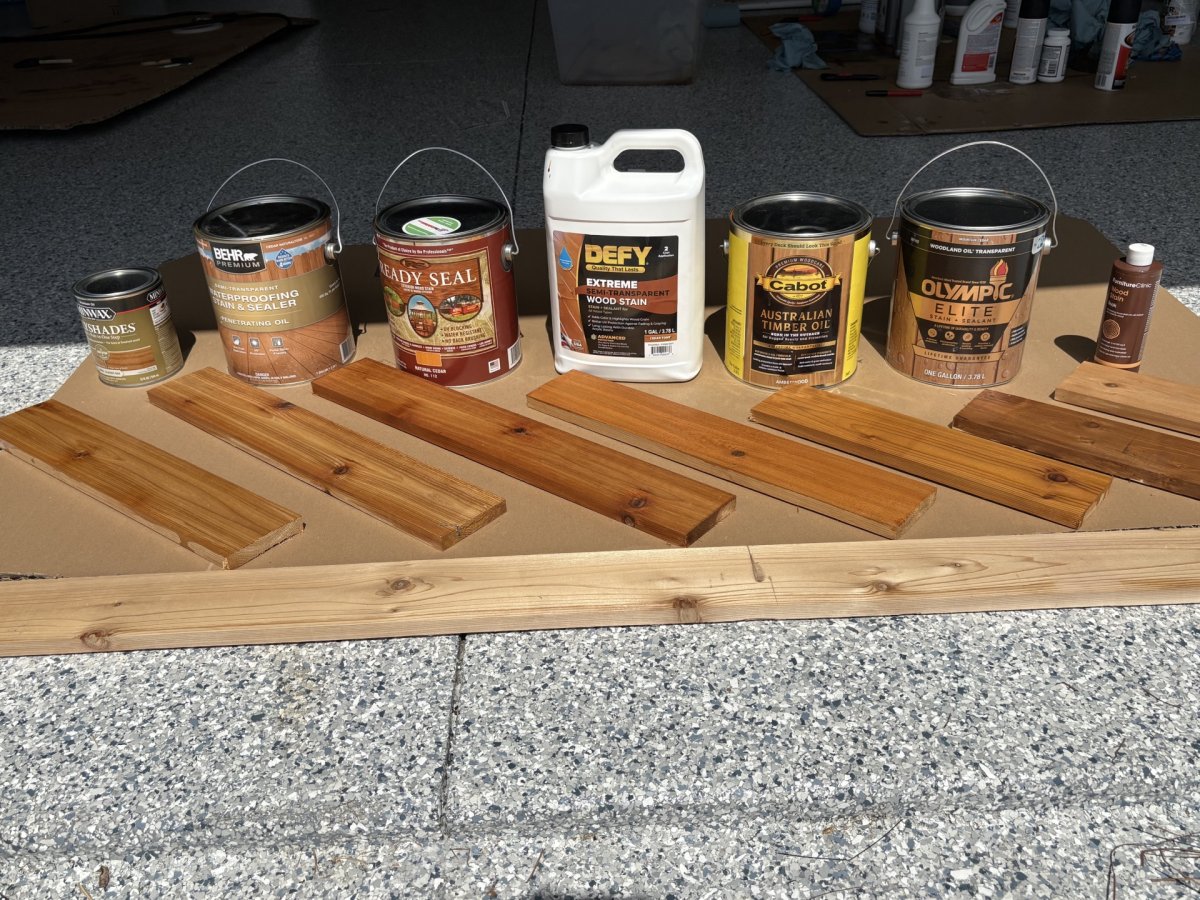
Make Cedar Shine: Our Favorite Wood Stains

We Spent 20+ Hours Testing the Best Fence Stains. Our Top Choice Will Make Your Fence Look Like New
This Common Pantry Snack Works Like a Charm to Get Water Stains Off Wood

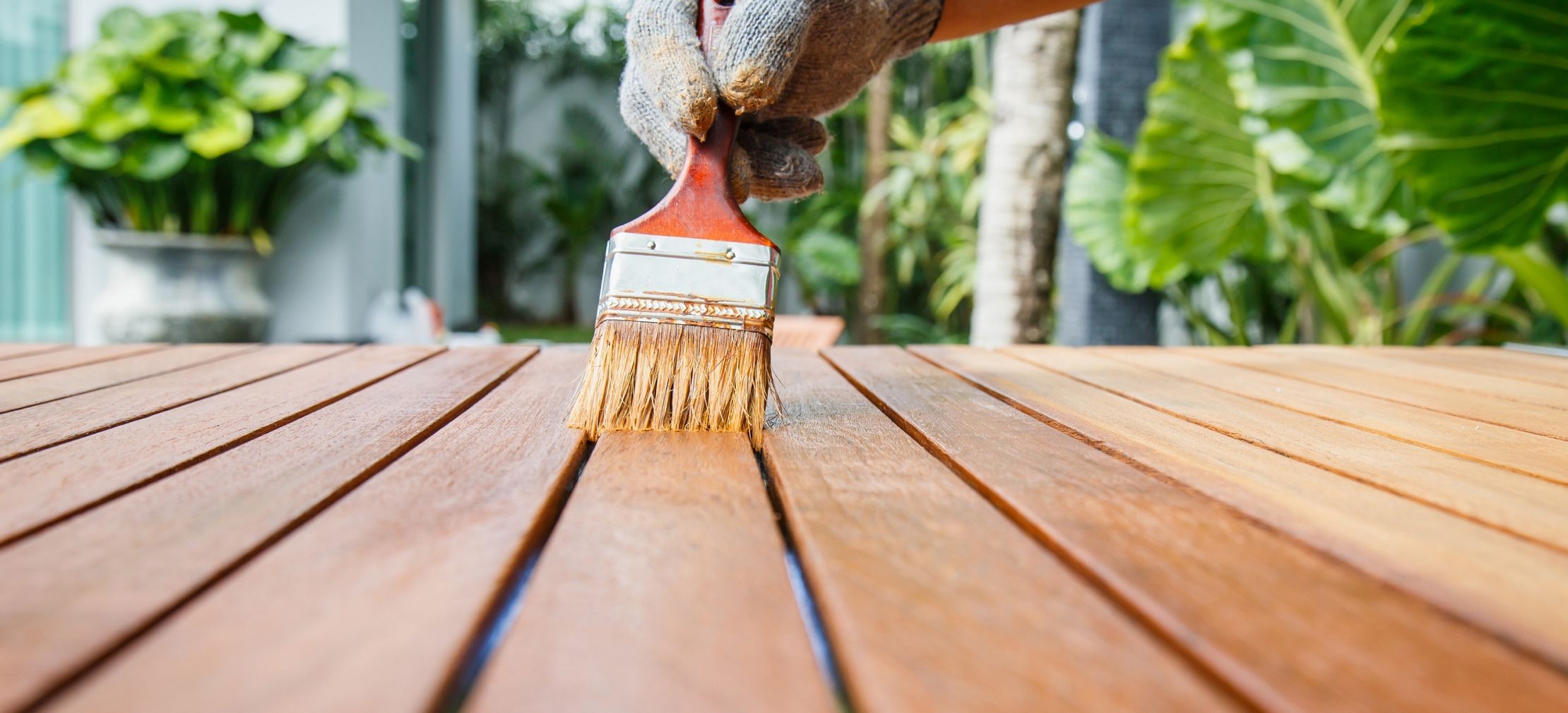
5 ways to treat exterior wood

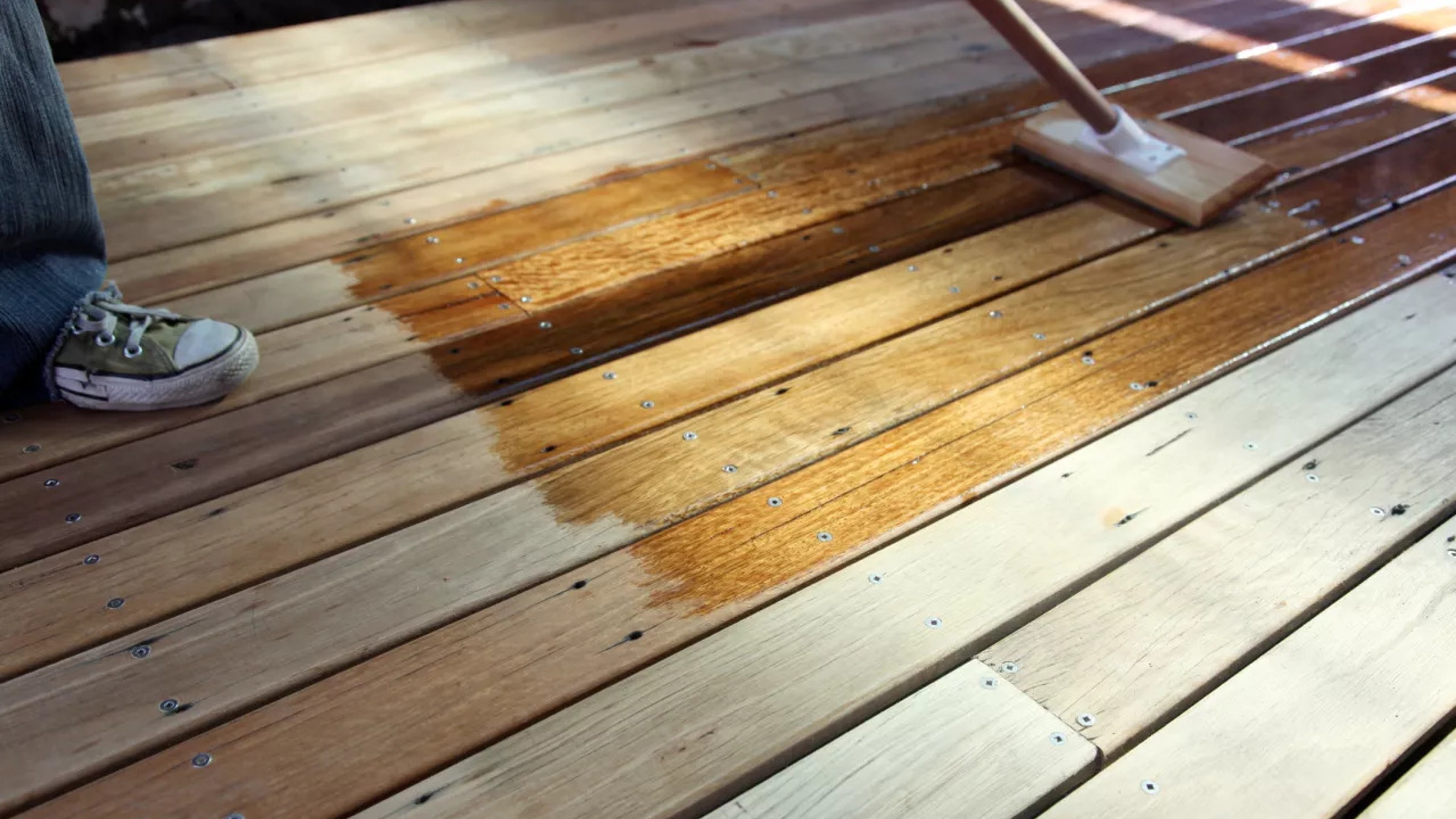
Best decking oils 2020

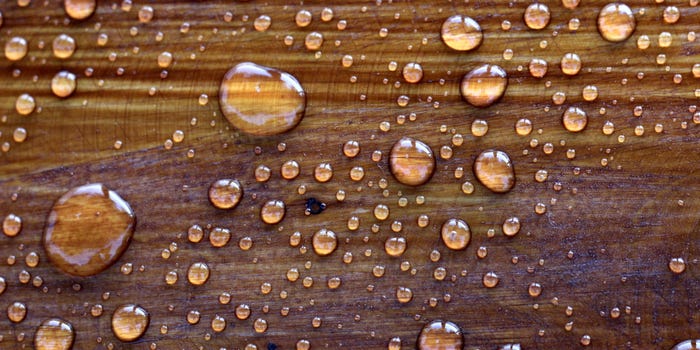
How to remove water stains from wood and keep your furniture looking great

How to waterproof a basement – 5 steps from experts to safeguard this space

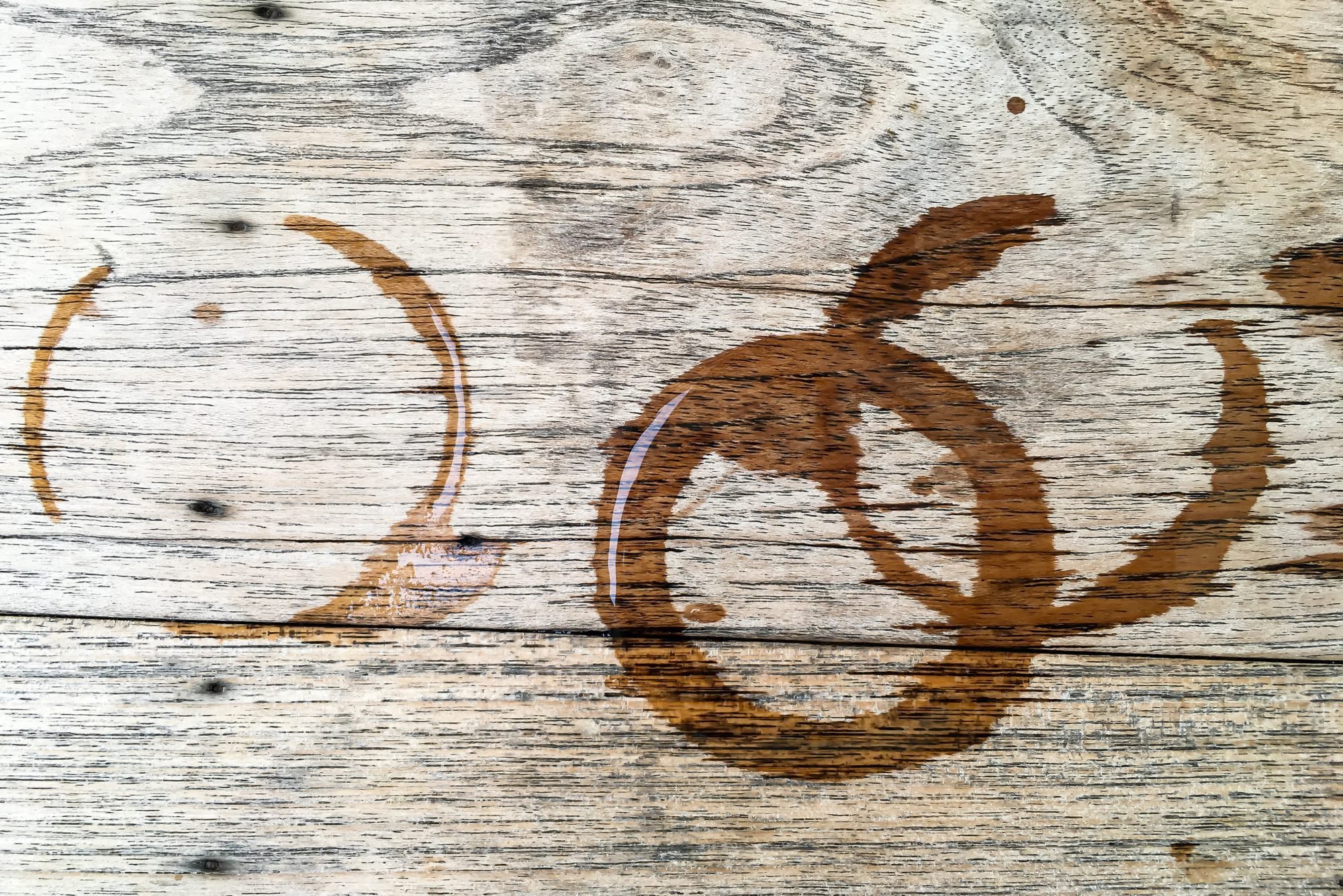
How to Remove Water Stains from Wood with Common Household Products

No stain, no gain: Staining exterior wood is a simple way to boost outdoor living spaces


Wood Stain | Exterior Wood Stain & Paints
Best wood for outdoor projects – 5 types that are loved for their durability and good looks in equal measure

Your Guide To Painted Wood Waterproofing

We Put the Best Exterior Wood Stains Through 40 Hours of Testing to Find the Top Picks
The Best Deck Stains of 2025

Tired of tiptoeing? These 5 methods for fixing creaking wooden floors are approved by the pros
I Asked My Furniture-Maker Dad How to Remove Water Stains From Wood — These Are His 3 "Tried and Tested" Tricks
12 exterior areas of your home that are prone to leaks in rainy season – and how to prevent moisture getting inside
Best Mold- and Mildew-Resistant Paints for 2025
How to remove water stains from wood – 8 fixes you'll find in your pantry