1/4
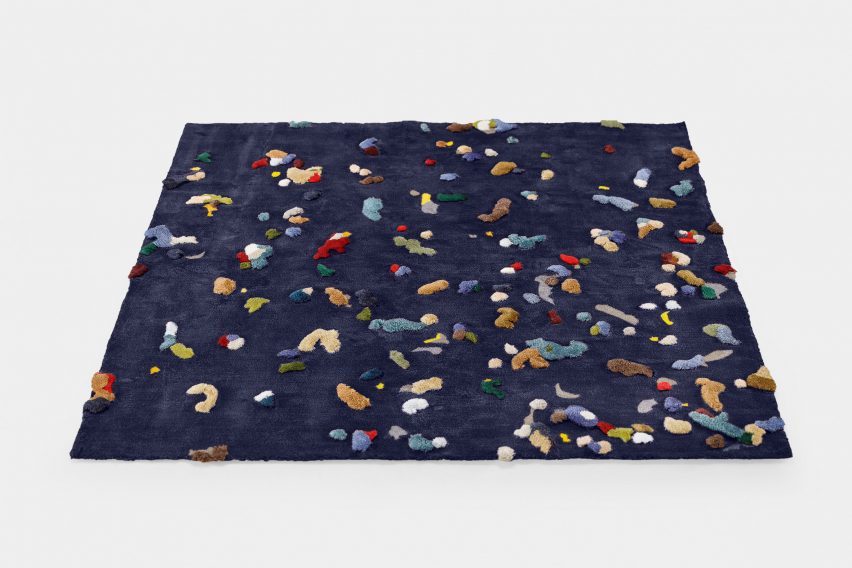
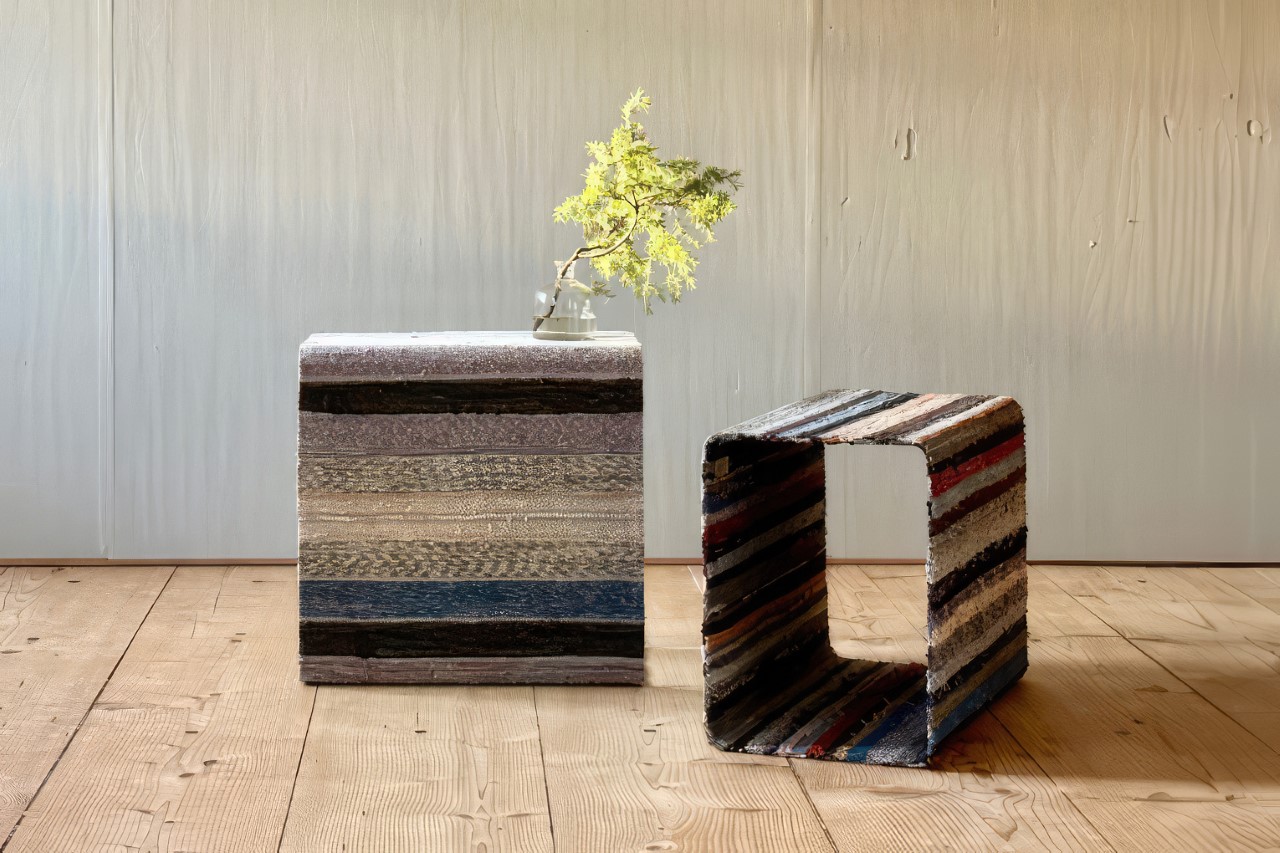
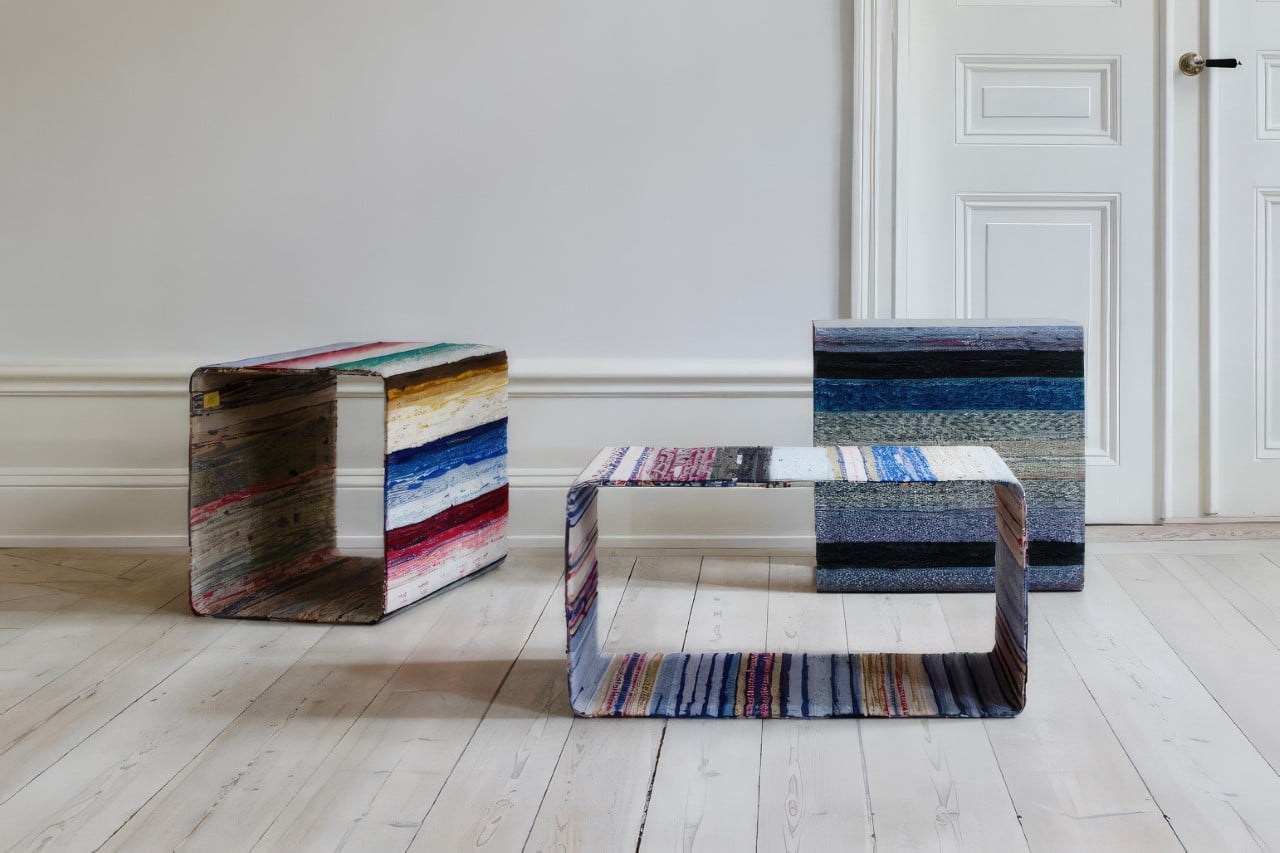
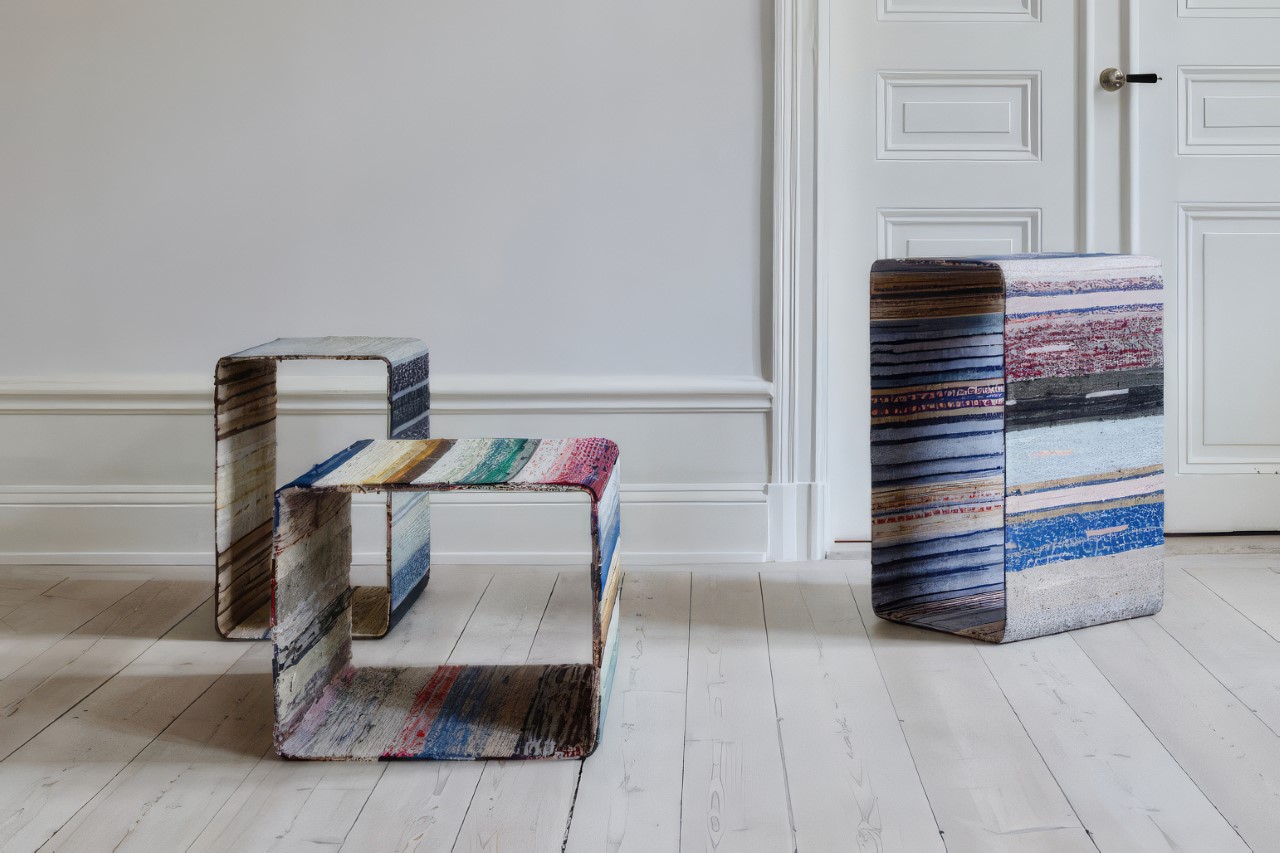
Found: A Creative New Way to Utilize Rugs
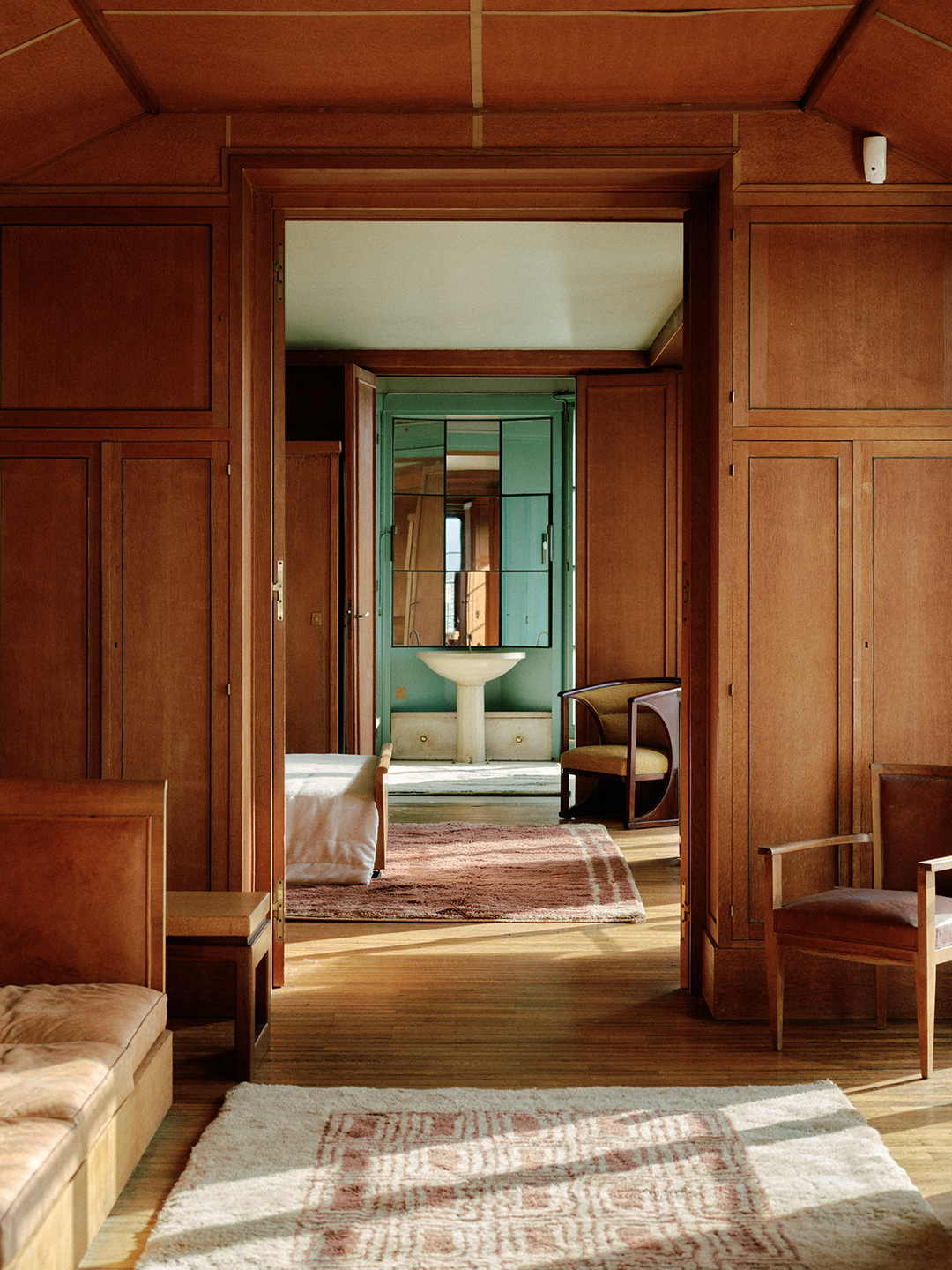
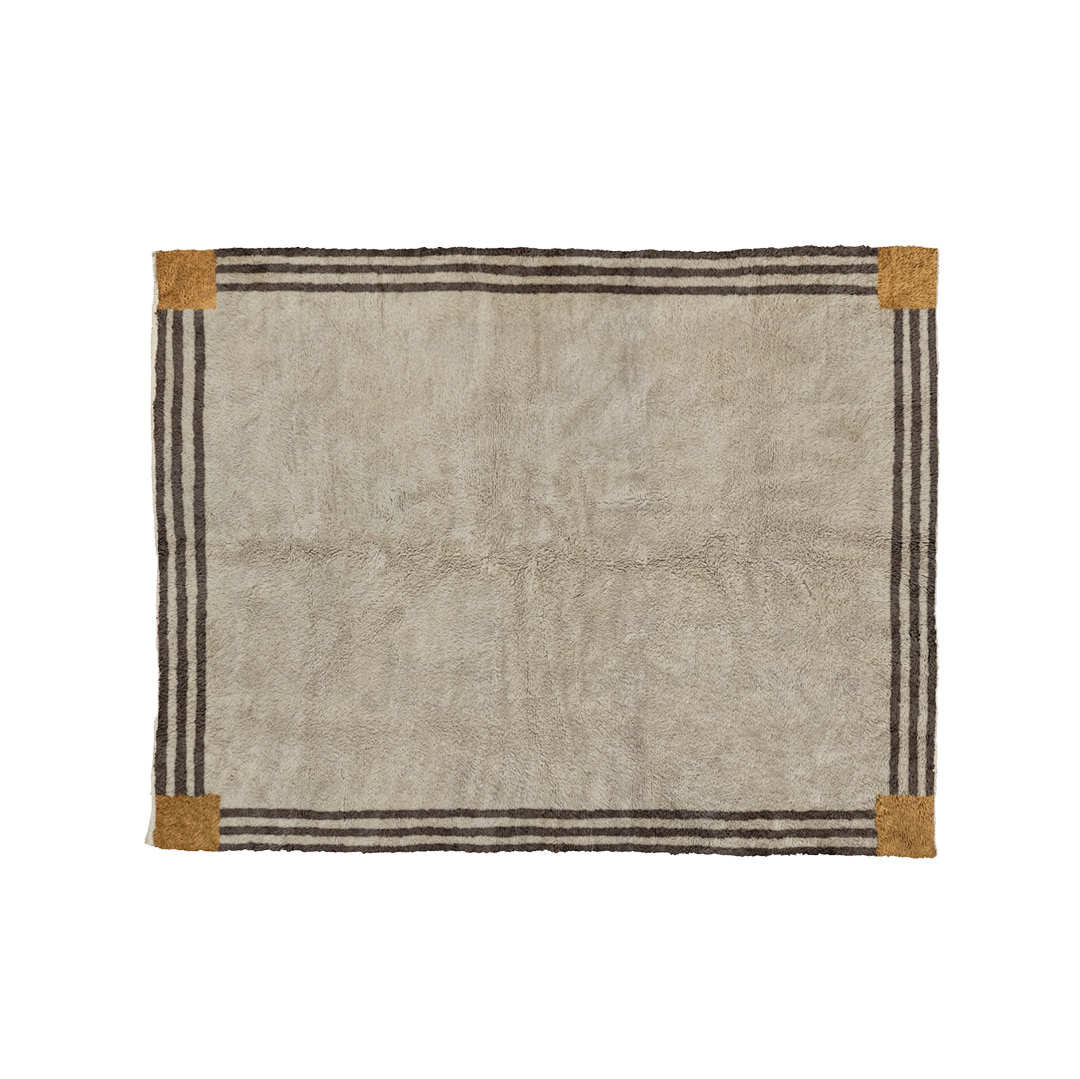
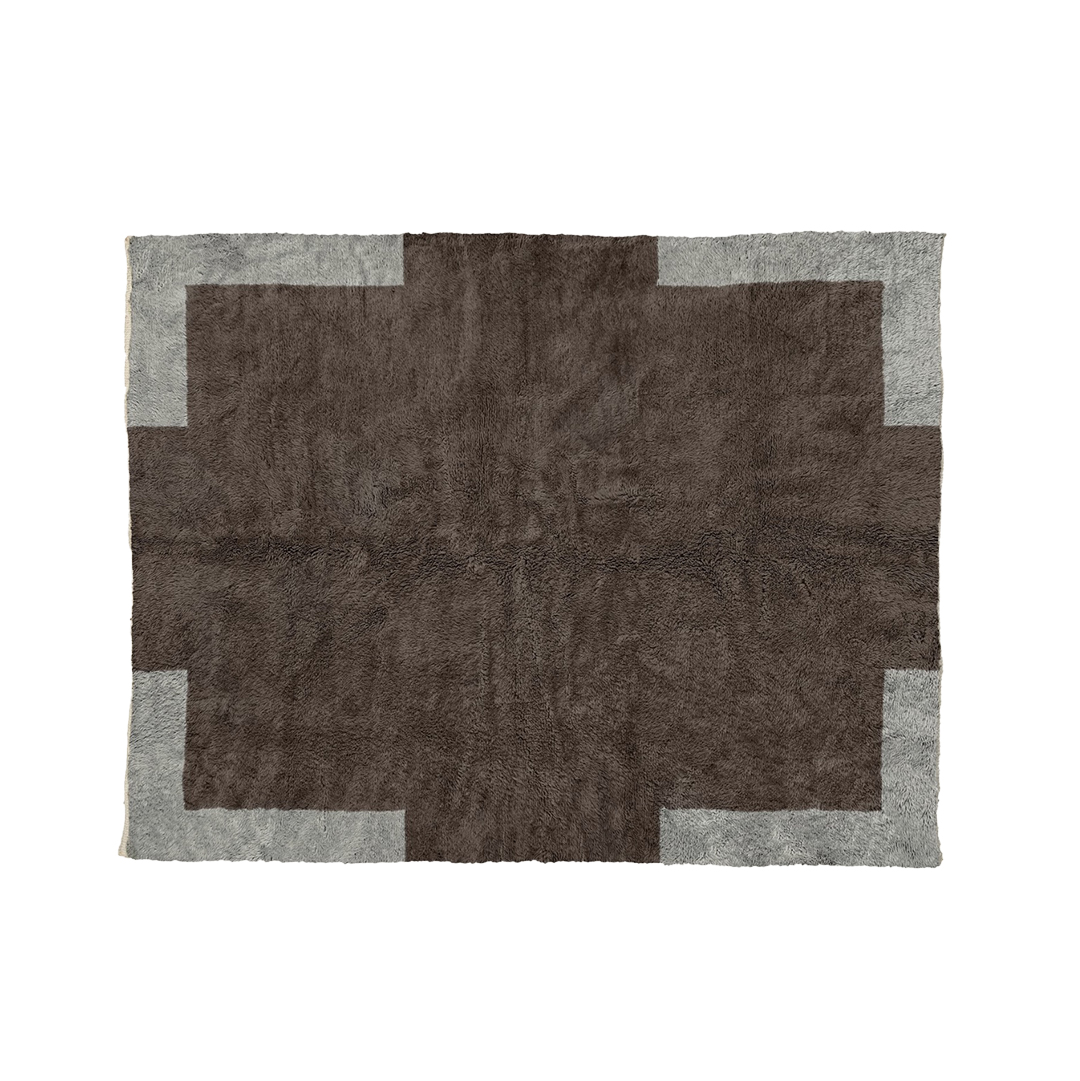
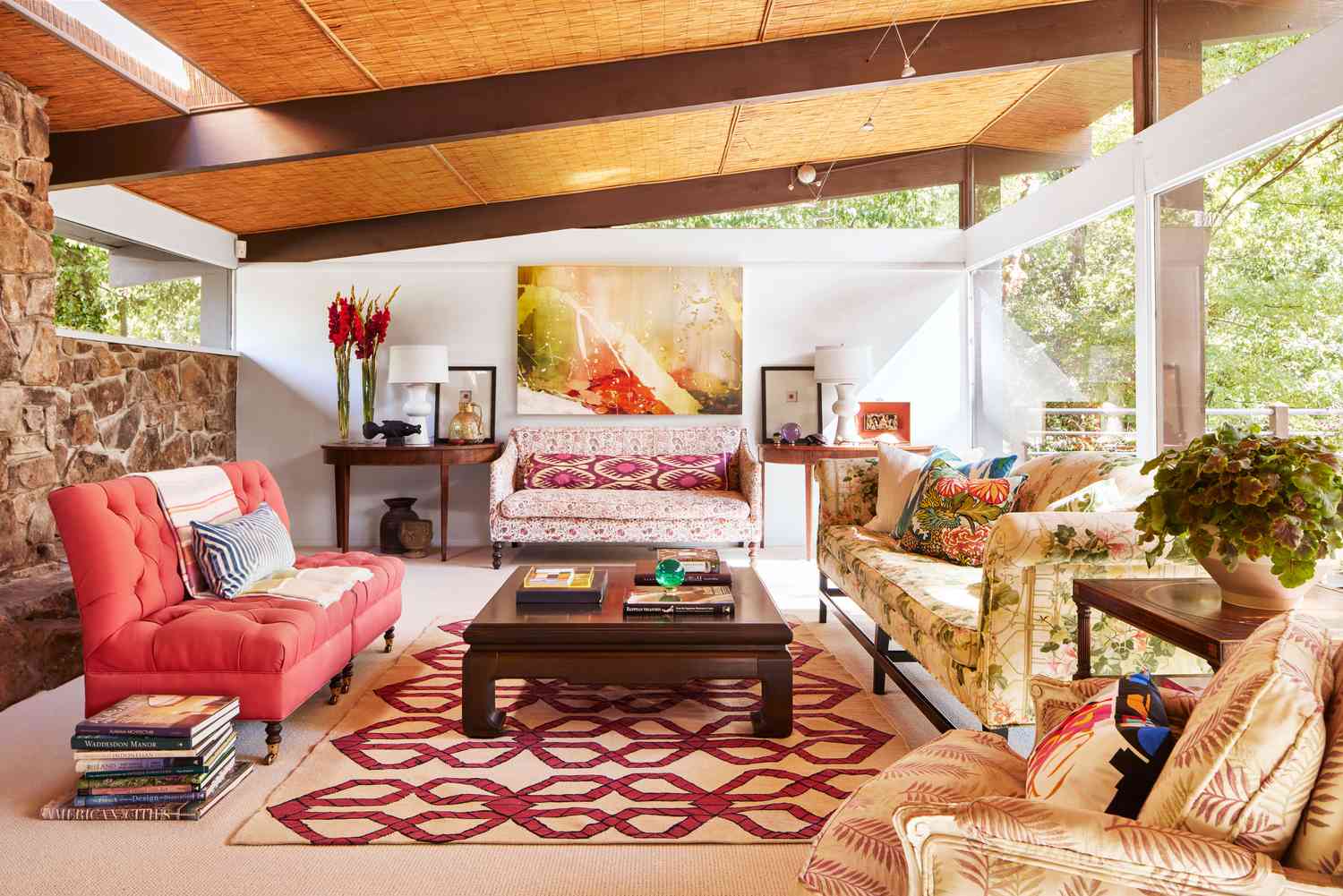
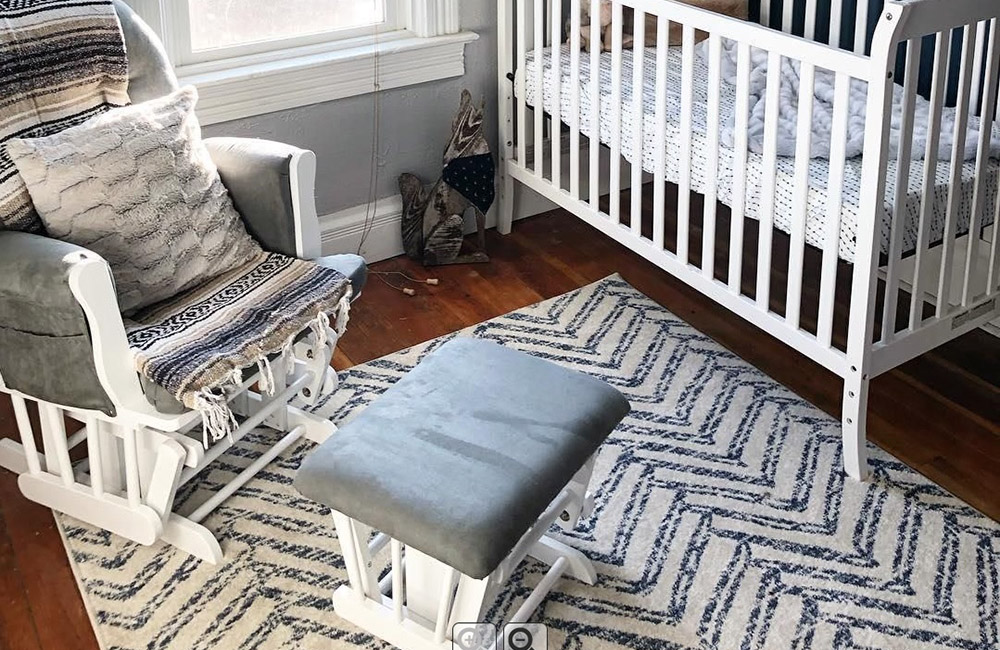
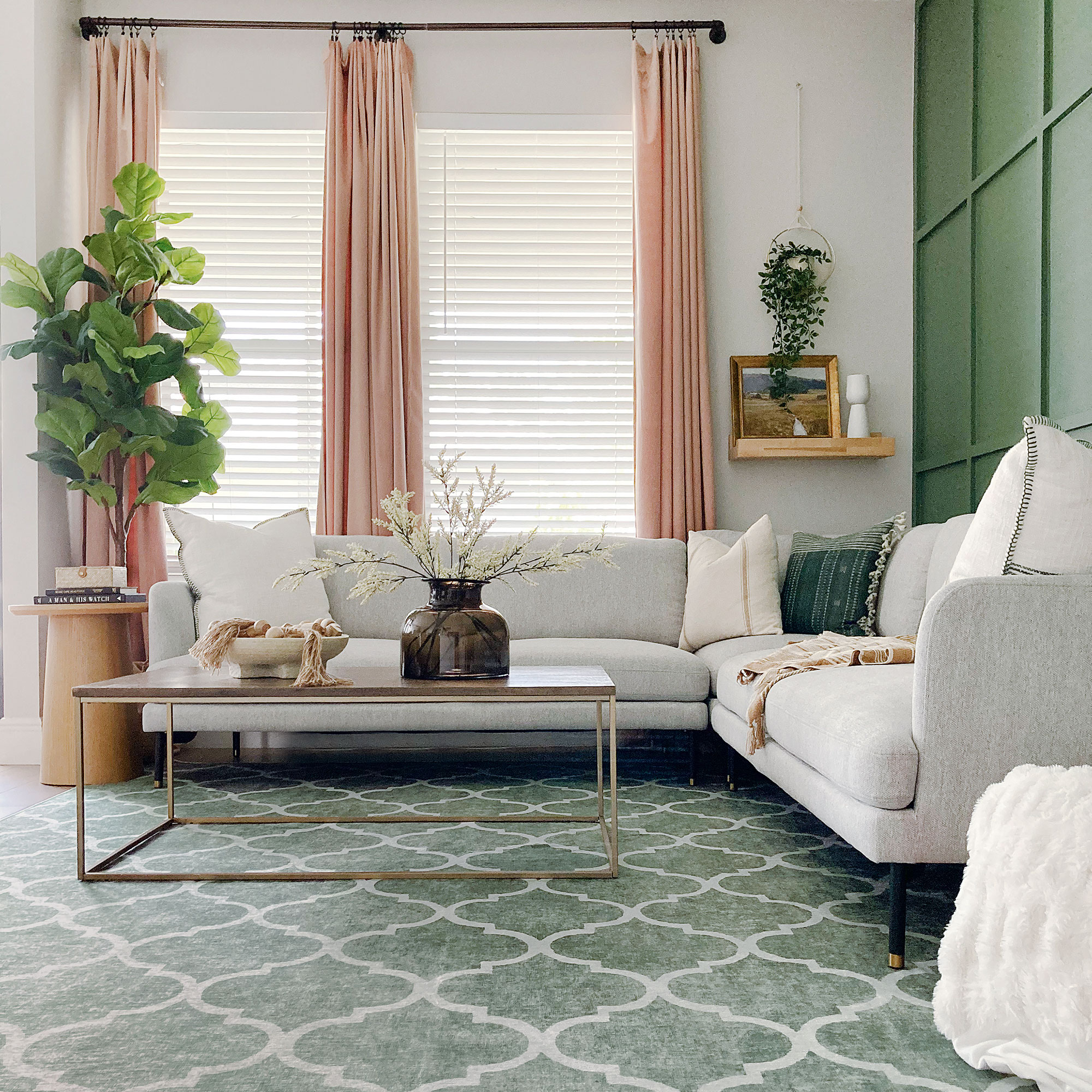
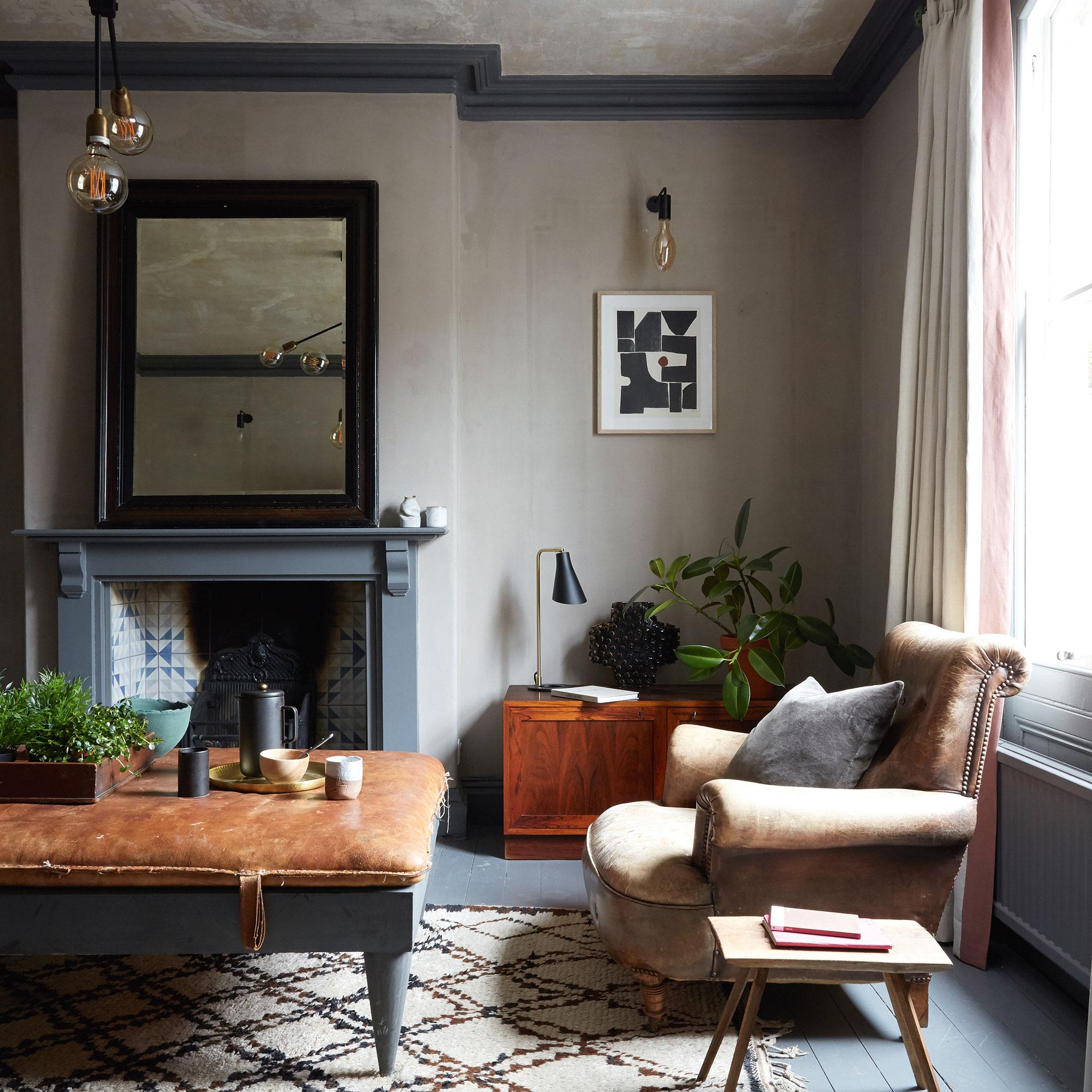
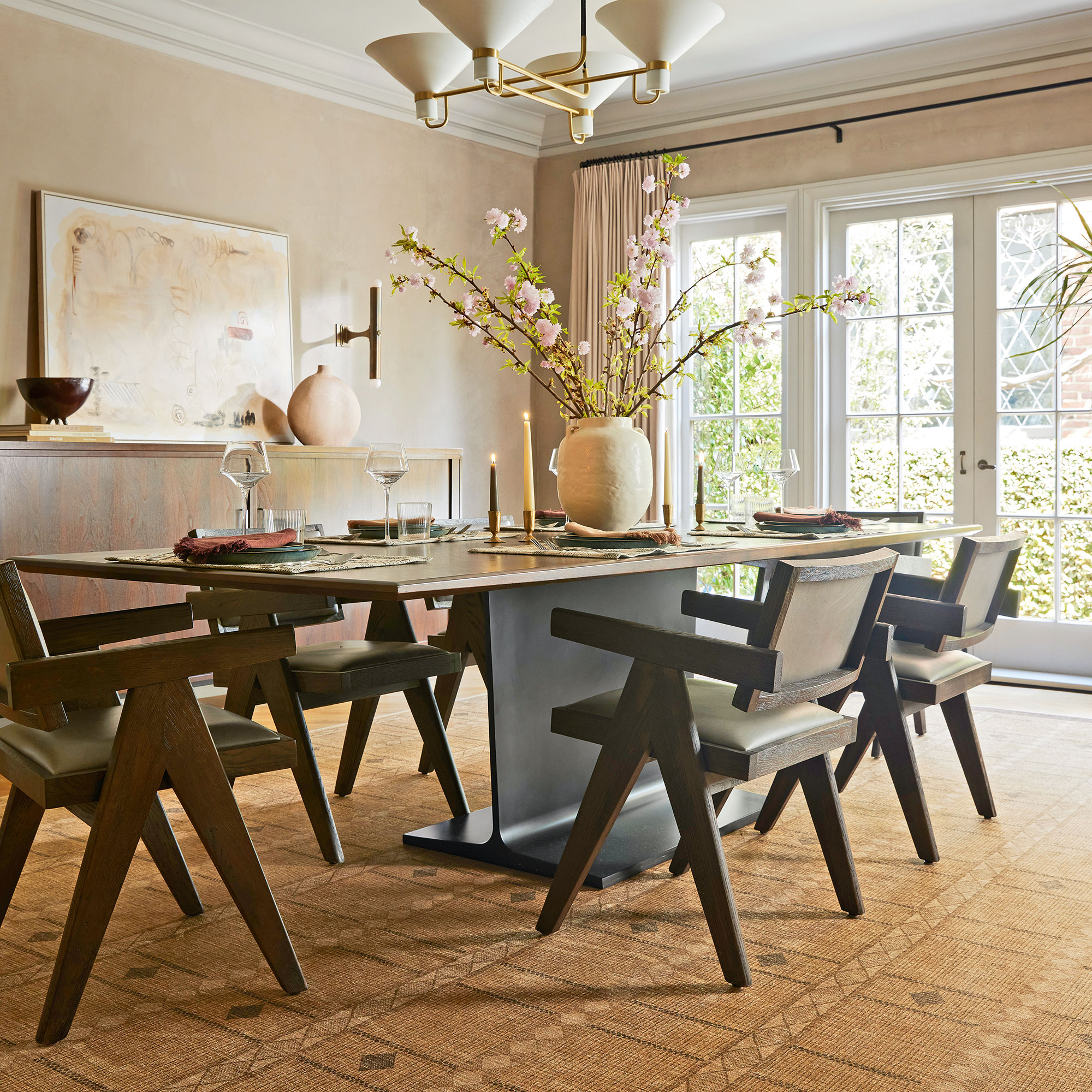
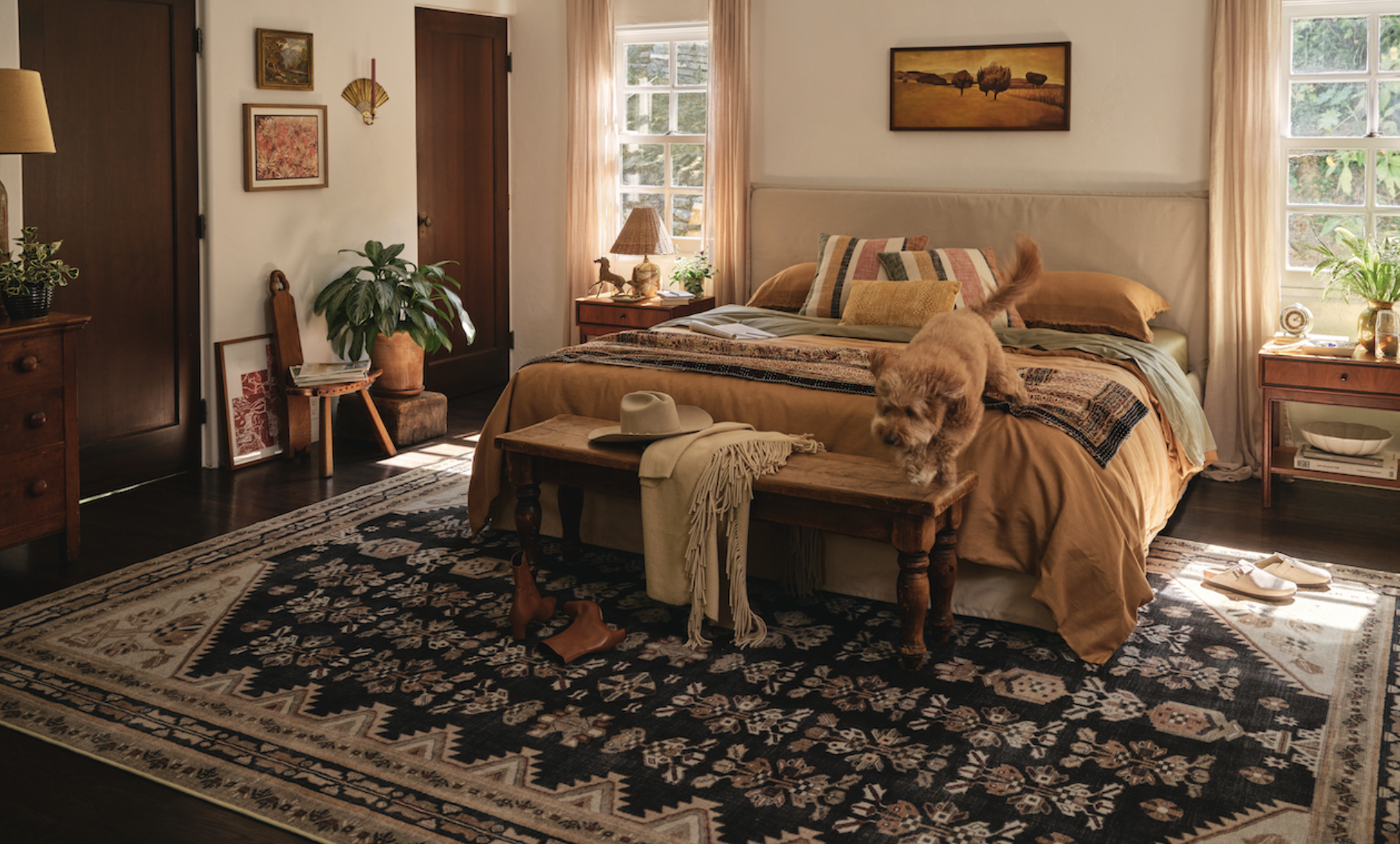
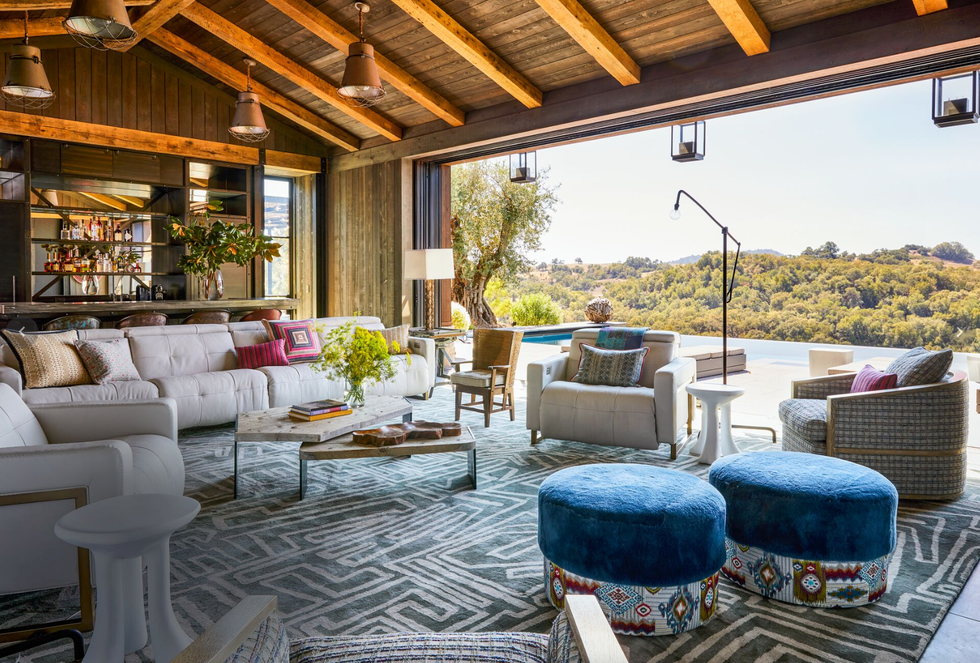
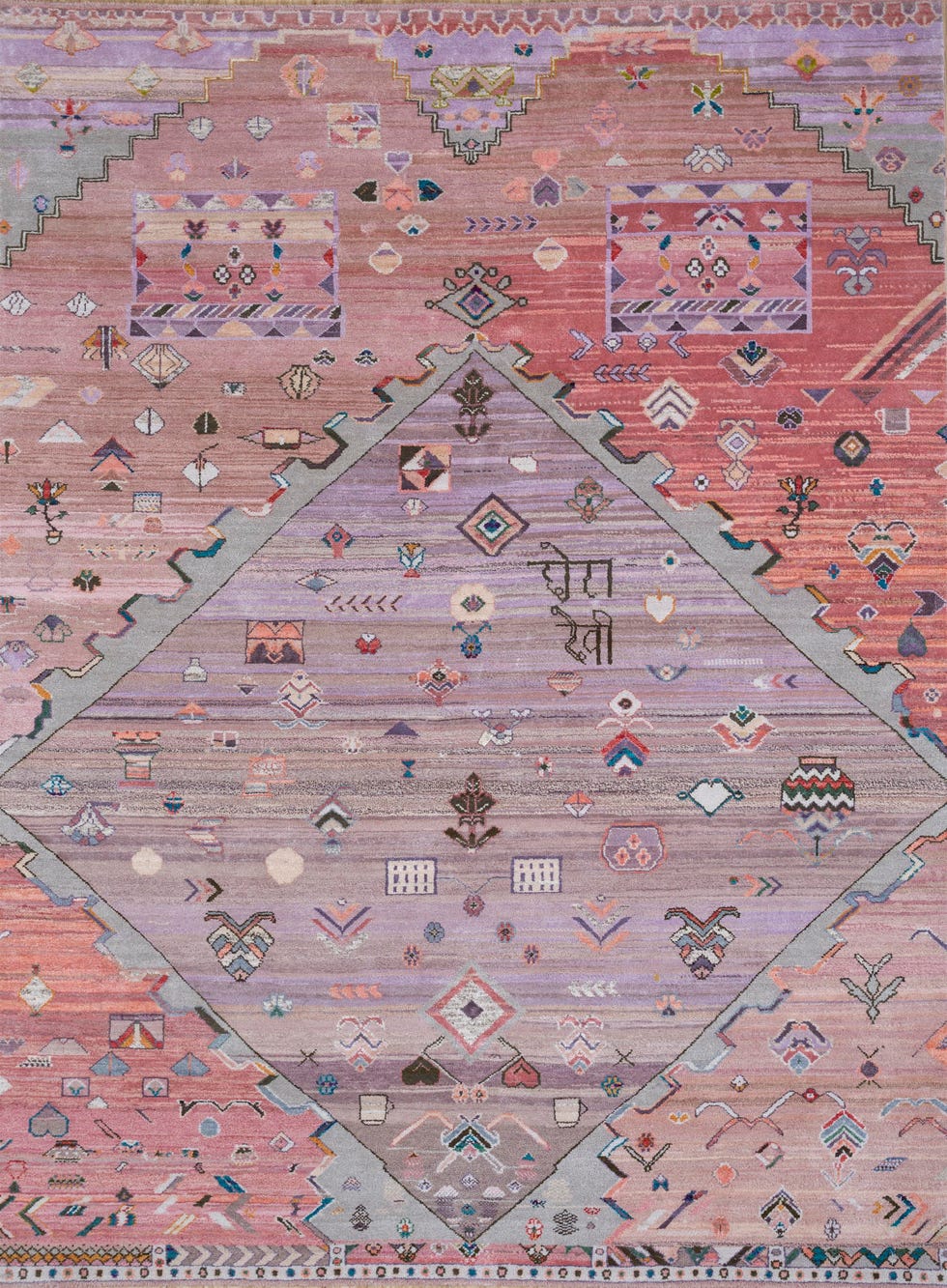
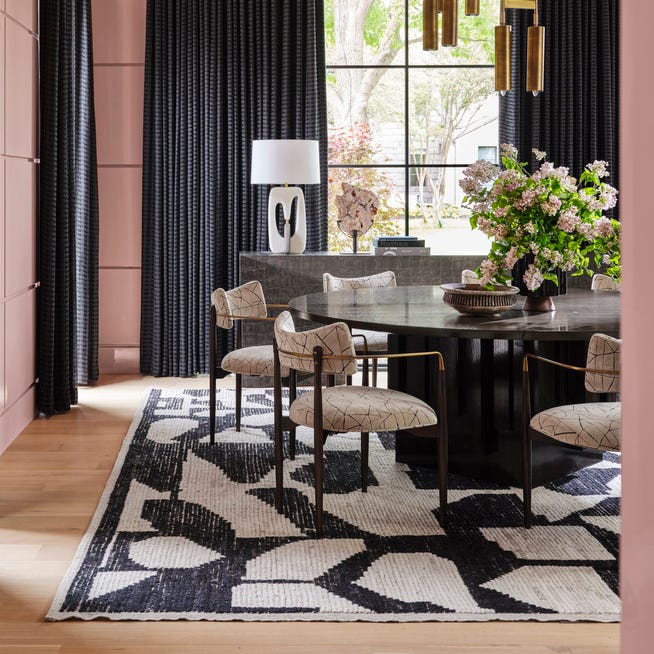
Rugs are an essential element in interior design, offering both aesthetic appeal and practical benefits, particularly in defining distinct areas within open-plan spaces. In an open-concept layout, where rooms flow seamlessly into one another, rugs serve as visual anchors, delineating functions without the need for physical walls. For instance, a large rug under a dining table can clearly mark the dining area, while another in the living space can create a cozy conversation zone.
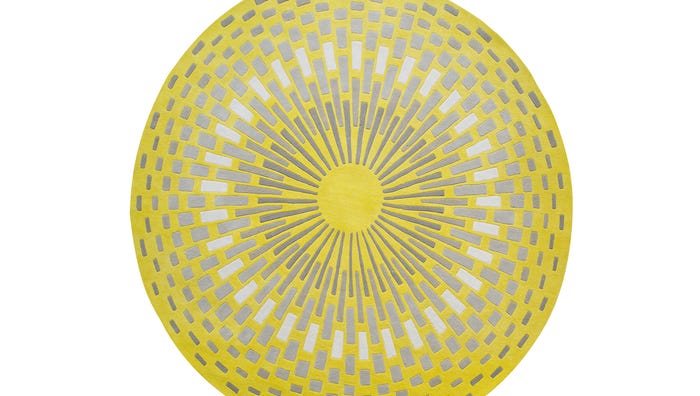
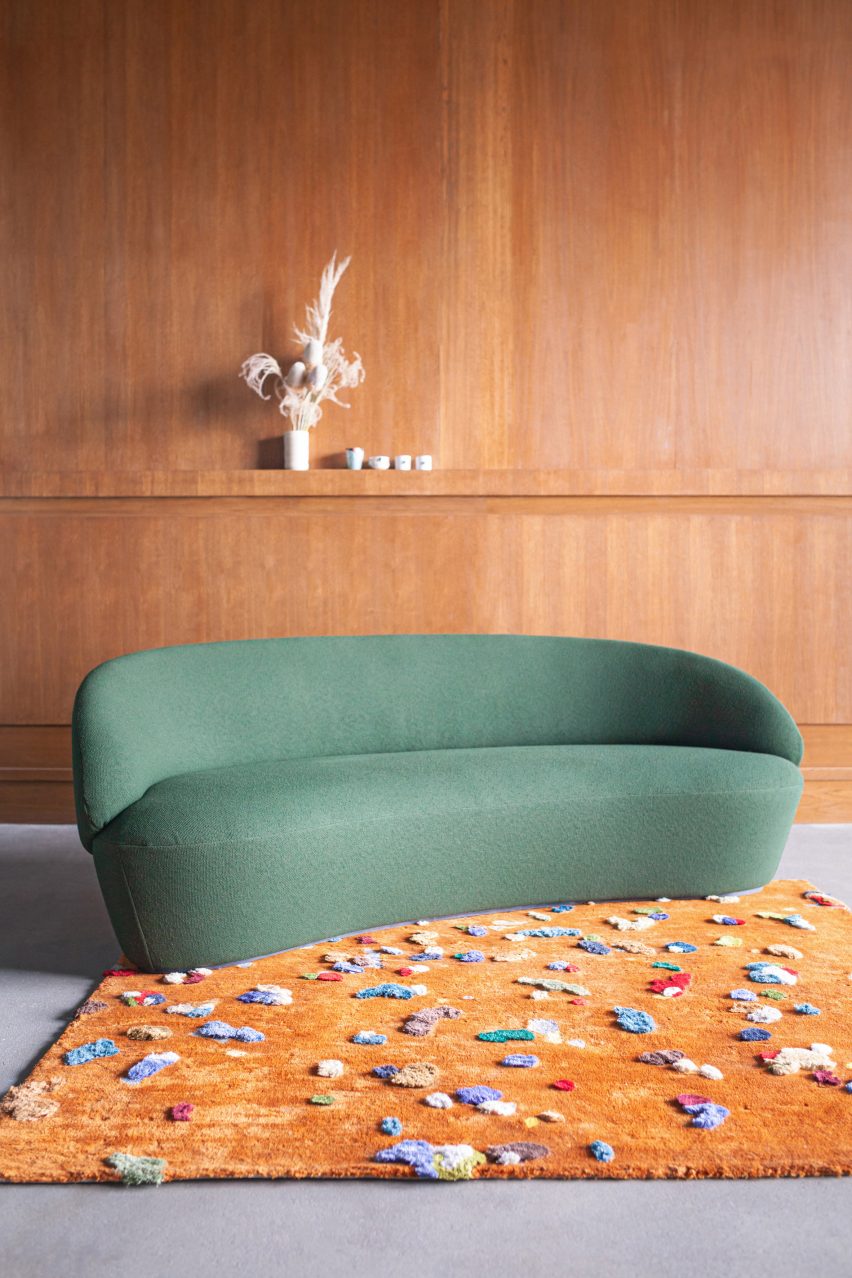
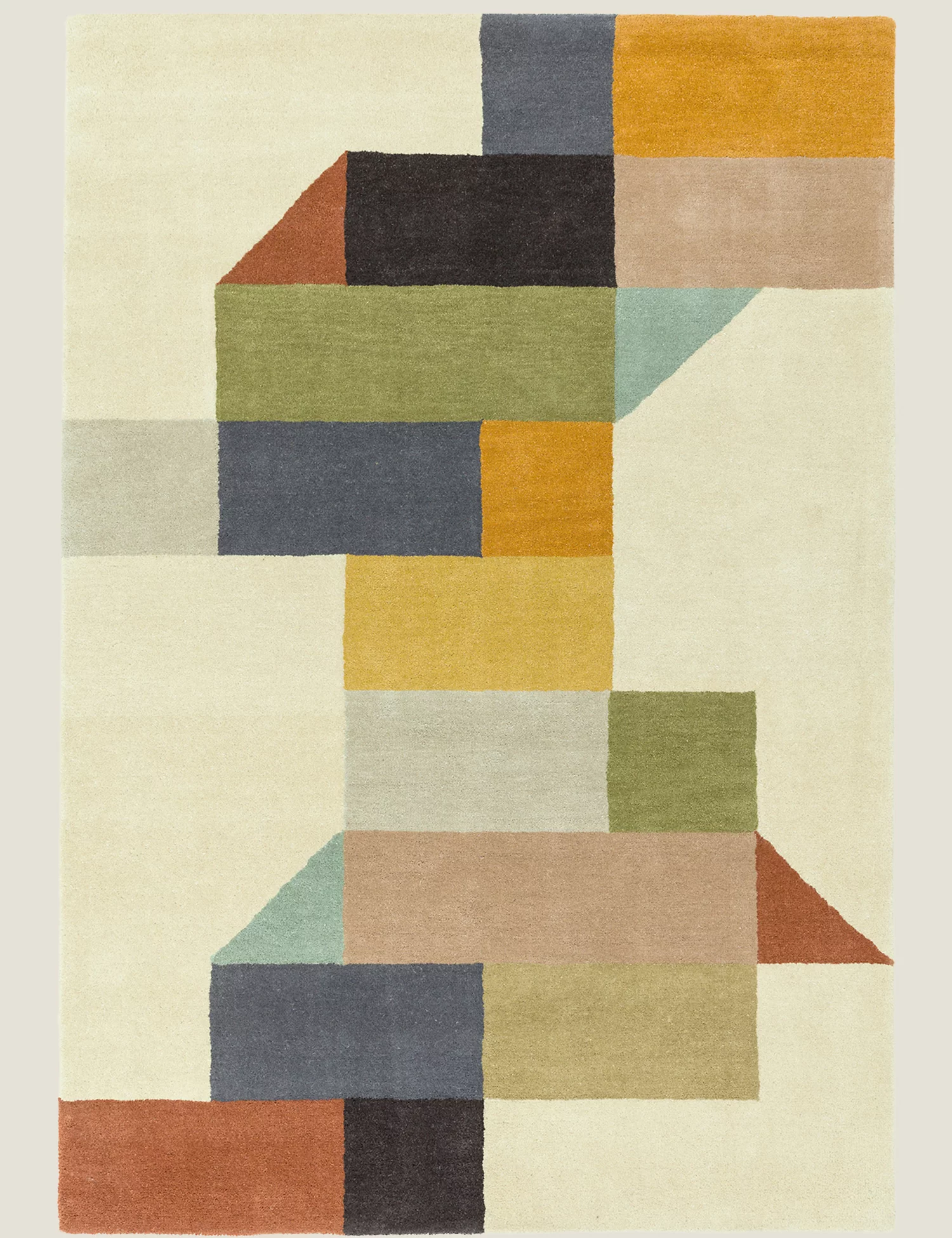
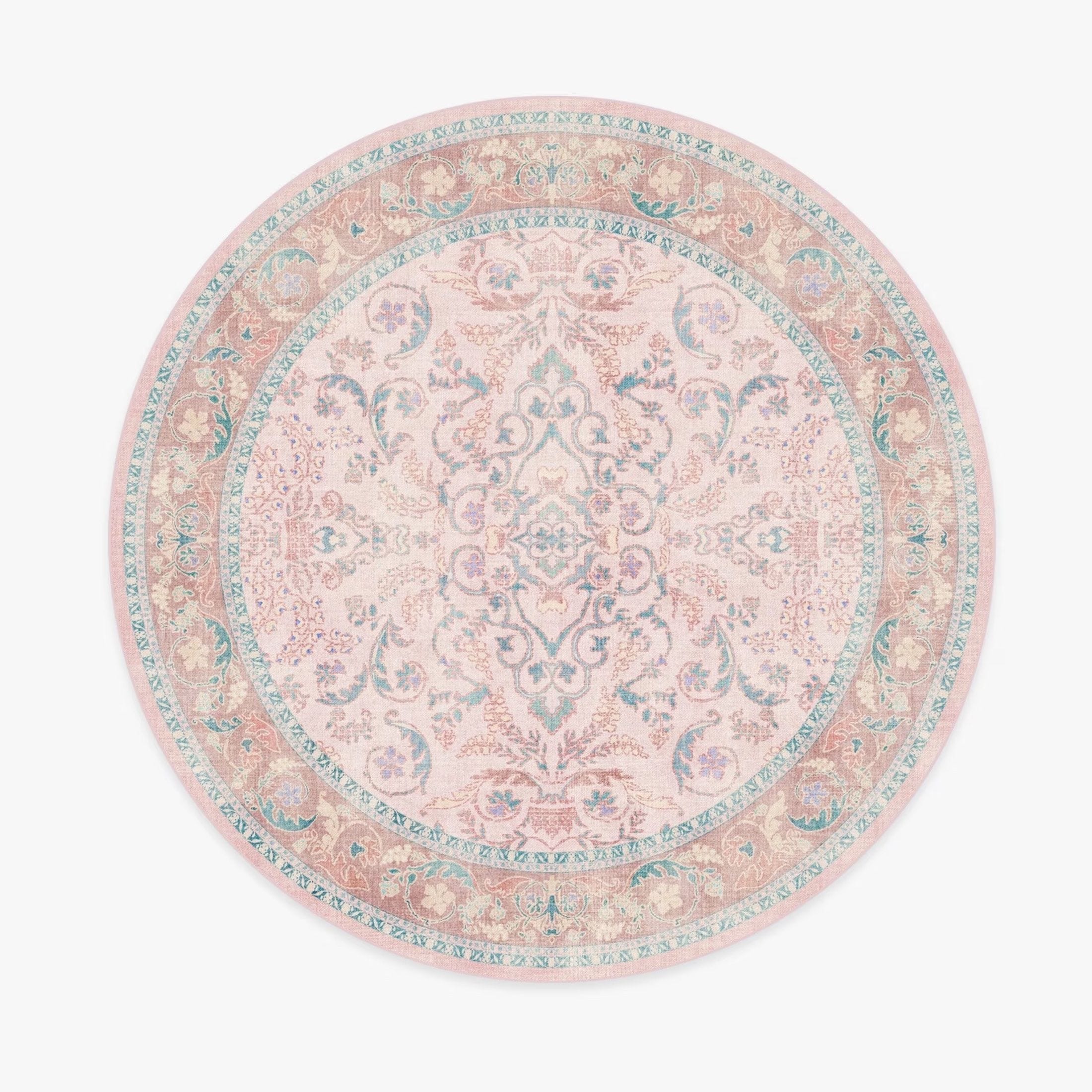
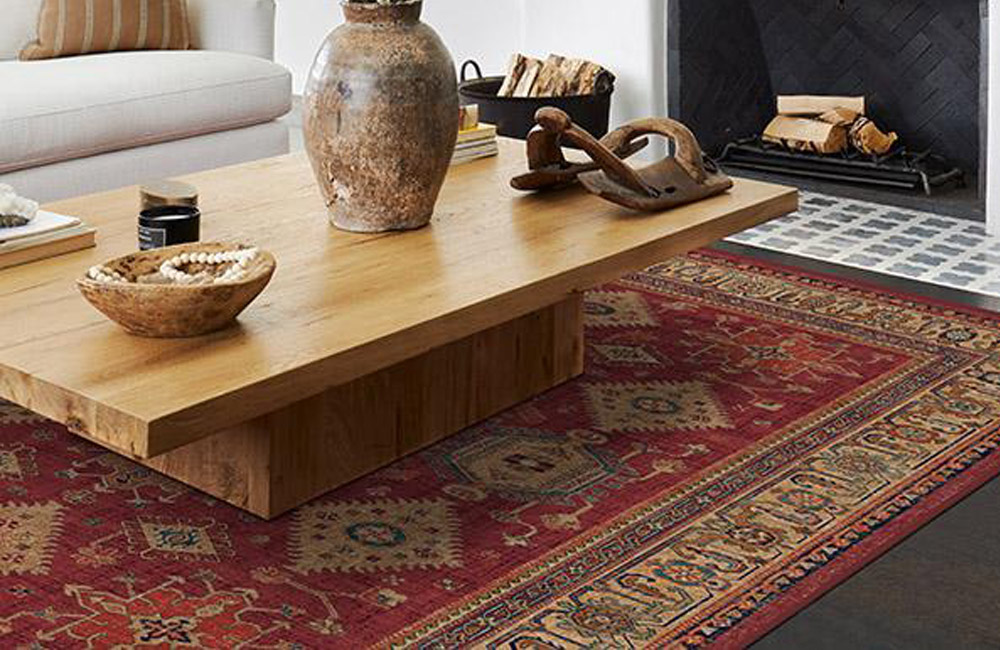
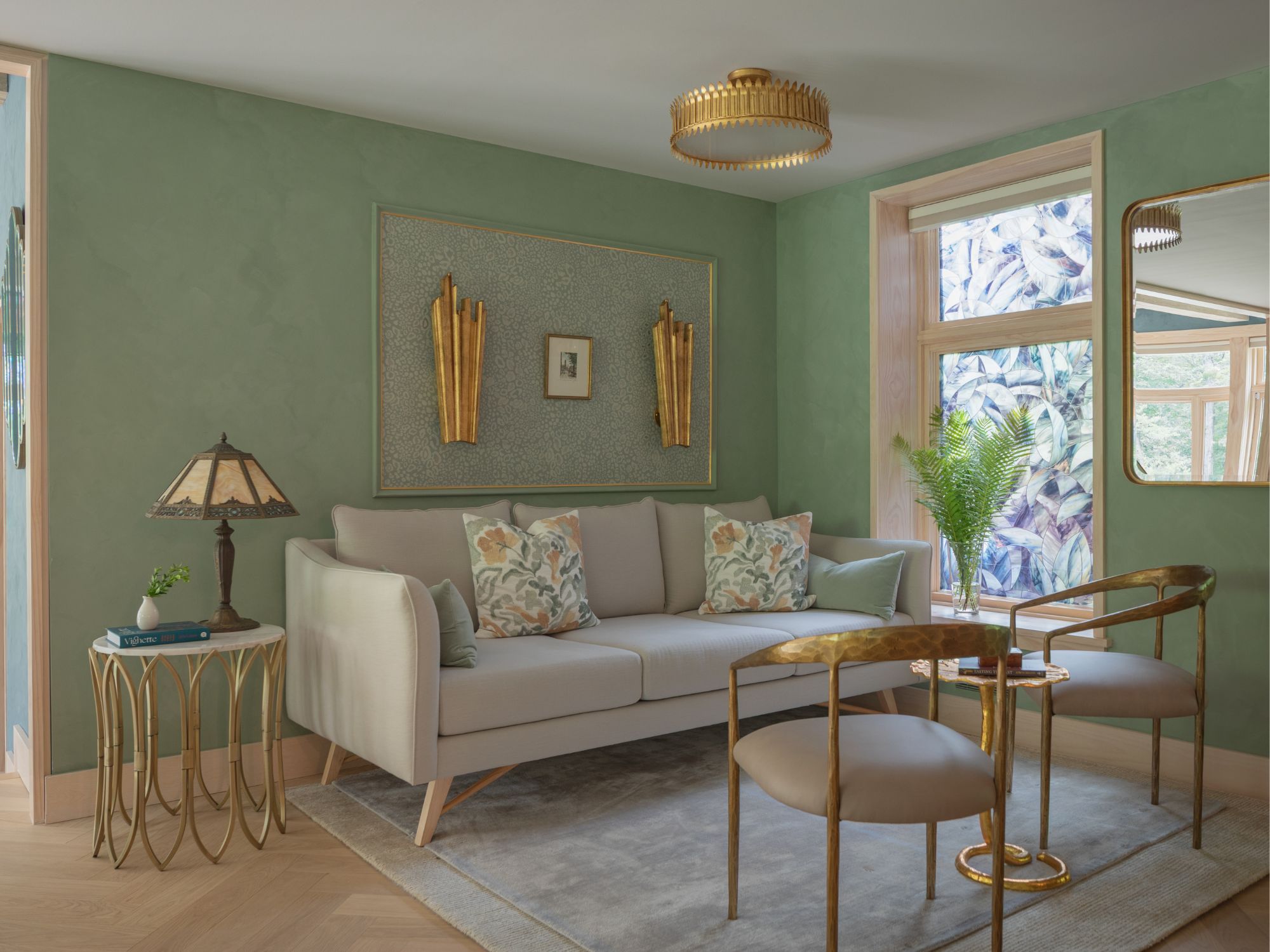
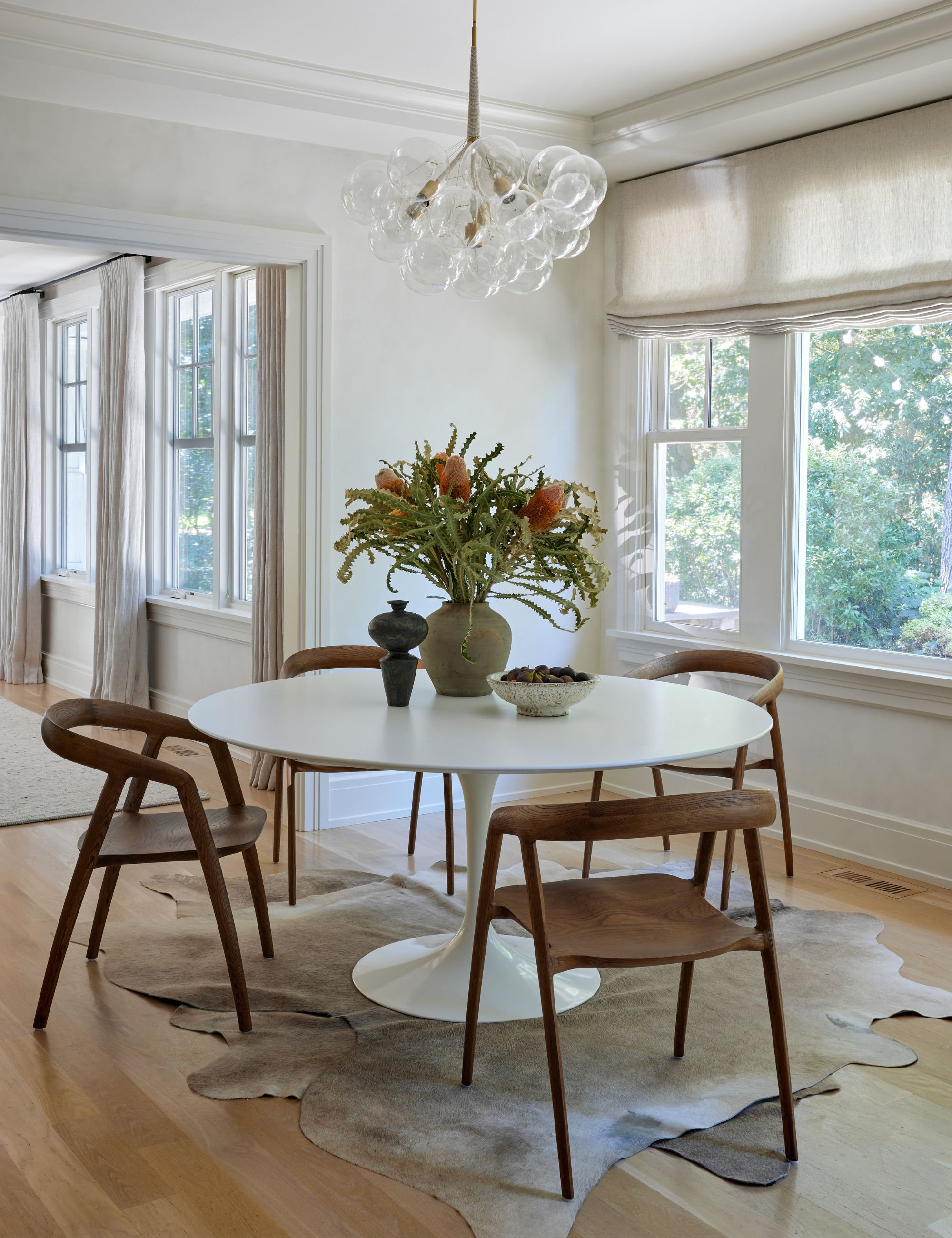
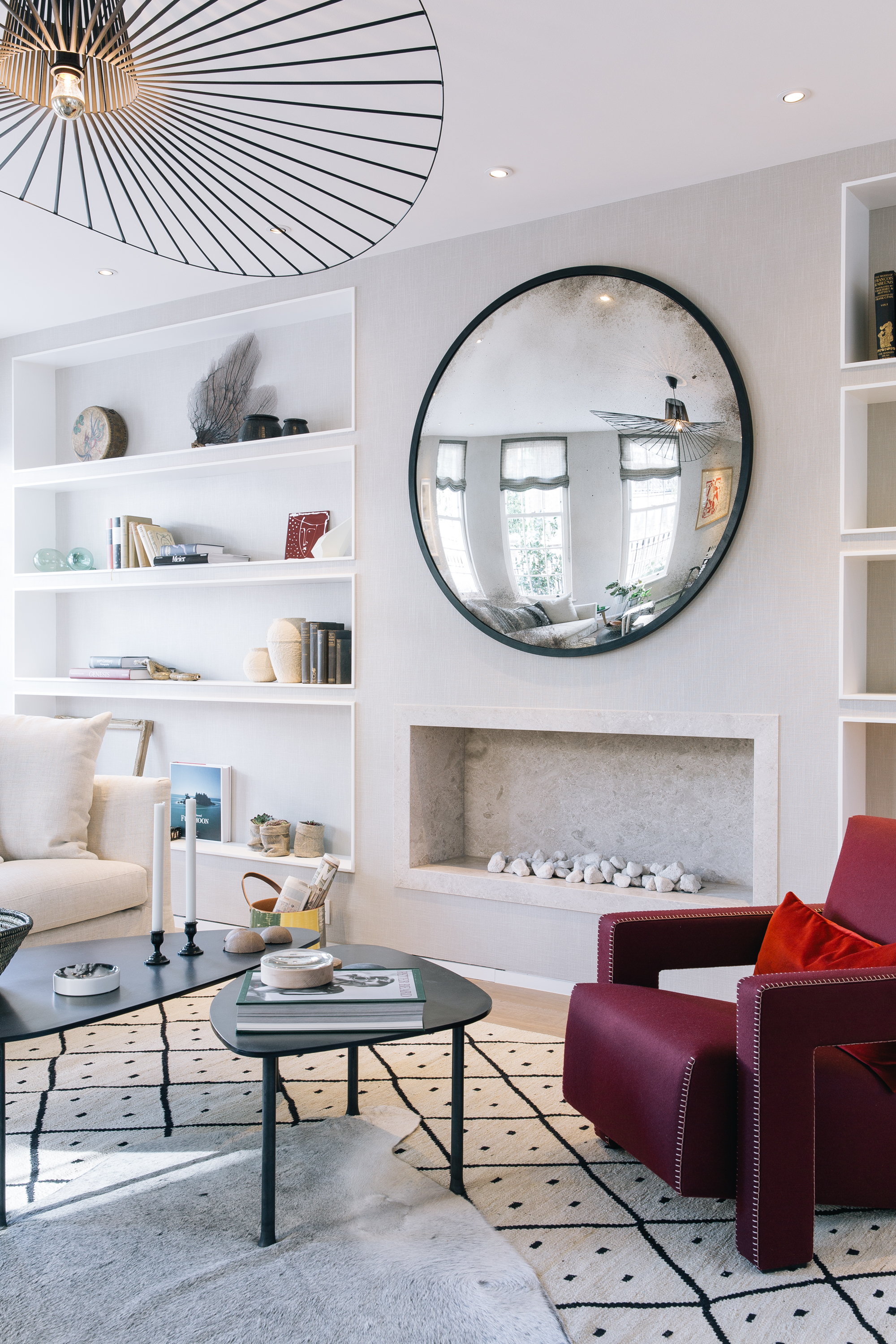
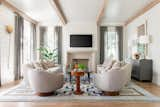
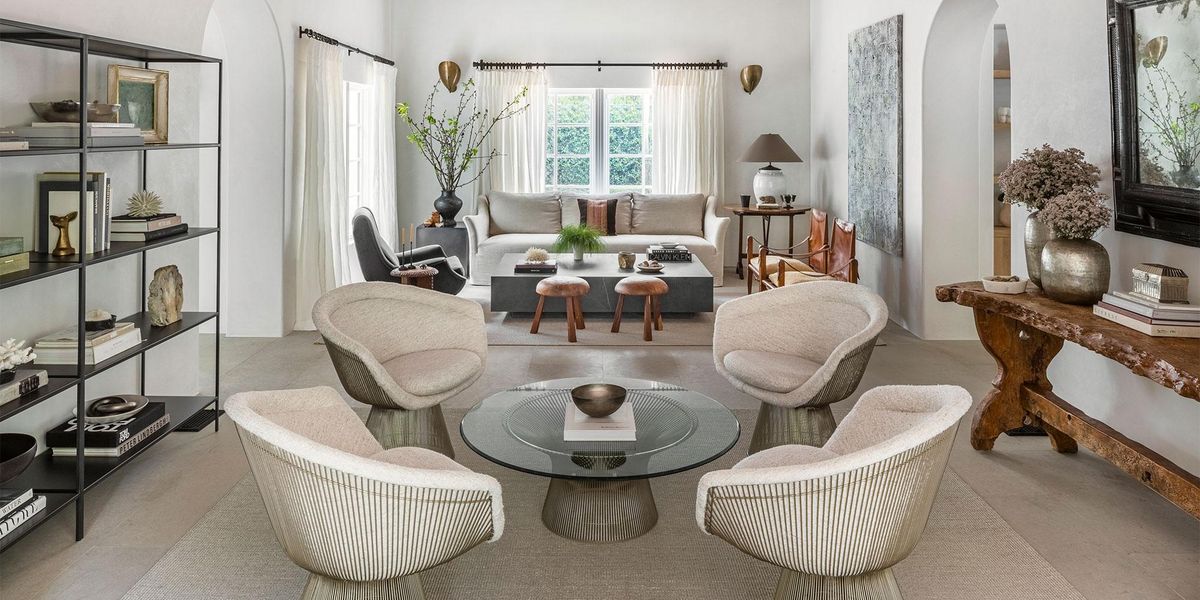
When selecting a rug for a specific zone, several factors come into play, including size, shape, color, and texture. The size of the rug is crucial; it should be large enough to encompass all major furniture pieces within the zone, preventing a 'floating' effect and ensuring cohesion. For a living room, this means all four legs of a sofa and armchairs should ideally rest on the rug, or at least the front two legs. In a dining area, the rug should extend beyond the chairs, allowing them to remain on the rug even when pulled out. The shape of the rug can also influence the perception of space; rectangular rugs tend to define traditional zones, while round or irregularly shaped rugs can introduce a softer, more fluid boundary.
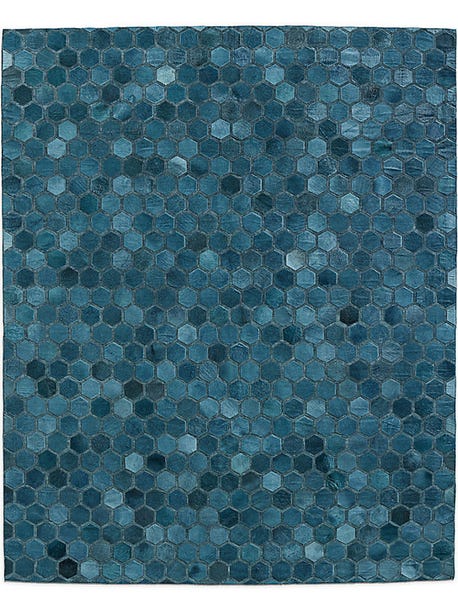
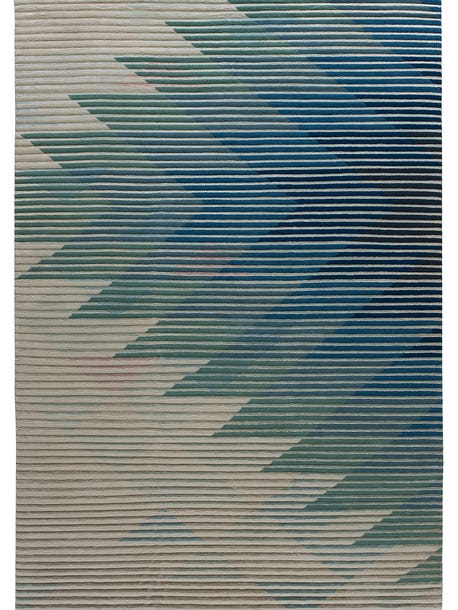
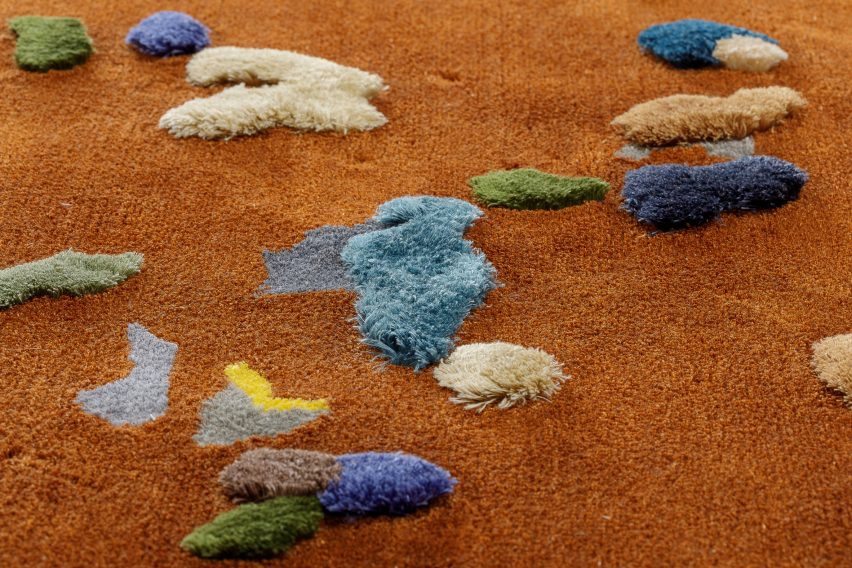
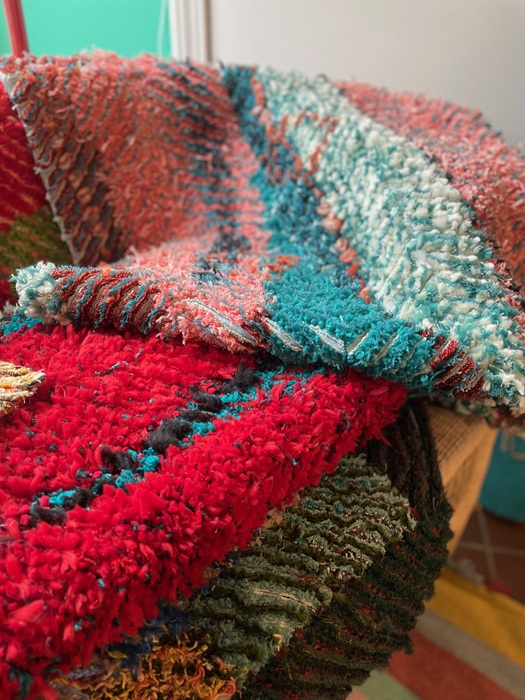
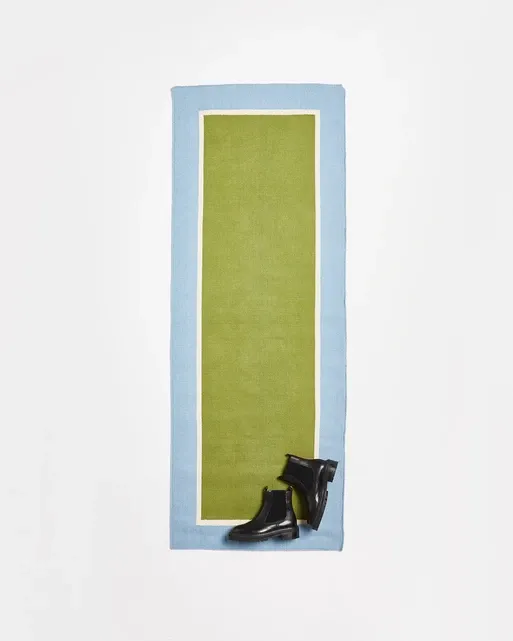
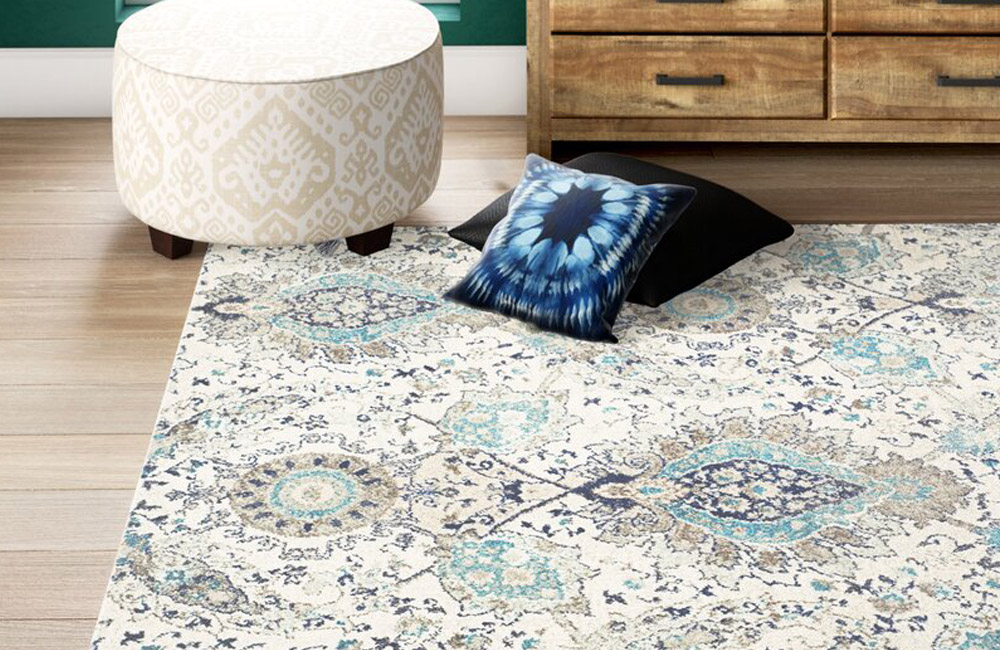
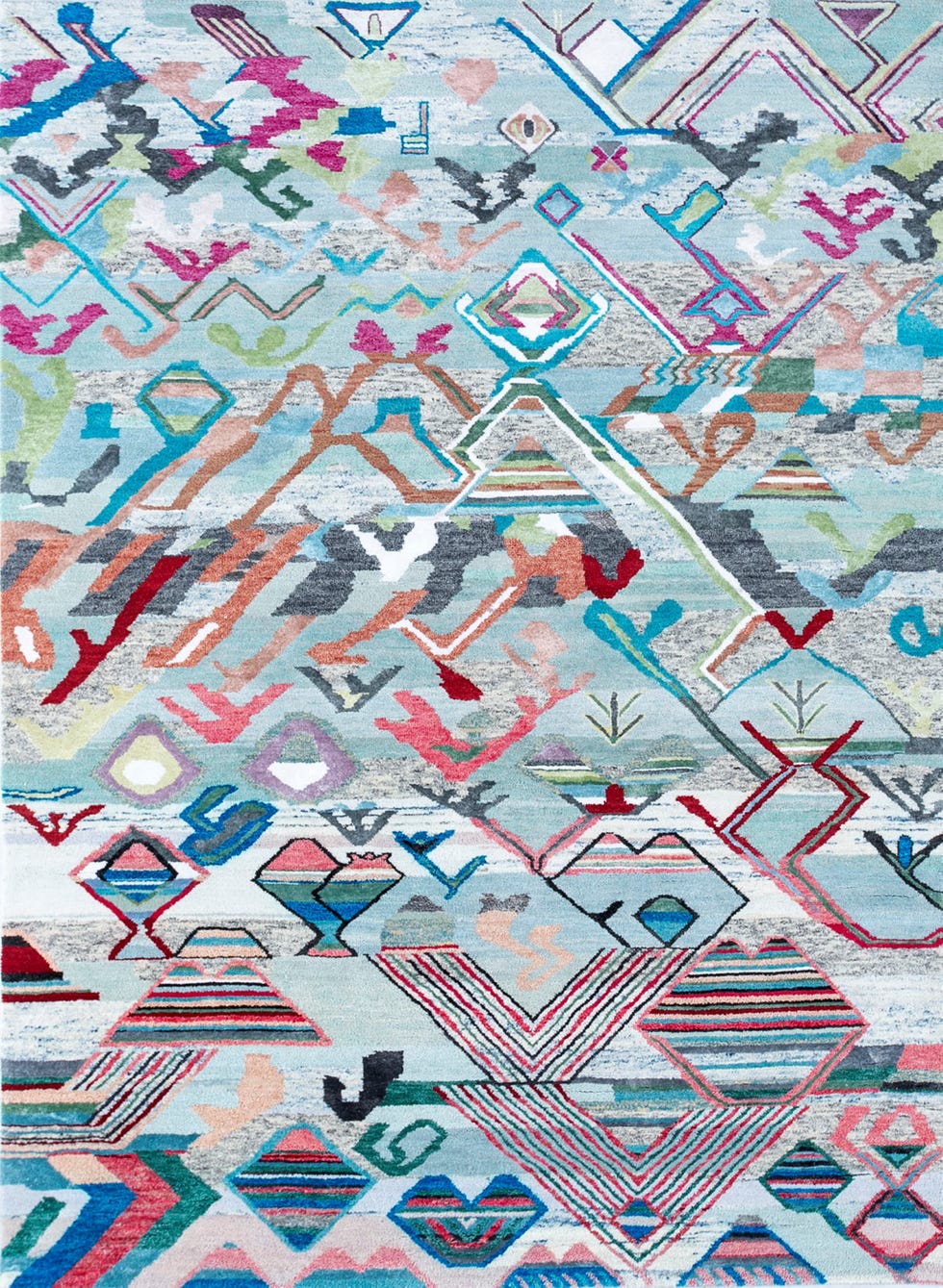
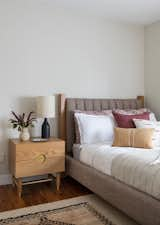
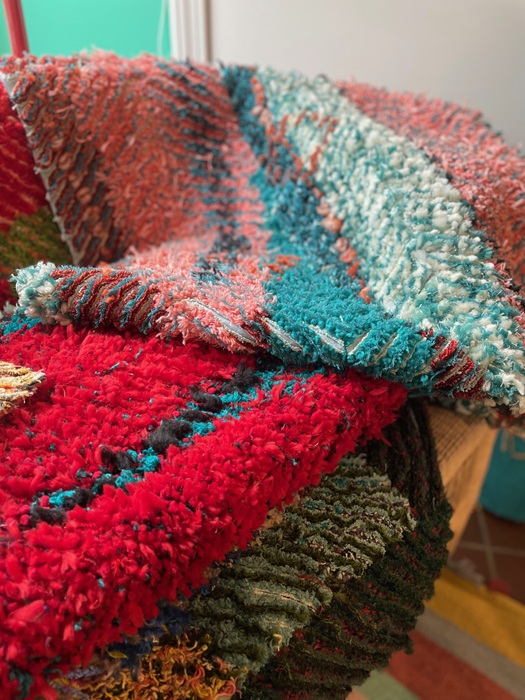
The material and construction of the rug are also significant considerations, impacting both its durability and comfort. High-traffic areas may benefit from durable, easy-to-clean materials like wool or synthetic blends, while softer, more luxurious materials such as silk or chenille can be reserved for low-traffic zones like bedrooms. Color and pattern play a vital role in setting the mood and style of each zone. A vibrant, patterned rug can introduce energy and act as a focal point, whereas a neutral, textured rug can provide a calming foundation, allowing other decor elements to stand out. The interplay of different rug styles across zones can create visual interest and a sense of progression through the space.
Beyond their zoning capabilities, rugs also contribute to acoustic comfort by absorbing sound, particularly beneficial in rooms with hard flooring. They add warmth and insulation, making spaces feel more inviting, and protect floors from wear and tear. Layering rugs is another technique to create depth and texture, allowing for a blend of different patterns and materials within a single zone. This approach can be particularly effective in adding a bohemian or eclectic touch to an interior. Ultimately, the strategic placement and selection of rugs can dramatically transform the functionality and aesthetic harmony of a living space, making it feel more organized, comfortable, and visually appealing.
#HomeDecor #InteriorDesign #Rugs #SpacePlanning #Zoning #DecorTips #OpenConceptLiving #HomeStyling #HomeDecor #InteriorDesign #Rugs #SpacePlanning #Zoning #DecorTips #OpenConceptLiving #HomeStyling
0 commentaire au total
 Aucun commentaire pour le moment
Vous aimerez aussi
Rug renaissance: Explosion of color, style
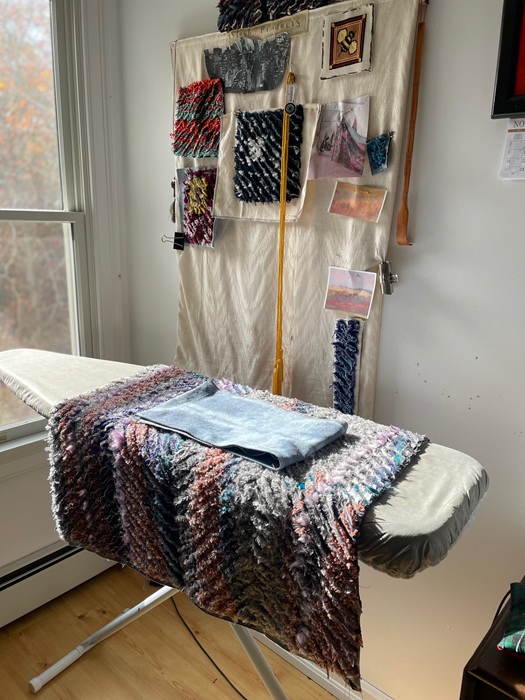
Turning Remnants Into Rugs
Three design experts share their secrets for finding a new rug and carpet
7 Hobbies to Try in 2025 That Will Transform Your Home—and Your Mood

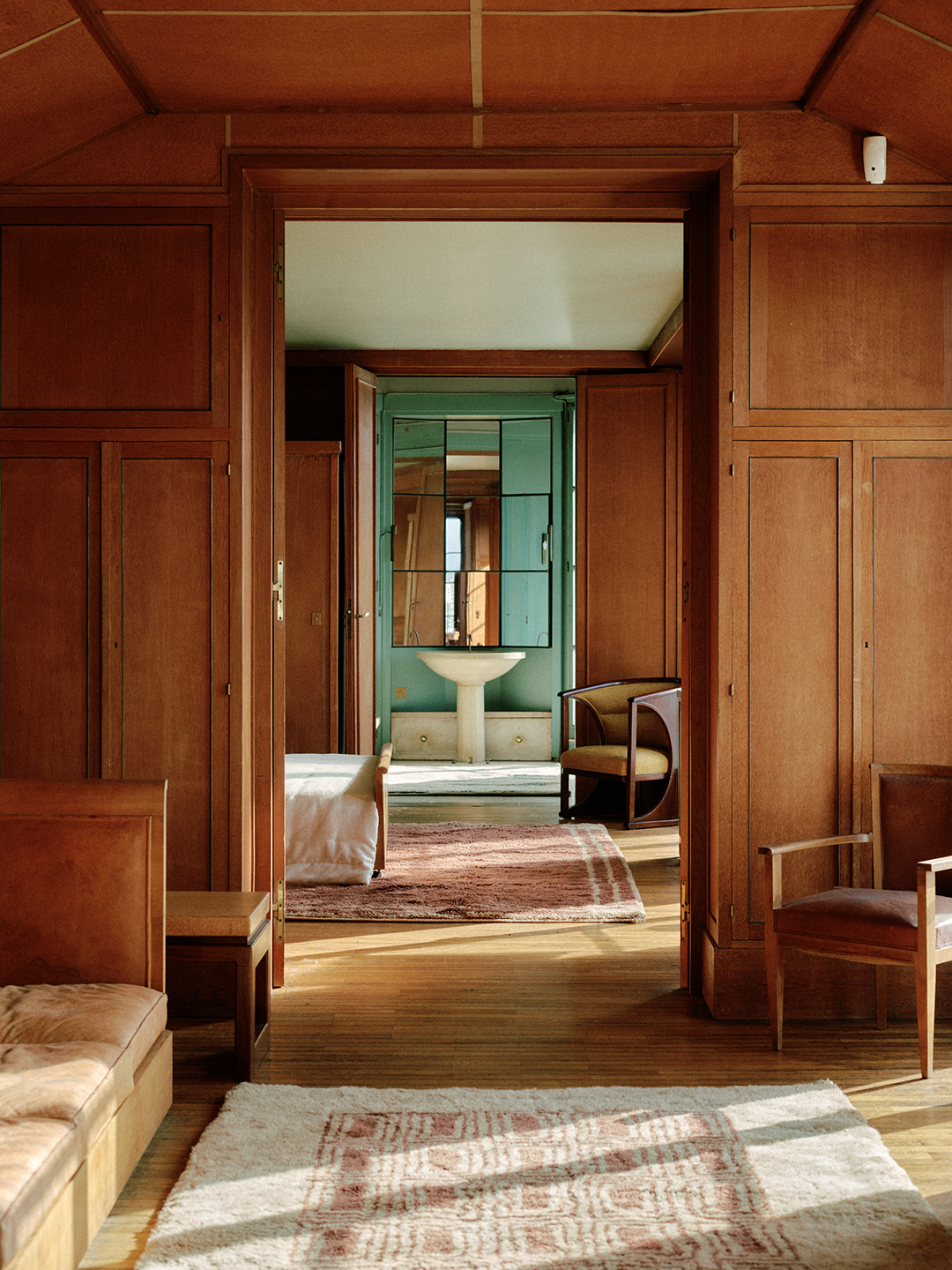
The Edgy Detail We’re Spotting on the Best New Rugs Makes Them Borderline Art

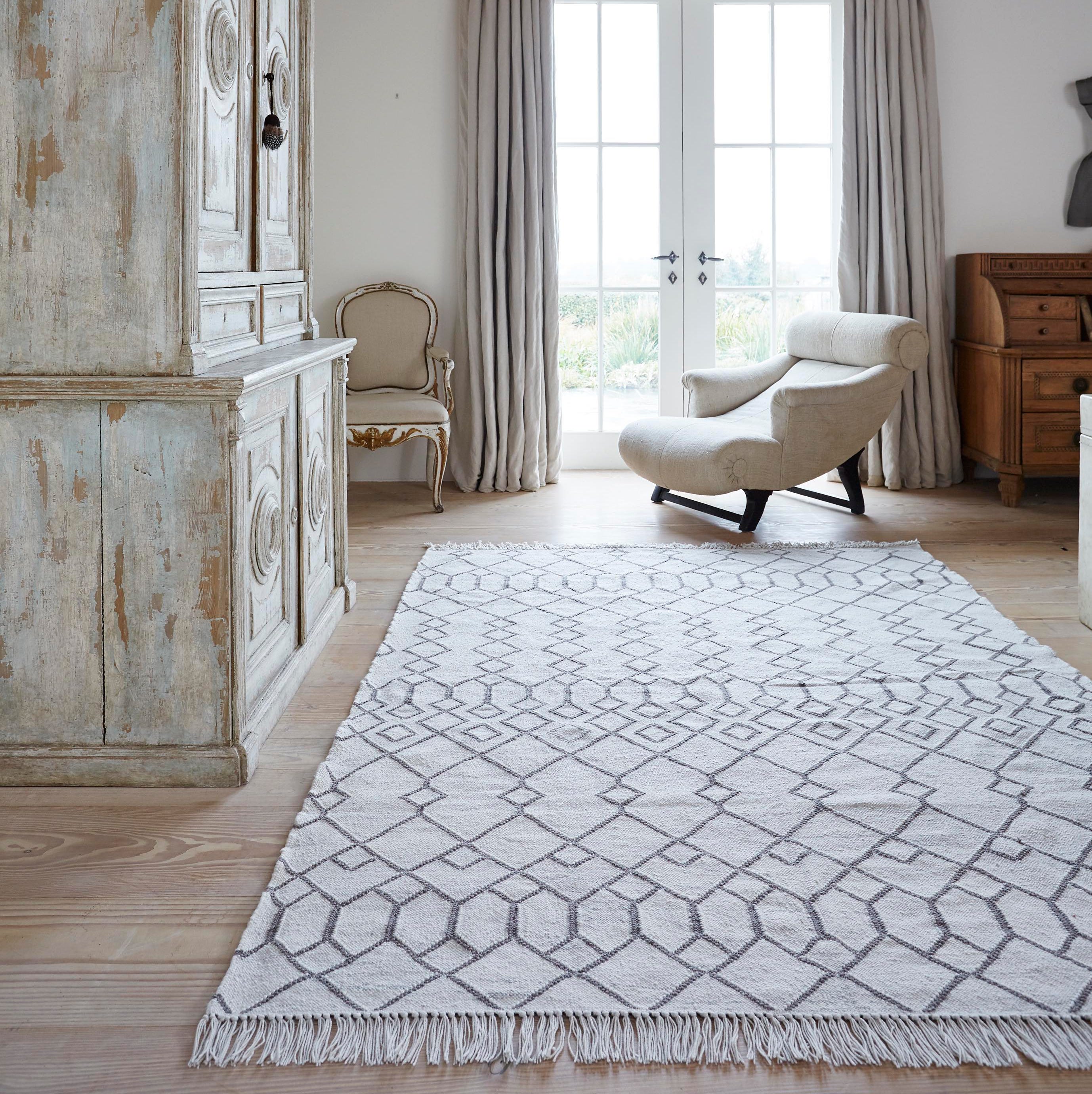
Our homes editor's favourite rugs to update any space

Ruggable’s Washable Rugs Just Got an All-in-One Upgrade
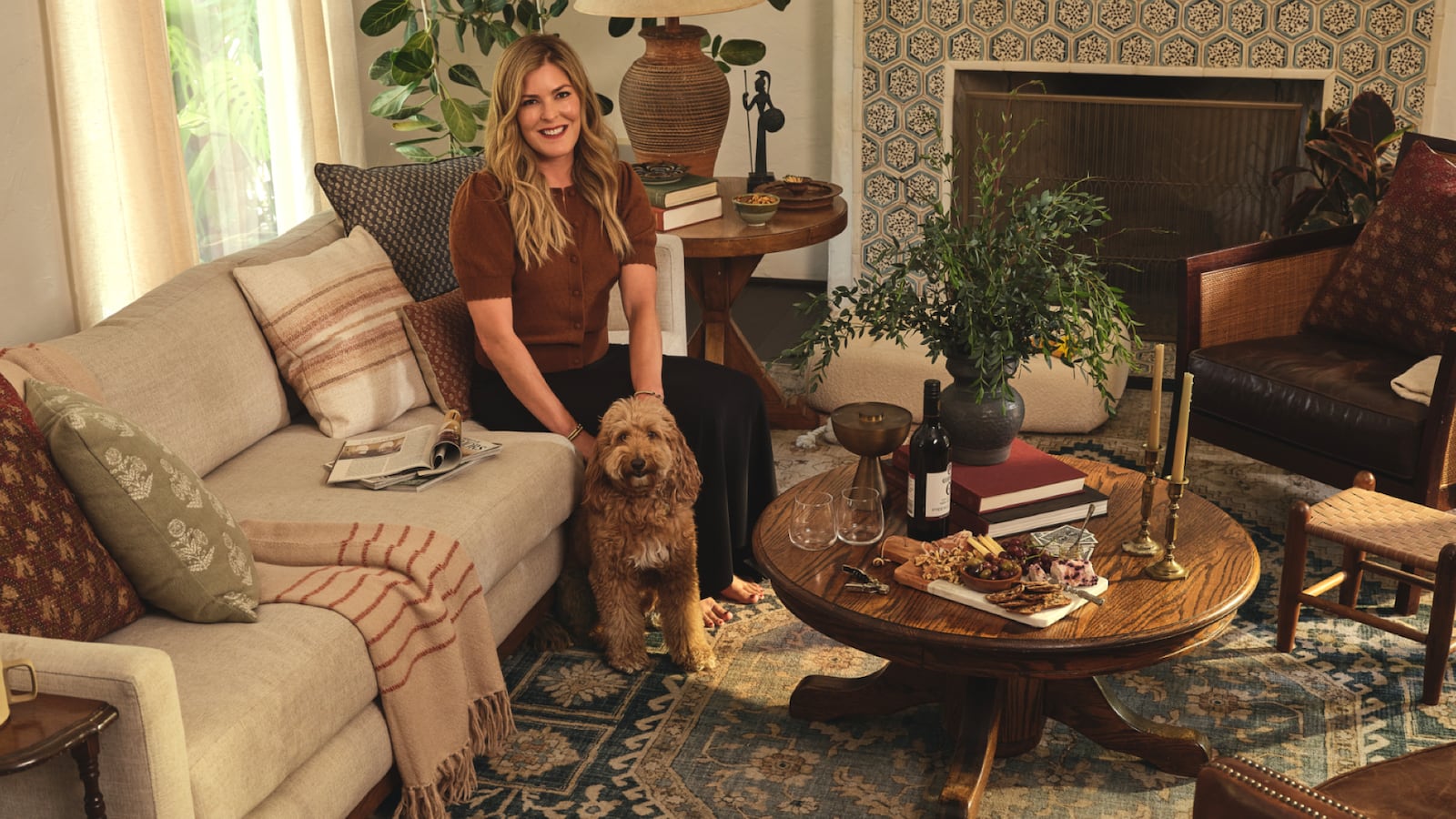
How Much Should You Spend on an Area Rug?

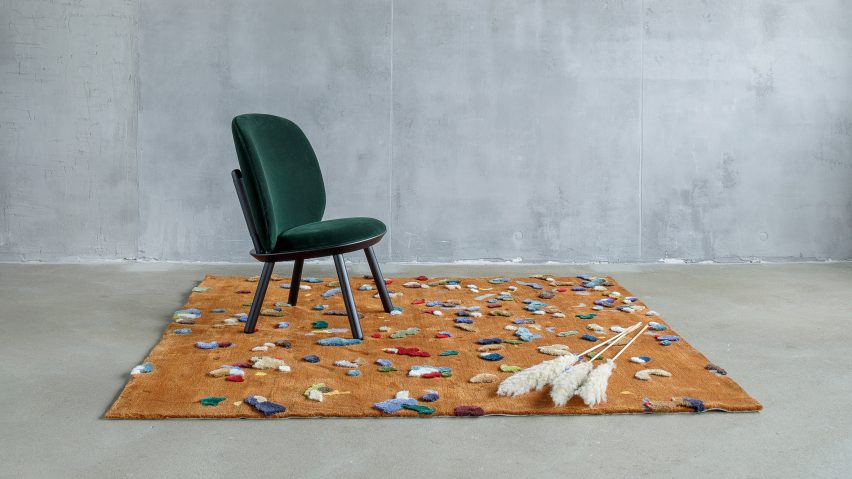
EMKO uses linen offcuts to create vibrant confetti pattern of Chaos rug
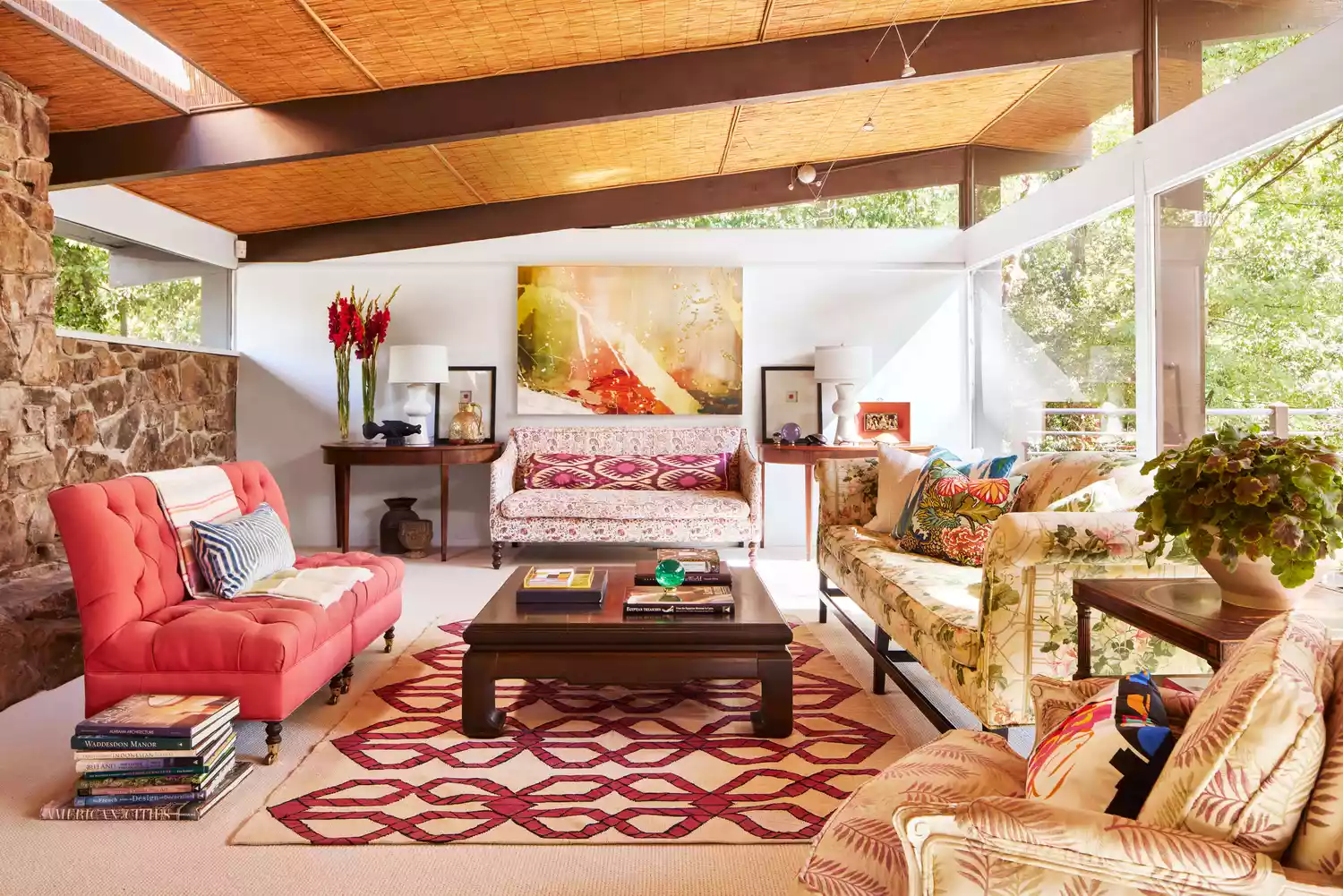
5 Living Room Rug Mistakes You’re Probably Making—And How To Fix Them, According To Designers
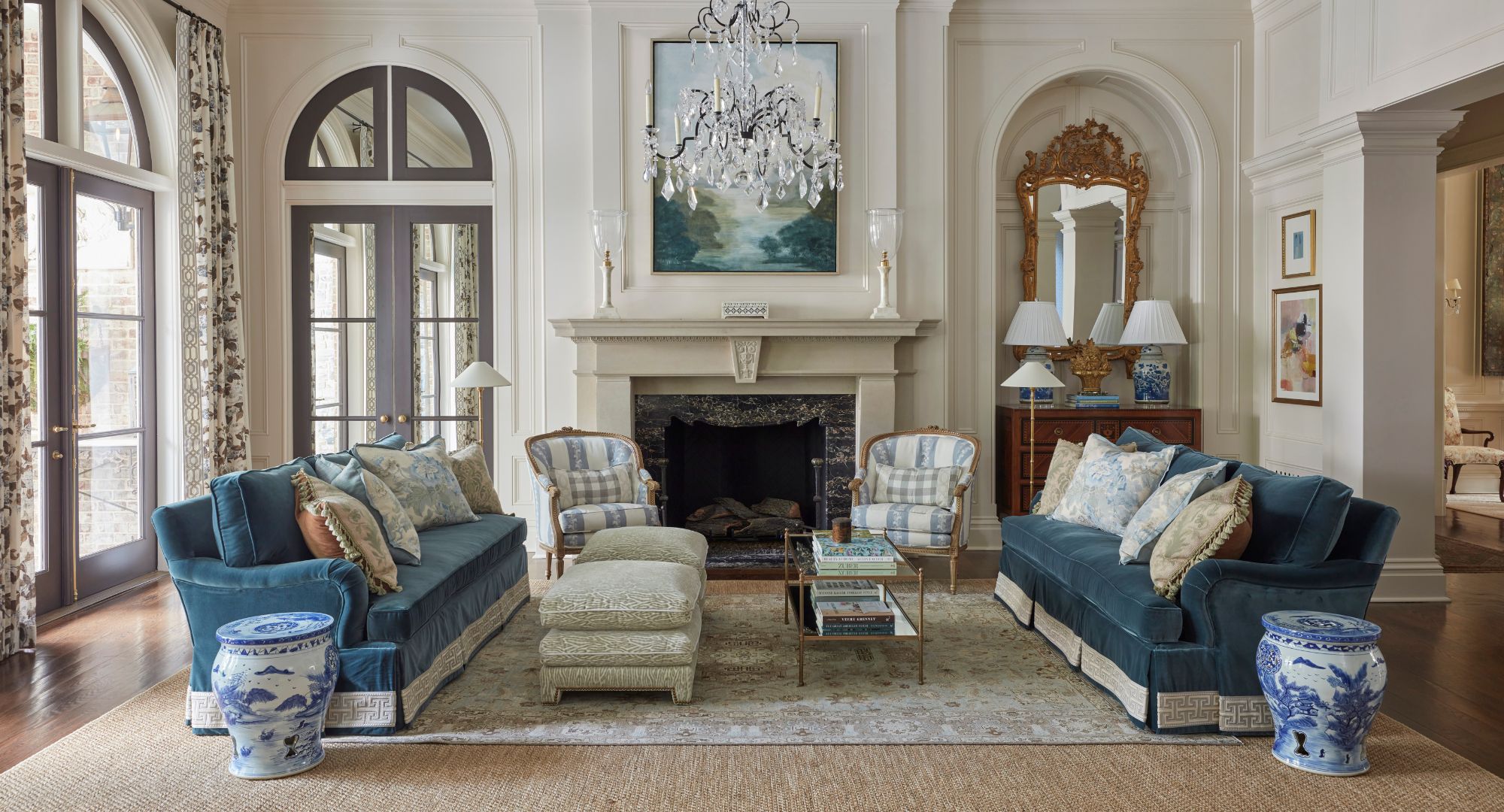
Discover The Art of Layering Rugs Like an Interior Designer

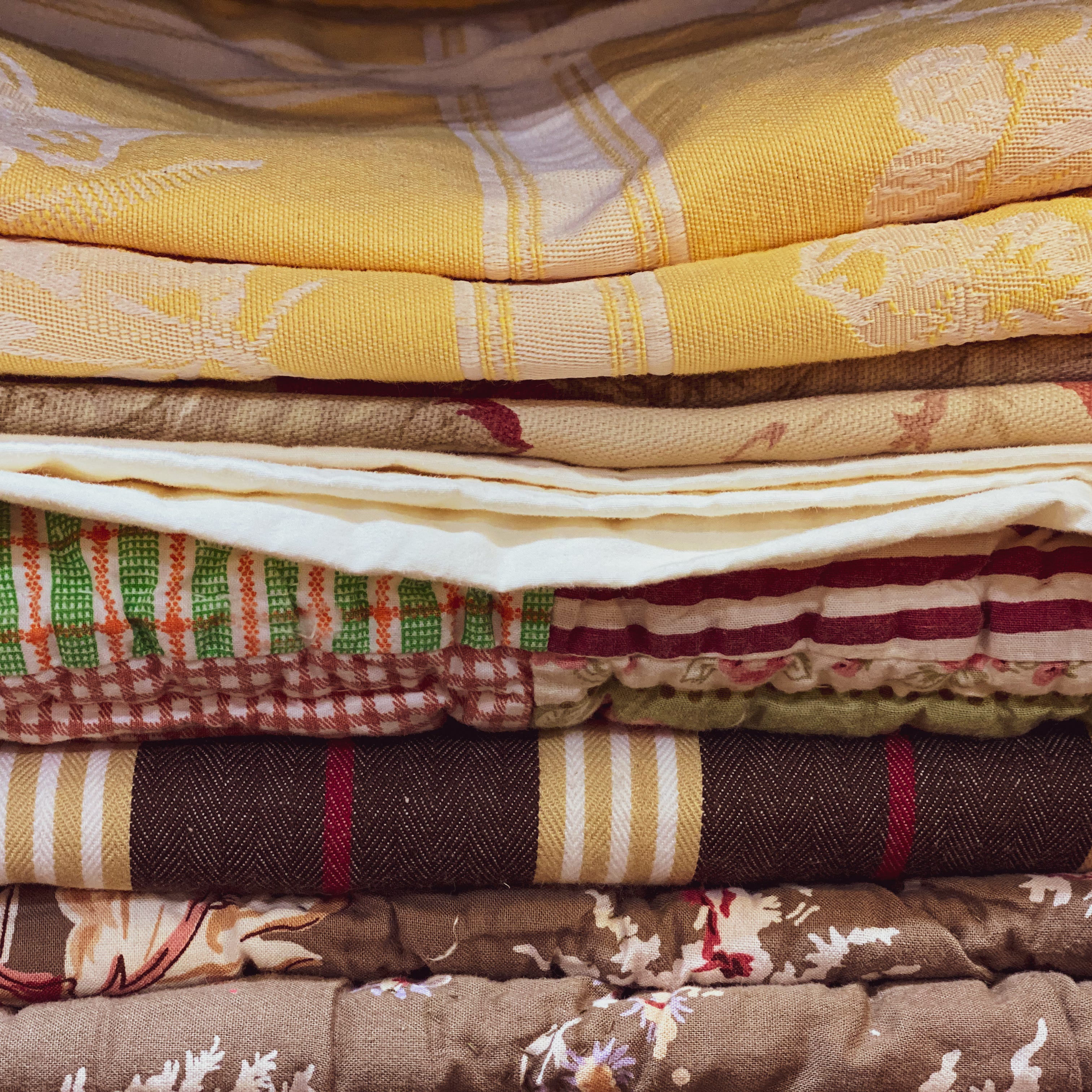
10 Creative Ways to Upcycle Old Tablecloths Into Something Beautiful

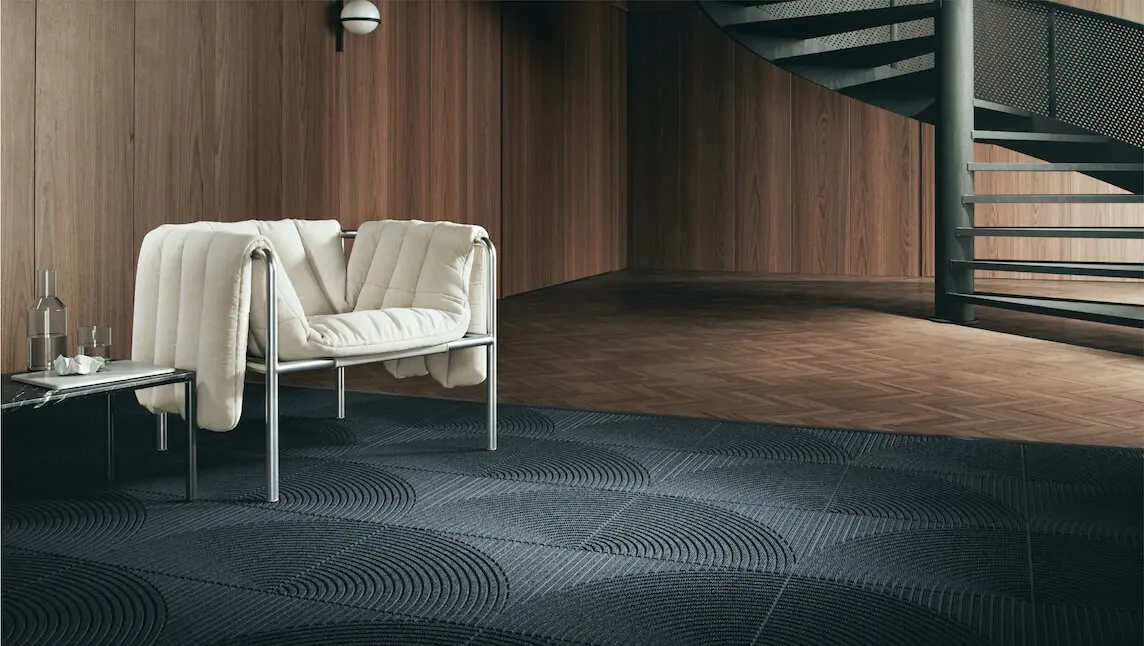
A new concept of customisable rug tiles fit for every space


The Reborn project creates furniture using old clothes
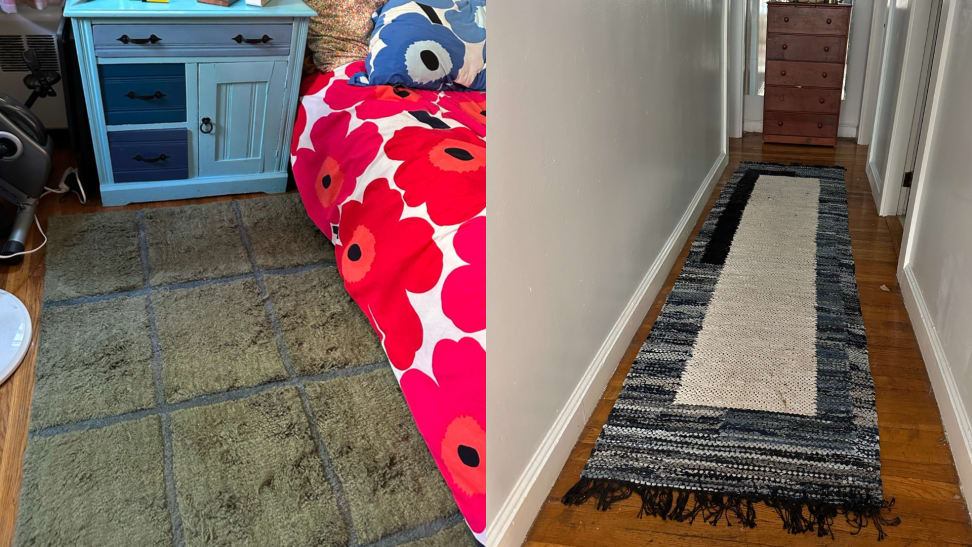
These chic rugs are made from luxe materials—and they’re machine-washable

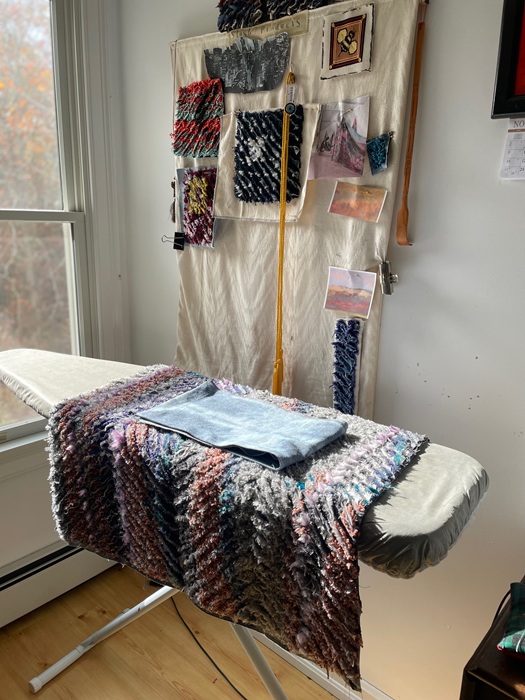
Slash Products Archives
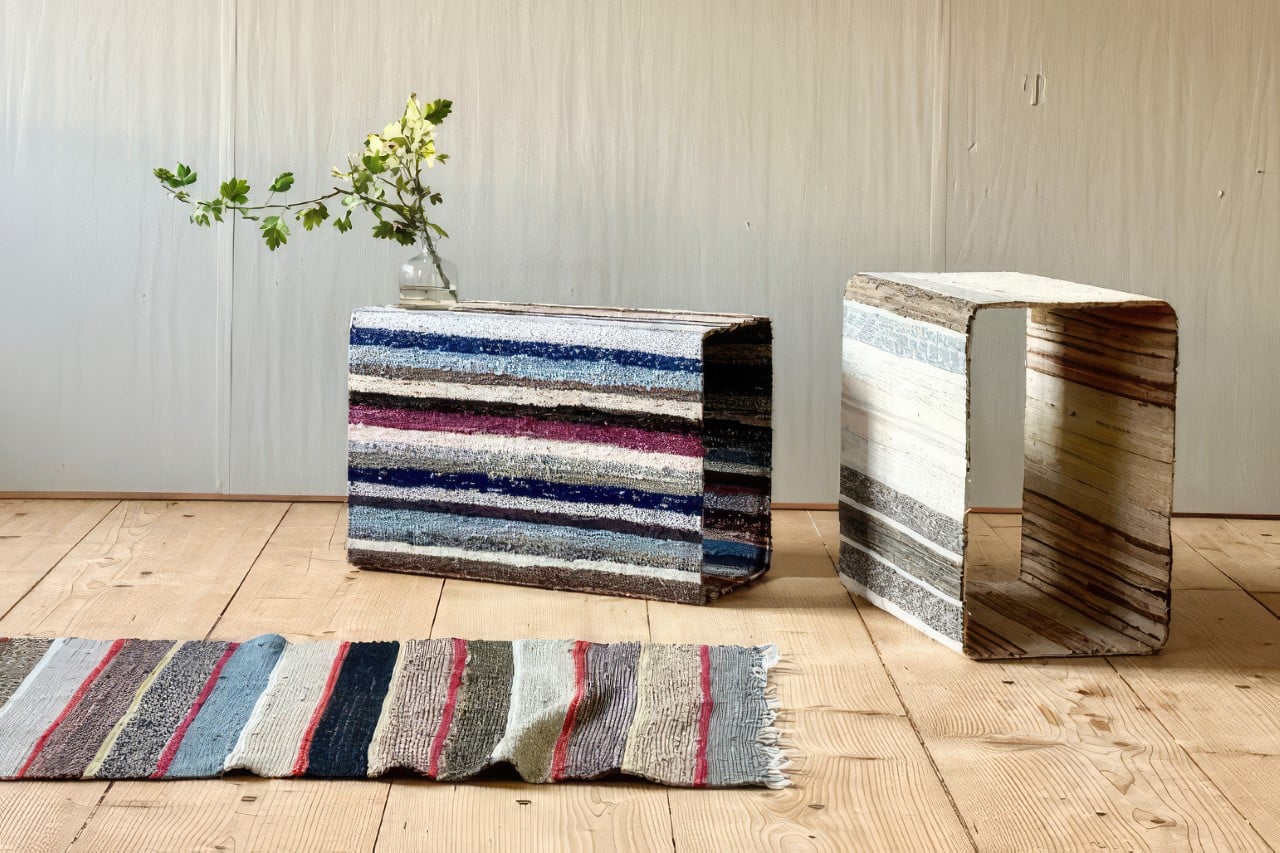
Recycled Swedish rugs get transformed into furniture that honors the textile's legacy

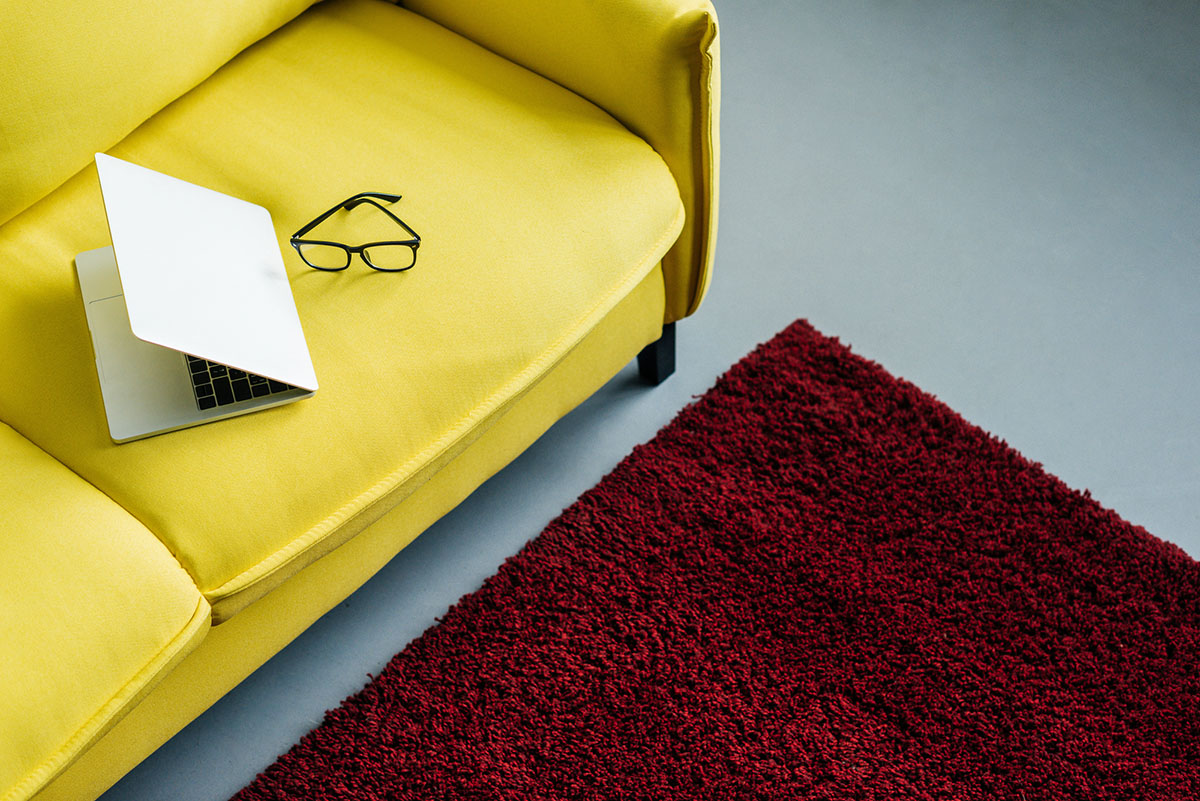
The 12 Best Places to Buy a Rug for Your Home

THIS Unexpected Rug Trend Is Taking Over—Here's How to Style It
Ruggable Finally Ditched the Annoying Carpet Pads & It's the Smartest Move They've Ever Made