
1/3
Condo Living: Noise Reduction Techniques for Highway Dwellers
Living in condominiums, especially those situated near highways, often presents challenges related to noise pollution. This issue is particularly prevalent in densely developed urban areas where many new high-rise apartments and condos are constructed in close proximity to major roadways. While complete eradication of highway noise may be unattainable, various technological and design strategies can significantly mitigate its impact both inside and outside the home.
Understanding sound transmission is crucial for effective noise reduction. Sound travels in waves, generated by vibrations. These vibrations are absorbed or flattened when they encounter uneven surfaces or through the creation of opposing sound waves, a principle used in noise-canceling headphones. Traffic noise, however, is complex, consisting of varying vehicle sounds at different speeds, which can be amplified by flat, solid surfaces like building exteriors.
Technological solutions for interior noise reduction primarily involve insulation and multi-pane windows. Multi-pane windows utilize a vacuum gap between panes to dampen sound wave vibrations, thereby reducing sound transmission. Solid building materials like brick and concrete also offer good sound deadening due to their thickness. However, these same solid surfaces can reflect and amplify noise for those on the sound-generating side, highlighting the importance of exterior design.
For outdoor areas, particularly balconies, architectural design plays a significant role in mitigating noise from the outset. Irregularly textured exterior cladding can break up sound waves and reduce echo. Architects can also design buildings to deflect sound upwards and away from ground level. Balcony shapes in multi-story buildings can be engineered to interrupt and redirect sound waves, with studies indicating that such techniques could reduce exterior balcony noise by as much as 23 decibels, equivalent to halving light traffic noise or reducing heavy traffic noise by a third. The lack of acoustic specialists in the design phase of many new developments is a missed opportunity for improving residents' quality of life.
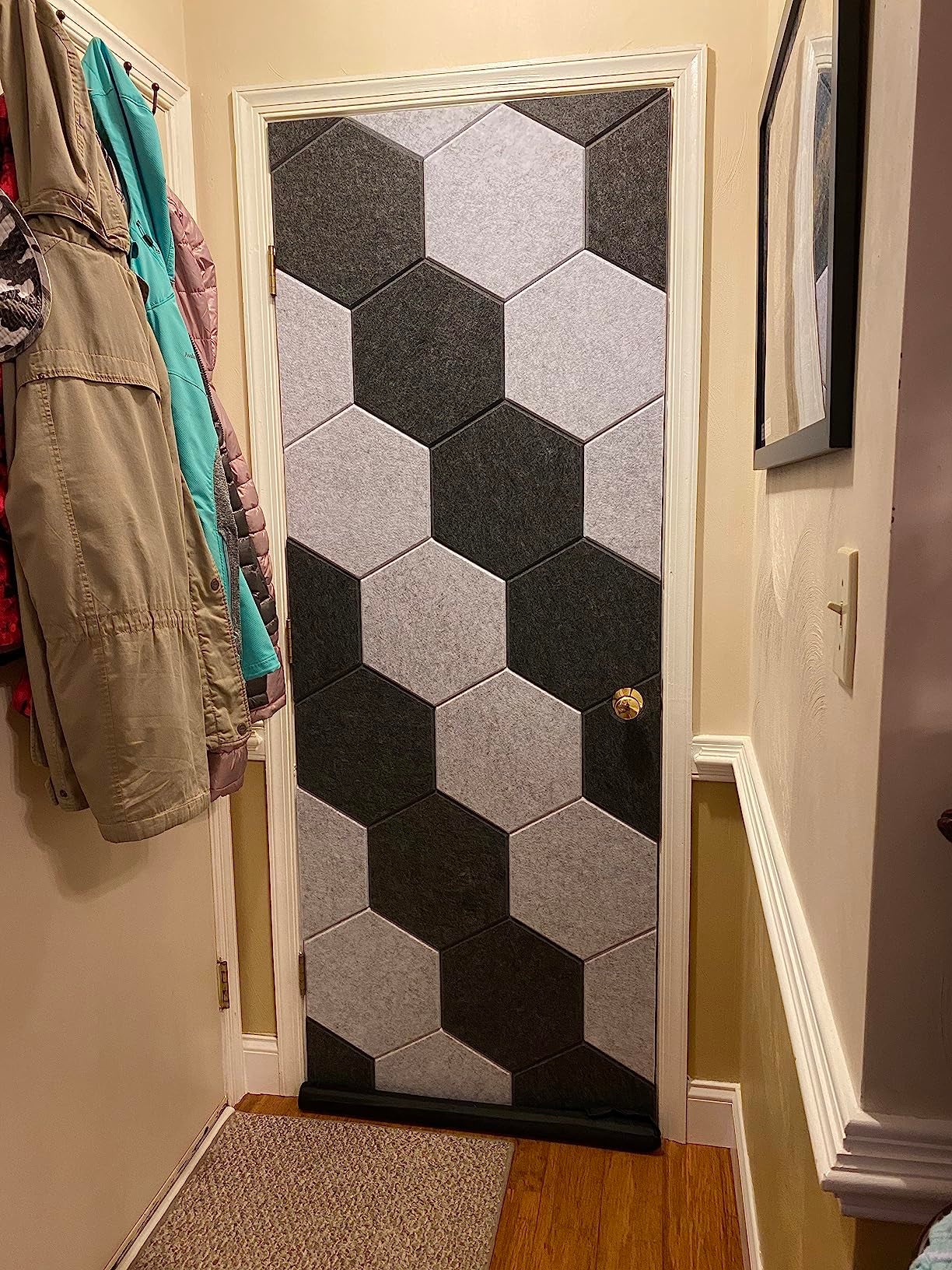
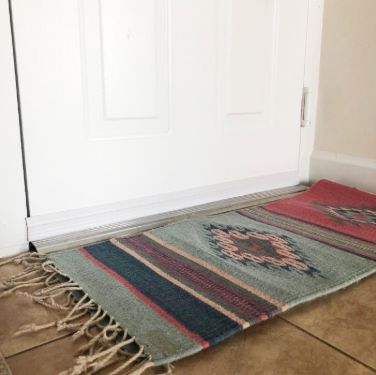
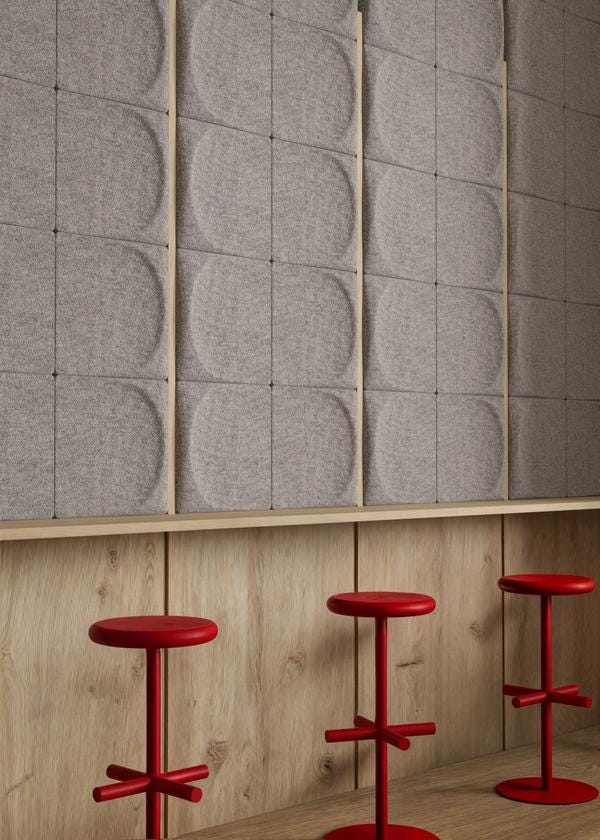
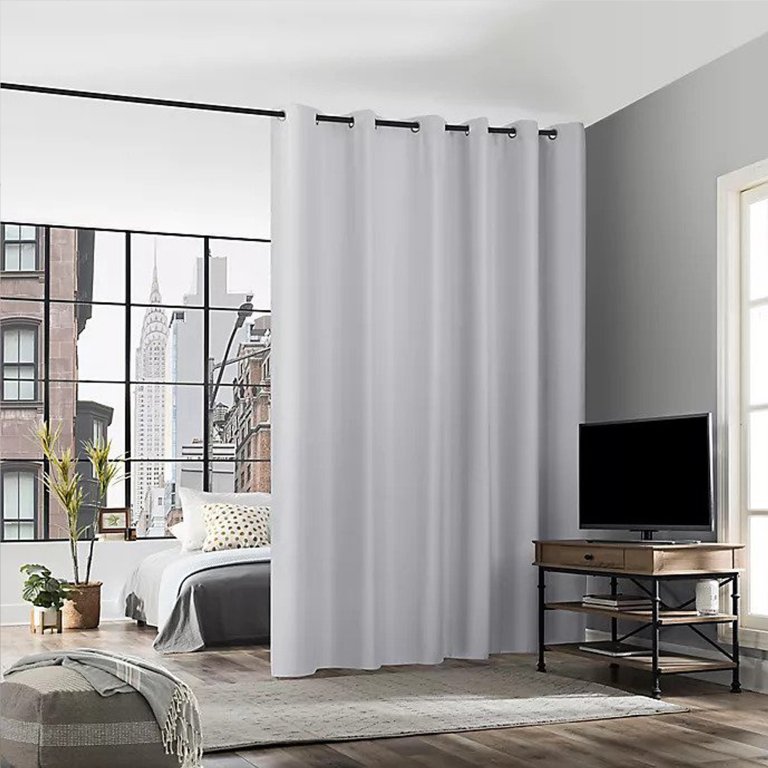
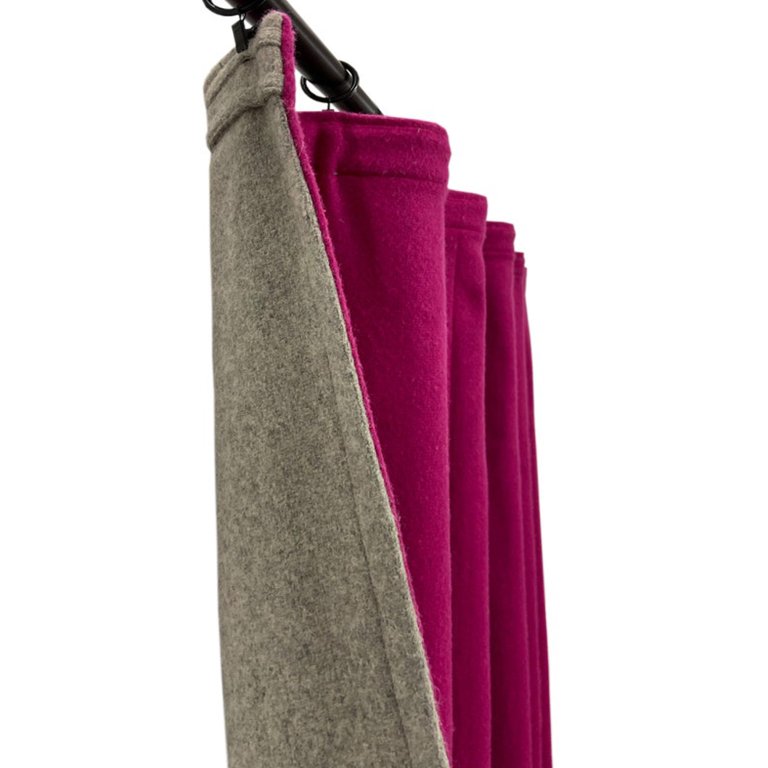
For existing structures where permanent alterations are not possible, residents can employ a range of non-permanent solutions for balconies. The objective is to introduce irregular surfaces that absorb and scatter sound vibrations. This can include placing chunky rugs on patios, hanging thick, textured fabric panels from floor to ceiling, and angling them slightly outwards to both absorb and reflect sound away. If installing ceiling absorption, it's important to ensure there is no front lip to avoid trapping noise. Incorporating dense plants or bushes along railings can also help, as their irregular surfaces scatter sound waves. For those without a green thumb or with narrow balconies, weaving artificial grass into railings offers a similar effect. When using fabric, selecting darker, machine-washable materials is recommended due to outdoor dirt, and adherence to building rules regarding balcony aesthetics is important. These combined approaches aim to deaden sound and prevent it from channeling into living spaces, ultimately enhancing the usability and comfort of balcony areas.
#CondoLiving #NoiseReduction #HighwayDwellers #AcousticalSociety #ArchitecturalDesign #SoundAbsorption #MultiPaneWindows #BalconyDesign #UrbanLiving #CondoLiving #NoiseReduction #HighwayDwellers #AcousticalSociety #ArchitecturalDesign #SoundAbsorption #MultiPaneWindows #BalconyDesign #UrbanLiving
0 commentaire au total
 Aucun commentaire pour le moment
Vous aimerez aussi

How to soundproof an apartment – 6 renter-friendly changes that will block out noisy neighbors


How to soundproof a room according to an expert


This Simple DIY Upgrade Keeps Your Garage Comfortable and Warm


5 cheap and easy ways to soundproof a room, whether you're a homeowner or a renter

9 expert tips for soundproofing a room – how to sort acoustics while losing nothing of the aesthetics
Improving floor/ceiling sound control in multifamily projects

How to Soundproof a Room (Published 2021)
The Best Soundproofing Materials for Any Room in Your Home
If Your Home Is Super Noisy, You’ll Appreciate These 24 Noise-Dampening Products

Ask Wirecutter: How Do I Block Out Annoying Sounds From My Noisy Neighborhood?
Sound-Absorbing Panels: The New Domestic Landscapes Inhabited by Sound


These Acoustic Wall Panels Make Any Room a Quiet Place to Work or Relax


The sound of silence: Strategies to keep out the noise in condo suites

How to soundproof a bedroom – five easy and affordable fixes for a quiet night's sleep

How To Soundproof Your Garden
These Acoustic Wall Panels Make Any Room a Quiet Place to Work or Relax

How do I make my kitchen quieter? The tricks designers use to stop noise ruining an open-plan home

How to soundproof your kitchen and stop noisy appliances disturbing your peace

The 9 Best Soundproof Curtains Stifle Noises, Not Style


Need help with soundproofing your NYC apartment? Here’s Brick’s best advice