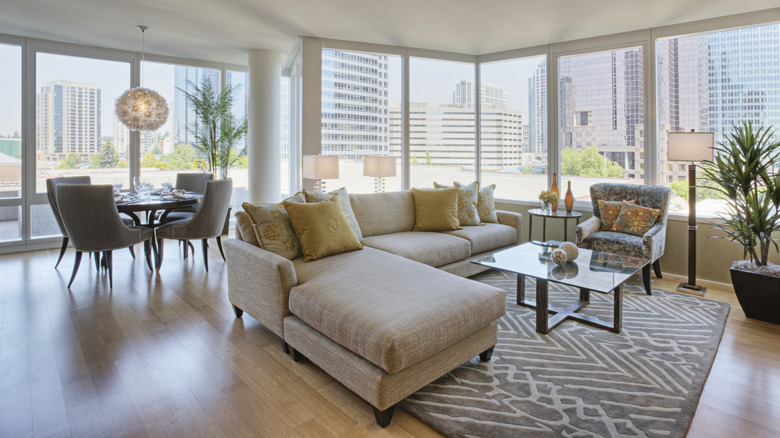
1/4
Tired Furniture Trends That Are Now Becoming A Thing Of The Past
The furniture industry is dynamic, with trends constantly evolving. Many homeowners find it challenging to keep pace with these shifts, especially when furniture represents a substantial, long-term investment. Recognizing this, House Digest consulted seven interior designers to identify furniture trends that are losing popularity and to highlight emerging alternatives. The consensus among these experts is that bulky, matching sets, and all-gray profiles are becoming outdated, making way for more personalized, flexible, and character-driven designs. Fast, distressed, and boxy furniture styles that once dominated interiors are now being phased out in favor of more sustainable and aesthetically refined options.
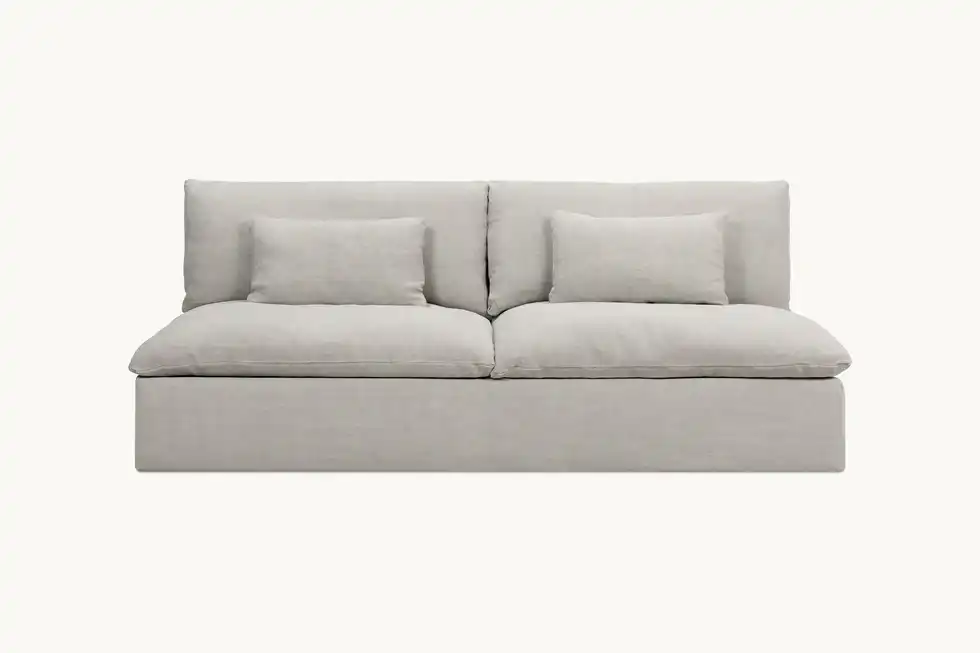
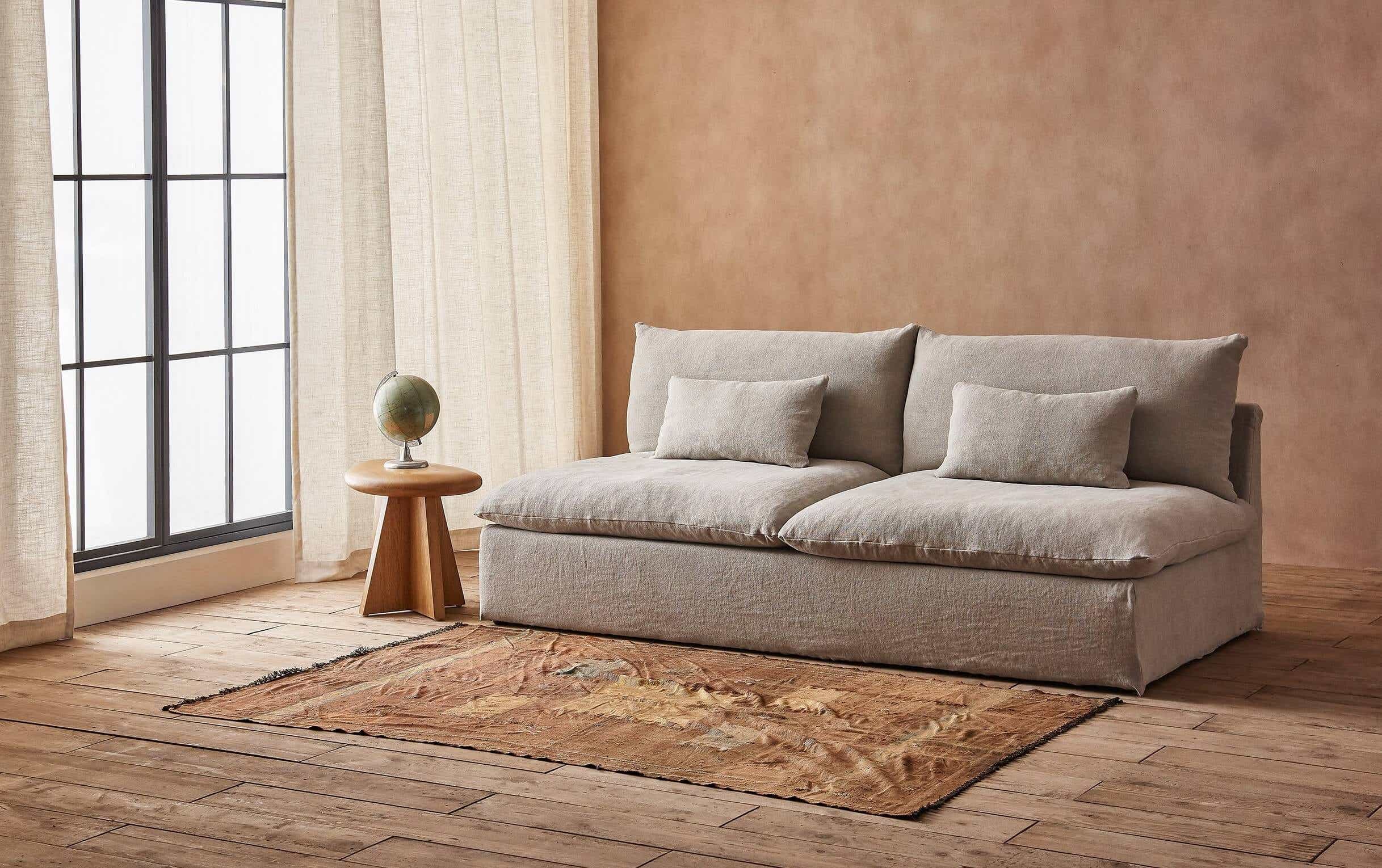
Oversized sectionals, once a staple for family comfort, are being replaced by modular equivalents. Chris Turner, owner and designer at Studio Nisho, notes a shift from large, plush sofas to more modern and tailored options. Modular sectionals, with their detachable pieces, offer flexibility for various room configurations—L-shape, U-shape, or individual loveseats—and adaptability for future relocations. This design approach allows for easy replacement of damaged parts and ensures proportionality with room size, thereby maintaining a fresh and timeless appeal.
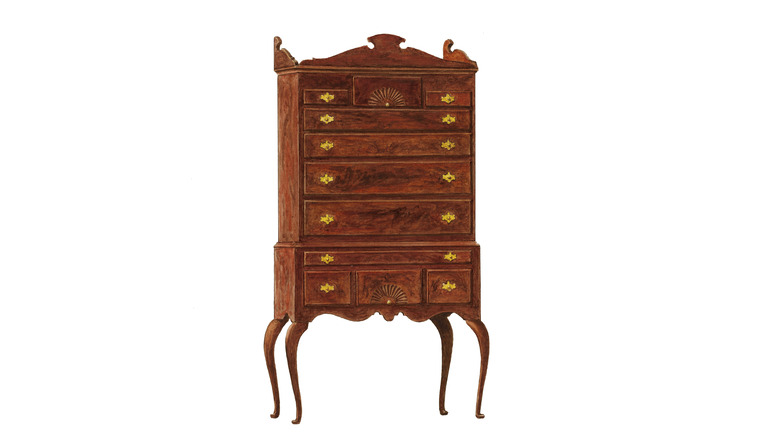
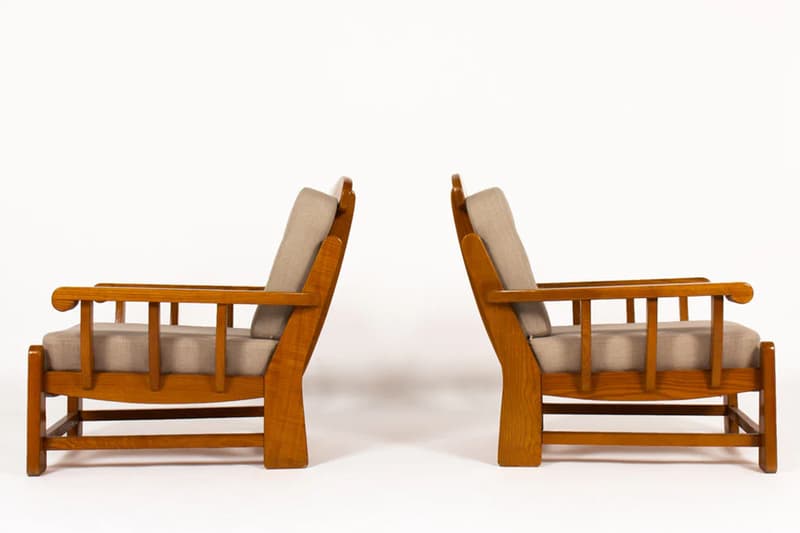
Distressed farmhouse furniture, popularized by Joanna Gaines, is also declining in favor. Turner points out that the whitewashed, distressed look is overdone. Dani Gottschalk, an interior designer at Tinzeltown, shares this sentiment, advising against furniture with uneven finishes or splinters. The trend is moving towards warmer, modern styles within the farmhouse aesthetic, incorporating subtle patinas and cleaner lines, and pairing wood tones or organic fabrics with warm neutrals for a contemporary touch.
The widespread appeal of all-gray furniture from the 2010s is diminishing. Artem Kropovinsky, founder of Arsight Studio, explains that while gray remains a neutral, it no longer dictates furniture aesthetics as personal style and colorful choices are resurfacing. Designers are now gravitating towards softer tones such as brown, deep green, and pastels. The 2025 Pantone x Joybird collaboration's choice of mocha mousse, for instance, reflects this shift, encouraging the use of earthy colors in furnishings. Homeowners are updating existing pieces with linen or woven fabrics in hues like sienna or pink, seeking comfort through warmer color palettes, albeit not in oversized forms.
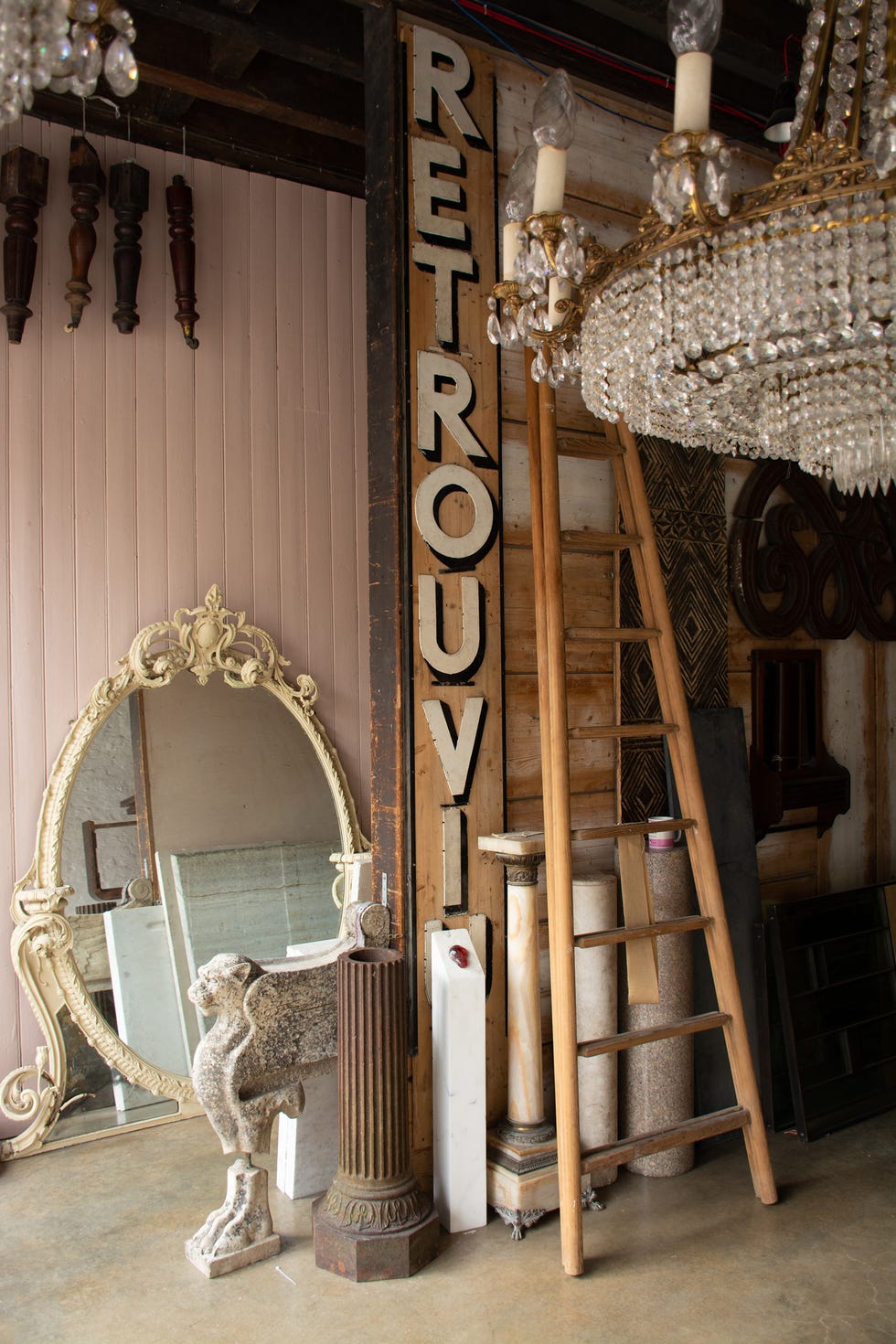
The rise of sustainability is impacting the demand for 'fast furniture.' Kropovinsky observes that mass-produced, inexpensive furniture, often made from flimsy materials, is losing favor due to environmental concerns and growing consumer interest in durable, handcrafted products. Consumers are increasingly turning to sustainable brands, second-hand markets, or vintage stores, opting to refurbish or repurpose older items. Challie Stillman, vice president of creative at Resource Furniture, emphasizes that investing in high-quality, long-lasting pieces is key to creating an expensive look, regardless of square footage.
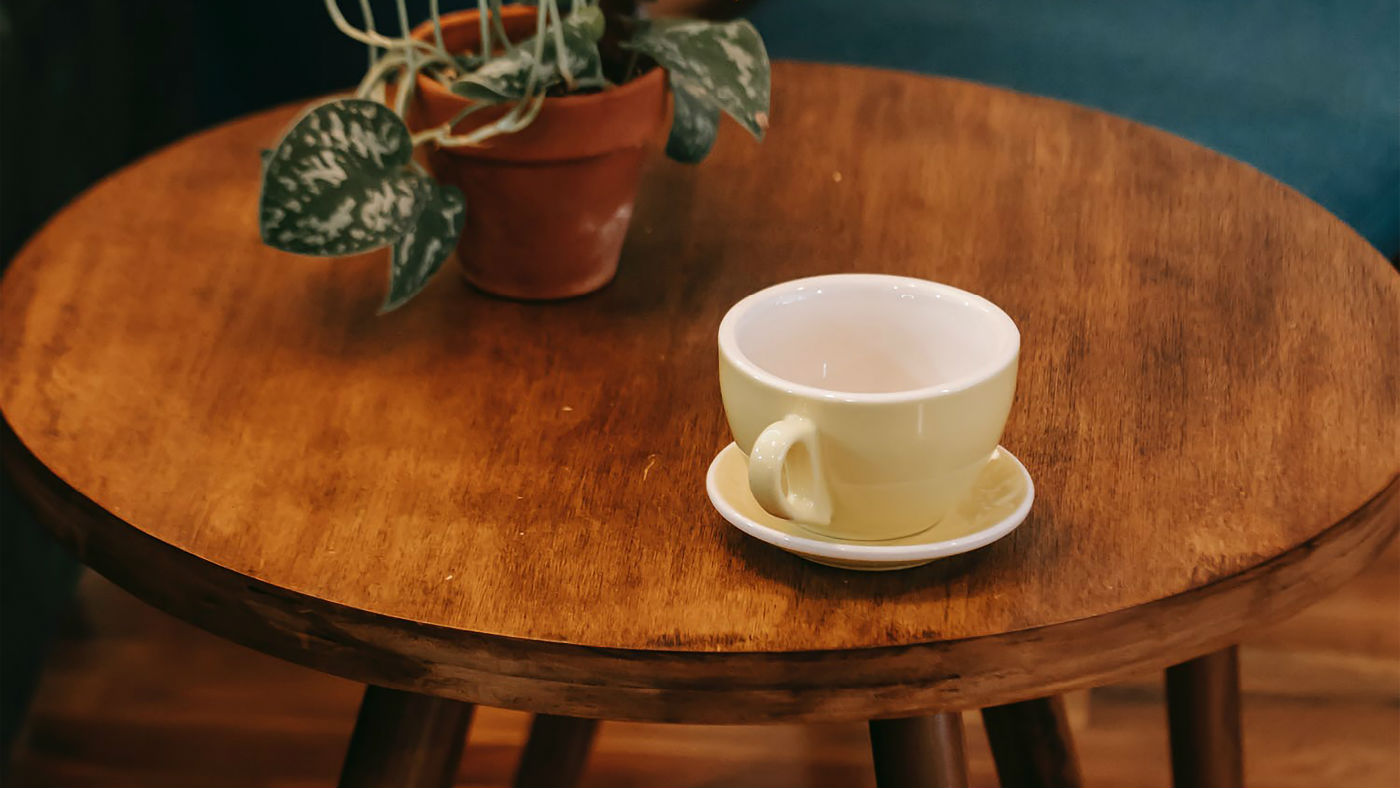
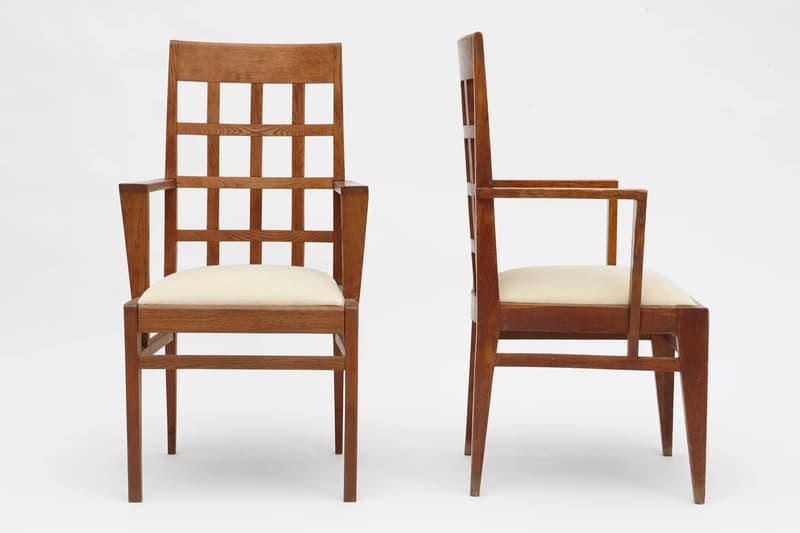
White oak, despite its recent popularity, is being re-evaluated. Teri Simone, head of design and marketing at Nieu Cabinet Doors, suggests that contrasting different wood finishes is the new trend, moving away from a monochromatic white oak presence. Designers are now 'wood drenching' rooms by combining white oak with richer tones like walnut or smoky elm, which provide depth and warmth. Maple and cherry finishes are also popular for their ability to complement white oak as it ages, with a general preference for warmer undertones to avoid visual competition.
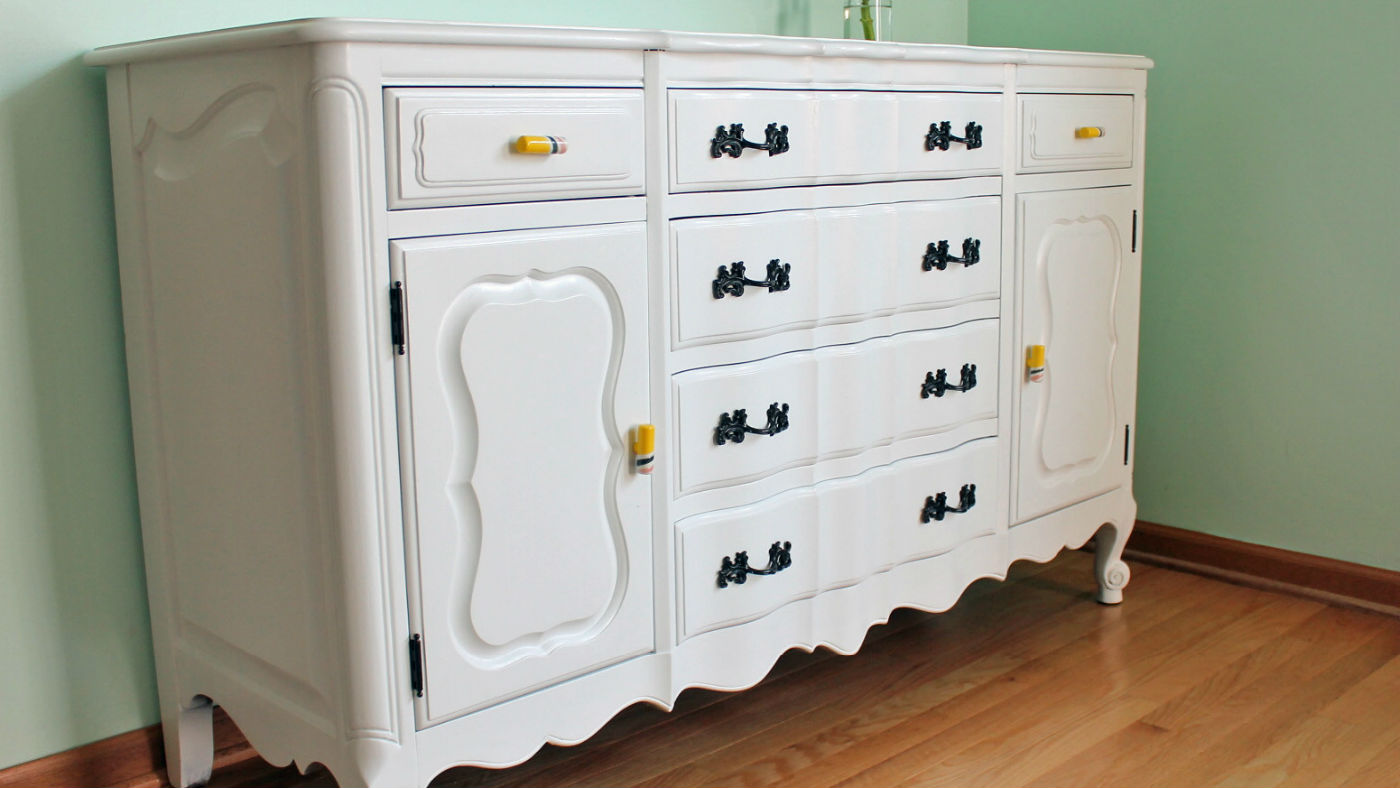
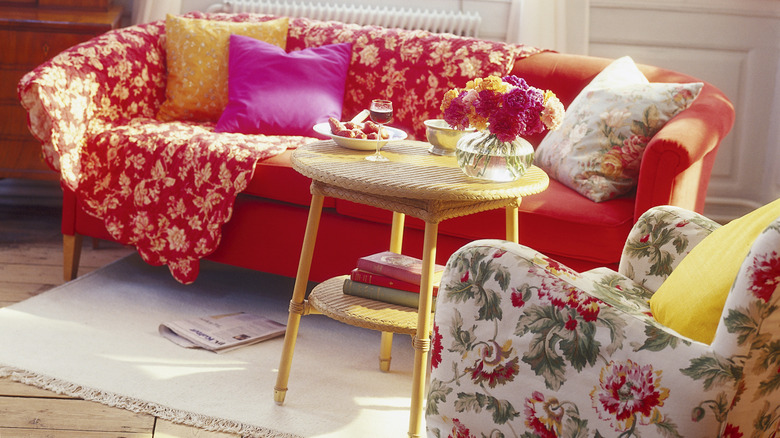
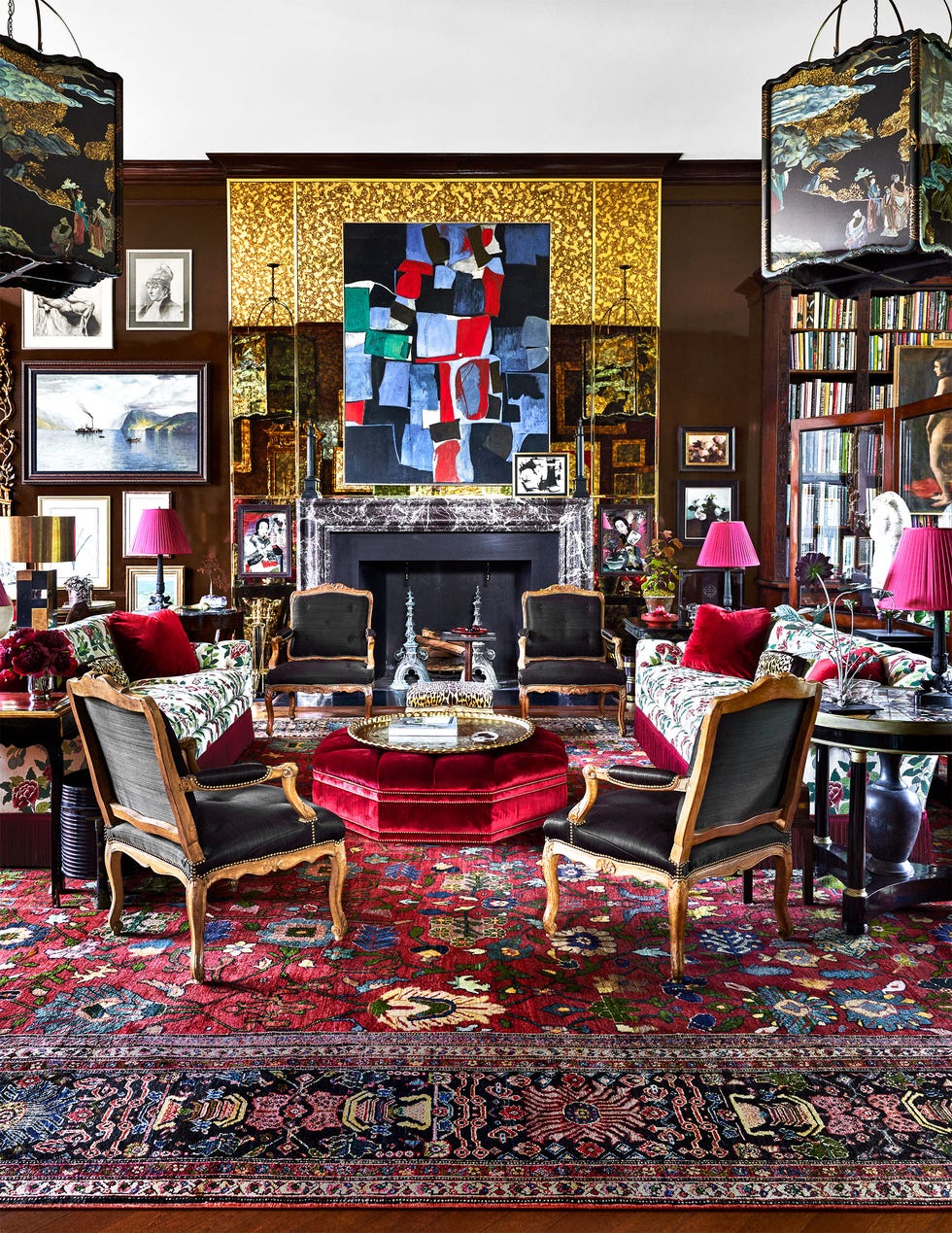
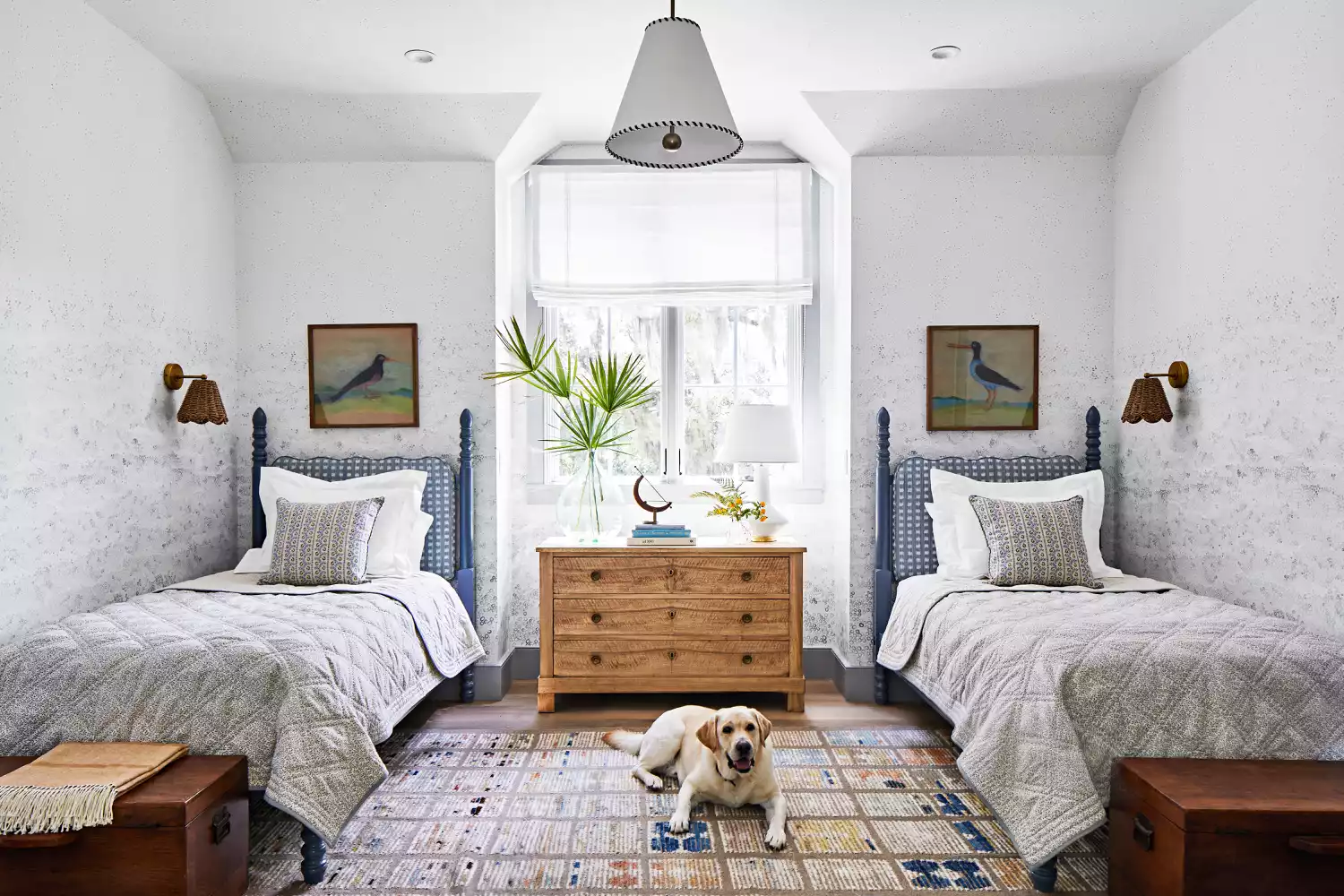
Matchy-matchy furniture sets are no longer desirable. Bree Steele, product and design manager at RJ Living, notes that identical furniture sets are losing favor as homeowners prioritize personalization and self-expression. The trend is towards mixing materials, textures, and shapes to create layered spaces that reflect individual personalities. This approach allows for the incorporation of unique pieces from travels or antique stores, moving beyond the predictable aesthetics of coordinated sets. Stores are also adapting, offering diverse combinations to meet changing consumer preferences.
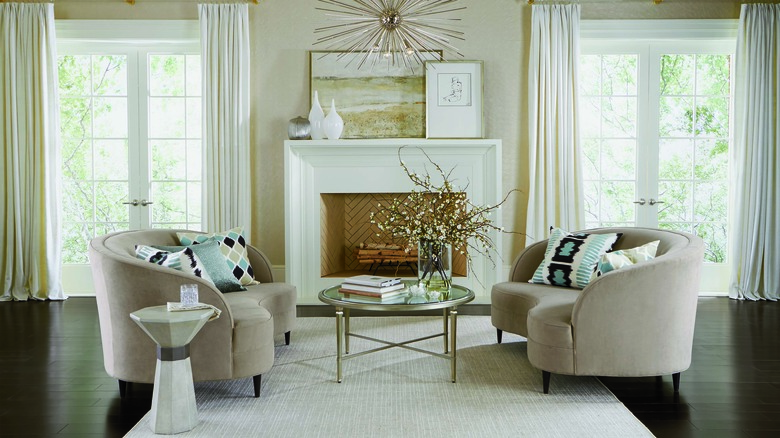
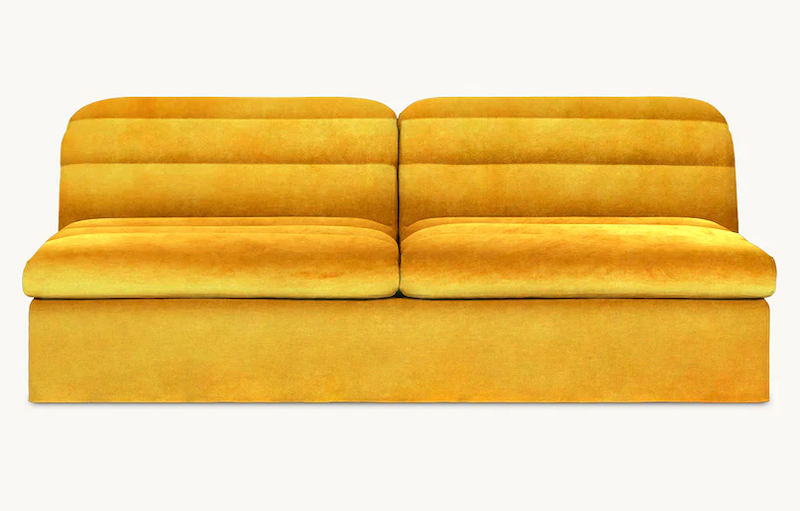
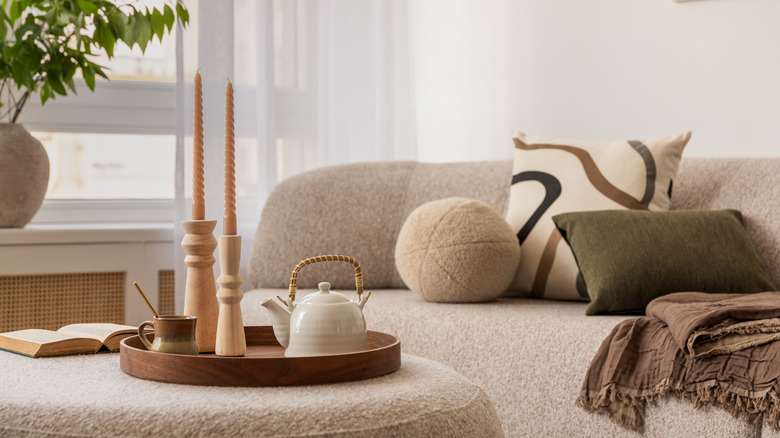
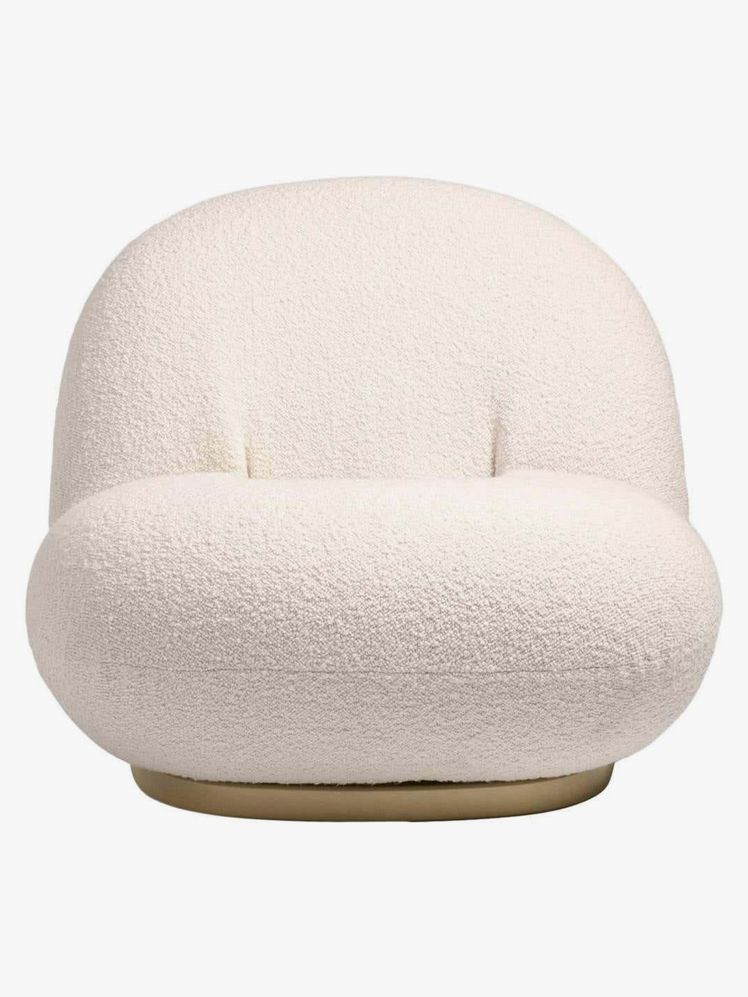
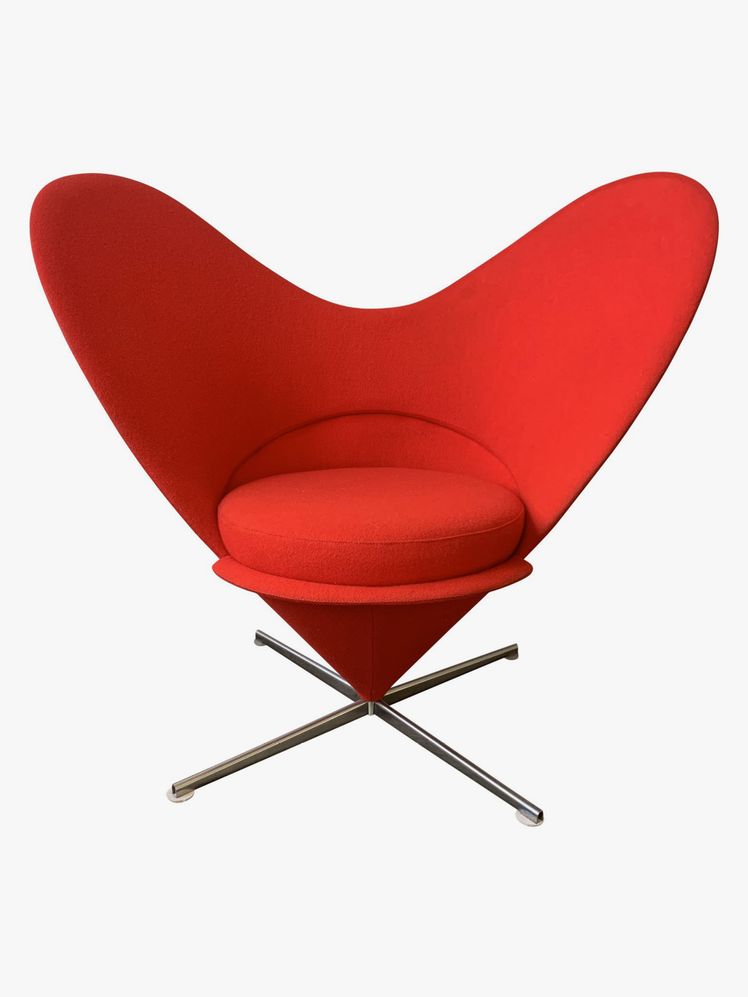
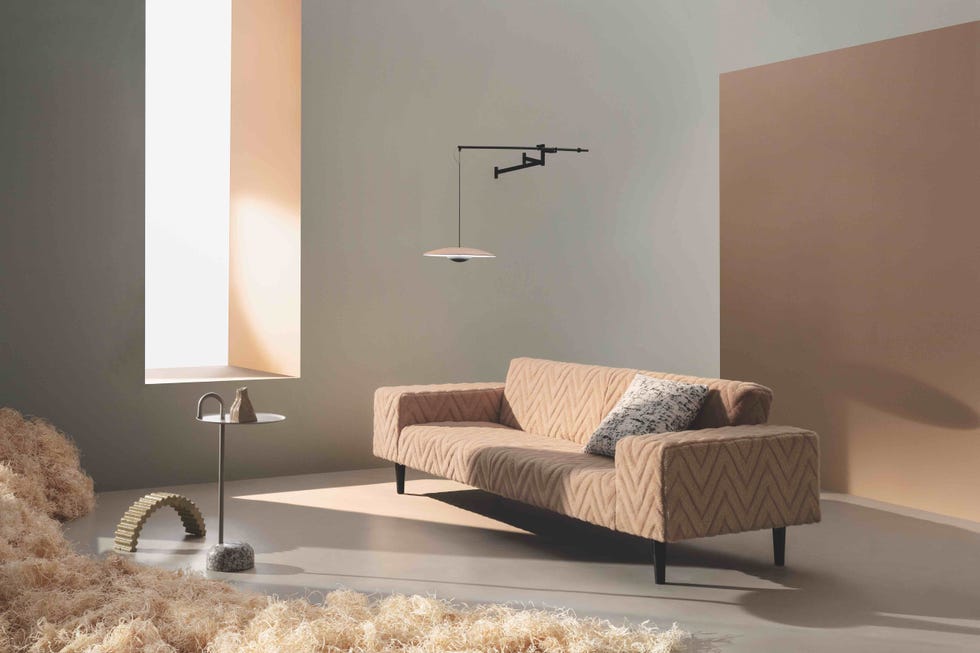
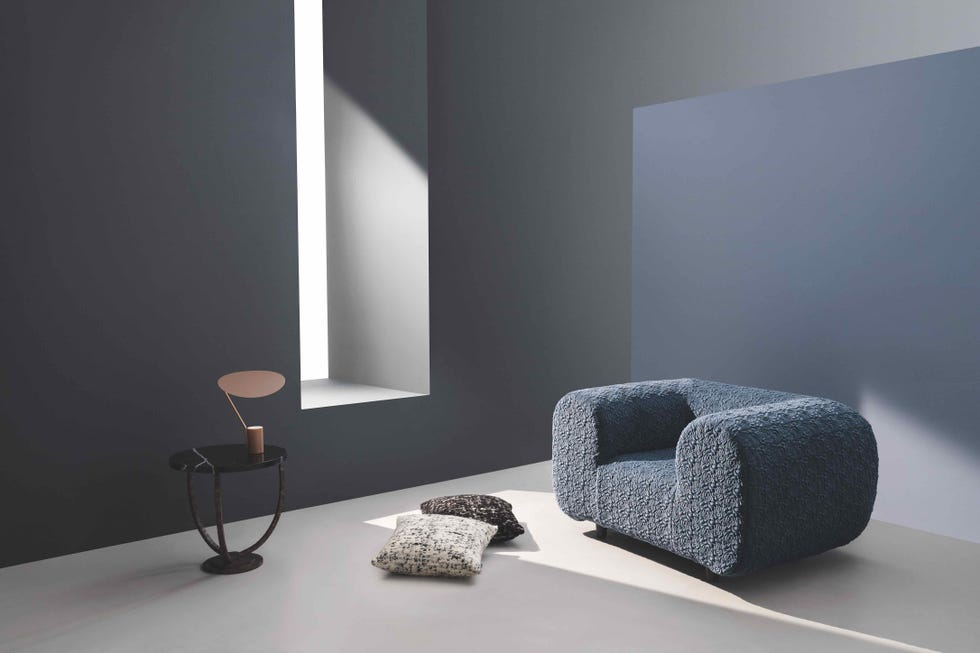
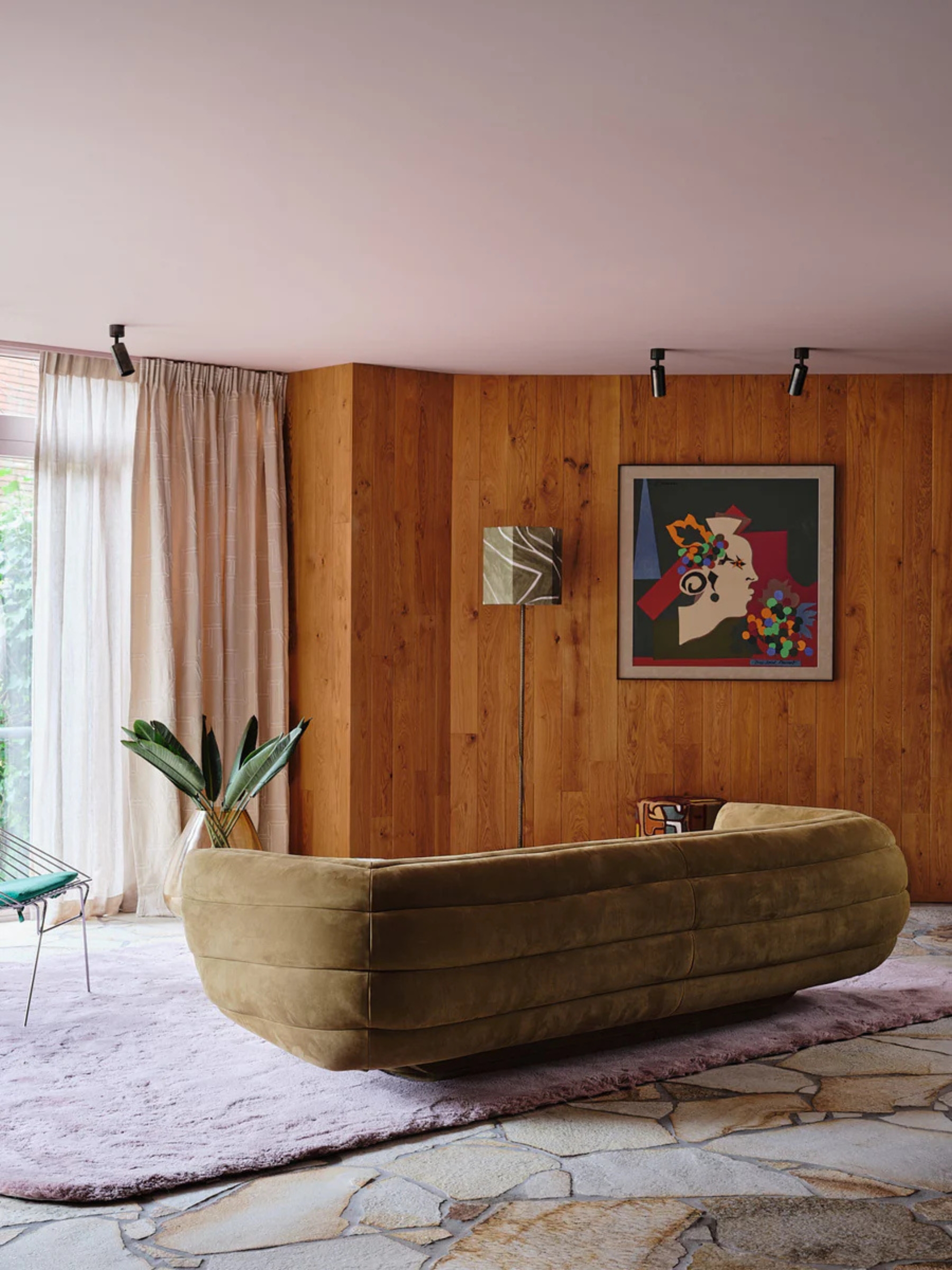
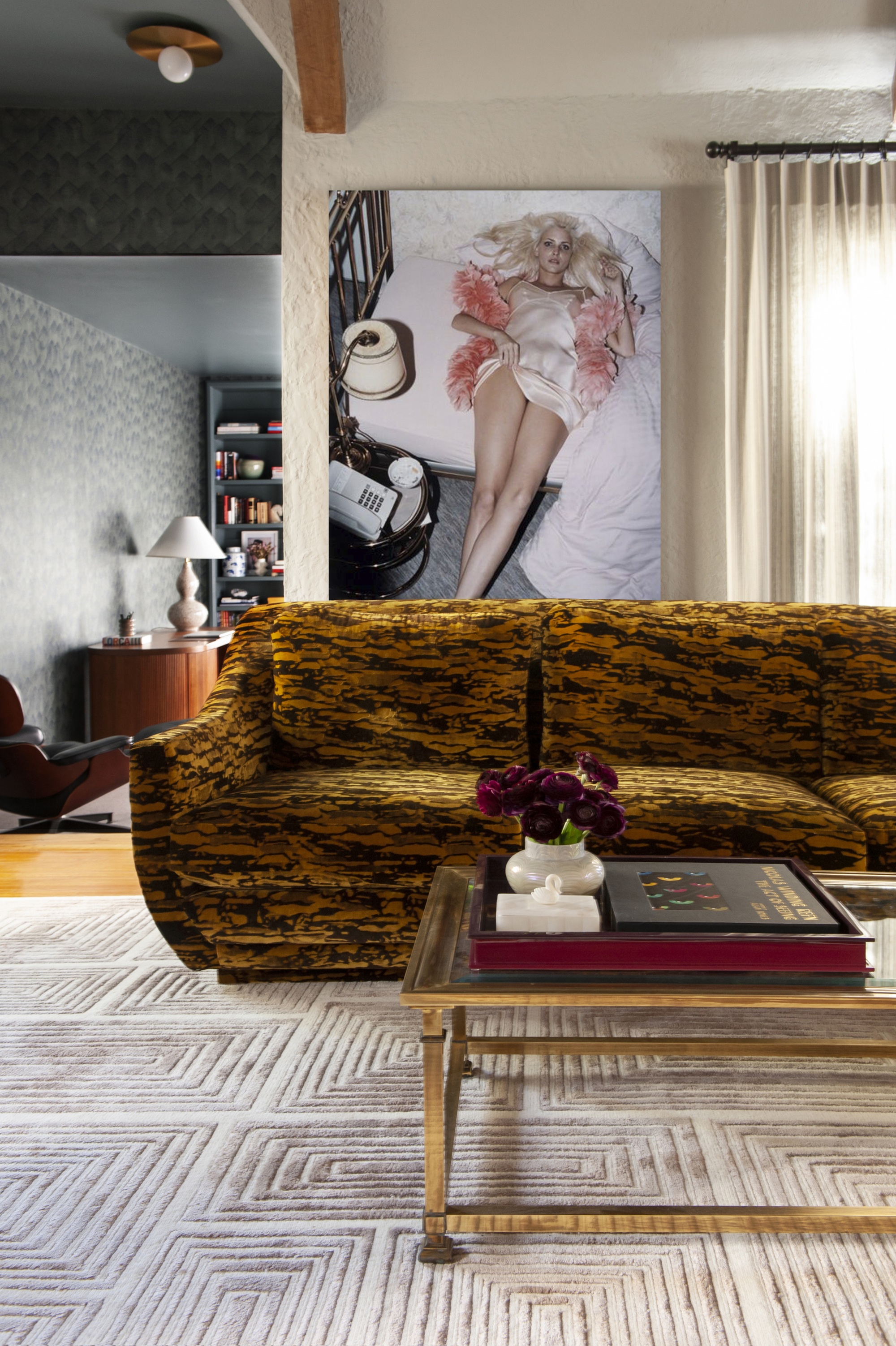
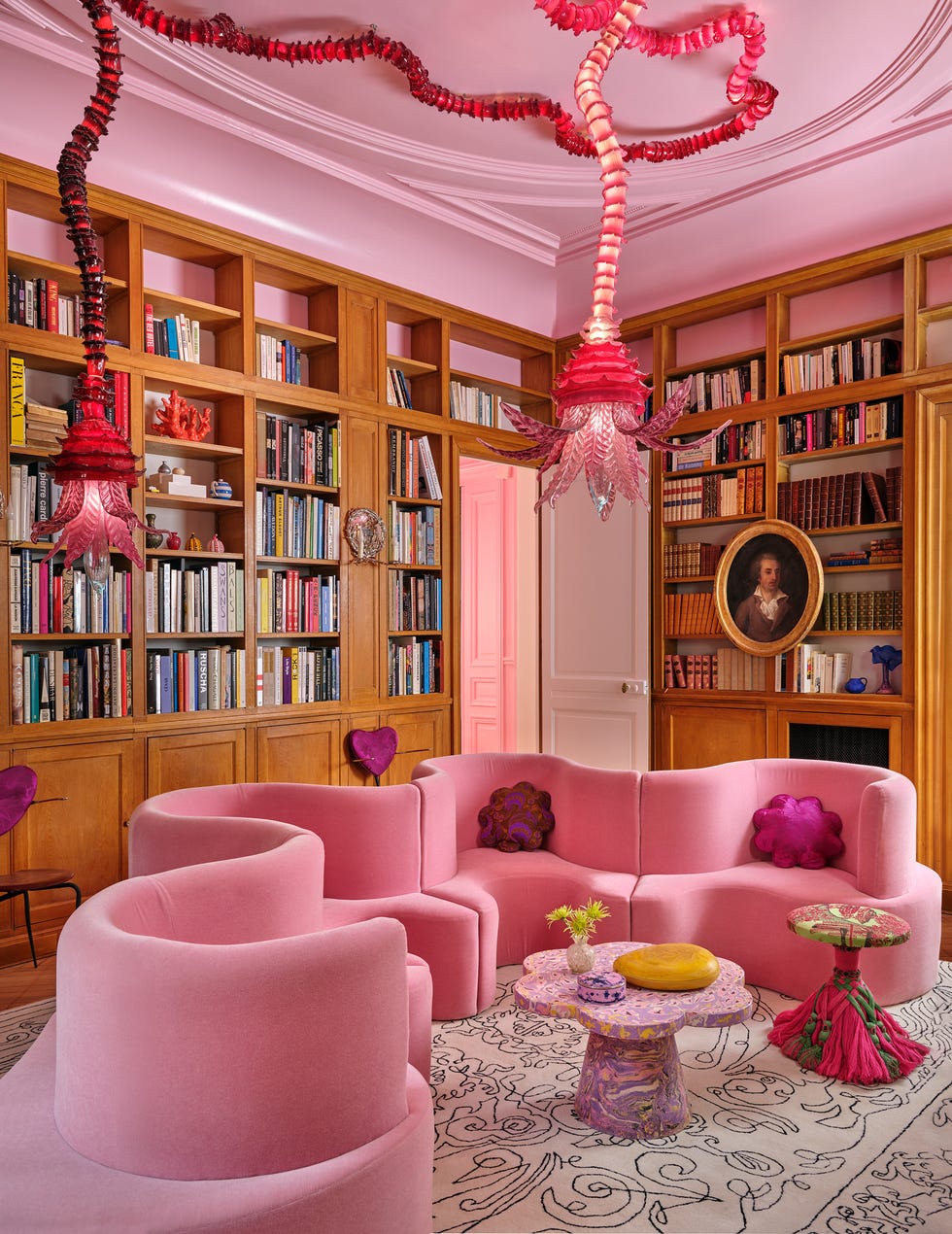
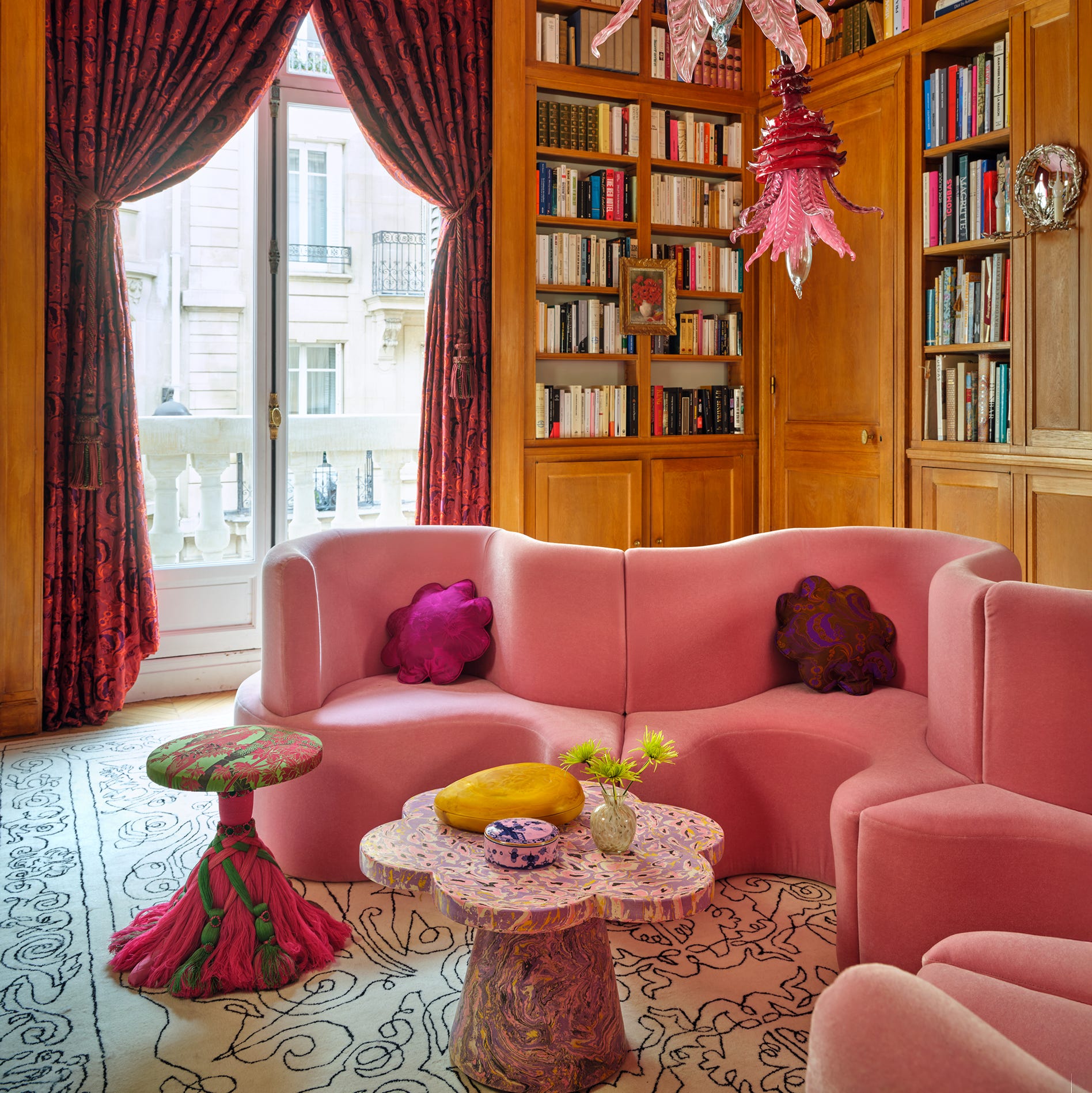
Boxy sofas, once a symbol of contemporary design, are now considered dated. Steele highlights a shift towards soft, organic forms that prioritize comfort, while Ginger Curtis, founder and CEO of Urbanology Designs, emphasizes the replacement of 'harsh, clinical minimalism' with rounded edges, textured fabrics, and cozy silhouettes. Curved furniture, also known as conversation or crescent pieces, promotes interaction and allows for more organic layouts, echoing the resurgence of the Art Deco movement. These curved silhouettes are appearing not only in sofas but also in headboards, coffee tables, and floor lamps.
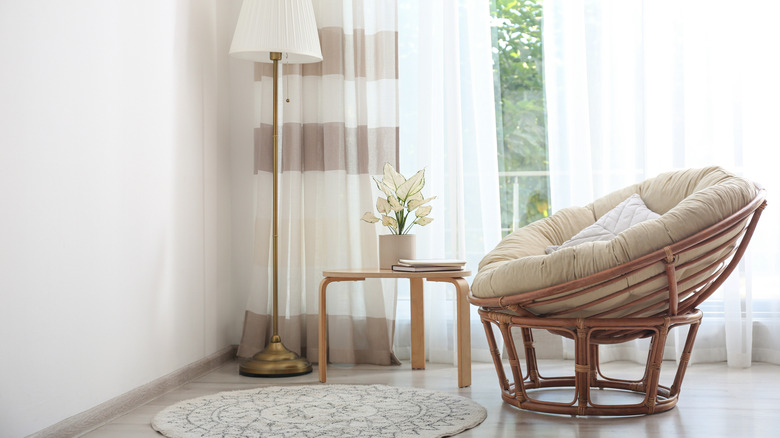
Outdoor furniture trends mirror interior shifts, moving away from bulky items towards lighter, sculptural pieces with slimmer profiles. This change accommodates smaller outdoor spaces, such as rooftops and balconies, and offers greater functionality and convenience. The trend also embraces a natural, organic aesthetic, featuring curved designs and natural finishes like teak. For sustainability, FSC-certified wood is recommended, alongside weather-resistant fabrics and sleek wrought iron chairs, to ensure durability against natural elements.
#FurnitureTrends #InteriorDesign #HomeDecor #SustainableFurniture #ModularFurniture #ColorTrends #WoodFinishes #OutdoorFurniture #DesignEvolution #FurnitureTrends #InteriorDesign #HomeDecor #SustainableFurniture #ModularFurniture #ColorTrends #WoodFinishes #OutdoorFurniture #DesignEvolution
0 commentaire au total
 Aucun commentaire pour le moment
Vous aimerez aussi
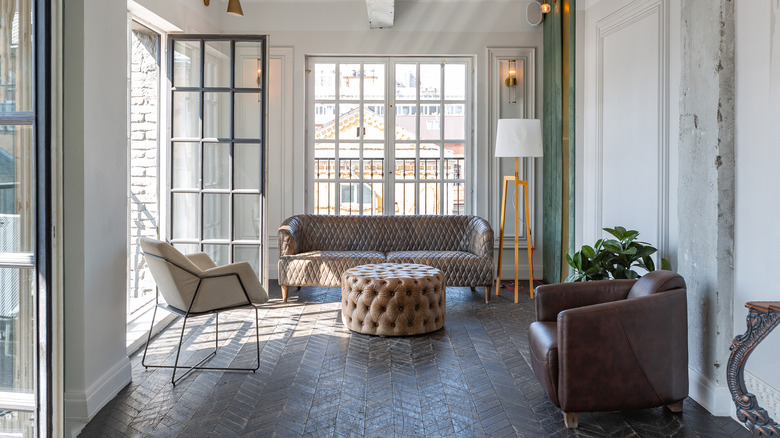
Outdated Furniture Pieces That Are Having A Comeback

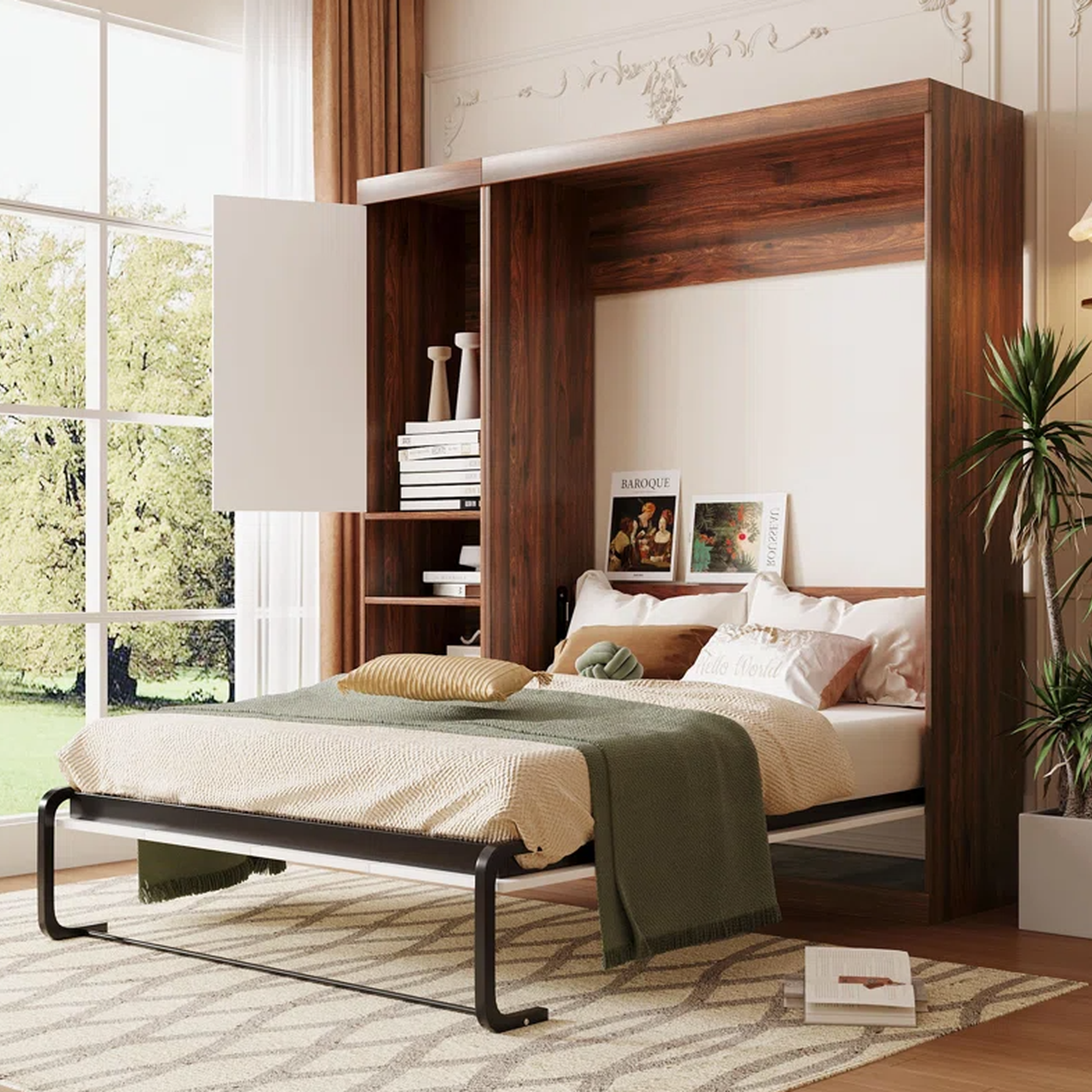
This Furniture Trend From the 1920s Is Officially Back

Modern furniture was once sold as an alternative to hours of tedious dusting

5 Furniture Trends You'll See Everywhere In 2025, According To Designers
This Convenient Couch Trend Is Making a Comeback

8 Unexpected Furniture Trends That Are Coming Back In Style
The ’70s furniture trend making an unlikely (but welcome) comeback
10 of the Biggest Sofa Trends for 2025 — These Are the Couches You'll See in the Coolest Homes This Year

These New Furniture Pieces Are Future Heirlooms
6 Furniture Trends Interior Designers Are Tired of Seeing Everywhere

Update your furniture with extreme texture, the biggest trend in upholstery…

The Row Has Dropped a Curated Vintage Furniture Line
Say Goodbye To Exaggerated Furniture Shapes: The 2026 Trend Coming To Replace It
What’s Old Is New Again: Vintage Furniture Is The Hottest Home Decor Trend
To Flip or Not to Flip: Have Antique Furniture Revamps Gone Too Far?
These 5 Furniture Trends Will Dominate 2025
‘Furniture flipping’: the next big trend in home sustainability?

Space Age Furniture Is Making A Trendy Comeback: 9 Must-Have Pieces To Get The Look
Skirted furniture trend – here are the pieces we're loving

5 Sofa Styles That Are Falling Out of Favor, According to Experts