1/4
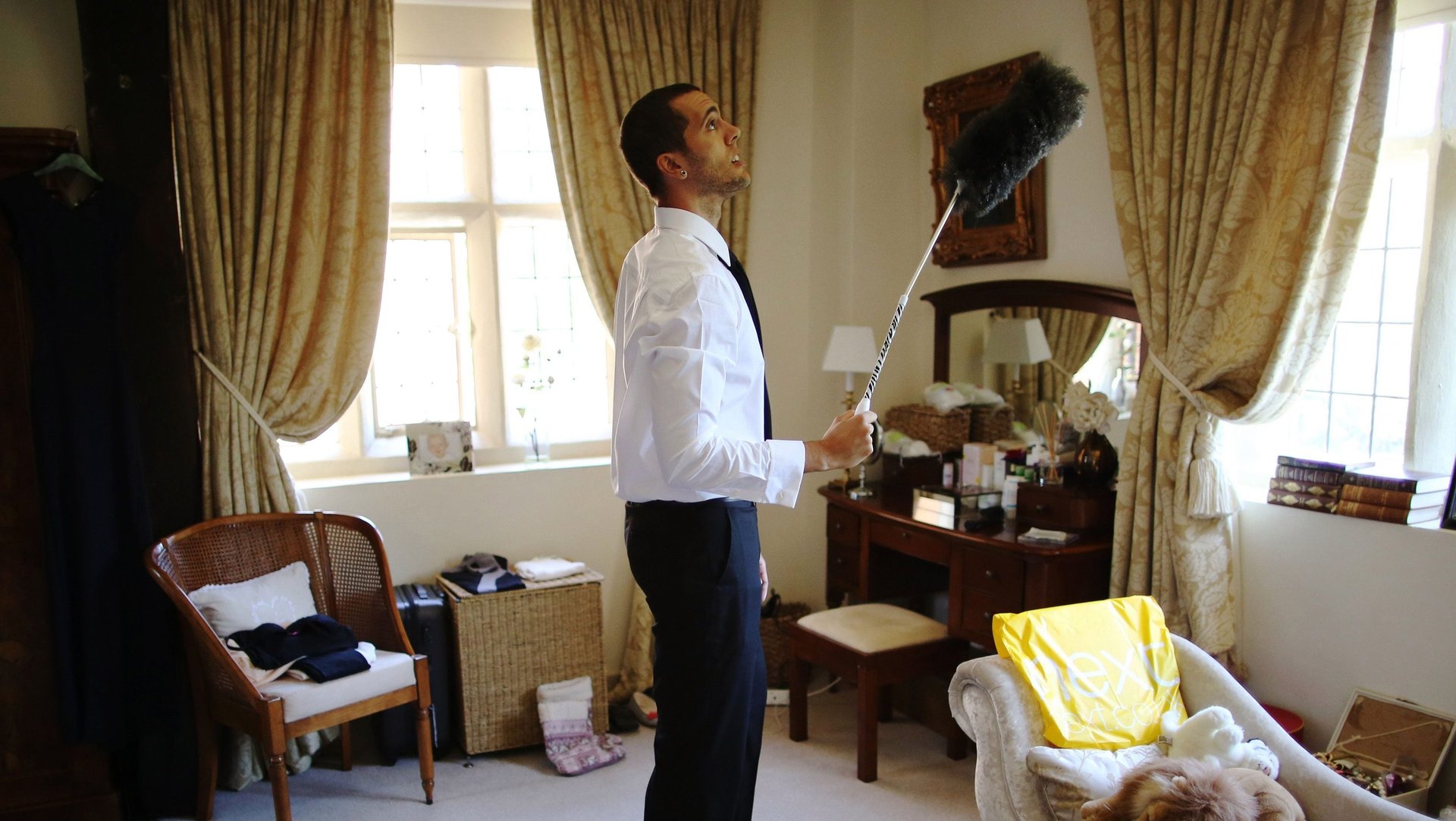
Modern furniture was once sold as an alternative to hours of tedious dusting
This article explores the historical marketing of modern furniture, contrasting its contemporary perception as a design statement with its original promotion as a practical, time-saving solution for housework. It highlights a 1940s promotional booklet by Herman Miller, titled "A History of Modern Furniture from Prehistoric Times to the Post War Era." Written by design director Gilbert Rohde and illustrated by his wife, Peggy Ann, the booklet directly addressed women, who were typically the primary decision-makers for household purchases.
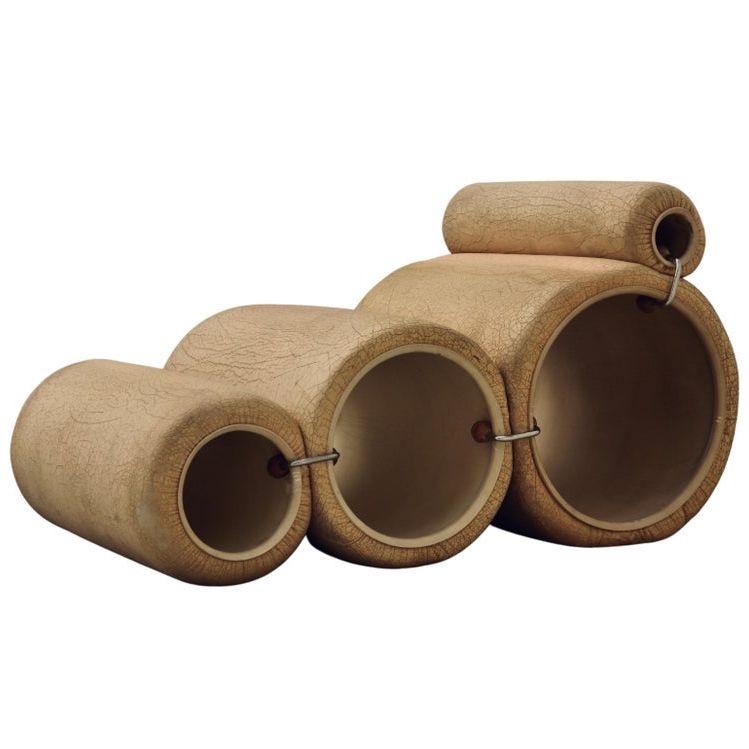
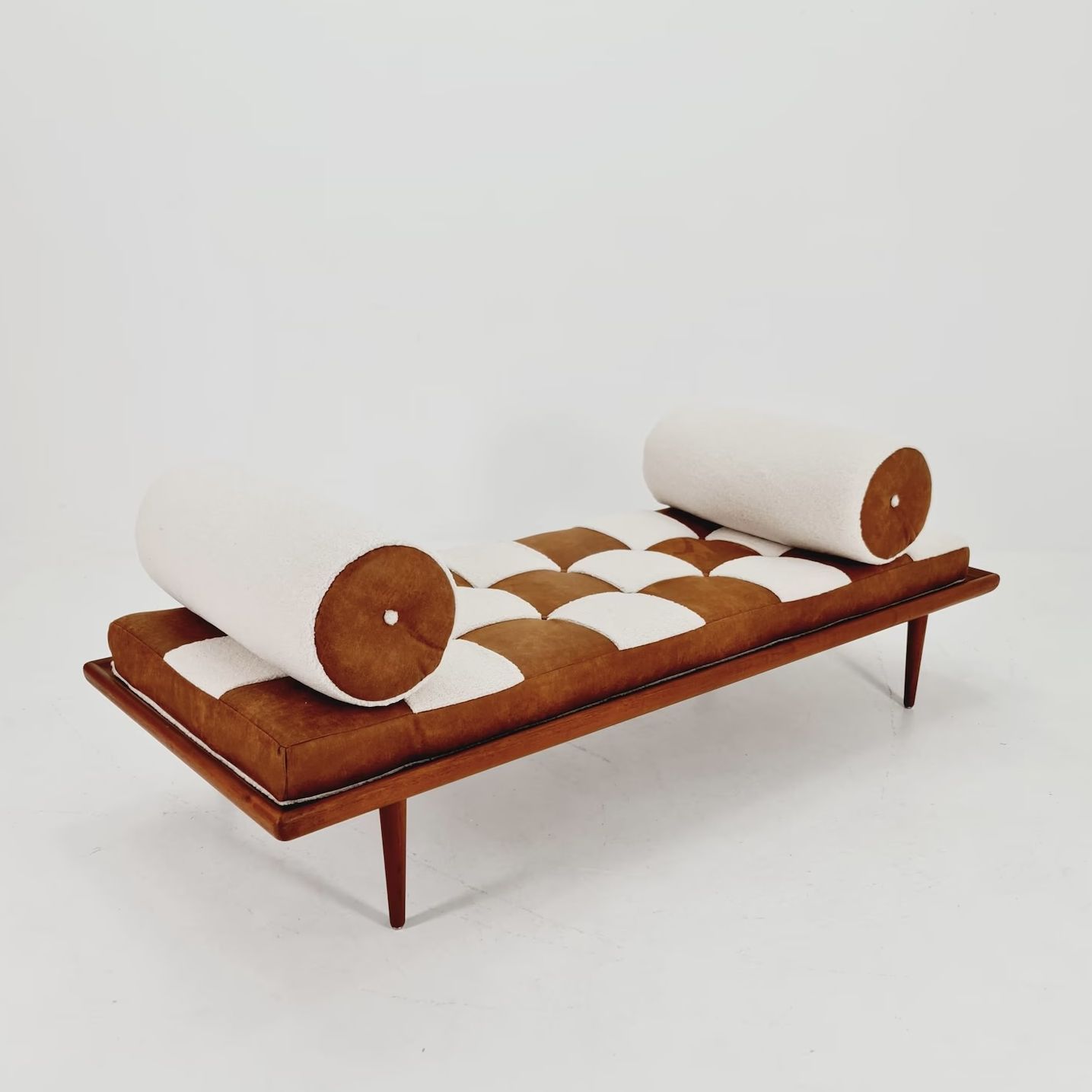
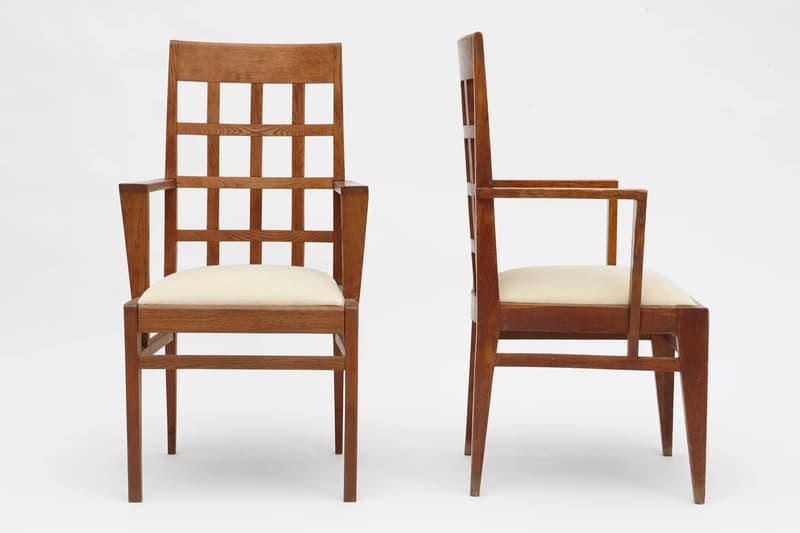
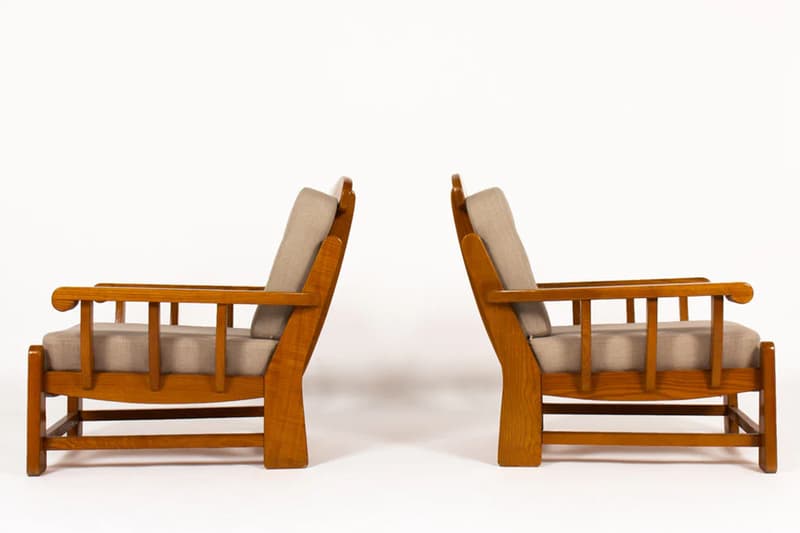
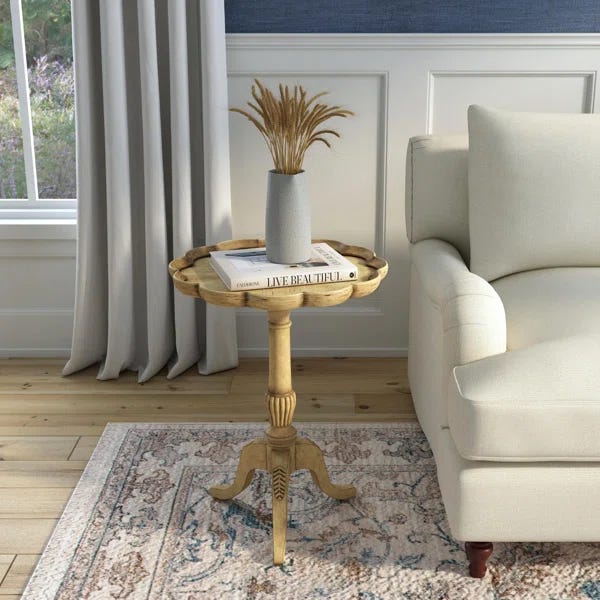
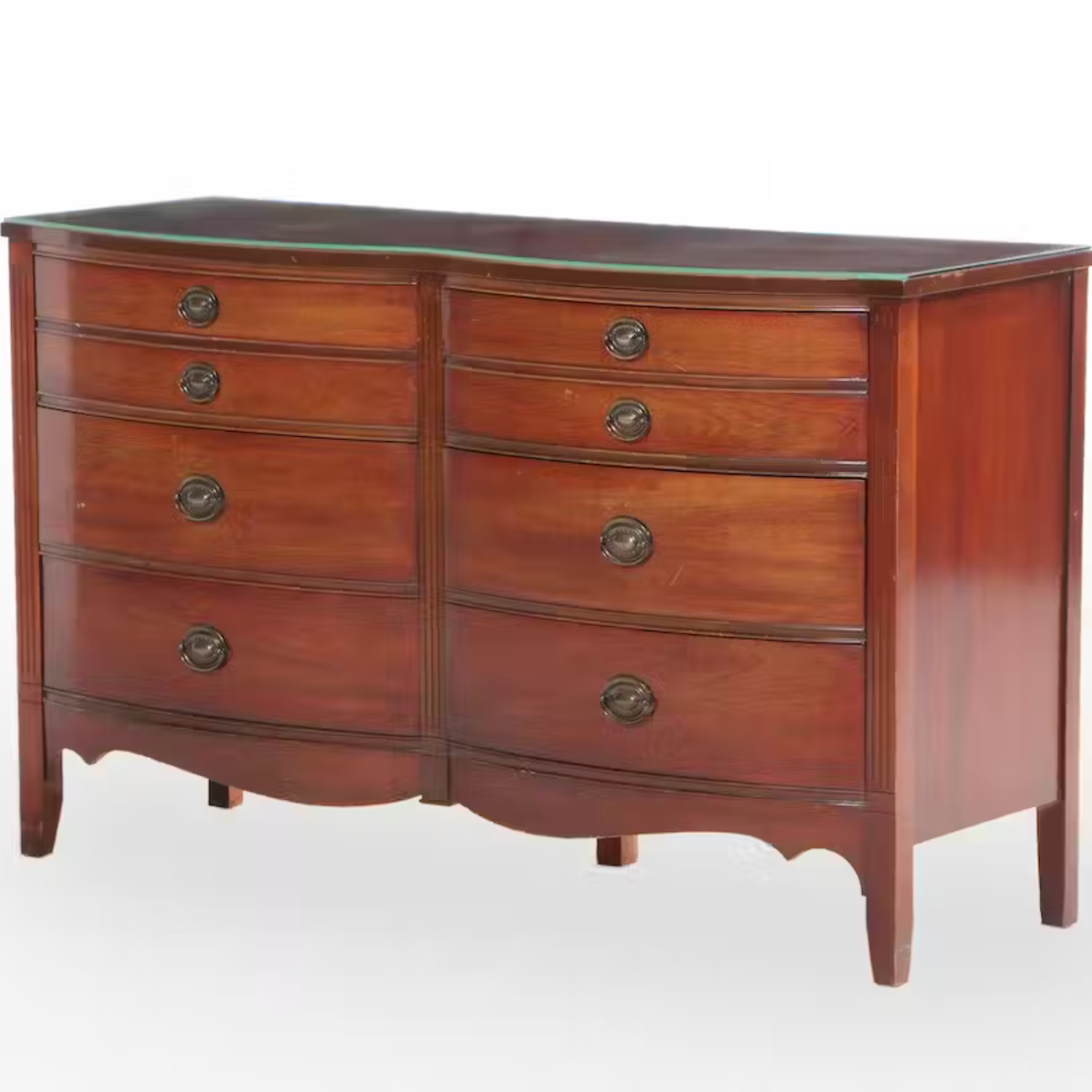
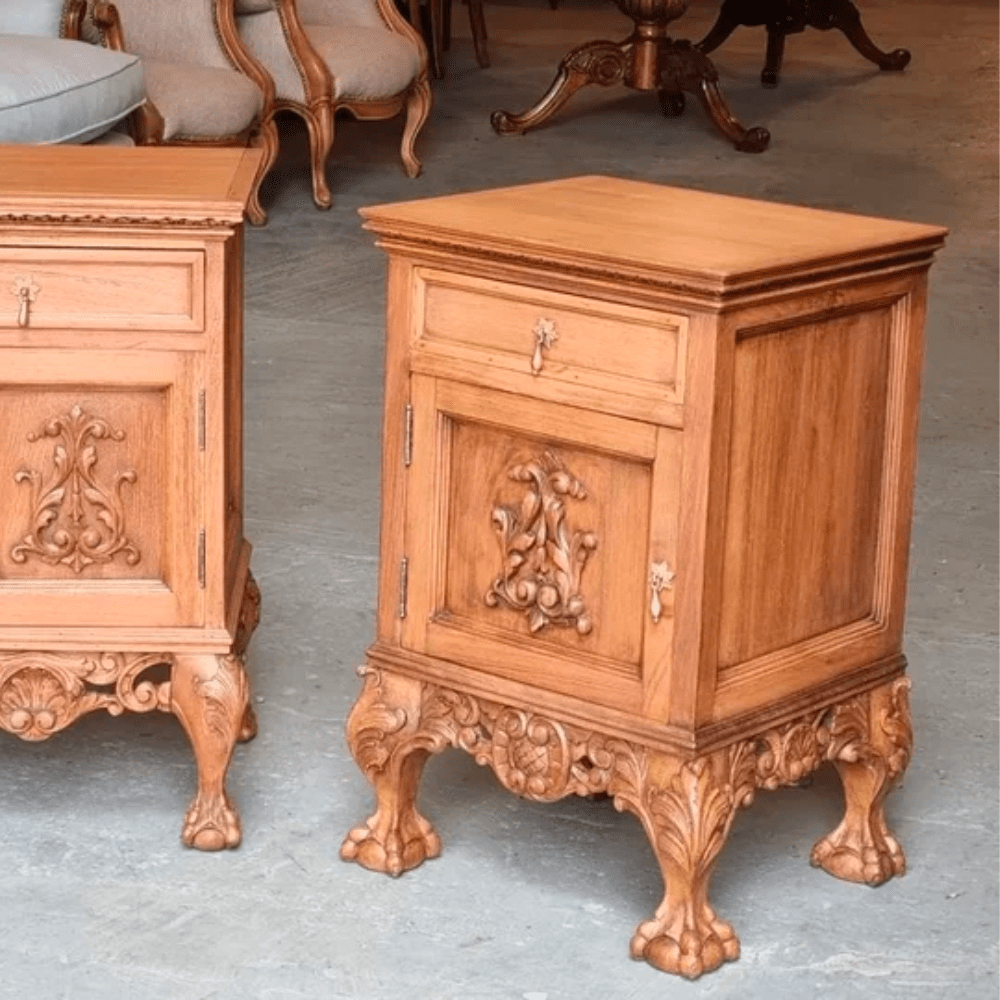
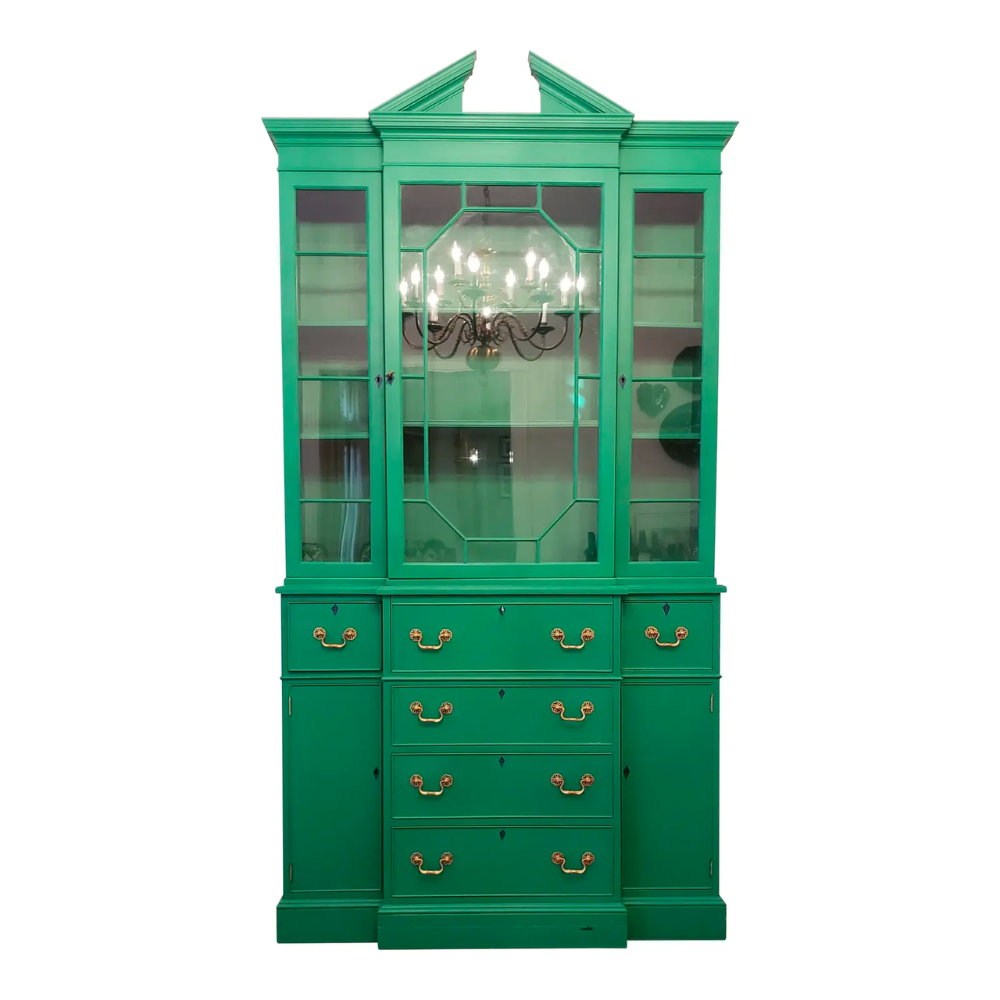
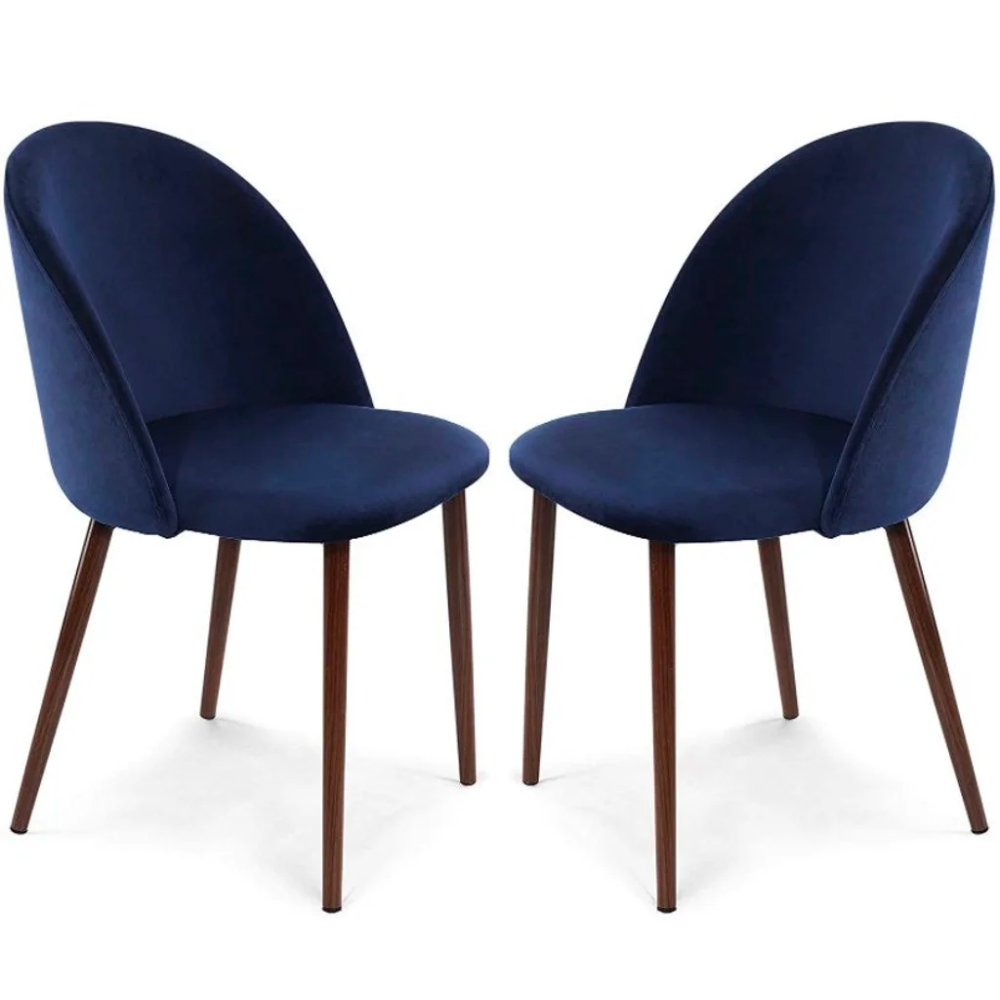
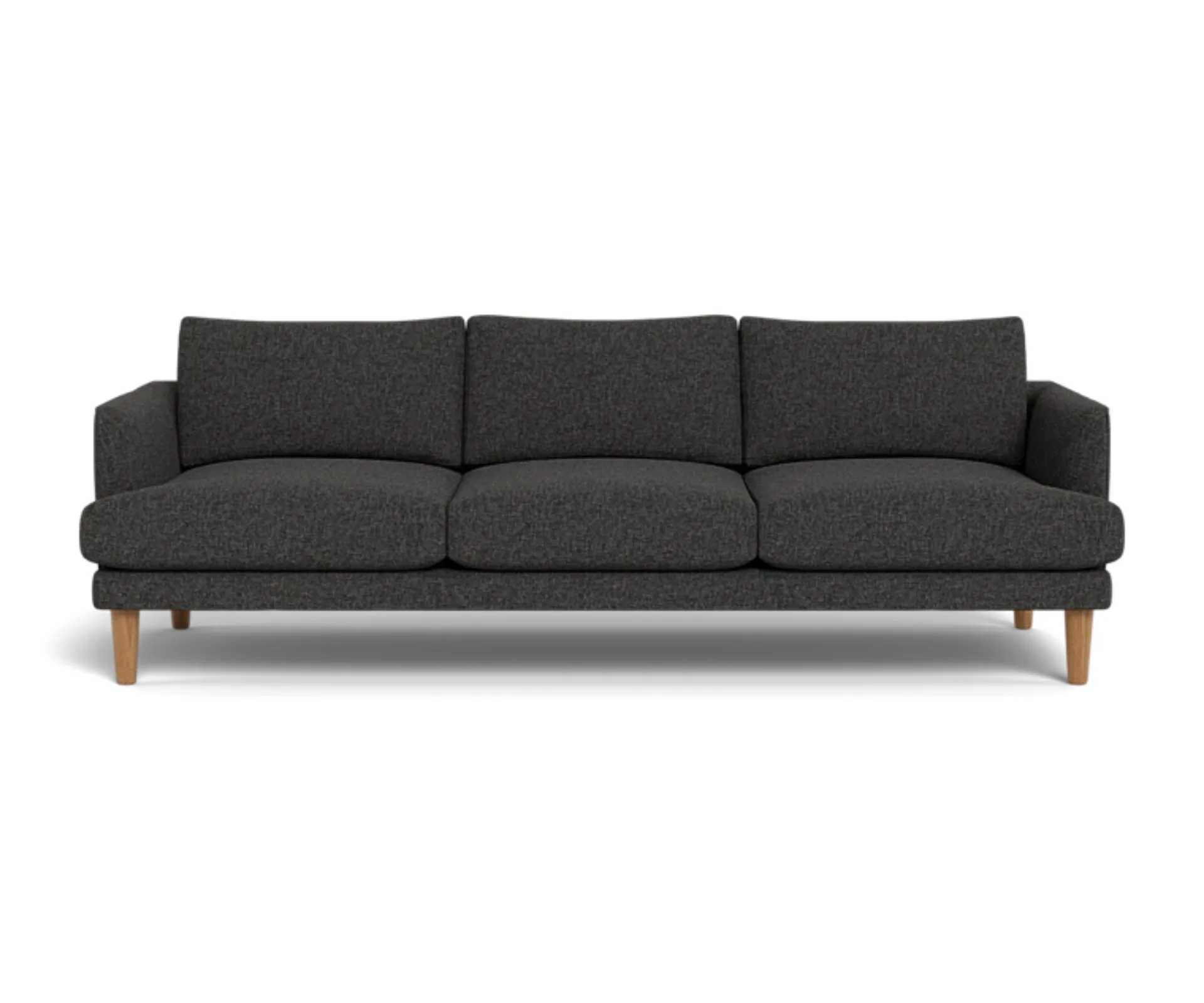
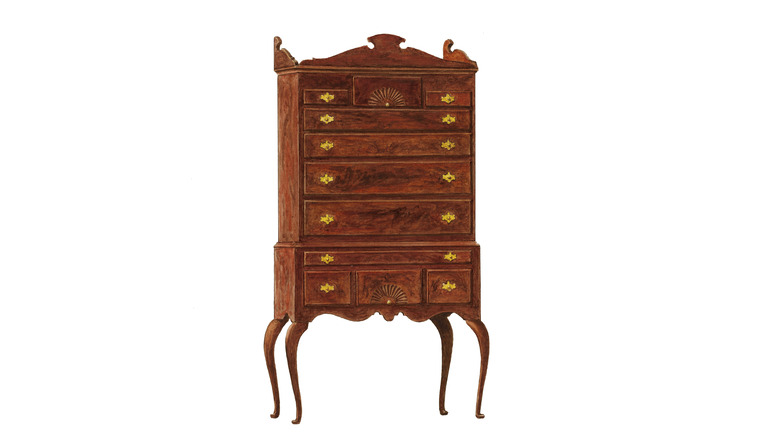
The core argument of the Rohdes' campaign was the practicality of modern furniture compared to the ornate Chippendale style, which was highly popular at the time. Chippendale furniture, characterized by intricate carvings, cabriole legs, and ball-and-claw feet, was presented as requiring extensive dusting and maintenance. The booklet humorously questioned whether households had "oodles of dust-uppers" to manage such pieces. In contrast, modern furniture was advertised as having "no dust-catching gee-gaws," implying ease of cleaning due to its smooth, practical surfaces.
The 16-page publication emphasized several advantages of modern furniture beyond just ease of cleaning. It was scaled to fit smaller apartments, a growing necessity in an evolving society, and was designed to be sturdy and customizable. The Rohdes' message was particularly relevant during World War II, a period when American women were increasingly entering the workforce in professions traditionally held by men. This shift meant many wives were away from home for the entire workday, making time for household chores a significant challenge. The 1940s also saw a decline in the availability of live-in domestic helpers in middle-class homes, further exacerbating the need for more manageable household items.
The article quotes Rohde's polemic against the impracticality and perceived extravagance of older styles, suggesting that Chippendale designs were for those who could easily replace broken or fragile items without financial concern, a luxury not afforded to the average American during wartime. Modern furniture was thus positioned as a practical "weapon against the ceaseless battle with dust" for these time-strapped women.
Despite the innovative marketing, the article acknowledges that furniture design, no matter how modern, cannot entirely eliminate household chores. It cites a 2015 US Bureau of Labor study, which indicates that women in the US still spend an average of 29 minutes daily on home cleaning, making it the second most time-consuming household task after food preparation. This historical perspective reveals how a focus on utility and efficiency once underpinned the marketing of what is now largely appreciated for its aesthetic and design principles. An update notes that a previous version of the article incorrectly attributed the writing of the catalogue solely to Peggy Ann Rohde.
#ModernFurniture #FurnitureDesign #HermanMiller #GilbertRohde #PeggyAnnRohde #Housework #MidCenturyDesign #WartimeAmerica #HomeDecorHistory #ModernFurniture #FurnitureDesign #HermanMiller #GilbertRohde #PeggyAnnRohde #Housework #MidCenturyDesign #WartimeAmerica #HomeDecorHistory
0 comment in total
 No comments yet
You may also like
Looking to score rare designer pieces online? Check out these second-hand furniture websites

Shop Sustainably at These Eco-Friendly Home Decor and Furniture Brands

The 6 Best Places to Buy Used Furniture

Does Your Living Room Look Outdated? We Found Luxe-Looking Furniture Pieces to Give It a Refresh—Up to 78% Off

The Row Has Dropped a Curated Vintage Furniture Line
How to Flip Furniture — And Sell It for Profit, According to a 'Professional Thrifter'

Wayfair’s Packed With Living Room Furniture Deals—Shop the 9 Best Up to 87% Off
The Internet’s Favorite Furniture Brand Now Offers Chic, Affordable Benches and Credenzas

Where to Shop for Secondhand Furniture & Vintage Decor in San Diego

Restoration Hardware’s Growing Sale Is Overflowing With Sleek, Luxurious Pieces
Inside the design shift toward robot vacuum-friendly sofas


Article is open in Vancouver with a gorgeous new store you didn’t know you were craving

Flipping Furniture for Profit in 2024: The Complete Guide to Earning Extra Income

These New Furniture Pieces Are Future Heirlooms
The Best Online Furniture Stores

Made.com Is Back & Better Than Ever
Entry Level Elevated: The Best Affordable Furniture Brands

The 8 Best Vintage Furniture Stores to Shop in-Person and Online

Outdated Furniture Pieces That Are Having A Comeback

Ready-to-assemble furniture getting a PR makeover after improving quality and ease of set-up