Ready-to-assemble furniture getting a PR makeover after improving quality and ease of set-up
The perception of ready-to-assemble (RTA) furniture, often associated with low quality and difficult assembly, is undergoing a significant transformation. Historically, RTA furniture was known for its flimsiness and complicated instructions, leading to frustration and often unstable end products. However, recent advancements in manufacturing processes, design, and consumer expectations are rapidly changing this narrative.
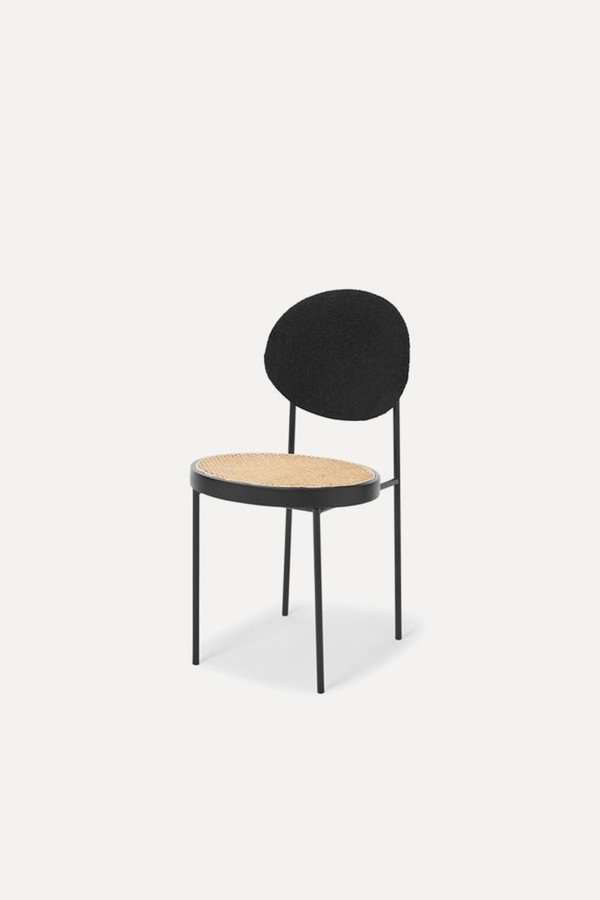
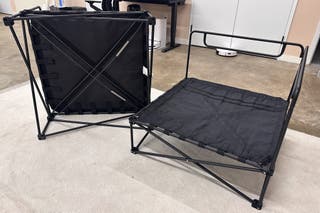
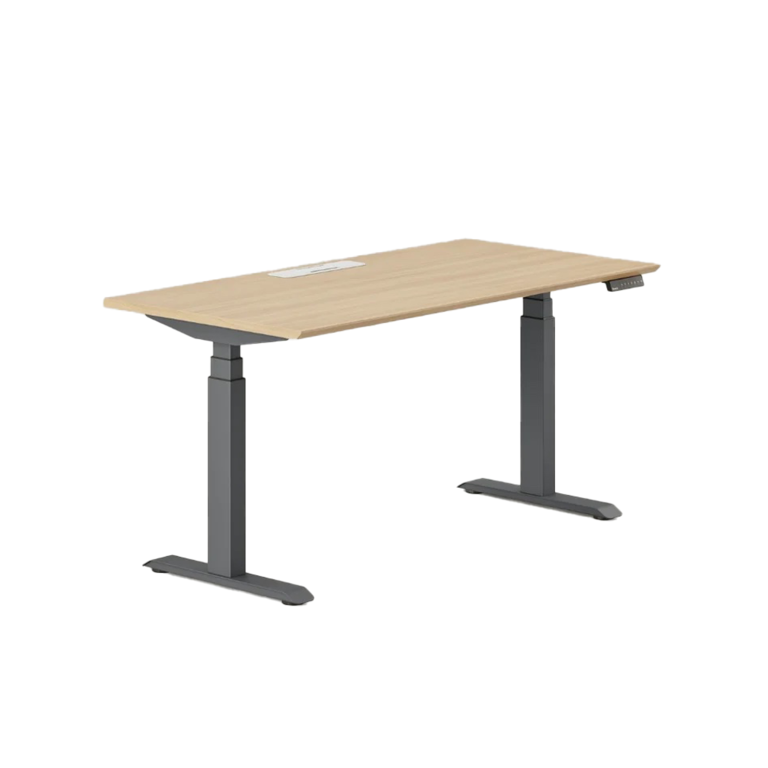
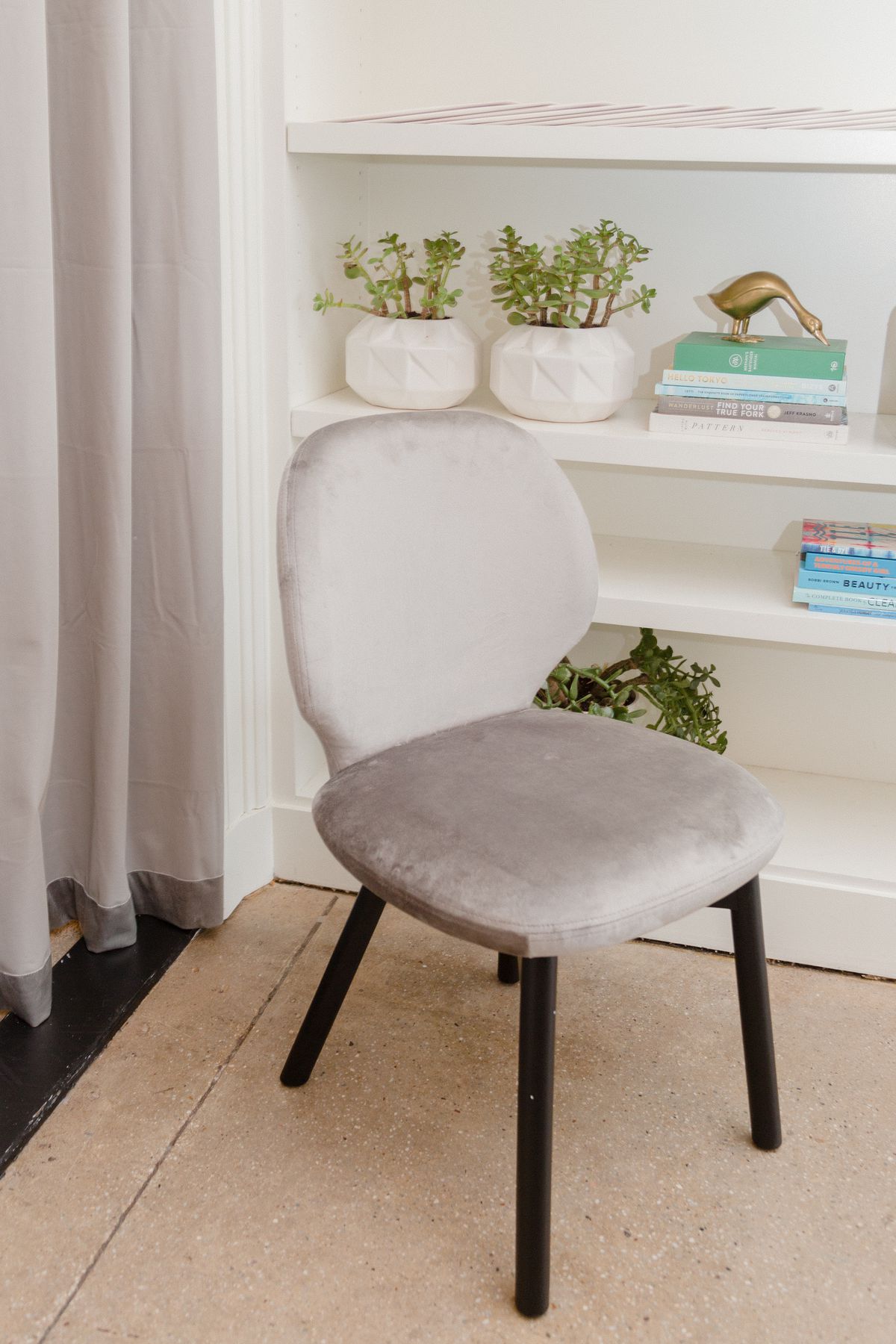
The improvement in RTA furniture stems from several key factors. Firstly, manufacturers are now utilizing better quality materials and more precise engineering. Enhanced machinery and production techniques have led to components that fit together more accurately, resulting in sturdier and more reliable finished pieces. This shift addresses a primary consumer complaint about the stability and longevity of older RTA designs. For instance, the experience of assembling a pair of side chairs highlights this evolution, with a smooth, straightforward process and a surprisingly robust outcome, a stark contrast to previous experiences that often involved rickety results and missing parts.
Secondly, the rise of empowered consumers and the DIY culture has played a crucial role. Platforms like Pinterest and Instagram, coupled with the accessibility of online tutorials (such as YouTube videos), have equipped consumers with the confidence and knowledge to undertake assembly tasks. This shift is akin to the popularity of meal-kit services, where consumers derive satisfaction from creating a finished product from provided components. The mentality has moved from dreading assembly to embracing it as a fulfilling personal project. This empowerment has led to increased demand for RTA furniture, further encouraging manufacturers to innovate.
Thirdly, cost efficiencies and logistical benefits inherent in RTA furniture continue to drive its popularity. The ability to flat-pack items significantly reduces shipping and storage costs, as unassembled furniture occupies less space. This cost saving is passed on to the consumer, making RTA furniture a more affordable option compared to fully assembled pieces. Furthermore, the elimination of professional assembly costs adds to its economic appeal.
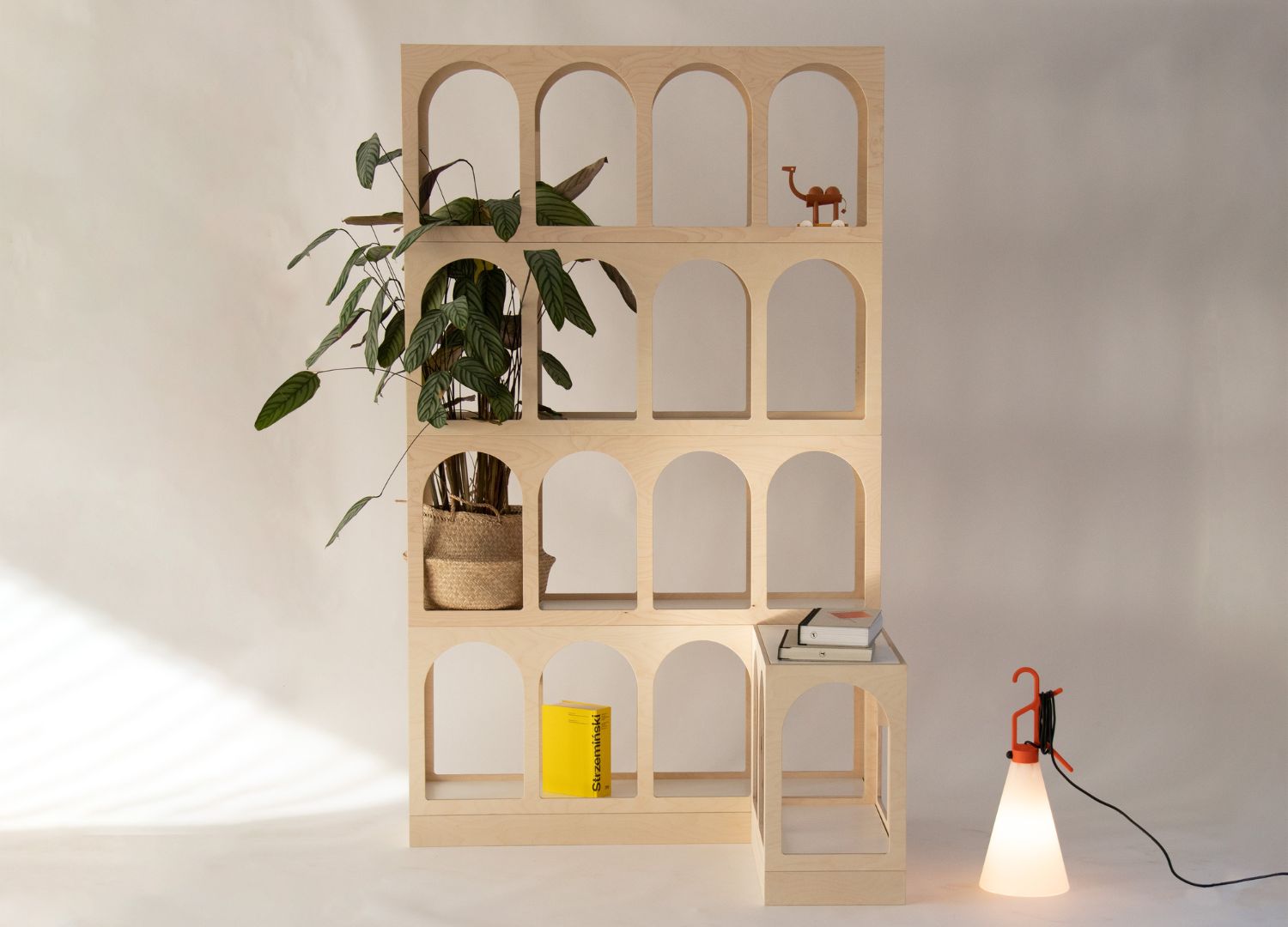
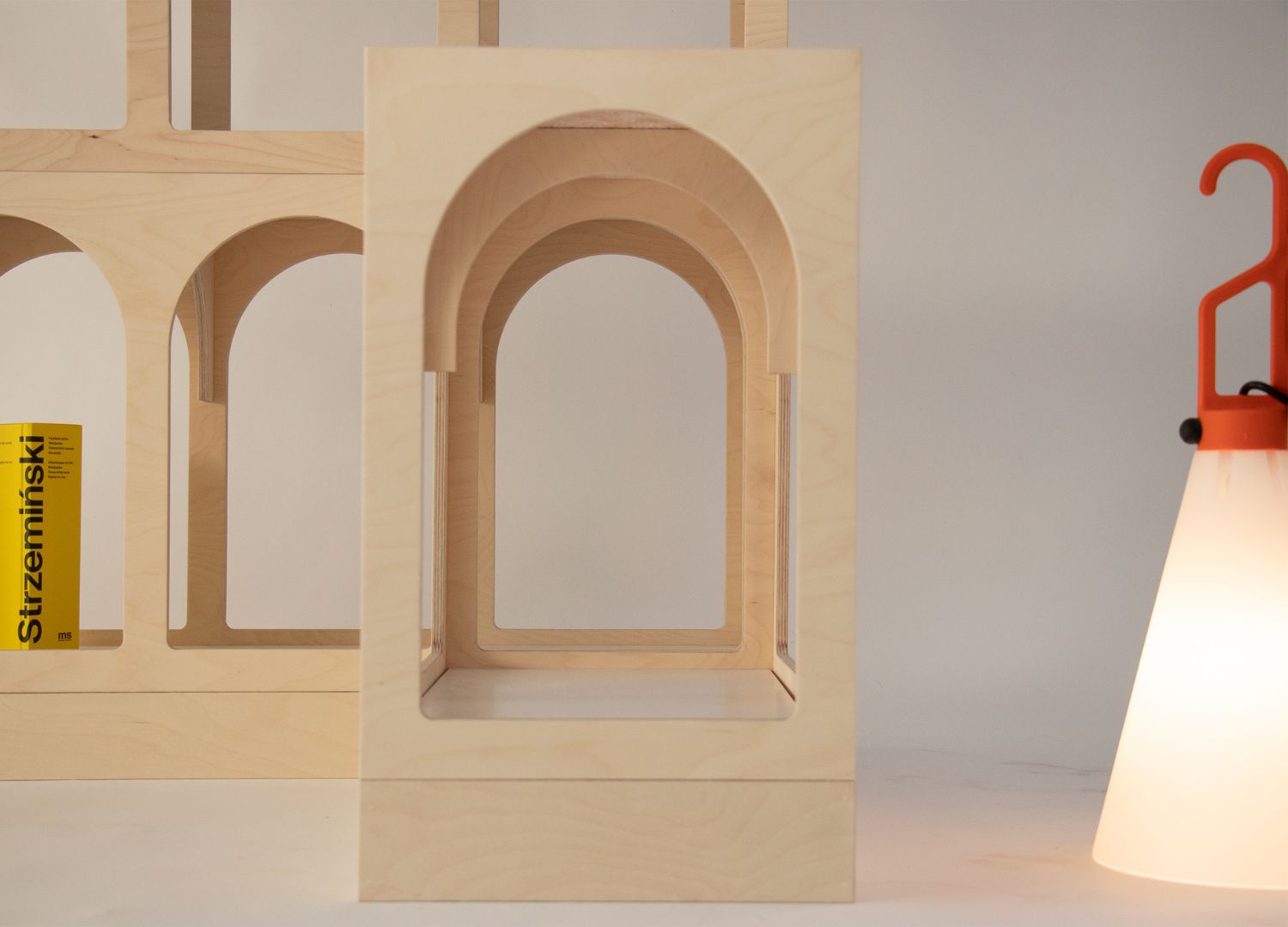
Finally, consumer feedback and market-driven innovation are holding manufacturers accountable. Online reviews and shared experiences directly influence purchasing decisions, forcing companies to prioritize ease of assembly and product quality. This consumer-driven market demands that manufacturers adapt to evolving preferences, moving away from a traditional manufacturer-driven model where options were limited to what was produced. The future of furniture appears to be heading towards a 'ready-to-make' model, exemplified by companies like Semi Exact, where customers purchase components to customize and build their desired pieces, thereby gaining a sense of ownership and satisfaction in the creation process.
#ReadyToAssembleFurniture #HomeDecor #DIYFurniture #FurnitureAssembly #ConsumerTrends #ManufacturingInnovation #OnlineReviews #HomeImprovement #InteriorDesign #ReadyToAssembleFurniture #HomeDecor #DIYFurniture #FurnitureAssembly #ConsumerTrends #ManufacturingInnovation #OnlineReviews #HomeImprovement #InteriorDesign
0 comment in total
 No comments yet
You may also like
Before & After: Watch This Unique DIY Furniture Combo Come to Life
Made.com Is Back & Better Than Ever
RH’s latest sourcebook, new looks from Cambria, Pindler, Clé Tile and more
Where to Get Antique and Vintage Furniture Refinished, Repaired, Rewired and Reinvented in Calgary

These New Furniture Pieces Are Future Heirlooms

The Anabei Sofa Claims to Be ‘The Only Washable Sofa — Inside and Out.’ Only, It Isn’t. | Reviews by Wirecutter

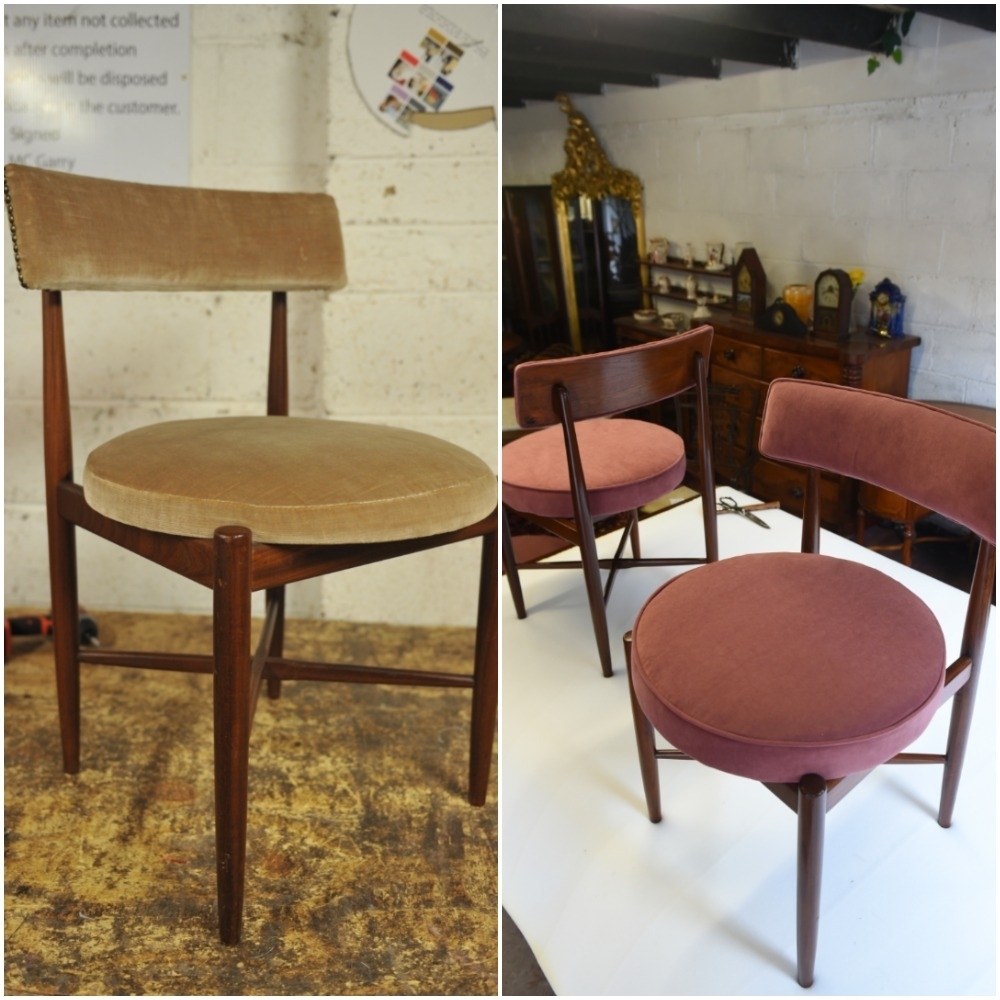
In the pink: Four old dining chairs get a makeover
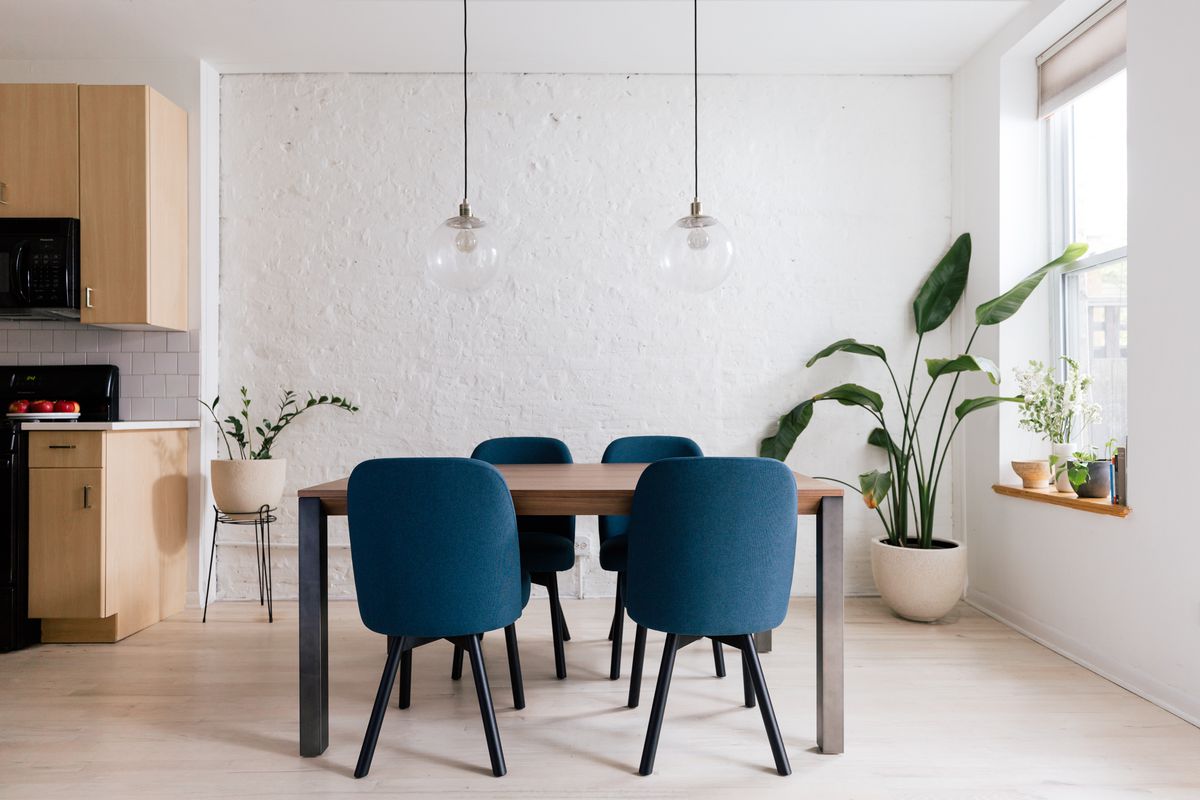
This customizable furniture retailer just added a dining set
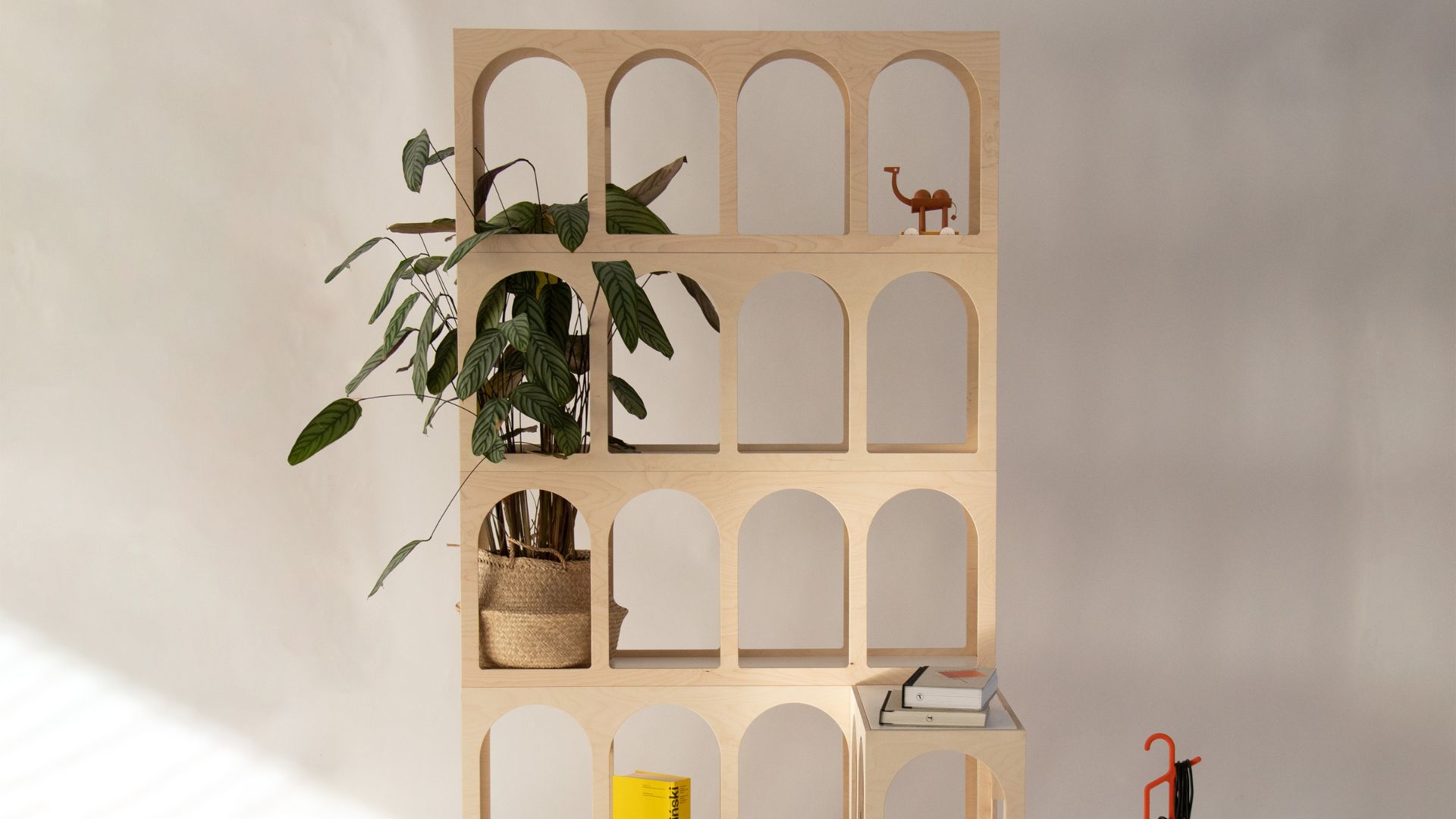
Furniture catering to varying changing needs

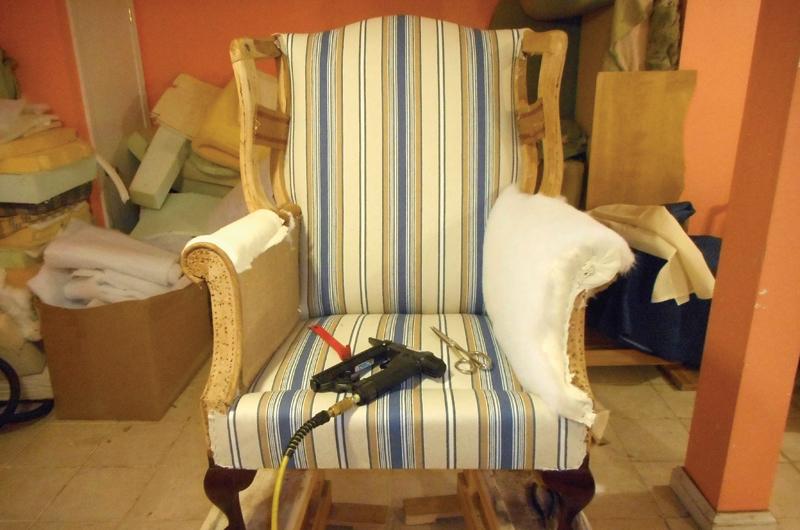
Take This Chair & Stuff It
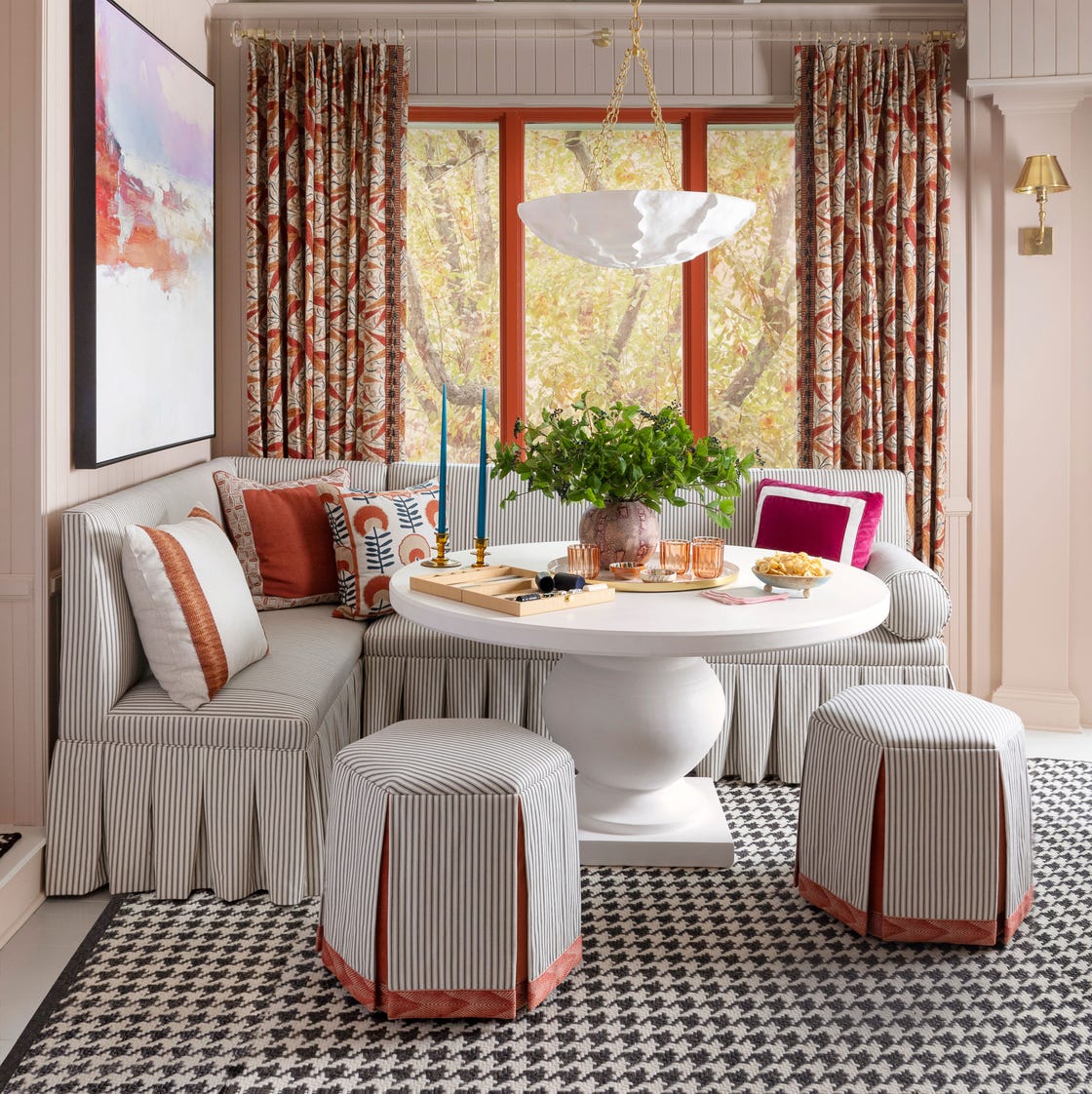
Skirted Furniture Is Really Having a Moment
How to refinish wood furniture - easy ways to totally overhaul your decor

Creative and Impressive Before-and-After Furniture Makeovers
Between Sinuous Shapes and Reassuring Dimensions, New Loveseats Are Closing the Gap

Inside the design shift toward robot vacuum-friendly sofas


Modern furniture was once sold as an alternative to hours of tedious dusting

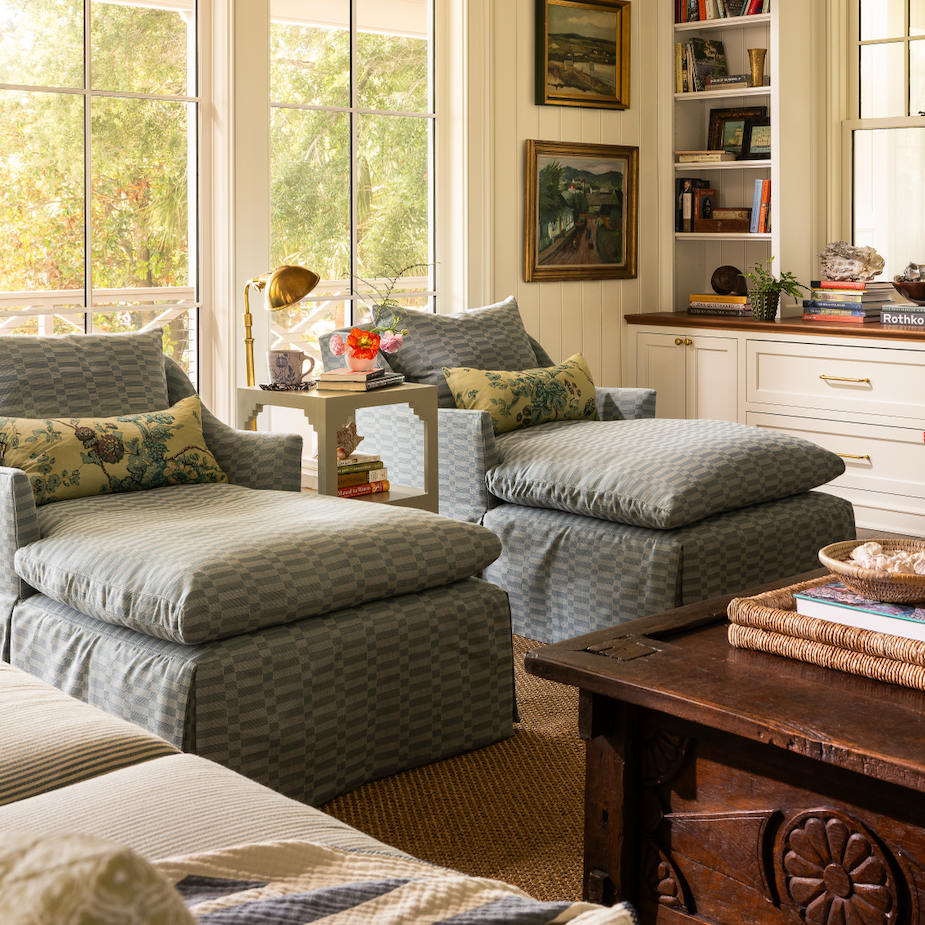
Designers Are Ditching "Boring" Side Chairs for THIS Living Room Seating Arrangement


Make your furniture work for your entertaining needs

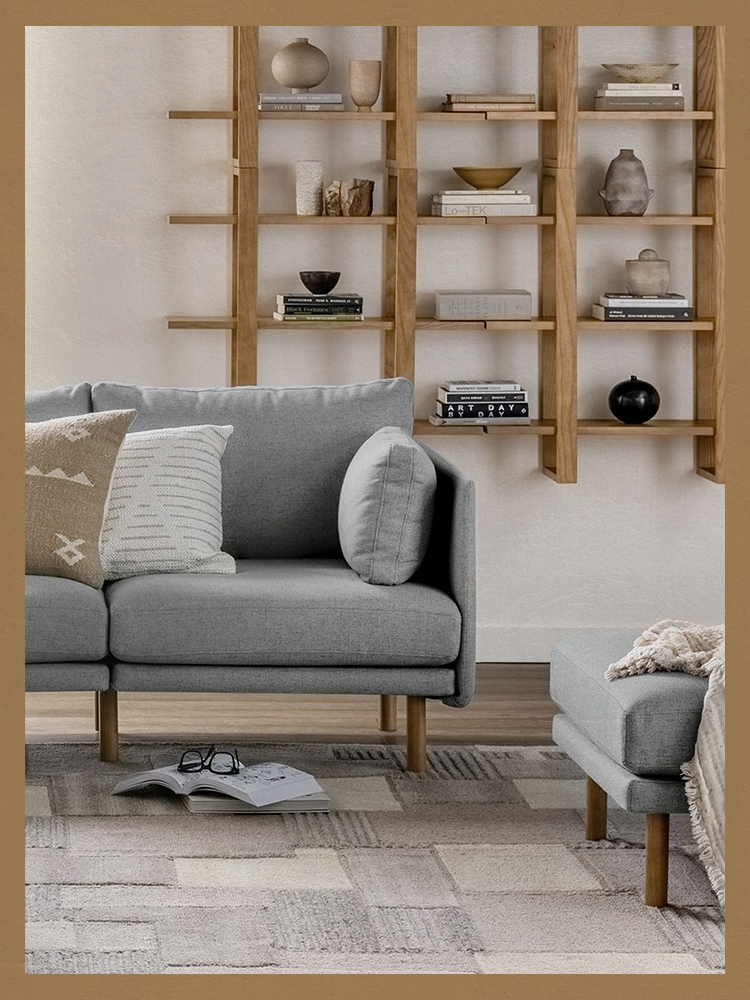
Entry Level Elevated: The Best Affordable Furniture Brands


Franklin and Irving Will Fix or Flip Your Furniture