1/5
Before & After: Watch This Unique DIY Furniture Combo Come to Life
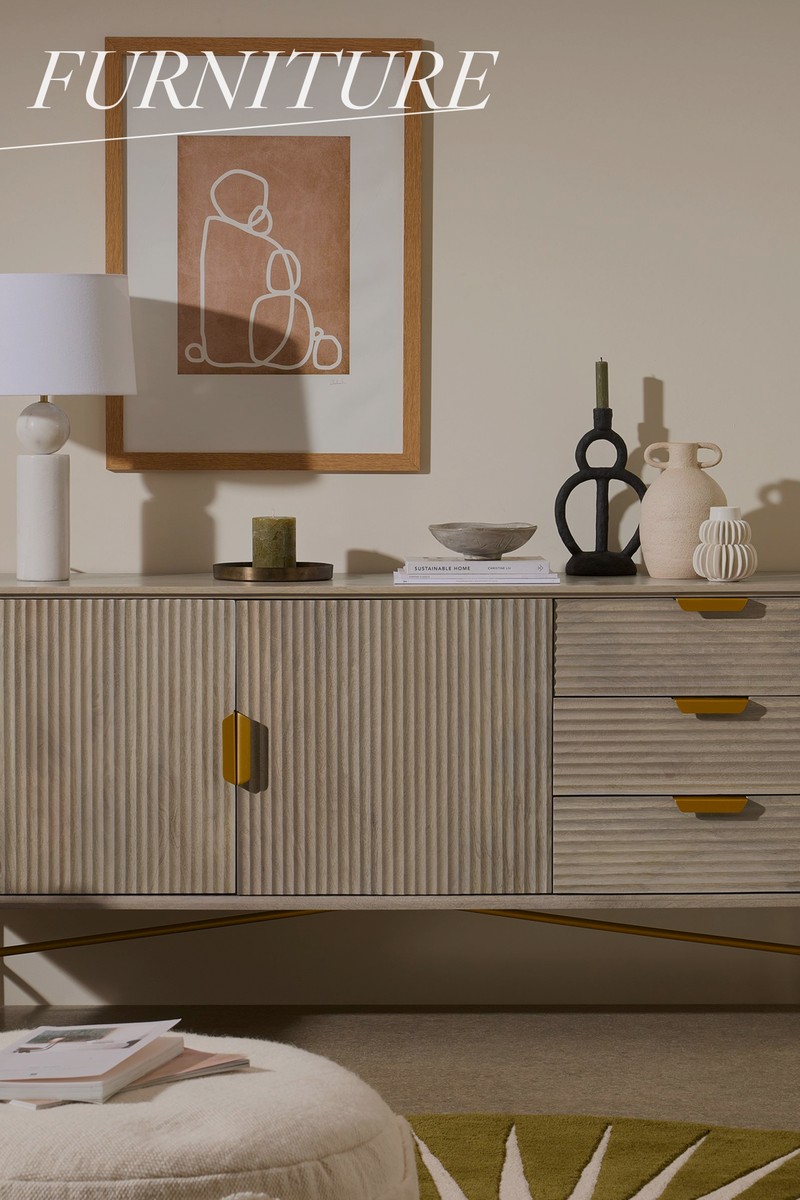
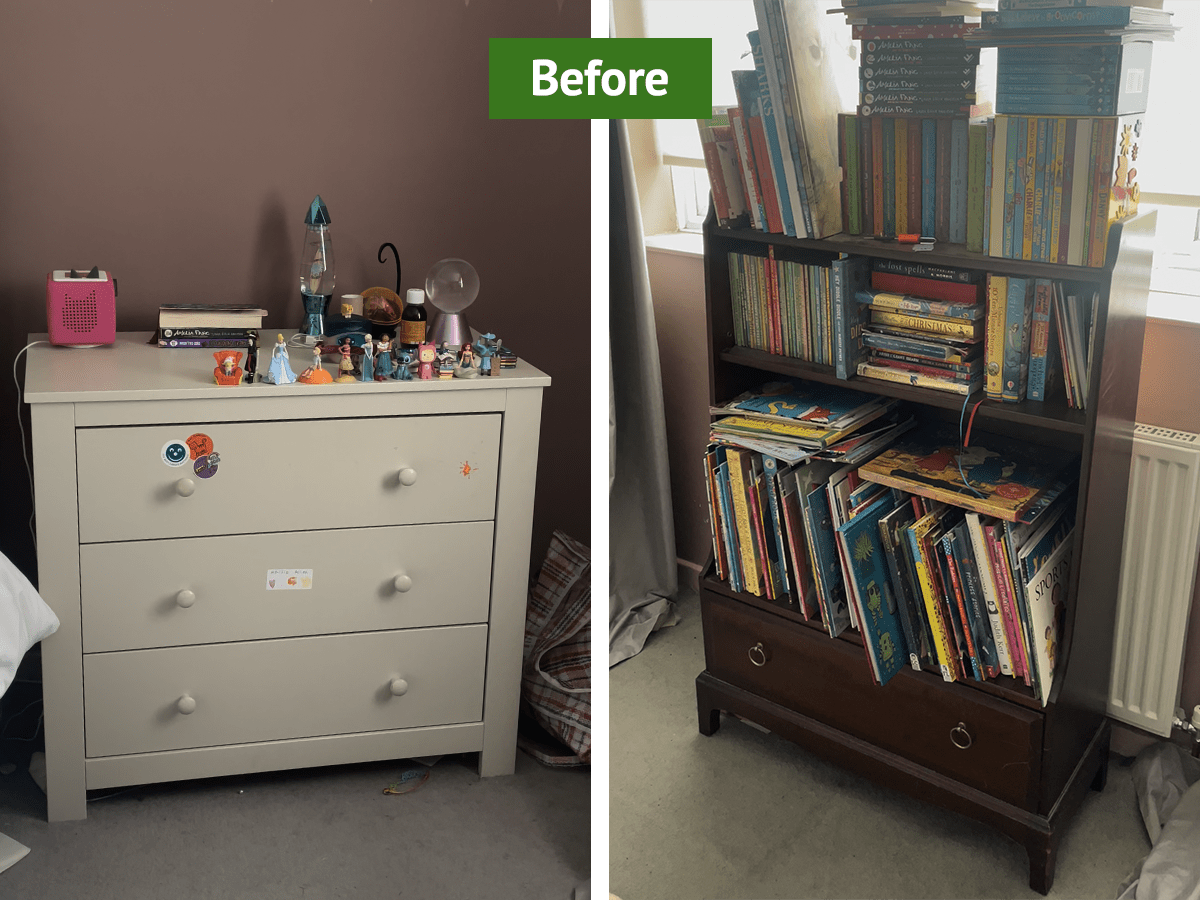
This article highlights a DIY project by interior designer and mom, Dawn Allen, who transformed outgrown nursery furniture into a custom hutch, focusing on eliminating gaps under furniture to prevent clutter accumulation. The project involved combining a changing table dresser and a bookcase into a single, cohesive storage unit. Allen's motivation stemmed from the practical challenge of managing toys and other small items in a home with children, where they tend to gather in hard-to-reach spaces beneath furniture. Despite the fundamental Feng Shui principle of favoring raised furniture for energy flow, the practicalities of a busy family life led to this innovative solution.
The article emphasizes several key DIY and design tips for readers considering similar projects. The first crucial tip is to start with sturdy furniture, preferably solid wood, as it is more amenable to modification such as sanding, painting, staining, and repurposing, compared to flimsier materials like particle board. Allen herself sourced her furniture from her daughter's room and a charity shop, underscoring the potential of good-quality, secondhand pieces. Solid furniture also provides a more stable base for combining multiple items into a single unit, making the project safer and more manageable for most DIY enthusiasts.
Another critical step is meticulous measurement of gaps, particularly when adding trim. Floors and furniture can have inconsistencies due to natural settling and wear and tear. The article suggests using a flat-stock baseboard, which can be scribed to follow floor contours, or employing a layering technique with baseboard and flexible cove shoe molding to accommodate variations in floor level. This precise approach ensures a neat and effective seal against clutter.
The article also encourages resourcefulness by using existing supplies or seeking out off-cuts and leftover paints from hardware stores or friends who have recently renovated. Allen, for instance, utilized wood scraps and tools she already owned from her property refurbishment work, only needing to purchase purple paint for the final aesthetic. This approach not only saves money but also aligns with sustainable practices by repurposing materials.
Creating a cohesive look is presented as essential for the success of such a project. When combining pieces of different colors or styles, like Allen's white dresser and brown bookcase, a unified finish is vital to prevent a mismatched appearance. Sanding and painting the entire combined unit in a single color can effectively blend the different elements, making the transformed furniture appear as one intentional piece. The article suggests that while a single color is effective, highlighting trim or door fronts with complementary or contrasting colors can also achieve a cohesive and aesthetically pleasing result, provided consistency is maintained throughout.
Finally, the article advises against rushing the DIY process. While Allen completed her project in three days between school runs, she noted that rushing led to imperfections in finishing. It highlights that while a DIYer might notice minor flaws, the overall success of a completed project is what others perceive. The article concludes by noting the satisfaction derived from such projects, exemplified by Allen's daughter's happiness with the new hutch and her request for a similar transformation for her desk, reinforcing the rewarding nature of thoughtful DIY efforts.
#DIY #FurnitureUpcycling #InteriorDesign #NurseryFurniture #HomeRenovation #BudgetDIY #StorageSolutions #FamilyHome #RepurposedFurniture #DIY #FurnitureUpcycling #InteriorDesign #NurseryFurniture #HomeRenovation #BudgetDIY #StorageSolutions #FamilyHome #RepurposedFurniture
0 comment in total
 No comments yet
You may also like
Design School Case Study: Sample Room Layouts for Ashley’s Living Room
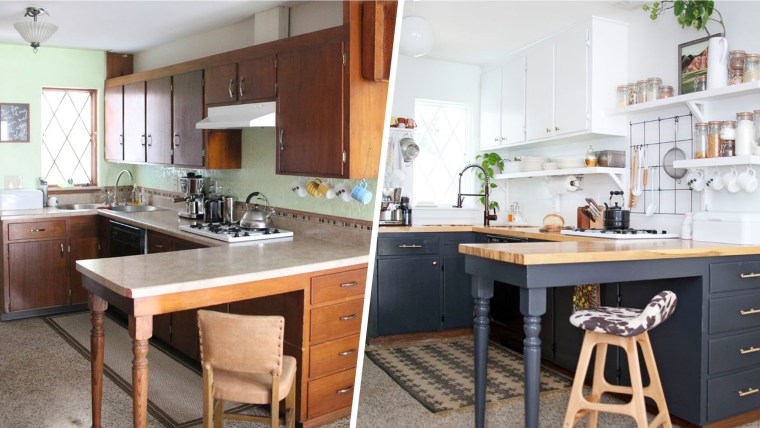
See how a new paint color and DIY updates made this kitchen look brand new

We’re Calling It: These Are the Best Online Home Decor Brands Around

Getting Real About Replica And Lookalike Furniture

Made.com Is Back & Better Than Ever
12 Before-And-After Home Renovation Photos That Will Either Make You Angry Or Envious

How to Mix Modern and Antique Furniture

How to refinish wood furniture - easy ways to totally overhaul your decor

See How a DIY-Loving Couple Transformed Their Bedroom, Bathroom, and Laundry Room
Ready-to-assemble furniture getting a PR makeover after improving quality and ease of set-up


21 Family Room Decorating Ideas, Ranging from a Quick Refresh to a Total Overhaul


To Flip or Not to Flip: Have Antique Furniture Revamps Gone Too Far?
Creative and Impressive Before-and-After Furniture Makeovers
How 1 Blogger Turned Her Husband's Childhood Home Into a Chic Oasis
RH’s latest sourcebook, new looks from Cambria, Pindler, Clé Tile and more
Ditching the Linen Closet Gained This Home a Showstopping Reading Nook

You’d Never Guess This Psychedelic Library Used to Be a Hallway

Stillmade Debuts the Collaborative Series With Four Artists + Designers
I Had My Living Room Designed From Scratch During Quarantine
Once you see this fairly easy display-cabinet makeover, your plain one will never seem the same