1/16
Inside the design shift toward robot vacuum-friendly sofas
The increasing integration of technology into daily life, particularly robot vacuums, is influencing modern furniture design. While robot vacuums offer convenience in floor cleaning, they often encounter obstacles like sofas, cords, and stairs. This challenge has prompted some furniture brands to reconsider their design approach, moving beyond aesthetics to incorporate functionality that accommodates these devices.
Leah Howatson, VP Marketing at Castlery, notes that robot vacuums have become a significant factor in sofa design. Customers are now prioritizing furniture that allows their robot vacuums to clean effectively underneath. This shift is evidenced by numerous online discussions and even individuals modifying their existing furniture to create adequate clearance for their vacuums.
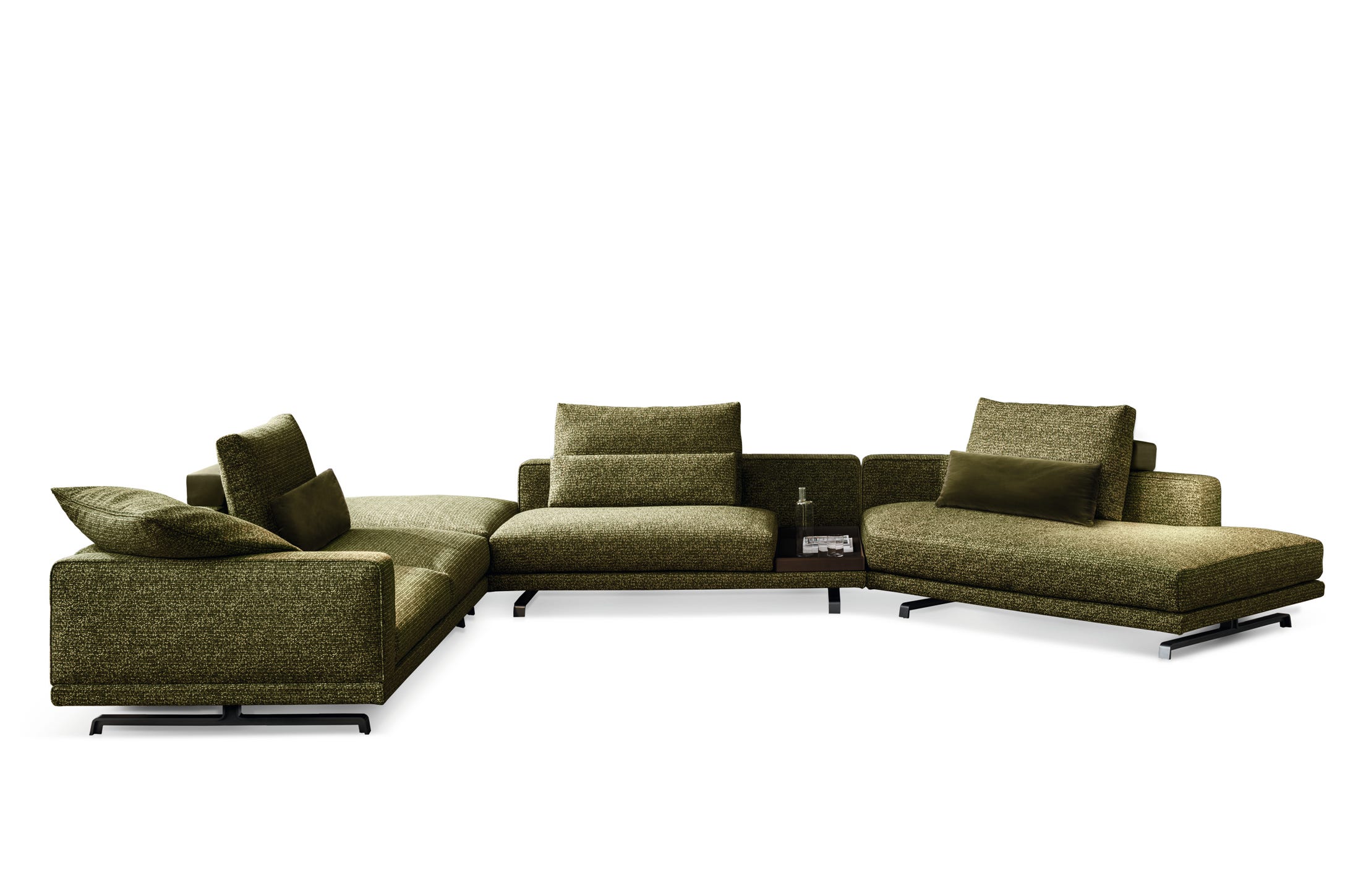
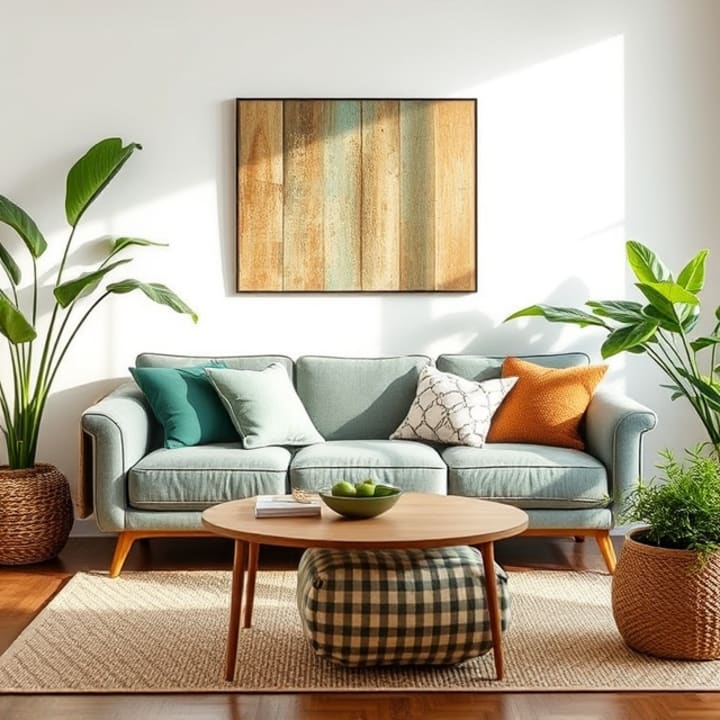
Historically, design elements like raised legs and open bases were primarily driven by aesthetic trends, such as mid-century modern design. However, these features are now being intentionally designed with functionality in mind. Furniture manufacturers are focusing on leg height, spacing, and placement during the initial design stages to ensure compatibility with robot vacuums. This change reflects a broader evolution in customer expectations, where furniture is expected to solve everyday problems in addition to being visually appealing.
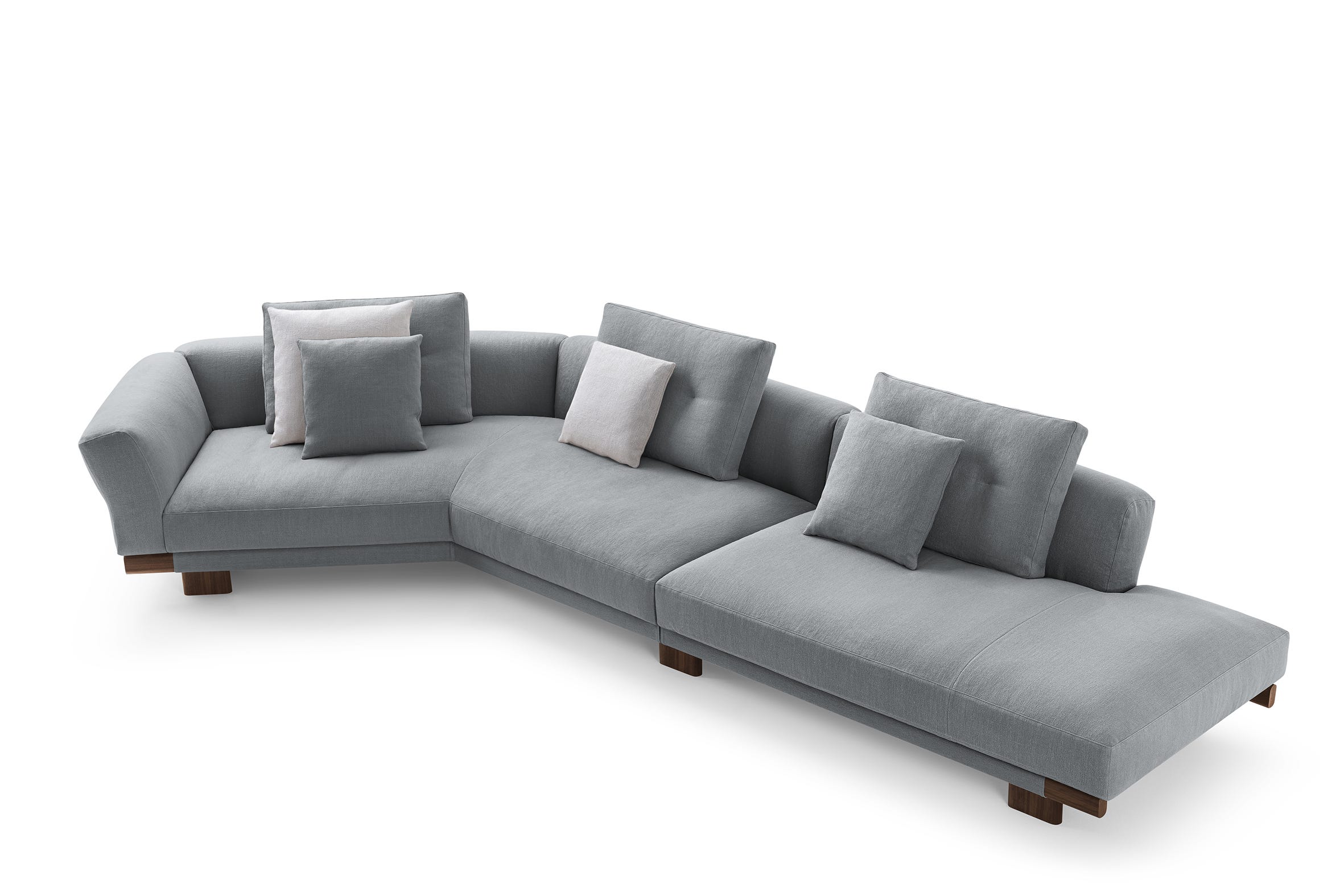
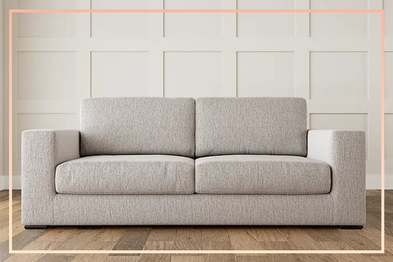
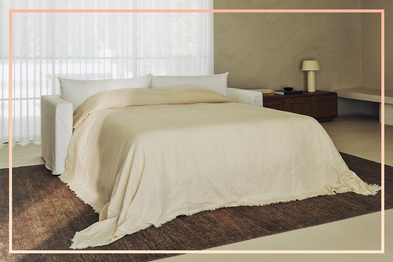
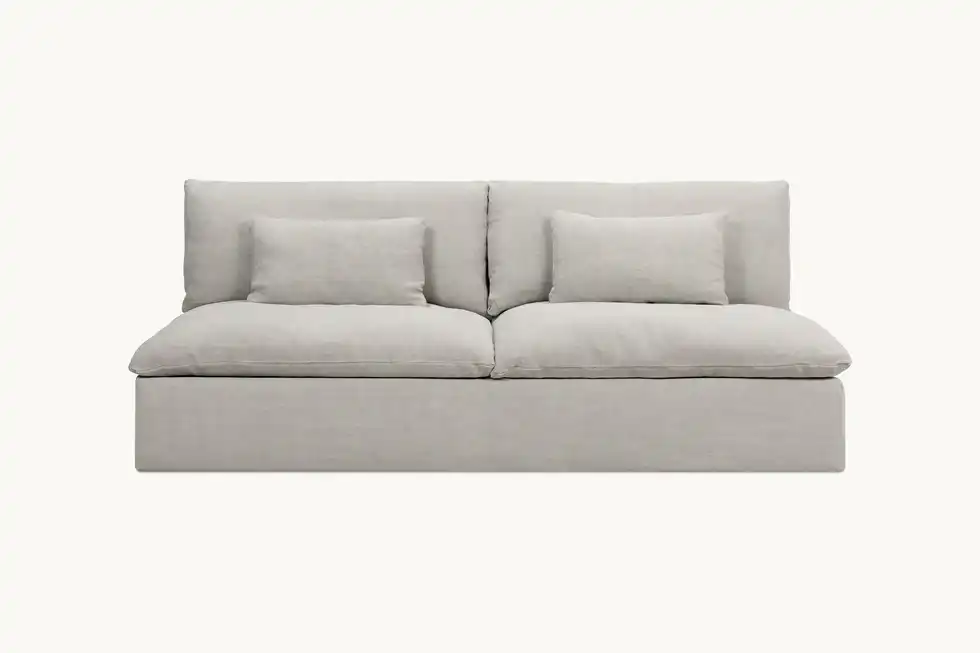
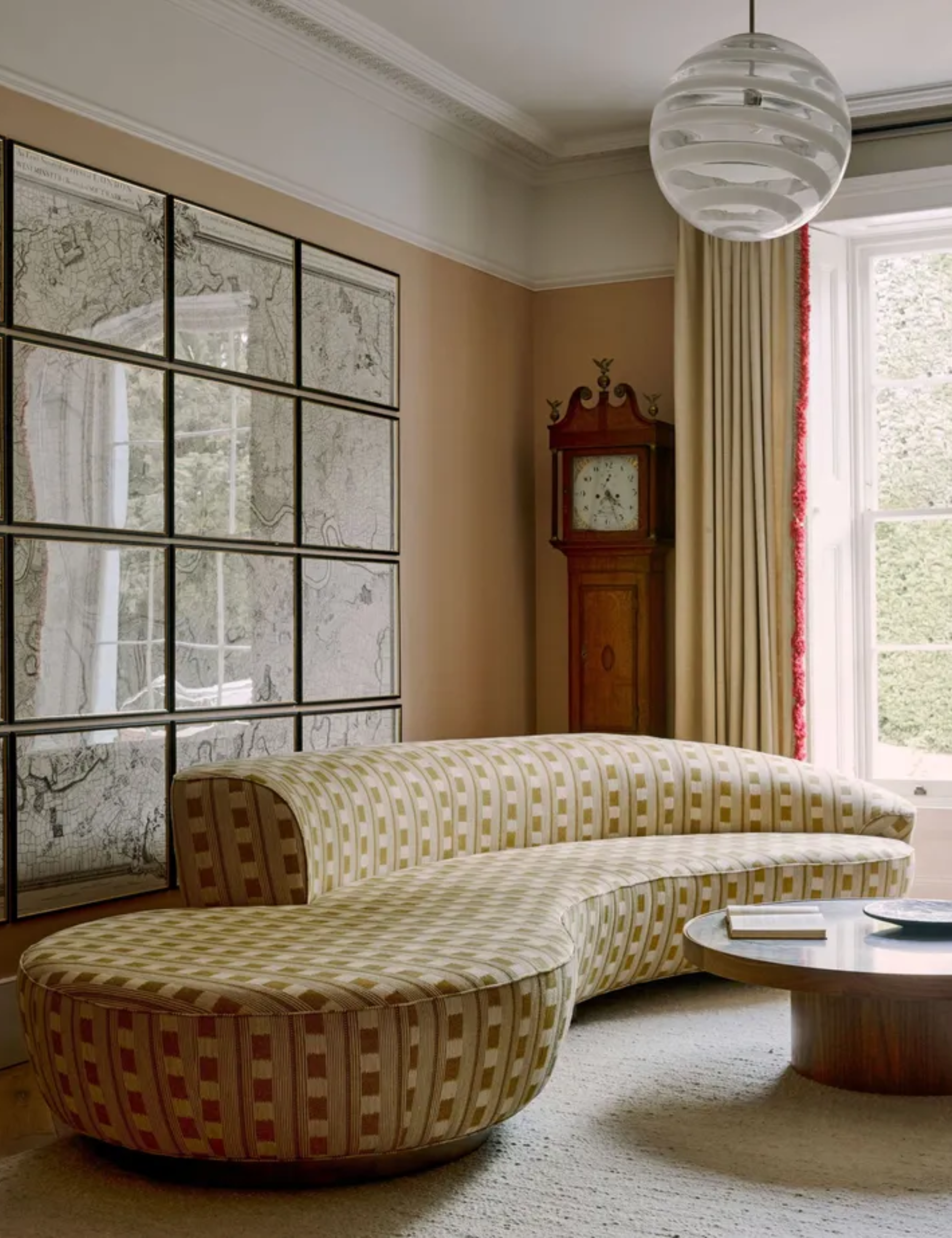
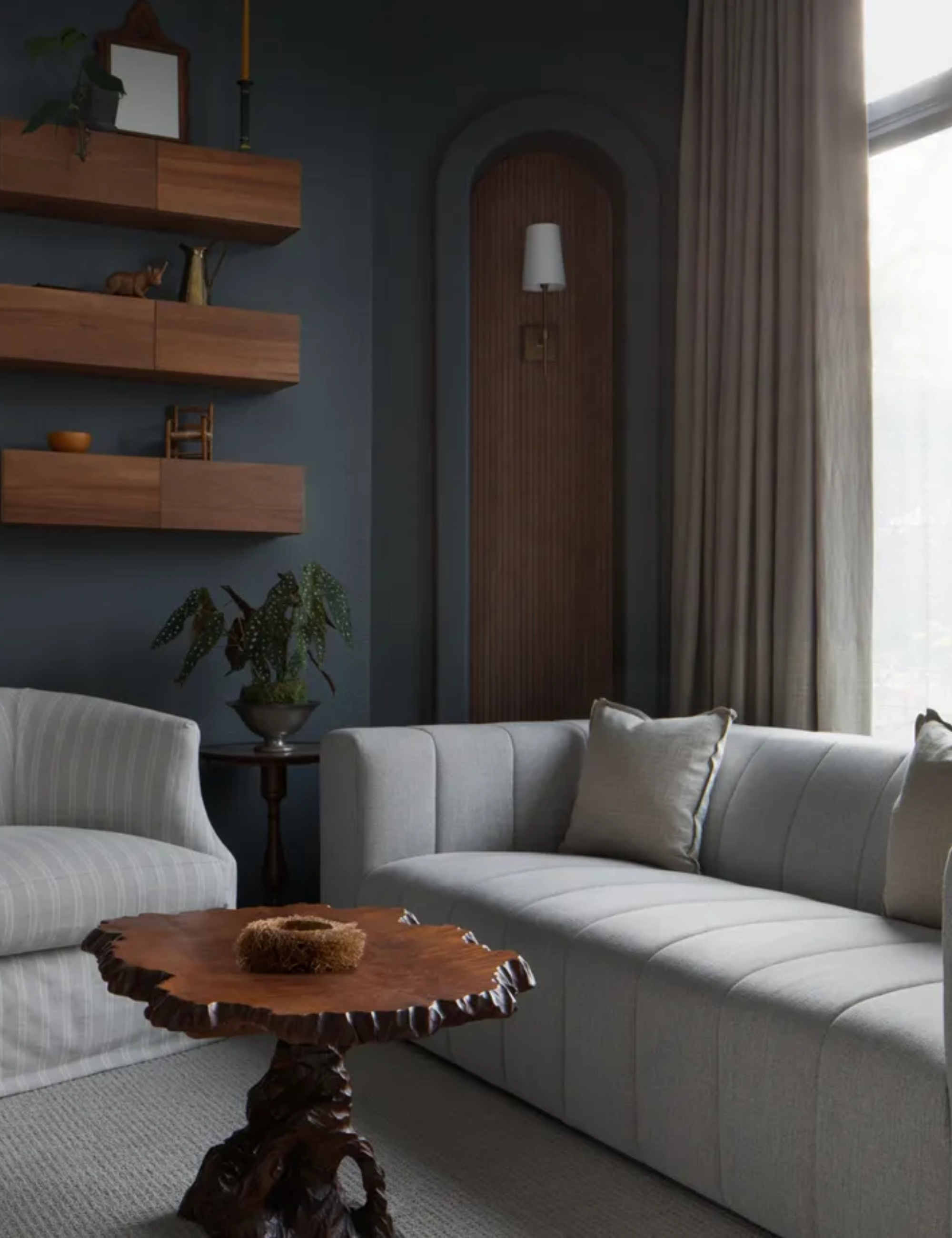
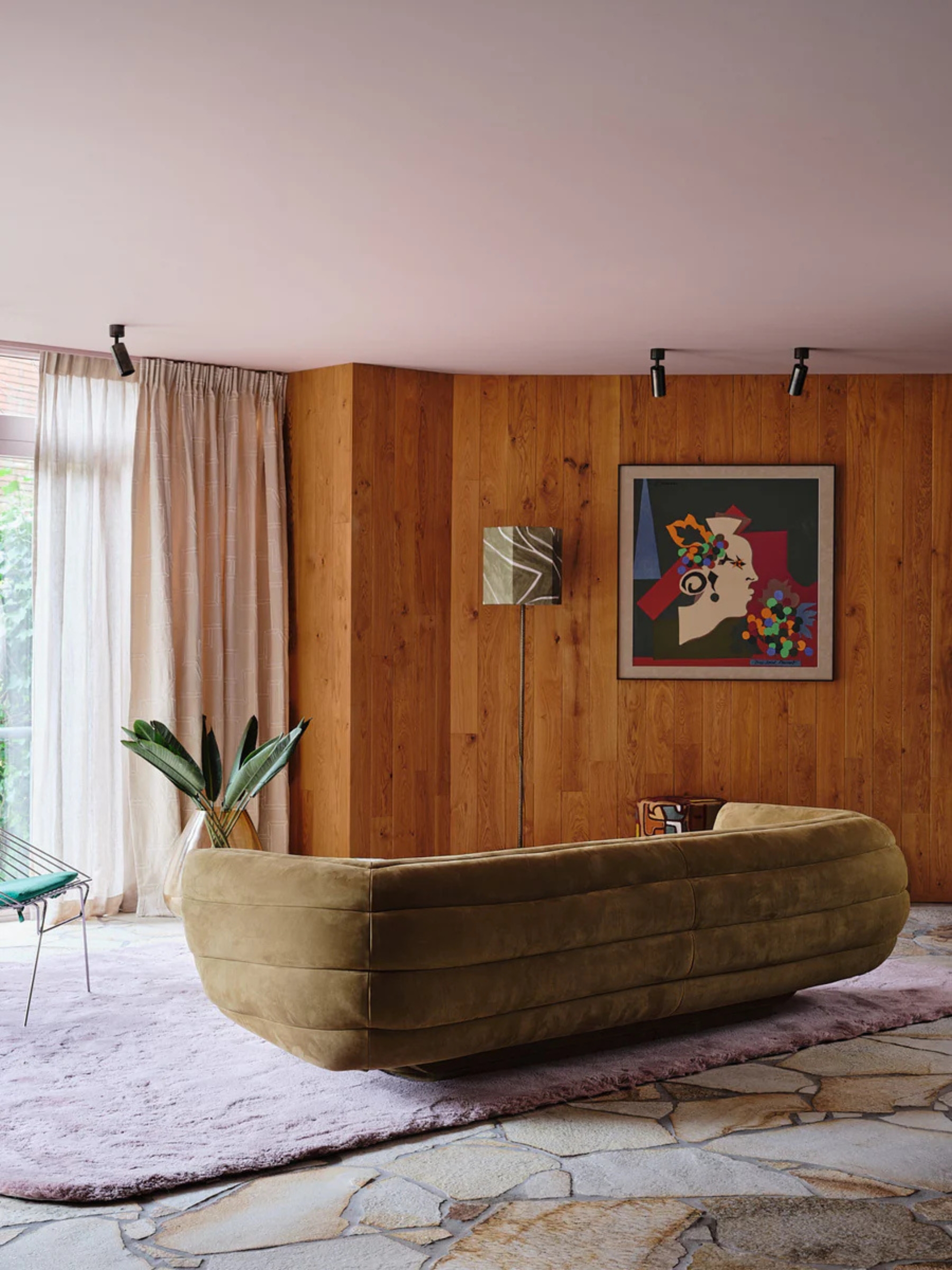
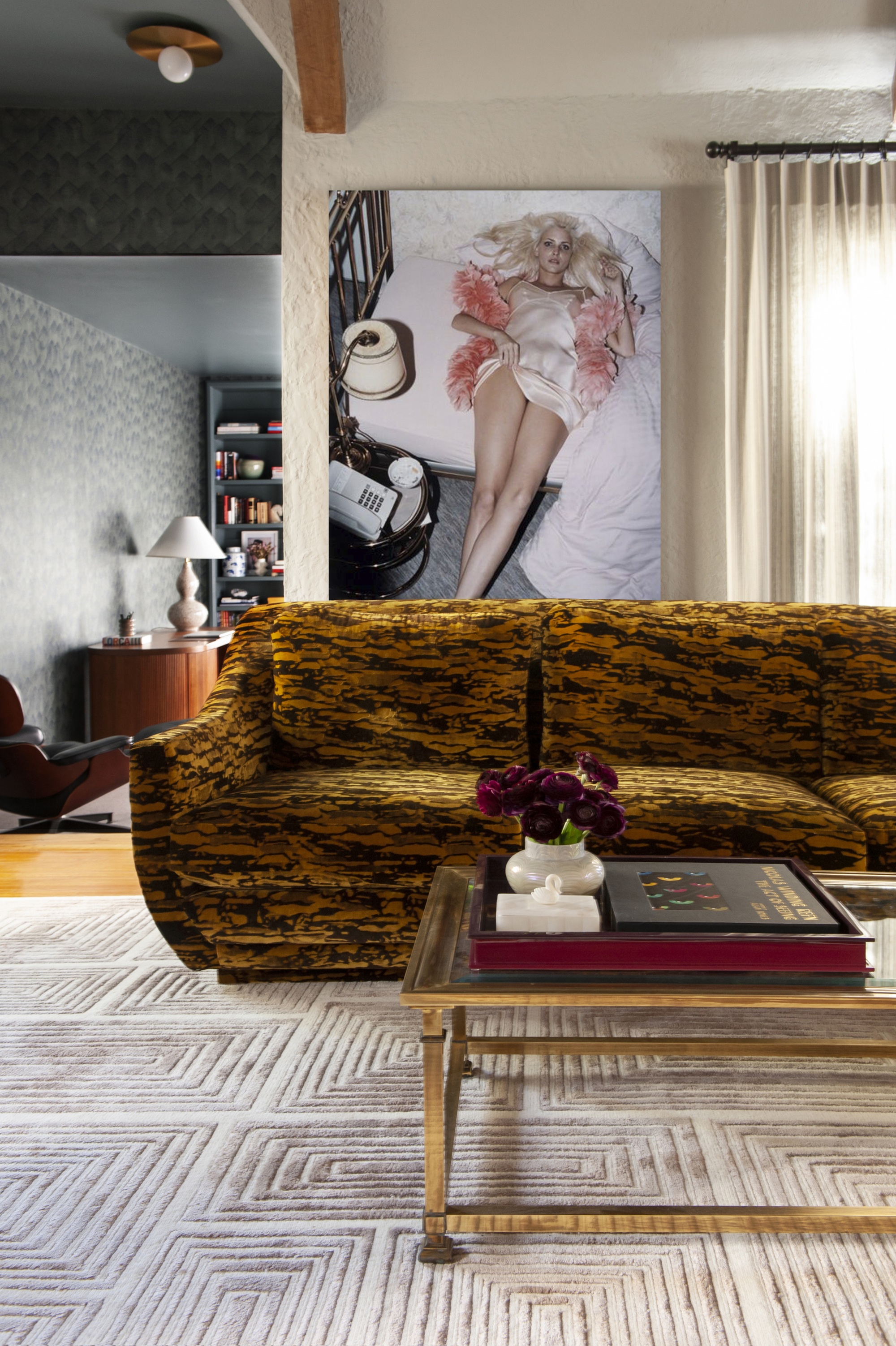
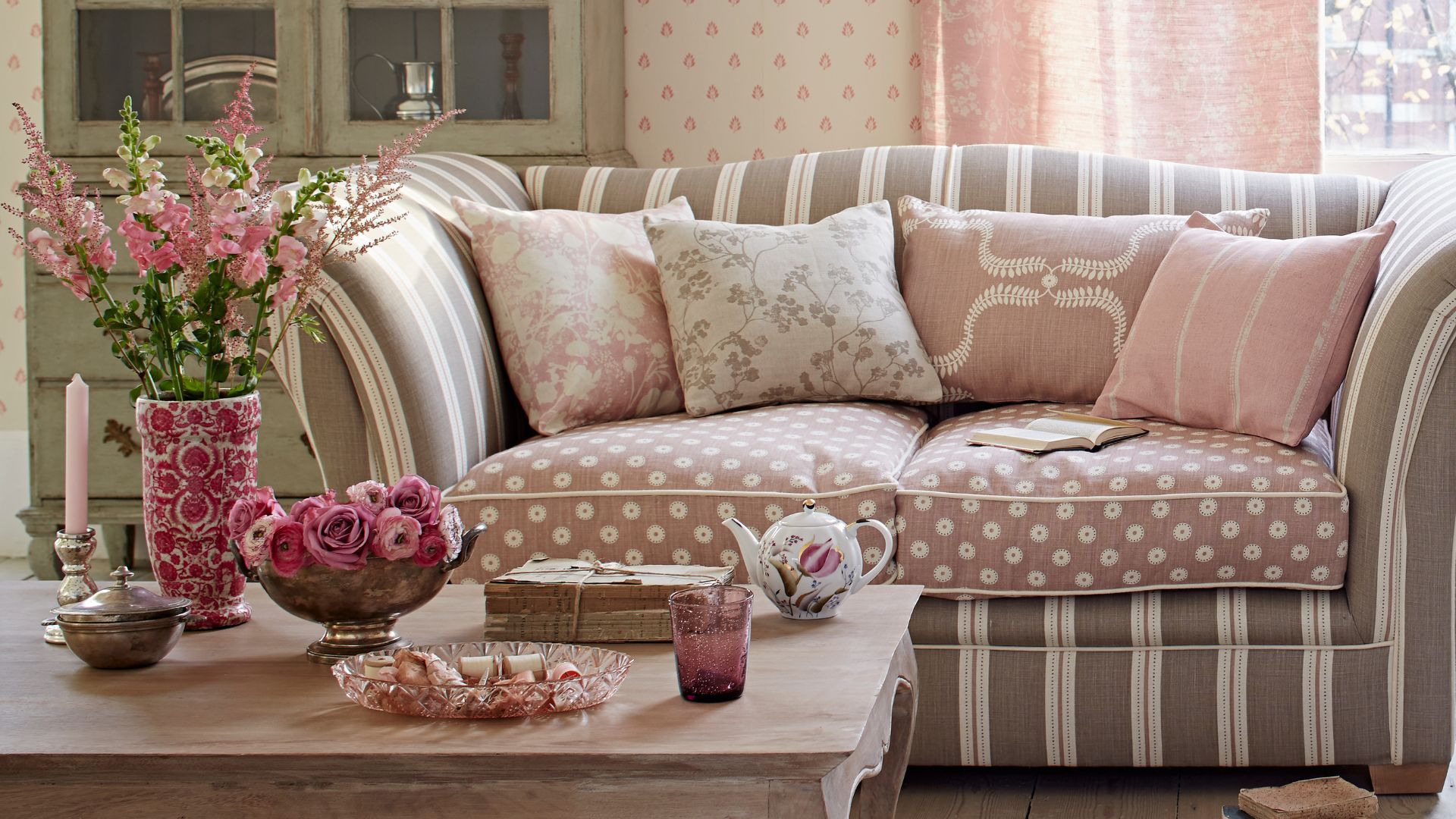
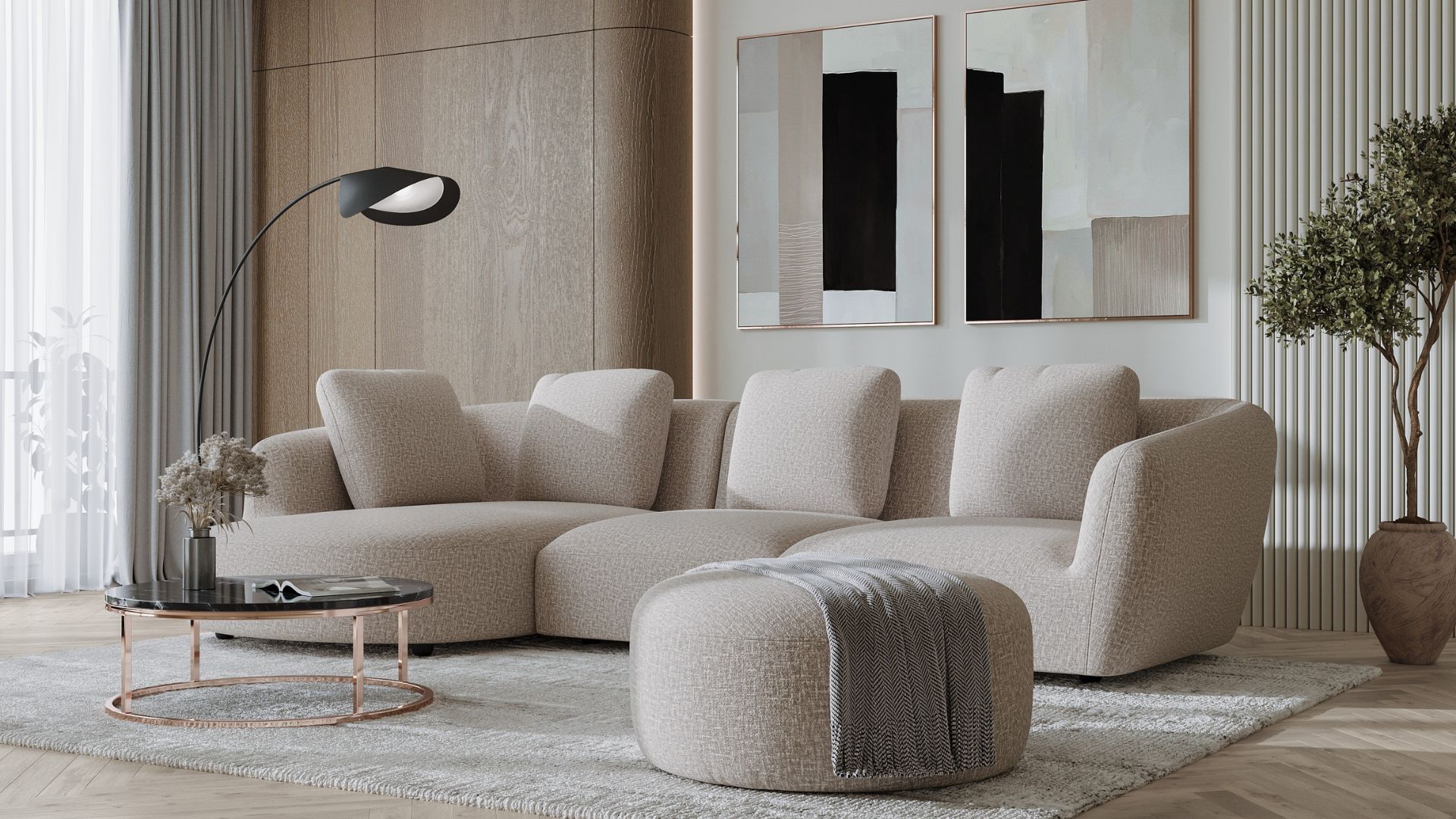
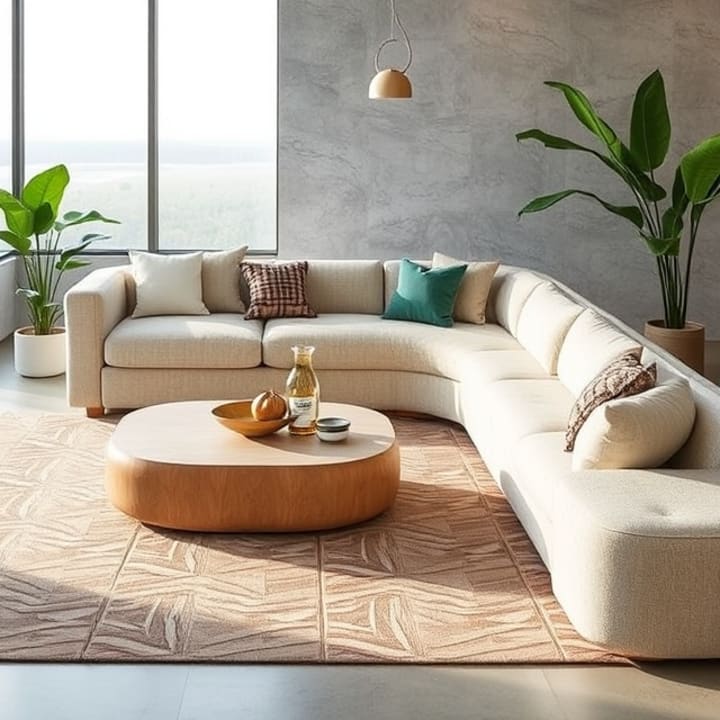
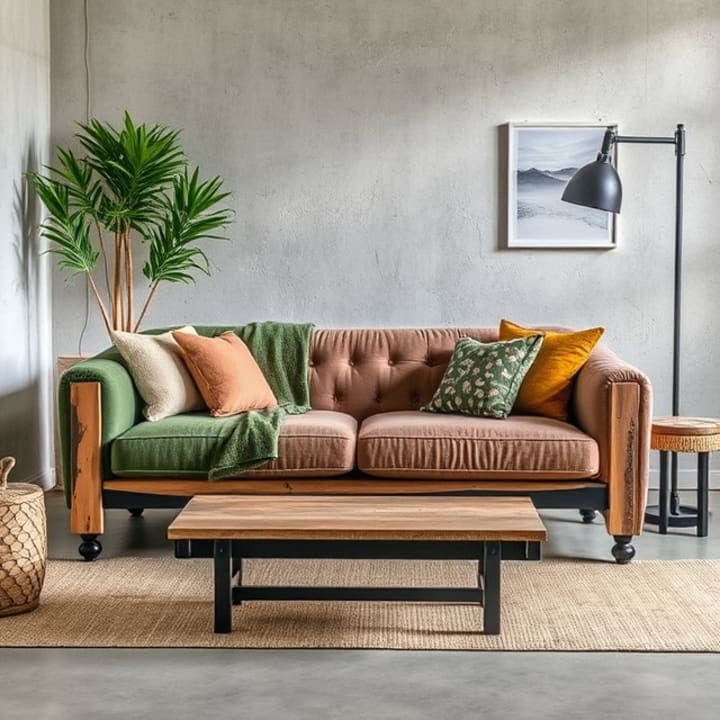
The article highlights several sofas that are well-suited for homes with robot vacuums, categorizing them by features such as low-profile design, sectional options, sofa beds, designer pieces, choices for small homes, and affordable selections. Each recommended sofa, such as the Harrowe 3.5-Seater Fabric Sofa from Freedom, the Isaac Reversible Sectional Sofa from Castlery, the Eva Slideaway Sofa Bed, the Trace 3-Seater Sofa from Trit House, the Suffolk 2.5-Seater Sofa from Koala, and the Cleo 3-Seater Fabric Sofa from Freedom, features leg heights that allow robot vacuums to pass underneath effortlessly, typically ranging from 16.5cm to 17cm, exceeding the usual robot vacuum height of 7cm to 10cm.
Key considerations for purchasing technology-friendly sofas include checking the clearance height to ensure at least 1-1.5 centimeters of additional space for smooth operation, evaluating the base and leg design (with four raised legs generally offering better access than solid bases), and considering the overall room layout to maintain clear pathways for efficient cleaning. While most premium robot vacuums are designed with sensors to avoid damage, keeping small items and cables off the floor is recommended for optimal performance. Robot vacuums typically require a clearance of 9–10.5 cm, with slim models needing 6–8 cm. For effective under-furniture cleaning, it's advised to measure the lowest point of the furniture and select a vacuum that is at least 1 cm shorter than this height. Advanced robot vacuums often come with mapping technology to create virtual no-go zones, preventing them from accessing specific areas if desired.
#RobotVacuumFriendly #SofaDesign #HomeTechnology #FurnitureInnovation #ModernLiving #InteriorDecor #SmartHome #CleaningEfficiency #FunctionalFurniture #RobotVacuumFriendly #SofaDesign #HomeTechnology #FurnitureInnovation #ModernLiving #InteriorDecor #SmartHome #CleaningEfficiency #FunctionalFurniture
0 comment in total
 No comments yet
You may also like
The coolest in high-tech furniture

This Convenient Couch Trend Is Making a Comeback

Between Sinuous Shapes and Reassuring Dimensions, New Loveseats Are Closing the Gap

Design Forward: 7 Cutting-Edge Modular Furniture Trends of 2024

The Latest Design Sofas of 2020
5 Sofa Trends Set to Define 2026 – And Why Designers Say They’re 'The Epicenter of Your Home'

designer hanne willmann details the expanded freifrau nana collection
Bedroom furniture for clients keen to maximise every inch of space
How Can We Double the Living Space in Our Homes? BEYOME: The Flexible and Modular System with Robotic Furniture

multifunctional furniture ‘DICE’ is a wooden stool, coffee table, leg bench and lamp at once
The Anabei Sofa Claims to Be ‘The Only Washable Sofa — Inside and Out.’ Only, It Isn’t. | Reviews by Wirecutter

2025 Sofa Trends: Eco-Friendly Styles for a Sustainable Future
vitale designs reconfigurable two BE sofa for KOO international
10 of the Biggest Sofa Trends for 2025 — These Are the Couches You'll See in the Coolest Homes This Year

The biggest sofa trends of 2025: 8 designs to elevate style and comfort

'I didn't know I could have this in a small space!' This new furniture trend makes the most of even the tiniest homes
Quality sofa beds that don't look like sofa beds

Sofa piping is getting a micro update with a big impact

10 ways to design a home office into your living room (and still switch off at the end of the day)
6 Places You Should (and Shouldn’t) Store Your Roomba