1/13
12 Once-Popular Kitchen Trends That Won't Be Coming Back Anytime Soon
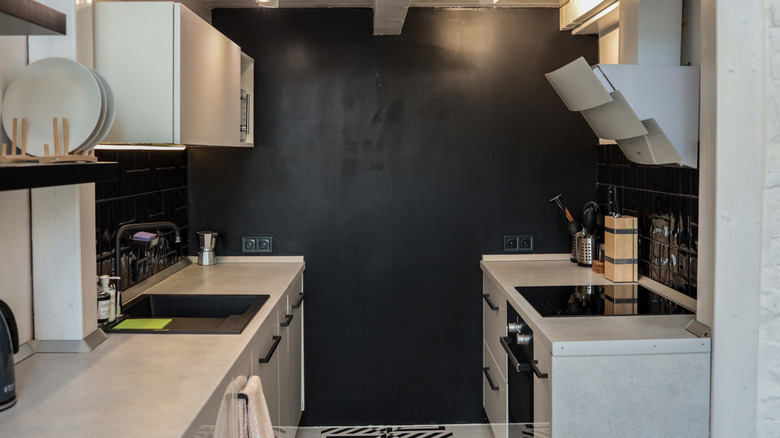
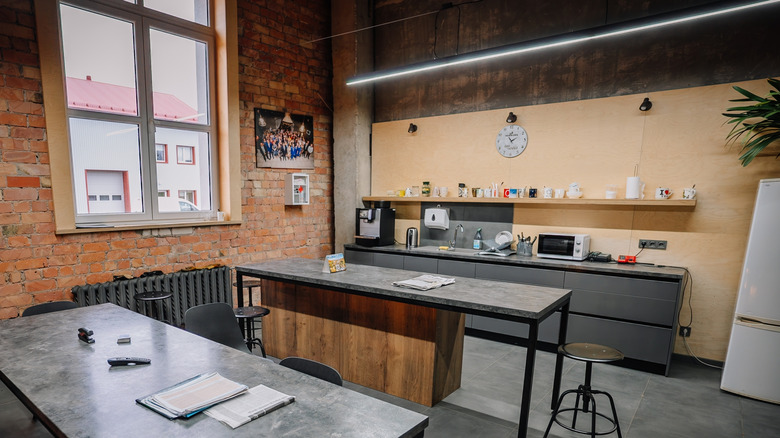
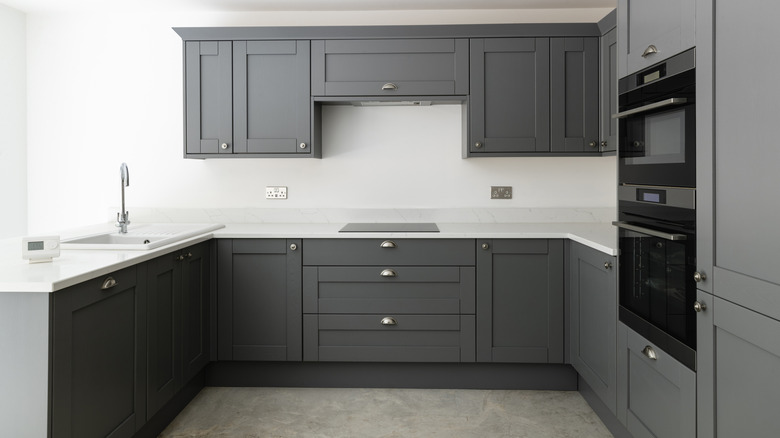
Interior design trends, like all fads, are cyclical, with some vintage kitchen elements experiencing a resurgence while others are firmly relegated to the past. Historically, kitchen trends have spanned from the purely functional to the eccentric. Examples of outdated styles include busy patterned Formica countertops, intricate mosaic tile backsplashes, and jarring color combinations. Other design choices that have lost favor include over-range appliances, closed-off kitchen layouts, and overhead pot racks. These past trends generally share the characteristic of being unlikely to see a major comeback in contemporary kitchen design. However, an existing kitchen incorporating these older styles does not necessitate a complete overhaul; a simple update such as painting natural hardwood shaker cabinets or applying a darker stain can refresh the space. Furthermore, the subjective nature of interior design means that personal preferences can often override prevailing trends.
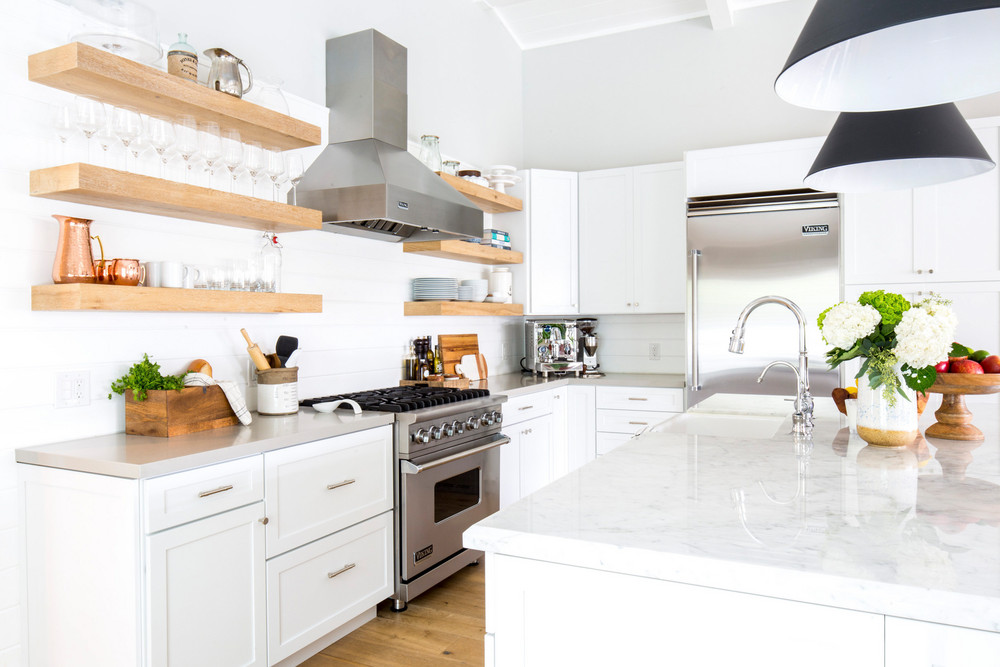
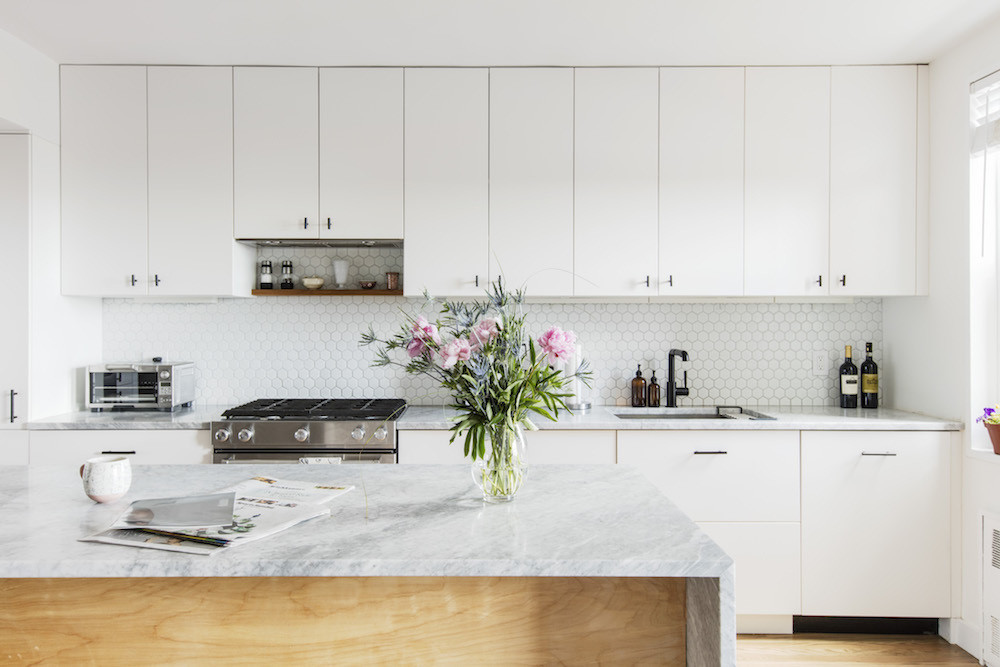
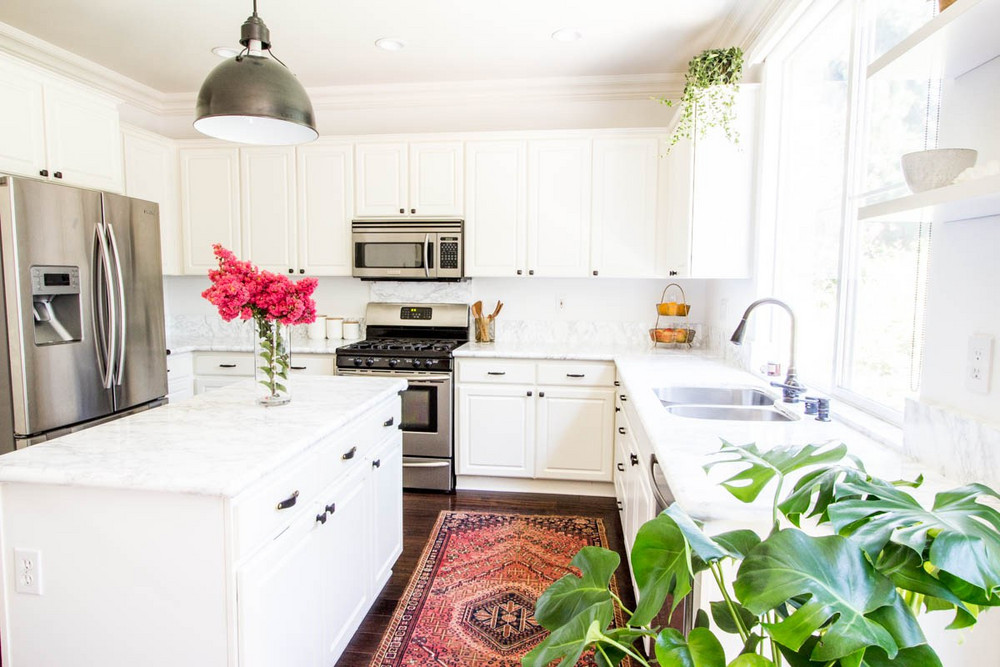
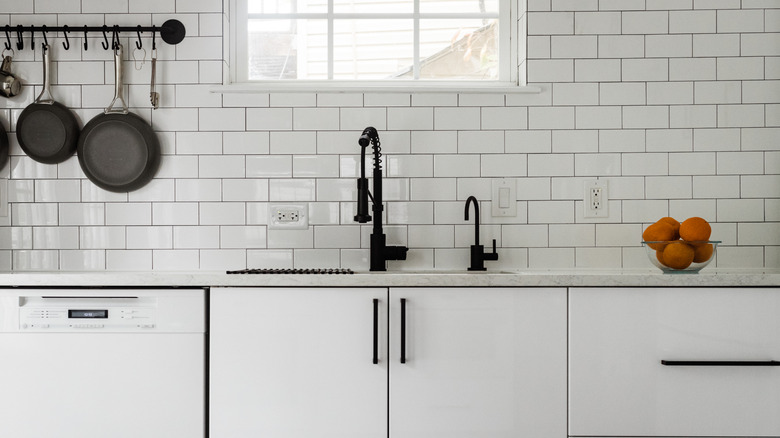
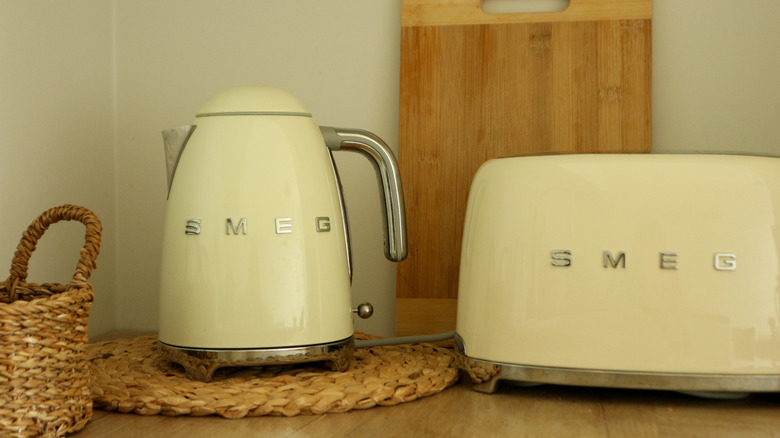
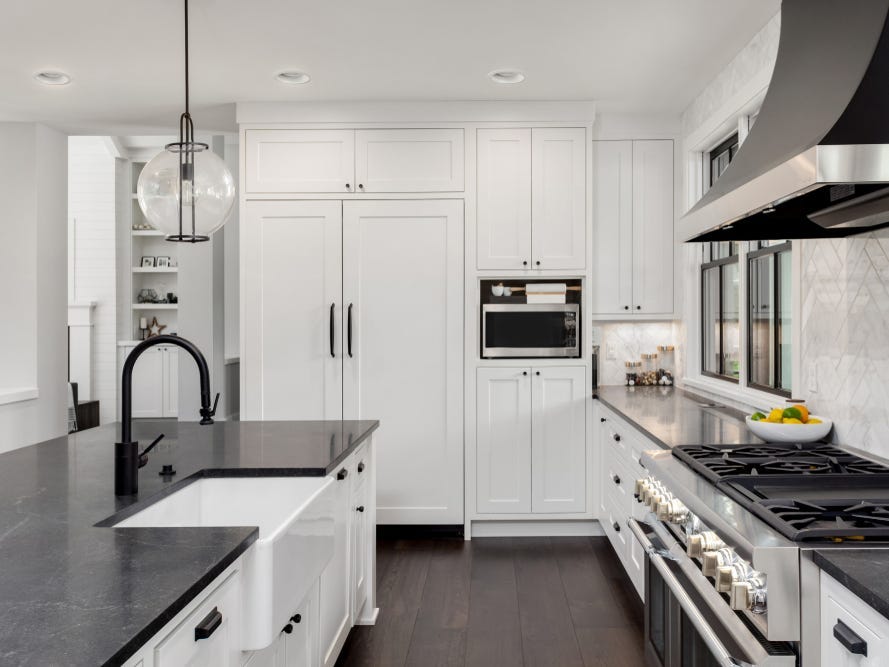
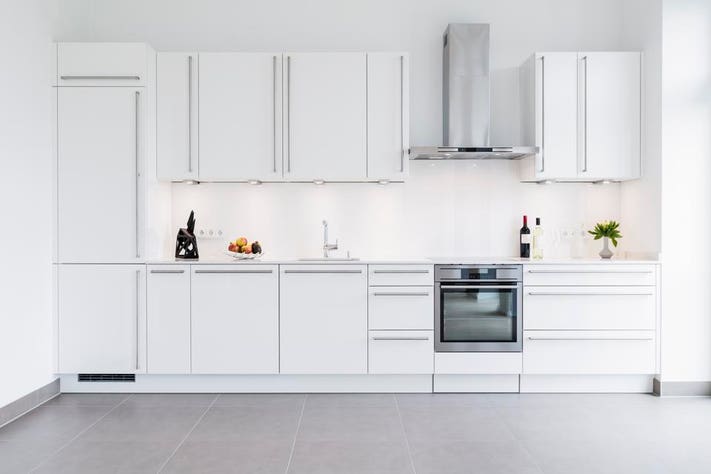
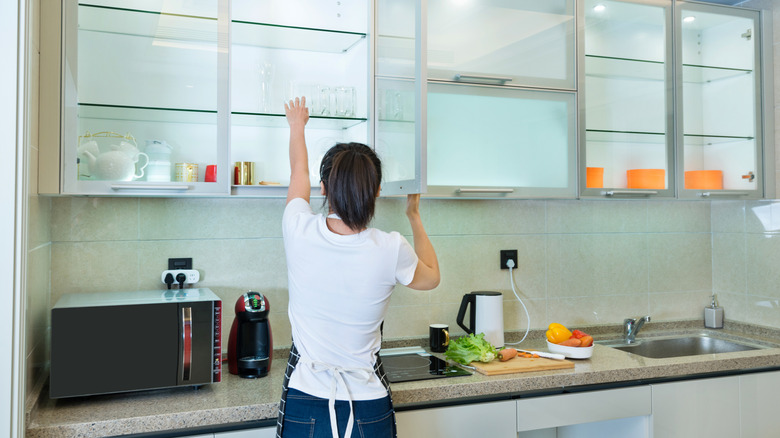
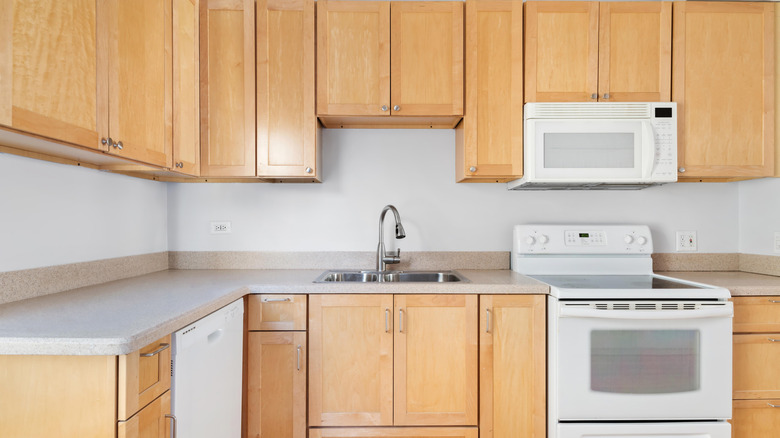
One trend that has significantly declined in popularity is the all-white kitchen. While white remains a common choice for its perceived timelessness and cleanliness, a kitchen entirely composed of white elements, including countertops, floors, and appliances, is now considered out of style. This monochromatic approach can be visually overwhelming, particularly in well-lit areas, and is impractical due to its tendency to highlight every stain and fingerprint. White appliances, in particular, are strongly associated with 1980s aesthetics and are a clear indicator of a dated kitchen. Natural wood shaker cabinets, especially those with a honey-colored oak finish popular in the 1980s and 1990s, are another feature often found in older homes. While the shaker style remains current, the natural wood finish is being phased out in favor of painted or stained alternatives.
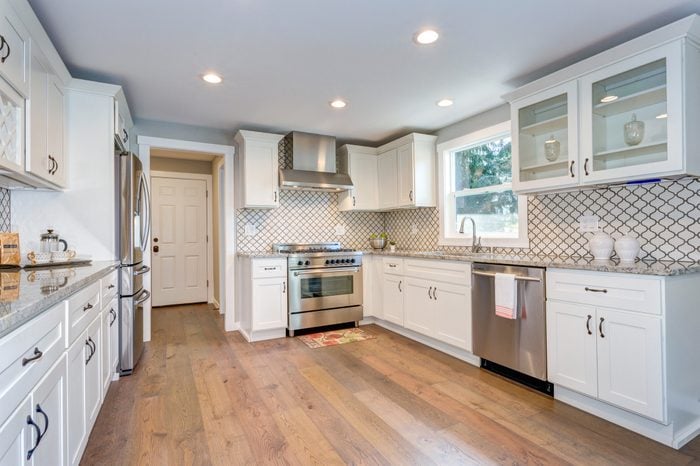
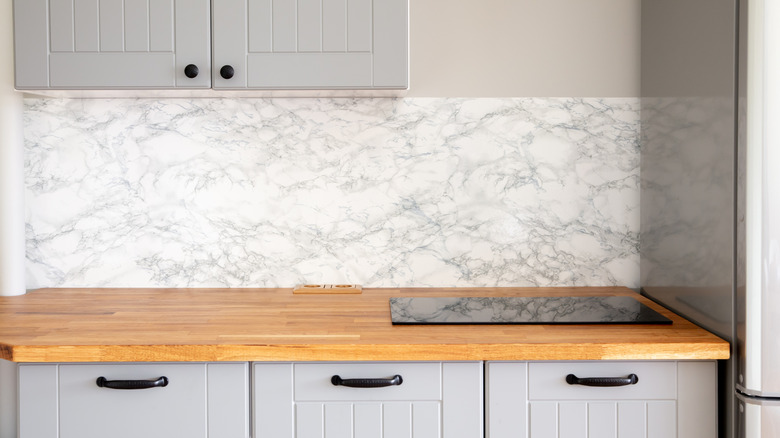
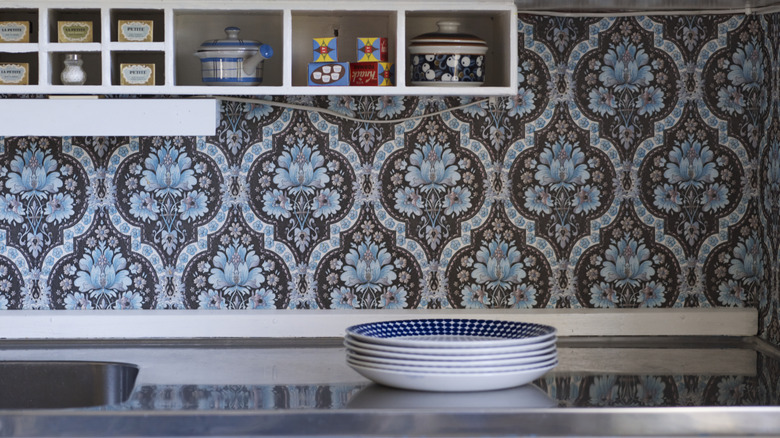
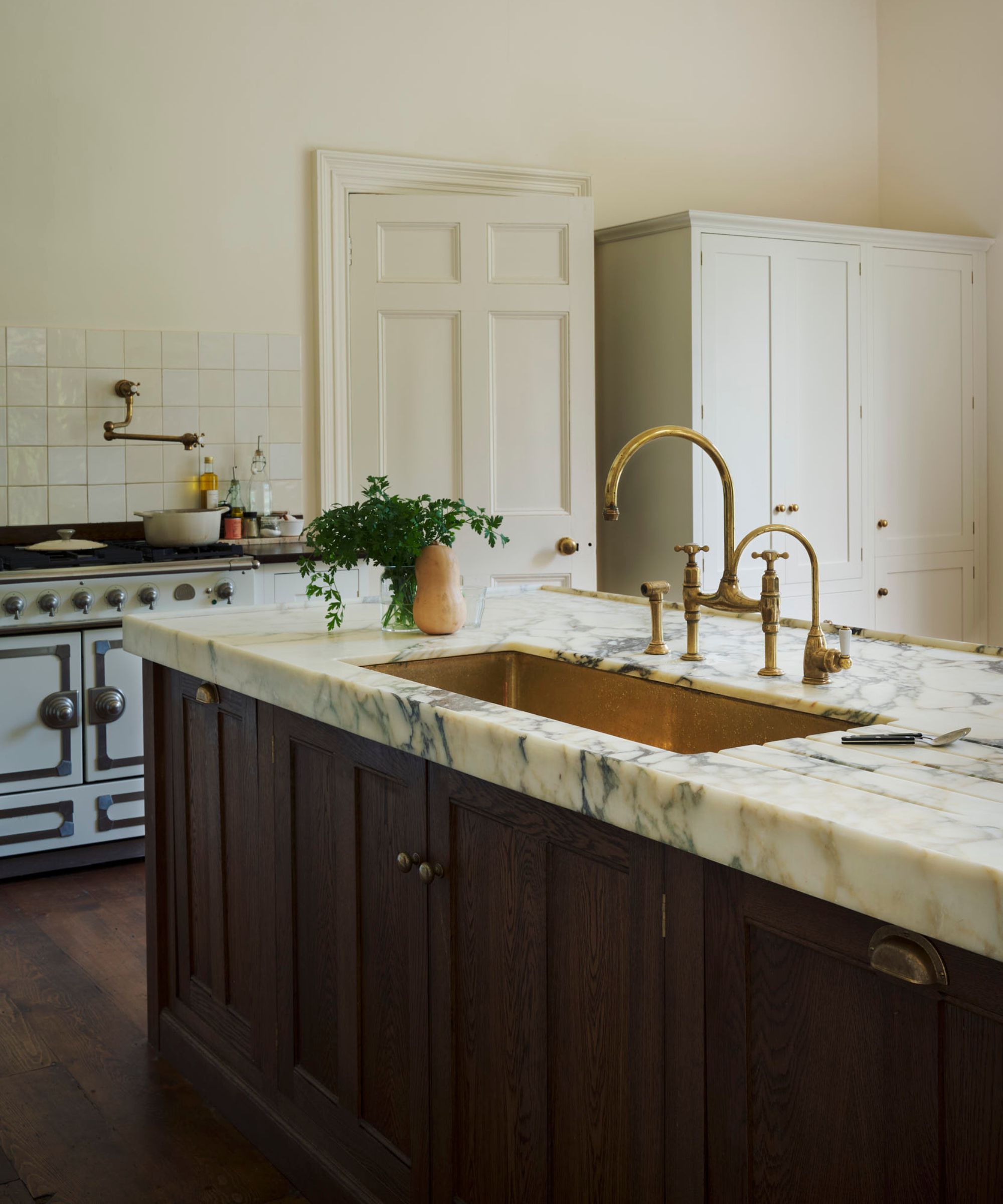
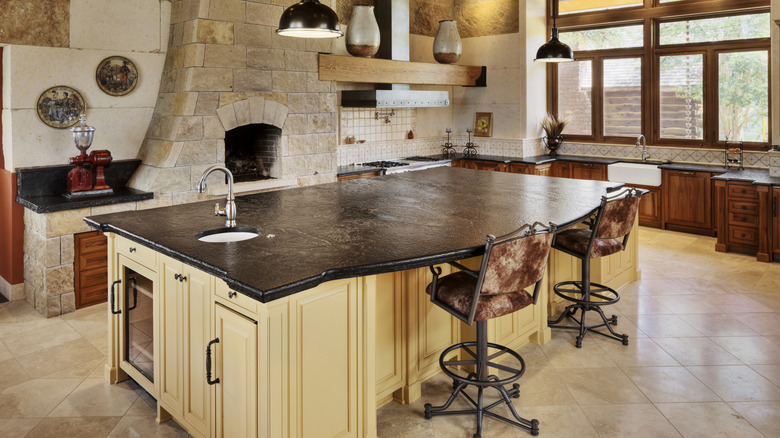
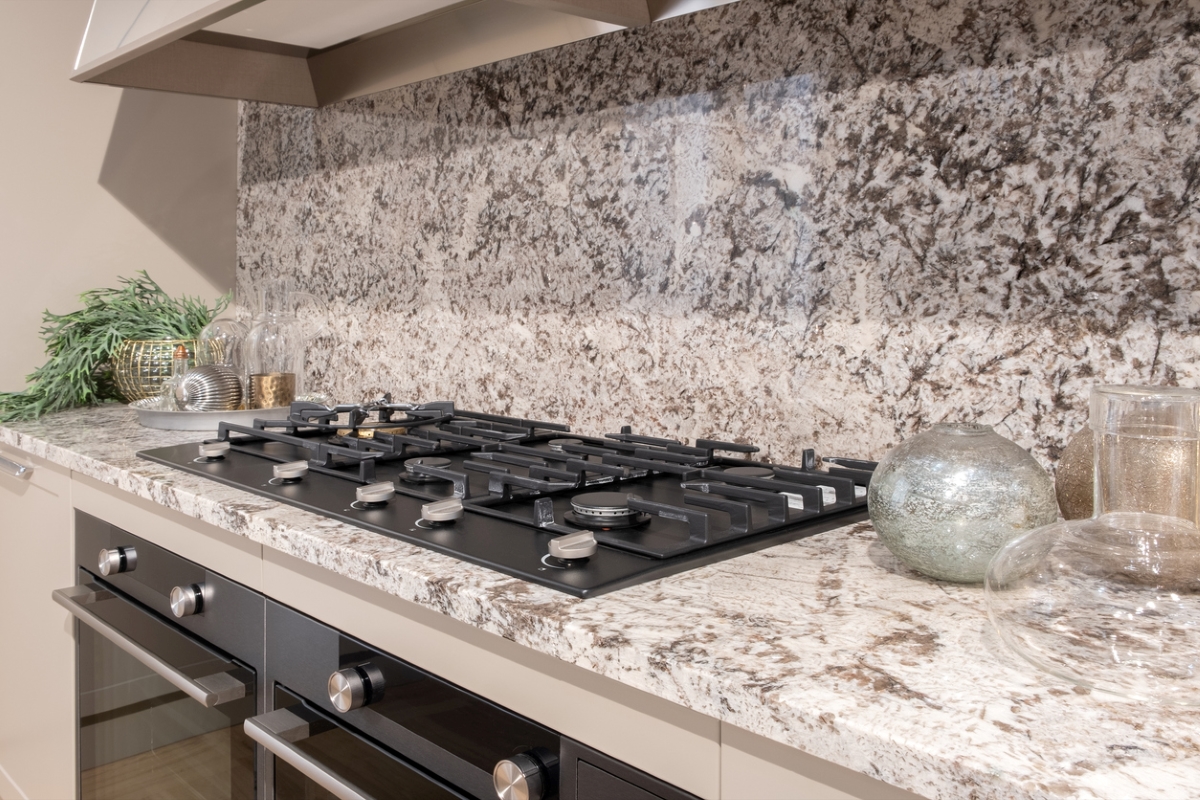
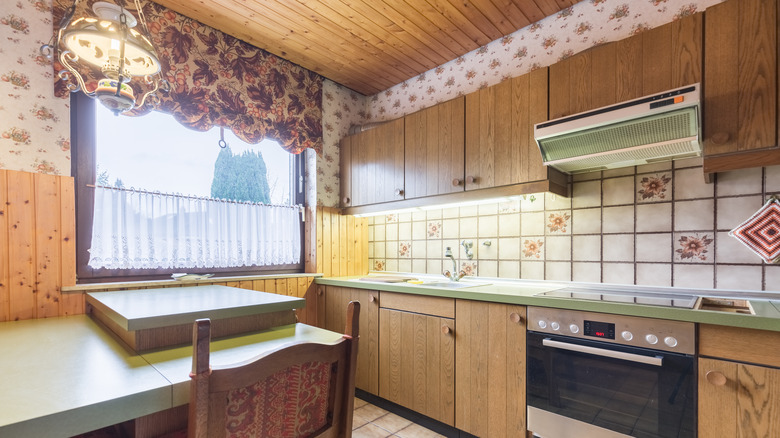
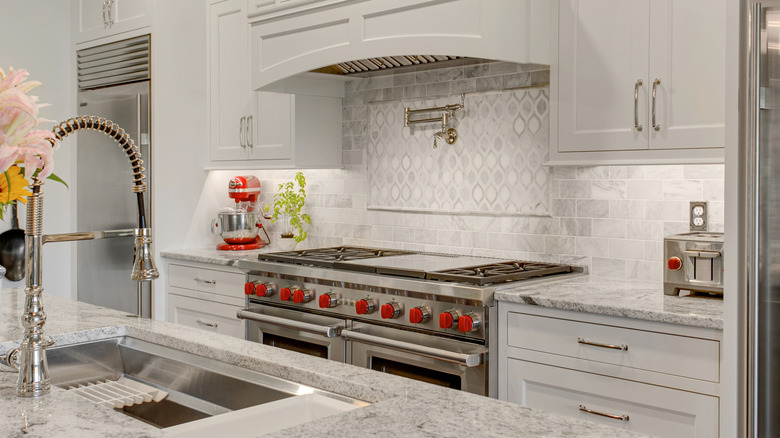
Formica countertops, a laminate material that gained widespread popularity in the 1950s for its affordability, ease of maintenance, and diverse visual options, are now considered a relic of the past. Despite being a cost-effective option, design experts often advise against them as they can instantly date a kitchen. Similarly, busy tile backsplashes, characterized by ornate, contrasting patterns and decorative accent tiles, harken back to the 1970s and 1980s and are no longer in vogue. While subway tiles became popular in the early 2000s and remain so, some homeowners are now preferring glass over ceramic. Speckled and multicolored granite countertops, which were highly desirable in the 1990s and 2000s for their ability to complement various cabinet styles, are now seen as a dated design choice, despite granite itself remaining a popular material. Contemporary preferences lean towards less busy, more uniform natural stone patterns.
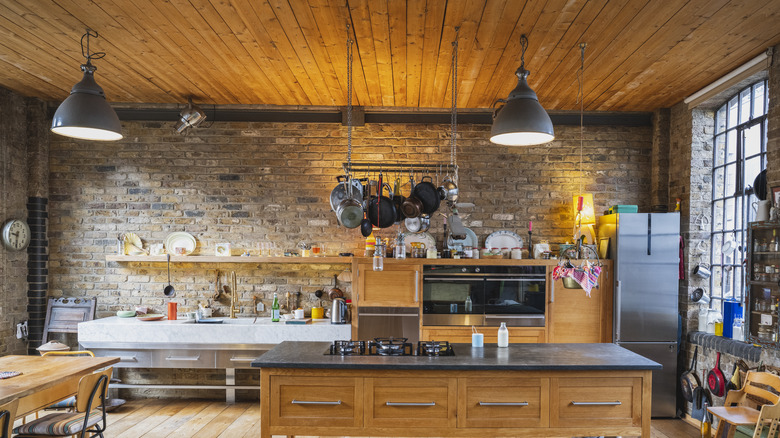
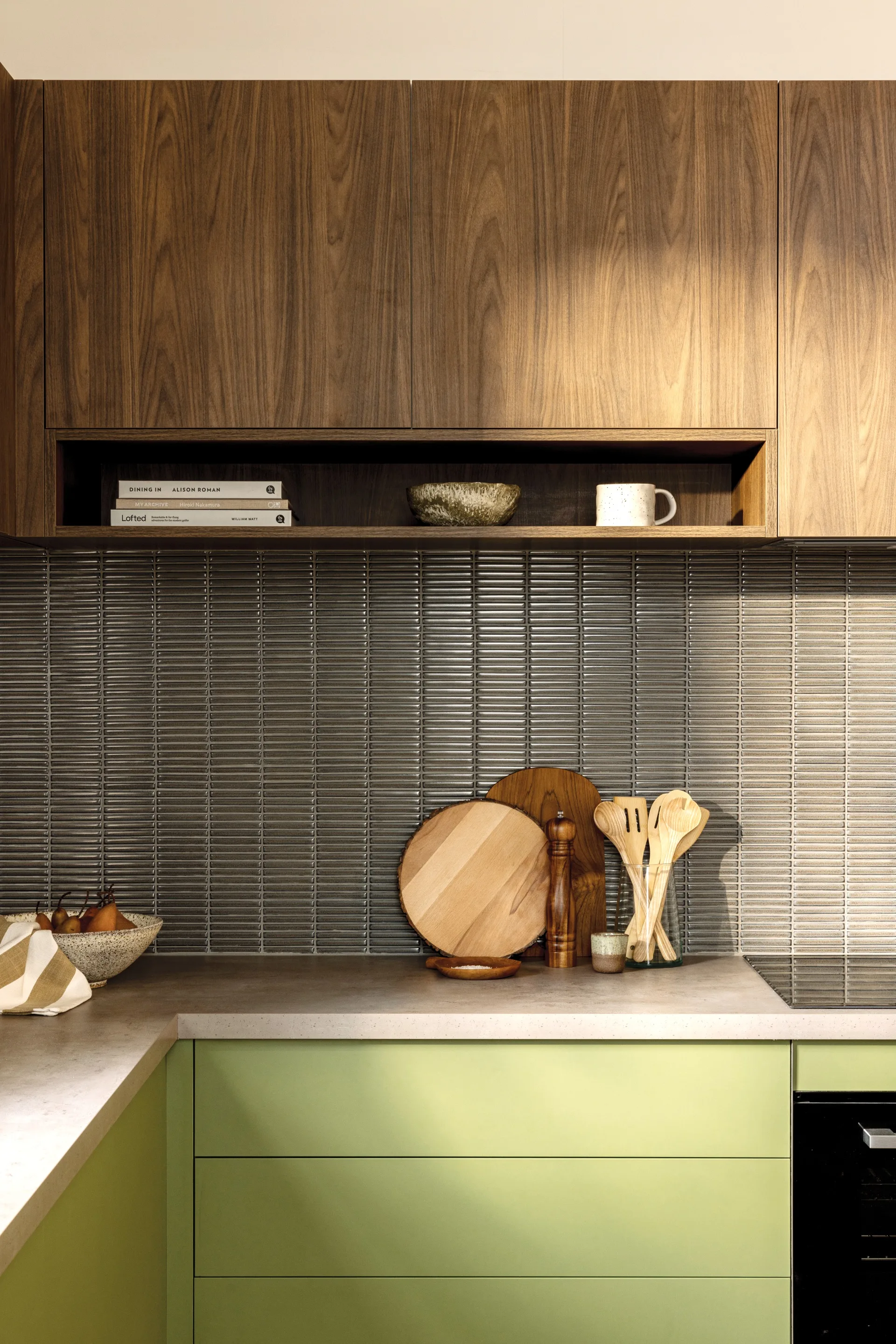
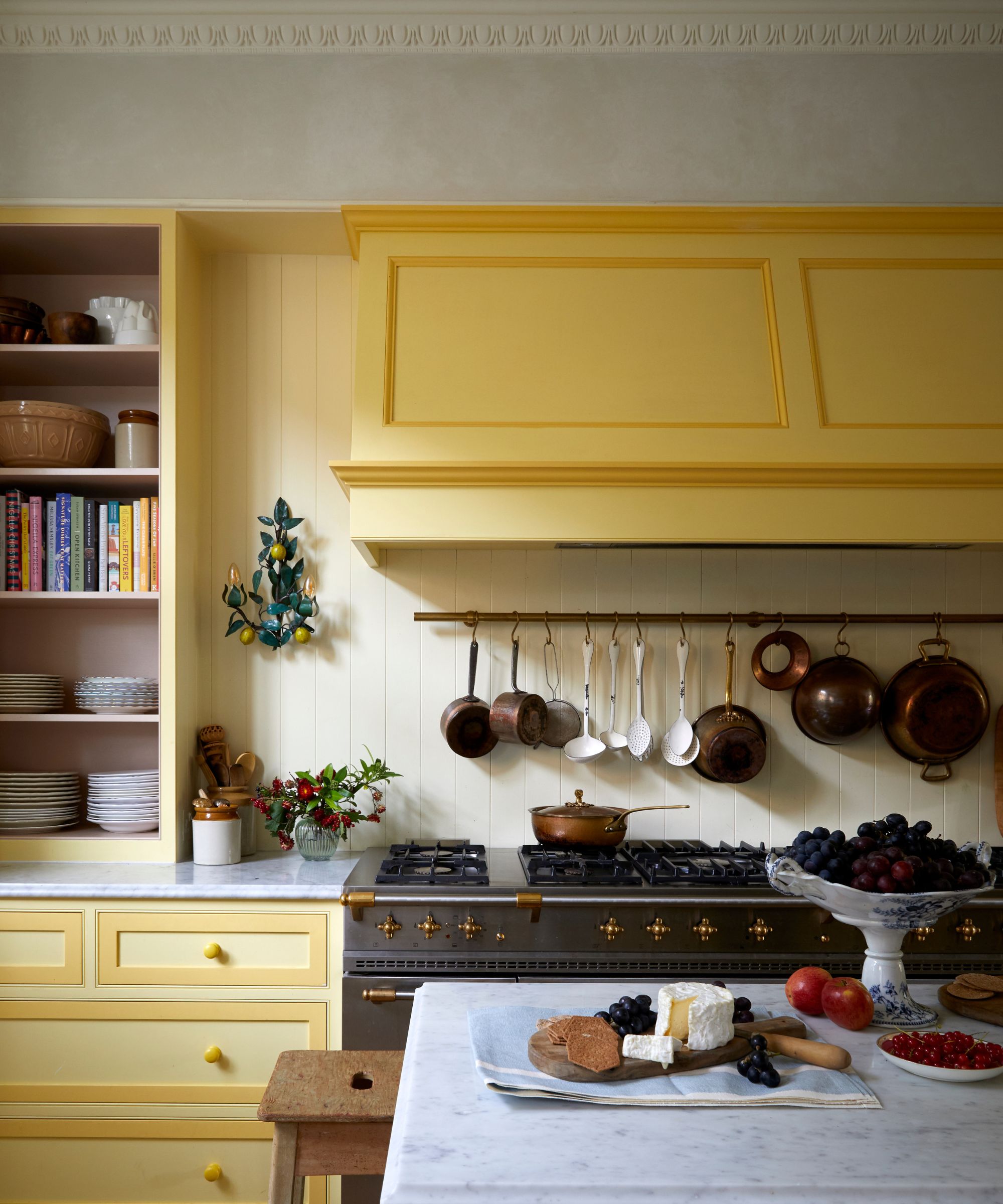
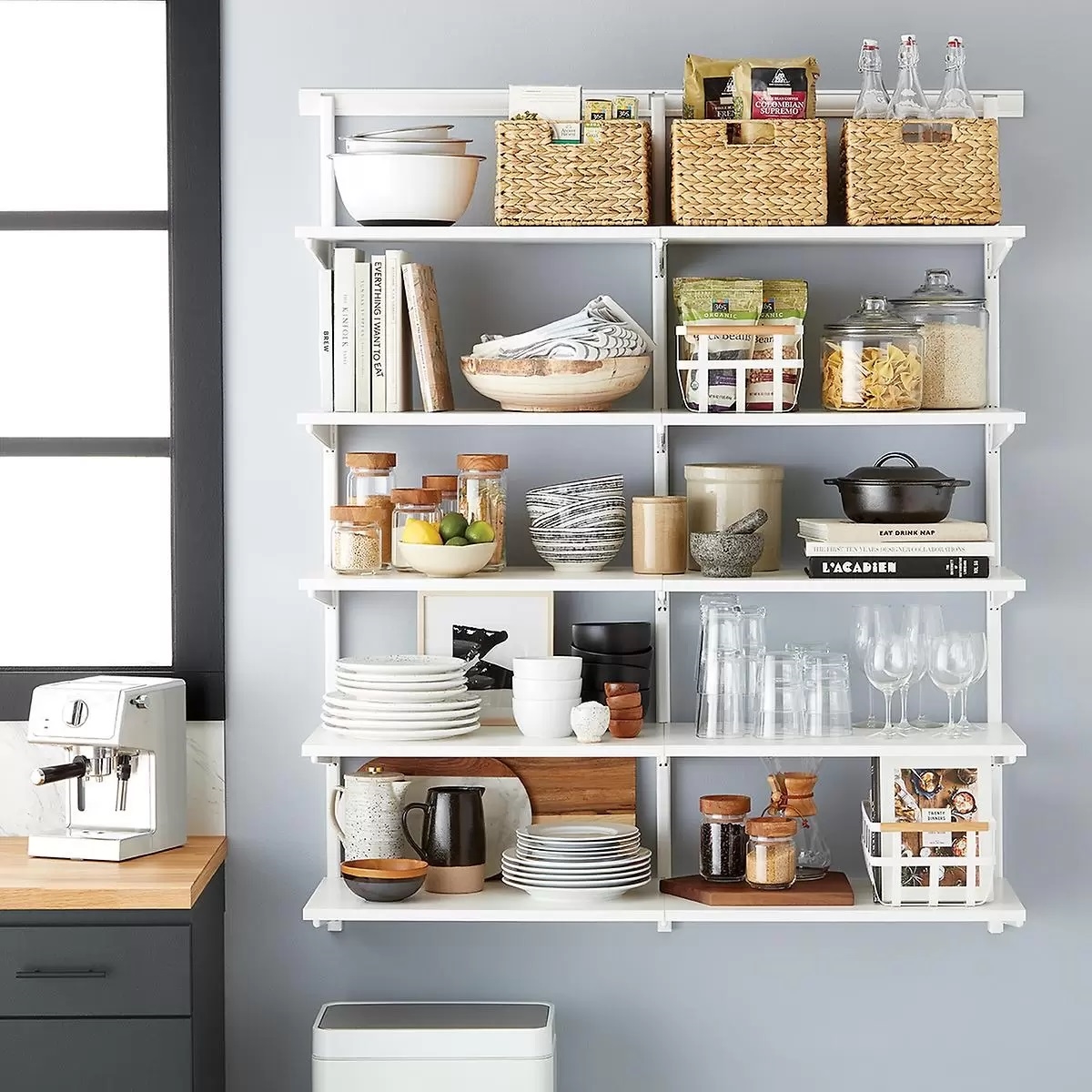
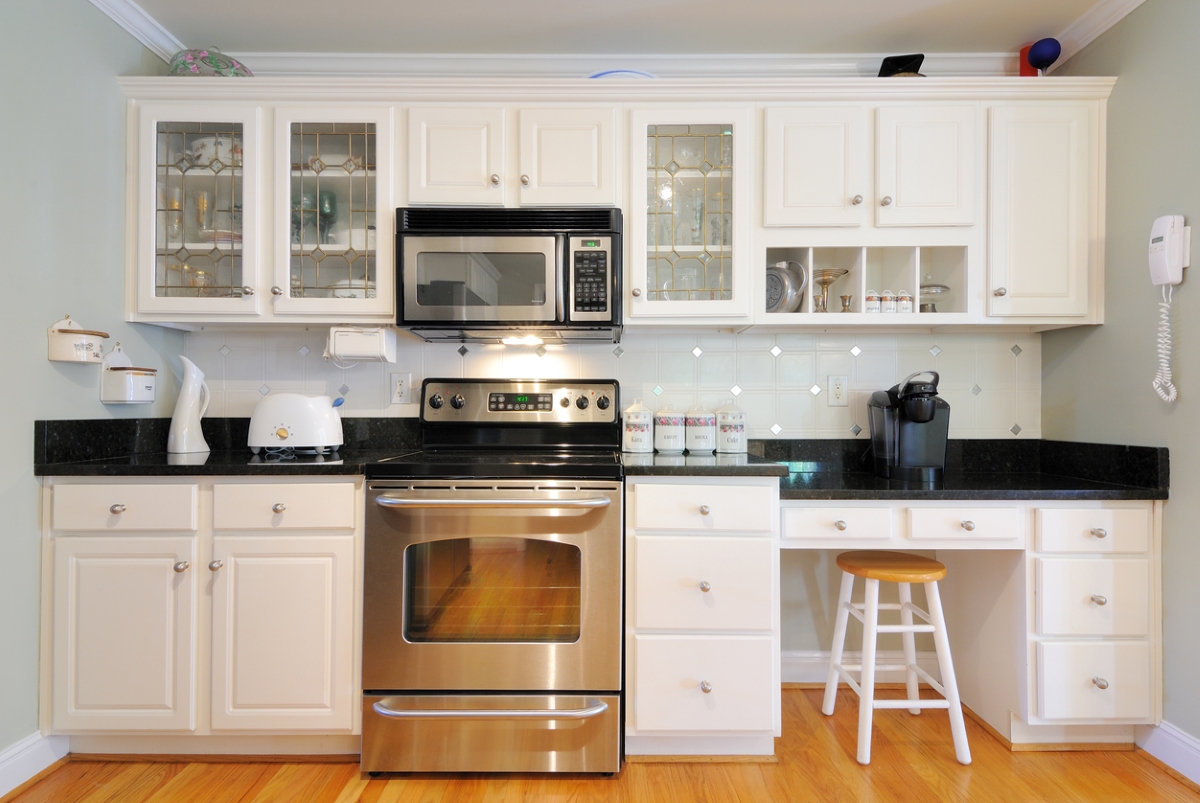
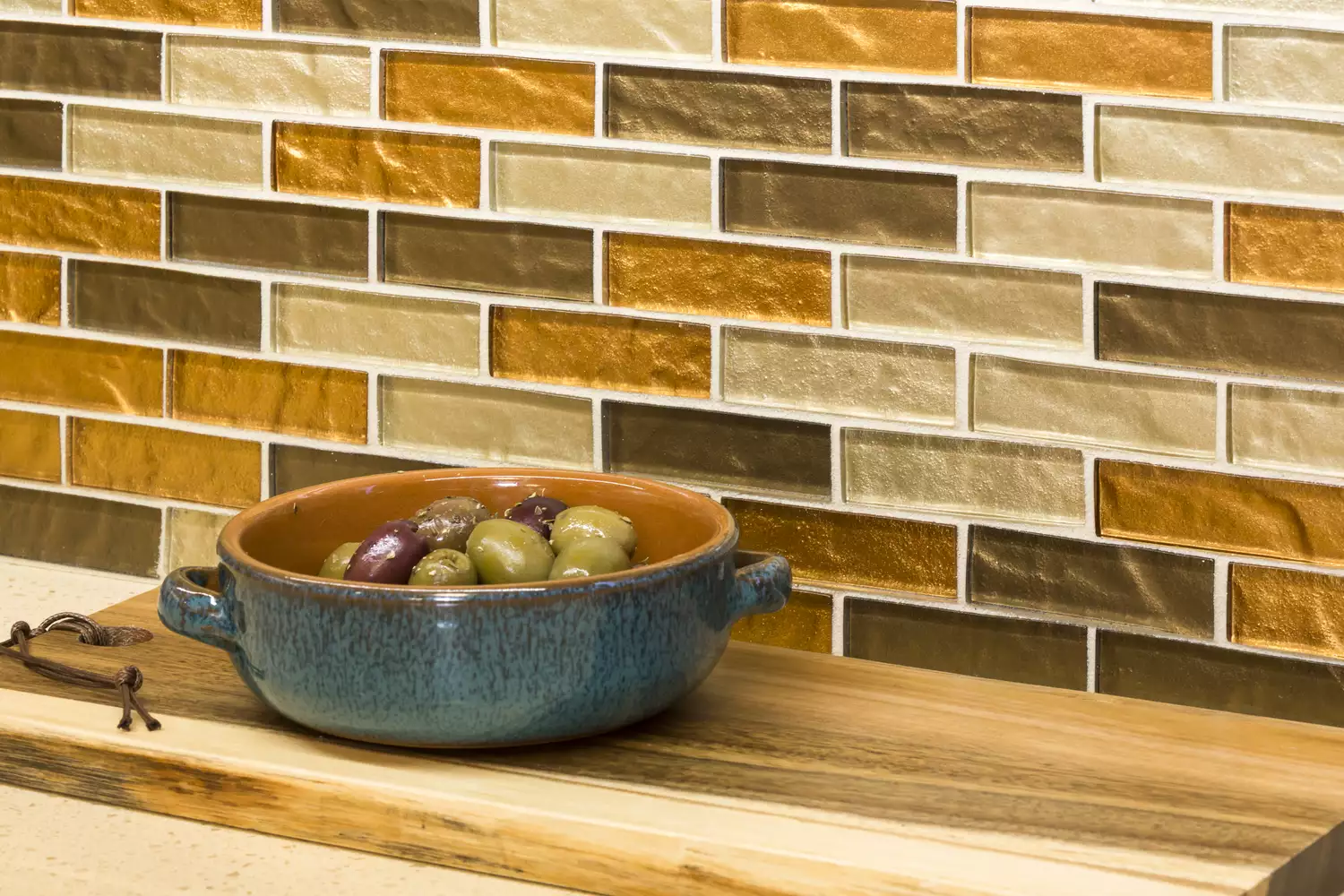
Over-the-range microwaves, a common functional design feature for many years, are also considered outdated. Modern kitchen designs often replace these with dedicated range hoods and double ovens, with microwaves being discreetly integrated into lower cabinetry or pantry spaces. Hanging pot racks, once a popular way to display cookware, are now viewed as contributing to unnecessary clutter and detracting from a minimalist aesthetic. The preference is now to store pots and pans out of sight in easily accessible cabinets. Tiny or linear mosaic tiles in backsplashes, particularly 1x1-inch squares or experimental accent strips, are another tile trend that has fallen out of favor. Tile countertops, despite some recent speculation about a comeback, are largely a trend of the 1980s that has been left behind due to their high maintenance requirements (frequent sealing of grout lines to prevent bacteria buildup) and susceptibility to chips and cracks. While affordable, their practical drawbacks outweigh their potential aesthetic appeal for most modern homeowners.
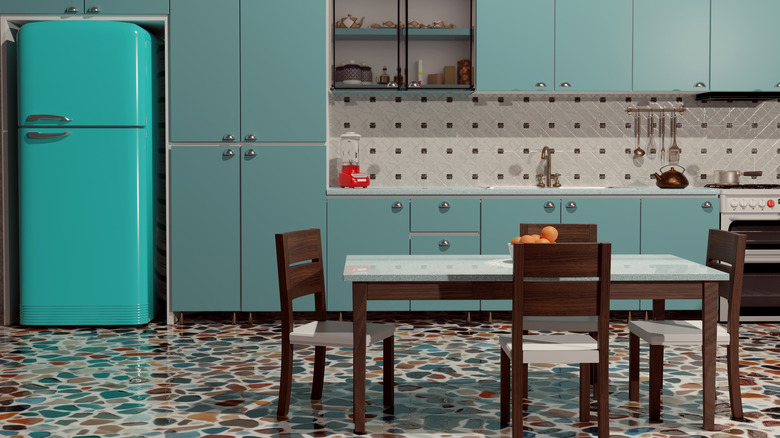
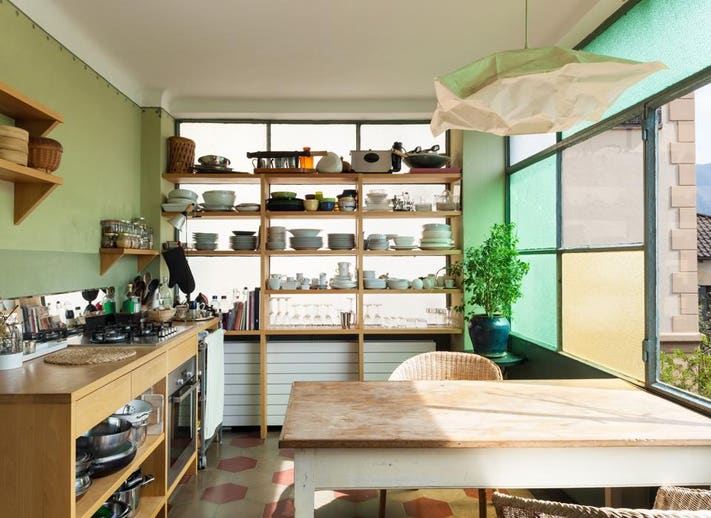
Closed kitchens, which are walled off from the rest of the living space, are a defining characteristic of older homes, especially those built before the 1950s. Modern kitchen design favors open-concept layouts that integrate the kitchen with shared living and dining areas, creating a more expansive and communal feel. Although closed kitchens can hide cooking messes, their isolated nature is considered outdated. Fluorescent lighting, prevalent in North American homes by the 1970s for its energy efficiency compared to incandescent bulbs, is now being phased out due to concerns about mercury exposure and the unpleasant, harsh glow it casts. Lastly, bright clashing color schemes, a hallmark of 1970s design featuring competing colors in wallpaper, appliances, countertops, and flooring, are now largely rejected. Contemporary kitchen design prioritizes timeless neutrals, earth tones, and carefully selected color accents over oversaturated and conflicting palettes.
#KitchenTrends #OutdatedDesign #HomeRenovation #InteriorDesign #KitchenRemodel #DesignTrends #DatedKitchens #HomeDesign #KitchenAppliances #KitchenTrends #OutdatedDesign #HomeRenovation #InteriorDesign #KitchenRemodel #DesignTrends #DatedKitchens #HomeDesign #KitchenAppliances
0 commentaire au total
 Aucun commentaire pour le moment
Vous aimerez aussi
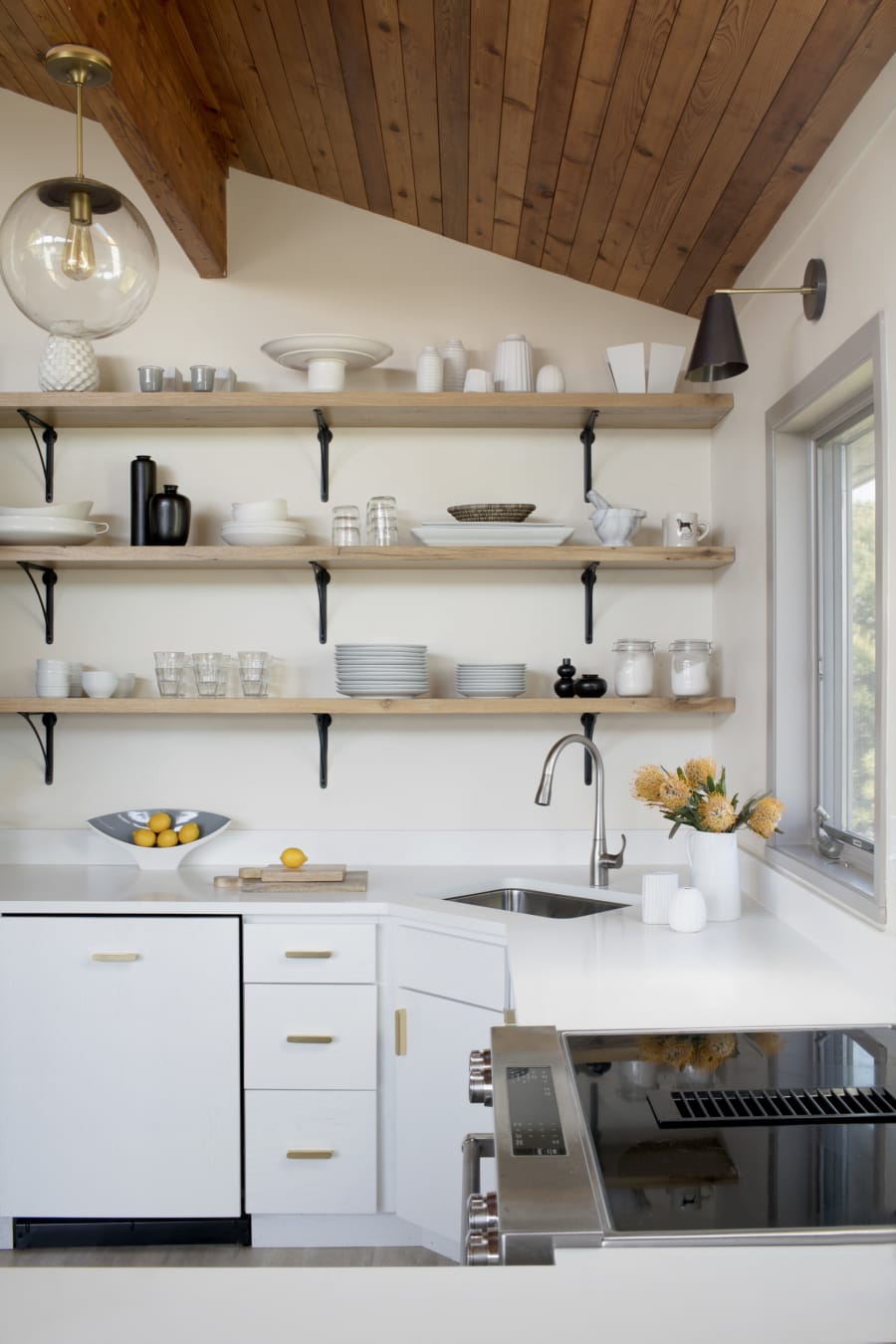
Timeless Kitchen Trends That Are Here to Stay (We Hope)

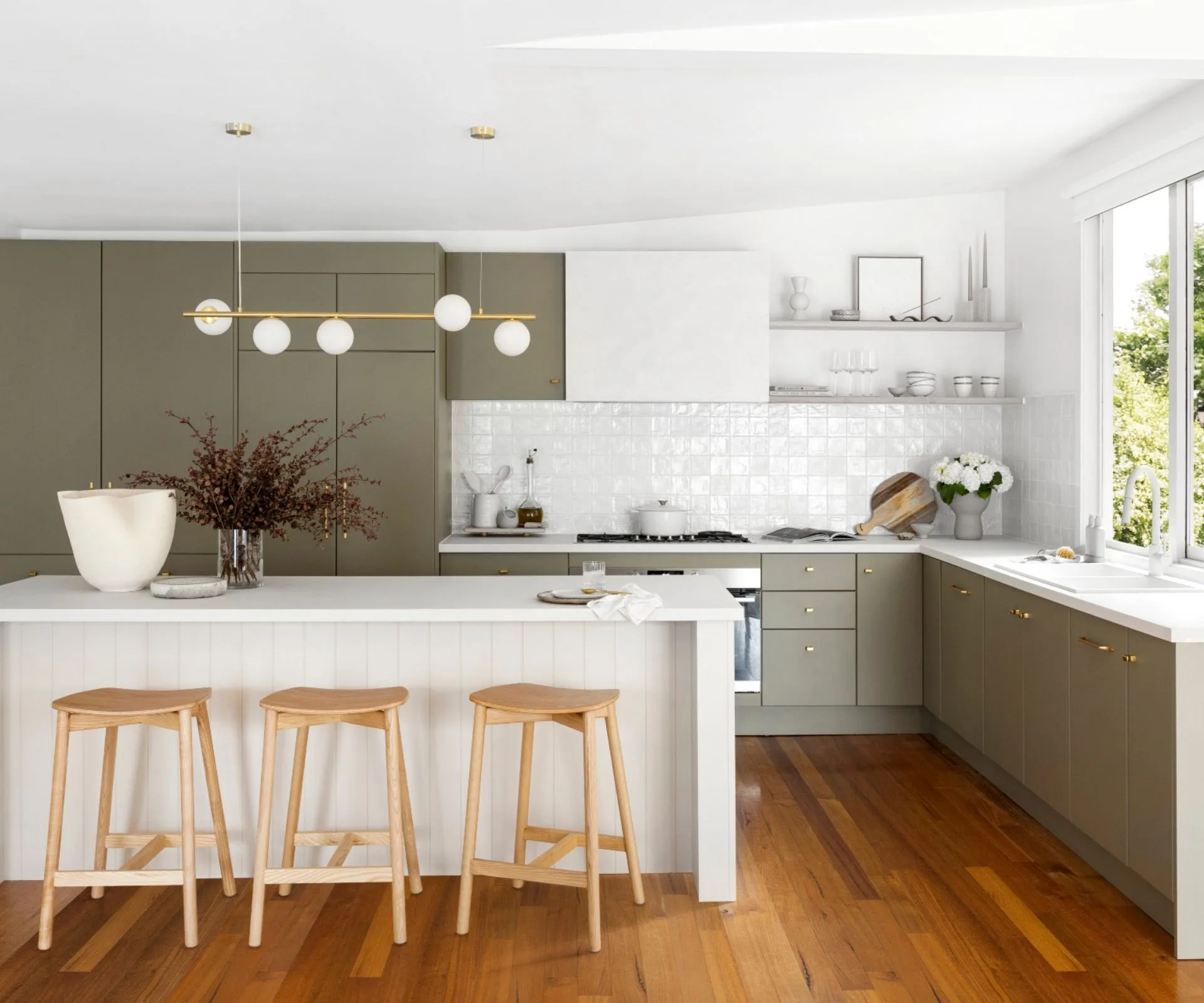
How to Embrace Kitchen Trends That Won't Go Out Of Style

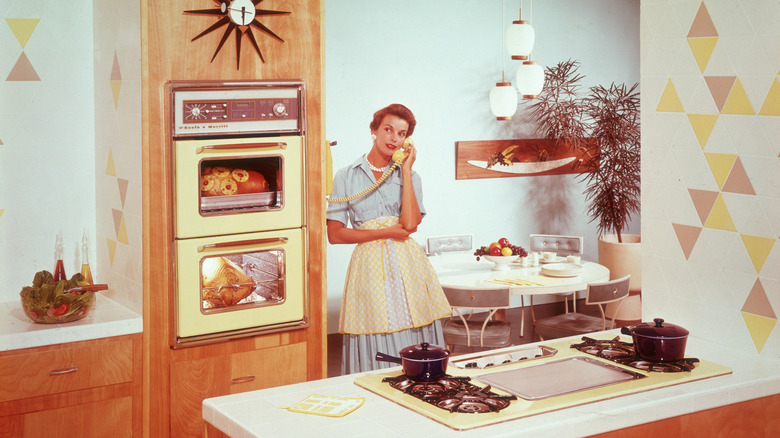
12 Vintage Kitchen Design Trends We Want To Bring Back

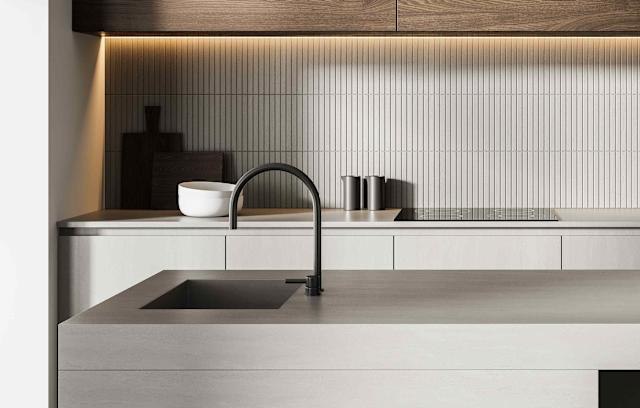
The 1 Kitchen Countertop Trend We Hope Never Comes Back

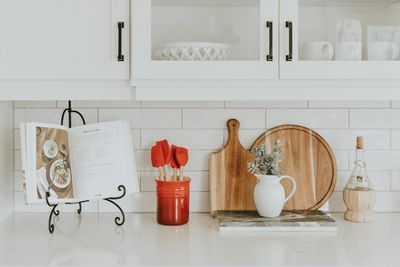
12 "Outdated" Kitchen Trends You Should Ditch In 2025 (But You Probably Have)

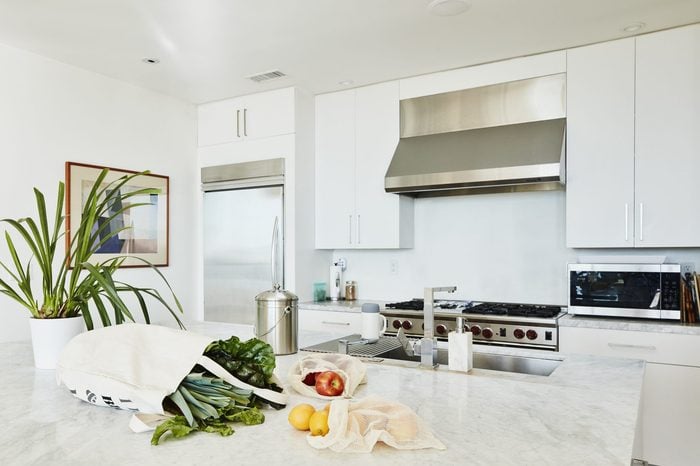
9 Outdated Kitchen Trends to Watch Out For

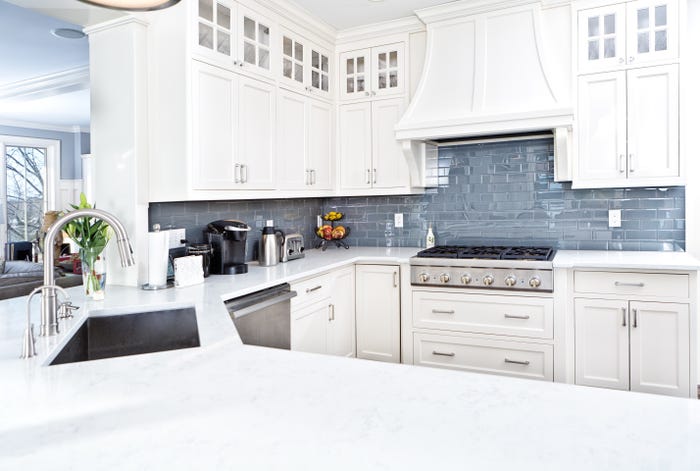
Interior-design experts share 12 kitchen trends you'll probably regret in a few years
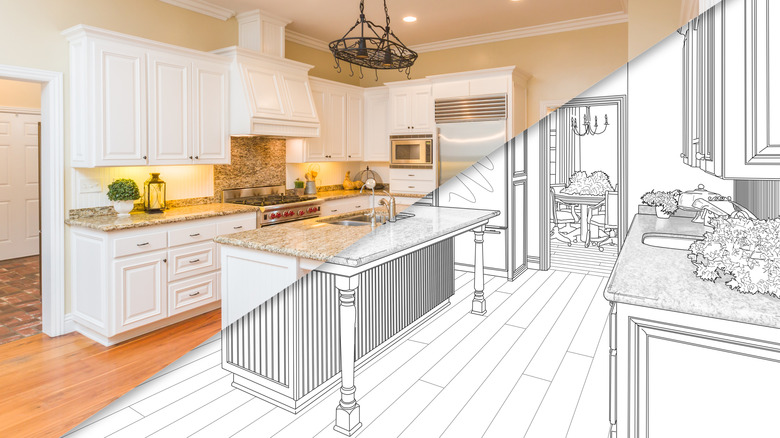
5 Kitchen Fads That Will Disappear In 2026

13 Outdated Kitchen Trends You Can Leave In The Past
5 Outdated Kitchen Trends Interior Designers Hope Never Come Back

10 Kitchen Design Trends Going Out Of Style In 2025

25 Kitchen Trends You Might Regret + Photos
7 Kitchen Trends That Will Never Go Out of Style

Top Designers Say These Kitchen Trends are Long-Lasting

6 outdated kitchen countertop trends to leave behind in 2025
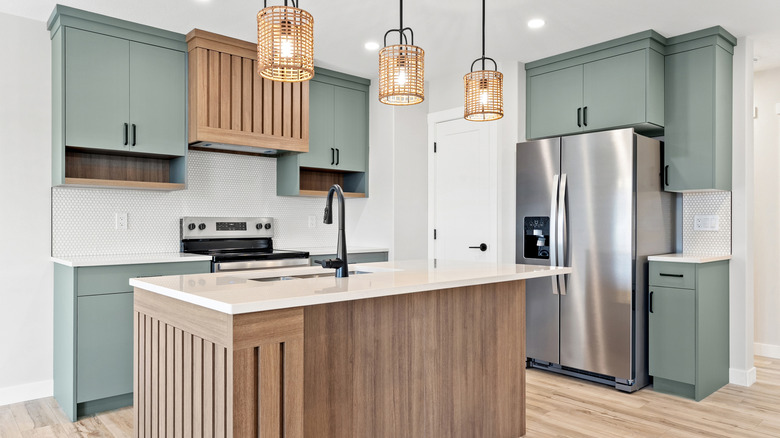
We Asked Kitchen Remodel Experts What Trends Are Actually Timeless


Kitchen Trends That Are Being Left Behind In 2025 And Beyond
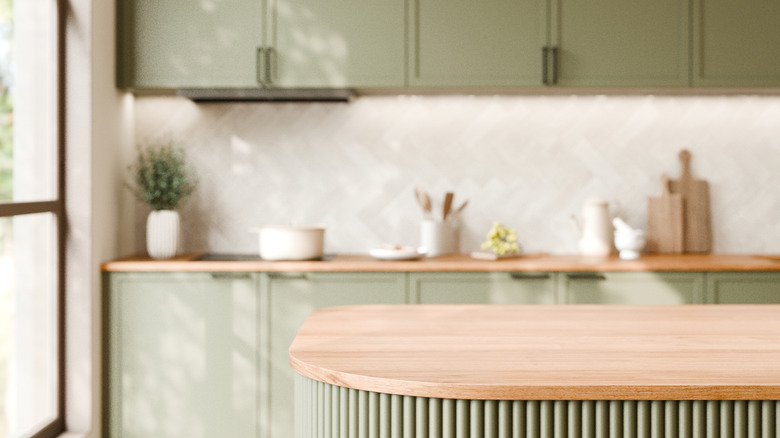
10 Outdated Kitchen Trends Making A Comeback, According To A Design Expert

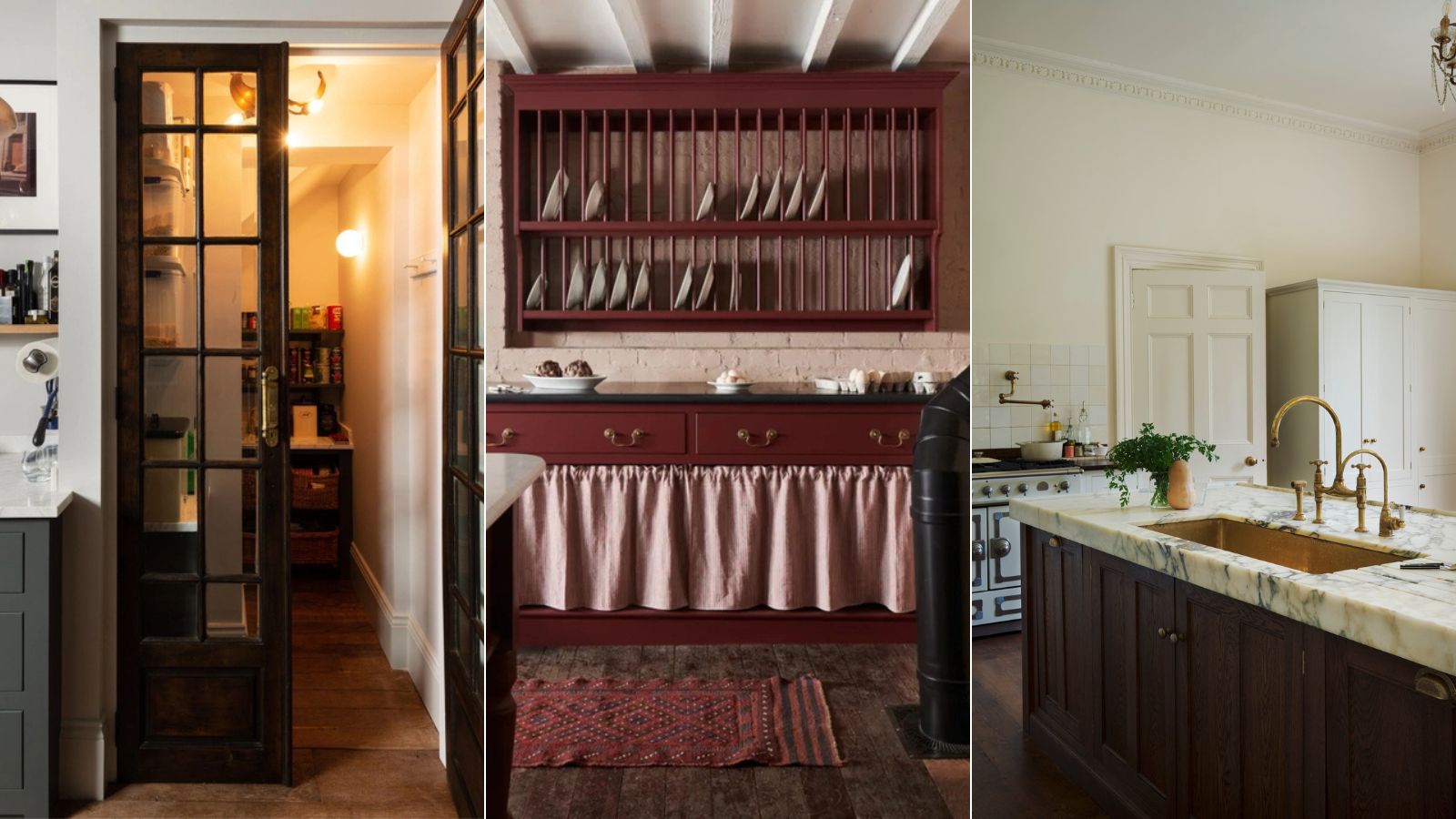
8 dated kitchen trends making a comeback in 2025

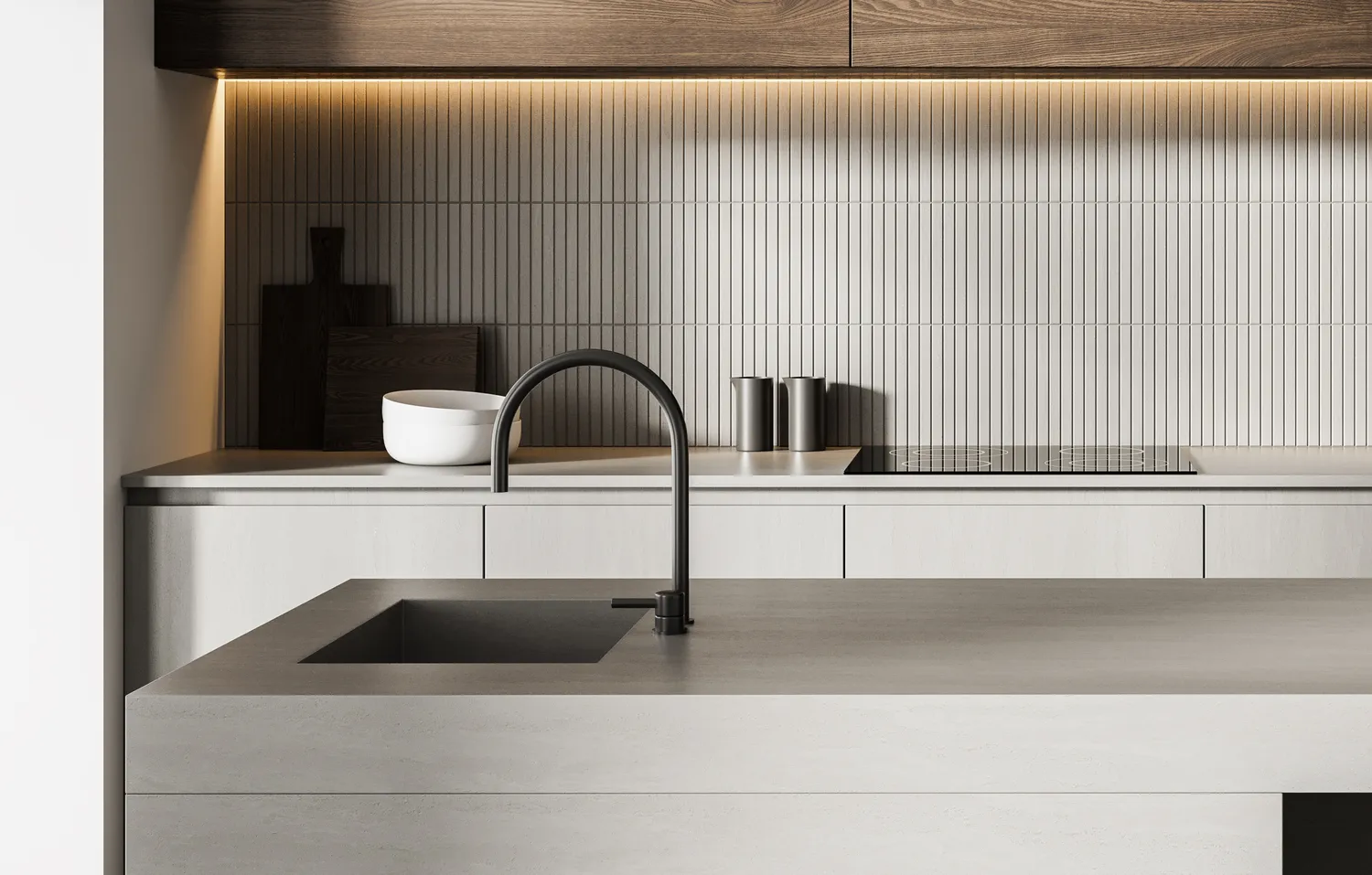
The 1 Kitchen Countertop Trend We Hope Never Comes Back