1/13
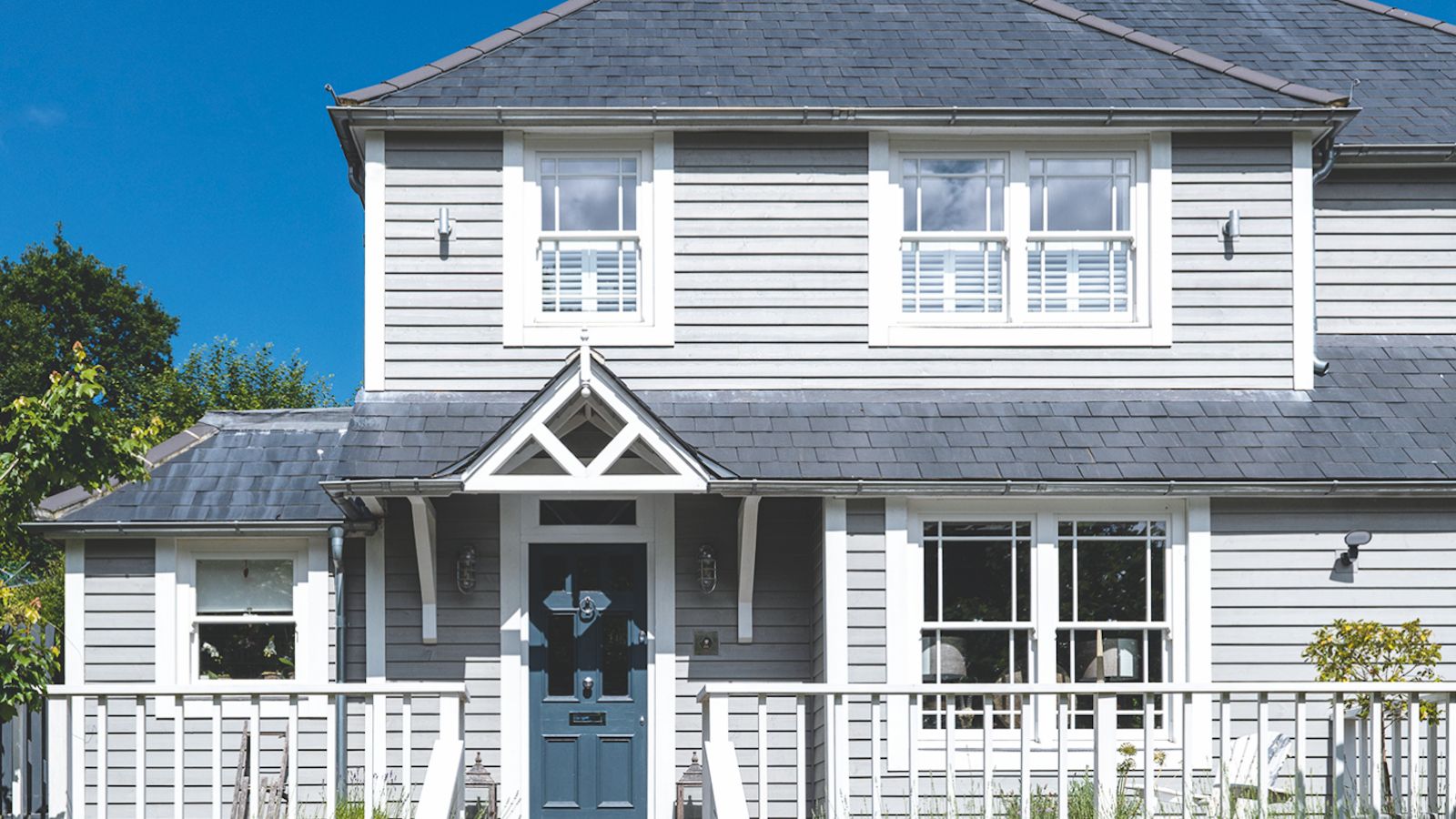
12 exterior areas of your home that are prone to leaks in rainy season – and how to prevent moisture getting inside
As the seasons transition, homes become more susceptible to moisture intrusion, particularly during rainy periods. This guide identifies 12 common exterior areas prone to leaks and provides expert advice on how to prevent water damage. Addressing these vulnerabilities is crucial for maintaining a home's integrity, preventing costly repairs, and avoiding issues like mold and mildew.
Skylights, while enhancing natural light, are significant sources of leaks due to aging or damaged weather seals. Replacing seals or applying flexible caulk, like Sashco 10026 Big Stretch Caulk, can resolve minor issues. However, cracks in the glass necessitate professional replacement. Chimneys also pose a risk through their flashing, the material sealing them to the roof. Annual inspections of flashing are recommended, with small cracks in the chimney itself sealed with concrete sealant, such as Stormdry Brick Sealer. Larger cracks may require epoxy injection systems. Furthermore, using an invisible waterproof agent like Fobet Invisible Waterproof Agent can create a protective barrier on various surfaces.
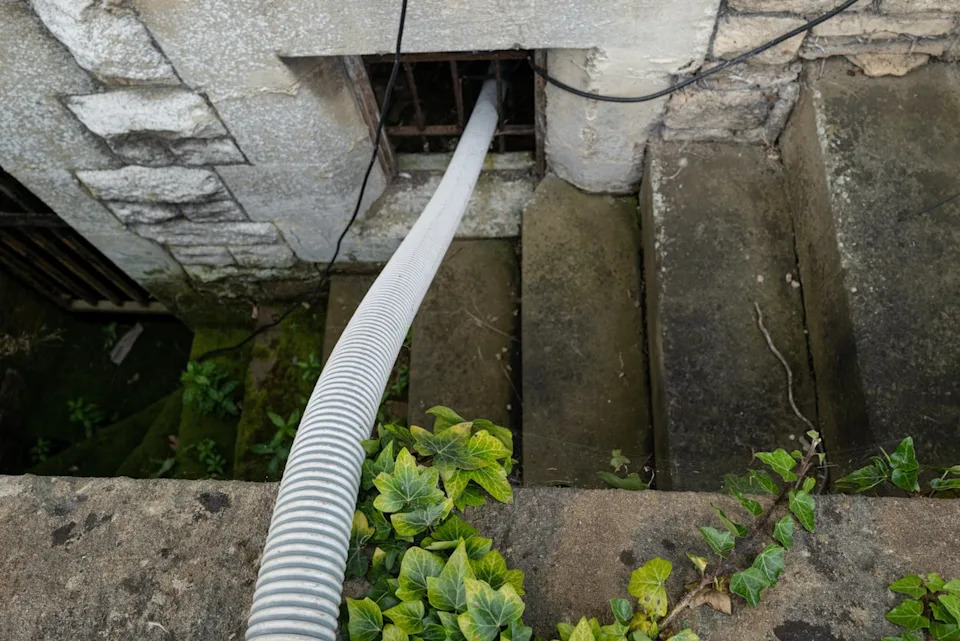
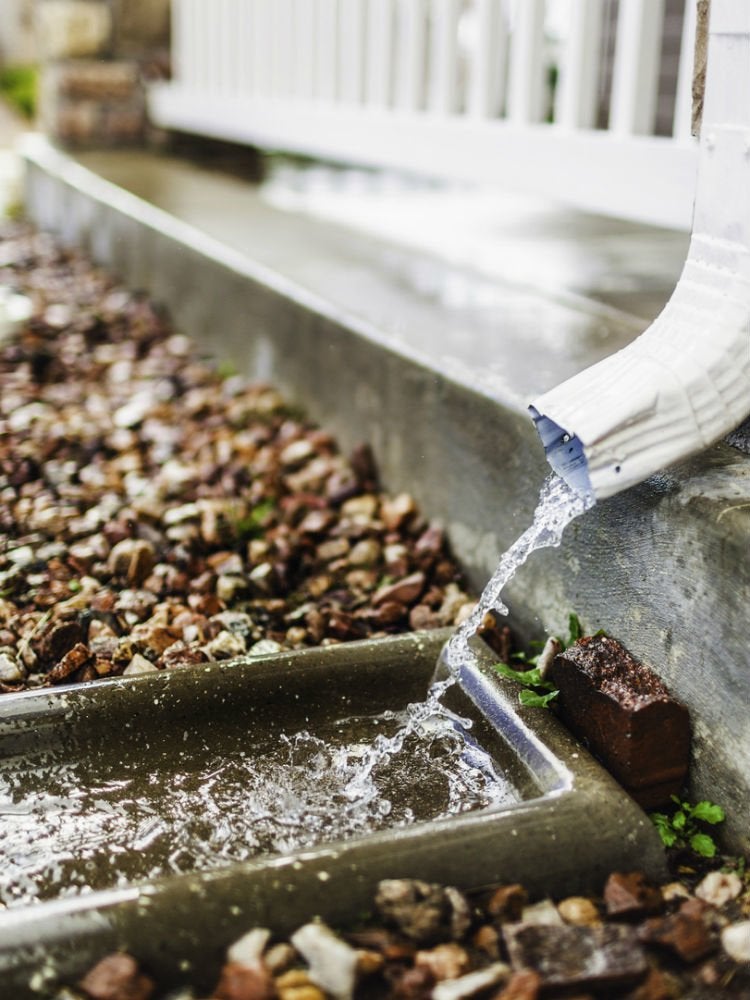
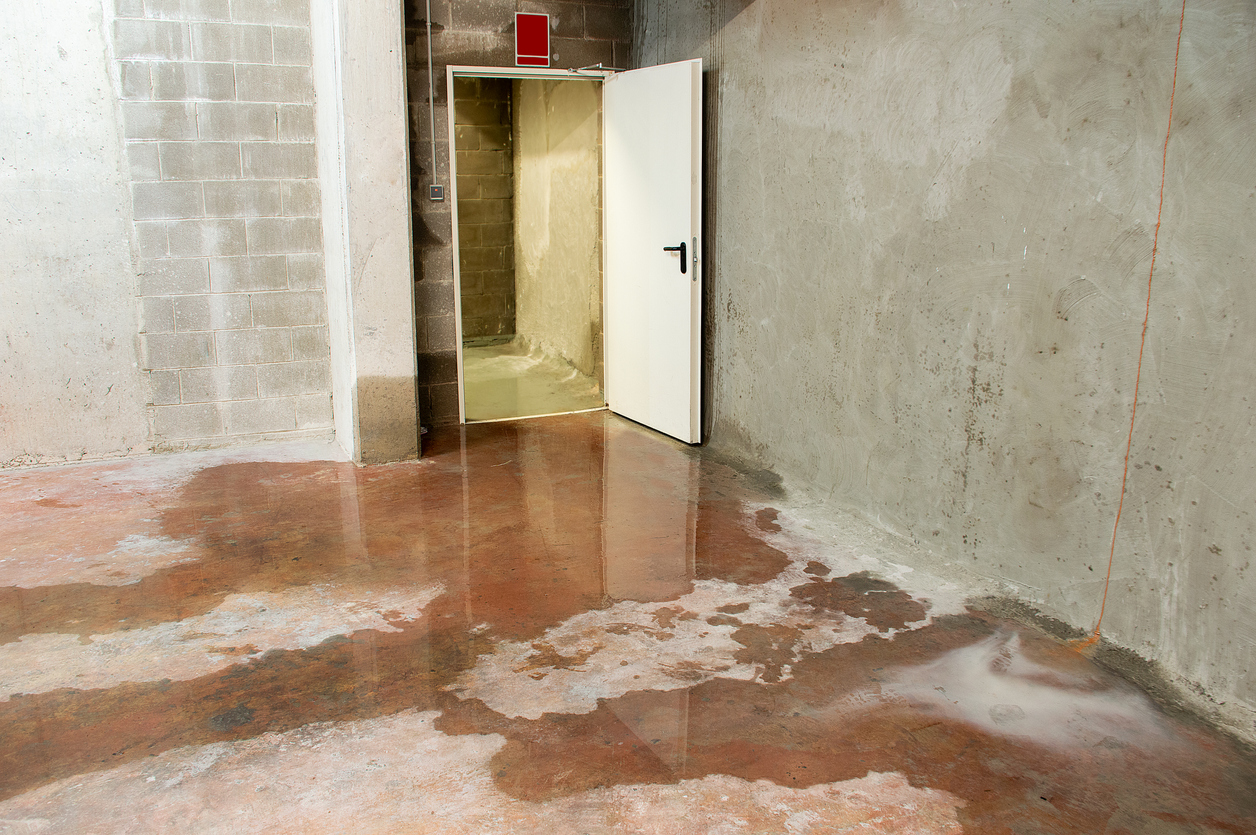
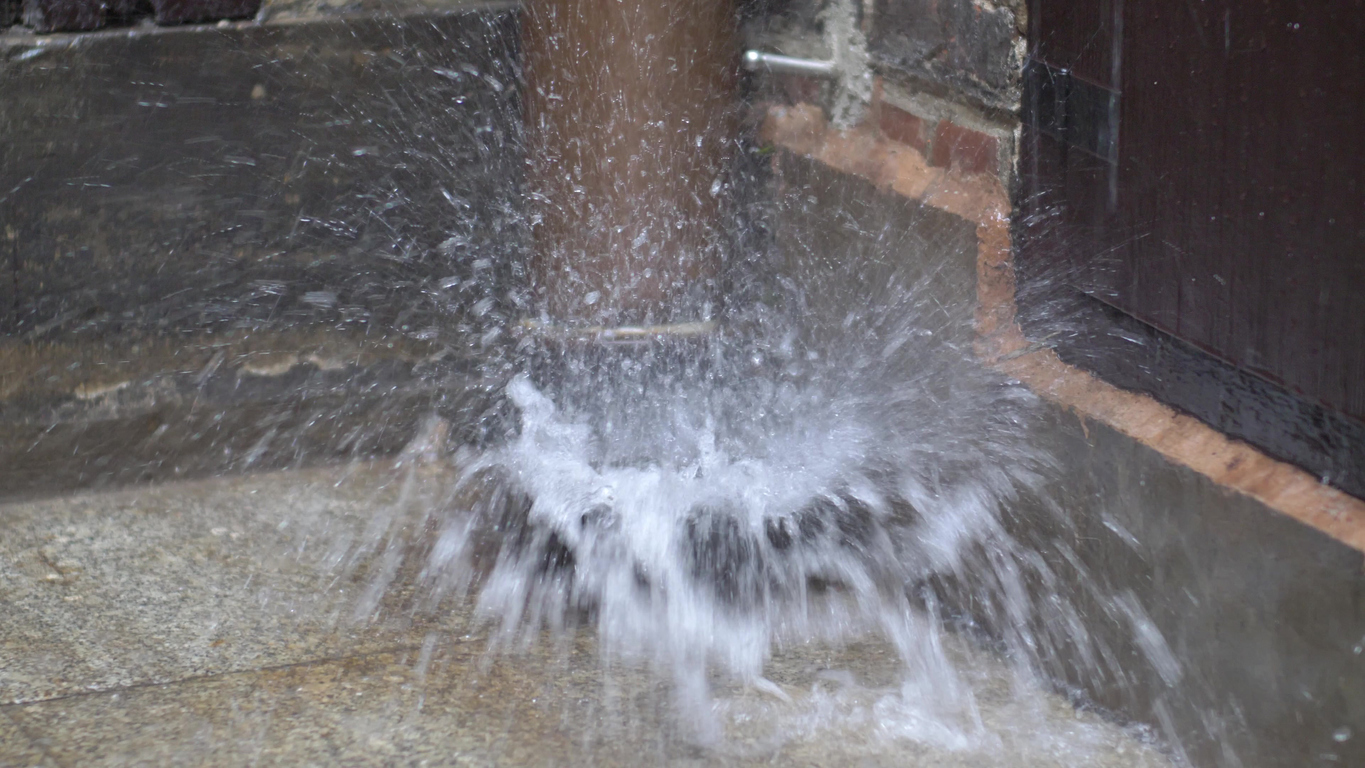
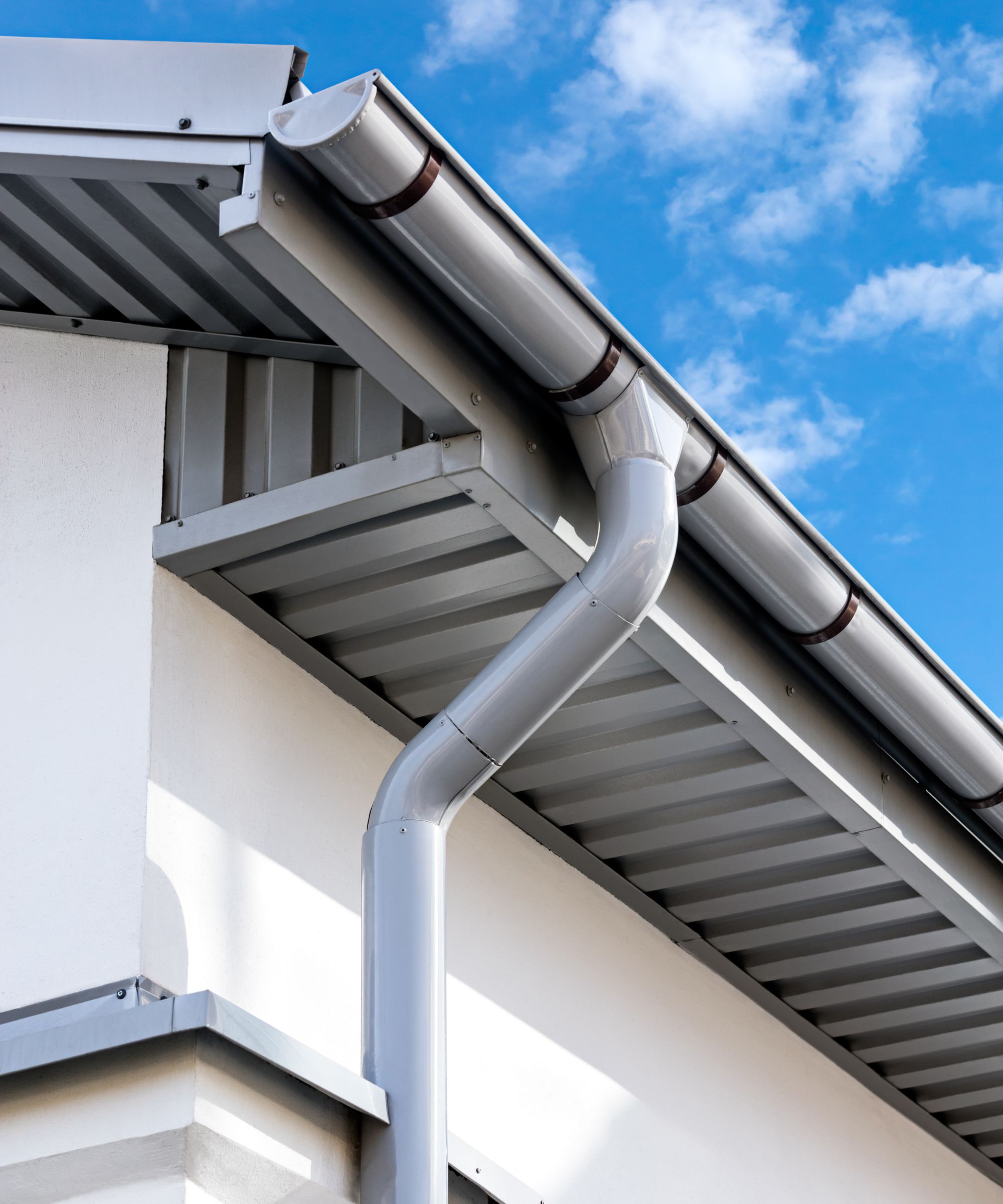
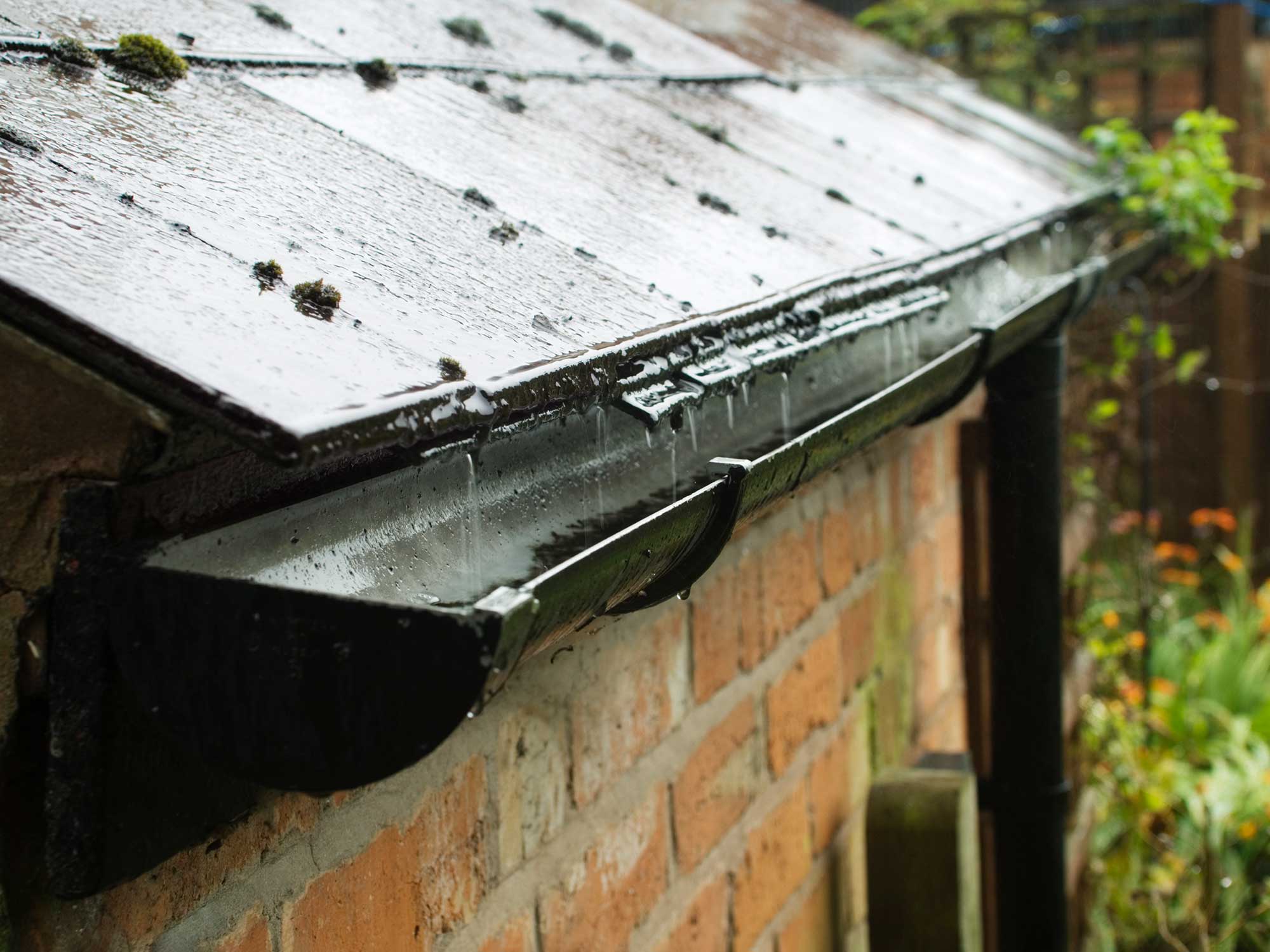
Attics and basements, being the highest and lowest points of a home, are particularly vulnerable. In attics, radiant barrier sheathing, like Reflectix, helps prevent condensation and water damage by reducing heat transfer. For basements, a waterproofing sealant such as Drylok Concrete Floor Paint forms an impenetrable barrier against moisture seeping through foundation walls. Dormers, often added during renovations, require meticulous flashing installation; improper sealing can lead to leaks, making professional assessment advisable over quick fixes. Clogged gutters are another major cause of leaks, as they lead to water overflow and subsequent damage. Regular cleaning and the installation of gutter guards, such as the A-M Gutter Guard or EasyOn Stainless Steel Gutterguard, are effective preventative measures. Ensuring gutters slope away from the house further prevents moisture intrusion.
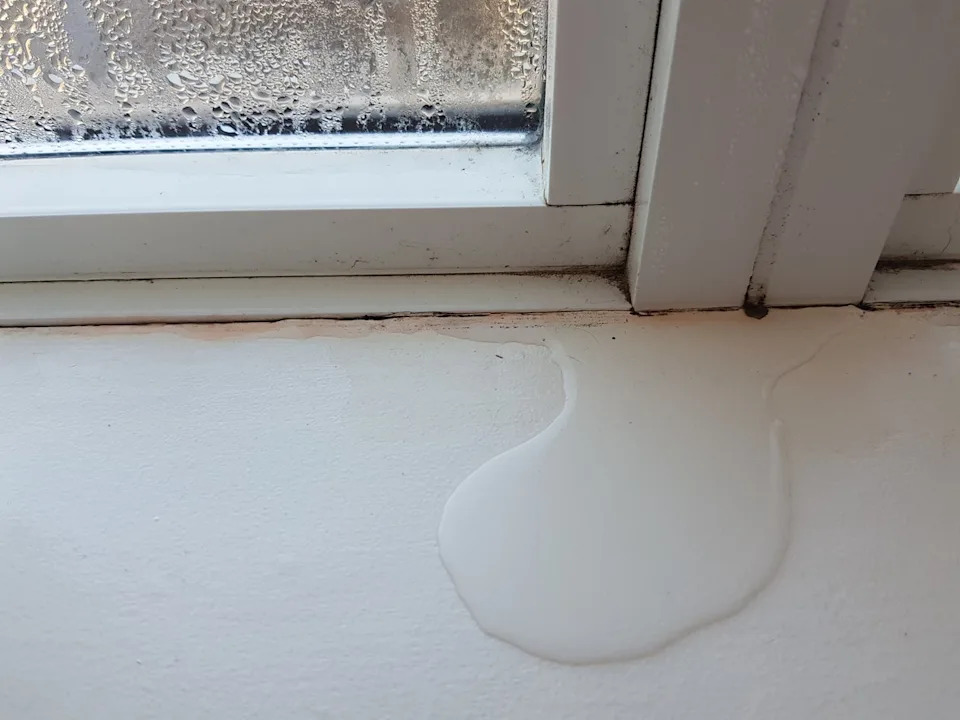
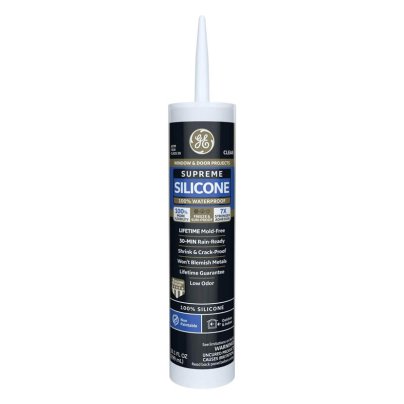
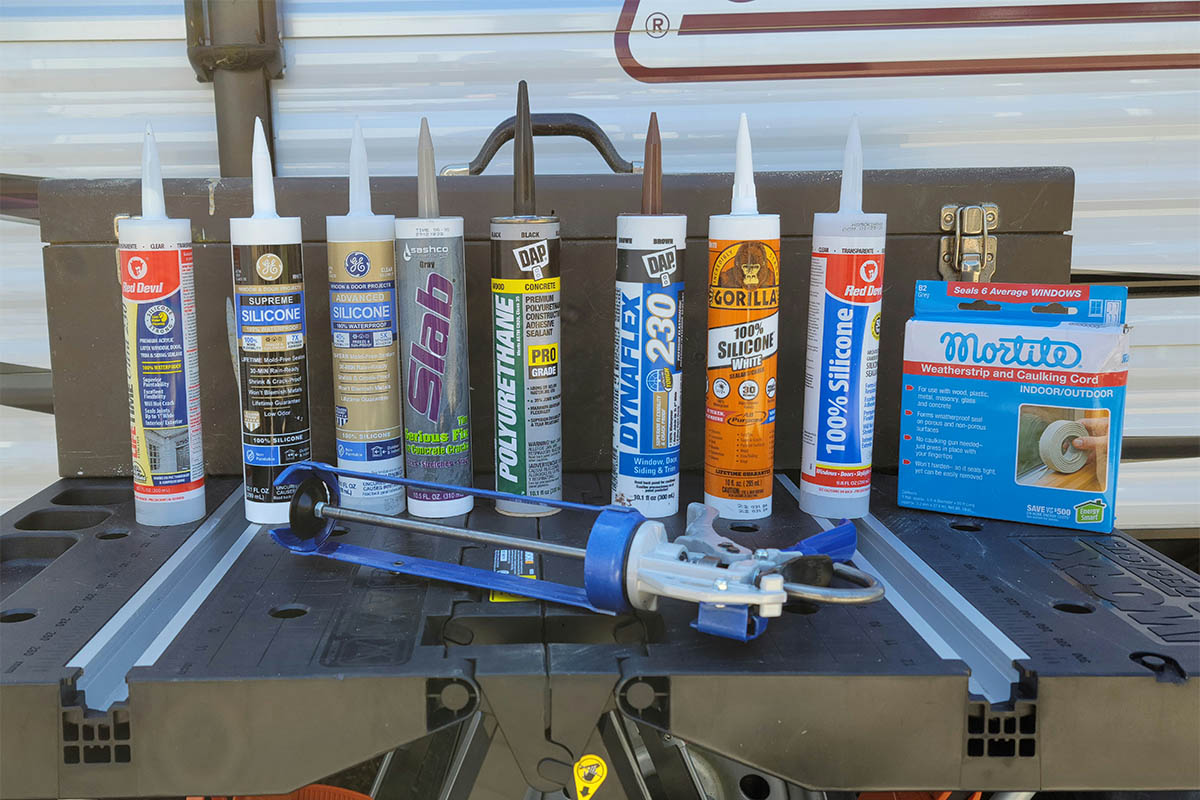
Pipe collars, which seal around plumbing vent pipes, are susceptible to UV damage, causing their rubber or neoprene gaskets to crack. Regular inspection and replacement with products like Oatey Rain Collar No-Calk Roof Flashing every decade can prevent leaks. Windows and doors can also be leak culprits if their caulking cracks or weather stripping deteriorates. Fast action with a 100% waterproof sealant, such as GE Advanced Silicone Window & Door Sealant, is essential upon discovering leaks. Deck attachments, like bolts or screws securing decks to homes, can rust or loosen, allowing water to seep into foundations. Applying a sealant like DAP Alex Plus All Purpose Acrylic Latex Caulk around deck posts and replacing damaged hardware can prevent costly water damage.
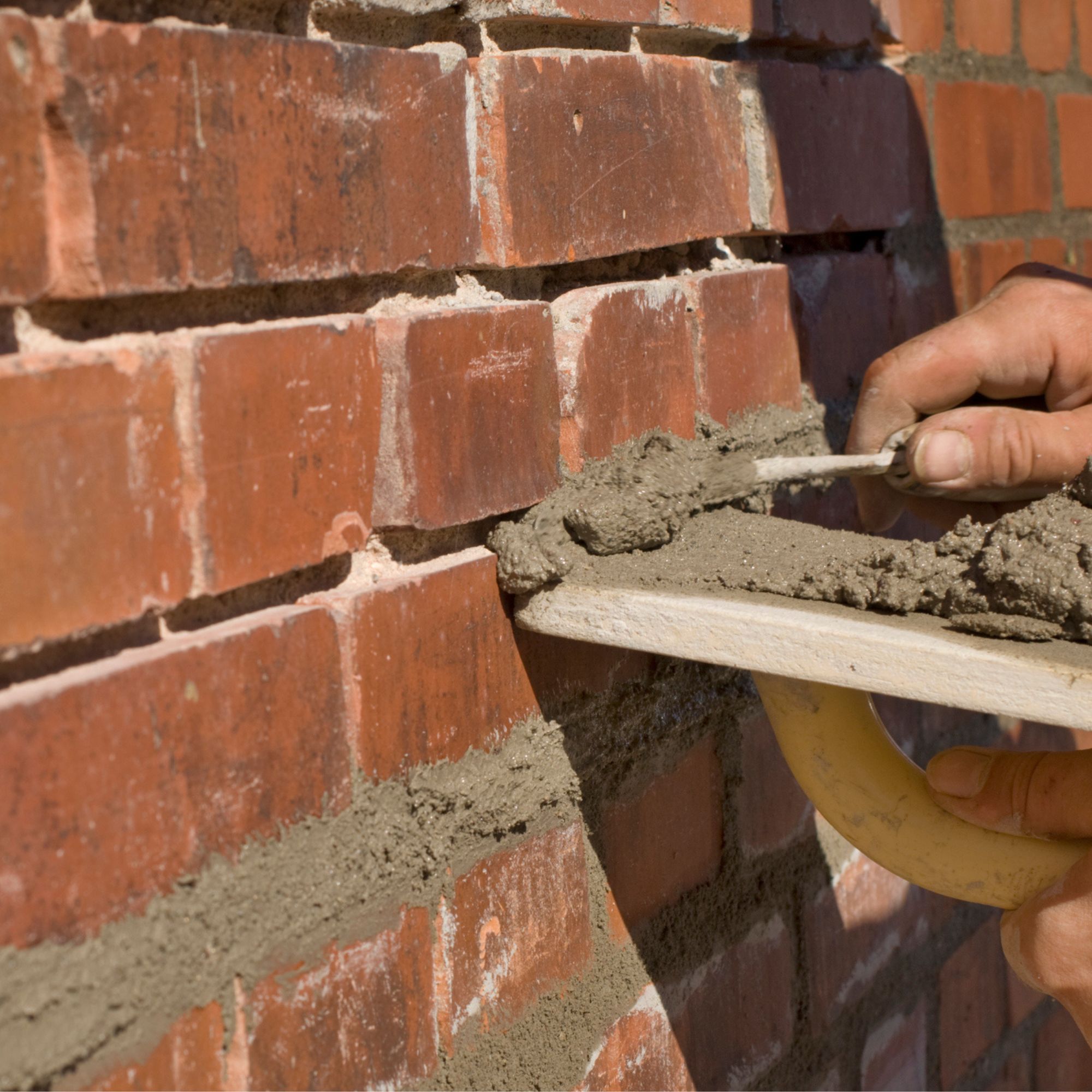
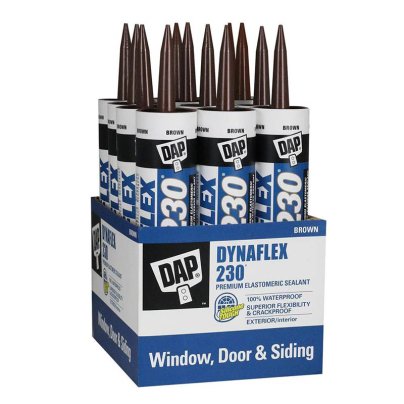
Roof valleys, where two roof sections meet, are critical for water runoff but are prone to leaks, especially in winter when trapped water can freeze and damage flashing. Keeping these areas clear of debris is vital. Foundation cracks are structural issues that must be addressed immediately to prevent moisture ingress. Sealing them with concrete sealant, such as DAP Dynaflex 230, and applying waterproofing paint like Drylok Concrete Floor Paint can seal porous foundations. Nail pops, occurring when shingle-securing nails rise, create gaps for water entry. Hammering them back in and sealing the area with an elastomeric roof sealant, such as Henry Elastometric Roof Sealant, is recommended. Finally, exterior walls with gaps or cracks, like deteriorating mortar or missing bricks, can allow water to enter, leading to spalling. Regular inspections and timely repairs using caulk or sealant, like DAP Kwik Seal, are crucial to prevent further damage.
#HomeMaintenance #LeakPrevention #RainySeasonPrep #Waterproofing #ExteriorHomeCare #DIYHomeRepair #PropertyProtection #HomeImprovement #HomeMaintenance #LeakPrevention #RainySeasonPrep #Waterproofing #ExteriorHomeCare #DIYHomeRepair #PropertyProtection #HomeImprovement
0 commentaire au total
 Aucun commentaire pour le moment
Vous aimerez aussi

Floodproofing a house — 12 things experts say you can do
How To Keep Floodwaters From Entering The House Through The Front Door And Bathroom
Can you leave outdoor furniture in the rain? Experts reveal which can withstand the elements, and types to keep dry

Why You Shouldn't Buy a House That Was Built in the Rain

Solved! Here's What to Do About Water Leaking Into the Basement After Heavy Rain

How to protect outdoor lighting in the rainy season – 5 tricks to spare summer replacements
Kuffa: Simple, inexpensive solutions to a wet basement

Worried about your basement flooding? Install these temporary measures before heavy rainfall
The BEST Ways to Protect Your Home From Water Damage, According to Experts

Advice for weatherproofing your NYC apartment or brownstone against leaks and flooding

Don't ruin your patio! 7 steps experts say you must take before the first frost

Guttering & Drainage


How to spot home water leaks in time for repairs
We Tested the 9 Best Exterior Caulks. Here Are Our Top Picks to Keep Your Home Dry


How to waterproof a basement – 5 steps from experts to safeguard this space

How to get rid of damp
6 Smart Ways to Prevent a Soggy Yard with Every Rain Shower

Ways to protect your home from flooding – safeguard your space from storms
Solved! Why Is Water Seeping Through My Basement Floor?

I Live in the Pacific Northwest, and These 11 Home Items Will Protect My Entryway From Muddy Shoes and Wet Jackets