Your Kitchen Cabinets Deserve Better—Here’s How to Clean Them the Right Way
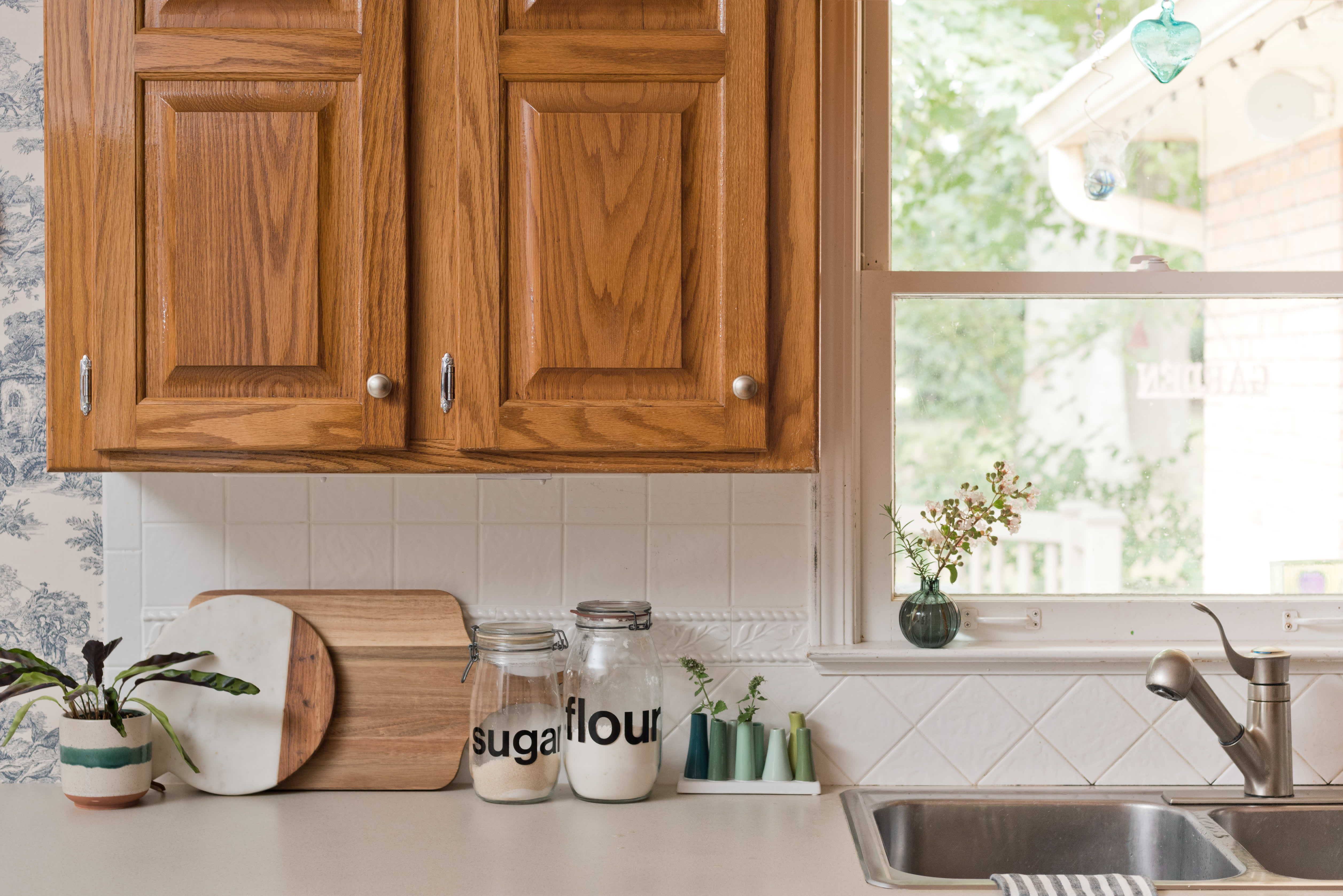
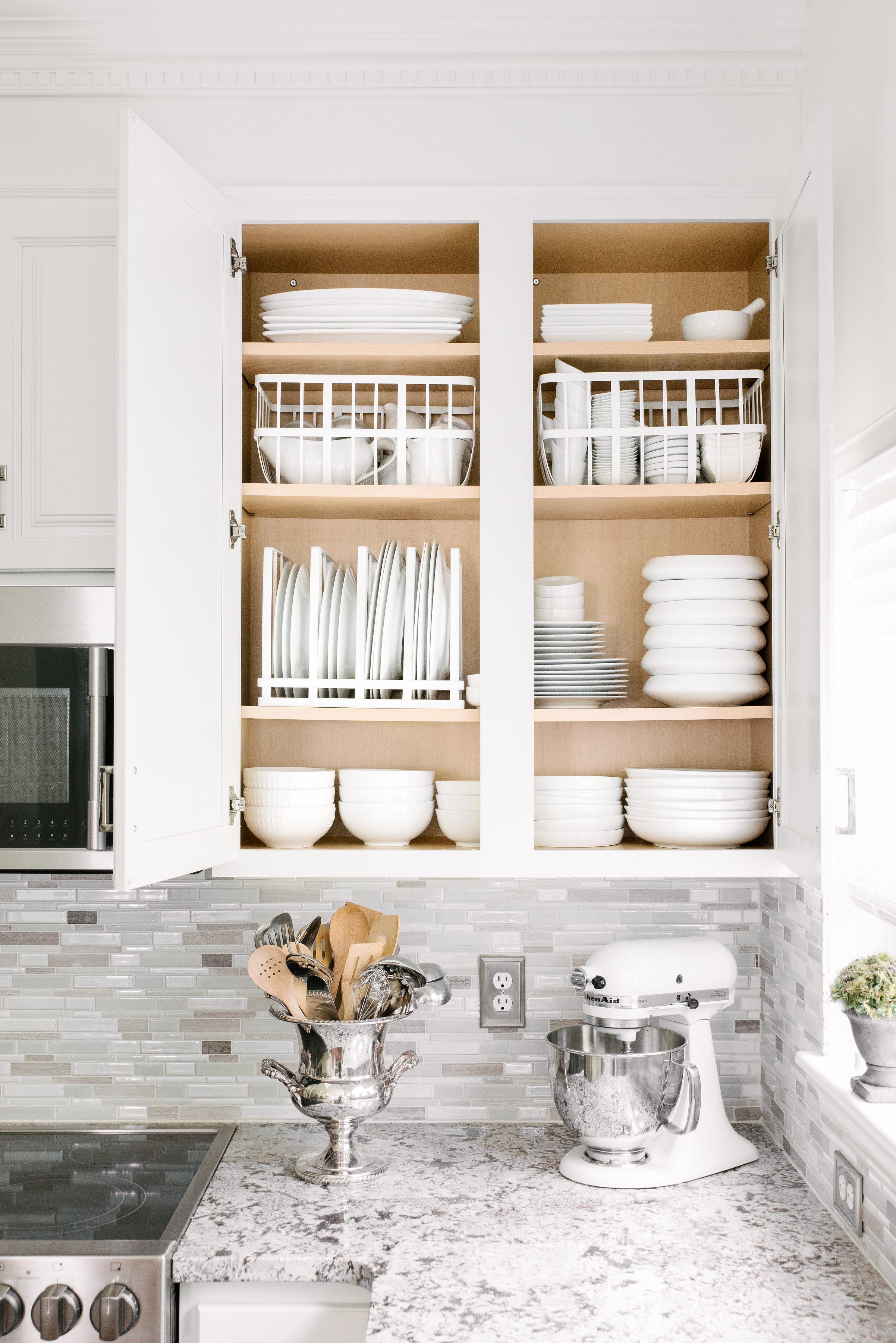
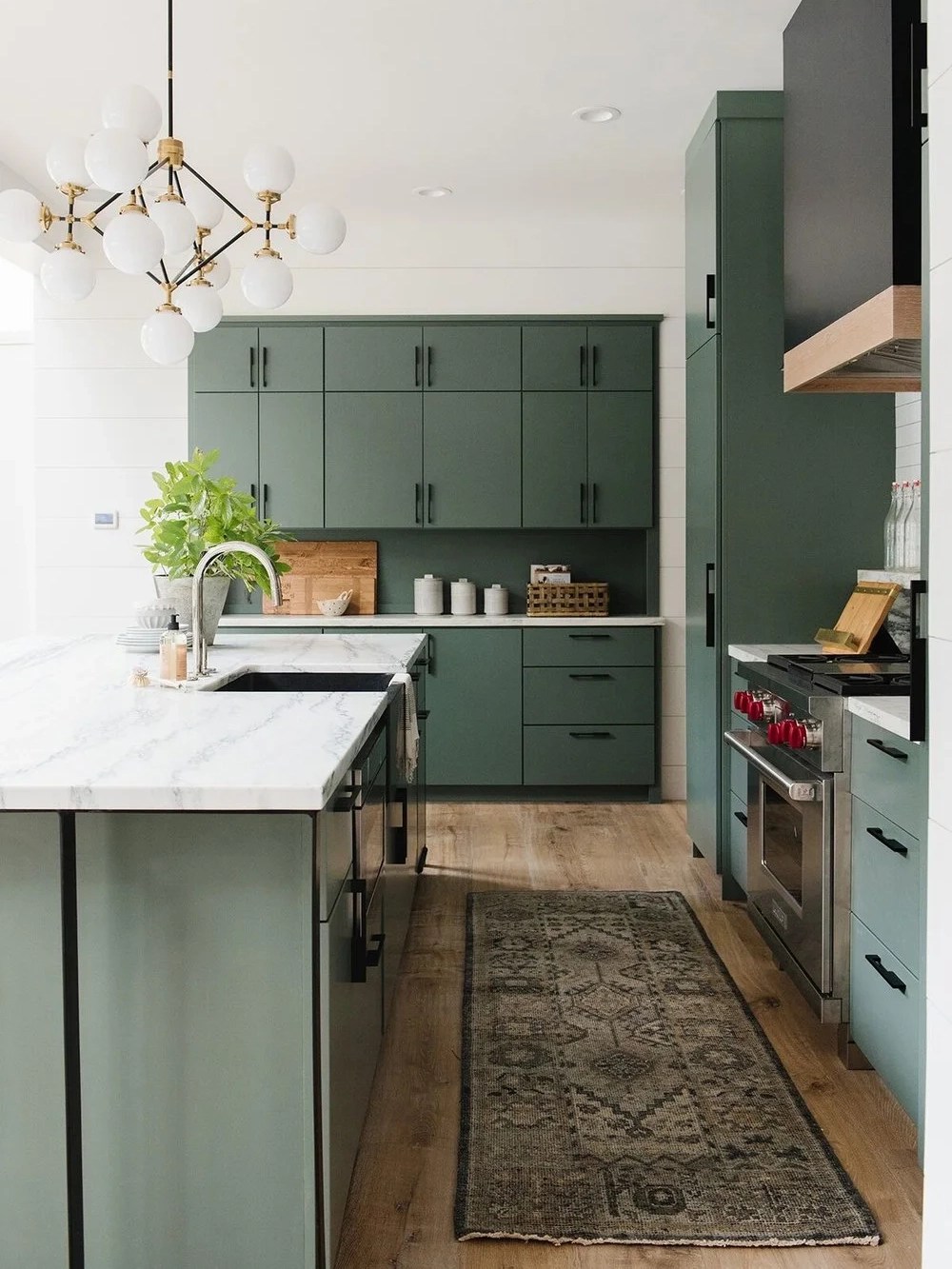
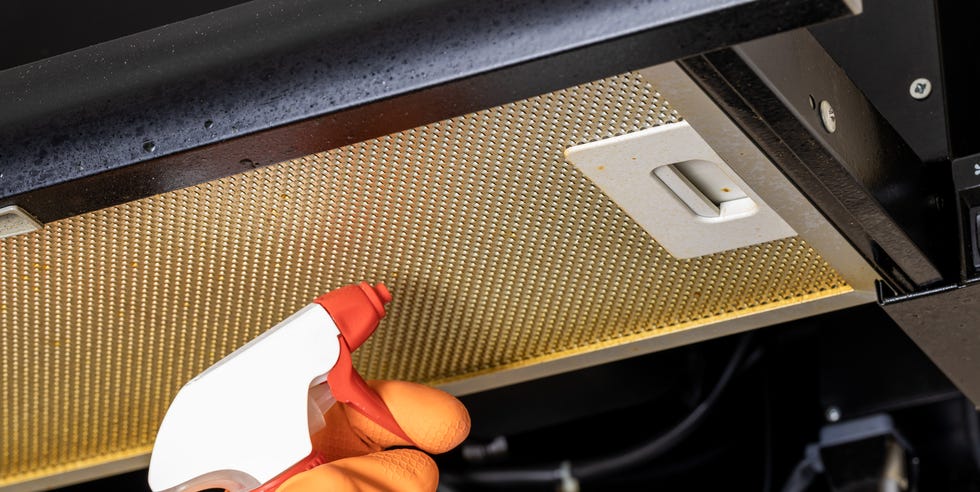
Greasy kitchen cabinets are a common issue arising from airborne oil particles and animal fats released during cooking. These microscopic oil droplets travel on warm air currents, eventually cooling and settling on surfaces like cabinets, walls, and appliances. Over time, this grease accumulates and mixes with dust, creating a stubborn film that is difficult to remove. Fingerprints on handles and cabinet edges also contribute to this grime. The article emphasizes the importance of regular cleaning to maintain kitchen hygiene and appearance.
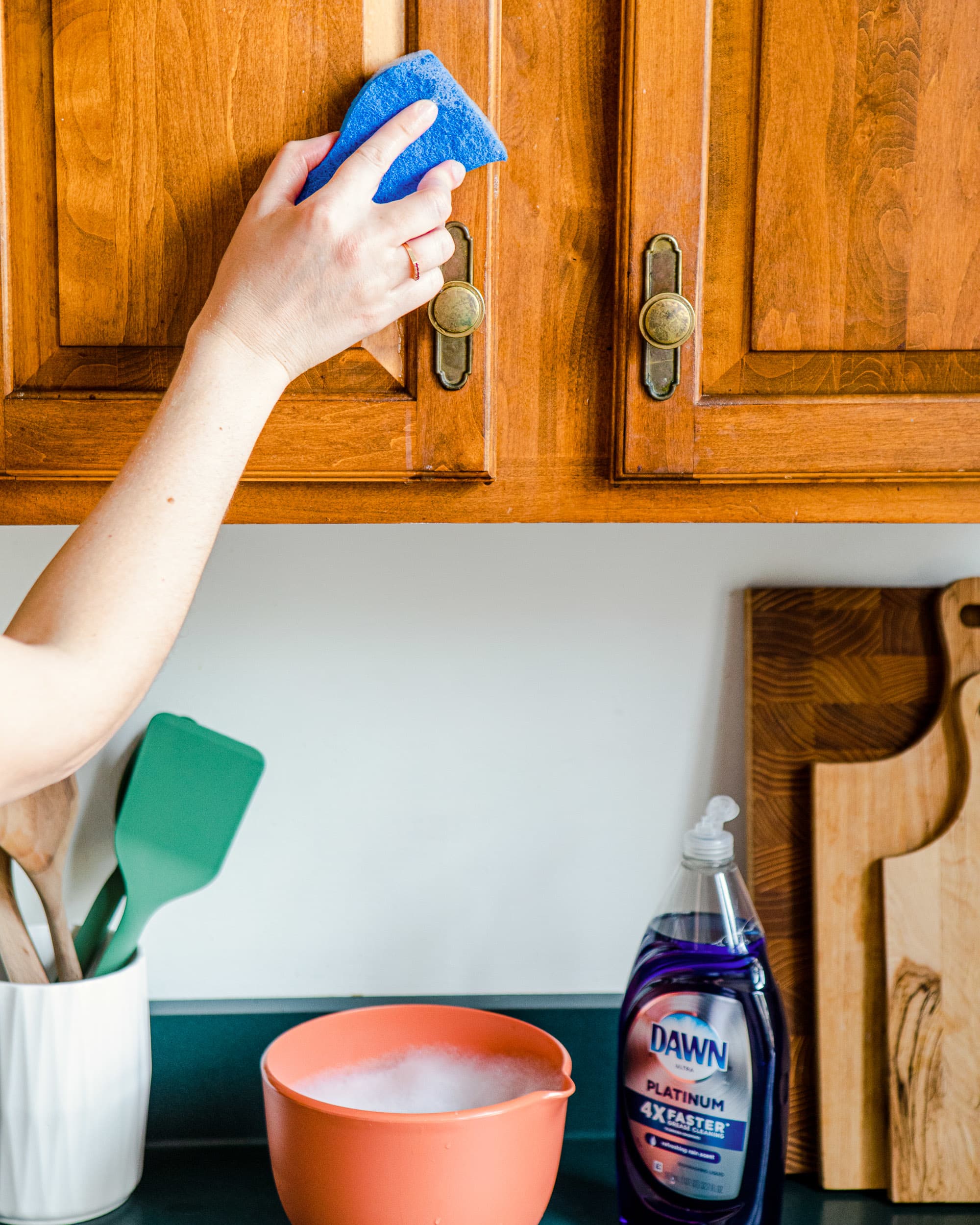
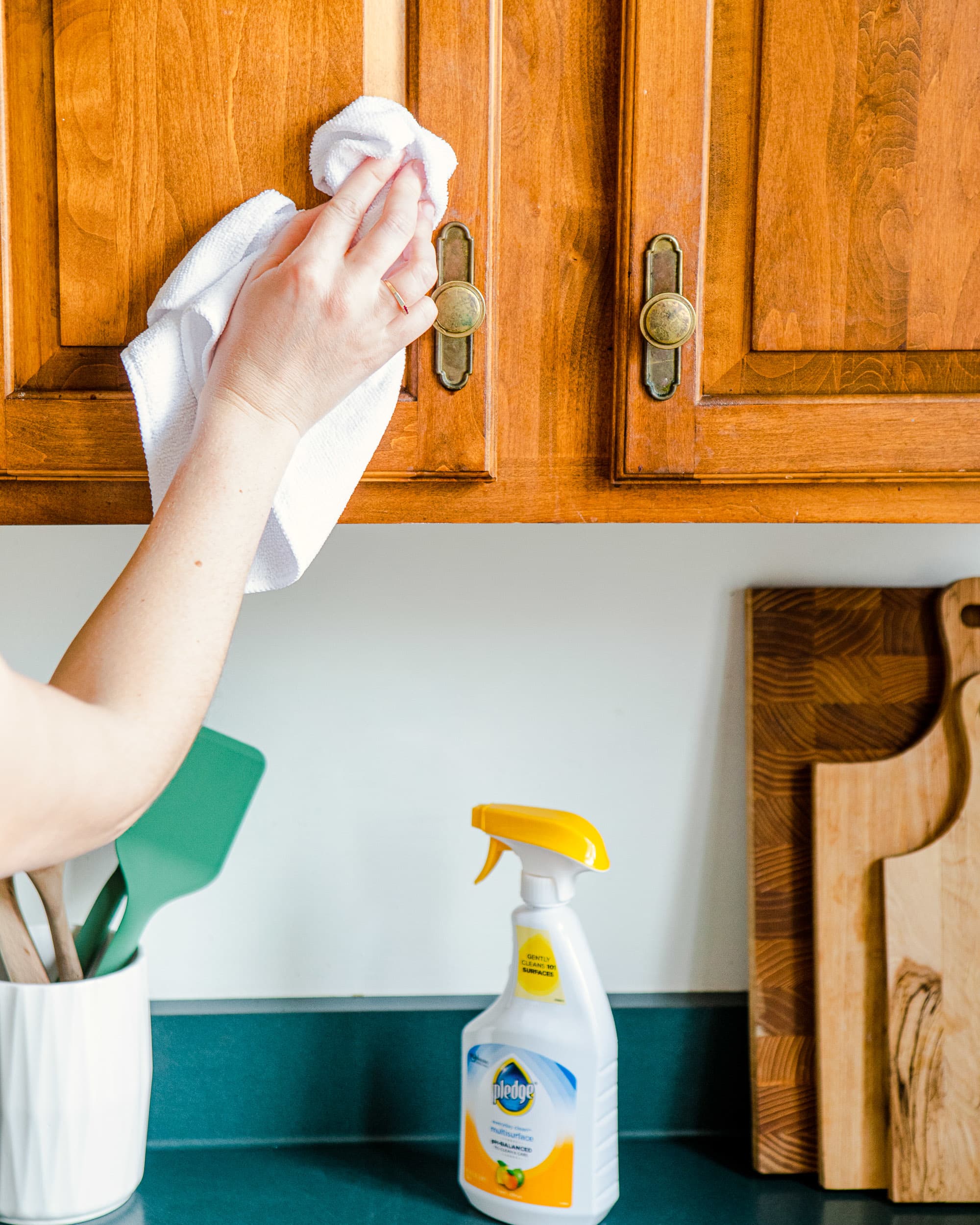
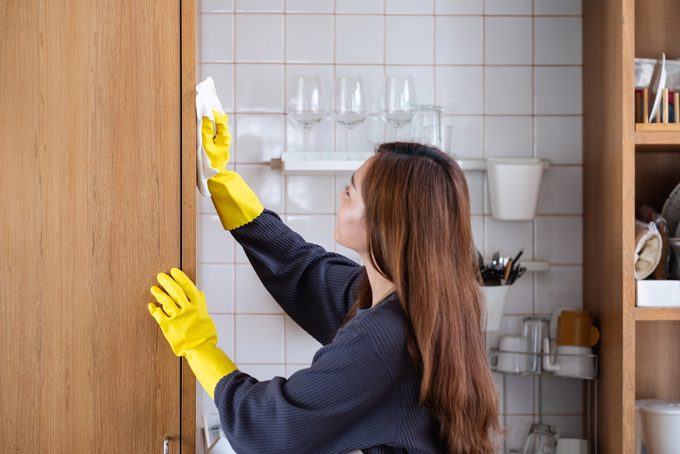
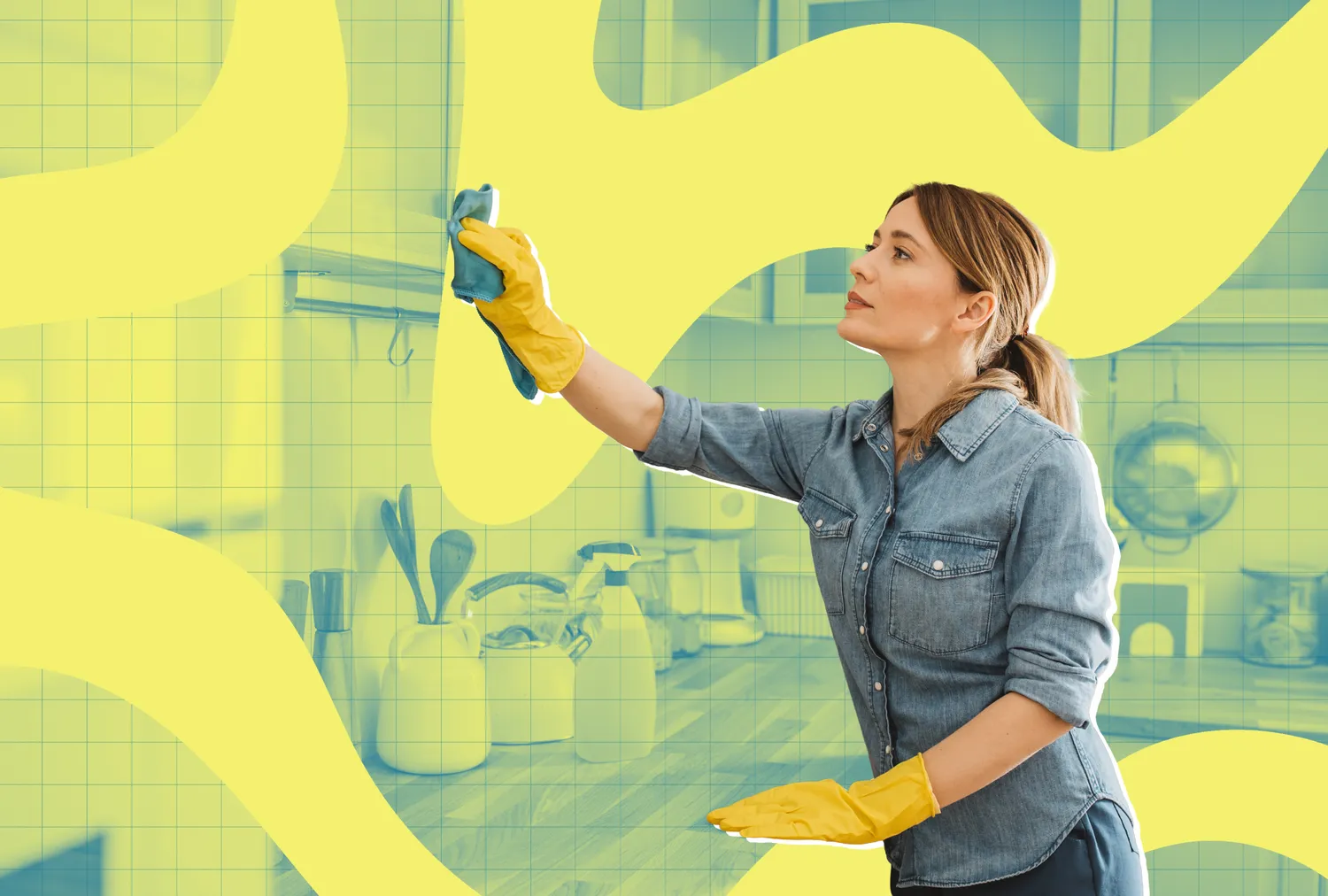
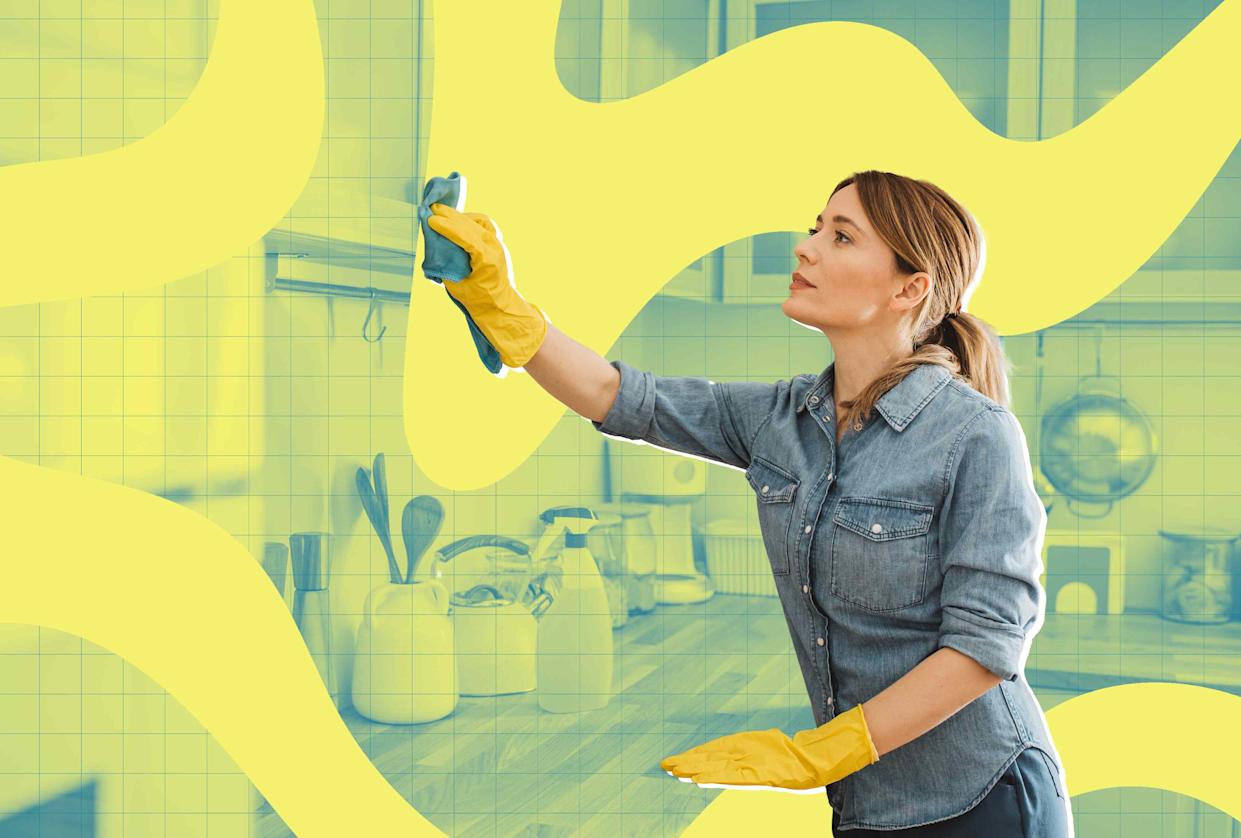
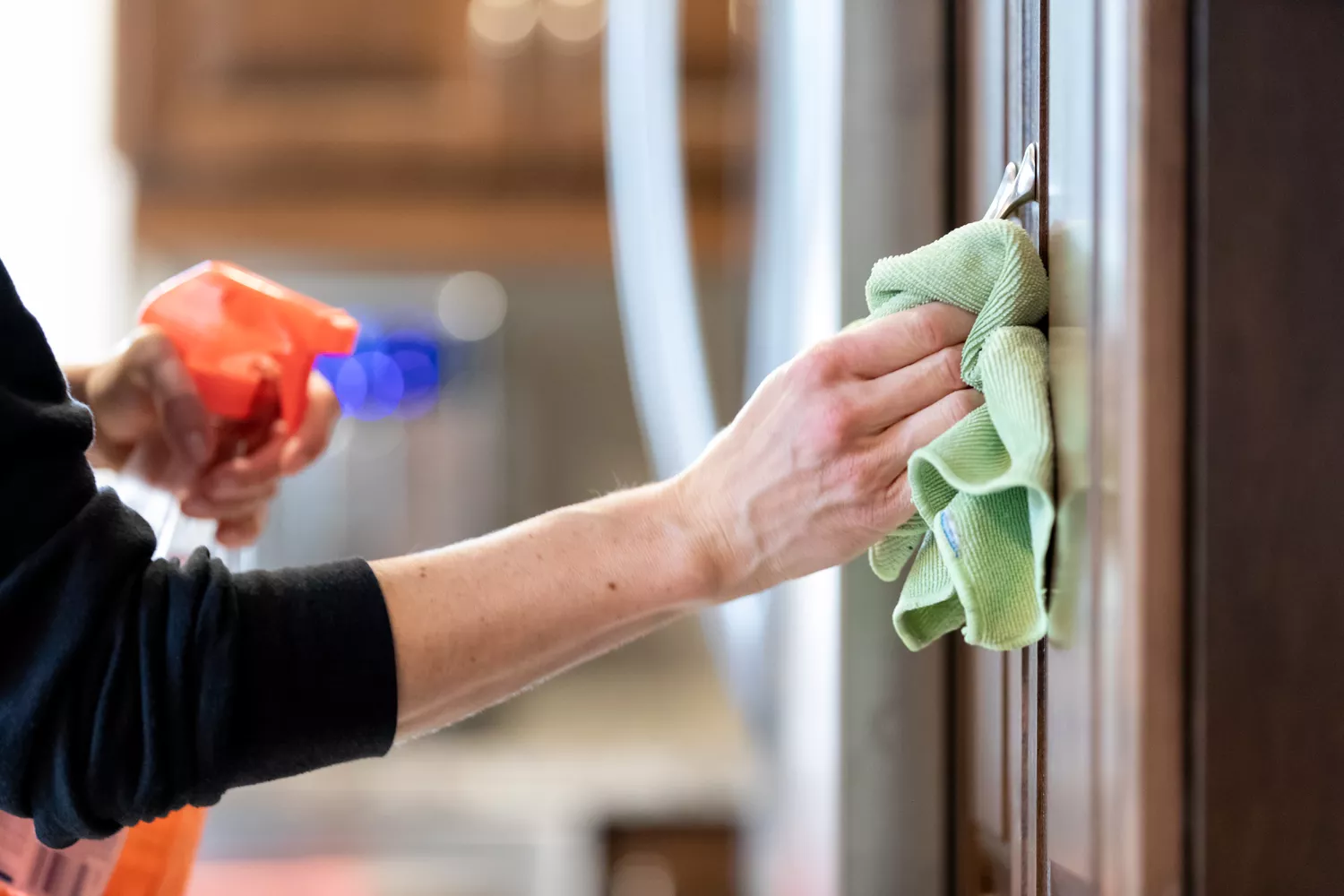
The primary method for cleaning greasy cabinets involves a simple mixture of warm water and dish soap, specifically recommending brands like Dawn due to its effective surfactants. Surfactants are crucial as they break the surface tension between water and oil, allowing the grease to dissolve. For those seeking eco-friendlier options, brands like Seventh Generation, which use coconut-based surfactants, are suggested. The cleaning process begins by gently brushing off any loose dust or debris with a microfiber cloth or dry sponge. A solution of 1 to 2 tablespoons of dish soap per cup of warm water is then prepared. This mixture is applied to the greasy surfaces using a microfiber cloth or a non-scratch sponge and left for a few minutes to allow the soap to break down the oils. Finally, the cabinets are wiped clean with a damp cloth to remove any residue.
Experts caution against aggressive scrubbing or using abrasive tools like scrub brushes, blue scrub pads, or Magic Erasers, as these can damage or remove the cabinet's finish. The key is to allow the soap and warm water to do the work of lifting the grease. For more stubborn grease buildup, specialized cleaners such as Murphy Original Formula Oil Soap (for wood only), Krud Kutter Cleaner & Degreaser, or diluted Simple Green can be used. However, it is essential to test these products on an inconspicuous area first to ensure they do not cause discoloration or damage. A DIY alternative for tough stains is a paste made from baking soda and water, though this should also be used cautiously on delicate or finished surfaces due to its abrasive nature.
Maintaining clean kitchen cabinets requires a consistent approach. It is recommended to degrease cabinets every one to three months, with more frequent cleaning for those closer to the cooktop. Regular, quick wipe-downs can significantly reduce the need for intensive deep cleaning. To minimize the accumulation of airborne grease, it is advised to always use a hood fan while cooking and to promptly clean up any oil spills or splashes. By following these guidelines, individuals can effectively manage and prevent excessive grease buildup, ensuring their kitchen cabinets remain clean and well-maintained.
#KitchenCleaning #GreasyCabinets #CleaningTips #DishSoap #HomeMaintenance #KitchenHygiene #DIYCleaning #KitchenCleaning #GreasyCabinets #CleaningTips #DishSoap #HomeMaintenance #KitchenHygiene #DIYCleaning
Hay 0 comentarios en total
 Aún no hay comentarios
También te puede gustar
Follow These DIY Steps to Remove and Refresh Your Kitchen Cabinets

How to organize cleaning supplies – 12 tips to clean up your cleaning cabinet

25 Smart Ways to Organize Your Kitchen Cabinets


The Secret to Cleaning Your Kitchen Cabinets Is Hiding Inside of Them
I Just Discovered a Brilliant 2-Minute Cabinet Cleaning Trick (It Was Hiding in My Pantry!)
Finally, An Expert Guide on How to Organize Your Kitchen Cabinets

The Best Way to Clean the Cabinet Knobs and Pulls in Your Kitchen
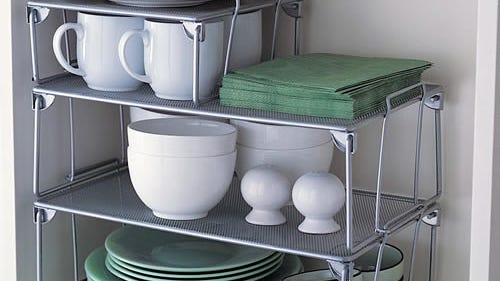
This Organization Hack Will Make Your Kitchen Cabinets Feel Like They're Twice the Size

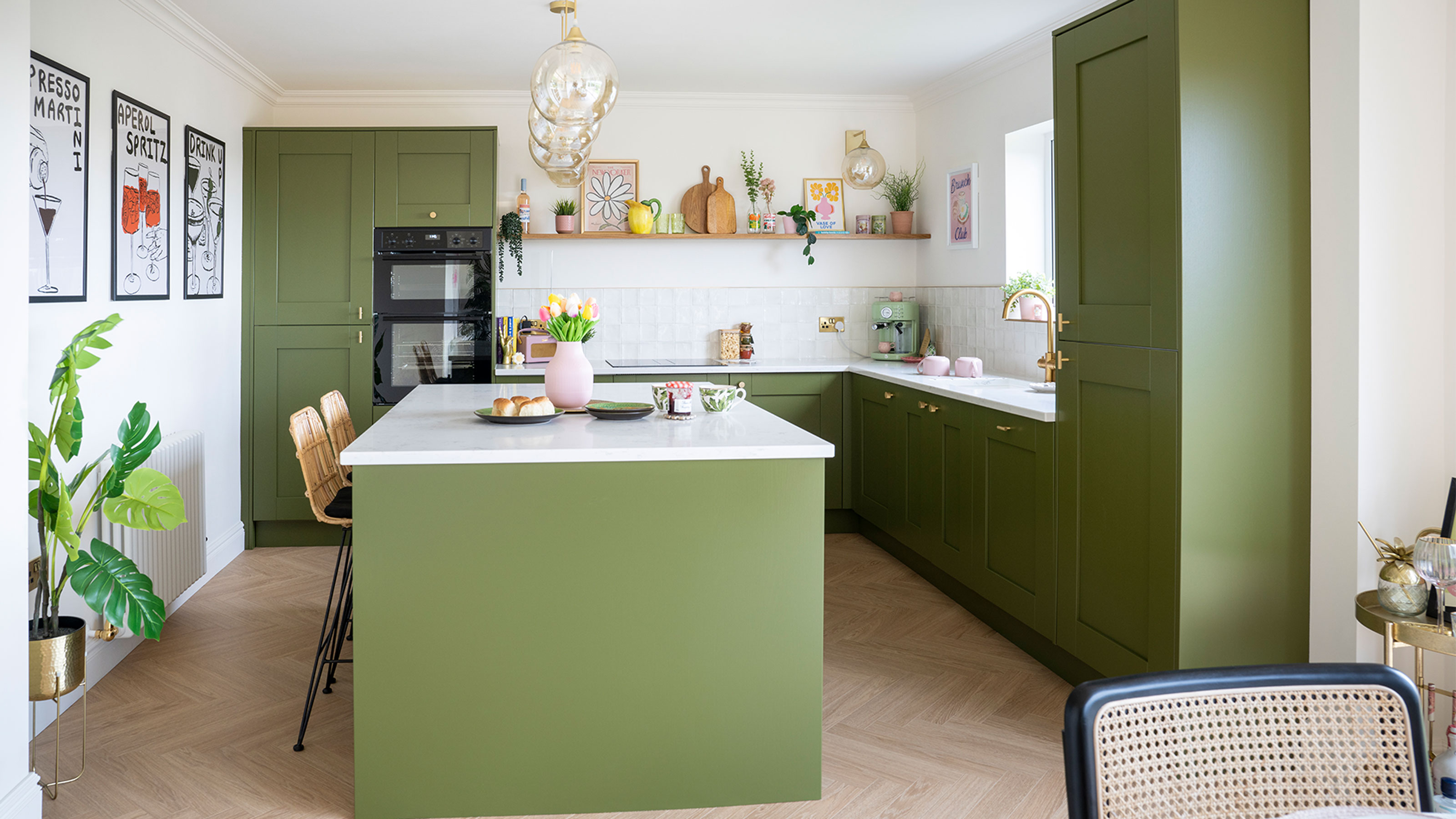
How to organise kitchen cupboards – 23 expert tricks to keep kitchen cabinets tidy
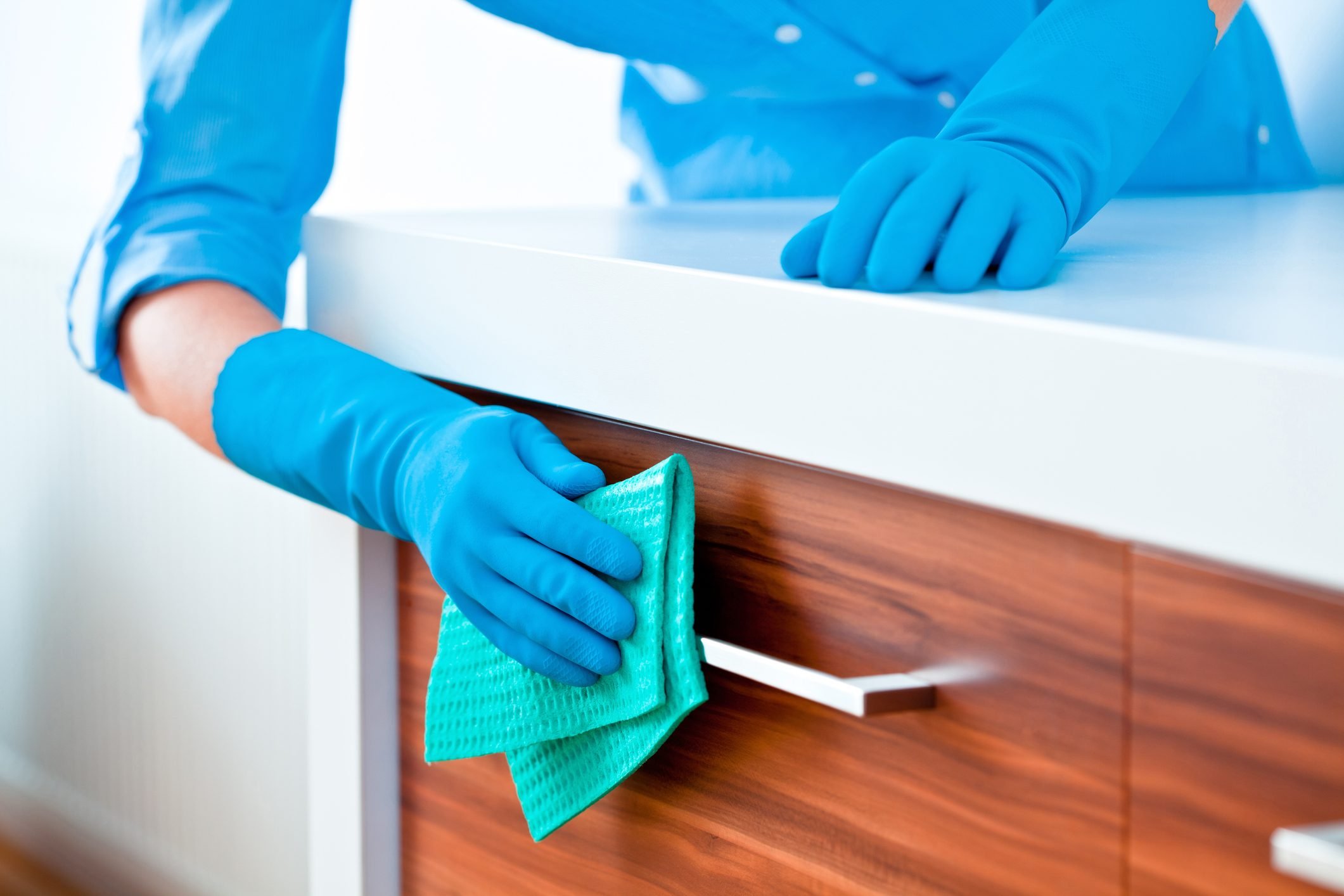
How to Clean Kitchen Cabinets Inside and Out

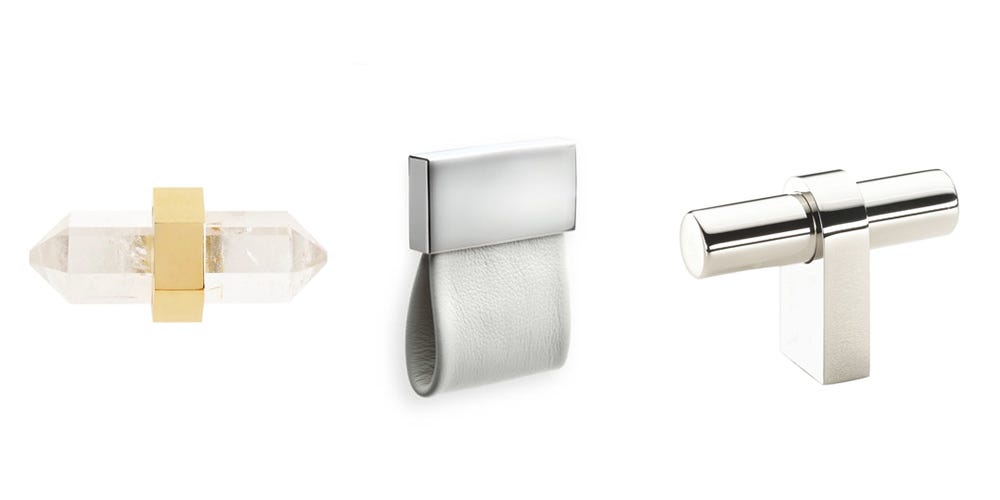
34 Chic Ways To Upgrade Your Kitchen And Bathroom Cabinets

16 Things In Your Kitchen You NEED To Clean More Often, According To Experts
Your Kitchen Cabinets Deserve Better—Here’s How to Clean Them the Right Way

These are the 7 things to get rid of first in your kitchen cabinets, according to cleaning pros

These 13 Kitchens Prove That Sageing Your Cabinets Is the Ultimate Design Cleanse


How to paint kitchen cabinets: an expert, step-by-step guide

What are the most low-maintenance kitchen cabinets? Experts say these styles will look better for longer

Decluttering Experts Share Their Best Kitchen Cabinet Organization Ideas


What to put in high kitchen cabinets –according to professional organizers and designers
How To Clean Wood Cabinets To Remove Grease And Renew Shine