The Secret to Cleaning Your Kitchen Cabinets Is Hiding Inside of Them
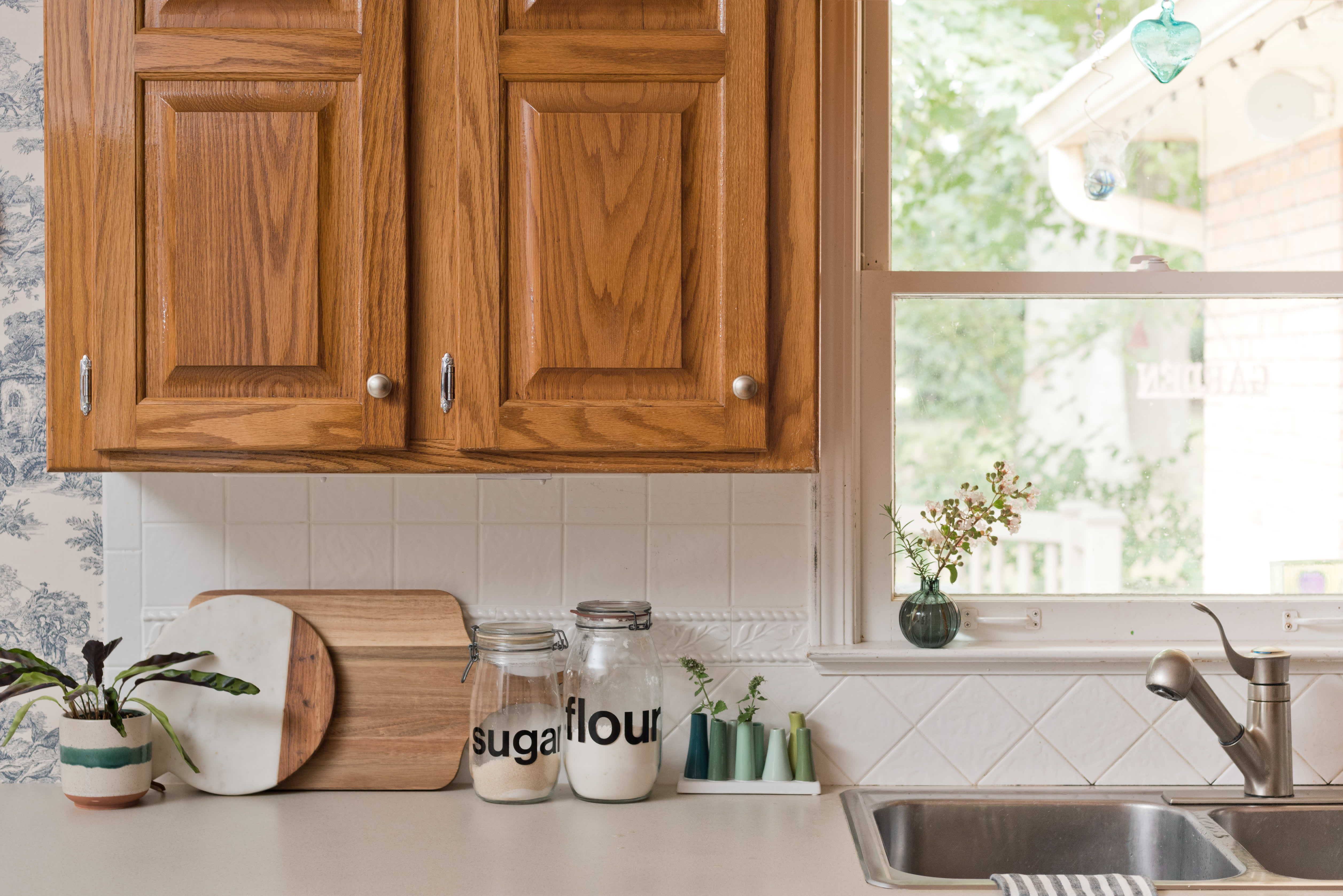
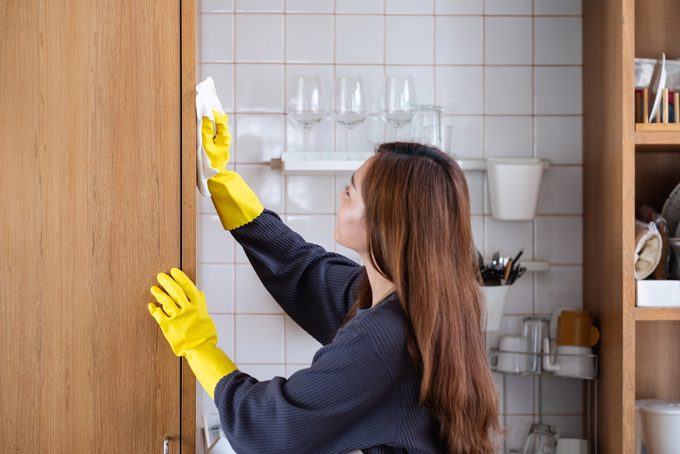
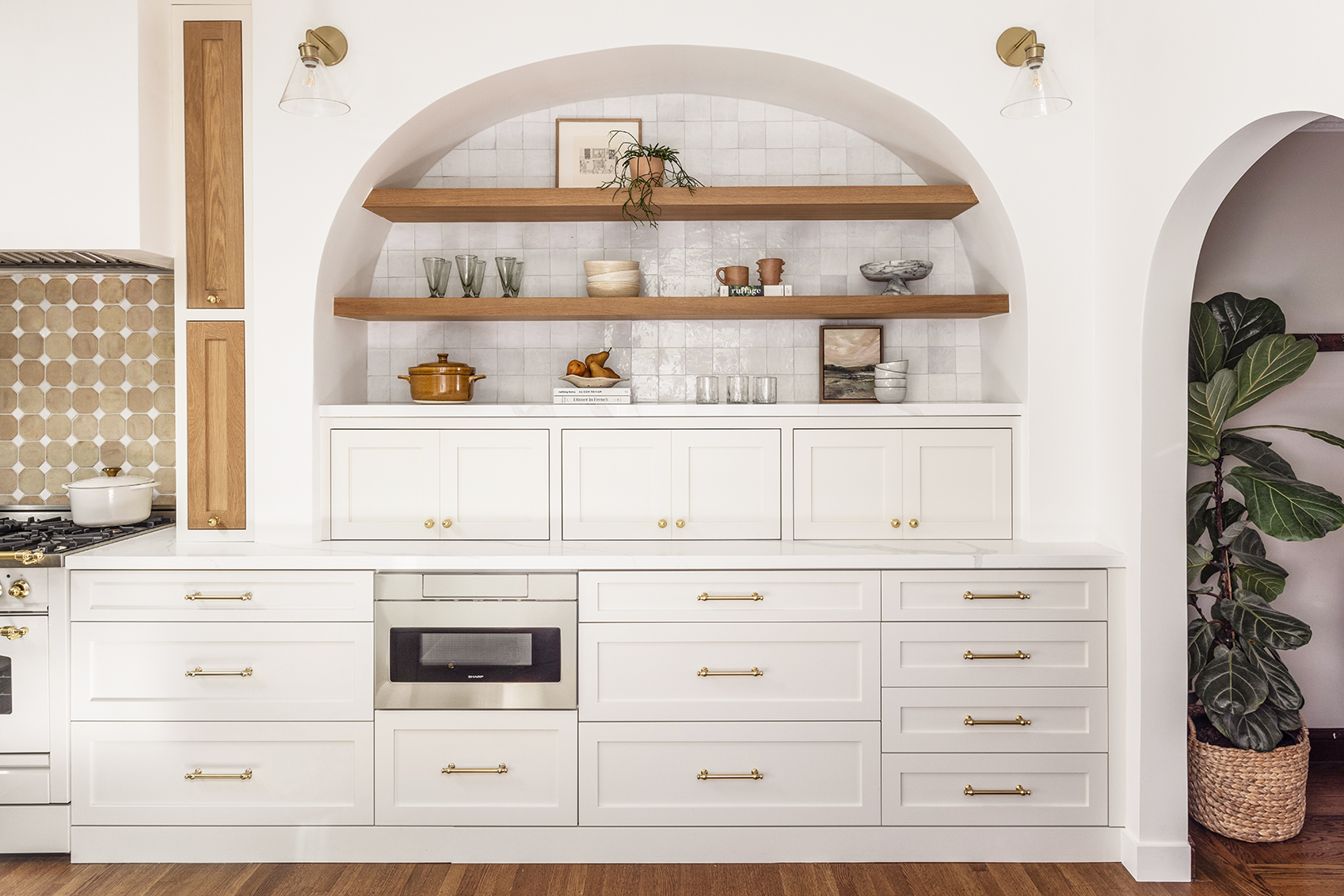
Maintaining clean kitchen cabinets is crucial for a tidy home, yet the accumulation of grime and grease can pose a significant challenge, often requiring more than just a superficial wipe-down. This guide offers comprehensive advice on effectively deep-cleaning kitchen cabinets, regardless of their material. Through extensive testing of various products, Murphy’s Oil Soap emerged as the superior solution for wood and laminate cabinets due to its ability to effortlessly cut through grease and leave a smooth, lustrous finish, without a strong, lingering odor. This product, which has been in use for over a century, proved to be more effective than other wood-specific cleaners, demanding less physical effort to achieve outstanding results.
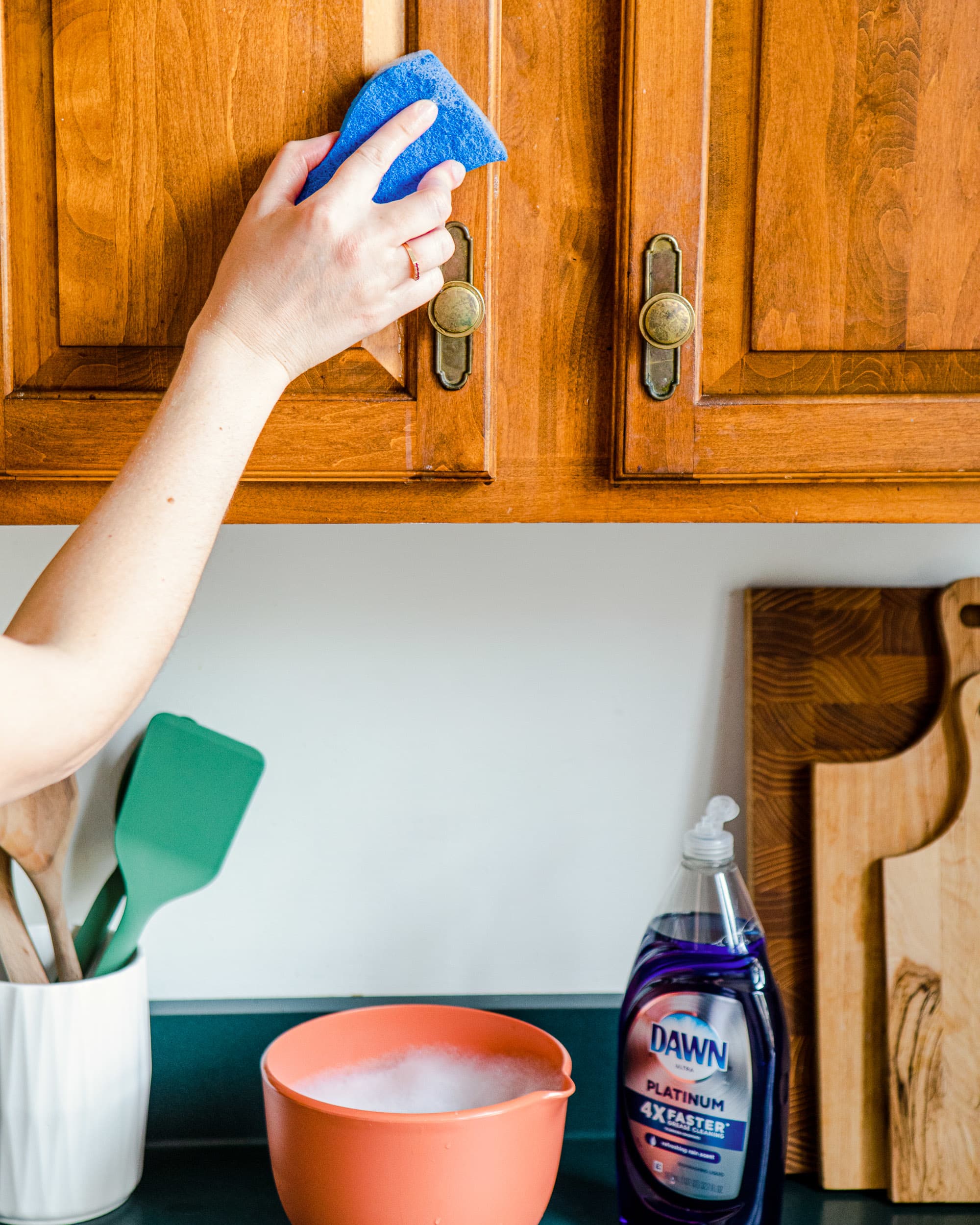
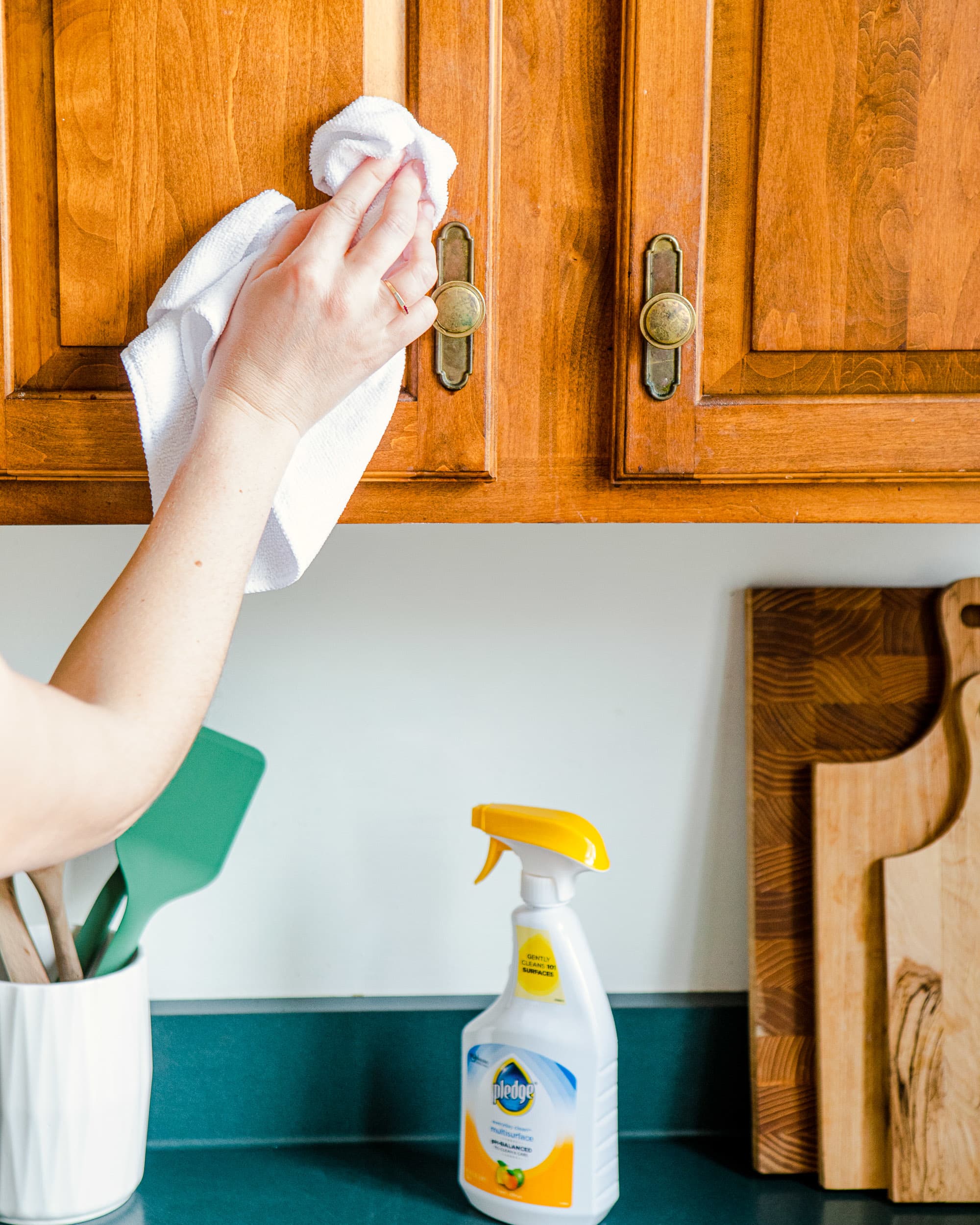
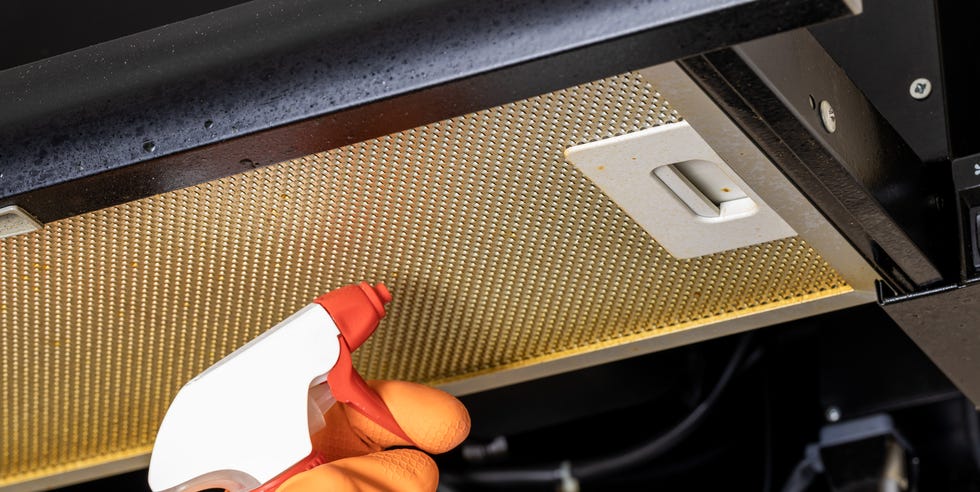
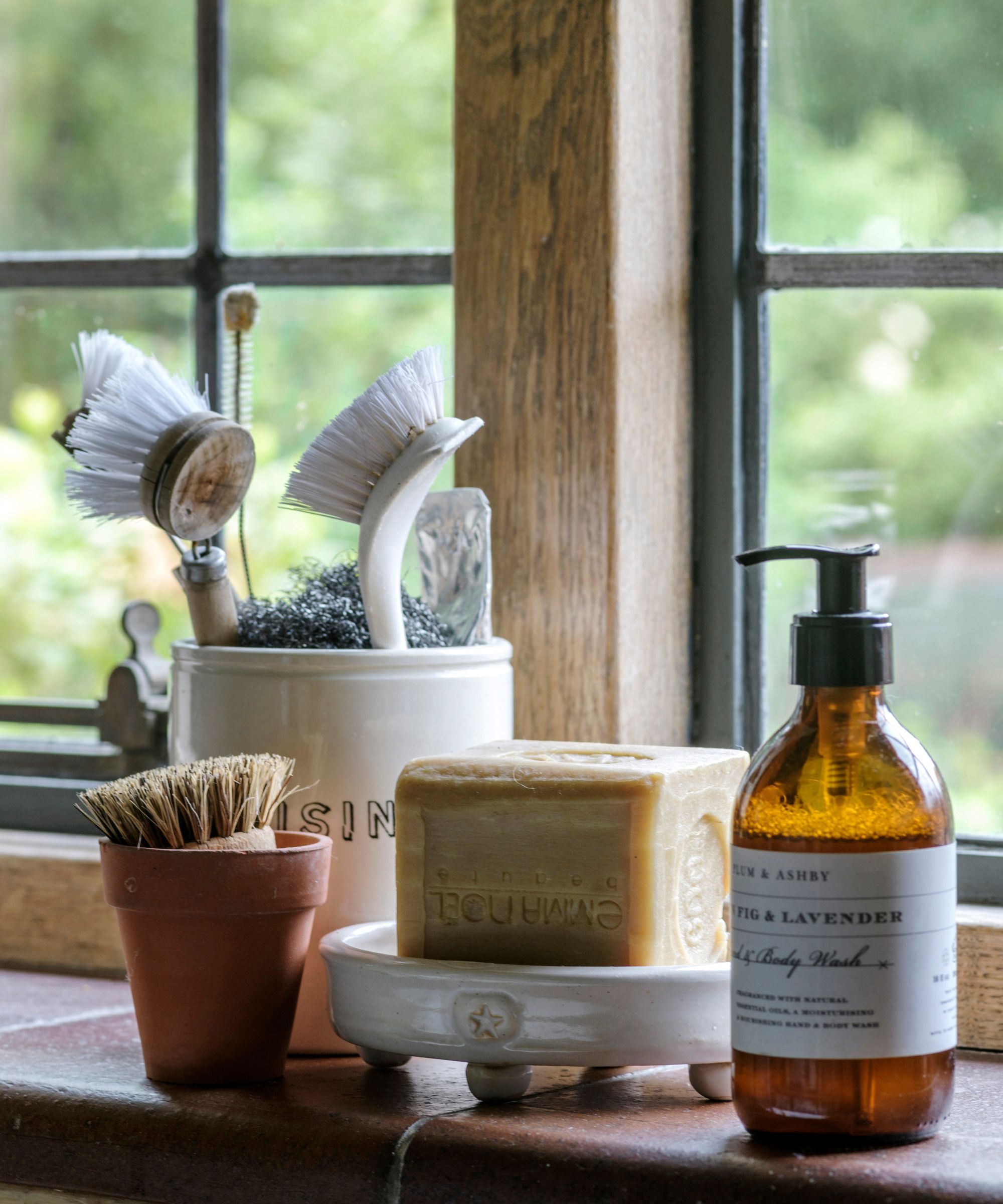
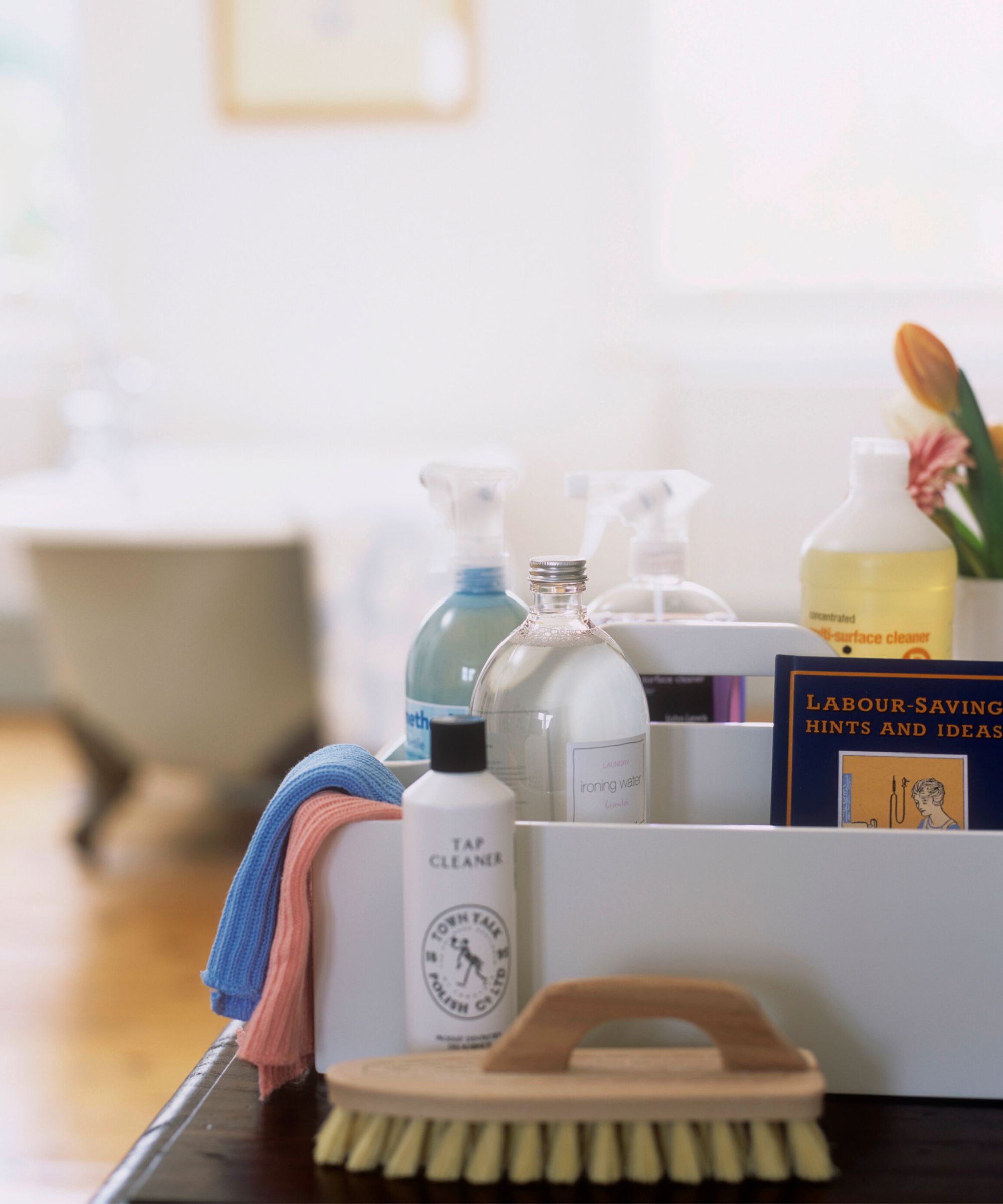
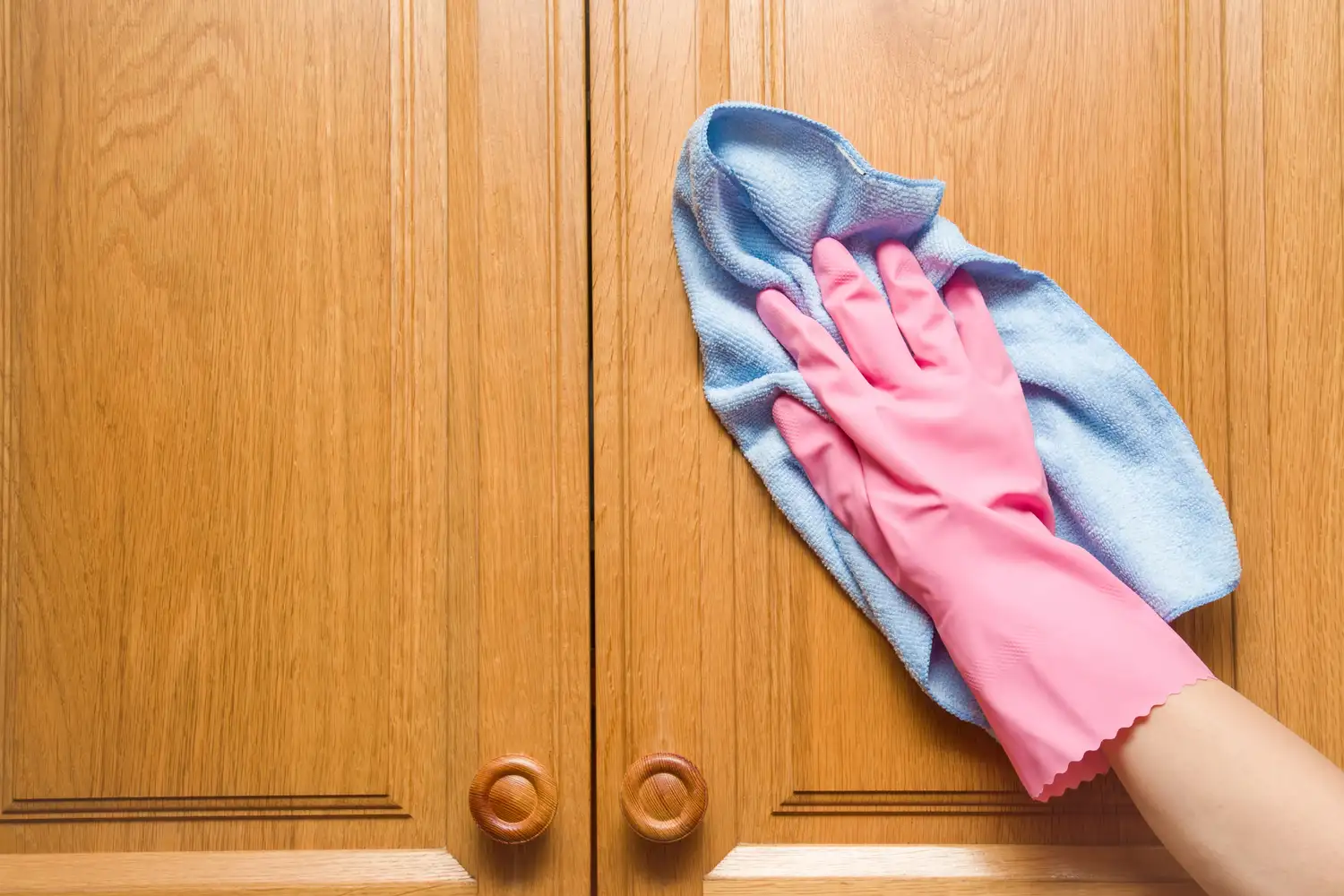
For cleaning wood or laminate cabinets, a few essential items are needed: a chosen wood cleaner (Murphy's Oil Soap is highly recommended, but mild dish soap like Dawn or Pledge Multi-Surface Spray can also be used), a toothbrush or small scrub brush, a bowl, and microfiber cloths. The cleaning process begins by preparing the cleaning mixture, such as diluting Murphy’s Oil Soap or a few drops of dish soap in warm water. Next, a toothbrush or small scrub brush should be used to scrub around the hardware edges of the cabinets, ensuring all intricate details and hard-to-reach places are thoroughly cleaned to remove any accumulated buildup. After addressing the hardware and crevices, the main cabinet surfaces can be cleaned by spraying or wiping them with the chosen cleaner using a sponge or microfiber cloth. It is important to clean one section at a time, followed by immediately wiping it down with a dry cloth to prevent streaks or damage. The cleaning extends to the sides of each drawer and door to ensure a complete clean. This process should be repeated as necessary until all grease spots and fingerprints are completely removed.
The article also provides specific cleaning instructions for cabinets made from other materials. For painted, thermofoil, or engineered wood cabinets, the same general steps apply, but the cleaning solution should be diluted with more water than for wood cabinets, or according to the product's label instructions. It is crucial to perform a spot test on an inconspicuous area before applying the solution to the entire cabinet surface to avoid any potential damage. For stainless steel cabinets, only mild dish soap diluted in warm water, distilled white vinegar mixed with warm water, or a baking soda and water paste should be used. After cleaning, for an enhanced shine, Bar Keepers Friend Soft Cleanser can be applied, or a mixture of one part white vinegar to one part extra virgin olive oil in a spray bottle can be used, followed by wiping with a microfiber rag. These detailed instructions ensure that all types of kitchen cabinets can be effectively cleaned and maintained, prolonging their appearance and functionality.
#KitchenCabinets #CabinetCleaning #HomeMaintenance #WoodCabinets #LaminateCabinets #StainlessSteelCabinets #CleaningTips #DIYCleaning #KitchenCabinets #CabinetCleaning #HomeMaintenance #WoodCabinets #LaminateCabinets #StainlessSteelCabinets #CleaningTips #DIYCleaning
0 comment in total
 No comments yet
You may also like
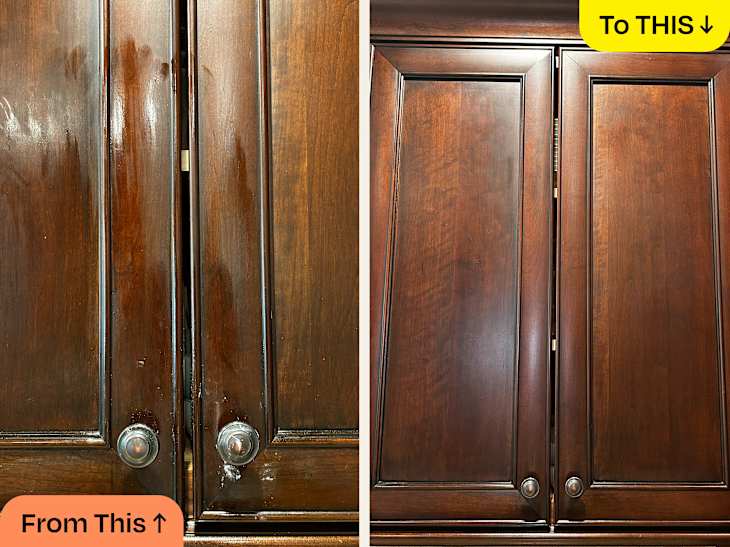
I Just Discovered a Brilliant 2-Minute Cabinet Cleaning Trick (It Was Hiding in My Pantry!)

What are the most low-maintenance kitchen cabinets? Experts say these styles will look better for longer

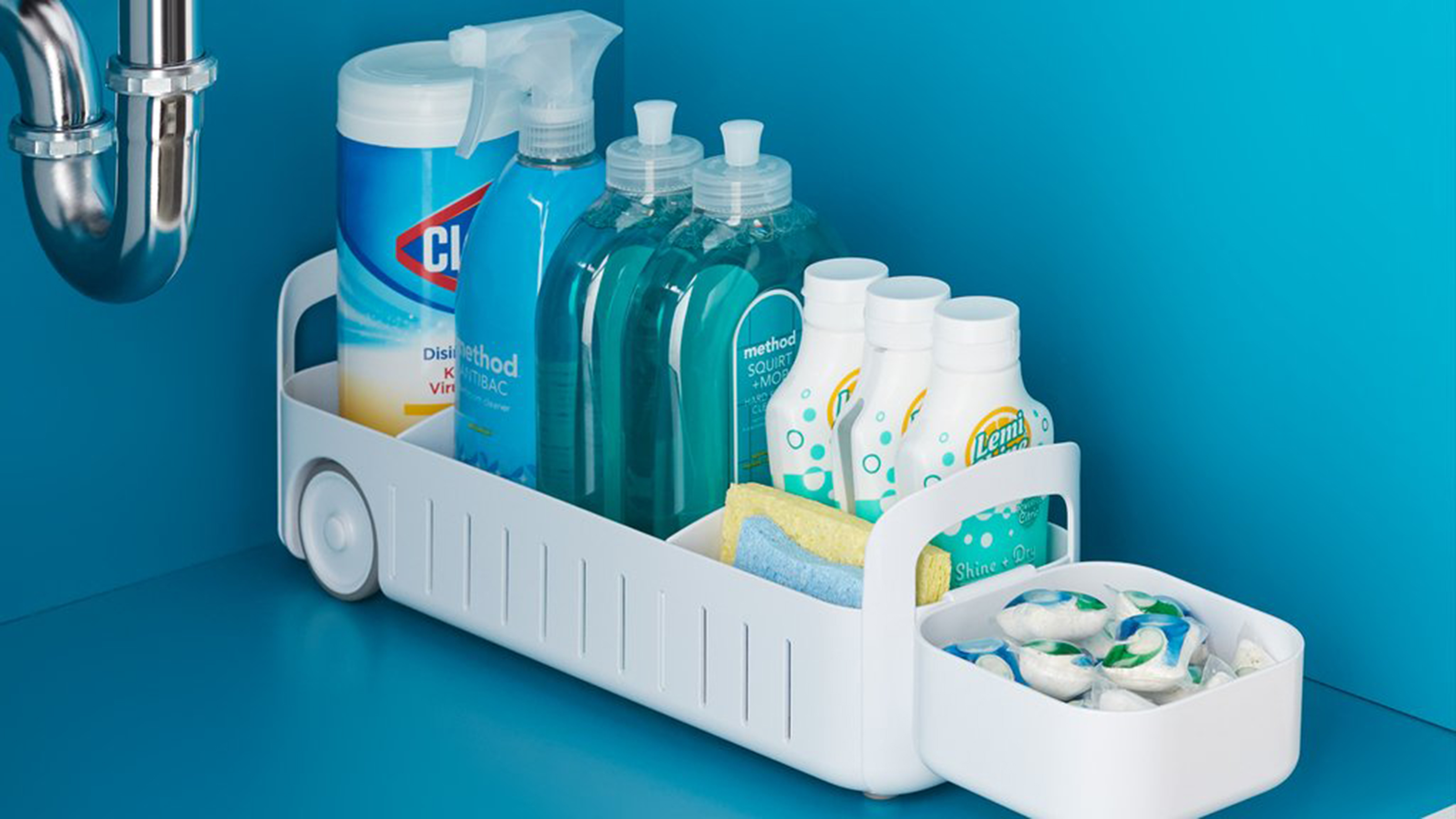
Best under sink organizers – 8 products to keep your kitchen cupboard clutter-free

The Best Way to Clean the Cabinet Knobs and Pulls in Your Kitchen
Follow These DIY Steps to Remove and Refresh Your Kitchen Cabinets

16 Things In Your Kitchen You NEED To Clean More Often, According To Experts
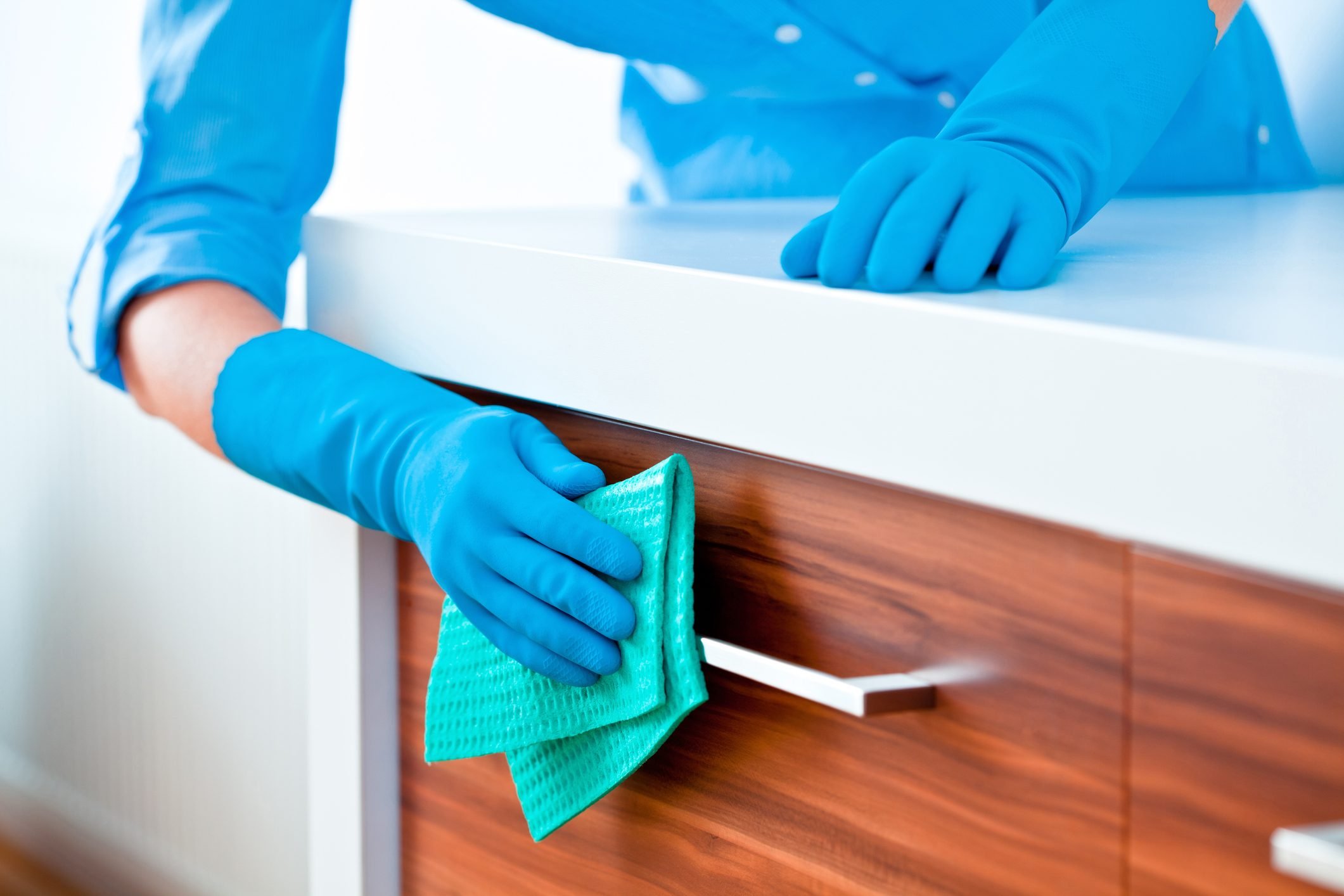
How to Clean Kitchen Cabinets Inside and Out


Finally, An Expert Guide on How to Organize Your Kitchen Cabinets

These are the 7 things to get rid of first in your kitchen cabinets, according to cleaning pros


Your Kitchen Cabinets Deserve Better—Here’s How to Clean Them the Right Way
This San Francisco Kitchen’s Clever Cabinets Hide It All, From Knives to a Step Stool

13 Awe-Worthy Kitchen Cabinet Organization Ideas


Your Kitchen Cabinets Deserve Better—Here’s How to Clean Them the Right Way

How to organise kitchen cupboards – 23 expert tricks to keep kitchen cabinets tidy
How to organize cleaning supplies – 12 tips to clean up your cleaning cabinet

This Organization Hack Will Make Your Kitchen Cabinets Feel Like They're Twice the Size

14 ways to organize that nightmare space under the kitchen sink, according to experts


What to put in high kitchen cabinets –according to professional organizers and designers
Decluttering Experts Share Their Best Kitchen Cabinet Organization Ideas

Never Use These 5 Cleaners on Wooden Kitchen Cabinets—You Could Ruin Them, Pros Warn